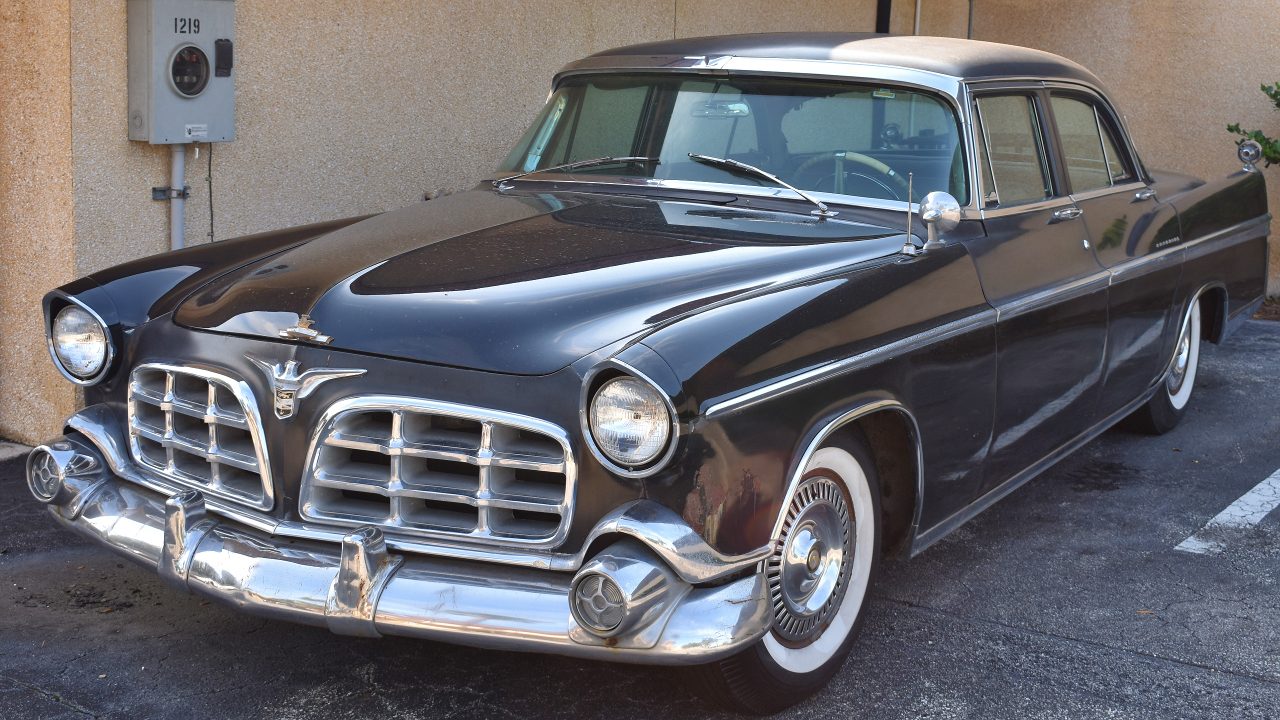
The 1950 Chrysler Imperial arrived at a moment when American luxury cars were starting to chase flash, yet it quietly doubled down on engineering discipline. Rather than lead with chrome or tailfins, it treated mechanical refinement, structural solidity, and understated comfort as its real calling cards. That choice did not just define one model year, it set priorities that would guide Chrysler’s top tier for the first half of the decade.
Luxury defined by engineering, not spectacle
From the outside, the 1950 Chrysler Imperial looked dignified rather than dramatic, and that was the point. In an era when rivals were experimenting with ever more flamboyant styling, the Imperial projected status through its proportions, its stance on the road, and the way its bodywork fit together. Contemporary observers noted that Presidents rode in them and Diplomats favored them, a level of clientele that underscored how the car’s quiet confidence resonated with people who valued discretion over display. The Imperial’s reputation for being solid, elegant, and refined rested less on ornament and more on how it felt at speed, how it absorbed rough pavement, and how little drama it produced in daily use, a character that was always rooted in mechanical excellence according to period accounts of the forgotten luxury of the nameplate.
Inside, the Imperial’s priorities were just as clear. Various features considered luxurious at the time, including dual sun visors, adjustable front seats, and an adjustable steering column, were integrated in a way that made long-distance driving less tiring rather than simply more ostentatious. These touches, documented in period descriptions of the Chrysler Imperial, showed a focus on ergonomics and driver control that anticipated later ideas about human-centered design. I see that cabin as a rolling argument that true luxury is the absence of strain: the ability to see clearly, sit comfortably, and adjust the car to fit the person, not the other way around.
A conservative shape with advanced thinking underneath
On the surface, the 1950 Imperial’s styling looked conservative, especially compared with the swoopier bodies that would arrive later in the decade. That restraint reflected the philosophy of Chrysler leadership at the time, including Keller, who was not inherently opposed to more sophisticated shapes but insisted that any new form had to be practical to build, durable in service, and straightforward to repair. Analyses of Chrysler’s early fifties transformation note that Keller supported advanced design when it met those tests, and that tension between visual excitement and sensible construction shaped the Imperial’s appearance. The car’s relatively upright greenhouse, substantial pillars, and clean fender lines were not just aesthetic choices, they were structural decisions that preserved visibility and body strength, consistent with the way Keller weighed styling against practicality.
Beneath that reserved exterior, however, the Imperial reflected a company that had long treated research and experimentation as core business. The Streamliners Research and experiment had always been an important facet of the Chrysler Corporation, and by the time the 1950 Imperial reached showrooms, the lessons from aerodynamic studies and drivetrain trials were baked into its engineering. Historical overviews of the Chrysler Corporation describe how earlier projects in streamlining and automatic overdrive laid the groundwork for smoother, more efficient cruising. I read the 1950 Imperial as a bridge between that experimental era and the more expressive “Forward Look” designs that would follow, a car that kept its lines traditional while quietly incorporating the fruits of years of technical research.
Mechanical refinement as the real status symbol
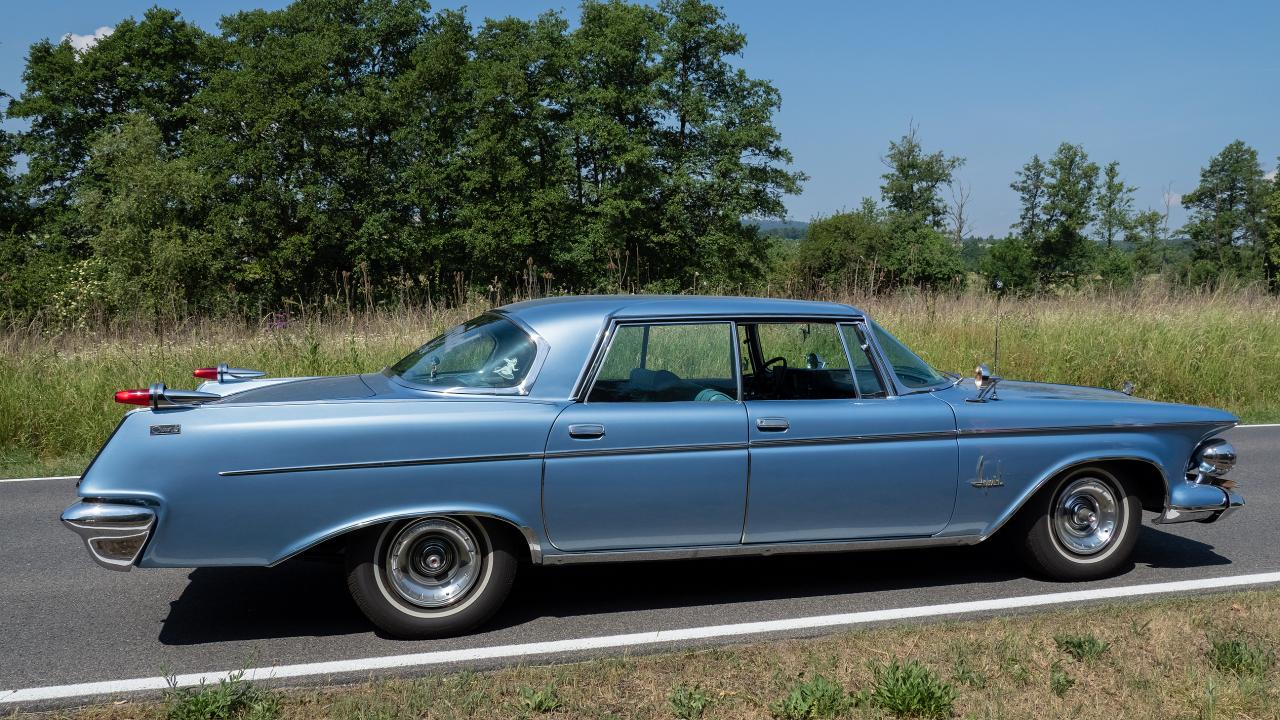
If the 1950 Imperial had a single calling card, it was the way it moved. Owners and reviewers alike emphasized its smoothness, from the muted thrum of its engine to the way its suspension filtered out broken pavement. That character did not happen by accident. Chrysler had already invested heavily in vibration control and drivetrain isolation, and descriptions of the Imperial lineage highlight innovations like “Floating Power” engine mounting that reduced harshness transmitted to the cabin. In the 1950 car, those ideas translated into a driving experience that felt composed at highway speeds and unflustered in city traffic, a quality that period writeups of the Imperial treat as central to its appeal.
That focus on refinement also set the stage for a major leap in steering technology that arrived just one year later. The company came up with the first power steering system on a mass-produced passenger car in the 1951 Imperial, a hydraulic assist that dramatically reduced steering effort without sacrificing road feel. Reports on Chrysler’s technological firsts identify the 1951 Imperial as the debut for this system, which was soon adopted in some of its other cars as well. I see a straight line from the 1950 model’s emphasis on ease and control to that breakthrough: once you commit to making a large luxury car genuinely relaxing to drive, power steering becomes less a gadget and more a logical extension of the same engineering priorities that shaped the earlier car’s chassis and controls, as detailed in accounts of the 1951 Imperial.
Prestige customers and quiet influence
The 1950 Imperial’s customer list tells its own story about how the car was perceived. When Presidents rode in them and Diplomats favored them, they were not choosing the flashiest option in the motor pool, they were selecting a car that signaled seriousness and reliability. Contemporary reflections on the Imperial’s place in American luxury note that these buyers valued the car’s solid, elegant, and refined demeanor, which aligned with the understated image many public figures wanted to project. That kind of clientele also reinforced Chrysler’s internal sense that the Imperial’s engineering-led approach was working, since the most visible passengers in the country were trusting their comfort and safety to it, a point underscored in retrospectives on the forgotten luxury of the model.
Yet the Imperial’s influence extended beyond the official motorcades. Its combination of robust construction, advanced mechanical thinking, and restrained styling helped set expectations for what a premium American sedan could be at the start of the 1950s. Later discussions of the car’s legacy point out that it was solid, elegant, and refined in a way that did not shout, and that this quiet confidence distinguished it from more flamboyant competitors. I would argue that this approach subtly nudged the market toward valuing ride quality, structural integrity, and thoughtful ergonomics as much as chrome and fins, even if the sales charts did not always reward that restraint in the short term, a tension that surfaces in historical looks at the Imperial.
A pivot point before Chrysler’s stylistic revolution
Looking back, the 1950 Imperial sits at a hinge moment in Chrysler history, just before the company embraced a more dramatic visual language. Analyses of Chrysler’s early fifties transformation describe how, within a few years, the brand would pivot toward lower, longer, and more expressive bodies, a shift that required leadership to balance aesthetics with the practical concerns Keller had long championed. The 1950 car, with its conservative lines and advanced underpinnings, represents the last expression of an older philosophy in which engineering clearly led styling, even as internal debates about the future were intensifying, a dynamic captured in studies of Chrysler’s early fifties shift.
At the same time, the Imperial’s development intersected with projects that hinted at paths not taken. Enthusiast accounts of a 1950 Chrysler Imperial highlighted as a “pick of the day” note that a related project was cancelled the following year, inviting speculation about how different the brand’s trajectory might have been if that program had continued. That cancelled effort, mentioned in coverage of The Chrysler Imper, suggests that even as Chrysler doubled down on the Imperial’s engineering-led luxury, it was also exploring alternative concepts that did not survive the internal shakeup that preceded the more radical designs of the mid fifties. I see the 1950 Imperial, therefore, not just as a well executed luxury sedan, but as a snapshot of Chrysler at a crossroads, choosing to let engineering priorities lead one more time before the styling revolution fully arrived.
More from Fast Lane Only: