When you think of Lamborghini, the Countach is often the first model that comes to mind. By 1989, this striking supercar was wrapping up its run, closing out nearly two decades of sharp angles, roaring V12s, and those signature scissor doors. The ’89 Countach wasn’t just a car—it was a statement, capturing a moment in time before the supercar world shifted toward more modern designs. In this article, we’ll explore ten key facts about the 1989 Countach that explain why it still holds a special place in automotive history.
The Final Chapter of the Countach
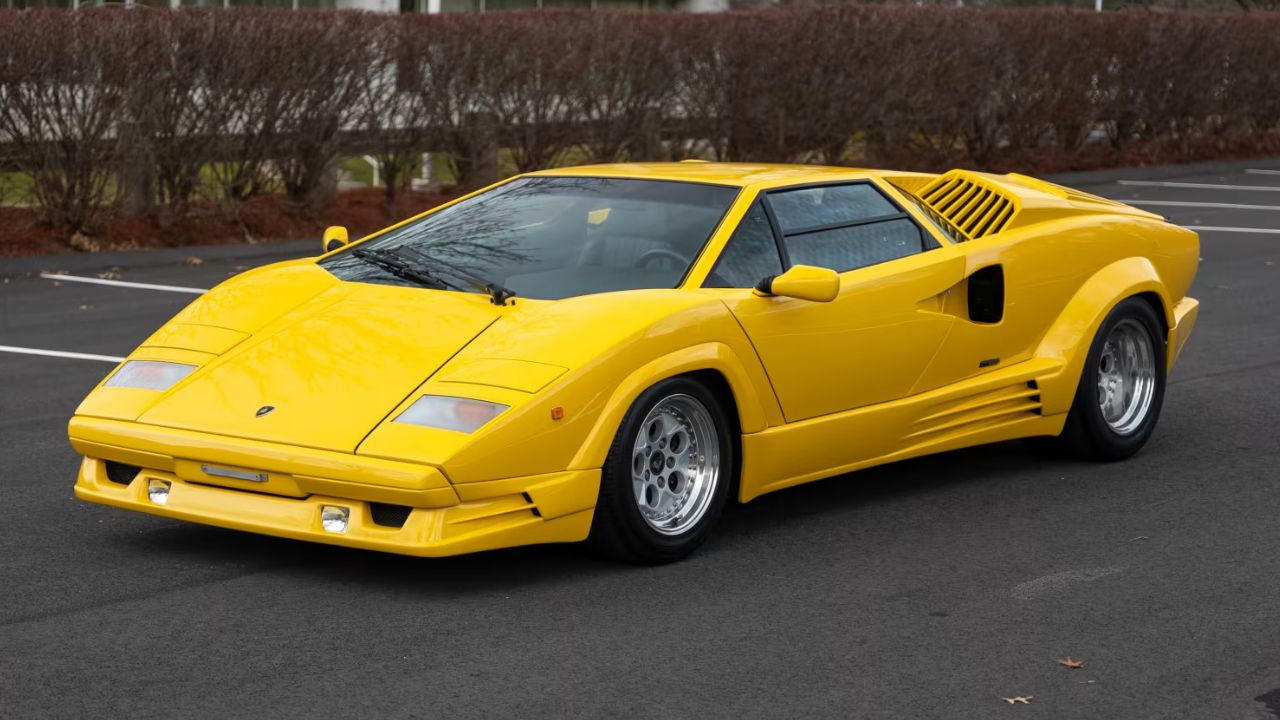
The 1989 Lamborghini Countach marked the last model year for this legendary supercar, wrapping up a production run that began in the early ’70s. By ’89, the Countach had evolved significantly from its original form, yet it still held onto its unmistakable wedge shape and scissor doors. This final version, often called the 25th Anniversary Edition, paid tribute to the car’s history while adding refinements to keep it competitive.
Underneath, the car retained its mid-mounted 5.2-liter V12, producing around 455 horsepower. Though the design was aging by ’89 standards, it remained a symbol of Lamborghini’s daring design and engineering spirit.
The Powerplant: A 5.2-Liter V12 Roar
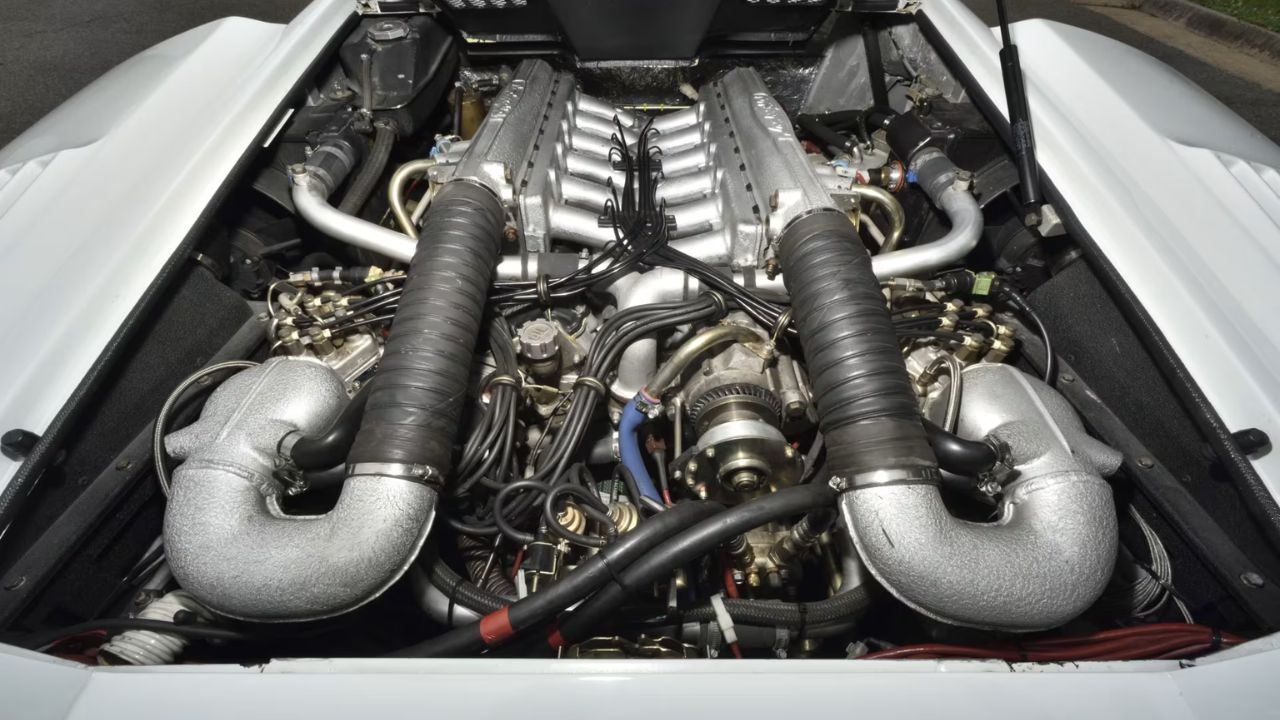
At the heart of the 1989 Countach sits the familiar 5.2-liter V12 engine, capable of delivering roughly 455 horsepower and 369 lb-ft of torque. This power unit, originally developed by Lamborghini in the ’60s, was updated over the years but kept its naturally aspirated character, meaning no turbos or superchargers.
Paired with a five-speed manual transmission, the engine pushed the Countach from zero to 60 mph in just under five seconds. Though by modern standards it might not seem explosive, back then it was a serious powerhouse, delivering a visceral driving experience few could match.
Suspension and Handling: A Raw Experience

The 1989 Countach’s suspension setup was pretty traditional by today’s terms. Up front, it used double wishbones with coil springs and telescopic shock absorbers, while the rear also featured double wishbones with coil springs and hydraulic shock absorbers. This arrangement kept the car’s weight balanced and provided relatively sharp handling.
However, the Countach wasn’t about comfort. It was stiff and unforgiving on rough roads, with heavy steering that demanded real attention behind the wheel. That rawness was part of the car’s character, making it engaging but also a bit challenging.
The Iconic Wedge Shape

Even by ’89, the Countach’s wedge shape stood out on the road. Designed by Marcello Gandini at Bertone, its sharply angled body and low profile gave it a futuristic look that still turns heads. The wide rear fenders and huge rear wing on many models added to its aggressive stance.
Though the aerodynamics weren’t perfect, the design was functional enough to keep the car stable at high speeds. It remains one of the most recognizable shapes in automotive history, holding up well against the years.
Interior: Spartan Yet Purposeful
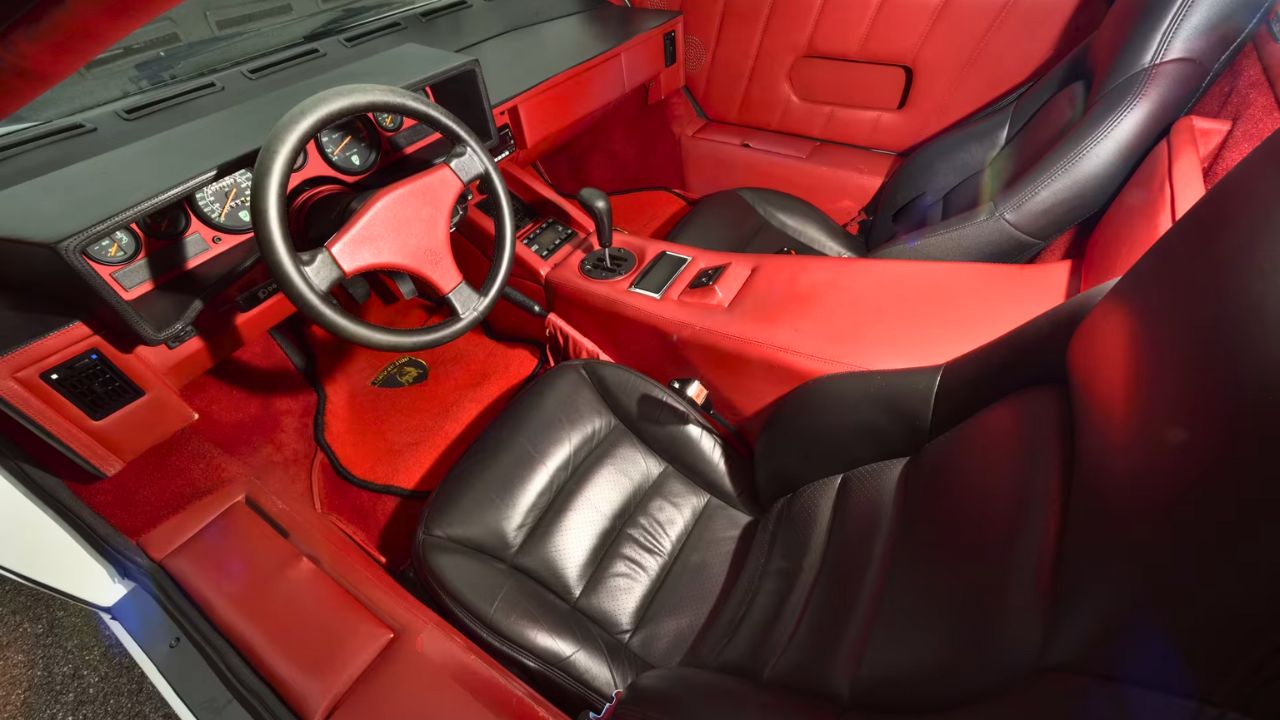
Inside, the Countach was minimal but driver-focused. The cockpit featured a straightforward layout with analog gauges clustered around the steering column, basic switchgear, and supportive but firm bucket seats. Materials were mostly leather and Alcantara, but the cabin was tight, with limited visibility.
The interior didn’t offer luxury comforts found in other cars of the era. Instead, it was all about function—keeping the driver connected to the machine and the road, without distractions.
The Scissor Doors: Practical or Just Cool?

One of the Countach’s most famous features is its scissor doors, which open upward rather than out. While they certainly look dramatic, these doors also made parking in tight spots easier, especially given the car’s wide stance.
Opening the doors is a bit of a process and requires some care, but they quickly became a signature Lamborghini feature, later inspiring designs on models that followed.
Limited Production and Exclusivity

By 1989, the Countach had become a rare sight. Production numbers for the 25th Anniversary Edition were around 650 units worldwide, making it one of the rarer Lamborghinis of its time. This limited run increased the car’s appeal among collectors and fans alike.
Each car was hand-built, which meant minor variations in finish and details from unit to unit, adding to the charm and character of each example.
Performance Numbers in Perspective

With a top speed of around 183 mph and a 0-60 time close to 4.8 seconds, the 1989 Countach could hold its own among contemporary supercars. These figures were impressive for the time, though advances in technology soon left the Countach behind in outright speed.
Still, the car’s connection between driver and machine made those numbers feel meaningful. The engine’s V12 soundtrack and the manual gearbox gave it a presence that numbers alone don’t capture.
The 25th Anniversary Edition’s Distinguishing Features
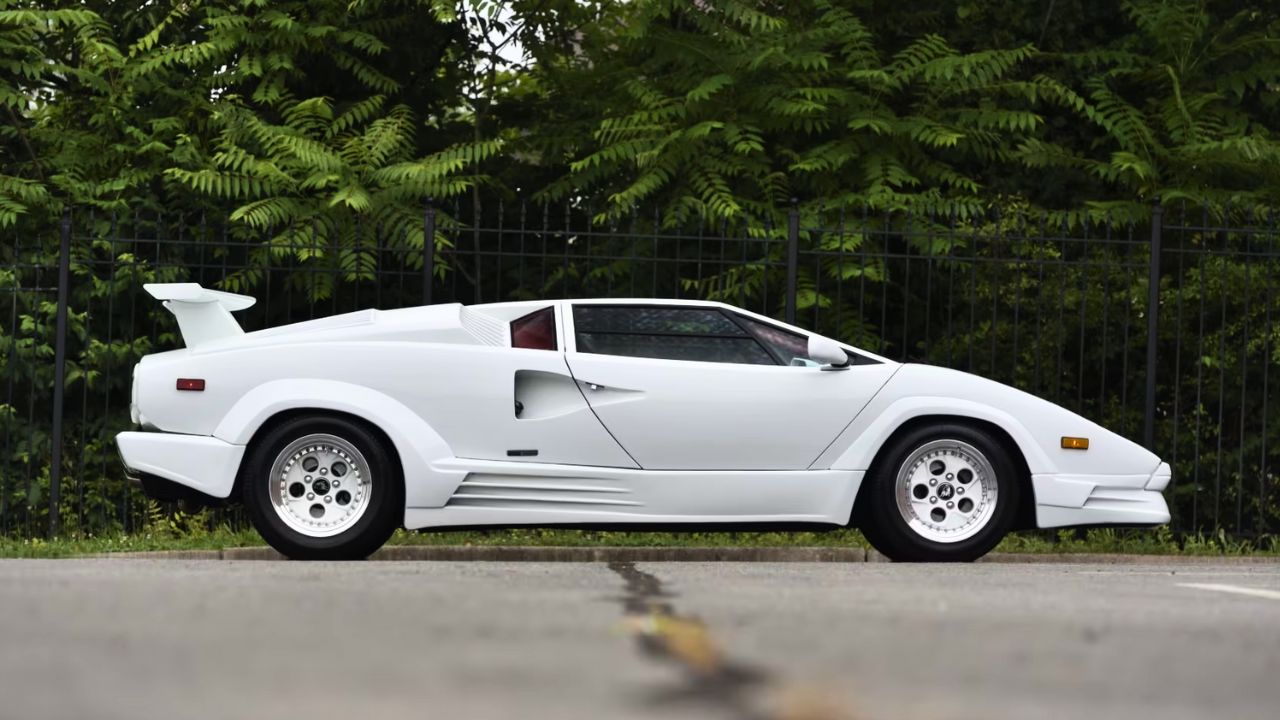
The ’89 model featured unique touches to mark Lamborghini’s 25 years in the car business. These included special badging, exclusive paint colors like metallic white with red pinstriping, and redesigned front and rear bumpers for a cleaner look.
Inside, updated upholstery and a revised instrument cluster set it apart from earlier Countachs. These subtle changes refined the experience without altering the core character of the car.
Legacy and Influence Today
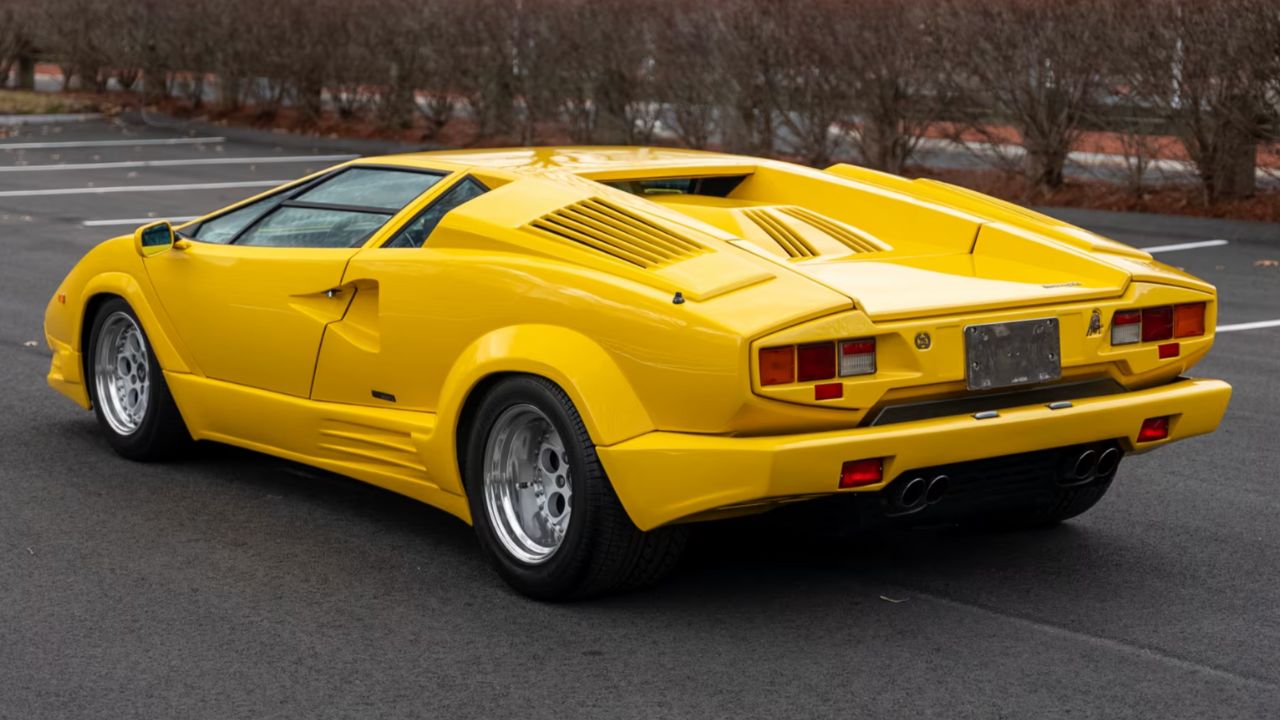
Though production ended in 1989, the Countach remains a benchmark for exotic car design and performance. Its wedge shape, scissor doors, and V12 roar influenced Lamborghini’s future models and countless supercars from other brands.
Today, it’s a prized classic, often seen at car shows and auctions. While driving one requires patience and skill, it offers a raw, unfiltered experience that newer cars rarely deliver.
Like what you read? Here’s more by us:
*Created with AI assistance and editor review.