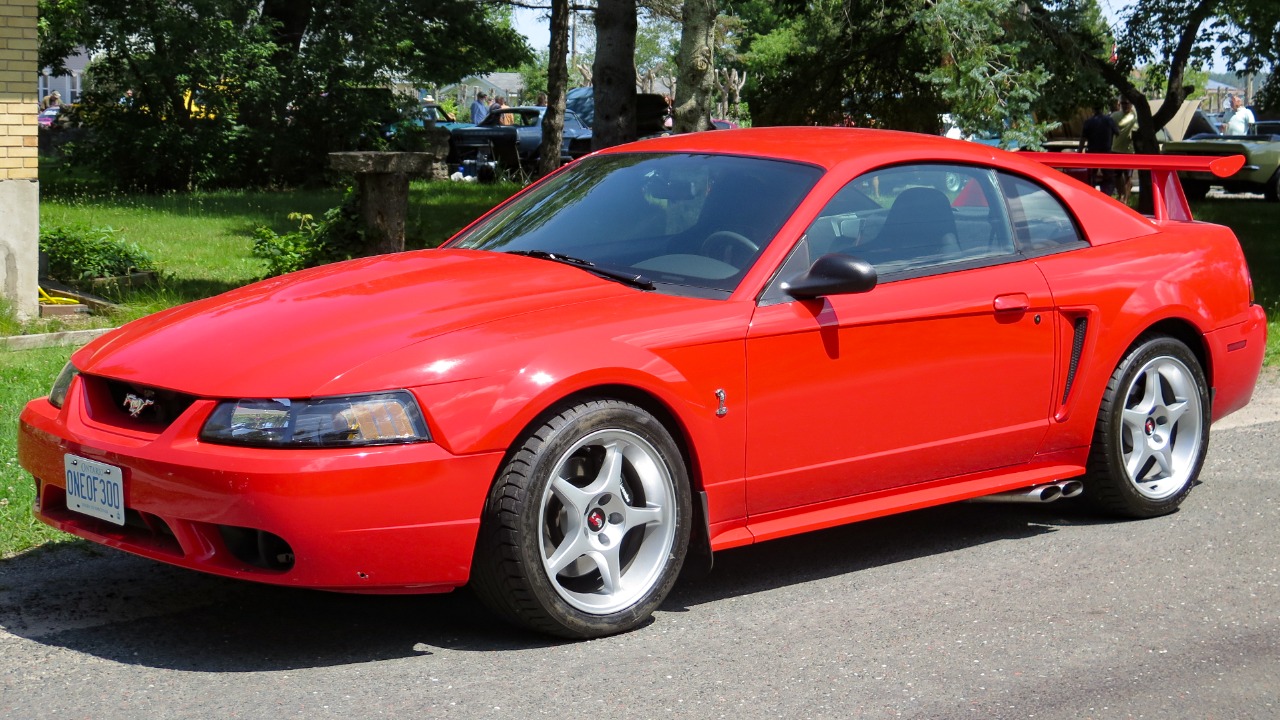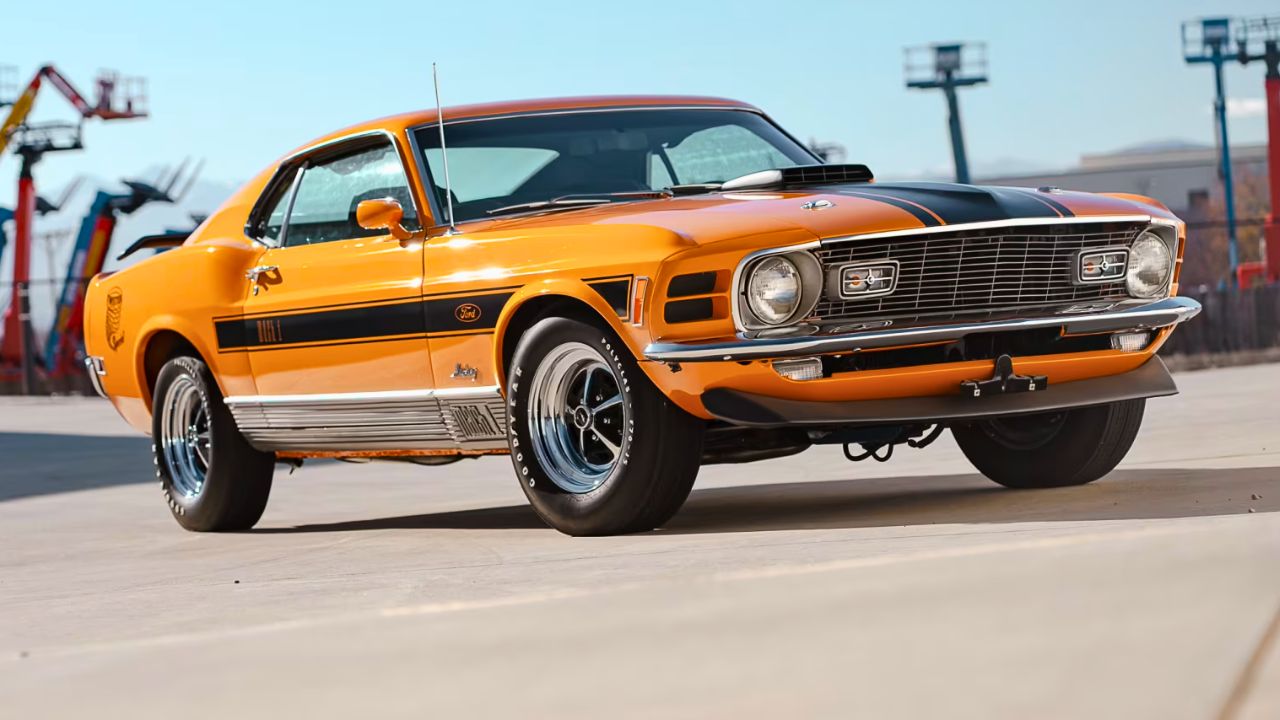
In 1970, Ford quietly whipped up something for Kansas that most of the country never saw coming. It wasn’t a concept car or a national release—it was the Mach 1 Twister Special, built in limited numbers for just one region. Grabber Orange, tornado decals, and serious muscle under the hood set it apart from the pack.
This wasn’t just another Mustang with stripes. It had its own vibe, its own story, and a mix of hardware that still gets folks talking. The Twister wasn’t loud in promotion—but it sure was on the pavement.
Born from Kansas Skies

The 1970 Twister Special wasn’t some big national campaign. It was a limited batch of 96 fastbacks built for Ford dealers in Kansas. The name “Twister” was a nod to the region’s storm-prone geography, and each car came with unique graphics and an identity of its own. These weren’t your average showroom Mustangs.
Each Twister came in Grabber Orange with black stripes and a tornado decal on the rear quarter panel. It wasn’t just about looks—it hinted at what this car was made to do: get down the road fast and loud.
Only 96 Ever Built
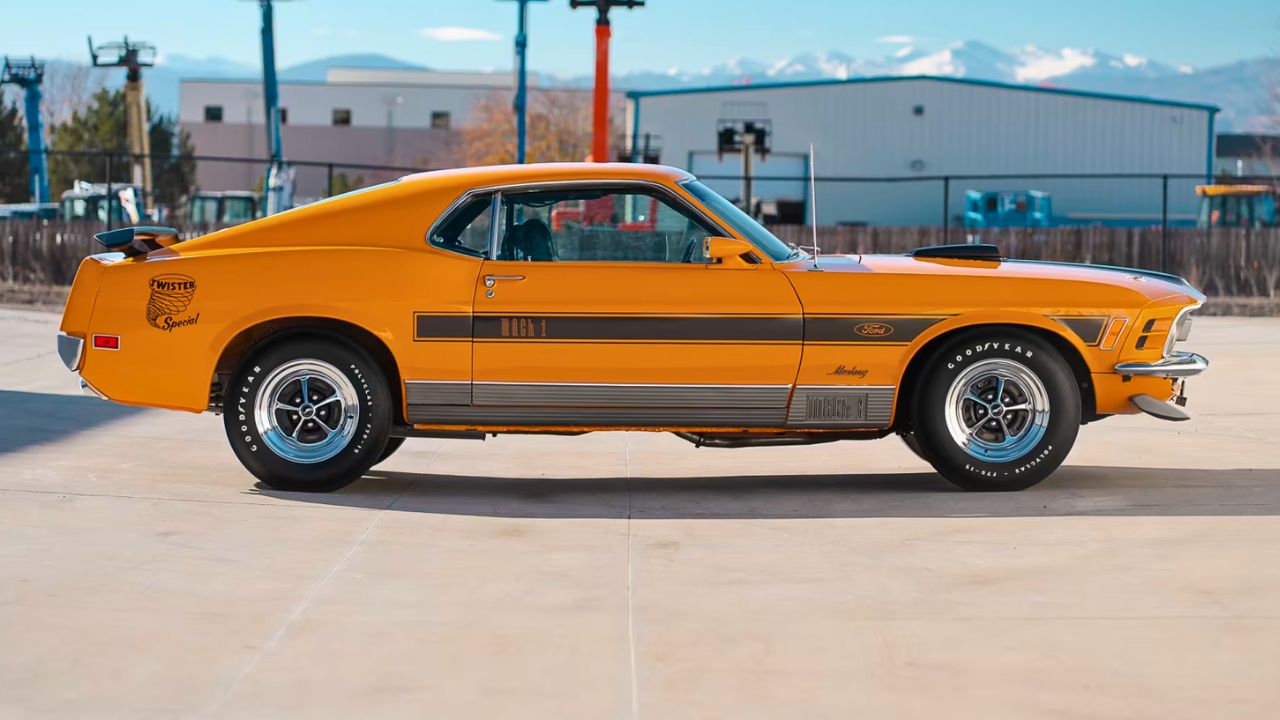
Ford didn’t plan to make the Twister a mass-market ride. Just 96 were built, and all were fastbacks. That makes it one of the rarest factory Mustangs ever made. Originally, the order was for 100 Super Cobra Jet 428s, but Ford ran short—43 got the 428, the rest were handed the 351 Cleveland.
Whether it had the SCJ or the 351, every Twister Mach 1 had its own vibe. It’s this mix of limited numbers and split powertrains that makes collectors lean in when they hear “Twister.”
The 428 Super Cobra Jet
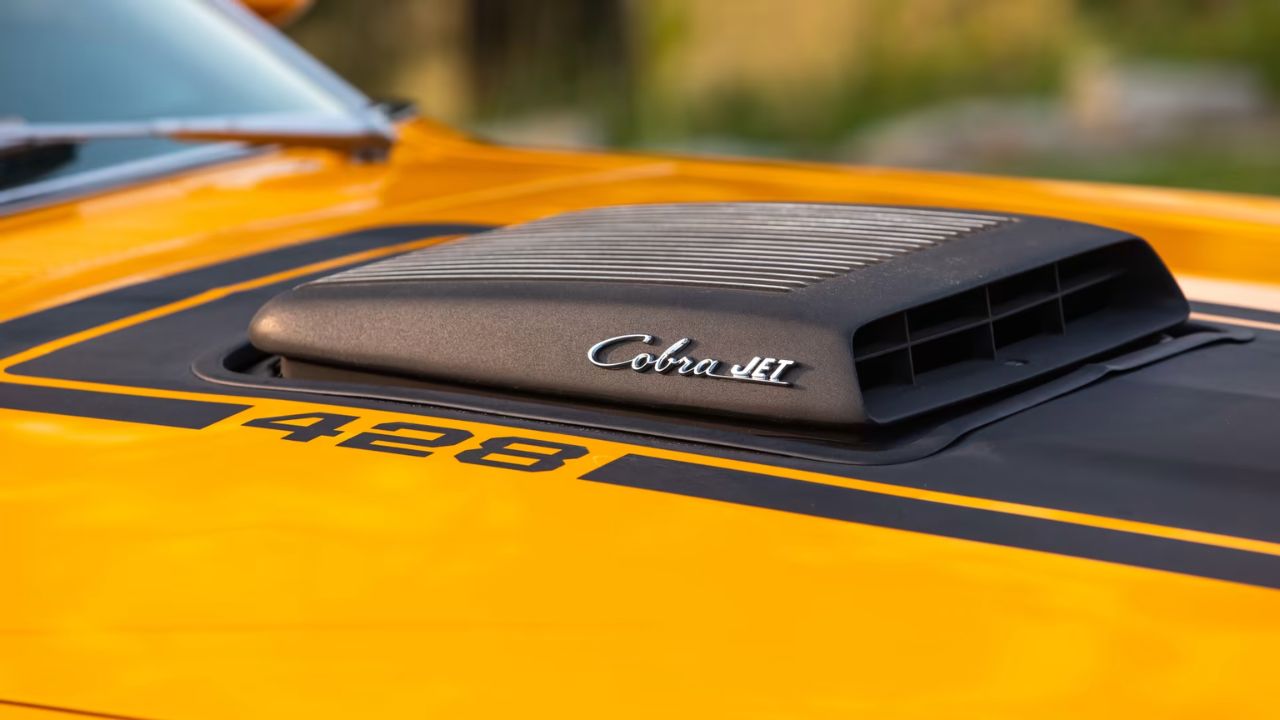
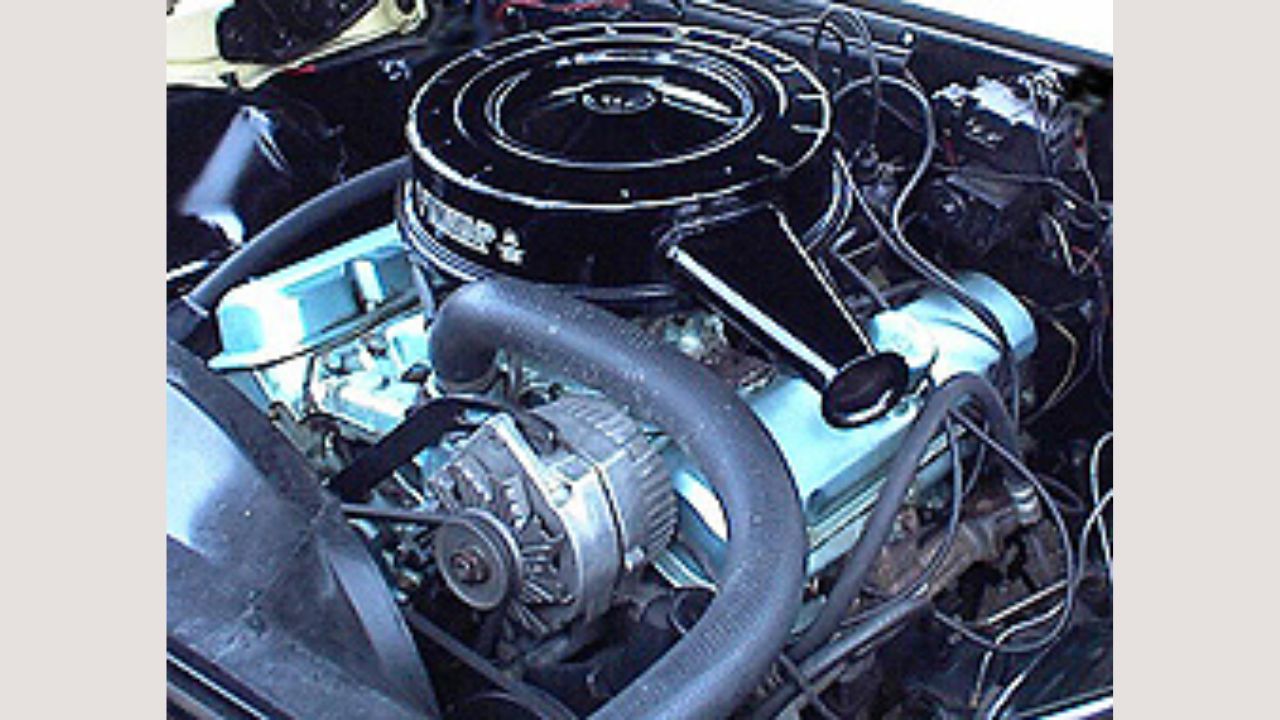
The top-tier Twisters were powered by the 428ci Super Cobra Jet V8—rated at 375 hp and 450 lb-ft of torque. This wasn’t just a powerful engine—it was a street-legal dragstrip regular. It came with a shaker hood scoop, oil cooler, and beefy internals ready for abuse.
These 428 SCJ cars were often paired with either a 4-speed manual or C6 automatic and a 3.91 Traction-Lok rear. The quarter-mile times hovered in the low 13s—serious business for something off the lot in 1970.
The Other Half: 351 Cleveland
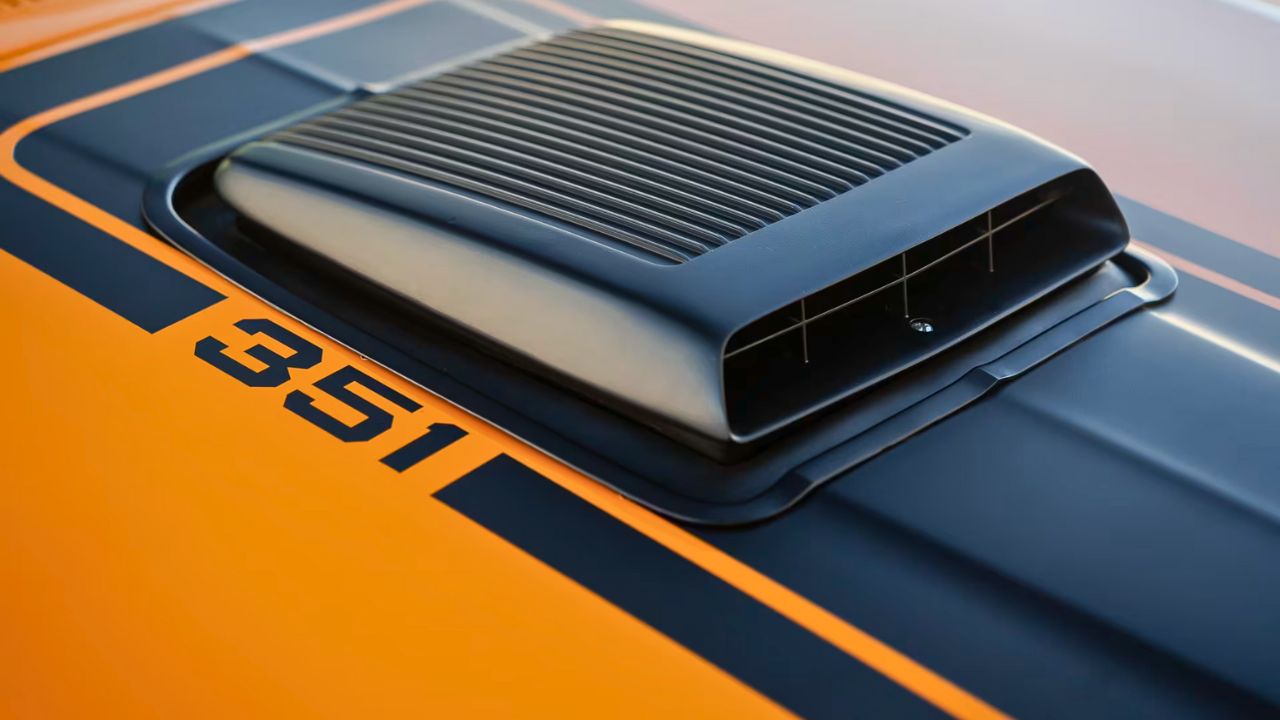
Not all Twisters packed the SCJ. Around 53 came with the 351ci Cleveland V8, which still held its own. Rated at 300 hp and 385 lb-ft of torque, it was no slouch. It made for a more approachable street machine, better suited for daily driving than drag-strip duty.
These cars came with either a 2-barrel or 4-barrel setup, depending on how the dealer spec’d them. Even with less punch than the 428, the 351C models still shared the same aggressive Mach 1 look and regional exclusivity.
Built on the Mach 1 Package
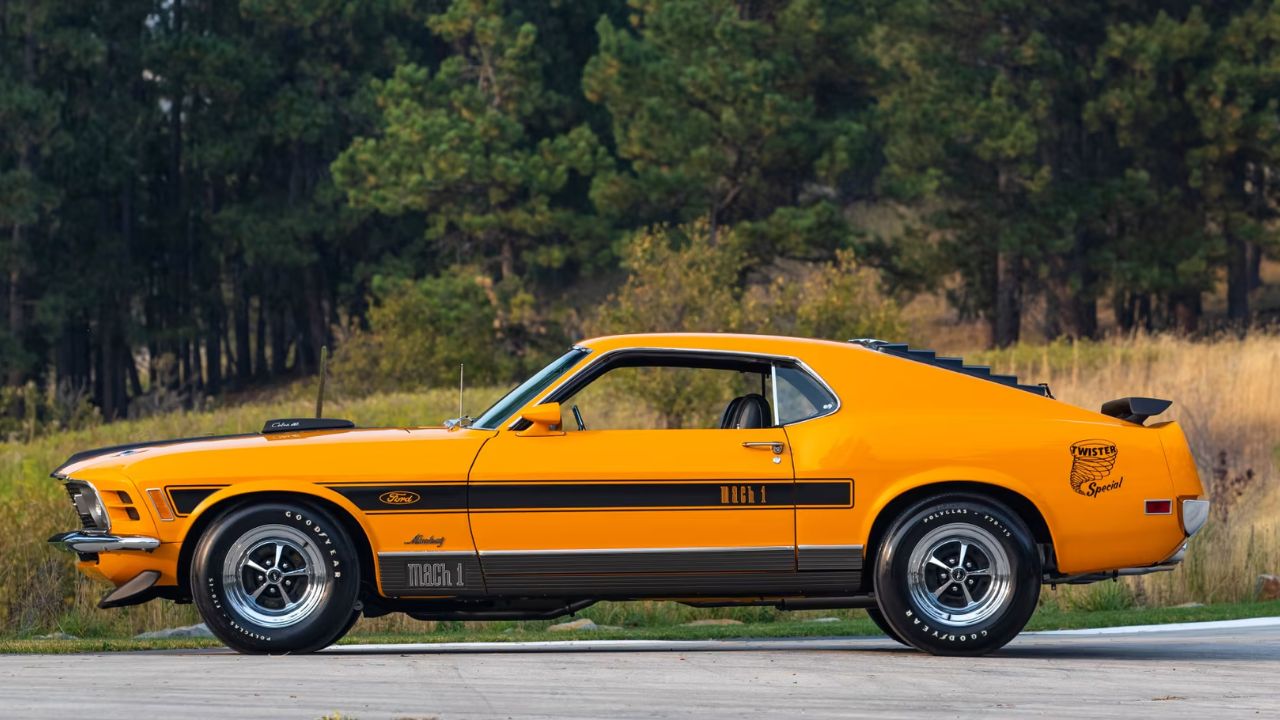
Every Twister started life as a Mach 1 Fastback, which meant it already had a sporty foundation. You got the blacked-out hood, matte accents, competition suspension, and styled steel wheels. This was a Mustang built to back up its looks.
The Mach 1 trim also meant upgraded gauges, high-back bucket seats, and a woodgrain dash. Twister Specials kept those upgrades and layered on regional flair—creating a mix of factory muscle and local flavor.
Functional Shaker Hood Scoop
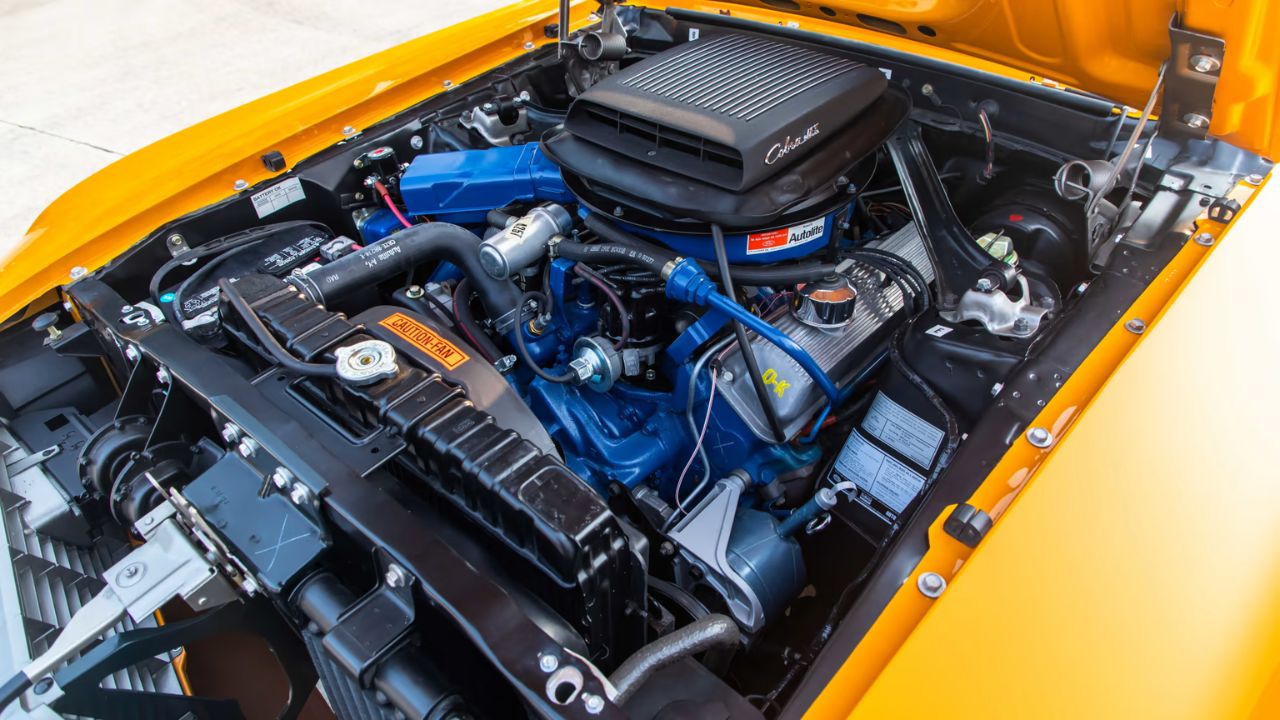
The 428 SCJ-equipped Twisters featured a functional shaker hood scoop that wasn’t just there for attitude. It was bolted directly to the air cleaner and moved with the engine, pulling in cold air while giving the driver front-row seats to the V8’s breathing.
Aside from sounding good and looking mean, the shaker actually improved airflow and engine response. And when you popped the hood, it was all business—no chrome fluff, just raw muscle and intent.
Drag Pack Option
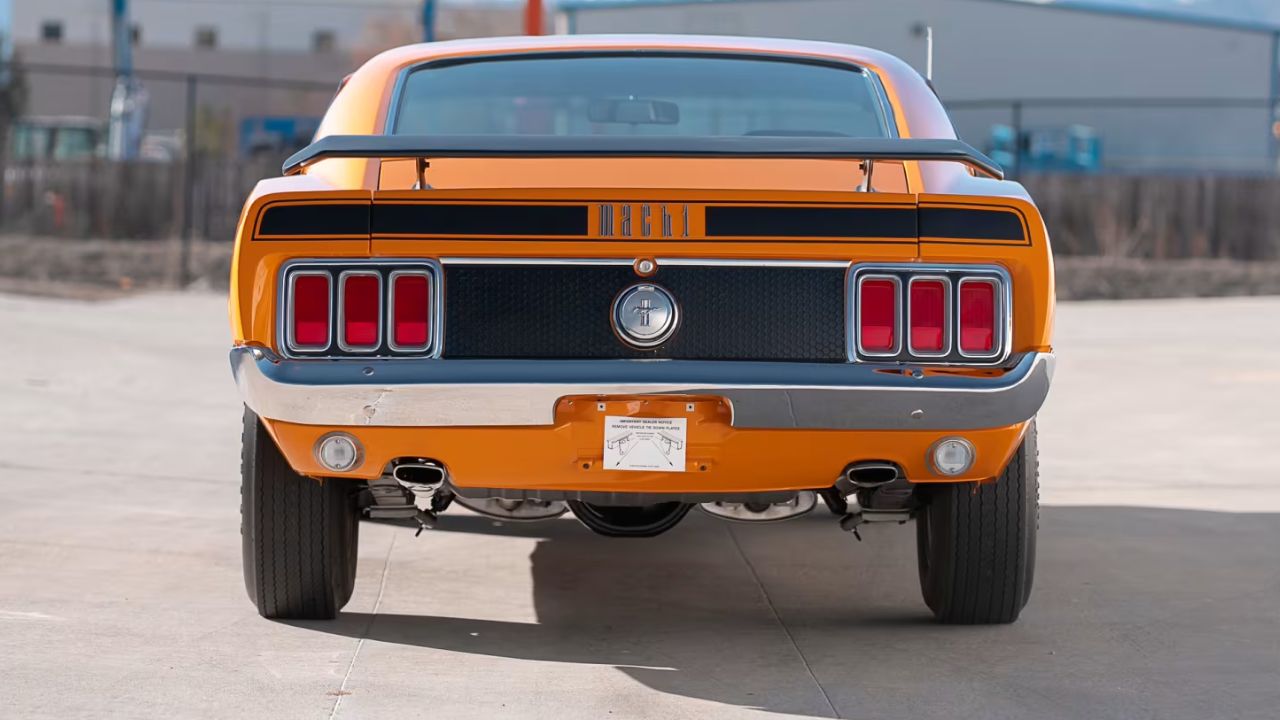
Many of the 428 SCJ Twisters came with the Drag Pack, which bundled the 3.91 rear axle, external oil cooler, and solid-lifter cam. This setup made them quarter-mile-ready right from the dealer’s lot. It wasn’t an add-on—it was built-in performance.
These were cars meant for street racing and Friday-night runs. The rear axle gearing wasn’t forgiving for long highway drives, but that wasn’t the point. These cars had a purpose, and the Drag Pack made sure they didn’t miss.
Suspension with Purpose
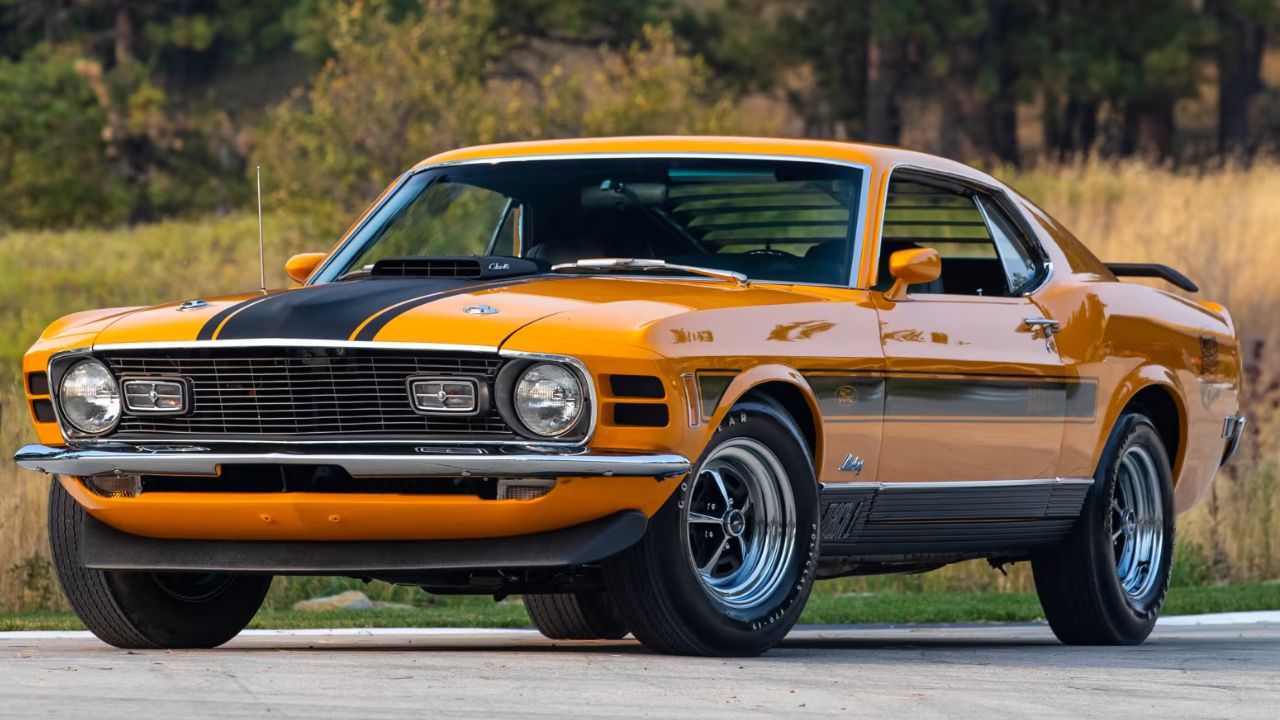
The Mach 1’s competition suspension came standard with heavy-duty springs, staggered rear shocks, and a front sway bar. It wasn’t race-car stiff, but it was tight enough to handle serious power and quick lane changes.
The setup helped control body roll and made these fastbacks surprisingly agile for their weight. It wasn’t just about straight-line speed—the Twister Mach 1 could hustle through curves with confidence when pushed hard.
Interior Still Meant Business

Inside, the Twister wasn’t dressed in flash. It had the standard Mach 1 interior—high-back bucket seats, simulated woodgrain trim, and a center console. The Rallye pack gauges gave you real-time engine data, including a tach and clock.
It wasn’t luxurious, but it was focused. This was a driver’s cabin—everything within reach, nothing wasted. Some cars came with air conditioning, but most were bare-bones muscle aimed at Kansas buyers who wanted speed, not frills.
Still a Legend Today
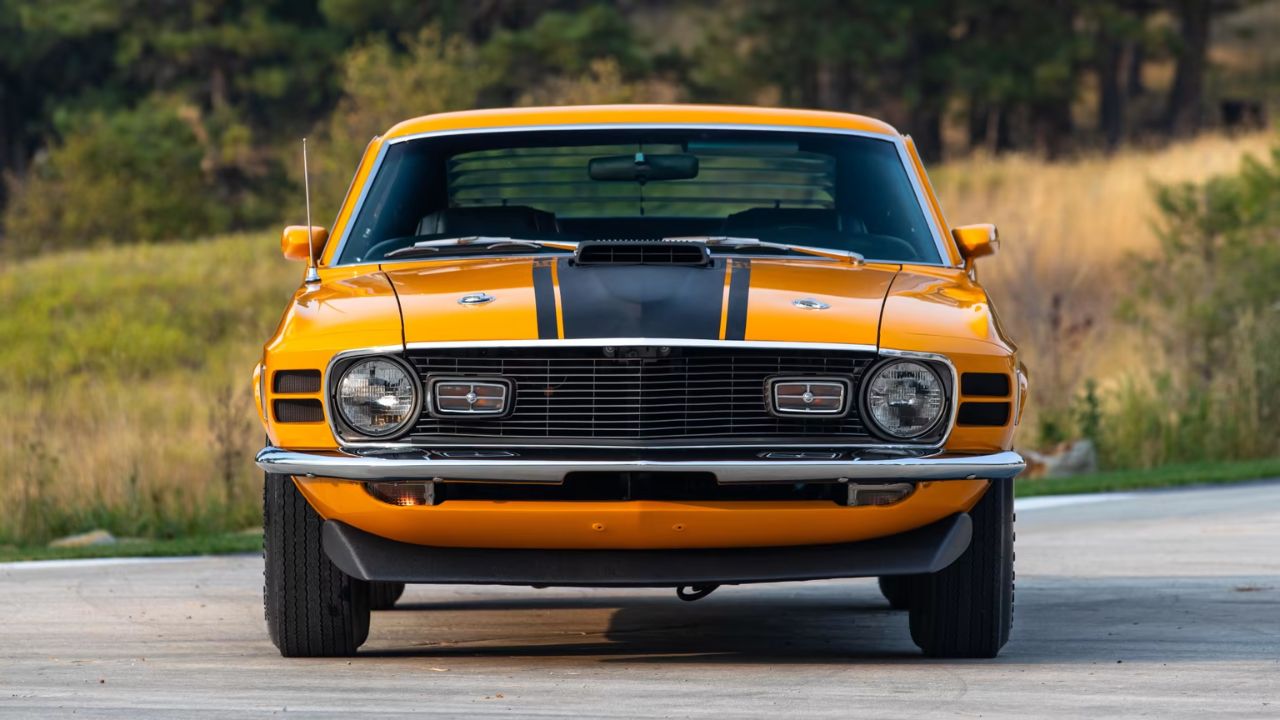
Twister Specials have become collector gold thanks to their limited numbers and regional roots. They were built for a specific moment and place, and that’s part of the appeal. Original examples, especially 428 SCJs, are hard to find and tougher to pry loose.
Even among hardcore Mustang folks, the Twister holds a strange mystique. It wasn’t national, it wasn’t hyped—it was just fast, rare, and built with purpose. That kind of story doesn’t fade, no matter how many decades pass.
Like what you read? Here’s more by us:
*Created with AI assistance and editor review.