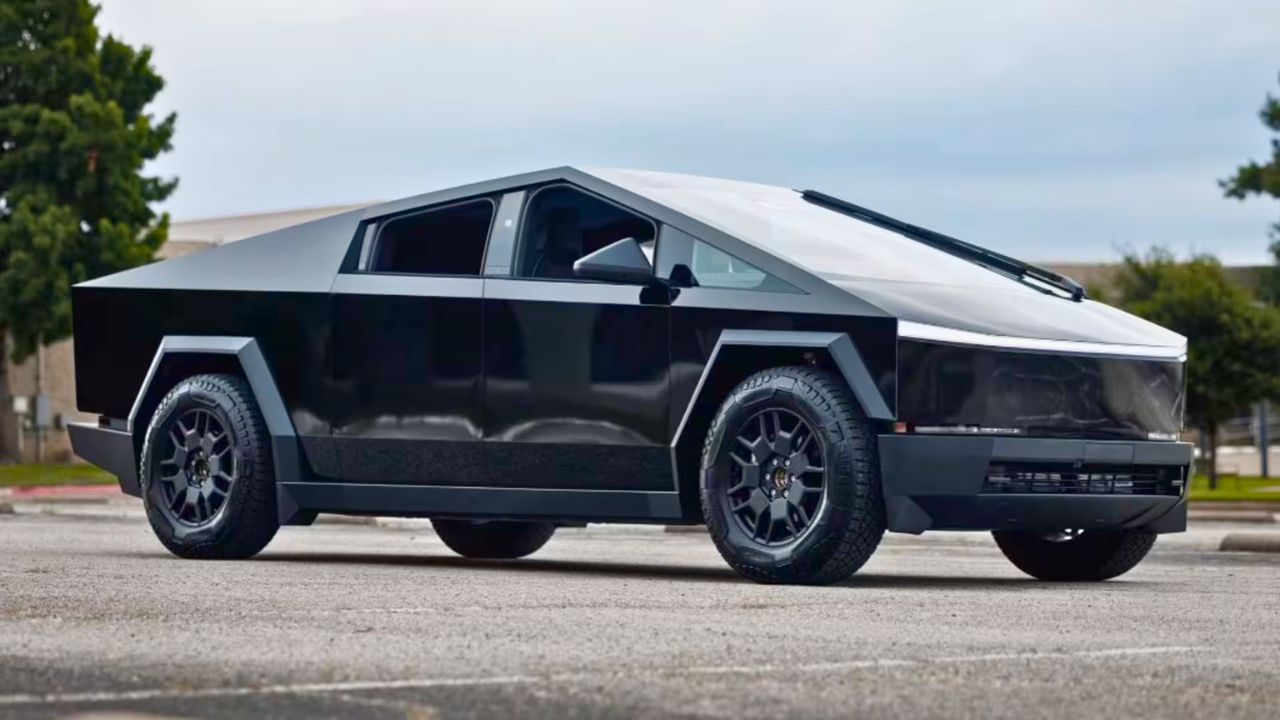
The Tesla Cybertruck showed up with more hype than a Hollywood blockbuster. When it debuted in 2019, it promised to change everything—tougher than steel, faster than a sports car, and smarter than any truck before it. People didn’t just expect a new pickup—they expected a revolution on wheels. But as deliveries finally started, reality hit a little harder than expected.
Turns out, the production Cybertruck doesn’t quite match the promises. Between missed specs, pricing shifts, and real-world quirks, it’s clear the hype train got a little ahead of itself. Here are 10 ways the Cybertruck didn’t deliver what it claimed.
1. It Wasn’t as Bulletproof as Promised
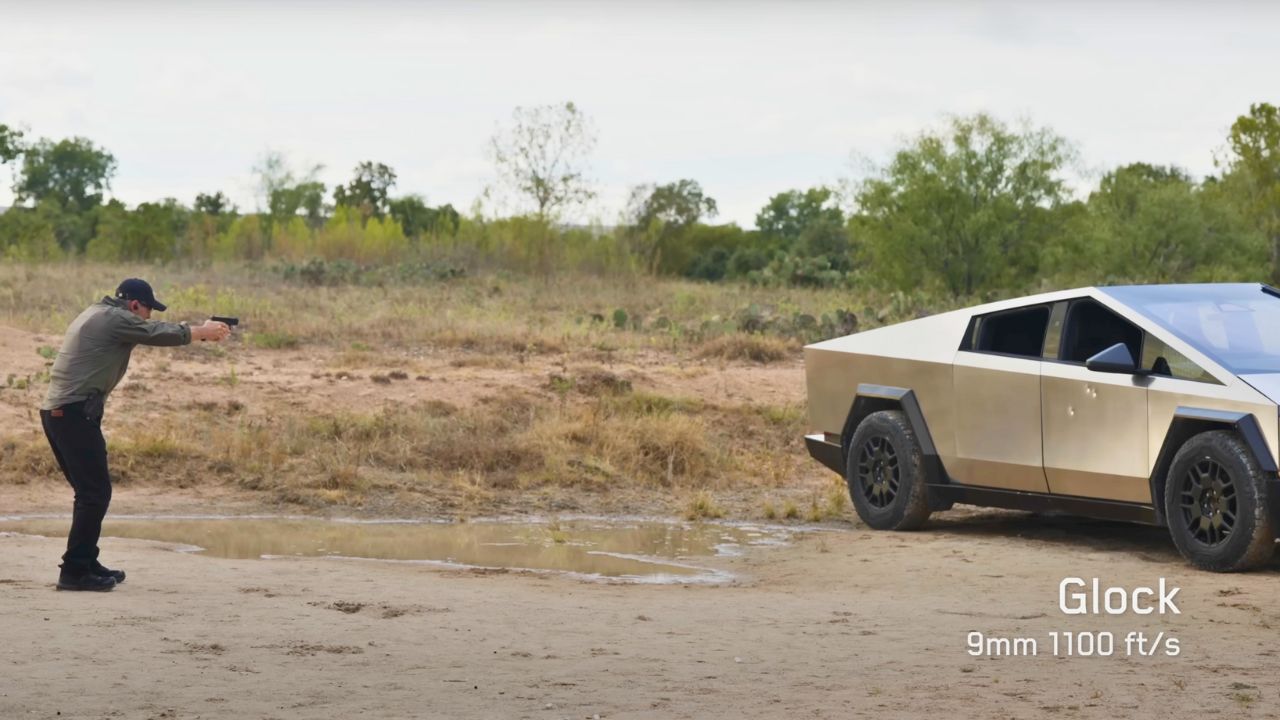
The Cybertruck’s infamous unveiling in 2019 featured Elon Musk’s claim that the truck’s windows were virtually unbreakable. That was until a metal ball promptly shattered both panes during the live demo. Tesla later clarified that the glass was weakened due to prior impacts, but the damage was done. The whole bulletproof narrative quickly lost traction.
To be fair, the Cybertruck’s stainless steel body is durable, but “bulletproof” was always a stretch. While it does offer more resistance than standard pickups, the promise created an expectation that didn’t hold up under scrutiny—or a steel ball, apparently.
2. The Delays Were Endless
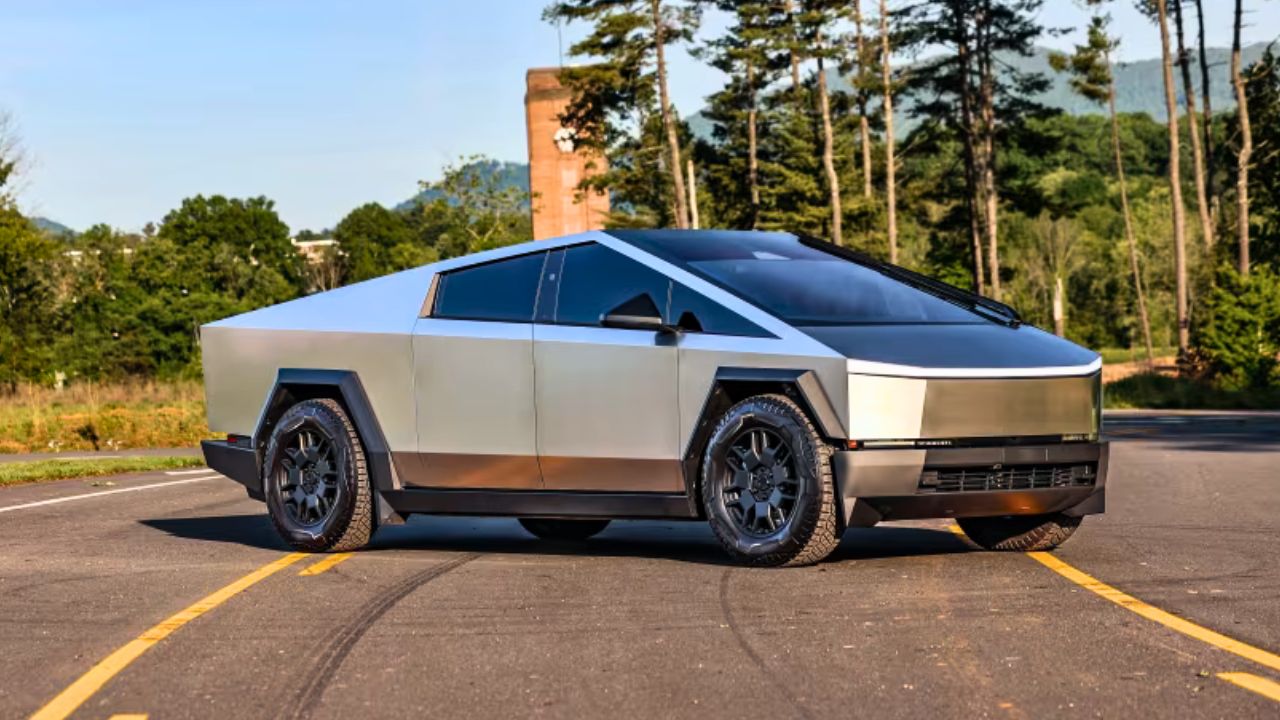
When Elon Musk revealed the Cybertruck in 2019, Tesla projected deliveries by late 2021. But the timeline kept sliding—first to 2022, then 2023, and finally to limited deliveries in late 2023. Most reservation holders didn’t see their trucks until 2024 or beyond.
The delays frustrated customers and dented confidence in Tesla’s ability to meet production promises. For a company known for pushing the boundaries, missing deadlines is familiar territory—but the Cybertruck’s hype made every missed target feel bigger than usual.
3. The Price Ballooned
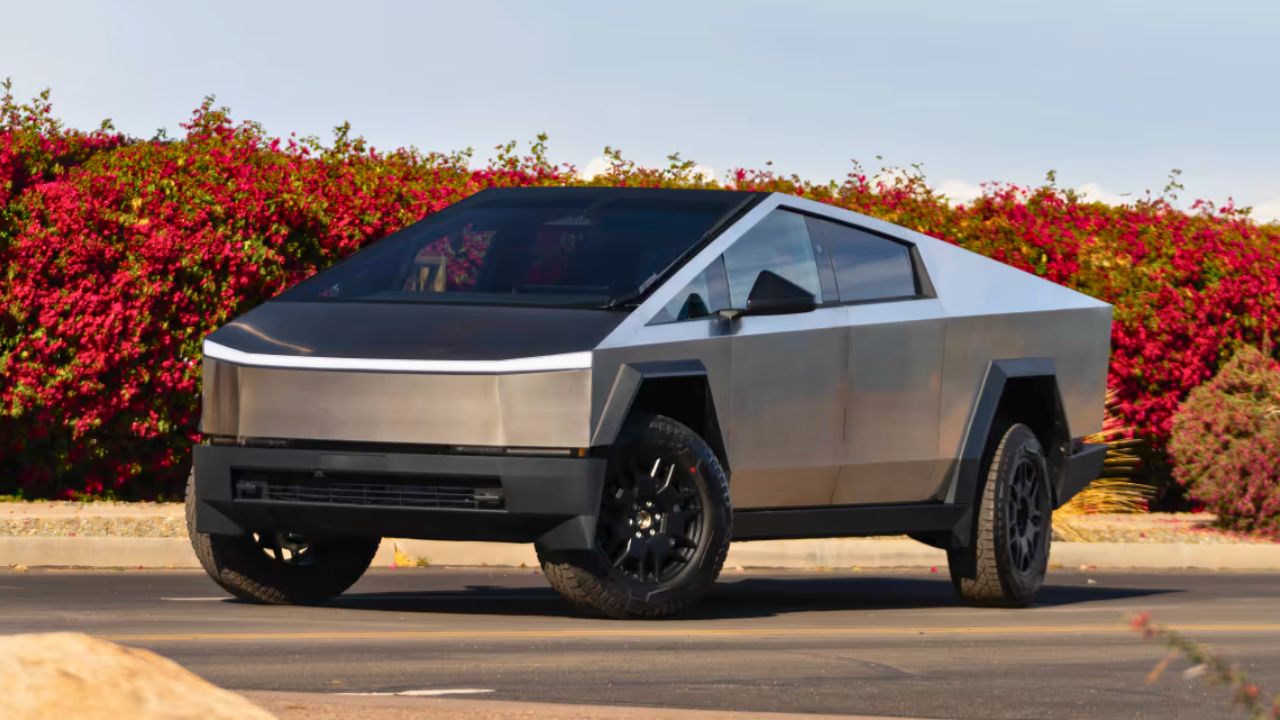
At launch, Tesla teased a starting price of under $40,000, making the Cybertruck seem like an affordable EV alternative to gas trucks. Fast-forward to production, and that figure quietly disappeared. The actual base model ended up significantly higher, with top trims pushing past six figures.
The price hike killed a big part of the appeal. What was once pitched as a futuristic working man’s truck now feels more like a niche luxury item with offbeat styling and serious sticker shock.
4. It’s Not That Practical
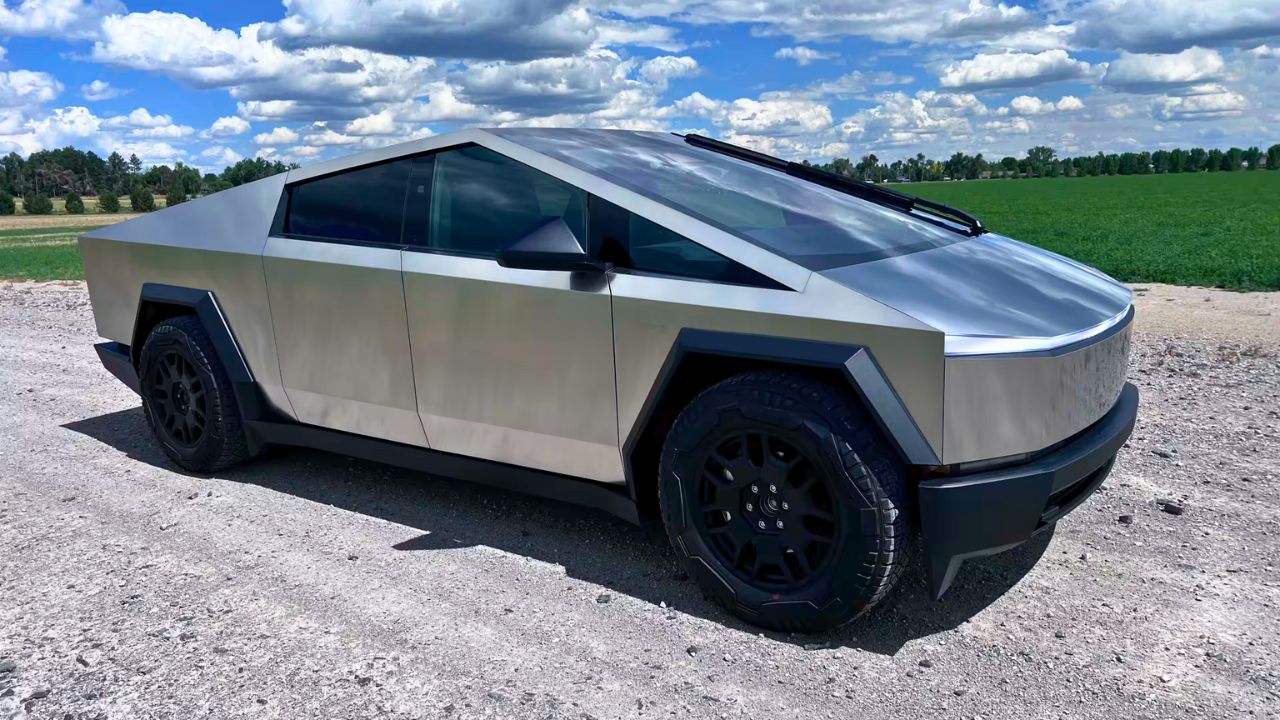
Tesla pushed the Cybertruck as a tough, utilitarian workhorse. But its sloped roofline, massive size, and design quirks make it awkward for everyday use. The high bed walls are hard to load over, and some users complain about the limited interior storage layout.
And forget about tight city parking or suburban garages—this truck is huge. While it looks like it belongs on Mars, a lot of buyers just wanted something they could park at Home Depot without a headache.
5. The Turning Radius Is a Problem
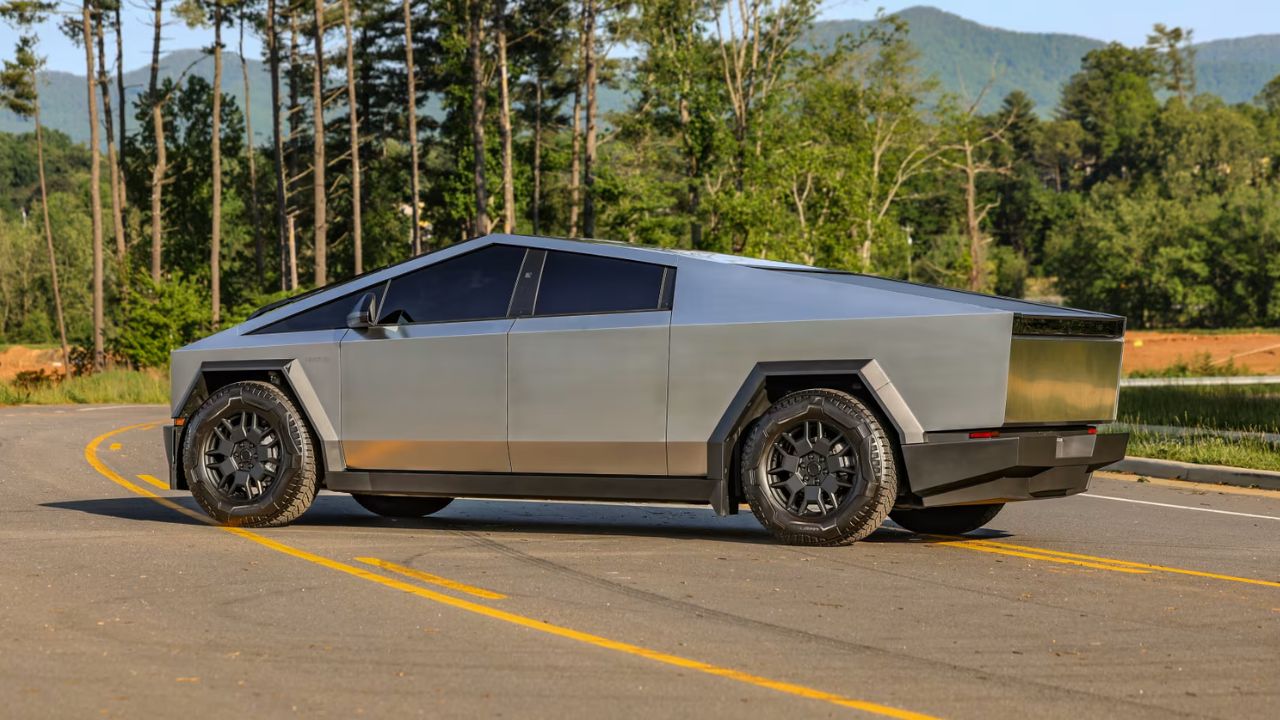
Despite being equipped with rear-wheel steering, the Cybertruck’s turning radius is far from ideal. Early reviews noted that it’s tough to maneuver in parking lots or city streets. The four-wheel steering helps, but the truck’s sheer size and shape limit its agility.
That’s a big miss for a vehicle that was marketed as revolutionary. Rivals like the GMC Hummer EV boast tight turning circles thanks to features like CrabWalk, while the Cybertruck still feels like it’s dragging its heels—literally and figuratively.
6. Real Range Fell Short
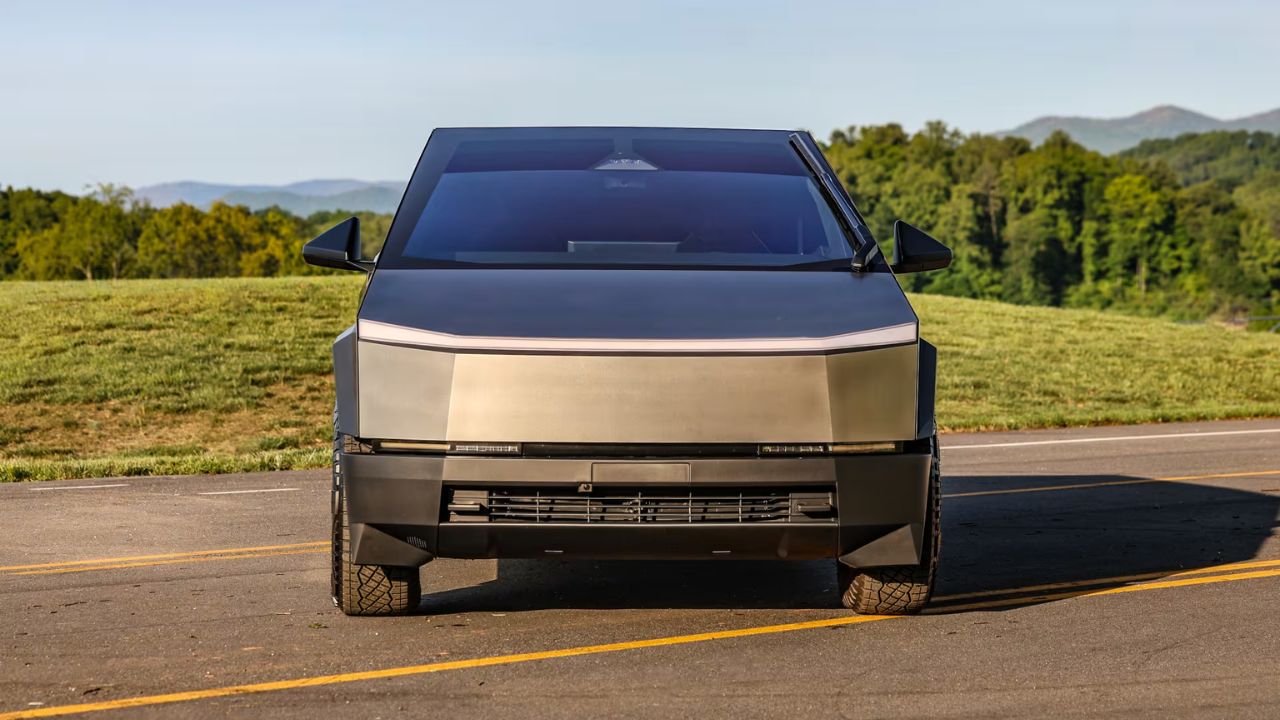
Tesla claimed the Cybertruck would offer up to 500 miles of range. That’s not what showed up in the final product. Even the highest trim struggles to crack 340 miles under real-world conditions, especially when loaded down or towing.
For a truck aimed at replacing gas-powered workhorses, range anxiety is still part of the conversation. Add in limited charging infrastructure in rural areas, and the Cybertruck starts to look less like the future of work and more like a weekend flex.
7. The Interface Is All Screen, No Feel
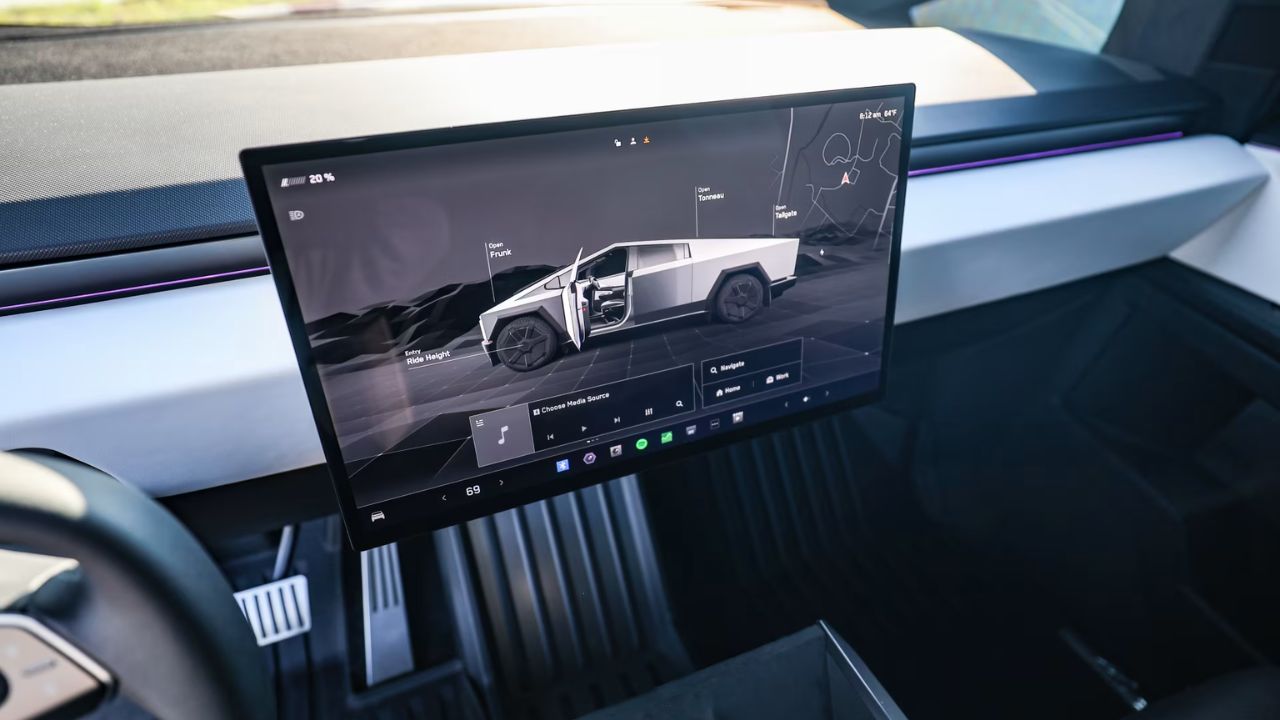
Like other Teslas, the Cybertruck ditches buttons and knobs in favor of one giant center screen. That works fine in a Model 3, but in a truck? Not so much. Truck buyers tend to favor tactile controls—things you can operate with gloves on or without taking your eyes off the road.
Early feedback suggests the screen-heavy approach isn’t ideal for hauling, off-roading, or tough jobs. It might look sleek, but when you’re bouncing down a dirt trail, good luck fiddling with touchscreen menus.
8. It’s Surprisingly Heavy
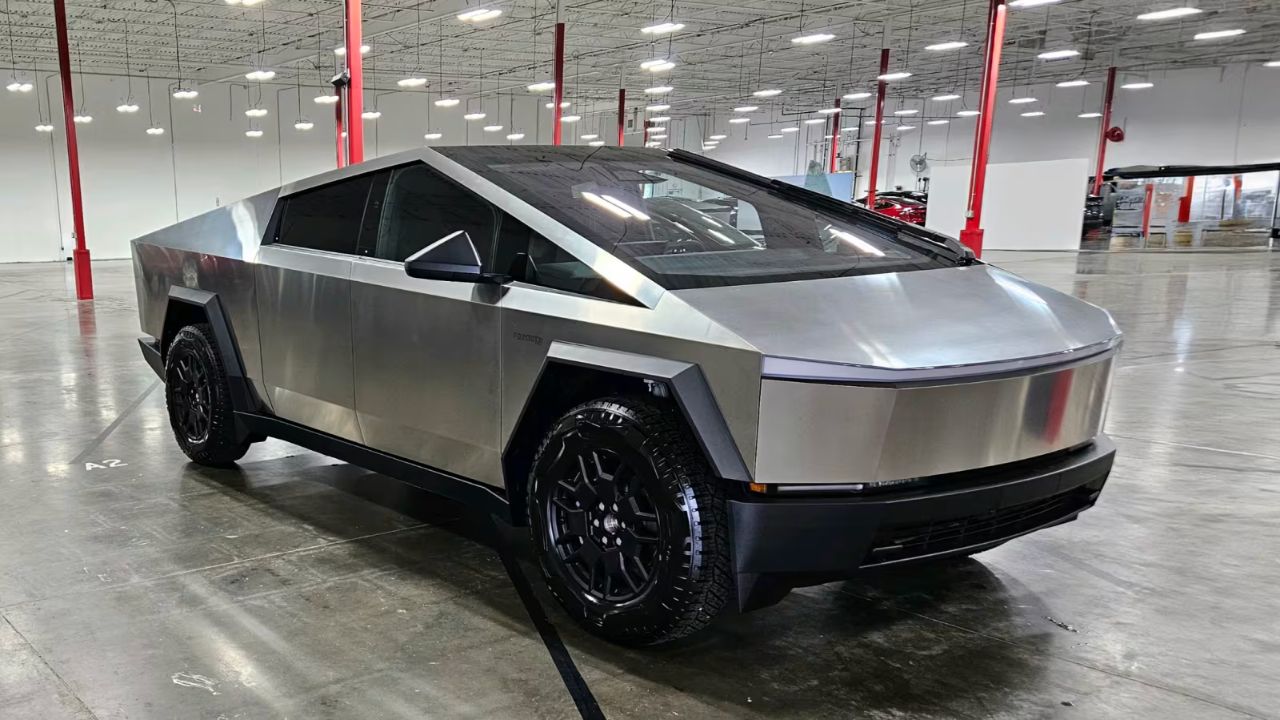
Thanks to its stainless steel exoskeleton, the Cybertruck tips the scales at over 6,800 pounds. That makes it heavier than a Ford F-350 Super Duty. For comparison, a Ram 1500 TRX weighs around 6,400 pounds.
All that mass affects acceleration, braking, and efficiency. It also means fewer options for public charging stations that can accommodate its weight. It may look futuristic, but underneath, it’s carrying a lot more than just hype.
9. Towing Isn’t Revolutionary
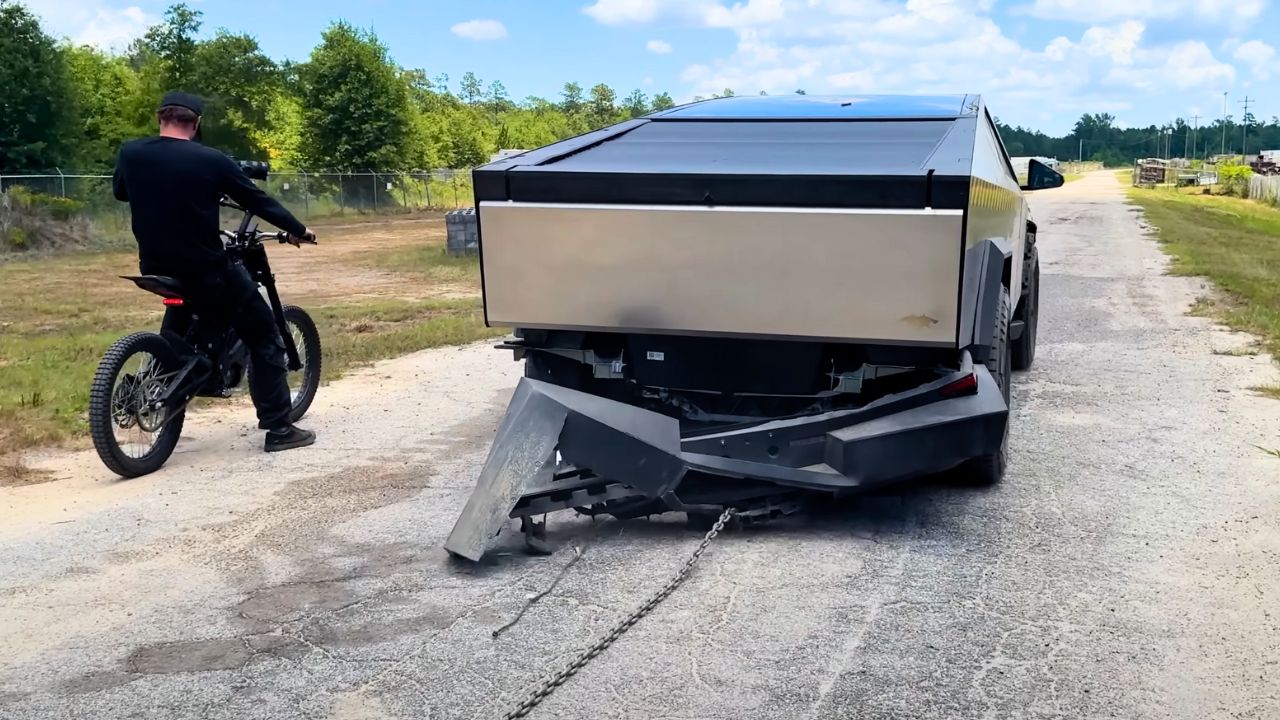
Tesla hyped the Cybertruck’s towing capacity as a game-changer—boasting figures as high as 14,000 pounds. While the numbers are solid, they’re not unprecedented. Gas trucks like the Ford F-250 or Ram HD can already pull more—and they don’t suffer a massive range drop while doing it.
Electric trucks are still figuring out towing. And the Cybertruck, for all its flash, struggles with the same issues every EV hauler does: towing kills range, and finding a fast charger with a trailer in tow is a logistical nightmare.
10. The Design Still Divides People
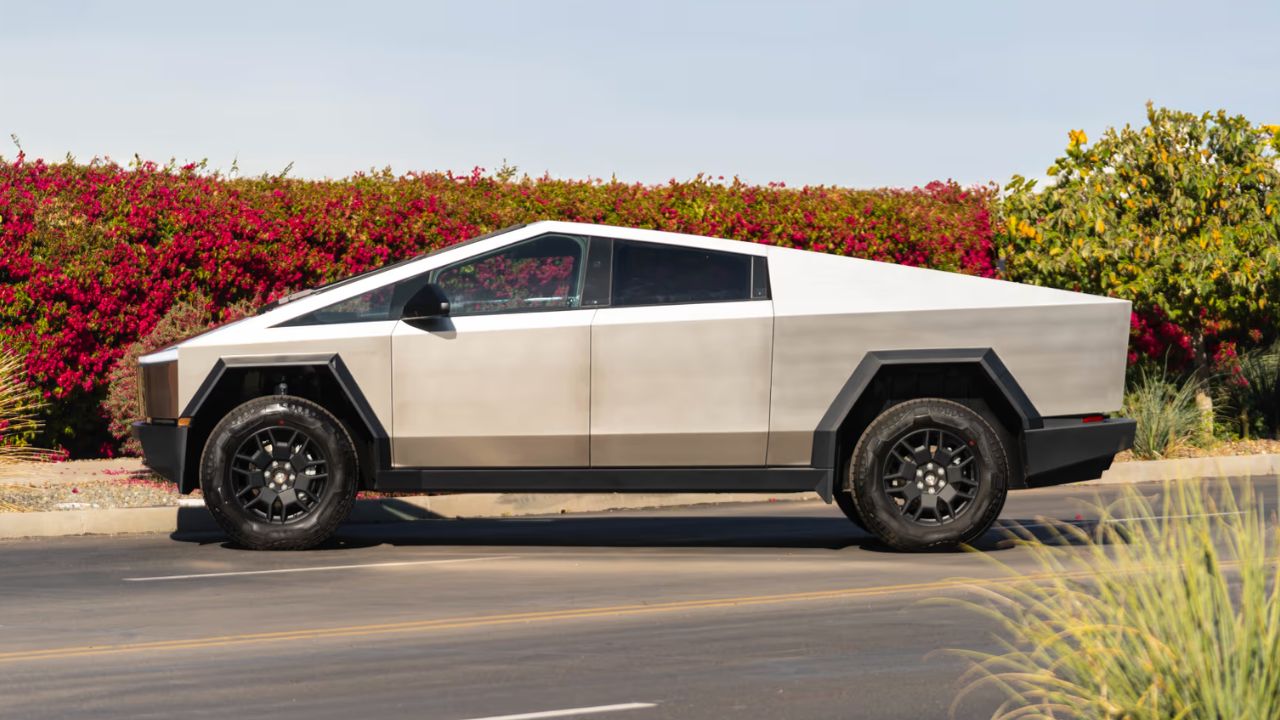
Love it or hate it, the Cybertruck’s design is a conversation starter. But many buyers expected something more refined than the angular wedge that rolled off production lines. The final product didn’t evolve much from the concept—right down to the stainless finish and razor-sharp lines.
It’s not just about looks. Some regions have raised concerns about pedestrian safety due to the unyielding metal panels and blunt front end. For a truck that promised to redefine the category, it’s stuck with a shape that alienates as much as it intrigues.
Like what you read? Here’s more by us:
*Created with AI assistance and editor review.