British car makers produced some of the most distinctive classics ever built. Many were never designed for mass appeal, yet their lightweight construction, elegant styling, clever engineering, and unique driving character created devoted followings. Today, enthusiasts continue searching for surviving examples, especially cars that preserve the personality of Britain’s golden automotive eras.
Jaguar E-Type
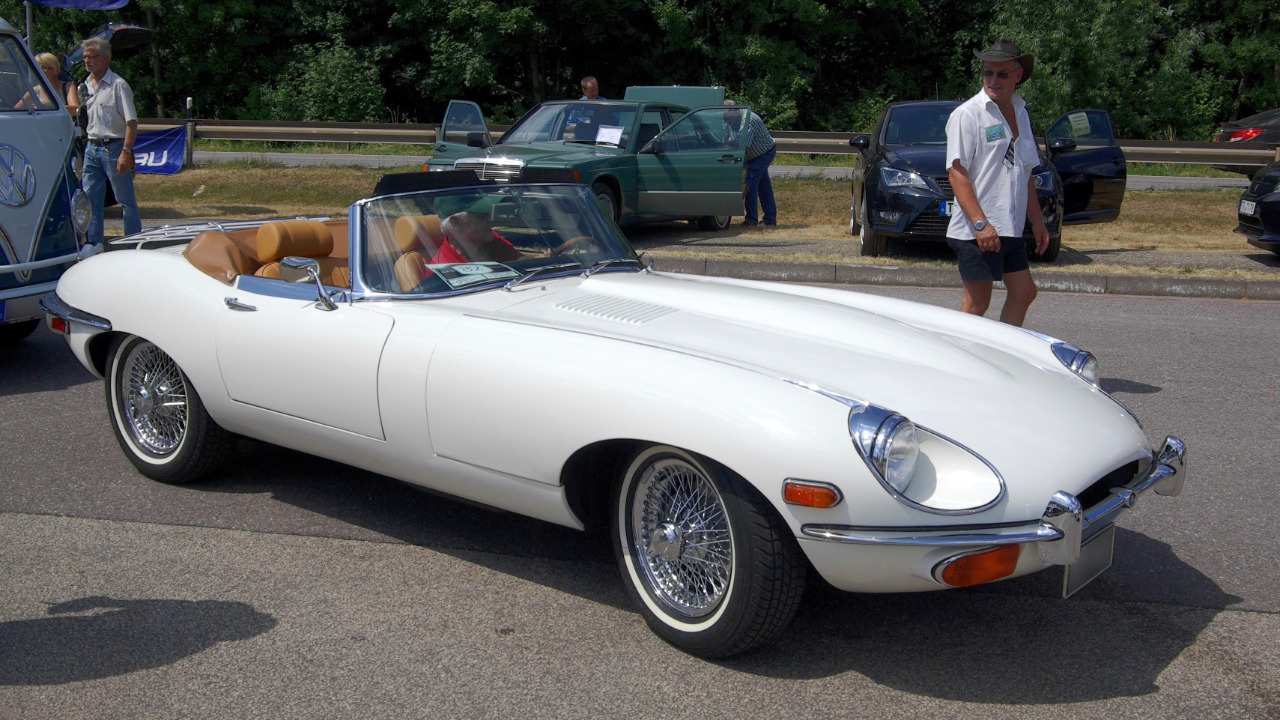
The Jaguar E-Type remains one of Britain’s most recognizable sports cars. Introduced in 1961, it combined dramatic styling with a powerful inline-six engine, independent suspension, and disc brakes. Its long bonnet and low body gave it an unmistakable appearance, while its performance made it a serious sports car for its era. Enthusiasts continue seeking original and properly restored examples because the E-Type represents Jaguar at a particularly influential point in its history. Early cars with desirable specifications are especially interesting to collectors who value originality and period character.
Aston Martin DB5
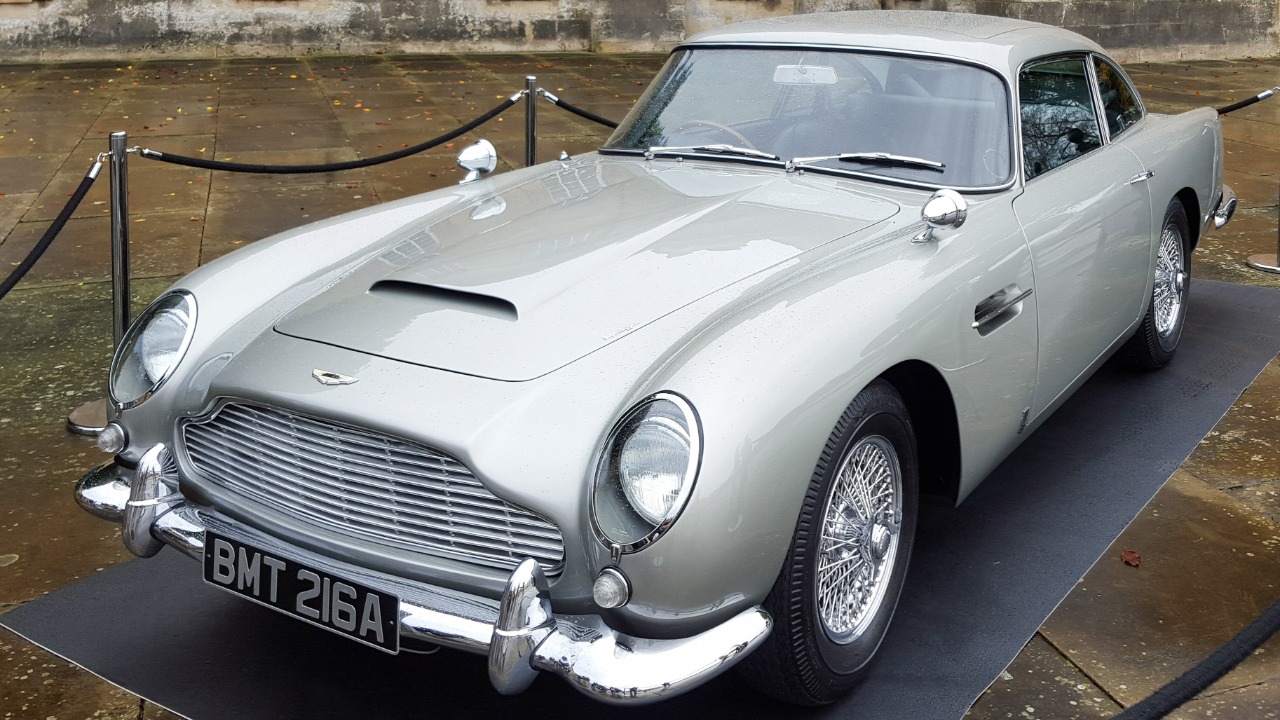
The Aston Martin DB5 became one of Britain’s most famous grand tourers, helped by its association with James Bond. Beneath its elegant body was a sophisticated 4.0-liter inline-six, while the cabin emphasized craftsmanship and long-distance comfort. The DB5 was never produced in huge numbers, making surviving examples particularly significant. Enthusiasts seek them not simply because of their movie connection, but because the car represents Aston Martin’s classic approach to combining performance, luxury, and understated styling. Original specification and documented history can make individual examples especially interesting.
Mini Cooper S
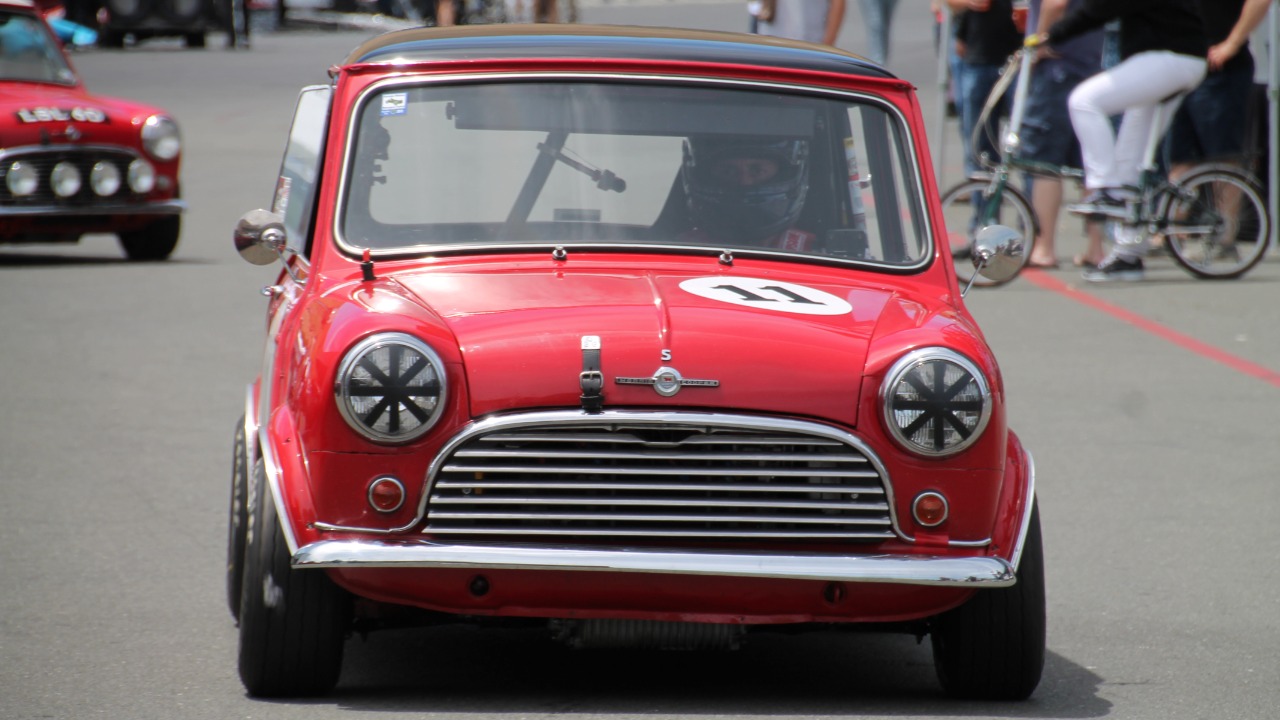
The Mini Cooper S transformed the tiny Mini into a serious performance car. John Cooper’s tuning work helped turn the front-wheel-drive economy car into a competitive machine, with improvements to the engine, brakes, suspension, and handling. The Cooper S became particularly famous through motorsport, including its victories in the Monte Carlo Rally. Its small dimensions and lightweight construction remain central to its appeal. Enthusiasts continue seeking genuine early Cooper S examples because few classic cars combine compact size, motorsport history, and entertaining handling as effectively as the original Mini.
Austin-Healey 3000
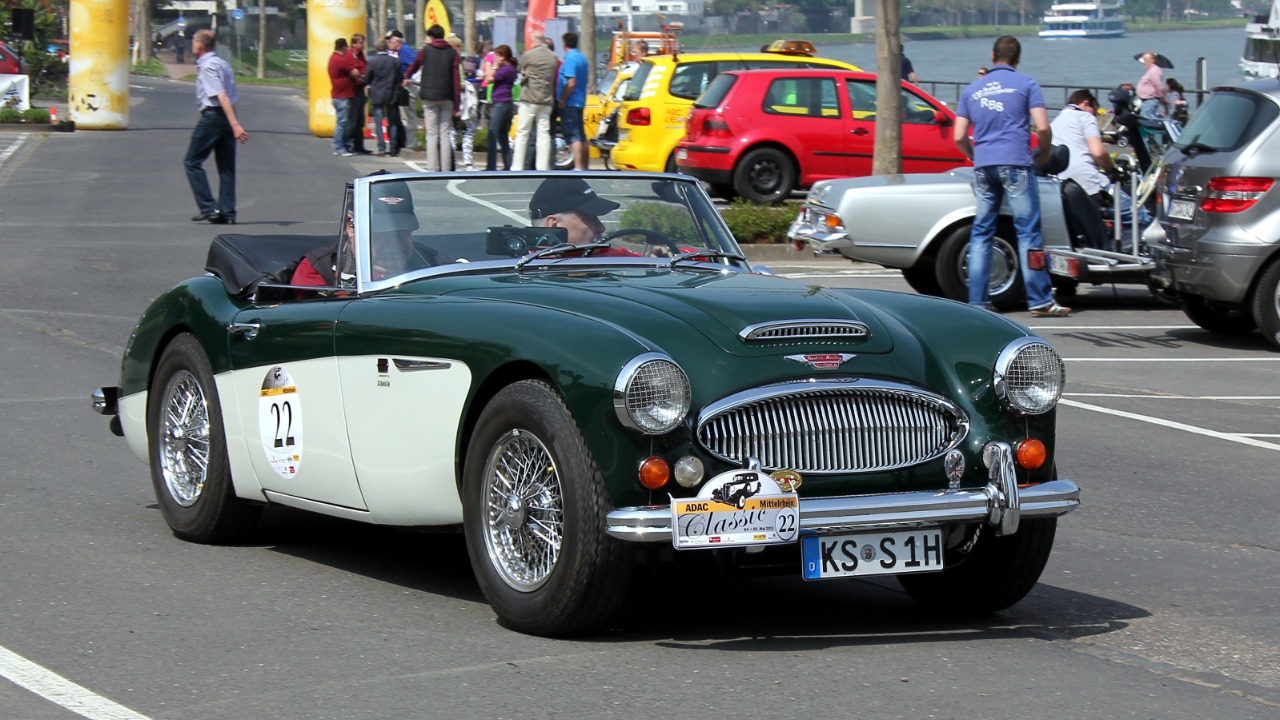
The Austin-Healey 3000 became one of Britain’s best-known traditional sports cars. Its six-cylinder engine, rear-wheel drive, open body, and long bonnet created the classic roadster formula that enthusiasts still associate with British motoring. The 3000 also gained a strong competition reputation, giving the model additional historical importance. Surviving examples range from carefully preserved originals to fully restored cars. Enthusiasts often seek earlier models with desirable specifications because the 3000 delivers a direct and mechanical driving experience that differs considerably from modern sports cars.
MG MGA
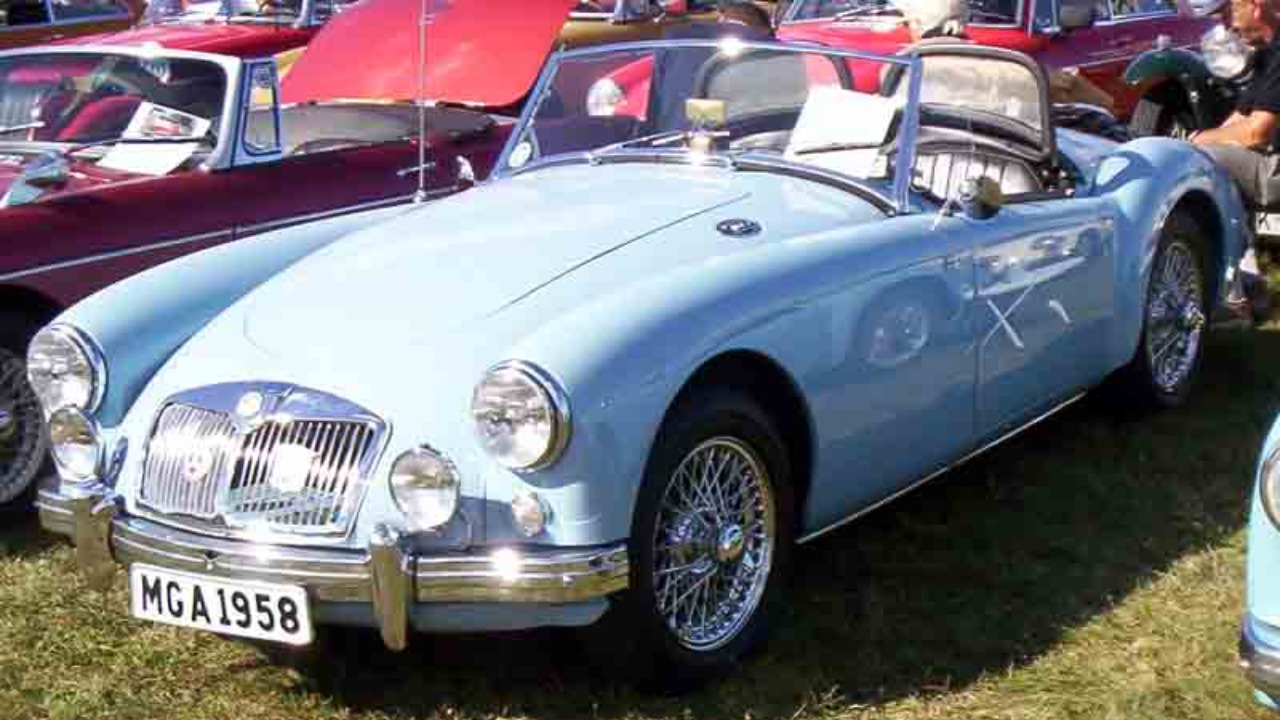
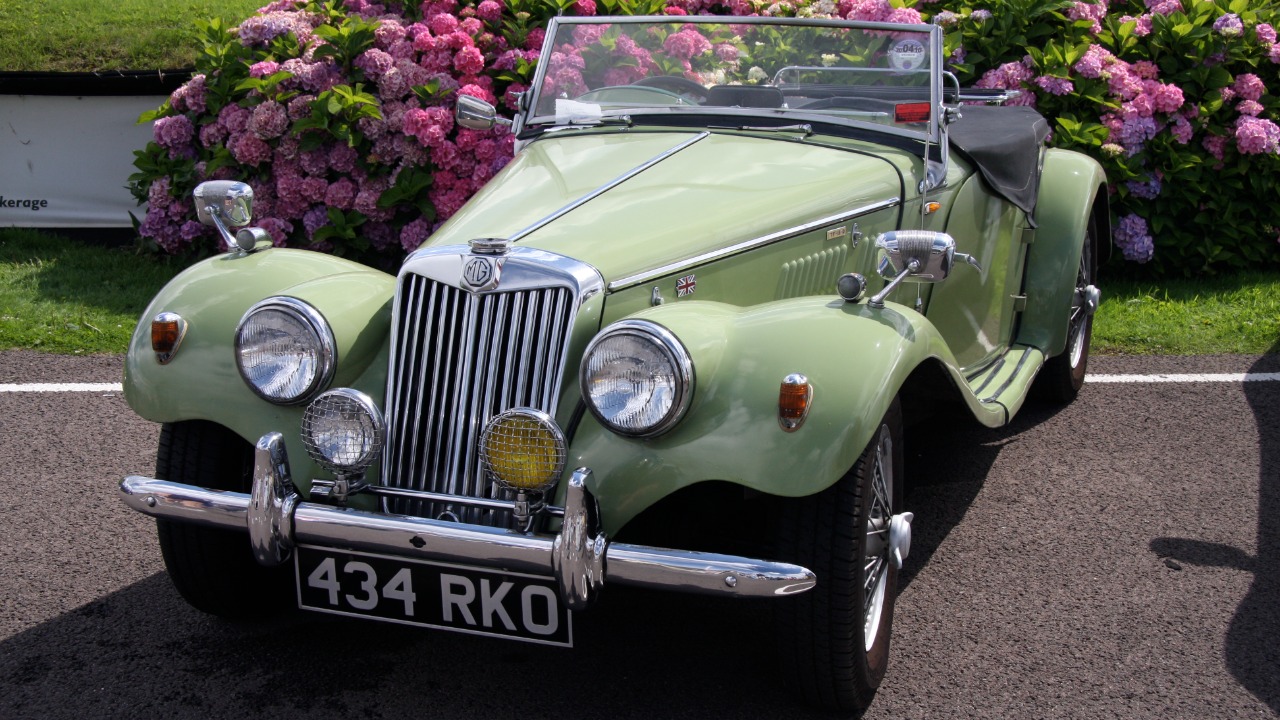
The MG MGA represented a major styling change for MG when it appeared in the late 1950s. Its streamlined body replaced the upright appearance of earlier MG sports cars while retaining the lightweight roadster formula. Four-cylinder power, rear-wheel drive, and simple mechanical construction made it enjoyable on winding roads. The MGA also competed successfully in motorsport, strengthening its reputation among enthusiasts. Today, collectors appreciate its clean proportions and relatively uncomplicated engineering. Well-preserved examples remain attractive to people looking for an authentic British sports-car experience from the 1950s.
Triumph TR6
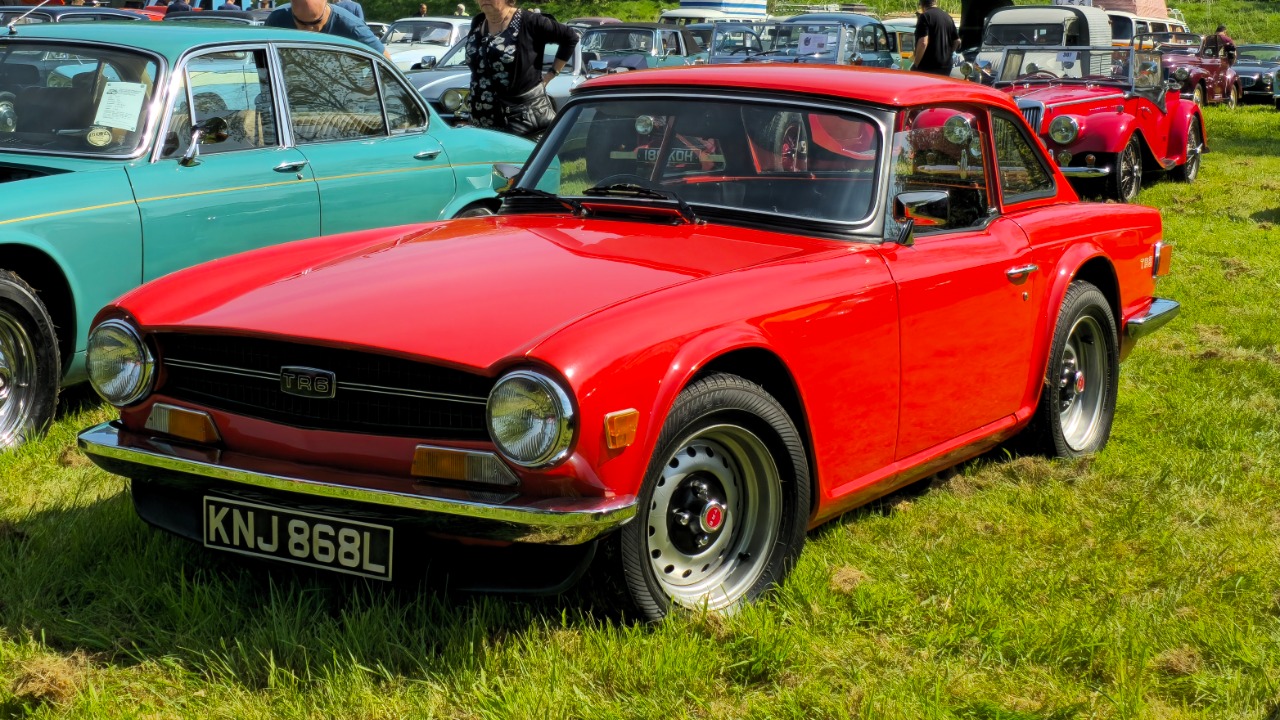
The Triumph TR6 combined traditional British roadster character with a more muscular appearance. Its six-cylinder engine provided a strong soundtrack, while the separate chassis and rear-wheel-drive layout retained the mechanical feel enthusiasts expected from a classic sports car. Produced from 1969 through 1976, the TR6 became one of Triumph’s most recognizable models. Today, enthusiasts continue seeking examples that retain original details and solid mechanical condition. The TR6 remains appealing because it offers open-air driving, straightforward controls, and a distinctive character that modern sports cars rarely reproduce.
Lotus Elan
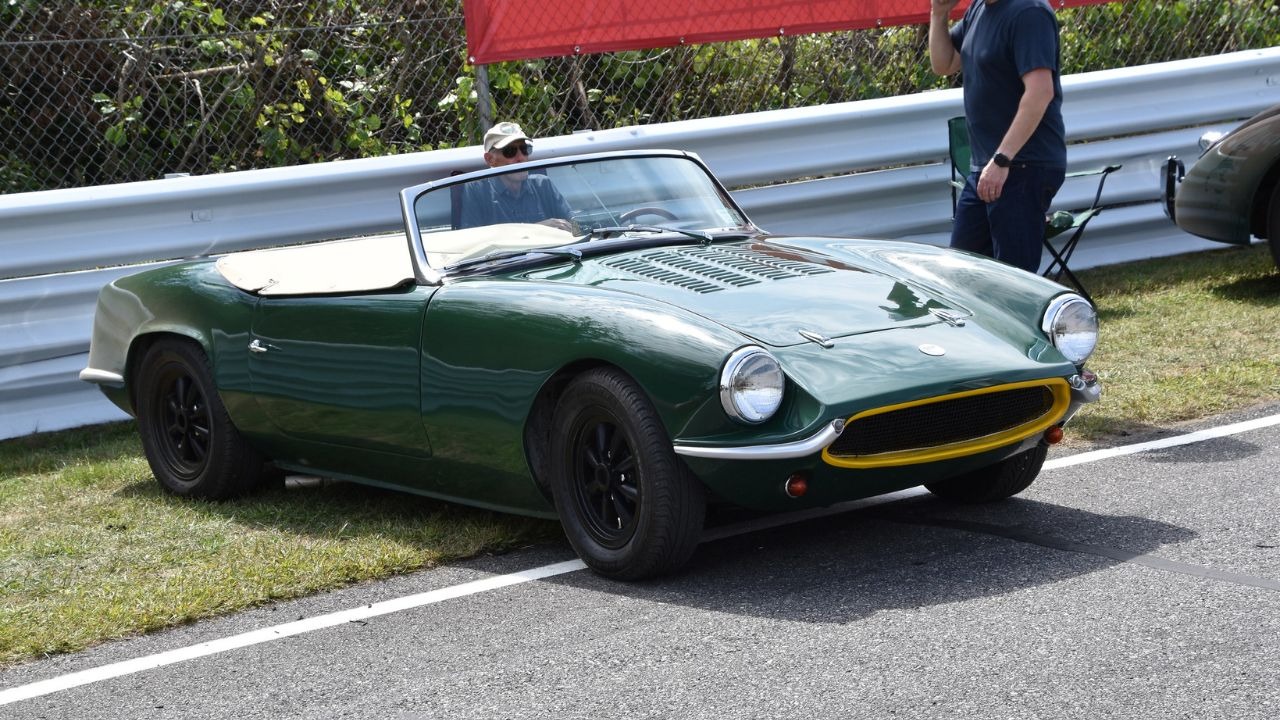
The Lotus Elan demonstrated Colin Chapman’s philosophy that low weight could be more important than large engine power. Its lightweight body, independent suspension, four-wheel disc brakes, and responsive handling created a sports car focused heavily on agility. The Elan’s small four-cylinder engine was sufficient because the car itself was exceptionally light. Enthusiasts continue to seek good examples because the Elan provides a remarkably direct driving experience. Its engineering also influenced Lotus development for years afterward, making it an important model in the history of lightweight British performance cars.
Jaguar XK120

The Jaguar XK120 helped establish Jaguar as a serious international sports-car manufacturer after World War II. Introduced in 1948, it combined elegant styling with Jaguar’s new XK inline-six engine. Its name referred to the claimed 120-mph top speed, an impressive figure for the period. The XK120 also achieved success in competition, strengthening its reputation beyond the road. Enthusiasts seek surviving examples because the car captures an important moment in British automotive history. Its graceful body, powerful engine, and early postwar significance make it particularly appealing to classic Jaguar collectors.
Bentley R-Type Continental
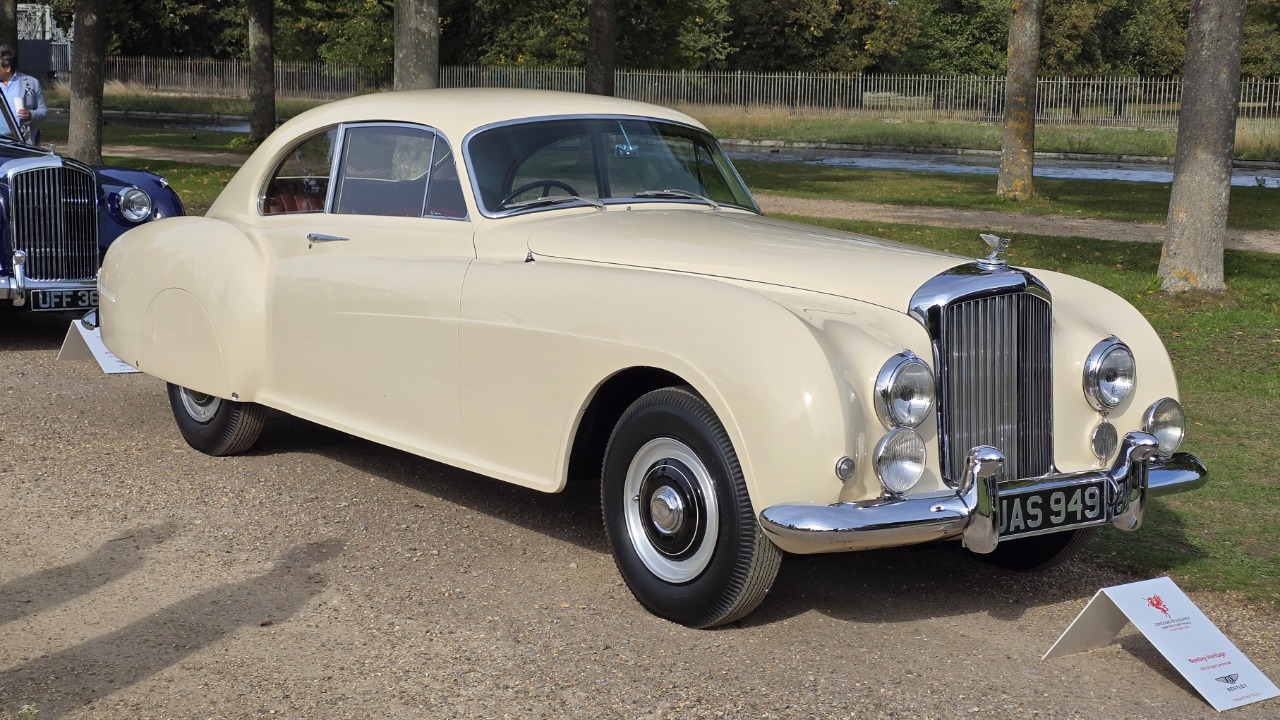
The Bentley R-Type Continental was developed as a high-speed grand tourer rather than a conventional luxury sedan. Its lightweight construction and streamlined body allowed it to travel quickly while retaining Bentley’s emphasis on refinement. The original fastback design became particularly influential and helped establish a template for later Bentley grand tourers. Production numbers were limited, making surviving examples highly significant. Enthusiasts seek the R-Type Continental because it combines elegant coachwork, high-speed capability, and Bentley engineering from an important period in the company’s history.
Morgan Plus 4
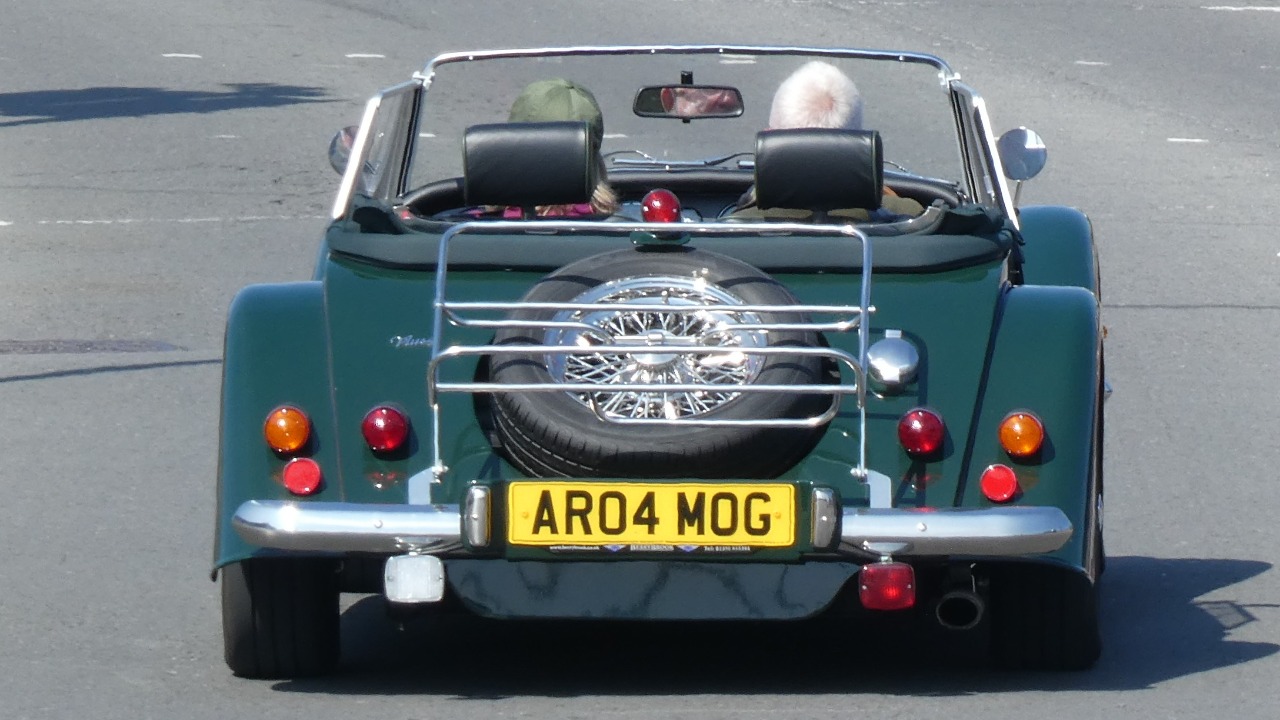
The Morgan Plus 4 represents a remarkably long-running approach to British sports-car design. Morgan traditionally combined lightweight construction with a separate chassis, simple bodywork, and a strong emphasis on driver involvement. The Plus 4 developed through numerous versions while retaining much of the character that made Morgan distinctive. Enthusiasts are drawn to these cars because they feel different from conventional mass-produced sports cars. Older Plus 4 models offer a particularly direct experience, with traditional proportions and relatively simple mechanical systems that reward drivers who appreciate classic roadster character.
TVR Griffith
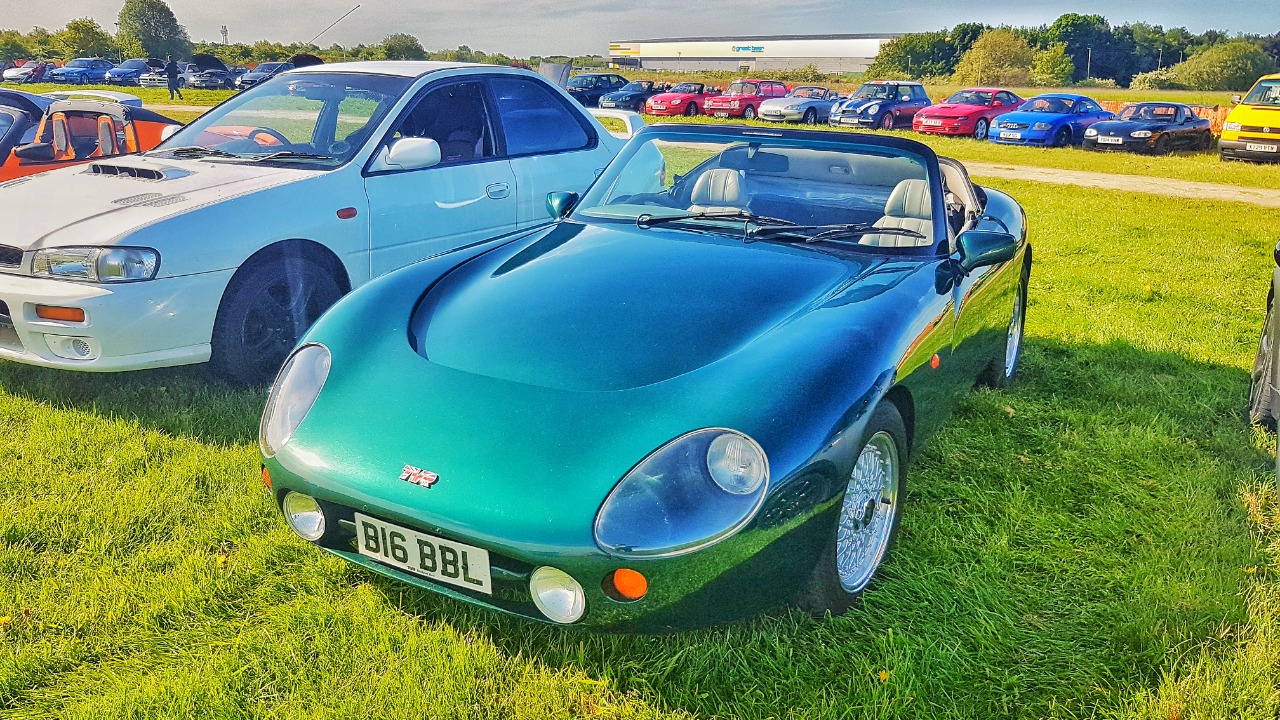
The TVR Griffith became known for combining lightweight construction with substantial V8 power. Early Griffith models used a compact fiberglass body and powerful American engines, producing a performance-focused British sports car with a distinctly unusual personality. TVR’s limited production approach meant these cars were never common on British roads compared with mainstream sports cars. Enthusiasts continue searching for surviving examples because the Griffith offers an experience that is difficult to duplicate. Its combination of light weight, dramatic styling, rear-wheel drive, and strong engine performance remains central to its appeal.
Lotus Esprit
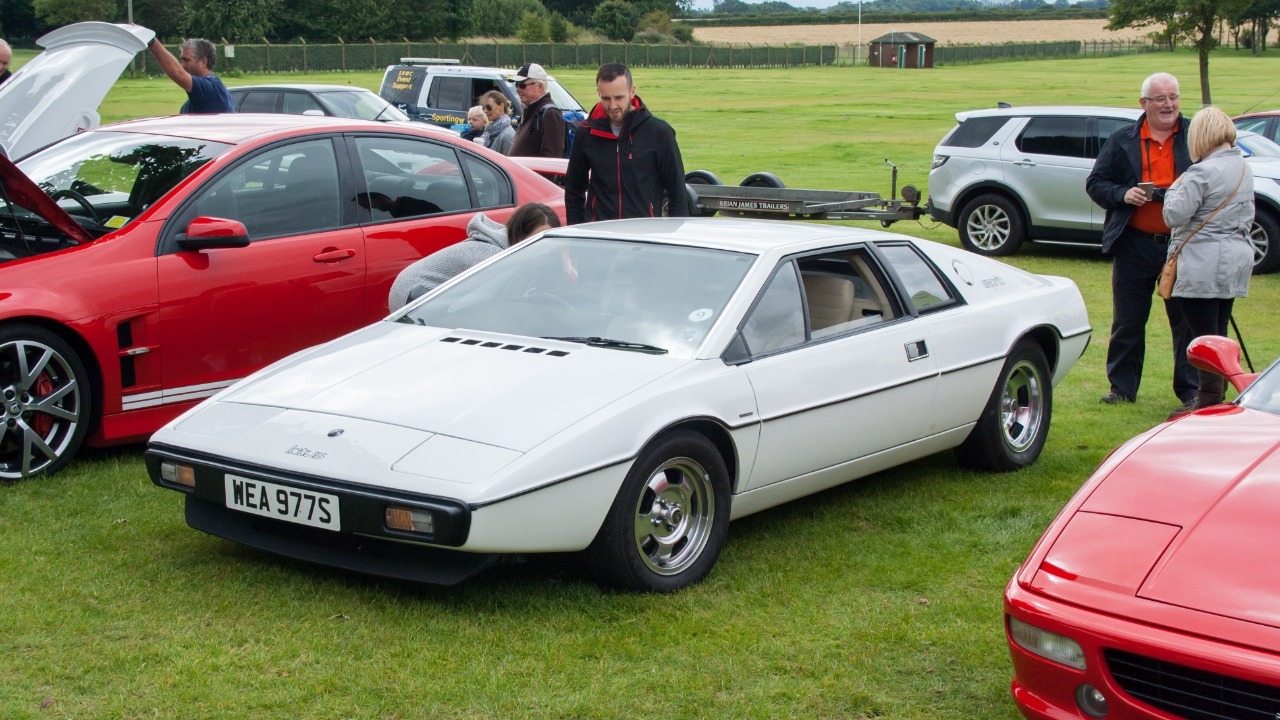
The Lotus Esprit brought a dramatic wedge-shaped design to the British sports-car market. Introduced in the 1970s, it combined mid-engine layout, lightweight construction, and Lotus’s focus on handling. Later versions received increasingly powerful engines and improved equipment, while the basic low-slung shape remained distinctive. Its appearance also became internationally famous through its James Bond appearances. Enthusiasts seek well-maintained Esprits because they represent Lotus engineering during an important period. The car remains particularly appealing to drivers who appreciate mid-engine balance and styling that is unmistakably associated with its era.
MGB GT
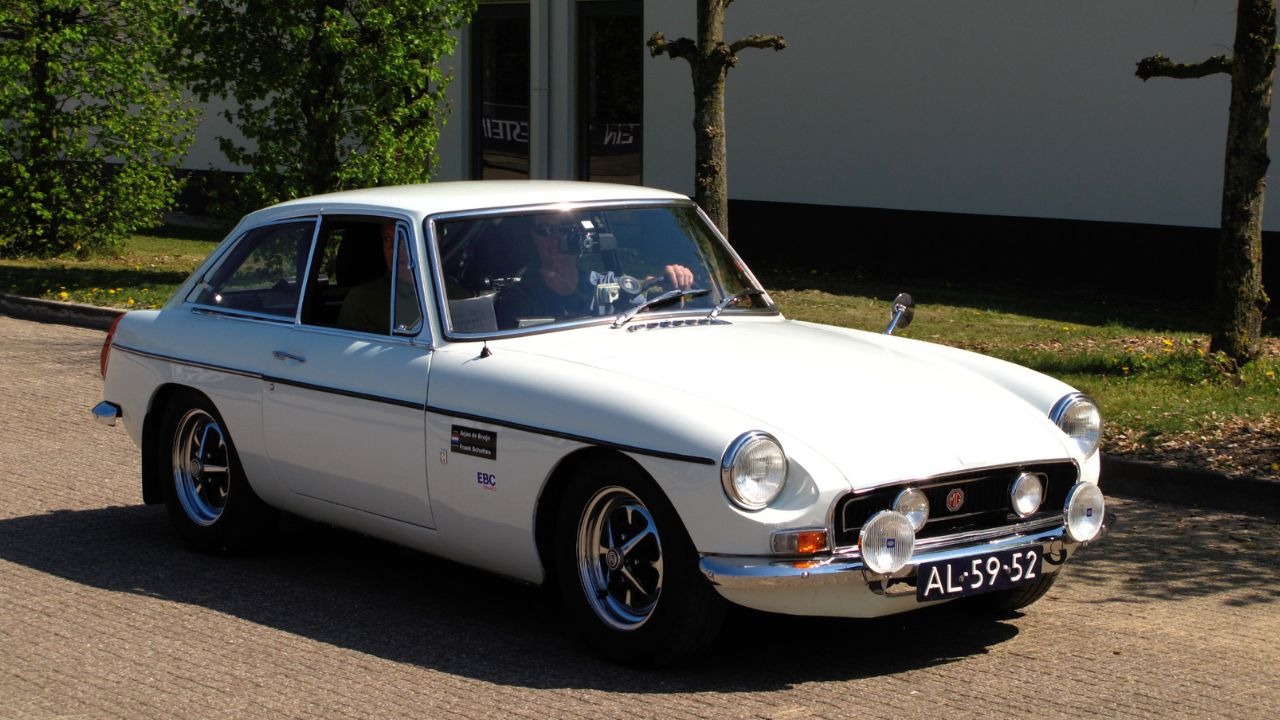
The MGB GT added a practical fastback body to the popular MGB sports-car formula. Designed with help from Pininfarina, it offered additional luggage space and a more enclosed cabin while retaining rear-wheel drive and familiar MG mechanical components. The GT became a useful alternative for drivers who wanted sports-car character without an open roadster body. Enthusiasts continue to appreciate the model because it combines simple engineering with elegant fastback styling. A well-preserved MGB GT can also provide an accessible introduction to traditional British classic-car ownership.
Triumph Spitfire
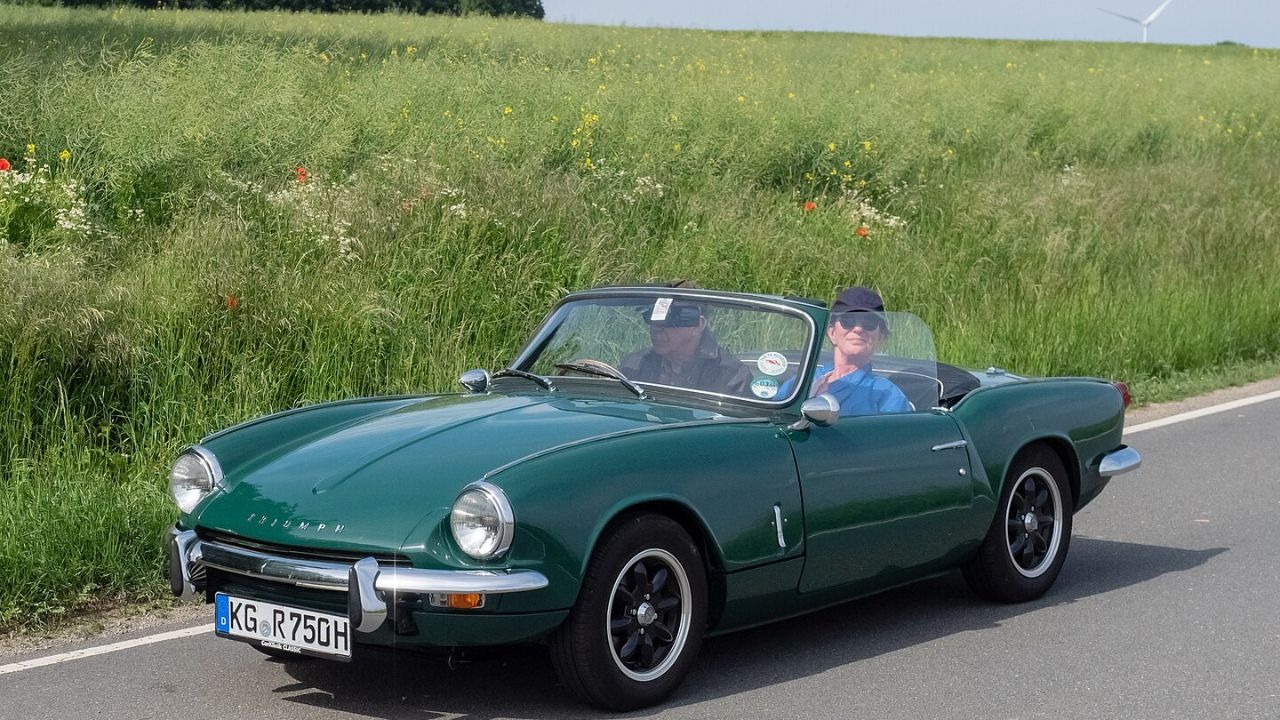
The Triumph Spitfire became one of Britain’s most recognizable small sports cars. Its compact dimensions, lightweight construction, and simple four-cylinder engine made it accessible to a wide range of buyers. The Spitfire evolved through several generations, receiving improvements in performance, comfort, and safety while retaining its basic roadster identity. Enthusiasts continue seeking good examples because the car offers straightforward classic-car enjoyment without the size or complexity of larger British sports cars. Its compact proportions and simple mechanical layout also make it an appealing restoration project.
Sunbeam Tiger

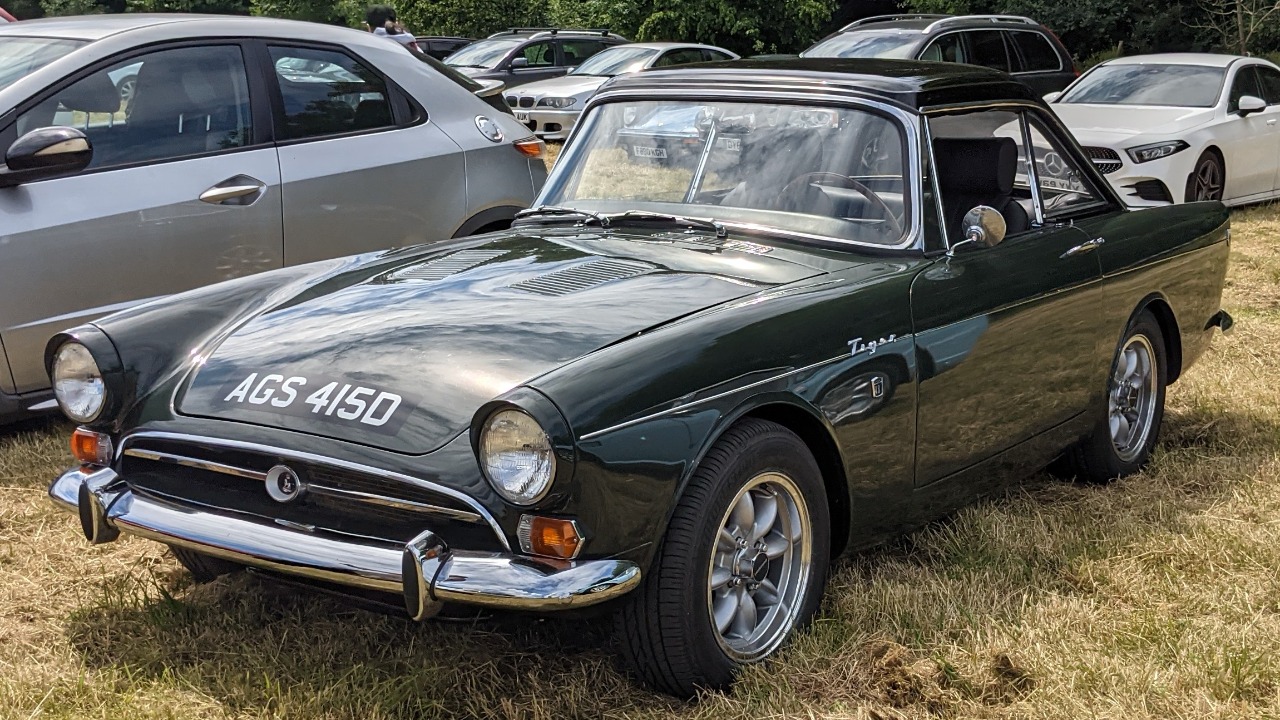
The Sunbeam Tiger combined a lightweight British roadster body with an American V8 engine. Carroll Shelby was involved in the early development, and the resulting car provided substantially more performance than the standard Sunbeam Alpine. Its compact size and V8 power created a distinctive combination that remains attractive to enthusiasts. Production was limited compared with mainstream British sports cars, making genuine Tigers increasingly interesting to collectors. The model is particularly respected for demonstrating how British chassis design and American engine power could be combined into a remarkably compact performance car.
AC Ace
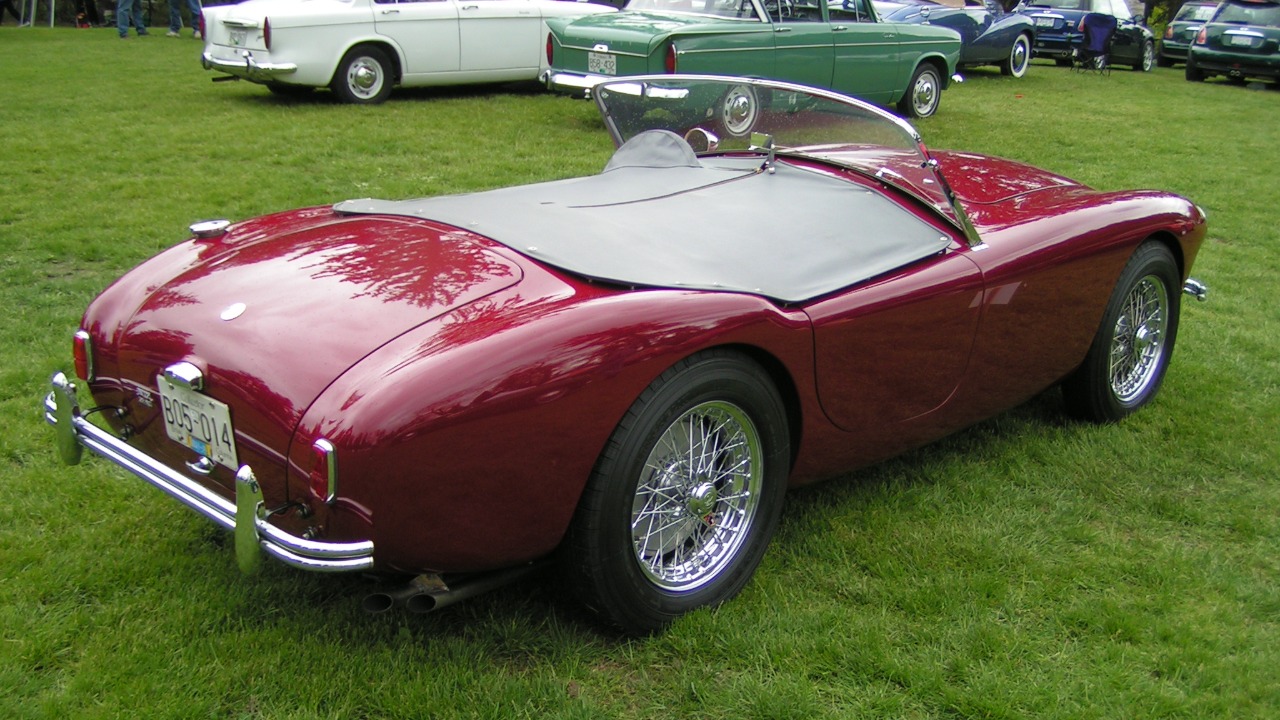
The AC Ace was a lightweight British sports car with elegant roadster styling and a competition-oriented character. Its tubular chassis, independent suspension, and aluminum body helped keep weight low, while different engines were used throughout its production. The Ace is historically important because its chassis became the foundation for the Shelby Cobra after Carroll Shelby arranged for an American V8 to be installed. Enthusiasts continue seeking original Aces because of their rarity and engineering significance. The car represents an important connection between British sports-car construction and American performance development.
Riley Sprite
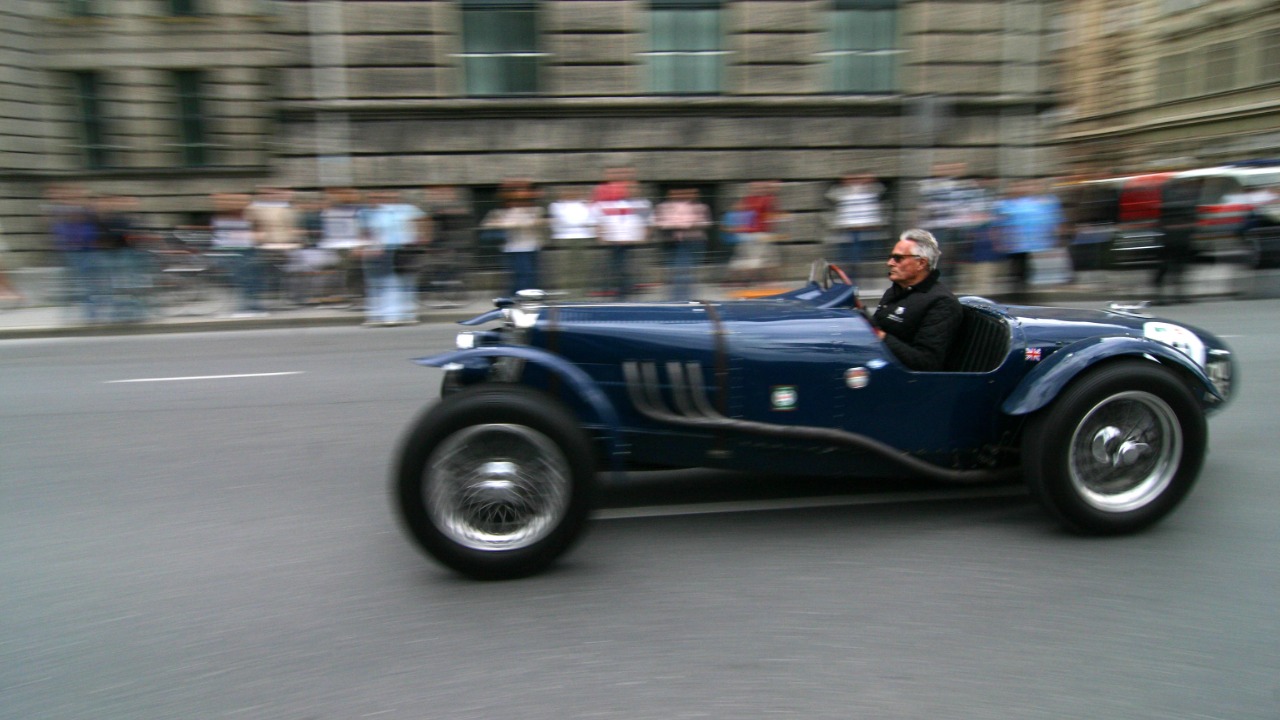
The Riley Sprite represents the kind of British sporting car that can easily be overlooked beside famous Jaguars, MGs, and Triumphs. Produced in the 1930s, it reflected Riley’s interest in combining sporting performance with elegant bodywork. Its relatively small production and age mean surviving examples are uncommon. Enthusiasts interested in prewar British motoring seek these cars because they offer a direct connection to an earlier period of engineering and coachbuilding. Their distinctive appearance and mechanical character make them particularly interesting to collectors who enjoy lesser-known British classics.
Austin-Healey Sprite
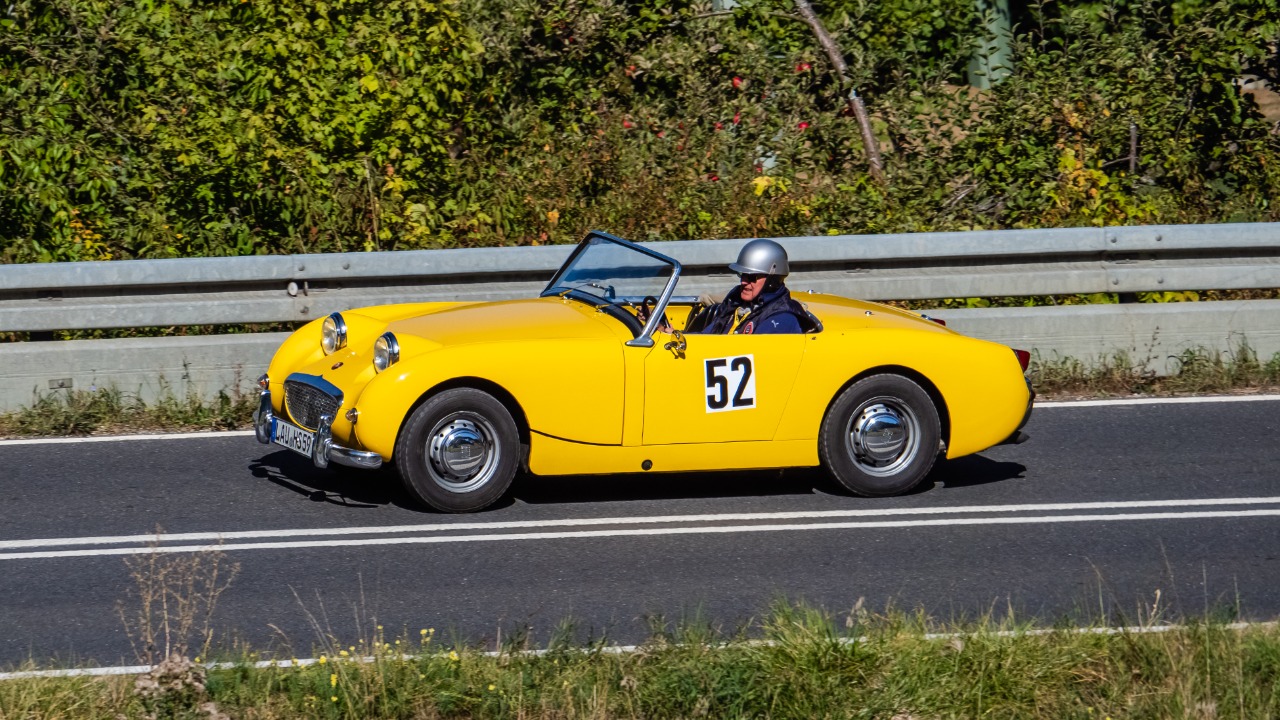
The Austin-Healey Sprite was designed as a small, affordable sports car that emphasized simplicity and driving enjoyment. Its compact body, lightweight construction, and modest four-cylinder engine created a formula that made the car approachable for enthusiasts. Early examples became known for their distinctive front-end styling, while later versions evolved toward a more conventional appearance. The Sprite remains popular because it offers many of the basic qualities associated with British roadsters without the cost or complexity of larger models. Enthusiasts often seek original early cars for their distinctive character.
Jaguar Mark II
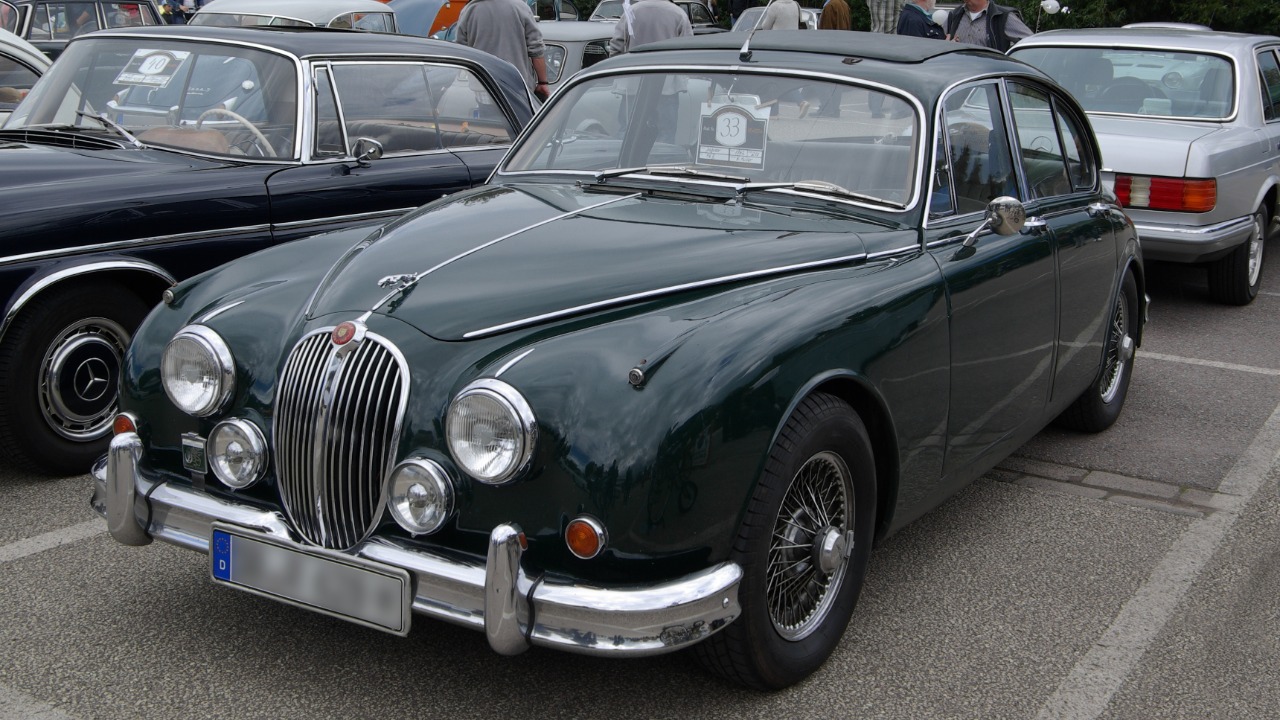
The Jaguar Mark II combined sports-sedan performance with the comfort expected from a luxury car. Its elegant body concealed powerful six-cylinder engines, while independent suspension and strong brakes helped give the car impressive road manners for its period. The Mark II also became famous through motorsport and touring-car competition. Enthusiasts continue seeking examples because it represents Jaguar’s ability to blend performance and refinement in one package. Its compact proportions, distinctive grille, and wood-and-leather interior remain closely associated with the classic British sports-sedan formula.
Aston Martin DB4
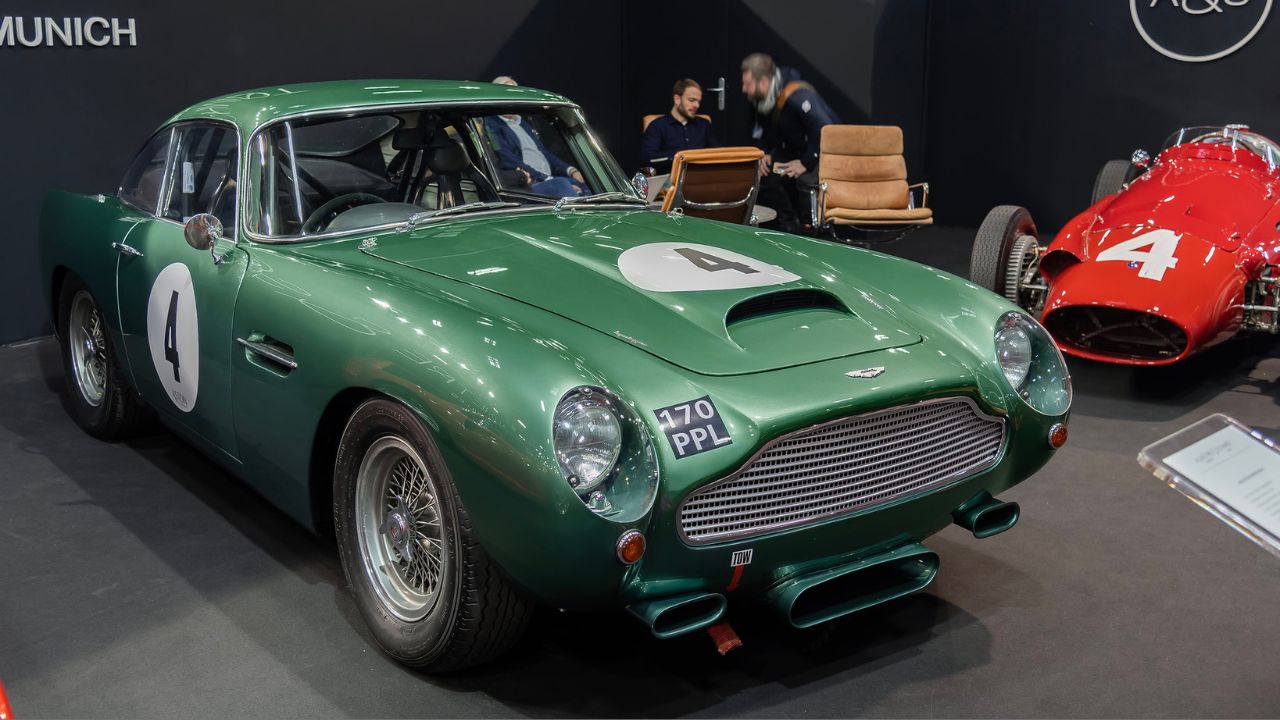
The Aston Martin DB4 helped establish the modern grand touring formula that later made the DB5 famous. Introduced in 1958, it combined elegant Italian-influenced styling with a new 3.7-liter inline-six and a lightweight aluminum body. The DB4 was designed for high-speed touring while maintaining the refinement expected from Aston Martin. Production remained limited compared with ordinary British cars, and surviving examples are highly sought after by enthusiasts. Its combination of performance, craftsmanship, and elegant proportions makes the DB4 an important British classic from the late 1950s.
More from Fast Lane Only
- Unboxing the WWII Jeep in a Crate
- 15 rare Chevys collectors are quietly buying
- 10 underrated V8s still worth hunting down
- Police notice this before you even roll window down
*Research for this article included AI assistance, with all final content reviewed by human editors.