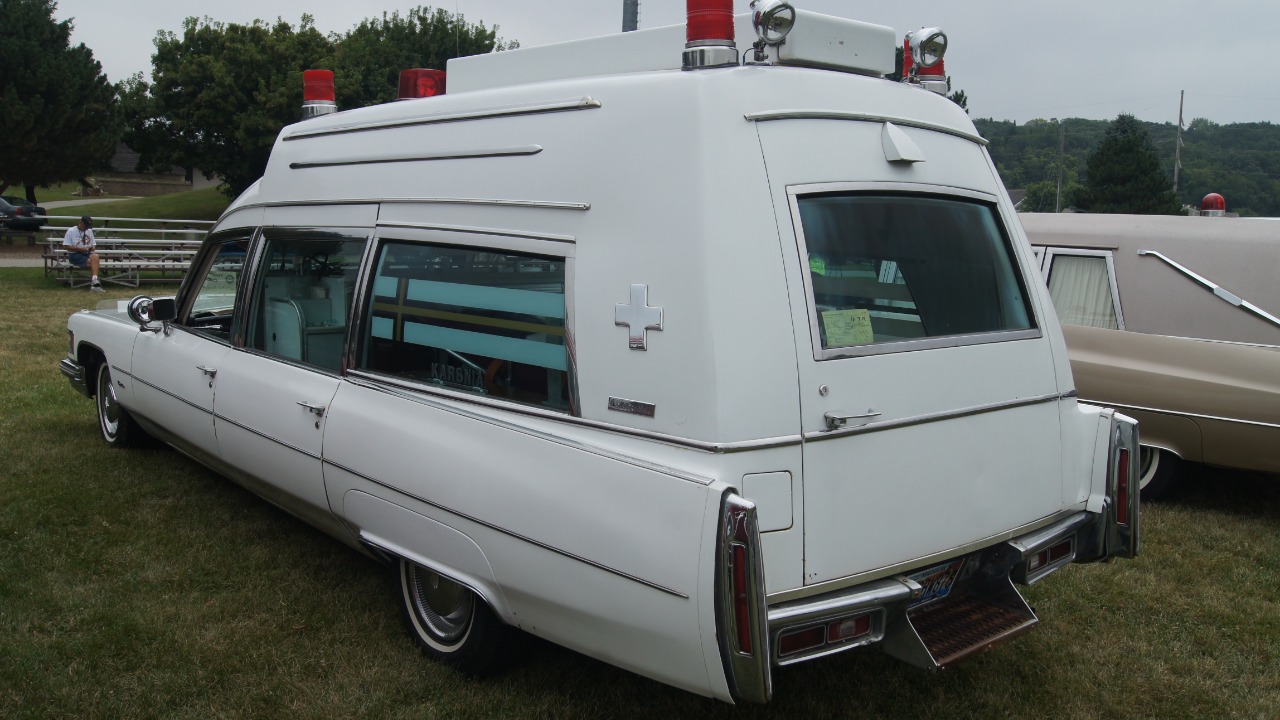
Vintage ambulances were built for demanding service where reliability mattered more than comfort or fuel economy. Heavy-duty chassis, powerful engines, long wheelbases, and straightforward mechanical systems helped them survive years of constant use. From elegant Cadillac-based coaches to rugged Packard and Pontiac conversions, these nine ambulances represent some of the most memorable professional vehicles of their era.
Cadillac Superior Ambulance
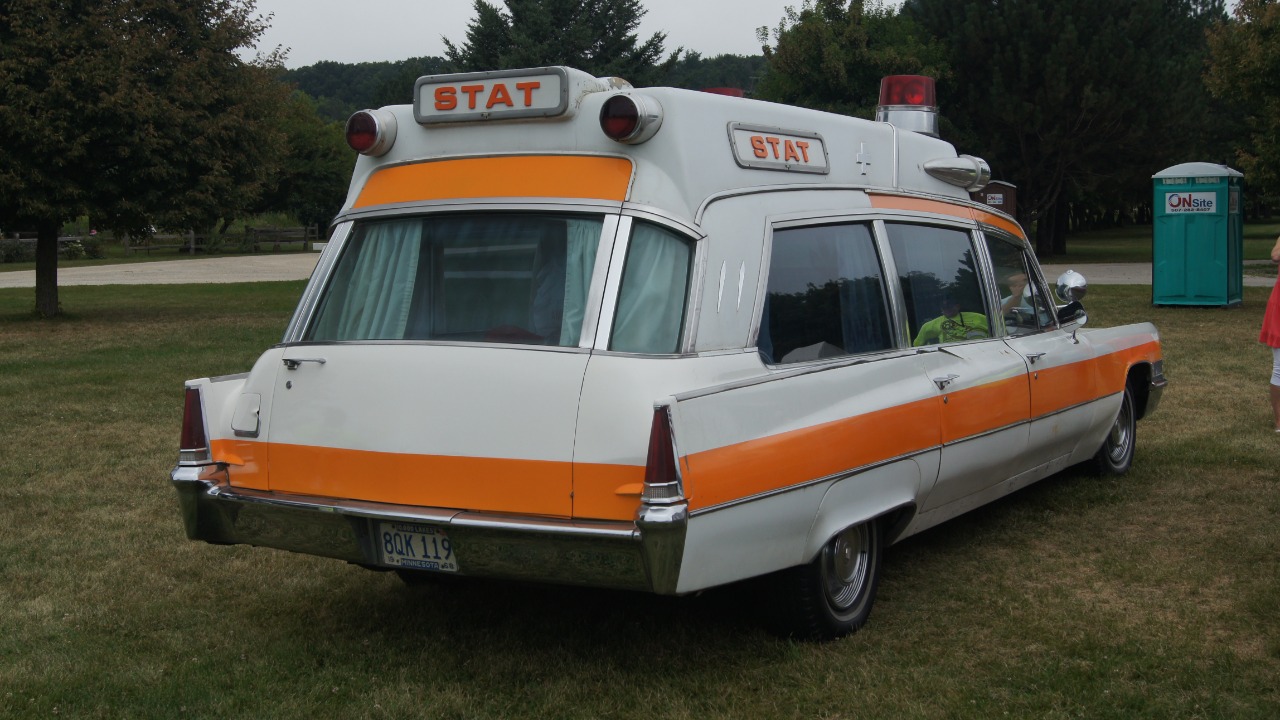
Cadillac provided the heavy-duty commercial chassis, while Superior Coach Corporation transformed it into a purpose-built ambulance. The combination offered a powerful V8, a reinforced platform, and a spacious patient compartment designed for demanding professional service. Superior produced numerous Cadillac-based ambulances during the golden age of professional cars, making the combination one of the defining ambulance formulas of the period.
Cadillac Miller-Meteor Ambulance
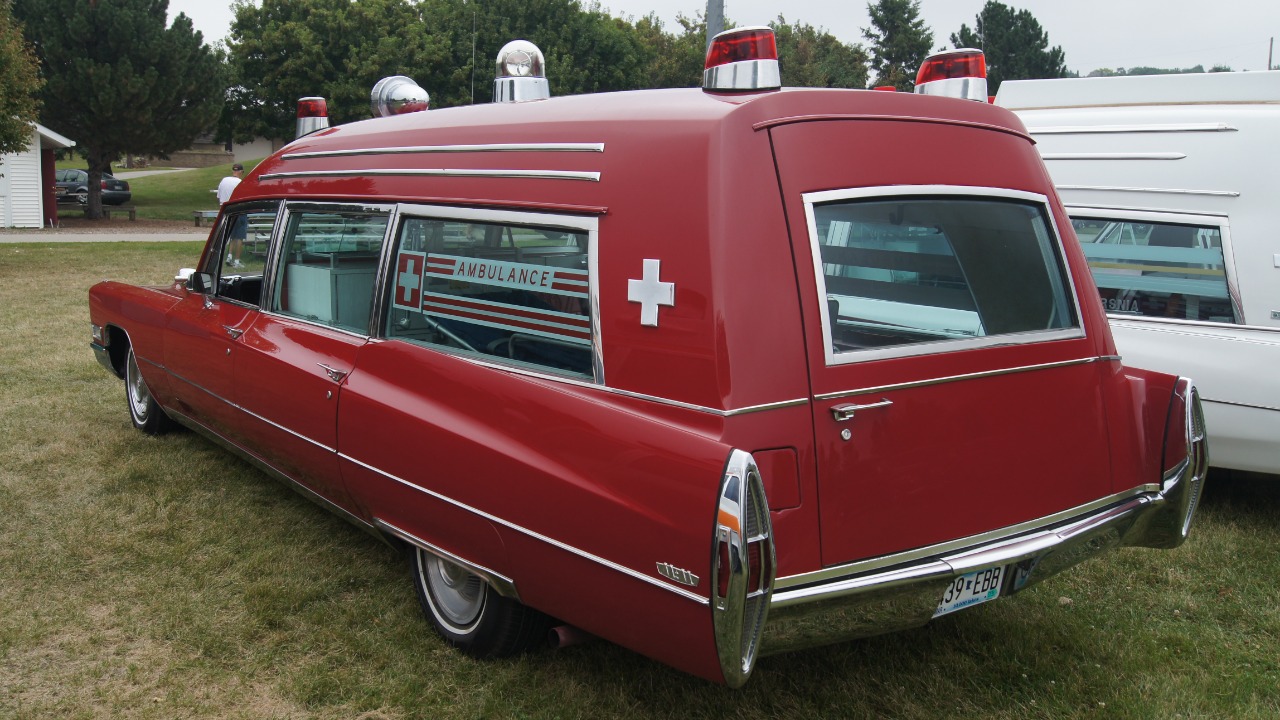
The Cadillac Miller-Meteor ambulance combined Cadillac’s substantial commercial chassis with specialized coachwork from Miller-Meteor. Its long wheelbase and large V8 made it well suited to carrying equipment and patients while providing a relatively smooth ride. Miller-Meteor offered several ambulance configurations, including 48-inch and high-top 54-inch models. Their imposing construction and conventional mechanical systems made them particularly memorable examples of the classic car-based ambulance era.
Packard Henney Ambulance
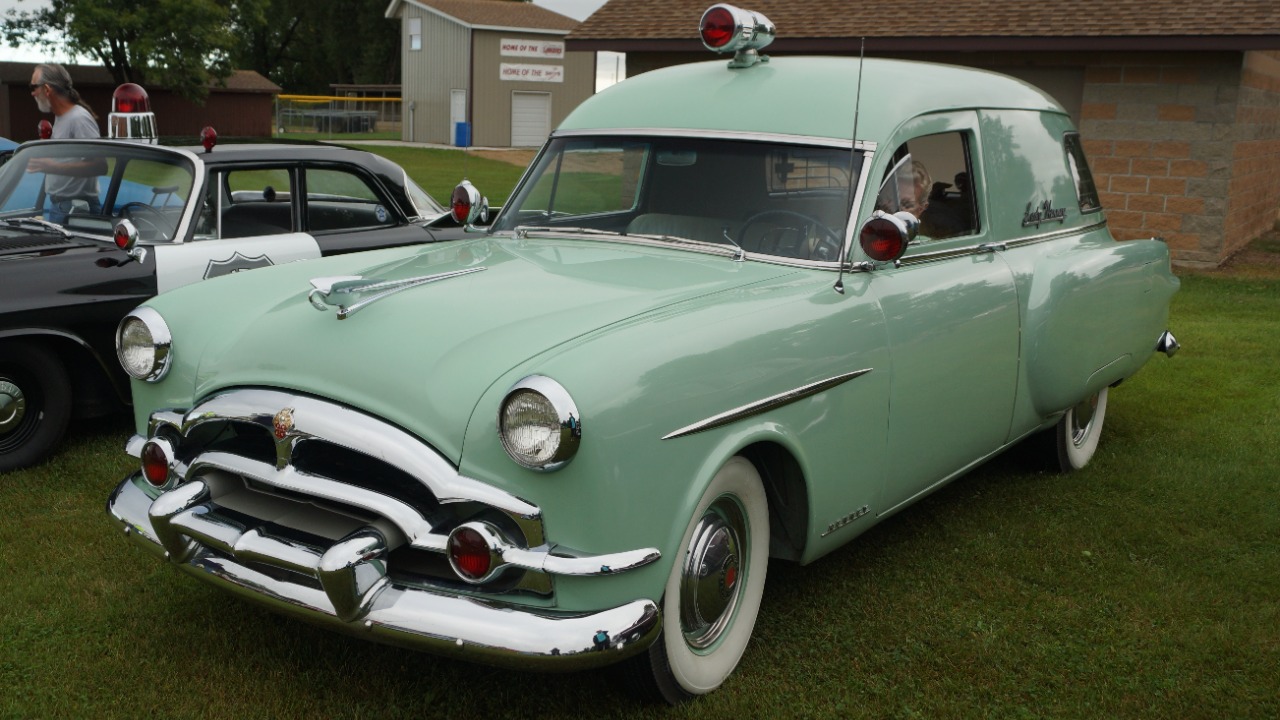
The Packard Henney ambulance brought Packard’s engineering together with professional coachwork from Henney. Packard’s substantial chassis and powerful engines gave the ambulance a strong mechanical foundation, while Henney specialized in professional vehicles such as ambulances and funeral coaches. Several Packard-based ambulances were used by municipalities and other organizations, including the U.S. Navy. Today, surviving examples highlight how much engineering and craftsmanship went into these early professional vehicles.
Pontiac Superior Ambulance
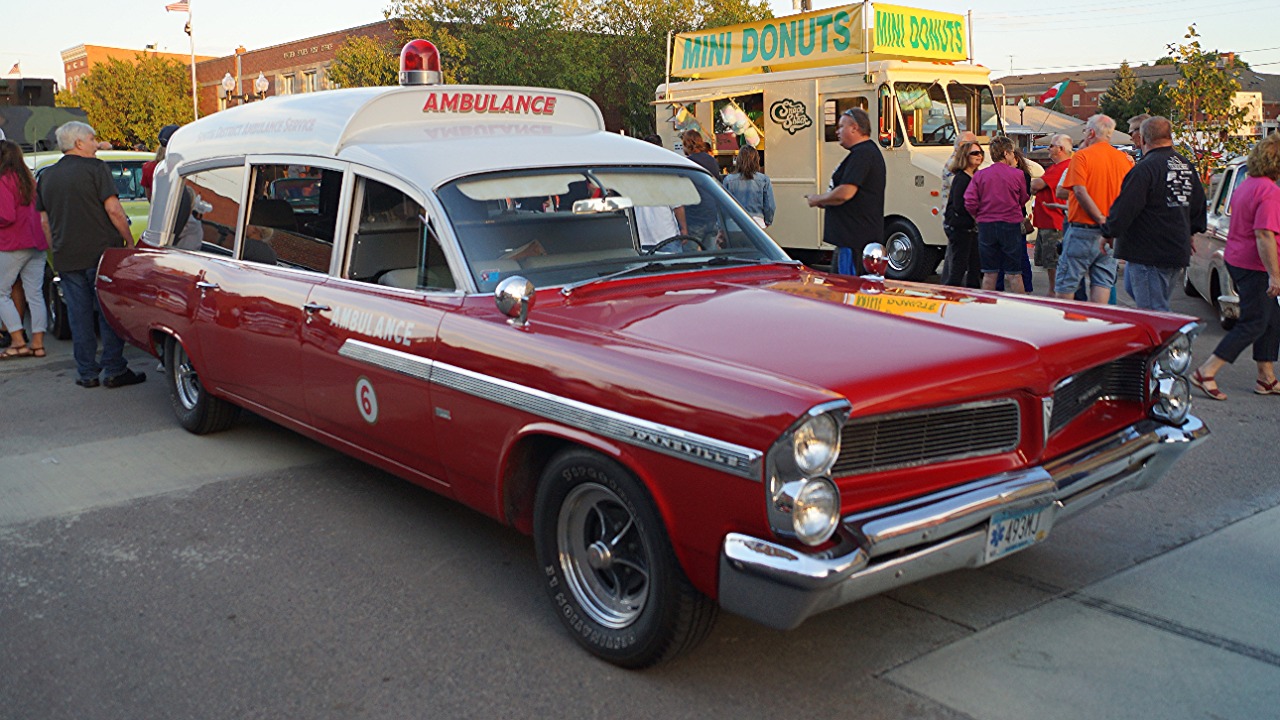
The Pontiac Superior ambulance combined a Pontiac chassis with specialized bodywork from Superior. It offered a less extravagant alternative to Cadillac while retaining the sturdy construction needed for professional service. Superior produced Pontiac-based ambulances in multiple configurations, including models documented from the 1950s through the 1970s. Their relatively straightforward mechanical layouts made them practical working vehicles, while their distinctive coachbuilt bodies gave them a unique presence.
Oldsmobile Cotner-Bevington Ambulance
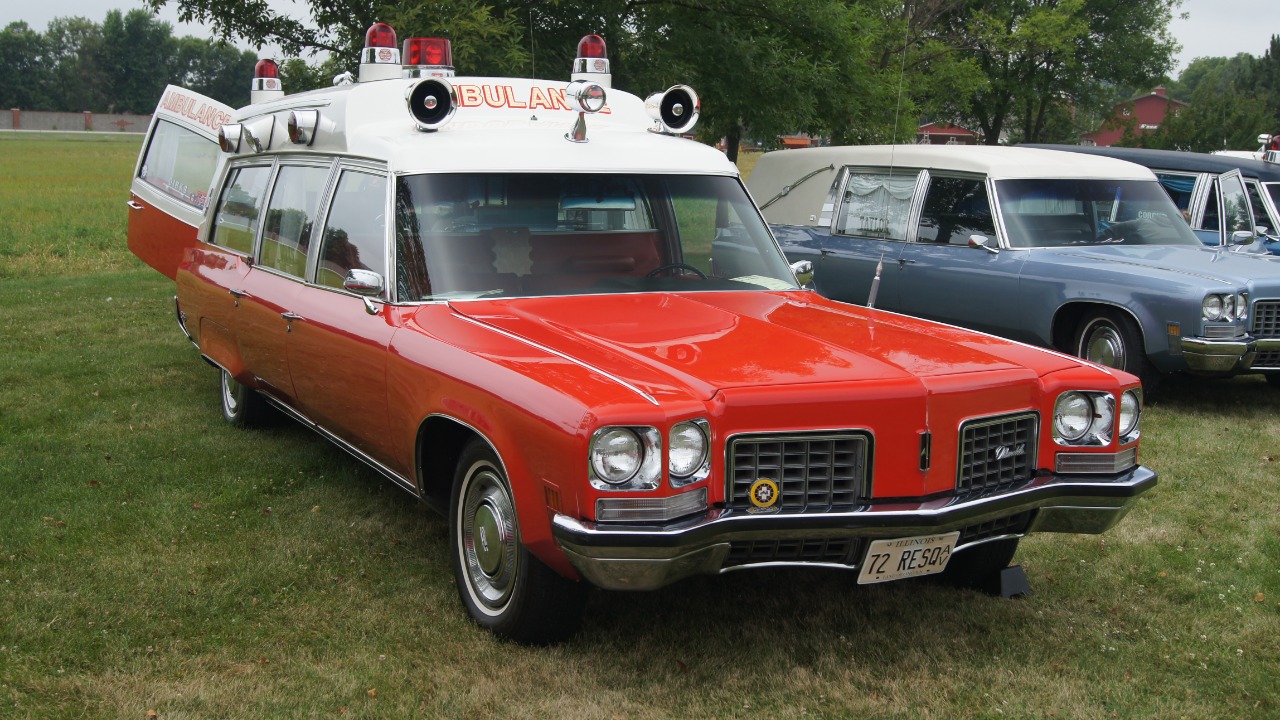
Cotner-Bevington became known for transforming conventional American chassis into specialized professional vehicles. Its Oldsmobile-based ambulances combined the manufacturer’s V8-powered chassis with purpose-built emergency bodies. The resulting vehicles offered a useful balance of power, interior space, and conventional mechanical construction. Oldsmobile’s familiar components also made these ambulances easier to understand for mechanics accustomed to working on mainstream American cars, helping them remain practical working machines.
Studebaker Ambulance
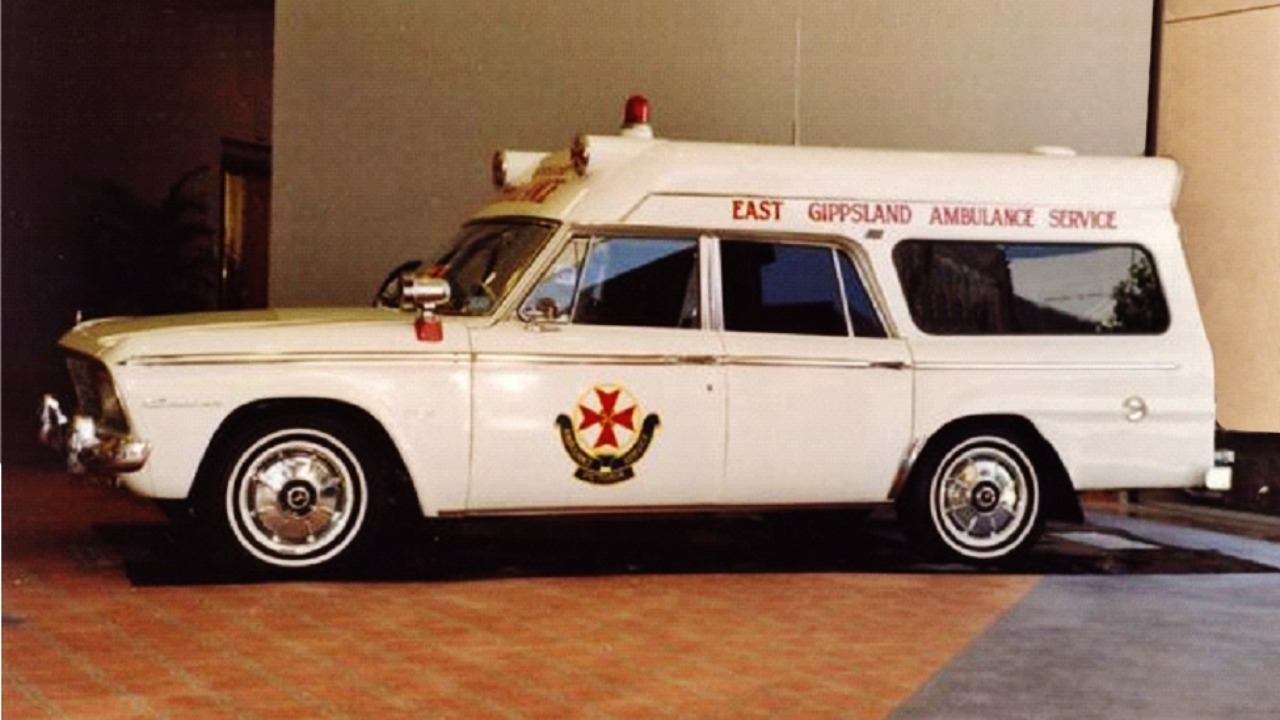
Studebaker supplied an interesting alternative to the larger Detroit manufacturers, with its chassis appearing beneath specialized ambulance bodies. Its relatively uncommon professional vehicles demonstrated that ambulance builders were willing to work with a variety of American platforms. The Studebaker name is less frequently associated with emergency vehicles today, which makes surviving examples particularly unusual. Their straightforward engineering and sturdy construction helped them serve as capable transportation for medical and municipal duties.
International Harvester Ambulance
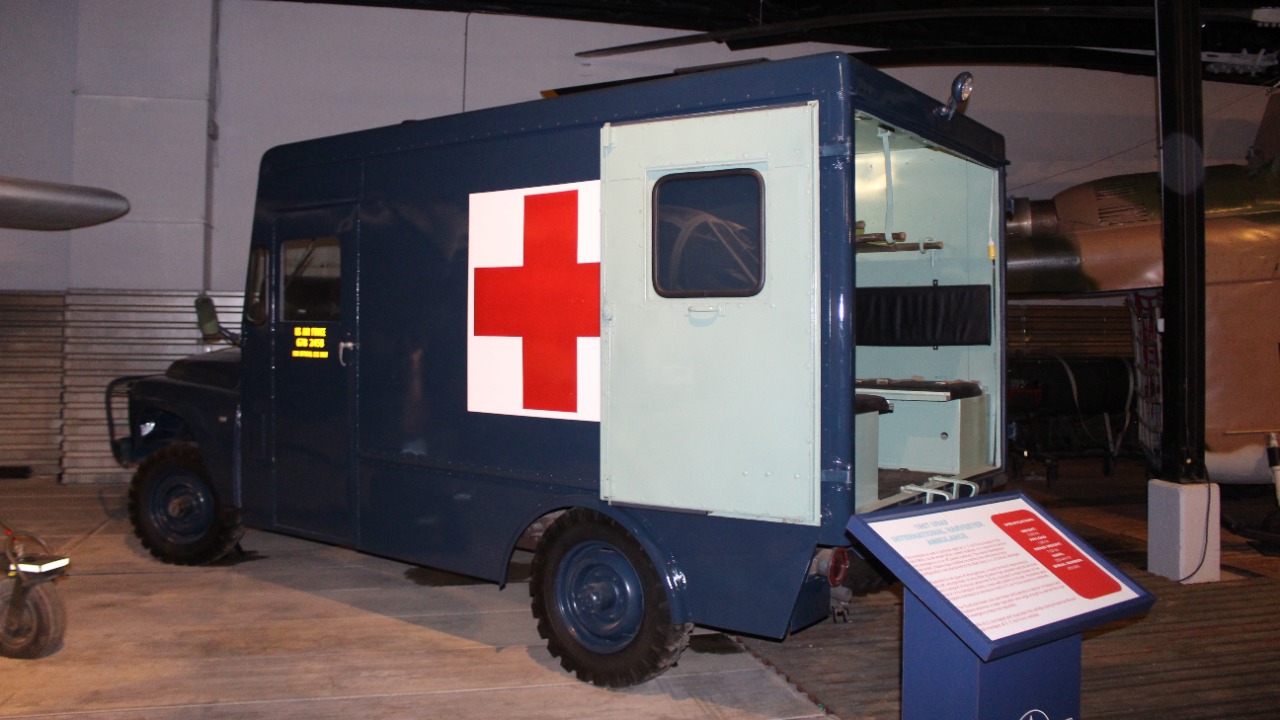
International Harvester brought a different philosophy to ambulance construction by providing rugged truck-based platforms rather than relying exclusively on large passenger-car chassis. Its commercial vehicles were well suited to emergency service in rural areas, where durability and rough-road capability could be more important than styling. The company’s ambulance platforms offered practical mechanical layouts and strong chassis construction. They remain an important reminder that not every dependable vintage ambulance came from a luxury-car manufacturer.
More from Fast Lane Only
- Unboxing the WWII Jeep in a Crate
- 15 rare Chevys collectors are quietly buying
- 10 underrated V8s still worth hunting down
- Police notice this before you even roll window down
*Research for this article included AI assistance, with all final content reviewed by human editors.