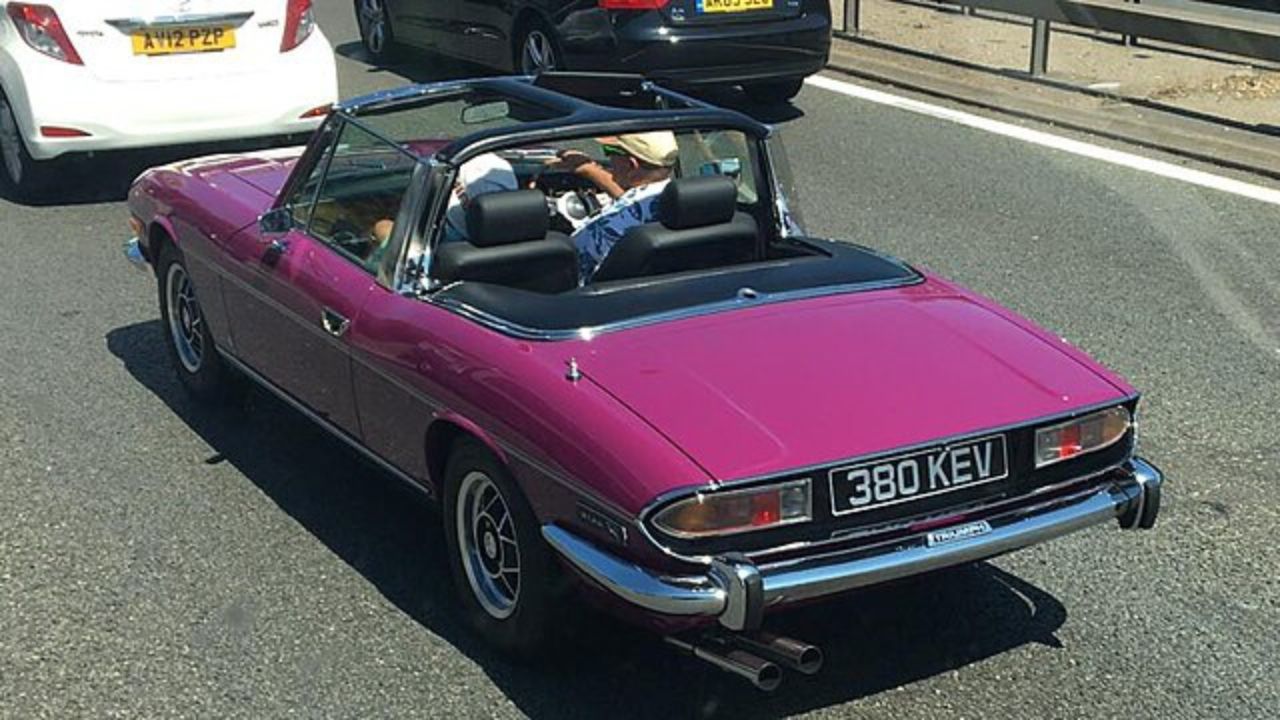
There’s something about a British roadster that makes people turn their heads—long bonnet, low screen, and that unmistakable mix of charm and intent. Some did it with delicate lines and modest power, others with big-cube muscle or clever engineering, but all of them earned a reputation for looking “right” from almost any angle. Here are 20 open-top classics that still draw a crowd, even decades after their first drives.
Jaguar XK120
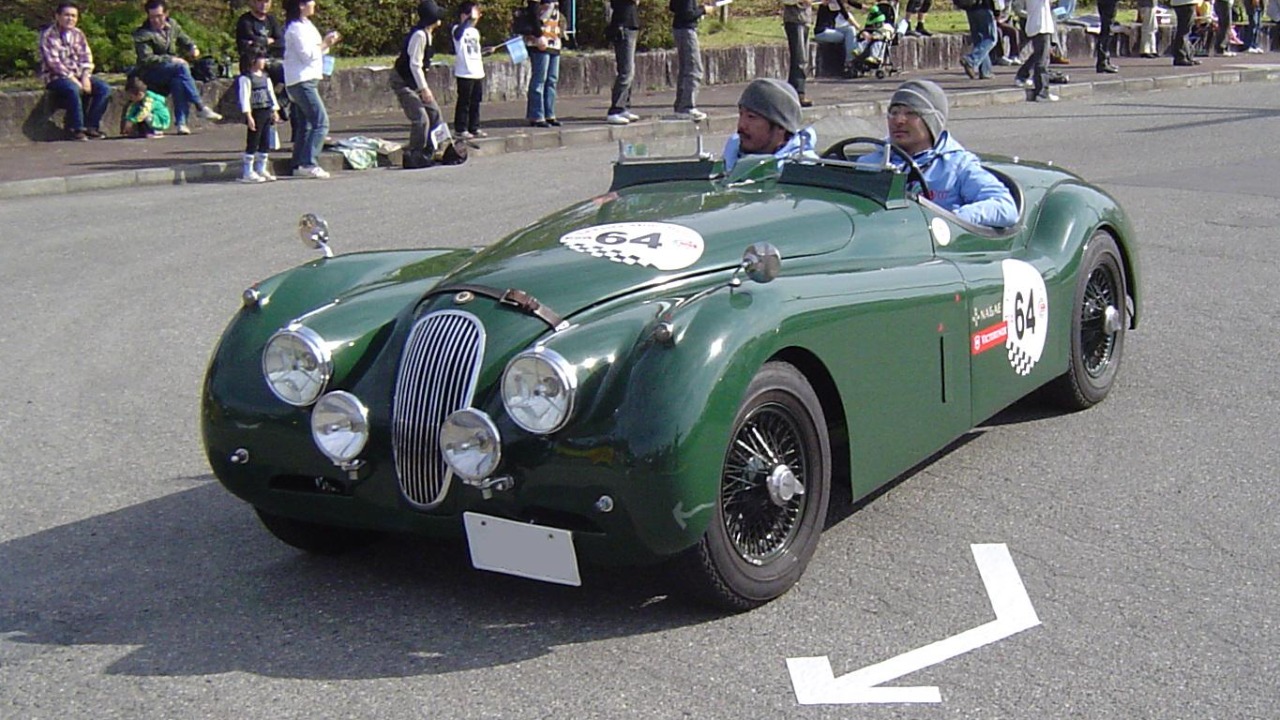
When the Jaguar XK120 debuted, it wasn’t just pretty—it was genuinely fast for its day, helped by the new XK twin-cam straight-six. Early cars were built with aluminum bodywork over ash framing before steel production ramped up. That blend of performance and elegance made it a defining postwar roadster and a cornerstone of Jaguar’s global reputation.
Triumph TR2
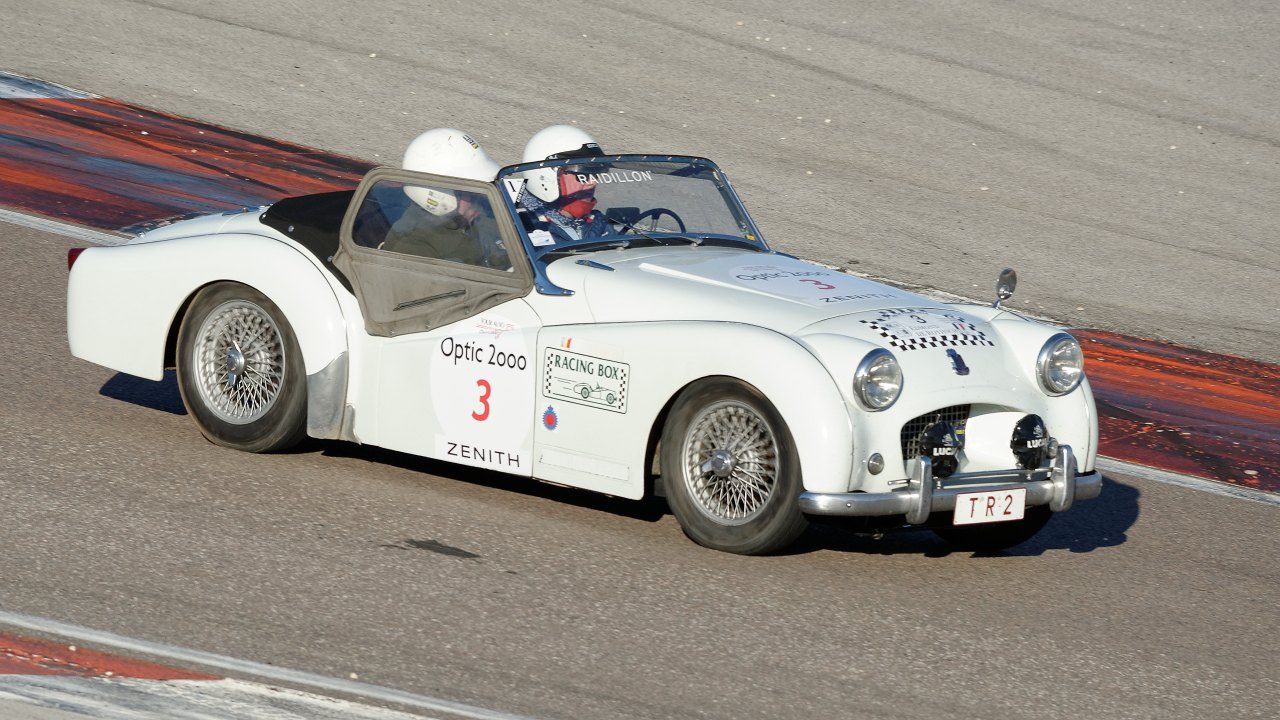
The TR2 set the template for Triumph’s long-running TR line: simple, sturdy, and built to be driven hard. It quickly proved itself in competition and high-speed runs, which mattered in an era when sports-car credibility was earned on the road and track. The clean, purposeful shape still looks like it wants to be hustled down a B-road.
Austin-Healey 100 (BN1/BN2)
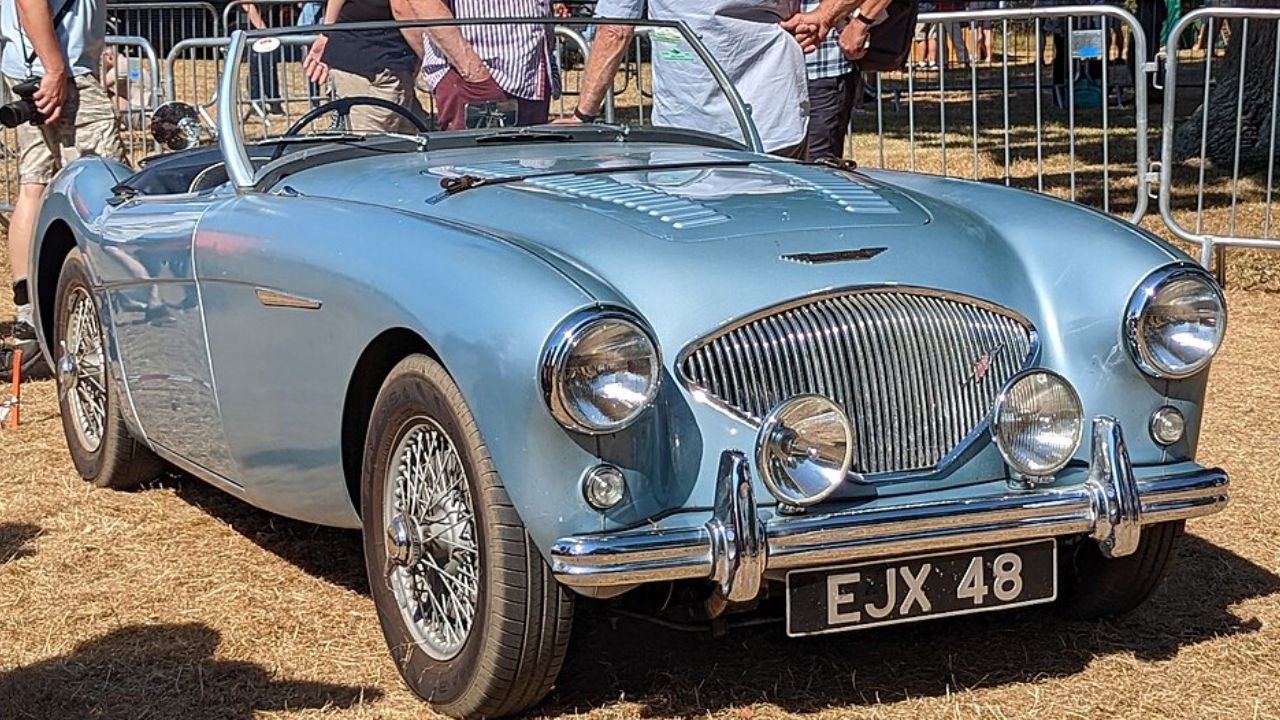
Donald Healey’s 100 hit a sweet spot with torquey four-cylinder power and a low, wide stance. The “big Healey” vibe—long hood, minimal overhangs, and that signature grille—has stayed iconic through every later iteration. It’s also one of those cars where even the stance at rest suggests speed.
MGA (Roadster)
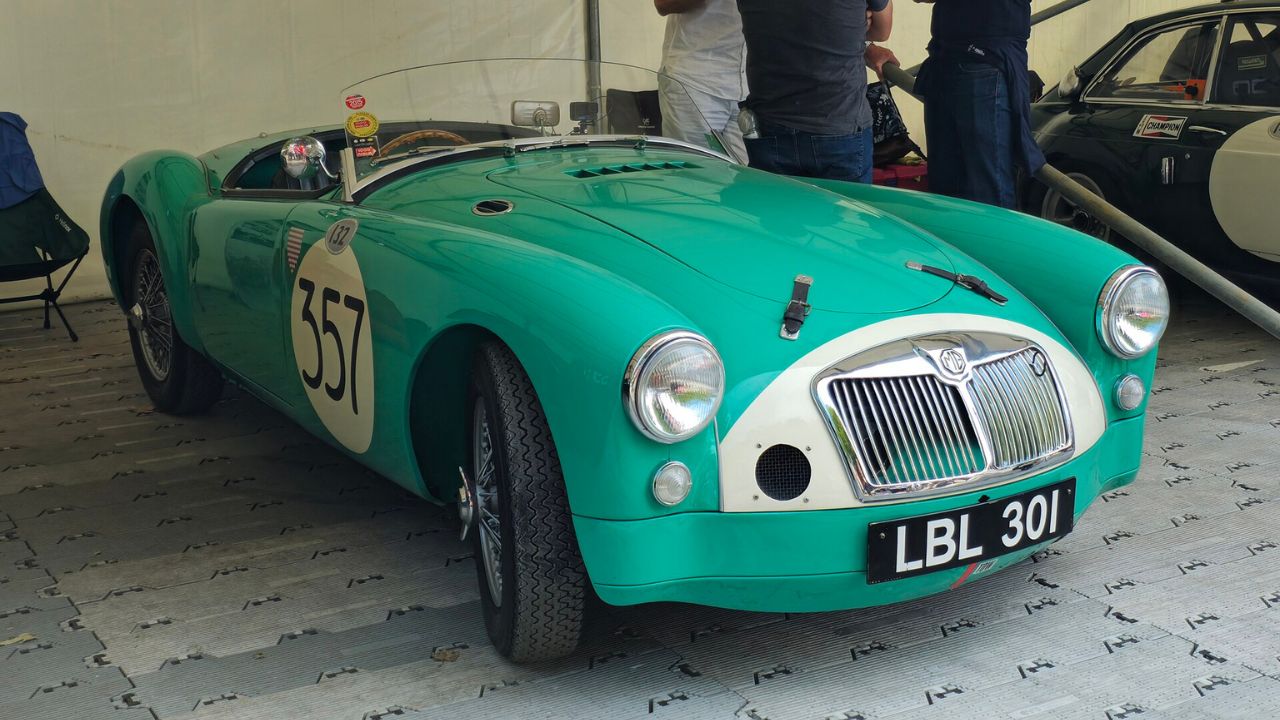
The MGA replaced the upright lines of the earlier T-series MGs with a far more streamlined body. It helped modernize MG’s image without losing the approachable, enthusiast-friendly character. With its rounded fenders and simple cockpit, it still looks crisp and balanced in a way that photographs never quite fully capture.
Lotus Elite (Type 14)
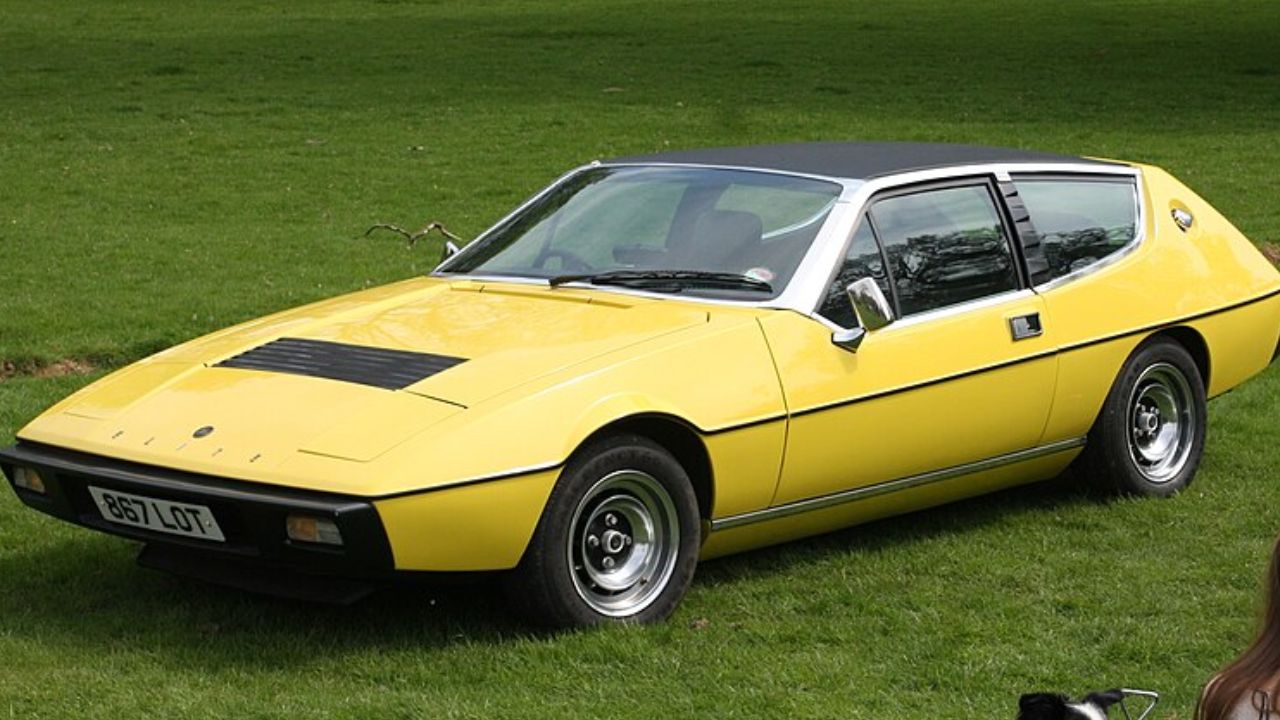
The Elite is remembered as much for its construction as its shape: a fiberglass monocoque that was boldly unconventional for a production car. Light weight and aerodynamic thinking were central to the design, aligning perfectly with Colin Chapman’s philosophy. It’s a rare sight today, which only adds to the traffic-stopping effect when one appears.
Jaguar E-Type (Series 1)
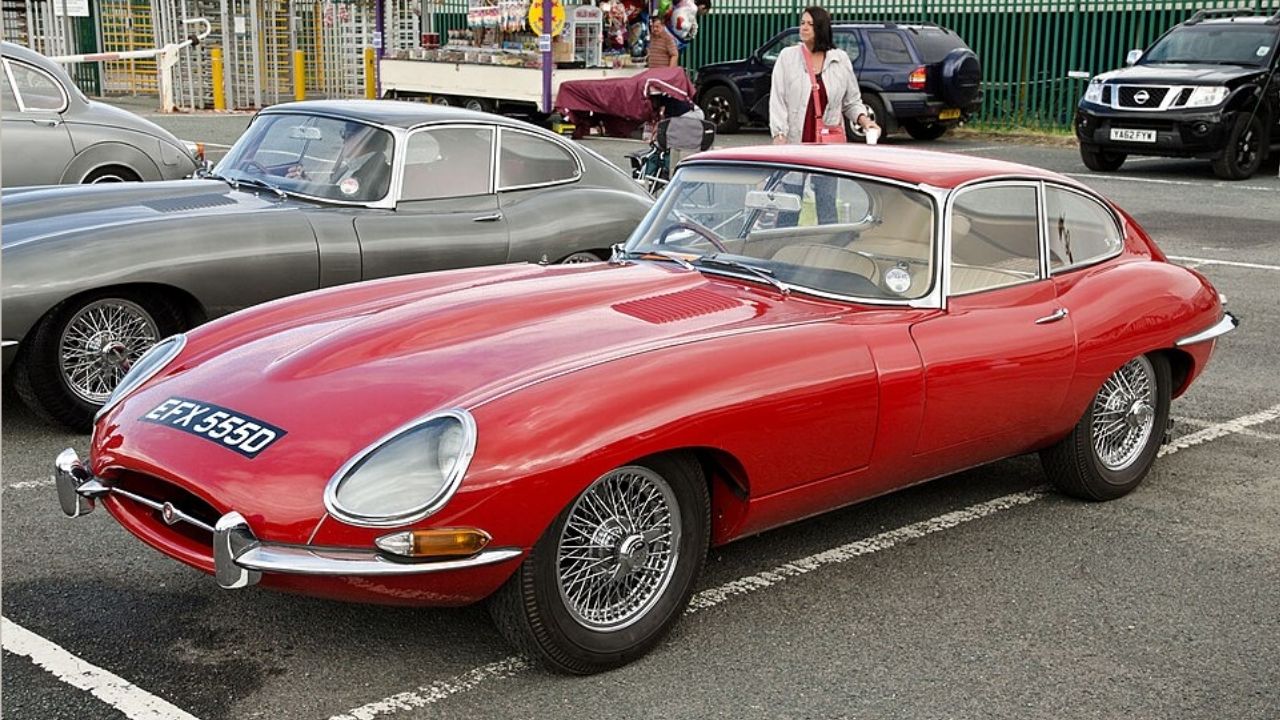
The early E-Type became an instant symbol of 1960s performance and style, combining independent rear suspension and strong straight-six power with a body that looked like nothing else on the road. Details like the covered headlamps on early Series 1 cars are now part of the legend. Few roadsters look as dramatic from the curb—or as low and sleek in motion.
MGB (Roadster)
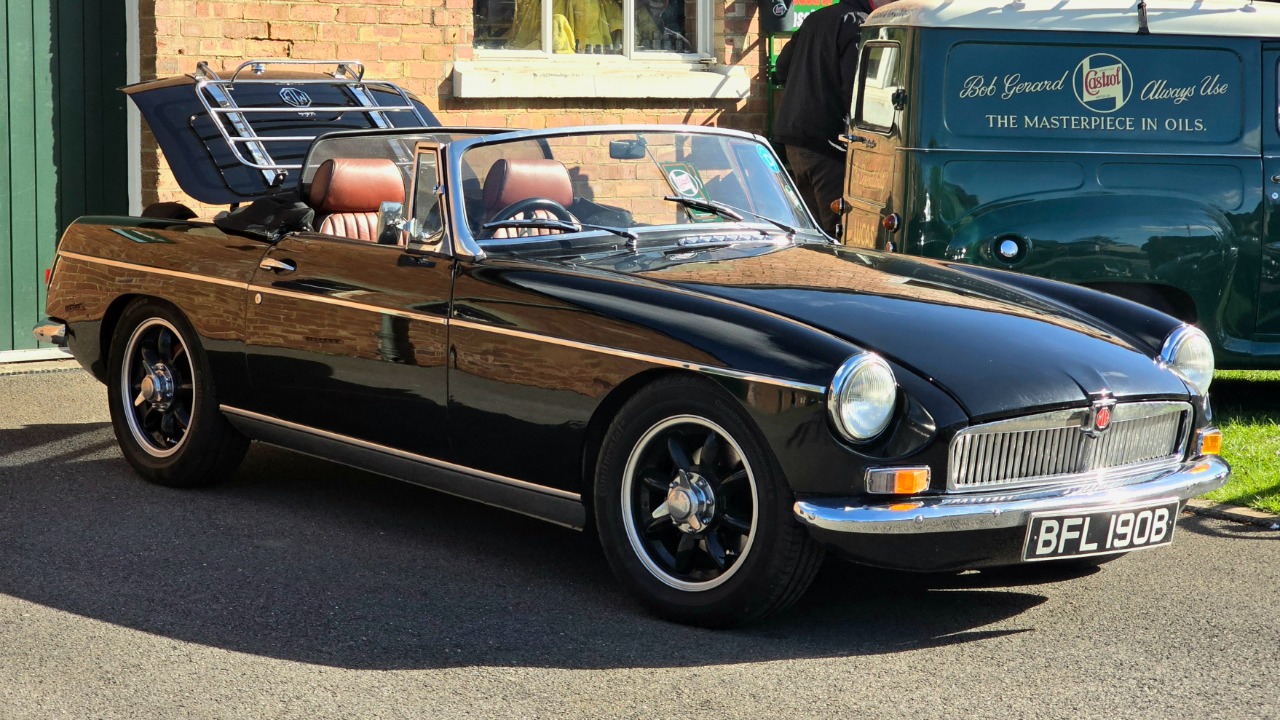
MG’s MGB brought unibody construction and a more refined feel than many of its peers, while keeping maintenance straightforward. It was built in huge numbers and exported widely, which is why it’s still such a common entry point into classic British sports cars. The design is understated, but the proportions are so right that it continues to read as “classic roadster” at a glance.
Triumph Spitfire (Mk I)
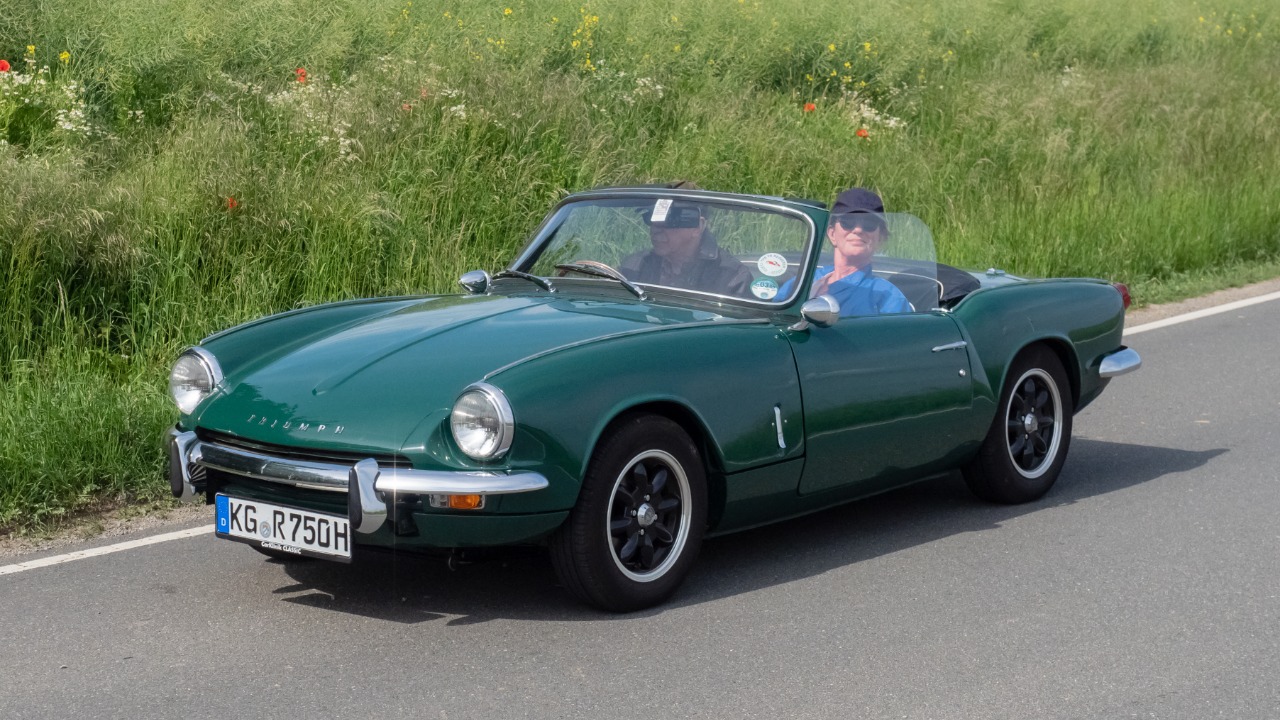
The Spitfire paired a compact footprint with Michelotti styling that gave it real visual flair. Its front-hinged clamshell bonnet is one of those wonderfully impractical-but-brilliant features that makes people stop and stare when it’s open. It’s small, but it carries itself like a proper sports car.
Sunbeam Alpine (Series IV/V)
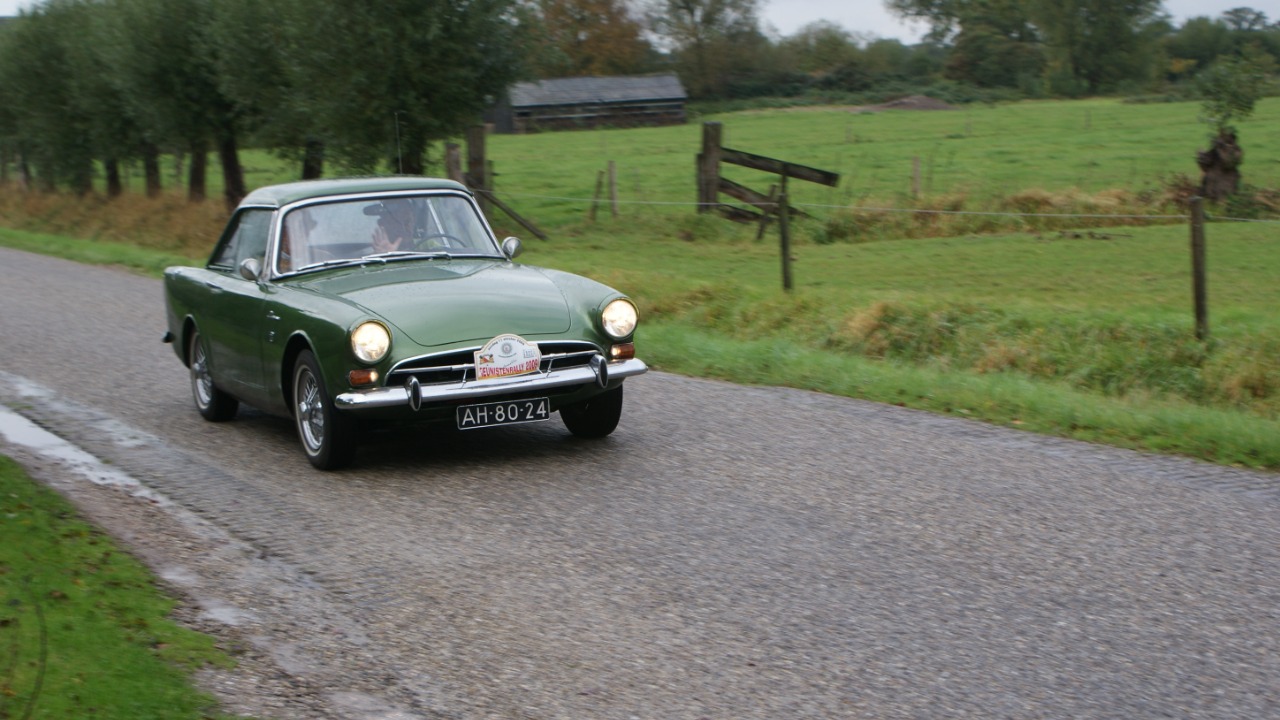
The Alpine brought a slightly more grand-touring personality to the small roadster idea, with clean lines and a comfortable, usable cockpit for the period. It’s often overshadowed by its V8-powered Tiger sibling, but the Alpine’s elegance stands on its own. A tidy Alpine has a restrained confidence that feels very early-’60s British.
Sunbeam Tiger (Mk I)
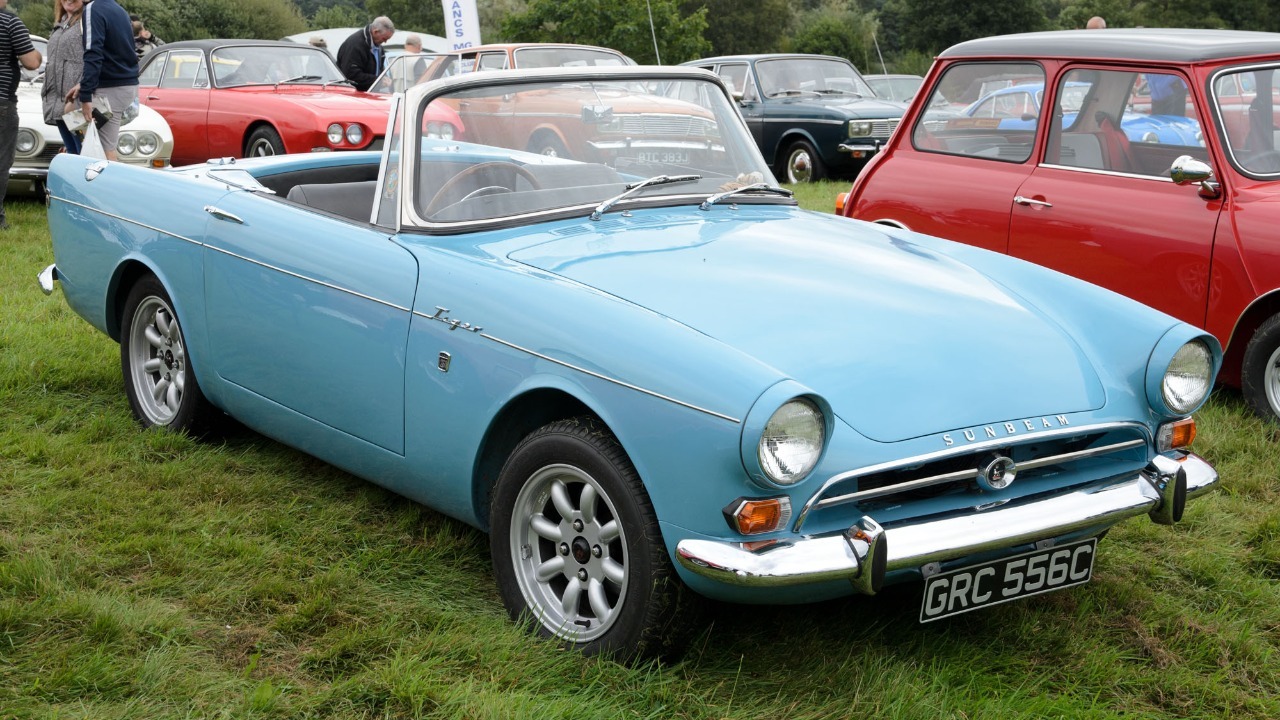
Stuffing American V8 power into a British roadster was a proven recipe, and the Tiger delivered it with a deceptively subtle appearance. The basic Alpine shape remained, which makes the performance feel like a surprise to anyone who doesn’t know what they’re looking at. That sleeper-meets-roadster personality is exactly why people gather around one at a stop.
Austin-Healey 3000
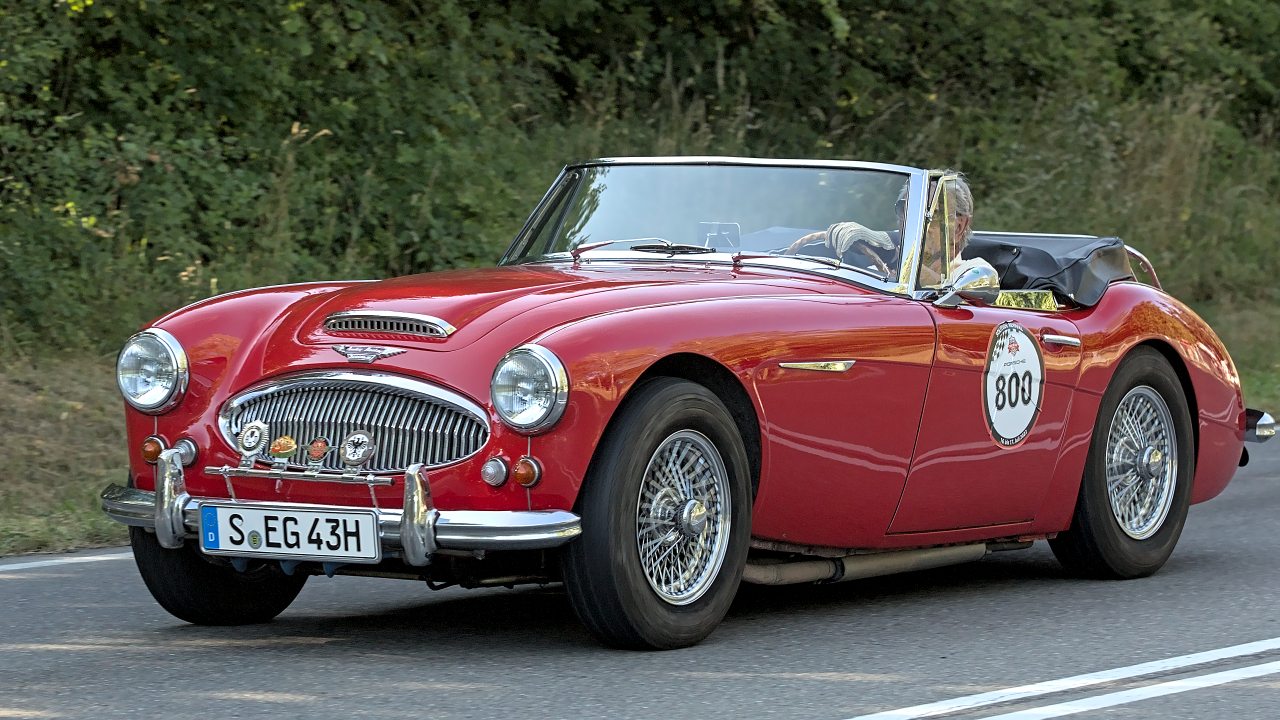
The final iteration of the “big Healey” formula added maturity and detail while keeping the big straight-six character intact. It’s a brawny-looking car with a classic face, and it wears wire wheels and brightwork especially well. The 3000’s reputation as both a tourer and a competition-capable machine keeps it firmly in the spotlight.
Morgan Plus 4
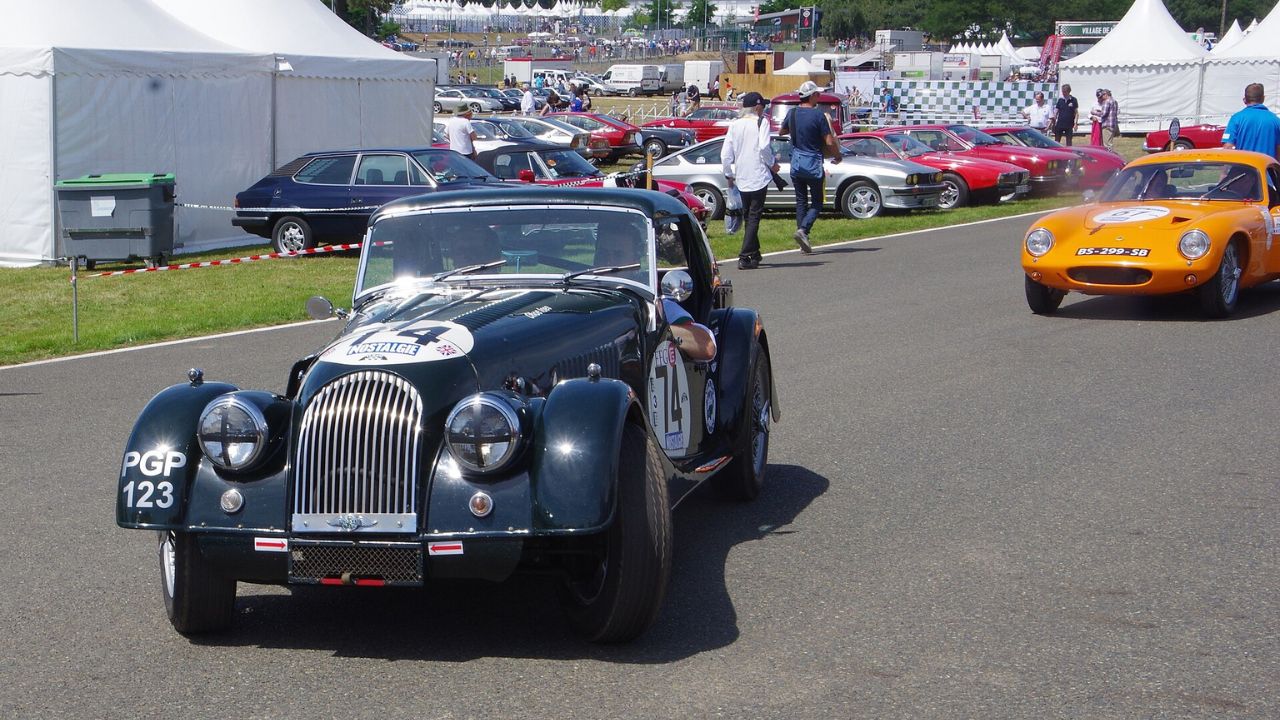
Morgan’s traditional construction and unmistakable silhouette make even casual observers do a double take. The Plus 4 name spans multiple eras and engines, but the appeal stays consistent: narrow body, long hood, and exposed fenders that look like they belong to a different century. It’s an old-school shape that never stopped being charismatic.
Lotus Elan
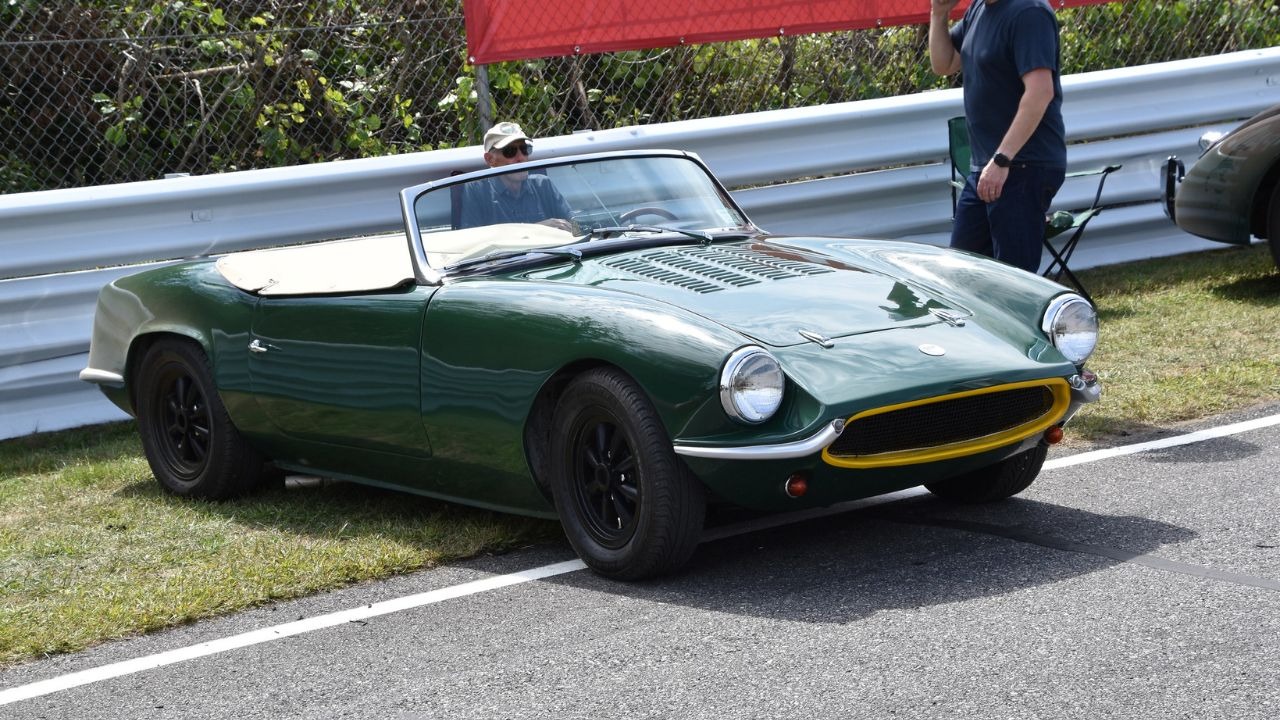
The Elan is a masterclass in lightness and delicacy, with steering and balance that became a benchmark for later sports cars. Its compact body and crisp details make it look almost jewel-like on the road. Even among classics, an Elan has a distinctive presence that signals “driver’s car” immediately.
Jensen-Healey
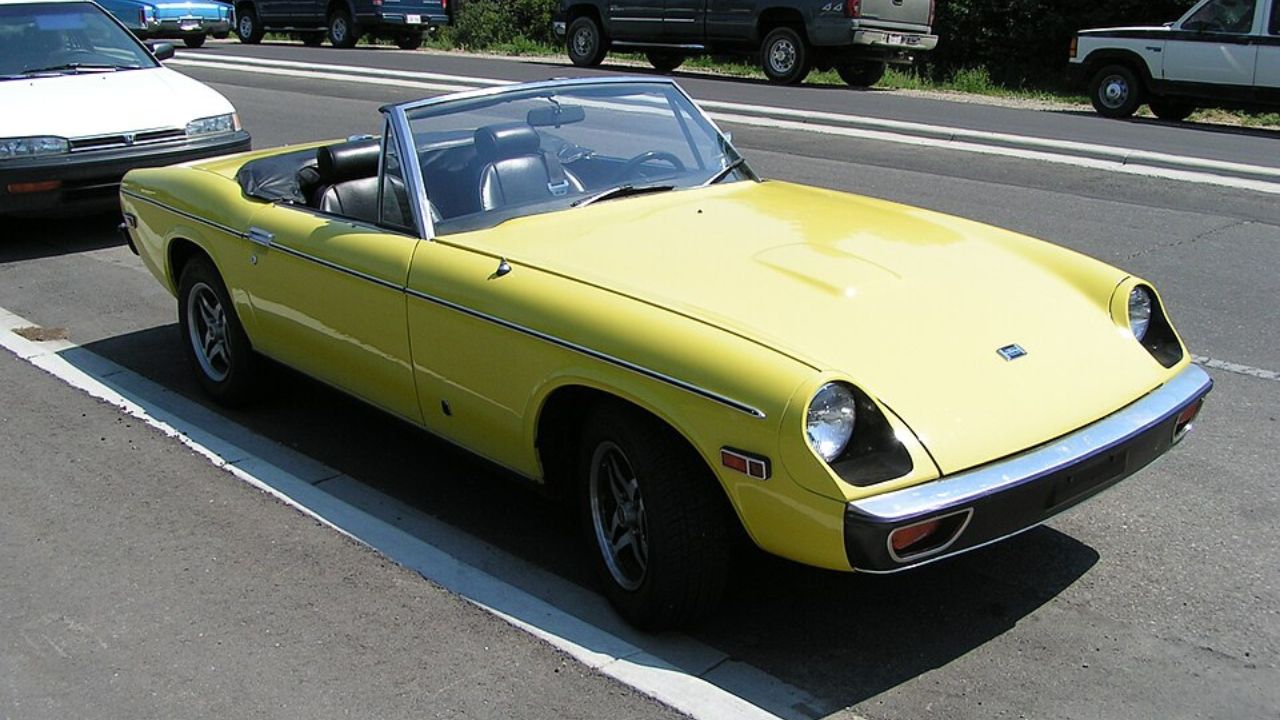
The Jensen-Healey arrived with a modern, wedge-leaning profile and a Lotus-developed 16-valve engine that made it technically interesting for its time. It’s less common than many British contemporaries, which makes a well-kept example especially attention-grabbing. The design neatly bridges the gap between ’60s curves and ’70s angles.
Triumph Stag
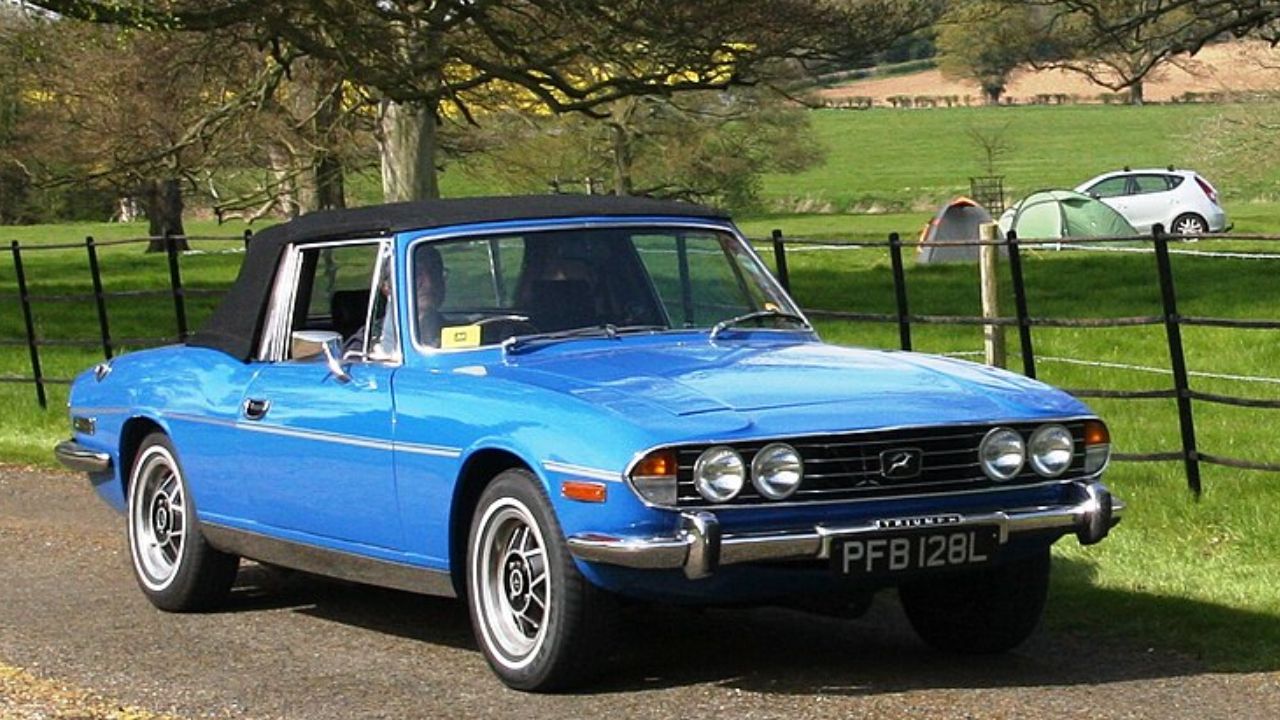
The Stag aimed at the refined end of the roadster spectrum, blending a Michelotti-styled body with a distinct targa-style arrangement and a relaxed touring vibe. It’s more boulevard cruiser than bare-knuckle sports car, and that’s exactly its charm. When you see one in period colors with the top off, it looks like a rolling postcard from the early 1970s.
Mini Moke (British-built era)
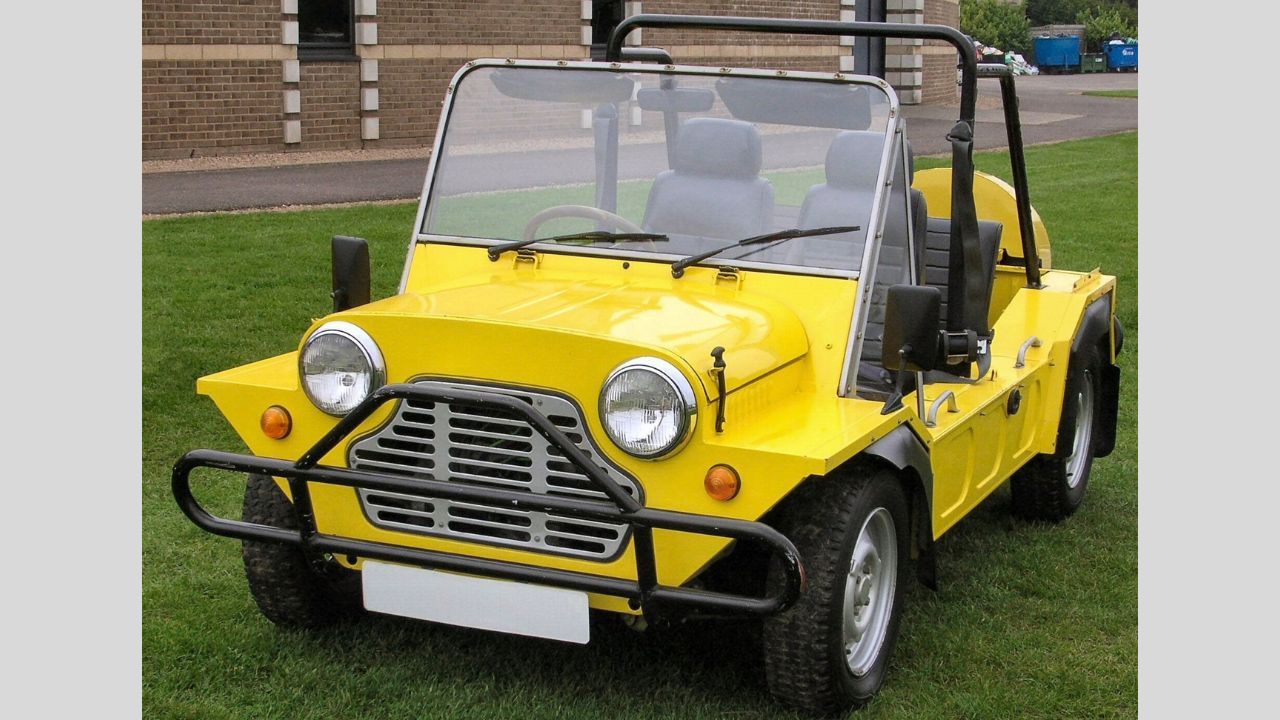
The Moke isn’t a traditional sports roadster, but it’s undeniably an open British icon that draws attention instantly. Originally based on Mini mechanicals, it became known for its playful, utilitarian openness and beach-friendly image. Because it looks like almost nothing else on the road, it stops traffic simply by existing.
Aston Martin V8 Volante
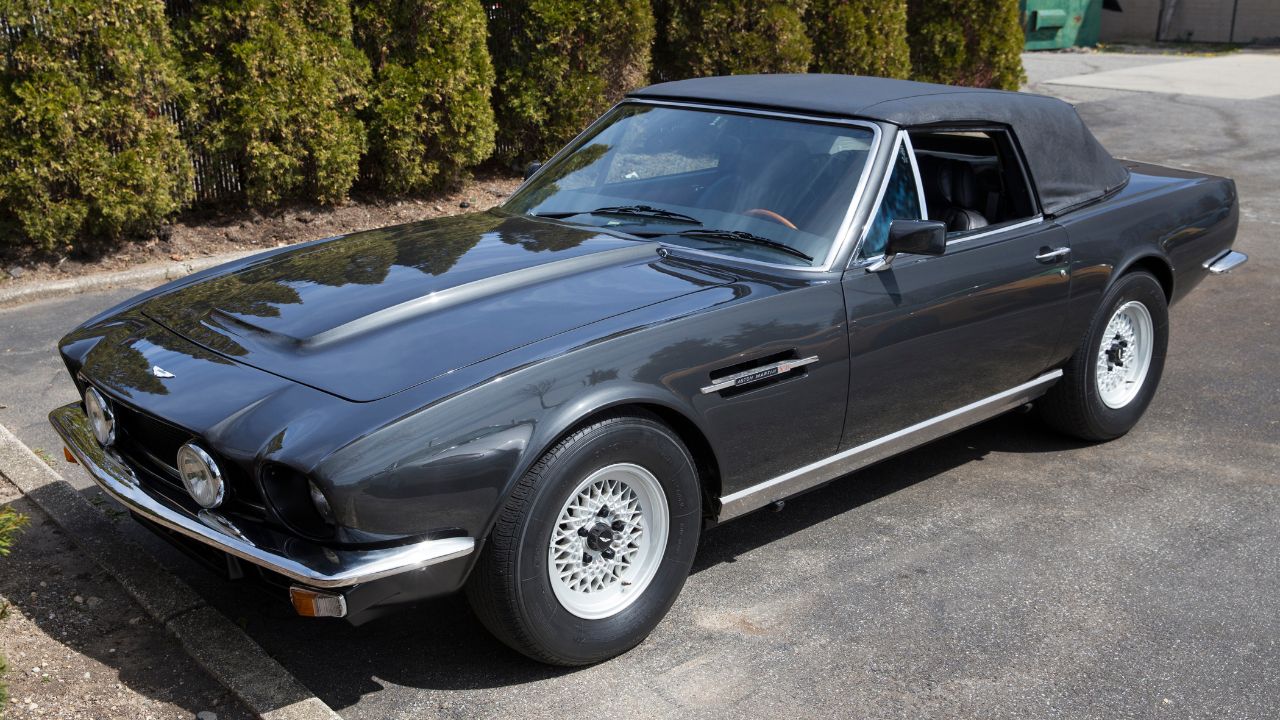
Aston Martin’s V8 Volante brought serious presence: a long, muscular shape with the kind of hand-built gravitas people notice from a block away. It’s a grand touring roadster in the most classic sense—built for fast, stylish distance rather than tight autocross cones. The combination of restrained British luxury and big V8 swagger remains hard to ignore.
Caterham Seven (classic Seven lineage)

Few cars broadcast their intent like a Seven: exposed wheels, minimal bodywork, and a cockpit that feels like pure machinery. Caterham carried the concept forward long after most of the industry moved on, and the shape has become shorthand for lightweight performance. It’s the rare roadster that looks fast even while parked at a café.
TVR Griffith
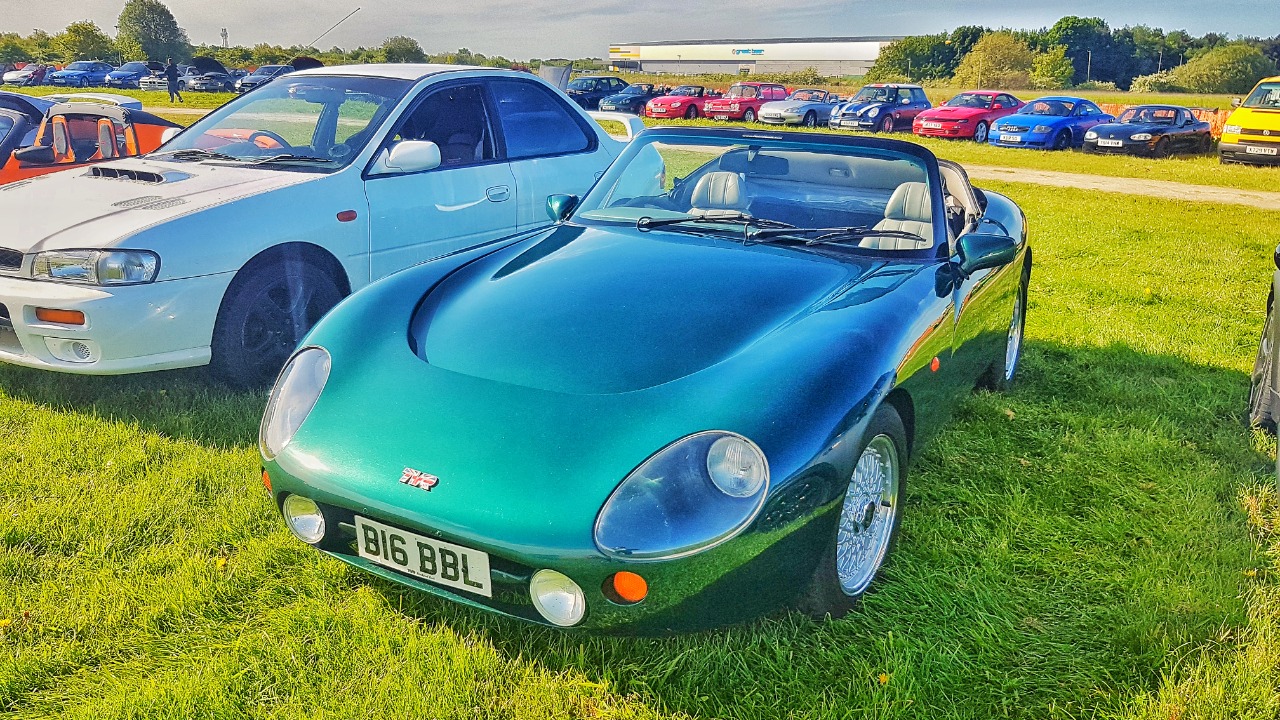
The Griffith helped define TVR’s modern era with compact dimensions, aggressive curves, and a reputation for raw, analog performance. It’s the kind of car that looks slightly wild even at idle, which suits the brand’s image perfectly. A Griffith’s stance—low, wide, and coiled—still makes people pause mid-step.
Rover MG F
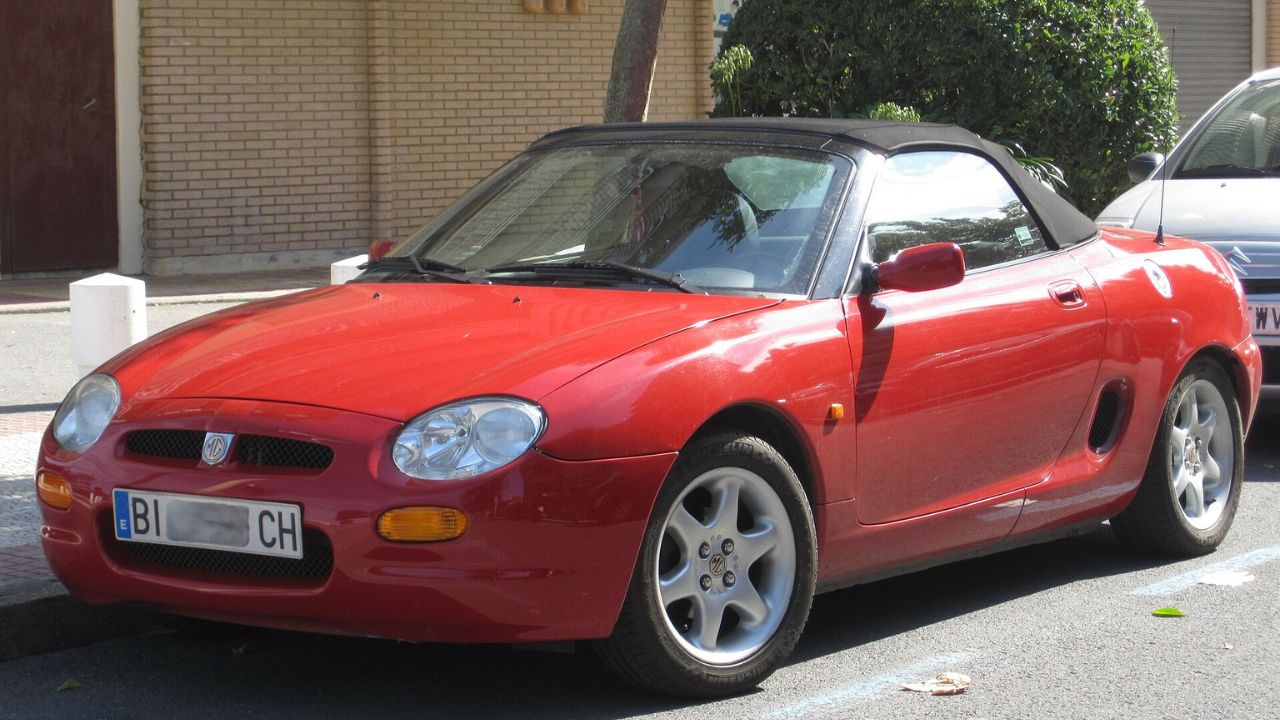
The MG F marked a major turning point for the marque with a mid-engine layout and a clean, contemporary design that now reads as a true ’90s British roadster. It brought open-top fun back to MG showrooms in a very different form than the MGB era. Today, its proportions and simplicity feel refreshingly honest, which is why good examples still get noticed.
What links these cars isn’t just nationality or the lack of a fixed roof—it’s the way each one captured a moment in British design and engineering, then kept its character as the decades rolled on. Whether your taste leans toward lithe minimalism, classic chrome, or V8 thunder, the best British roadsters still have that rare ability to slow pedestrians and make drivers crane their necks at the lights.
More from Fast Lane Only
- Unboxing the WWII Jeep in a Crate
- 15 rare Chevys collectors are quietly buying
- 10 underrated V8s still worth hunting down
- Police notice this before you even roll window down
*Research for this article included AI assistance, with all final content reviewed by human editors