Ford showed the public its Ford Escort Twin Cam in January 1968, and a year later it unveiled the Capri in Brussels. In fact, those two launches came in a short burst of change. Across the late 1960s, carmakers were rethinking what small cars, fast sedans and race-bred specials could be.
Some of the change came from Japan, where carmakers were bringing tiny engines and rotary power to market. Others came from Europe’s grand-touring houses. Meanwhile, Detroit was busy reshaping its stock cars to cheat the wind. Not every one of these cars sold in big numbers, but each one pointed somewhere new.
These eight are our picks for cars that opened a new era in the late 1960s. The choices are our opinion. However, the dates, specs and production counts come from maker histories, owner clubs, Hagerty and other sources we checked for this story.
1. 1968 Ford Escort Twin Cam

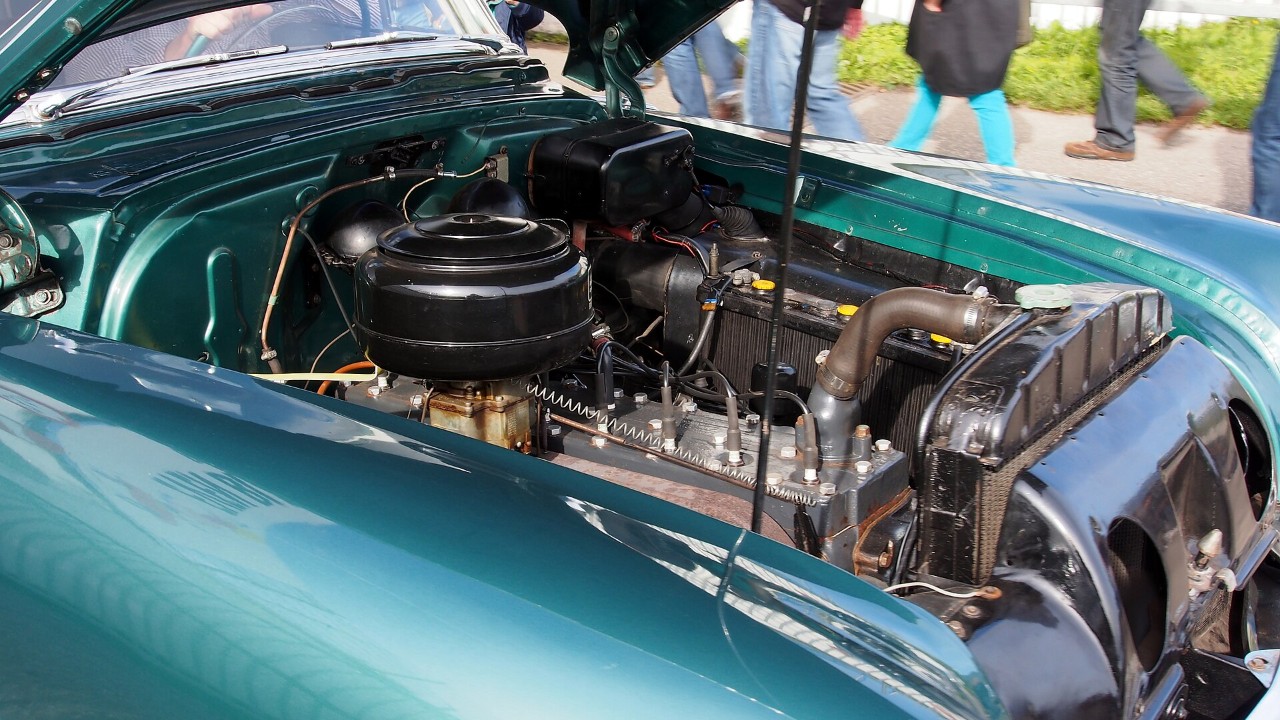
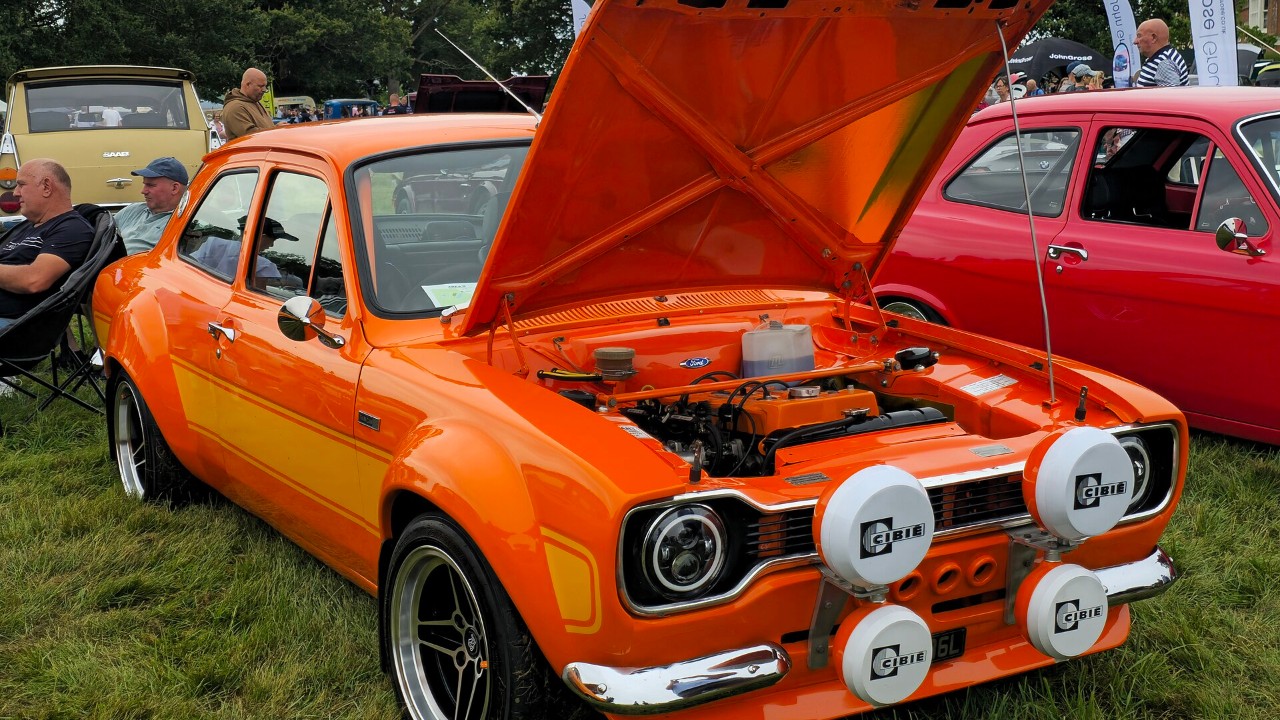
Ford’s competitions department at Boreham developed this car during 1967, and the public saw it in January 1968. According to the RS Owners Club of Australia, it combined a 1,558 cc Ford block with a Lotus-designed twin-cam alloy head and twin Weber 40 DCOE carburetors. As a result, output was 109.5 bhp at 6,000 rpm, and the club puts production at about 883 cars.
After that, the results came quickly. Roger Clark drove a Twin Cam to its first international win at the 1968 Circuit of Ireland Rally. Later, the car won rallies from British forest stages to the African Safari. Production ended in June 1971, when the Cosworth BDA-powered RS1600 took over.
In our view, the Ford Escort Twin Cam started everything that followed for fast Escorts. It turned a small family car into a rally weapon, and its successor, the RS1600, carried the same idea forward. A road car with a 113-mph top speed doesn’t sound wild now. In 1968, in a body this small, it changed the game.
2. 1969 Ford Capri 1500
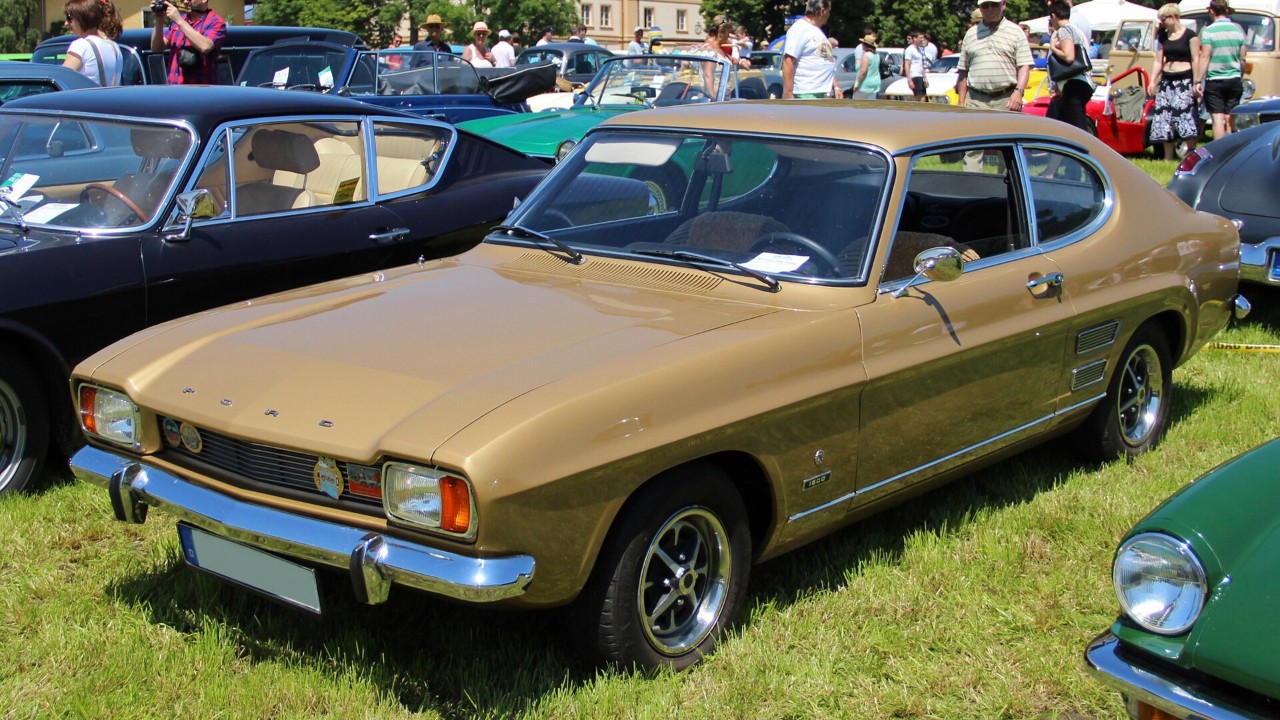
The Capri made its debut at the Brussels Motor Show in January 1969. According to Motoring Research, it rode on the Cortina platform and drew its inspiration from the Mustang. Also, Ford’s 1969 advertising called it “the car you always promised yourself.”
However, different markets got different engines. Ford built the first Capris at Halewood in England in November 1968. Cars for continental Europe came from Germany with Taunus V4 engines in 1.3-, 1.5- and 1.7-liter sizes. The 1500 sat in the middle of that German range. Sales took off from the start, and the Capri reached one million sales in four years, six months and five days.
We think the Capri is the car that taught Europe what a pony car was. It took the Mustang formula and built it on a family-car platform. By the time the last one left Cologne in December 1986, lifetime sales were approaching 1.9 million.
3. Honda N600
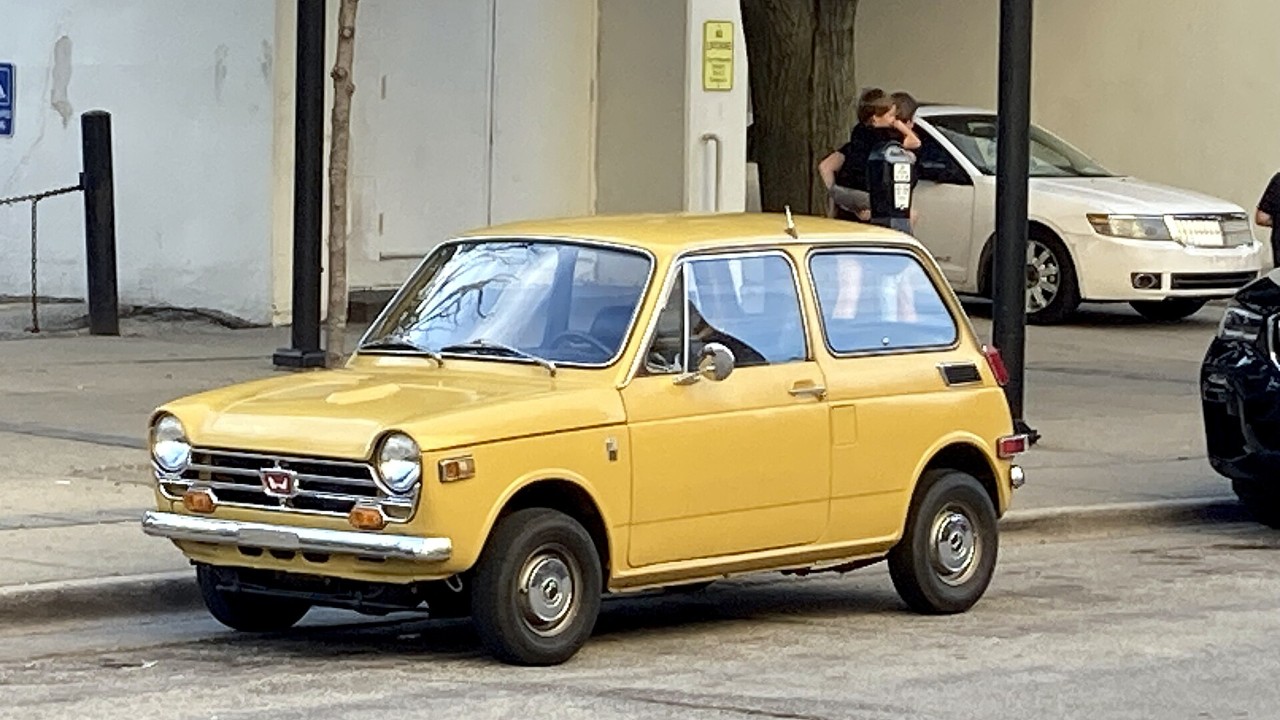
Honda’s first car sold in the United States was a tiny thing. According to Hagerty, the N600 sedan and Z600 coupe went on sale in 1969 as 1970 models. Both used a 600 cc, air-cooled two-cylinder engine. Honda’s prototypes made 46 hp, but U.S. cars were cut to 36 hp to keep the engine intact.
Small didn’t mean crude, though. The N600 measured about 10 feet long and weighed about 1,200 pounds. Even so, it came with front-wheel drive, rack-and-pinion steering and front disc brakes. American Honda stopped importing the 600 cc cars in 1972, after about 60,000 had found buyers.
Our take is that the N600 is where Honda’s American car story starts. It proved the company could sell a car, not just motorcycles, to U.S. drivers. For more from that line, see our list of 8 Honda cars that proved what Honda engineers could do.
4. Late-1960s Mazda Familia Presto Rotary Coupe
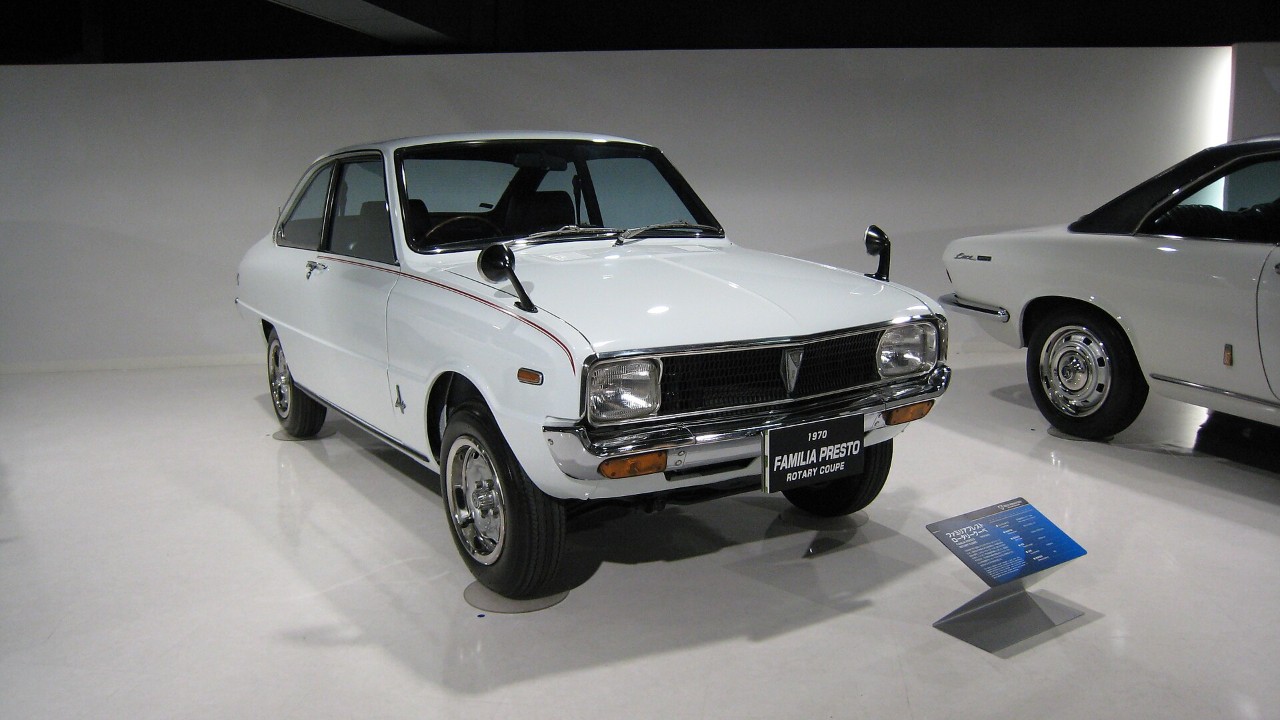
Mazda first showed this idea as the RX-85 at the 1967 Tokyo show. Then, in July 1968, production began on the Familia Rotary Coupe, sold as the R100 in some export markets. According to Ate Up With Motor, its 10A two-rotor engine displaced 982 cc and made 100 PS. By comparison, the piston-engined Familia 1200 made 59 PS.
That made it a real performer for its size, because its shipping weight was only 1,775 pounds. Rotary power wasn’t cheap, however. The coupe started at ¥660,000, well above a piston Familia, yet Mazda sold 6,925 in 1968. Next came racing. At the 1969 Spa 24 Hours, three cars ran and two finished fifth and sixth.
In our opinion, this is the car that made rotary power a real product rather than a showpiece. The earlier Cosmo Sport was exotic. The Familia put the same idea into a compact coupe. It reached the U.S. in early 1970 at $2,495, starting in the Pacific Northwest.
5. 1968–1978 Lamborghini Espada
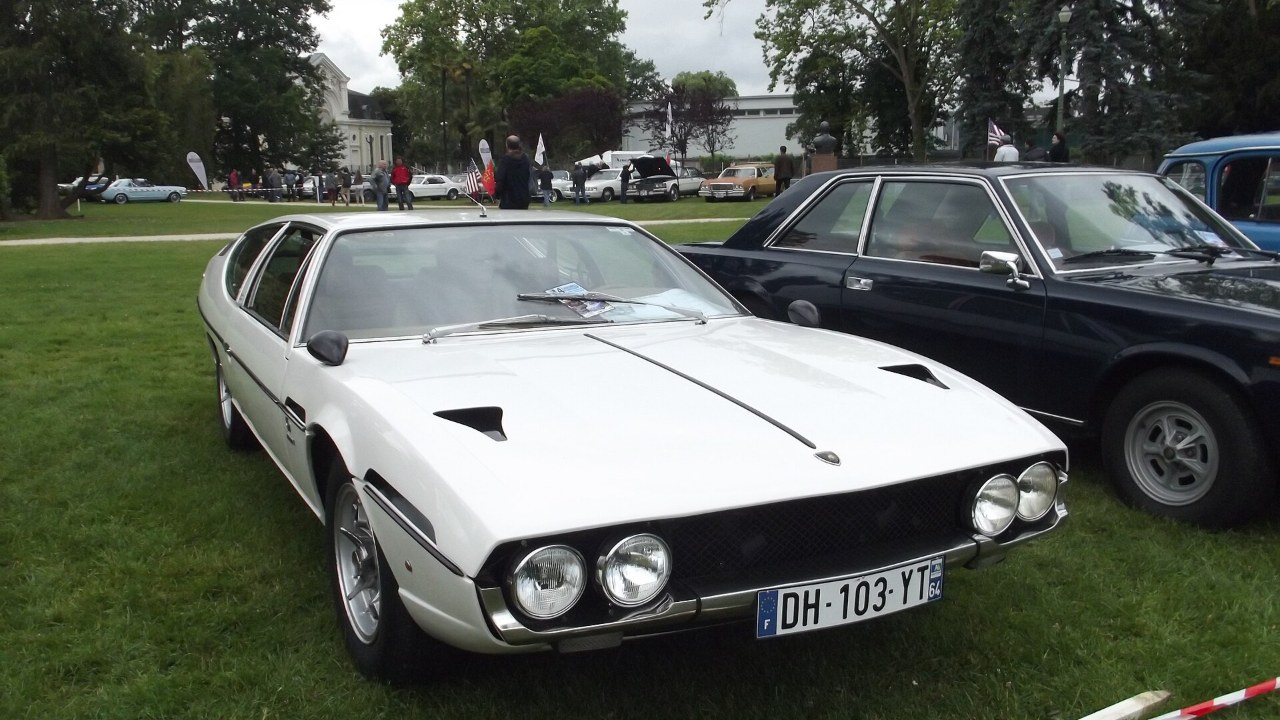
The Espada arrived as the Espada 400 GT at the 1968 Geneva show. According to Lamborghini, Carrozzeria Bertone designed it to carry four passengers and their luggage. Meanwhile, a front-mounted 4-liter V12 rated at 325 CV did the pulling.
Lamborghini’s own figures also show how well it sold. The first series, from 1968 to 1969, totaled 186 cars. Series II, from 1970 to 1972, added 575, and Series III, from 1972 to 1978, added 456 more. Altogether, that makes 1,217 cars. Lamborghini also built just 12 VIP models with a television and a bar compartment.
We’d argue the Espada opened the door to the practical supercar. A V12 four-seater that a family could actually use was a bold idea in 1968. Over ten years and three series, it kept that four-seat promise.
6. Mercedes-Benz 300 SEL 6.3
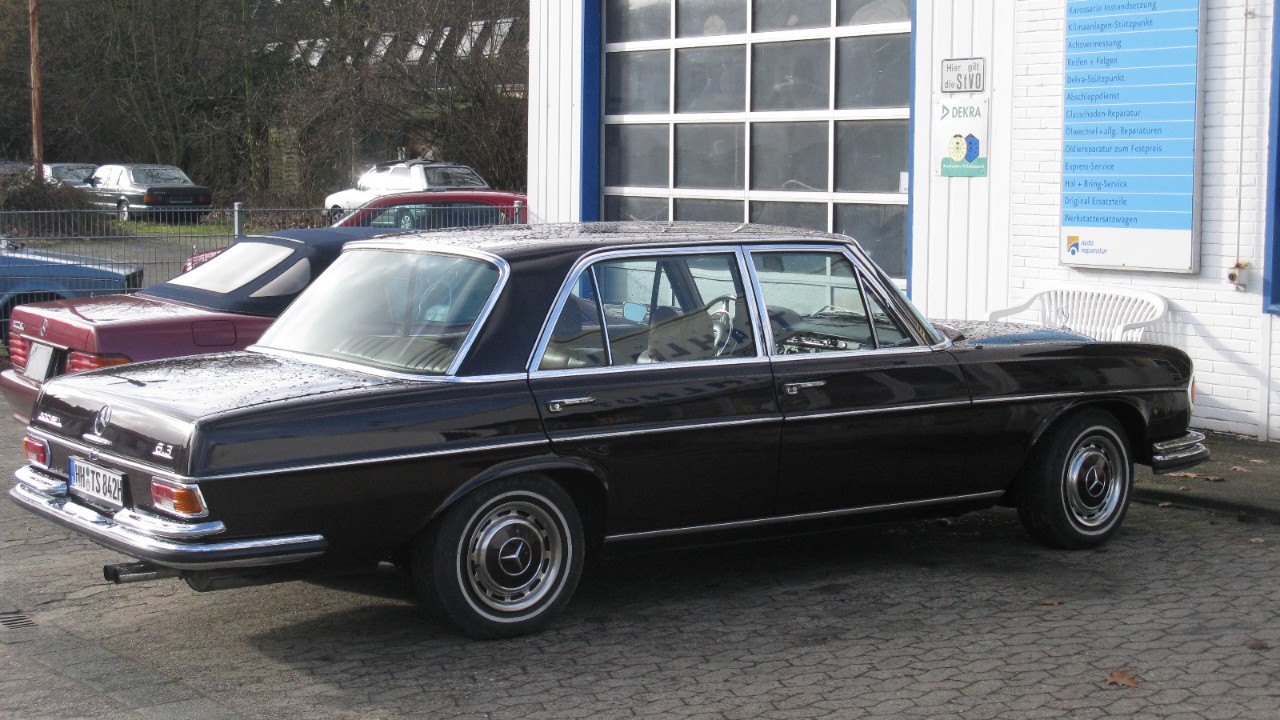
Mercedes-Benz revealed the 300 SEL 6.3 at the 1968 Frankfurt show. According to Hagerty, engineers took the 6.3-liter M100 V8 from the 600 limousine and fitted it to the W109 sedan. It made 300 hp and 434 lb-ft. The car also rode on self-leveling air suspension.
The numbers still impress. Hagerty says the car could reach 60 mph in about seven seconds and top 130 mph. In Road & Track’s drag runs, it won two of three races and lost only to a 427 Corvette. That speed wasn’t cheap, though. A new one cost about $14,000 in the U.S., and Mercedes sold more than 6,500 worldwide.
Our take is that the 6.3 invented the fast luxury sedan as we know it. Every big-engined executive car since owes it something. In December 2023, a mostly unrestored 1970 car sold for $66,340 on Hagerty Marketplace.
7. 1969 Dodge Charger 500
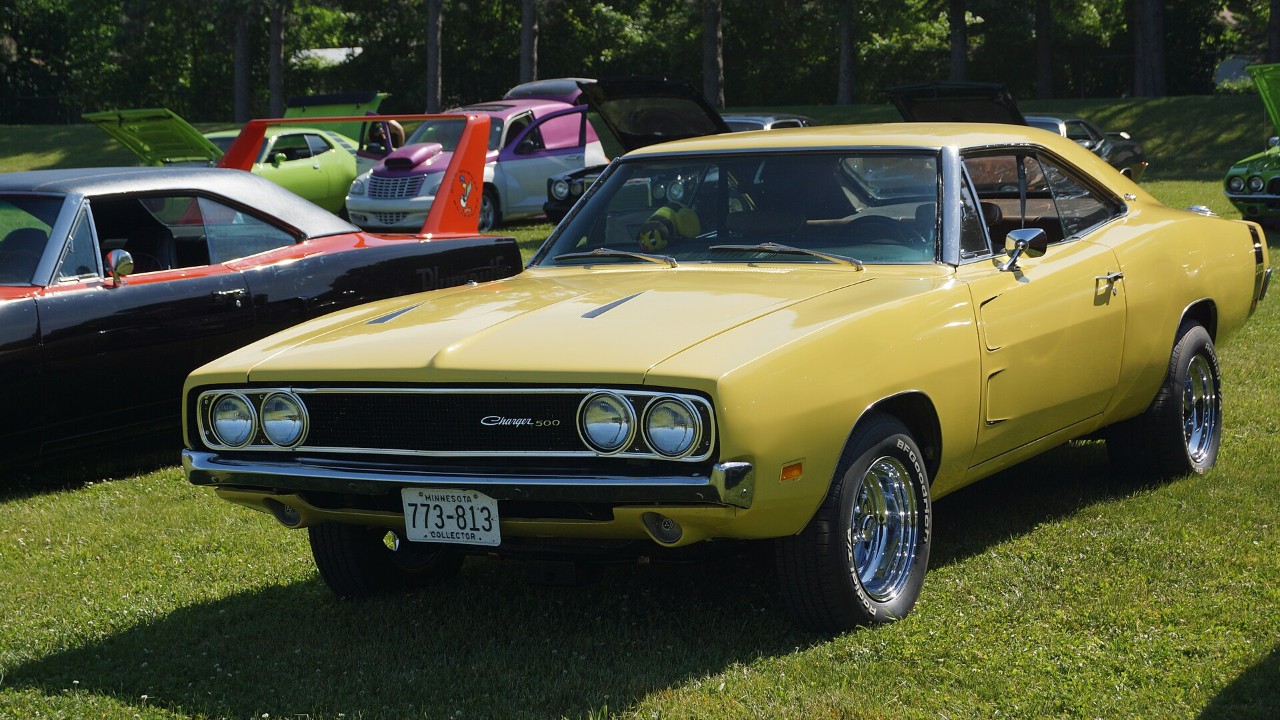
Dodge built the Charger 500 to fix one problem: air. According to Mopar Connection Magazine, the regular Charger lost out to Ford’s more aerodynamic Torino Talladega and Mercury’s Cyclone Spoiler II. So Chrysler hired Creative Industries to convert Charger R/Ts with a flush grille, borrowed from the 1968 Coronet, and a flush rear window plug.
Even then, production stayed small. Dodge built 392 in 1969, with 52 Hemi cars and 340 with the 440. That fell short of the 500 that NASCAR required for each body style raced. On track, the Charger 500 ran 41 Grand National races in 1969 and won nine. Our list of 7 Chargers that refuse to become obsolete picks up the wider family.
In our view, the Charger 500 matters most for what it started. It was the springboard for Chrysler’s later aero cars. Next, the Daytona followed with a pointed nose and tall wing, and then Plymouth’s Superbird came after that.
8. 1969 Ford Torino Talladega

Ford answered the aero war with a longer nose. According to Hagerty, Holman-Moody shaped the Talladega in Ford’s corporate wind tunnel. Its nose was six inches longer than a standard Torino’s, with a sloping profile, a flush grille and short chrome bumpers. Street cars used the 428 Cobra Jet, rated at 335 hp, with a column-shifted C6 automatic.
Because NASCAR required at least 500 examples, Ford built about 750 by February 1969. Pricing was simple too. The base price was $3,456, and the only factory option was an AM radio. Instead of a long color chart, buyers could choose Royal Maroon, Wimbledon White or Presidential Blue. For more cars from the same decade, see our list of 9 cars that made the 1960s America’s favorite decade to drive.
Our take is that the Talladega proved aerodynamics could win championships. Indeed, the record backs it up. In 1969, Ford won 26 Grand National races, the manufacturers’ title and the drivers’ championship with David Pearson. Today, the Talladega/Spoiler Registry has identified 738 production cars.
More from Fast Lane Only