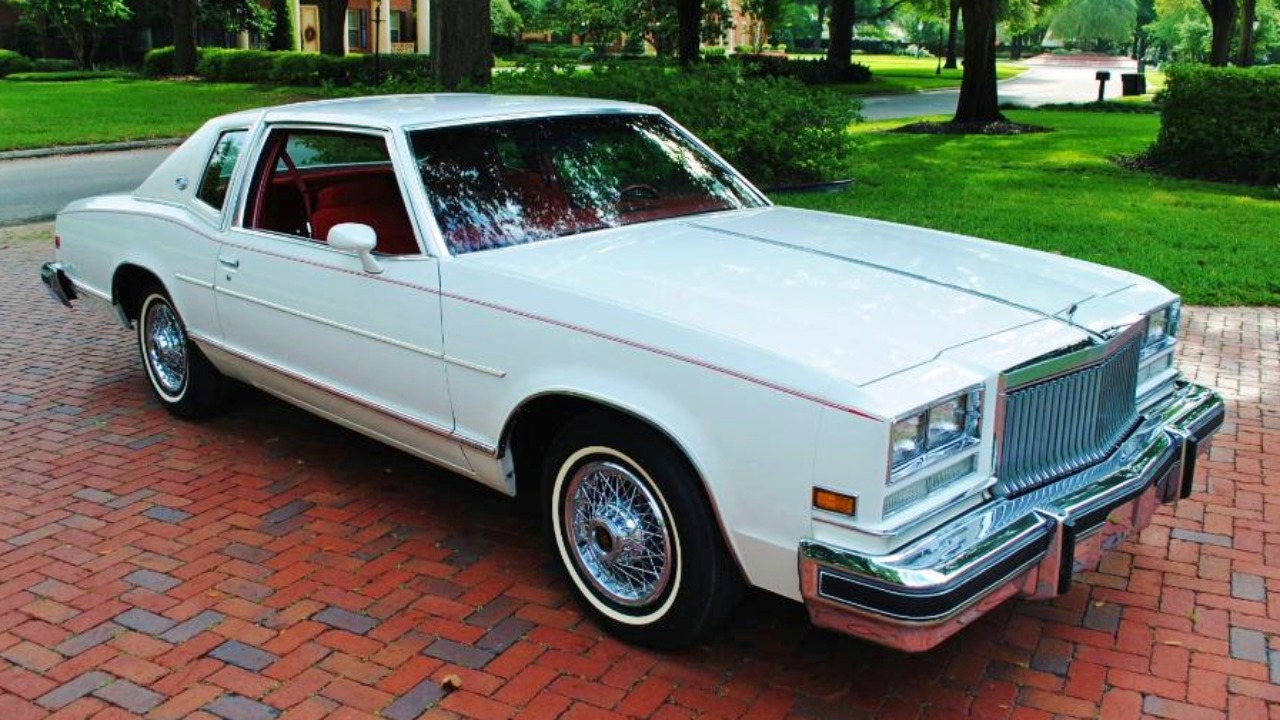
Some cars earn a reputation for lasting well beyond what their original owners expected, and plenty of Buicks have done exactly that—quietly racking up miles long after the paperwork and coverage ran out. The common thread usually isn’t magic; it’s straightforward engineering, conservative tuning, and components shared across huge GM production runs. Here are 19 Buicks that enthusiasts and longtime owners often point to as the ones that just kept going.
1997 Buick LeSabre
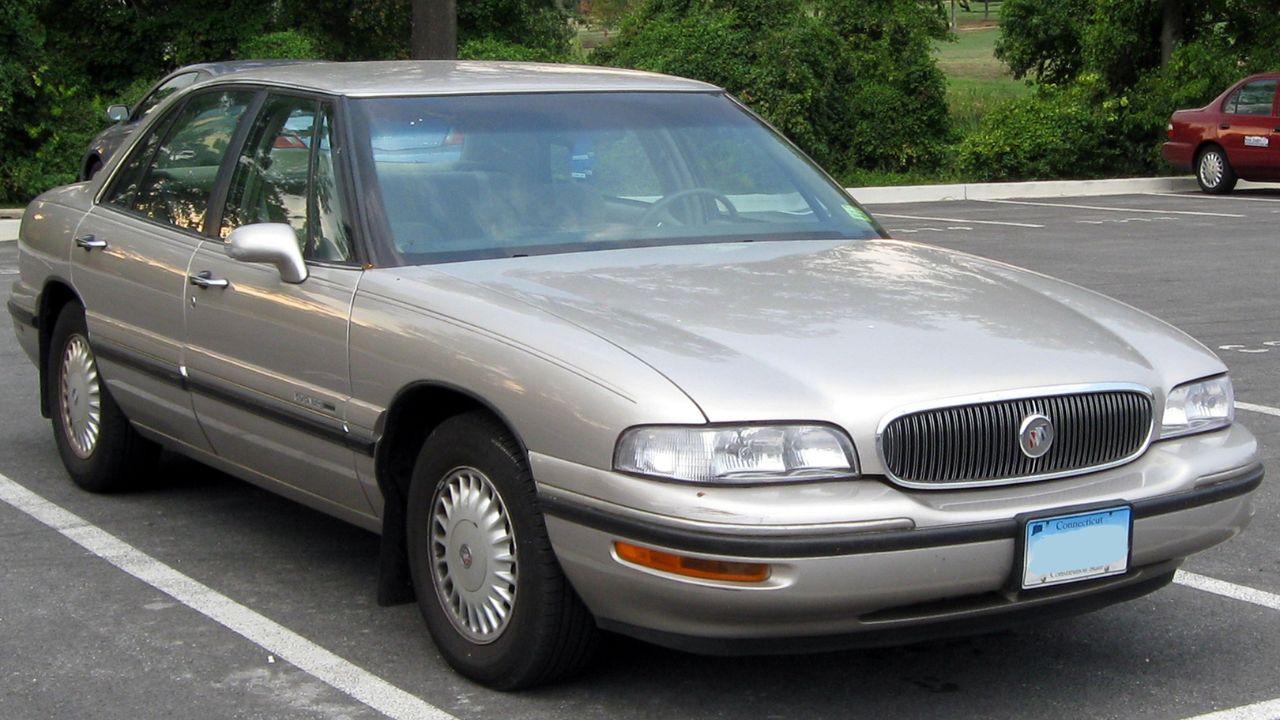
The 1997 LeSabre is closely associated with GM’s 3800 Series II V6, an engine that built a long-running reputation for durability in everyday service. LeSabres from this era were tuned for smoothness rather than stress, and many were driven gently as family cars, which helped longevity. Parts availability has also stayed strong because the underlying drivetrain was widely used across GM.
If you’re looking at survivors today, maintenance history matters more than options packages—cooling system upkeep and routine fluid changes tend to separate the long-haulers from the neglected examples.
1998 Buick Park Avenue
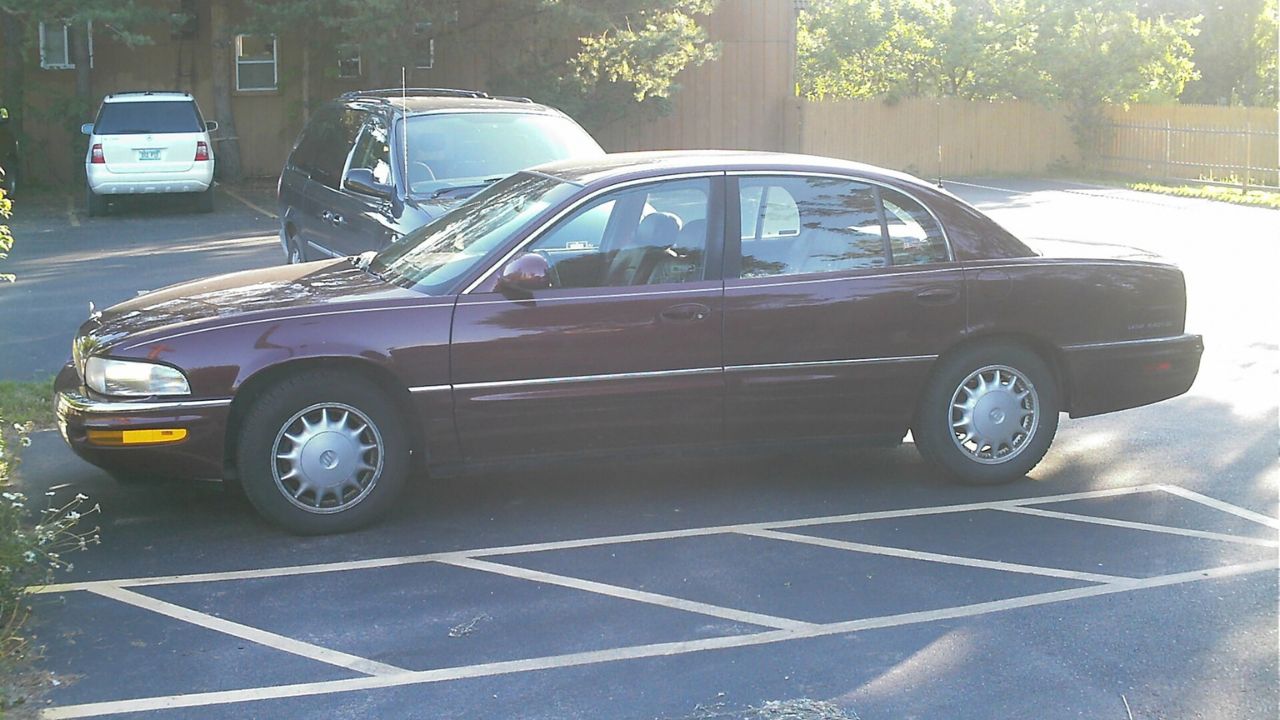
Park Avenue models in the late 1990s paired comfort-focused gearing with the same family of 3800 V6 engines, making them relaxed highway cars. That easy cruising character often meant less wear per mile than sportier contemporaries. The Park Avenue also benefited from GM’s extensive supplier base, which made common service parts easy to source for years.
Many Park Avenues were owned by buyers who stuck to scheduled service, and that kind of ownership profile is a real, practical contributor to why so many kept running.
2002 Buick Regal LS (3.8L V6)
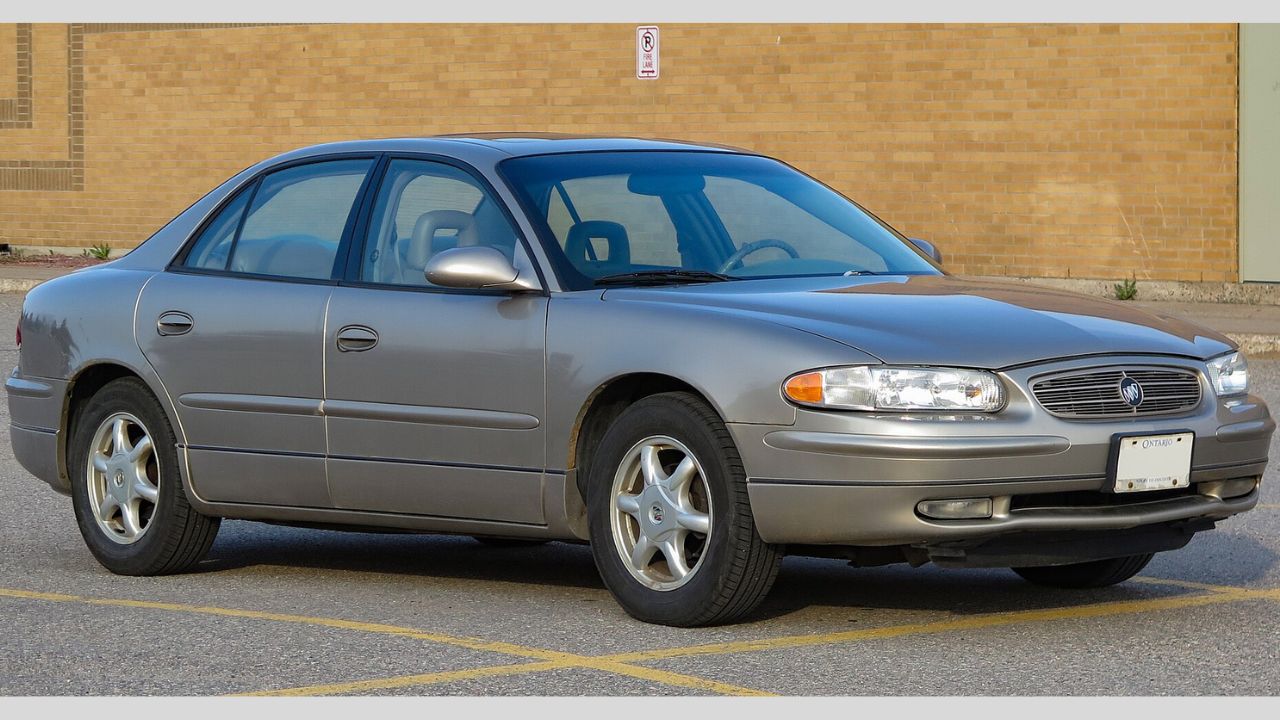
The early-2000s Regal in LS trim is another 3800-powered Buick that enthusiasts often cite as a “basic but stubborn” commuter. The recipe was simple: a proven V6, a conventional front-drive layout, and mainstream GM components that any shop could service. In stock form, the powertrain wasn’t pushed hard, which generally helps longevity.
When these cars last, it’s usually because owners stayed on top of wear items—especially intake and cooling system maintenance—rather than chasing performance upgrades.
2004 Buick Century

The Century’s appeal was never flash; it was familiarity and ease of ownership. By the early 2000s, the model had evolved into a comfortable, straightforward sedan with a track record shaped by decades of incremental development. That conservative approach often translates into fewer surprises over time.
Plenty of Centurys served as daily drivers, fleet cars, or “second cars,” and the ones that survived typically did so on steady, ordinary maintenance rather than heroic repairs.
2005 Buick LaCrosse (3.8L V6)
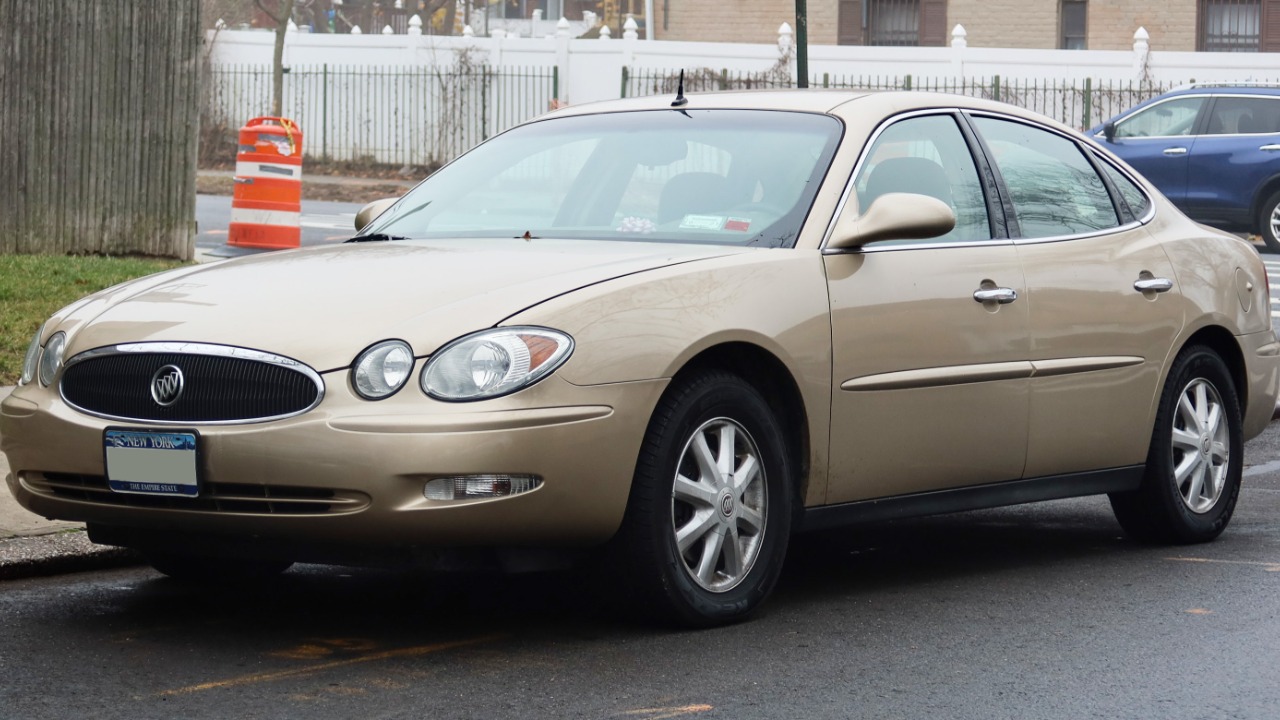
Early LaCrosse models offered the 3.8L 3800 V6 in certain trims, keeping the familiar Buick durability narrative going into a newer body style. The car’s mission was comfort and quiet, and it generally delivered that without requiring exotic service. That matters when you’re trying to keep a vehicle on the road for the long haul.
Because the LaCrosse straddled “older proven drivetrain” and “newer car features,” the best long-lived examples tend to be the ones with documented maintenance and minimal deferred electrical issues.
1991 Buick Roadmaster (wagon or sedan)
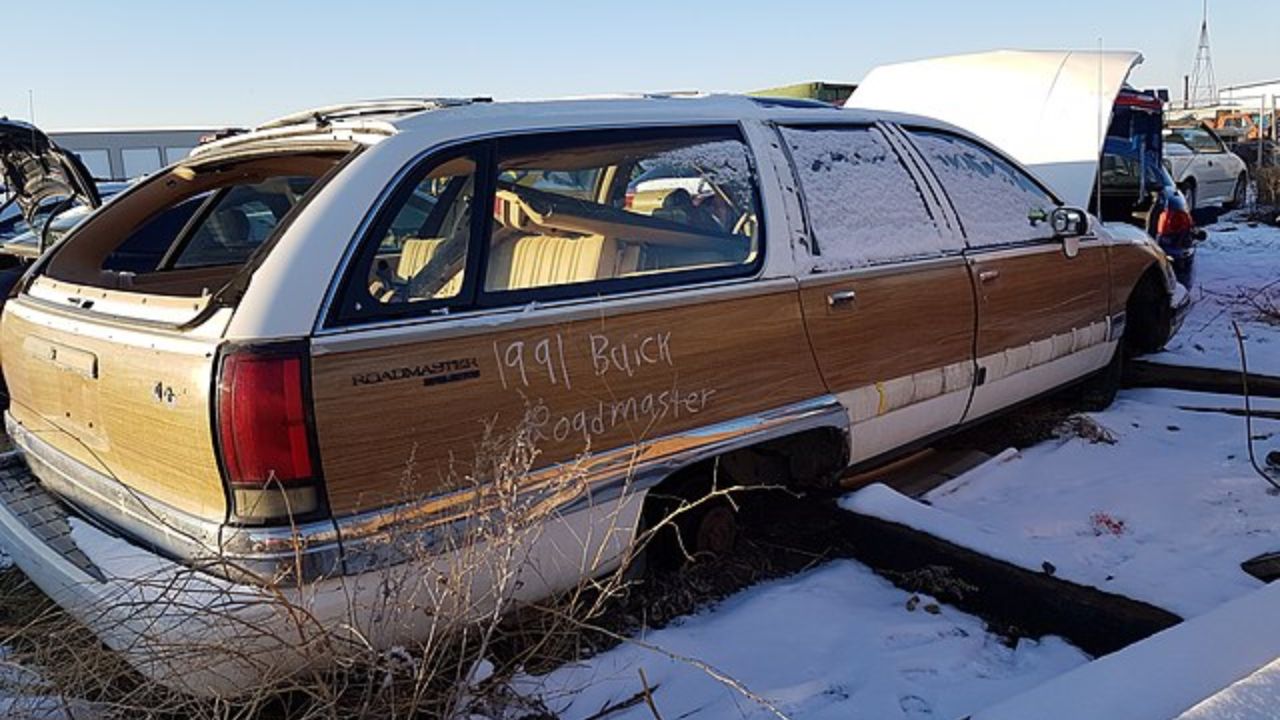
The early-1990s Roadmaster brought traditional full-size comfort into a changing era and is remembered for its highway manners and robust underpinnings. These big Buicks were often used for road trips and family duty, and their longevity is tied to their simple, serviceable mechanical layout for the time. When cared for, they could rack up miles without feeling fragile.
Survivors today often show their age in trim and interior details before the drivetrain gives up, which is usually a good sign for anyone shopping one as a hobby cruiser.
1994 Buick Roadmaster (LT1 V8)
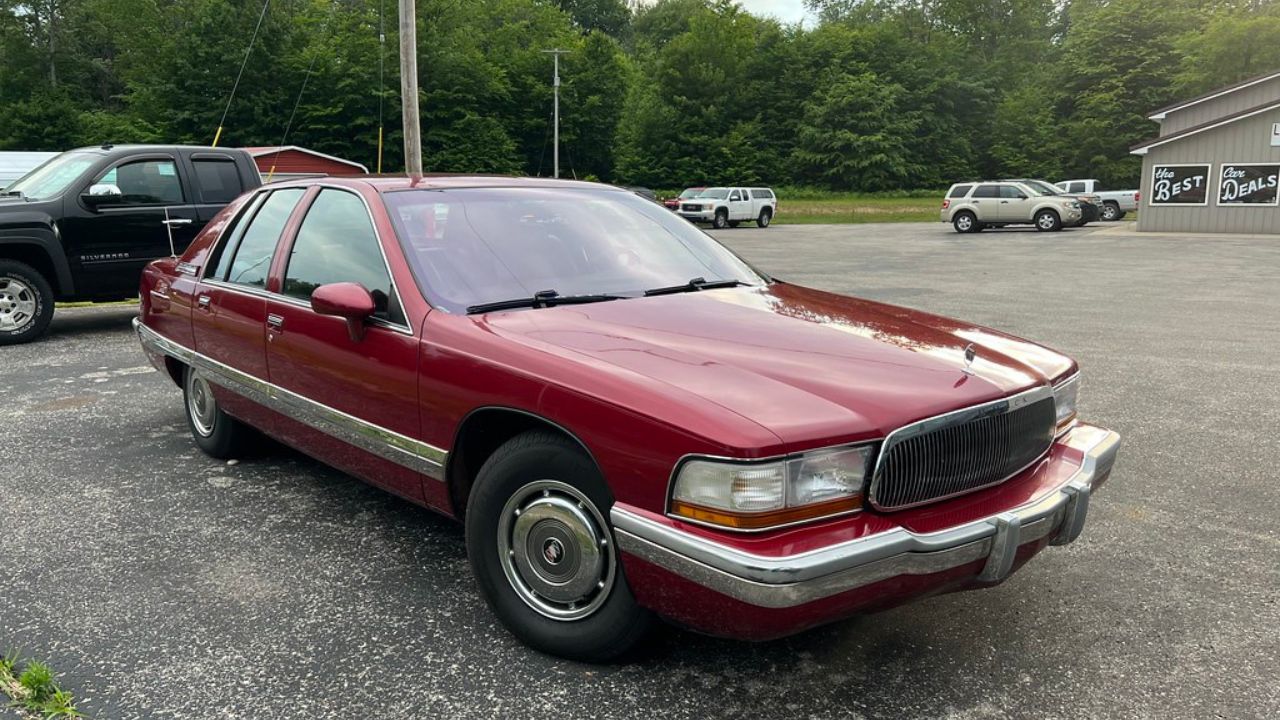
From 1994 onward, the Roadmaster adopted the LT1 V8, a well-known GM small-block family engine also used in other high-volume applications. The result was a big Buick with strong torque and an engine platform that’s widely understood by enthusiasts and mechanics. That combination—plus steady parts support—helps explain why so many are still around.
These cars can be surprisingly resilient when kept cool and properly serviced, and they’ve become a favorite among people who like traditional American long-distance machines.
1987 Buick LeSabre (3.8L V6)
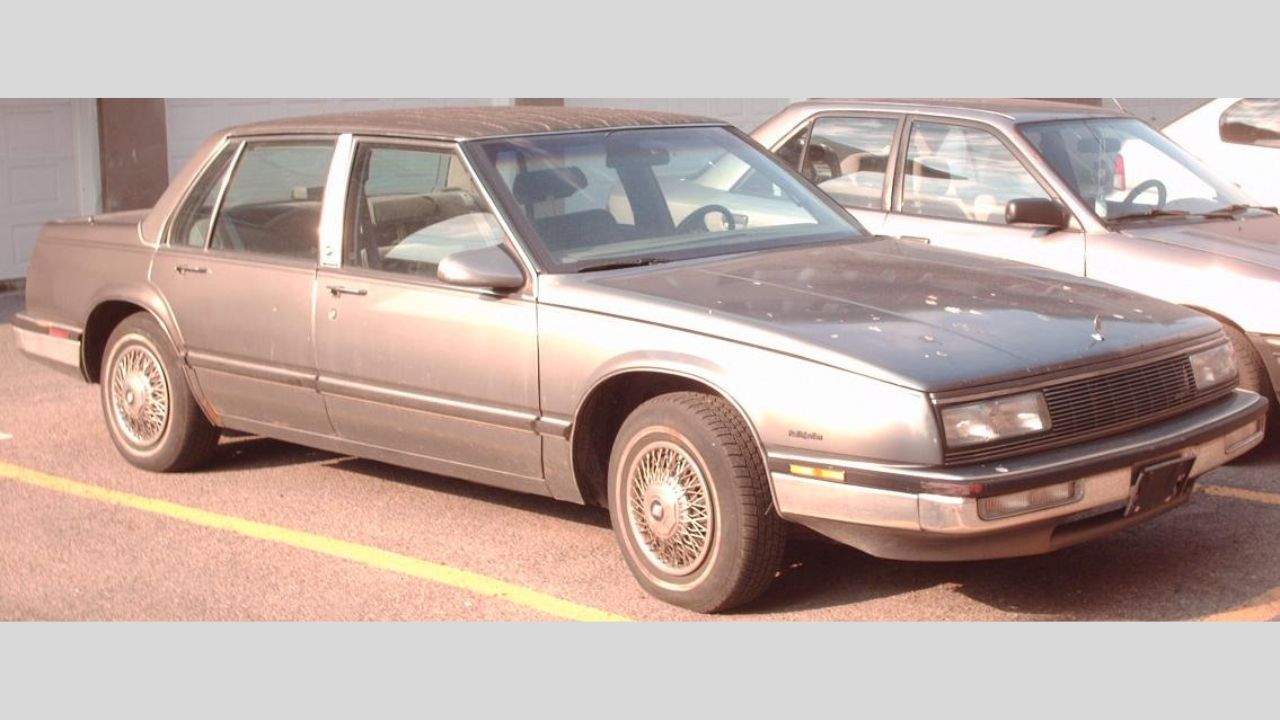
By the late 1980s, Buick had plenty of experience refining its V6 offerings for smooth, everyday use. The 1987 LeSabre represents that era’s focus on comfortable cruising and relatively simple service needs. It’s the kind of car that could be fixed almost anywhere, which matters a lot in long-term ownership.
Many of the long-lasting examples owe their survival to consistent upkeep and the fact that these cars were often driven in a gentle, predictable way.
1989 Buick Park Avenue
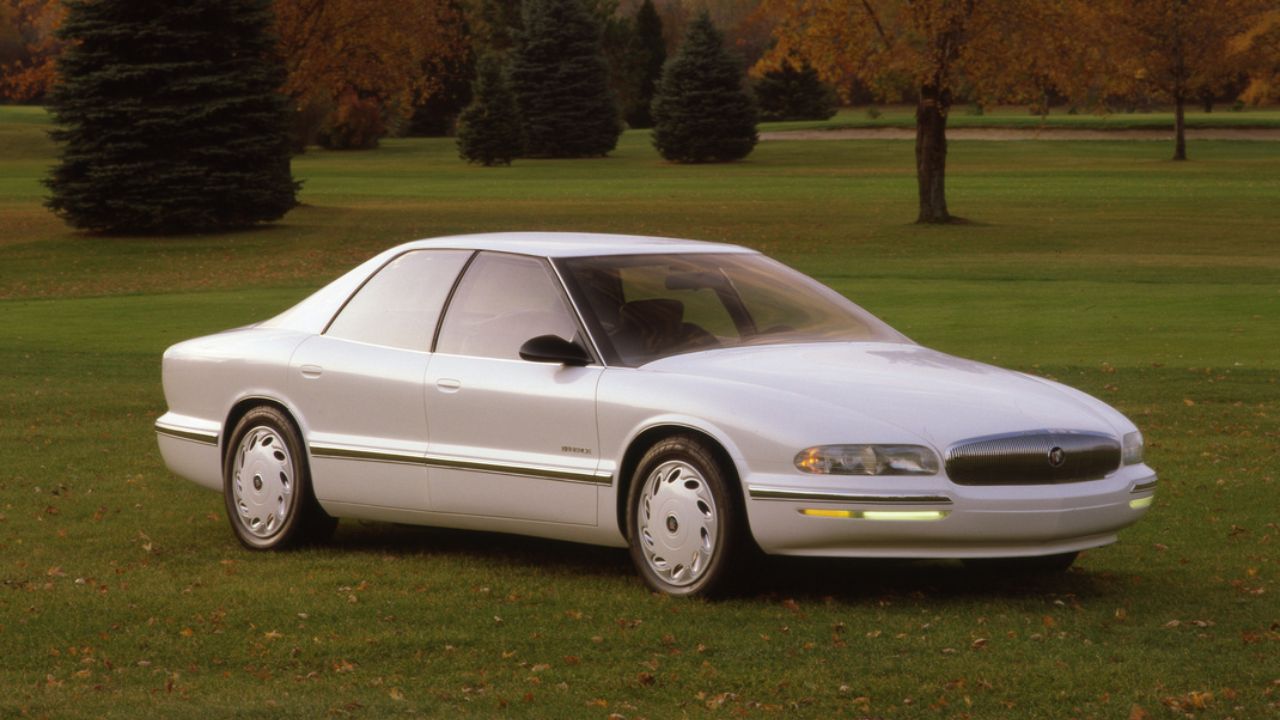
The Park Avenue name has long been attached to Buicks that prioritize comfort, and the late-1980s cars fit that mold. With conservative mechanical choices and a reputation for smoothness, they were often purchased by owners who valued routine service over hard driving. That pattern can translate to longevity across decades.
Finding one that’s lasted well usually comes down to rust, storage history, and whether the car avoided long periods of neglect.
1993 Buick Regal
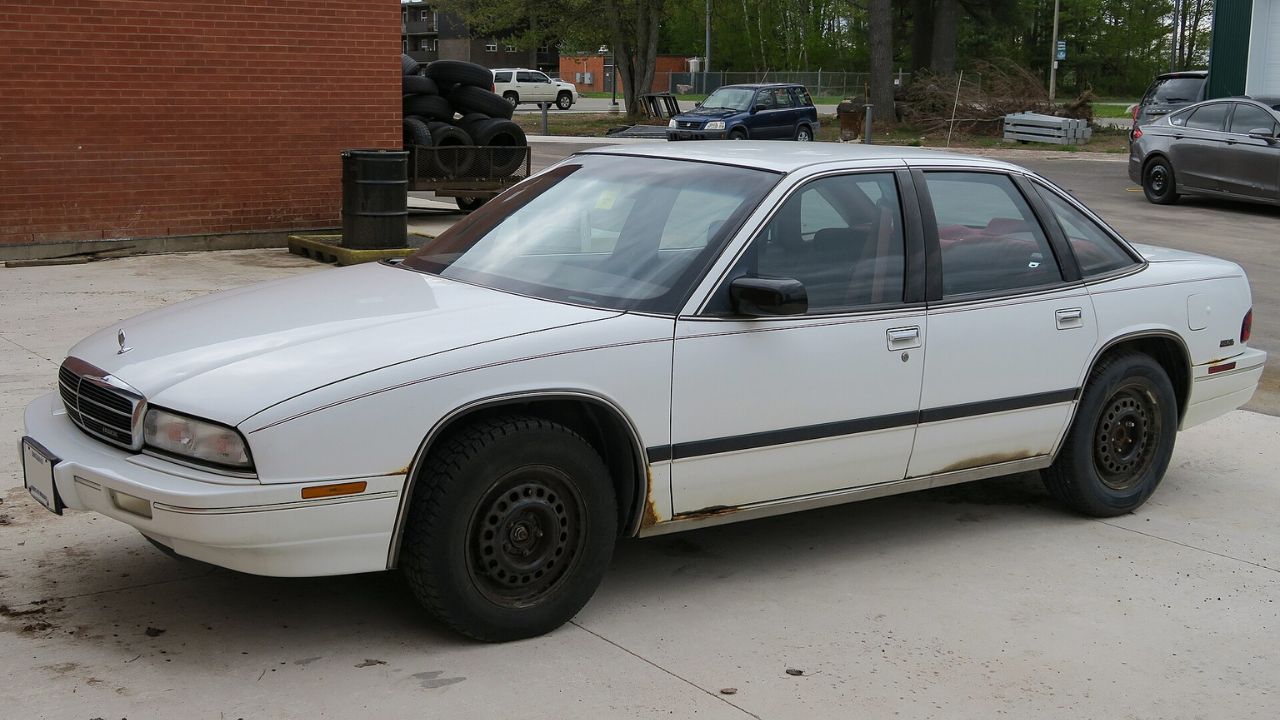
The early-1990s Regal bridged older Buick traditions with the realities of modern front-drive packaging. It wasn’t an exotic machine, but it was built around common GM components and a broad service network. That “every shop can work on it” factor is underrated when you’re talking about a car surviving past multiple ownership cycles.
The long-running examples typically show that boring maintenance—fluids, belts, and cooling system attention—was done on time.
1995 Buick LeSabre

The mid-1990s LeSabre is frequently remembered as a durable, no-drama daily driver, especially when equipped with Buick’s familiar V6 power. The formula was mature by then, and GM had refined the platform through years of real-world use. For many owners, these cars became the definition of reliable transportation.
They also benefited from large production numbers, which helped keep replacement parts affordable and available long after the cars left showrooms.
2000 Buick Park Avenue
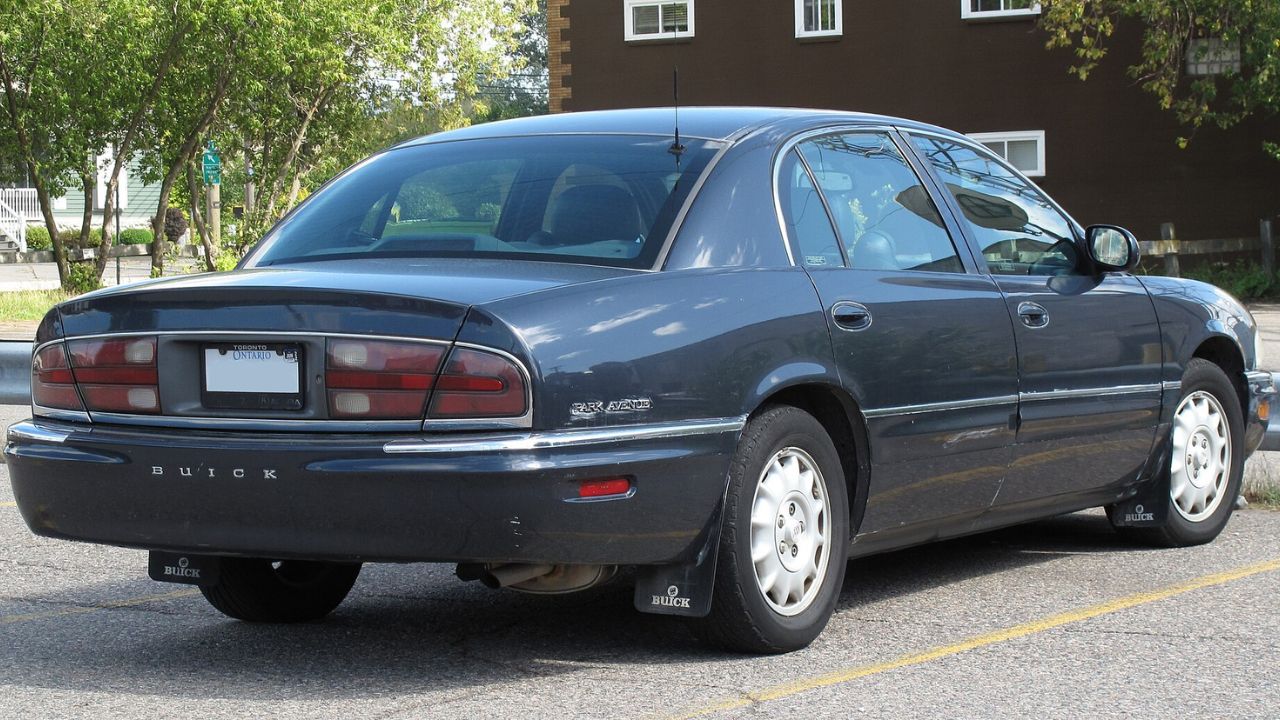
By 2000, the Park Avenue was deep into a run where comfort and proven mechanicals were the priority. Many of these cars lived relatively easy lives as highway cruisers, which can be kinder to a drivetrain than stop-and-go abuse. The combination of a smooth V6 and relaxed gearing made them feel like they weren’t working hard.
Owners who kept up with cooling and intake-related service tended to be the ones still enjoying these cars long after any warranty memories faded.
2003 Buick Park Avenue
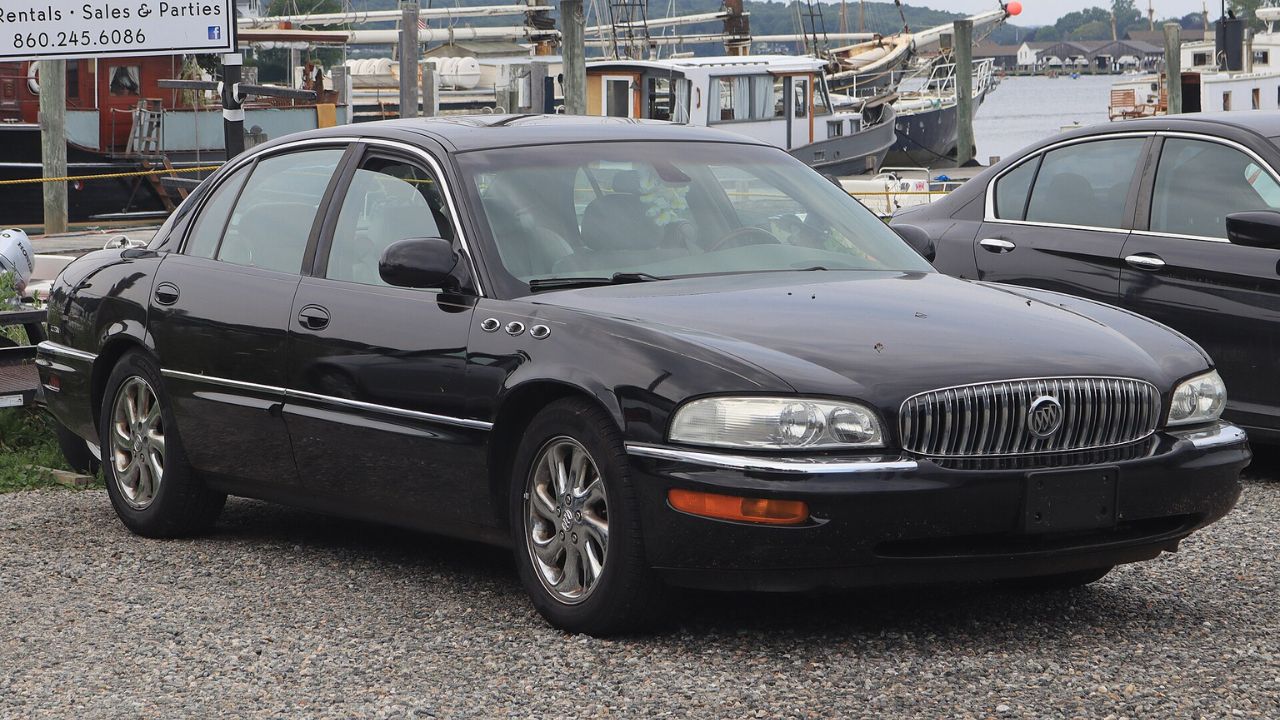
Late-production Park Avenues often benefited from years of incremental improvements and the ironing out of earlier glitches. As a result, many owners experienced them as steady, comfortable cars rather than finicky luxury sedans. That’s a big reason they’re still common sights at local shows and on the road.
When you see a high-mile Park Avenue still running smoothly, it’s usually proof that “soft, steady miles” and routine care can be a winning strategy.
2006 Buick Lucerne (V6 models)
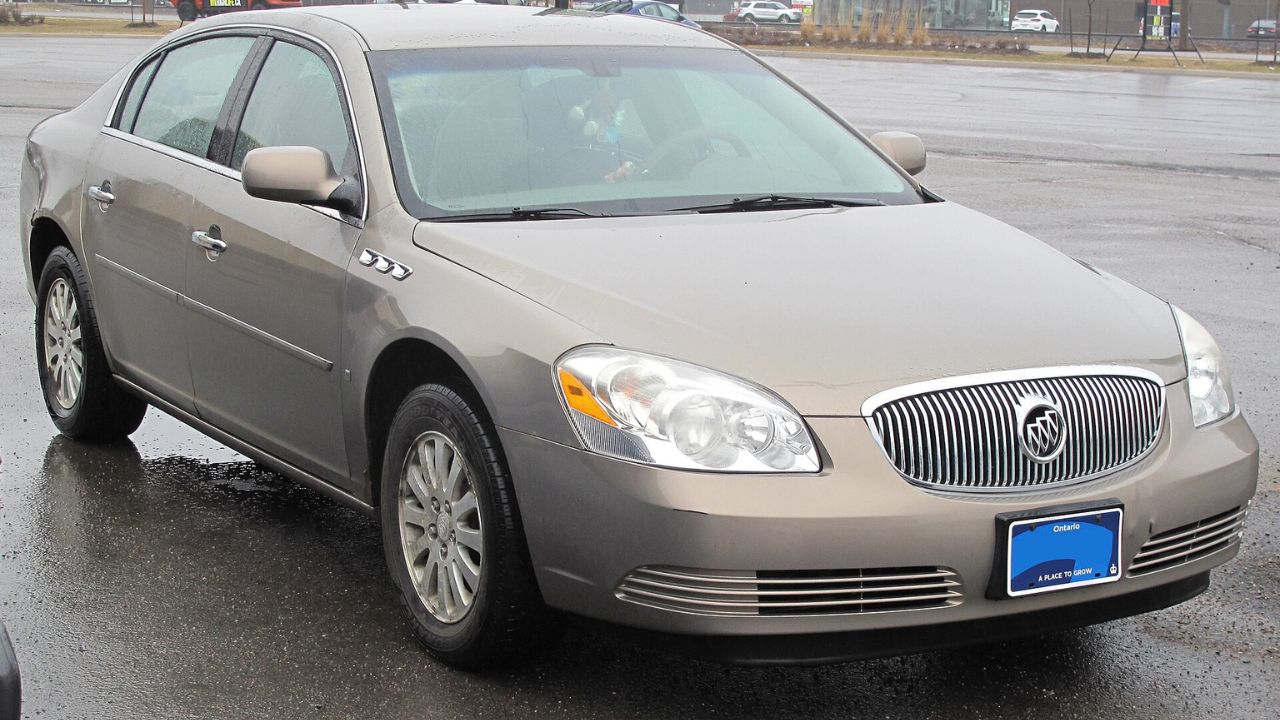
The Lucerne carried Buick’s big-sedan torch into the mid-2000s, and V6-equipped versions were generally aimed at quiet, reliable commuting. Like many Buicks, the Lucerne leaned on mainstream GM engineering rather than exotic, bespoke hardware. That approach can make long-term maintenance more manageable.
Owners who stayed ahead of suspension wear and kept up with fluids often found the Lucerne to be a loyal long-term companion.
2011 Buick LaCrosse (3.6L V6)

The 2011 LaCrosse represents Buick’s more modern era, with a focus on refined interiors and a more contemporary driving feel. When these cars last, it’s often because they were maintained like the near-luxury vehicles they are—regular oil changes, cooling system attention, and prompt fixes for small electronic issues. The platform and drivetrain were shared broadly enough to keep service knowledge widespread.
Long-lived examples tend to be owned by people who didn’t ignore warning lights and treated maintenance as part of the purchase price.
2012 Buick Verano (2.4L)
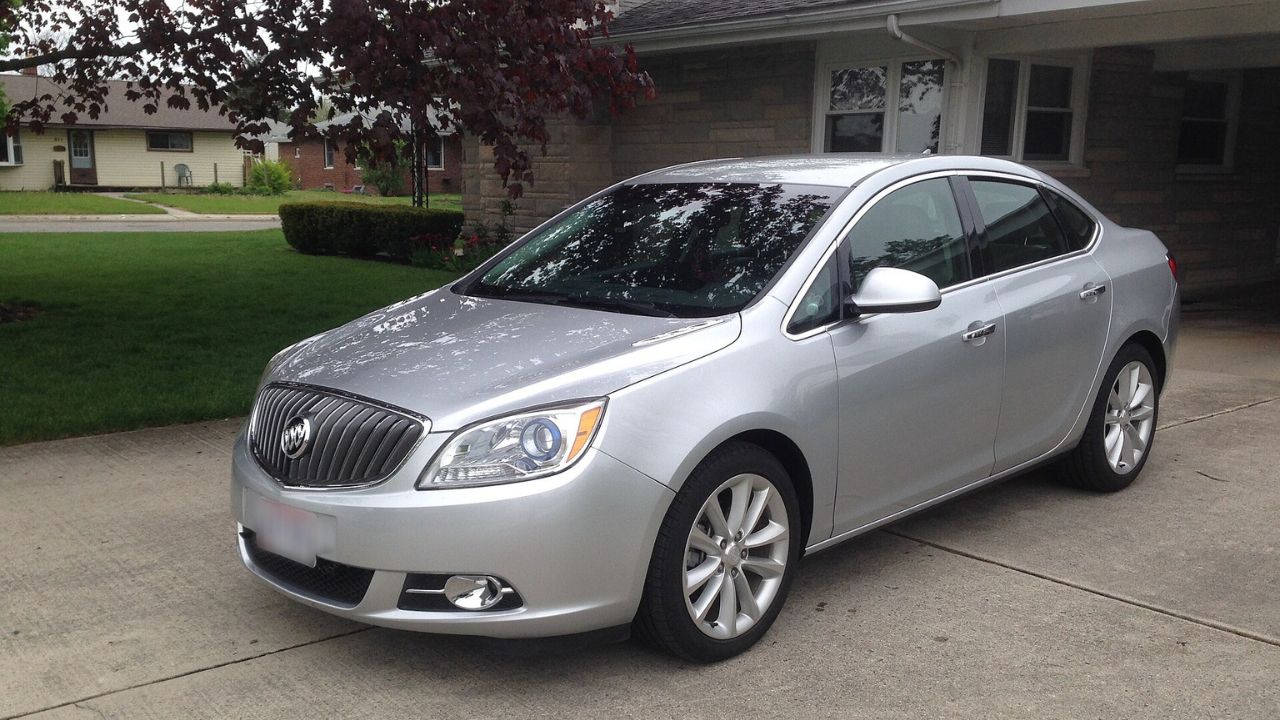
The Verano is a smaller Buick by traditional standards, but it still fits the brand’s theme of comfortable, quiet daily driving. Its longevity story is less about a single legendary engine and more about sensible use, reasonable power output, and routine service. Because it shares engineering DNA with other high-volume GM compacts, parts and know-how are generally accessible.
When they’re still going strong, it’s often because owners kept up with basics and avoided “cheap fix” shortcuts that create bigger problems later.
2014 Buick Encore (1.4L turbo)
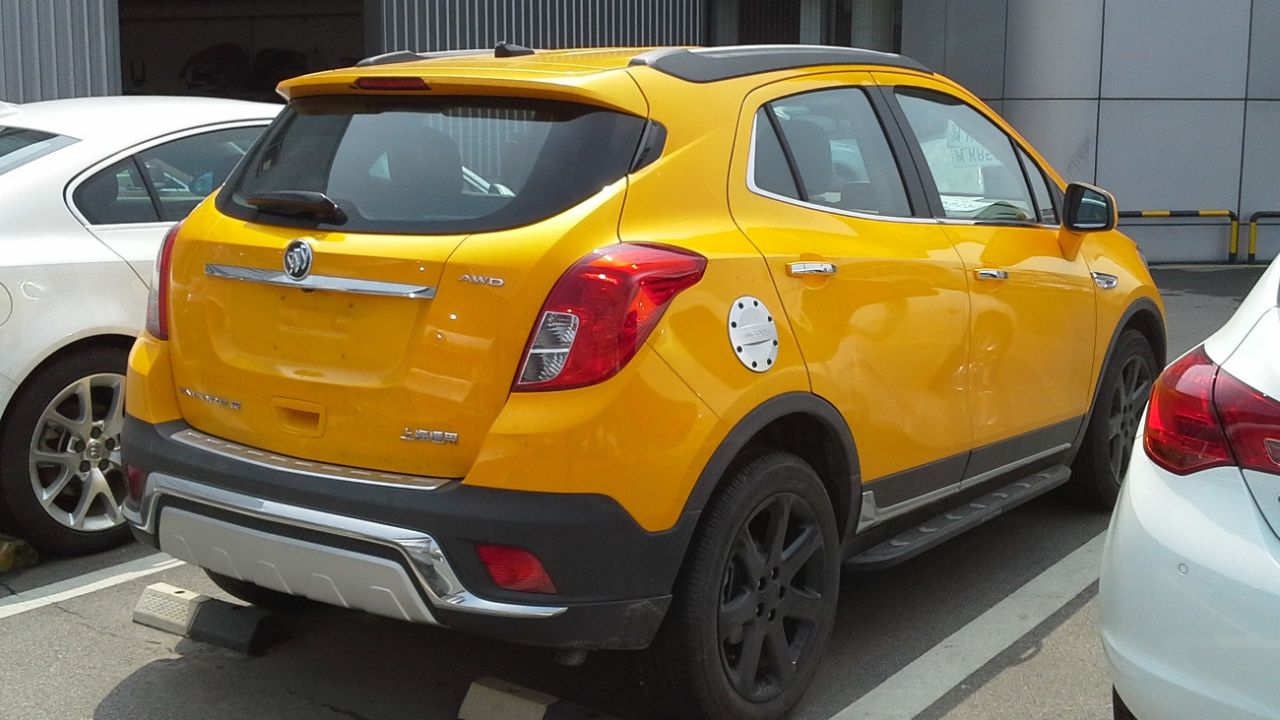
The first-generation Encore became a common sight in cities and suburbs, and many have proven to be durable when maintained properly. Turbo engines can be sensitive to oil quality and change intervals, so long-lasting Encores are usually owned by people who stuck to consistent service. The Encore’s popularity also helped ensure ongoing parts availability.
The ones that outlast expectations typically show a pattern of careful ownership rather than any single miracle component.
1990 Buick Electra Park Avenue
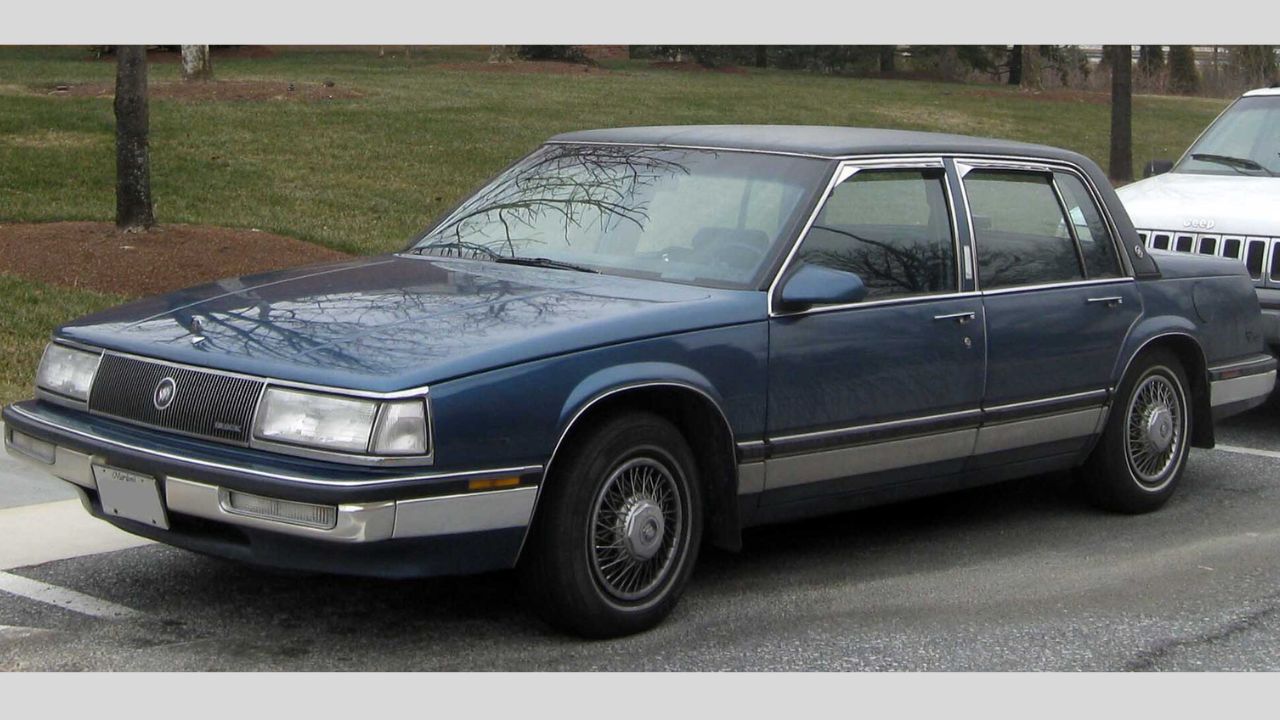
The Electra Park Avenue name carries a lot of Buick history, and the 1990 models reflect the brand’s late-20th-century approach to comfort-first engineering. These cars weren’t designed to be edgy; they were designed to be dependable transportation with a plush ride. That conservative mission often correlates with long-term survivability.
As with many older full-size sedans, rust prevention and storage conditions can be just as important as mechanical durability.
1986 Buick Riviera
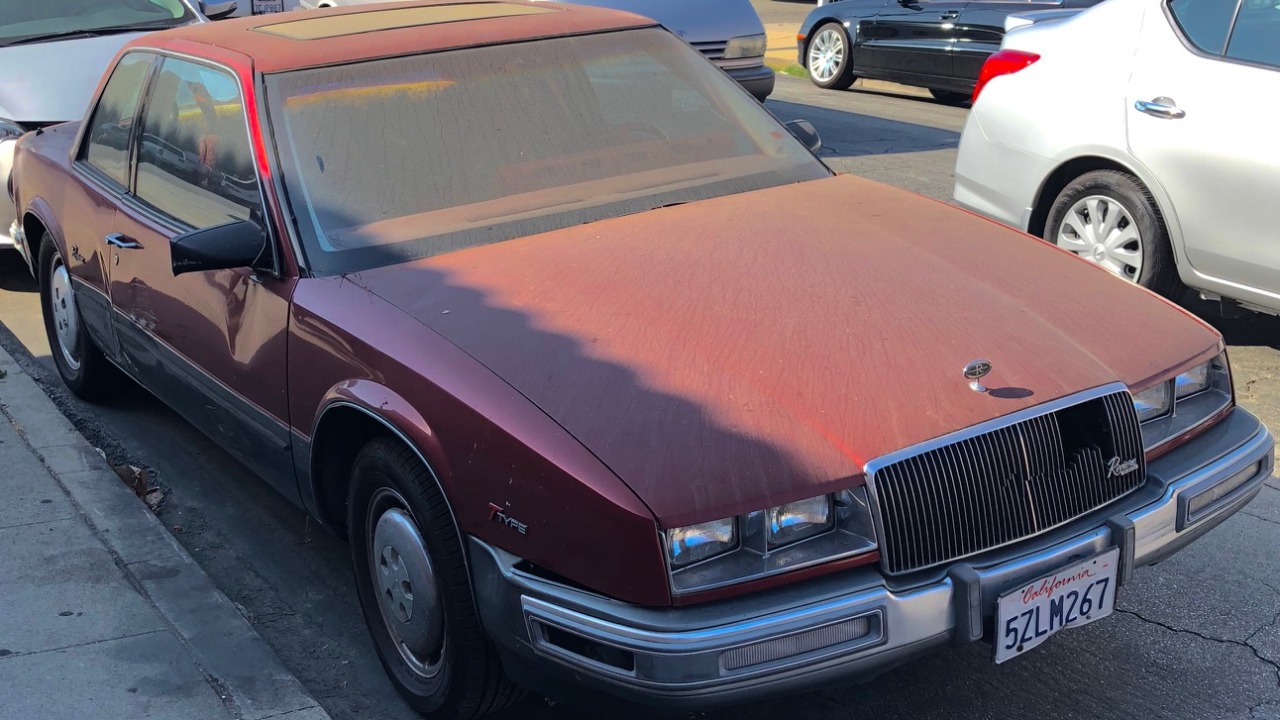
The mid-1980s Riviera stands out as a Buick that mixed style with the brand’s preference for smooth cruising. While not every example lived an easy life, the ones that did were often maintained as personal cars rather than workhorses, which helped them survive. Their longevity today is frequently tied to attentive ownership, careful storage, and the ability to source and service common GM mechanical pieces from the era.
A well-kept Riviera that’s still on the road is usually less about perfection and more about steady, informed care across decades.
What makes these Buicks “outlast the warranty” isn’t a single secret—it’s the combination of proven drivetrains, conservative tuning, widespread service knowledge, and owners who treated maintenance as a habit. Find one that’s been cared for, and it’s not unusual to end up with a car that feels like it’s still got plenty of miles
More from Fast Lane Only
- Unboxing the WWII Jeep in a Crate
- 15 rare Chevys collectors are quietly buying
- 10 underrated V8s still worth hunting down
- Police notice this before you even roll window down
*Research for this article included AI assistance, with all final content reviewed by human editors