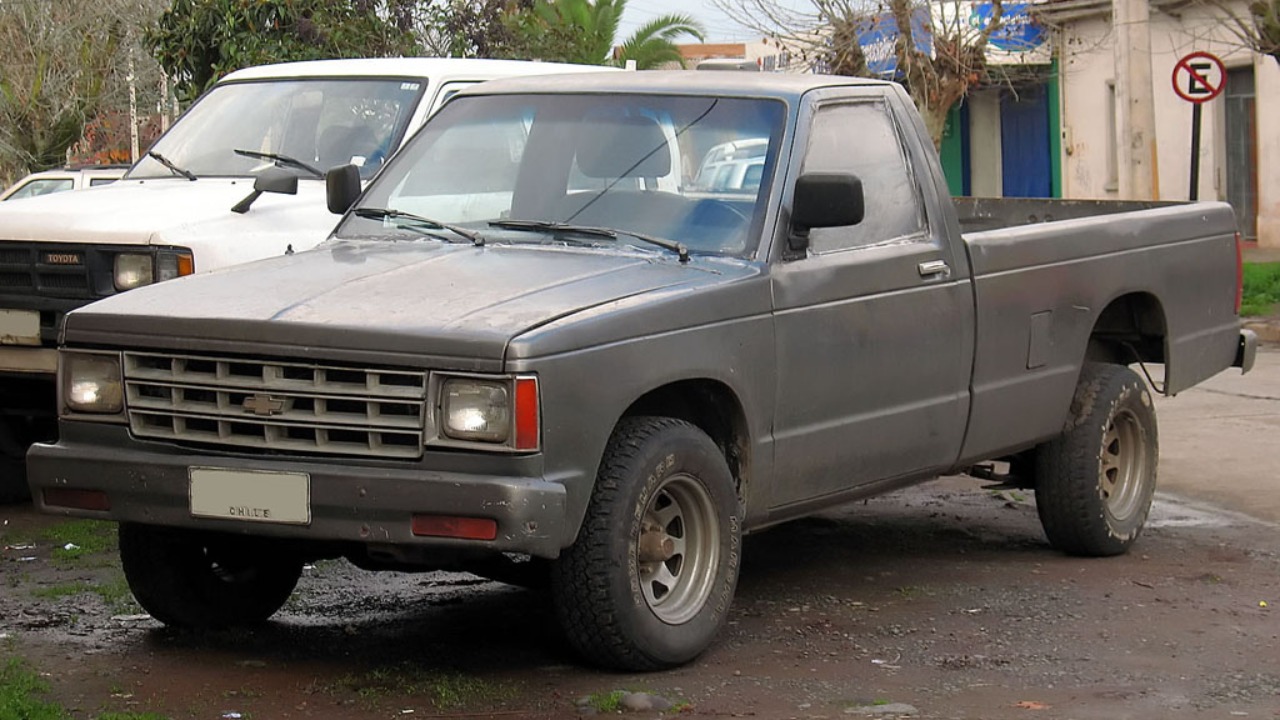
Some Chevrolet models never received the same attention as the brand’s biggest sellers, yet mechanics often remember them for simple engineering, durable drivetrains, and easy repairs. From dependable family cars to rugged trucks and performance favorites, these Chevys earned reputations that went beyond showroom appeal. Many remain respected because they were built with straightforward mechanicals that could take years of use.
Chevrolet Impala
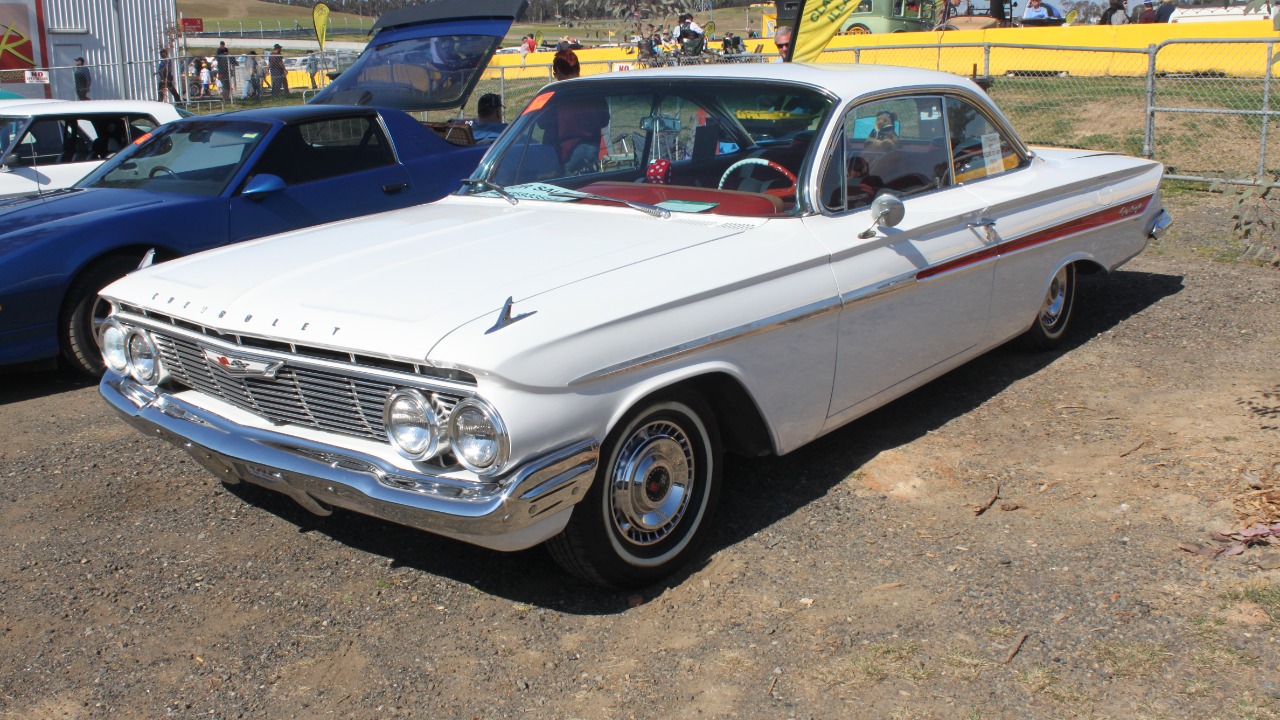
The Chevrolet Impala has long been one of the brand’s most familiar full-size cars, but its mechanical reputation is just as important as its styling. Many versions used proven V8 engines and conventional rear-wheel-drive layouts that were relatively straightforward to service. Mechanics appreciated the accessibility of the engine bay and the availability of replacement parts. Well-maintained Impalas could cover substantial mileage without requiring exotic repairs, helping explain why so many stayed in service long after newer cars appeared.
Chevrolet Caprice
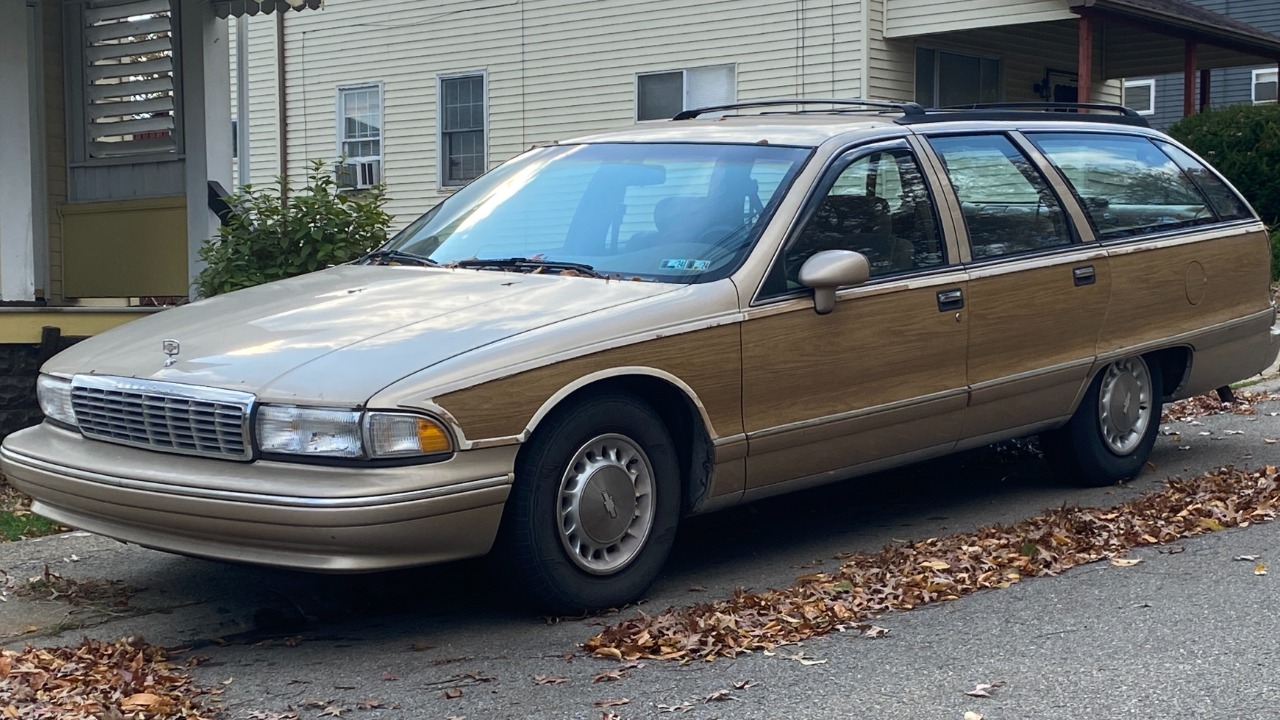
The Chevrolet Caprice earned respect for its sturdy full-size platform and durable drivetrain combinations. Later rear-wheel-drive versions became especially popular with fleet operators, police departments, and taxi companies, where reliability mattered more than flashy features. Mechanics became familiar with their simple architecture and widely available parts. The Caprice also benefited from engines that had been refined over many years. Its reputation was built less on sophistication and more on being relatively easy to keep running.
Chevrolet C10
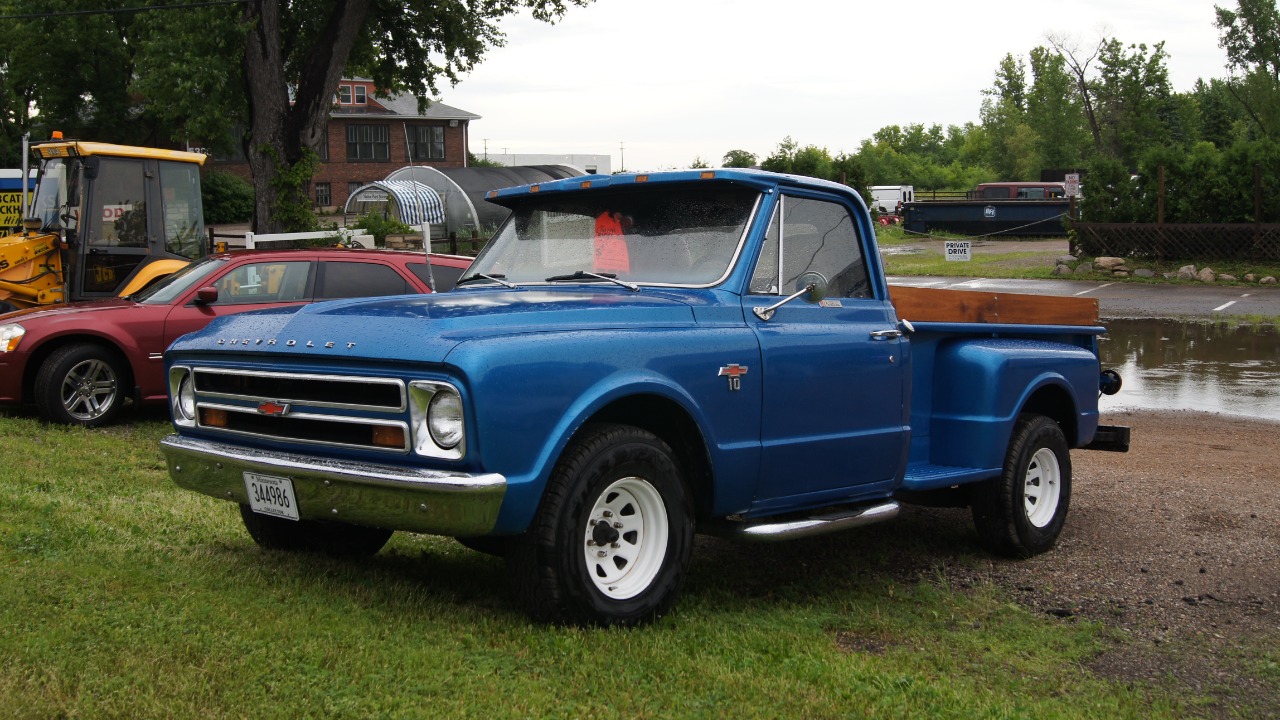
The Chevrolet C10 remains one of the most respected classic pickups for good reason. Its body-on-frame construction, simple suspension, and familiar Chevrolet engines made it approachable for both professional mechanics and home garage enthusiasts. Parts availability is excellent, and many mechanical components are well understood decades after production. The C10 also has enough simplicity that repairs often do not require specialized equipment. That combination of durability and serviceability helped turn an ordinary work truck into a highly respected classic.
Chevrolet Silverado
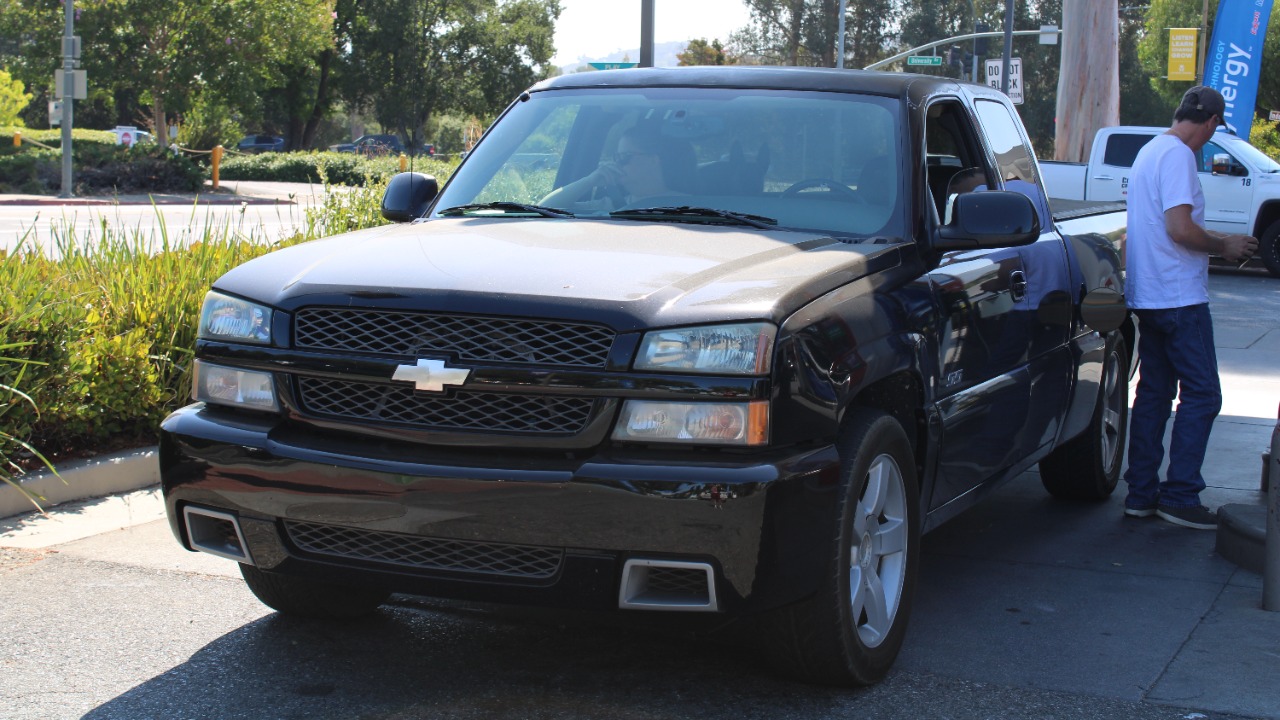
The Chevrolet Silverado has developed a strong reputation among owners who expect their trucks to work hard for years. Its conventional body-on-frame construction and broad range of V8 engines have made many generations relatively familiar to mechanics. The truck is also supported by an enormous parts network, which helps keep repairs manageable. While individual generations have had their weaknesses, the Silverado’s overall combination of capability, serviceability, and mechanical familiarity has earned it a lasting place among dependable Chevrolet trucks.
Chevrolet Suburban
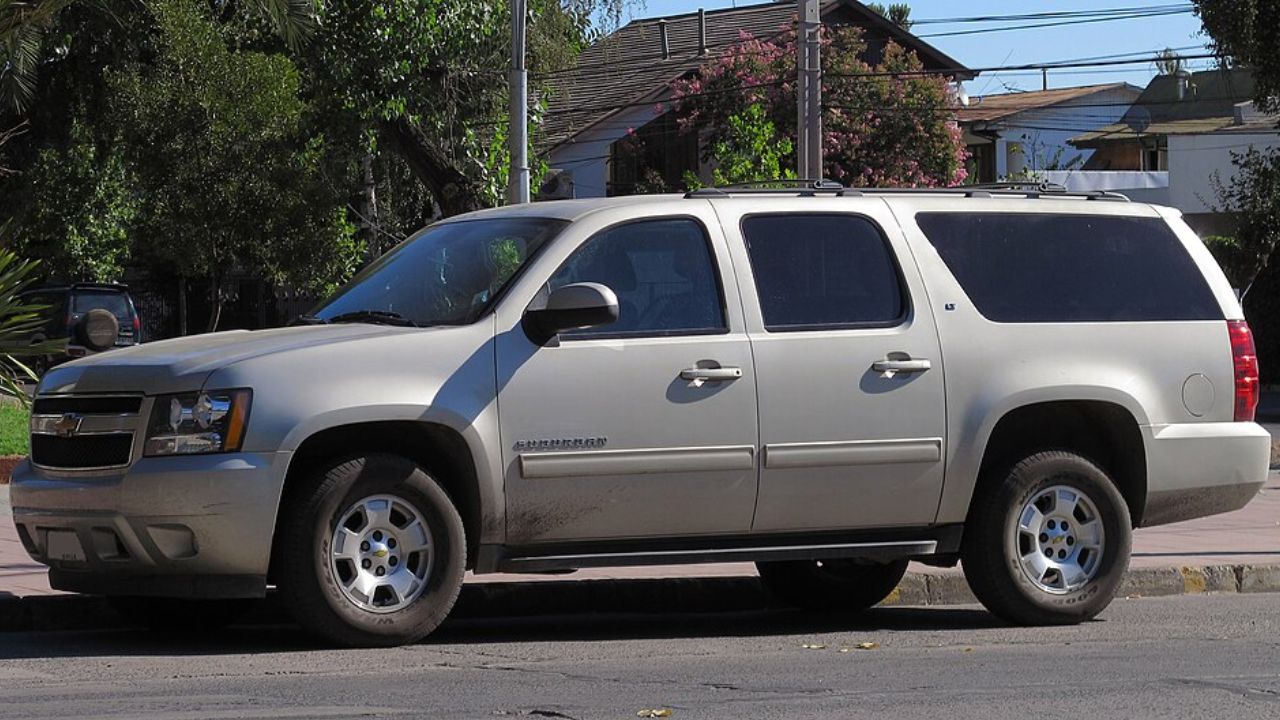
The Chevrolet Suburban is one of the longest-running vehicle nameplates in automotive history, and longevity is central to its reputation. Generations of Suburbans have used proven truck-based platforms and large-displacement engines designed for hauling people, cargo, and trailers. Mechanics have generally appreciated their straightforward construction and parts availability. Their size can make certain repairs more involved, but the underlying hardware is familiar. A well-maintained Suburban can remain useful for many years, which is exactly what buyers expected.
Chevrolet Tahoe
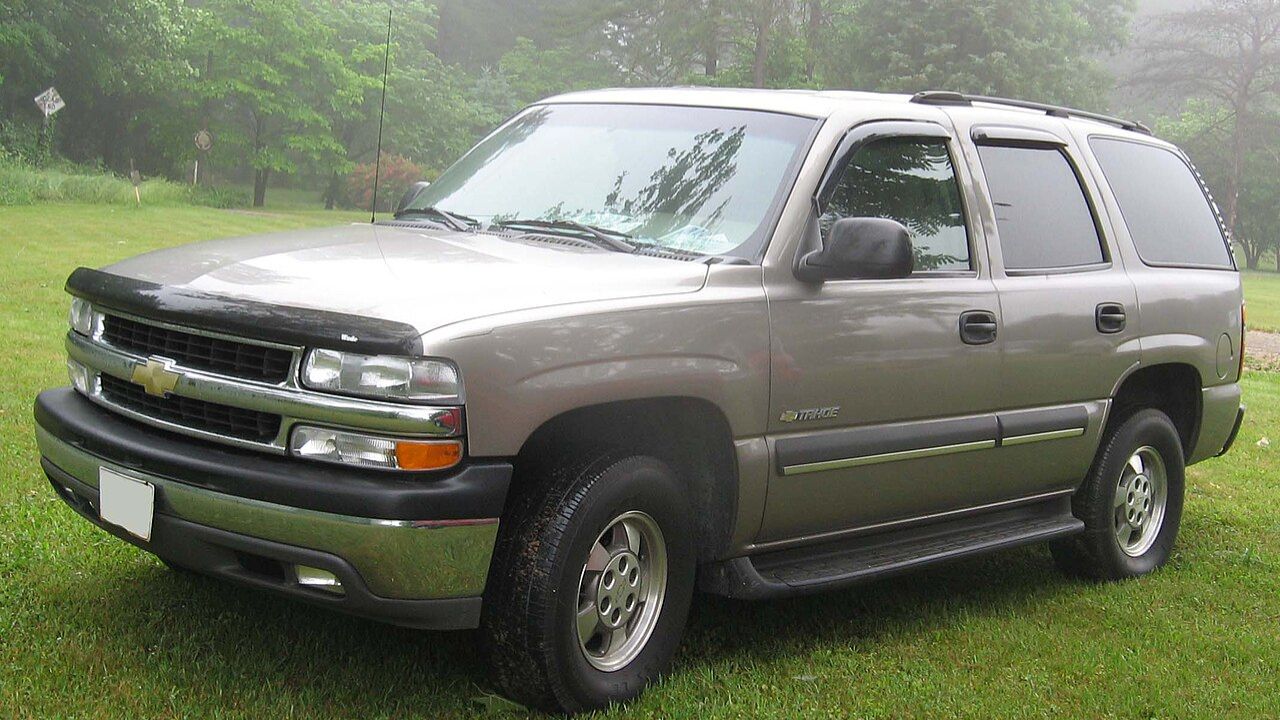
The Chevrolet Tahoe combines truck-based durability with a more manageable size than the Suburban. Many generations have used proven V8 engines, conventional rear-wheel-drive architecture, and components shared with other Chevrolet and GMC trucks. That commonality is valuable to mechanics because parts and service knowledge are widespread. The Tahoe has also served police departments, fleets, and families, giving it a demanding real-world history. Its reputation comes from being a practical truck-based SUV rather than an overly complicated luxury vehicle.
Chevrolet S-10
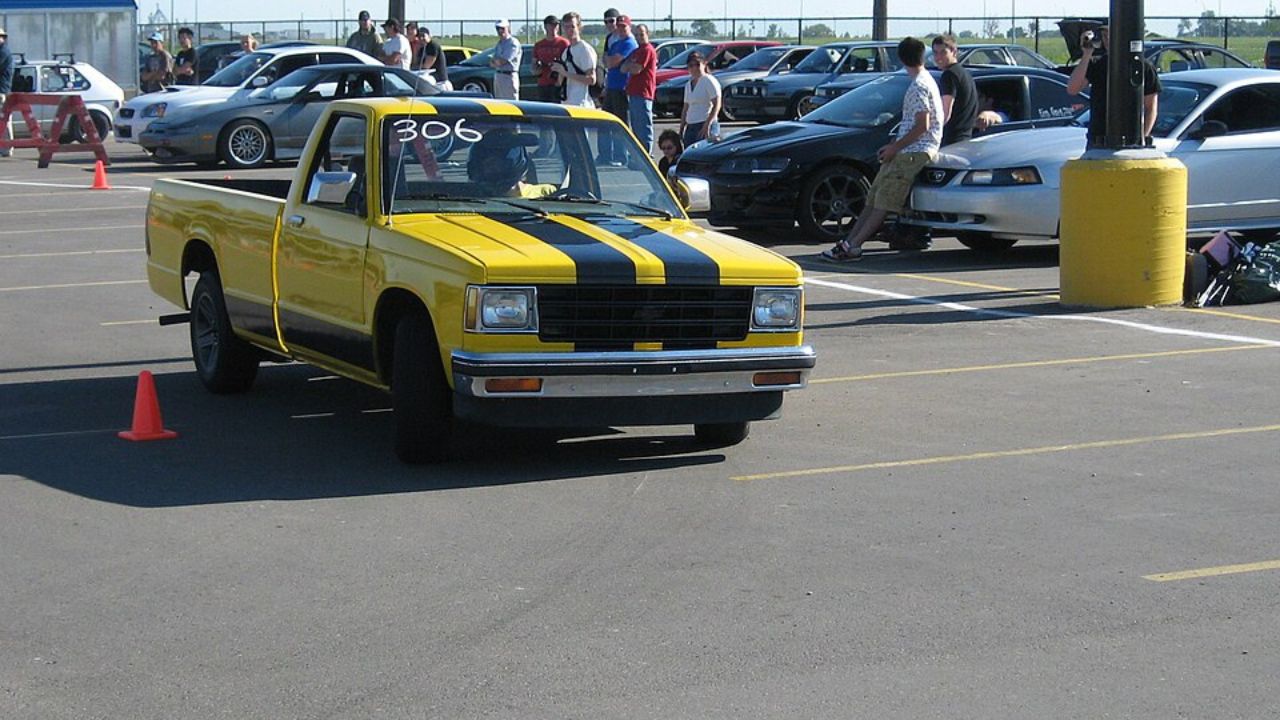
The Chevrolet S-10 became popular because it delivered useful pickup capability without the size of a full-size truck. Its compact dimensions and relatively simple mechanical layout made it approachable for repairs and maintenance. Four-cylinder and V6 engines gave owners several choices, while the rear-wheel-drive platform remained familiar to mechanics. The S-10 also benefited from years of production and widespread use, meaning replacement parts are easy to find. Its straightforward nature is a major reason enthusiasts still like working on them.
Chevrolet Silverado 2500
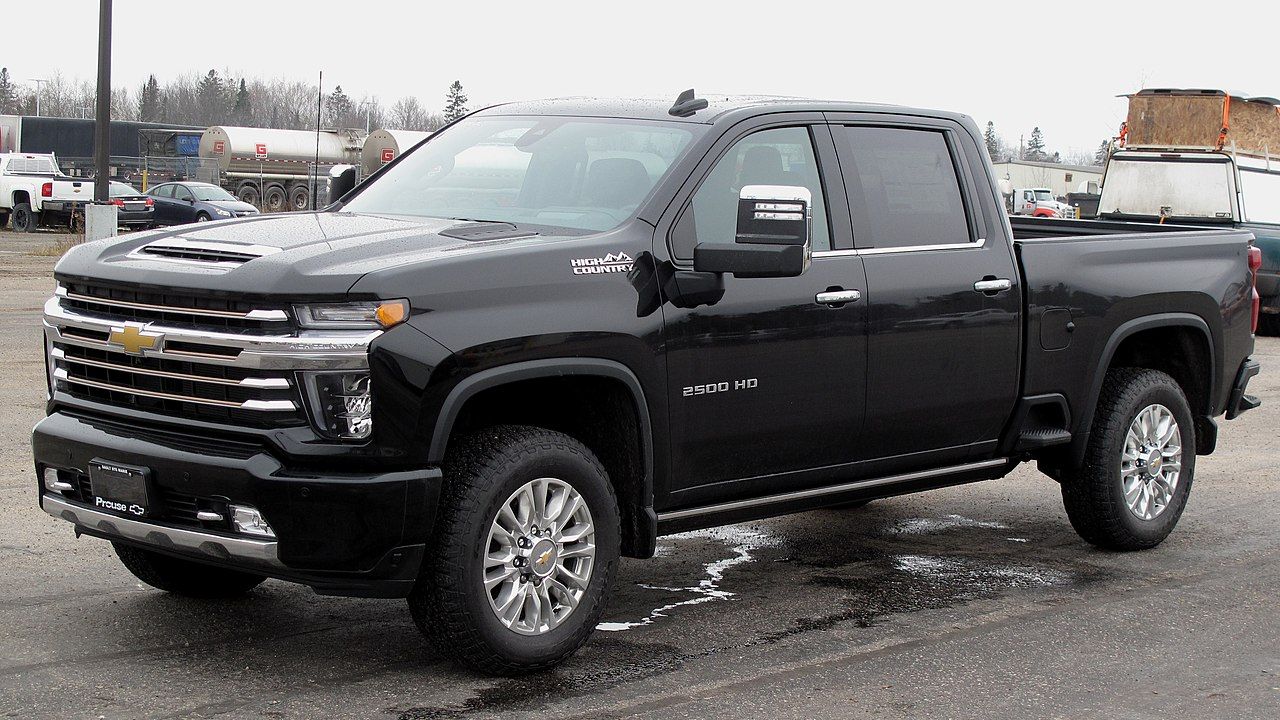
The Silverado 2500 built its reputation around heavy-duty work rather than comfort or novelty. Stronger frames, heavy-duty suspension components, and proven V8 and diesel powertrains made these trucks suitable for demanding jobs. Mechanics generally value the familiarity of Chevrolet’s truck architecture and the availability of components shared across the broader GM lineup. Proper maintenance remains important, particularly on hard-working examples, but the platform has proven capable of handling serious workloads without becoming unnecessarily complicated.
Chevrolet K5 Blazer
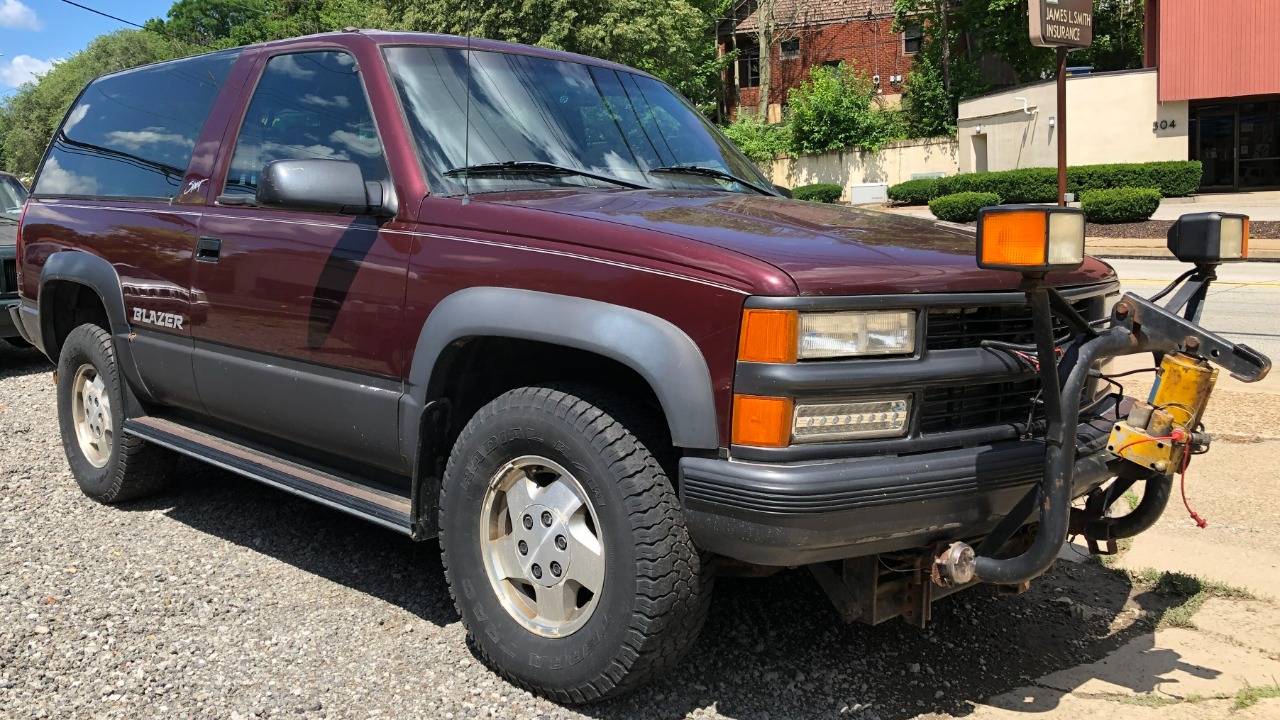
The Chevrolet K5 Blazer combined a truck chassis with a relatively simple four-wheel-drive system, making it a favorite among people who needed something tougher than a conventional SUV. Its mechanical components were familiar to mechanics who already worked on Chevrolet pickups, and the body-on-frame construction was well suited to off-road use. Early versions especially have a reputation for being straightforward to repair. Today, the K5’s simplicity is part of its appeal, particularly compared with increasingly complex modern SUVs.
Chevrolet Astro
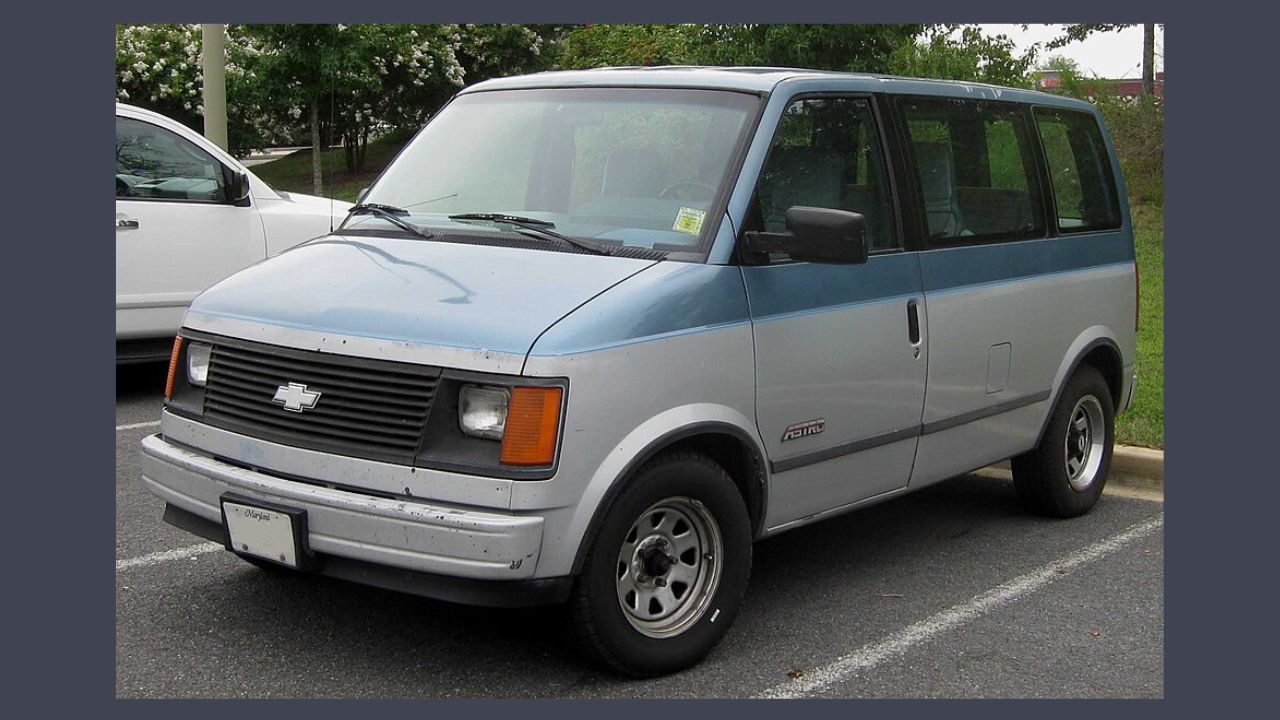
The Chevrolet Astro was not glamorous, but mechanics often appreciated its practical engineering. Its rear-wheel-drive layout and truck-based underpinnings gave it a more substantial mechanical foundation than many front-wheel-drive vans. V6 engines provided adequate power, while the simple layout made the Astro useful for commercial operators and families alike. Some repairs can be awkward because of the van’s packaging, but the drivetrain itself became well known for durability. That workhorse character has helped keep surviving examples on the road.
Chevrolet Express
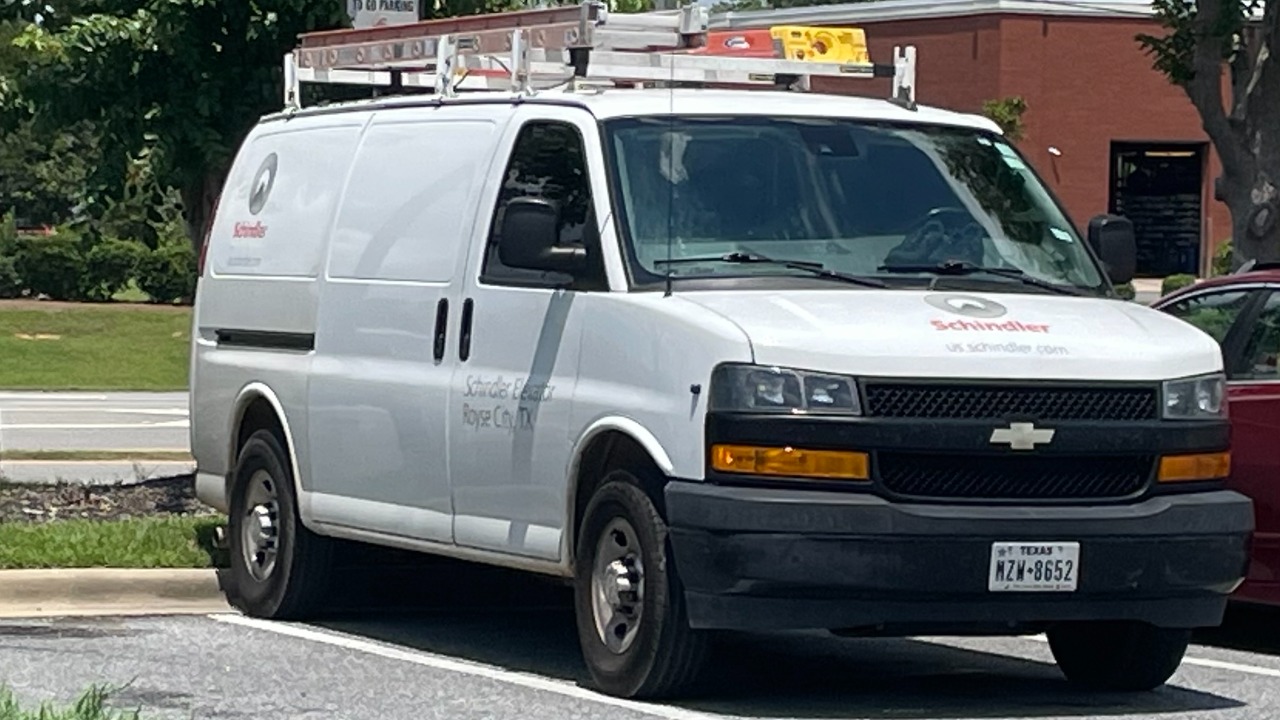
The Chevrolet Express continues the traditional full-size van formula with body-on-frame construction and familiar truck-derived engines. Its relatively conventional design makes it easier for mechanics to understand than many modern vans packed with complicated systems. Fleet operators have relied on Express vans for everything from deliveries to passenger transport, putting their drivetrains through demanding service. That widespread commercial use also means mechanics have accumulated extensive experience with them. When maintained properly, the Express can be a remarkably durable work vehicle.
Chevrolet Trailblazer
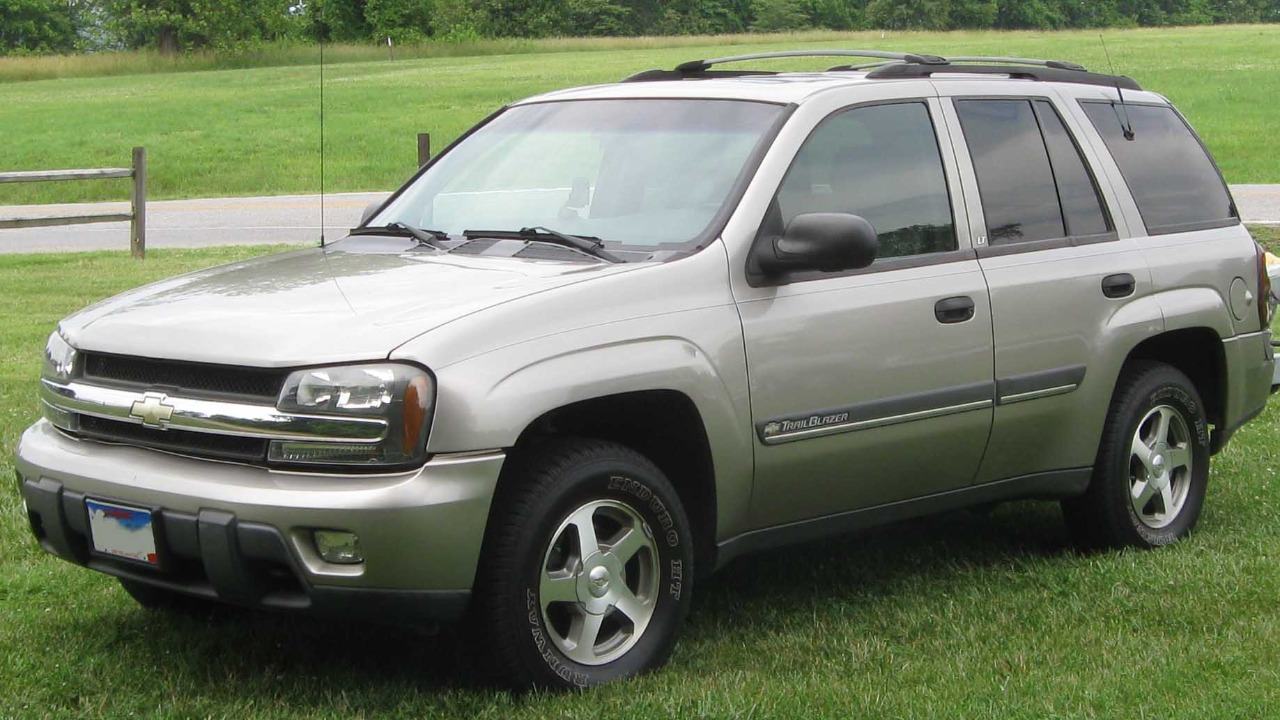
The original Chevrolet Trailblazer was built on a truck-based platform and offered familiar six-cylinder and V8 powertrains. That mechanical foundation gave it a different character from smaller crossover SUVs that followed. Mechanics generally knew the engines and transmissions well because related components appeared throughout GM’s lineup. The Trailblazer could also tow and handle rougher use than many car-based competitors. Its combination of conventional engineering and useful capability helped establish a solid reputation among owners who valued durability.
Chevrolet Avalanche
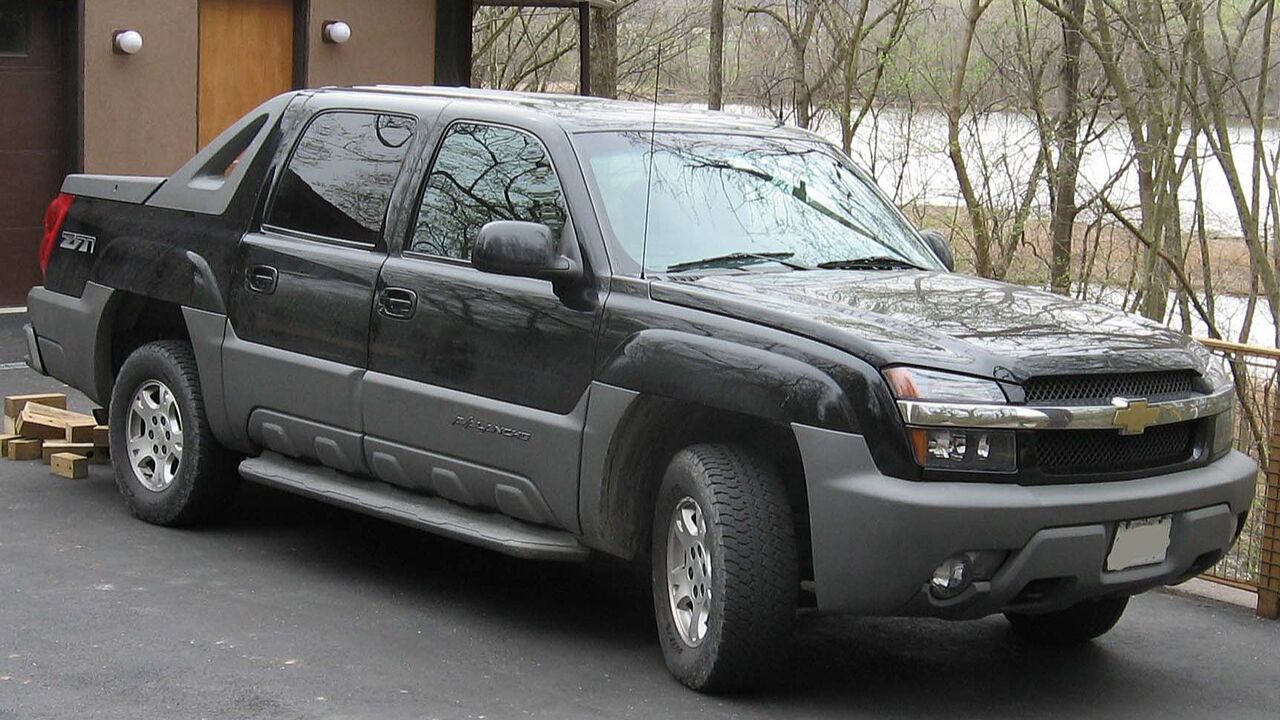
The Chevrolet Avalanche was an unusual combination of SUV and pickup, but its mechanical foundation was conventional. It shared important components with GM’s full-size truck family, including familiar V8 engines and body-on-frame architecture. That commonality helped mechanics work on it without learning an entirely unique set of systems. The clever midgate added versatility, while the underlying truck hardware provided strength. Although the body design divided opinion, the Avalanche’s mechanical relationship with Chevrolet’s trucks remains one of its strongest qualities.
Chevrolet Colorado
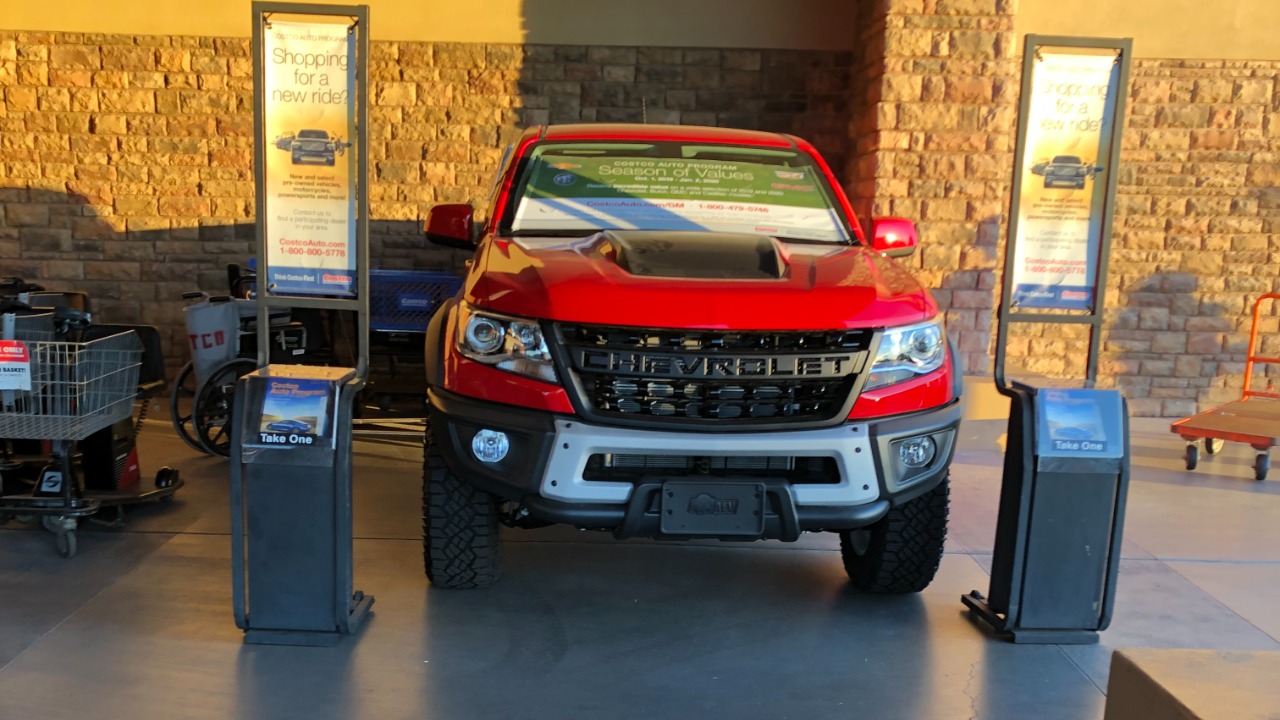
The Chevrolet Colorado has evolved significantly over the years, but its basic mission has remained straightforward: provide midsize pickup capability without the footprint of a full-size truck. Certain generations have earned respect for durable engines, conventional truck construction, and relatively accessible service requirements. Mechanics also benefit from the Colorado sharing components with other GM vehicles. It has had its problem areas, like any long-running model, but well-maintained examples can provide a useful balance of capability and manageable maintenance.
Chevrolet Cavalier
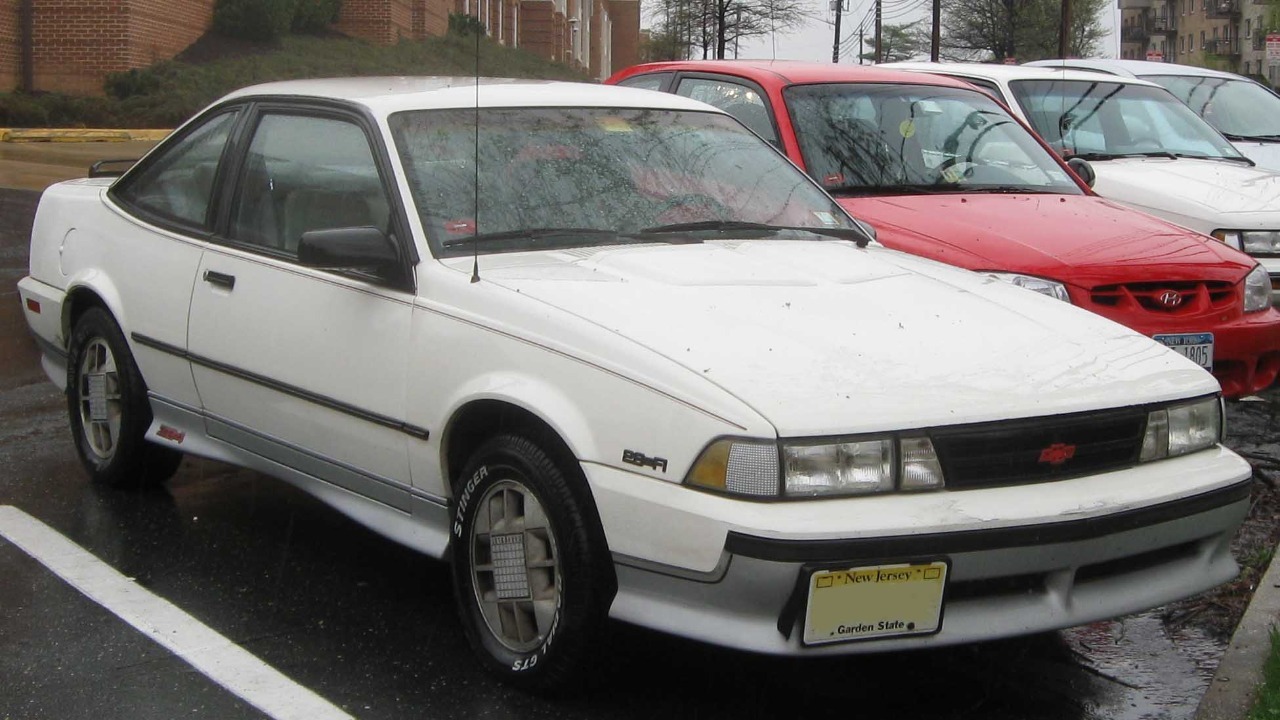
The Chevrolet Cavalier was built as an affordable compact, and its simple engineering became one of its greatest strengths. Earlier generations relied on basic four-cylinder engines and conventional drivetrains that were inexpensive to maintain. Mechanics saw countless examples over the years, making common repairs familiar and parts readily available. Cavaliers were never designed to be exciting, but that was beside the point. For owners who prioritized inexpensive transportation, the Cavalier could provide years of service without demanding sophisticated maintenance.
Chevrolet Malibu
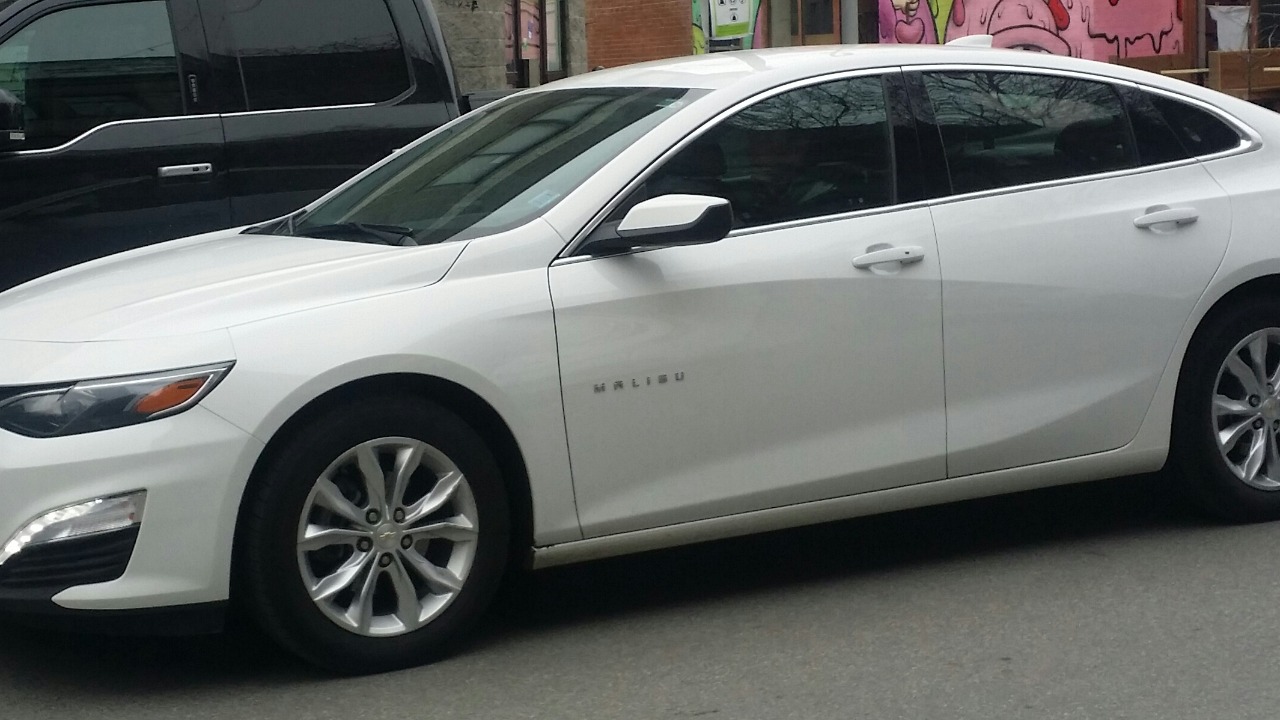
The Chevrolet Malibu has changed considerably over its long history, but several generations earned respect for using familiar and widely supported mechanical components. The car’s popularity meant replacement parts were plentiful, and mechanics gained extensive experience servicing it. Earlier rear-wheel-drive Malibus are particularly appealing to enthusiasts because of their straightforward construction and compatibility with popular Chevrolet engines. Even newer generations have benefited from the model’s broad production numbers, which help keep routine repairs and parts sourcing relatively manageable.
Chevrolet Monte Carlo
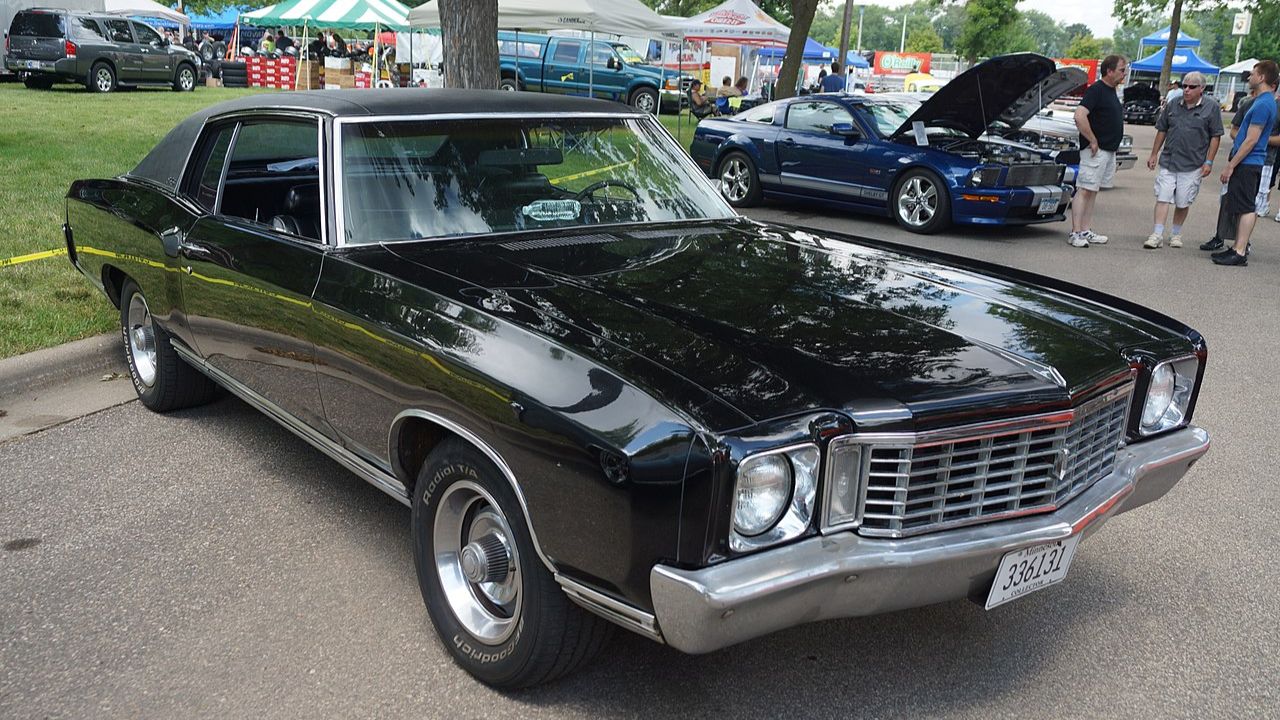
The Chevrolet Monte Carlo combined personal-luxury styling with mechanical components that were often shared with other Chevrolet models. That commonality was useful to mechanics because many drivetrain and suspension parts were already familiar. V8-powered versions added performance without requiring a completely exotic mechanical package. The Monte Carlo also became a popular choice for everyday driving, meaning there was extensive real-world experience with its maintenance needs. Its appeal today comes partly from that combination of recognizable styling and relatively conventional engineering.
Chevrolet Nova
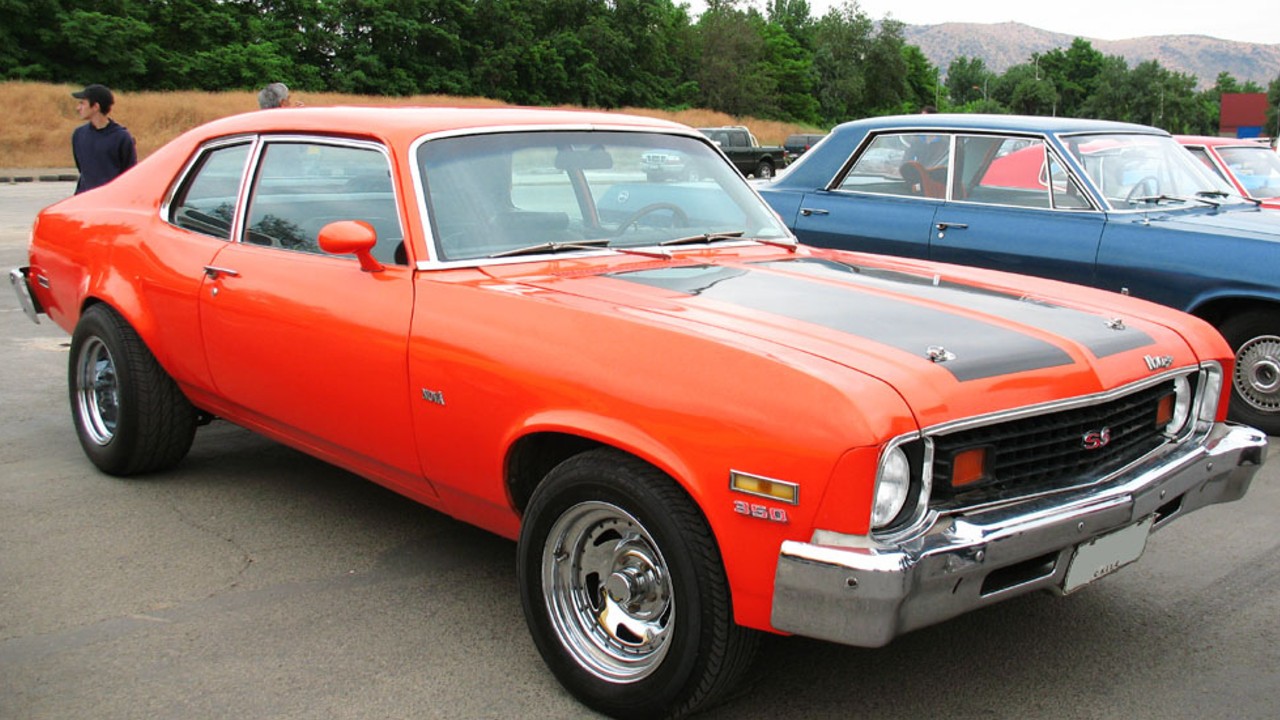
The Chevrolet Nova was one of Chevrolet’s most straightforward compact cars, particularly in its earlier rear-wheel-drive form. Its simple construction, compact dimensions, and availability with familiar Chevrolet engines made it relatively easy to work on. V8 versions became popular performance platforms, while basic models served as economical transportation. Mechanics appreciated the lack of unnecessary complexity, and enthusiasts still value the Nova because modifications and repairs can be approached with a huge aftermarket and extensive technical knowledge.
Chevrolet Corvette
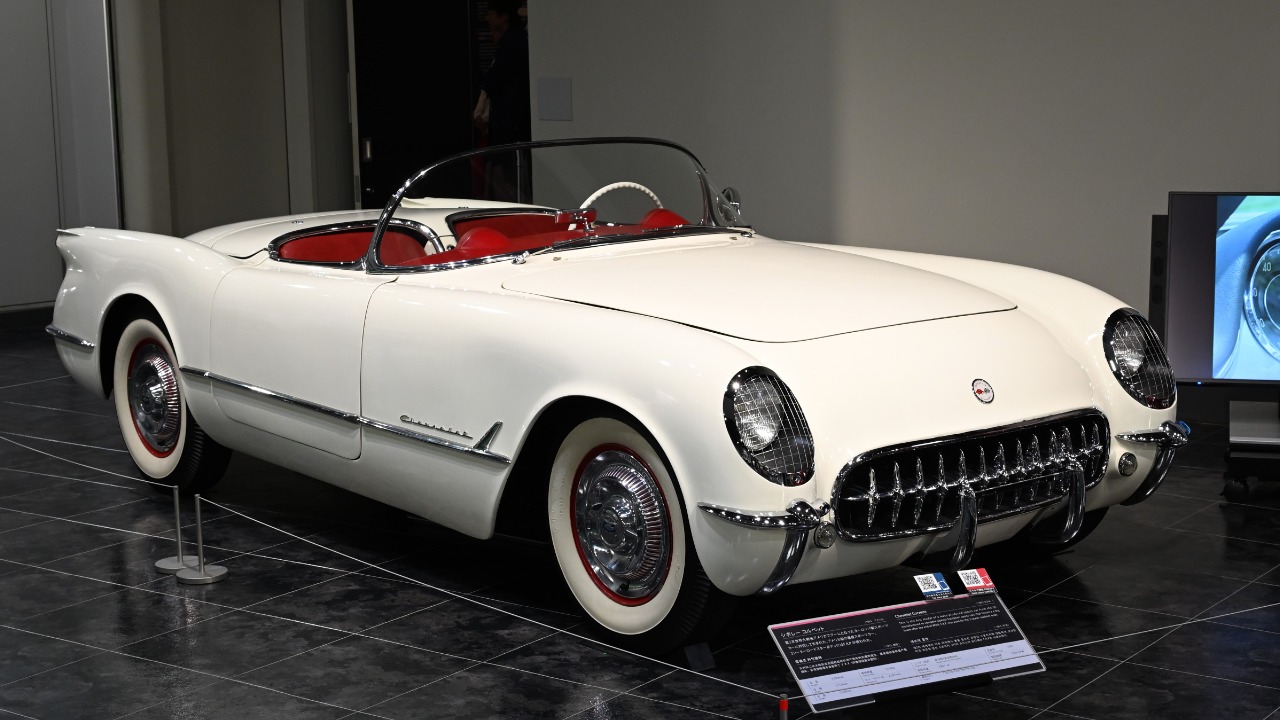
The Chevrolet Corvette may seem like an unusual choice for a list about mechanic-friendly Chevys, but its drivetrain heritage helps explain its reputation. Many generations have relied on Chevrolet small-block and later LS-family V8 engines with enormous parts support and extensive mechanical knowledge behind them. The Corvette’s specialized suspension and bodywork can make some repairs more involved, but its core powertrains are exceptionally well understood. That combination of performance and familiar Chevrolet engineering makes the Corvette a unique mechanic-respected classic.
Chevrolet Camaro
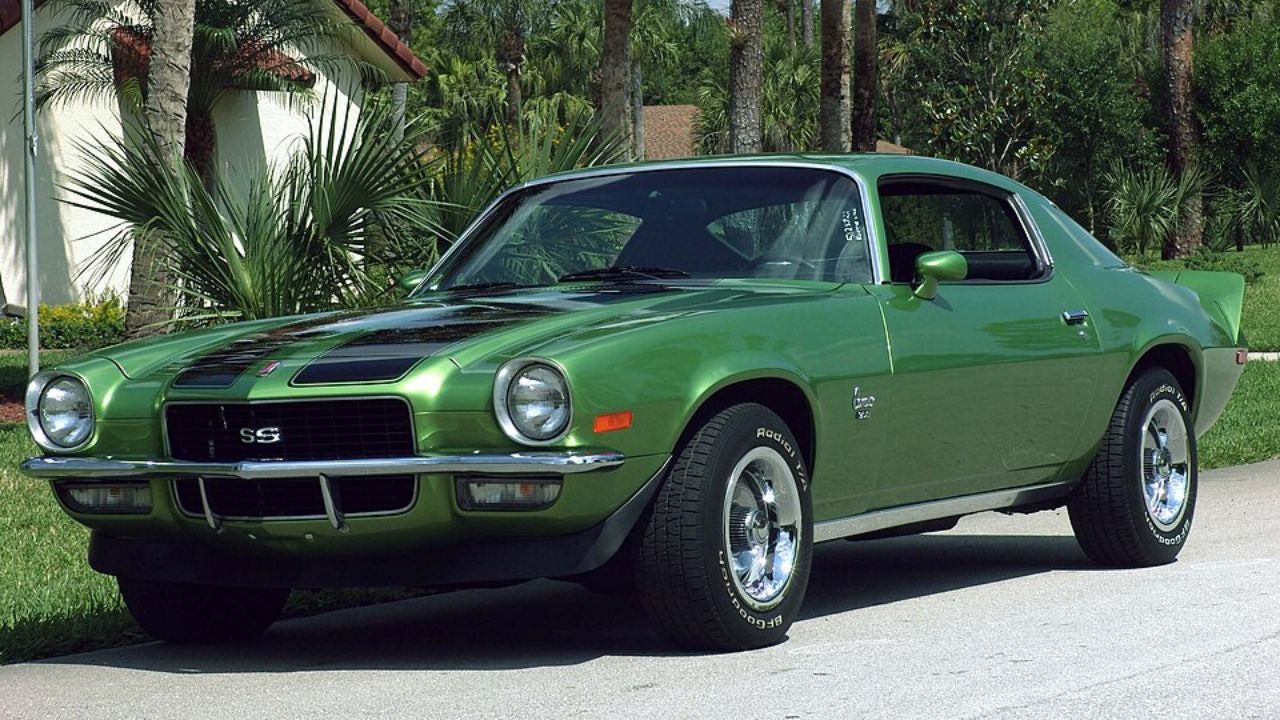
The Chevrolet Camaro has always combined performance with mechanical hardware that mechanics know well. Across multiple generations, the model has used a wide range of Chevrolet V8s and other engines shared with the broader GM family. Rear-wheel-drive architecture and a huge aftermarket make maintenance, restoration, and modification relatively accessible. Certain generations have more complicated electronics than others, but the Camaro’s fundamental mechanical layout remains familiar. For enthusiasts, that balance of performance, parts availability, and service knowledge is a major advantage.
More from Fast Lane Only
- Unboxing the WWII Jeep in a Crate
- 15 rare Chevys collectors are quietly buying
- 10 underrated V8s still worth hunting down
- Police notice this before you even roll window down
*Research for this article included AI assistance, with all final content reviewed by human editors.