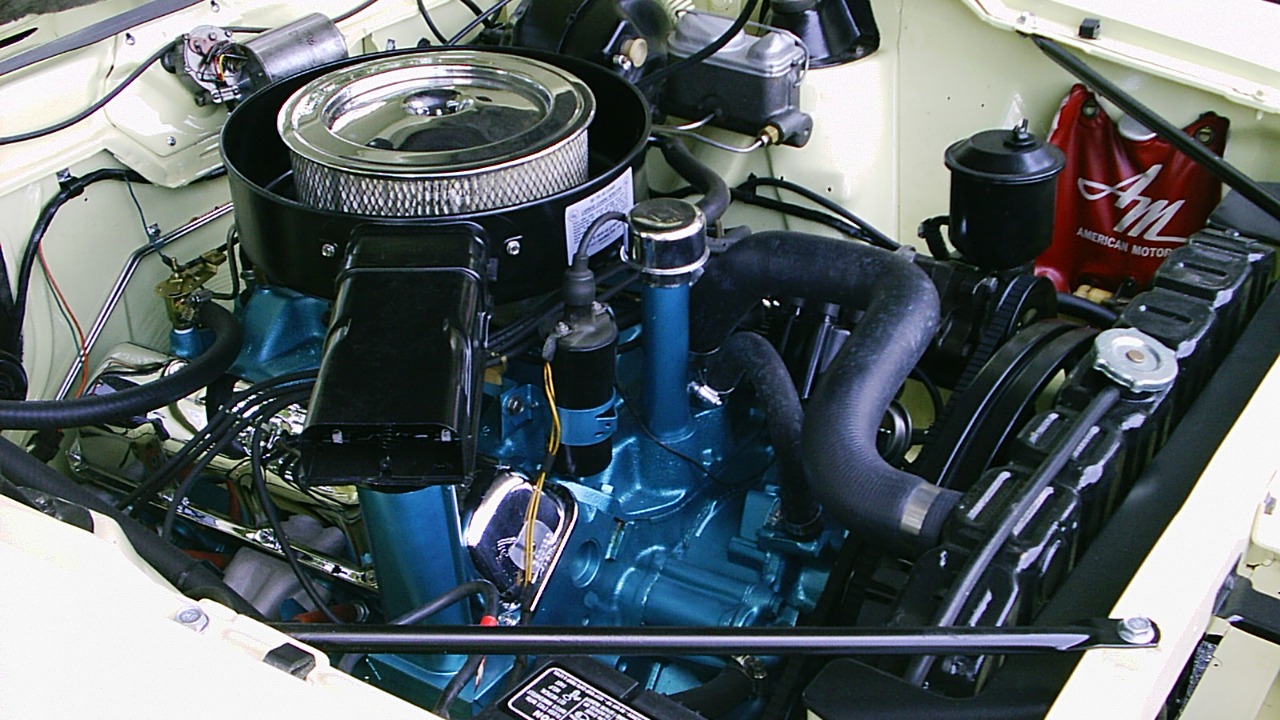
The 1960s American horsepower war pushed big-block V8 technology into territory that racing officials could no The American horsepower wars of the 1960s pushed big-block V8 engines to incredible levels of performance. Automakers developed specialized engines with huge airflow, high-rpm capability, and race-focused technology to gain an advantage on the track. Some became so difficult to fit within NASCAR’s production-based rules that officials changed regulations to keep them out of competition. These eight big-block V8s remain legendary examples of an era when manufacturers were willing to build almost anything to win.
Chrysler 426 Hemi
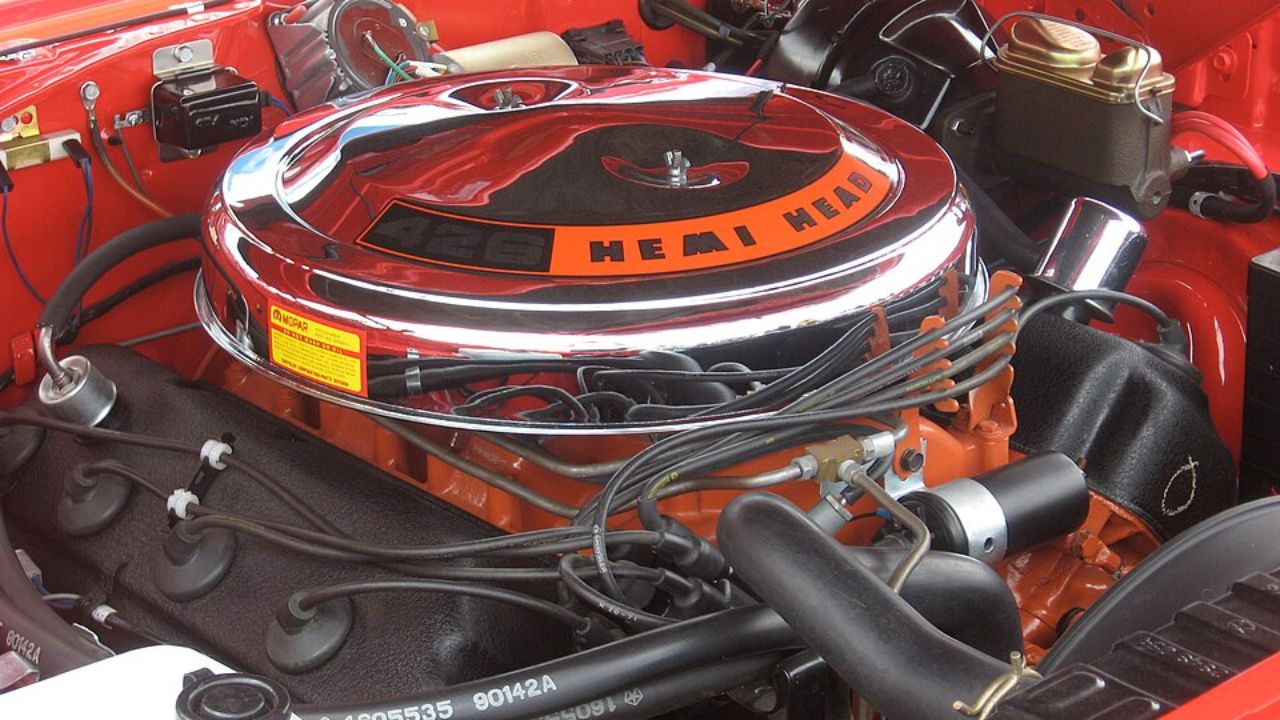
The Chrysler 426 Hemi became one of the most dominant racing engines of the 1960s. Its hemispherical combustion chambers, large valves, and excellent airflow helped Chrysler dominate the 1964 Daytona 500, where Richard Petty led a Plymouth 1-2-3 finish. NASCAR subsequently changed its rules to require greater production availability, making the race Hemi ineligible for the 1965 season. Chrysler eventually returned with a production-based Street Hemi in 1966.
Ford 427 SOHC
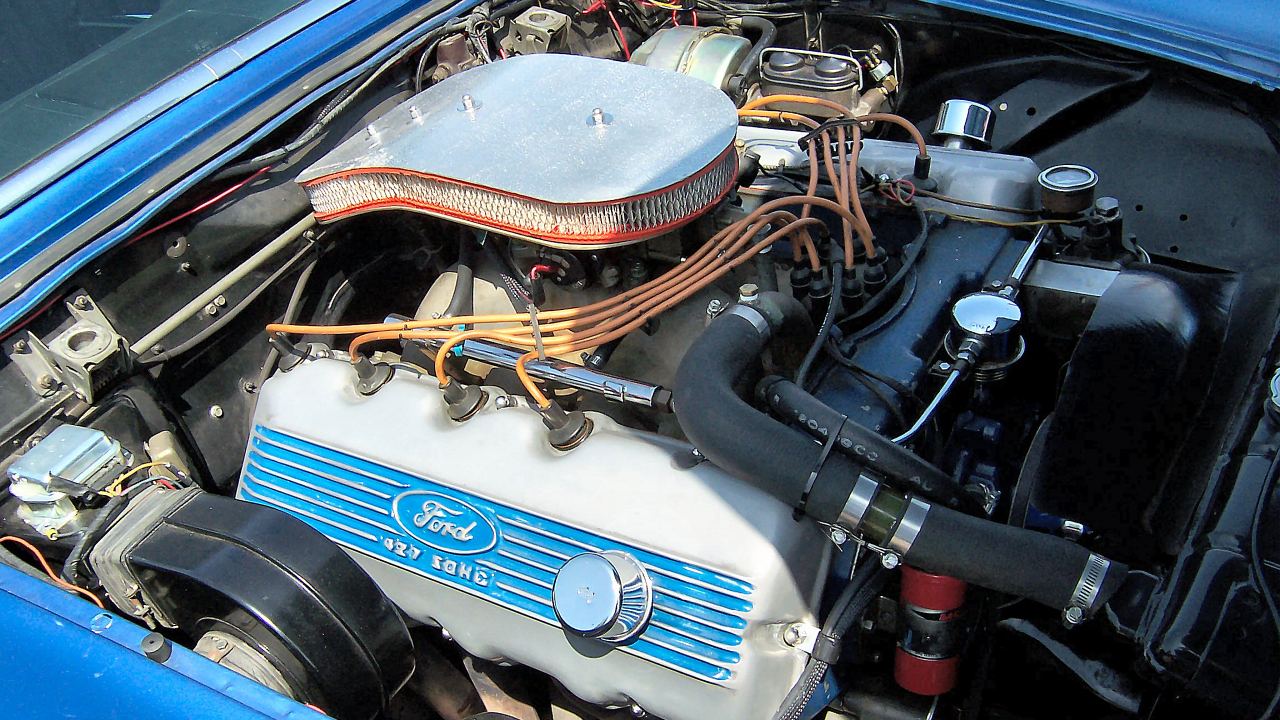
The Ford 427 SOHC, commonly called the Cammer, was Ford’s radical response to the Chrysler Hemi. Instead of conventional pushrods, it used overhead camshafts that allowed extremely high engine speeds. With dual four-barrel carburetors, period testing produced a remarkable 657 horsepower at 7,500 rpm. NASCAR refused to allow the engine under its production-based rules, effectively pushing it toward drag racing instead. The Cammer became one of Ford’s most famous racing engines.
Ford 427 Side-Oiler

The Ford 427 Side-Oiler became one of the most respected versions of Ford’s FE big-block family. Its specialized lubrication system was designed to provide reliable oil flow to the main bearings and valvetrain during demanding high-performance operation. The engine powered numerous famous Ford competition cars and became a favorite among racers and enthusiasts. Although the Side-Oiler itself was not simply banned from all racing, changing competition regulations increasingly limited the role of highly specialized big-block combinations.
Ford Boss 429
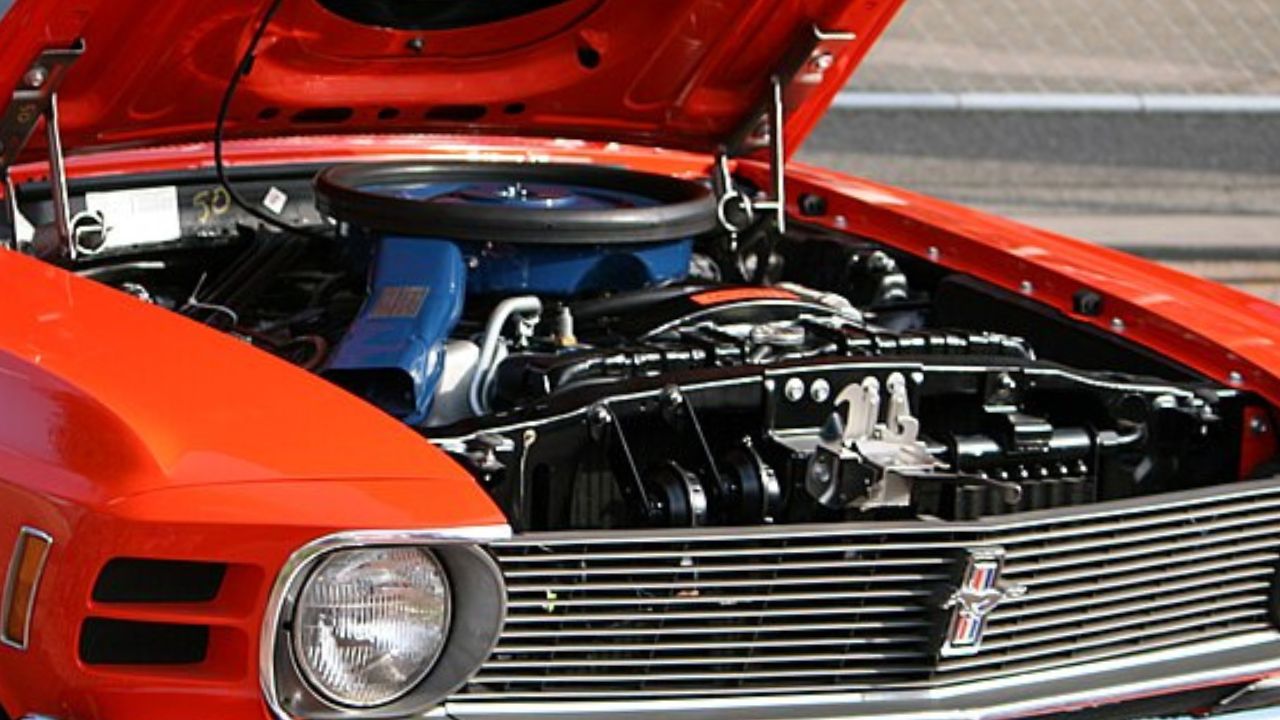
The Ford Boss 429 was developed as Ford’s answer to the growing horsepower battle in NASCAR. Its massive 429-cubic-inch V8 used hemispherical-style combustion chambers, large aluminum cylinder heads, and a specialized high-flow design. Ford produced the Boss 429 Mustang to meet NASCAR homologation requirements, with 1,359 examples built for 1969 and 1970. The engine became one of Ford’s most legendary big-blocks and remains highly recognizable among muscle-car enthusiasts.
Chevrolet 427 L88

The Chevrolet 427 L88 was one of the most extreme factory big-blocks of the muscle-car era. Designed with competition in mind, it used aluminum cylinder heads, high-performance internals, and a large-displacement Mark IV architecture. Chevrolet deliberately kept its advertised output conservative, while the engine’s real performance was far beyond what its official rating suggested. The L88 became particularly famous in the Corvette, where its racing-oriented specification helped make it one of Chevrolet’s most legendary big-block V8s.
Chevrolet 427 ZL1
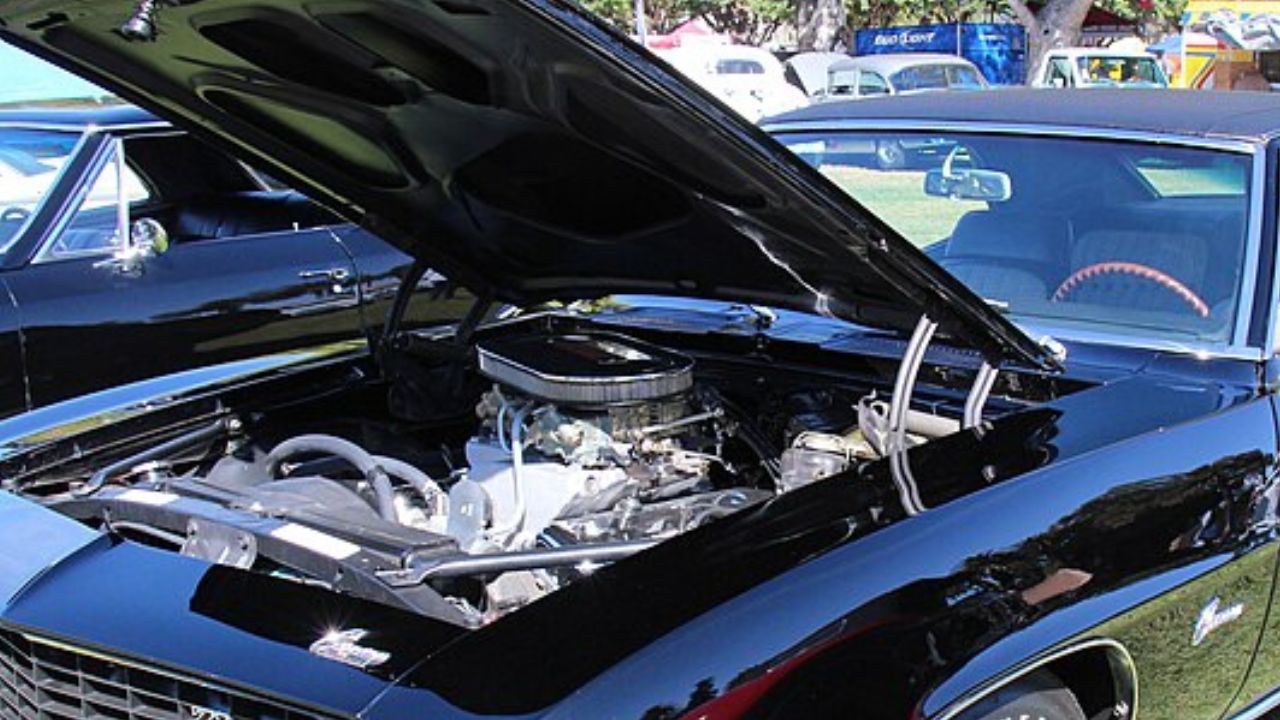
The Chevrolet 427 ZL1 was an extraordinary all-aluminum version of Chevrolet’s Mark IV big-block. Developed with racing in mind, it used aluminum cylinder heads and an aluminum block to reduce weight while maintaining the enormous displacement of the 427. The engine became famous in the 1969 Camaro ZL1, where its competition-oriented design delivered exceptional performance. Although extremely rare, the ZL1 remains one of Chevrolet’s most recognizable high-performance big-block engines.
Ford 428 Cobra Jet
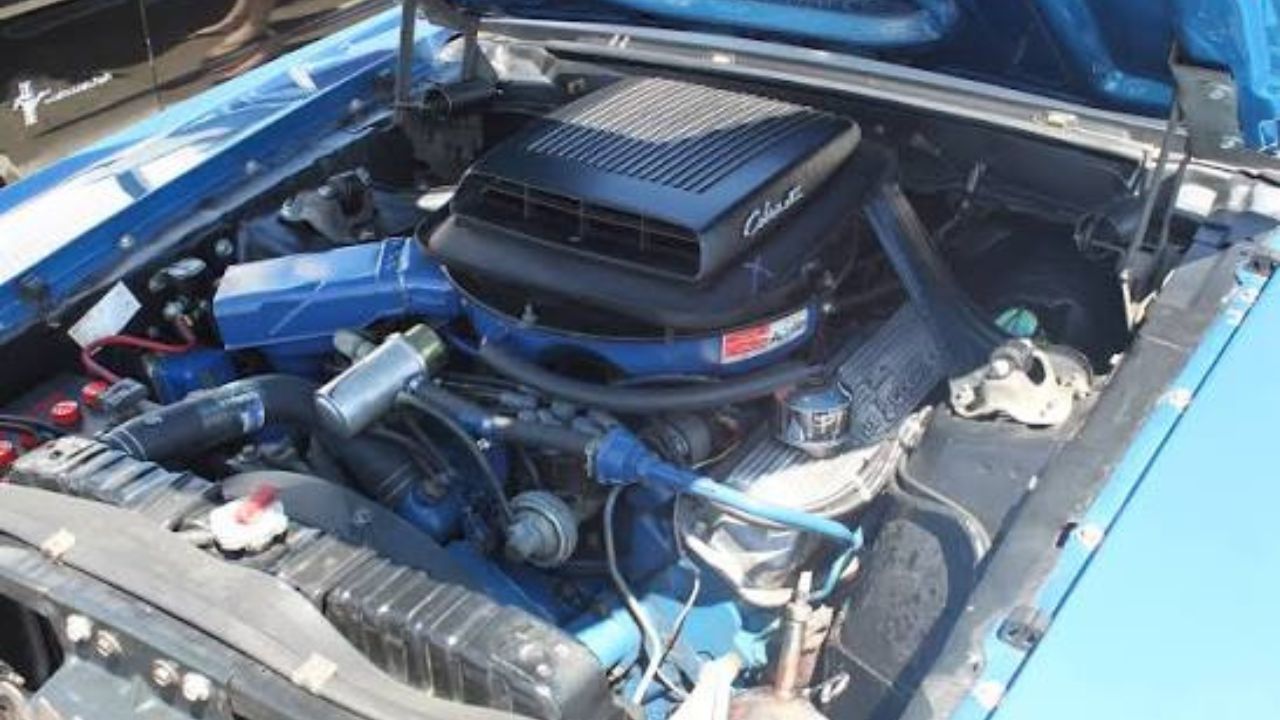
The Ford 428 Cobra Jet became one of the most famous high-performance big-blocks of the muscle-car era. Introduced for 1968, it combined a 428-cubic-inch FE block with large valves, improved cylinder heads, and a performance-oriented induction system. The engine quickly earned a reputation for strong acceleration and impressive quarter-mile performance. It became available in several Ford performance cars and helped establish the Cobra Jet name as one of the most recognizable badges of the horsepower era.
Chevrolet 396 Big-Block
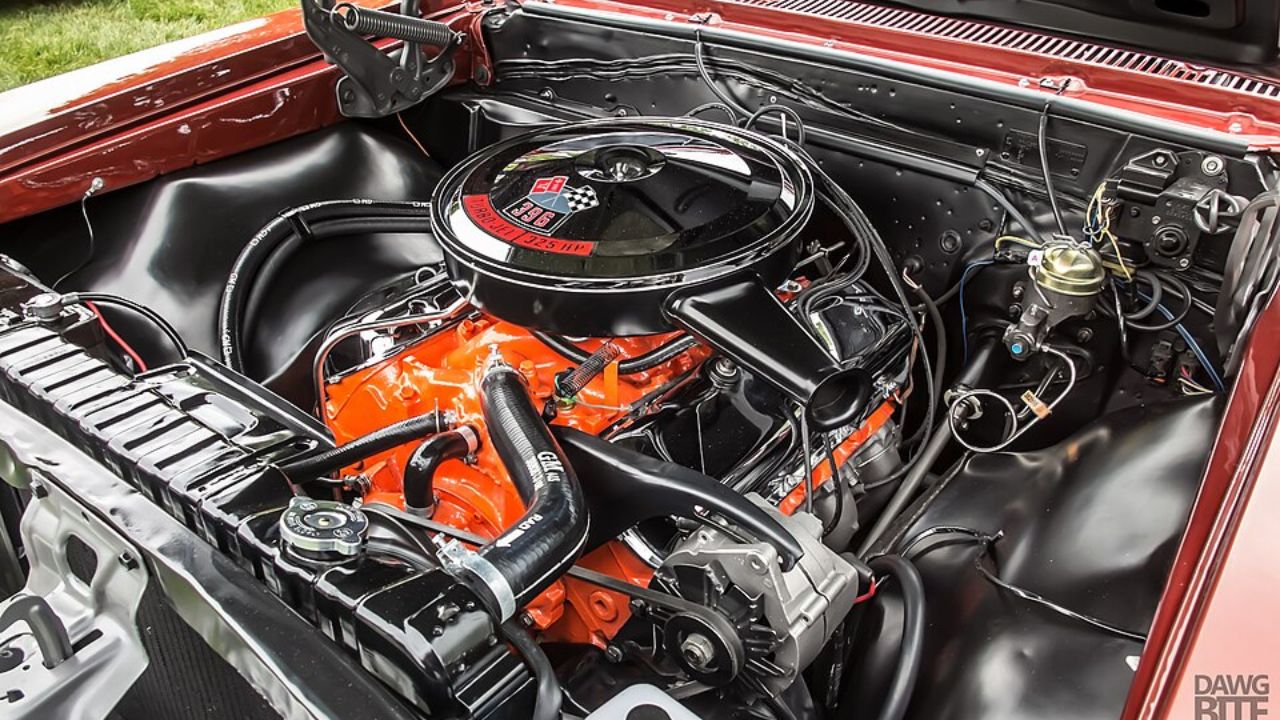
The Chevrolet 396 became one of the most important big-block V8s of the muscle-car era. Introduced in 1965, it powered popular performance cars such as the Chevelle SS and Camaro SS. High-performance versions offered strong horsepower and torque, while the engine’s widespread production made it a familiar sight on drag strips and streets. Its combination of large displacement, simple pushrod construction, and strong aftermarket support helped make the 396 one of Chevrolet’s most recognizable big-block engines.
More from Fast Lane Only
- Unboxing the WWII Jeep in a Crate
- 15 rare Chevys collectors are quietly buying
- 10 underrated V8s still worth hunting down
- Police notice this before you even roll window down
*Research for this article included AI assistance, with all final content reviewed by human editors.