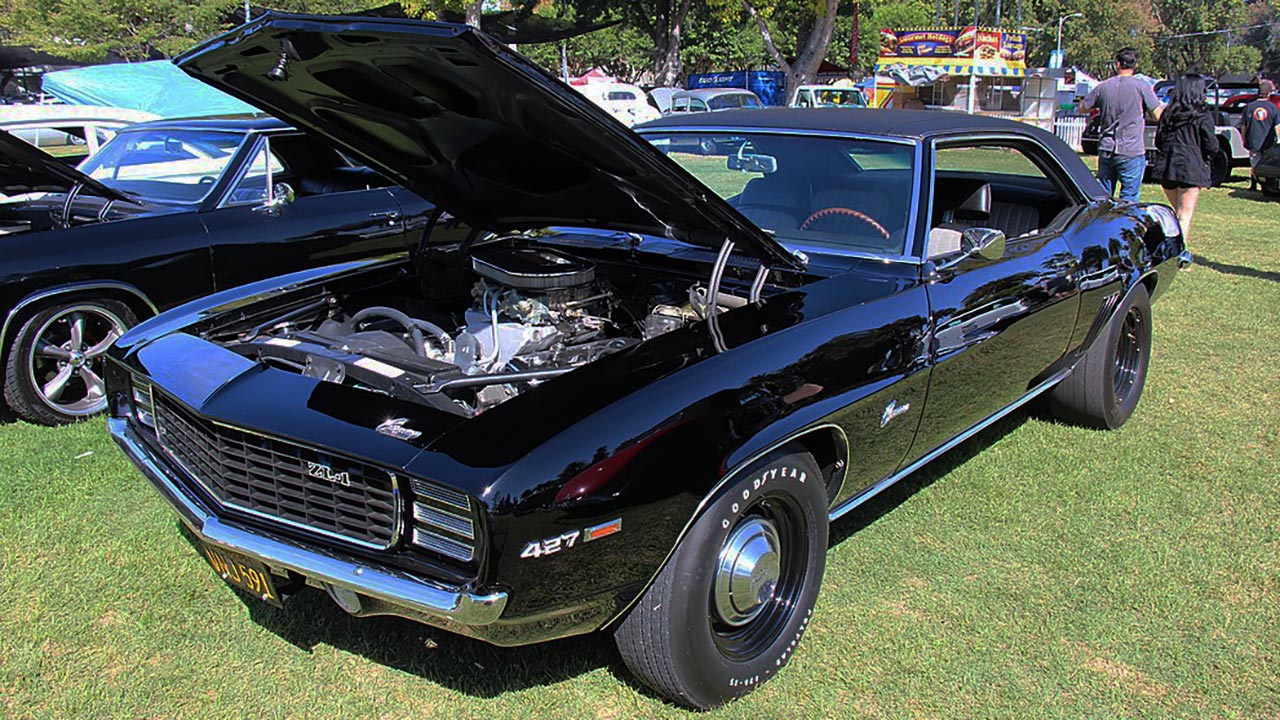
Chevrolet’s COPO Camaro began as a back-door order. Racers and dealers used the factory’s COPO special-order route to get a car the brochure never offered. In 1969 that route produced 69 aluminum-block ZL1 Camaros, and Chevrolet brought the COPO Camaro name back for another 69 race cars in 2012.
Drag racing has always worked like that. Makers built small batches for the Stock and Super Stock classes, and racers bought them to win on weekends. Most of those cars then got raced hard, cut up or worn out. As a result, the clean, documented survivors now draw real money when they cross an auction block.
These are our picks: seven rare drag cars, from a 1962 Bel Air to a modern factory race car, that we think collectors want most right now. Every number below comes from a source we checked. The “highly sought” part is our opinion, and we back it with sale results wherever they exist.
1. 1962 Chevrolet Bel Air 409 Sport Coupe
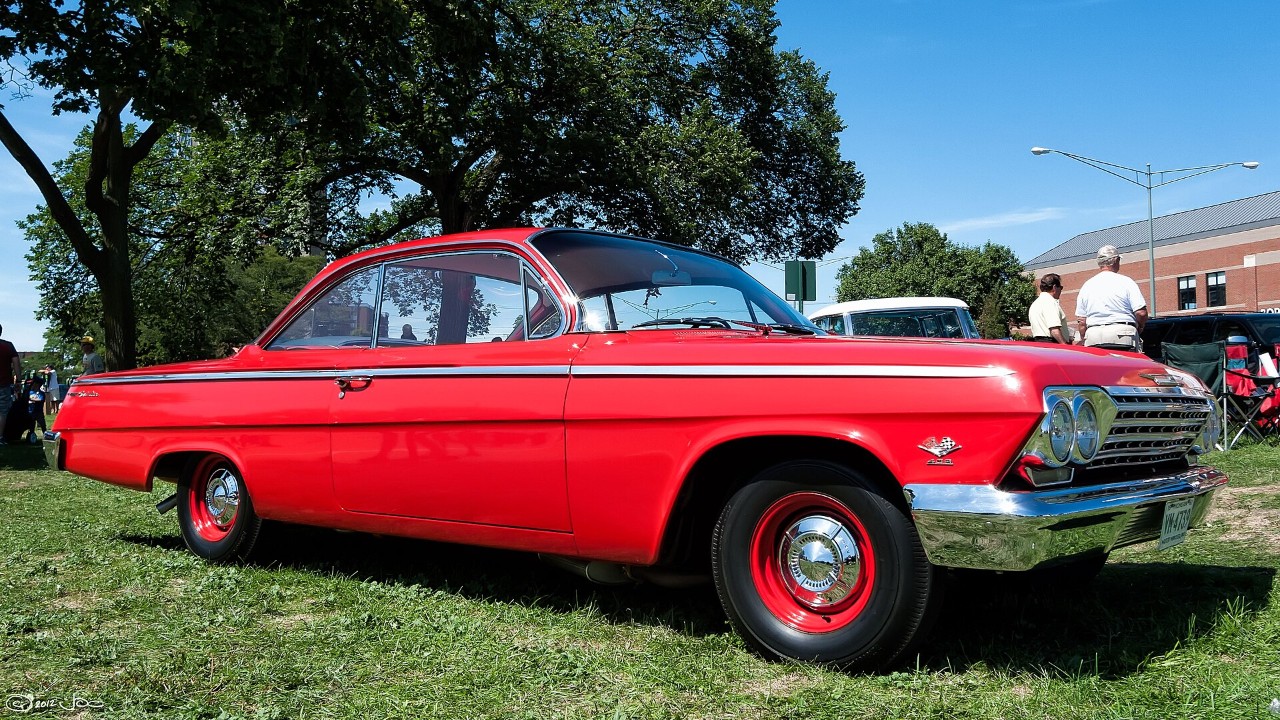
Chevrolet’s 409 V8 arrived in 1961, and for 1962 the single four-barrel version rose to 380 horsepower. The one racers wanted, though, wore two aluminum Carter four-barrels and made 409 horsepower, one for every cubic inch. That dual-quad engine is the one the Beach Boys sang about.
For that reason, the light Bel Air sport coupe made the best home for it. Few buyers ordered radios or heaters on these cars, which kept weight down, according to Street Machine’s look back at the 1962 Super Stock war. Dyno Don Nicholson won the NHRA Winternationals that year in one of these Chevys. Meanwhile, Hayden Proffitt took the NHRA Stock Eliminator crown in the same debut season.
So why chase one now? Because the real cars are hard to prove. Plenty of 1962 Bel Airs have gained a 409 since, so paperwork matters more than badges. For scale, RM Sotheby’s sold a 380-hp Bel Air 409 “Bubbletop” for $78,100 at its 2015 Auburn Fall sale. In our view, a documented dual-quad, four-speed car sits a step above that. If you shop for one, buy the history first and the shine second.
2. 1968 Ford Mustang 428 Cobra Jet
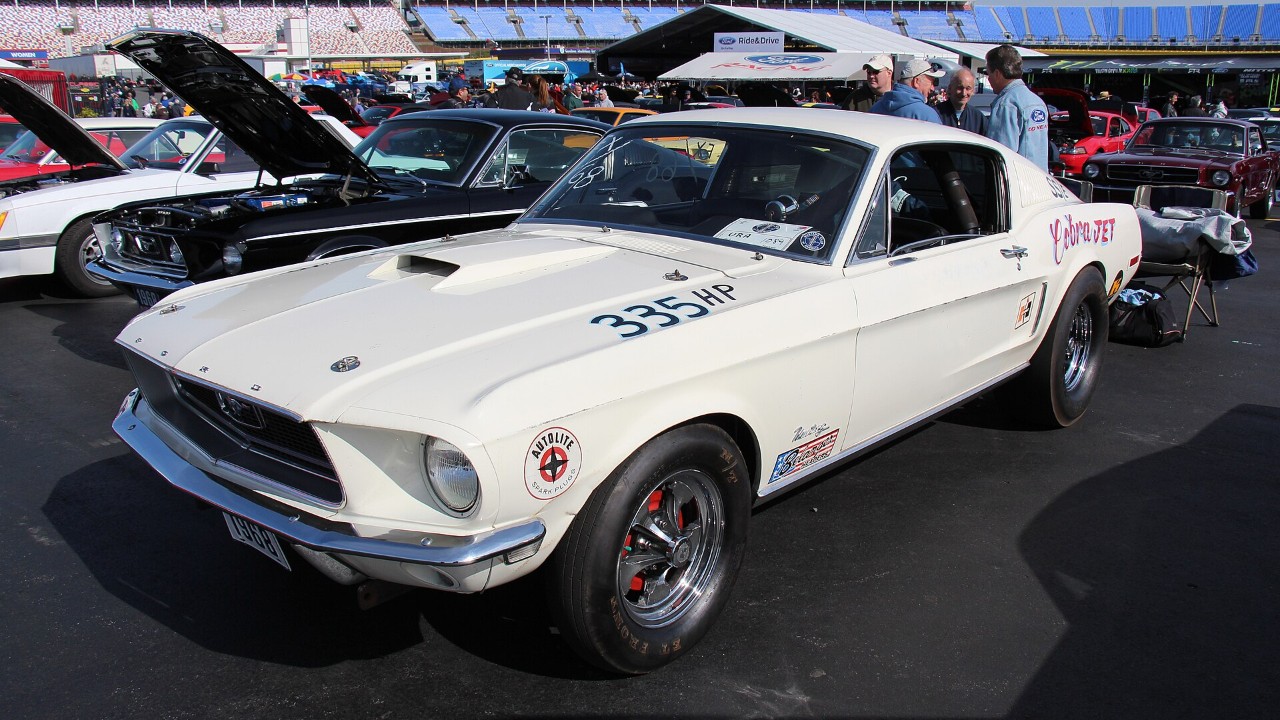
Ford built just 50 of the special 1968 Cobra Jet race cars, and it had less than two months to do it. Production reportedly began on December 13, 1967. Every one left the line in Wimbledon White with a black vinyl interior and a manual gearbox.
Ford also stripped out the radio, the sound deadener, the undercoating and even the heater. The 428-cubic-inch engine traced back to work by Rhode Island Ford dealer Bob Tasca. Ford rated it at 335 horsepower, a figure the NHRA’s own history calls “laughably” low. Then the cars went straight to Pomona. In February 1968, Al Joniec beat Dave Wren’s Plymouth in the Super Stock/E final at the Winternationals, with a best of 11.49 seconds at over 120 mph, as the NHRA recounts in its Cobra Jet anniversary story.
That debut win is why these 50 cars matter so much, because the white race cars started the Cobra Jet story. In fact, at least one of the original 50 was still racing in NHRA Division 7 when that history ran in 2018. We’d call a proven one of the 50 the most wanted Mustang drag car of the era.
3. 1969 Chevrolet Camaro COPO 9560 ZL1
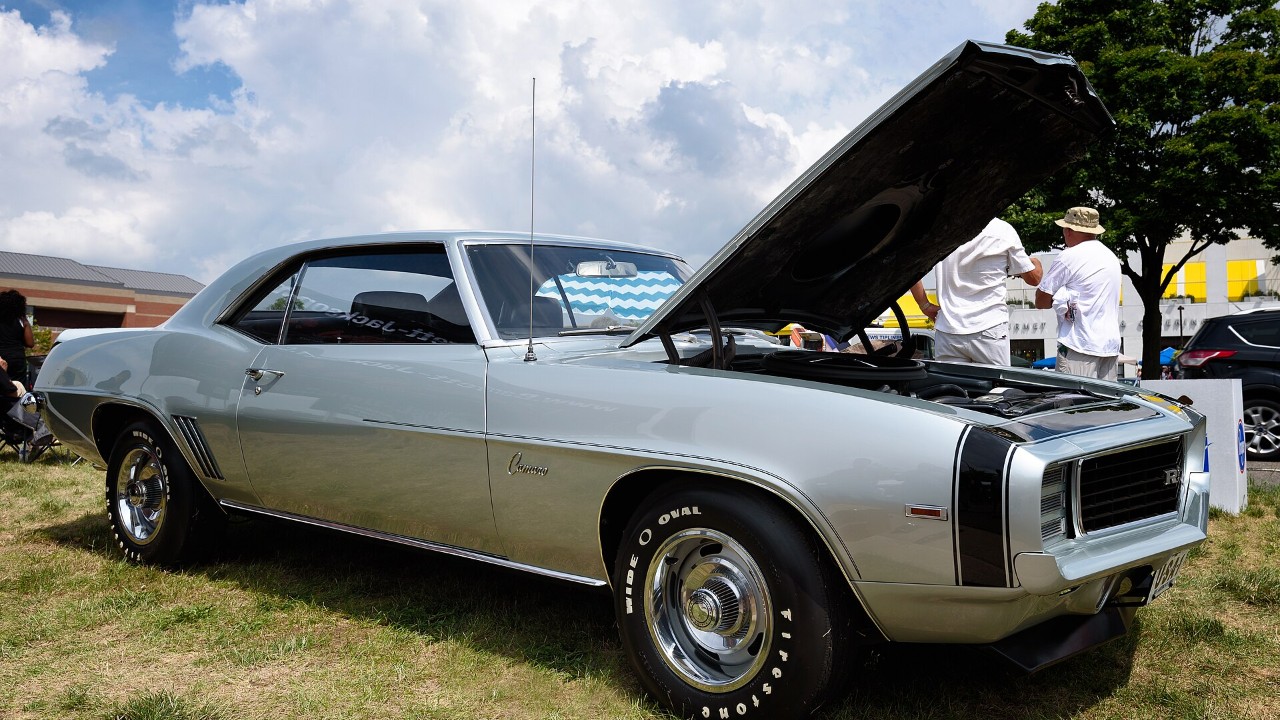
The ZL1 Camaro started with drag racer Dick Harrell and Fred Gibb Chevrolet in La Harpe, Illinois. They wanted a Super Stock car, so they ordered one through COPO 9560 with an all-aluminum 427 big-block. Chevrolet rated that engine at 430 horsepower, a figure RM Sotheby’s calls conservative.
Chevrolet built only 69 of them, 47 with four-speeds and 22 with automatics. The engine package alone cost $4,160. A period test car from Berger Chevrolet stickered at $7,800, which made it roughly twice the price of an SS 396 coupe with the L78. Gibb and Harrell reportedly took 50 of the cars, and Chevrolet dealers across the country got the other 19.
Those numbers explain the demand today. RM Sotheby’s sold ZL1 number 53 for $404,250 at Fort Lauderdale in 2016. That car had raced in NHRA Pro Stock in 1969 and 1970 and carried its old time slips. Our take: this is the blue-chip drag Camaro, and the price reflects it.
4. 1969 Chevrolet Camaro COPO 9561 L72
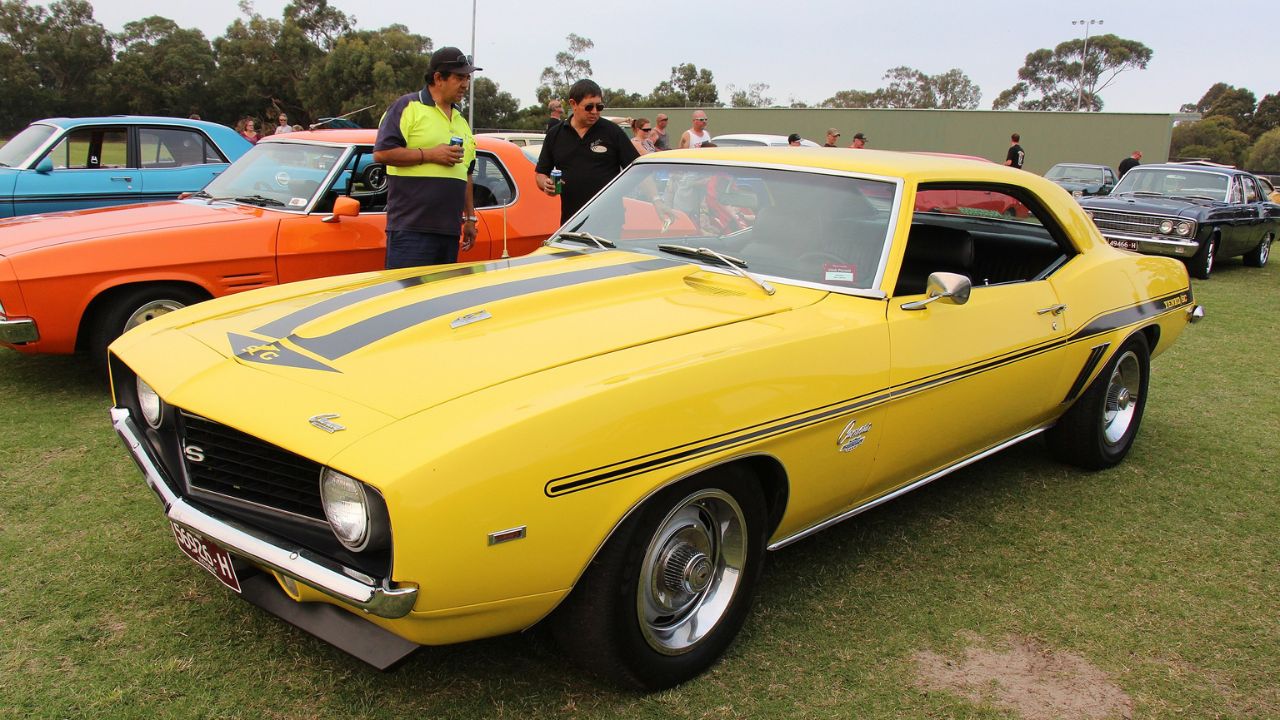
Before Chevrolet offered a 427 in the Camaro, dealers did the job themselves. Don Yenko in Pennsylvania, Baldwin-Motion in New York, Nickey in Illinois and Dana in California all swapped big-blocks into new cars. Then Chevrolet finally answered with COPO 9561 for 1969.
By comparison, this was the iron-block option. The L72 427 used cast-iron heads and a solid-lifter cam, and Chevrolet rated it at 425 horsepower with 460 lb-ft of torque. Around 1,000 Camaros got the L72 that year. Yenko alone ordered 201 cars through COPO and turned them into Yenko Camaros, so many surviving examples carry a dealer name as well as a Chevrolet one.
Compared to the ZL1, the 9561 car feels like the working-class version, built for racing every weekend. In our opinion, that makes an untouched one the smarter hunt for a drag collector. You get the same 1969 COPO story with an engine cast in iron instead of aluminum. Just verify the paperwork, because clone builders know these cars well.
5. 2008 Ford Mustang FR500CJ Cobra Jet
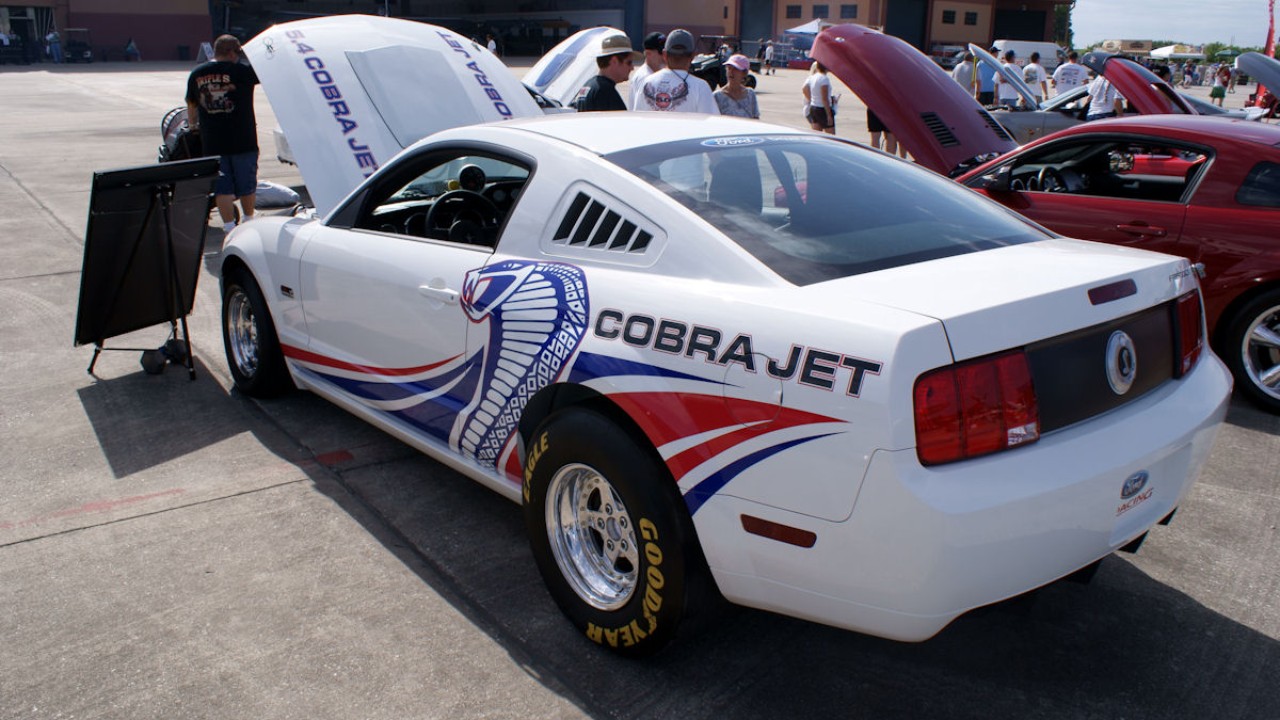
Forty years after Joniec’s win, Ford built a new Cobra Jet to mark the anniversary. The FR500CJ arrived in 2008 as a turnkey drag car with a supercharged 5.4-liter V8. It came ready for NHRA Stock and Super Stock racing, not for the street.
As it turned out, the timing paid off right away. Collector Brent Hajek bought the first ten cars and brought four of them to the 2009 season opener at Pomona. John Calvert then drove the Joniec tribute car to the Stock Eliminator win, beating Tommy Gaynor in a final that rain pushed back to Wednesday. Later, Calvert’s son Brent raced a 2014 Cobra Jet in the Stock class.
Soon after, prices followed the headlines. The first prototype sold for $375,000 at Barrett-Jackson’s 2009 Scottsdale auction, a huge number for a then-new car. In our view, the early 2008 cars are the ones to watch, because they reconnect the modern program to the 1968 original. If you find one, check its race history, since most saw real passes down the track.
6. 2009 Dodge Challenger Drag Pak

Dodge’s Drag Pak started as a stripped Challenger SRT8. The engineers cut about 1,000 pounds from the street car with composite and polycarbonate parts. They also moved the engine for a better driveline angle and trimmed half an inch from the 116-inch wheelbase.
Buyers also had choices under the hood. The Drag Pak offered a 6.1-liter Hemi, a 5.7-liter Hemi or a 5.9-liter Magnum wedge, with a manual or an automatic. The NHRA needed at least 50 cars for the class, and Dodge went past that with more than 100 built. MPR Racing of Michigan built the SEMA prototypes and kept modifying production cars after Chrysler delivered them. It follows the same recipe as the factory lightweight drag cars of the 1960s, just with a modern body.
One buyer gives the 2009 cars extra pull. Don Garlits bought the first Drag Race Package car and raced it in NHRA competition. Our take: a Drag Pak with an early chassis number and clean records will only get harder to find. Most have spent their lives on the strip, so original parts matter.
7. 2012 Chevrolet COPO Camaro
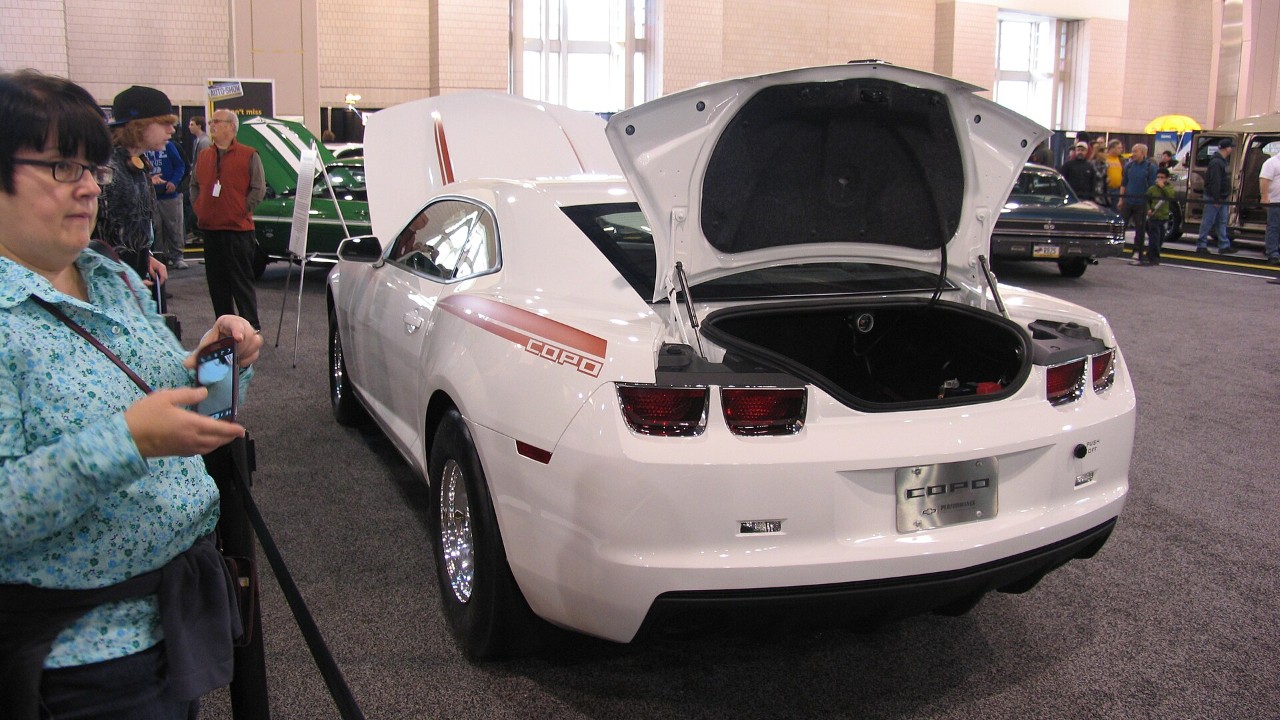
Chevrolet showed a COPO Camaro concept at the 2011 SEMA Show and then built the real thing. The 2012 run topped out at 69 cars, a nod to the 1969 ZL1 count. Of those, 67 were coupes and two were convertibles.
Every car started as an Oshawa body-in-white shell, and workers built them by hand at Wixom, Michigan. Buyers picked one of three engines: the 7.0-liter LS7 went into 43 cars, a supercharged 5.3-liter LSX into 20, and a Whipple-blown 5.3 into six. Most used a two-speed automatic, the same gearbox that turned Chevrolet’s Powerglide into a drag racing staple. Chevrolet aimed the whole package at NHRA Stock Eliminator and Super Stock.
Before long, collectors noticed. The last 2012 COPO convertible sold for $400,000 at Barrett-Jackson’s 2013 Scottsdale auction. For comparison, a 2013 COPO coupe, car number 041, brought $137,500 at Barrett-Jackson’s Reno sale that same year. In our view, the 2012 cars are the modern COPO Camaro to own. Chevrolet built only 69 for 2012, and that first-year count will never change.
More from Fast Lane Only