Chevrolet has produced plenty of famous cars, but some of its most interesting models earned their reputations without always receiving the attention of the biggest names. These Chevys became memorable through durability, clever engineering, motorsport success, unusual styling, or simply years of faithful service. Many were once considered ordinary vehicles, yet time has revealed just how important they became to Chevrolet’s history.
Chevrolet Nomad

The Nomad turned the station wagon into something far more stylish than most buyers expected. Its distinctive roofline and sporty two-door layout gave it an identity that separated it from ordinary family wagons. Chevrolet introduced the original Nomad in the mid-1950s, and it quickly became one of the most recognizable members of the brand’s lineup. Today, it is remembered as a landmark design that helped prove a practical wagon could also become a genuine enthusiast car.
Chevrolet Cameo Carrier

The Cameo Carrier helped change what a Chevrolet pickup could look like. Its smooth-sided bed and more polished styling gave the truck a car-like appearance while retaining genuine utility. The model also played an important role in Chevrolet’s early small-block V8 era. It was never produced in the numbers of ordinary pickups, making surviving examples particularly interesting today. The Cameo showed that a work truck could have style and personality without giving up its basic purpose.
Chevrolet Corvair
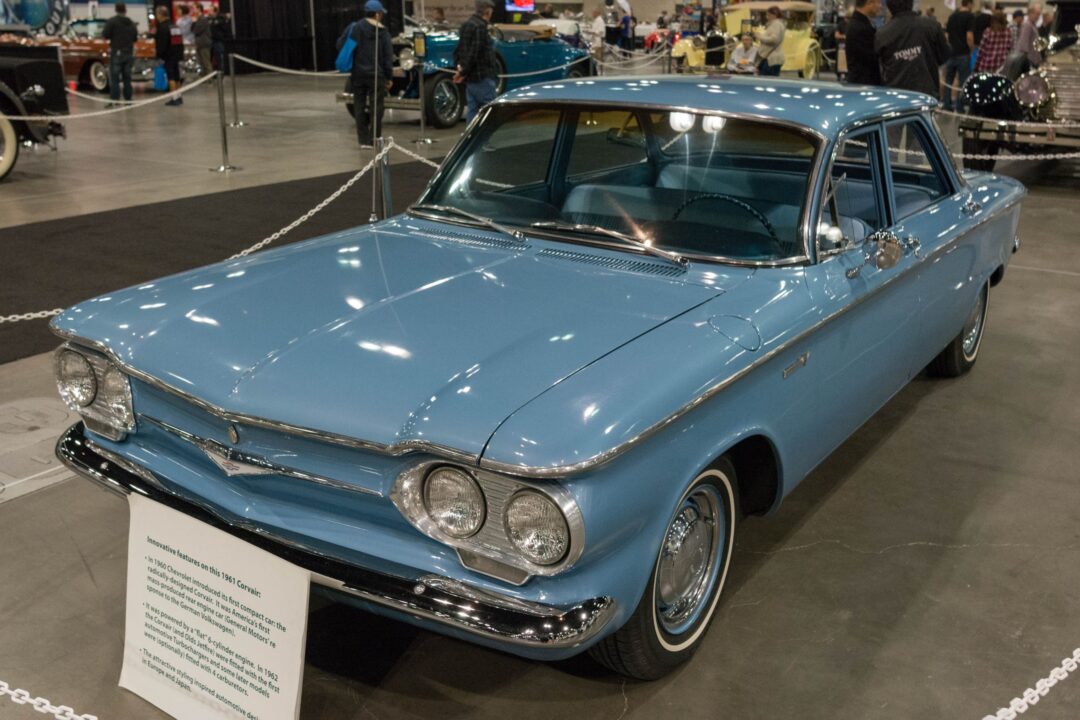
The Corvair was one of Chevrolet’s boldest experiments. Its rear-mounted, air-cooled flat-six engine and compact proportions made it fundamentally different from the big front-engine American cars surrounding it. The Corvair eventually developed a dedicated following because of its unusual engineering and distinctive driving character. Later performance versions demonstrated that Chevrolet could build something genuinely entertaining from the unconventional platform. Its importance goes beyond sales numbers because few American cars of the era were willing to take such a different technical path.
Chevrolet El Camino
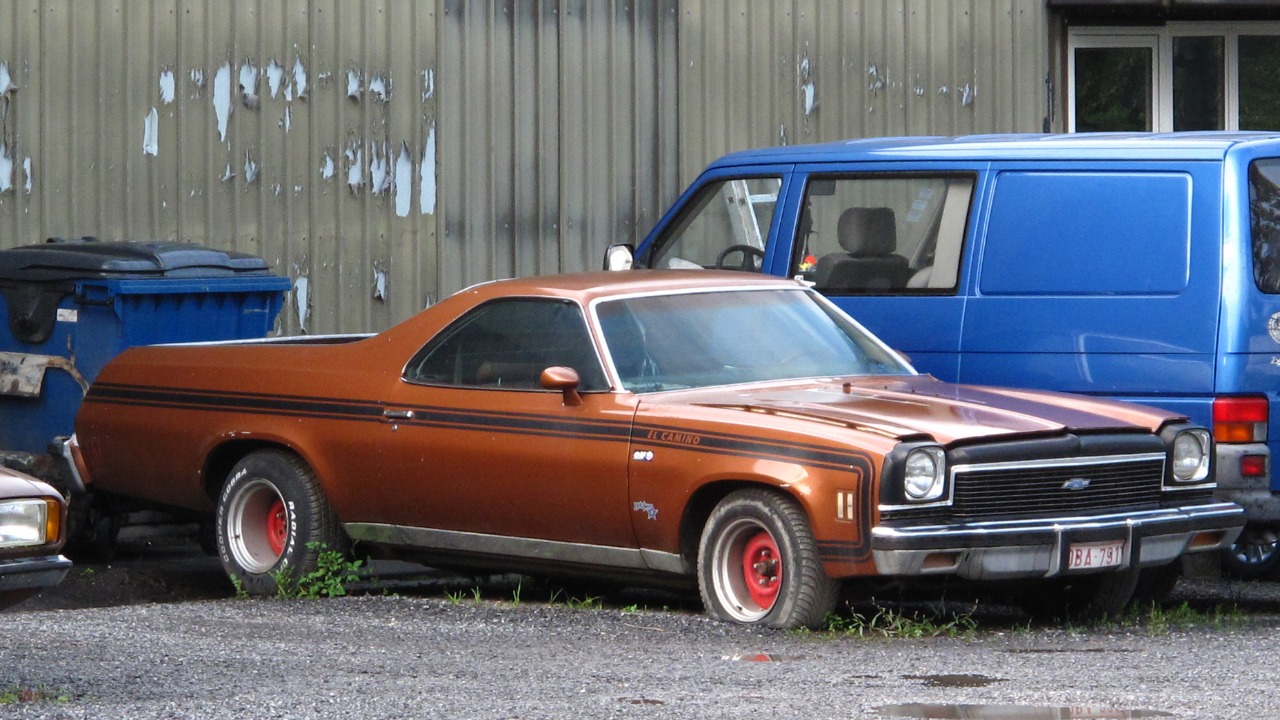
The El Camino blurred the line between passenger car and pickup long before the modern lifestyle truck became popular. Its car-based platform provided a smoother road-going character than traditional work pickups while retaining an open cargo bed. Performance versions eventually gave the formula even more appeal. The El Camino became a cultural icon precisely because it did not fit neatly into one category. Its unusual combination of practicality and personality has helped keep it popular long after production ended.
Chevrolet Nova
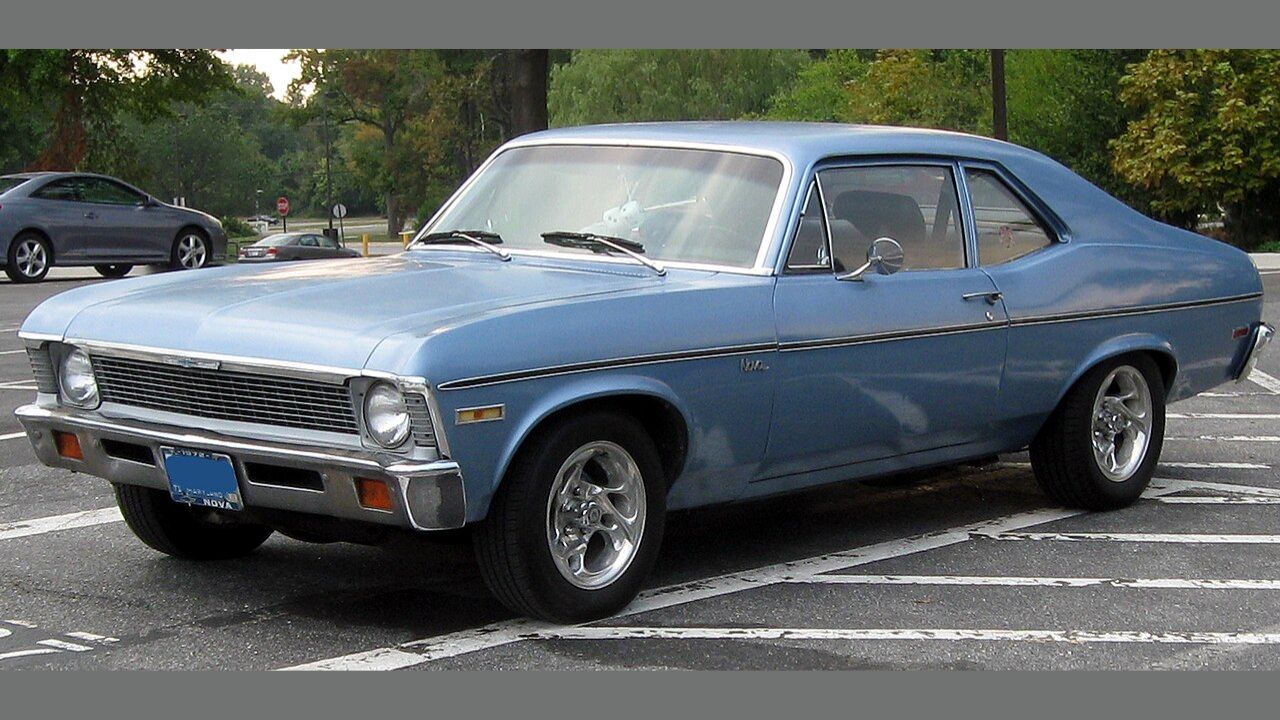
The Nova started life as a compact economy-oriented Chevrolet but eventually developed a serious performance reputation. Its relatively small body made V8-powered versions particularly appealing to enthusiasts, while the straightforward platform was easy to modify. Chevrolet itself notes that the Nova’s muscle-car reputation was sometimes overlooked compared with better-known models such as the Camaro and Chevelle. That underappreciated status has changed over time as collectors have recognized how important the Nova became to Chevrolet’s performance story.
Chevrolet Biscayne
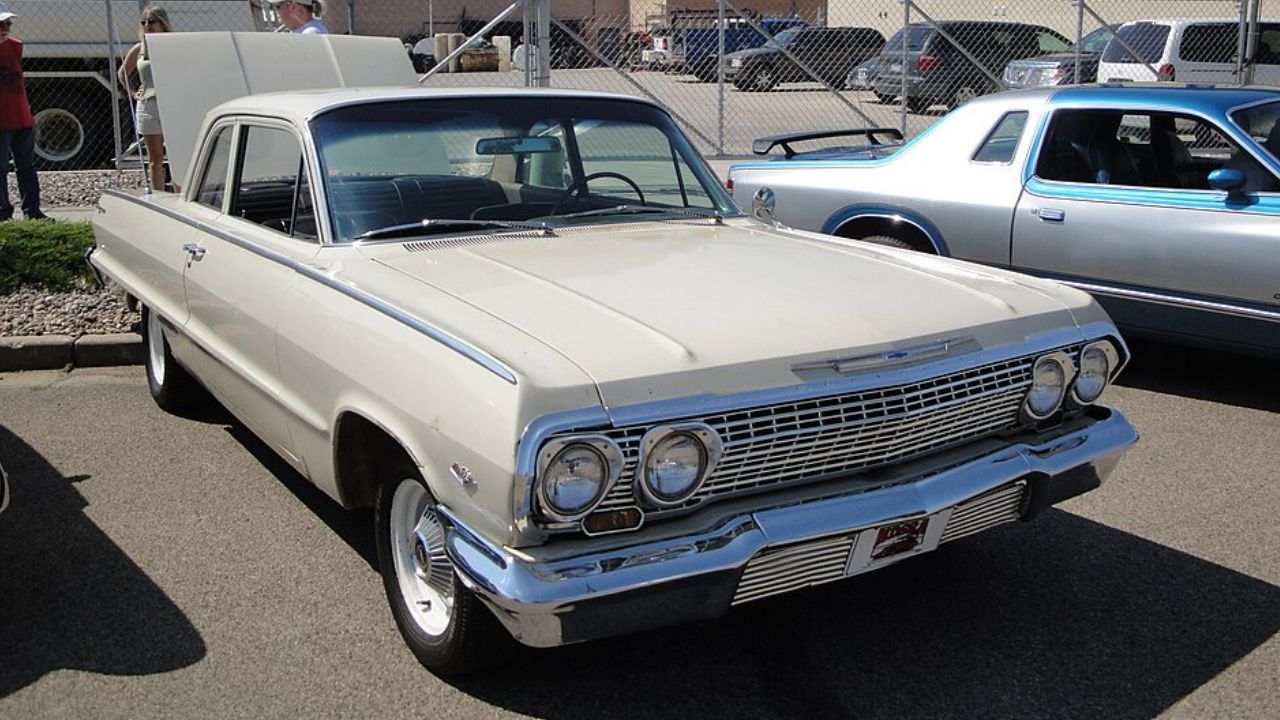
The Biscayne was positioned below the Impala and lacked much of the flashy trim associated with Chevrolet’s more expensive full-size models. That stripped-down character, however, made it an appealing foundation for serious performance. Powerful engines could turn an otherwise ordinary-looking Biscayne into a surprisingly quick car. Its understated appearance became part of the appeal. Today, a clean Biscayne with the right factory equipment can attract enthusiasts who appreciate the idea of serious performance hiding inside a basic full-size Chevrolet.
Chevrolet C10
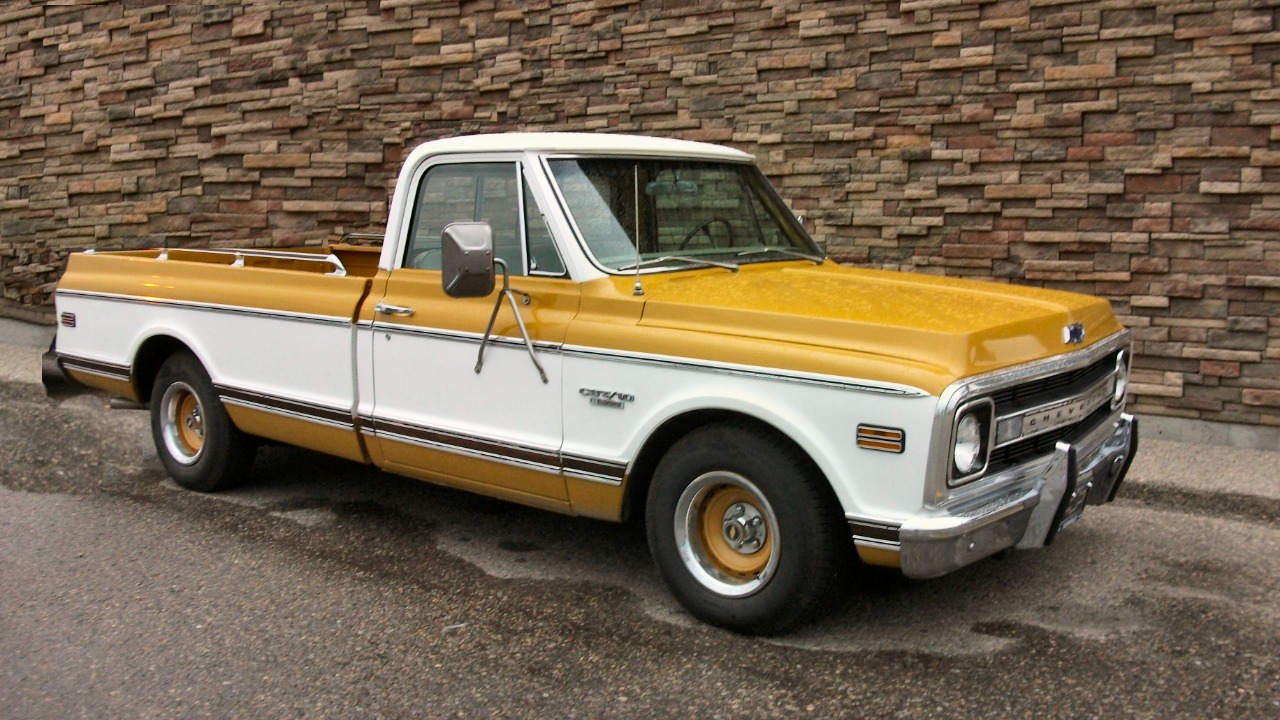
The C10 became one of Chevrolet’s most influential pickup designs, particularly among enthusiasts who appreciate classic trucks. Its clean proportions, simple mechanical layout, and enormous variety of configurations gave it broad appeal. Many were used as ordinary work trucks for decades, yet the model eventually became a favorite for restoration and customization. The C10’s enduring popularity comes from its versatility. It can remain close to factory specification, become a show truck, or serve as the foundation for a serious custom build.
Chevrolet K5 Blazer
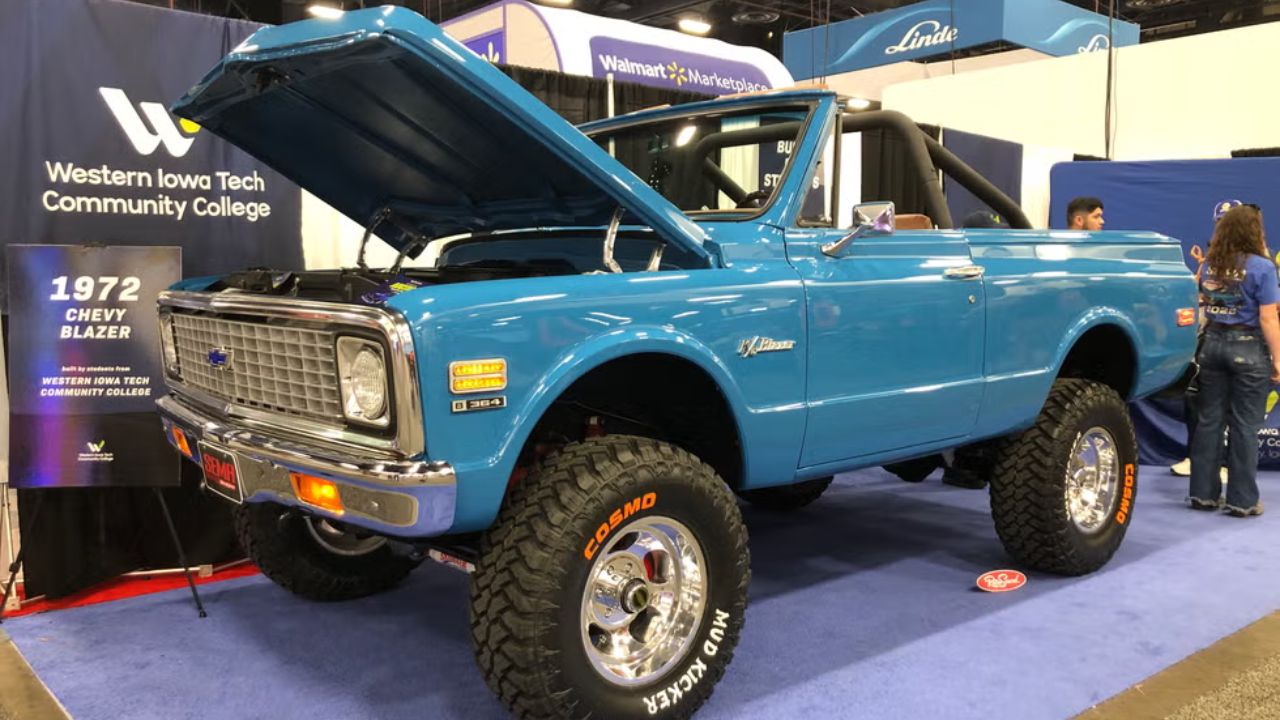
The K5 Blazer helped establish the idea of a truck-based sport utility vehicle that could serve both practical and recreational purposes. Its short-wheelbase design, removable roof on early versions, and available four-wheel drive gave it genuine off-road ability. It was tougher and more versatile than a conventional family car while offering more enclosed passenger space than a pickup. The K5’s basic formula proved remarkably influential and helped shape the American SUV market that followed.
Chevrolet Suburban
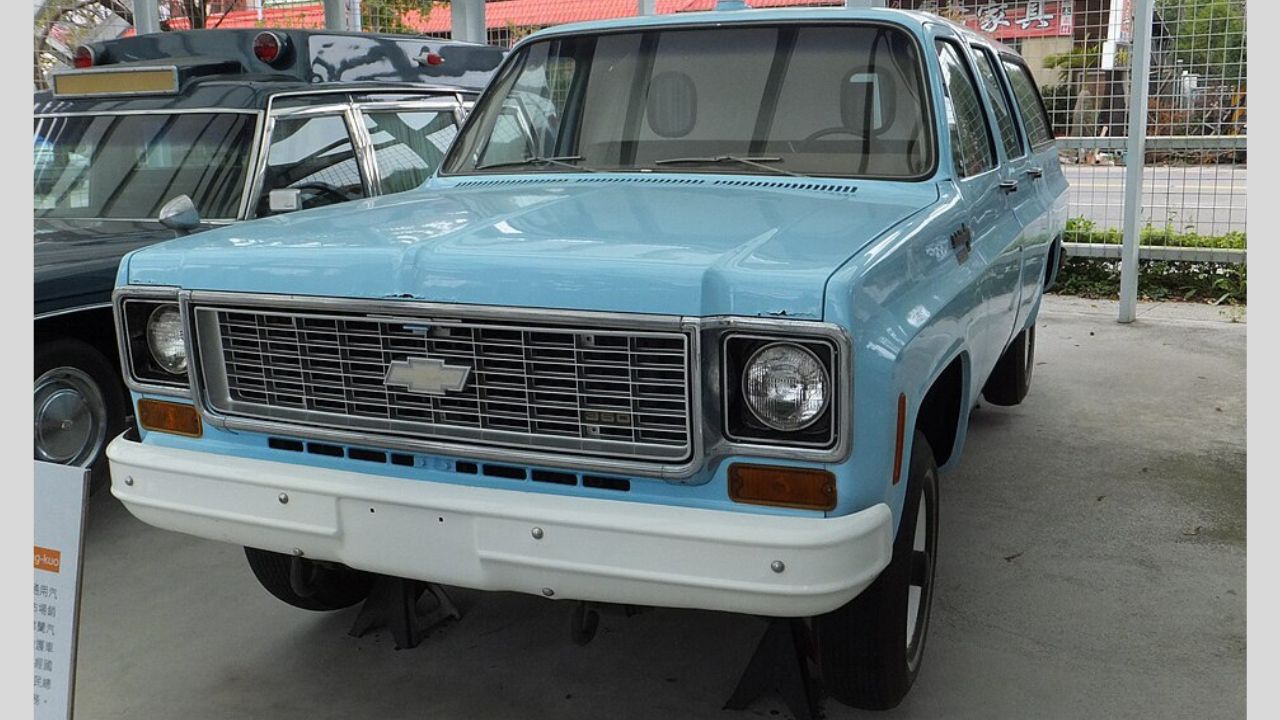
The Suburban has survived for generations because its basic purpose remains easy to understand. It offers substantial passenger space, a large cargo area, and the ability to tow and carry heavy loads. Chevrolet traces the name back to the 1930s, making it one of the company’s longest-running nameplates. Its evolution from a basic utility vehicle into a modern full-size SUV has been dramatic, but the fundamental reason people buy one has remained remarkably consistent.
Chevrolet Monte Carlo
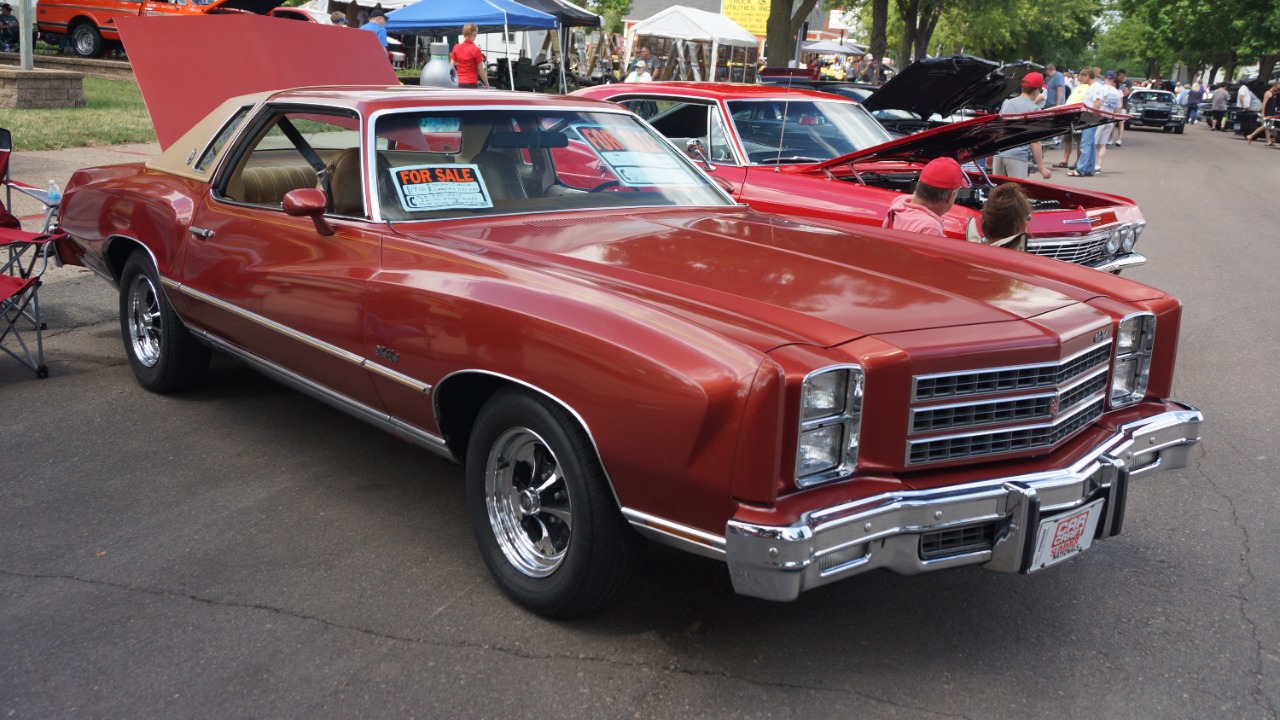
The Monte Carlo became one of Chevrolet’s most successful personal luxury coupes, particularly during the 1970s and later NASCAR era. Its long hood, formal styling, and comfortable interior gave it a distinctive place in Chevrolet’s lineup. The model also developed an impressive racing legacy, becoming one of NASCAR’s most successful Chevrolet nameplates. Chevrolet’s own racing records show the Monte Carlo accumulating hundreds of Cup Series wins across its various generations.
Chevrolet S-10
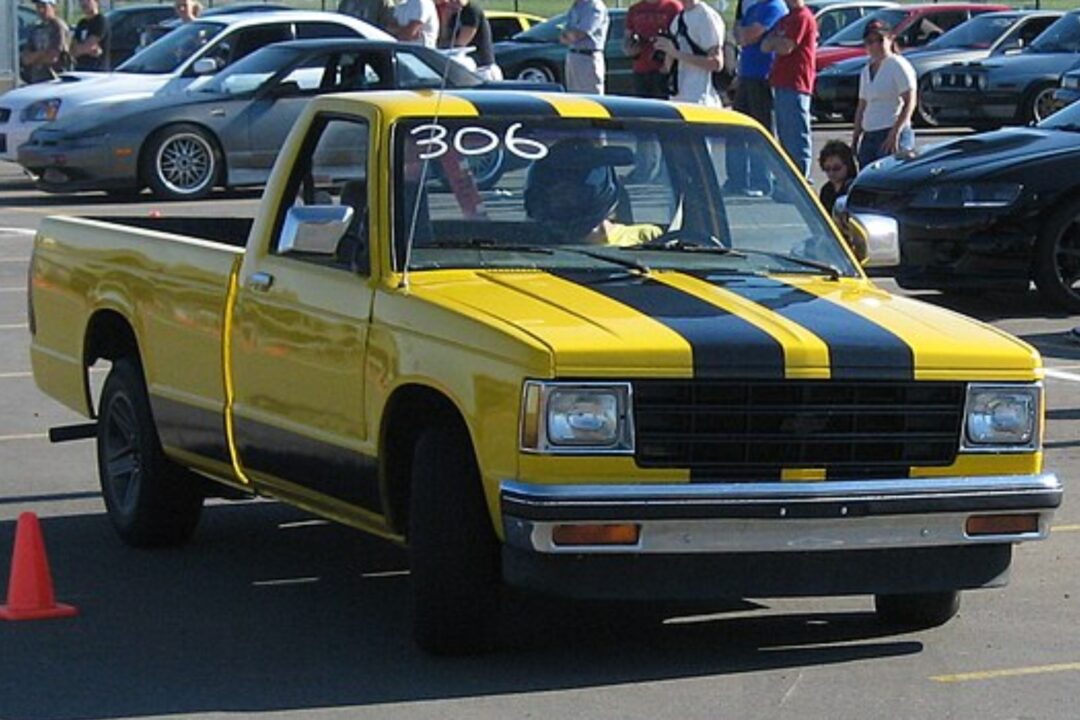
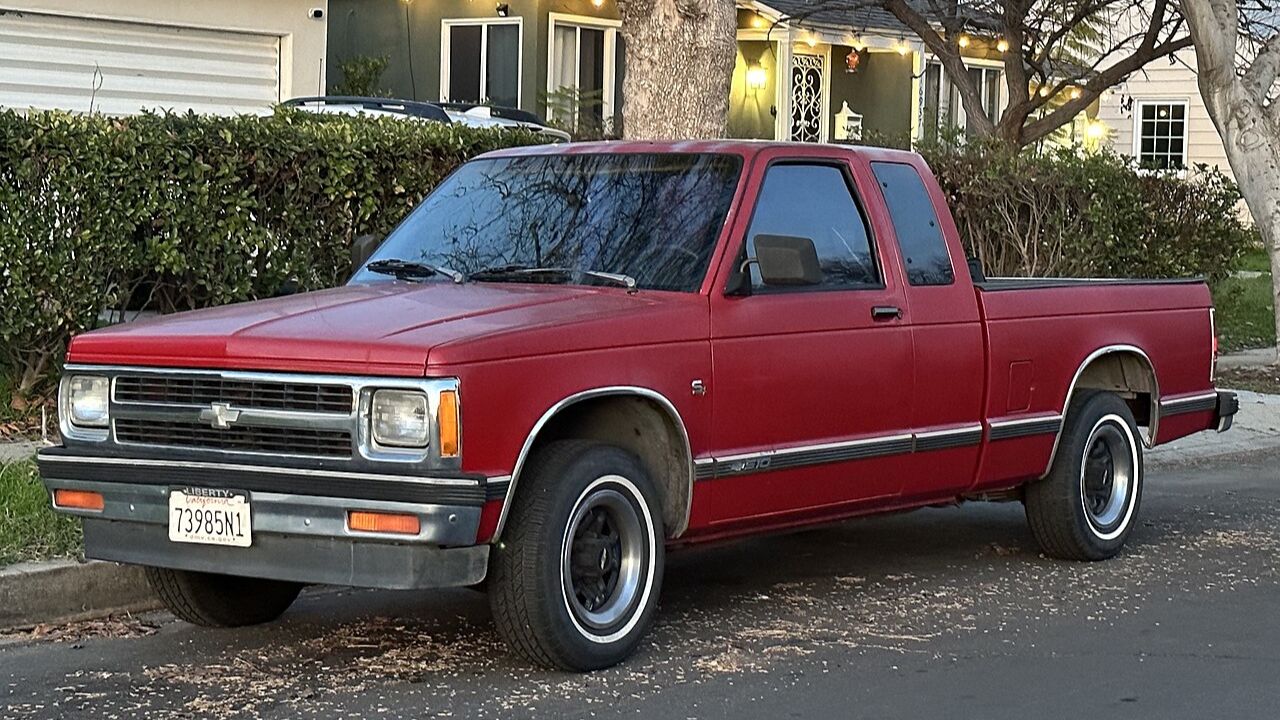
The S-10 helped make the compact pickup a major part of Chevrolet’s American lineup. Smaller than traditional full-size trucks, it was easier to maneuver and economical enough to appeal to buyers who did not need enormous towing capacity. Its long production run gave it a huge presence on American roads. Today, enthusiasts appreciate the S-10 for its simple proportions and enormous aftermarket support. It also helped establish the template for the modern midsize pickup.
Chevrolet Astro

The Astro was Chevrolet’s unconventional answer to the growing minivan market. Its rear-wheel-drive architecture and truck-like construction gave it a different character from many front-wheel-drive family vans. Cargo versions became popular with businesses, while passenger versions served families for years. The Astro’s boxy proportions and relatively simple mechanical layout have become increasingly appreciated as modern vans have grown more complex. It was never glamorous, but its versatility helped make it one of Chevrolet’s more useful utility vehicles.
Chevrolet TrailBlazer SS
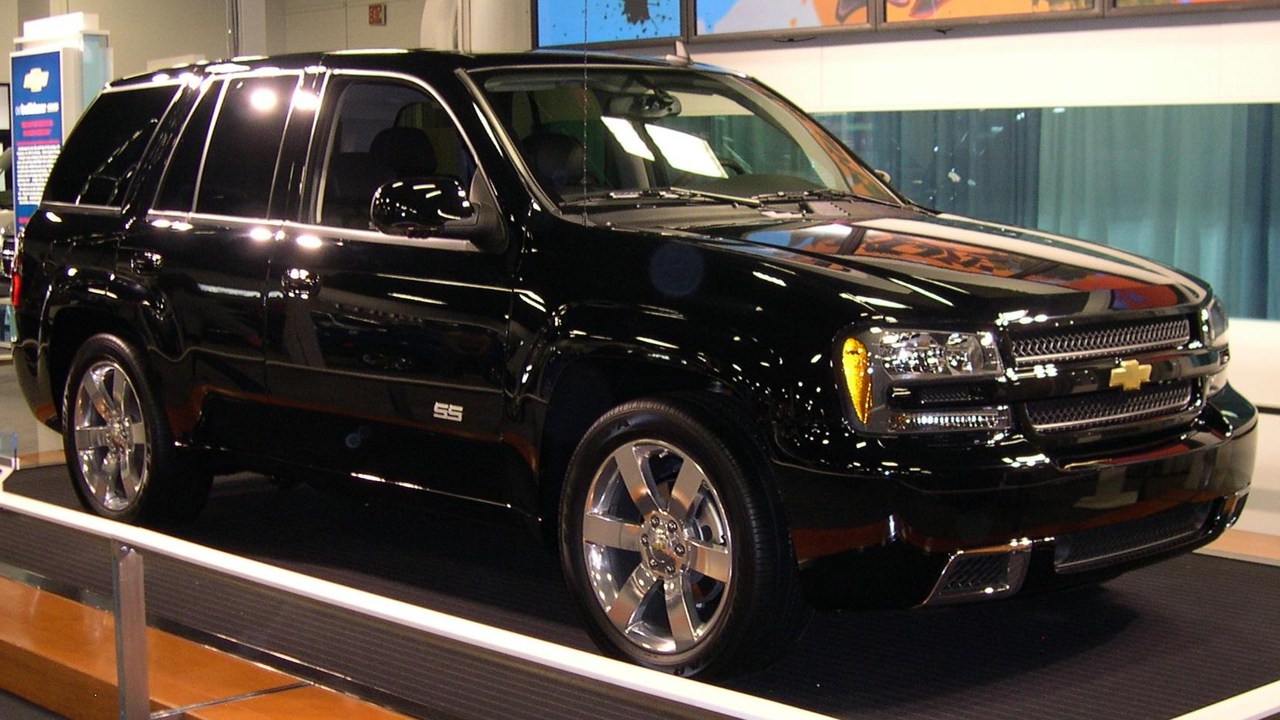
The TrailBlazer SS turned a practical SUV into something far more serious. Instead of relying solely on off-road capability, Chevrolet gave it performance hardware and a powerful V8, creating an unusual combination of family utility and muscle-car acceleration. Its relatively short production run has helped make clean examples increasingly interesting to enthusiasts. The TrailBlazer SS demonstrated that an SUV could be more than a family hauler without abandoning its everyday practicality.
Chevrolet Impala SS
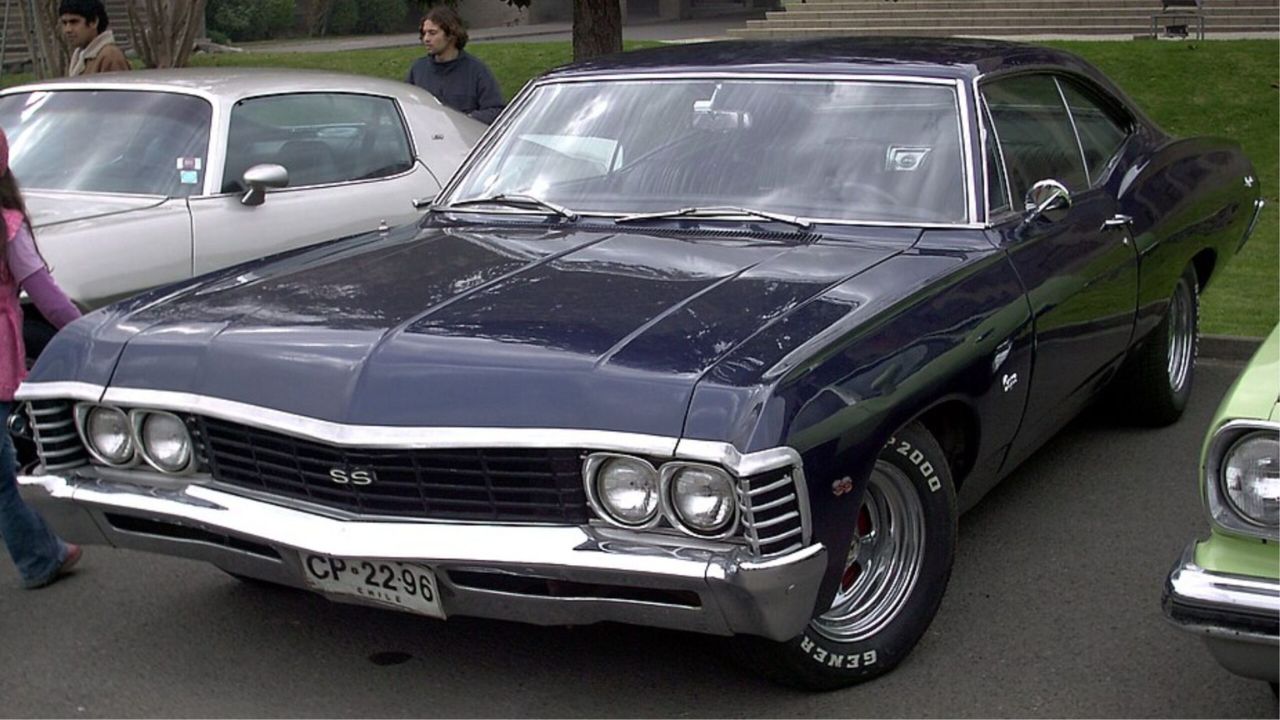
The 1990s Impala SS revived a name that had already become famous and gave it a very different personality. Based on Chevrolet’s full-size rear-wheel-drive architecture, it combined a discreet sedan body with serious V8 performance. Chevrolet notes that nearly 68,000 were sold during its three-year run, making it unusual but not impossibly rare. Its understated appearance, police-car connection, and performance hardware helped turn it into one of the most memorable American sedans of the decade.
Chevrolet SSR
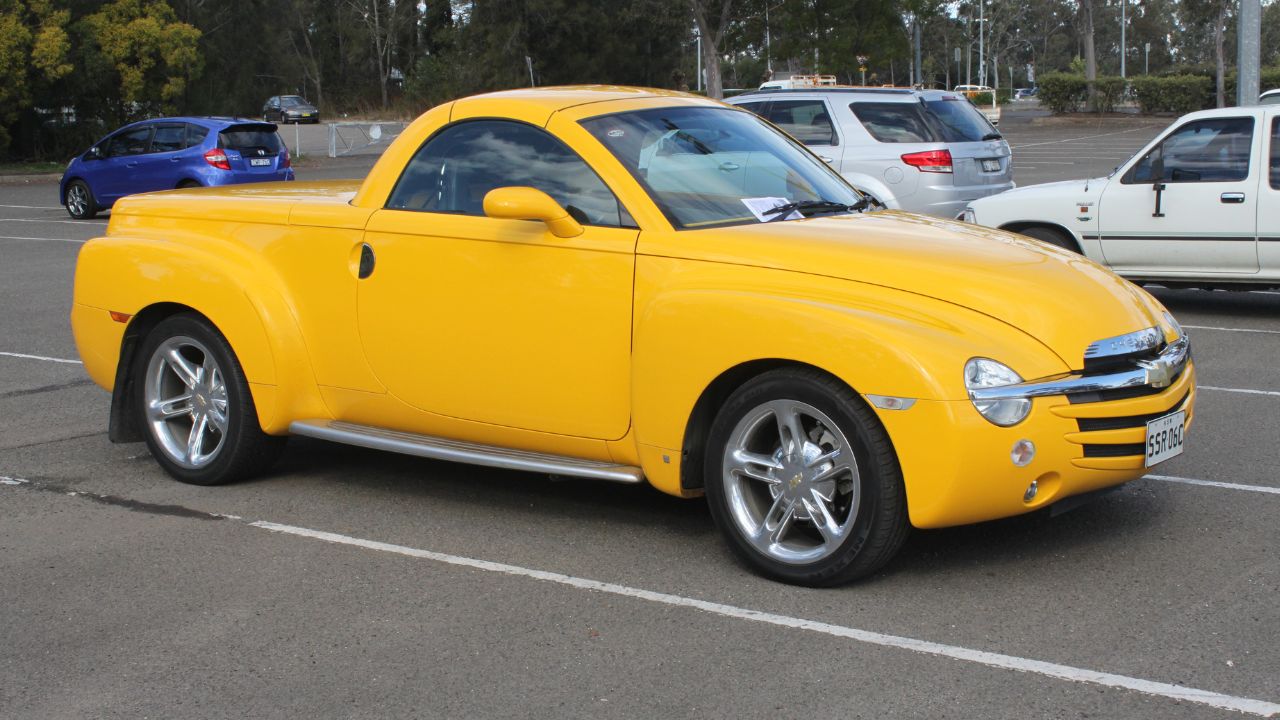
The SSR was one of Chevrolet’s strangest production vehicles, combining retro pickup styling with a retractable hardtop and V8 power. Its unusual appearance made it difficult to categorize, but that uniqueness has become part of its appeal. The SSR was inspired by Chevrolet’s early truck heritage while incorporating modern performance and technology. Chevrolet produced it for only a relatively short period, making surviving examples increasingly interesting to collectors who enjoy unconventional American vehicles.
Chevrolet Trailblazer
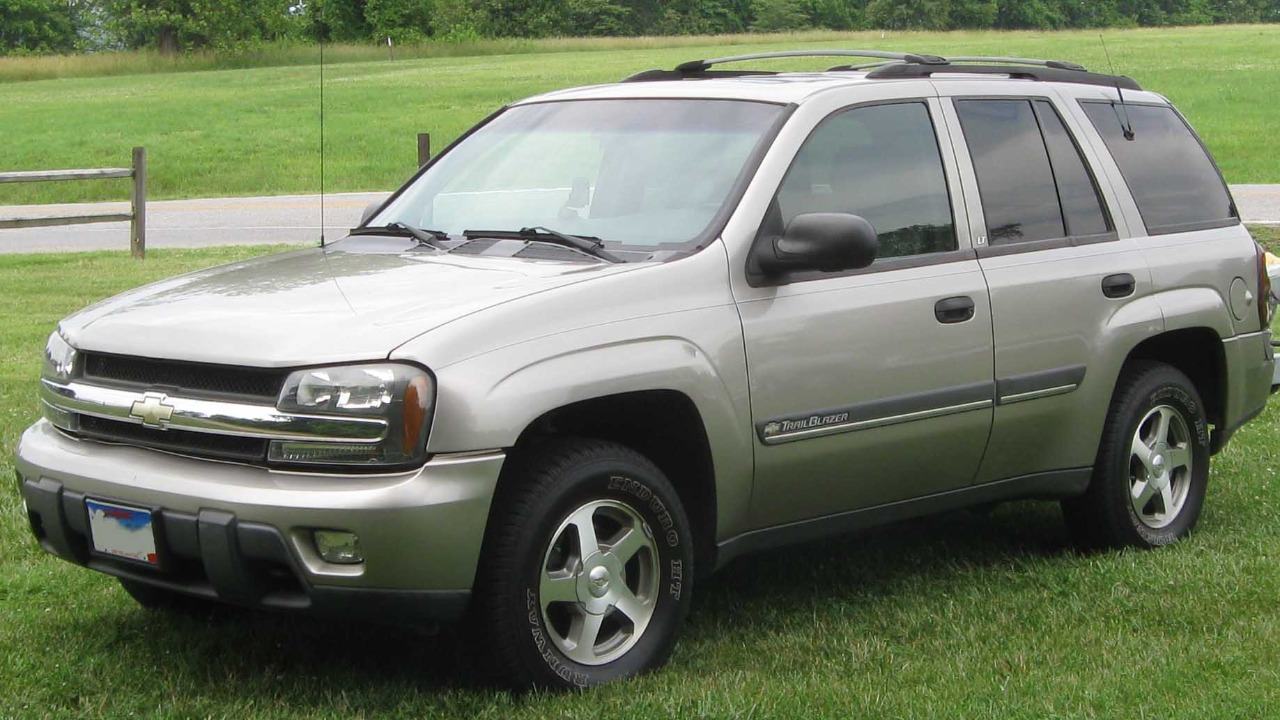
The first-generation Trailblazer helped move Chevrolet’s SUV lineup toward a more modern combination of road manners, passenger comfort, and utility. It retained a truck-based character while becoming much more refined than older SUVs such as the Blazer. The model became a familiar sight on American roads and eventually developed a reputation as a practical family vehicle. Its importance lies partly in how it represented the transition between traditional truck-based SUVs and the more polished sport utility vehicles that followed.
Chevrolet Silverado
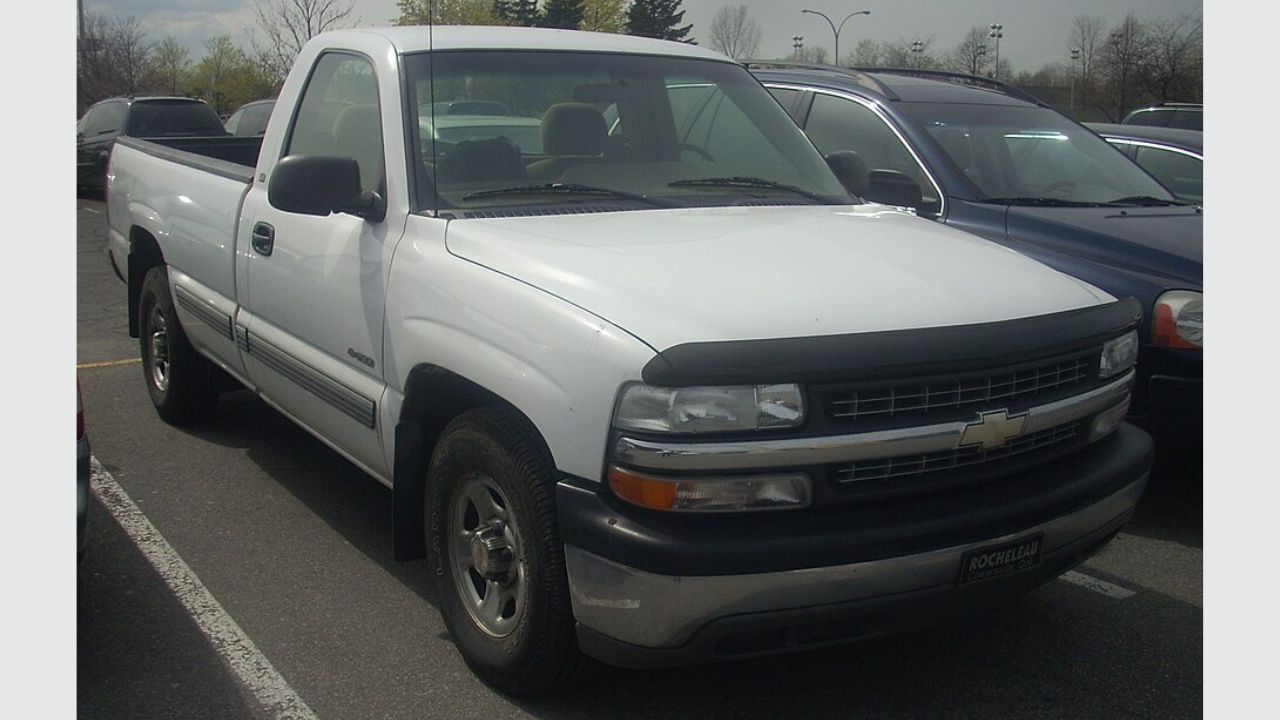
The Silverado became one of Chevrolet’s defining modern trucks after taking its place as a standalone model name in the late 1990s. Its combination of work capability, everyday comfort, and broad configuration choices helped it become a major part of Chevrolet’s truck business. Earlier C/K trucks established the foundation, but the Silverado carried the formula into a new era. Its long-running popularity demonstrates how effectively Chevrolet adapted the traditional American pickup to changing expectations.
Chevrolet Corvette
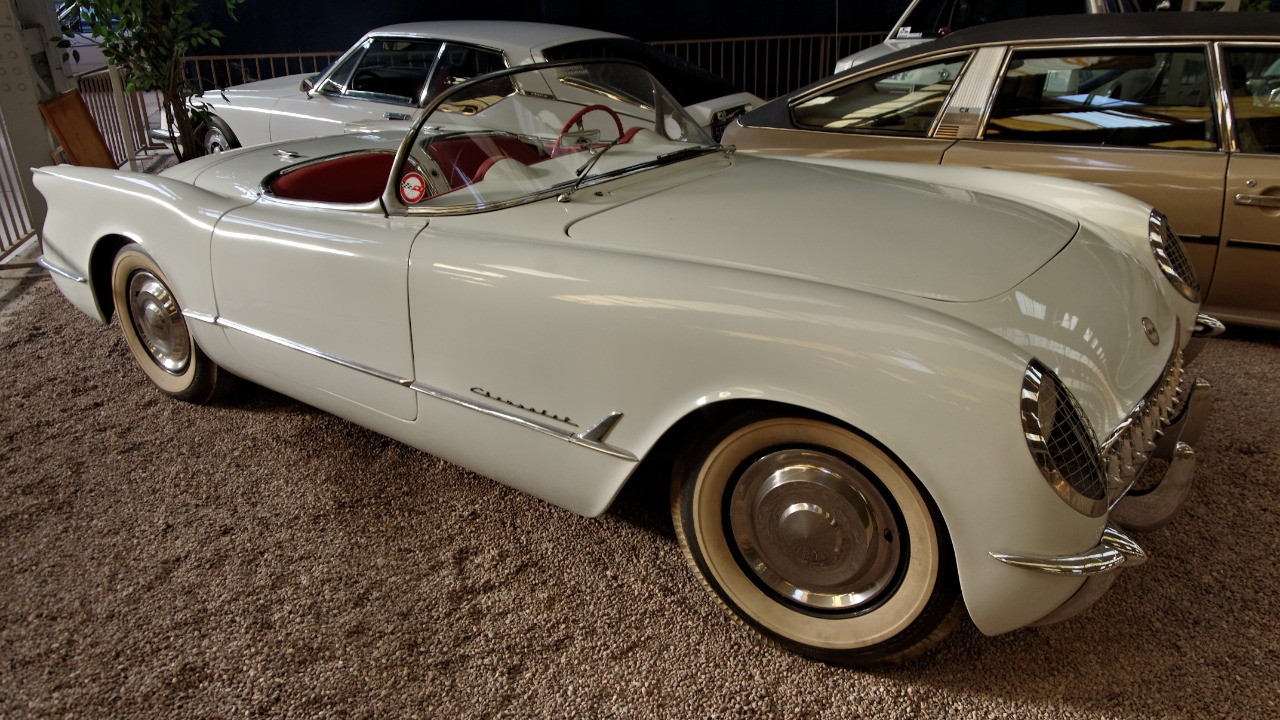
The Corvette is hardly forgotten, but its legendary status was built gradually through decades of engineering and development. Chevrolet introduced it in 1953, and the model evolved from a relatively modest sports car into one of America’s best-known performance machines. The Sting Ray, later high-performance versions, and eventually the mid-engine C8 all pushed the concept forward. Chevrolet describes the Corvette as a model shaped by performance, passion, and innovation across more than seven decades.
Chevrolet Camaro
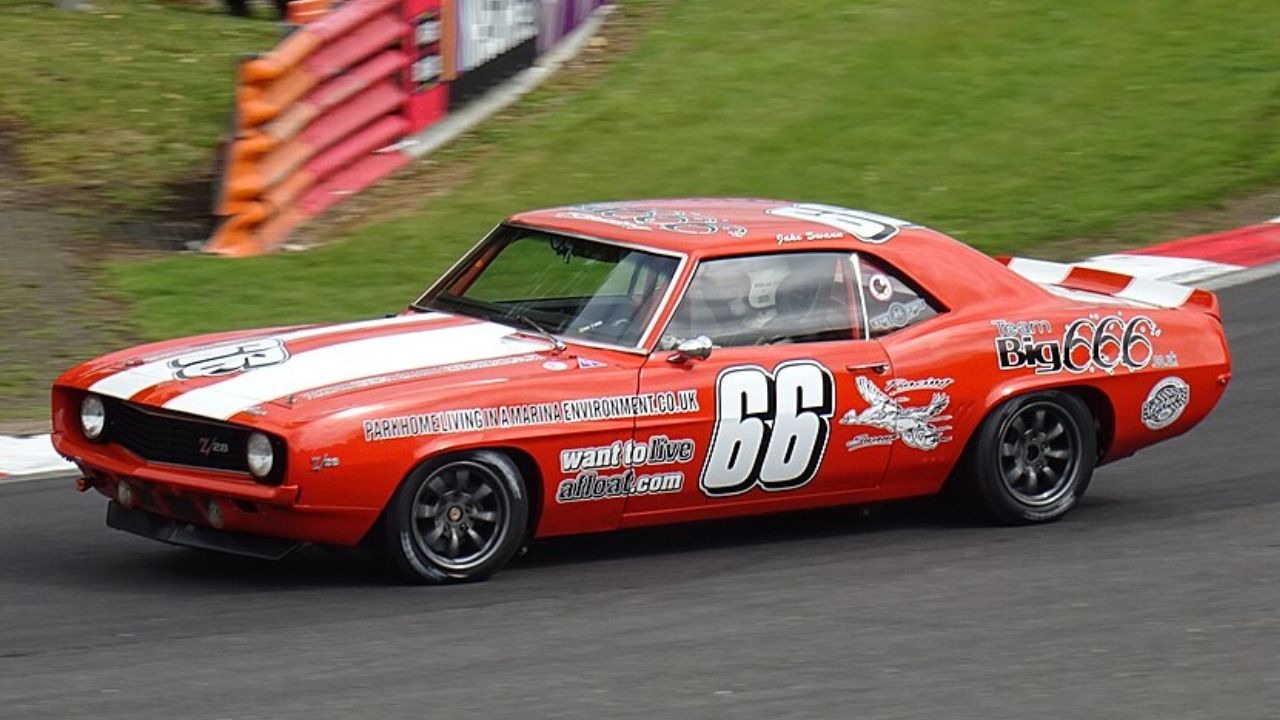
The Camaro became Chevrolet’s answer to the growing pony-car market and quickly established its own identity. Its first generation offered a wide variety of engines and configurations, while later generations continually adapted the formula to changing automotive conditions. Chevrolet’s history credits the Camaro with creating lasting cultural connections and becoming an icon of the muscle-car era. Even after production pauses, the name retained enough recognition to return successfully to the market.
Chevrolet Chevelle
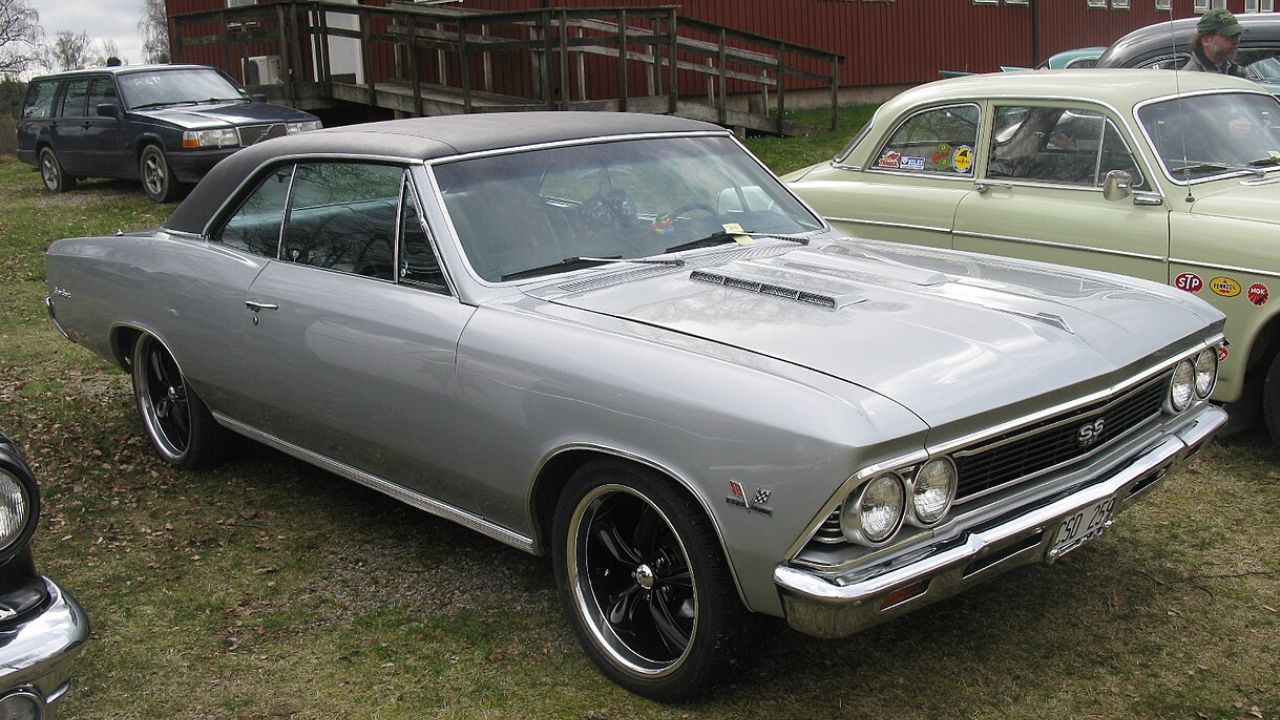
The Chevelle became one of Chevrolet’s most important intermediate cars and eventually developed a formidable performance reputation. Its combination of relatively manageable size, rear-wheel drive, and available V8 power made it an ideal platform for muscle-car buyers. The SS versions became especially famous, but the broader Chevelle lineup was important in its own right. Chevrolet identifies the Chevelle as one of the vehicles that helped build its enduring legacy, particularly during the performance-focused 1960s and 1970s.
More from Fast Lane Only
- Unboxing the WWII Jeep in a Crate
- 15 rare Chevys collectors are quietly buying
- 10 underrated V8s still worth hunting down
- Police notice this before you even roll window down
*Research for this article included AI assistance, with all final content reviewed by human editors.