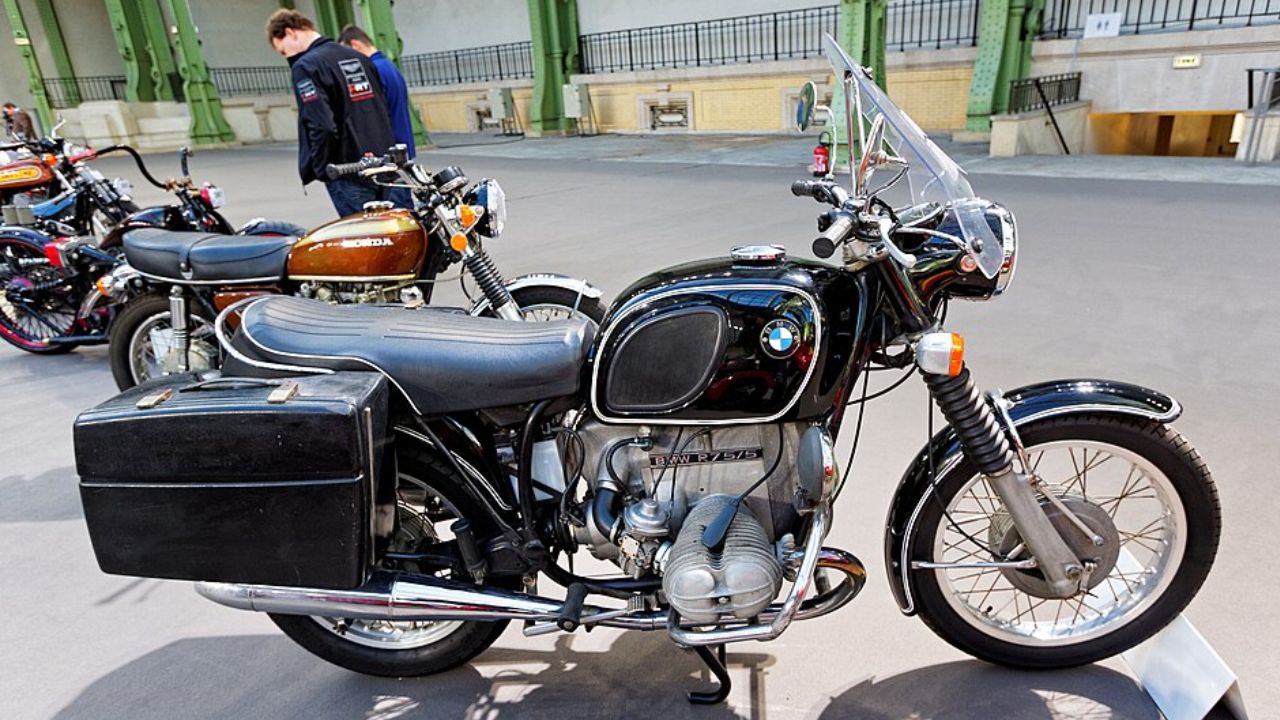
Some motorcycles have earned lasting respect from mechanics through their reliable engines, straightforward designs, and impressive performance. From classic British singles to powerful inline-four superbikes and innovative two-stroke engines, these machines combine engineering character with practical maintenance and repairability. Their racing heritage, distinctive styling, and strong enthusiast communities have helped preserve their legacy across generations. Here are 20 classic motorcycles that mechanics admire for their engineering, durability, and enduring appeal.
Ducati 860GT
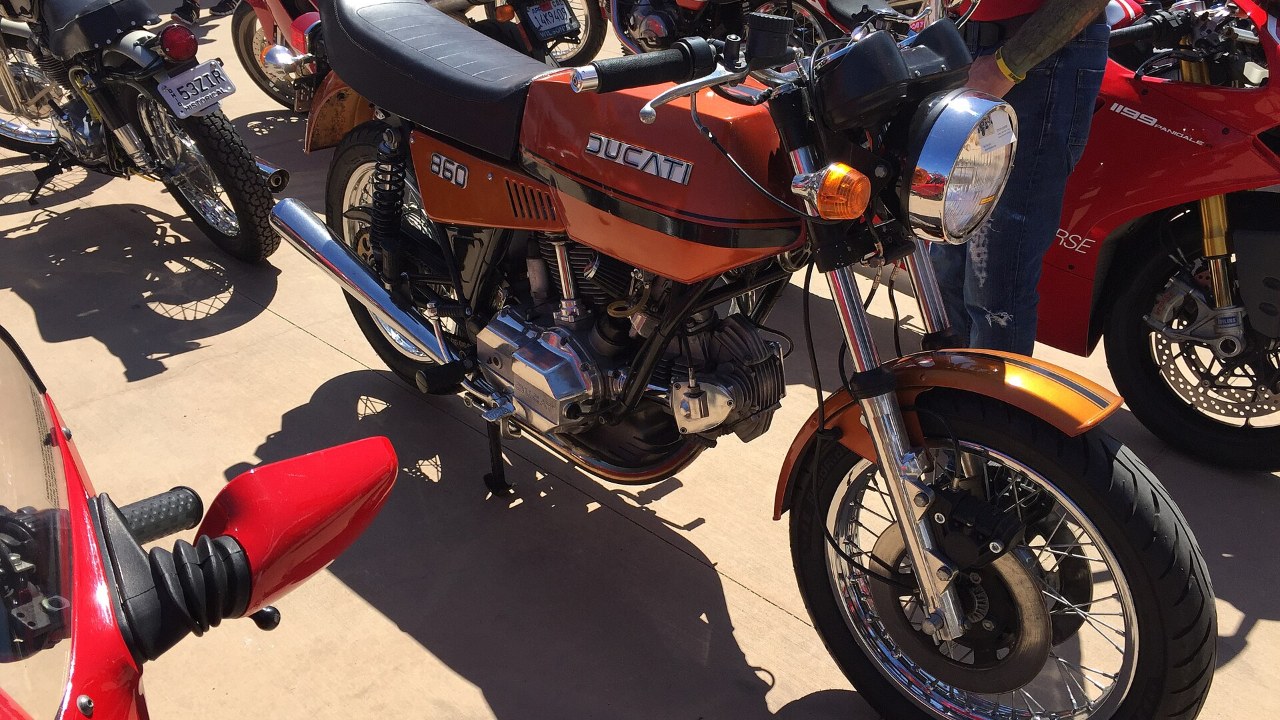
Ducati built the 860GT in late 1974 and 1975 as a roomier touring twin. Its 864cc engine came from boring out the 750 by 6mm, which made it strongly oversquare. Output was about 60 hp at 6,900 rpm. Giorgetto Giugiaro styled the angular bodywork, and Ducati even squared off the engine cases to match.
The appeal for anyone holding a wrench sits under that bodywork. The 860GT used bevel-driven overhead cams rather than the fussier desmodromic heads, and valve clearances are set with screws and locknuts. Ducati also gave it improved bearings, a disposable oil filter and electronic ignition. Buyers disliked the styling, and Rider magazine puts total output at 2,987 bikes.
BMW R75/5
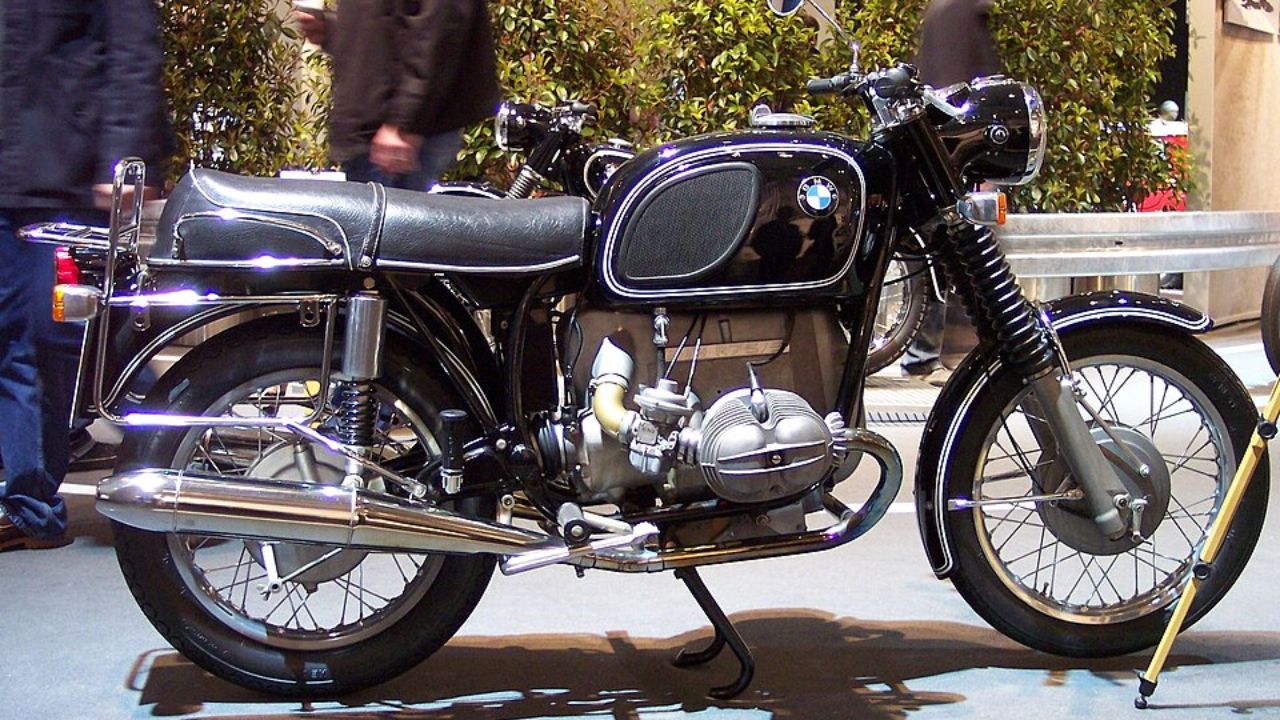
The BMW R75/5, produced between 1969 and 1973, is a motorcycle that mechanics admire for its solid engineering and longevity. It features a 749cc flat-twin engine and a distinctive design that set the standard for touring bikes. The bike’s reliability in long-distance travel and its comfortable riding position make it a favorite among enthusiasts. Mechanics appreciate the ease of maintenance, as the air-cooled engine is designed for durability. The iconic styling and innovative features, such as the telescopic front forks, have solidified the R75/5 as a timeless classic that continues to be celebrated today.
Ducati 750SS
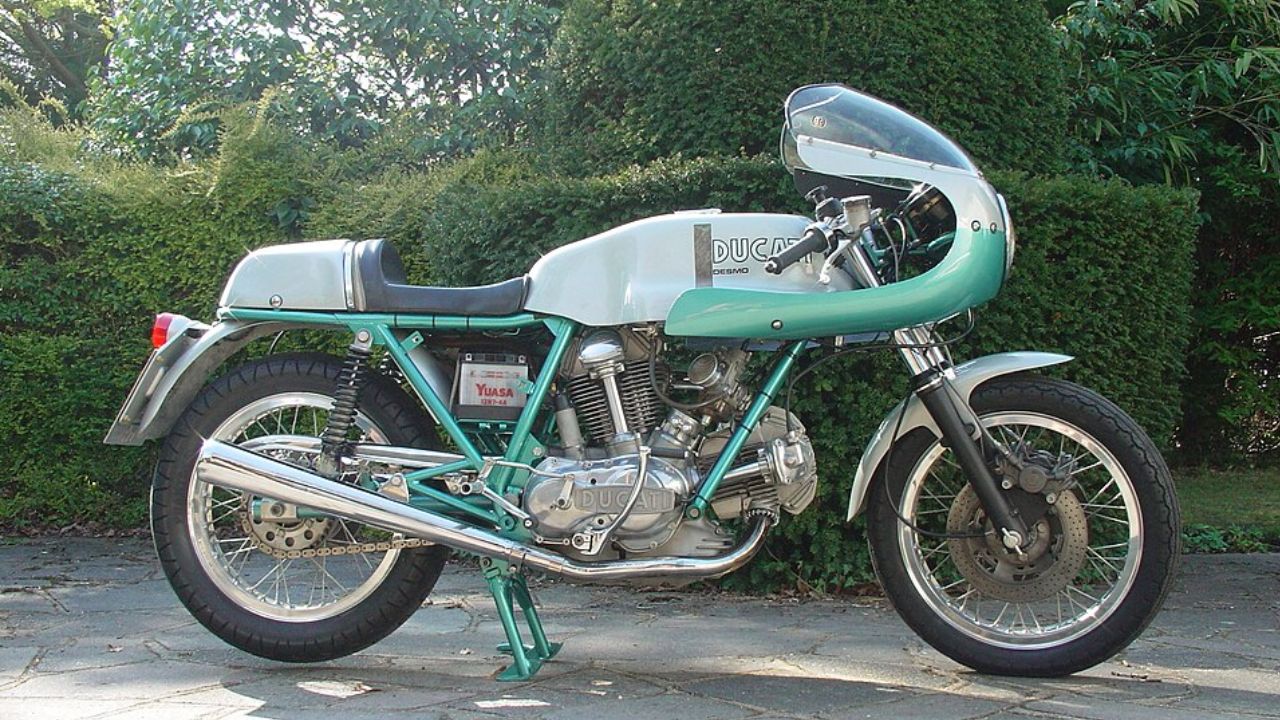
The Ducati 750SS, introduced in 1974, is revered for its performance and racing pedigree. With a 748cc L-twin engine, this motorcycle delivers an exhilarating ride, making it a staple among sportbike enthusiasts. Mechanics admire its unique desmodromic valve system, which enhances performance and reliability. The bike’s lightweight frame and sporty design contribute to its agile handling, allowing riders to navigate twisty roads with ease. The 750SS’s blend of Italian craftsmanship and engineering excellence has positioned it as a desirable collectible for both riders and mechanics alike.
Honda CB77 Super Hawk
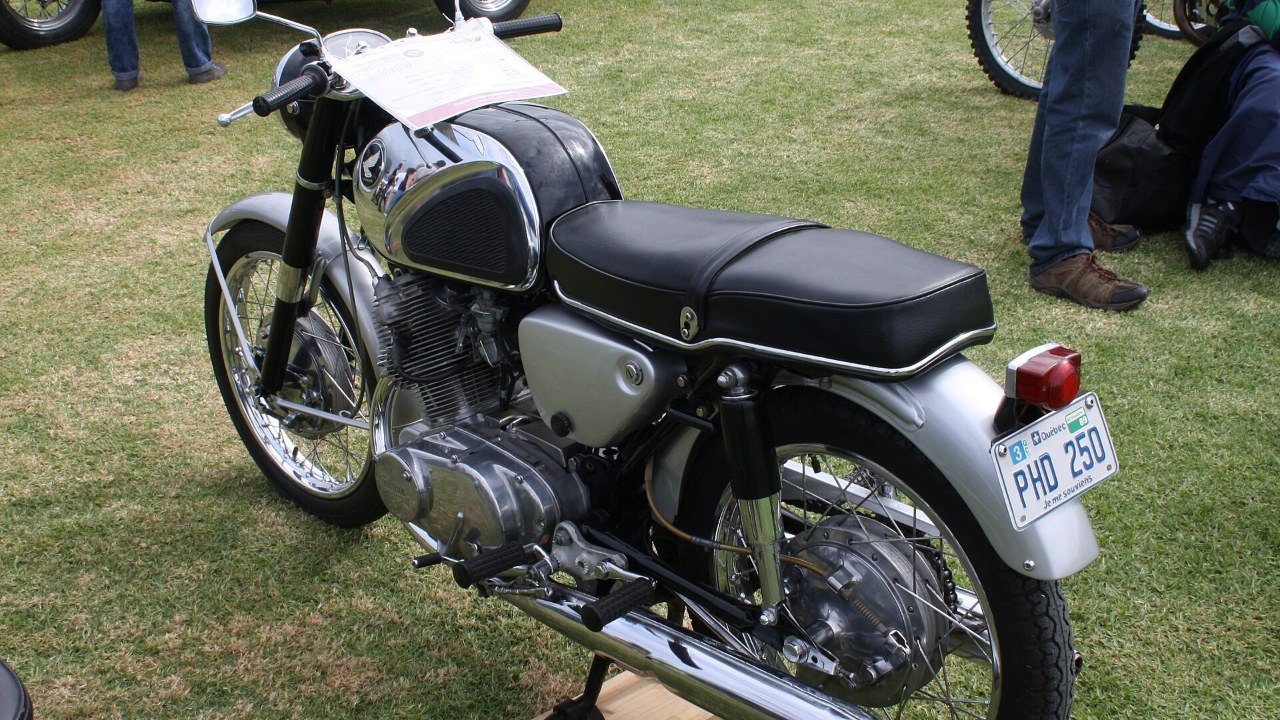
Honda’s CB77 Super Hawk reached showrooms in 1961, months after the smaller CB72 Hawk. It stayed in the lineup until the CB350 replaced it for 1968. The 305cc air-cooled parallel twin used a 180-degree crank, a single overhead cam and twin 26mm Keihin carburetors. It made 28 hp, and some period tests recorded nearly 105 mph.
The engineering was ambitious for a mid-size bike. The crankshaft ran on roller and ball bearings, and the camshaft ran on ball bearings. The tubular steel frame used the engine as a stressed member. Double-leading-shoe drum brakes front and rear were rare in 1961. The National Motorcycle Museum notes weak spots too, including gear wear that can make second skip and a kickstarter prone to failure.
Honda CB400F Super Sport

Honda launched the CB400 Four in December 1974, developing it from the CB350 Four. Displacement grew to 408cc, and output rose to 37 PS at 8,500 rpm. A six-speed gearbox, rear-set footpegs and low handlebars gave it a cafe-racer stance. Honda sold it for only about three years.
The key engineering detail is the exhaust. Honda says this was its first motorcycle with a four-into-one system, chosen to improve exhaust efficiency while cutting weight and cost. The air-cooled single-overhead-cam four placed its alloy cylinders directly in the airstream, and one museum listing puts the weight at 392 pounds. Honda adds that the bike’s styling and exhaust layout influenced later models from Honda and its rivals.
Triumph Bonneville T120
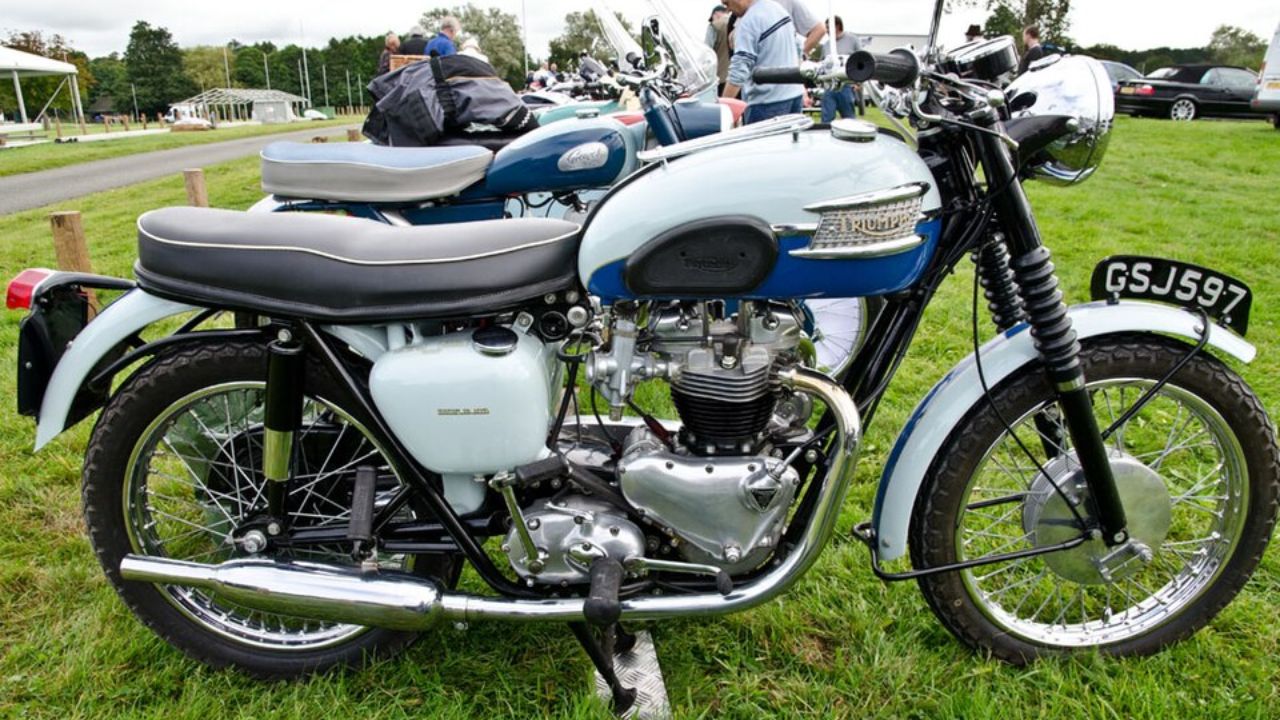
The Triumph Bonneville T120, launched in the 1960s, is an enduring symbol of British motorcycling. Its 650cc parallel-twin engine delivers a combination of performance and character that mechanics deeply admire. The bike’s classic styling, featuring chrome accents and a distinctive tank shape, has made it an icon in the motorcycle world. Mechanics appreciate the simplicity of its design, which allows for easier maintenance and restoration. The Bonneville’s reputation for reliability and performance ensures it remains a favorite among classic bike enthusiasts and mechanics alike, celebrating its legacy in motorcycling history.
Moto Guzzi Eldorado
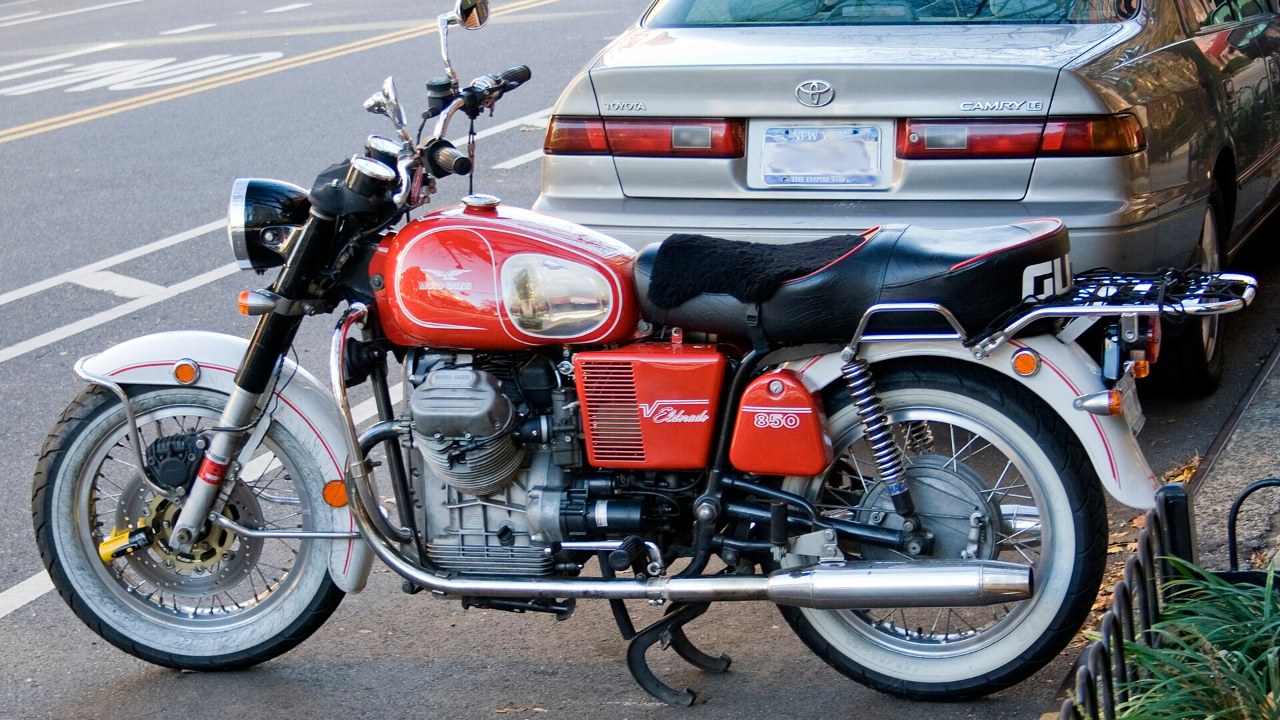
The Eldorado was Moto Guzzi’s American-market big twin from 1972 to 1974, sold in Europe as the 850GT. Its 844cc 90-degree V-twin traced back to the V7, built to meet a government demand for an engine that could cover at least 62,000 miles without major repairs. The LAPD and California Highway Patrol bought many Guzzis in this era.
The engine keeps things simple. The camshaft sits in the vee to shorten the pushrods, and a four-speed gearbox sends power through a shaft that Rider magazine calls maintenance-free. A belt-driven Marelli generator sits between the cylinders. The Eldorado may have been the first motorcycle with electric start and no kickstarter backup. It weighed under 600 pounds, about 200 less than a Harley FLH.
Honda CB500 Four

Honda introduced the CB500 Four in 1971 as the first expansion of its four-cylinder road line after the CB750. The goal was a more manageable four, and the catalog called it the “500 for the quiet man.” Its 498cc air-cooled engine used a single overhead cam, two valves per cylinder and four Keihin carburetors.
Output reached 48 hp at 9,000 rpm. At about 406 pounds dry, the CB500 weighed roughly 75 pounds less than the CB750 and used a lighter chassis. The rest of the specification was straightforward: a five-speed gearbox, chain final drive and breaker-point ignition. Honda also notes it was the company’s first model with a helmet holder. In 1974 the design grew into the CB550 Four.
Honda GL1000 Gold Wing
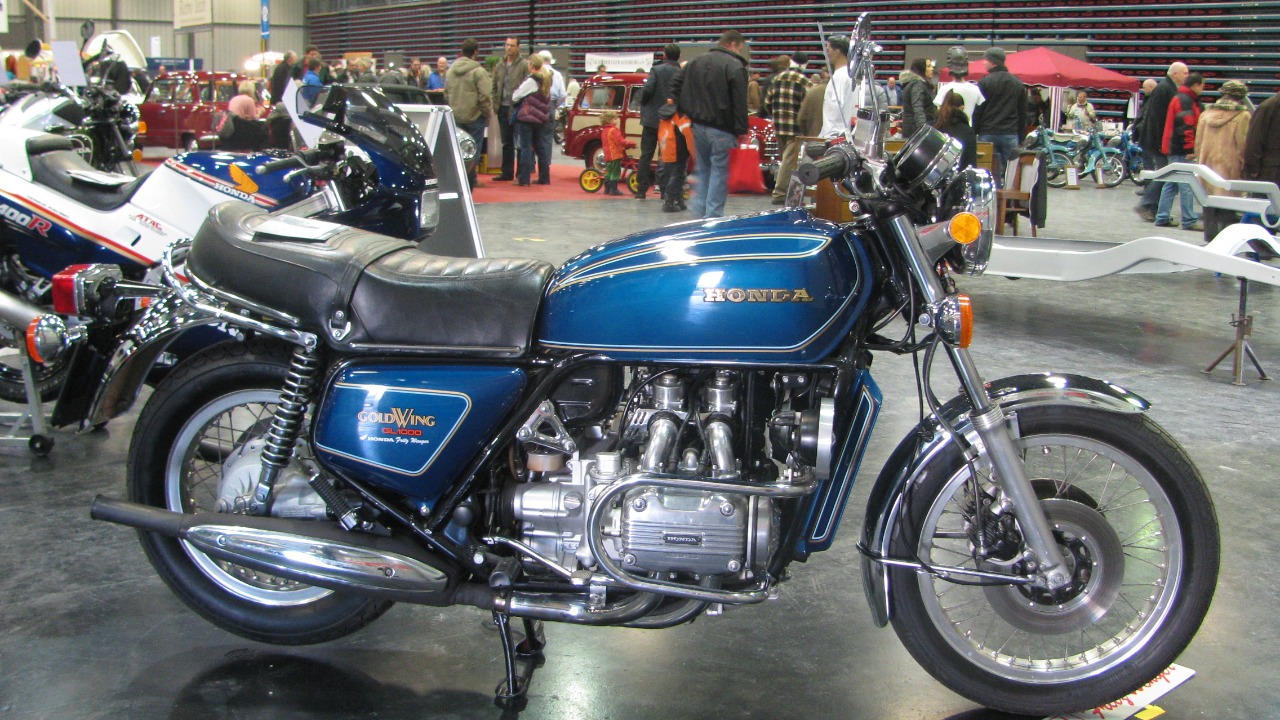
Honda showed the Gold Wing at the Cologne show in October 1974, and U.S. sales began in 1975. Its 999cc horizontally opposed four was liquid-cooled, a first for a Honda motorcycle. Hagerty lists 80 hp at 7,000 rpm and 63 lb-ft of torque. Shaft final drive was new territory for Honda, too.
The layout was built around a low center of gravity. Honda put the fuel tank under the seat, and the dummy tank on top held electrical components and a small storage compartment. The bike also carried a removable kickstart lever that fitted onto a shaft behind the gearbox, a backup for the electric starter. Honda says American riders added fairings and turned the sport-focused flagship into a long-distance tourer.
Kawasaki W650
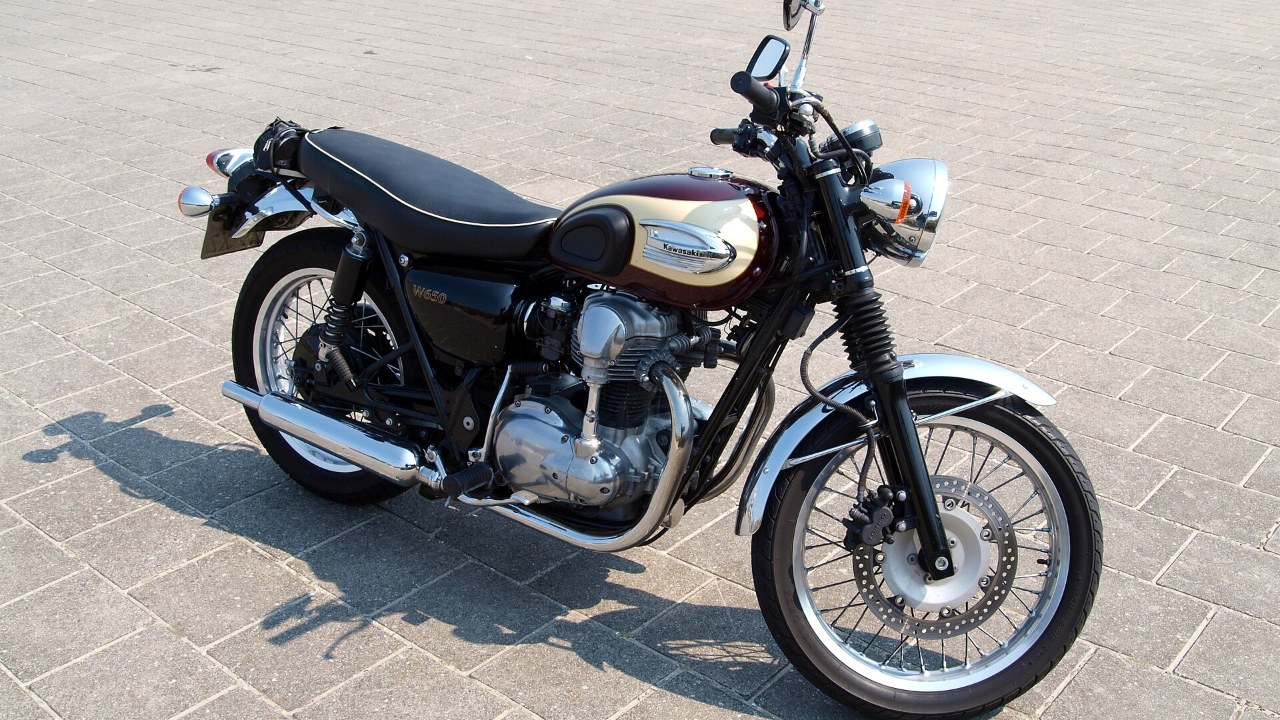
Kawasaki launched the W650 in 1999 as a modern nod to its 1966 W1, a twin with roots in BSA engineering. The engine is an air-cooled 676cc parallel twin with four valves per cylinder and a five-speed gearbox. It makes just under 50 hp, a modest figure even when the bike was new.
Its signature detail is a single overhead cam driven by a bevel-gear shaft, hardware most makers had abandoned decades earlier. Kawasaki added a balance shaft to calm vibration and kept a kickstarter alongside the electric starter. Bennetts calls the engine ruggedly reliable. Its main ownership warning concerns the twin exhausts, which can corrode if the bike is ridden through winter and neglected.
Triumph Tiger Cub
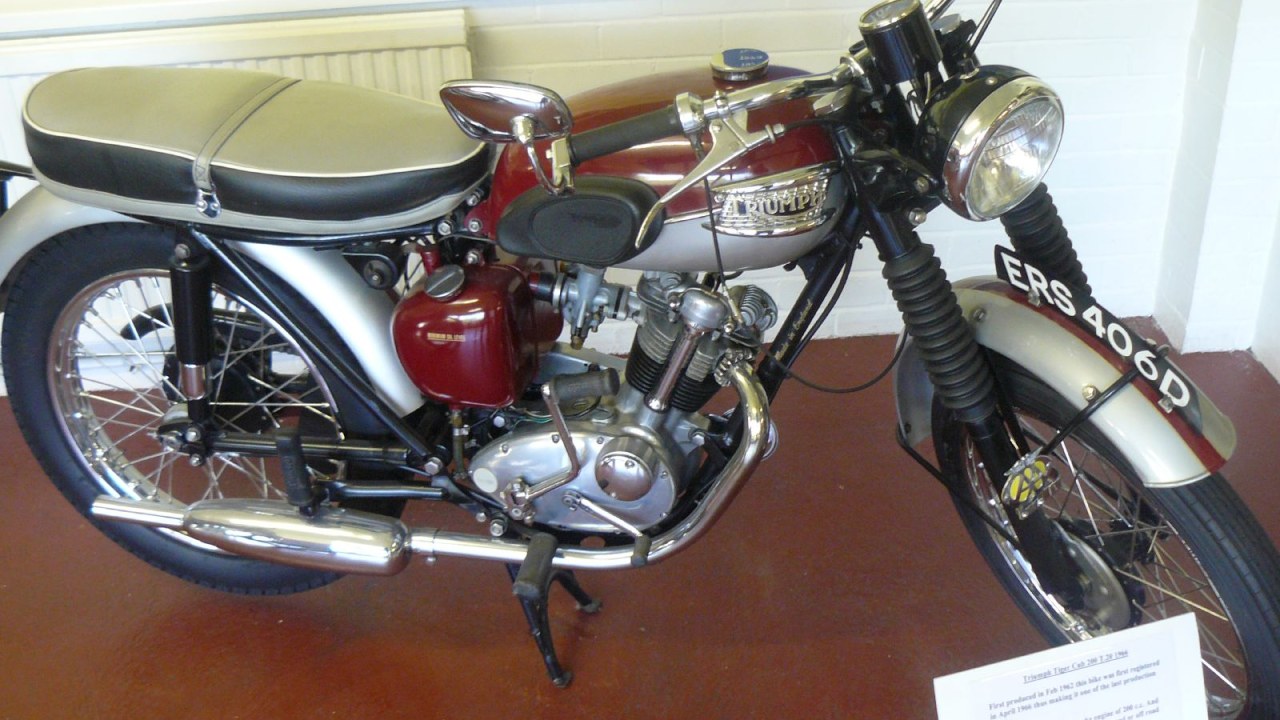
Edward Turner’s Tiger Cub arrived for 1954 as a bigger version of Triumph’s 150cc Terrier. Its overhead-valve single grew to 199cc, made 10 hp at 6,000 rpm and reached about 67 mph. The bike weighed about 175 pounds, and it sold well in both Britain and the United States.
Simplicity made it a popular learner, commuter and trials machine. The engine used an integral four-speed gearbox, and each front fork leg needed only a pump from a grease gun every 4,000 miles. The Cub did reward careful owners. Its plain big-end bearing suffered when the 1,500-mile oil changes were skipped. Triumph finally solved the problem in 1966 with an improved roller bearing.
BSA Gold Star
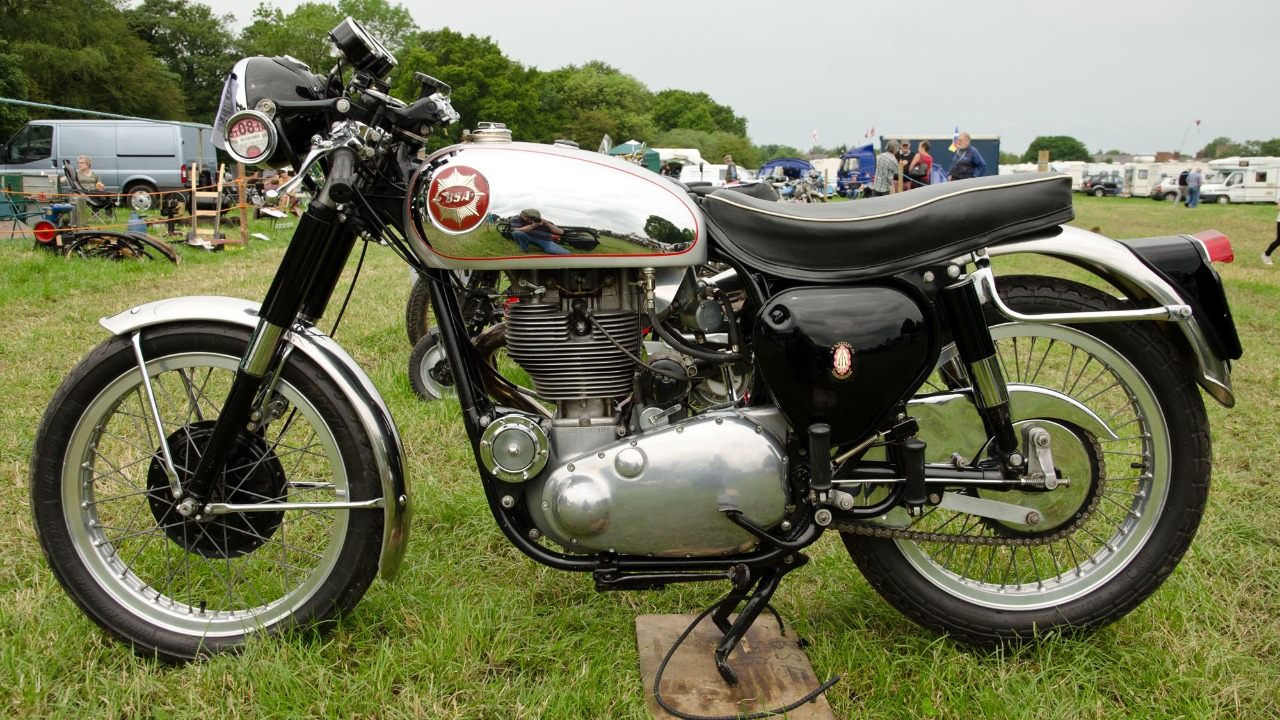
The BSA Gold Star, produced between 1938 and 1963, is a classic British motorcycle celebrated for its racing pedigree. With a 499cc single-cylinder engine, it exemplifies the performance and design ethos of its era. Mechanics admire the Gold Star for its straightforward engineering, making it easier to work on compared to more complex models. Its lightweight frame and responsive handling have made it a favorite among motocross and trials enthusiasts. The Gold Star’s rich history, combined with its iconic status, ensures that it remains a revered classic among mechanics and collectors alike.
BMW R69S
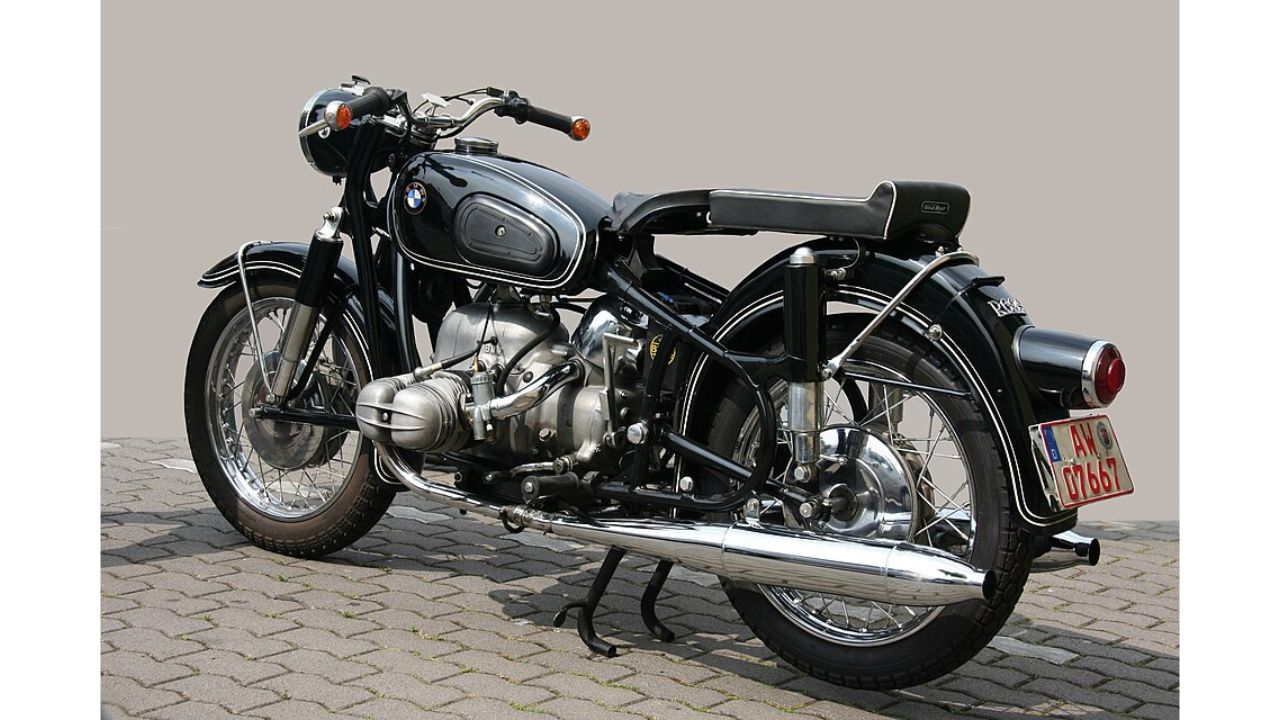
BMW launched the R69S in 1960 as a sportier version of the R69 and built it through 1969. Its 594cc air-cooled flat twin made 42 hp, up from the R69’s 35 hp, and top speed was about 110 mph. BMW built about 11,300 of them, with few changes along the way.
The chassis used an Earles leading-link fork, which keeps the front end level under braking, plus a steering damper and sidecar lugs on the frame. Within two years, BMW added a rubber-mounted vibration damper to the front of the crankshaft. That part needs regular maintenance, and Old Bike Australasia notes some cylinder head and casting problems. Restorers can fix the common issues, and reproduction parts are widely available.
Suzuki T500 Titan
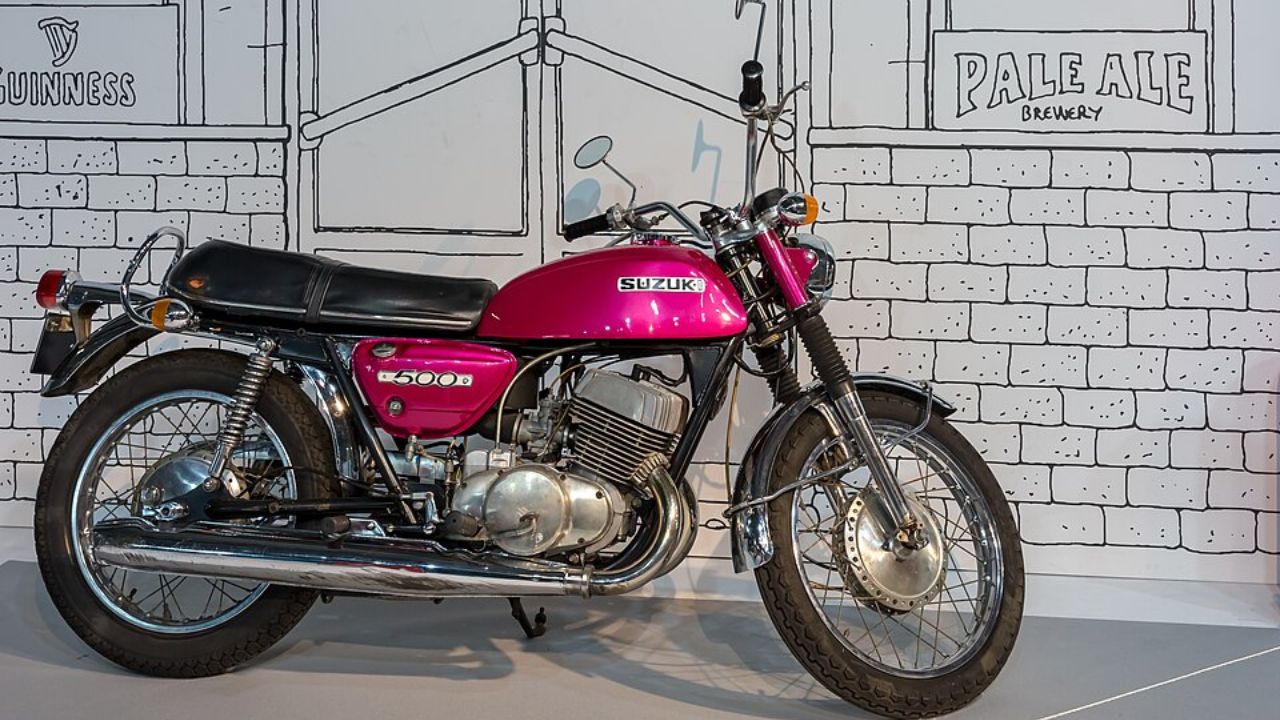
Suzuki’s big two-stroke twin arrived in 1968 and stayed in production for about a decade, ending as the GT500 in 1976. The air-cooled, piston-port engine displaced 492cc. The early Cobra version made a claimed 46 hp at 7,000 rpm, and the 1969 Titan offered up to 47 hp.
Its durability story starts at the bottom end, which ran on three ball main bearings. Suzuki’s CCI system injected oil directly into the crankcases, with the pump driven from the gearbox output shaft. To prove the air-cooled engine could handle heat, Suzuki sent U.S. journalists on a midsummer ride through Death Valley, according to Old Bike Australasia. The twin also became a solid base for club and Grand Prix racers.
Moto Morini 3½
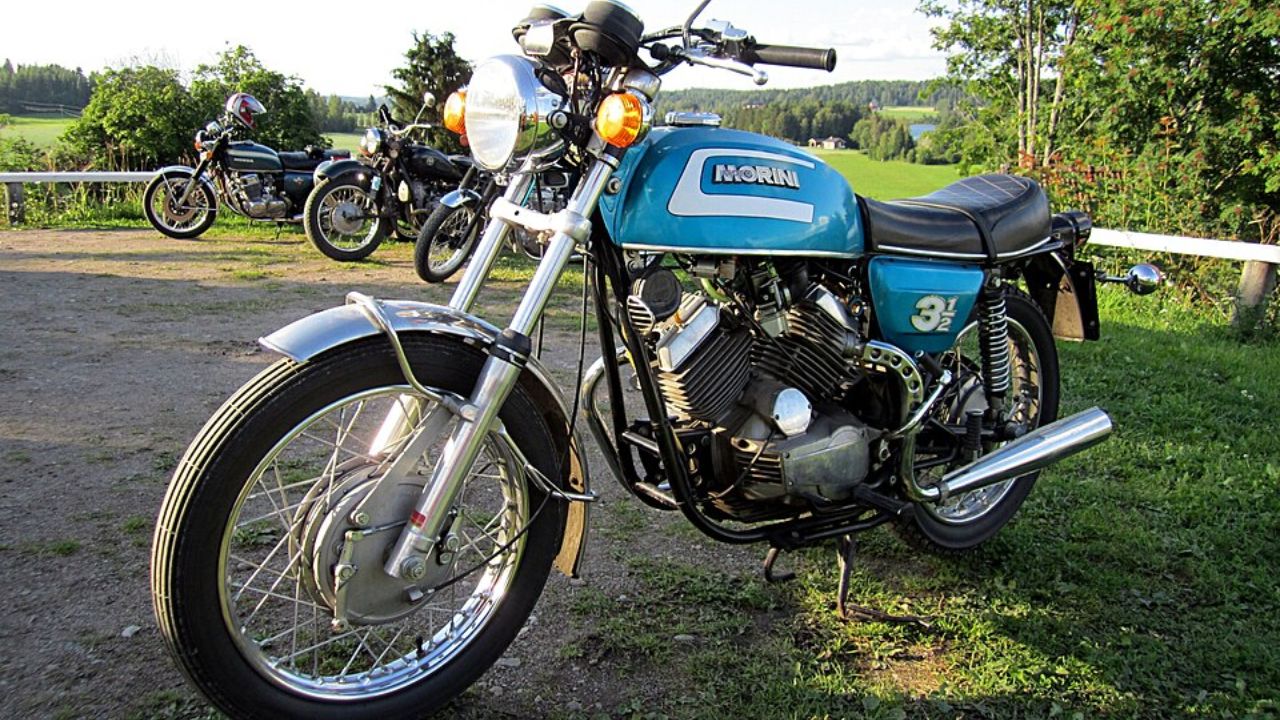
The Moto Morini 3½, produced from the 1970s onward, is a unique motorcycle that features a 344cc V-twin engine. Mechanics admire its distinctive design and engineering, which set it apart from other bikes of its time. The 3½’s lightweight frame and responsive handling make it an enjoyable ride, appealing to both new and experienced riders. Its relatively simple construction ensures that maintenance and repairs are straightforward, which is a significant advantage for mechanics. The bike’s charm and character have garnered it a loyal fan base, ensuring its place as a cherished classic.
Honda CL350
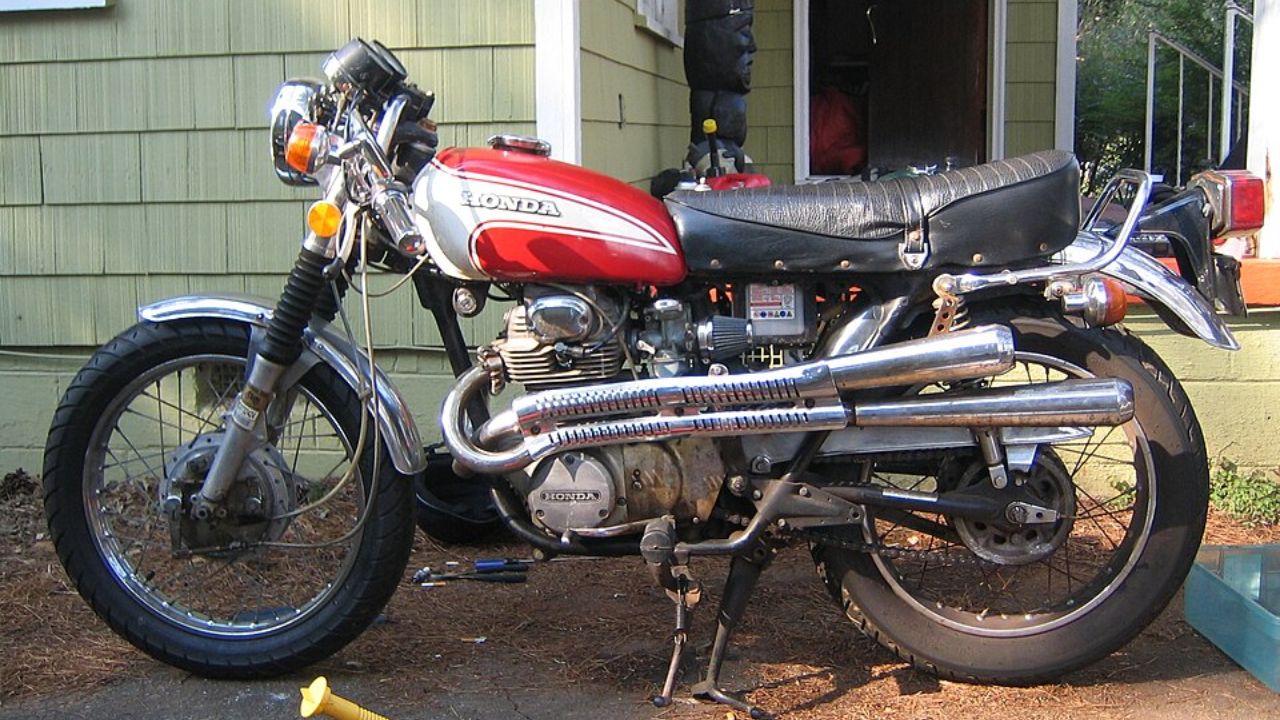
The Honda CL350, introduced in 1968, is a versatile motorcycle known for its dual-sport capabilities. With a 325cc parallel-twin engine, it offers a balance of power and efficiency, making it a popular choice for riders seeking adventure. Mechanics appreciate the CL350 for its robust build and ease of maintenance, allowing for enjoyable ownership experiences. Its classic scrambler styling and comfortable ergonomics make it appealing for both on-road and off-road riding. The CL350’s enduring popularity ensures that it remains a classic admired by both enthusiasts and technicians who recognize its practical design.
Royal Enfield Bullet
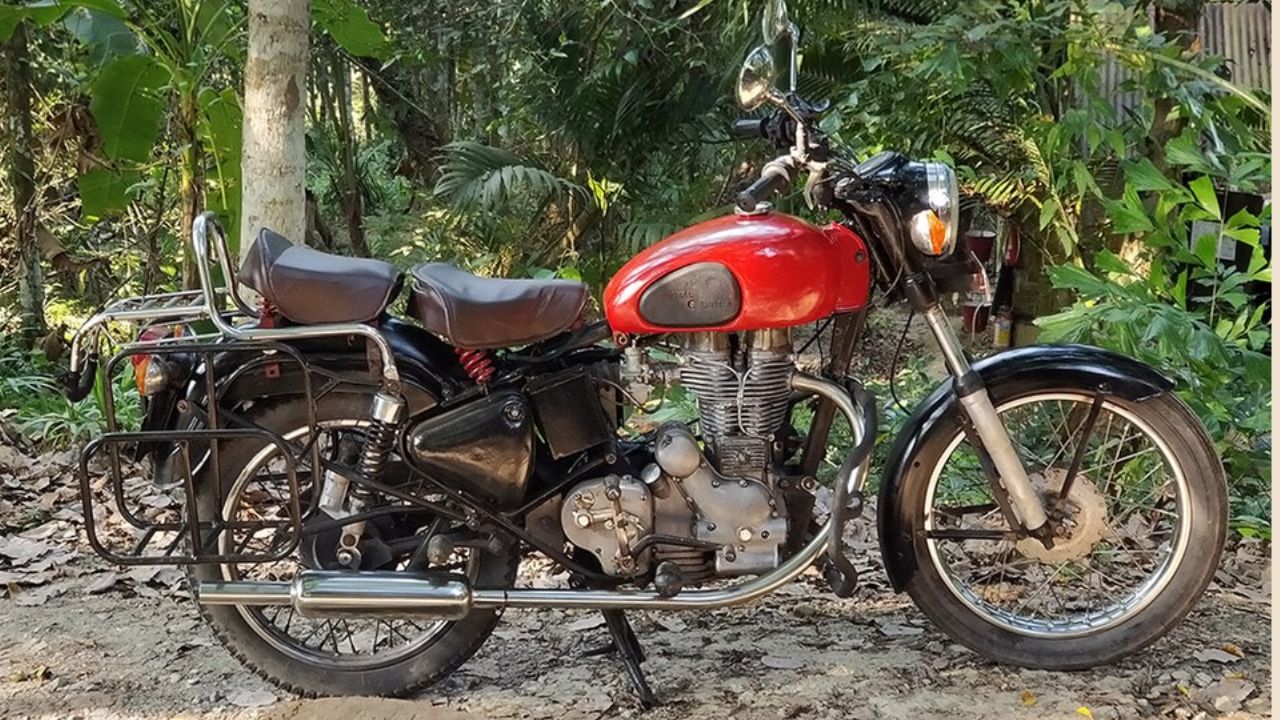
The Royal Enfield Bullet, in continuous production since 1932, is celebrated for its timeless classic design and rugged performance. With a 350cc single-cylinder engine, it provides a unique riding experience characterized by its charm and simplicity. Mechanics admire the Bullet for its straightforward engineering, which allows for easy repairs and customization. Its iconic styling and robust construction make it a favorite among riders seeking a classic motorcycle experience. The Bullet’s rich history and enduring legacy ensure its status as a beloved classic that mechanics and enthusiasts continue to admire.
Laverda Jota
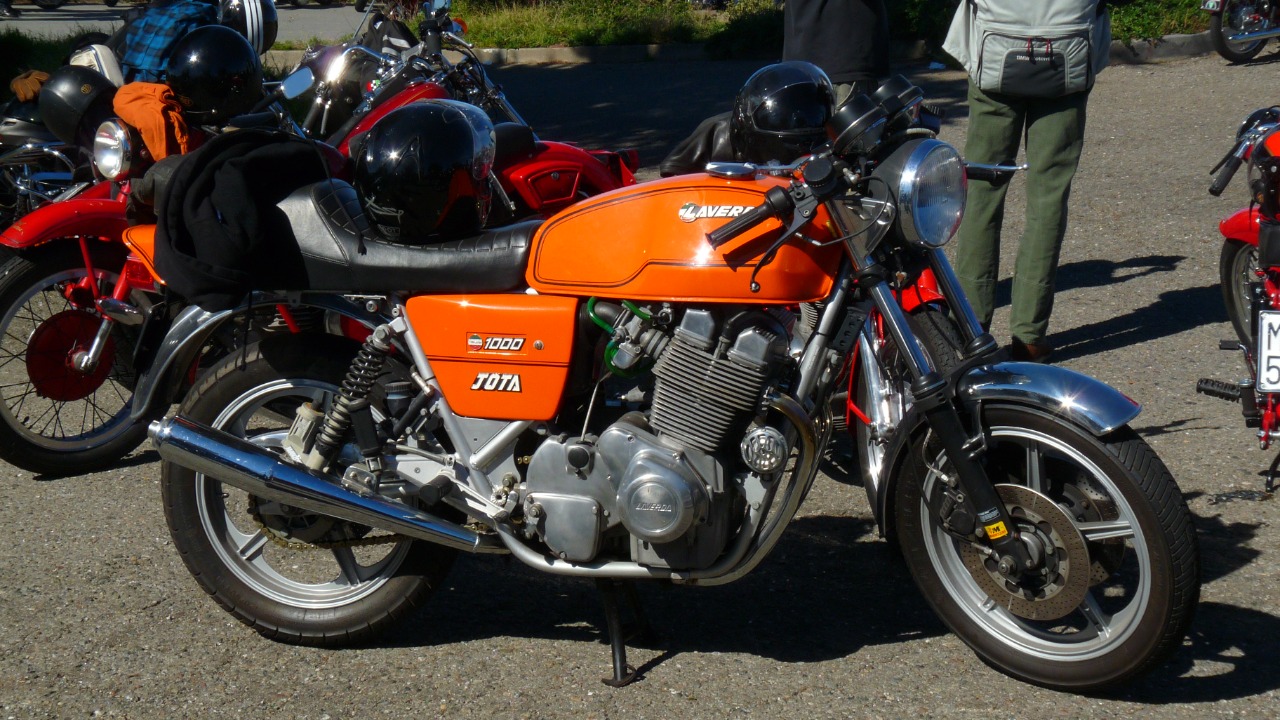
The Laverda Jota, produced in the 1970s, is known for its remarkable performance and distinctive styling. Featuring a 981cc triple engine, it offers an exhilarating ride that mechanics respect for its power and handling. The Jota’s innovative design, including a unique frame and suspension system, enhances its agility on the road. Mechanics appreciate the bike’s engineering rigor, which allows for straightforward maintenance and tuning. Its racing heritage and limited production run have made it a sought-after model among collectors, ensuring its status as a classic admired by both riders and technicians.
Kawasaki H2 Mach IV
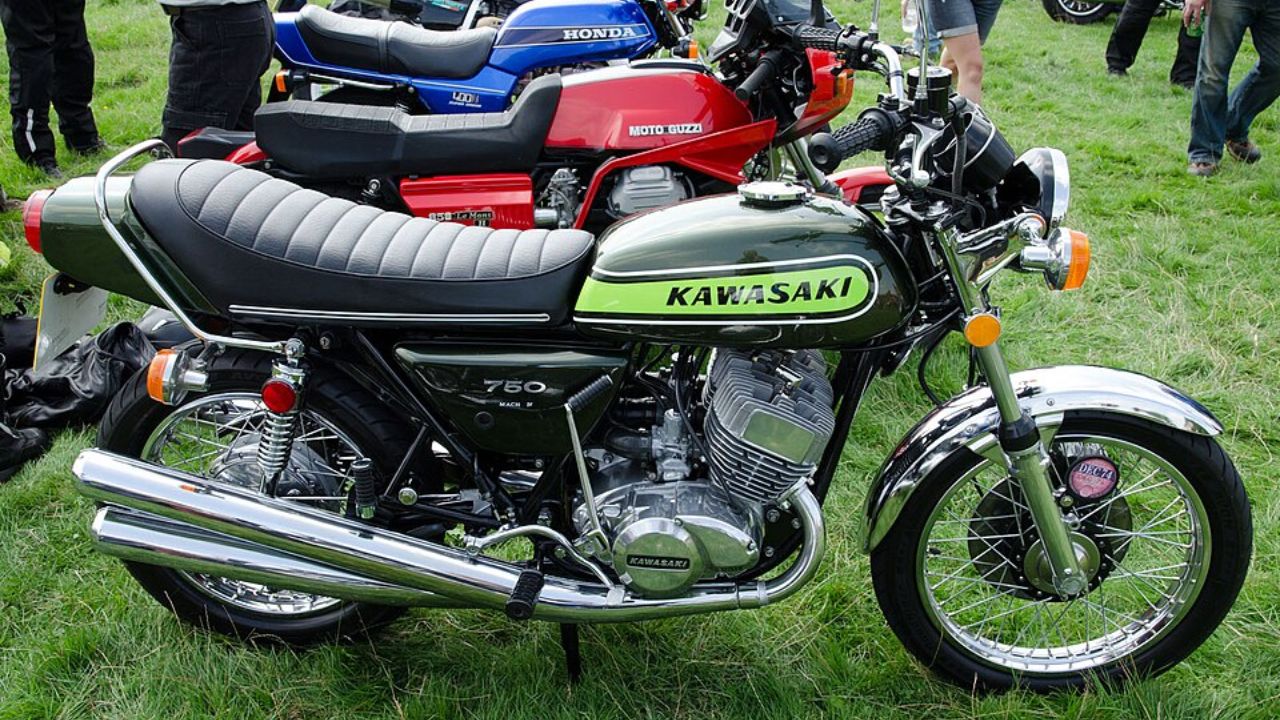
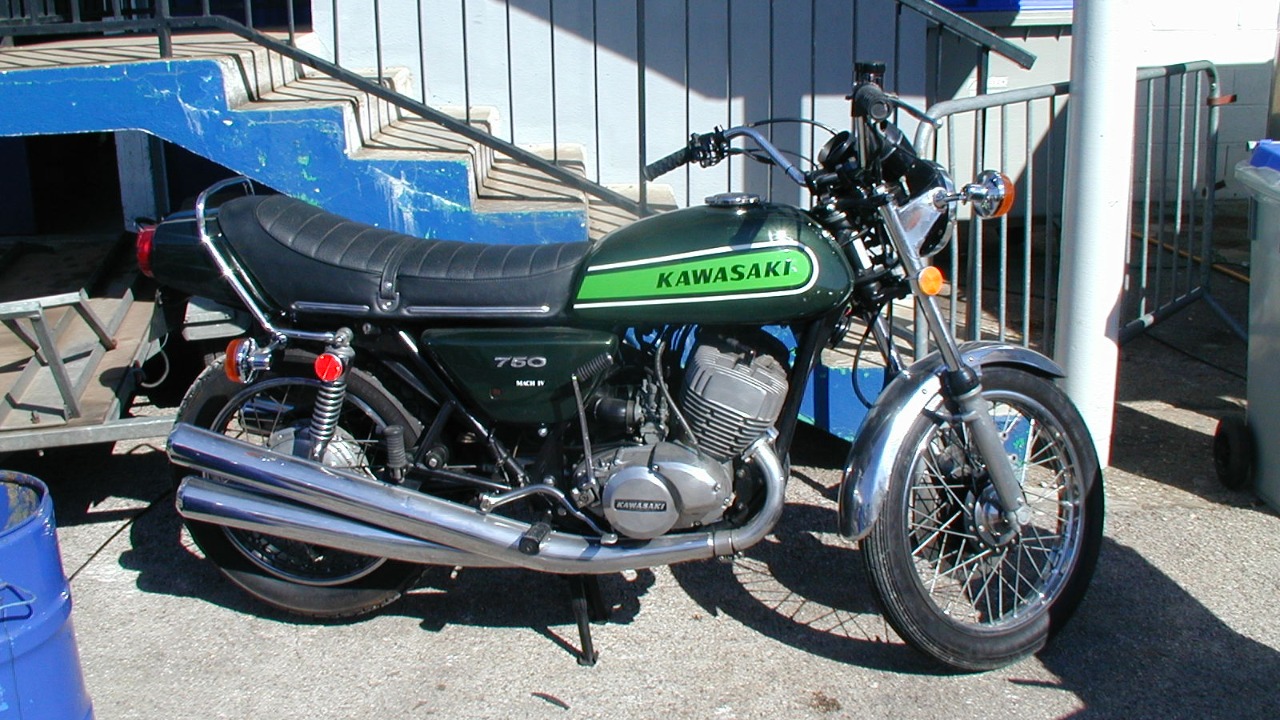
The Kawasaki H2 Mach IV, introduced in 1971, is a legendary motorcycle that became famous for its raw power and speed. With a 748cc two-stroke triple engine, it delivered performance that was unparalleled for its time. Mechanics admire the H2 for its innovative engineering, including a robust frame and advanced suspension. Its aggressive styling and racing pedigree have made it a favorite among motorcycle enthusiasts. The H2’s reputation as a high-performance machine ensures that it remains a classic admired for its engineering excellence and historical significance in the world of motorcycling.
Matchless G80
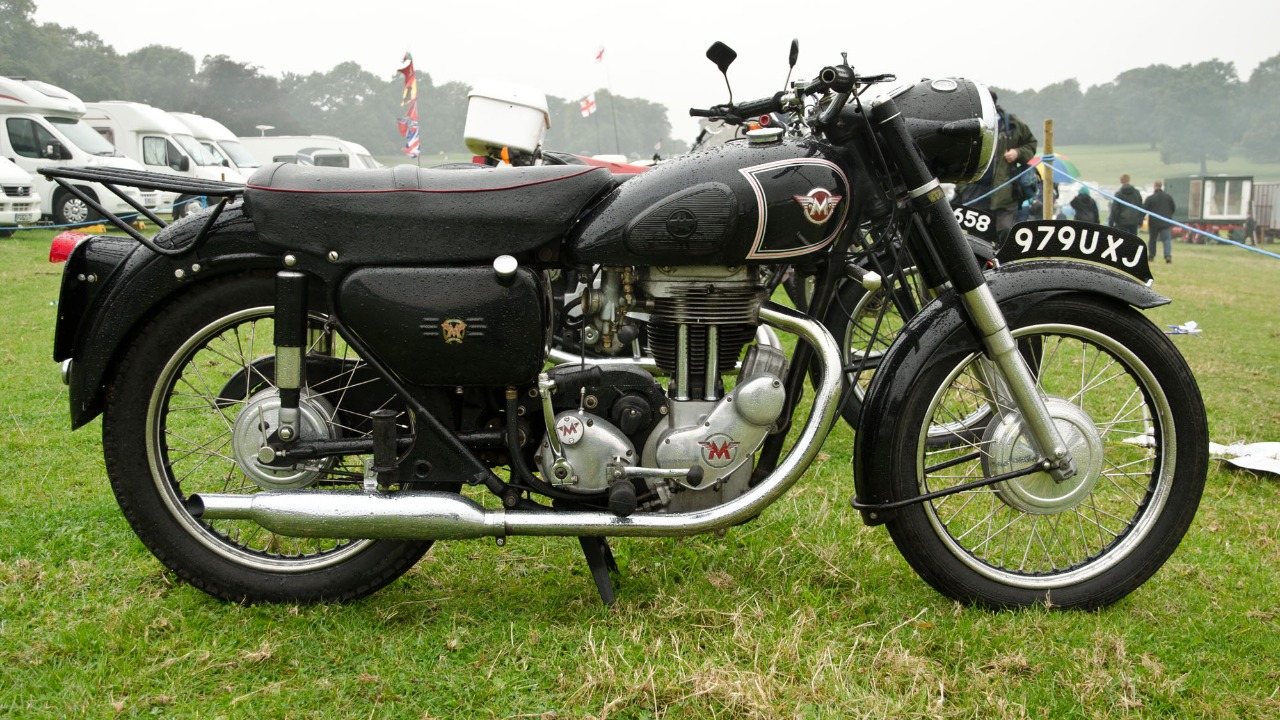
The Matchless G80, produced from the late 1940s to the early 1960s, is a classic British motorcycle known for its reliability and performance. With a 500cc single-cylinder engine, it offers a straightforward riding experience that mechanics appreciate for its simplicity and ease of maintenance. The G80’s robust construction and timeless design have made it a favorite among enthusiasts seeking a piece of motorcycle history. Its presence in classic racing events has solidified its status as a respected motorcycle. The Matchless G80 remains a cherished classic, admired by both riders and mechanics for its enduring legacy in motorcycling.
More from Fast Lane Only