Some trucks seem to get more impressive as the odometer climbs. While no pickup is genuinely immune to wear, certain trucks have developed reputations for piling up serious mileage while their engines, drivetrains, and chassis keep doing the jobs they were built to handle. The secret usually isn’t magic. It comes down to conservative engineering, durable engines, simple mechanical systems, and owners who were willing to maintain a good truck instead of replacing it.
From compact Japanese pickups to heavy-duty American workhorses, these are the trucks that have repeatedly shown they can survive years of commuting, hauling, towing, farm work, and general abuse. A high odometer reading doesn’t automatically make one worthless. On some of these trucks, it can be evidence of just how much useful life they have already delivered.
Dodge D100 Sweptline
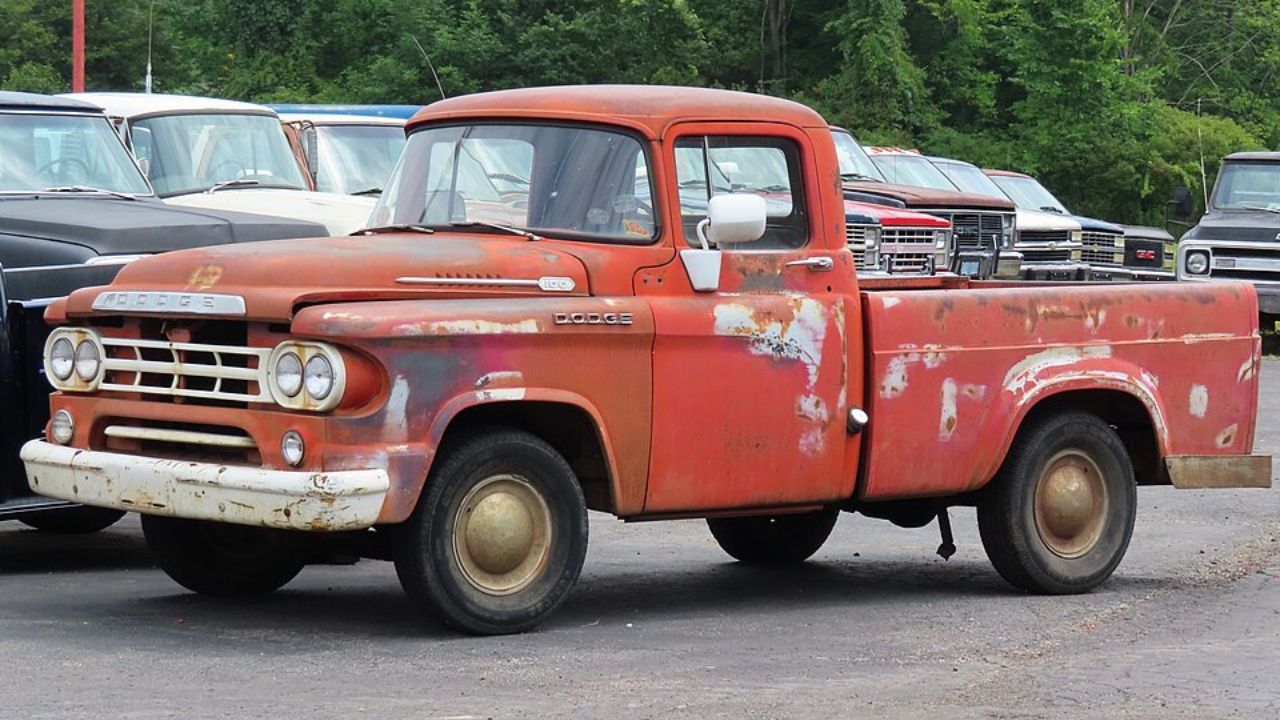
Dodge’s all-new 1961 pickups looked nothing like the dated trucks they replaced, and the D100 with the Sweptline box became the basis for a reputation that still holds up. The bigger news was under the hood. The new Slant Six, a valve-in-head design canted at 30 degrees, replaced the old L-head six, and by 1964 the 225-cubic-inch version was standard in half-ton pickups. By 1962, nearly 70 percent of Dodge pickups were leaving the factory with a slant six, and owners have long described the 225 as close to indestructible.
The truck around that engine was built for work. Early four-wheel-drive W100 models even used full-floating rear axles shared with three-quarter-ton trucks, and the New Process transmissions were designed for heavy duty. The cabs were plain and the ride was stiff, but that simplicity is exactly why so many of these trucks are still running decades later, often with their original 225 still on the job.
Toyota Pickup
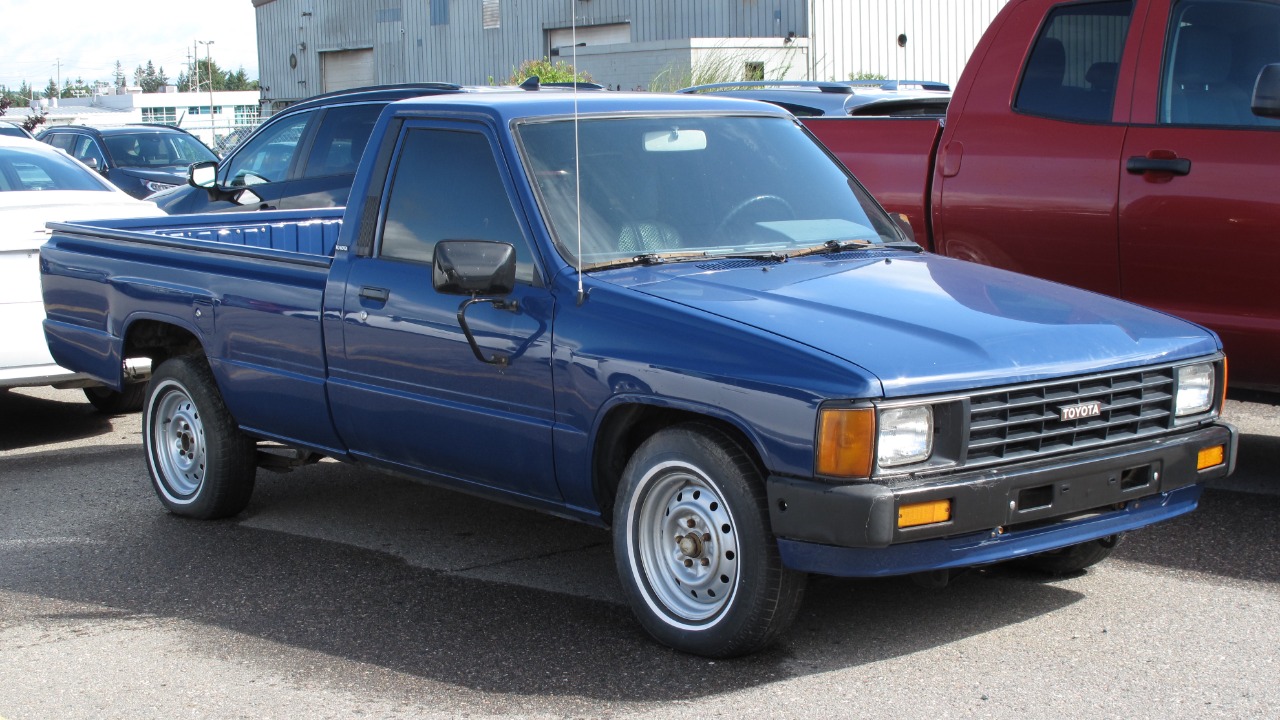
Before the Tacoma name took over in North America, Toyota’s compact pickup had already built an enormous reputation for durability. The 1984-1988 and 1989-1995 generations are particularly remembered by enthusiasts because they combined a relatively light chassis with simple engines, manual transmissions, and mechanical systems that weren’t burdened with the complexity found in newer trucks. The famous 22R and 22RE four-cylinder engines helped establish the Toyota truck reputation in the first place, with production of the 22R family continuing through the mid-1990s.
A Toyota Pickup with several hundred thousand miles can look almost ordinary until you consider what it has accomplished. Many spent decades carrying tools, commuting, exploring dirt roads, or serving as basic transportation. They weren’t designed to be collector pieces, which makes their survival even more impressive. A clean example with a documented maintenance history can still feel like a truck that has plenty of work left to do.
Isuzu P’up
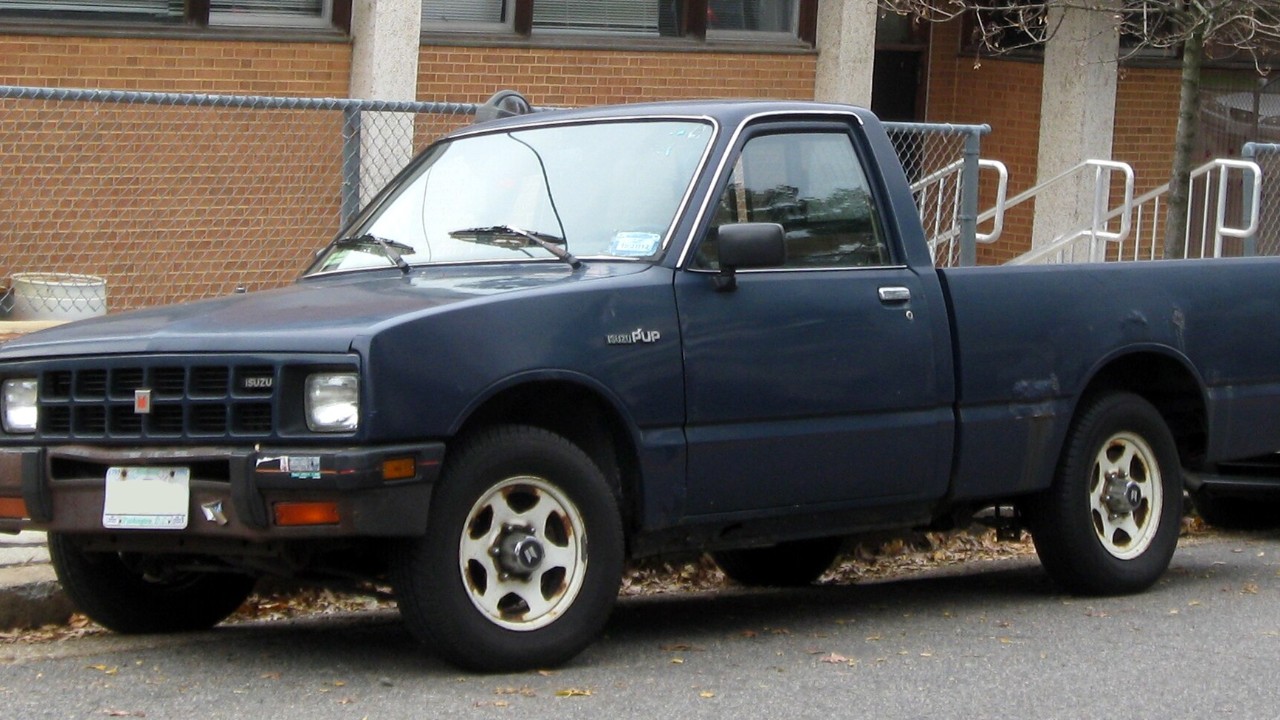
Isuzu’s compact pickup first reached many American buyers wearing a Chevrolet LUV badge, but in 1981 Isuzu began selling it under its own name as the P’up, short for pickup. Derived from the Isuzu Faster, it was a simple body-on-frame truck offered with gasoline four-cylinders or a 2.2-liter diesel. The diesel was remarkably frugal, returning about 44 mpg on the highway in launch-era EPA testing, and a turbodiesel was added later in the decade. A 1985 facelift kept it current until a new truck replaced it around 1988.
The P’up was never quick. A 1982 Popular Mechanics test recorded a quarter-mile time of just over 20 seconds. But its unstressed engines and straightforward hardware made it a dependable work truck, and owners have reported trucks reaching 330,000 miles. Rust and head gaskets are the usual weak points, and few survivors remain after four decades, but the ones still around tend to carry big mileage and keep earning their keep.
Toyota Tundra
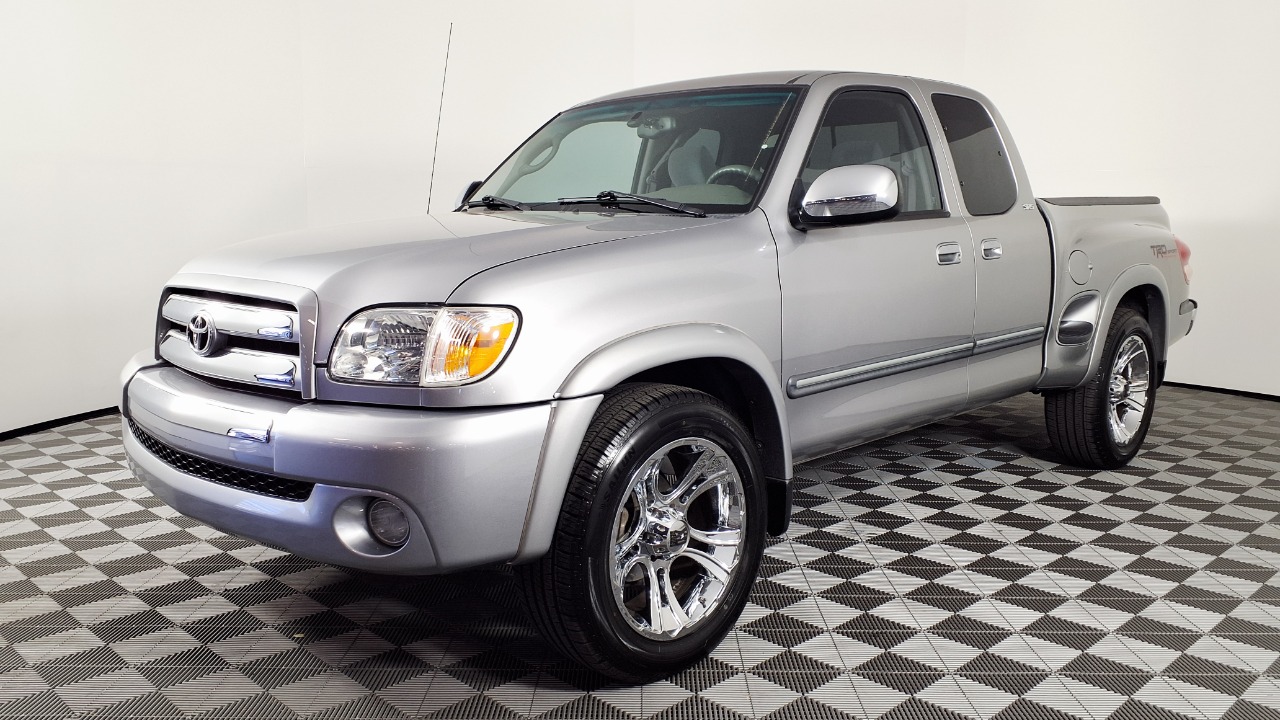
When Toyota entered the full-size pickup market with the first-generation Tundra, it wasn’t trying to imitate every detail of the domestic trucks. Instead, it offered a relatively refined full-size pickup built around Toyota’s own approach to durability. Early Tundras used the 4.7-liter 2UZ-FE V8, an engine that also appeared in other Toyota vehicles where durability was considered important. That gave the truck a drivetrain with a reputation that extended well beyond the pickup market.
First-generation Tundras are now old enough that condition matters more than the badge, but high-mileage examples can still be surprisingly convincing. The body may show years of work, the suspension may need attention, and the interior can look thoroughly used, yet the underlying drivetrain may continue to provide dependable service. That’s why an older Tundra with a large number on the odometer doesn’t necessarily tell the whole story. For owners who maintained them properly, high mileage became more of a measurement of service already completed than an automatic expiration date.
Ford F-150 with the 300 Inline-Six
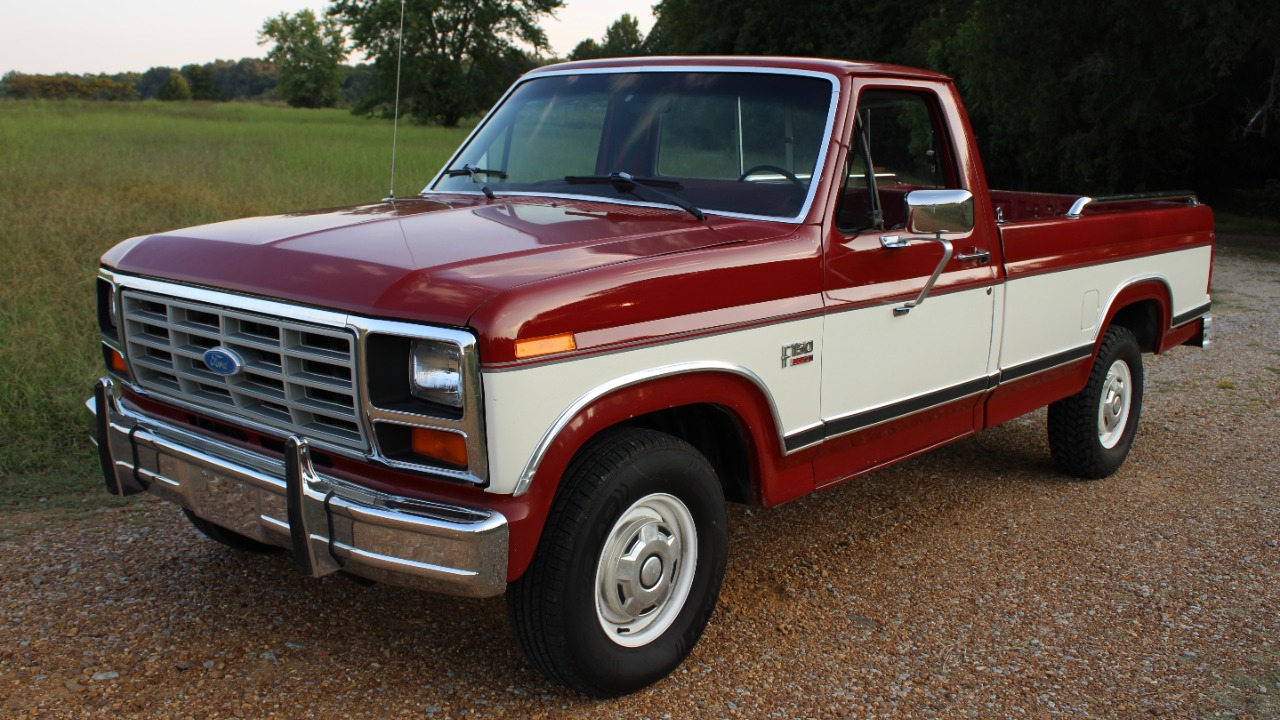
The Ford 300-cubic-inch inline-six has become one of the legendary engines of American pickup history. Used in Ford trucks for decades, the 4.9-liter six-cylinder was never about spectacular horsepower. Its appeal came from torque, simplicity, and an ability to tolerate the sort of daily abuse that destroyed less durable engines. It was common in work-oriented F-Series pickups where reliability and ease of repair mattered considerably more than acceleration.
The surrounding truck also benefited from that philosophy. A 1970s or 1980s F-Series with a 300 six could be basic almost to a fault, but there was very little mystery involved in keeping it running. These trucks were frequently used by tradesmen, farmers, municipalities, and businesses that simply needed them to start every morning. That working environment helped build the engine’s reputation. Owners weren’t impressed because the truck was luxurious. They were impressed because it kept coming back for another day of work.
Ford F-150 with the 4.6 Triton V8
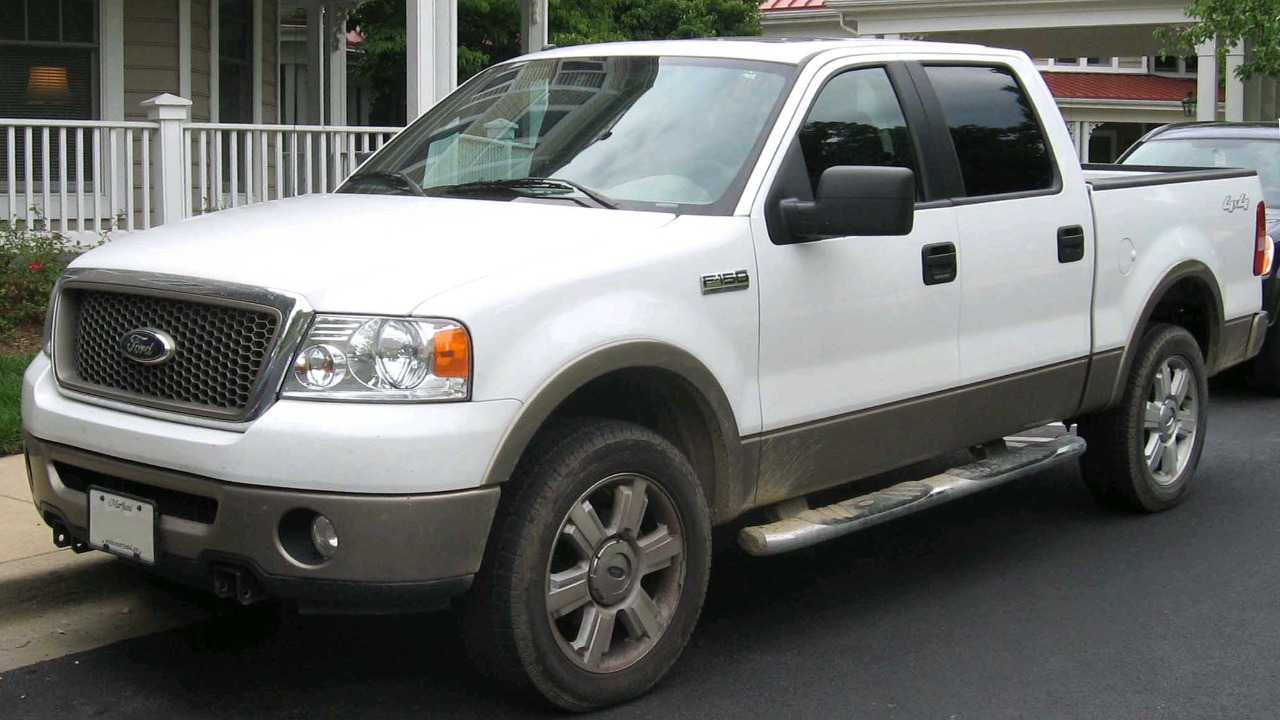
The 4.6-liter Triton V8 doesn’t have quite the same folklore as Ford’s old 300 six or the later 7.3 Power Stroke, but certain F-150s equipped with it have proven capable of accumulating serious mileage. The engine appeared in millions of Ford vehicles, giving it an enormous parts and knowledge base. That matters when a truck reaches the age where routine maintenance begins to matter more than the original warranty ever did.
The late-1990s and early-2000s F-150s also benefited from being relatively straightforward by modern standards. They had enough electronic equipment to feel contemporary without the enormous network of modules and driver-assistance systems found on current pickups. A properly maintained example can therefore remain useful long after its odometer has passed numbers that would make many buyers nervous. The key is finding one that has been maintained rather than simply driven until something failed.
Ford Super Duty with the 7.3 Power Stroke
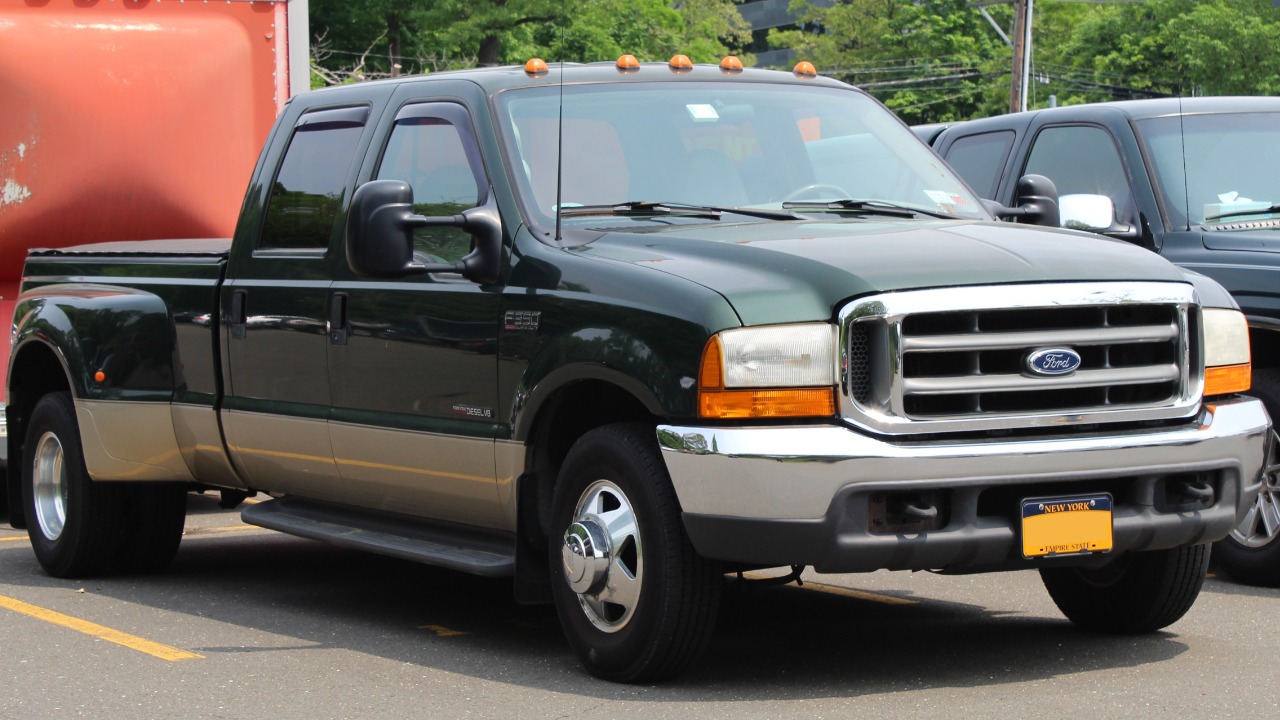
Few diesel pickups have developed a more loyal following than Ford’s 7.3 Power Stroke. Offered in the Super Duty beginning in 1999, the 7.3-liter turbocharged diesel became popular with people who needed a truck capable of serious towing and hauling without constantly feeling fragile. Its relatively conservative output by modern diesel standards was part of its appeal. Ford wasn’t trying to extract enormous horsepower from a small-displacement engine, and the resulting package developed a reputation for durability.
The trucks themselves were built for heavy-duty service, with the F-250 and F-350 sitting on substantially stronger foundations than ordinary half-ton pickups. Many were purchased specifically for trailers, construction equipment, farm work, and commercial duties. That means a high-mileage 7.3 Super Duty may have worked extremely hard, but it was designed for exactly that kind of life. A 200,000-mile example with good records can therefore tell a very different story from a neglected truck with half that mileage.
Chevrolet C/K with the Small-Block V8
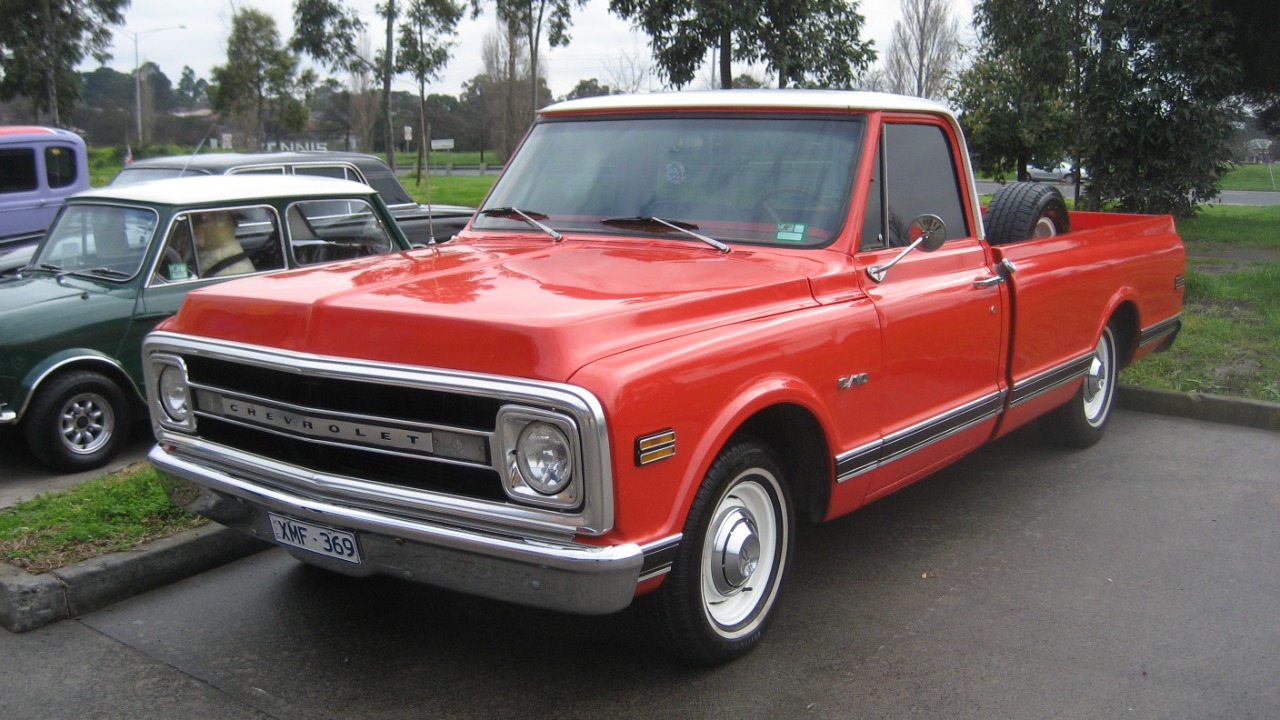
The Chevrolet C/K family covers a huge range of trucks, but the versions equipped with small-block V8s became especially well known for their ability to keep working. The 350-cubic-inch Chevrolet small-block was produced in enormous numbers, and its simple architecture, huge aftermarket, and widespread mechanic familiarity make it one of the easiest classic truck engines to keep alive.
That doesn’t mean every C/K with a 350 will casually run forever. Age introduces rust, worn suspension components, tired transmissions, electrical problems, and plenty of other issues. The difference is that the mechanical foundation is unusually well supported. A worn engine can be rebuilt, transmissions can be replaced, and replacement parts are plentiful. On a 1970s or 1980s C/K, high mileage doesn’t necessarily end the truck’s useful life. Sometimes it simply means another chapter of maintenance has begun.
Chevrolet C/K 1500 GMT400

The GMT400 generation, introduced for the 1988 model year, hit a sweet spot between old-school simplicity and modern usability. These trucks were still conventional body-on-frame pickups, but they offered better road manners, more comfortable interiors, and increasingly sophisticated fuel-injected engines. The 5.7-liter small-block V8 became one of the most familiar powerplants in the lineup, while the 4.3-liter V6 gave buyers a simpler and often economical alternative.
What makes the GMT400 particularly interesting at high mileage is the sheer number of them that were used as working trucks. They weren’t rare collector vehicles when new. They were bought by contractors, farmers, fleets, commuters, and people who simply needed a pickup. That widespread use created a massive knowledge base and parts supply. Owners of high-mileage examples often have the option of repairing almost anything rather than treating the truck as disposable. Reports from owners include C/K 1500s reaching well beyond 200,000 miles and some approaching or exceeding 300,000 with continued maintenance.
Chevrolet Silverado 1500 GMT800
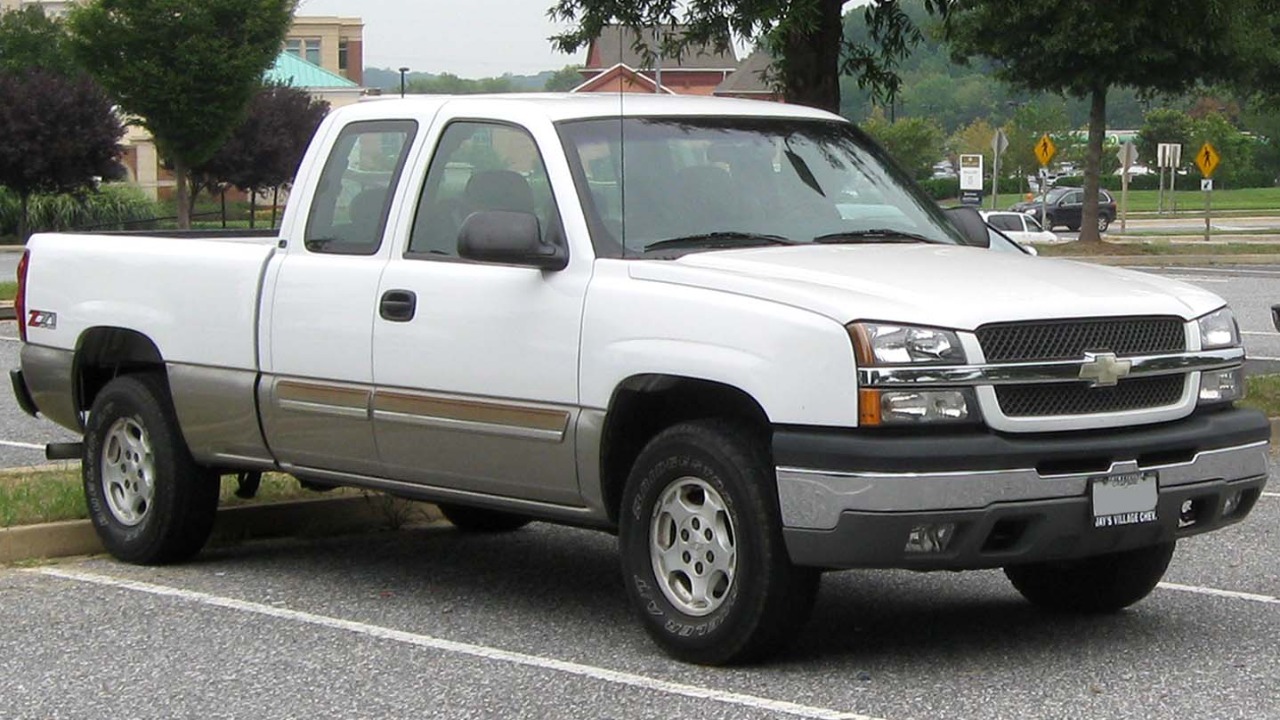
The GMT800 Silverado arrived for 1999 and represented a major modernization of Chevrolet’s full-size pickup without completely abandoning traditional truck engineering. The 4.8-liter and 5.3-liter V8s became especially common, while the 6.0-liter was available in heavier-duty applications. Millions of these trucks were sold, and their popularity means there is still extensive knowledge surrounding their engines, transmissions, suspension, and electrical systems.
The 5.3-liter V8 is particularly associated with high-mileage Silverados, although condition varies enormously between individual trucks. A well-maintained GMT800 can feel remarkably usable even after years of service because the basic truck remains familiar and mechanically accessible. High mileage still means inspecting the transmission, suspension, cooling system, and body carefully, but the platform has enough durability and parts support to make major repairs worthwhile when the rest of the truck is sound.
Dodge Ram 2500 with the 5.9 Cummins
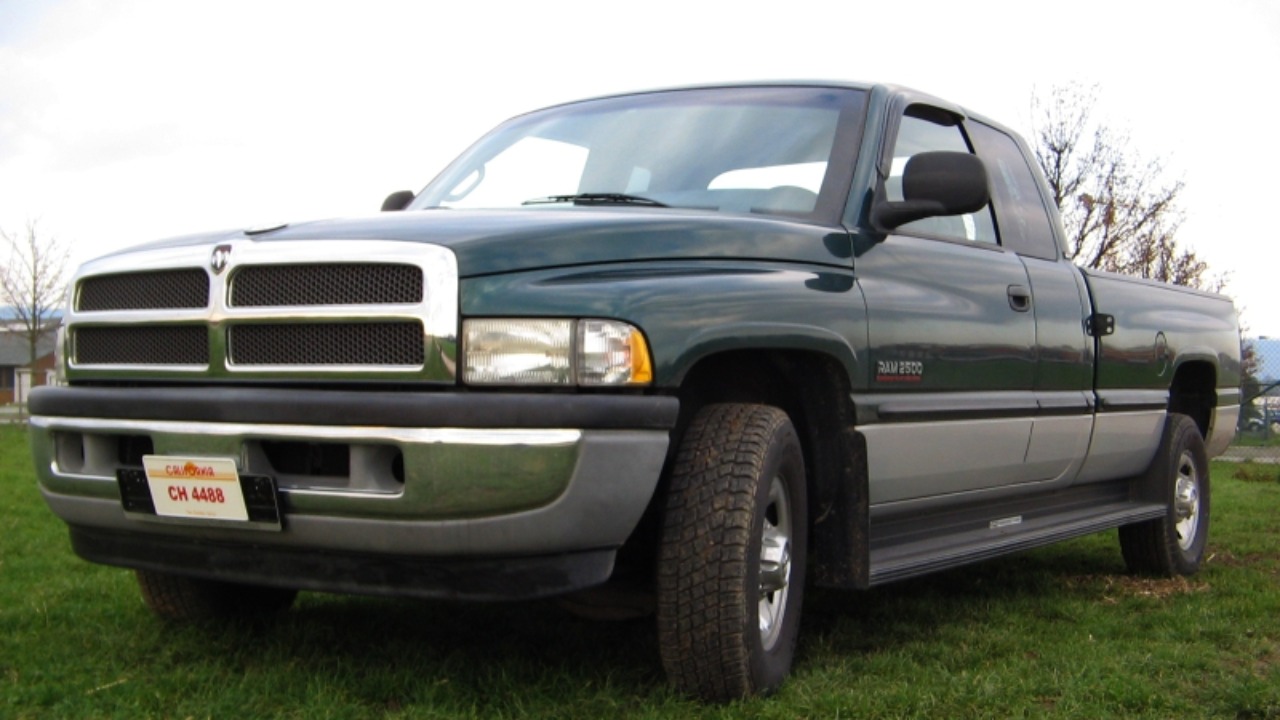
The second-generation Dodge Ram 2500 with the 5.9-liter Cummins diesel has become one of the most recognizable high-mileage work trucks in the used-truck world. The combination of a large-displacement inline-six diesel and a heavy-duty chassis appealed directly to buyers who needed to tow substantial loads. The Cummins engine’s reputation for longevity also helped the Ram become a favorite among owners who planned to keep their trucks for many years.
The 5.9 Cummins wasn’t designed around extracting maximum horsepower from every cubic inch. Its relatively large displacement and straightforward inline-six layout gave it a different character from newer high-output diesels. That matters when the odometer climbs. A high-mileage Ram still needs attention to injectors, cooling systems, transmissions, steering components, and the rest of the truck, but the engine itself became famous for surviving years of hard use. For many owners, the question wasn’t whether the truck would reach high mileage, but how long they could keep the rest of it together.
Jeep J10
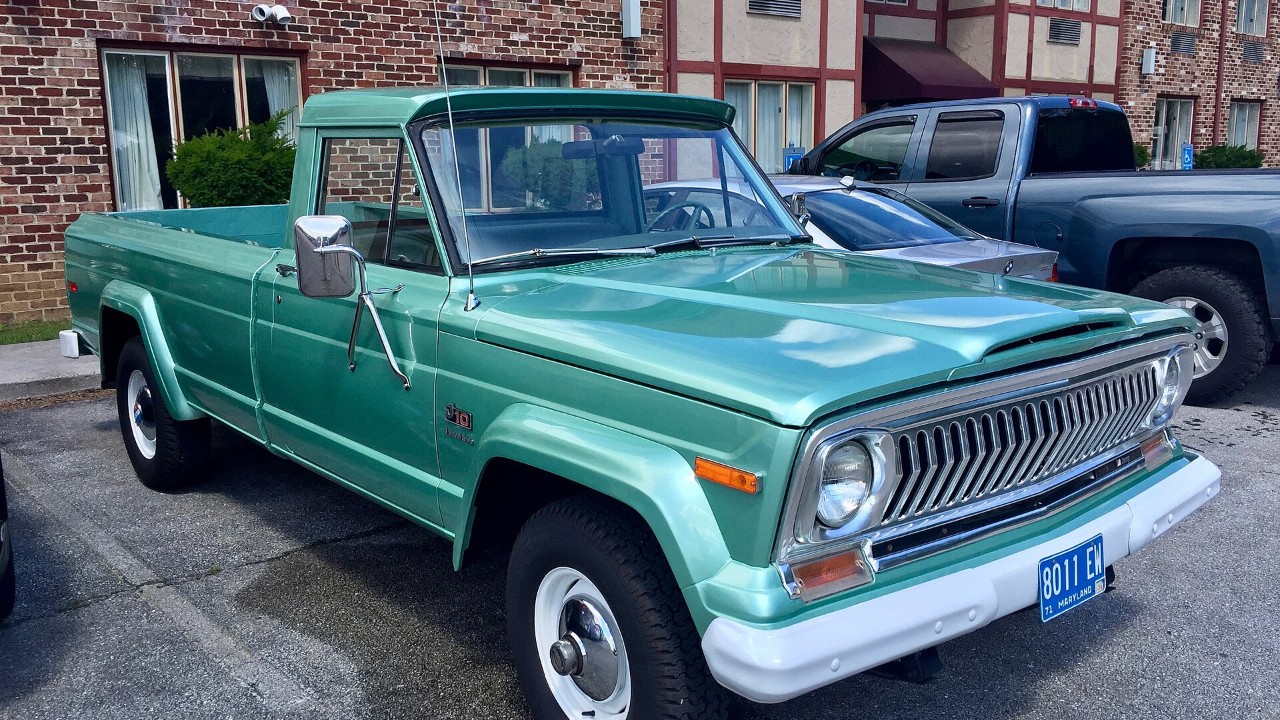
The Jeep J10 was the half-ton version of the full-size J-series pickup, built on the same SJ platform as the Wagoneer and Cherokee. The J10 name arrived for 1974, along with front disc brakes, a new front axle, six-stud wheels, and heavier frame cross members, and it rode on 119- or 131-inch wheelbases. The basic truck stayed in production with only minor mechanical changes until the late 1980s, which says a lot about how right the original formula was.
The most common engines were the AMC 258 inline-six, widely regarded as one of the most reliable engines ever built, and the AMC 360 V8. Typical combinations paired them with a 727 automatic or a T177 four-speed manual, and the military also favored J-series trucks for harsh environments. One 1985 J10 that spent 30 years as a North Carolina farm truck still ran, shifted cleanly, and had a rust-free frame. Body rust is the usual enemy, so a solid frame and cab matter more than the odometer.
Nissan Hardbody D21
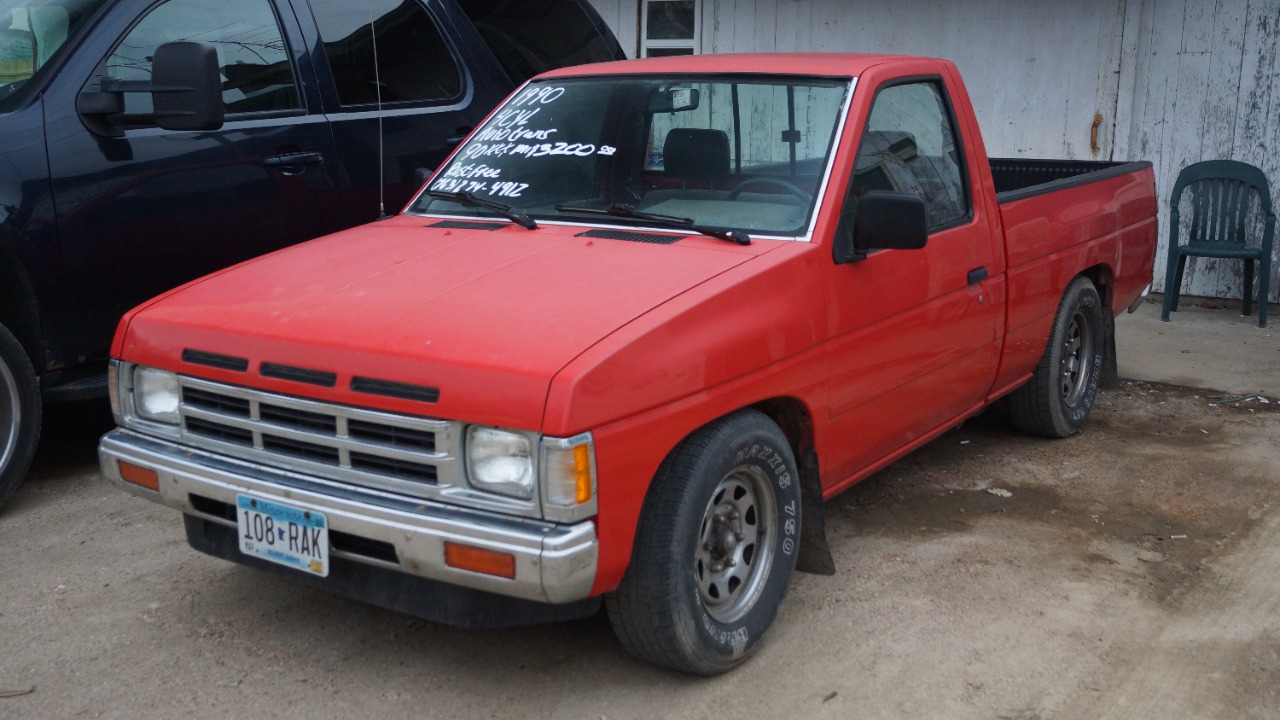
The Nissan D21, better known as the Hardbody, developed a reputation for toughness during the 1980s and 1990s. Its squared-off styling matched its straightforward mechanical character, with four-cylinder and V6 engines, body-on-frame construction, and a relatively uncomplicated interior. These were compact trucks built to be useful rather than impressive, and that worked in their favor as they aged.
Many Hardbodies were used for construction, landscaping, commuting, and off-road recreation. That means surviving examples have often lived surprisingly demanding lives. Yet the platform’s mechanical simplicity made it possible for owners to keep repairing them instead of abandoning them. The trucks also occupy a useful size category that newer pickups have largely abandoned. A D21 with a healthy drivetrain and a solid frame can still be a remarkably practical machine, even when the odometer has moved deep into six figures.
Nissan Frontier D22
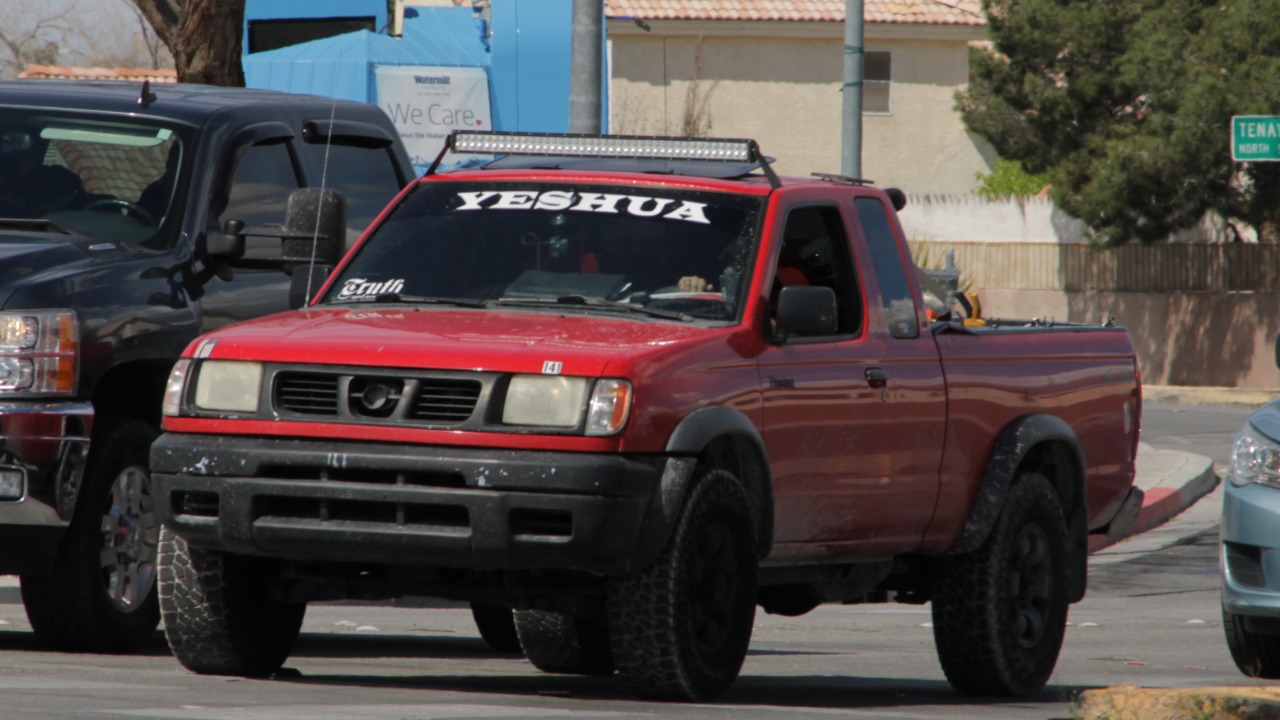
The second-generation Nissan Frontier’s D22 predecessor continued the basic compact-truck philosophy into the 1990s. In markets where it was sold under various names, the platform became known for its conventional construction and relatively simple mechanical layout. The trucks weren’t designed to be rolling luxury vehicles, and that lack of complexity helped them remain useful as the years accumulated.
The D22 generation is especially appealing to people who want an older pickup that can still fit comfortably into everyday life. Its dimensions are manageable, the mechanical layout is familiar, and the trucks were available with engines that were not particularly exotic. High mileage can still bring the usual problems, including worn suspension, cooling components, rust, and neglected maintenance. But when those issues have been addressed, the basic truck can continue doing what it was designed to do without requiring the owner to understand an entire computer network just to diagnose a minor problem.
Mazda B-Series
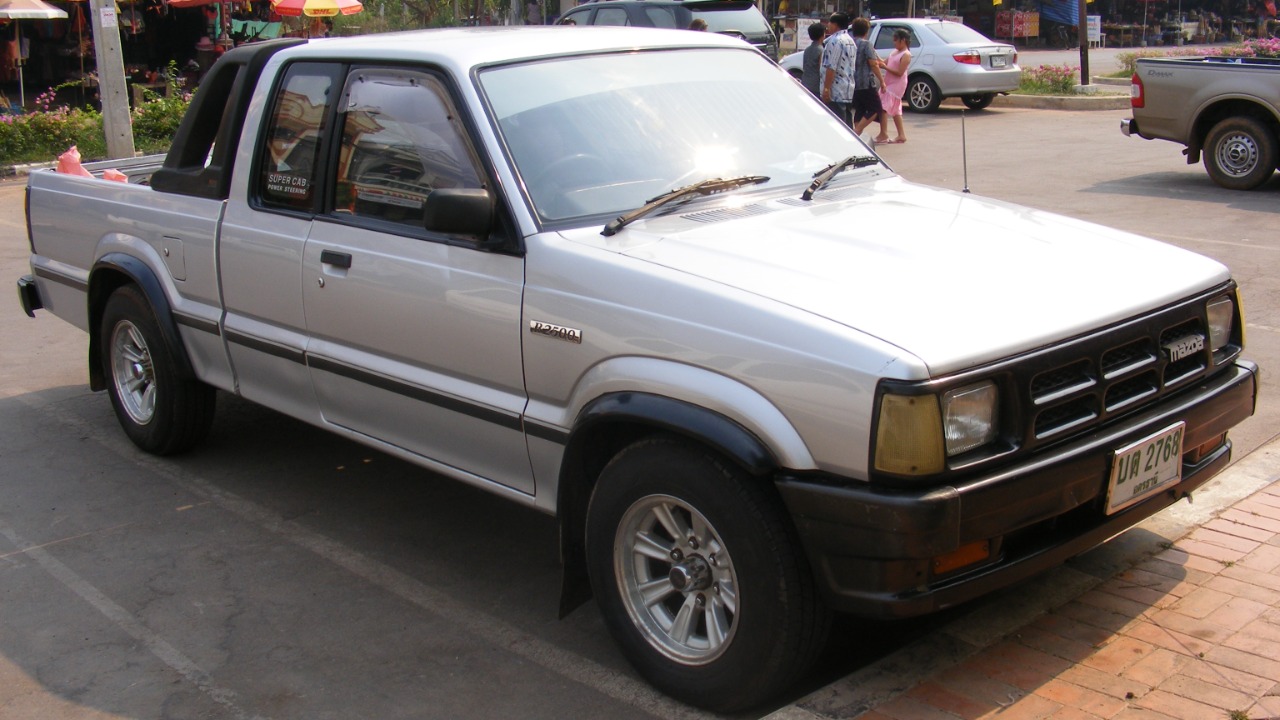
Mazda’s B-Series pickups spent years competing in the same compact-truck market as Toyota, Nissan, Ford, and Chevrolet. The later B-Series trucks are particularly interesting because some shared substantial mechanical and structural components with Ford’s Ranger, giving them access to a broad supply of parts and repair knowledge. That commonality can be a major advantage when a vehicle gets old.
The B-Series was also the kind of truck people tended to keep because it was inexpensive to operate and easy to understand. A four-cylinder version wasn’t going to win a drag race, but it could handle commuting, light hauling, and daily chores without demanding the fuel consumption of a full-size V8. When high mileage arrives, that basic character can become an advantage. A well-maintained B-Series may have plenty of cosmetic wear while remaining mechanically useful, which is exactly what many owners want from an old pickup.
GMC Sierra GMT800
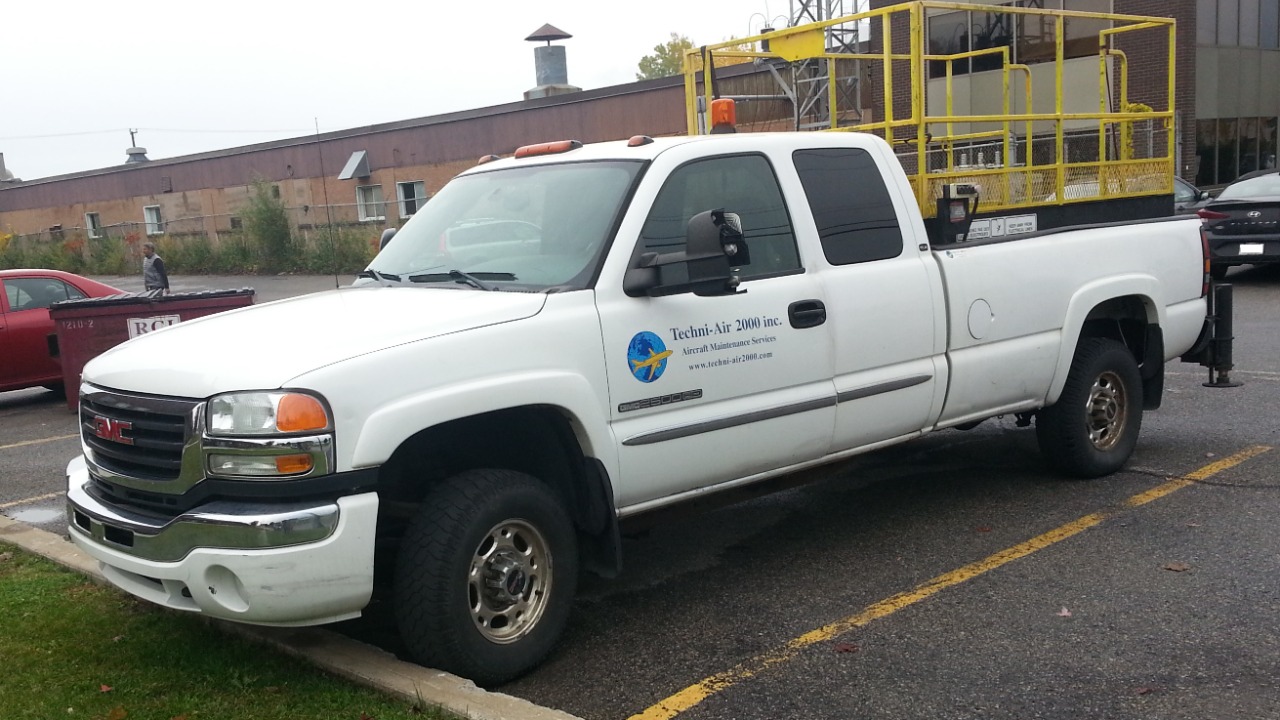
The GMT800 platform wasn’t exclusive to Chevrolet. GMC’s Sierra version used much of the same mechanical foundation, giving buyers the same basic combination of traditional body-on-frame construction and modernized powertrains. The 4.8-liter, 5.3-liter, and 6.0-liter V8 families gave the trucks plenty of choices, depending on whether the buyer needed an everyday pickup or something capable of heavier work.
High-mileage Sierras benefit from the same enormous parts supply that helps their Chevrolet relatives stay alive. The trucks were everywhere during their prime, and that means mechanics have encountered virtually every common failure and repair scenario. A 250,000-mile Sierra isn’t automatically a bargain, but it also isn’t automatically finished. The condition of the frame, transmission, cooling system, suspension, and maintenance history matters far more than the odometer alone. That is a useful distinction with any older work truck.
International Harvester Scout II Pickup
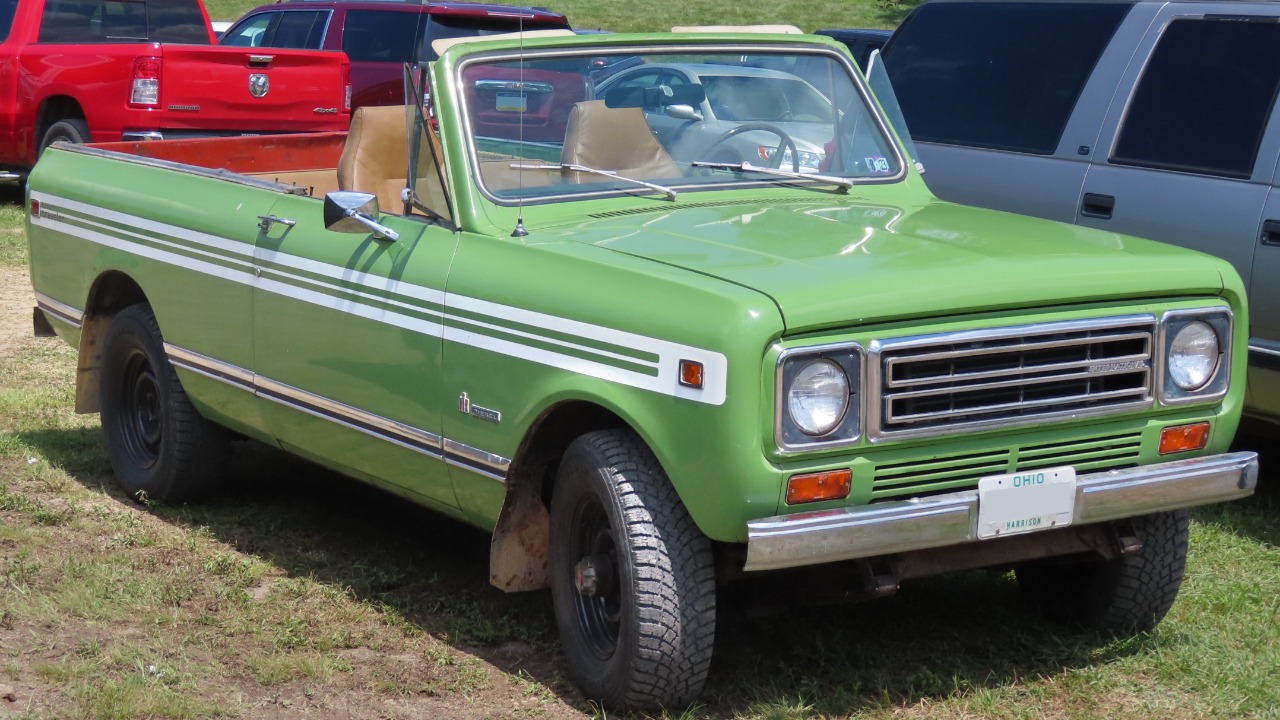
The Scout II is usually remembered as an early sport-utility vehicle, but International Harvester also produced pickup versions that deserve attention from anyone interested in durable old trucks. Built during the 1970s, these machines used conventional body-on-frame construction and rugged mechanical components designed for agricultural, recreational, and utility use.
They are now old enough that rust and previous repairs can matter more than the original engineering. Still, the basic philosophy behind the Scout II pickup was remarkably straightforward. It was intended to operate away from perfectly maintained roads and serve owners who needed a vehicle capable of carrying people and equipment. Surviving examples can therefore be surprisingly durable underneath decades of cosmetic aging. They’re not the easiest trucks to maintain today because parts availability isn’t comparable to a Chevrolet or Ford, but a properly maintained Scout II can still demonstrate why International Harvester developed such a loyal following.
Land Cruiser 70 Series Pickup
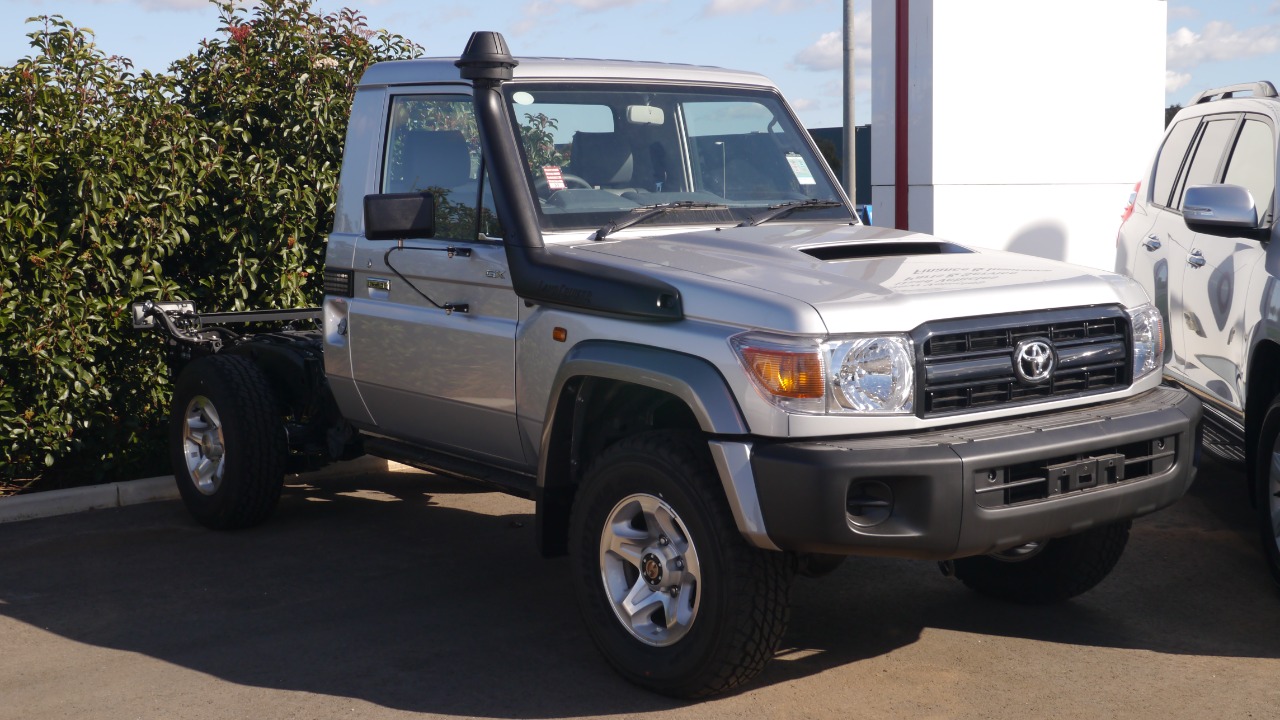
The Toyota Land Cruiser 70 Series pickup occupies a different part of the truck world. In many markets, these vehicles were built for remote work, agriculture, mining, military applications, and places where reliability could be far more important than comfort. Their heavy-duty construction and conservative engineering made them particularly well suited to long service lives.
Some 70 Series pickups have spent years working in environments where a breakdown isn’t merely inconvenient. That helps explain why the platform developed such a serious durability reputation. Diesel versions became especially popular in demanding markets, and Toyota continued developing the 70 Series long after many other manufacturers had moved toward more comfort-oriented designs. A high-mileage example can still require substantial maintenance, but the underlying vehicle was designed with a level of toughness that makes large odometer numbers seem less surprising than they would on an ordinary pickup.
Mitsubishi L200
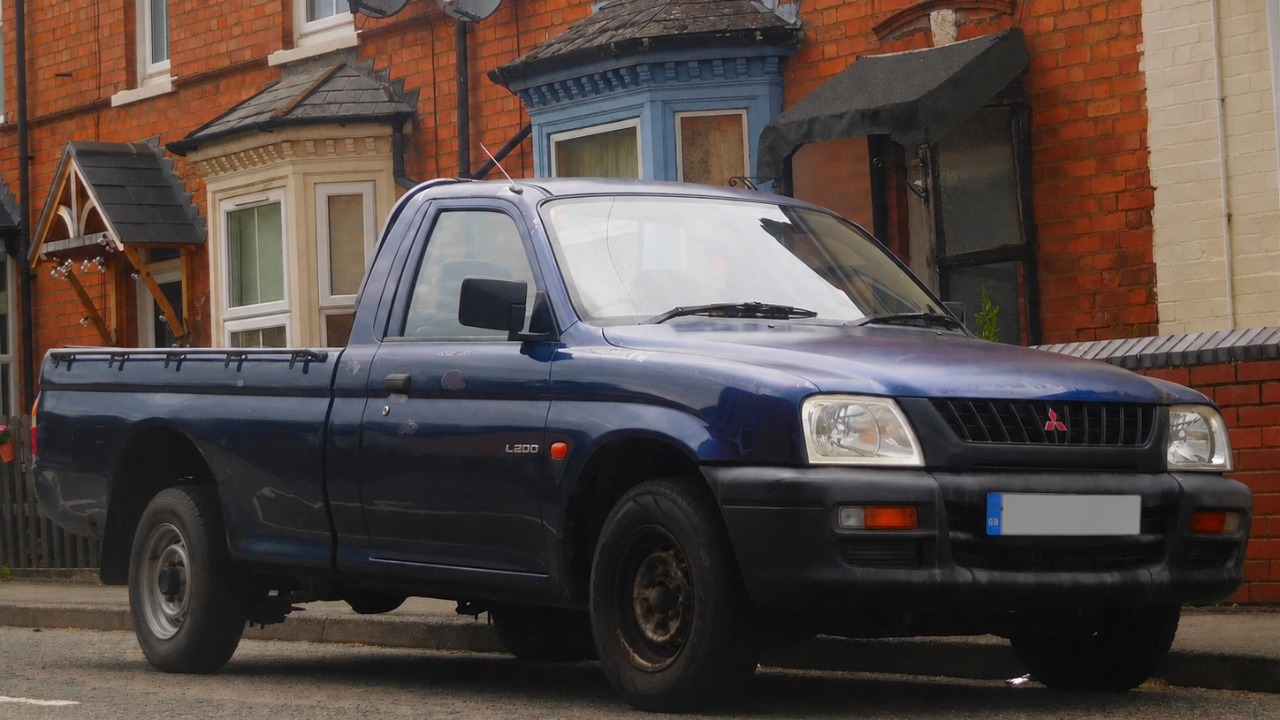
The Mitsubishi L200, also known as the Triton in various markets, has spent decades competing in the global midsize pickup market. Older generations were particularly straightforward, with durable ladder-frame construction and diesel engines that became popular in regions where pickups are expected to serve as everyday work equipment. The L200’s worldwide presence also meant it had to cope with an enormous variety of climates and working conditions.
That global work-truck background is part of its appeal at high mileage. A pickup that can serve as farm transportation, a commercial vehicle, and a family truck has to tolerate plenty of different kinds of use. Older diesel-powered L200s aren’t immune to wear, but their reputation comes from being repairable and usable long after newer vehicles might become expensive to keep. A well-maintained example with a strong drivetrain can continue to make practical sense even when the odometer has accumulated years of hard service.
Chevrolet S-10
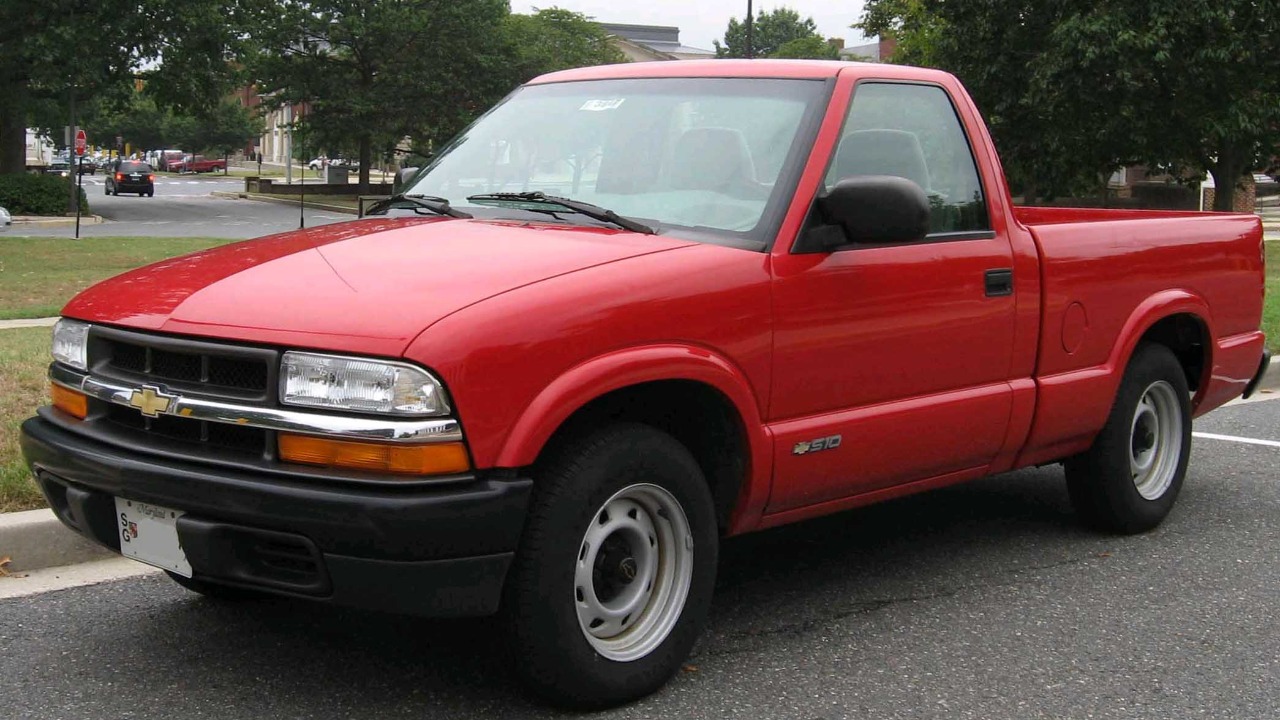
The Chevrolet S-10 was one of America’s most successful compact pickups, and its simple formula helped many examples survive long after their original owners had moved on. Introduced for 1982, the S-10 gave buyers a smaller alternative to full-size C/K pickups while retaining traditional truck construction. Engines ranged from modest four-cylinders to V6 options, depending on the generation and configuration.
The S-10 was rarely treated like an exotic vehicle. It was used by contractors, small businesses, commuters, farmers, and young drivers who wanted an affordable pickup. That ordinary working life is exactly why its surviving high-mileage examples are interesting. These trucks were expected to earn their keep, not sit in climate-controlled storage. Rust, neglected suspension components, and tired transmissions can certainly end the life of an S-10, but a properly maintained truck can keep accumulating miles because its basic mechanical package was never especially complicated. The fact that so many components were shared across GM’s compact-truck lineup also makes long-term repairs easier to justify.