Motorsports have always been at the forefront of innovation, often pushing the boundaries of technology to achieve greater speed, safety, and performance. Over the years, various groundbreaking advancements have quietly transformed racing, enhancing not only the excitement on the track but also the engineering behind each vehicle. Here are seven key innovations that have fundamentally altered the motorsport landscape.
The Introduction of Aerodynamics
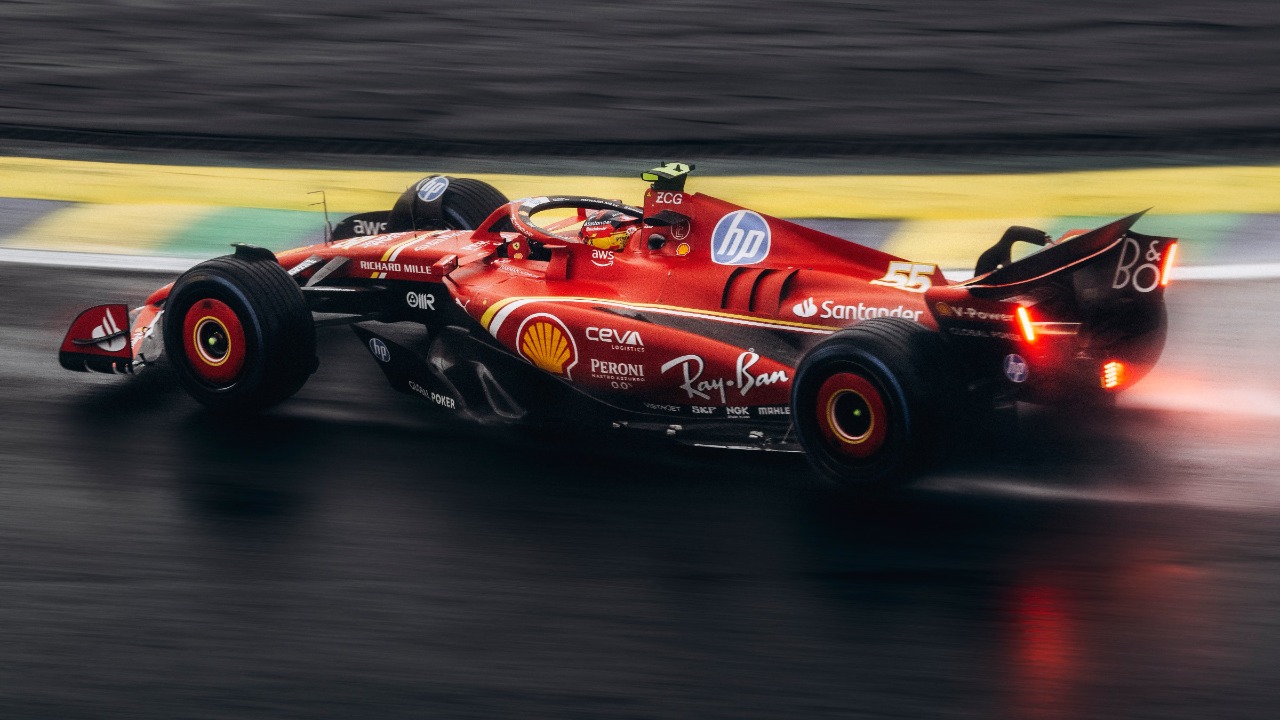
Aerodynamics revolutionized racing in the late 20th century, particularly with the introduction of the Lotus 79 in 1978. This car was one of the first to utilize ground effect, which allowed it to generate significant downforce without excessive drag. By shaping the body and adding wings, engineers discovered that they could enhance cornering speed and stability. The impact of aerodynamics can be seen in modern Formula 1 cars, where every curve and contour is meticulously designed to optimize airflow and minimize resistance. It’s a complex science that has become integral to racing design.
Today, teams employ sophisticated computational fluid dynamics (CFD) simulations to test and refine aerodynamic designs before physical prototypes are even built. The synergy between aerodynamics and performance continues to evolve, with innovations like active aerodynamics making their way into racing. This technology adjusts aerodynamic elements on-the-fly, allowing teams to adapt to changing track conditions for maximum efficiency.
The Rise of Telemetry Systems
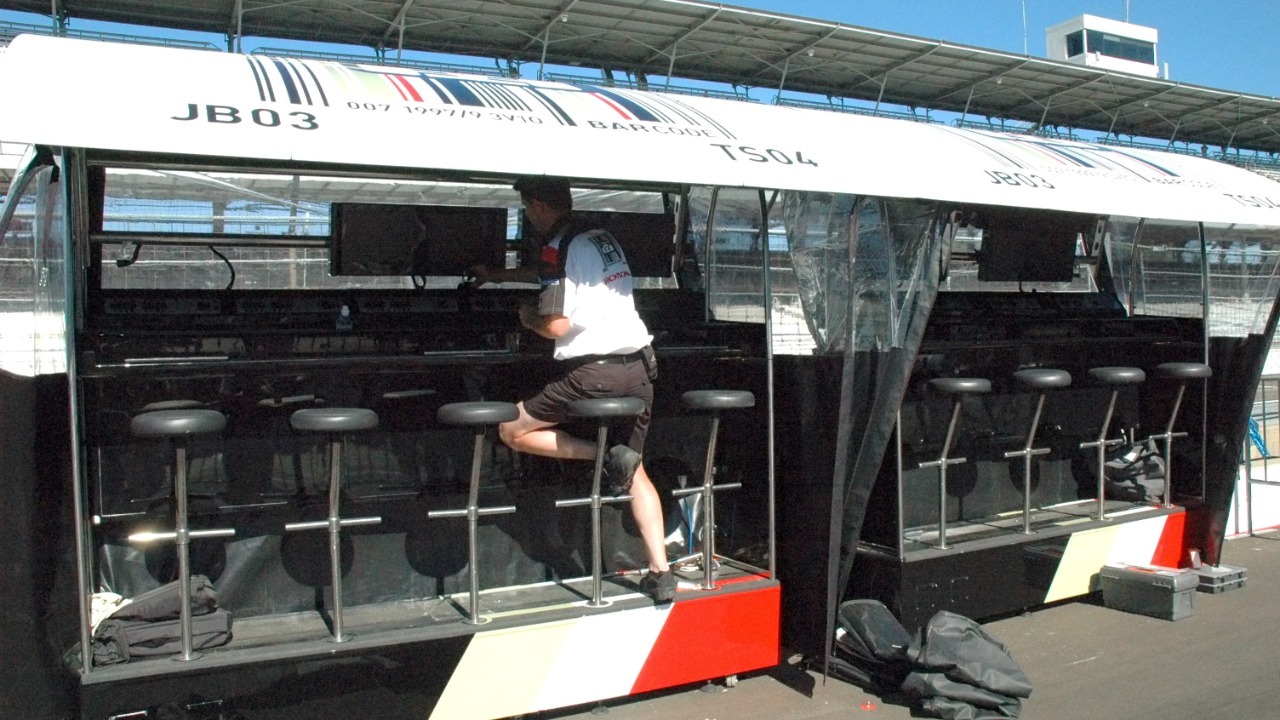
The advent of telemetry systems has transformed how teams collect and analyze data during races. Originally used in the 1980s, telemetry allows teams to monitor various parameters such as tire pressure, engine temperature, and fuel consumption in real time. For example, the McLaren MP4/6 showcased early telemetry capabilities, enabling engineers to make strategic decisions based on data received mid-race. This constant stream of information has become crucial for optimizing performance and making informed decisions.
Modern telemetry systems provide an unprecedented level of insight, with data being transmitted back to the pit crew via radio signals. This allows for immediate adjustments to strategy or vehicle settings. Teams like Mercedes and Ferrari now use advanced data analytics to predict tire wear and optimize pit stop timing, significantly impacting race outcomes. The integration of telemetry into racing has not only enhanced performance but has also raised the stakes in strategy and decision-making.
The Adoption of Hybrid Powertrains
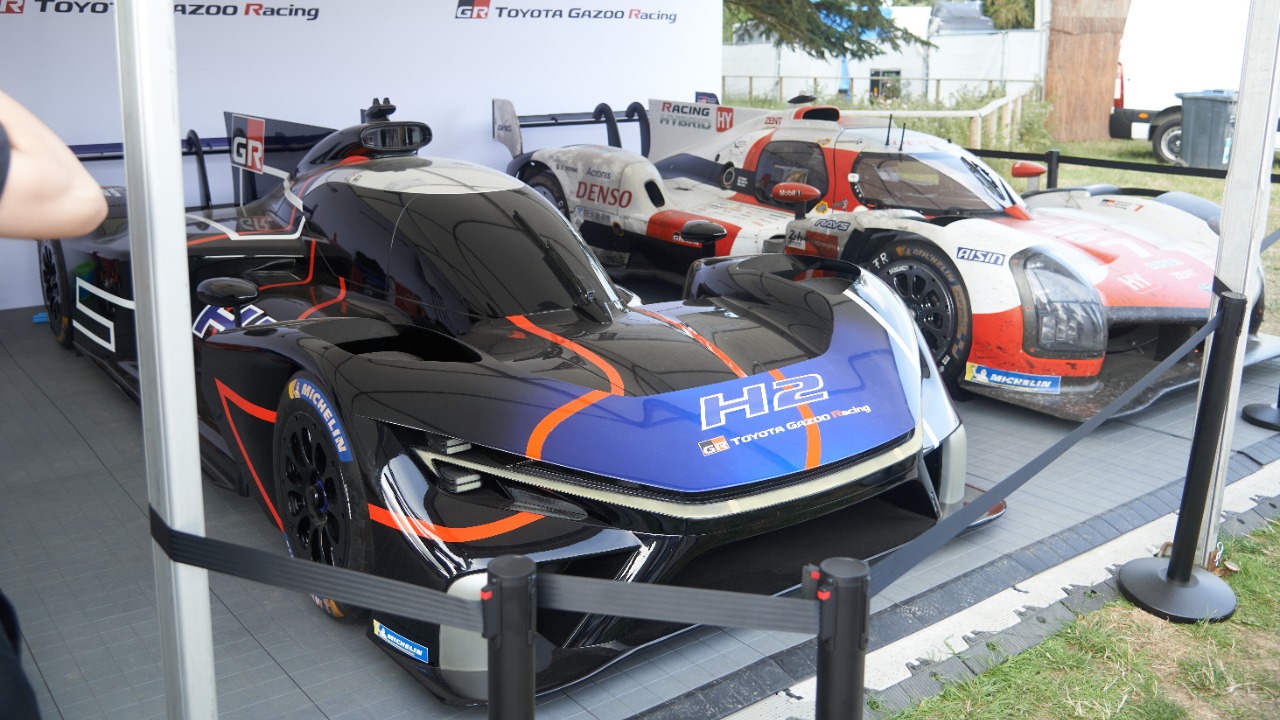
The transition to hybrid powertrains has been one of the most significant shifts in motorsports. Pioneered by manufacturers like Toyota and their TS030 Hybrid in 2012, this technology combines traditional internal combustion engines with electric motors to improve efficiency and performance. Hybrid systems not only provide additional power but also reduce fuel consumption, which is increasingly important in a world focused on sustainability.
Formula E, the all-electric racing series, has further accelerated the adoption of hybrid technology in motorsports. With cars like the Audi e-tron FE06 showcasing the potential of electric power, teams are now looking at ways to blend electric and conventional power for maximum performance on various circuits. The racing world is witnessing a shift towards greener technologies, and hybrids are at the forefront of this movement, setting a precedent for future innovations in motorsports.
The Development of Advanced Tire Technology
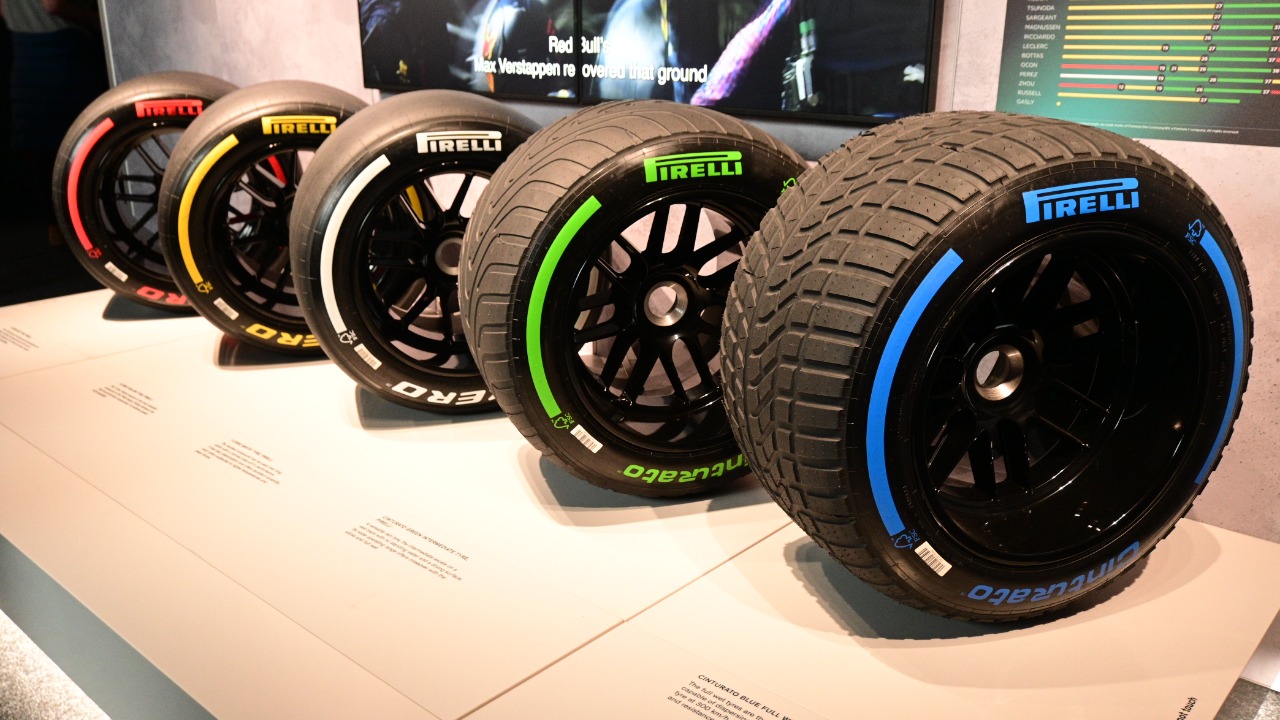
Tire technology has seen revolutionary changes that have directly impacted racing performance. Companies like Pirelli and Michelin have developed specialized tires that enhance grip and durability under extreme conditions. The introduction of Pirelli’s Formula 1 tires in the early 2010s, with different compounds for various weather conditions, allowed teams to strategize around tire choice, which has become a critical aspect of racing. The ability to switch between soft, medium, and hard compounds during a race can dramatically influence race dynamics.
In endurance racing, tire technology has evolved to withstand grueling conditions over long distances, exemplified by the development of Michelin’s endurance racing tires. Innovations like tire pressure monitoring systems (TPMS) have also improved safety and performance, providing real-time feedback on tire conditions. As tire technology continues to evolve, it remains a crucial element that can make or break a race.
The Implementation of Safety Features
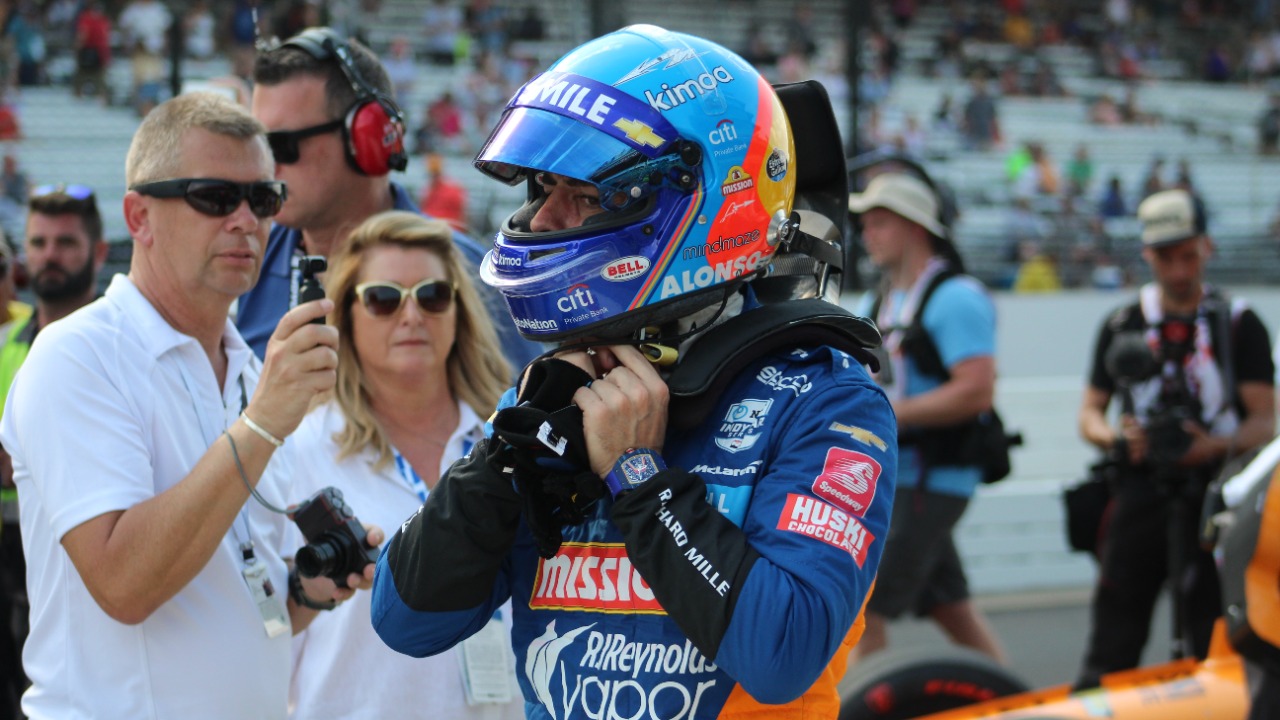
Safety innovations have transformed motorsports, making it possible for drivers to push the limits while minimizing risks. The introduction of the HANS (Head and Neck Support) device in the 2000s was a game-changer, reducing the likelihood of head and neck injuries during crashes. Following the tragic accidents of the late 1990s and early 2000s, motorsport governing bodies made safety a priority, leading to the development of stronger cockpits and energy-absorbing barriers.
Additionally, the implementation of the Halo device in Formula 1 has provided crucial protection to drivers by shielding their heads from debris and impacts. The ongoing evolution of safety technology, including improved crash testing and the use of advanced materials in car construction, has made motorsport significantly safer. These innovations not only protect drivers but also inspire confidence and trust in the sport as a whole.
The Use of Data Analytics and Simulation
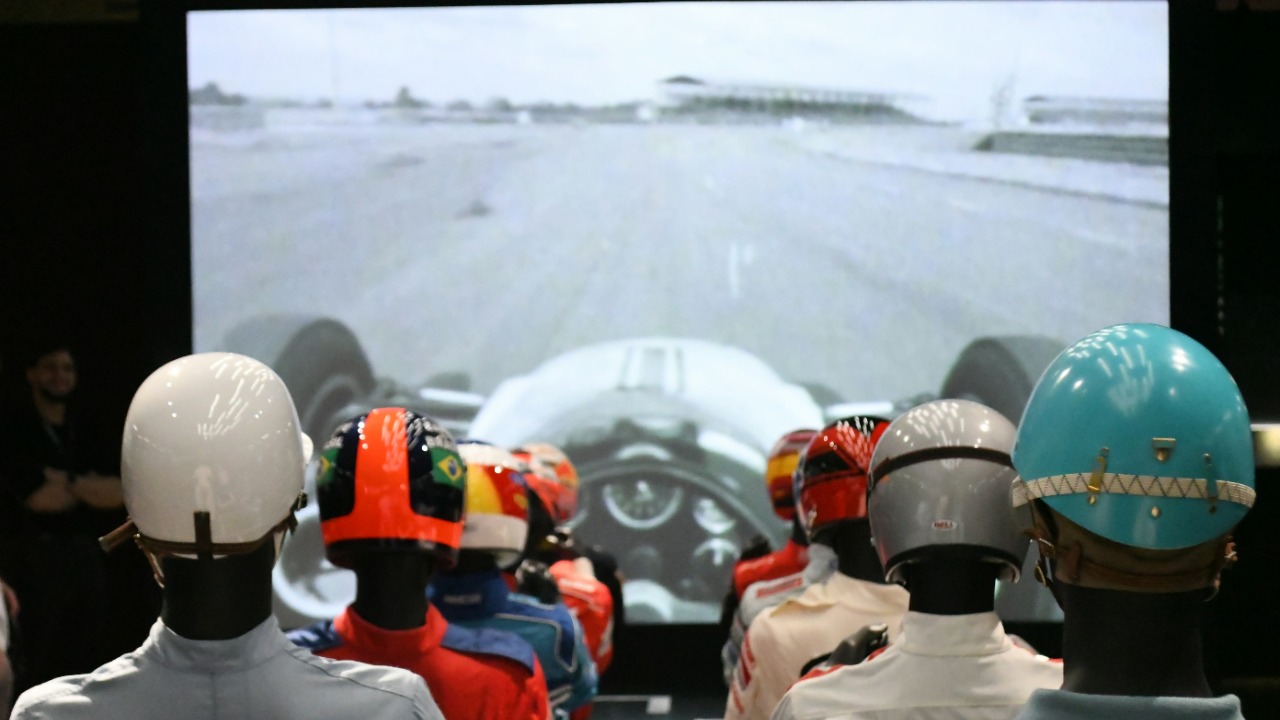
Data analytics and simulation have become indispensable tools in motorsports, enabling teams to refine their strategies and improve performance. By analyzing vast amounts of data collected during practice and qualifying sessions, teams can identify trends and make informed decisions about setup and strategy. The use of simulation software, such as Matlab and Simulink, allows engineers to model various race scenarios, optimizing everything from pit stop timing to tire management.
Moreover, teams now employ sophisticated machine learning algorithms to predict outcomes and enhance performance. The integration of data analytics has leveled the playing field, as even smaller teams can leverage technology to compete with larger, more established organizations. As data continues to play a more significant role in racing, the potential for innovation in strategy and performance is limitless.
The Evolution of Pit Stop Strategies
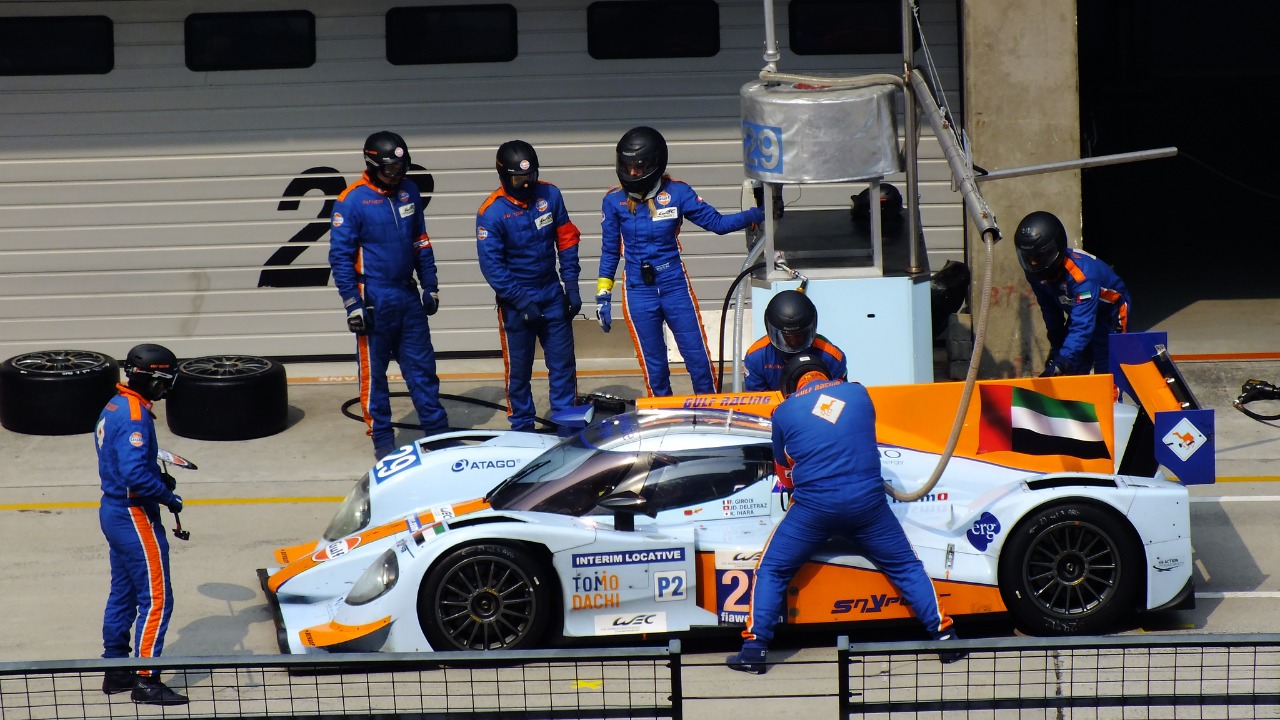
Pit stops have evolved from simple tire changes to complex, strategic maneuvers that can determine the outcome of a race. The introduction of advanced communication systems has allowed teams to coordinate their efforts more efficiently, reducing pit stop times significantly. For example, during the 2019 Le Mans 24 Hours, teams like Toyota achieved pit stops in under 10 seconds, showcasing the efficiency of modern pit crews.
Teams now use data analytics to determine the optimal timing for pit stops, considering factors like tire wear, fuel consumption, and track position. The emergence of hybrid powertrains has added another layer of complexity, as teams must balance energy recovery strategies with traditional racing tactics. As pit stop technology continues to advance, the importance of these brief moments on the track cannot be overstated; they can be the difference between victory and defeat. Investing in training and technology for pit crews remains a priority for top teams.