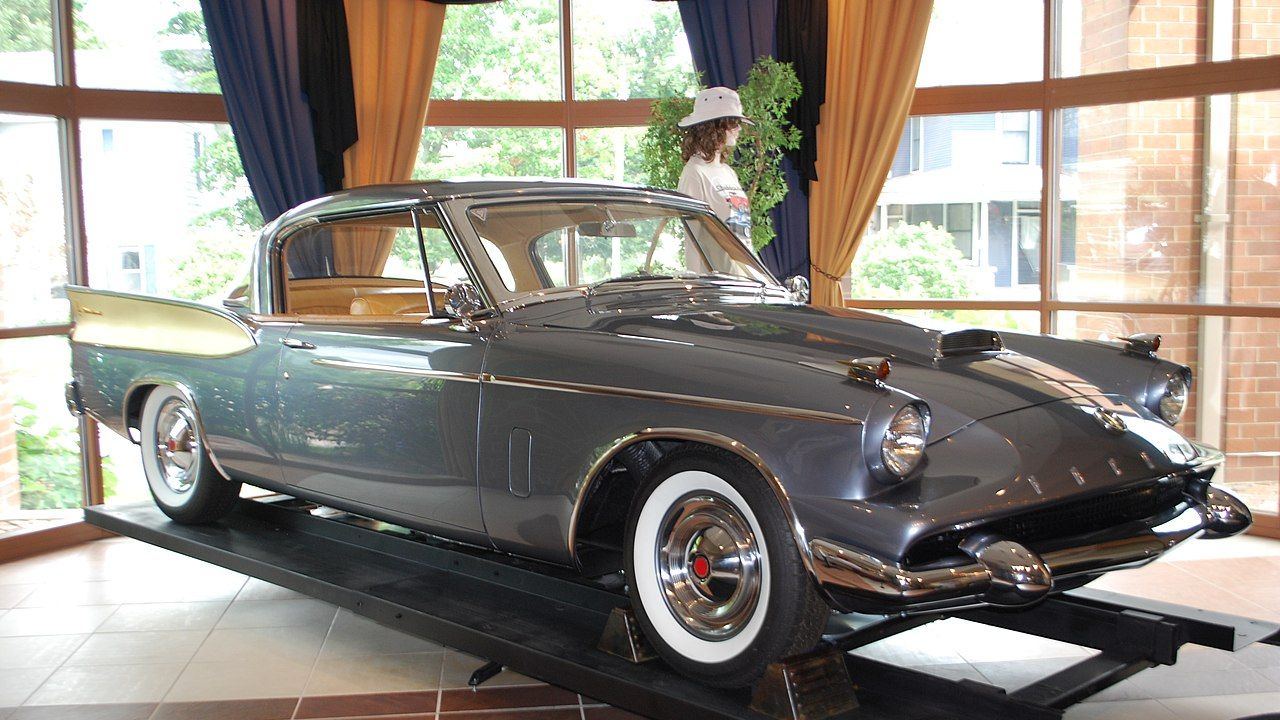
Some classic cars have aged remarkably well. Their shapes remain instantly recognizable, their proportions still look right, and their styling can attract attention even beside much newer vehicles. From elegant European coupes to bold American cruisers, these classics have something that keeps people looking twice. Decades after they first appeared, they still have the visual presence to make a strong impression.
Chevrolet Chevelle
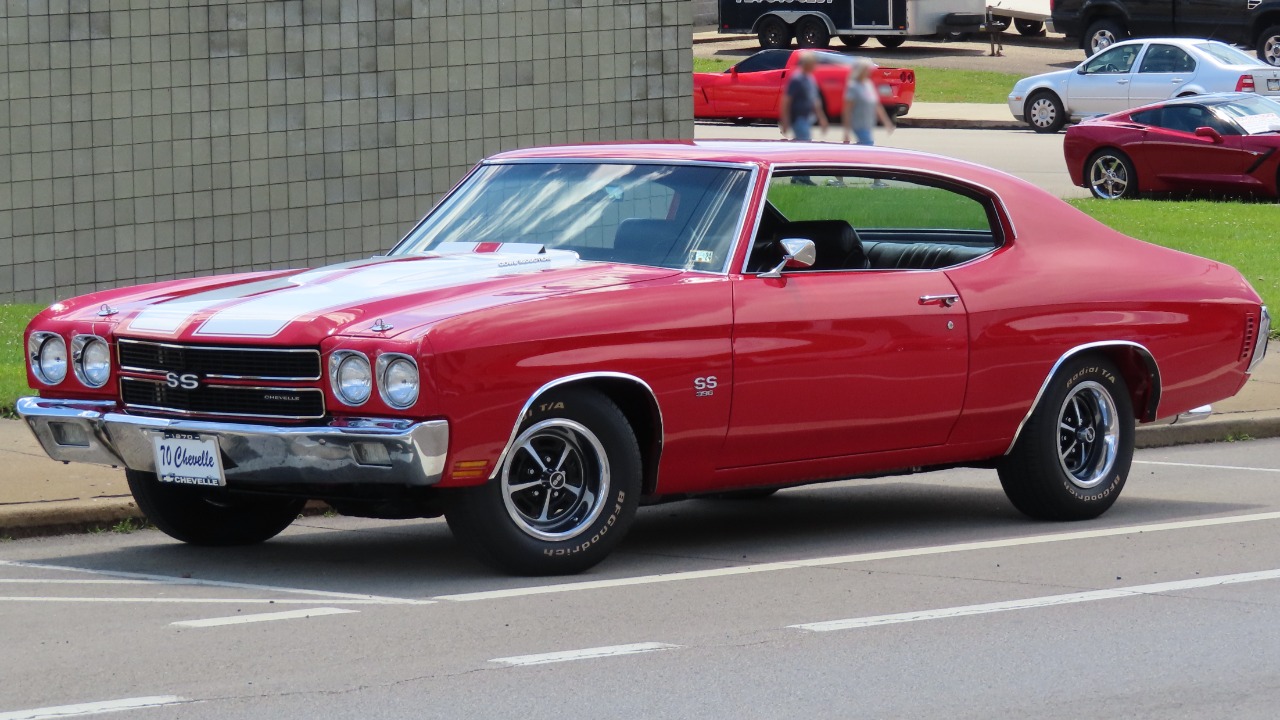
The Chevrolet Chevelle remains one of the most recognizable American classics, thanks to its clean proportions and muscular stance. Its relatively simple shape gives it a timeless quality that does not depend on excessive styling details. SS versions naturally attract the most attention, but even ordinary Chevelles have an unmistakable presence. Long hoods, wide bodies, and carefully balanced lines give the car the kind of profile that still looks purposeful today. It is easy to understand why restored Chevelles remain popular at shows and cruises.
Ford Mustang
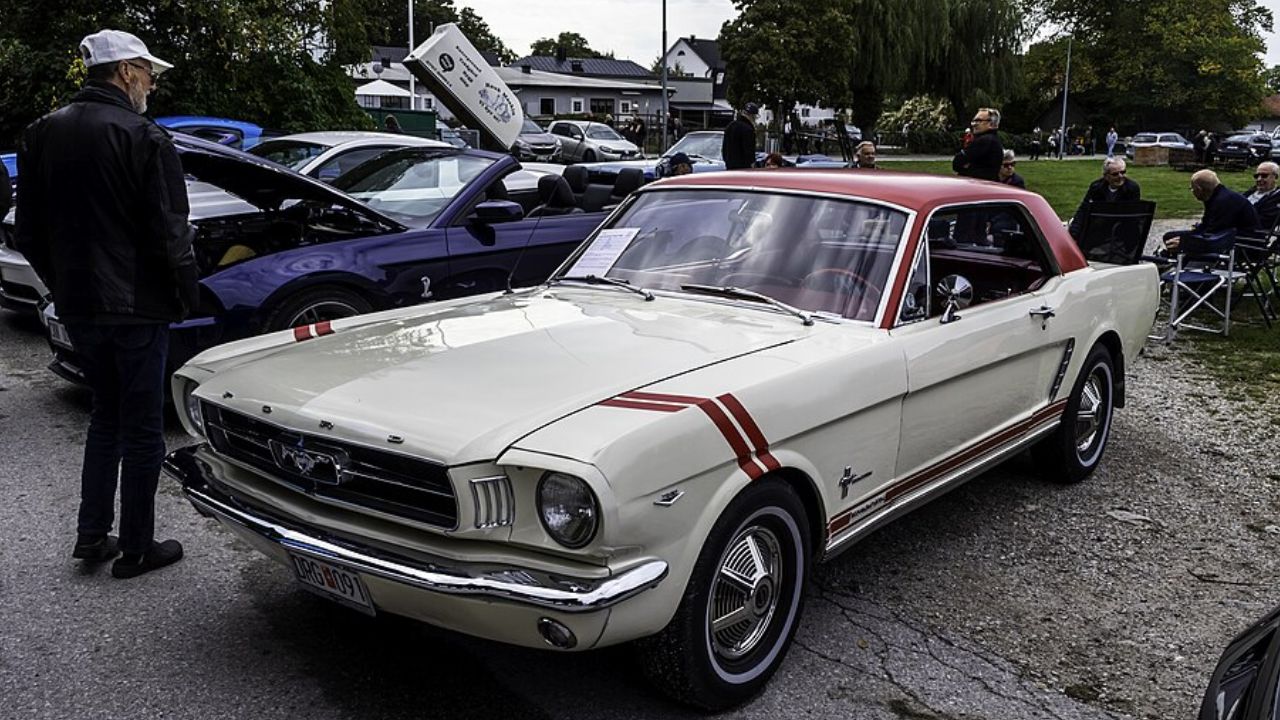
The Ford Mustang helped establish the pony-car formula, and its original design still looks remarkably fresh. The long hood, short rear deck, and compact proportions created a shape that was sporty without being impractical. It also offered enough styling variations to appeal to a wide range of buyers. Modern Mustangs are far larger and more powerful, but the original car has an uncomplicated visual character that continues to attract attention. A clean early Mustang can still become one of the first cars people notice at a gathering.
Pontiac GTO
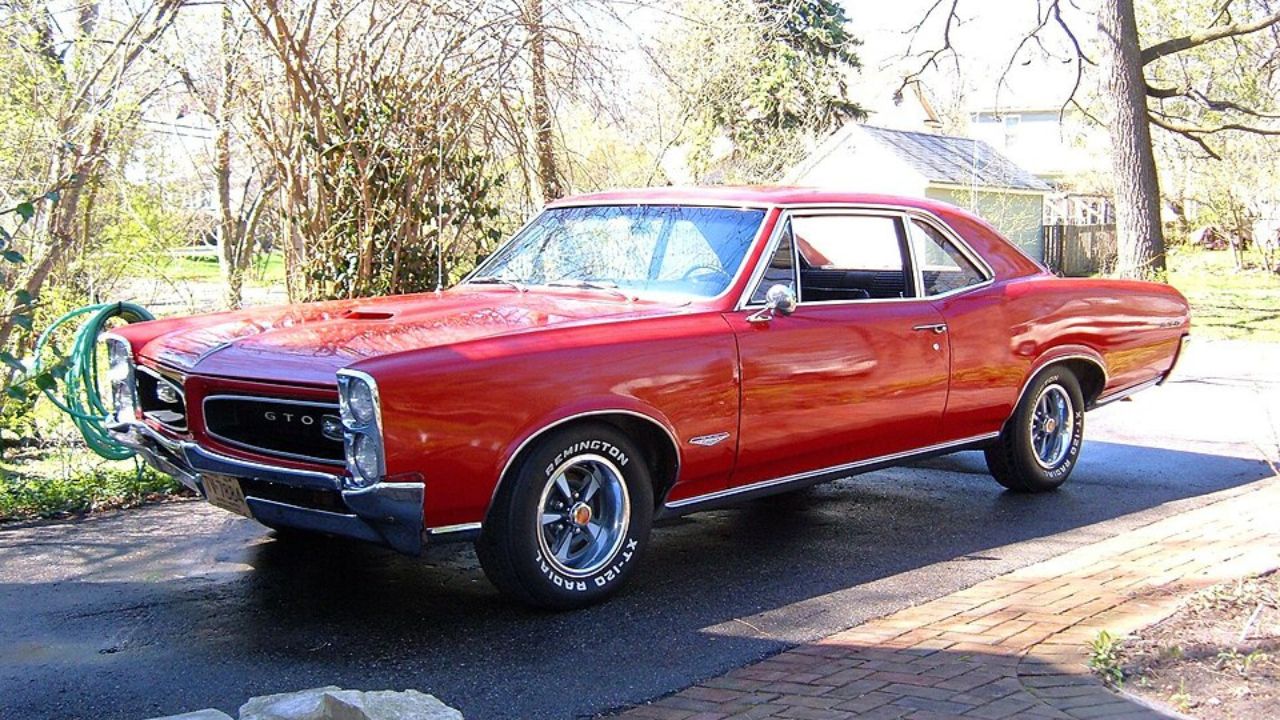
The Pontiac GTO gave the emerging muscle-car era one of its most influential designs. Its long hood, wide stance, and distinctive grille treatment gave it a strong road presence without making the body excessively complicated. The GTO’s reputation for performance adds another layer to its appeal, but its styling alone is enough to make people stop and look. Today, well-preserved examples command attention at shows because they represent an important moment when American performance cars became cultural icons.
Buick Riviera
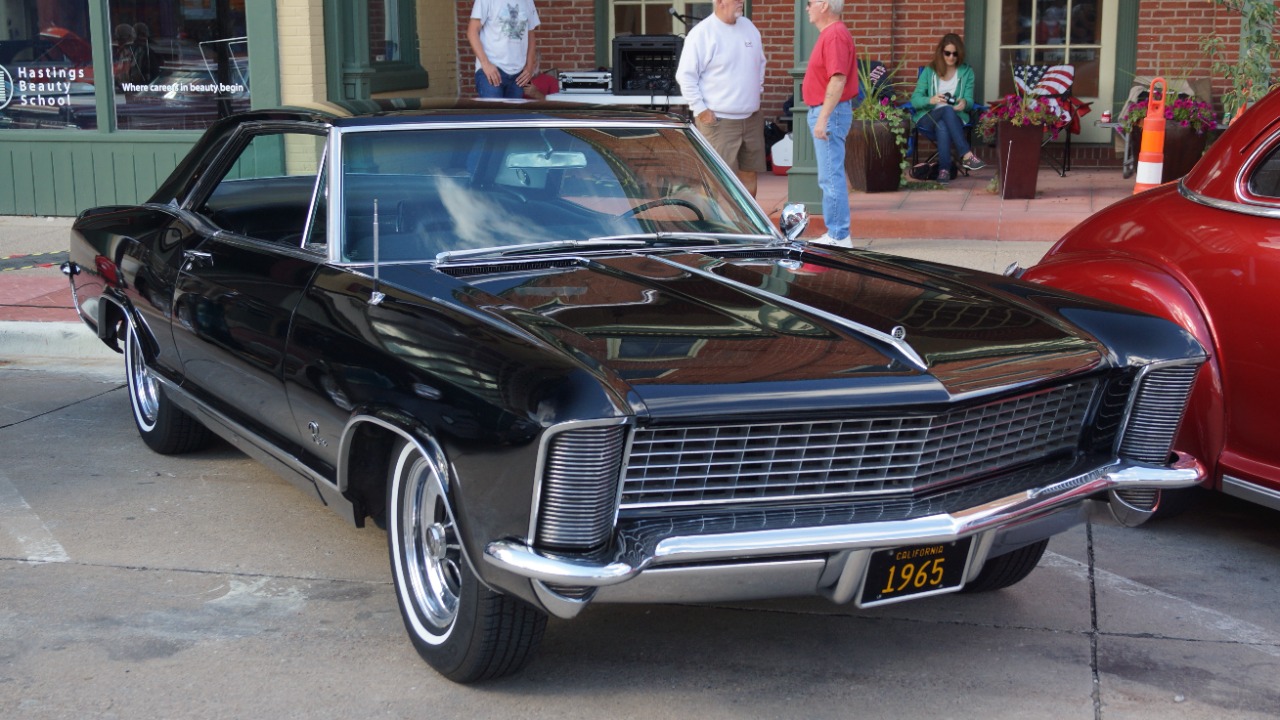
The Buick Riviera took a more sophisticated approach to American performance and personal luxury. Its designers created a long, low profile with clean surfaces and distinctive details that separated it from ordinary full-size Buicks. The Riviera looked expensive without relying on excessive decoration, especially in its earliest forms. Its proportions remain particularly attractive because the design emphasizes the relationship between the hood, cabin, and rear deck. Decades later, a well-restored Riviera can still look like a carefully designed luxury coupe rather than an outdated relic.
Chevrolet Corvette
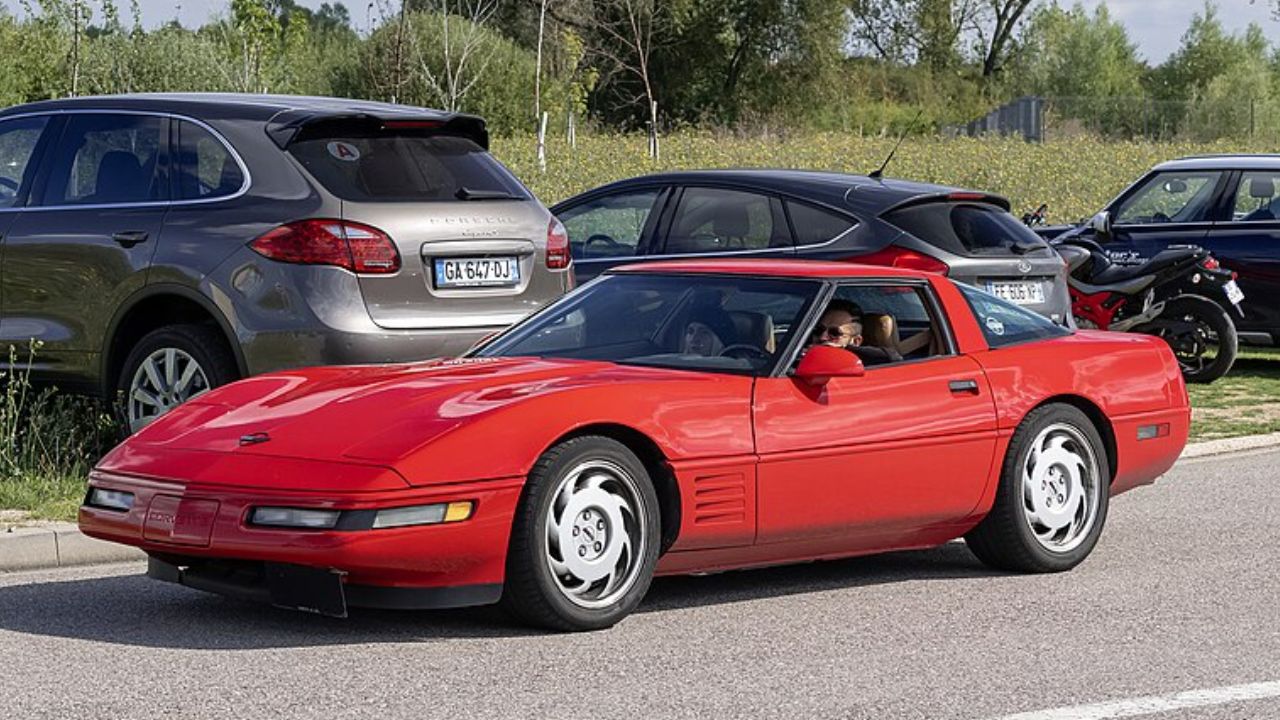
Few American sports cars have maintained their visual identity as strongly as the Chevrolet Corvette. Each generation brought major changes, but several classic versions remain instantly recognizable because of their low profiles, wide stances, and carefully shaped bodies. The Corvette also benefited from strong proportions that emphasized its sports-car purpose. Older examples can look surprisingly dramatic even when parked beside modern performance cars. The combination of recognizable styling and genuine sporting heritage ensures that classic Corvettes rarely disappear into the background.
Dodge Challenger
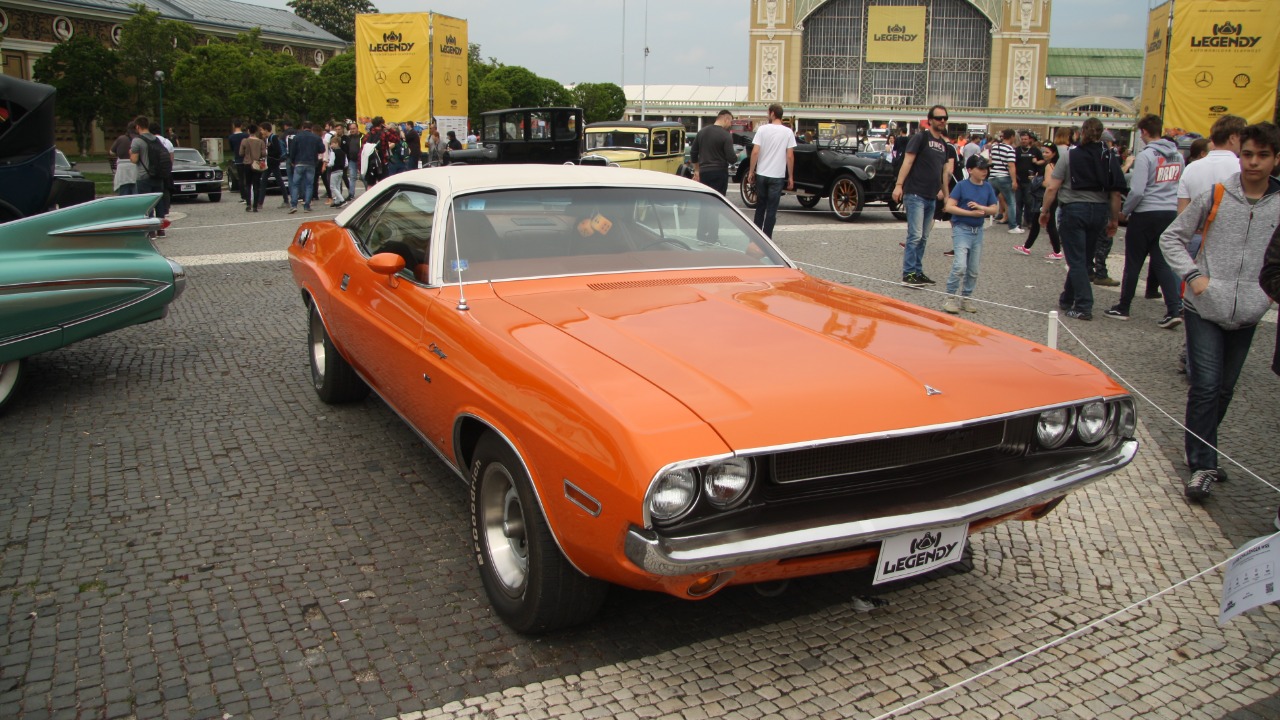
The original Dodge Challenger arrived with the kind of dramatic proportions that still define the classic muscle-car look. Its long hood, compact cabin, and broad body gave it an aggressive stance without requiring complicated design elements. Strong colors and optional stripes could make certain examples even more striking. Although modern Challengers borrowed heavily from this visual formula, the original retains a lighter and more delicate appearance. That contrast helps explain why an early Challenger can still attract attention wherever it appears.
Plymouth Barracuda
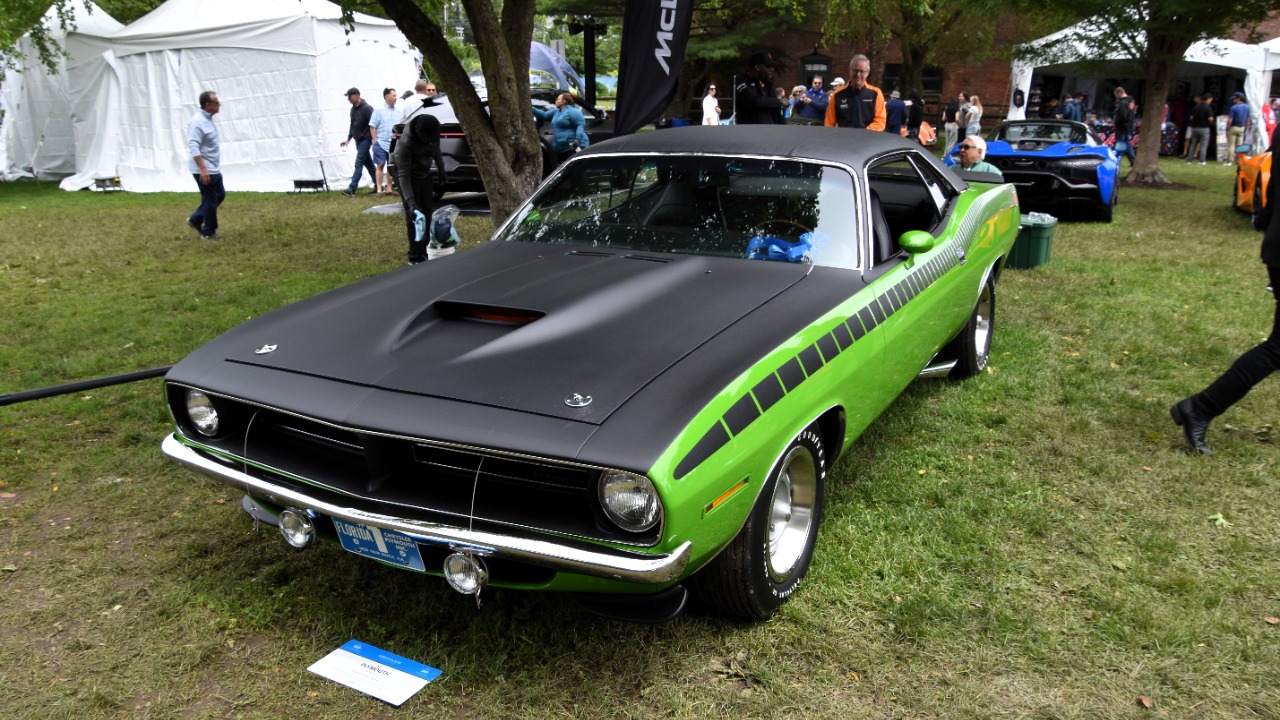
The Plymouth Barracuda went through several design changes, but its later fastback shape became one of the most memorable silhouettes of the muscle-car era. The combination of a long hood, sloping roofline, and compact rear created a profile that looked sporty from almost every angle. High-performance versions naturally receive plenty of attention, but the basic design is what makes the car memorable. The Barracuda remains especially appealing because it looks distinctly different from the better-known Mustang and Camaro.
Mercury Cougar
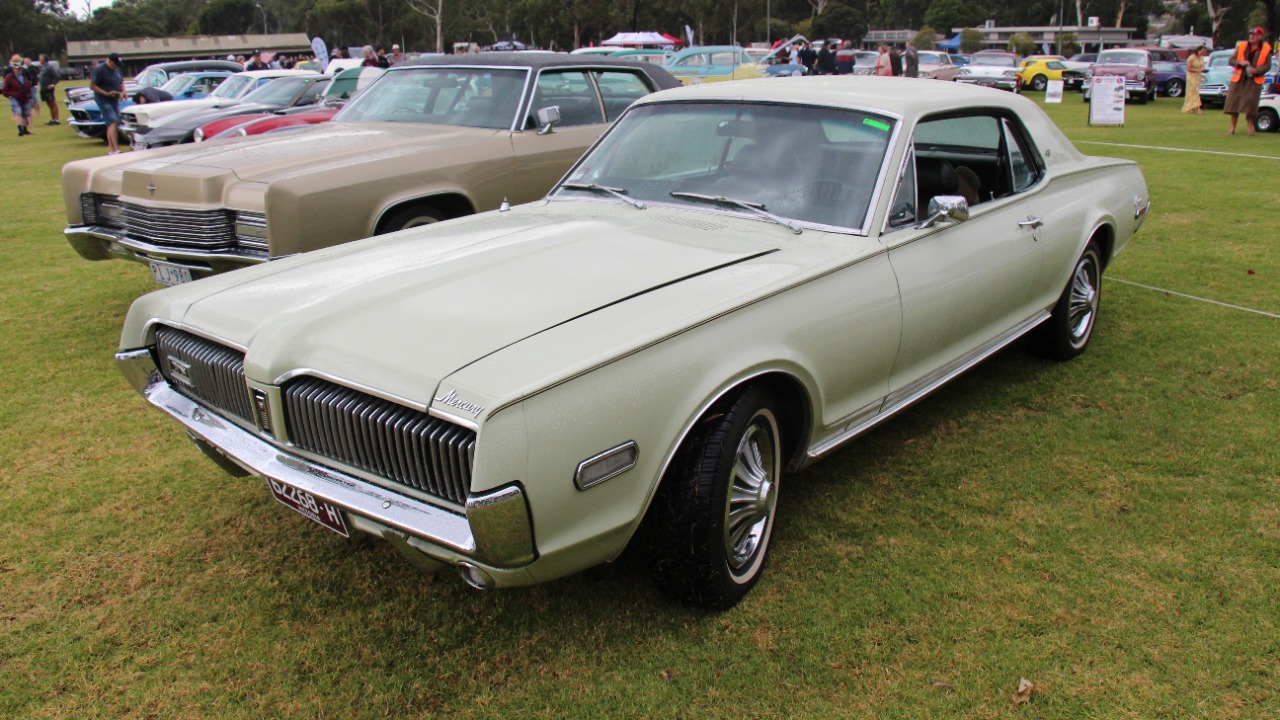
The Mercury Cougar offered a more refined interpretation of the pony-car formula. Its hidden headlights, long hood, and elegant body lines gave it a personality separate from the Mustang underneath. The design balanced sportiness with a more upscale appearance, making the Cougar attractive to buyers who wanted something less common. Today, that difference is part of its appeal. A clean first-generation Cougar can draw just as many looks as more famous muscle cars because its styling is recognizable without being overexposed.
Oldsmobile Toronado

The Oldsmobile Toronado looked dramatically different from most American cars when it arrived. Its long, low body and front-wheel-drive layout gave designers considerable freedom to create an unusual profile. The concealed headlights and clean front end added to its futuristic appearance. Even decades later, the Toronado can look surprisingly modern from certain angles. It remains one of those classics that attracts attention because it does not simply represent its era. Instead, it demonstrates how boldly American automakers experimented with design and engineering.
Lincoln Continental
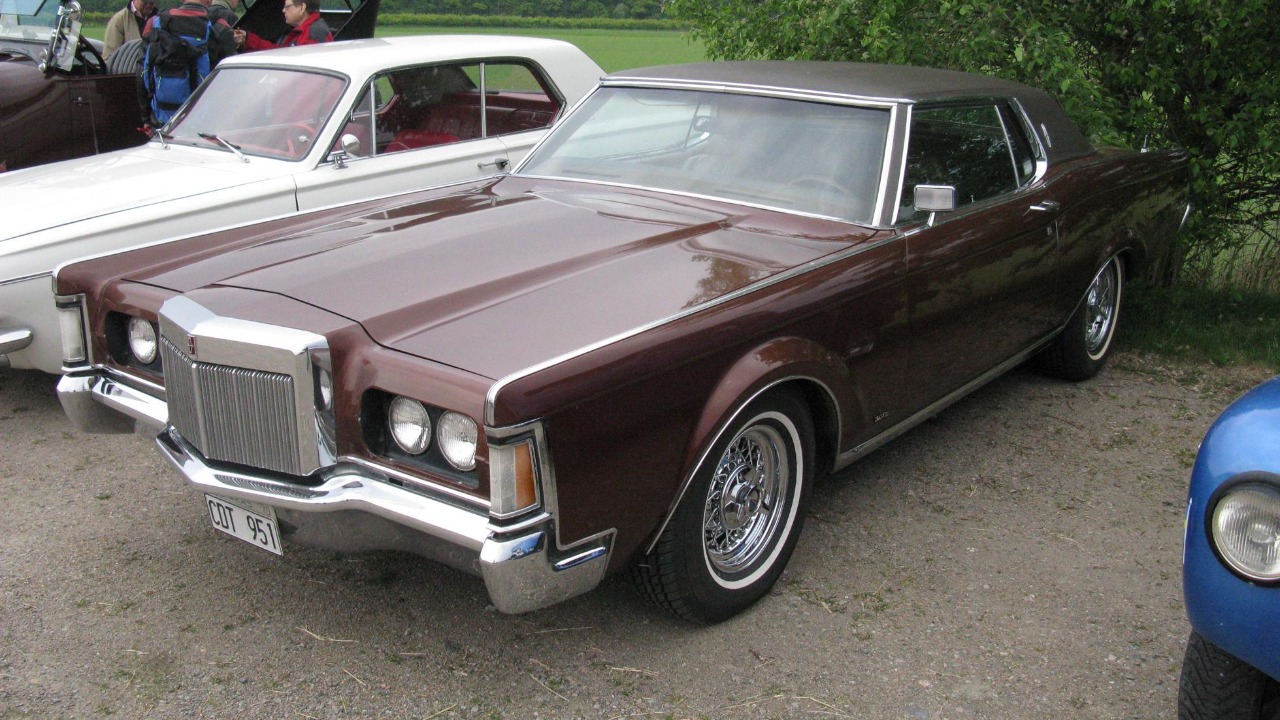
The Lincoln Continental became famous for its restrained elegance rather than aggressive styling. Its long body, clean sides, and distinctive rear-hinged doors created an unmistakable profile. Convertibles are particularly memorable, but the sedan also has an impressive presence. The design communicates luxury without needing excessive chrome or exaggerated proportions. Decades later, a well-preserved Continental still looks substantial and sophisticated. It is the kind of classic that can attract attention simply by arriving quietly rather than relying on bright colors or performance badges.
Jaguar E-Type
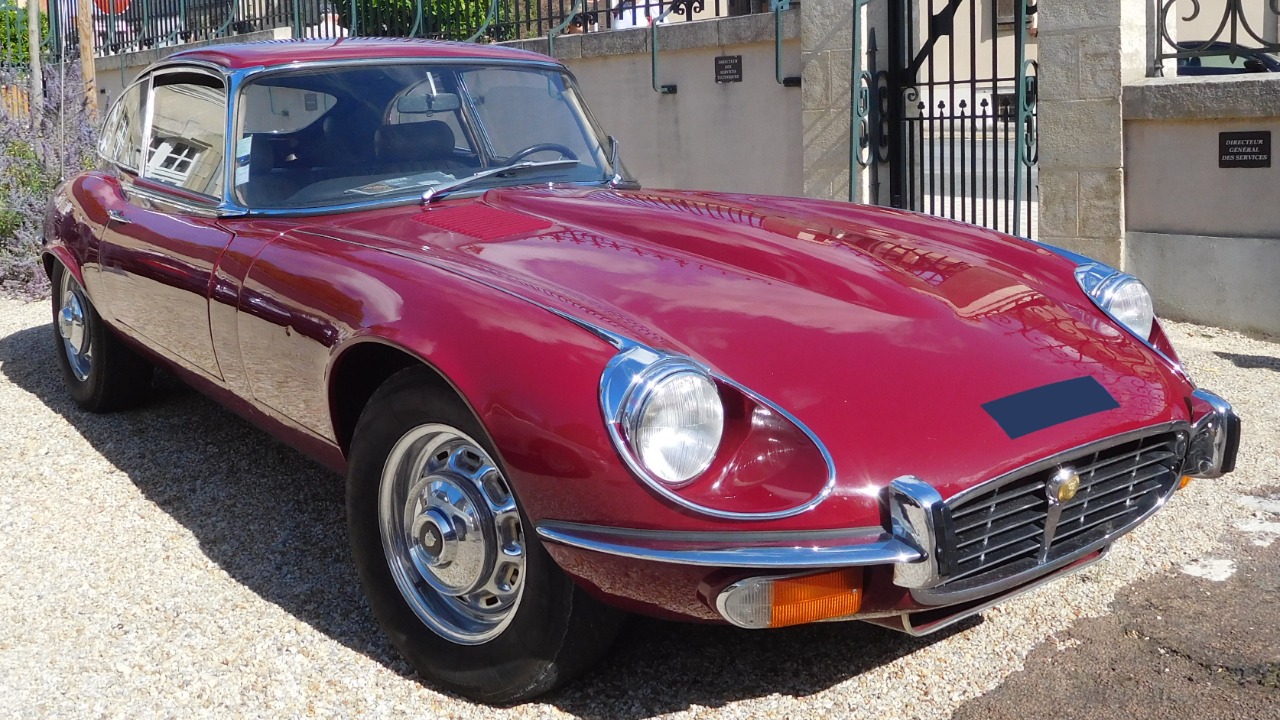
The Jaguar E-Type remains one of the most celebrated automotive designs ever produced. Its long hood, low nose, flowing fenders, and compact cabin create proportions that still look remarkably graceful. The car’s visual appeal is strong enough that even people who know little about classic automobiles often recognize it immediately. Its shape was created around performance, but the result also became an example of automotive sculpture. Few older sports cars have retained such a strong ability to stop conversations at car shows.
Porsche 911
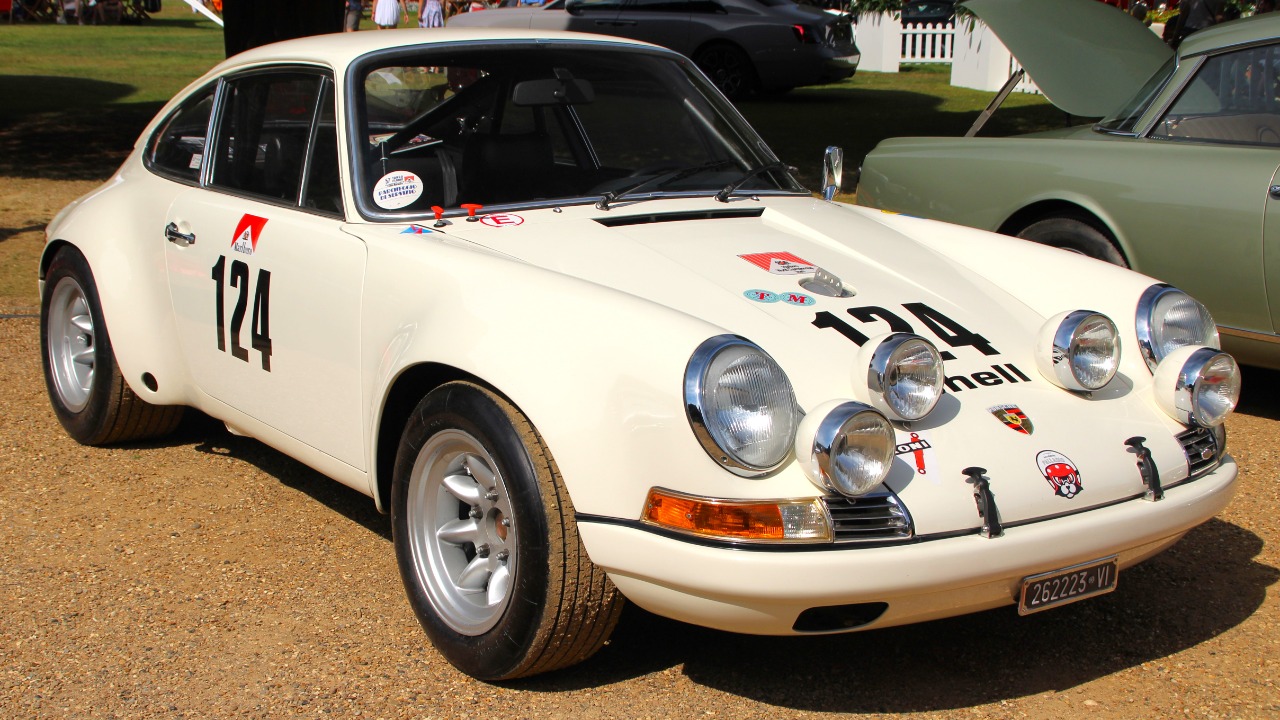
The Porsche 911 has evolved continuously, yet its basic silhouette has remained remarkably consistent. The sloping hood, rounded roof, and distinctive rear shape created an identity that has survived generations of technological change. Early 911s are particularly attractive because of their compact proportions and simple details. Their relatively narrow bodies also give them a delicacy that later versions lack. Even today, an older 911 can stand beside expensive modern sports cars and still attract plenty of attention because its shape is instantly recognizable.
Mercedes-Benz 280 SL
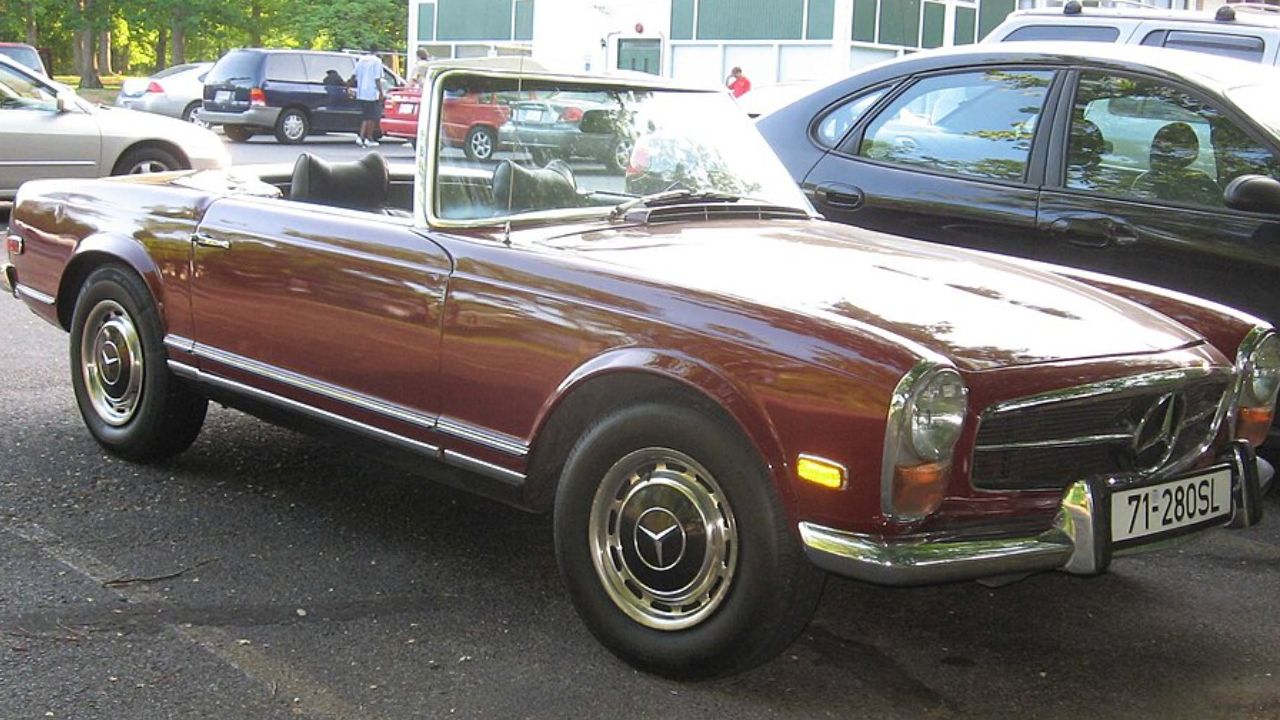
The Mercedes-Benz 280 SL combined elegant European styling with a level of engineering sophistication that helped make the SL name famous. Its upright windshield, balanced proportions, and distinctive hardtop created an unusual but highly attractive profile. The famous roof design adds visual interest while the restrained bodywork gives the car an upscale appearance. It is not a car that needs aggressive styling to stand out. A well-kept 280 SL can still look polished and expensive many decades after leaving the factory.
BMW 2002
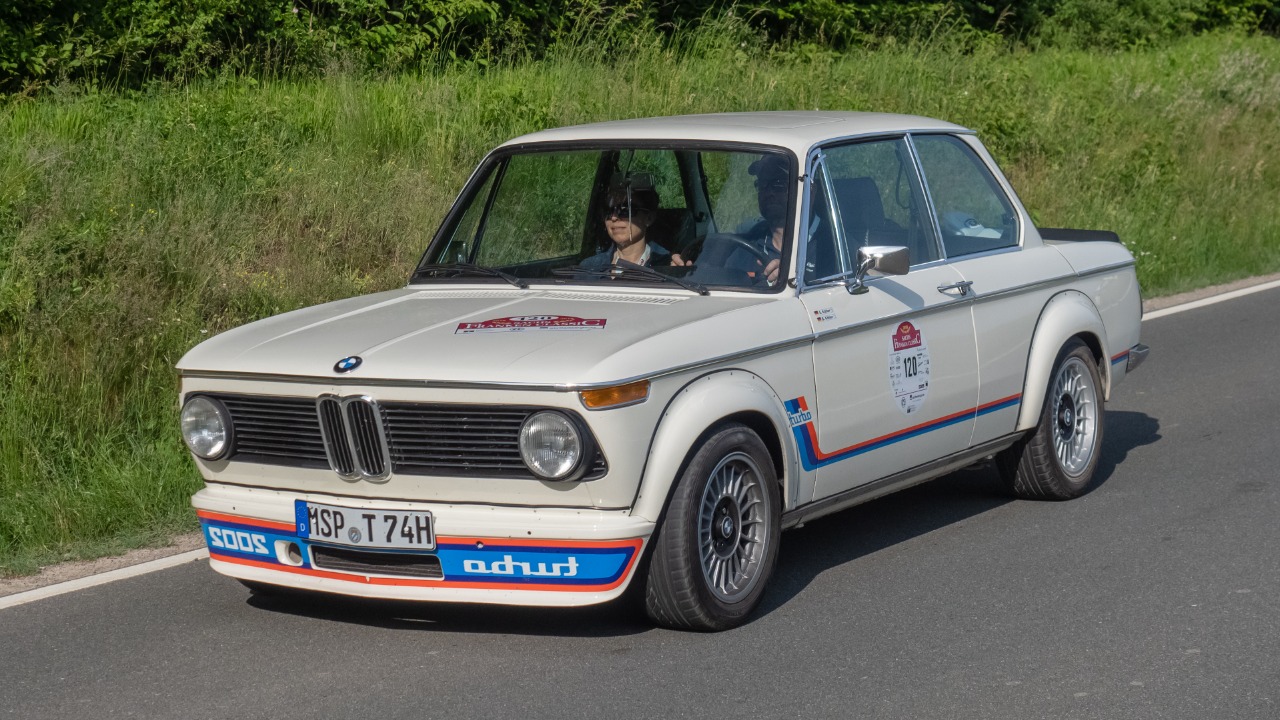
The BMW 2002 became influential partly because its design was so simple and well balanced. Its compact dimensions, upright greenhouse, and clean body lines gave it a sporty appearance without excessive decoration. That simplicity has allowed the shape to age gracefully. The 2002 is also closely associated with the development of BMW’s sporting identity in the United States, giving it historical importance beyond its appearance. Today, a clean example can attract enthusiasts who appreciate understated styling as much as outright performance.
Alfa Romeo Spider
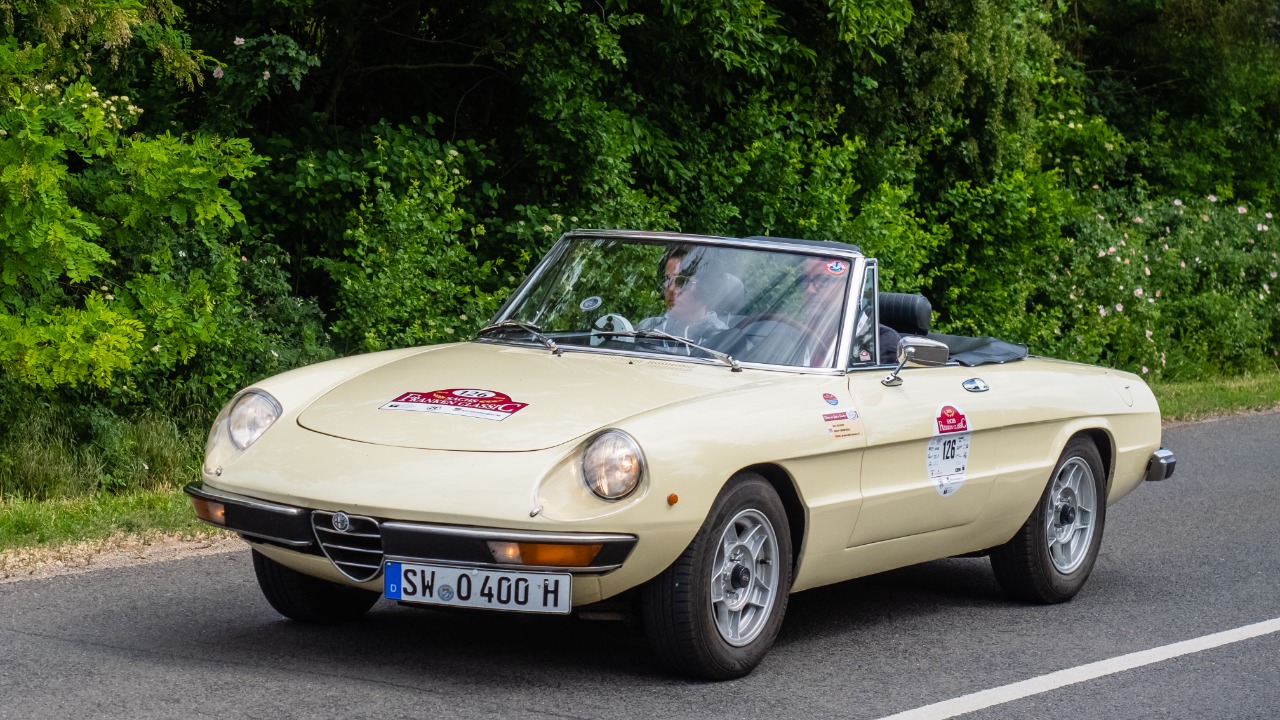
The Alfa Romeo Spider became famous for its graceful proportions and distinctive Italian styling. Its low nose, compact cabin, and flowing bodywork created a shape that looked elegant without appearing overly formal. The Spider also benefited from its open-top configuration, which emphasized the car’s long, flowing profile. Even after decades of changing automotive fashion, it retains an unmistakable presence. A well-presented Spider can attract attention from both classic-car enthusiasts and people who simply appreciate beautiful automotive design.
Ford Thunderbird
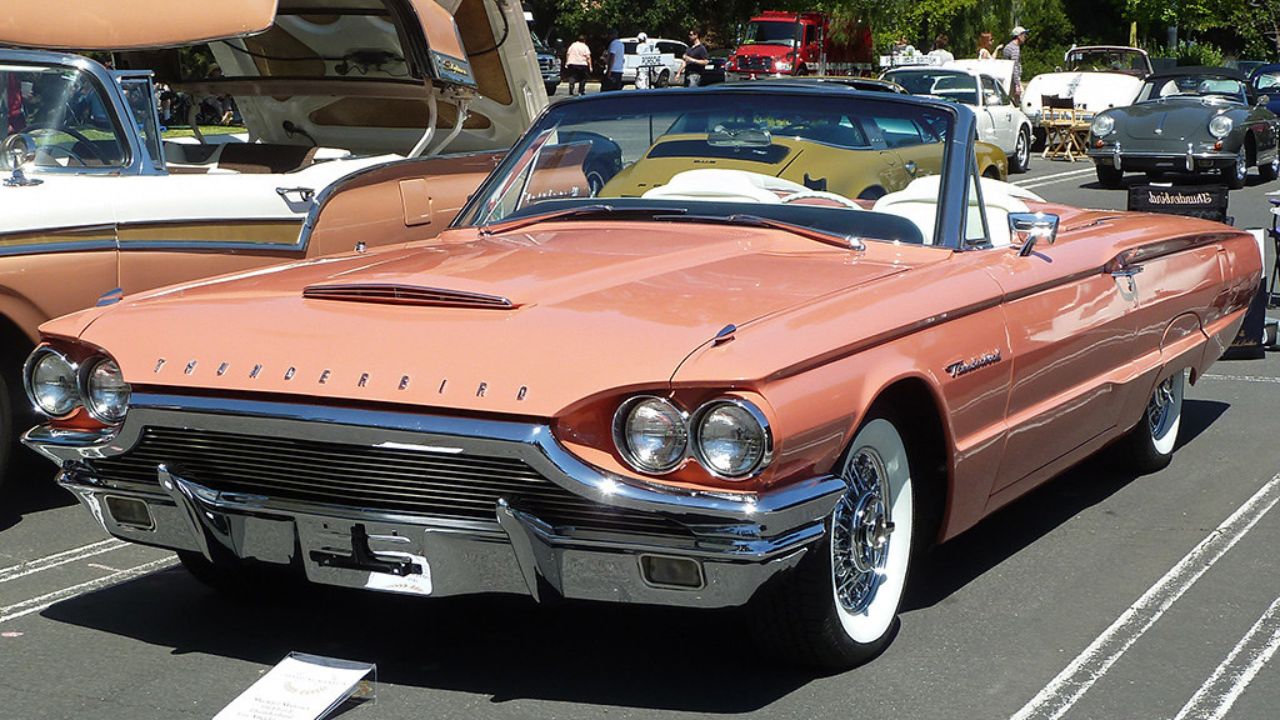
The Ford Thunderbird helped define the American personal luxury car, and its early styling remains highly recognizable. The low body, long hood, and rounded details gave the Thunderbird a sophisticated appearance while maintaining enough sportiness to appeal to younger buyers. Later generations became larger and more luxurious, creating their own distinctive looks. Regardless of generation, a clean Thunderbird tends to attract attention because the name and styling carry strong cultural associations. Few American classics communicate mid-century automotive optimism quite as effectively.
Chevrolet Bel Air
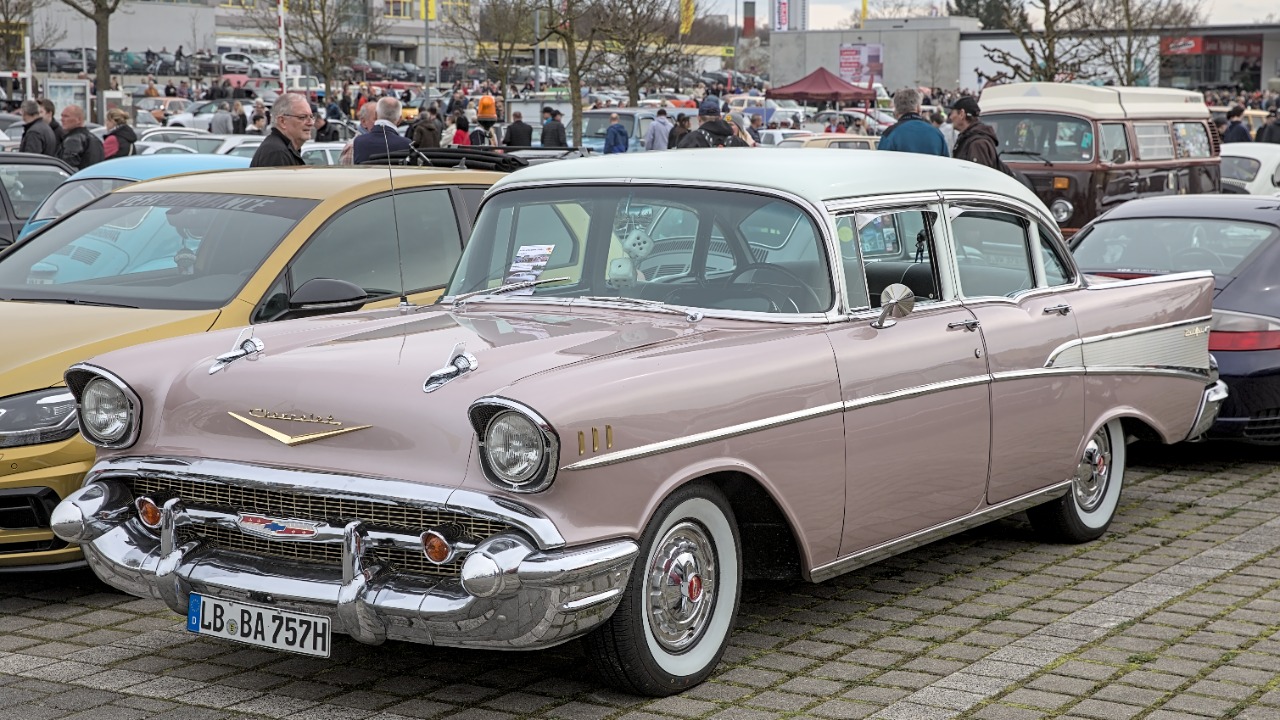
The Chevrolet Bel Air became one of the defining symbols of 1950s American car design. Its extensive chrome, sweeping bodywork, and bold tailfins captured the optimism of the period. Certain versions are instantly recognizable even to people who are not car enthusiasts. The Bel Air’s visual impact comes partly from its willingness to embrace the styling trends of its time rather than trying to remain restrained. Decades later, that boldness has become exactly what makes it so popular at shows, cruises, and nostalgic events.
Volkswagen Karmann Ghia
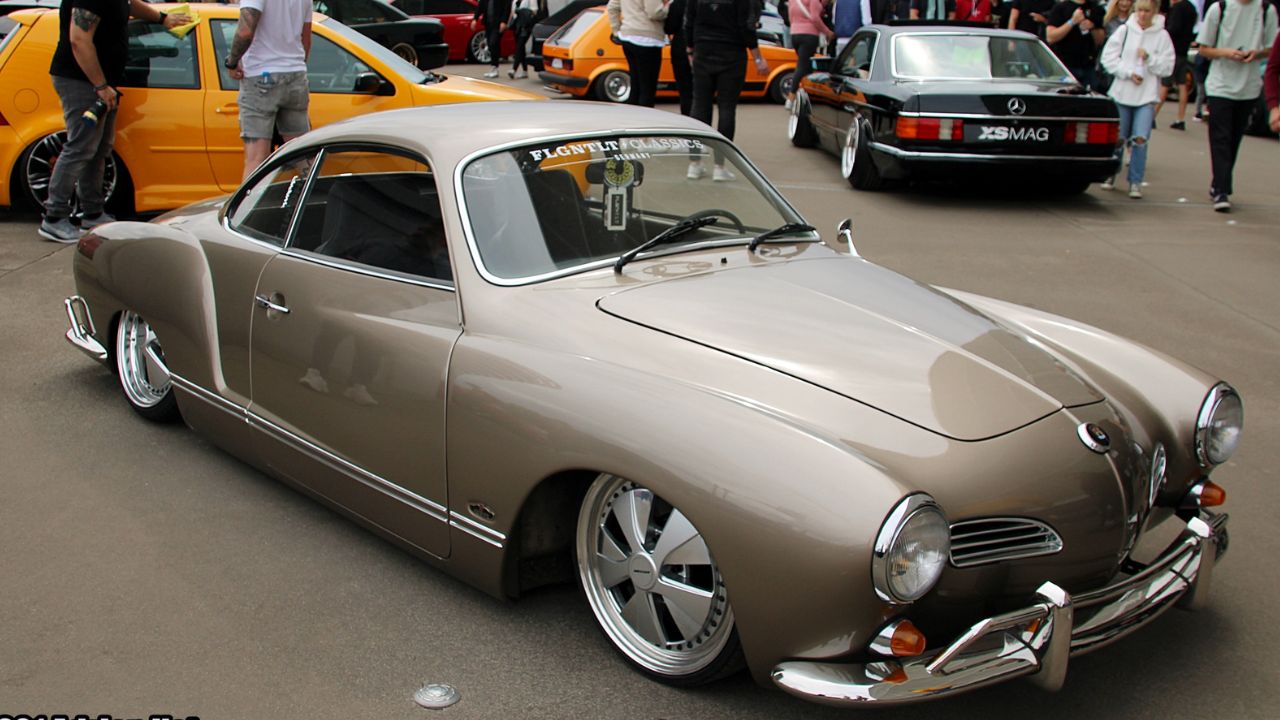
The Volkswagen Karmann Ghia proved that an inexpensive mechanical foundation could support genuinely attractive styling. Its low roof, rounded fenders, and smooth bodywork gave it an elegant appearance that contrasted with the practical Beetle underneath. The car was never intended to be a high-performance sports machine, but its design gave it considerable visual appeal. Today, the Karmann Ghia remains popular with enthusiasts who want a classic that looks special without the imposing size or aggressive character of many American performance cars.
DeLorean DMC-12
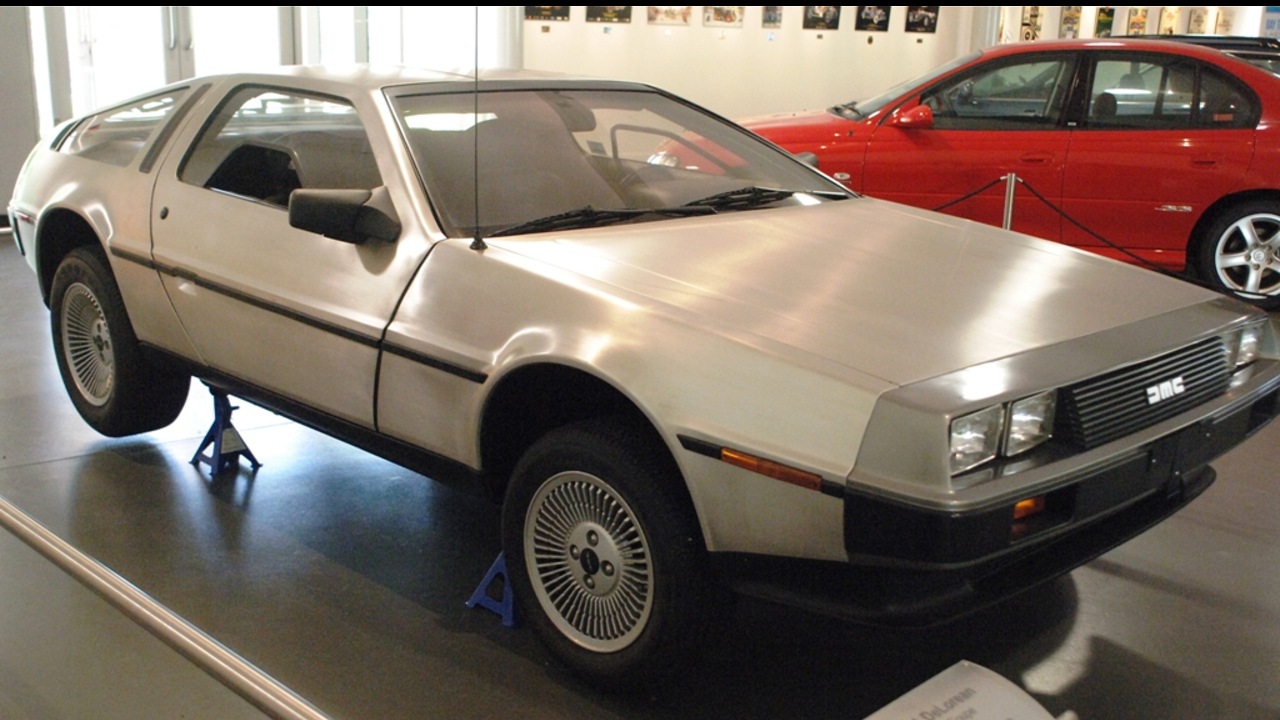
The DeLorean DMC-12 remains one of the most recognizable cars of the modern classic era. Its stainless-steel body, sharp lines, and gullwing doors created a futuristic appearance that still looks unusual decades later. Its styling was developed by Giorgetto Giugiaro, giving the car a design pedigree beyond its pop-culture fame. Performance limitations may have prevented the DMC-12 from becoming the sports car many expected, but that has not diminished its visual impact. Few other cars can be identified from such a distinctive silhouette.
Pontiac Firebird
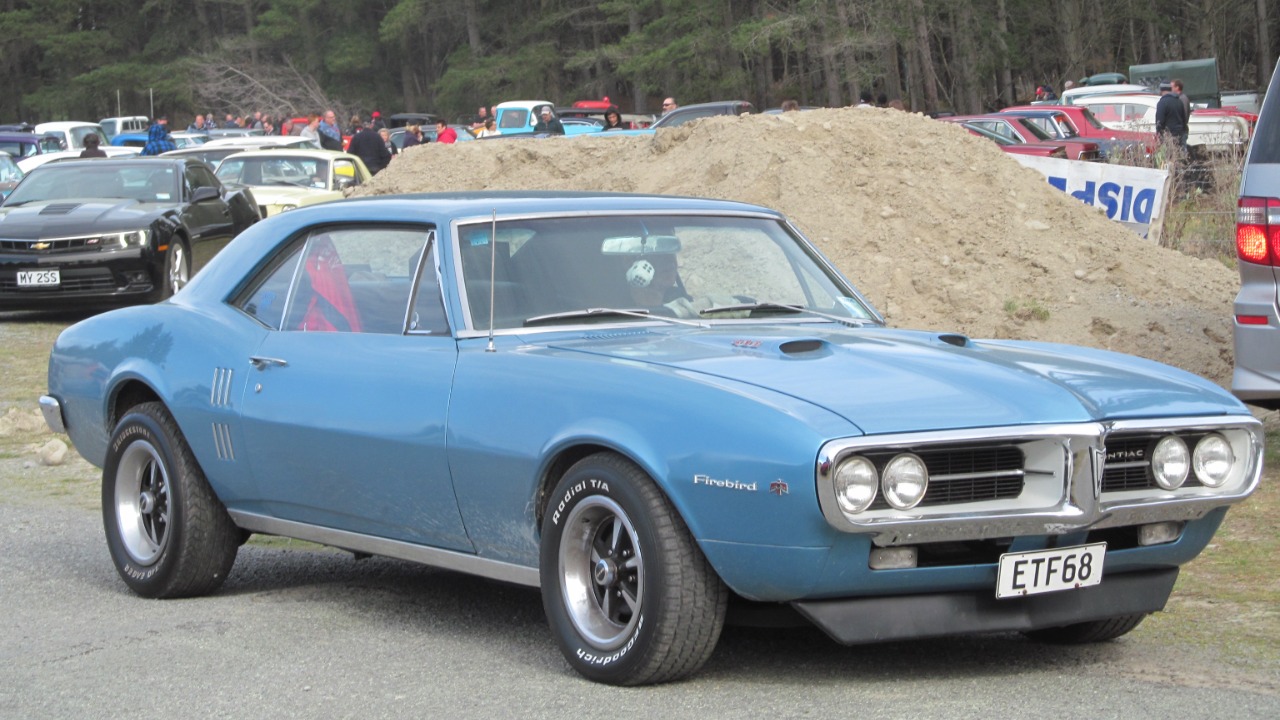
The Pontiac Firebird combined aggressive proportions with styling that changed considerably across its generations. Early cars had a classic pony-car profile, while later versions became more angular and dramatic. The combination of a low roof, long hood, and bold front-end treatments gave the Firebird a strong visual identity throughout its life. Trans Am versions naturally receive the most attention, but even standard Firebirds have enough presence to stand out. The car’s connection to American performance culture has also helped keep its styling relevant decades later.
More from Fast Lane Only
- Unboxing the WWII Jeep in a Crate
- 15 rare Chevys collectors are quietly buying
- 10 underrated V8s still worth hunting down
- Police notice this before you even roll window down
*Research for this article included AI assistance, with all final content reviewed by human editors.