Throughout automotive history, certain engines have garnered a reputation not just for performance, but for their engineering excellence and reliability. Mechanics often have a special appreciation for these classic powerplants, which have stood the test of time and continue to inspire both enthusiasts and professionals alike. Here’s a look at seven engines that mechanics quietly admire for their design, durability, and overall impact on the automotive landscape.
The Ford 302 V8
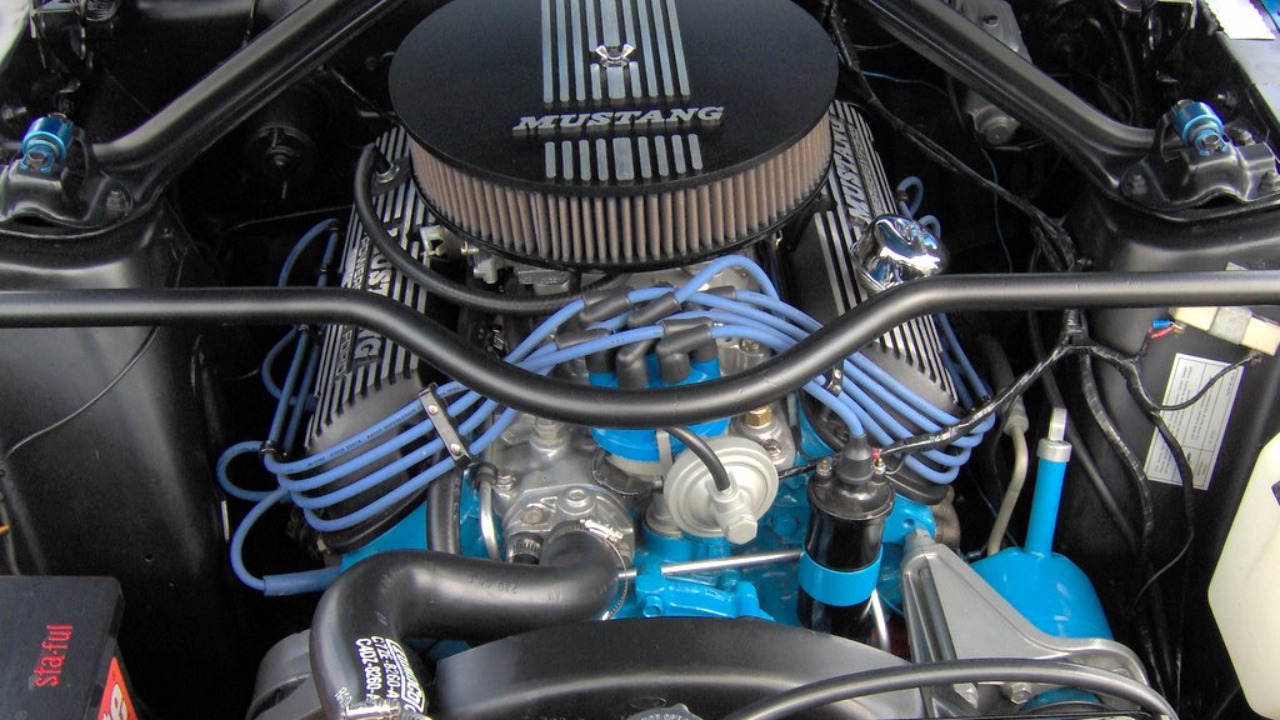
The Ford 302 V8, introduced in 1968, has become a symbol of American muscle. This engine is known for its versatility, powering everything from the classic Ford Mustang to the Bronco. One of the reasons mechanics admire the 302 is its robust design, which allows for easy modifications and upgrades. A simple swap of the intake manifold can yield significant power gains, making it a favorite among tuners. Its parts are widely available, and aftermarket support is extensive, ensuring that even the oldest 302s can be brought back to life.
Many enthusiasts appreciate the engine’s ability to rev high while maintaining a smooth power band. The Ford 302’s lightweight design also contributes to better handling dynamics in classic cars. Plus, the nostalgic roar of this engine is a sound that resonates with car lovers. If you’re interested in learning more about its legacy, check out this video showcasing its impact on American automotive culture.
The Chevrolet Small Block V8
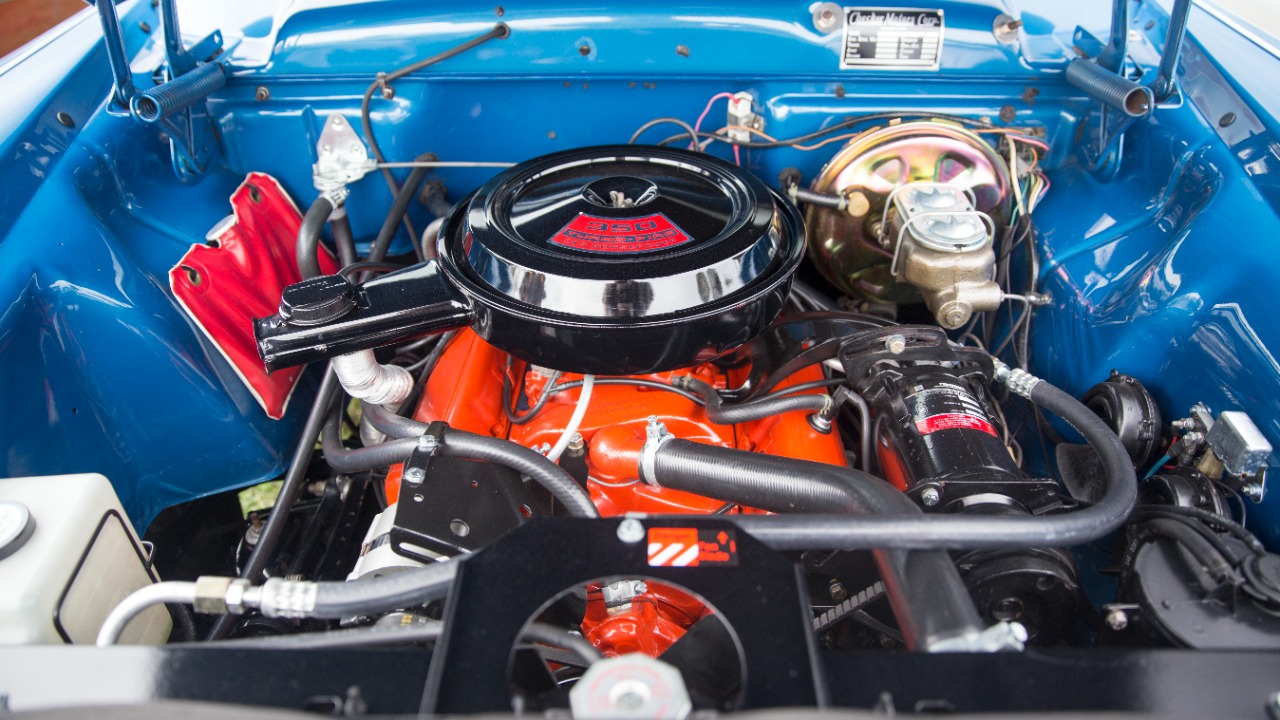
When it comes to iconic American engines, the Chevrolet Small Block V8 is hard to beat. Launched in 1955, this engine has undergone numerous iterations, but its core design principles remain intact. Known for its compact size and lightweight construction, the Small Block has powered countless vehicles, from Corvettes to pickup trucks. Mechanics appreciate its remarkable balance of performance and fuel efficiency, making it a go-to choice for both restoration projects and custom builds.
One of the standout features of the Chevrolet Small Block is its adaptability. With numerous aftermarket parts available, it’s easy to modify the engine for increased horsepower or torque. Its popularity has fostered a vibrant community of enthusiasts and builders, ensuring that knowledge and resources are readily available. For those curious about its engineering principles, there’s a fascinating read available in this book that delves into its design and legacy.
The Honda K-Series Engine
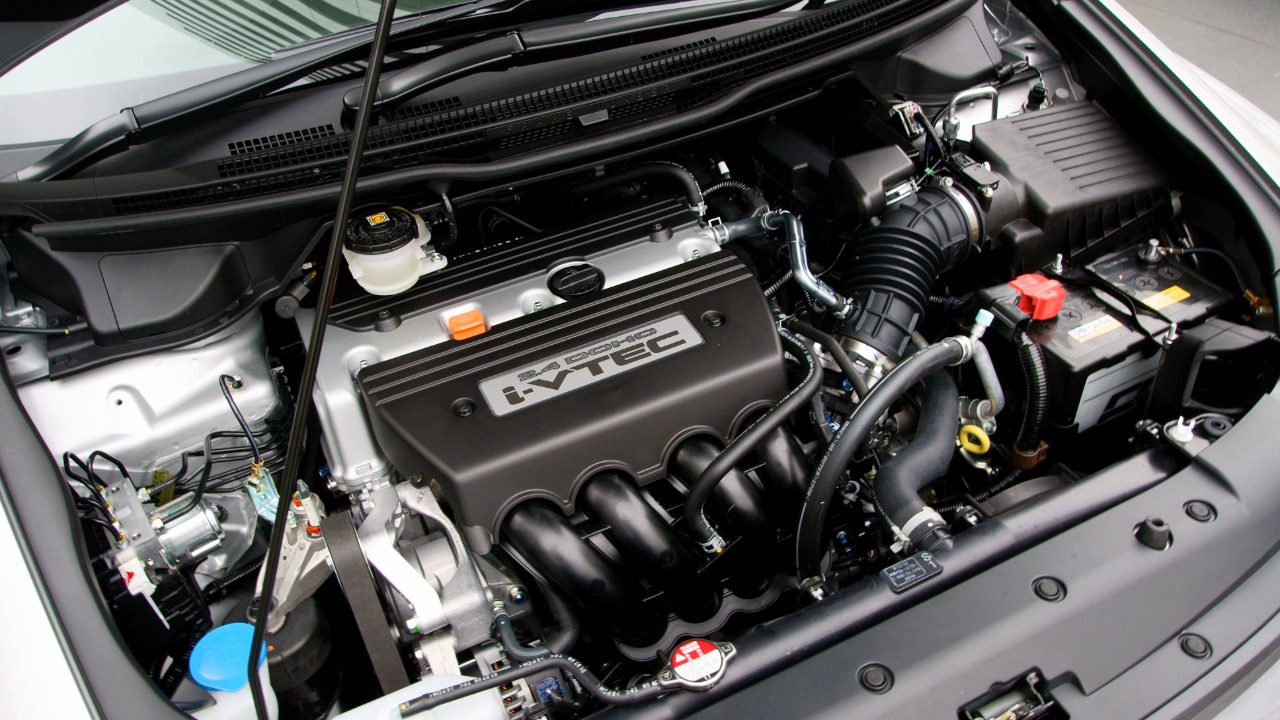
Mechanics often admire the Honda K-Series engine for its innovative engineering and reliability. Introduced in 2001, this engine family has been a staple in various Honda models, from the Civic to the Acura RSX. Its DOHC design and VTEC variable valve timing technology provide an impressive balance between power and efficiency. The K-Series engines are known for their high-revving nature, making them a popular choice for performance enthusiasts.
The K-Series is also celebrated for its robust aftermarket support, allowing for easy upgrades and modifications. With a wide range of performance parts available, mechanics can easily enhance its already impressive capabilities. Its longevity and dependability make it a favorite for those looking to build a performance-oriented vehicle. For further insights on the K-Series, consider exploring this research paper that discusses its engineering advancements.
The Volkswagen Air-Cooled Engine
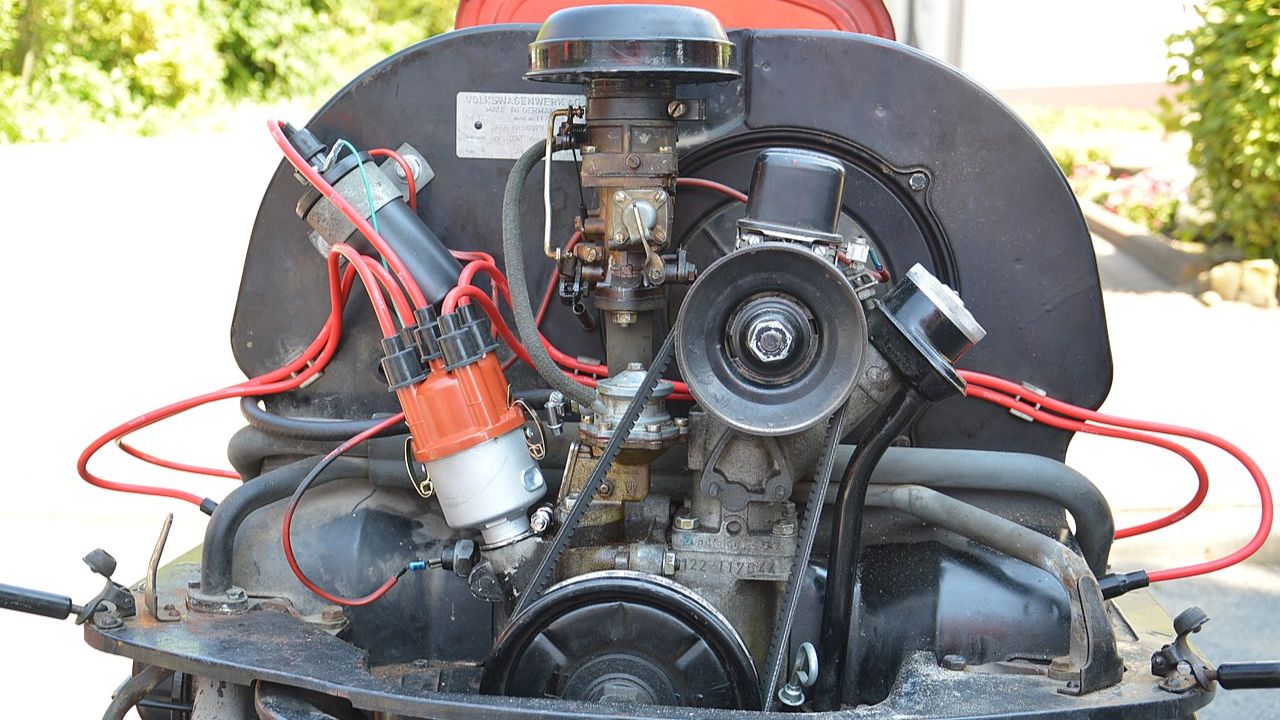
The Volkswagen Air-Cooled Engine has a special place in automotive history, particularly among mechanics who value simplicity and reliability. Introduced in the 1930s, this engine powered iconic models like the Beetle and the Bus. Its air-cooled design eliminates the need for a complex cooling system, reducing potential points of failure and making it easier to work on. Mechanics often appreciate how straightforward the design is, allowing for quick repairs and maintenance.
The durability of the air-cooled engine has contributed to its cult status, with many enthusiasts restoring and preserving these classic vehicles. Its unique sound and character also attract a passionate following. The simplicity and robustness of the engine make it an excellent choice for those looking to learn the basics of automotive mechanics. If you’re curious about its history, check out this insightful piece on Curbside Classic.
The BMW M20 Inline-Six
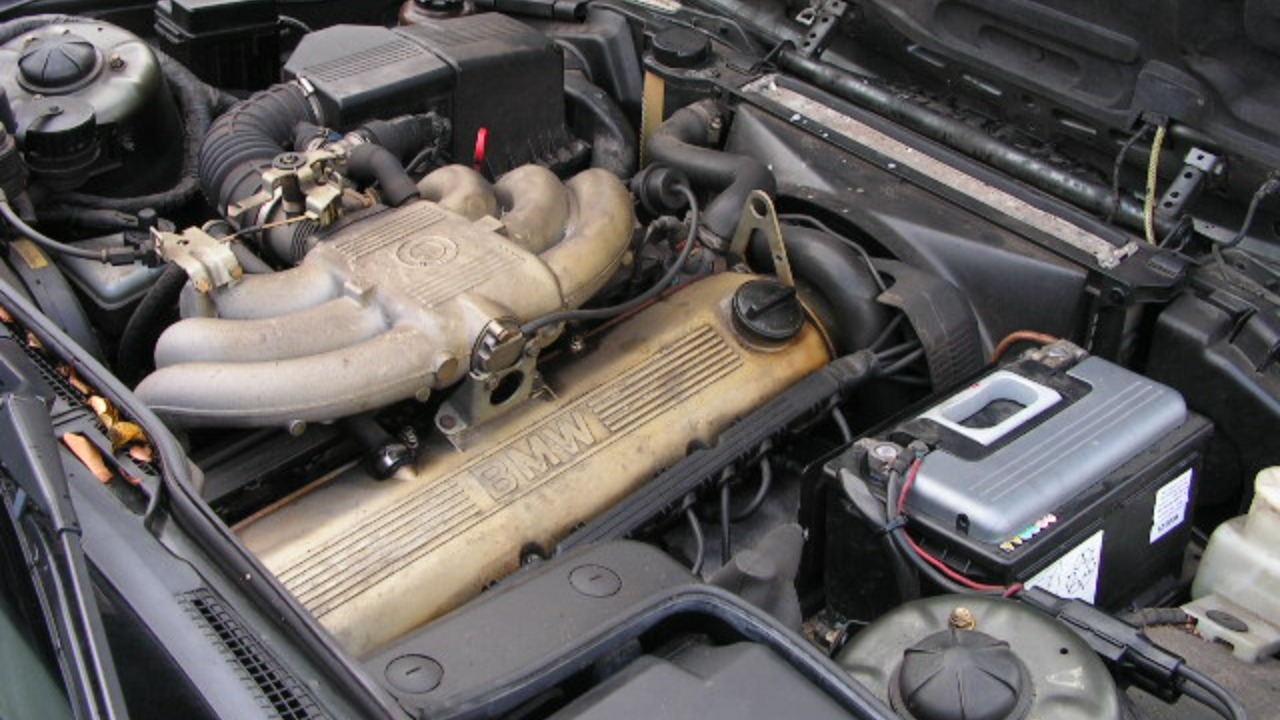
The BMW M20 inline-six engine is often admired for its smooth operation and impressive engineering. Produced from 1977 to 1993, it powered vehicles like the BMW 3 Series and 5 Series. Mechanics appreciate the M20 for its balance and refinement, delivering a driving experience that is both engaging and comfortable. The engine’s simplicity makes it easier to work on compared to many modern counterparts, which often feature complex electronics and turbocharging.
Its design allows for a high power-to-weight ratio, making it a favorite among performance enthusiasts. The M20 can be easily tuned for higher performance, and its robust build quality means it can handle significant modifications. This engine embodies the spirit of BMW’s commitment to driving pleasure, and enthusiasts often share their experiences through various forums and communities. For those interested in a deeper understanding of its engineering, there’s a detailed resource available in this book.
The Subaru EJ Series Engine
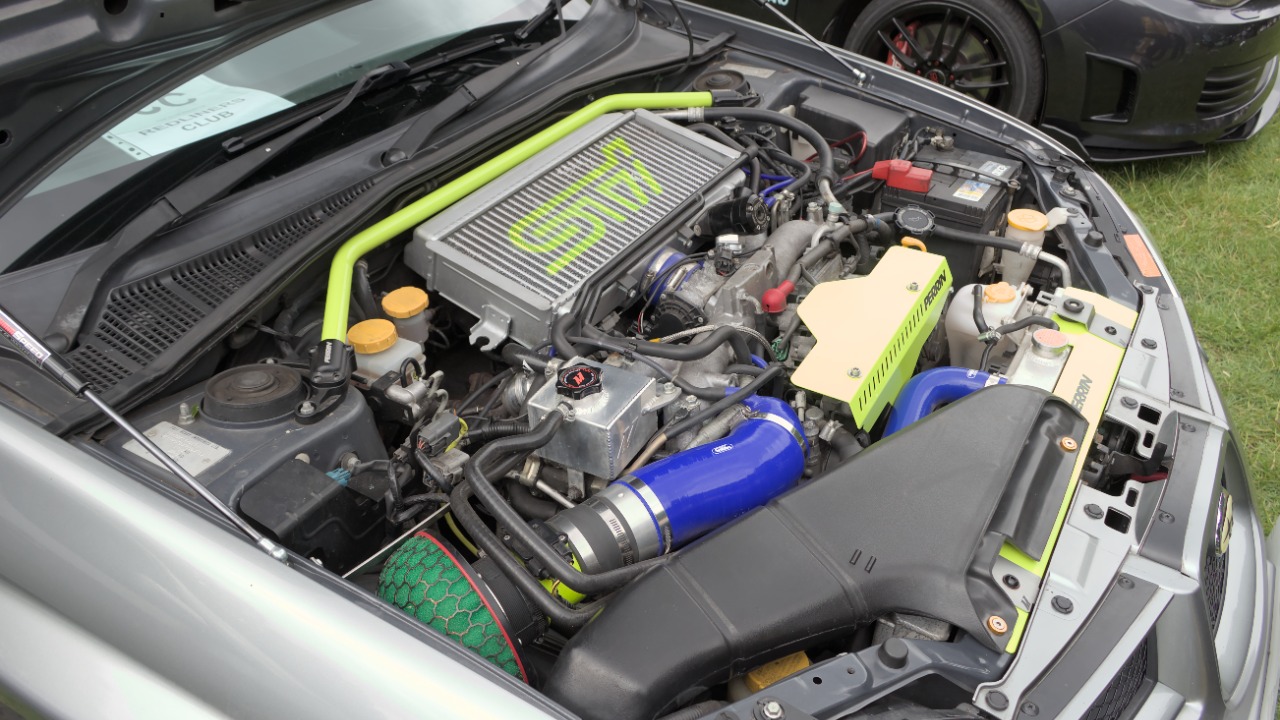
The Subaru EJ Series engine is well-regarded for its unique design and reliable performance. First introduced in 1989, this horizontally opposed “flat” engine has powered a wide range of Subaru models, including the Impreza and Outback. Mechanics admire the EJ series for its low center of gravity, which enhances vehicle stability and handling. Its unique layout also allows for a compact design without sacrificing power, making it an excellent choice for both everyday driving and performance applications.
Another reason for the EJ engine’s popularity is its ability to deliver consistent power across a broad RPM range. With a reputation for durability, the EJ series has become a favorite among off-road enthusiasts and rally racers. Its robust aftermarket support means that modifications and upgrades are easily achievable, making it an engine that can grow with its owner. The EJ Series truly epitomizes Subaru’s commitment to engineering excellence.
The Toyota 2JZ-GTE Engine
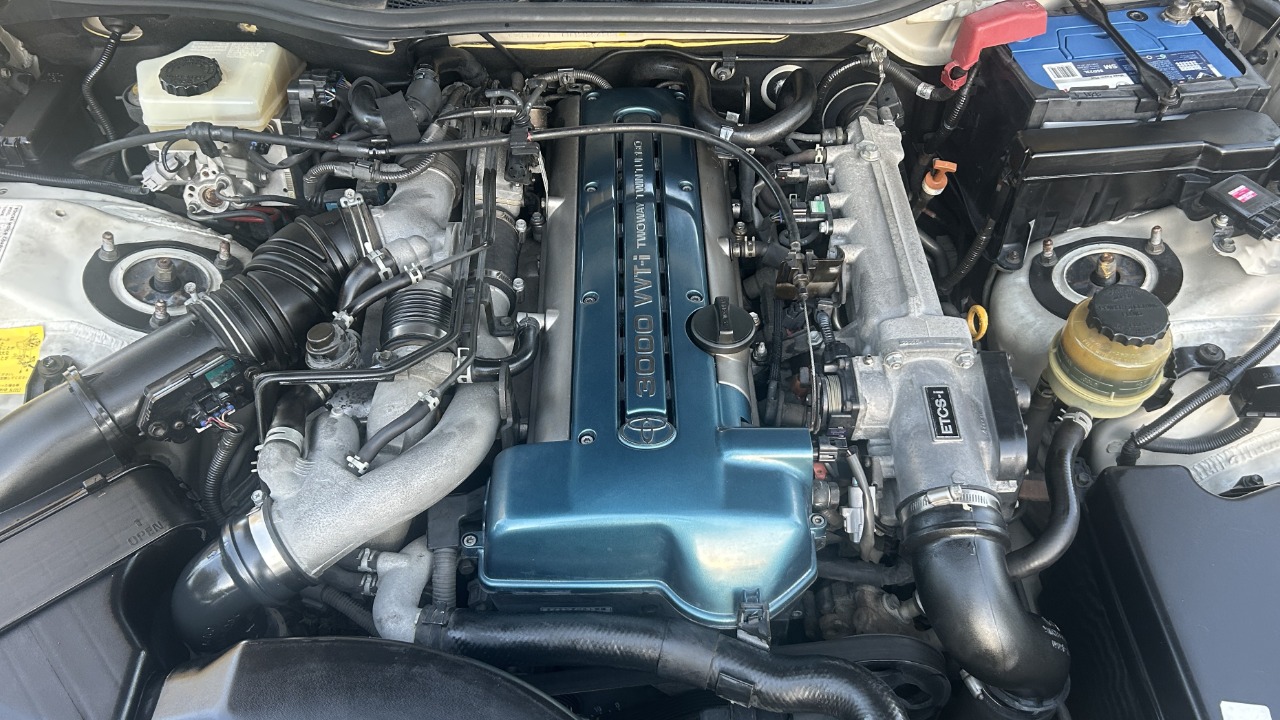
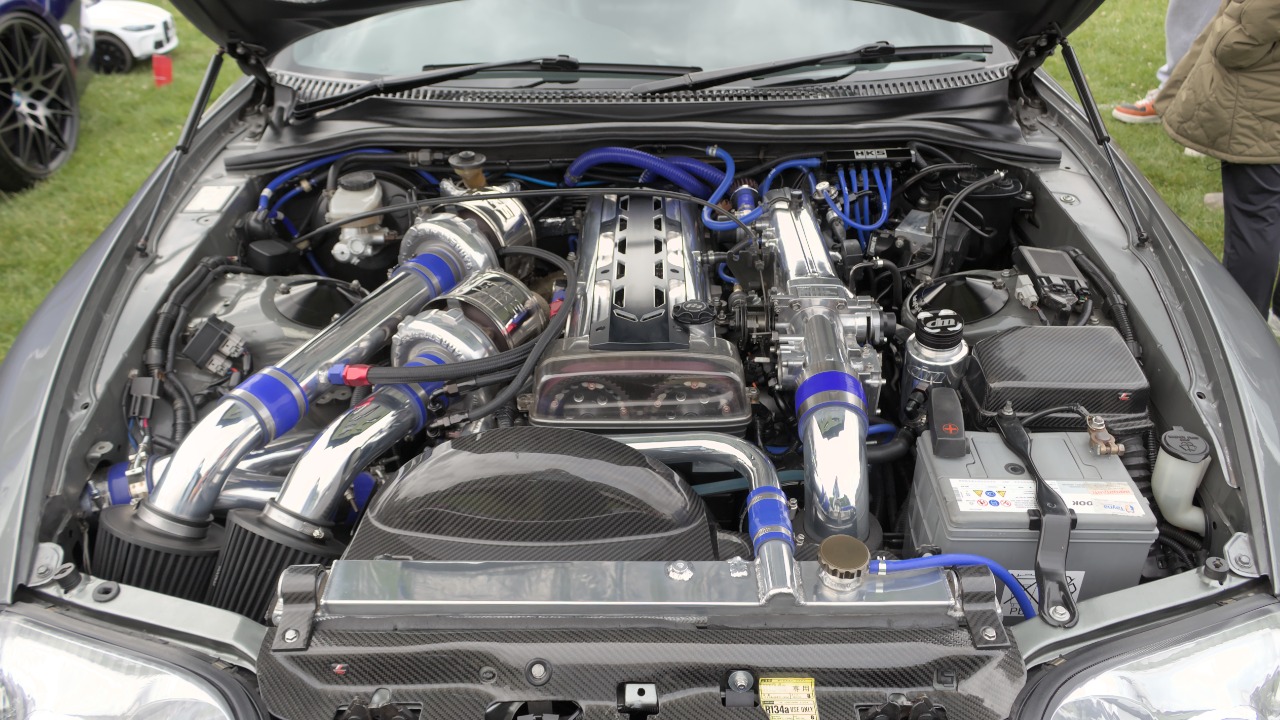
The Toyota 2JZ-GTE engine is celebrated for its incredible performance potential and engineering prowess. This turbocharged inline-six engine first appeared in the 1991 Toyota Supra and quickly gained a reputation as one of the most tunable engines ever produced. Mechanics admire the 2JZ-GTE for its robustness, capable of handling high horsepower outputs without compromising reliability. Its forged internals and efficient turbocharging system make it a favorite among tuners and racers alike.
The 2JZ-GTE’s legendary status was solidified by its success in motorsports, particularly in drag racing and drifting. With a wealth of aftermarket parts available, enthusiasts can push this engine to extraordinary limits, making it a staple in the tuning community. Its blend of power, durability, and performance has made it a benchmark for other manufacturers to aspire to, ensuring that the 2JZ-GTE will be revered for years to come.
More from Fast Lane Only
- Unboxing the WWII Jeep in a Crate
- 15 rare Chevys collectors are quietly buying
- 10 underrated V8s still worth hunting down
- Police notice this before you even roll window down
*Research for this article included AI assistance, with all final content reviewed by human editors.