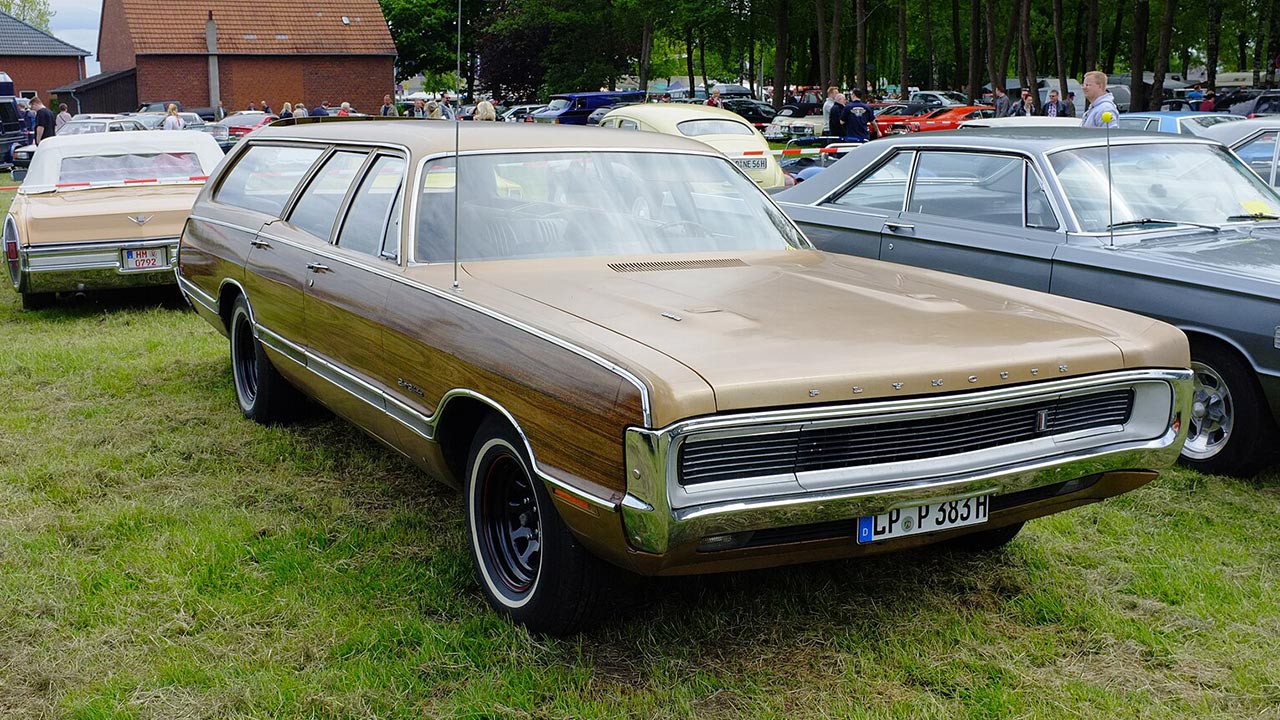
Station wagons once played a major role in everyday motoring, offering generous cargo space, comfortable seating, and practical family transportation without the height of a modern SUV. Many also had distinctive styling, powerful engines, and surprisingly durable construction. These 20 classic wagons show why the old-school station wagon still has a special place in automotive history.
Chevrolet Nomad

The Chevrolet Nomad became one of the most recognizable American station wagons of the 1950s. Its two-door body, sweeping side trim, and distinctive roof design gave it a sporty appearance that separated it from ordinary family wagons. Today, the Nomad is remembered as a stylish combination of practicality and classic Chevrolet design.
Ford Country Squire
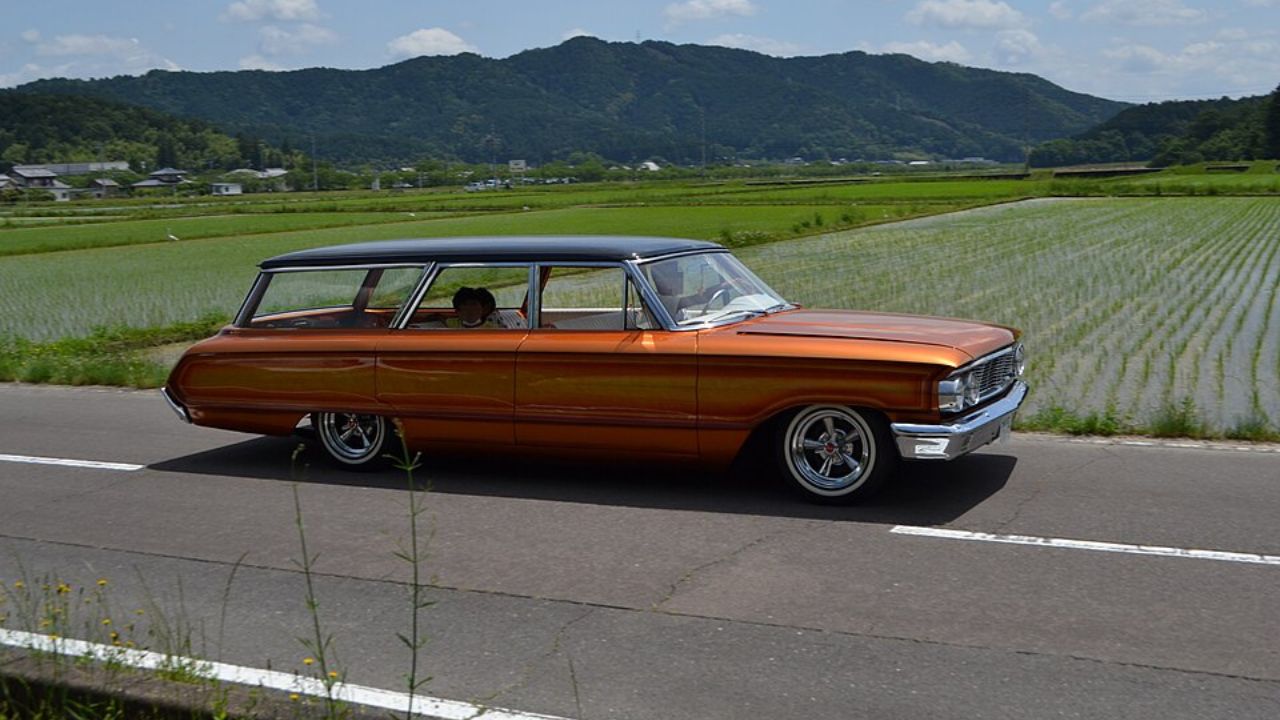
The Ford Country Squire became famous for its woodgrain exterior and spacious interior. It was designed for families who wanted plenty of room for passengers and luggage while retaining the traditional American wagon experience. Large V8 engines, comfortable seating, and its unmistakable appearance made the Country Squire an enduring symbol of the classic family wagon.
Pontiac Safari
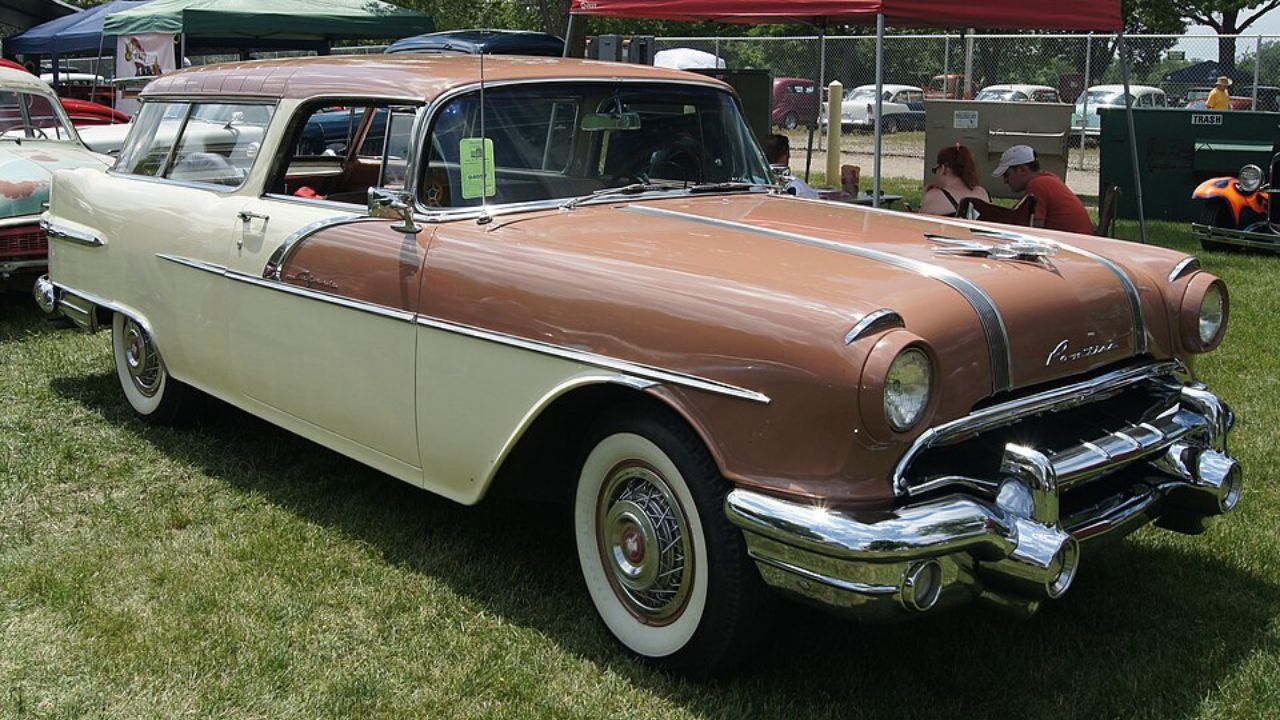
The Pontiac Safari brought Pontiac’s performance-oriented personality into the station wagon world. Its long body, distinctive styling, and available V8 power made it much more interesting than a basic utility vehicle. The Safari name appeared on several Pontiac wagon generations, giving the brand a memorable full-size wagon with plenty of character.
Oldsmobile Vista Cruiser
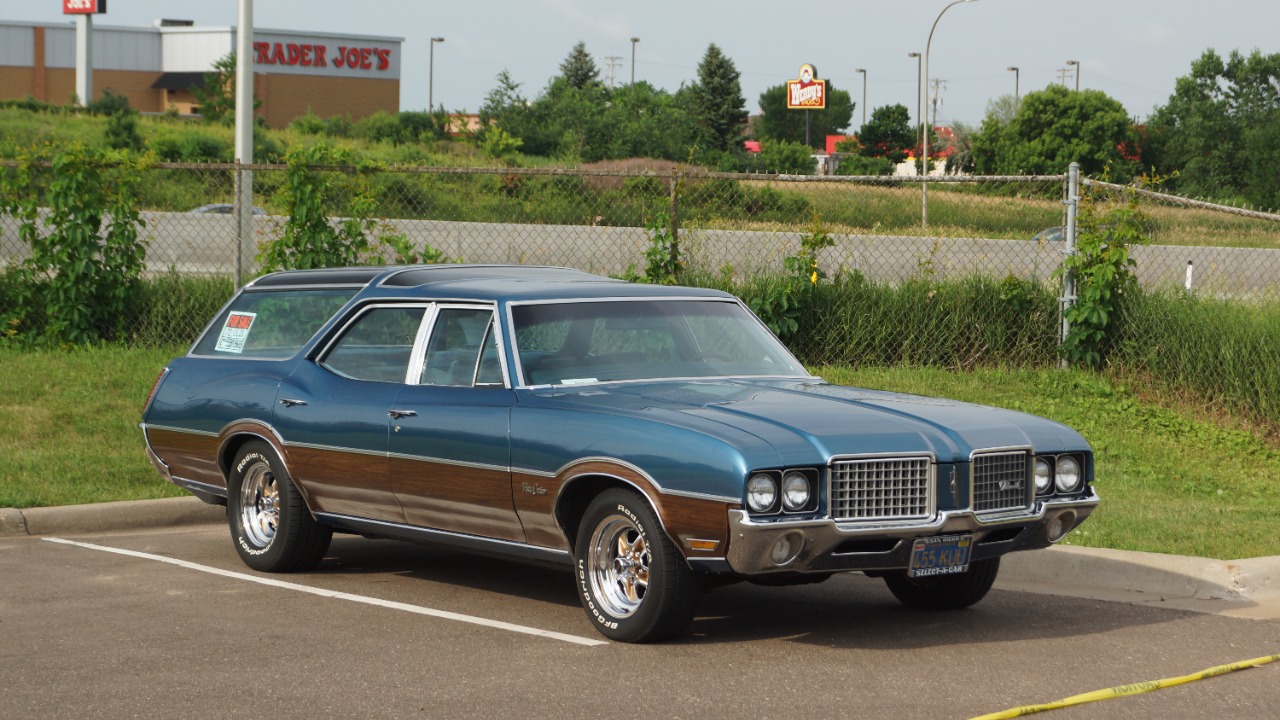
The Oldsmobile Vista Cruiser stood out with its raised roof and distinctive glass panels, giving passengers an unusual view of the surroundings. Its spacious interior made it popular with families, while available V8 engines provided plenty of power. Its unique roof design eventually became one of the most recognizable features of any American wagon.
Buick Estate Wagon
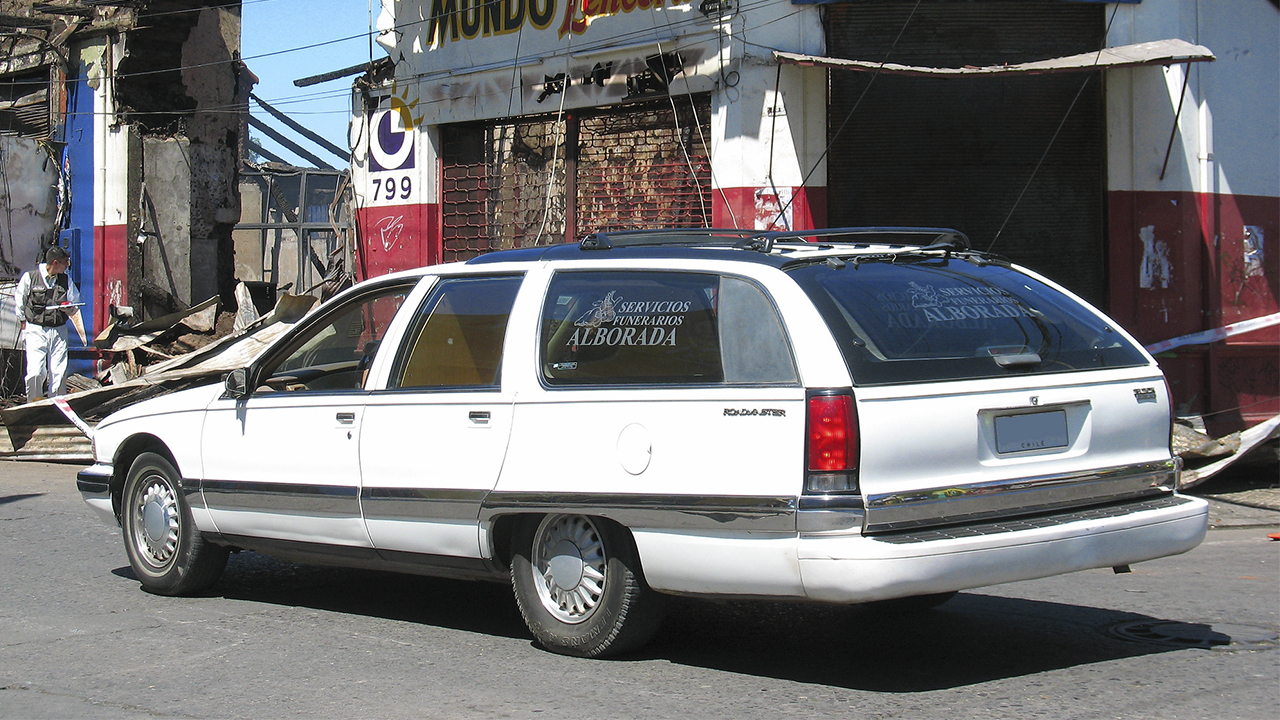
The Buick Estate Wagon combined large-car comfort with enormous cargo capacity. Its upscale interior and powerful V8 options made it feel closer to a luxury car than a basic family hauler. Large examples could carry several passengers and plenty of luggage, representing an era when wagons were expected to handle nearly every family duty.
Dodge Monaco Wagon
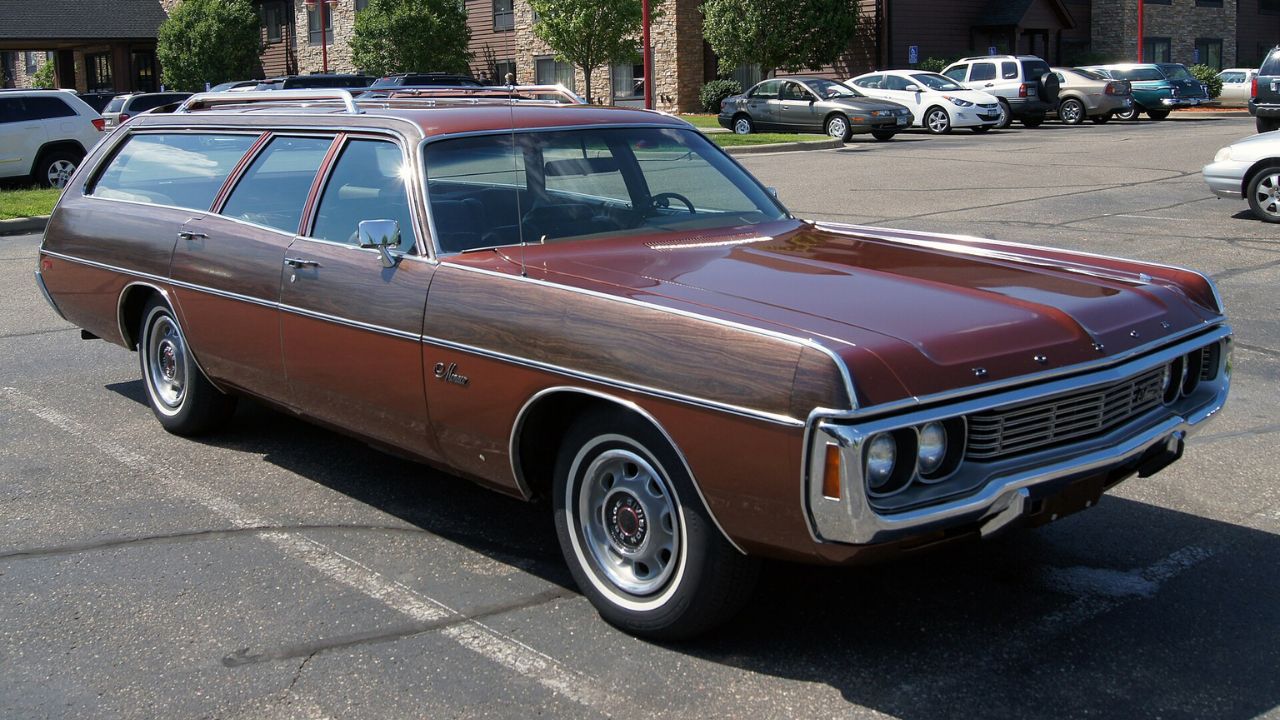
The Dodge Monaco Wagon represented the traditional full-size American station wagon at its biggest and most imposing. It offered a spacious cabin, large cargo area, and powerful engine options. Its substantial proportions reflected a time when American manufacturers built family cars with generous dimensions and plenty of road presence.
Mercury Colony Park
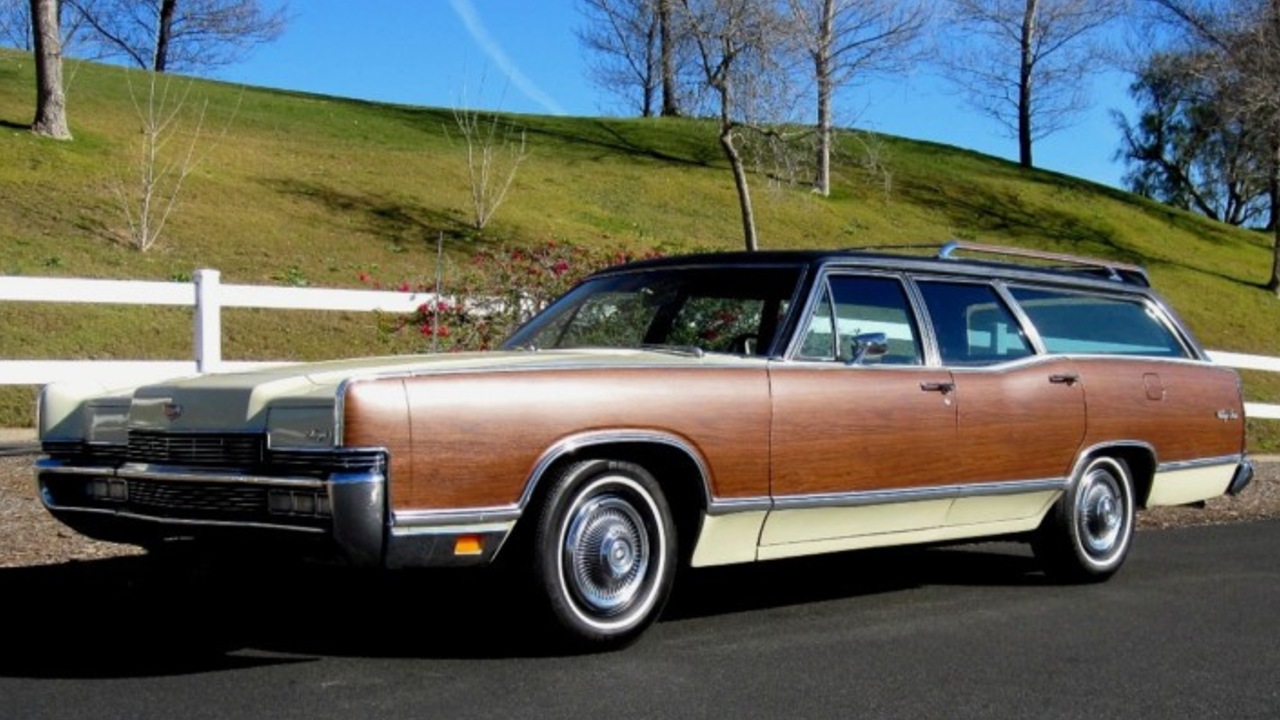
The Mercury Colony Park was the upscale cousin to Ford’s full-size wagons. Its woodgrain exterior, large interior, and comfortable ride gave it a distinctive luxury character. With its long body and substantial cargo area, the Colony Park represented the classic American approach to family transportation before SUVs became the dominant choice.
Plymouth Sport Suburban
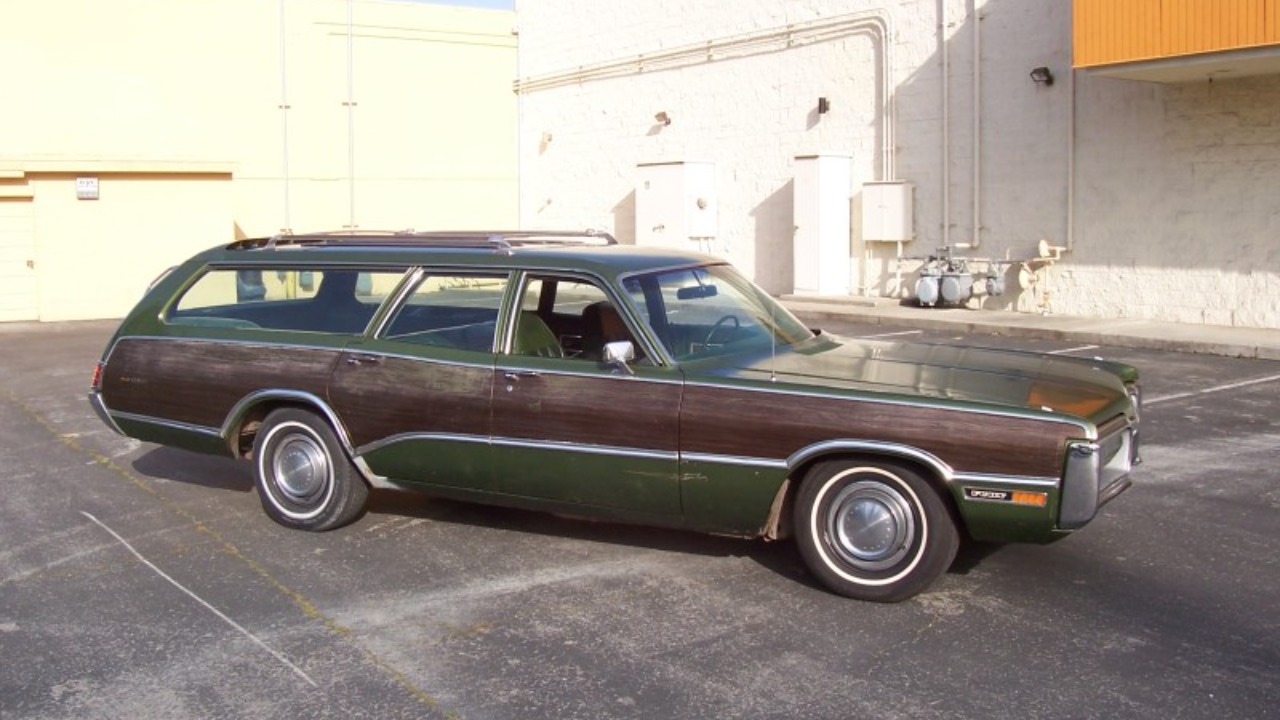
The Plymouth Sport Suburban brought a more stylish personality to the traditional family wagon. It offered generous interior space and the large V8 engines that were common across Plymouth’s lineup. Its combination of practicality and performance made it useful for families while still giving drivers the unmistakable character of a classic American car.
AMC Ambassador Wagon
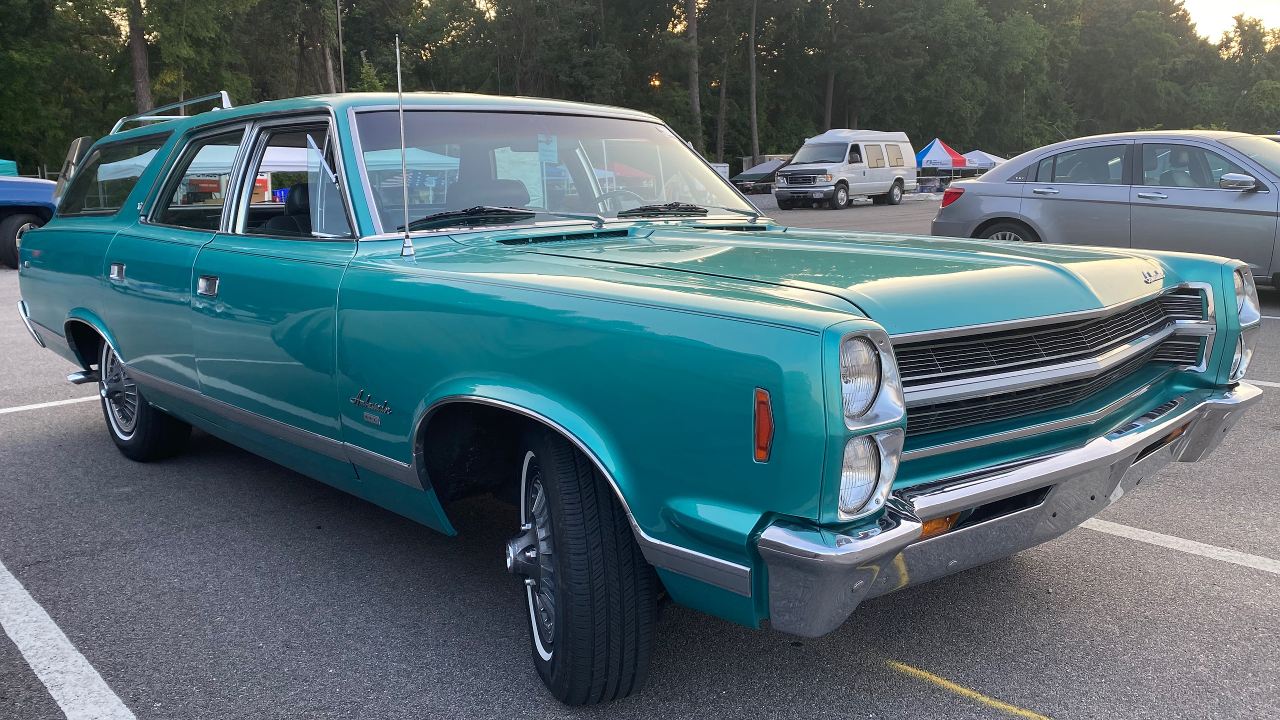
The AMC Ambassador Wagon was a spacious family hauler from a manufacturer that often approached the American market differently from the Big Three. It offered a comfortable cabin, useful cargo room, and available V8 power. Its relative rarity today makes surviving examples particularly interesting to enthusiasts looking beyond the usual Ford, Chevrolet, and Chrysler classics.
Chevrolet Caprice Estate
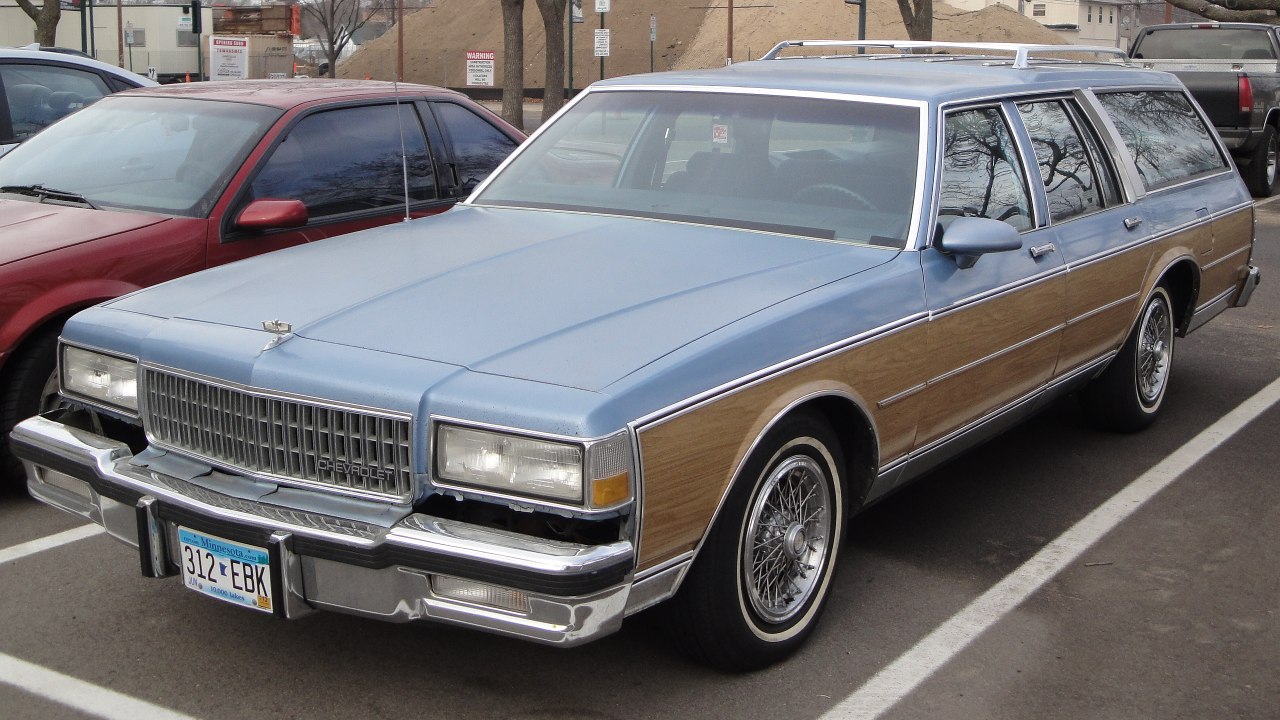
The Chevrolet Caprice Estate was a large family wagon with plenty of room and traditional American styling. Woodgrain trim gave it the classic wagon appearance, while V8 engines provided the power expected from a full-size Chevrolet. Its spacious interior and heavy-duty character made it well suited to long road trips and family use.
Ford LTD Country Squire
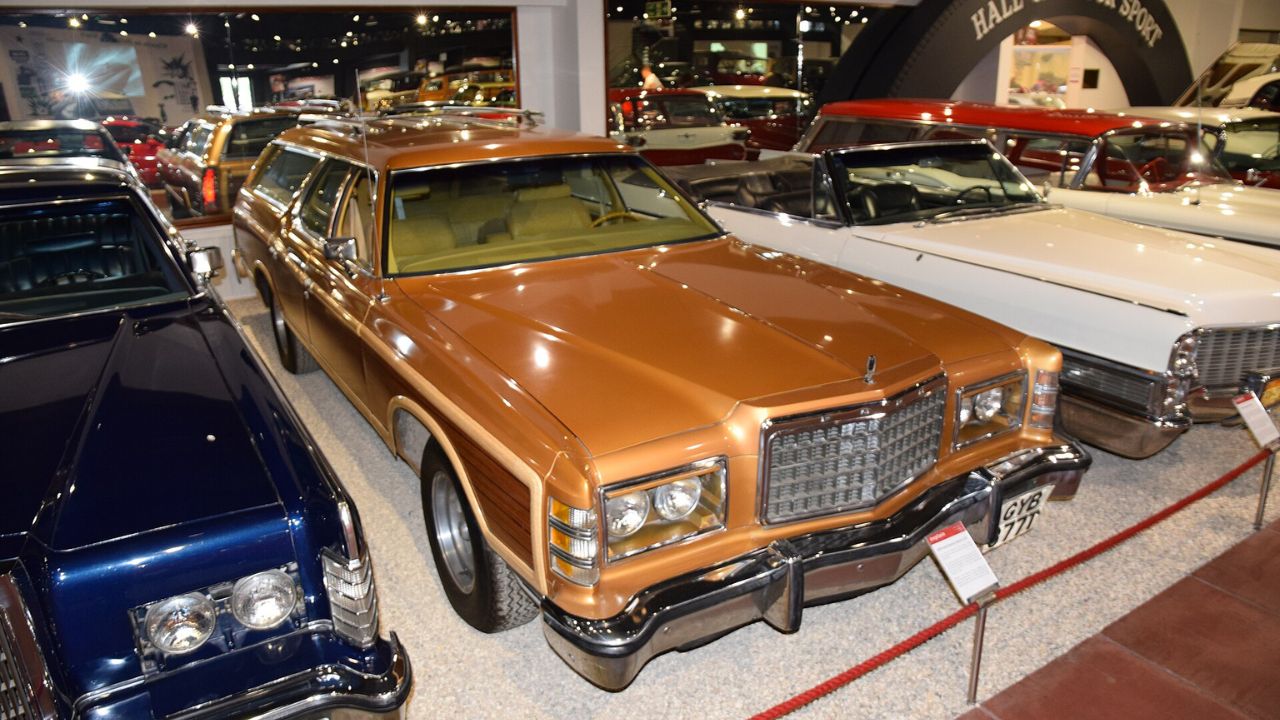
The Ford LTD Country Squire represented the final generations of the traditional American luxury wagon. It offered three-row seating, a large cargo area, woodgrain-style exterior trim, and comfortable road manners. These wagons were designed to transport large families and their belongings, something few modern cars attempt to replicate.
Pontiac Grand Safari
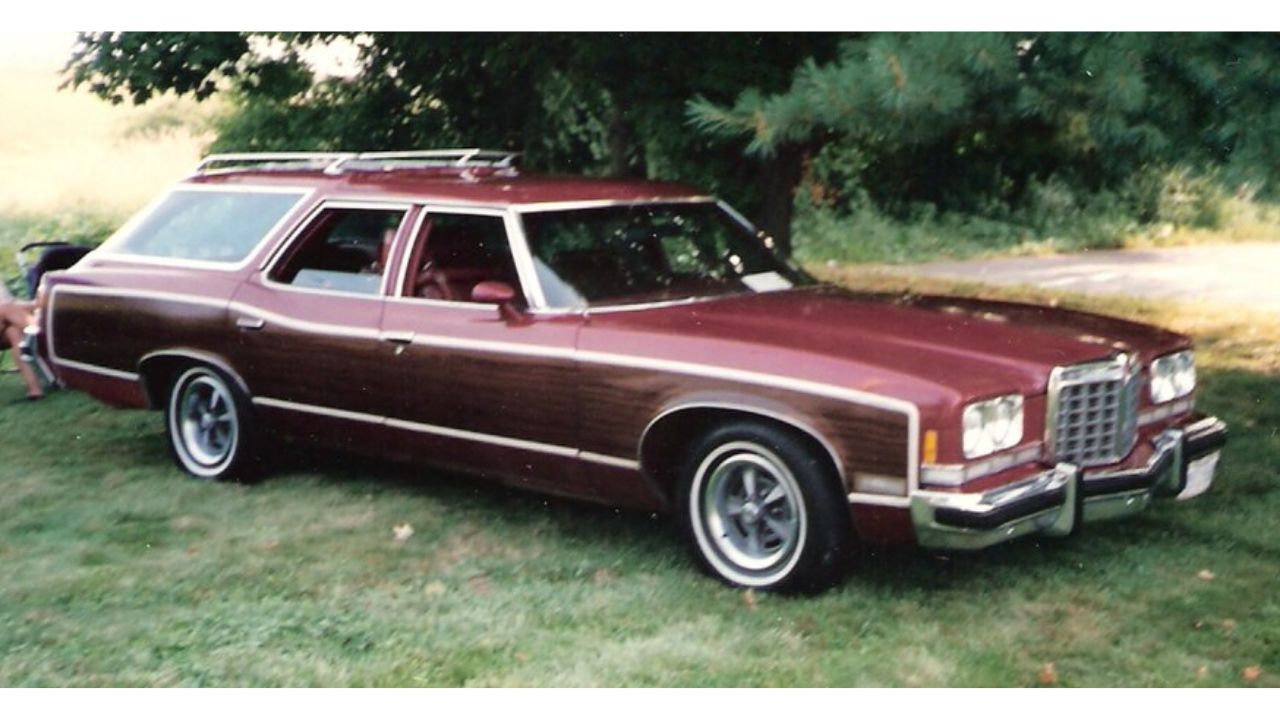
The Pontiac Grand Safari was a massive wagon that combined family practicality with Pontiac’s distinctive styling. Its long body provided impressive passenger and cargo capacity, while V8 engines gave it the strength needed for hauling. The Grand Safari captures the period when station wagons were large, comfortable, and built for long-distance family travel.
Mercury Marquis Colony Park
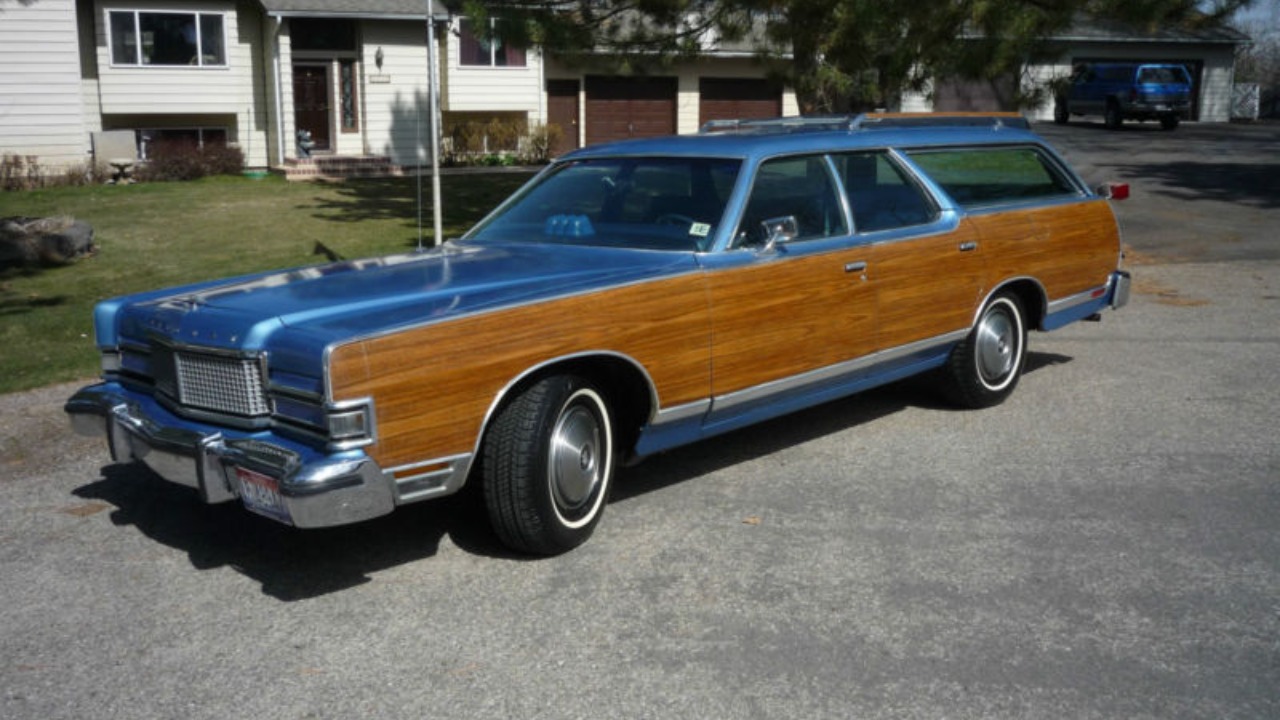
The Mercury Marquis Colony Park brought a more luxurious feel to the full-size wagon formula. It offered a spacious cabin, soft ride, and distinctive woodgrain exterior treatment. Its enormous dimensions allowed it to carry passengers and cargo with ease, reflecting an era when manufacturers could build extremely large family vehicles without the compromises common today.
Volvo 240 Wagon
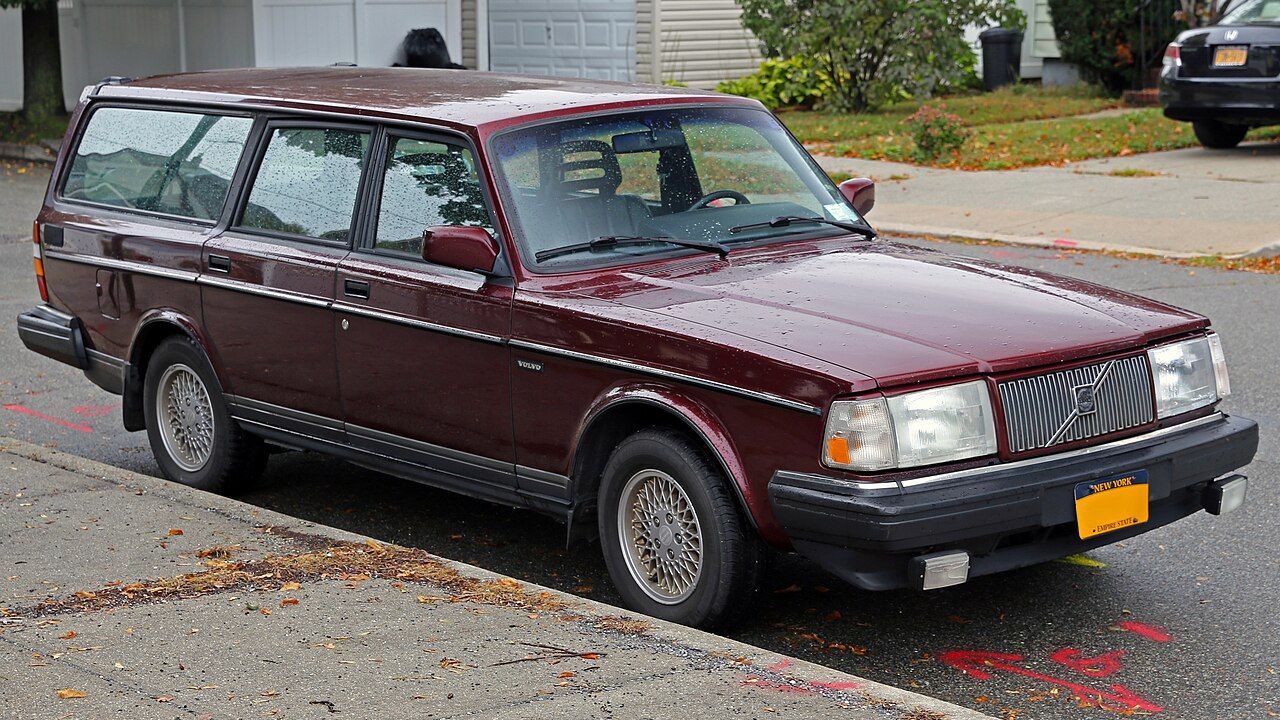
The Volvo 240 Wagon became famous for its boxy design, practical interior, and reputation for durability. Its simple shape maximized usable cargo space, while the sturdy construction made it a popular long-term family vehicle. Unlike many American wagons, the 240 focused on practicality and engineering rather than enormous size or powerful V8 engines.
Mercedes-Benz W123 Wagon
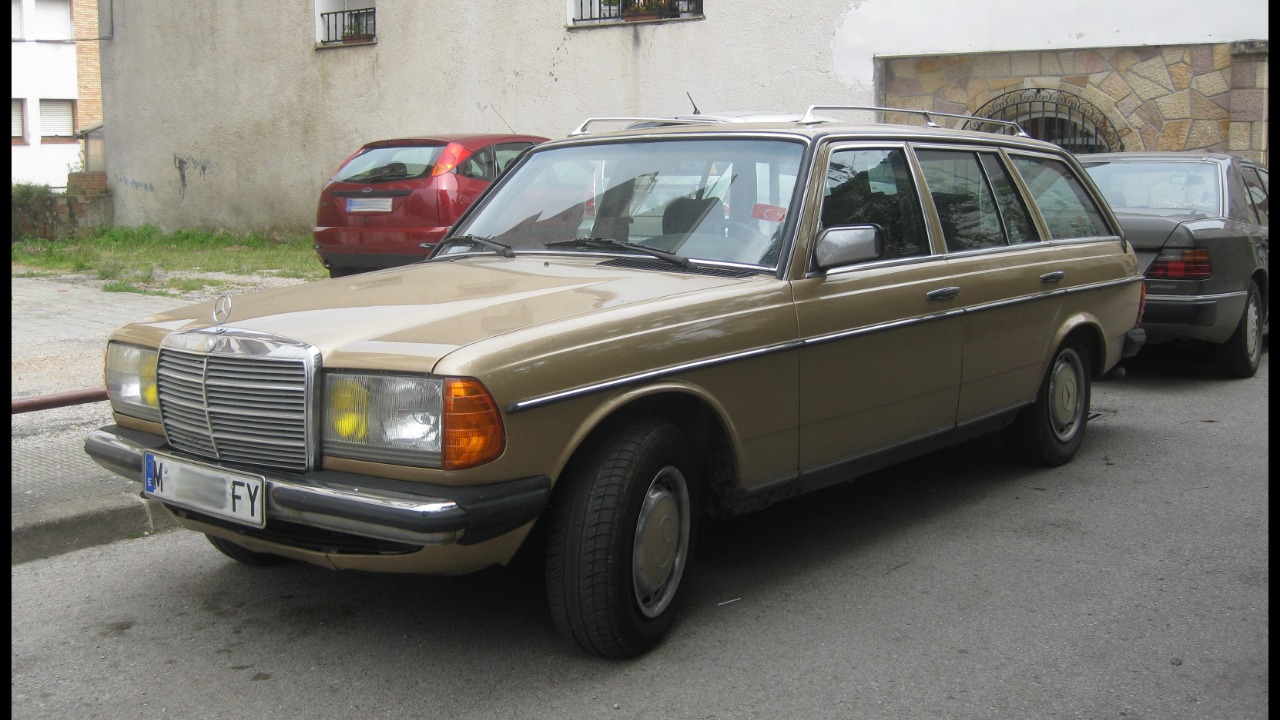
The Mercedes-Benz W123 Wagon combined European engineering with genuine family practicality. Its squared-off design provided useful cargo space, while the interior emphasized comfort and durability. Diesel versions became particularly notable for their ability to accumulate high mileage when properly maintained, making the W123 Wagon an important classic among long-lasting European estates.
Saab 900 Wagon
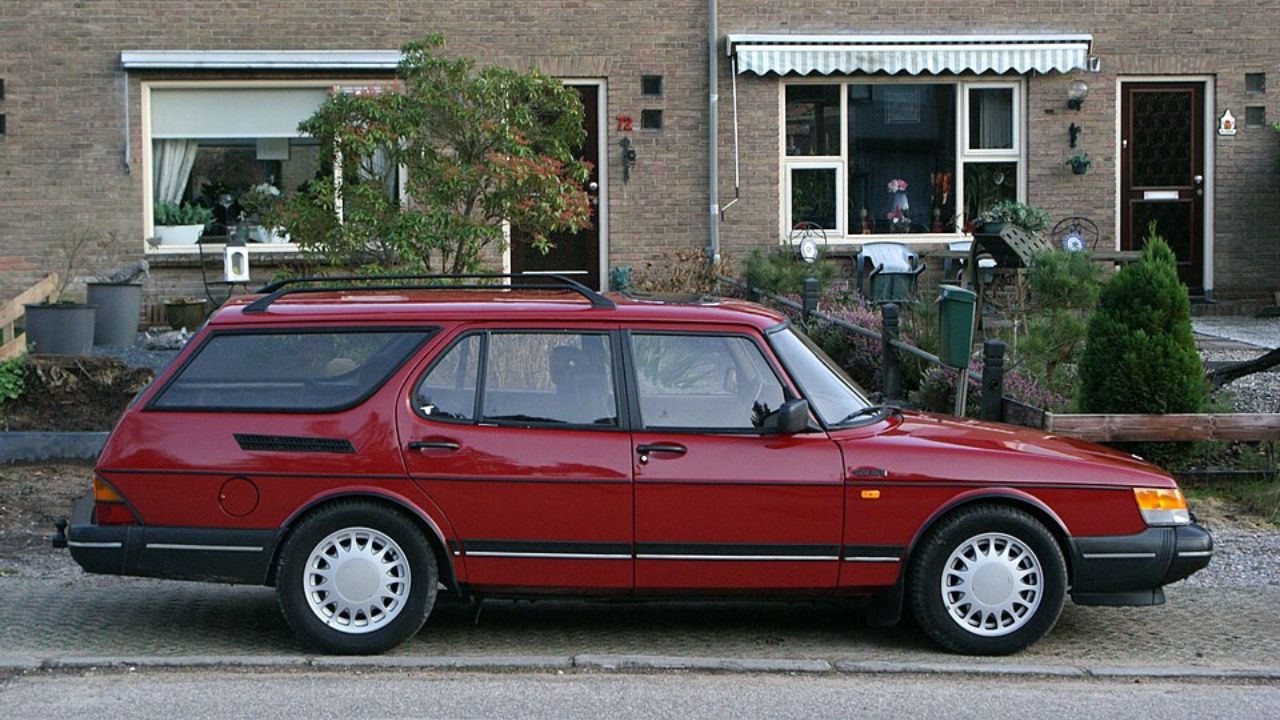
The Saab 900 Wagon was unusual because it was not a conventional long-roof station wagon in the traditional sense. Its extended hatchback design provided impressive practicality while maintaining Saab’s distinctive engineering and styling. The model’s unusual proportions and clever interior packaging made it stand out from the much more conventional wagons of its era.
Subaru Legacy Wagon
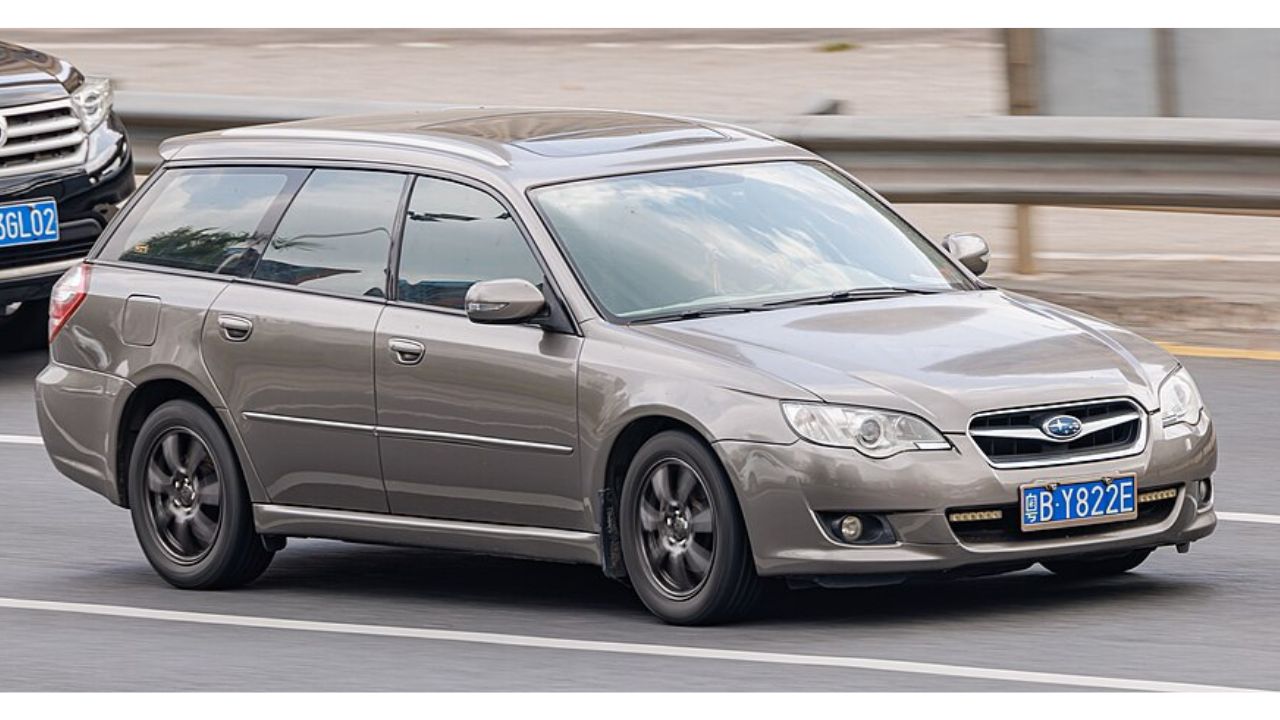
The Subaru Legacy Wagon helped establish the idea that a family wagon could provide useful all-weather capability without becoming a large SUV. Its available all-wheel-drive system, practical interior, and relatively compact dimensions made it particularly useful for families and outdoor enthusiasts. It became an important part of Subaru’s wagon heritage.
Audi 100 Avant
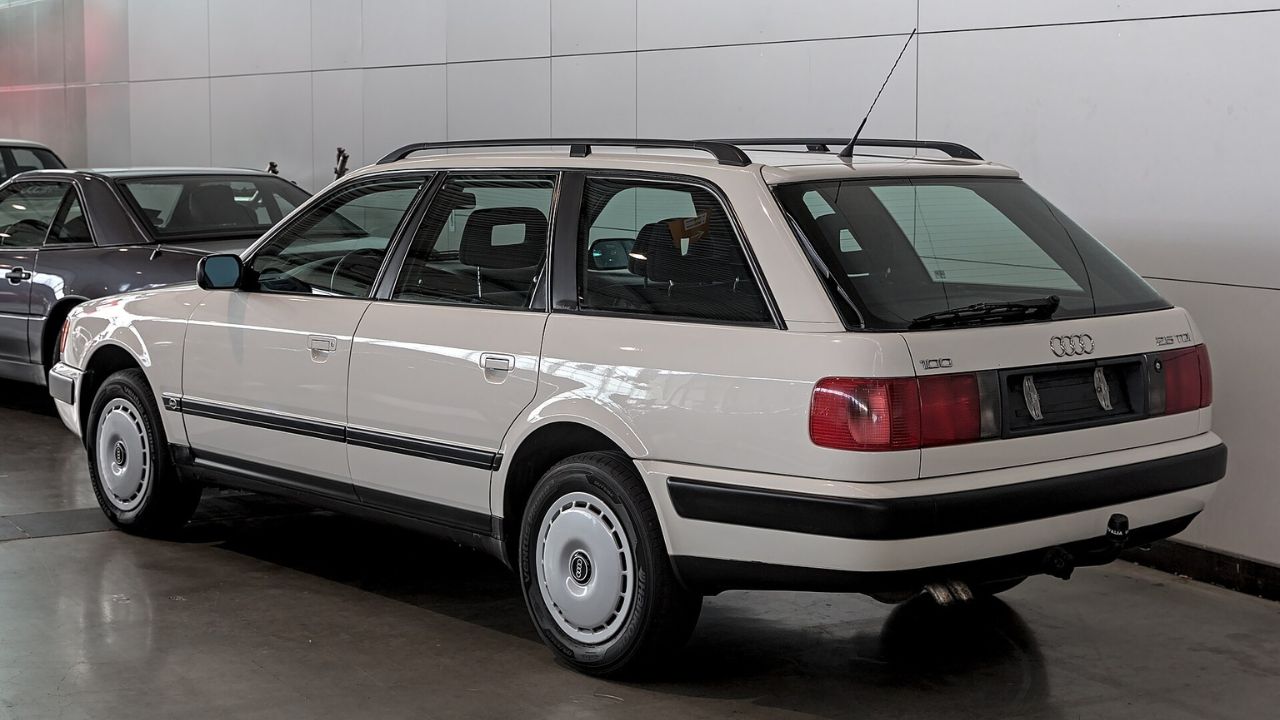
The Audi 100 Avant demonstrated how European manufacturers could combine wagon practicality with aerodynamic design. Its sleek body was more refined than the upright shapes common among traditional American wagons. The Avant offered useful cargo space while retaining the road manners and styling expected from a premium European car.
Volvo 850 Wagon
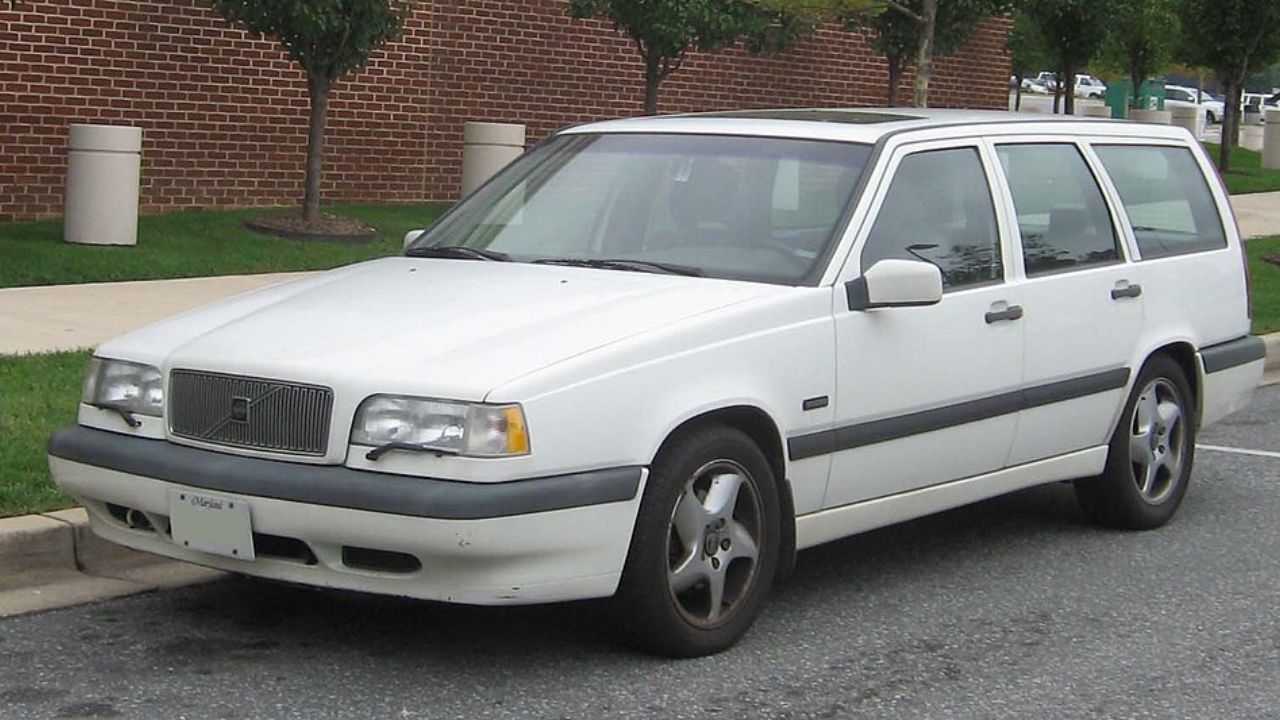
The Volvo 850 Wagon brought a more modern interpretation of the practical Volvo estate. Its five-cylinder engine, spacious interior, and distinctive squared-off rear body made it instantly recognizable. Performance-oriented versions added another layer of appeal, proving that a practical family wagon could also deliver genuinely engaging driving characteristics.
BMW 5 Series Touring
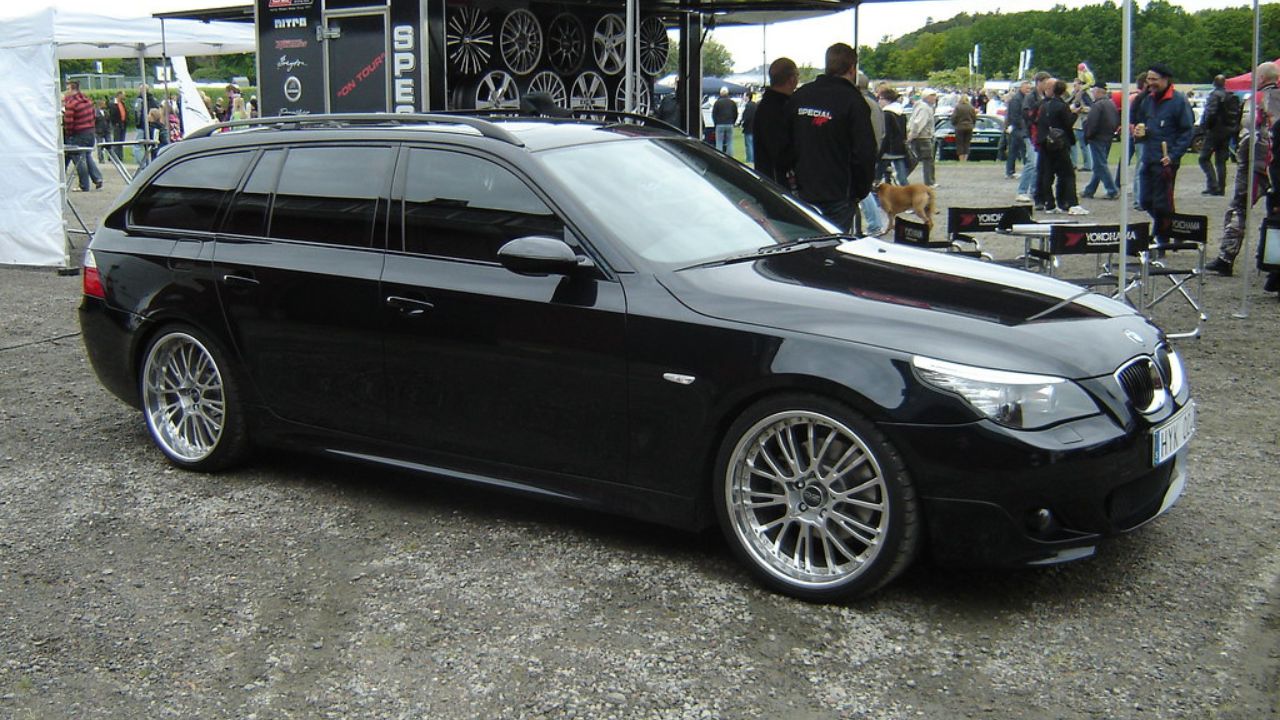
The BMW 5 Series Touring combined the practicality of a station wagon with the driving characteristics expected from a BMW. Its rear cargo area was integrated into a balanced, premium body design, while strong engines provided performance that many traditional wagons lacked. It helped demonstrate why enthusiasts could appreciate a wagon for both utility and driving enjoyment.
More from Fast Lane Only
- Unboxing the WWII Jeep in a Crate
- 15 rare Chevys collectors are quietly buying
- 10 underrated V8s still worth hunting down
- Police notice this before you even roll window down
*Research for this article included AI assistance, with all final content reviewed by human editors.