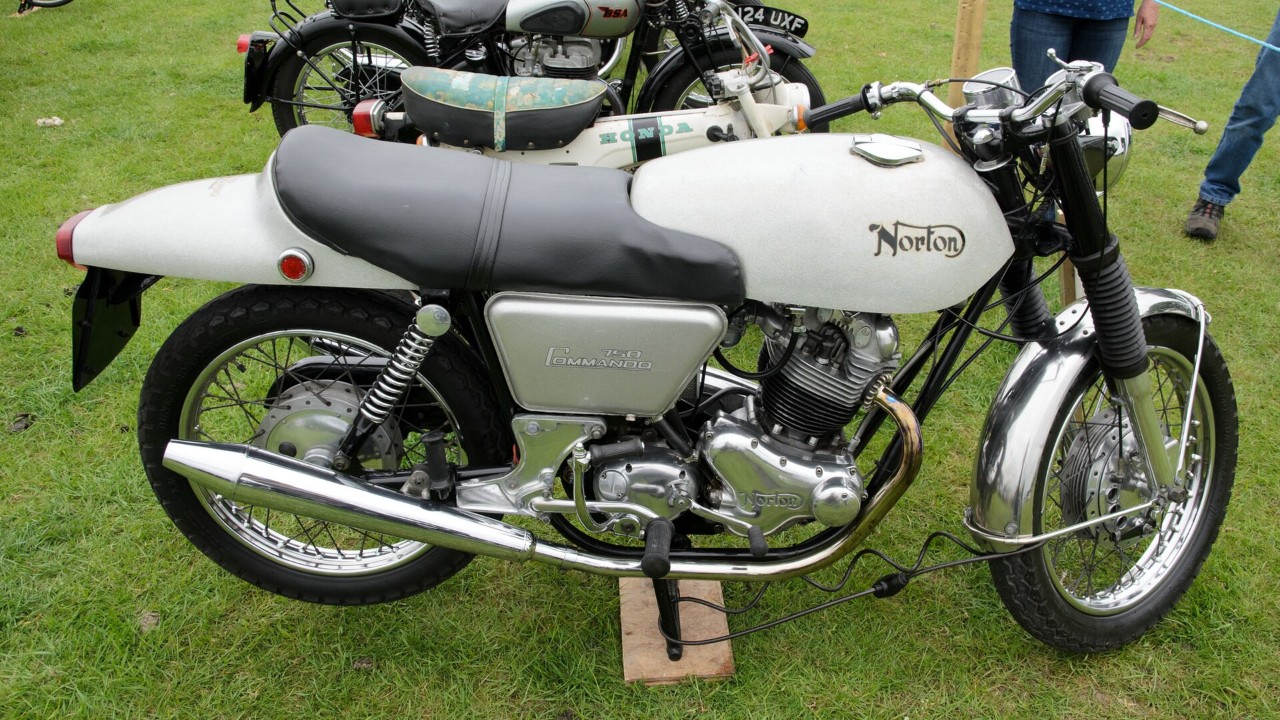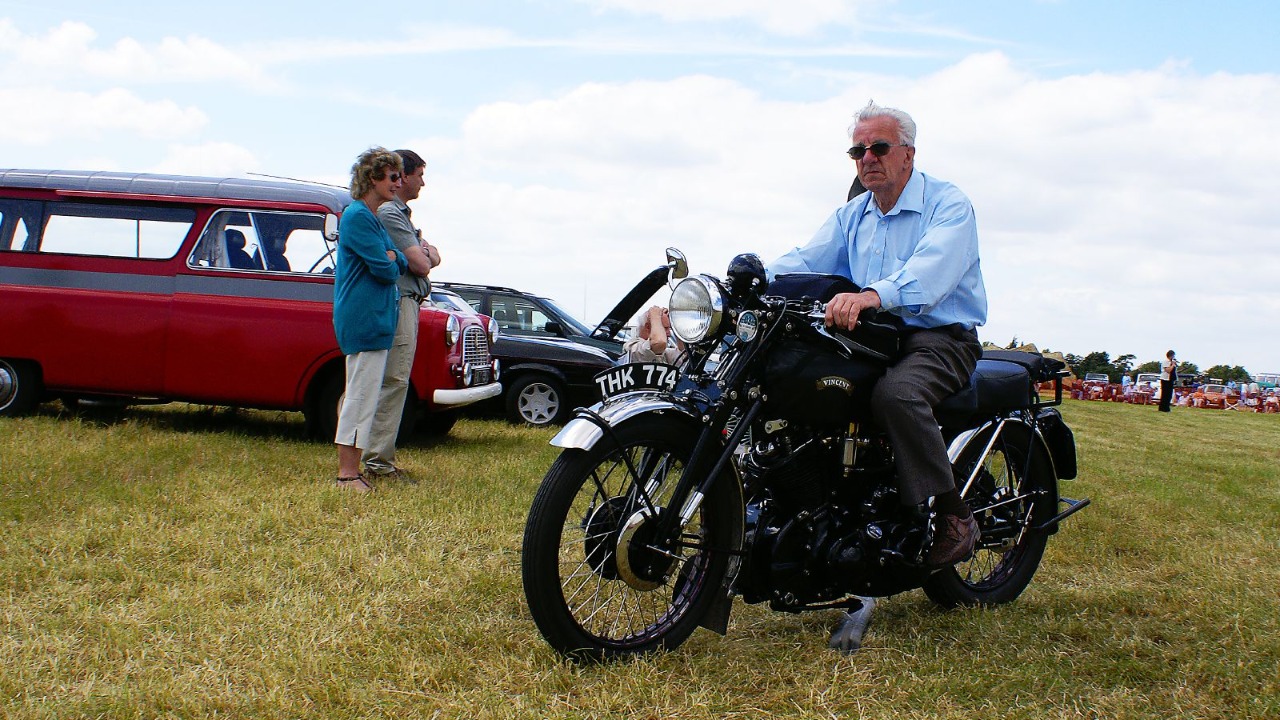
Some classic motorcycles became famous worldwide, while others remained rare because they were produced in small numbers or sold only in certain markets. Their unusual designs, limited production, and forgotten histories make them difficult to encounter today. These 18 classic bikes are especially interesting examples that many enthusiasts may never see in person.
Honda NR750
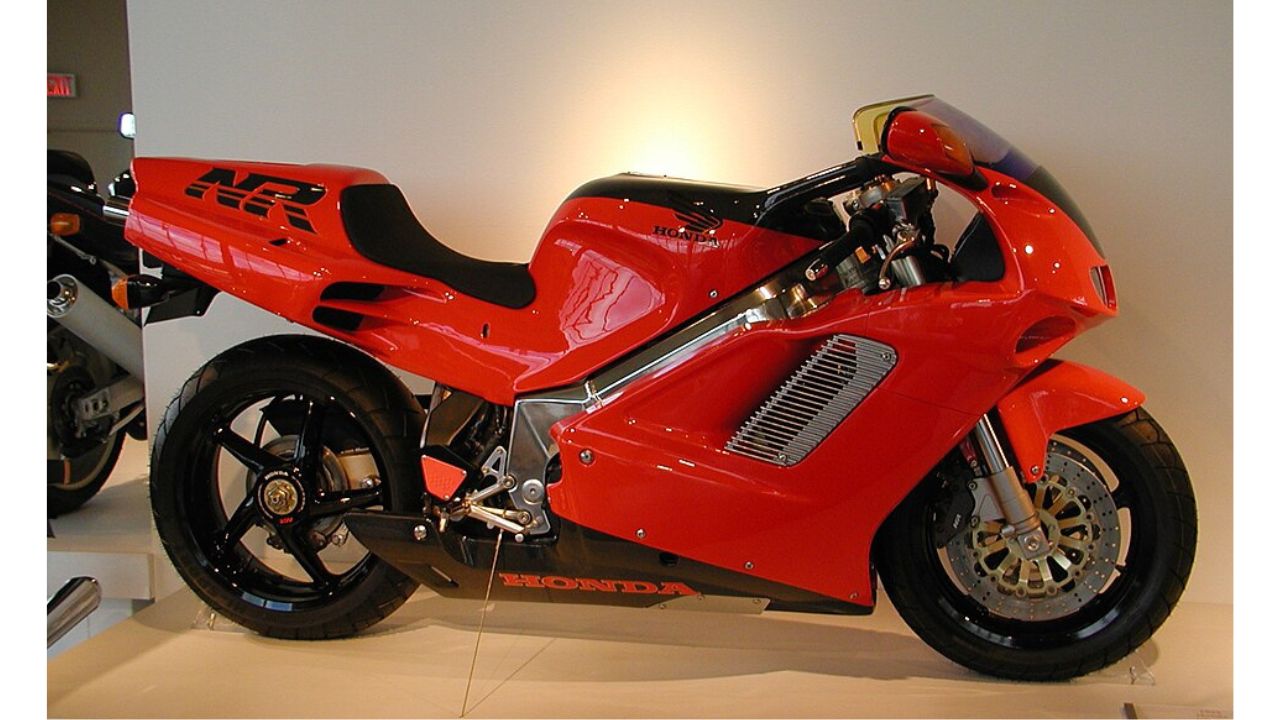
The Honda NR750 became famous for its unusual oval-piston V4 engine and highly advanced engineering. Built in very limited numbers, it was never an ordinary production motorcycle. Its carbon-fiber bodywork, distinctive exhaust system, and exotic construction made it one of Honda’s most ambitious machines. Its rarity today makes seeing an original example especially unusual.
Yamaha OW01
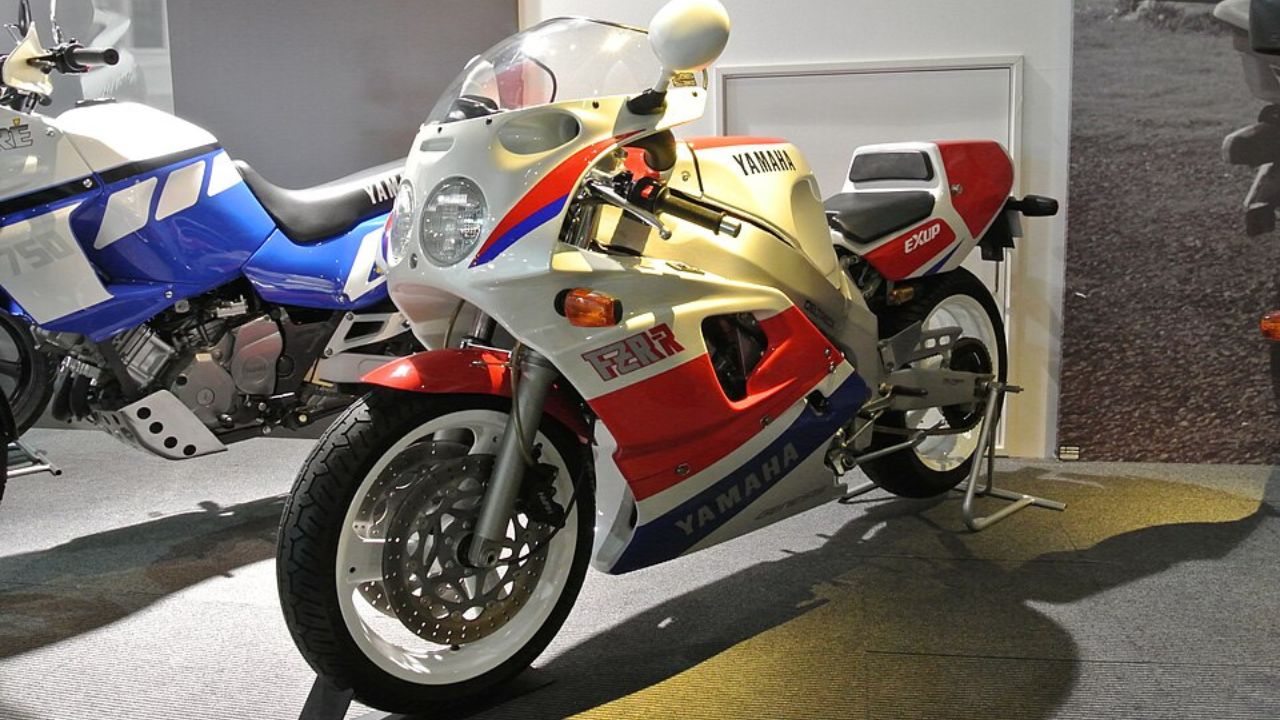
The Yamaha OW01 was a homologation superbike created to bring racing technology to the road. It featured an advanced 750cc four-cylinder engine, lightweight construction, and sophisticated chassis components. Production numbers were limited because the motorcycle was closely connected to Yamaha’s racing program. Finding one today can be difficult, particularly outside specialist motorcycle collections.
Suzuki RG500 Gamma
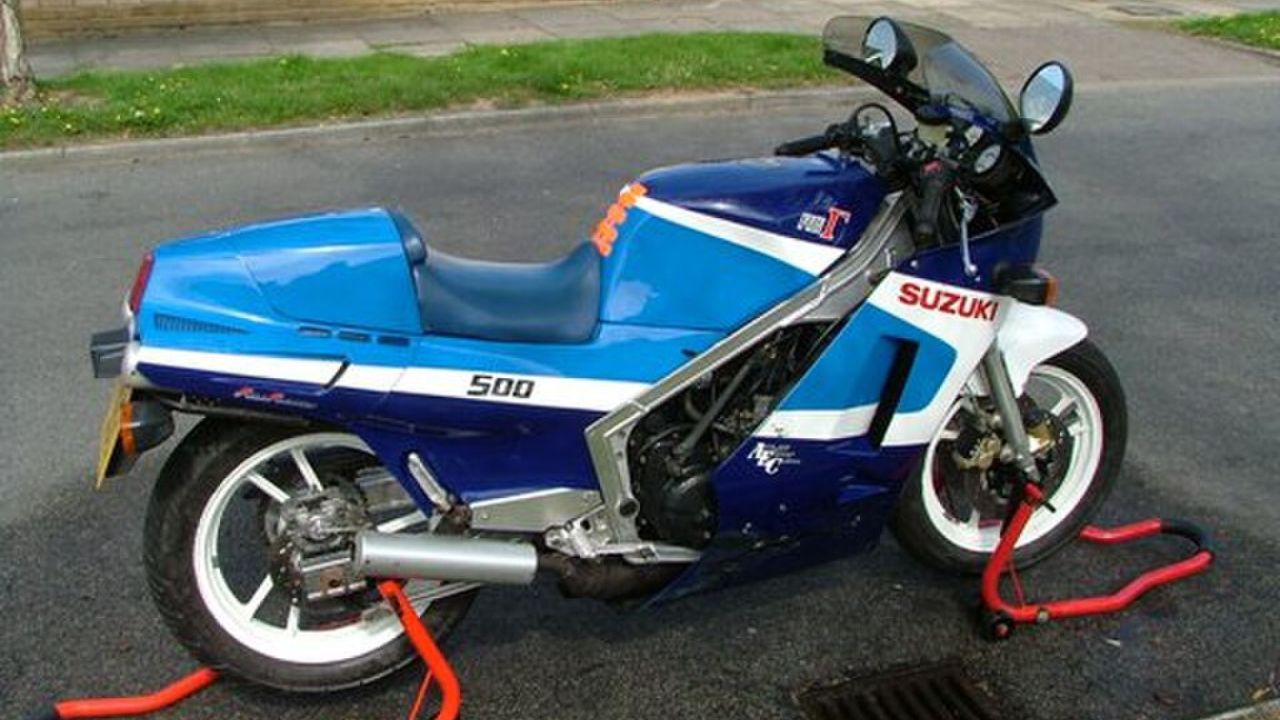
The Suzuki RG500 Gamma brought two-stroke Grand Prix-inspired technology to public roads. Its square-four engine and lightweight chassis gave it impressive performance for its era. Suzuki produced relatively few examples compared with ordinary motorcycles, and many were modified or used heavily. Original, well-preserved examples have therefore become increasingly uncommon among classic motorcycle enthusiasts.
Honda RC45
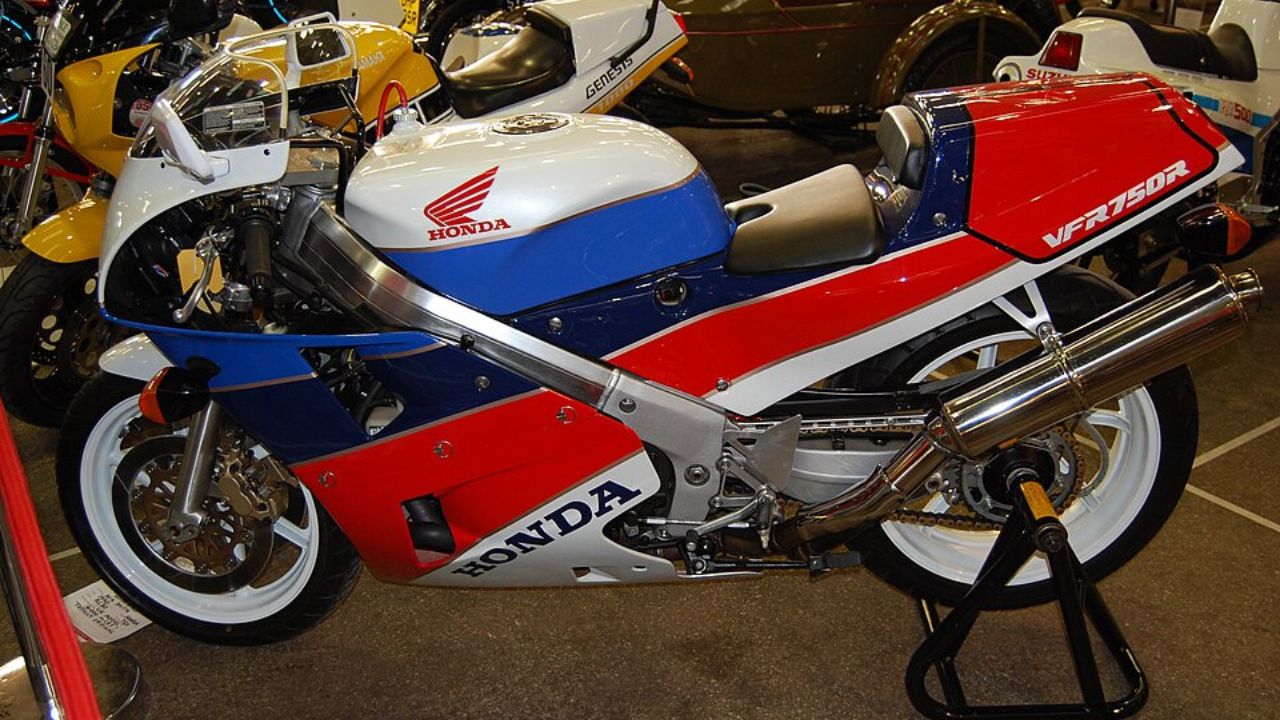
The Honda RC45 was a limited-production V4 superbike developed closely around Honda’s racing technology. Its gear-driven camshafts, sophisticated chassis, and high-revving engine made it an advanced machine for its era. Because Honda built relatively few examples, the RC45 never became a common sight. Today, finding an original motorcycle outside a specialist collection is particularly difficult.
Honda RC30
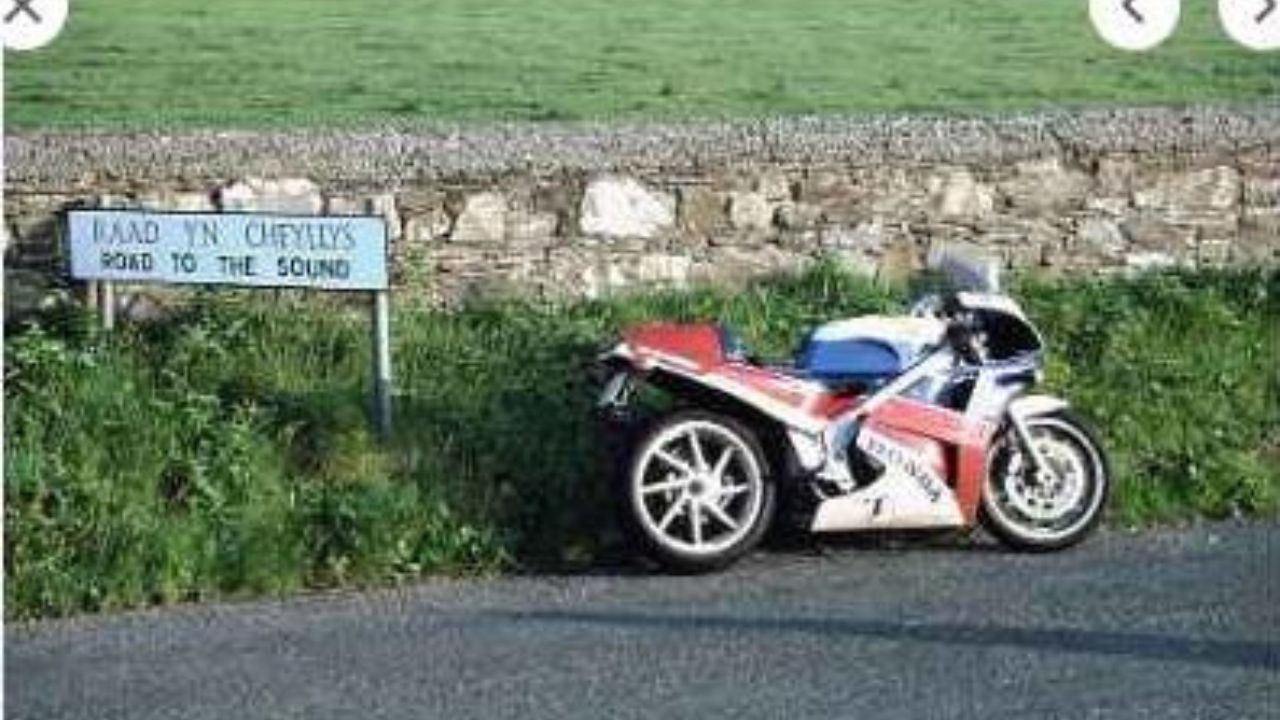
The Honda RC30 became one of the most respected homologation motorcycles of its generation. Its V4 engine, gear-driven camshafts, single-sided swingarm, and lightweight construction reflected Honda’s racing technology. Production was intentionally limited, making the RC30 rare even when new. Today, encountering an original example outside a collection or specialist event can be difficult.
Ducati 750 Sport
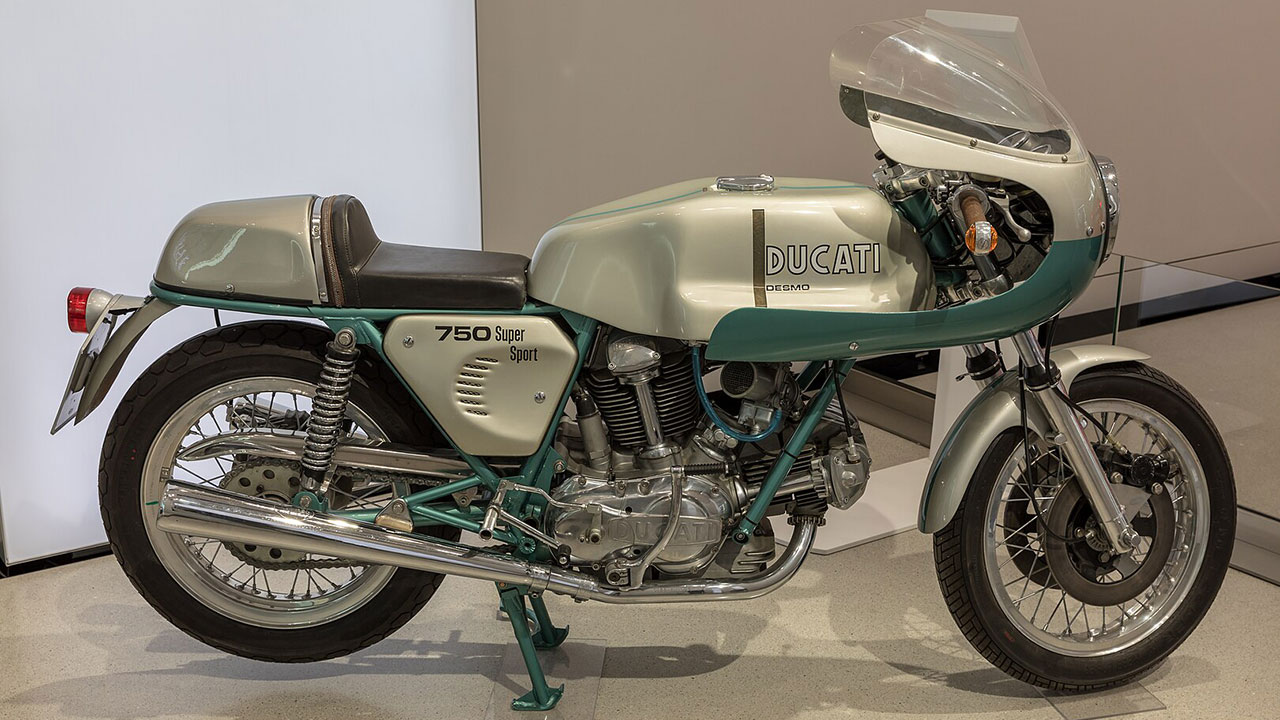
The Ducati 750 Sport combined Italian styling with the company’s famous V-twin engineering. Its distinctive frame, minimalist bodywork, and sporting character made it stand apart from ordinary motorcycles. Compared with later Ducati models, surviving examples are much less common. Restored 750 Sports are particularly interesting because they represent an important period in Ducati’s early performance history.
Laverda Jota
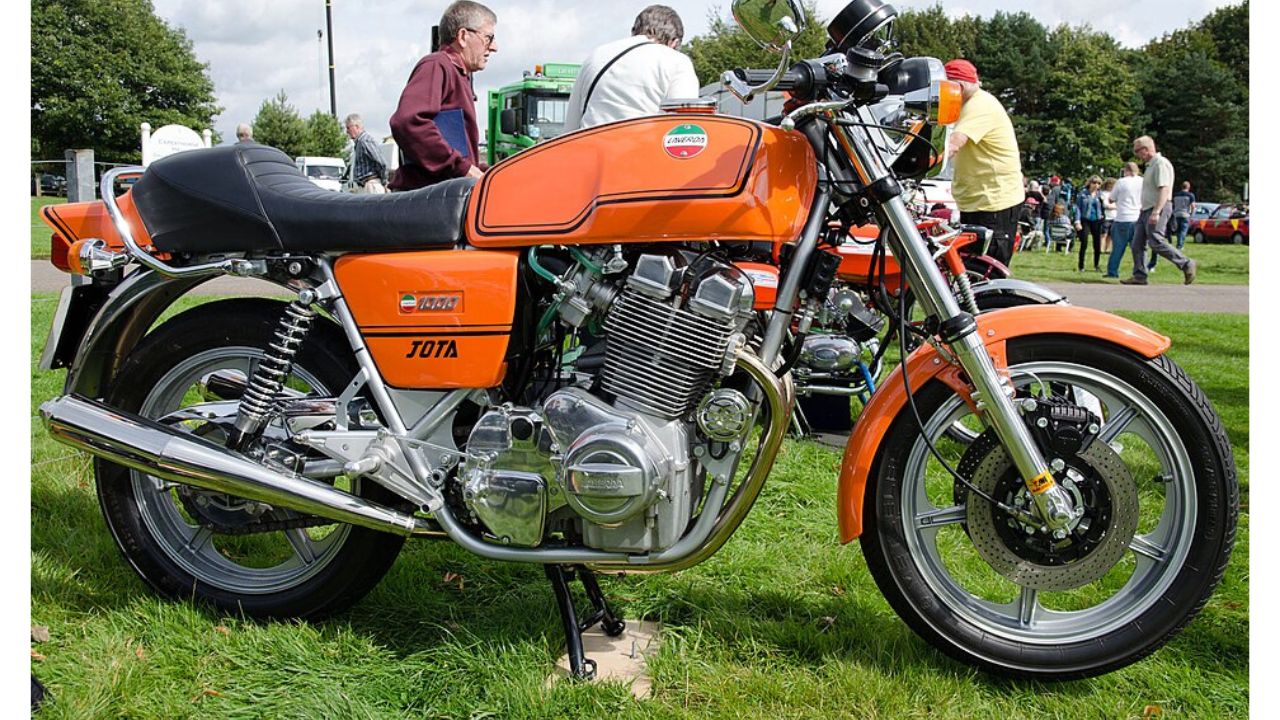
CC BY 2.0 / wiki commons
The Laverda Jota became one of Europe’s most distinctive high-performance motorcycles. Its three-cylinder engine provided strong performance, while its large proportions and serious mechanical character gave it a unique personality. Laverda never produced motorcycles in the enormous numbers of Japanese manufacturers, so surviving Jotas are relatively uncommon. An original example can be a rare sight today.
Ducati 900 SuperSport
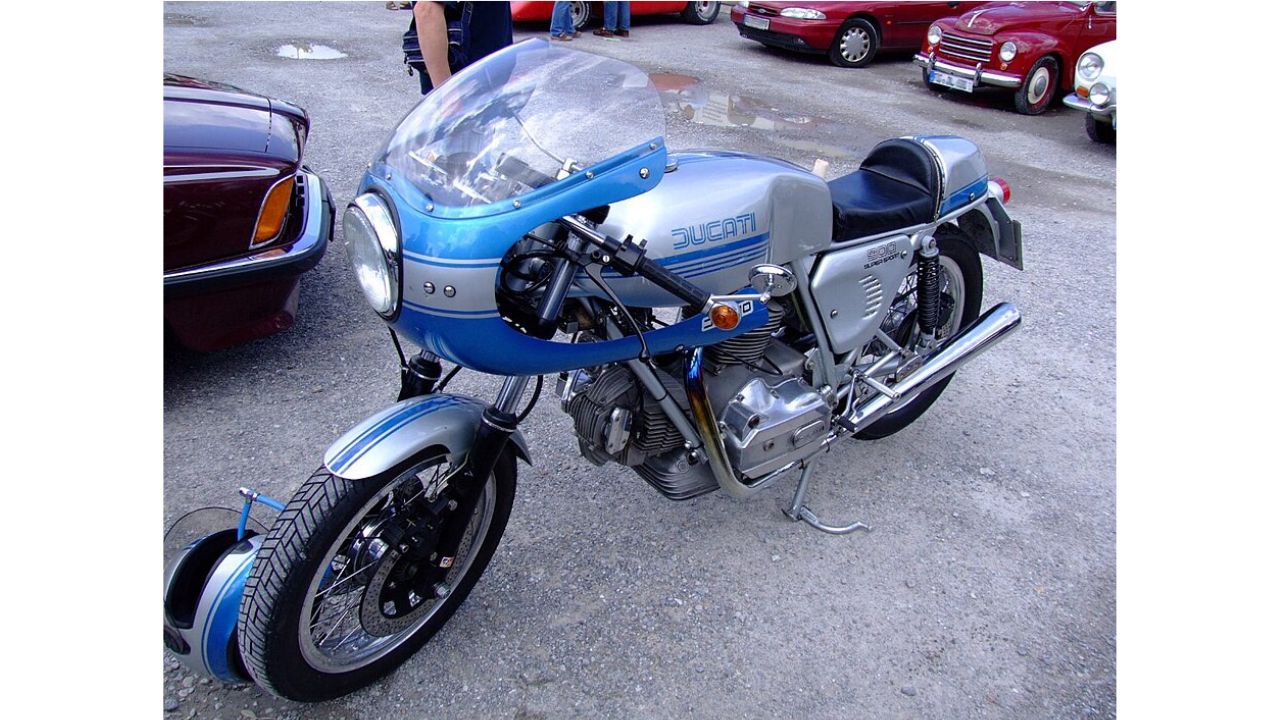
The Ducati 900 SuperSport combined classic Italian styling with the company’s air-cooled V-twin engine and sporting character. Its simple appearance hid a serious performance focus, making it popular among riders who valued handling and engine character. Surviving examples are becoming harder to encounter, especially motorcycles that remain close to their original factory specification.
Bimota Tesi 1D
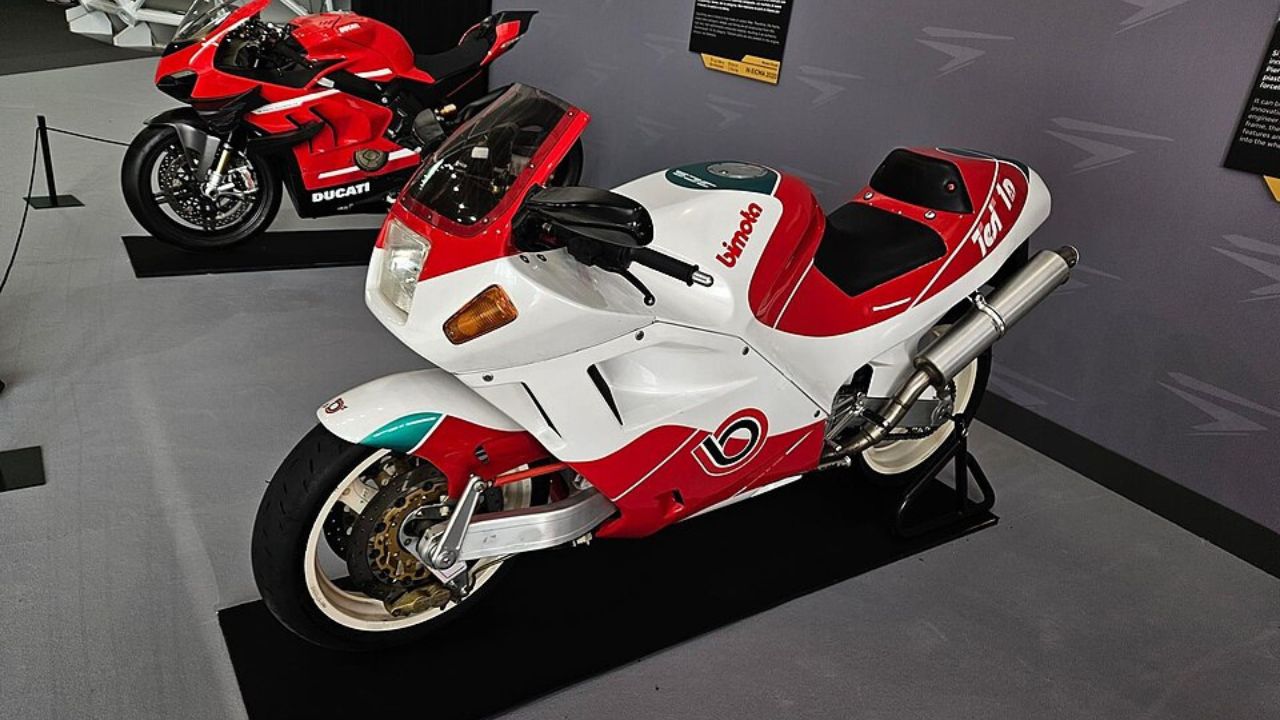
The Bimota Tesi 1D looked unlike almost any conventional motorcycle because of its hub-center steering and distinctive chassis design. Rather than using a traditional telescopic fork, it employed an unusual front suspension arrangement intended to improve handling characteristics. Limited production and its complicated engineering made it an uncommon motorcycle when new and an even rarer sight today.
Yamaha TZ750
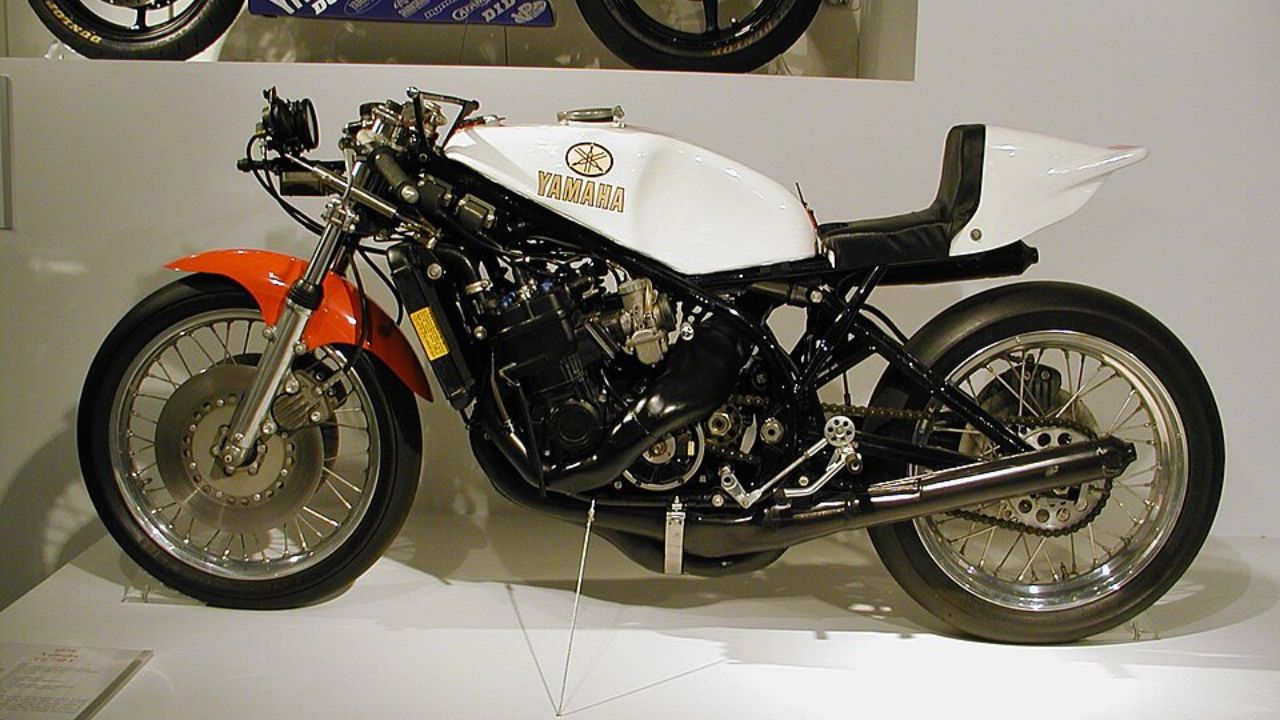
The Yamaha TZ750 was a legendary two-stroke racing motorcycle built primarily for competition rather than everyday road use. Its powerful four-cylinder engine and lightweight construction made it a formidable machine on the track. Because it was produced as a specialized racing motorcycle, examples are rarely encountered outside racing collections, museums, and events focused on historic motorcycles.
Vincent Black Prince
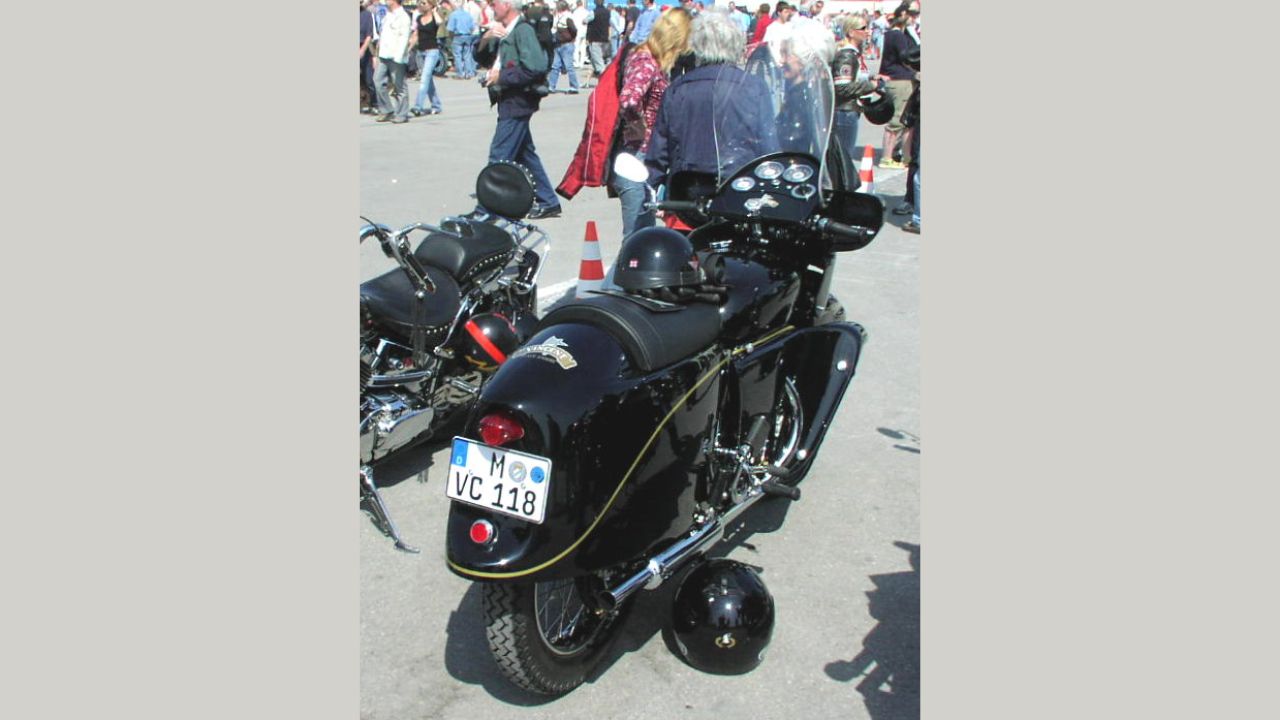
The Vincent Black Prince was a fully enclosed version of Vincent’s famous V-twin motorcycle concept. Its unusual bodywork made it visually different from the more familiar Black Shadow and Rapide. Production numbers were low, and the company itself disappeared shortly afterward. That combination makes surviving Black Princes particularly difficult to encounter in ordinary motorcycle gatherings.
Ariel Square Four
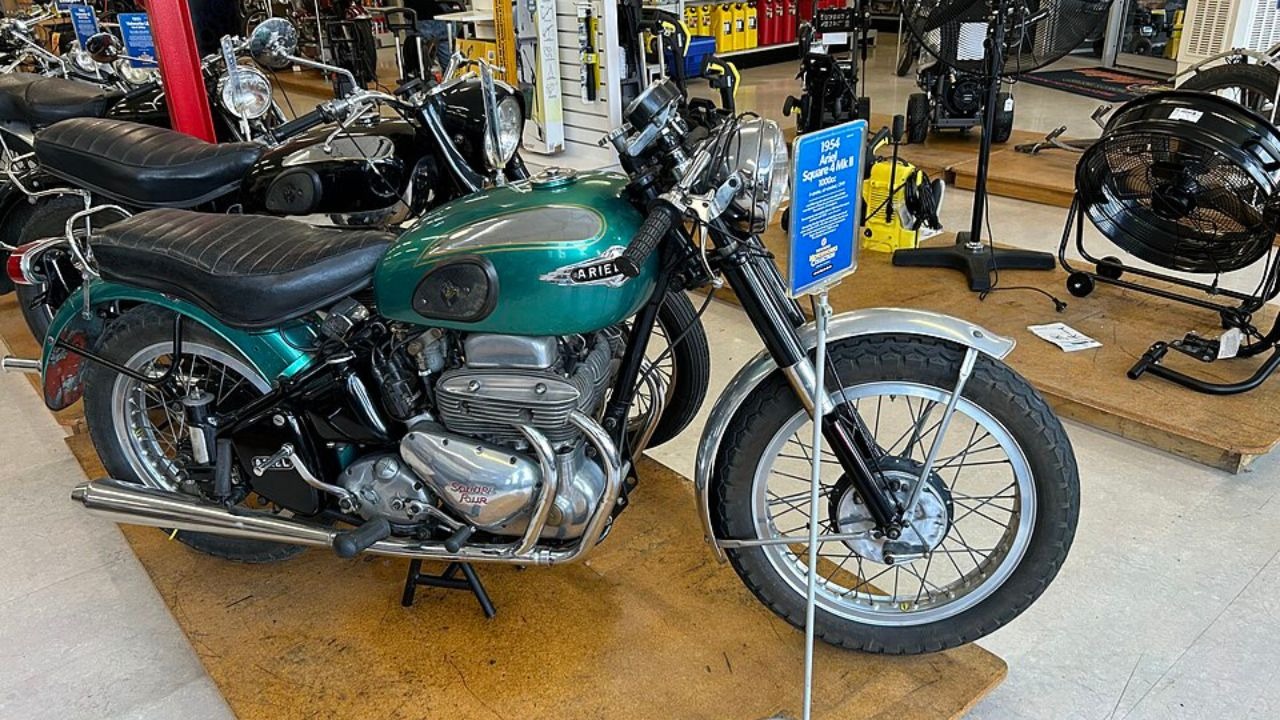
The Ariel Square Four used an unusual four-cylinder engine arranged in a compact square configuration. Its engineering was distinctive for its time, combining smooth power delivery with a relatively compact package. Several versions were produced over the years, but surviving motorcycles are now uncommon. Its unusual engine layout makes it especially interesting to classic motorcycle collectors.
Norton F1
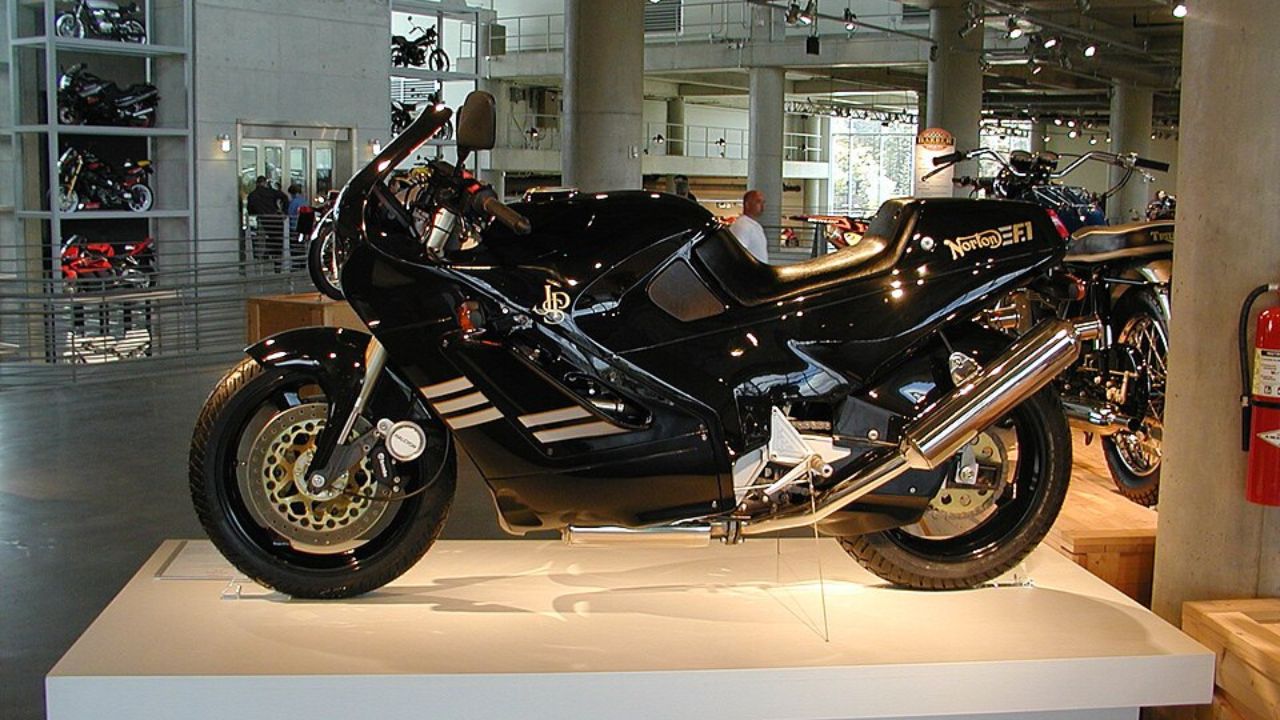
The Norton F1 was an ambitious British motorcycle powered by a Wankel rotary engine. Instead of using conventional pistons, its rotary powerplant gave the bike a completely different mechanical character. Production was limited, and the motorcycle was never common on the road. Today, the F1 is one of the rarest and most unusual Norton performance motorcycles.
Moto Guzzi Daytona RS
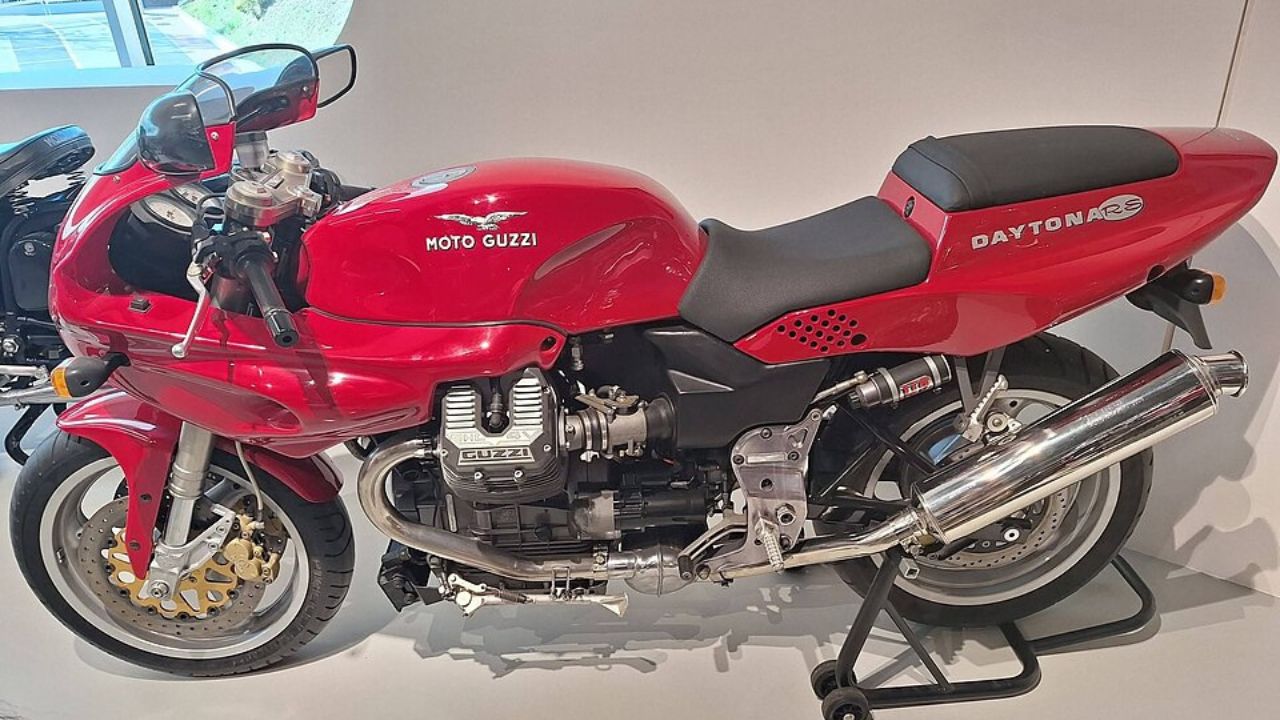
The Moto Guzzi Daytona RS represented a rare combination of Italian engineering and advanced performance technology. Its longitudinal V-twin engine and distinctive chassis made it different from many contemporary superbikes. Production numbers were relatively low, particularly compared with Japanese competitors. As a result, seeing a Daytona RS in person remains an unusual experience even for experienced enthusiasts.
Kawasaki Mach IV H2
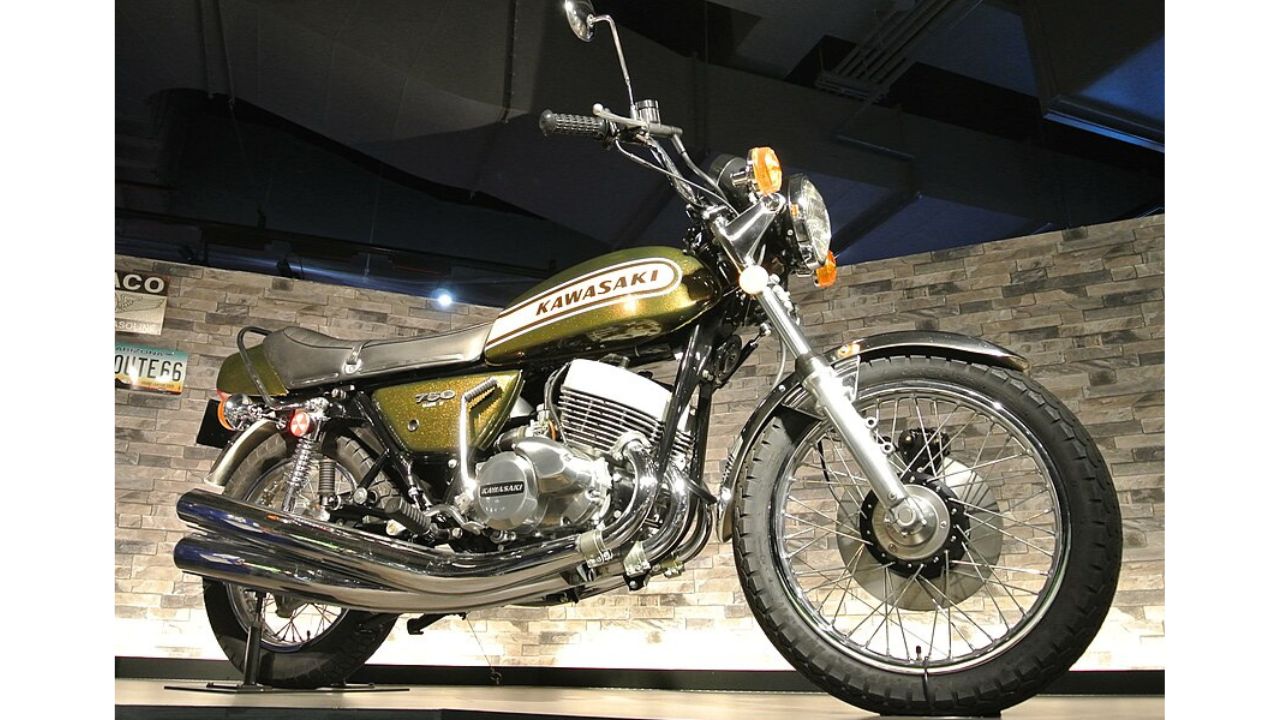
The Kawasaki Mach IV H2 was a large two-stroke triple known for its dramatic performance and distinctive exhaust note. While the model became legendary, surviving original examples are much less common than modern motorcycle enthusiasts might expect. Many were modified, raced, or simply worn out over decades, making untouched motorcycles particularly interesting today.
Suzuki RE5

The Suzuki RE5 used a Wankel rotary engine instead of a conventional piston engine. Its unusual powerplant, distinctive instrumentation, and futuristic styling made it one of Suzuki’s most unconventional motorcycles. The model had a relatively short production run, and its specialized rotary engine makes surviving examples an uncommon sight at ordinary motorcycle gatherings.
Honda CX650 Turbo
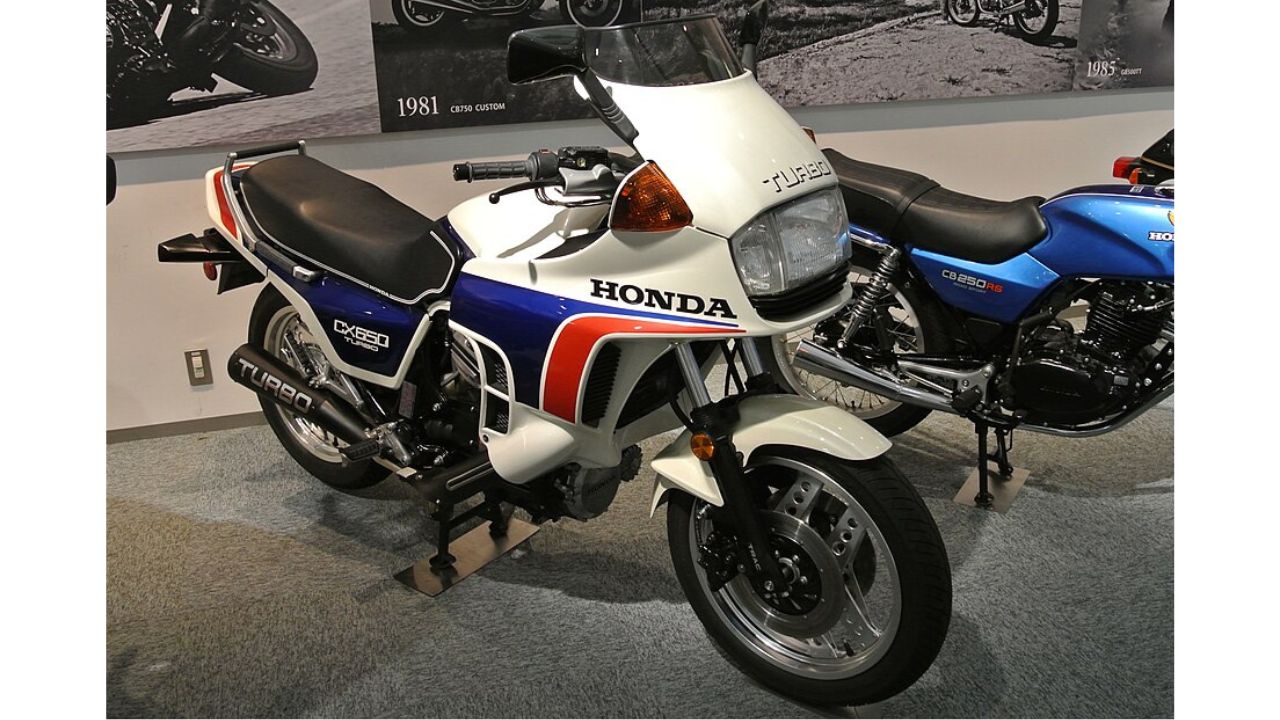
The Honda CX650 Turbo combined a V-twin engine with turbocharging and advanced electronics for its era. It followed Honda’s earlier turbocharged motorcycles but was produced in limited numbers. Its complex technology and unusual engine configuration made it distinctive when new. Today, finding a complete and original CX650 Turbo can be considerably harder than finding a conventional Honda from the same period.
Harley-Davidson XR-1000
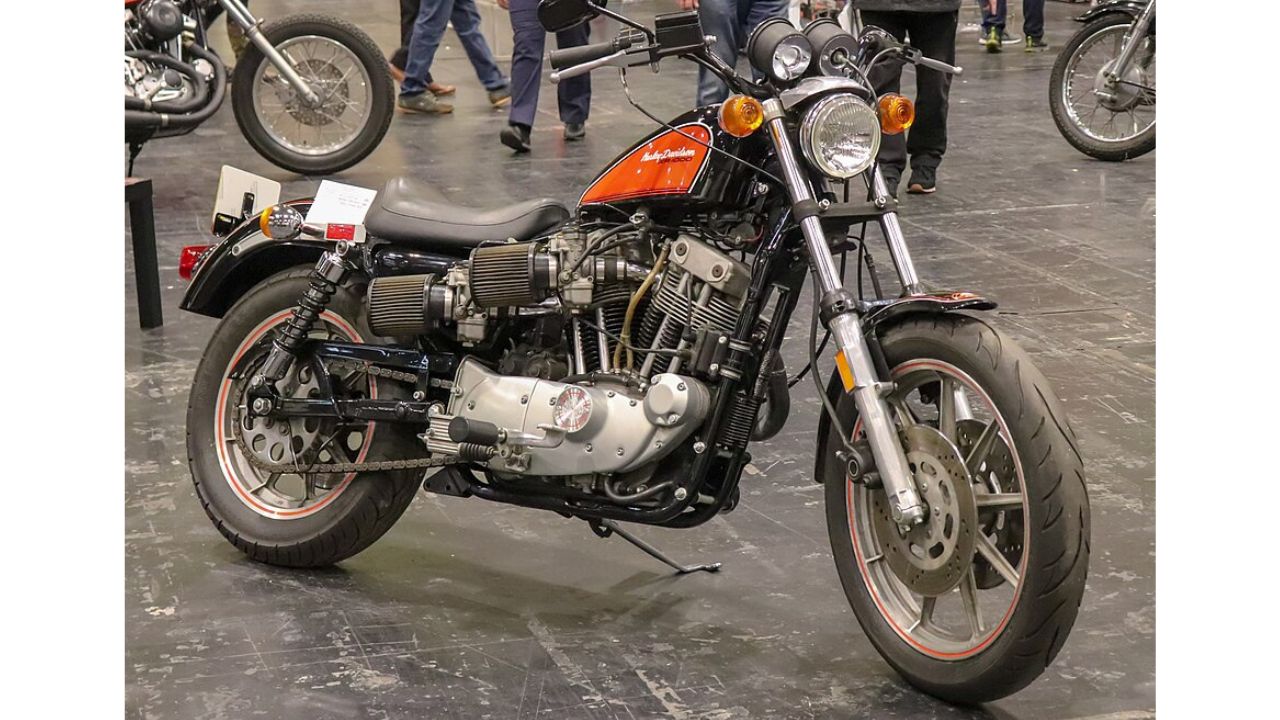
The Harley-Davidson XR-1000 combined the appearance of a traditional Sportster with technology influenced by Harley-Davidson’s XR racing program. Its performance-focused cylinder heads and distinctive exhaust arrangement separated it from ordinary Sportsters. Production was limited, and many examples were modified over the years. Original XR-1000s are therefore uncommon and highly interesting pieces of Harley-Davidson history.
More from Fast Lane Only
- Unboxing the WWII Jeep in a Crate
- 15 rare Chevys collectors are quietly buying
- 10 underrated V8s still worth hunting down
- Police notice this before you even roll window down
*Research for this article included AI assistance, with all final content reviewed by human editors.