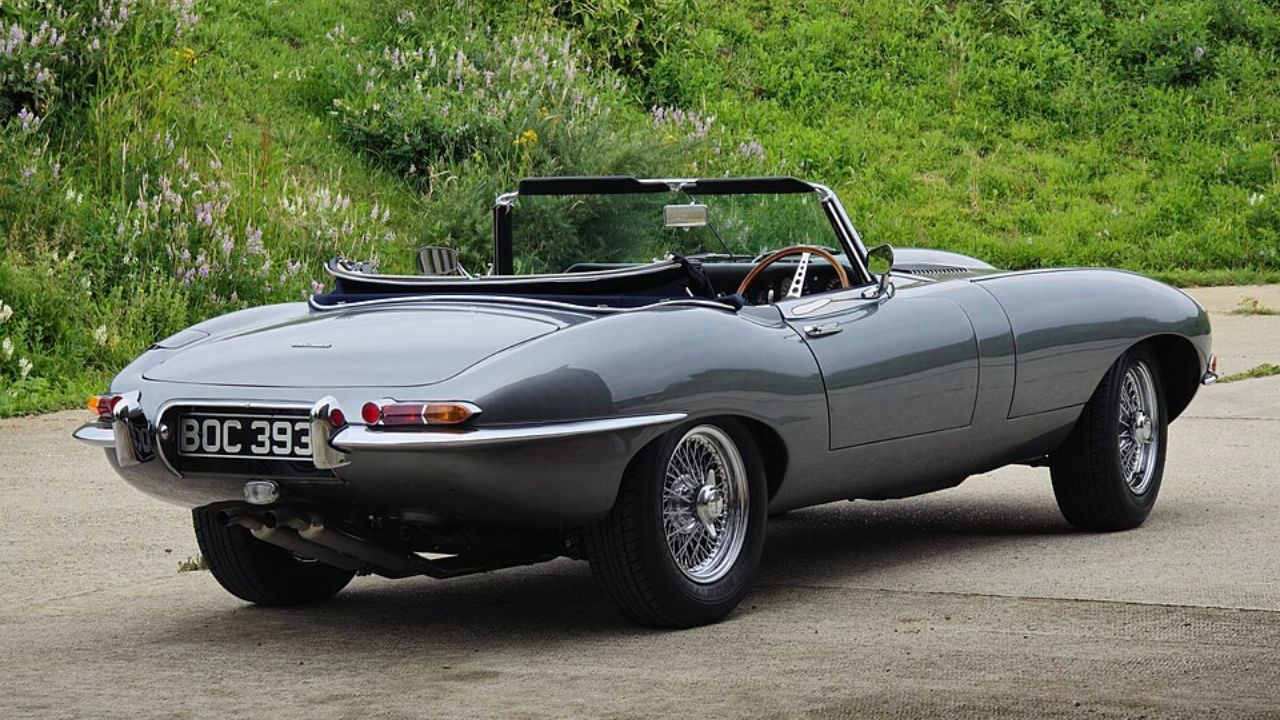
Some classic cars become more than transportation. Their styling, driving feel, mechanical character, and memories can make owners deeply attached to them. Even when newer cars offer more comfort and technology, certain classics remain difficult to leave behind. These 19 cars are remembered for qualities that modern replacements rarely duplicate.
Porsche 911
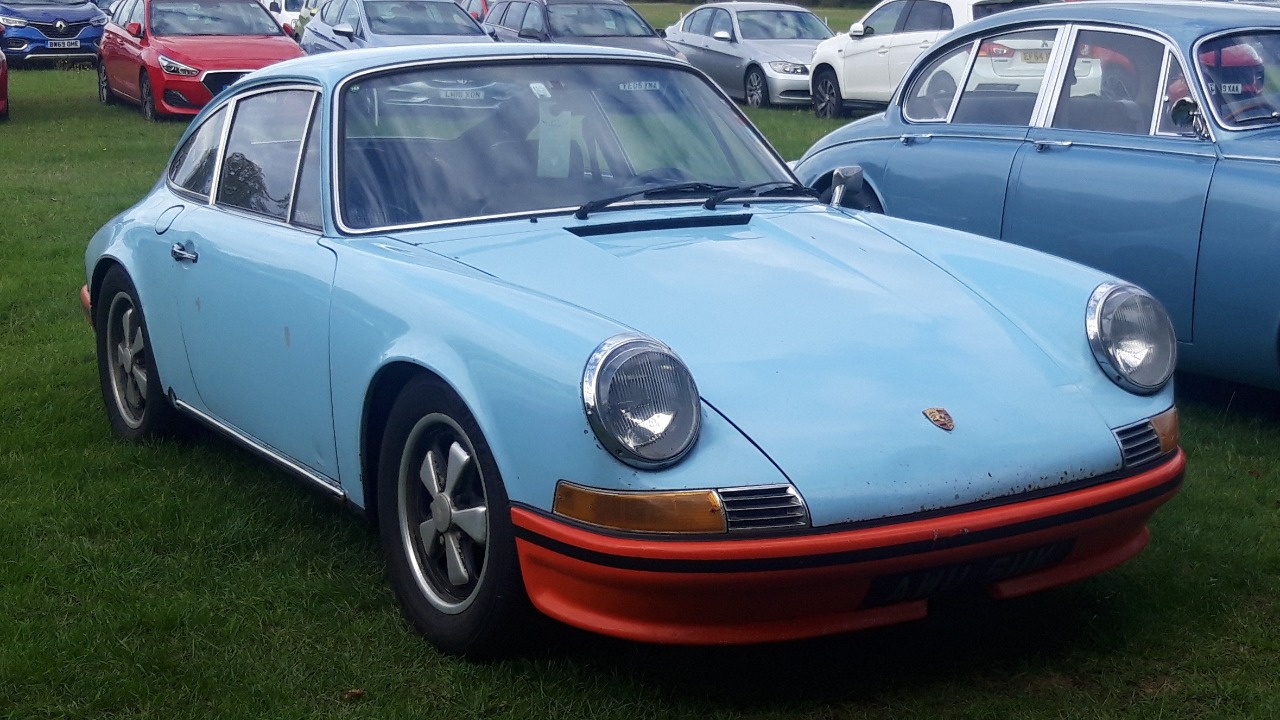
The Porsche 911 has remained recognizable through decades of development because its basic character has stayed remarkably consistent. Its rear-mounted engine, distinctive shape, and engaging driving experience give owners something that ordinary sports cars cannot easily reproduce. Many enthusiasts become attached to a particular generation, making the thought of replacing it with another car surprisingly difficult.
Ford Mustang
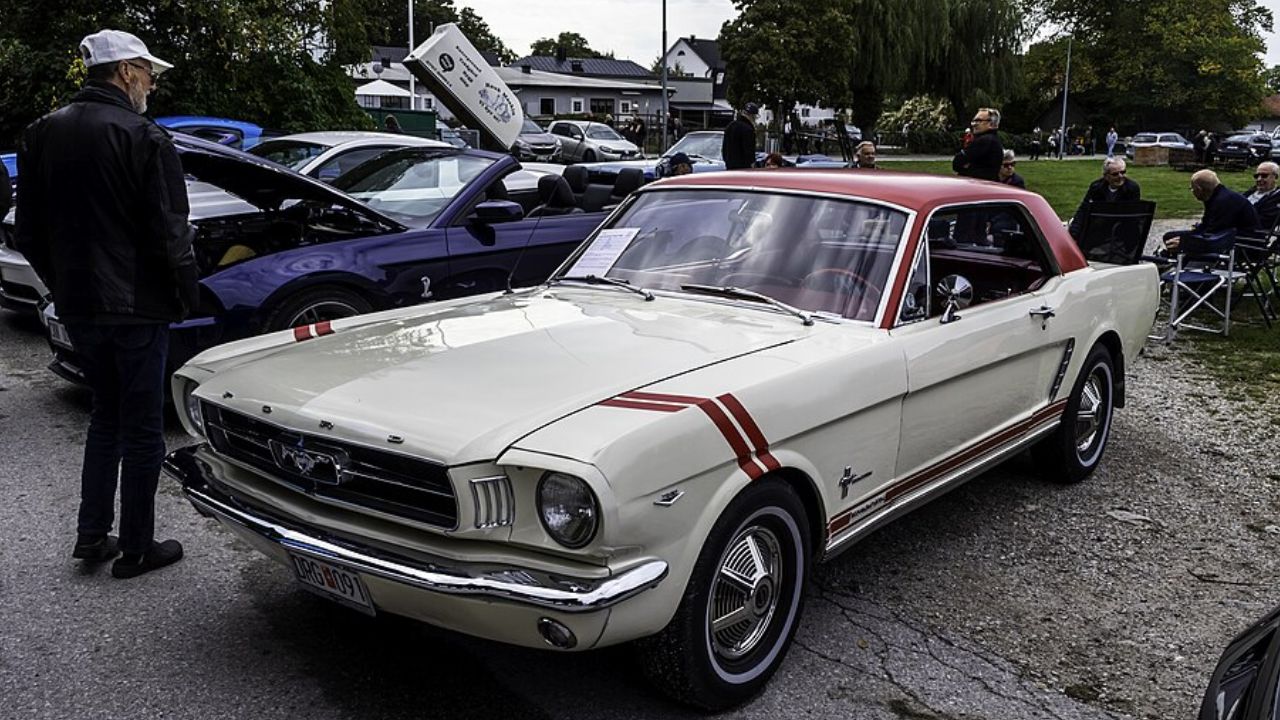
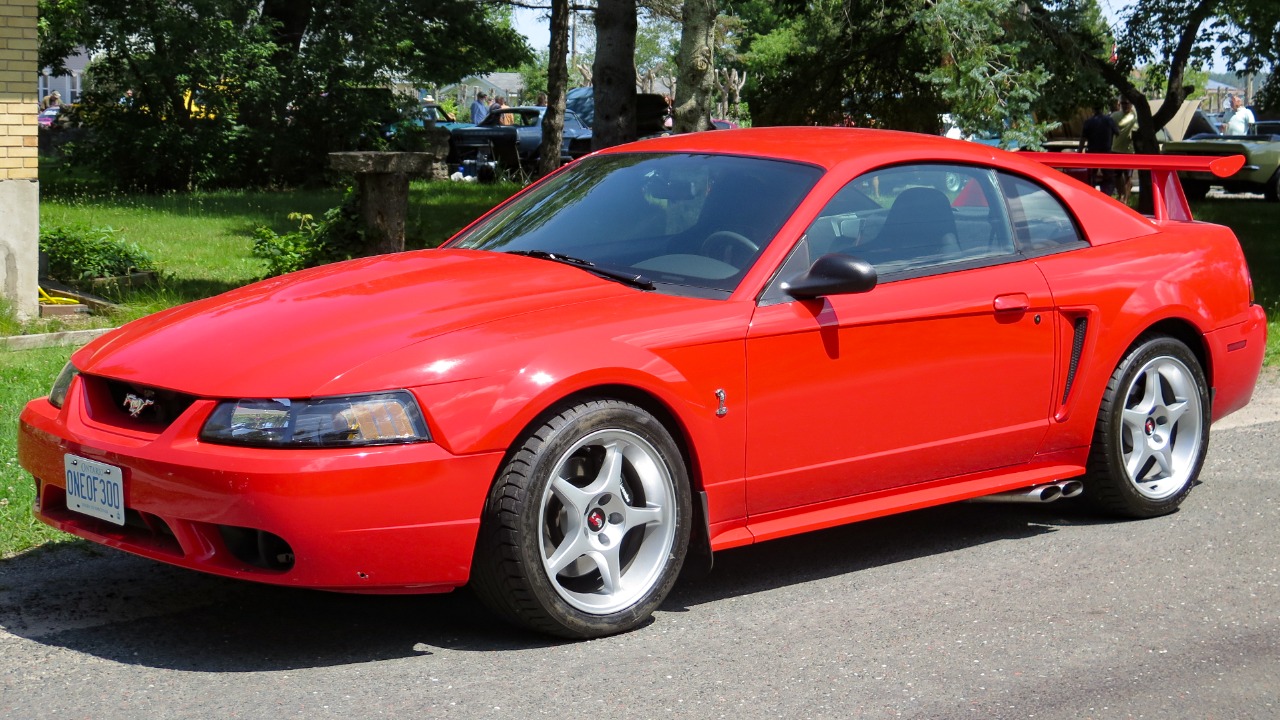
The Ford Mustang became one of America’s most recognizable performance cars by combining sporty styling with everyday practicality. Owners could enjoy a performance-oriented car without giving up useful interior space or relatively simple maintenance. Classic Mustangs also carry strong emotional appeal because of their connection to the original pony-car era, making many examples difficult for longtime owners to replace.
Chevrolet Corvette

The Chevrolet Corvette has offered American sports-car performance for generations while maintaining a distinct identity. Classic versions combined powerful V8 engines with dramatic styling and relatively straightforward mechanical layouts. Owners often appreciate how much personality these cars have compared with ordinary transportation. That combination of performance, history, and recognizable design makes a well-kept Corvette difficult to substitute.
Jaguar E-Type
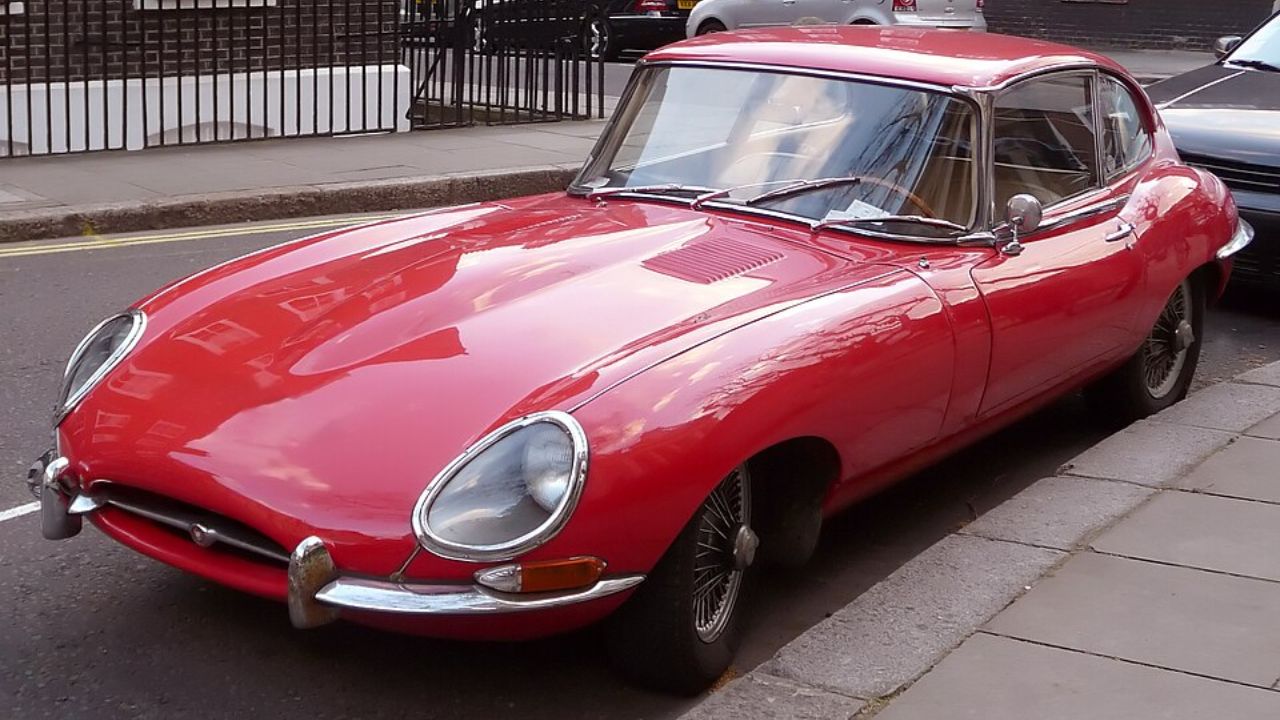
The Jaguar E-Type became famous for its beautiful proportions, long hood, and impressive performance. Its combination of styling and driving character made it one of the most memorable British sports cars ever produced. Owners who become attached to an E-Type often value its unique presence as much as its performance, something that is difficult to recreate with a modern sports car.
BMW 2002
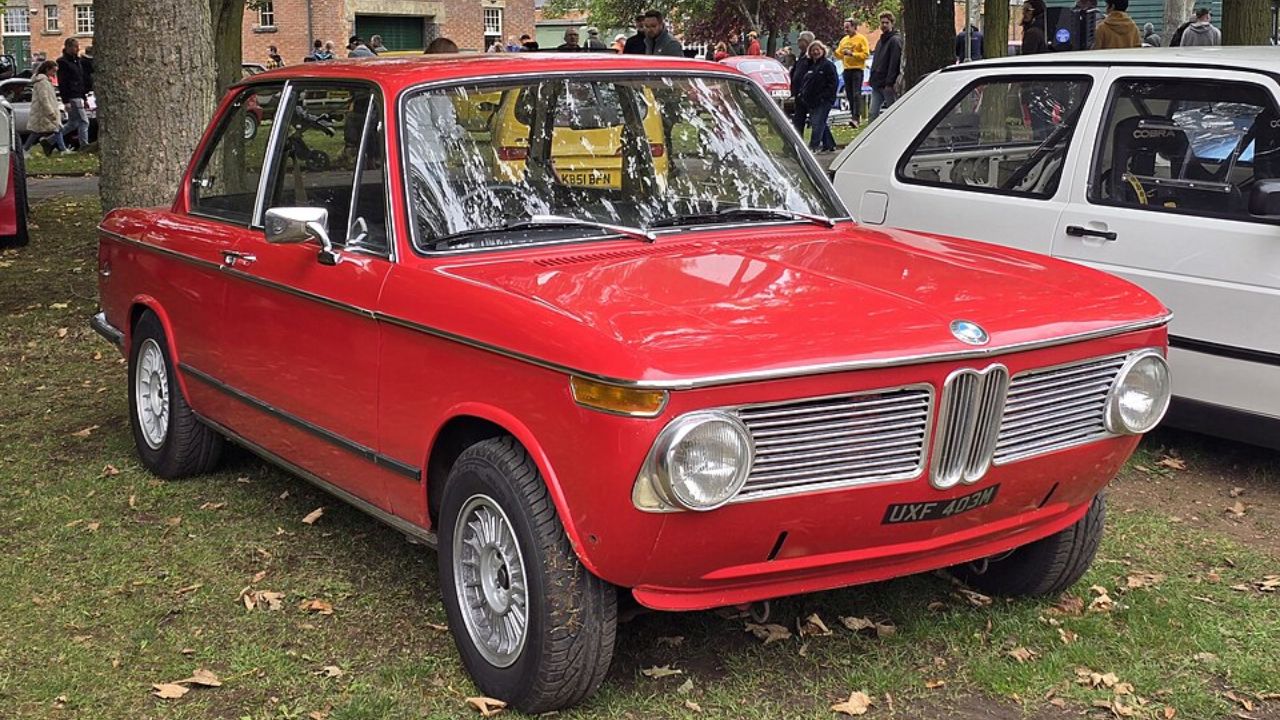
The BMW 2002 helped establish the formula that later became central to BMW’s compact sporting cars. Its relatively small size, balanced handling, and responsive four-cylinder engine made it enjoyable without requiring enormous power. The straightforward driving experience is a major part of its appeal, and owners often find modern cars too large or complicated to provide the same feeling.
Mercedes-Benz 280SL
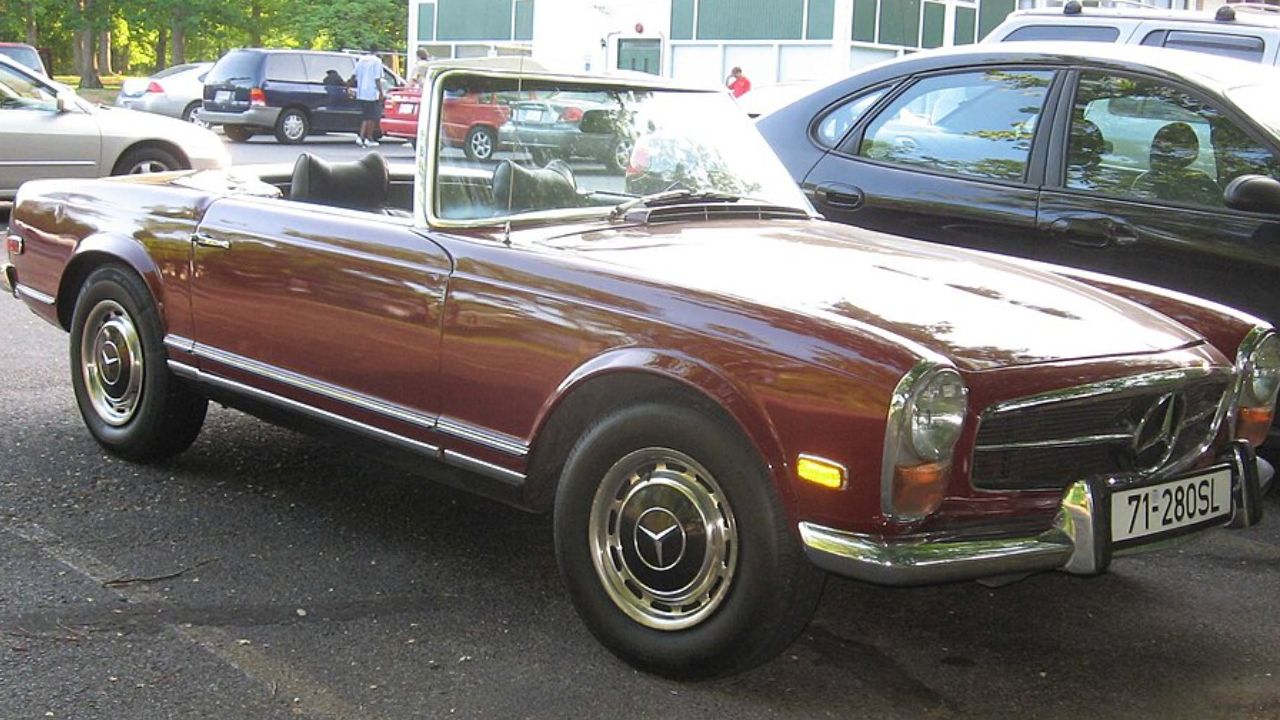
The Mercedes-Benz 280SL combined elegant styling with the solid engineering associated with classic Mercedes-Benz cars. Its Pagoda roof, refined proportions, and comfortable driving character gave it a personality that separated it from ordinary convertibles. Owners often appreciate its blend of usability and sophistication, while its distinctive design makes replacing the car with something modern a difficult proposition.
Chevrolet Camaro
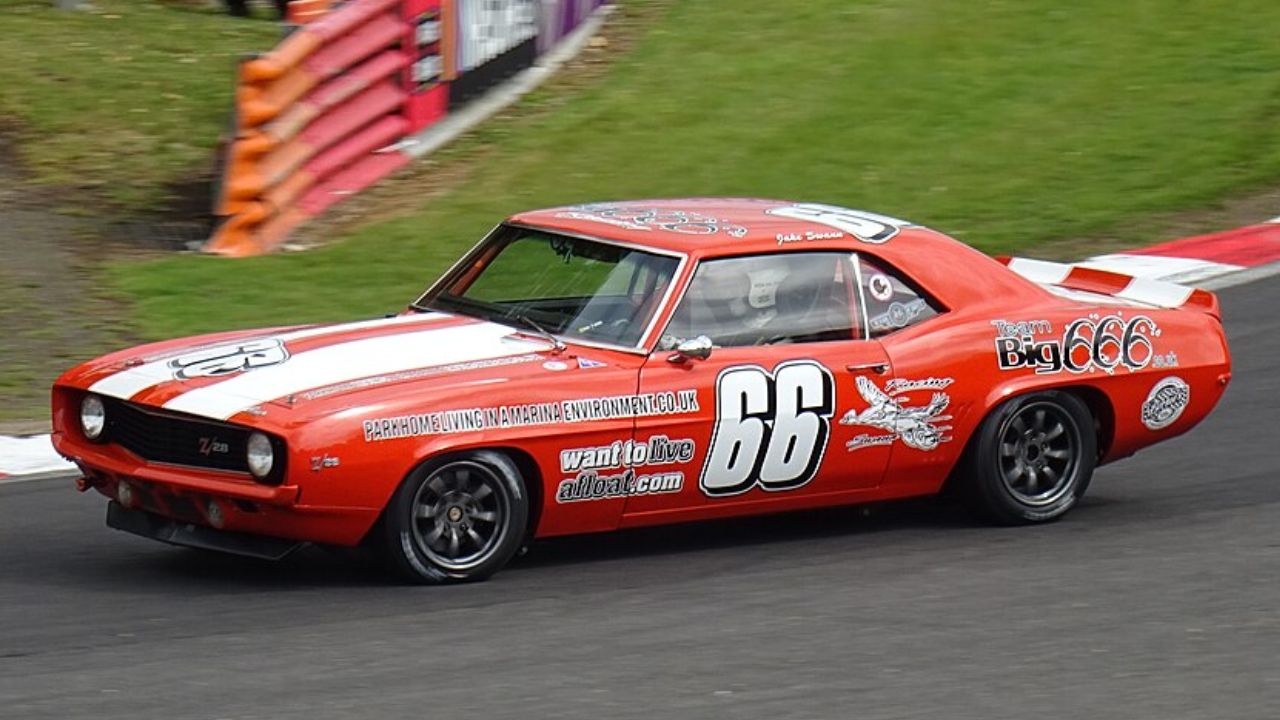
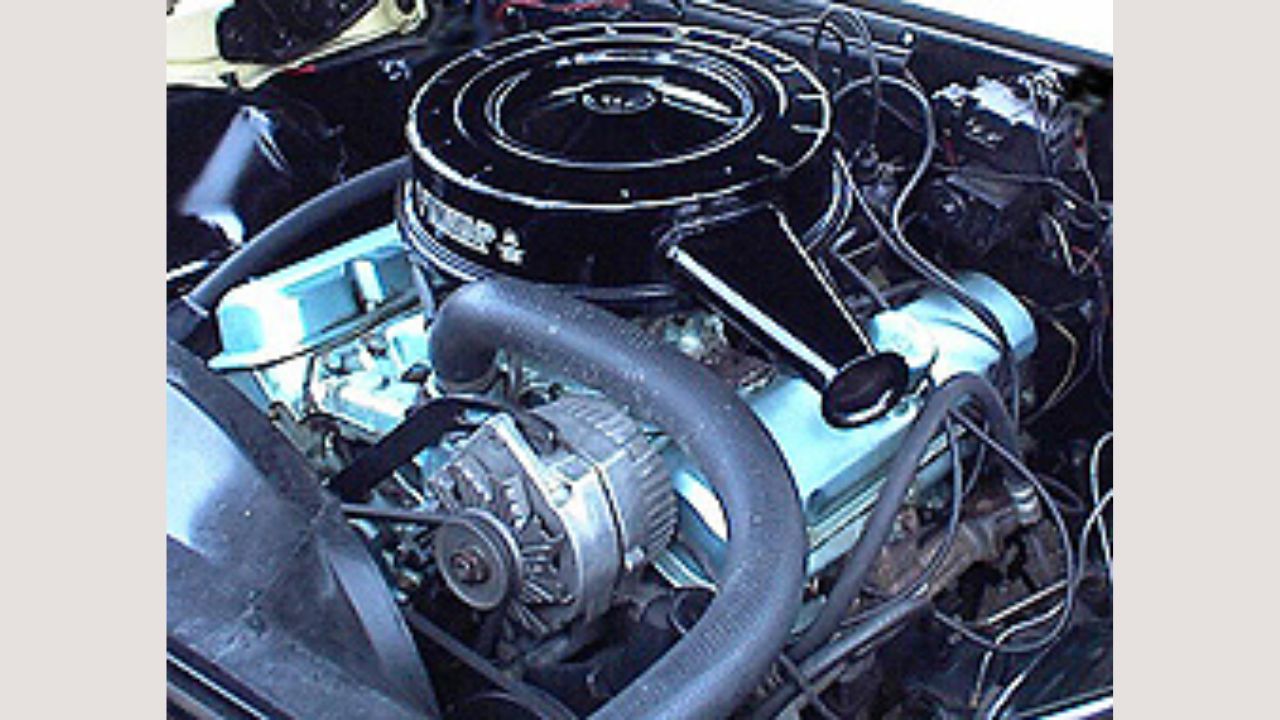
The Chevrolet Camaro became an important part of the American muscle-car era by offering aggressive styling and strong V8 performance. Classic examples can provide a direct connection to an era when performance cars were mechanically straightforward and visually distinctive. For owners who grew up around these cars, the combination of sound, feel, and design can make another vehicle seem less satisfying.
Pontiac Firebird
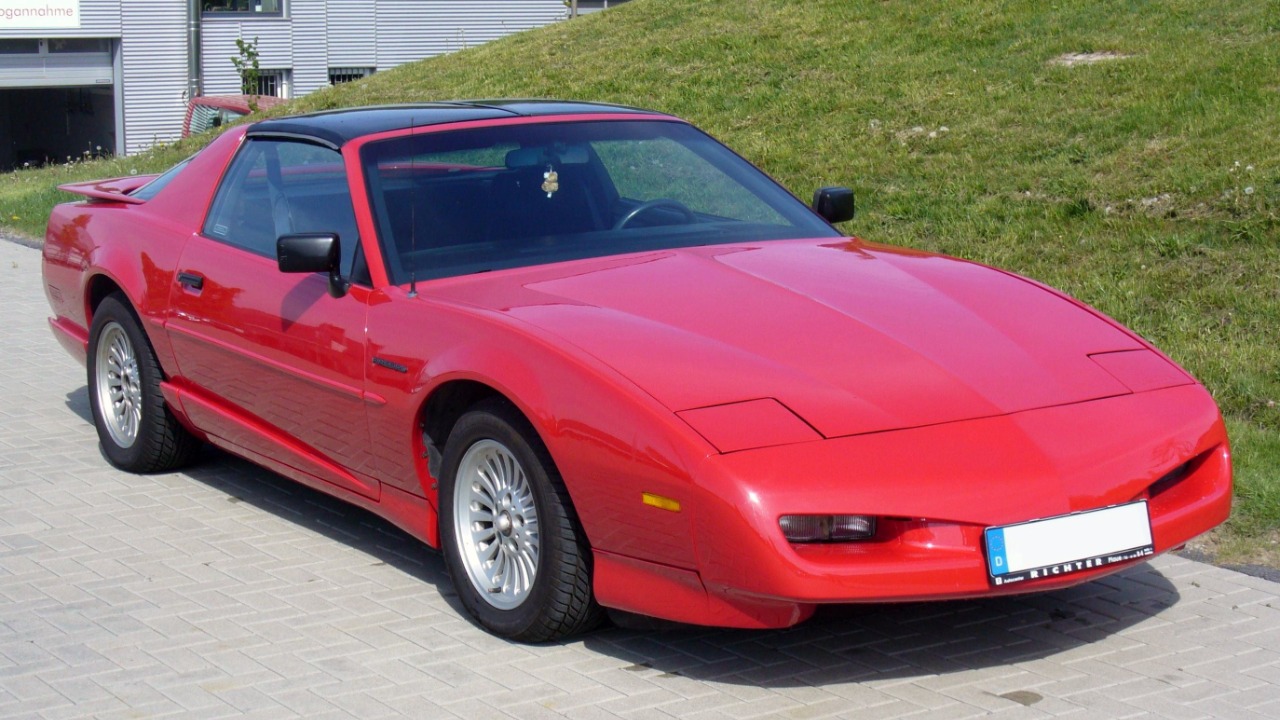
The Pontiac Firebird developed a personality of its own despite sharing much of its architecture with the Camaro. Its distinctive styling, available performance engines, and strong connection to Pontiac’s performance image gave it a loyal following. Owners often become attached to particular Firebird generations, especially when the car has been part of their family or personal history for many years.
Ford Bronco
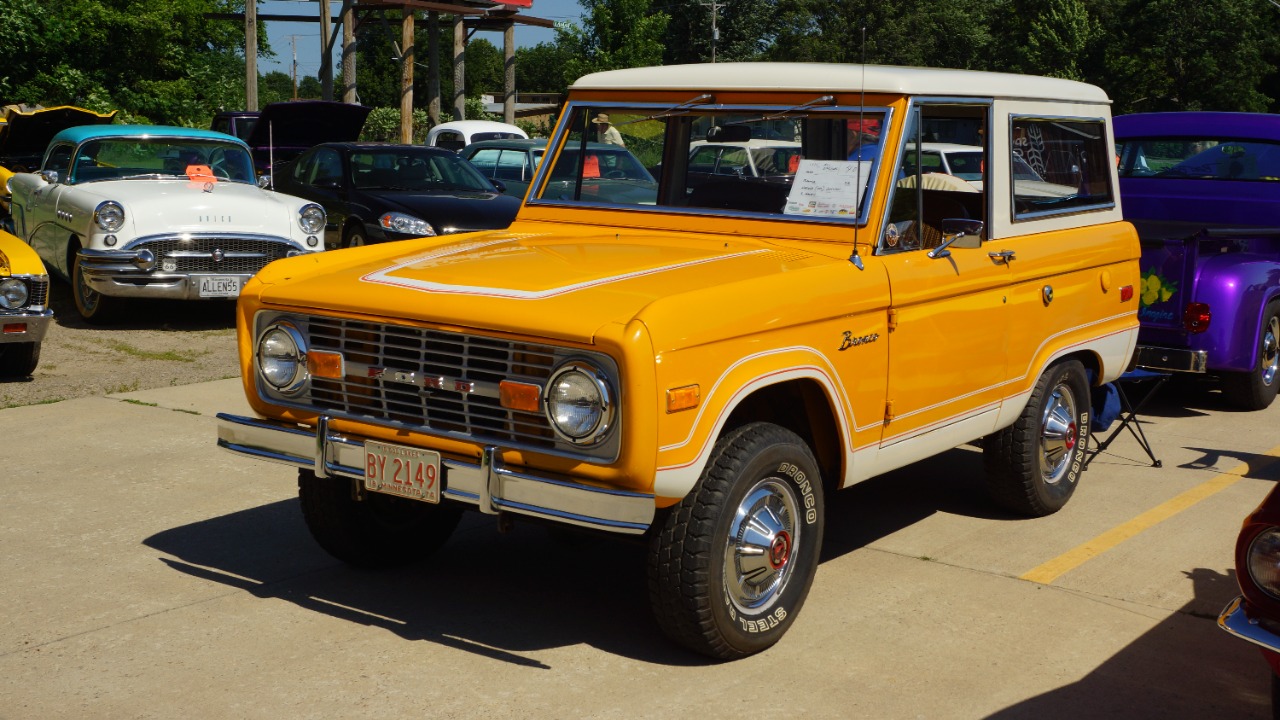
The classic Ford Bronco combined compact dimensions with genuine off-road capability. Its simple construction and removable body components gave it a character that later SUVs generally moved away from. Owners appreciate the direct driving experience and easy-to-understand mechanical layout. For enthusiasts who enjoy older four-wheel-drive vehicles, replacing a classic Bronco with a modern SUV can feel completely different.
Volkswagen Beetle
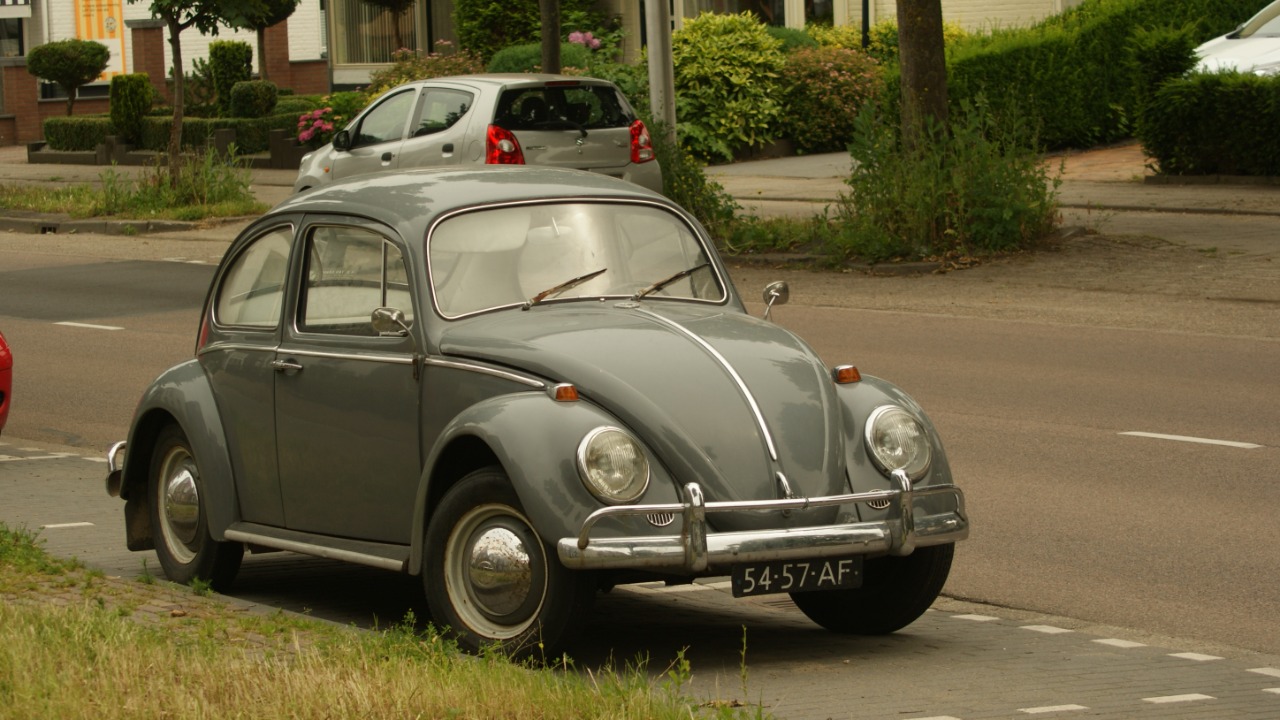
The Volkswagen Beetle became one of the world’s most recognizable cars through its simple shape, compact dimensions, and unusual rear-engine layout. Its straightforward mechanical character helped owners develop a close relationship with the car. Even though modern small cars offer better performance and comfort, the Beetle’s distinctive personality and enormous cultural history make it difficult to replace emotionally.
Volvo P1800

The Volvo P1800 combined elegant styling with Volvo’s reputation for durable engineering. Its distinctive body and comfortable interior gave it a character different from many contemporary European sports cars. Owners often appreciate the car’s unusual balance between style and practicality. Because so few modern cars share its exact combination of design and mechanical simplicity, replacing one can be difficult.
Datsun 240Z
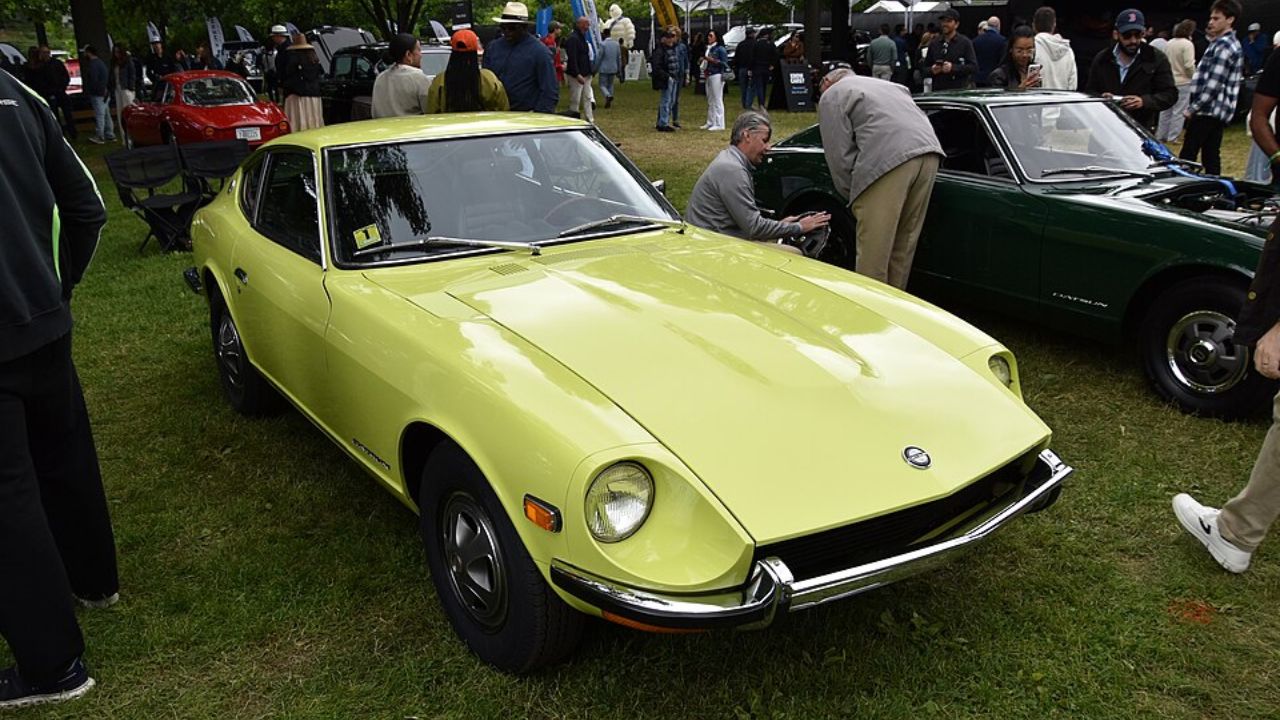
The Datsun 240Z brought attractive sports-car styling and six-cylinder performance to a broader audience. Its relatively simple mechanical design also made it approachable for enthusiasts who wanted to maintain or modify their own cars. Owners often value the balance between performance, practicality, and classic Japanese character, qualities that are not easily duplicated in a modern sports car.
Alfa Romeo Spider
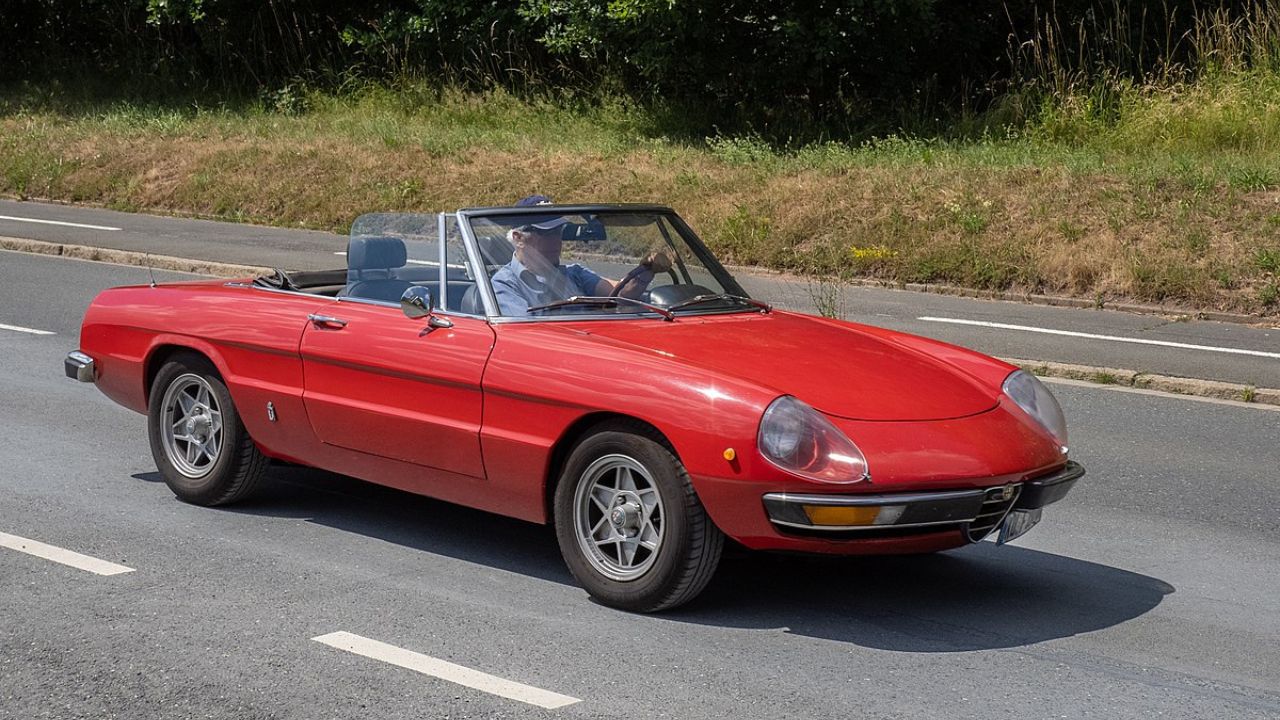
The Alfa Romeo Spider became known for its Italian styling and lively driving character. Its compact dimensions, open-top design, and distinctive engine note gave it a personality that owners could become deeply attached to. While newer convertibles may offer better technology and reliability, they often lack the same combination of simplicity, styling, and old-school driving involvement.
Triumph TR6
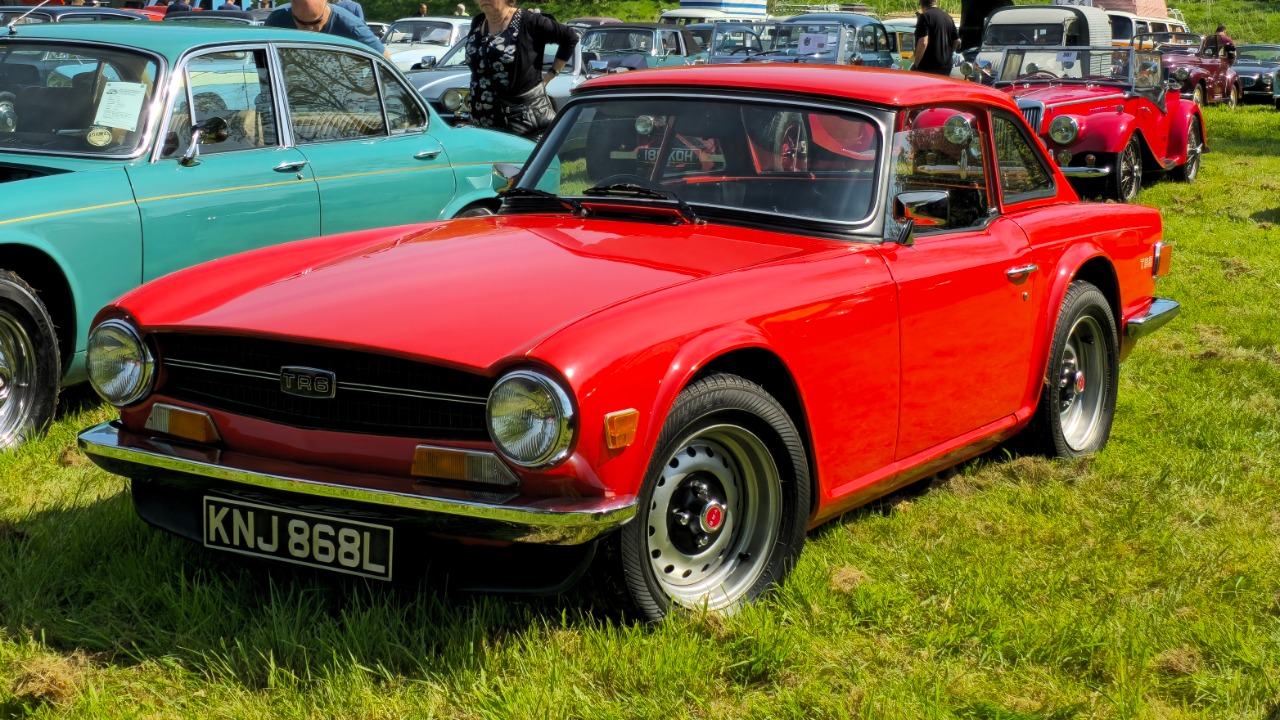
The Triumph TR6 delivered a traditional British roadster experience with rear-wheel drive, a six-cylinder engine, and open-air motoring. Its mechanical simplicity allowed owners to become familiar with the car’s workings, while its distinctive styling gave it plenty of character. For enthusiasts who enjoy classic roadsters, the direct experience of a TR6 can be difficult to reproduce.
Mazda RX-7

The Mazda RX-7 stood apart from conventional sports cars because of its compact rotary engine. Lightweight construction and balanced handling gave the car a unique driving character, while the rotary powerplant made it mechanically different from most competitors. Owners who enjoy that combination often find conventional piston-engine sports cars unable to provide quite the same experience.
Toyota Land Cruiser FJ40
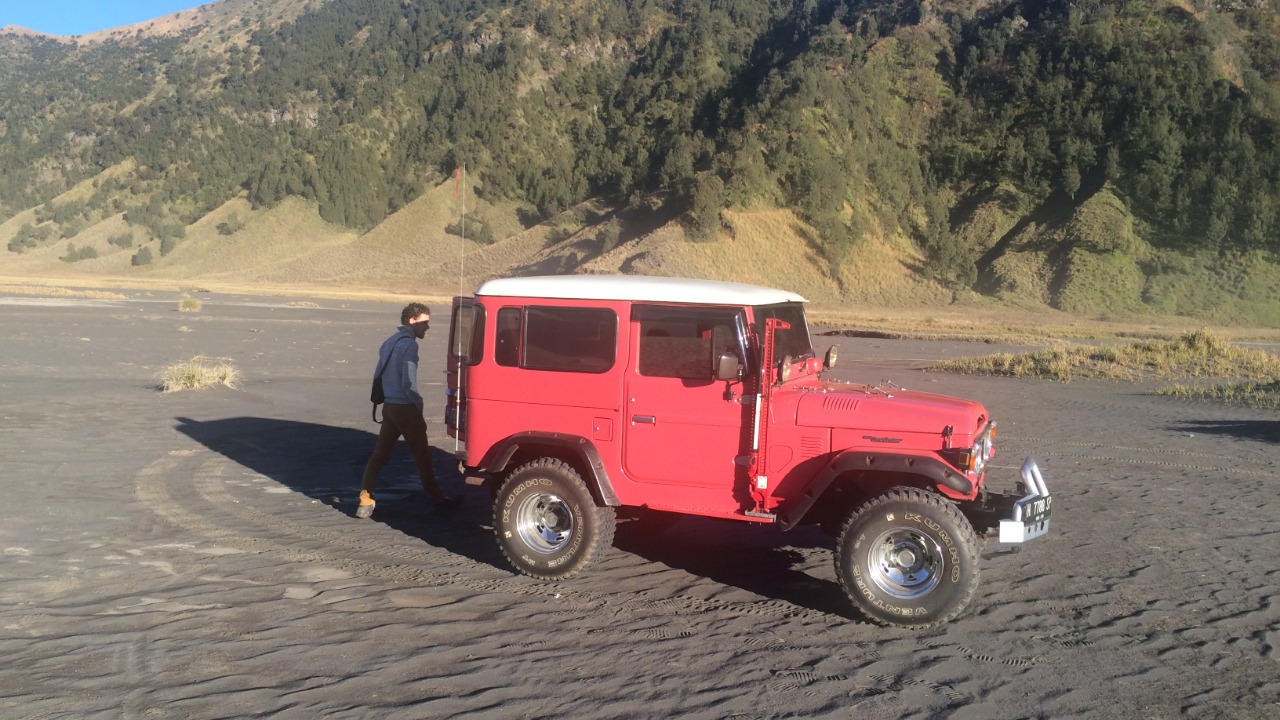
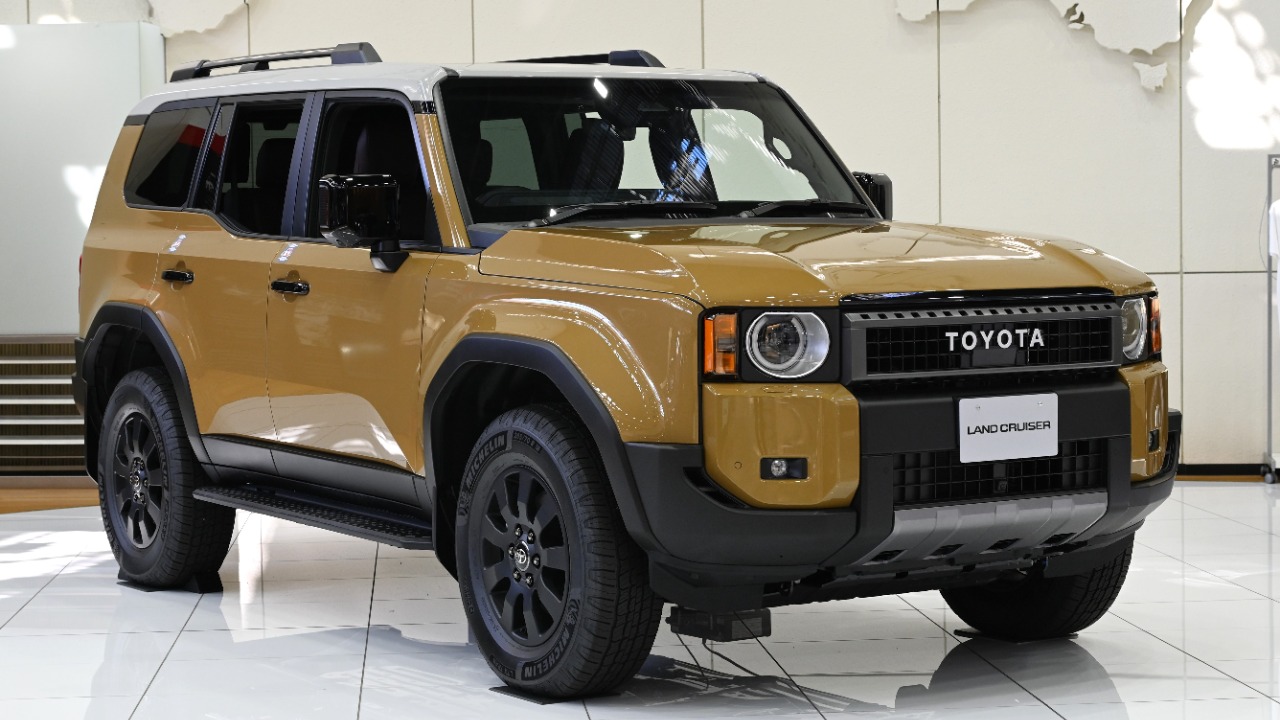
The Toyota Land Cruiser FJ40 became respected for its rugged construction and ability to operate in difficult environments. Its simple controls, compact proportions, and four-wheel-drive capability gave it a distinctly mechanical character. Owners often appreciate its durability and straightforward design, while its classic appearance adds another reason why replacing an FJ40 with a modern SUV can feel unsatisfying.
Mini Cooper
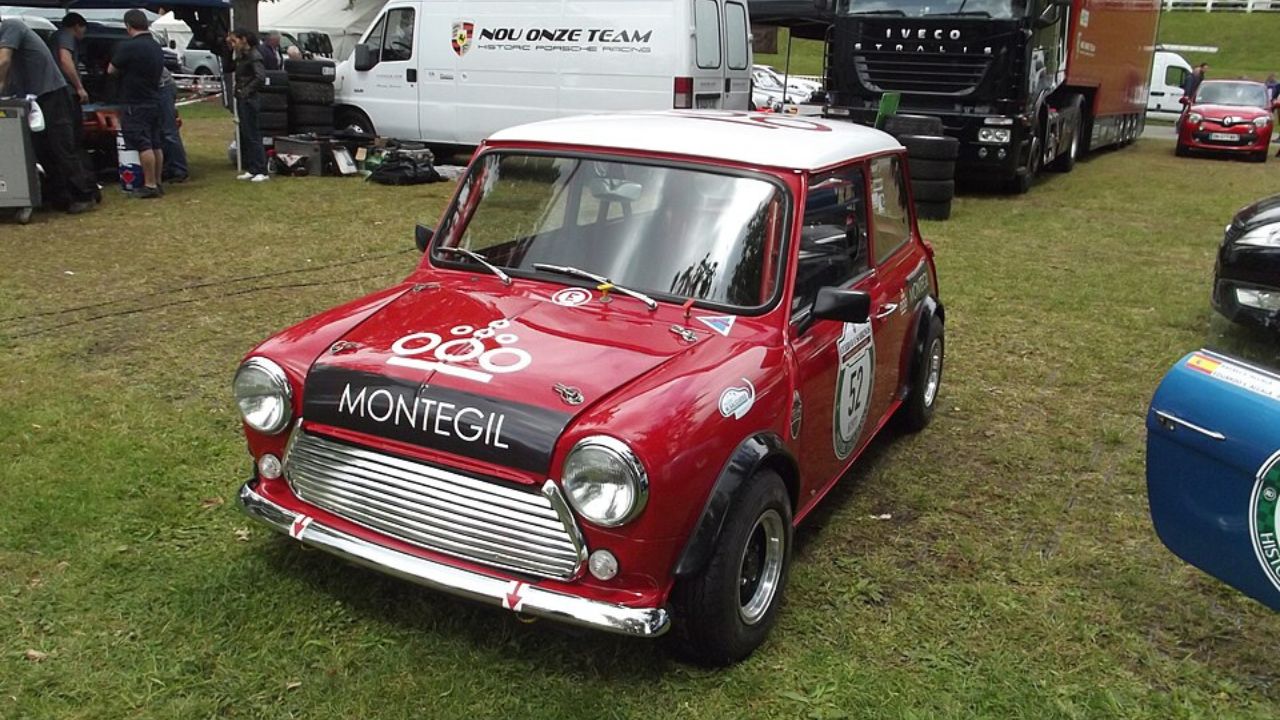
The classic Mini Cooper became famous for putting entertaining handling into a remarkably small package. Its compact dimensions, front-wheel-drive layout, and responsive behavior made ordinary roads surprisingly enjoyable. Owners often become attached to the car’s unique proportions and personality. Modern hatchbacks may be faster and safer, but they generally do not recreate the original Mini’s distinctive character.
Lotus Elise
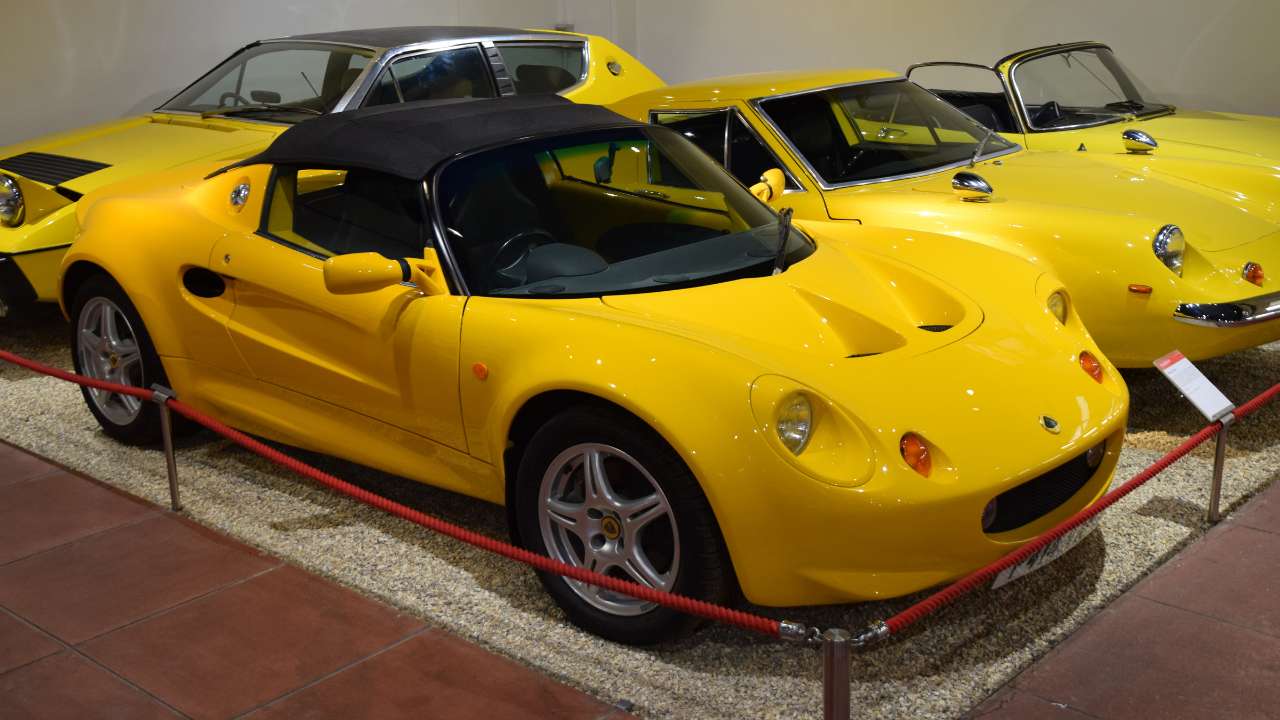
The Lotus Elise focused heavily on lightweight construction and direct driving involvement. Instead of adding luxury equipment and extra weight, Lotus concentrated on handling and driver feedback. Owners who appreciate that philosophy often find heavier modern sports cars less engaging. The Elise’s combination of light weight, compact size, and simple driving experience makes it particularly difficult to replace with an ordinary modern car.
Chevrolet Chevelle SS
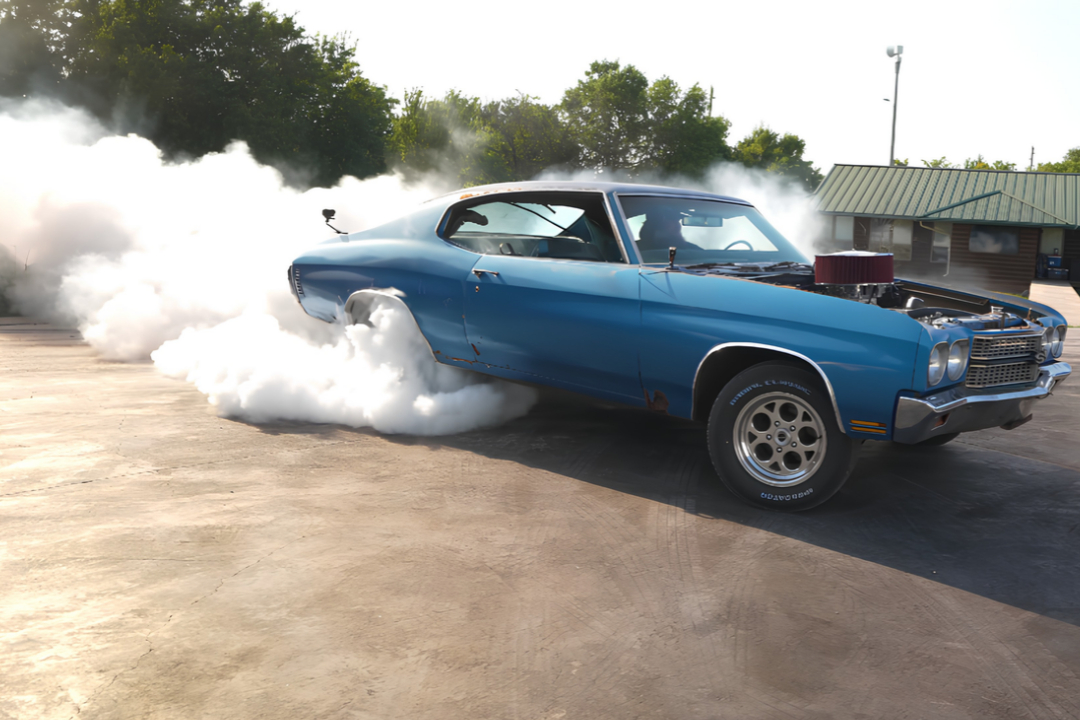
The Chevrolet Chevelle SS became one of the most recognizable American muscle cars because of its combination of muscular styling and big-block V8 performance. Its large proportions and straightforward mechanical character represent a period when performance cars were relatively simple compared with today’s vehicles. For owners who value that classic muscle-car experience, few modern cars provide an identical substitute.
More from Fast Lane Only
- Unboxing the WWII Jeep in a Crate
- 15 rare Chevys collectors are quietly buying
- 10 underrated V8s still worth hunting down
- Police notice this before you even roll window down
*Research for this article included AI assistance, with all final content reviewed by human editors.