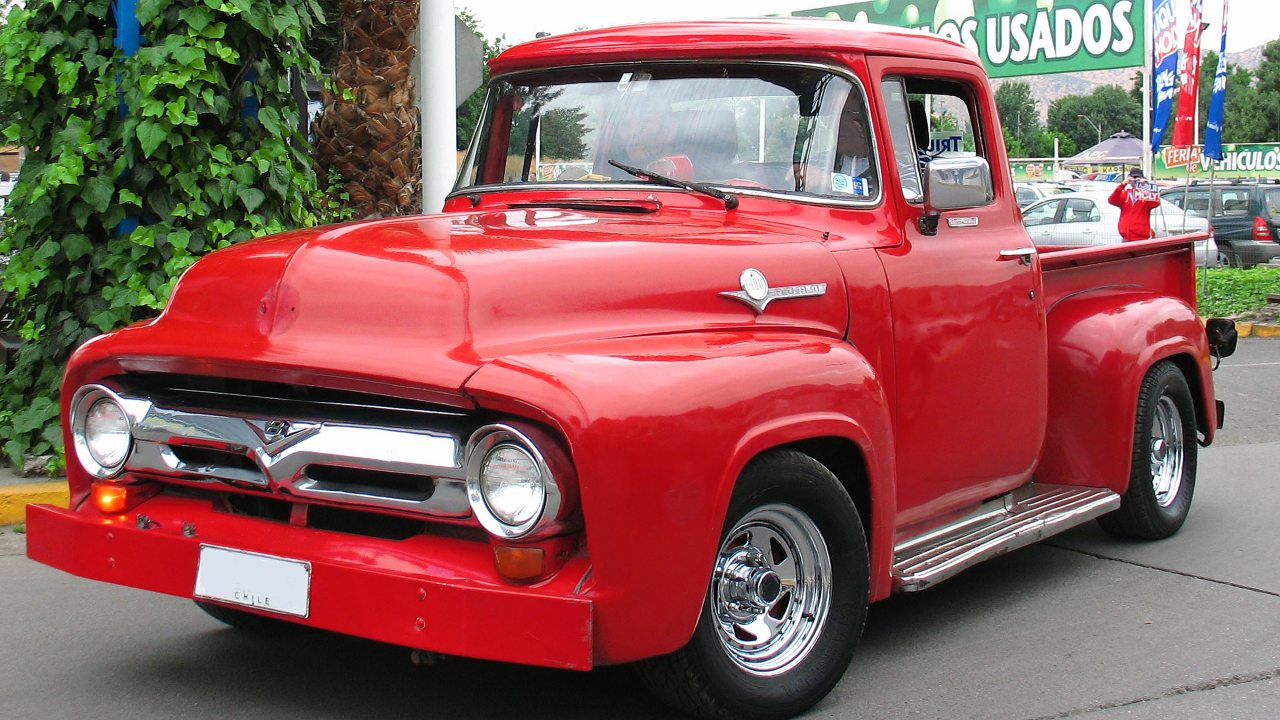
Farm trucks are rarely bought to impress anyone. They are expected to haul feed, pull trailers, carry tools, cross muddy fields, and keep working when the weather turns bad. The best ones become part of the farm itself, earning a reputation for being dependable, easy to repair, and tough enough that owners would rather keep them forever than replace them.
Ford F-150
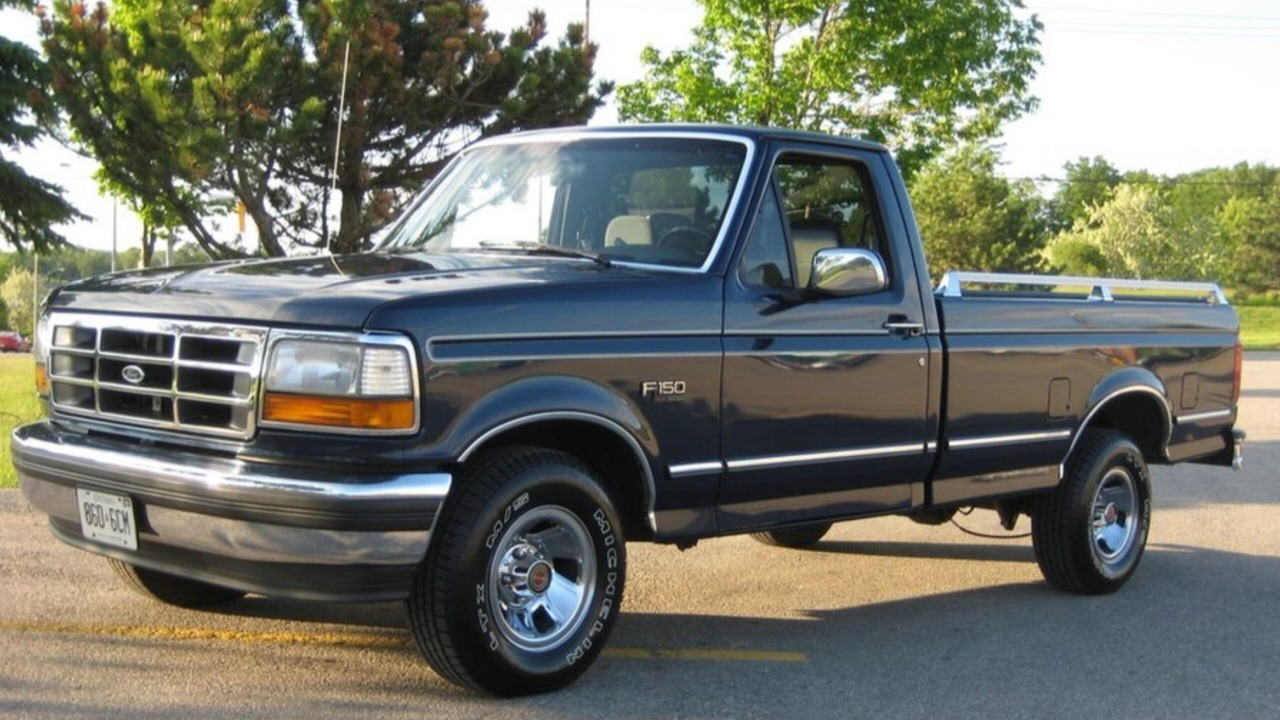
The Ford F-150 has spent decades proving that a farm truck does not need to be complicated to be useful. Older examples are especially appreciated for their straightforward mechanical layouts, sturdy frames, and enormous availability of parts. Whether carrying fencing supplies or pulling a loaded trailer, a properly maintained F-150 can handle years of hard work. Owners also know these trucks are easy to find, repair, and keep running, which makes a familiar old F-150 surprisingly difficult to replace.
Chevrolet C10
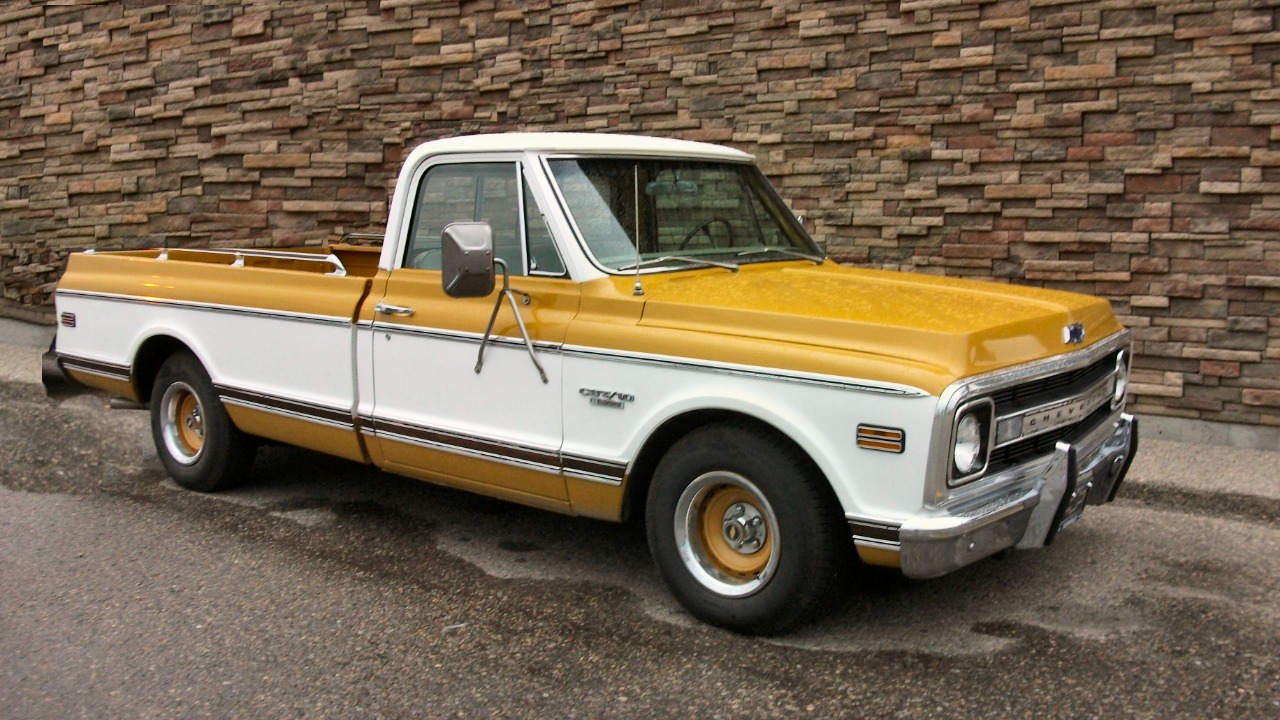
The Chevrolet C10 became a favorite among farmers because it combined a simple pickup design with enough capability for everyday chores. Its traditional rear-wheel-drive layout, durable engines, and straightforward construction made it easy to work on without specialized equipment. Many examples spent decades hauling equipment, lumber, feed, and tools. Today, clean C10s attract collectors, but working examples remain especially appealing to owners who value practical trucks with plenty of character.
Ford F-250
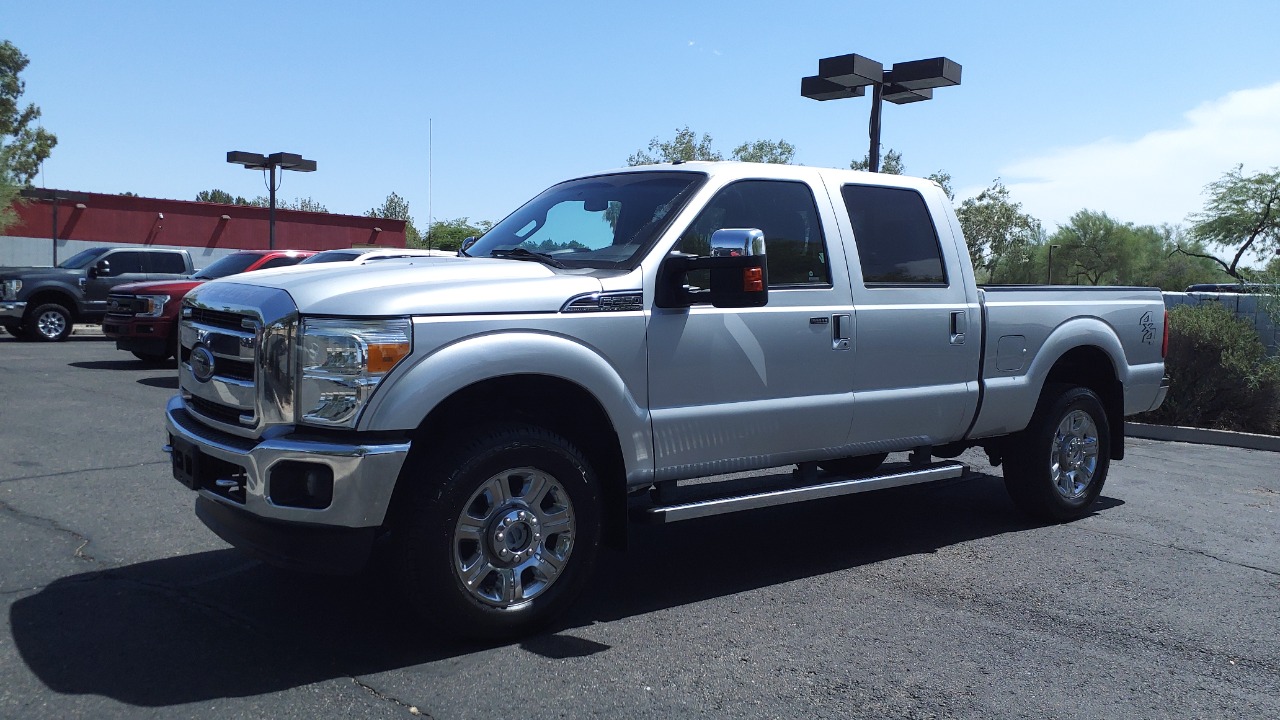
The Ford F-250 occupies the sweet spot for owners who need more muscle than a half-ton truck without moving into the largest heavy-duty pickups. Older versions were built with sturdy frames, durable engines, and straightforward mechanical systems that farmers could understand and maintain. An F-250 can haul heavy loads, tow trailers, and handle rough roads without feeling excessively complicated. Once one has proven itself around a farm for years, selling it can feel like giving away a trusted piece of equipment.
Chevrolet K20
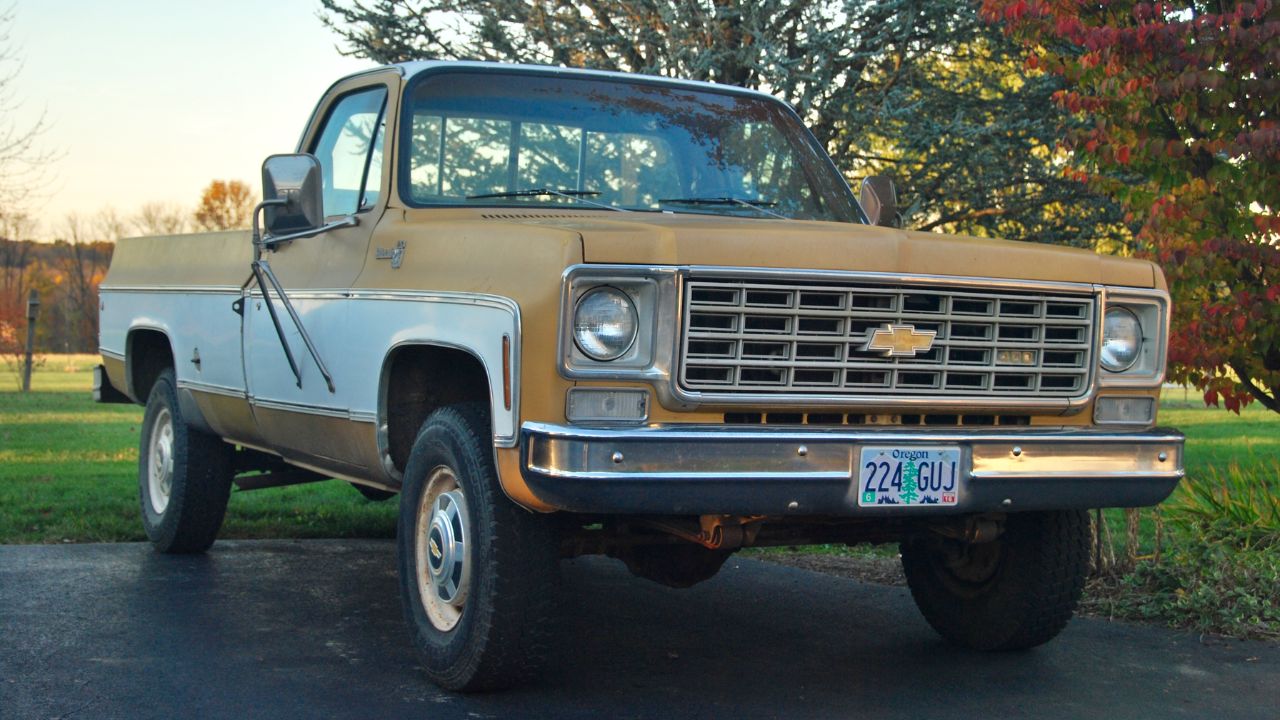
The Chevrolet K20 gave farmers the added traction of four-wheel drive while retaining the simple, serviceable design of classic Chevrolet pickups. That extra capability could make a major difference when moving through muddy fields, gravel roads, or snow-covered lanes. Many versions also used durable V8 engines that were relatively easy to repair. Owners who have relied on a K20 for years often value its combination of ruggedness and simplicity more than the comfort and electronics found in newer trucks.
Dodge D-Series

The Dodge D-Series pickups developed a loyal following among people who wanted a tough truck without unnecessary complexity. Their traditional body-on-frame construction and familiar mechanical components made them useful around farms for everything from hauling supplies to pulling trailers. Some versions were equipped with larger engines and four-wheel drive, giving them even greater capability. Their distinctive styling is another reason owners become attached to them. A well-kept D-Series can feel like both a useful work tool and a piece of family history.
GMC C/K
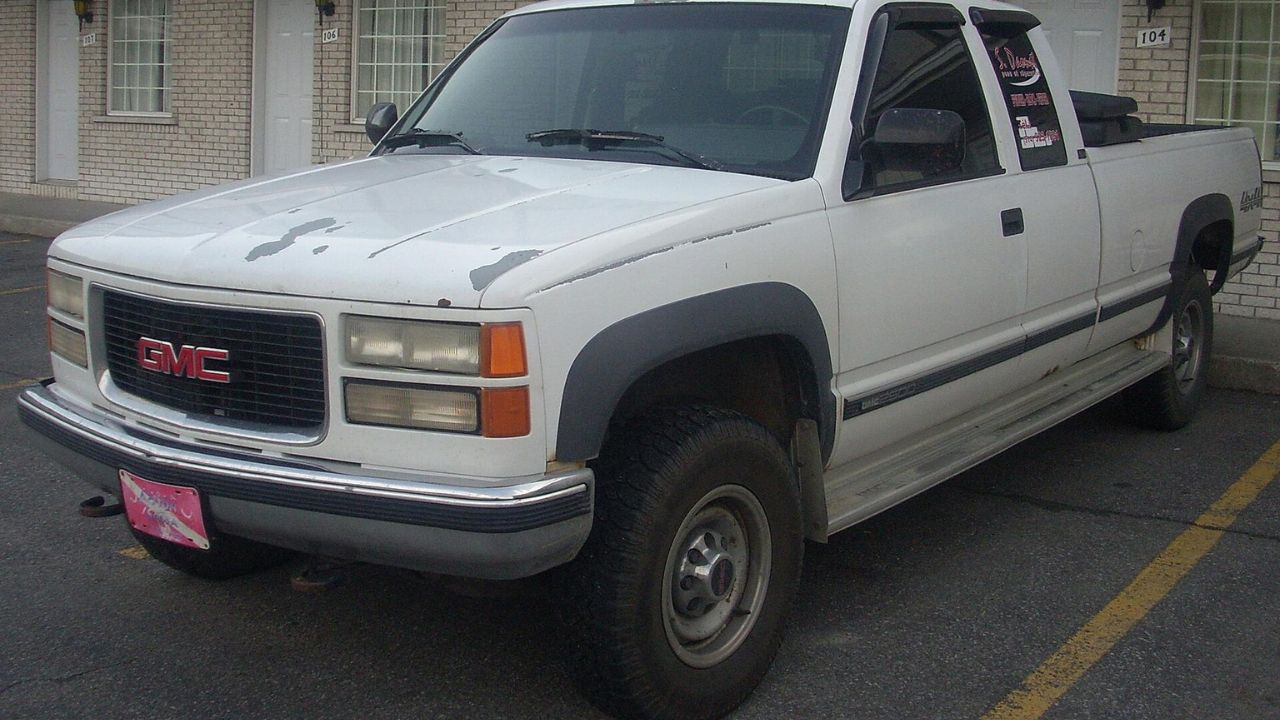
The GMC C/K line offered much of the same basic working capability as its Chevrolet relatives while carrying a slightly different identity. These trucks were common sights on farms because they were available in a wide range of configurations and could be equipped for serious hauling. Their conventional construction also made repairs relatively straightforward. A GMC that has spent years working on the same property often accumulates scratches and dents without losing its usefulness, making owners surprisingly reluctant to replace it.
Ford F-350
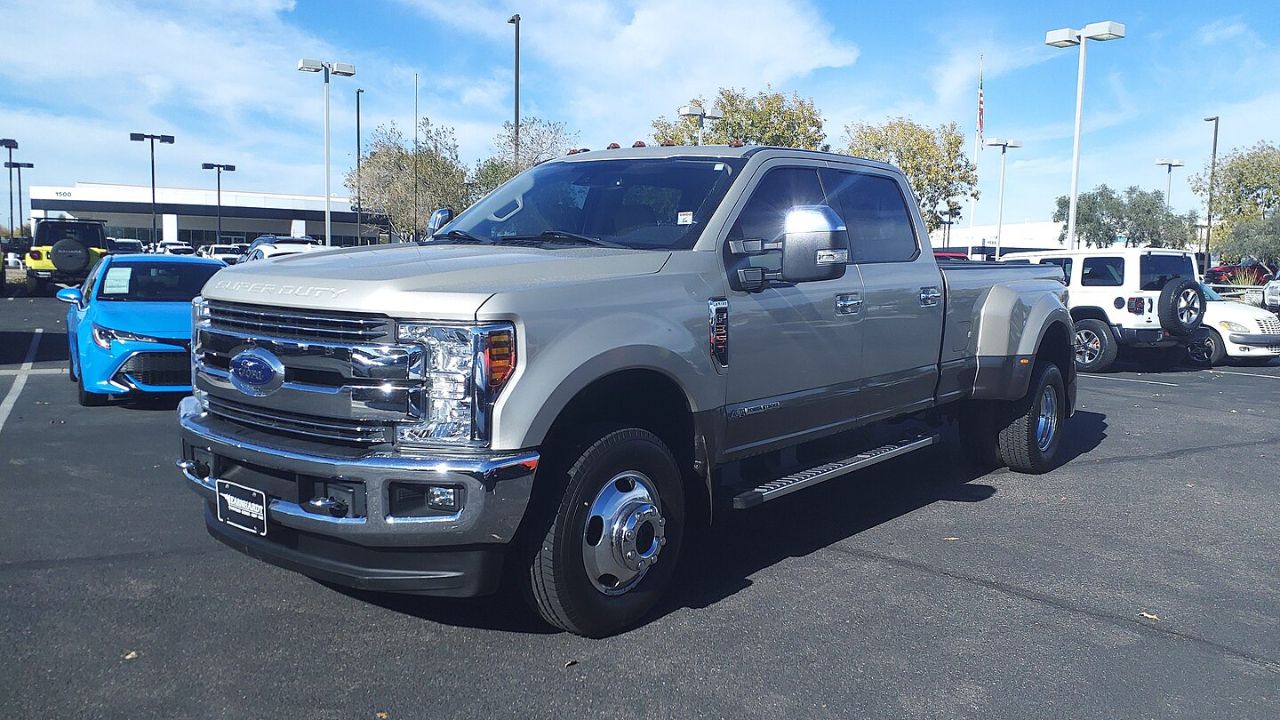
The Ford F-350 was built for jobs that demanded more than a standard pickup could comfortably provide. Its heavier-duty suspension, stronger chassis, and towing capability made it particularly useful for farms with livestock trailers, equipment, and large loads. Older examples can also be surprisingly simple to maintain compared with modern heavy-duty trucks. Once an F-350 has demonstrated that it can handle demanding work year after year, owners often see its age as an advantage rather than a reason to sell.
Chevrolet C30
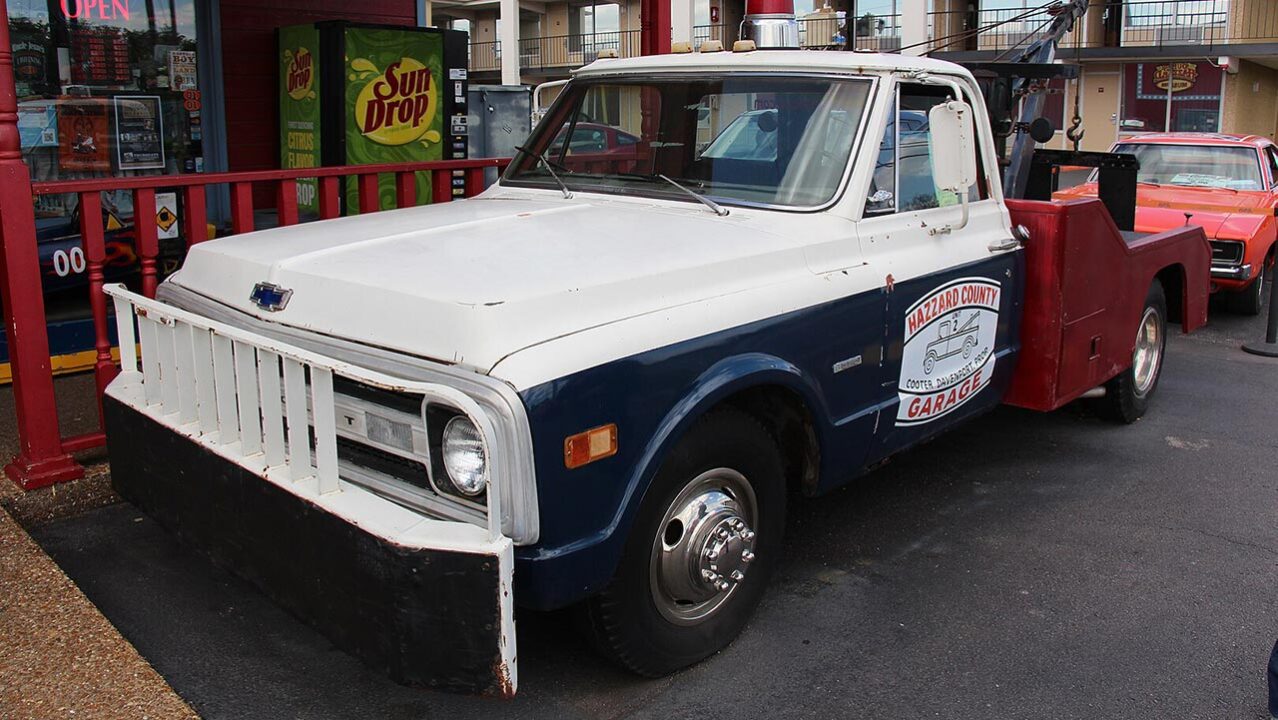
The Chevrolet C30 was designed for serious hauling and could be configured with heavy-duty components that made it well suited to agricultural work. Its substantial payload capacity allowed owners to carry equipment and materials without constantly worrying about overloading a lighter truck. The mechanical simplicity of older C30s is another major attraction. Farmers who know how to maintain them can keep them working for decades, and the truck’s basic design makes it easier to understand than many newer work vehicles.
Ford Ranchero
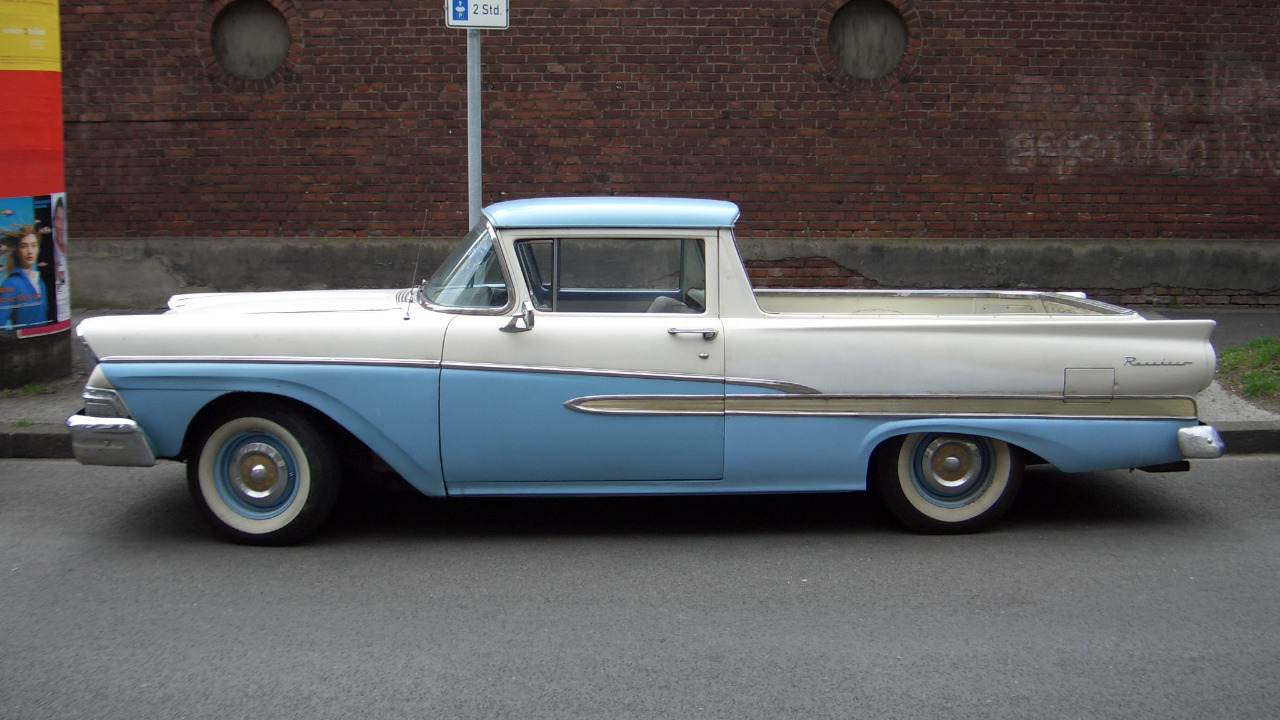
The Ford Ranchero was not a conventional farm truck, but its combination of a car-like driving experience and an open cargo bed made it surprisingly useful for lighter agricultural chores. It could carry tools, parts, fencing supplies, and smaller loads while remaining easier to drive than a full-size pickup. Its unusual design has also made it increasingly collectible. Owners who have used one around a farm often appreciate that it handles everyday errands without sacrificing the utility of a pickup bed.
Chevrolet El Camino
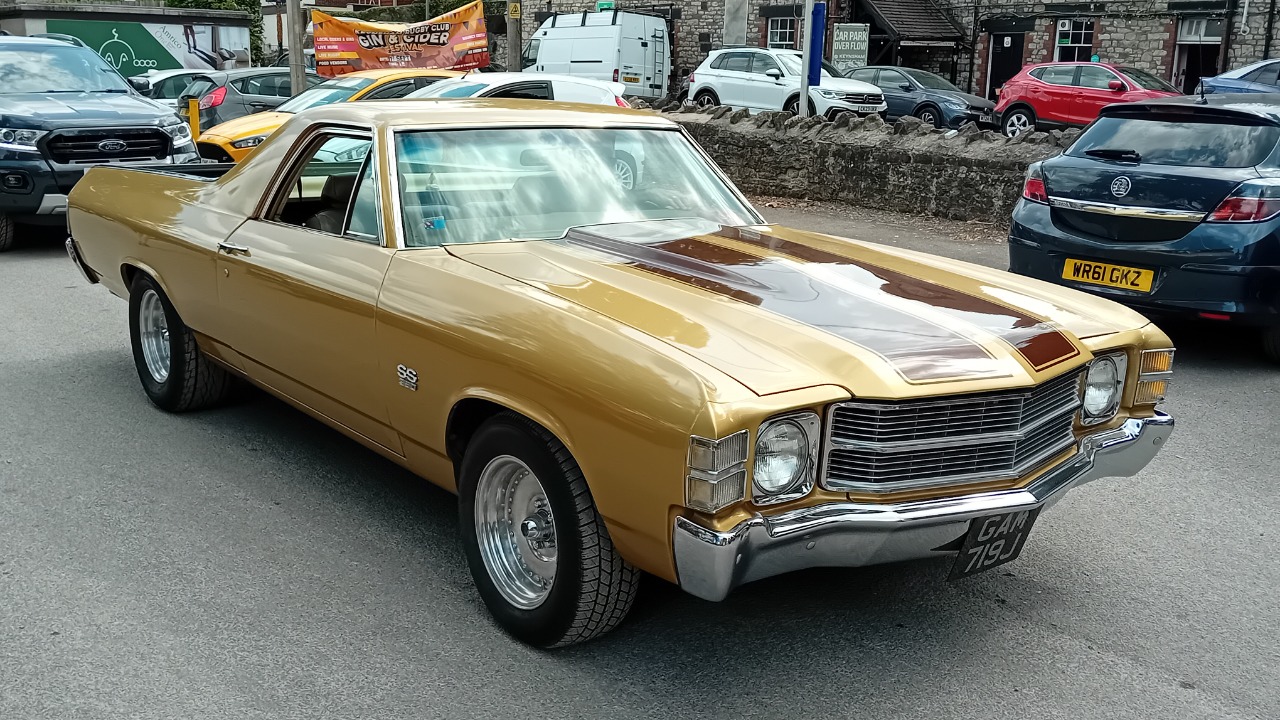
The Chevrolet El Camino occupies a similar niche, blending passenger-car comfort with an open cargo area. It was never intended to replace a heavy-duty work truck, but it could be extremely handy for lighter jobs around a farm or rural property. Owners appreciate its lower driving position, simple utility, and unmistakable styling. Because surviving examples have become increasingly interesting to collectors, someone who has owned one for years may have even more reason to keep it rather than sell it.
Jeep J-Series
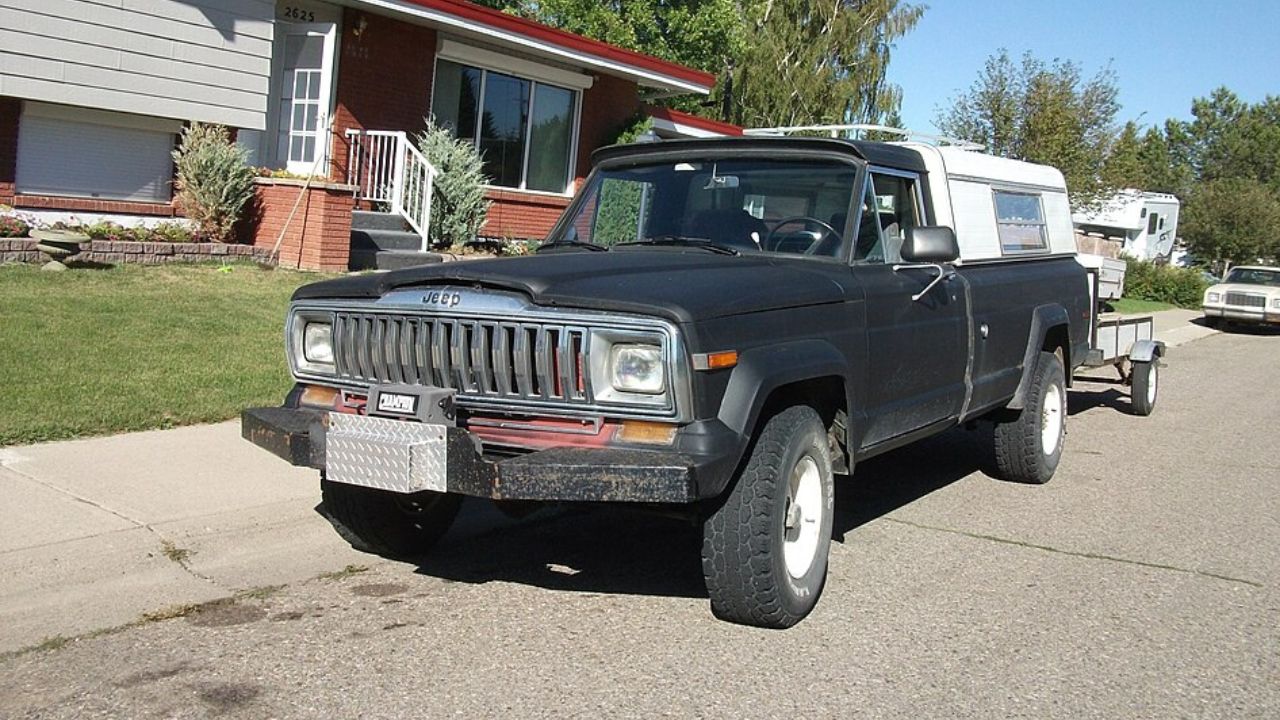
The Jeep J-Series pickups earned their reputation by going places where ordinary trucks struggled. Four-wheel drive, rugged construction, and relatively compact dimensions made them useful on farms with rough tracks and difficult terrain. They could haul supplies while also reaching fields, wooded areas, and remote parts of a property. Their distinctive character is another reason owners hold onto them. Once a J-Series has proven itself useful for years, its age and imperfections often become part of its charm.
International Harvester Scout II

The International Harvester Scout II was not a conventional pickup, but its rugged nature made it valuable around farms and rural properties. Its four-wheel-drive system and compact body allowed it to reach areas where larger trucks could struggle. The Scout could also be configured for hauling and utility work. Today, surviving examples have a strong enthusiast following, but many owners still value them primarily as practical old machines. That combination of usefulness and personality makes the Scout II hard to replace.
Toyota Pickup
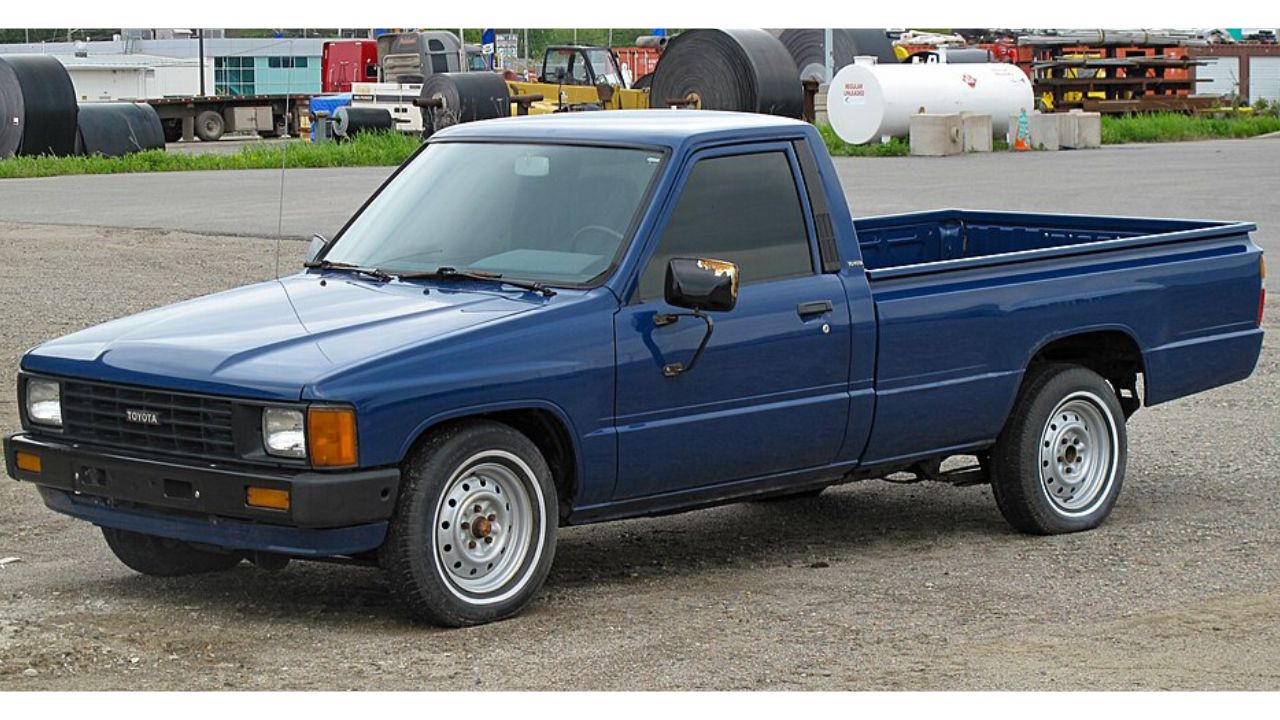
The Toyota Pickup earned a reputation for being remarkably durable while remaining compact enough for narrow farm roads and tight spaces. Its modest size can actually be an advantage when navigating barns, fields, and rural properties. Many versions are mechanically straightforward, and their engines can tolerate years of ordinary abuse when properly maintained. Owners who have watched one continue working through high mileage often become deeply attached to it. For light and medium farm chores, the old Toyota can still make a convincing case.
Nissan Hardbody
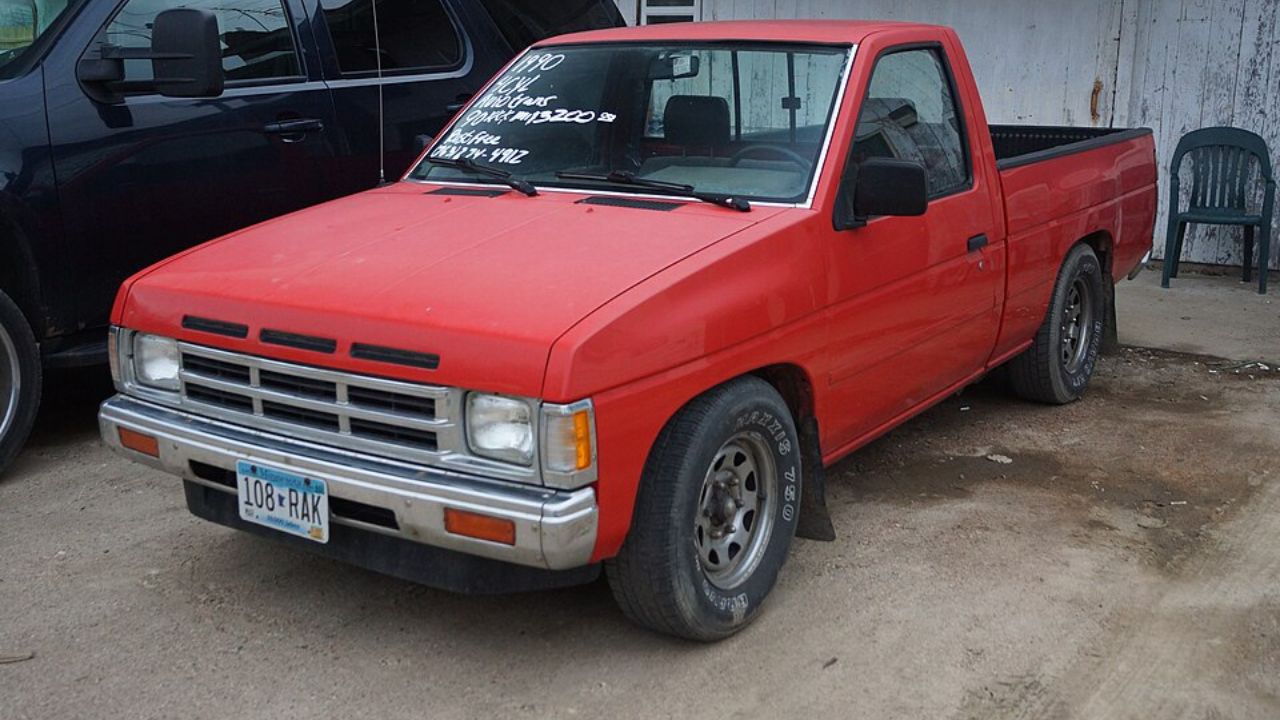
The Nissan Hardbody became popular with owners who wanted a compact pickup that could handle real work without requiring a large full-size truck. Its sturdy construction and simple mechanical design made it useful for hauling tools, fencing materials, feed, and other supplies. Four-wheel-drive versions were particularly helpful on rough ground. The truck’s reputation for durability has also helped surviving examples remain desirable. An owner who has already put years of dependable service into a Hardbody has little incentive to give it up.
Mazda B-Series
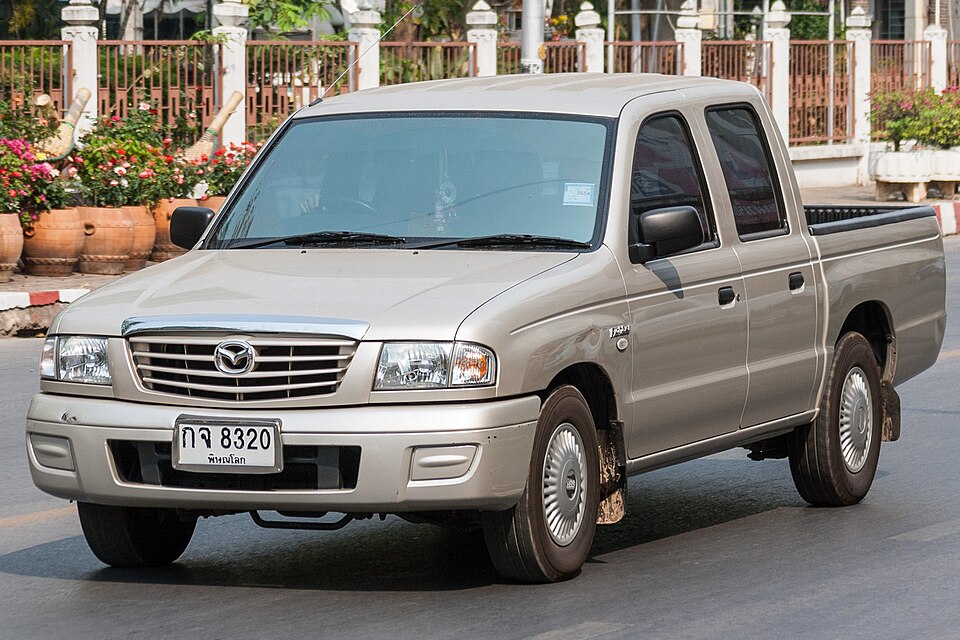
The Mazda B-Series pickups were small but capable workhorses that fit naturally into rural life. Their compact dimensions made them easy to maneuver around barns and narrow access roads, while the pickup bed provided enough space for everyday supplies and equipment. Many versions were mechanically uncomplicated, allowing owners to handle routine maintenance without excessive expense. They may lack the size of modern heavy-duty trucks, but for countless ordinary farm jobs, a dependable B-Series can still be exactly the right tool.
Dodge Ram 2500
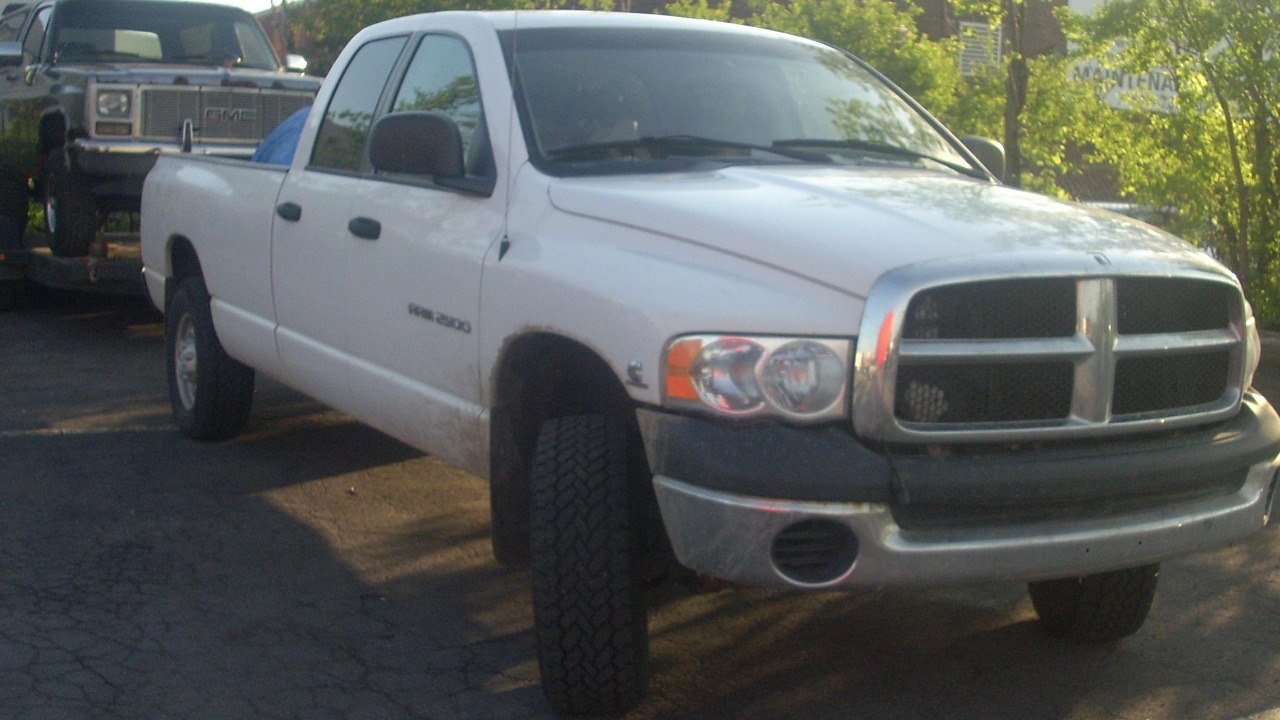
The Dodge Ram 2500 became a favorite among owners who needed substantial towing and hauling capability. Its heavy-duty chassis and available diesel power made it particularly useful for livestock trailers, farm equipment, and other demanding loads. Older examples can also appeal to owners who prefer the mechanical simplicity of earlier generations. A truck that has spent years towing without major trouble develops a level of trust that specifications alone cannot create, which is why many owners keep their older Rams long after newer models arrive.
Toyota Land Cruiser Pickup
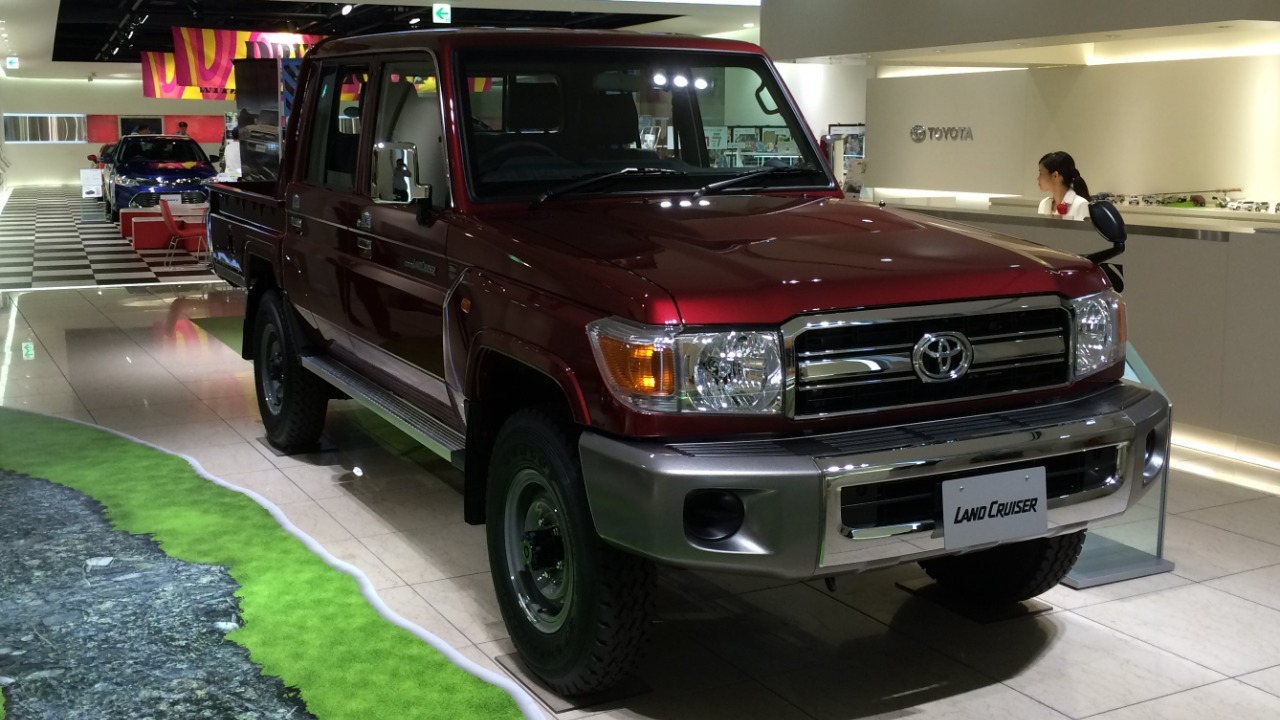
The Toyota Land Cruiser pickup combined the durability associated with the Land Cruiser name with a practical cargo bed. Its four-wheel-drive system and rugged construction made it especially useful in areas where farm roads could become rough or muddy. These trucks were never as common in North America as domestic pickups, but they developed a strong reputation in markets around the world. Owners who depend on one in demanding conditions often see it as equipment rather than simply transportation.
Ford Courier
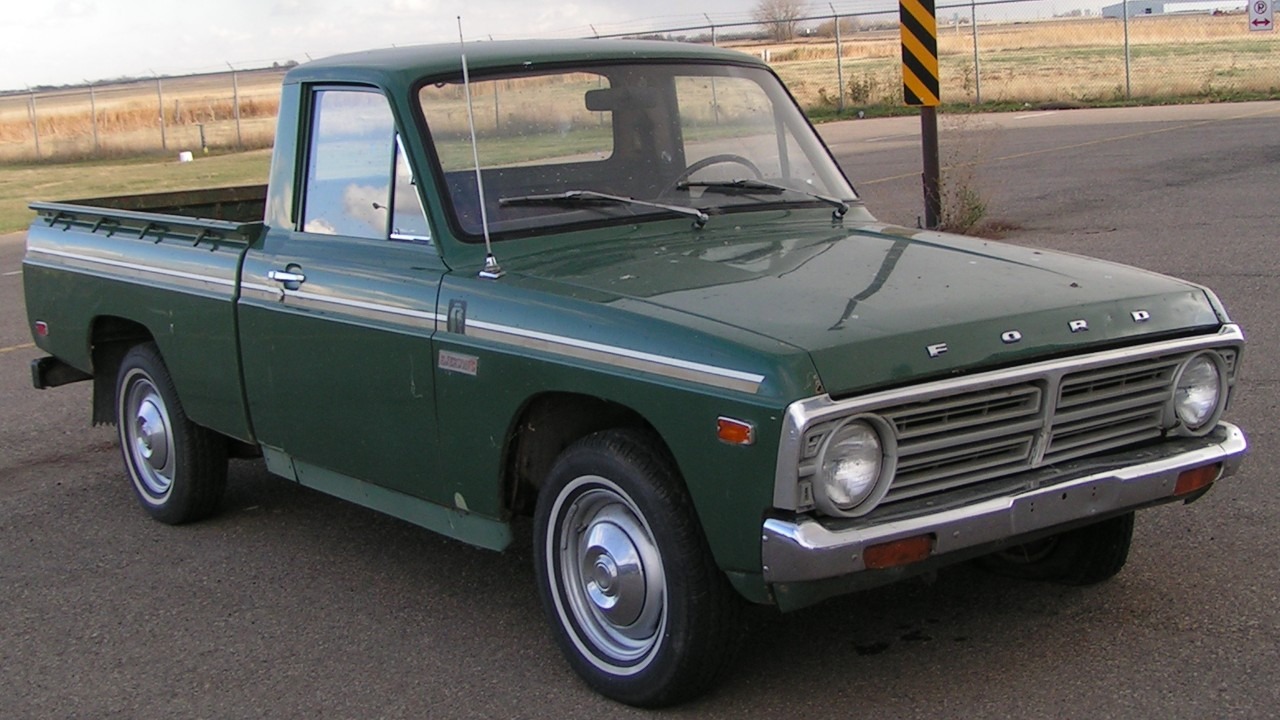
The Ford Courier was a compact pickup designed for buyers who needed useful cargo capacity without the size of a full-size American truck. Its smaller footprint made it especially convenient for farm chores involving narrow lanes, sheds, and crowded work areas. Simple mechanical systems also meant owners could keep maintenance manageable. A Courier that has survived decades of rural use can become surprisingly valuable to its owner, especially when it has a proven record of getting jobs done without complaint.
Chevrolet Apache
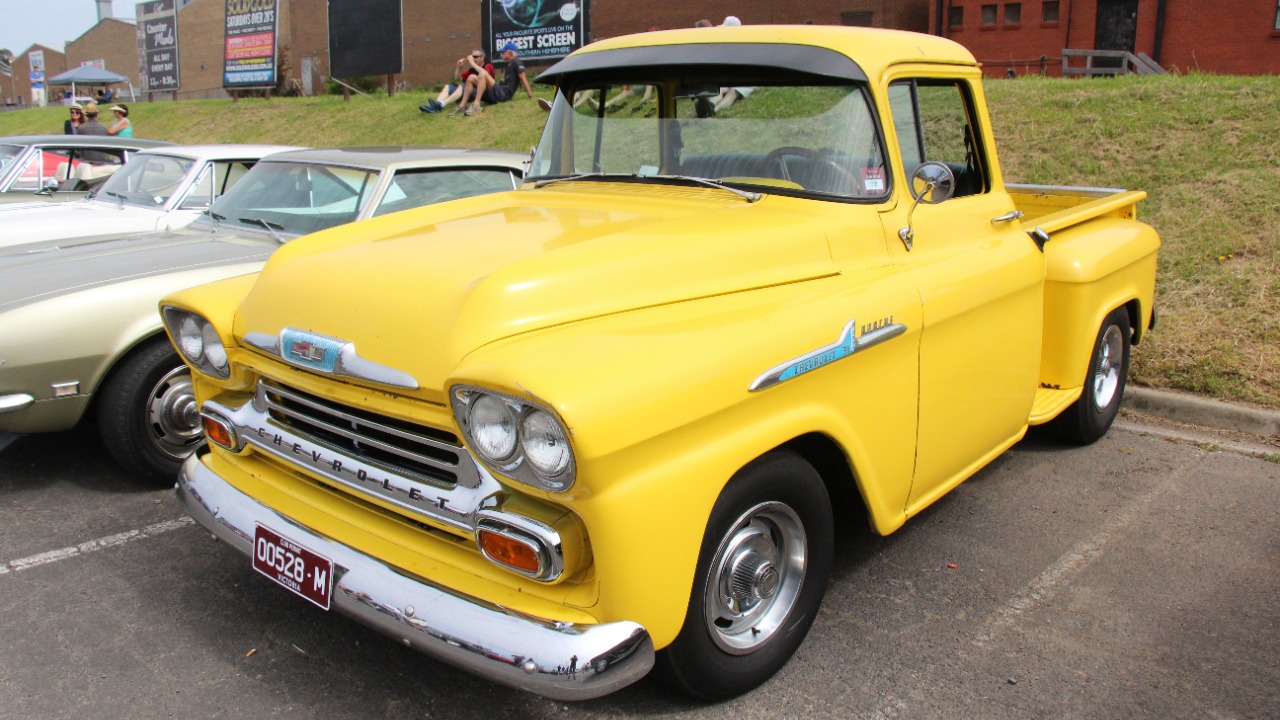
The Chevrolet Apache name is associated with the distinctive Task Force-era pickups that became icons of American work-truck design. Beneath the attractive styling was a straightforward truck built for hauling and everyday labor. Today, restored examples are popular at shows, but some owners still appreciate them as usable pieces of agricultural history. Their sturdy construction and uncomplicated mechanical layout make them understandable to hobbyists, while their appearance gives them a personality that newer work trucks simply cannot duplicate.
Ford F-100
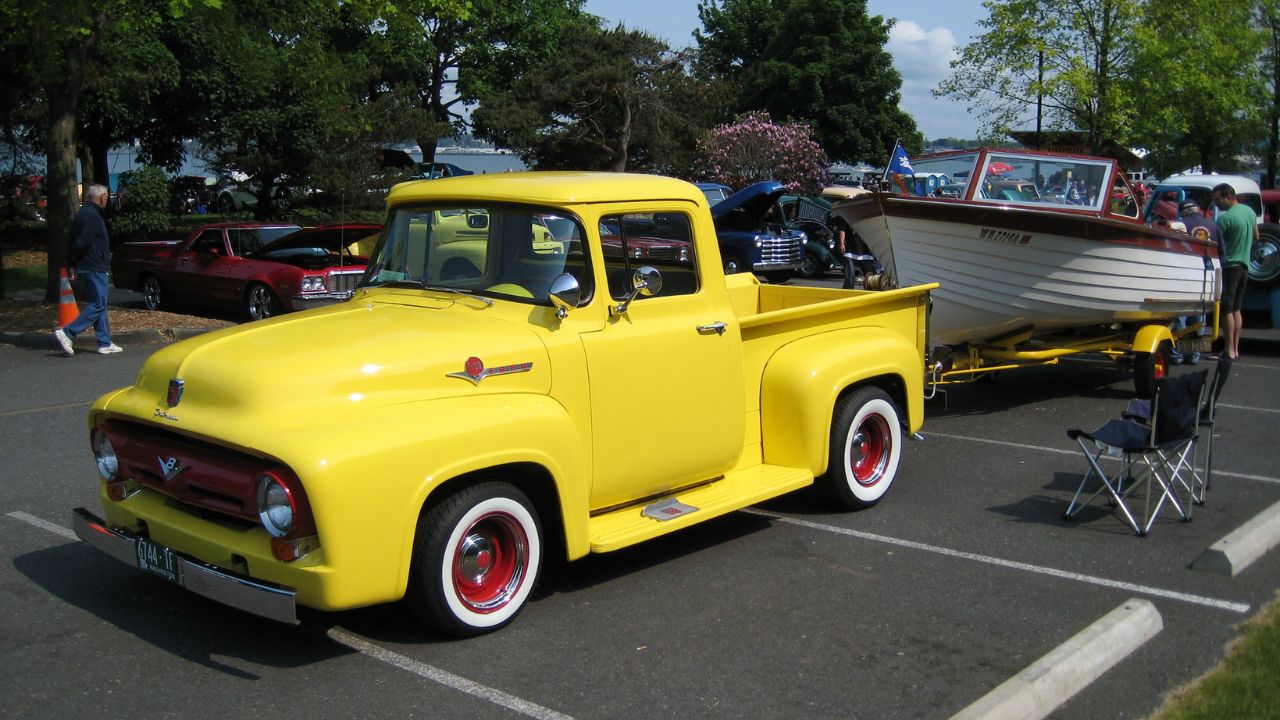
The Ford F-100 became one of America’s most recognizable working pickups, and farms were among the places where these trucks earned their reputations. Its relatively simple construction made it practical to maintain, while a variety of engines and configurations allowed owners to choose the level of capability they needed. An F-100 could haul supplies, pull smaller trailers, and handle countless daily chores. After years of dependable service, many become family vehicles as much as work equipment, making them especially hard to sell.
More from Fast Lane Only
- Unboxing the WWII Jeep in a Crate
- 15 rare Chevys collectors are quietly buying
- 10 underrated V8s still worth hunting down
- Police notice this before you even roll window down
*Research for this article included AI assistance, with all final content reviewed by human editors.