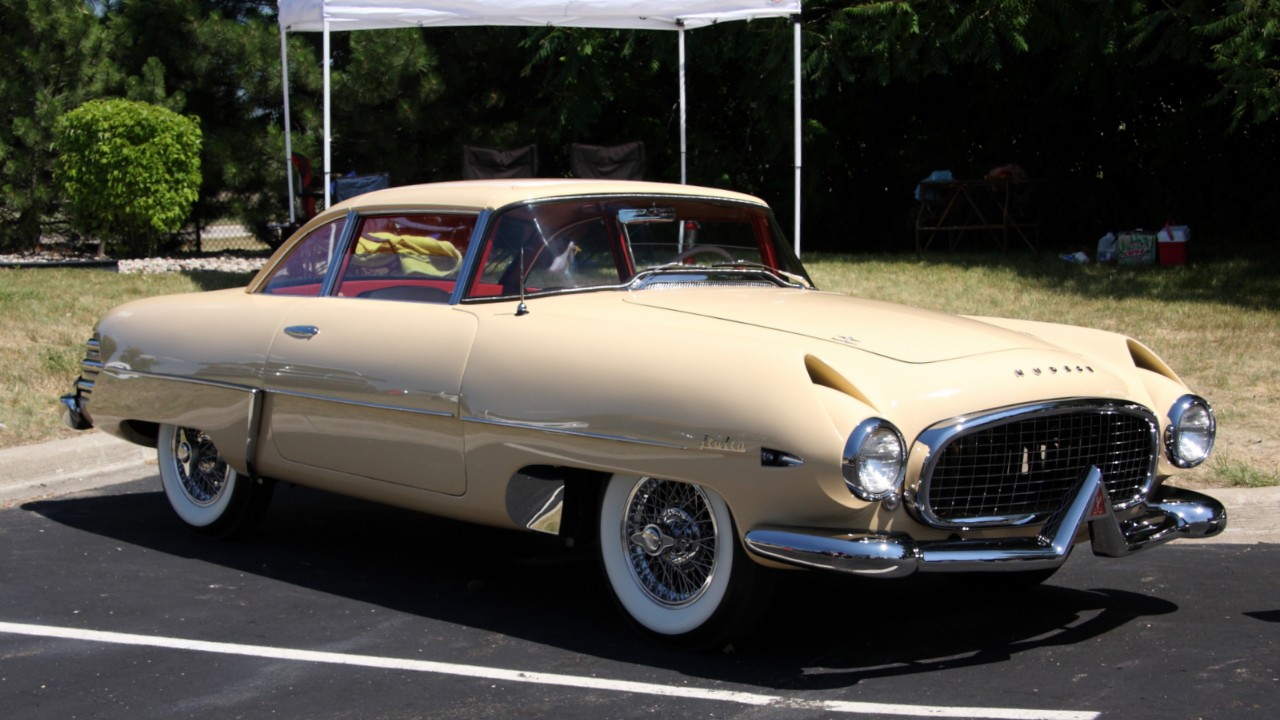
Ask most people about Hudson and they picture one car: the Hornet that ran away with NASCAR in the early 1950s. That is fair, because the six-cylinder step-down Hornet won 27 of 34 Grand National races in 1952. However, the Detroit company built cars for decades before that streak, and it kept building them until 1957.
Most of that catalog never made it into the history books. Instead, it lives in museum corners, club meets and the odd auction tent. You’ll find straight-eights with pre-selector shifting, a pickup that looked like a sedan, an Italian-bodied coupe and a Rambler with a different badge on the grille.
These are our picks, ten Hudsons we think deserve a second look, listed from oldest to newest. Each one comes with a few facts we checked, plus our own take on why it matters.
1. 1936 Hudson Custom Eight
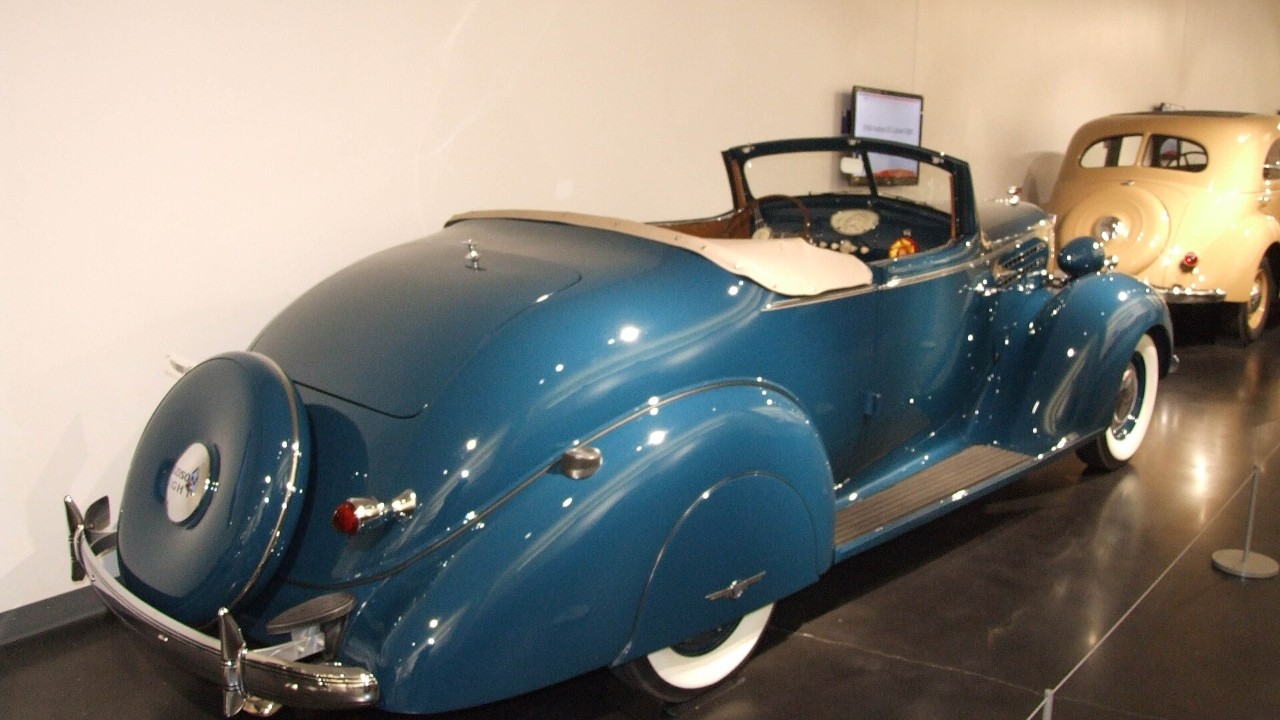
For 1936, Hudson gave its whole line a revamp, with engines that ranged from 93 to 124 horsepower. The Custom Eight sat near the top of that spread. Its L-head inline-eight displaced 254 cubic inches and made 113 horsepower, and it rode a 120-inch wheelbase. The 1936 revamp also brought new suspension and a larger interior across the range, so the eight was more than a bigger engine in an old body.
What makes it interesting is the hardware around the engine. Hudson called its front suspension Radial Safety Control. The car could also carry the Electric Hand, a pre-selector shifter that let you choose the next gear before you used the clutch. In fact, conceptcarz lists both features in its Custom Eight specifications.
In our view, this is the Hudson to show anyone who thinks the brand only did sixes. It was a big eight-cylinder car with clever gadgets, sold in the middle of the Depression. Today, a clean one draws a crowd at any show. We’d take a sedan happily, though a coupe would be the prize. Either way, you’d be driving a piece of Hudson history that few people recognize.
2. 1939 Hudson 112 convertible coupe
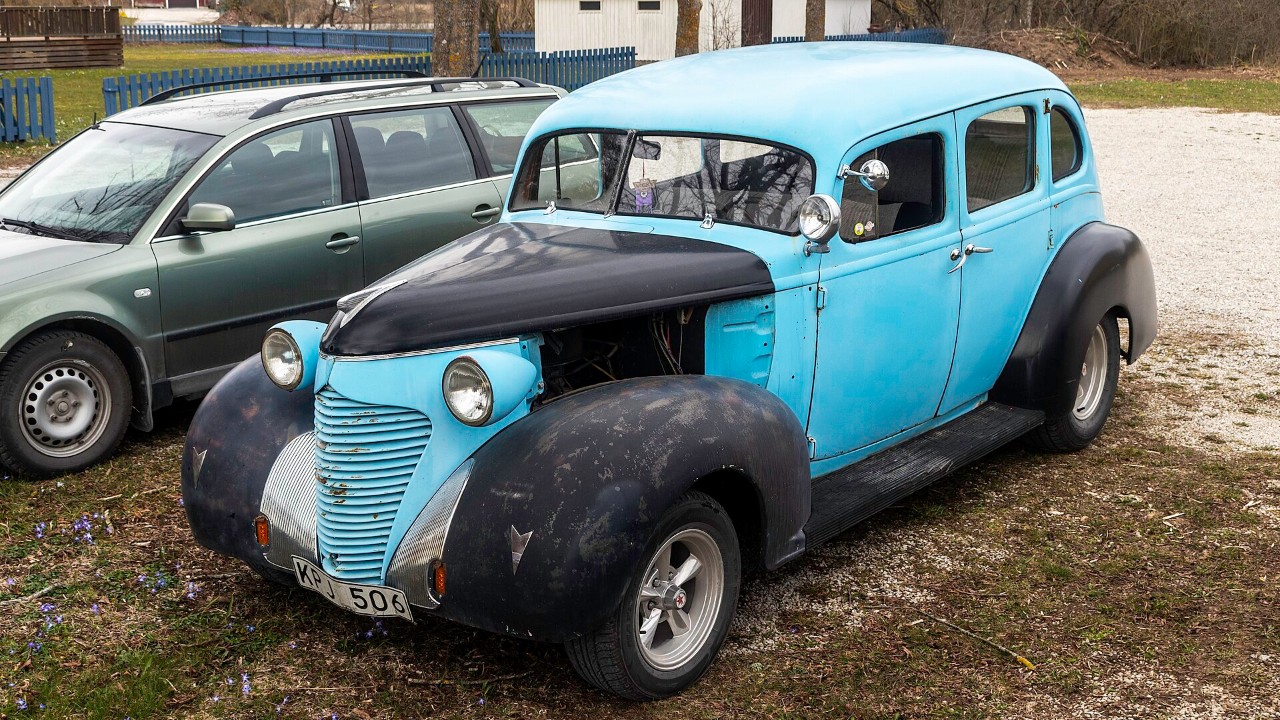
The Terraplane name carried Hudson’s low-priced cars through the 1930s, but it did not last. During 1938, Hudson renamed it the Hudson 112. As a result, the old Terraplane buyer now drove home a car with Hudson on the nose, just as the decade wound down. According to Classic & Sports Car, the 112 took over during the year, not at a clean model-year break.
The 112 has a split personality that we like. On one hand, it wore the full Hudson name and grille, so it looked like a step up from a Terraplane. On the other hand, it kept the six-cylinder recipe that made the Terraplane sell. The convertible coupe added a folding top, which made it the fun one of the range.
Our take: the 112 sits in a blind spot for collectors. It is too late for the Terraplane crowd and too early for the step-down fans. That gap is exactly why you almost never see one. If you find a convertible with its original trim, you’re looking at a car that most Hudson fans have only seen in brochures.
3. 1942 Hudson Commodore Eight
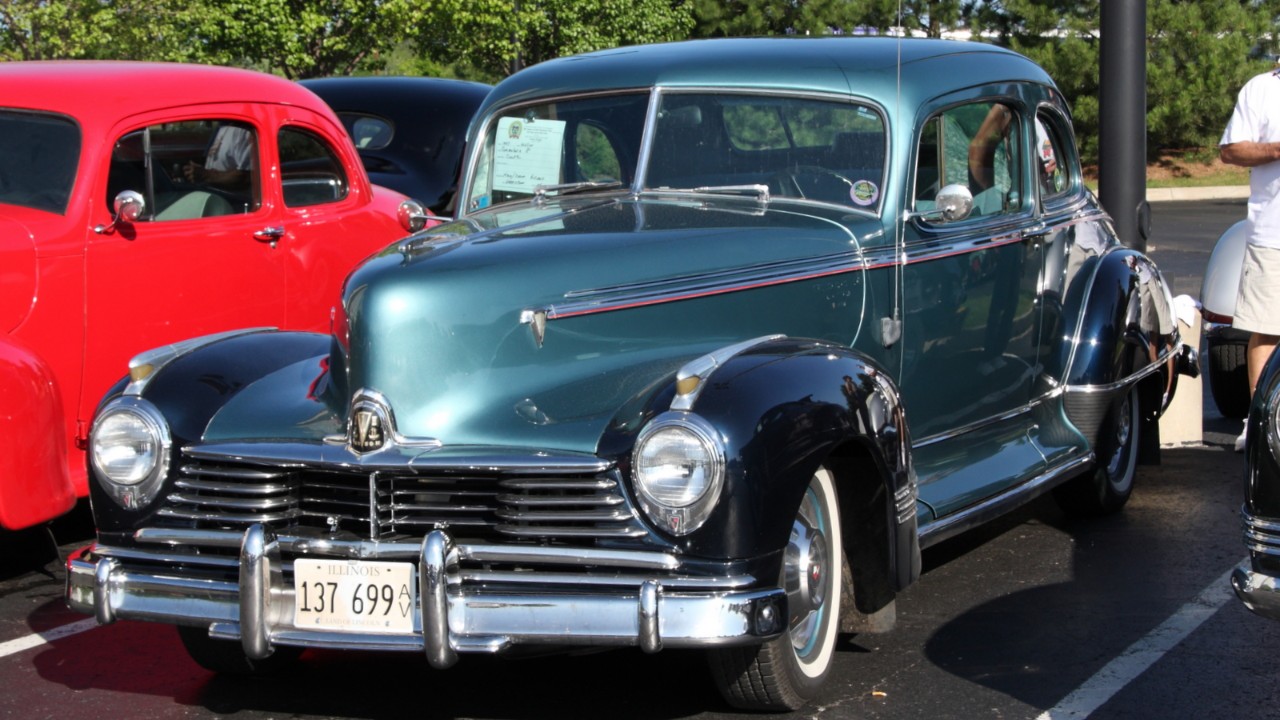
Hudson launched the Commodore name for 1941, and by 1942 the Commodore Six and Commodore Eight both rode a 121-inch wheelbase. Then the clock ran out. According to Curbside Classic, automobile production in the United States stopped on February 5, 1942, as factories turned to war work. By comparison, the Traveler and Deluxe rode a 116-inch wheelbase, so the Commodore’s extra length marked it as the senior car.
That short run explains why the 1942 Commodore Eight is so scarce today. Hudson also offered Drive-Master on its 1942 cars, which Curbside Classic describes as the company’s answer to GM’s Hydra-Matic. It paired Hudson’s vacuum-operated clutch with servos for nearly automatic shifting. Late cars also came as blackout models, with painted trim in place of chrome.
We love this one because it captures a company frozen mid-sentence. Hudson had a new name, a new semi-automatic and an eight-cylinder flagship ready to go. However, history had other plans, and the line sat idle for more than three years. A blackout Commodore Eight would be the oddball of any prewar show field, and we’d love to park next to one.
4. 1946 Hudson Big Boy pickup
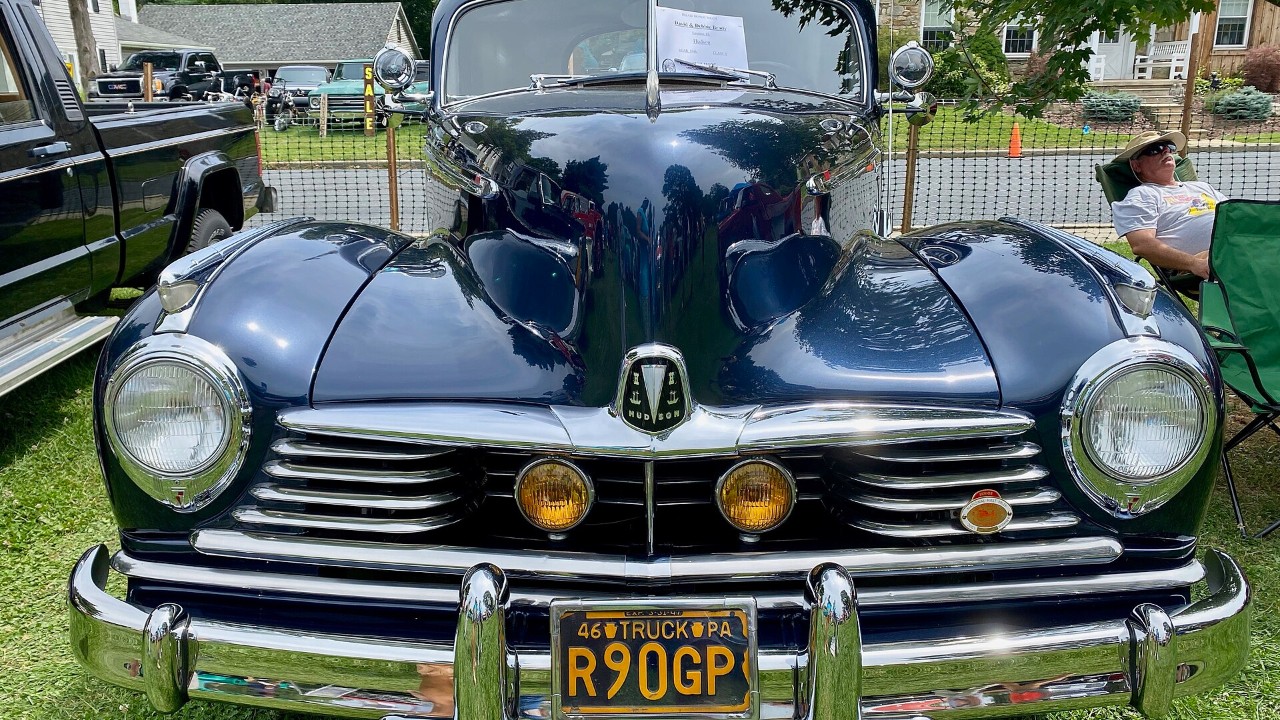
Hudson built trucks too, and the Big Boy might be the best-looking one nobody remembers. It used the passenger car’s front end and cab on a 128-inch wheelbase. In its catalog for a 1946 example, RM Sotheby’s called it “The truck that is a car.”
The numbers show how thin the run was. RM Sotheby’s says Hudson built about 95,000 vehicles in 1946, and only about 3% were pickups. Under the hood sat Hudson’s six, rated at 102 horsepower, with a three-speed manual. RM Sotheby’s puts production of this version at 3,374. That same truck sold for $16,775 at Auburn Spring in 2014.
Our take: the Big Boy is the sleeper of this list. Next to a Ford or Chevy pickup of the same year, it looks like a Hudson sedan that someone trimmed into a hauler. That is part of the charm, and it is why one stops traffic at a truck show. If you want a postwar pickup that nobody else at the meet will have, this is it. Just be ready to explain, more than once, that Hudson built trucks.
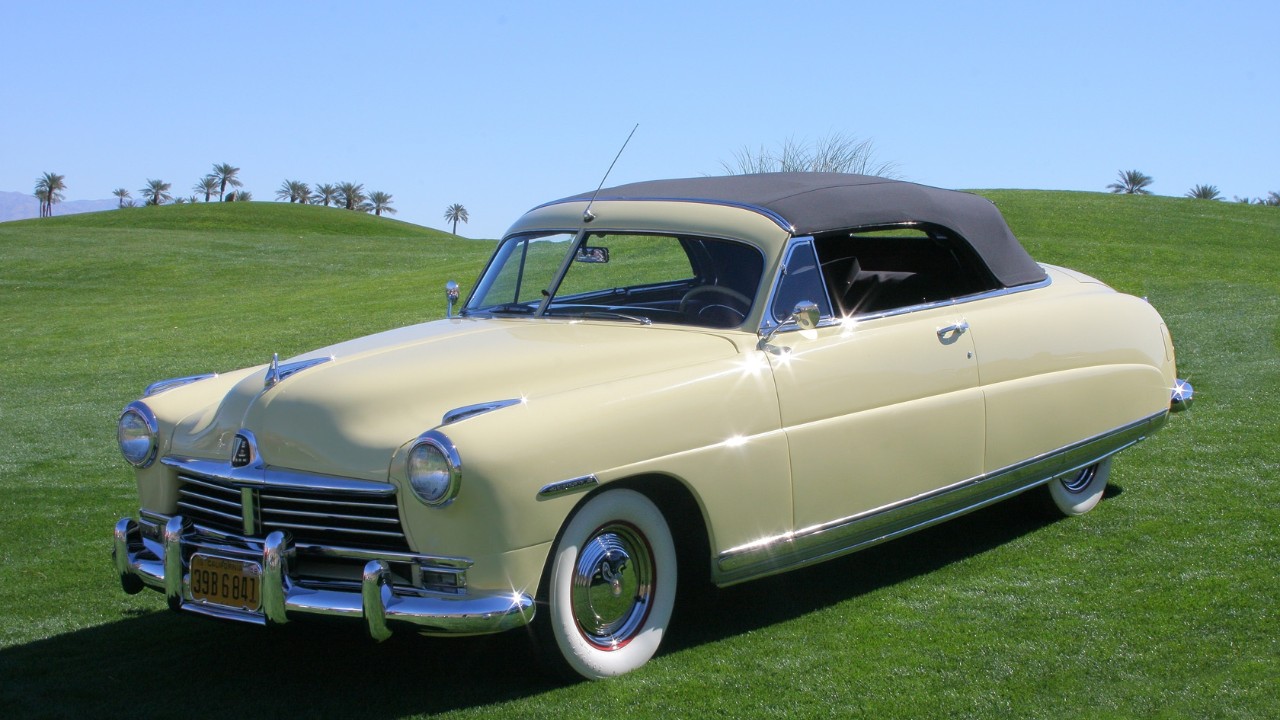
5. 1948 Hudson Commodore Eight convertible brougham
For 1948, Hudson rolled out the step-down design, with a frame that wrapped around the passenger floor. As a result, riders literally stepped down into the car, and the body sat lower than its rivals. The design lasted through the 1954 model year, and we explained how Hudson hung the floor from the bottom of the frame in an earlier story.
Hudson’s Commodore Eight was the top step-down, and the convertible brougham was its open version. The Audrain Automobile Museum lists its 1948 Commodore Eight with a 254-cubic-inch inline-eight rated at 121 horsepower at 4,200 rpm. It also says Hudson sales rose 50% in 1948 on the strength of the new body. Meanwhile, the Martin Auto Museum notes that 1948 production began on October 12, 1947.
In our view, the convertible is the most glamorous Hudson of the era. The low roofline that made the sedans look fast looks even better with the top folded. Most people only know the step-down shape from Hornet race photos. Seeing it as a soft-top cruiser changes how you think about Hudson.
6. 1954 Hudson Jet-Liner
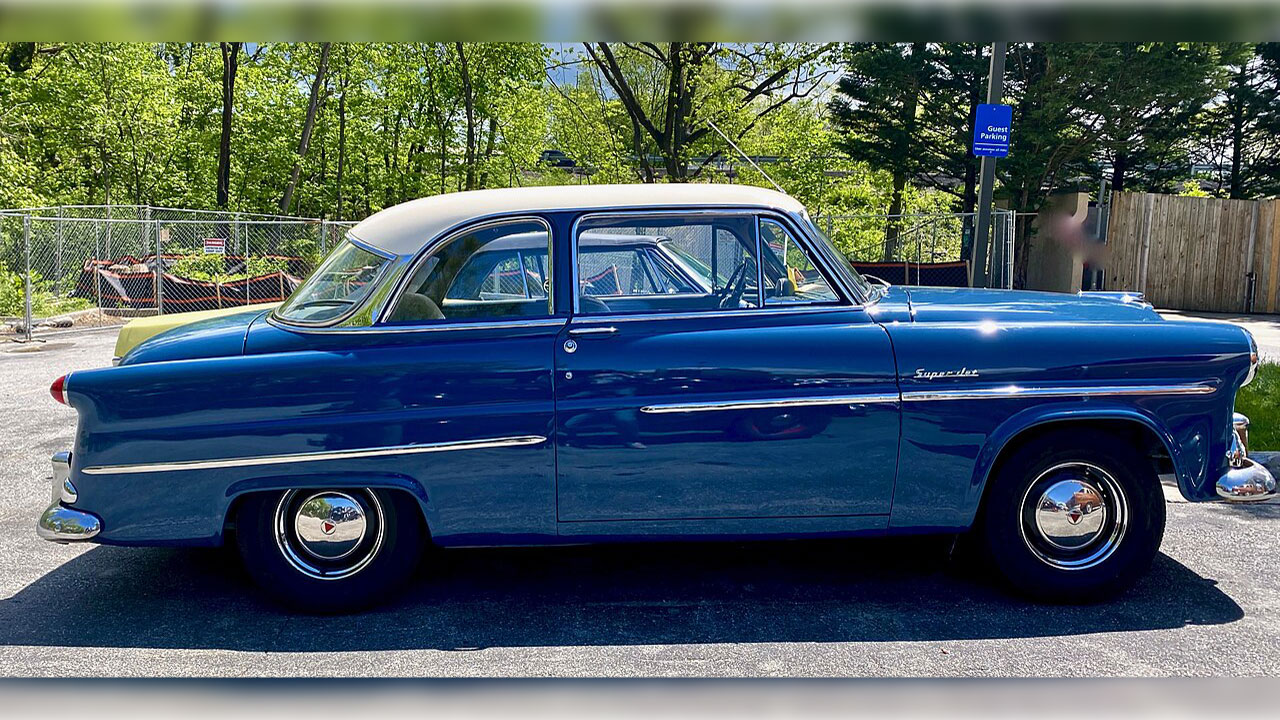
The Jet was Hudson’s compact, built for 1953 and 1954 on a 202-cubic-inch six. Its standard engine made 104 horsepower, while the Twin-H version with two carburetors made 114. For 1954, Hudson added the Jet-Liner as the luxury trim, with chrome window and body-side trim and color-keyed vinyl interiors. Hudson even built one Jet-Liner convertible as an experiment, and sales manager Virgil Boyd bought it.
The trouble was price. A 1953 Jet started at $1,858, while a full-size Ford cost $1,734 and a Chevrolet $1,613. Hudson built 21,143 Jets for 1953 and 14,224 for 1954. Meanwhile, development and tooling had cost an estimated $10 million to $16 million, money the small company could not spare.
We think the Jet-Liner deserves more sympathy than it gets. It was a well-made small car with a tall roof and full-size seating, which made it roomy. But it cost more than bigger cars, and buyers noticed. Today, a Jet-Liner is an easy way to stand out at a show, and it tells a real story about Hudson’s last independent years.
7. 1954 Hudson Italia
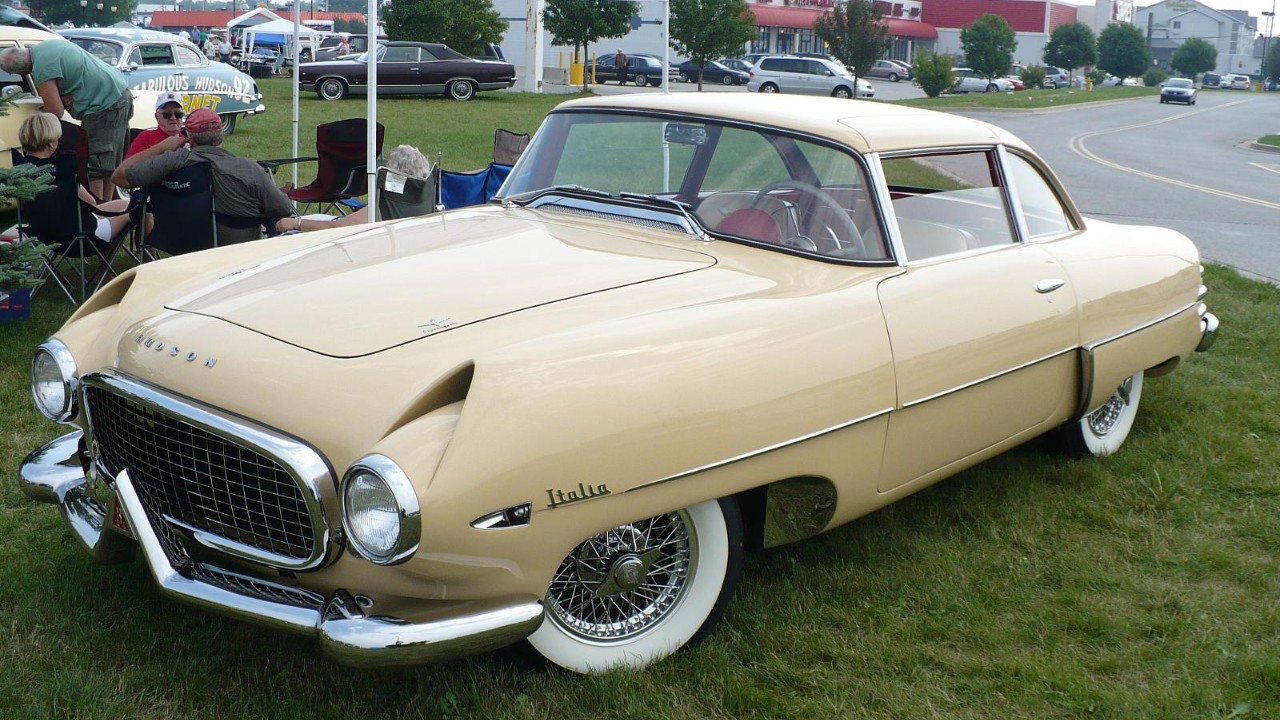
The Italia is the exception here, since Hudson fans know it well. Even so, most car fans have never seen one in the metal, and the reason is simple. Hudson built 25 plus a prototype, with aluminum bodies from Carrozzeria Touring in Milan. We covered how Touring built those Italia bodies in a separate piece.
Here’s a detail that often gets missed: the Italia’s introduction date. Hudson unveiled it on January 14, 1954, the same day Hudson and Nash-Kelvinator agreed to merge into American Motors. Under the skin sat Jet running gear and the 202-cubic-inch Twin H six, rated at 114 horsepower. Hudson’s letter to dealers in September 1953 put the price at $4,800 in Detroit.
Designer Frank Spring also had a four-door version in mind. Spring had worked on the coupe with Carlo Felice Bianchi Anderloni of Touring. Later, Touring built one sedan prototype, called the X-161, powered by the Hornet engine. In our view, that sedan is the Hudson almost nobody has seen, and the Italia coupe is the closest most of us will get. If one ever crosses an auction block near you, go see it in person.
8. 1955 Hudson Rambler Cross Country
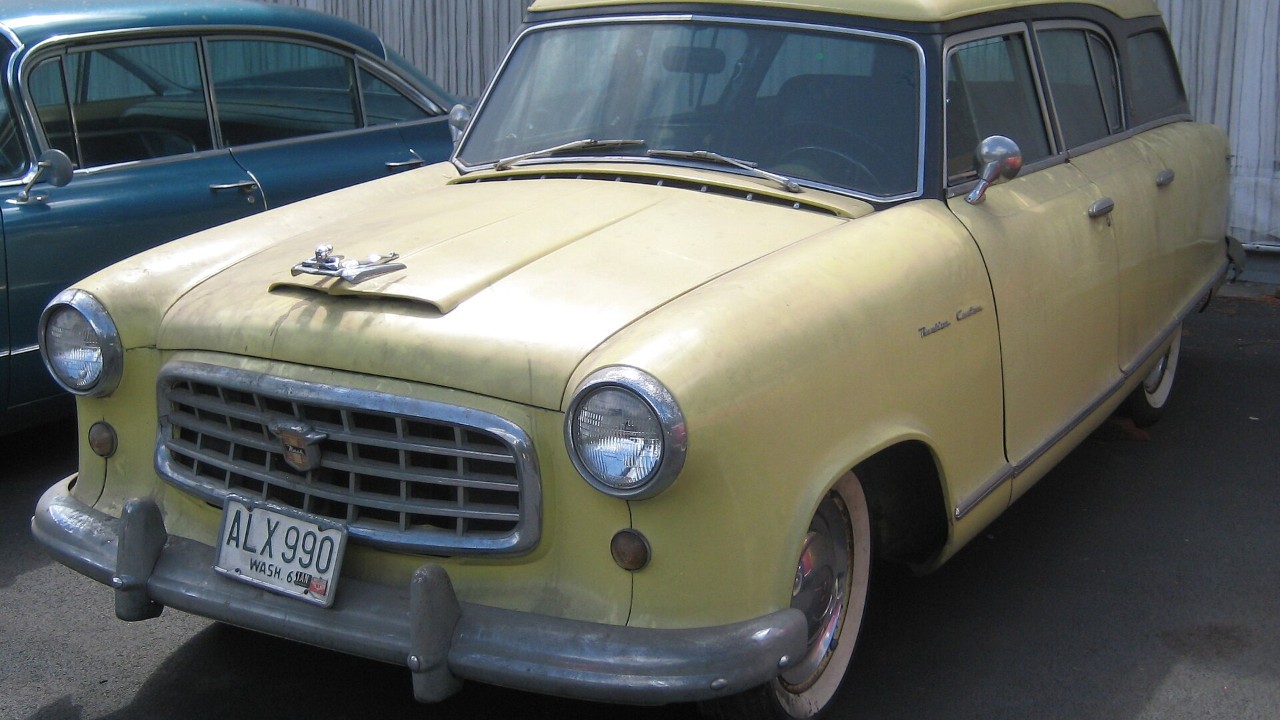
After the merger, Hudson dealers needed a small car to replace the Jet. American Motors handed them the Nash Rambler with a new badge. According to Mac’s Motor City Garage, the only difference was the medallion in the center of the grille, plus an “H” on some hubcaps.
That makes the Hudson Rambler one of the hardest cars here to spot. Power came from Nash’s 195.6-cubic-inch six, rated at 90 horsepower. Two-door models rode a 100-inch wheelbase, while four-doors used 108 inches. The Cross Country was the station wagon, and buyers could also pick Super, Deluxe or Custom trim. Autoblog notes the Hudson badge lasted only for 1955 and 1956. Mac’s also reports that Hudson dealers sold more than 25,000 Ramblers in 1955, more than their big Hudsons.
Our take: this is the one hiding in plain sight. From the side, a Hudson Rambler wagon passes for a Nash. In fact, an Autoblog writer confirmed a junkyard example’s Hudson origin only from its firewall tag. If you see a 1955 or 1956 Rambler wagon, take a closer look at the grille.
9. 1956 Hudson Hornet Special
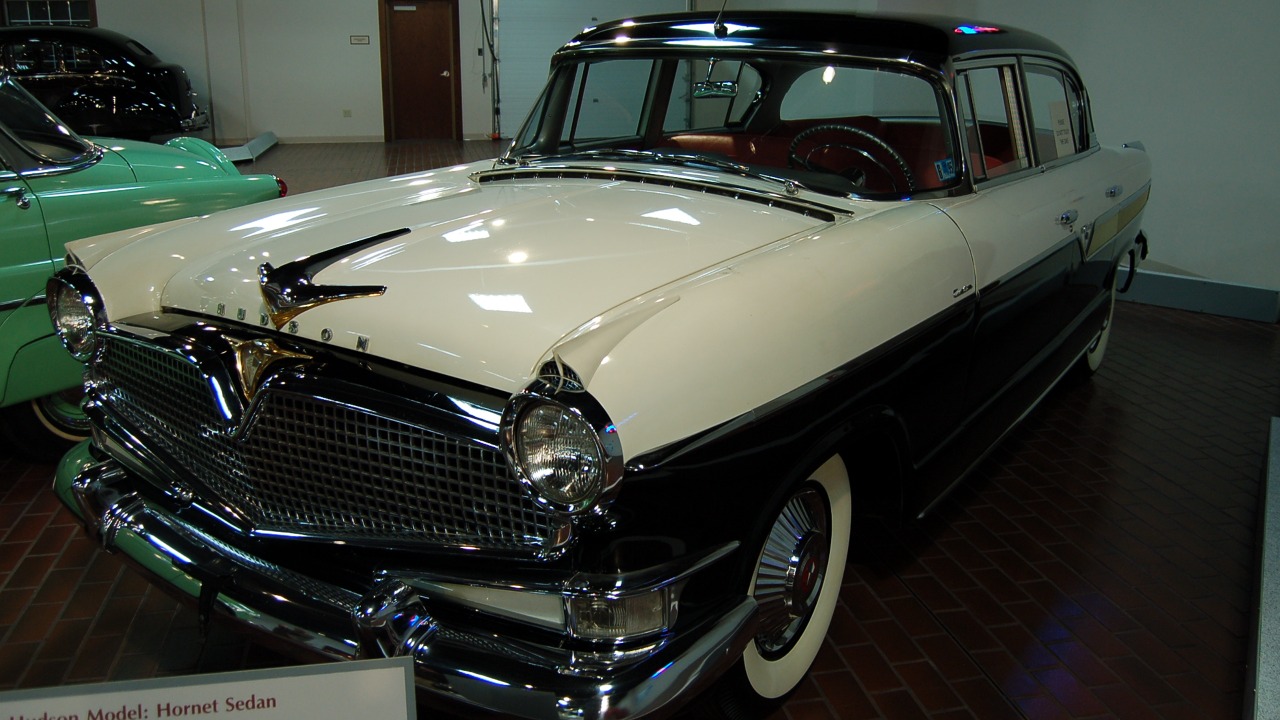
By 1956, the Hornet had moved onto a Nash-based body, and AMC needed a cheaper way to sell a V8 Hudson. The answer arrived in the middle of the model year. The Hornet Special used AMC’s 250-cubic-inch V8, rated at 190 horsepower, in a body seven inches shorter than the regular Hornet.
In other words, it combined the smaller Wasp platform with Hornet trim and a V8 under the hood. It cost less than a full Hornet, yet it kept the Hornet badge. Total Hornet production fell to 8,152 cars for 1956, so the Special was a small slice of an already small number. Meanwhile, the regular Hornet’s 308 six gained 5 horsepower for 1956.
We like the Hornet Special because it shows AMC trying everything to keep Hudson alive. It was smaller and lower in price, and it had a modern V8 instead of the old six. Few people outside the Hudson clubs know it existed. That makes any survivor a conversation starter, because almost nobody walking past will know what it is. We’d happily spend a show day answering that question.
10. 1957 Hudson Hornet Hollywood hardtop
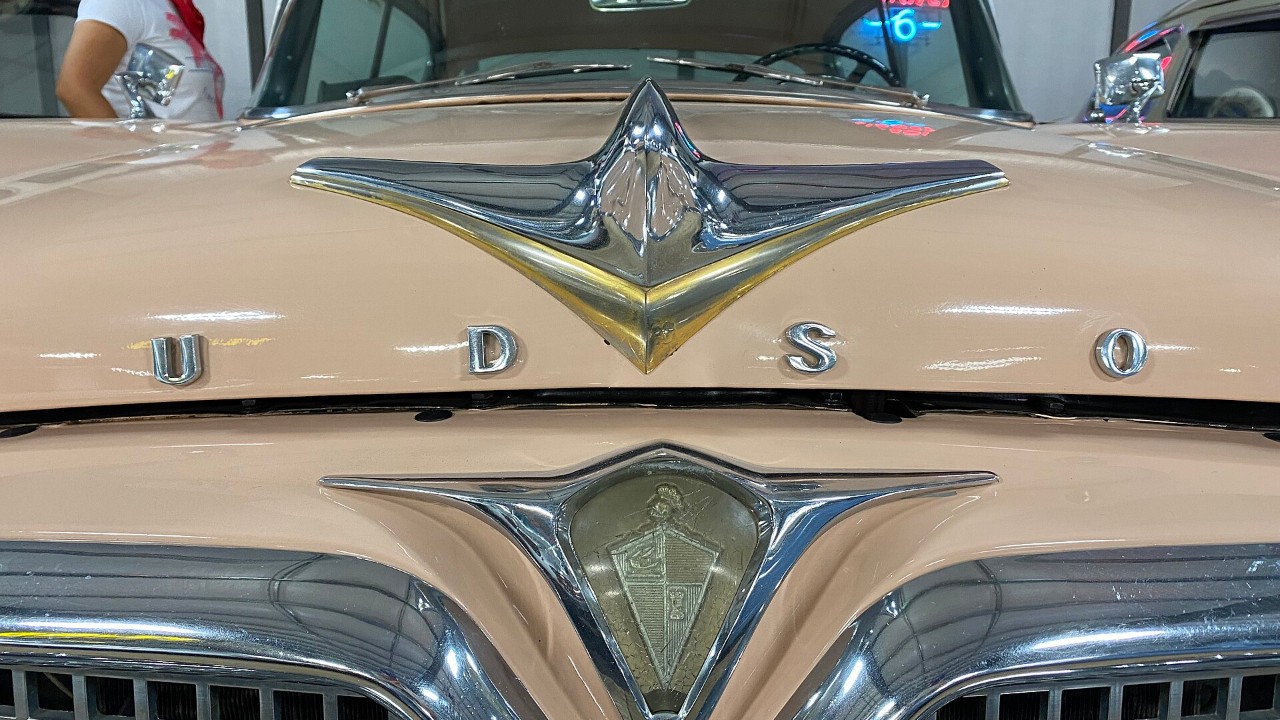
The last Hudsons were the 1957 Hornets, built in AMC’s Kenosha, Wisconsin, plant. They carried AMC’s new 327-cubic-inch V8, rated at 255 horsepower with a four-barrel carburetor. The Hollywood was the two-door hardtop, the pillarless body that looked best with all the windows down.
Production tells you how rare these are. Hudson built 4,108 Hornets for 1957, and only 749 of them were hardtops. By then, the step-down racers were a memory, and the Hornet shared its body with Nash. Hudson had dropped Twin H-Power at the end of the 1956 model year, so the V8 gave the final Hornet its muscle. AMC sold it in Custom and Super trim, the last Hudson models of all.
In our view, it is a fitting finale, and a car that most fans never knew existed. Its production total is the smallest of any Hornet year from 1951 on, and hardtops made up only about 18% of it. For a brand that won so much on the track, it went out with real style. The story ends on a firm date, too. The last Hudson rolled off the Kenosha line on June 25, 1957.
More from Fast Lane Only