The Hudson Hornets emerged as an undeniable force in NASCAR during the early 1950s, capturing both attention and admiration with their distinctive design and powerful performance. Their impact on the sport was so profound that competitors found themselves not just racing against a car, but against a legacy that reshaped the very fabric of stock car racing. From their aerodynamic prowess to the legendary drivers who took the wheel, the Hornets redefined what it meant to be competitive in NASCAR, creating a legacy that still resonates today.
The Iconic 1951 Hudson Hornet: A Game Changer
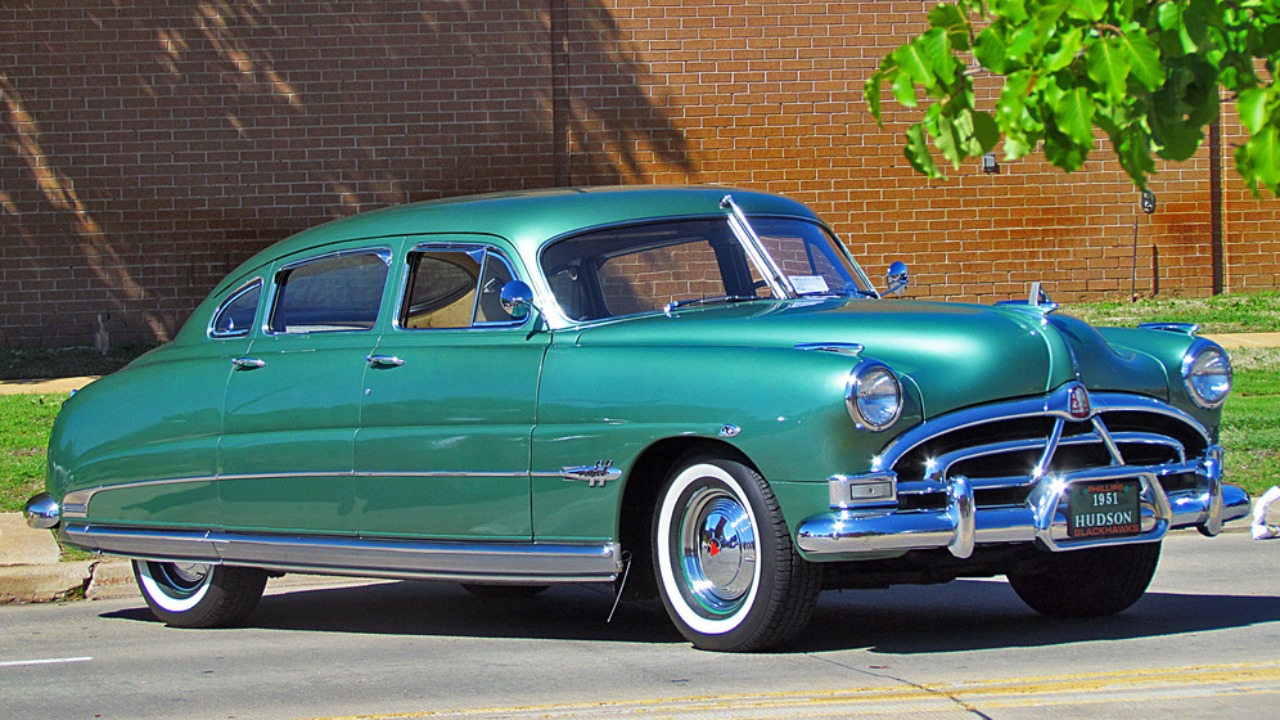
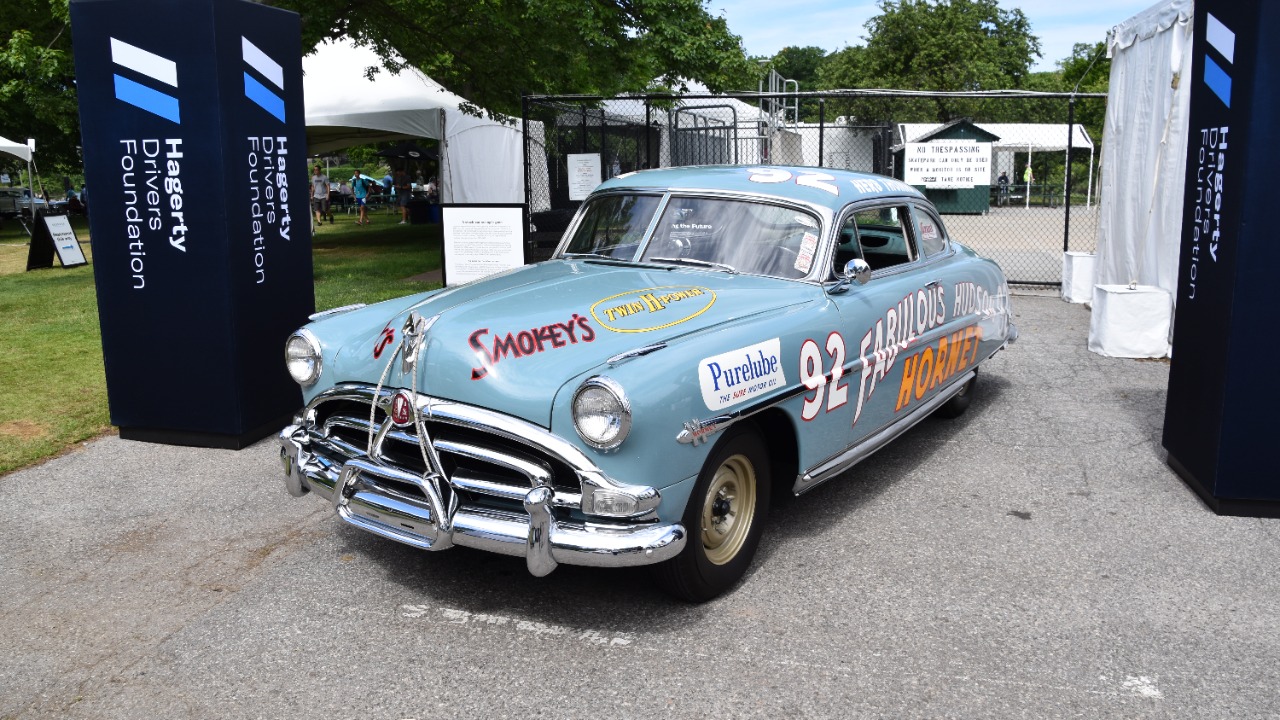
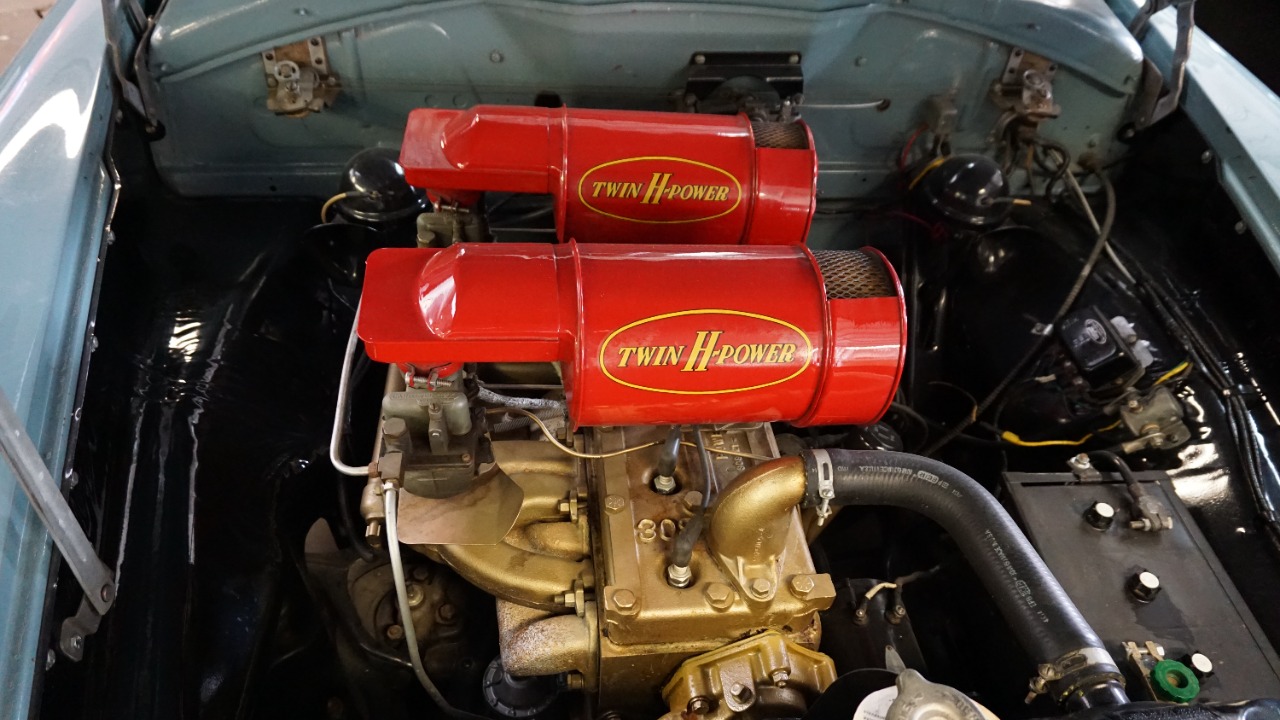
The 1951 Hudson Hornet is often hailed as one of the most groundbreaking vehicles in NASCAR history. With its unique unibody construction and innovative design, it broke away from the traditional models of the time. The Hornet’s 308 cubic inch flathead six-cylinder engine was a significant factor in its dominance, producing 145 horsepower. This power allowed the Hornet to maintain impressive speed on the track, leading to a series of victories that set the standard for future race cars.
Furthermore, the Hornet’s design featured a low center of gravity and a wide stance, enhancing its handling capabilities. Its rounded shape not only made it visually distinctive but also contributed to its aerodynamics, giving it an edge over competitors. The Hornet’s success on the track was evident, as it won 27 out of 34 races in its debut season, a feat that left other manufacturers scrambling to catch up. Its performance in competitions like the AAA Sanctioned Series showcased the car’s unparalleled capabilities, making it a true game changer in the sport.
Daring Designs: The Aerodynamic Advantage
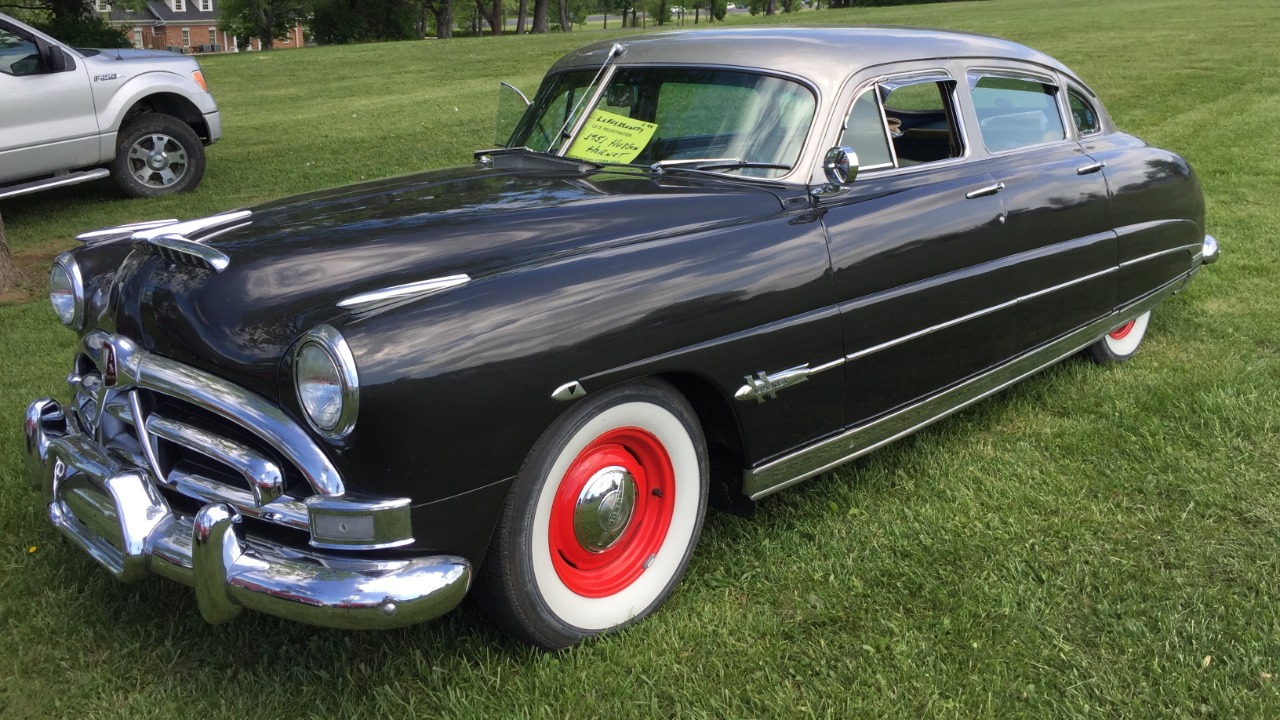
The Hudson Hornet was not just about speed; it was also a marvel of engineering with its daring design choices. One of the key aspects of the Hornet’s success lay in its aerodynamic shape, which minimized drag and maximized downforce. This was a revolutionary approach at the time, as most other manufacturers were still focused on traditional, boxy designs that didn’t perform as well on the track. The Hornet’s streamlined silhouette allowed it to cut through the air more efficiently, resulting in faster lap times and better handling.
Additionally, the Hornet’s innovative use of materials, including lightweight components, contributed to its speed. The integration of a low hood and a fastback rear not only provided a unique aesthetic but also helped in maintaining stability at high speeds. The combination of these elements gave the Hornet a significant advantage over its competitors, leading to a sense of fear among rival teams. As the Hornets consistently finished at the top, it became evident that their design philosophy had set a new benchmark for racing vehicles, compelling others to rethink their own approaches to car design.
Legendary Drivers Behind the Wheel: The Faces of Dominance
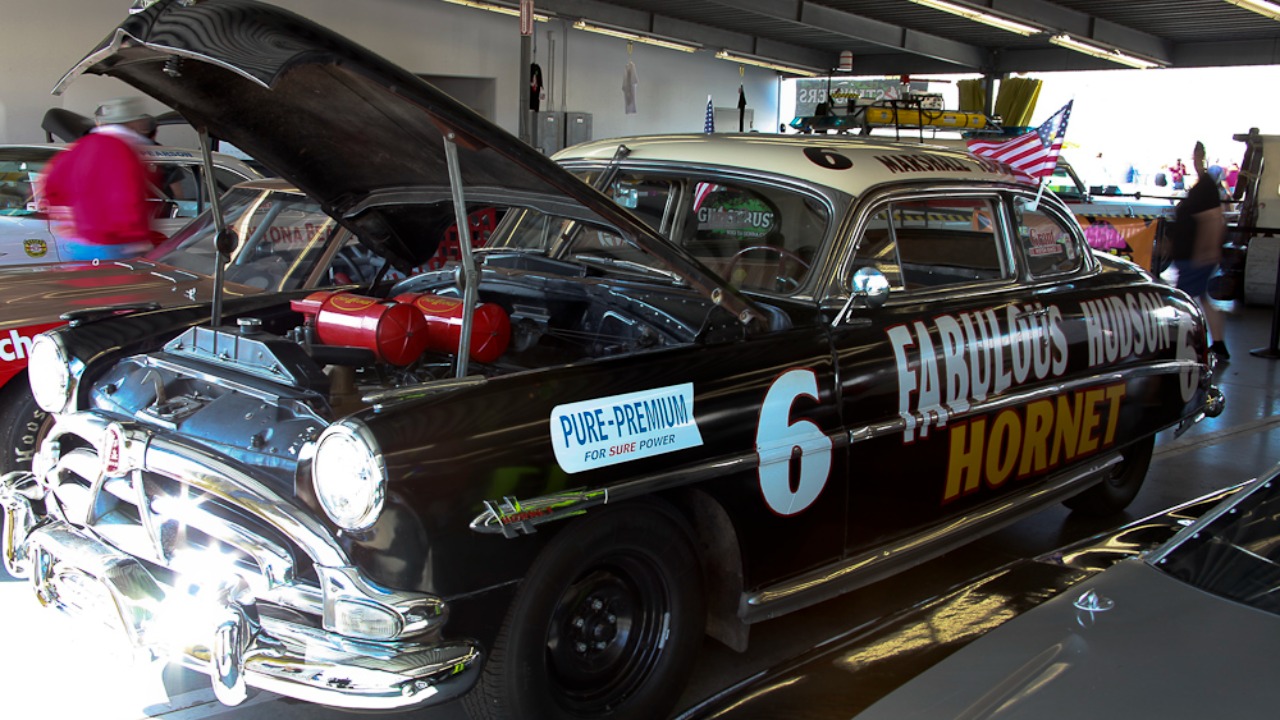
Behind every great car is a great driver, and the Hudson Hornet was no exception. Legendary drivers such as Herb Thomas and Marshall Teague became synonymous with the Hornet during its most successful years. Thomas, in particular, made history by winning the NASCAR Grand National Championship in 1951, driving the Hornet to a series of victories that showcased not just the car’s capabilities but his driving prowess as well. Teague’s experience and skill further cemented the Hornet’s reputation as a dominant force in NASCAR.
These drivers were not just racing; they were crafting a legacy that would be remembered for generations. Their intimate understanding of the Hornet’s mechanics and performance allowed them to push the limits of what was possible on the racetrack. With every race, they demonstrated the power of teamwork between man and machine. The camaraderie and trust established between these drivers and their Hornets served as a reminder that success in NASCAR was as much about the driver as it was about the car itself.
Unmatched Performance: Breaking Records on the Track
The Hudson Hornet’s performance on the track was nothing short of legendary. During its heyday, the Hornet shattered numerous records, including speed and consistency. One of the most remarkable achievements was during the 1952 season when the Hornet won 27 out of 32 races, leaving competitors in the dust. This kind of performance was unprecedented and contributed to a growing fear among rival teams who struggled to match its prowess.
Moreover, the Hornet’s ability to maintain high speeds through tight turns showcased its superior engineering and handling. Drivers often reported that the Hornet felt more like an extension of their own body rather than just a car. This connection allowed them to take risks that others couldn’t, resulting in a series of victories that would define the early years of NASCAR. The Hornet wasn’t merely fast; it was a record-breaking machine that set the standard for performance in the sport.
The Rivalry: Hudson Hornets vs. Competitors
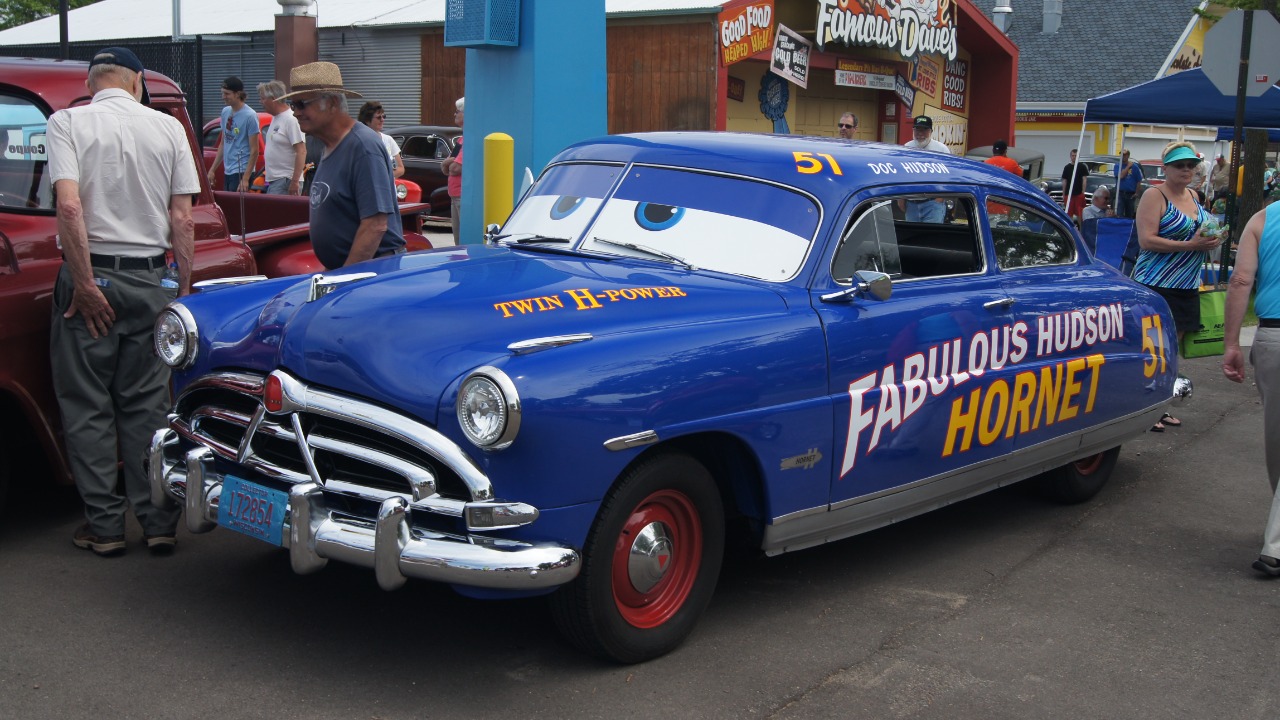
The success of the Hudson Hornet ignited fierce rivalries on the NASCAR circuit. Competitors were not only racing against the Hornet but also against the legacy it represented. Brands like Chevrolet and Ford found themselves at a disadvantage, as the Hornet consistently outperformed their vehicles. The intense competition led to a series of innovations as rival manufacturers attempted to catch up, resulting in advancements that transformed the sport.
As the Hornets dominated the tracks, rival teams were forced to adapt their strategies and designs. This competitive pressure led to a golden age of racing, where innovation flourished amid fierce competition. The Hudson Hornet’s legacy of fear transformed not only the rivalries but also the landscape of NASCAR, pushing all manufacturers to elevate their game. The impact of this rivalry can still be felt in modern racing, where innovation and competition continue to drive the sport forward.
Cultural Impact: The Hornets in Pop Culture and Media
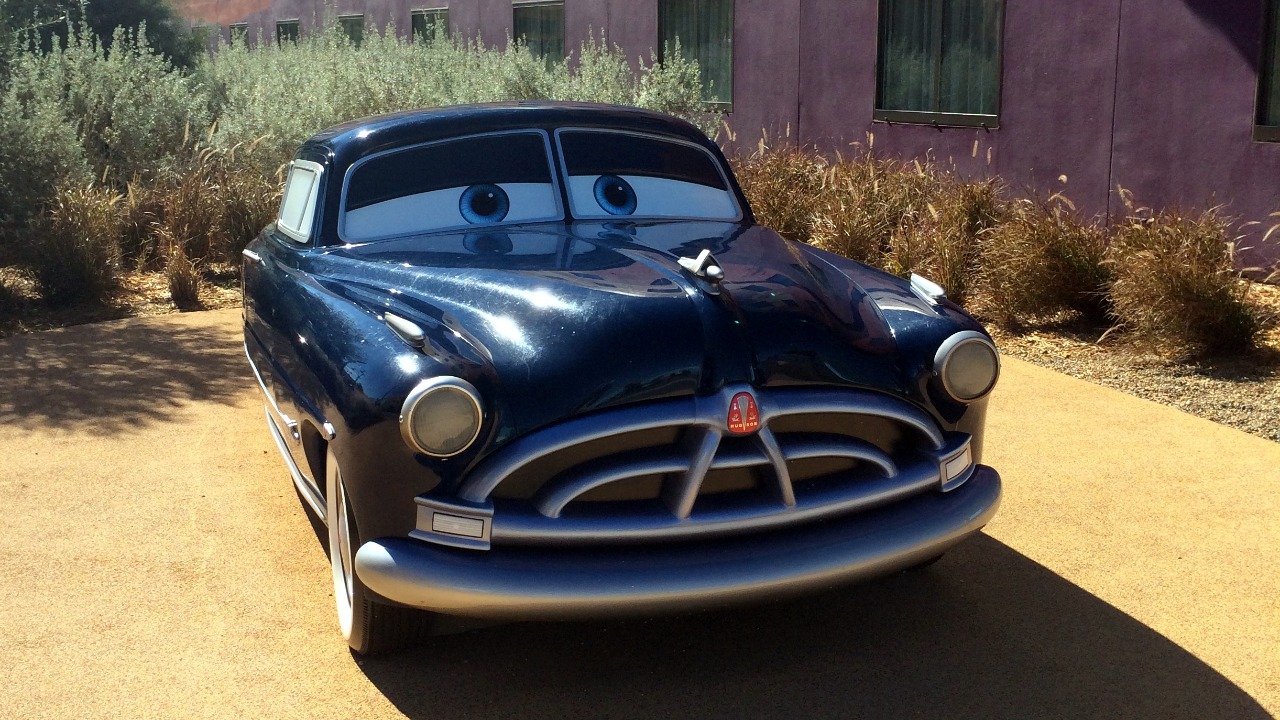
The Hudson Hornet’s impact extended beyond the racetrack; it became a cultural icon, appearing in various forms of media. Most notably, the Hornet gained renewed fame with its portrayal in the animated film “Cars,” where it was featured as a legendary character named Doc Hudson. This representation introduced a new generation to the rich history of the Hornet, bridging the gap between past and present. The film not only celebrated the Hornet’s racing legacy but also highlighted its role in American automotive culture.
Moreover, the Hornet has been featured in numerous books and documentaries, emphasizing its significant role in the evolution of NASCAR. The vehicle’s unique design and performance have captured the imagination of enthusiasts and historians alike. Events like classic car shows often showcase the Hudson Hornet, reminding fans of its storied past. The Hornet’s cultural significance continues to grow, making it a beloved part of not just racing history, but also American popular culture.
Legacy of Fear: How the Hudson Hornets Altered NASCAR’s Landscape
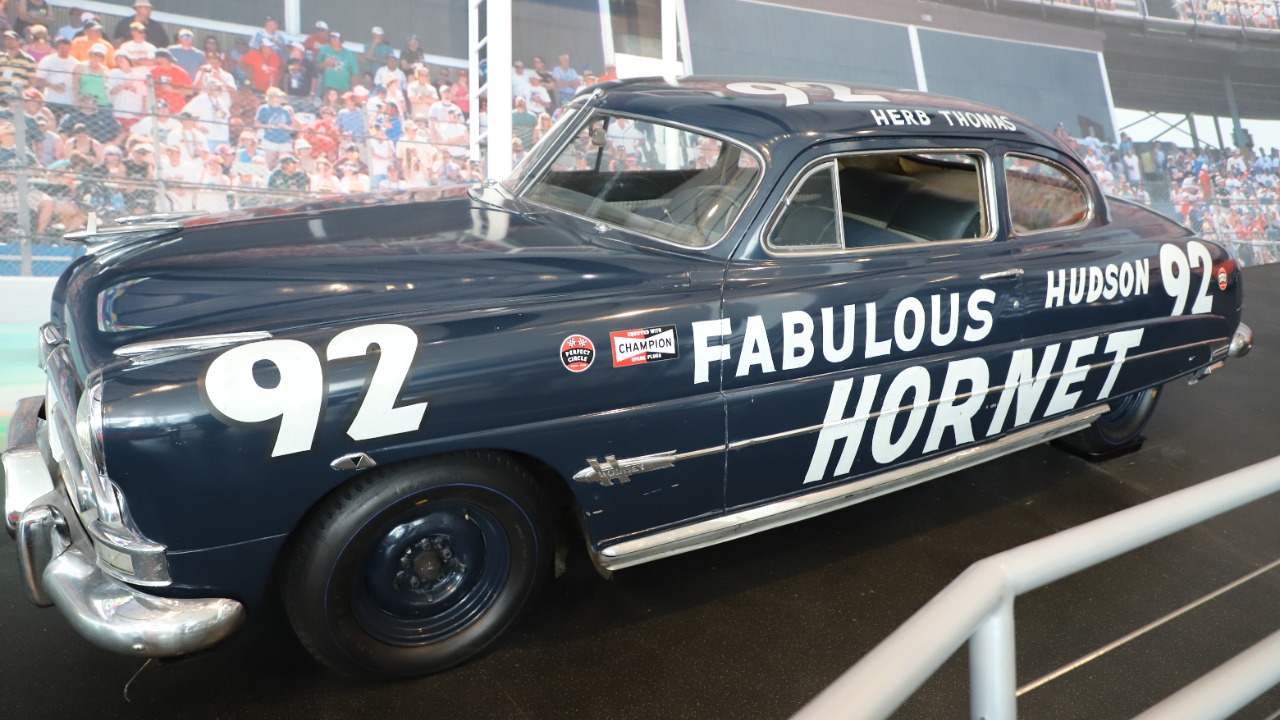
The dominance of the Hudson Hornet left an indelible mark on NASCAR, creating a legacy that altered the competitive landscape of the sport. Its unprecedented success forced competitors to rethink their designs and strategies, leading to a wave of innovation that benefited the entire racing community. The fear instilled by the Hornet’s performance prompted rival teams to invest more in research and development, ultimately elevating the quality of racing vehicles across the board.
Furthermore, the Hornet’s influence is still felt today, as its engineering principles continue to inform modern car designs. The lessons learned from the Hornet’s successes and failures have shaped the trajectory of NASCAR racing. As the sport evolved, the Hornet’s legacy served as a benchmark for what was possible on the track, inspiring future generations of drivers and engineers to pursue excellence. The Hudson Hornet remains a symbol of performance, innovation, and the relentless pursuit of victory in NASCAR.
More from Fast Lane Only
- Unboxing the WWII Jeep in a Crate
- 15 rare Chevys collectors are quietly buying
- 10 underrated V8s still worth hunting down
- Police notice this before you even roll window down
*Research for this article included AI assistance, with all final content reviewed by human editors.