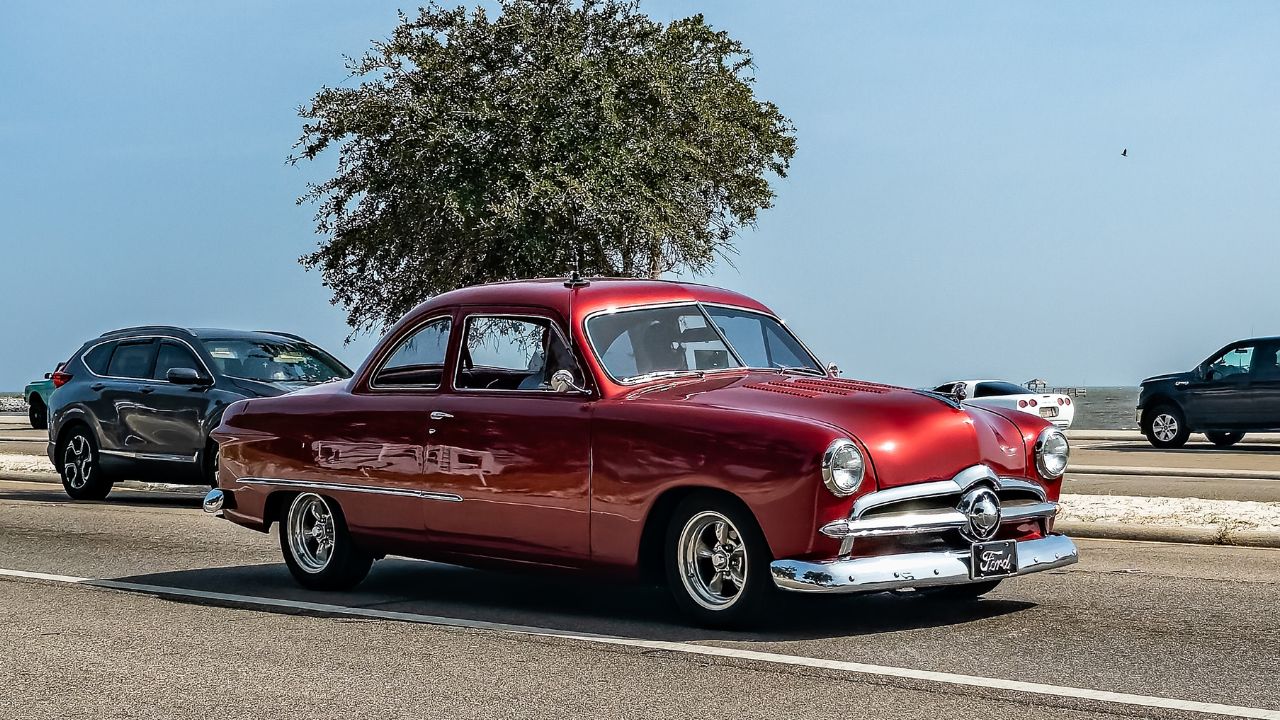
Some hot rods look like dream machines, but not every modified classic deserves a place in a garage. Poor workmanship, unreliable parts, weak foundations, and questionable modifications can turn an exciting project into an expensive headache. These twenty examples highlight hot rods that deserve extra caution before anyone spends serious money on them.
1932 Ford Roadster
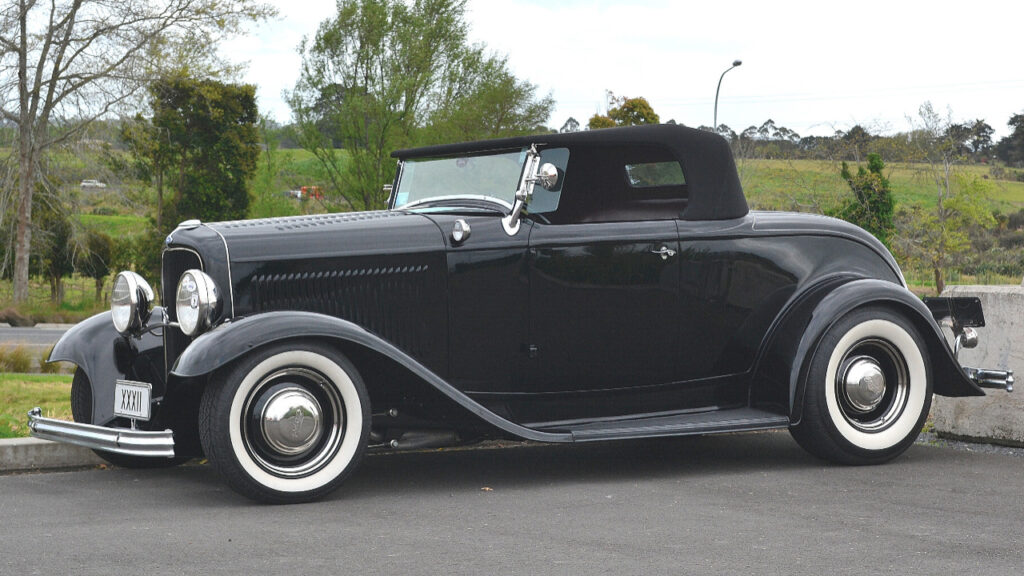
The 1932 Ford Roadster is one of the most desirable hot rod foundations, but poorly built examples can become money pits. Some have been heavily modified with questionable chassis work, mismatched suspension components, unsafe wiring, or poorly fitted fiberglass bodies. A beautiful paint job can hide years of shortcuts underneath. Buyers should inspect the frame, steering, brakes, cooling system, and electrical work carefully. Because the model is so popular, unfinished projects and low-quality replicas can also carry inflated asking prices. A genuine, professionally built car is very different from a cheaply assembled imitation.
1934 Ford Coupe
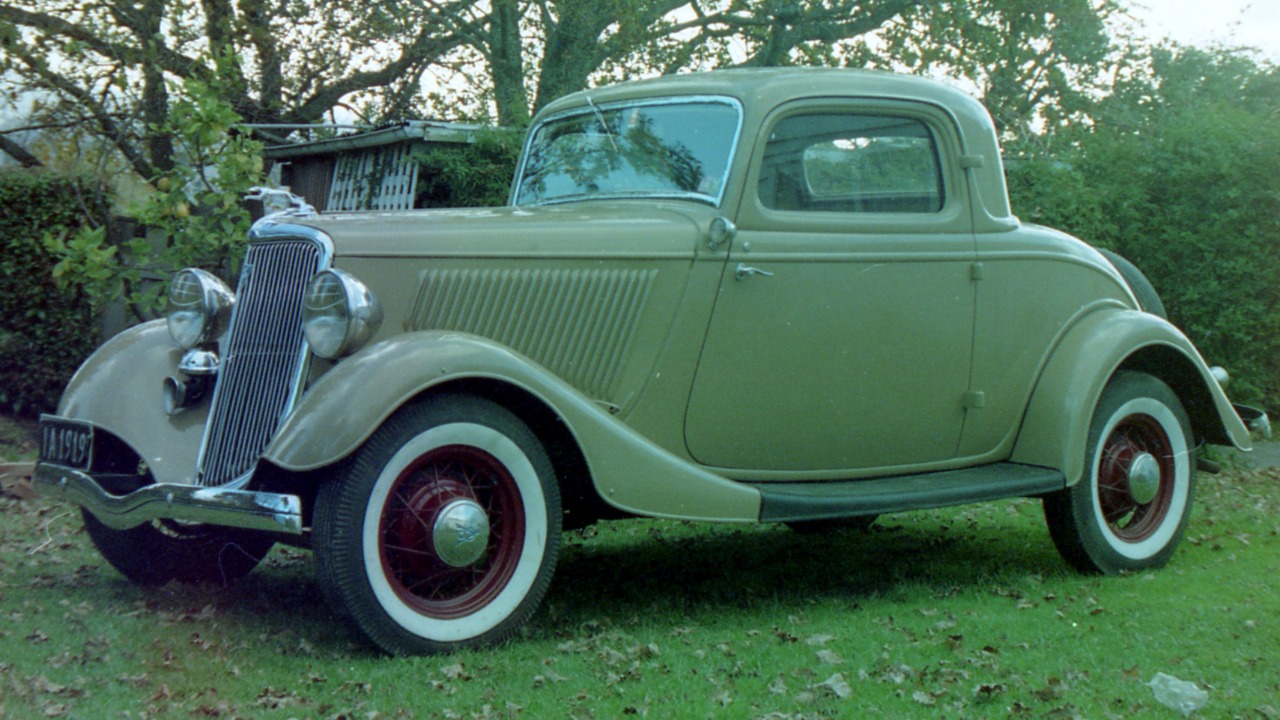
The 1934 Ford Coupe can look fantastic when properly built, but neglected hot rods often conceal serious mechanical problems. Older modifications may include outdated braking systems, worn suspension parts, crude wiring, and engines installed without adequate cooling. Some cars also suffer from poorly repaired frames after years of hard driving. The popularity of the 1934 Ford makes questionable builds particularly tempting because sellers can rely heavily on appearance and nostalgia. Anyone considering one should look beyond the bodywork and inspect the complete drivetrain, chassis, steering, brakes, and structural condition before making a purchase.
1933 Ford Coupe
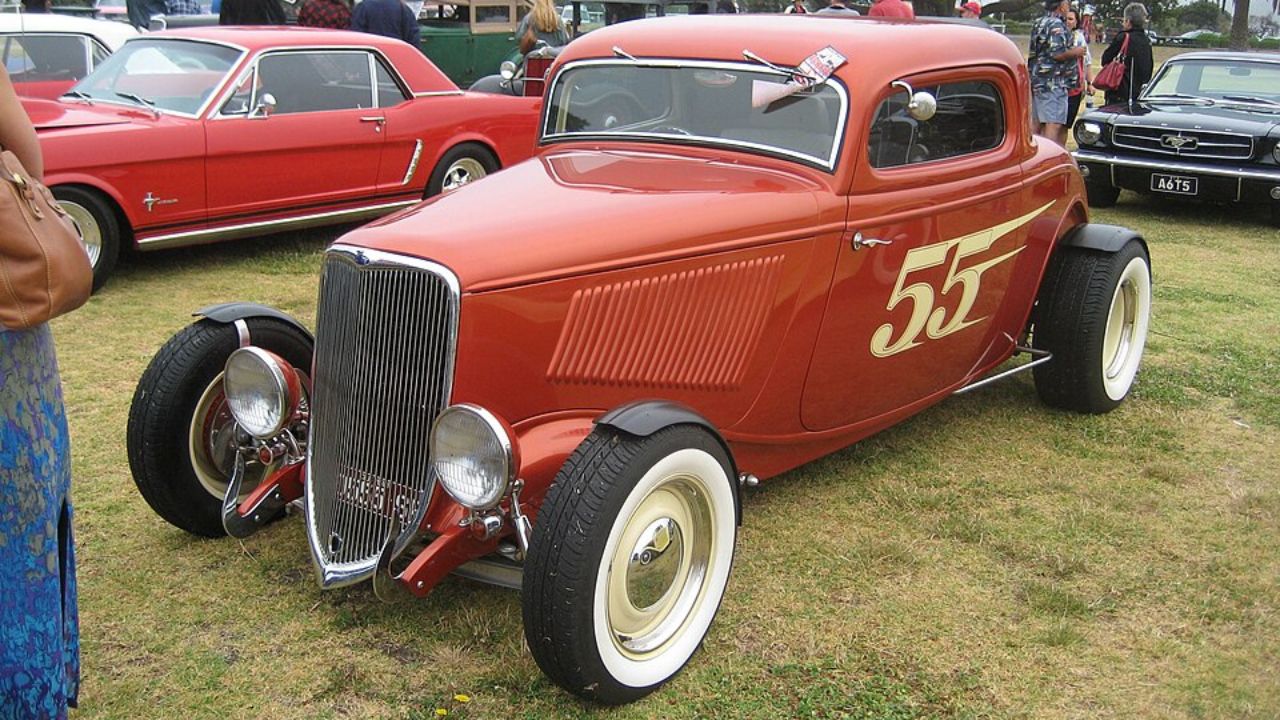
A 1933 Ford Coupe can attract attention immediately, yet an inexpensive example may require much more work than expected. Many surviving hot rods have passed through several owners, leaving behind a mixture of parts from different manufacturers and decades. Poorly engineered suspension, weak wiring, leaking transmissions, and inadequate brakes are common concerns on unfinished or neglected builds. Fiberglass replicas can introduce another layer of uncertainty when their construction quality is questionable. The car itself is not inherently problematic; the concern is the quality of the modifications. A thorough inspection is essential before buying an apparently affordable example.
1929 Ford Model A Roadster
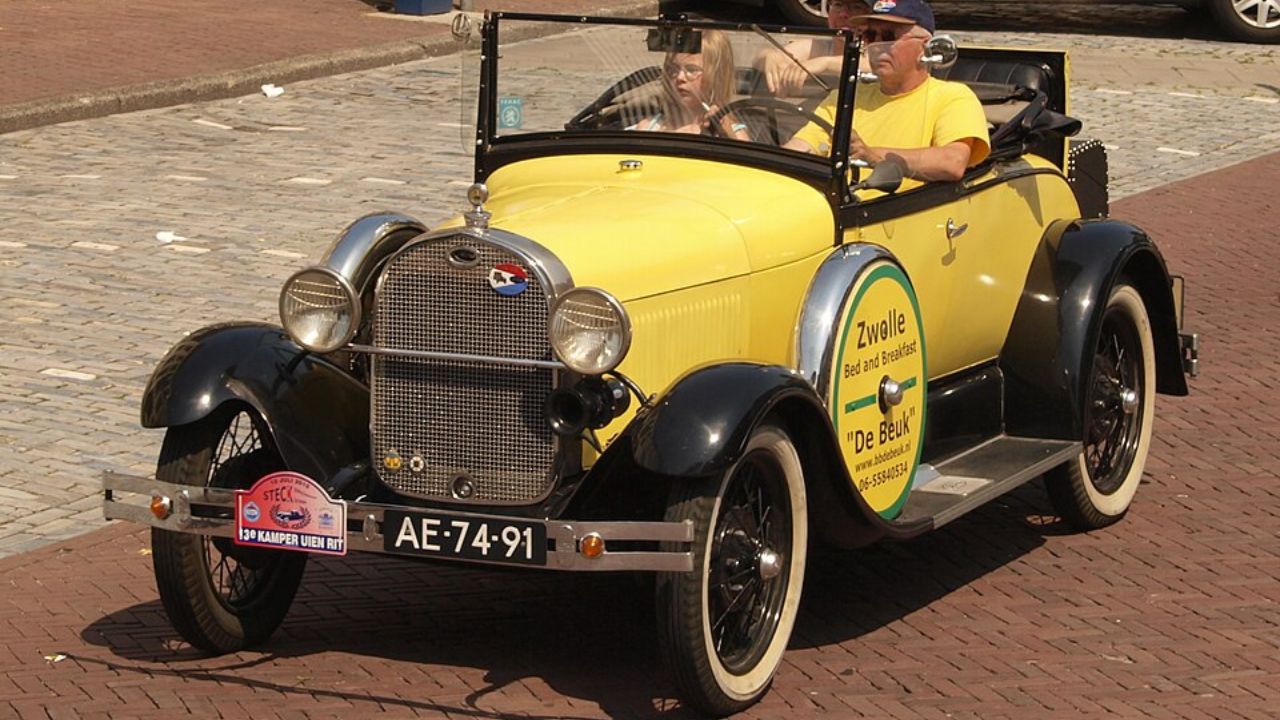
The 1929 Ford Model A Roadster offers classic hot-rod proportions, but some examples have been modified so extensively that reliability becomes difficult to judge. Homemade electrical systems, aging fuel lines, improvised suspension setups, and poorly mounted engines can create expensive problems. Older builds may also contain parts that are difficult to identify or replace. Rust around structural areas is another concern, especially when previous repairs were hidden beneath paint. Buyers should confirm how the chassis was modified and whether the braking and steering systems were professionally engineered. A cheap purchase can quickly become a complete restoration project.
1930 Ford Model A Coupe
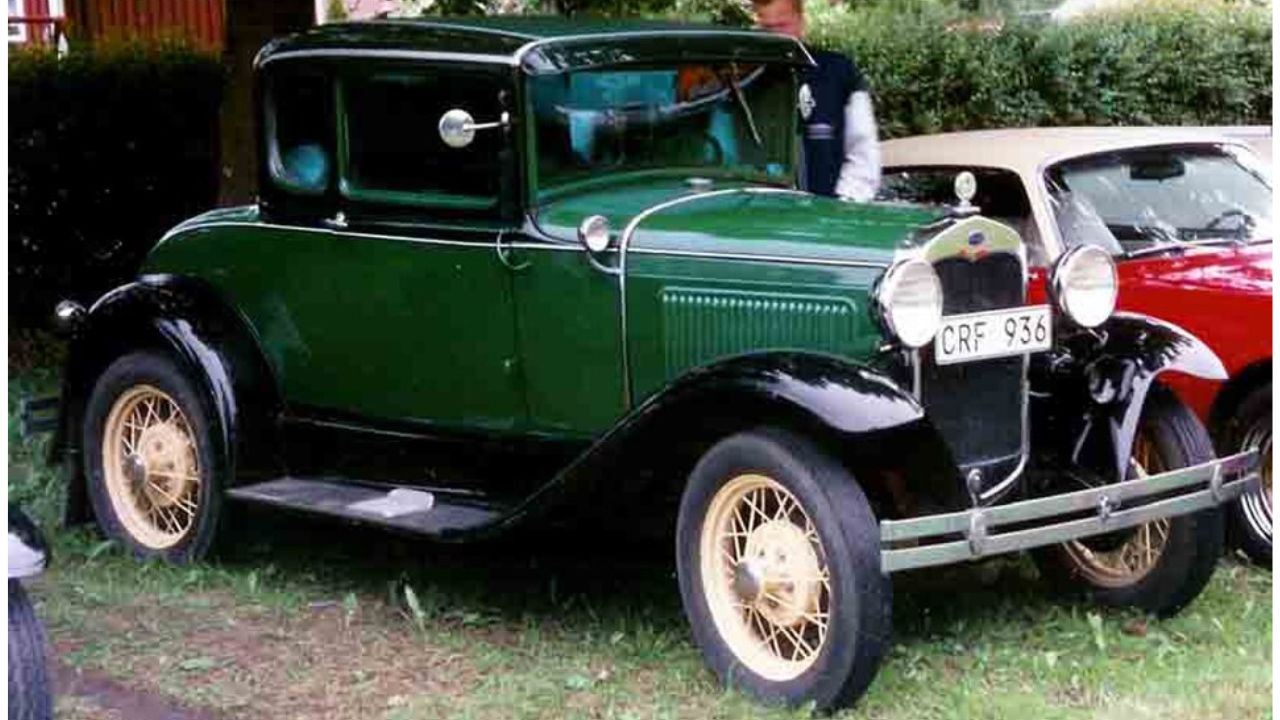
The 1930 Ford Model A Coupe is an attractive starting point for a traditional hot rod, but badly executed builds deserve serious caution. Some cars combine original Ford components with aftermarket suspension, modern engines, custom wiring, and homemade brackets without proper engineering. That mixture can work when professionally designed, but shortcuts may produce poor handling and unreliable operation. Rust and previous frame repairs should also receive close attention. A car that starts easily and looks polished is not necessarily mechanically sound. Inspecting underneath the vehicle can reveal more about its quality than the exterior ever will.
1931 Ford Model A Pickup
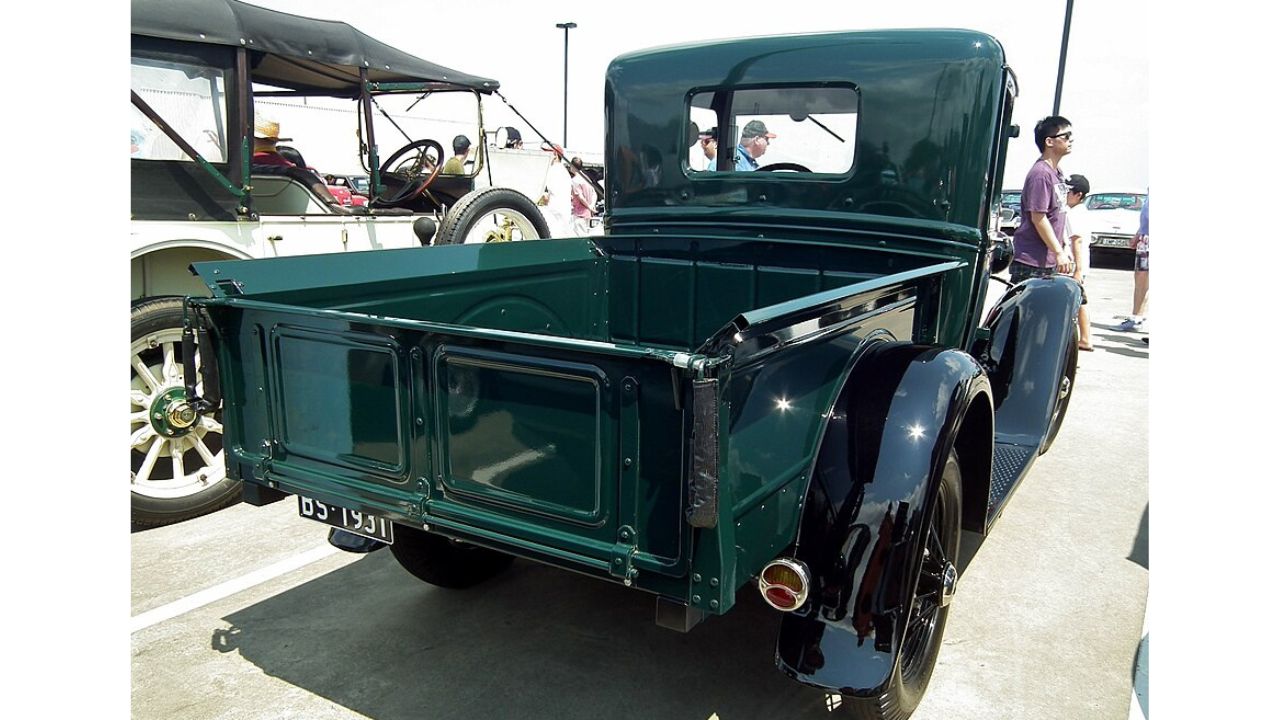
The 1931 Ford Model A Pickup has become a popular hot-rod platform, creating plenty of opportunities for questionable builds. Some have been assembled from incomplete original vehicles, reproduction panels, and assorted aftermarket components. Poorly aligned bodywork can indicate deeper problems with the frame or mounting points. Modified pickups may also have engines that overwhelm their original chassis and braking systems. Buyers should check whether the suspension, steering, brakes, and drivetrain were designed as a complete system. Attractive patina or expensive wheels should not distract from mechanical weaknesses that could require significant money to correct.
1932 Ford Pickup
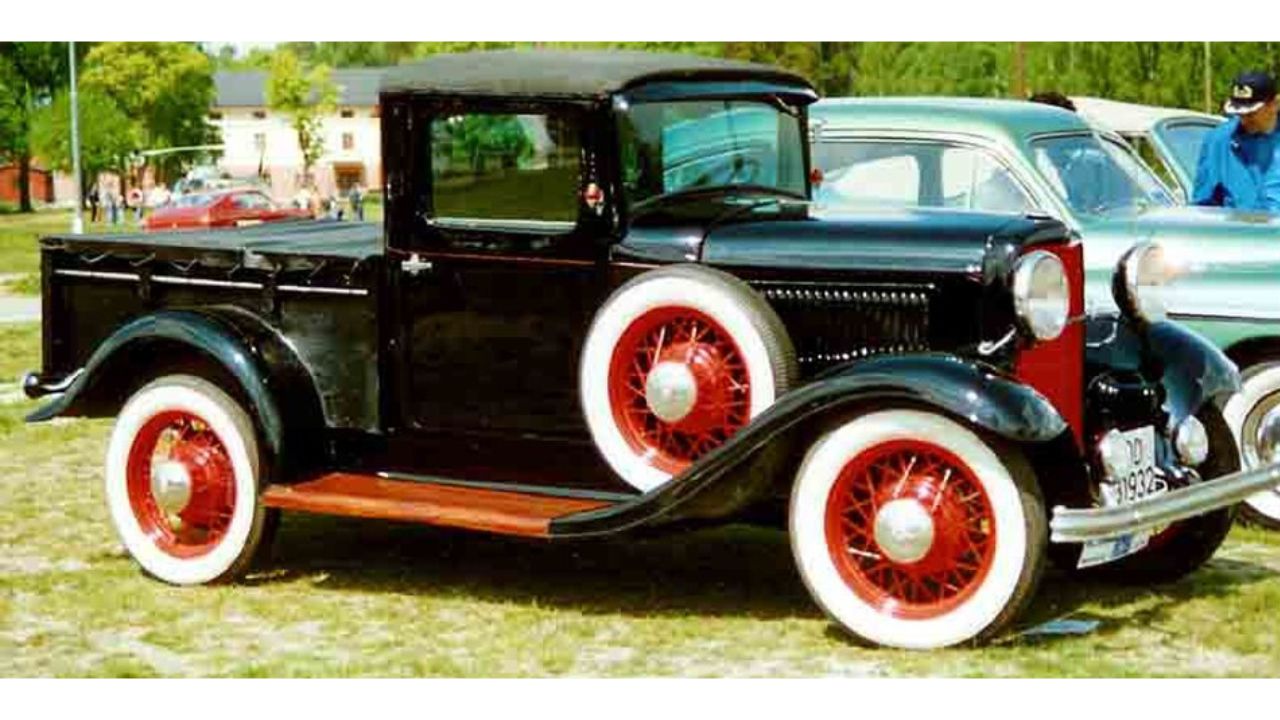
A 1932 Ford Pickup can make an excellent traditional hot rod, but rough examples can be deceptively expensive. Many have been modified repeatedly, meaning one vehicle may contain several generations of mechanical parts and repairs. Poor frame modifications can affect alignment and handling, while outdated brakes can create obvious safety concerns. Reproduction bodies also vary considerably in quality, so panel fit and construction deserve careful inspection. Buyers should examine the chassis, suspension mounting points, steering geometry, wiring, and cooling system. If documentation is missing, determining exactly how the truck was built can become difficult and costly.
1936 Ford Coupe
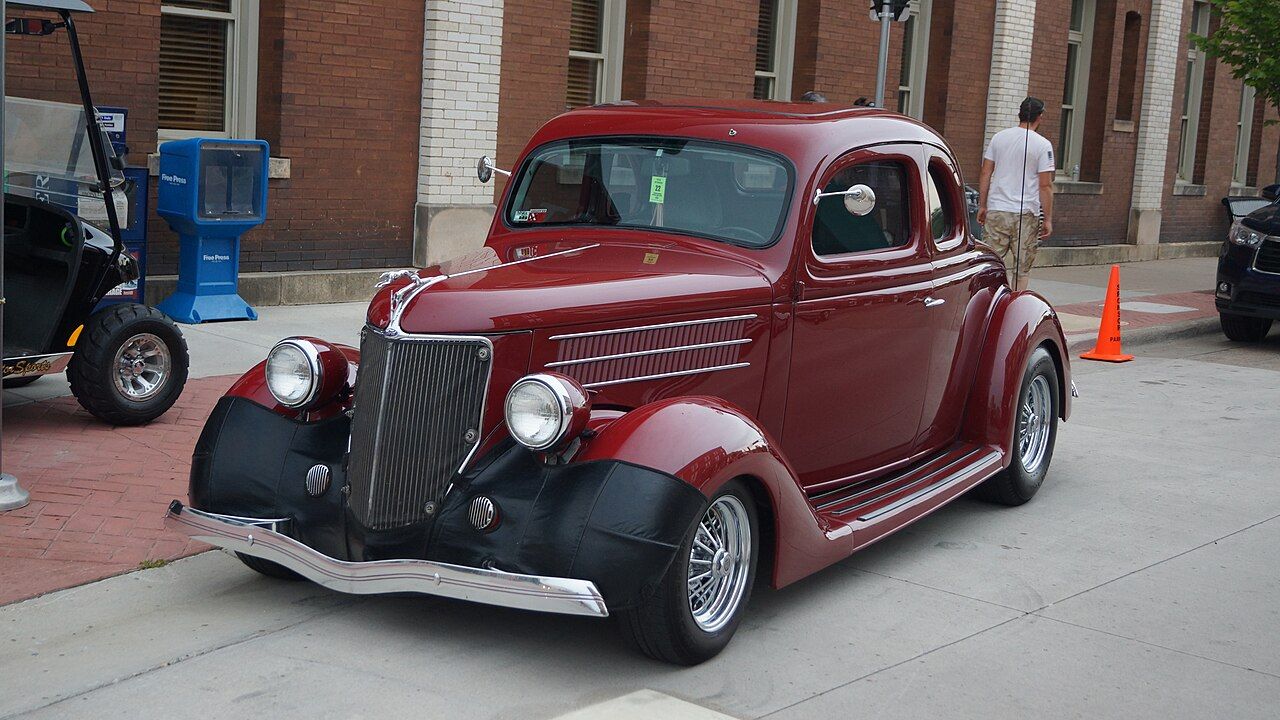
The 1936 Ford Coupe has strong visual appeal, but poorly restored or modified examples can hide substantial problems. Older hot rods sometimes use suspension components that were installed without adequate attention to geometry, producing unpredictable handling. Wiring may also have been modified repeatedly over decades, leaving confusing circuits and unreliable connections. Rust around the floor, frame, and body mounts can increase restoration costs considerably. Some sellers focus on fresh paint and a powerful engine while overlooking basic mechanical condition. Before purchasing, buyers should inspect the entire chassis and verify that the brakes and steering are suitable for modern road conditions.
1937 Ford Sedan
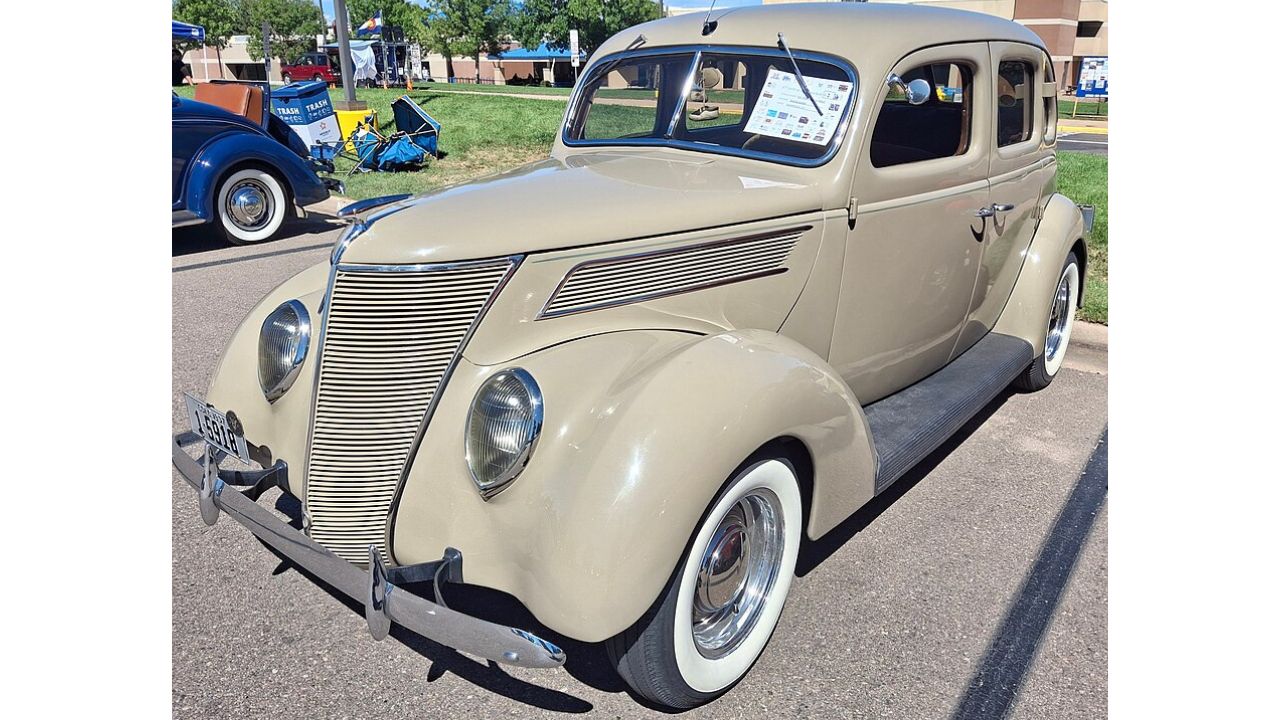
The 1937 Ford Sedan is less conventional as a hot rod than many coupes, but modified examples can still appear on the market. The biggest concern is often the quality of the conversion rather than the original vehicle. Some builds use heavy engines, altered suspension, and custom drivetrains without achieving proper weight distribution or braking performance. Rust can also be expensive because large body panels and structural areas may require extensive fabrication. Buyers should be cautious about cars that have impressive engines but limited documentation. A powerful drivetrain cannot compensate for poor chassis engineering or neglected safety components.
1940 Ford Coupe
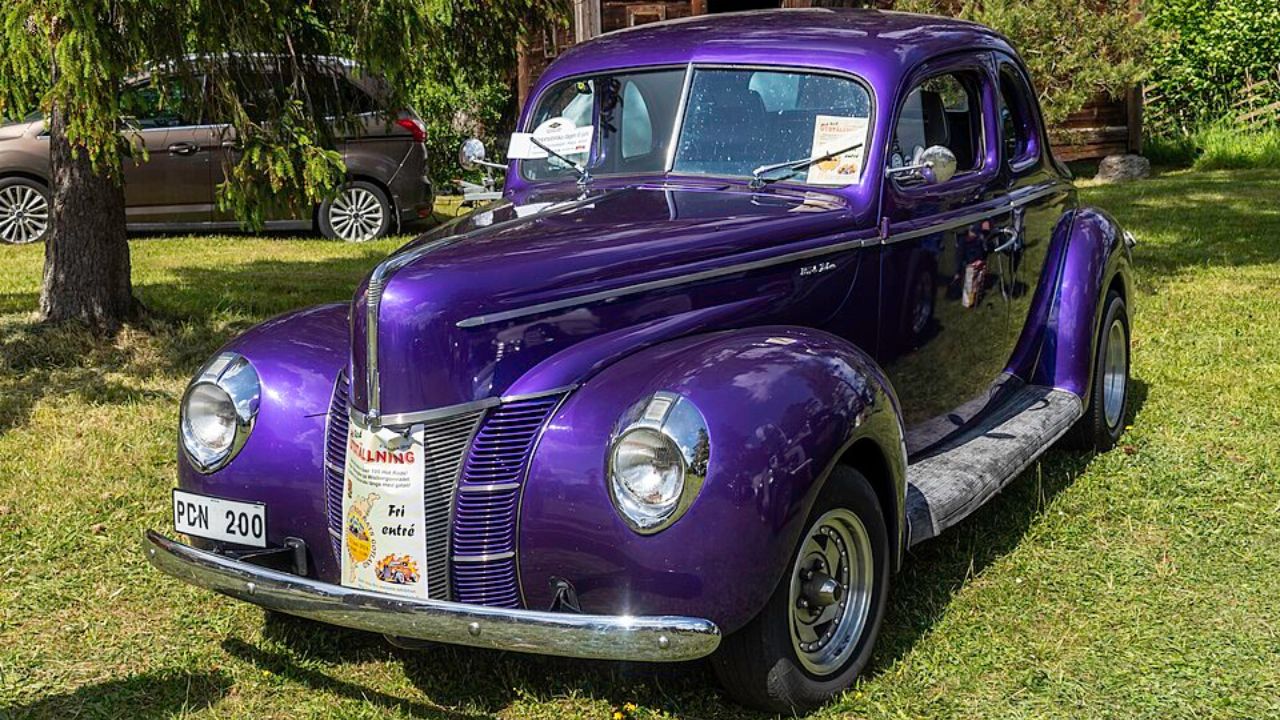
The 1940 Ford Coupe remains a recognizable custom-car platform, but decades of modifications can create significant maintenance problems. Some examples have been lowered excessively, making suspension components vulnerable to road impacts. Others feature custom wiring, aftermarket fuel systems, and modified steering setups that were installed many years ago. Rust beneath the body can also remain hidden after cosmetic restoration. Buyers should investigate who built the car, what components were used, and whether receipts or documentation exist. A professionally constructed 1940 Ford can be dependable, but an amateur build may require extensive rebuilding before it is enjoyable to drive.
1941 Willys Coupe
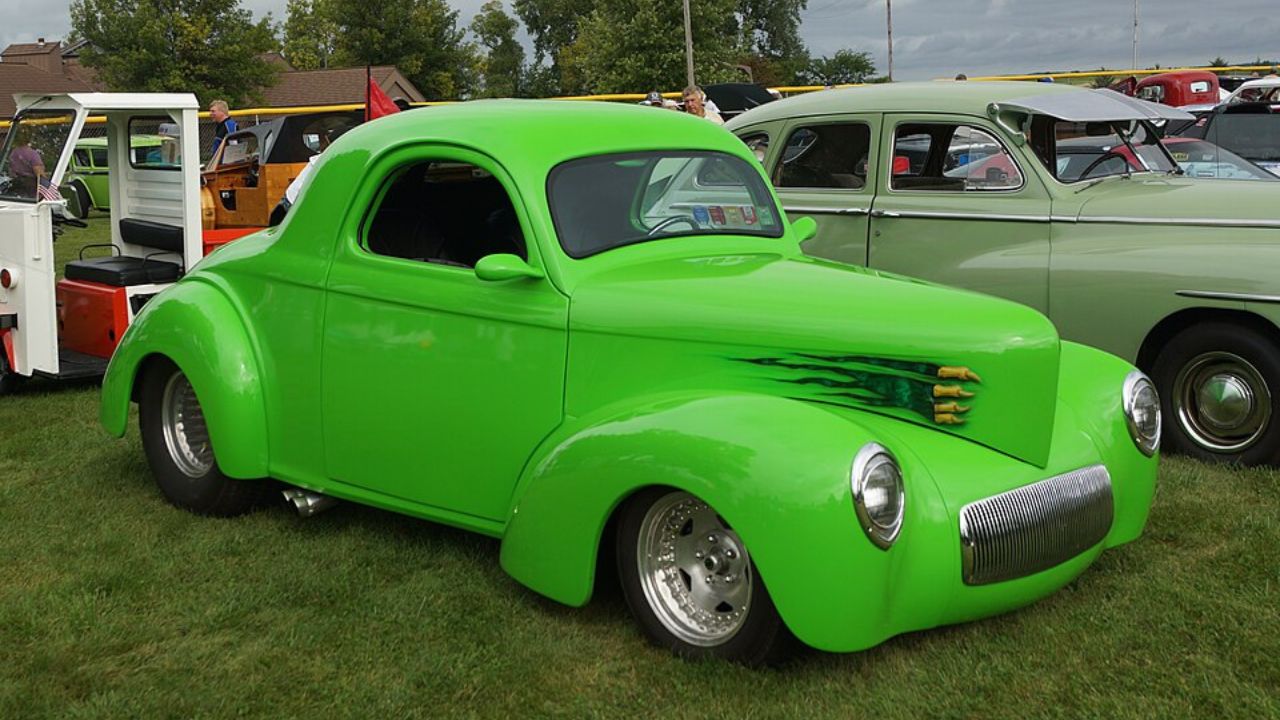
The 1941 Willys Coupe has a famous hot-rod reputation, particularly among drag-racing enthusiasts, but that history makes poorly built examples worth approaching carefully. Some cars have powerful engines that place enormous demands on transmissions, rear axles, cooling systems, and brakes. Older drag-style modifications may also be unsuitable for ordinary street driving. Fiberglass replacement bodies can vary in quality, while heavily altered frames may require specialist inspection. Buyers should determine whether the car was designed for racing, cruising, or both. A street-driven example needs appropriate brakes, suspension, steering, cooling, and safety equipment.
1948 Ford Coupe
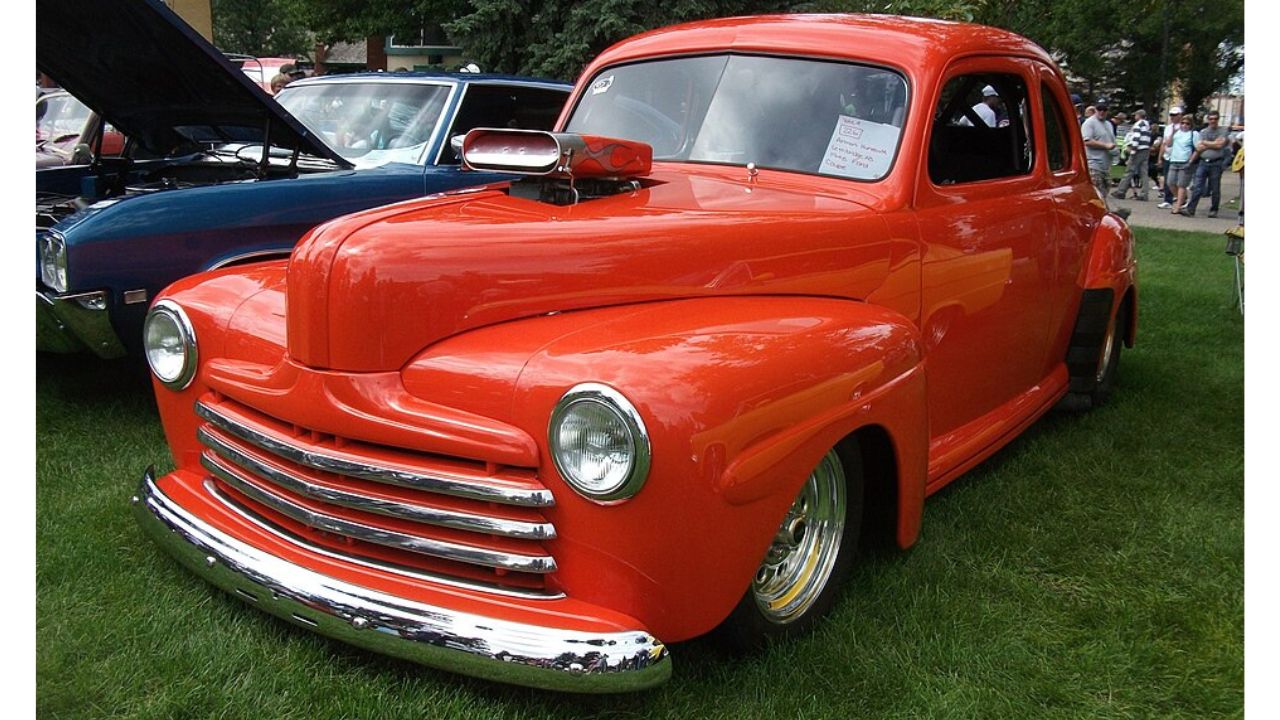
The 1948 Ford Coupe can look like an inexpensive entry into traditional hot rodding, but hidden mechanical work can quickly increase its cost. Many examples have undergone multiple modifications, leaving behind worn suspension components, outdated electrical systems, and inconsistent engine installations. Rust can be particularly troublesome around floors, body mounts, and structural areas. Poorly executed chop-top conversions can introduce additional concerns involving doors, glass, weather sealing, and structural rigidity. Buyers should inspect the quality of every modification rather than assuming that a running engine means the car is ready for regular driving.
1949 Ford Coupe

The 1949 Ford Coupe has a distinctive postwar design that works well as a custom, but unfinished or cheaply modified examples can demand extensive repairs. Some cars have been lowered using questionable methods that compromise suspension travel and handling. Electrical systems may have been upgraded poorly, while cooling systems sometimes struggle with modern engine swaps. Body rust and previous collision repairs are additional concerns. Buyers should check the frame, floor structure, suspension geometry, brake system, and engine installation. A bargain-looking car can become expensive when several unrelated systems need to be rebuilt at the same time.
1950 Chevrolet Styleline Deluxe
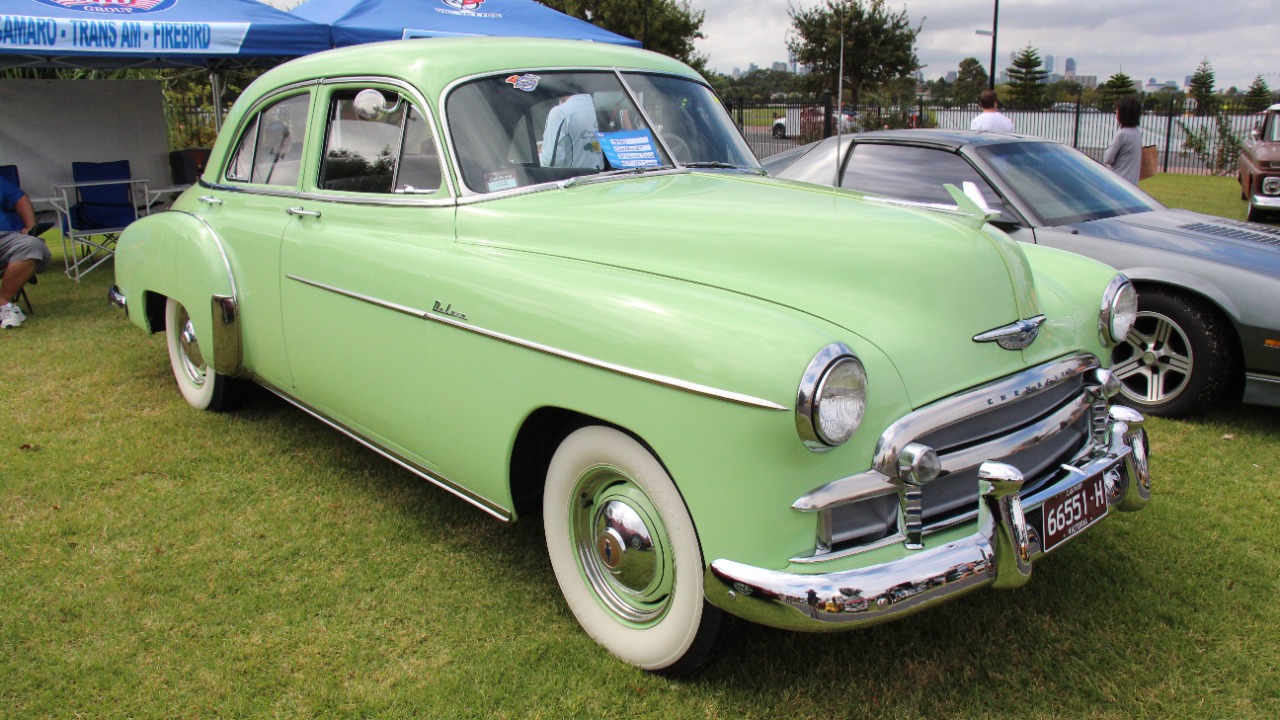
The 1950 Chevrolet Styleline Deluxe can make an attractive cruiser, but poorly modified examples should not be purchased solely for their appearance. Some hot rods use improvised suspension conversions, outdated steering components, and questionable brake upgrades. Older engine swaps may also have cooling or transmission problems that are difficult to diagnose during a short test drive. Rust beneath the floor and around body mounts can be expensive to repair. Buyers should check whether modifications were professionally engineered and whether replacement parts are readily available. A clean exterior does not guarantee that the underlying chassis is in good condition.
1951 Ford Victoria
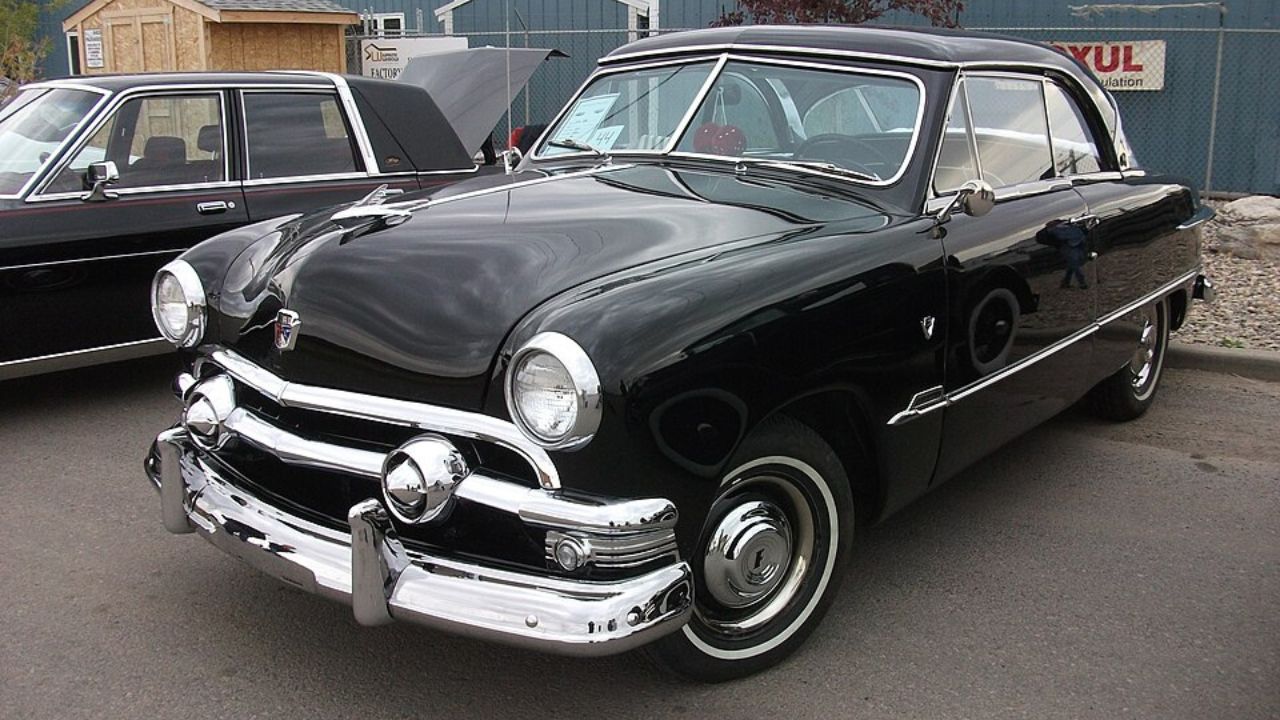
The 1951 Ford Victoria has a stylish early-1950s shape, but neglected hot rods based on this platform can present numerous problems. Heavy cosmetic modifications may conceal rust, poor body repairs, or structural damage. Custom suspension systems can also be difficult to service when builders use unusual combinations of components. Engine swaps may create additional issues involving wiring, cooling, exhaust routing, and transmission mounting. Buyers should ask for detailed build information and inspect the underside carefully. If the seller cannot explain how major modifications were completed, the car may require significant professional work before it becomes dependable.
1953 Ford Customline
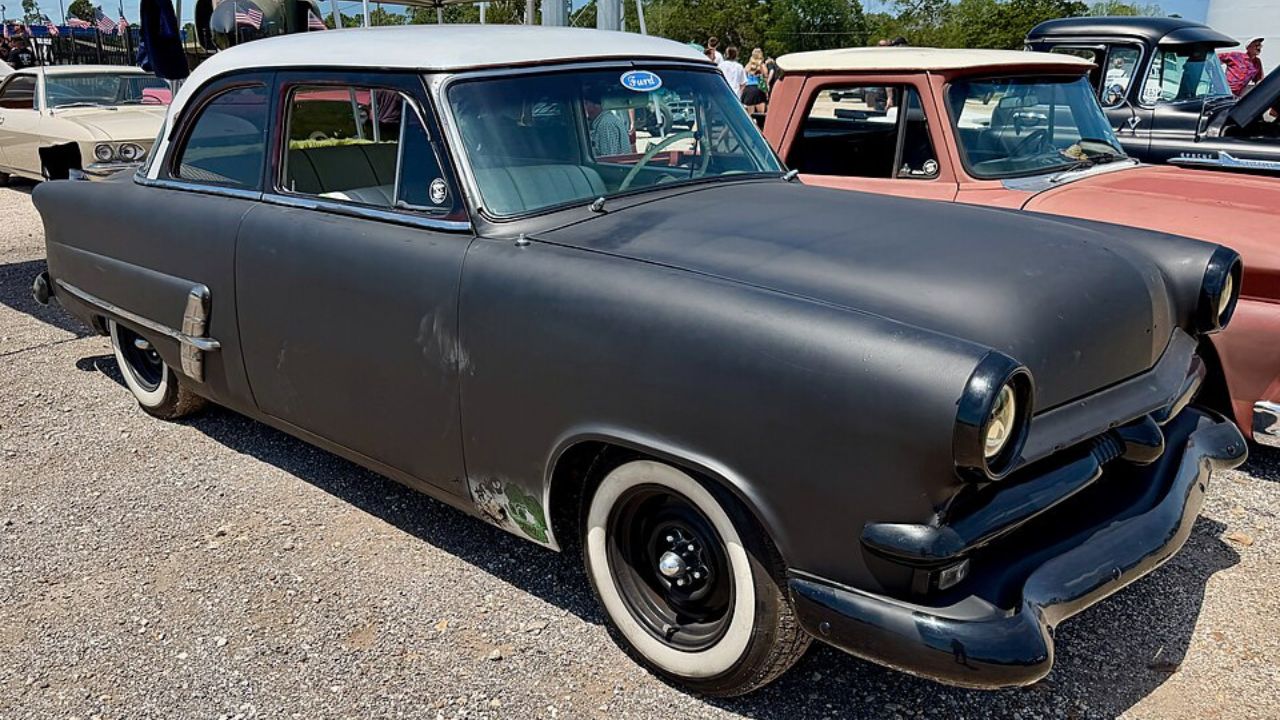
The 1953 Ford Customline is sometimes overlooked by buyers searching for more famous hot-rod platforms, but that does not mean every modified example is a bargain. Some cars have received inexpensive engine swaps and suspension changes without corresponding upgrades to brakes or steering. Original frames can also require careful inspection after decades of modifications and corrosion. Interior and body restoration can add another layer of expense when replacement pieces are difficult to locate. Buyers should calculate the cost of bringing the entire car up to modern driving standards instead of focusing only on its engine and exterior appearance.
1954 Chevrolet Bel Air
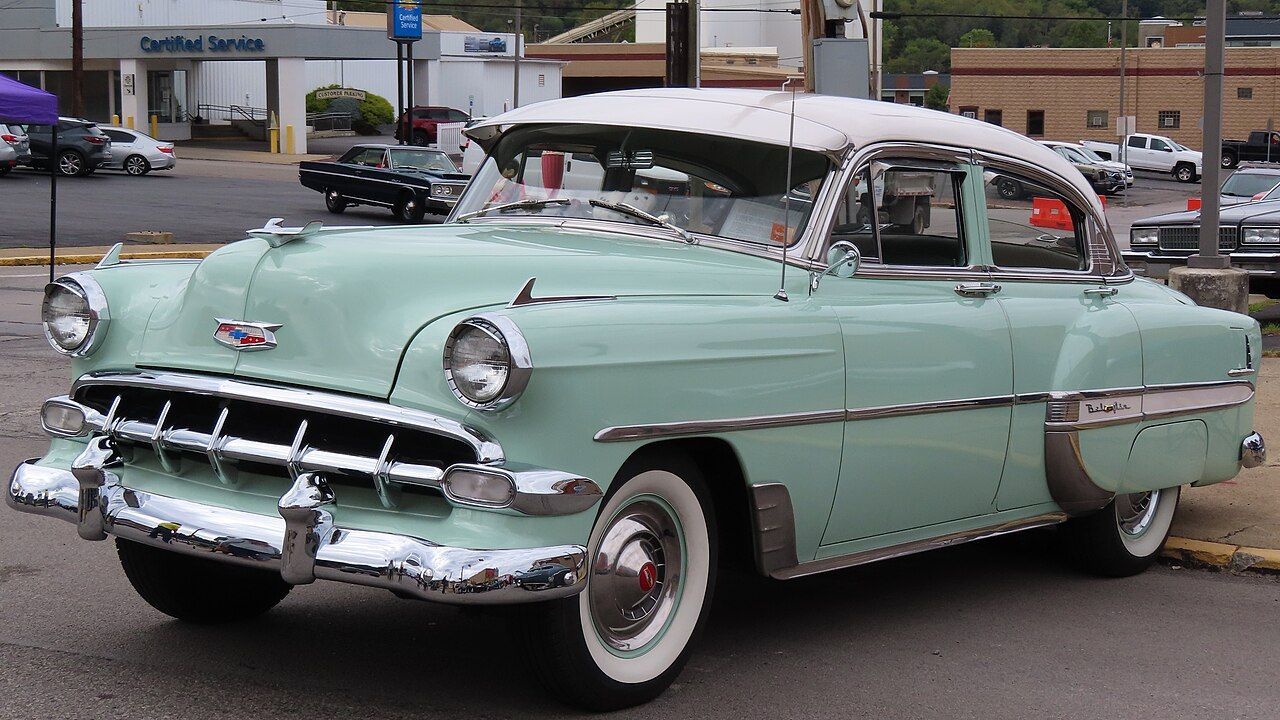
The 1954 Chevrolet Bel Air is one of the better-known 1950s custom platforms, which means the market includes both excellent builds and poorly executed projects. Some modified examples have questionable frame alterations, outdated wiring, and suspension components that were installed without proper geometry. Rust around floors, rockers, and body mounts can also become expensive. Engine swaps should be checked for correct mounting, cooling, exhaust, and transmission installation. Buyers should also verify that the braking system matches the vehicle’s performance. A beautifully painted Bel Air can still require major mechanical work if previous modifications were poorly executed.
1955 Chevrolet 210
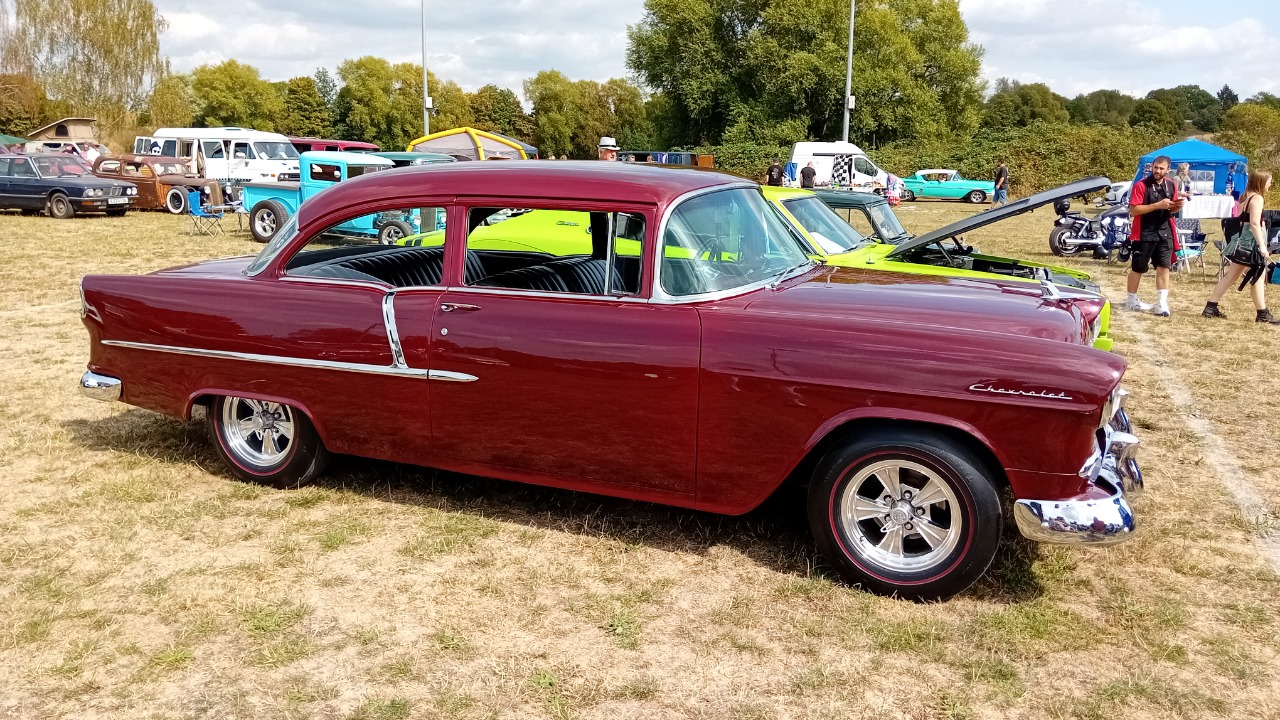
The 1955 Chevrolet 210 is closely associated with American hot rodding, but its popularity can make poorly built examples especially easy to overlook. Some have powerful V8 swaps without adequate brakes, suspension, or cooling systems. Others contain homemade wiring and decades-old aftermarket parts that have become unreliable. Rust and poorly repaired collision damage can also remain hidden beneath attractive paint. Buyers should inspect the chassis and verify the quality of the drivetrain installation. Documentation is valuable because it can reveal whether major components were professionally installed. Without it, a seemingly finished car may actually need extensive mechanical attention.
1957 Chevrolet 150
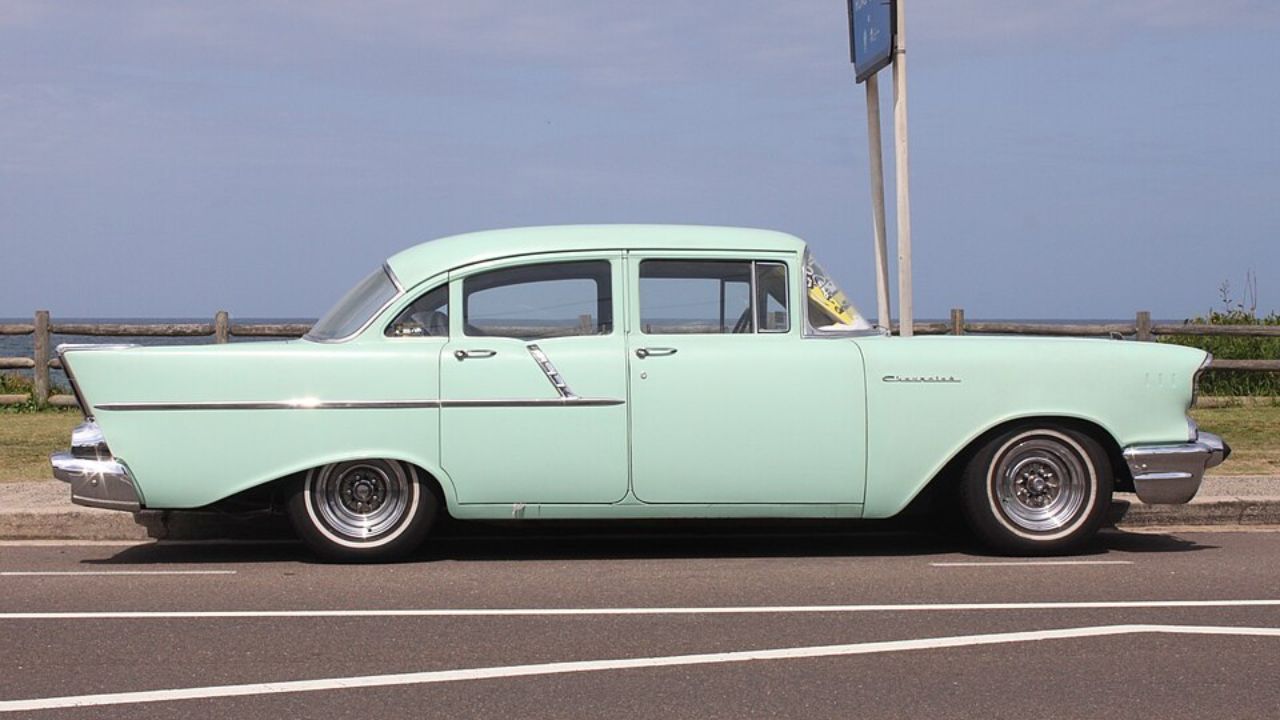
The 1957 Chevrolet 150 can be transformed into a serious hot rod, but inexpensive examples may have been modified with little regard for long-term reliability. Powerful engines can expose weaknesses in transmissions, rear axles, brakes, and suspension components. Some cars also have electrical systems assembled from multiple aftermarket kits, making troubleshooting difficult. Rust and previous repairs should be checked around the frame and body mounting points. Buyers should examine how the engine, transmission, steering, suspension, and brakes work together. A strong motor alone does not make a safe or dependable hot rod.
1958 Ford Fairlane

The 1958 Ford Fairlane is a large and distinctive car, but poorly executed hot-rod conversions can become difficult and expensive projects. Its size and weight place additional demands on suspension, brakes, tires, steering, and drivetrain components. Some modified examples retain inadequate original systems while receiving much more powerful engines. Rust can also affect large body panels and structural areas, increasing restoration costs. Buyers should pay close attention to braking performance, steering play, suspension condition, and frame integrity. If modifications were performed without upgrading the supporting systems, the car may require considerable work before regular use.
More from Fast Lane Only
- Unboxing the WWII Jeep in a Crate
- 15 rare Chevys collectors are quietly buying
- 10 underrated V8s still worth hunting down
- Police notice this before you even roll window down
*Research for this article included AI assistance, with all final content reviewed by human editors.