The collector-car market has a funny way of changing its mind. Cars that once seemed ordinary, outdated, or simply too common can become desirable after enough years have passed. Growing nostalgia, shrinking numbers of good survivors, and renewed appreciation for simple engineering have helped several overlooked classics gain serious collector attention. These cars were once easy to dismiss, but many eventually became much more valuable than their original reputation suggested.
Datsun 510
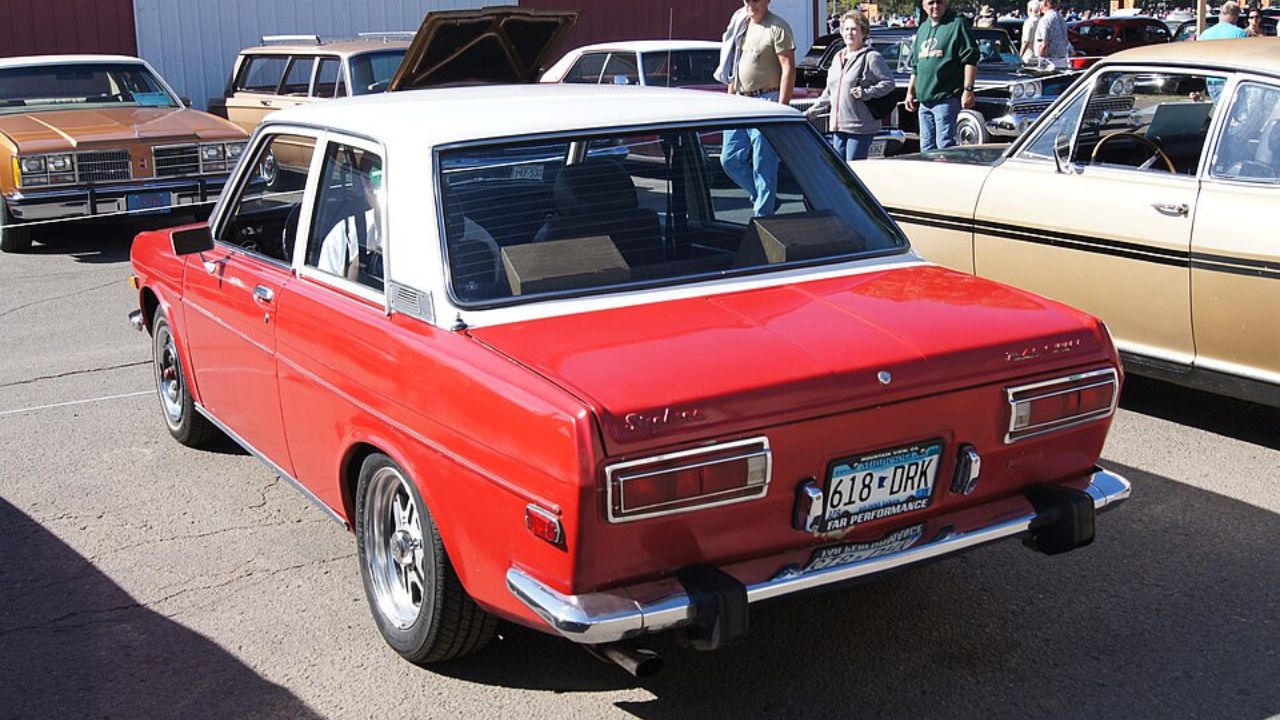
The Datsun 510 was once an inexpensive Japanese sedan that earned its reputation through practicality rather than glamour. Its rear-wheel-drive layout, strong engine options, and motorsport history eventually attracted enthusiasts looking for something different from the usual European classics. Clean, original examples became increasingly difficult to find after decades of daily use and modification. That scarcity helped change the 510 from an old economy car into a sought-after Japanese classic, particularly among collectors who appreciate its combination of simplicity and sporting character.
Porsche 944
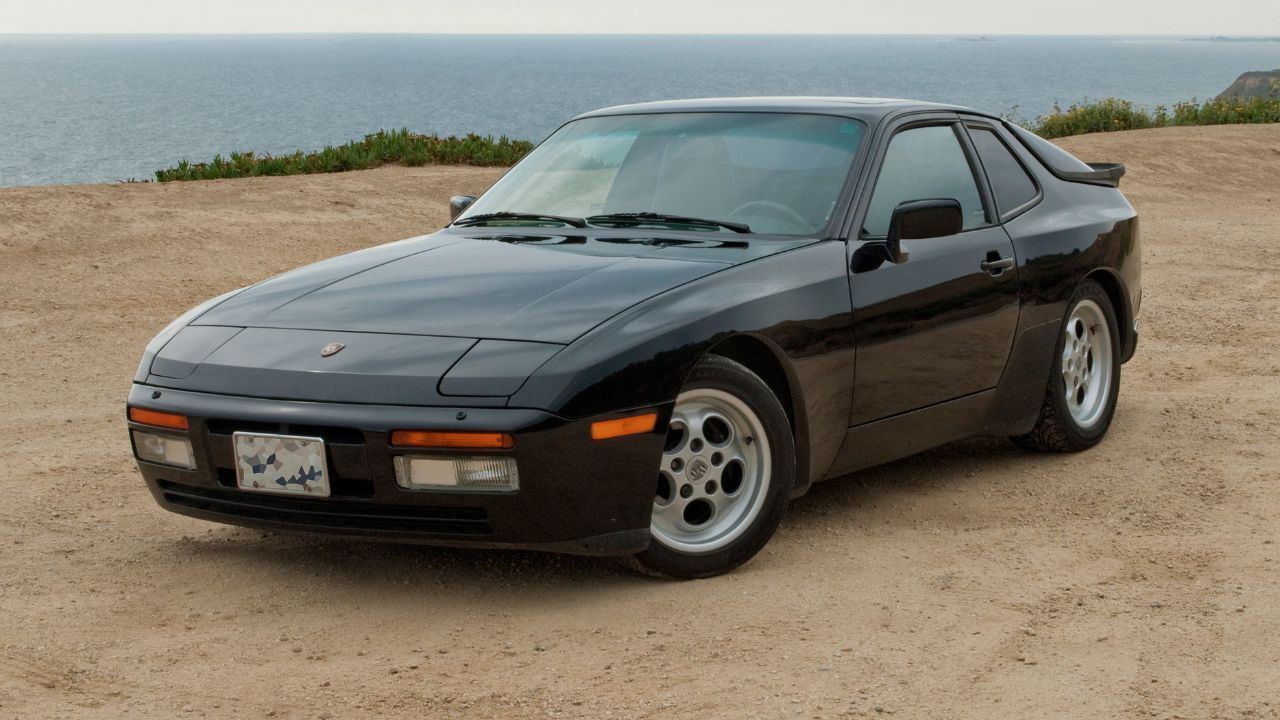
For years, the Porsche 944 lived in the shadow of the 911. Buyers could find them relatively cheaply, and the model was often dismissed as an entry-level Porsche rather than a serious collectible. That attitude has changed considerably. The 944’s balanced transaxle layout, practical hatchback body, and strong driving dynamics have attracted a new generation of enthusiasts. Clean examples, especially desirable performance versions, have become increasingly valuable as collectors recognize how much engineering went into the model.
Toyota Land Cruiser FJ60
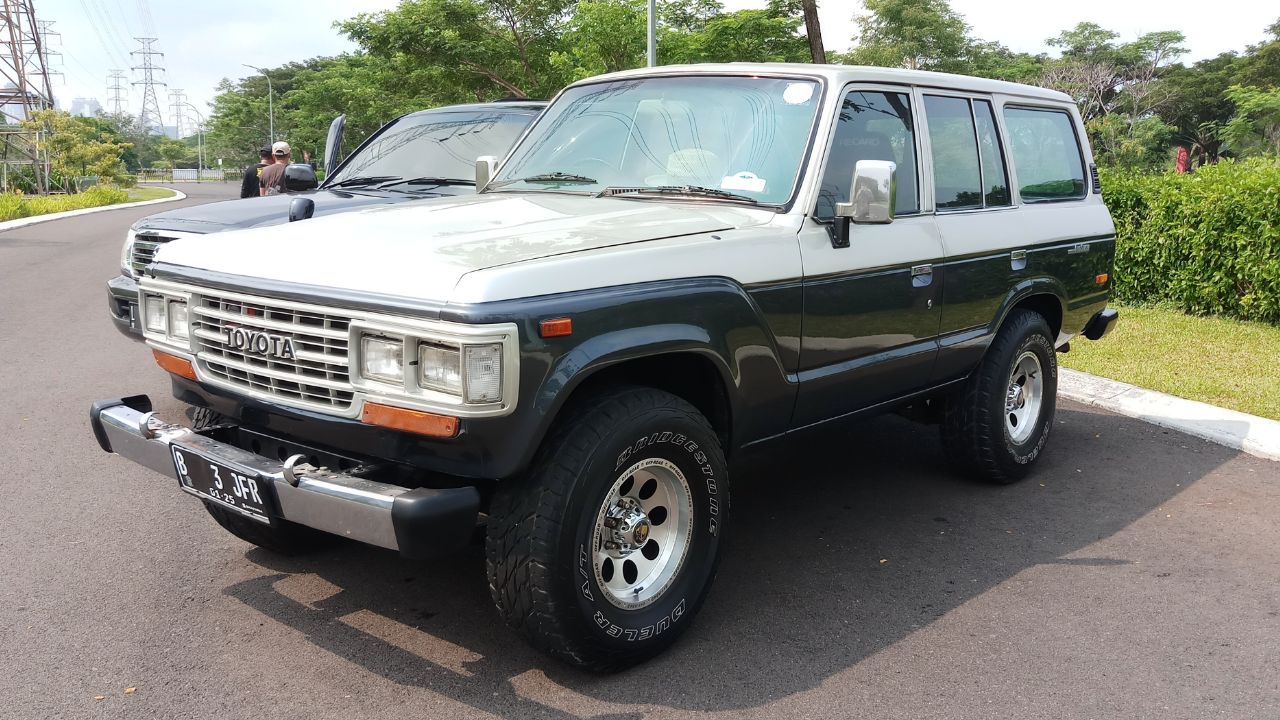
The FJ60 spent much of its life being treated as an old four-wheel-drive workhorse rather than a collectible. Its reputation for durability eventually became part of its appeal, particularly as enthusiasts began looking for classic SUVs that could actually be driven and used. Rust, hard off-road use, and modifications removed many examples from the pool of original survivors. Today, clean FJ60s receive considerably more attention than they once did, helping turn a practical Toyota into a serious vintage SUV collectible.
BMW 3 Series E30
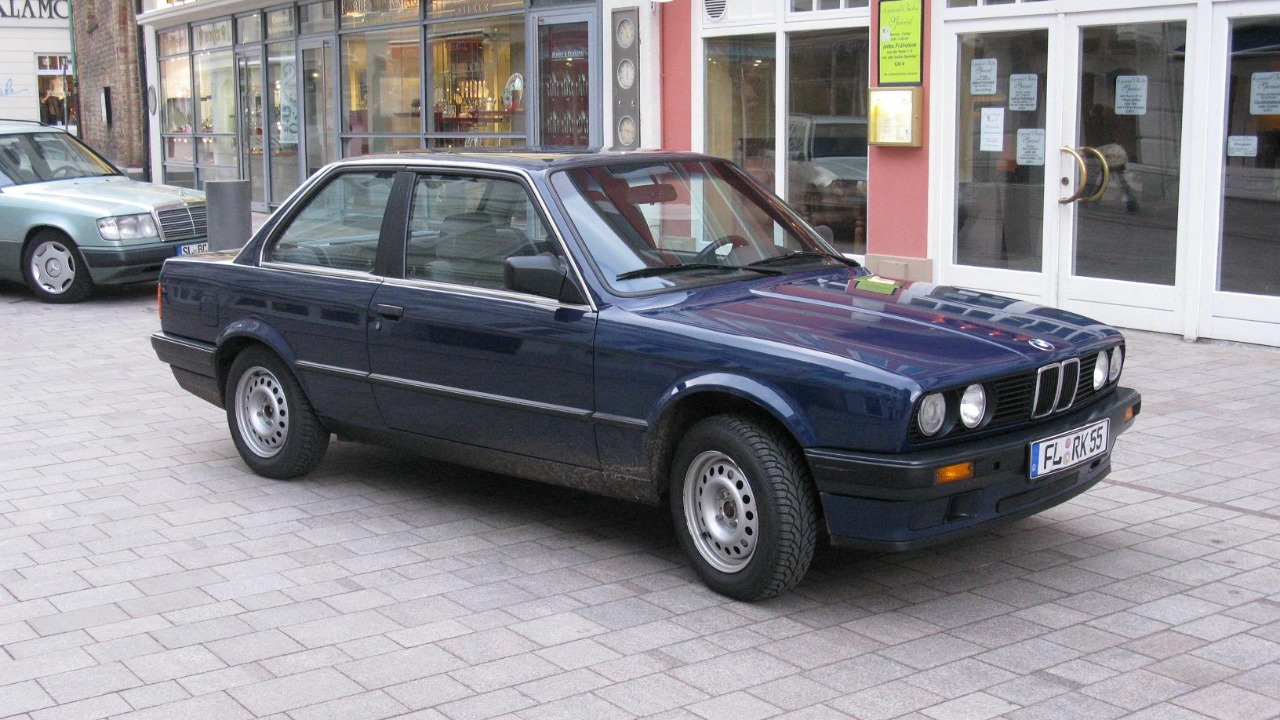
The E30 3 Series was once simply an older used BMW that could be purchased without spending much money. Its compact dimensions, rear-wheel-drive layout, straightforward styling, and engaging driving character eventually made it one of the defining modern classics. The M3 receives much of the attention, but ordinary E30 models have also benefited from the growing interest. Many were modified, driven hard, or neglected, leaving original cars increasingly difficult to locate.
Mercedes-Benz 190E
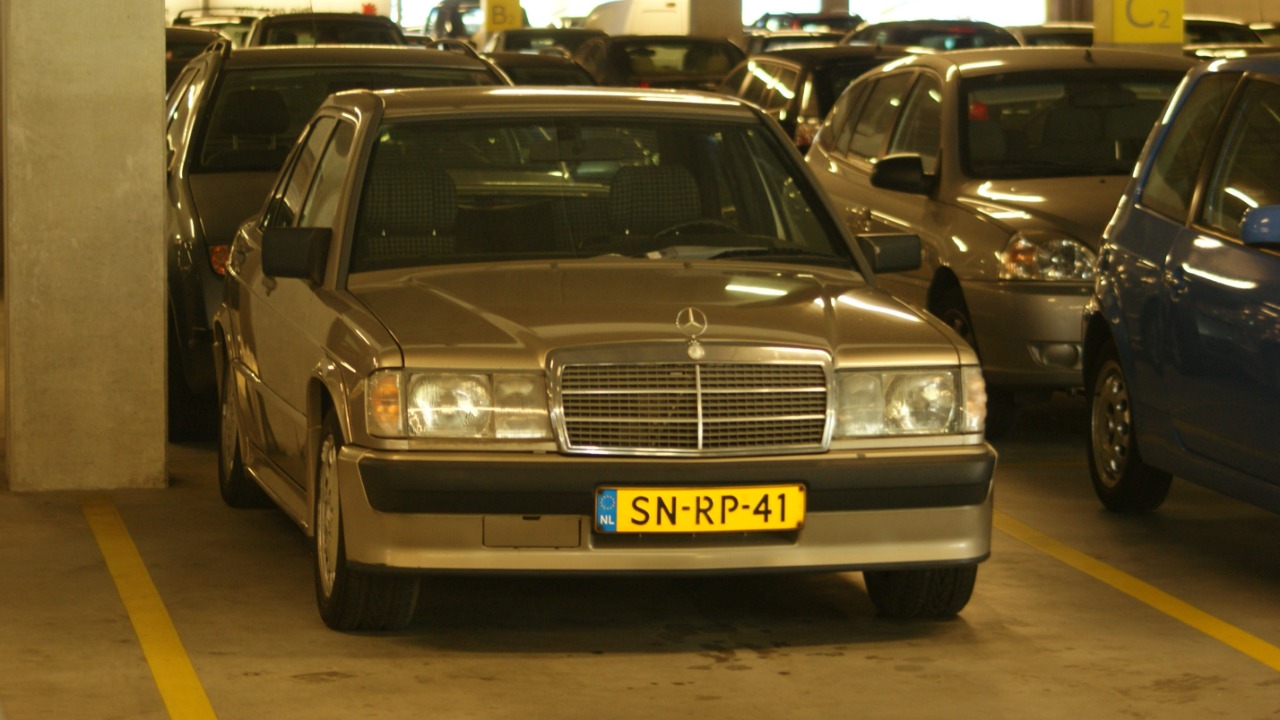
The 190E was built in large numbers, yet good examples are becoming much harder to find. For years, these compact Mercedes sedans were inexpensive used cars that could be found almost anywhere. Their strong construction, distinctive styling, and sophisticated suspension have since attracted collectors. The performance-oriented 2.3-16 and 2.5-16 versions command particularly strong interest, but even clean standard cars have gained recognition as modern classics.
Toyota Supra
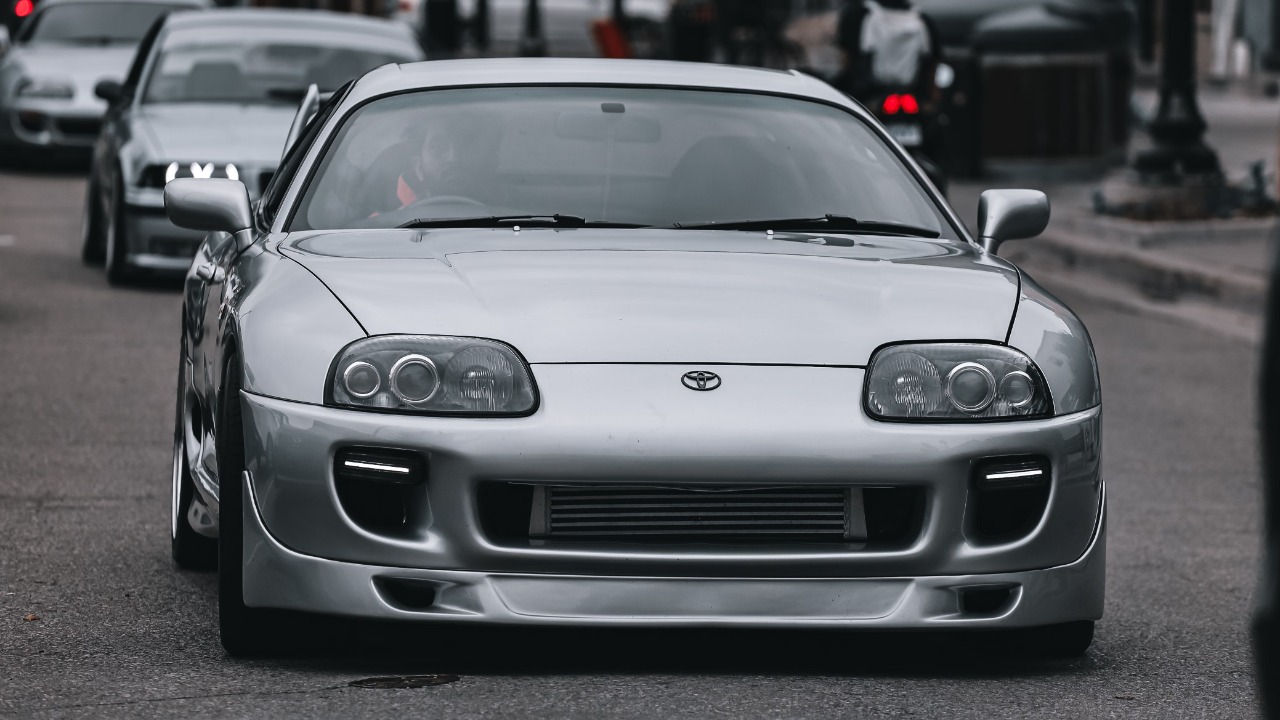
The earlier Supra generations spent years being overshadowed by more famous Japanese performance cars. That changed as collectors began looking beyond the newest and most powerful models. Rear-wheel drive, straight-six engines, distinctive styling, and Toyota’s reputation for durability gave the Supra a strong foundation for long-term collector interest. The fourth-generation car became especially famous, but earlier Supras have also benefited from the broader revival of interest in Japanese performance cars from the 1970s through the 1990s.
Mazda RX-7
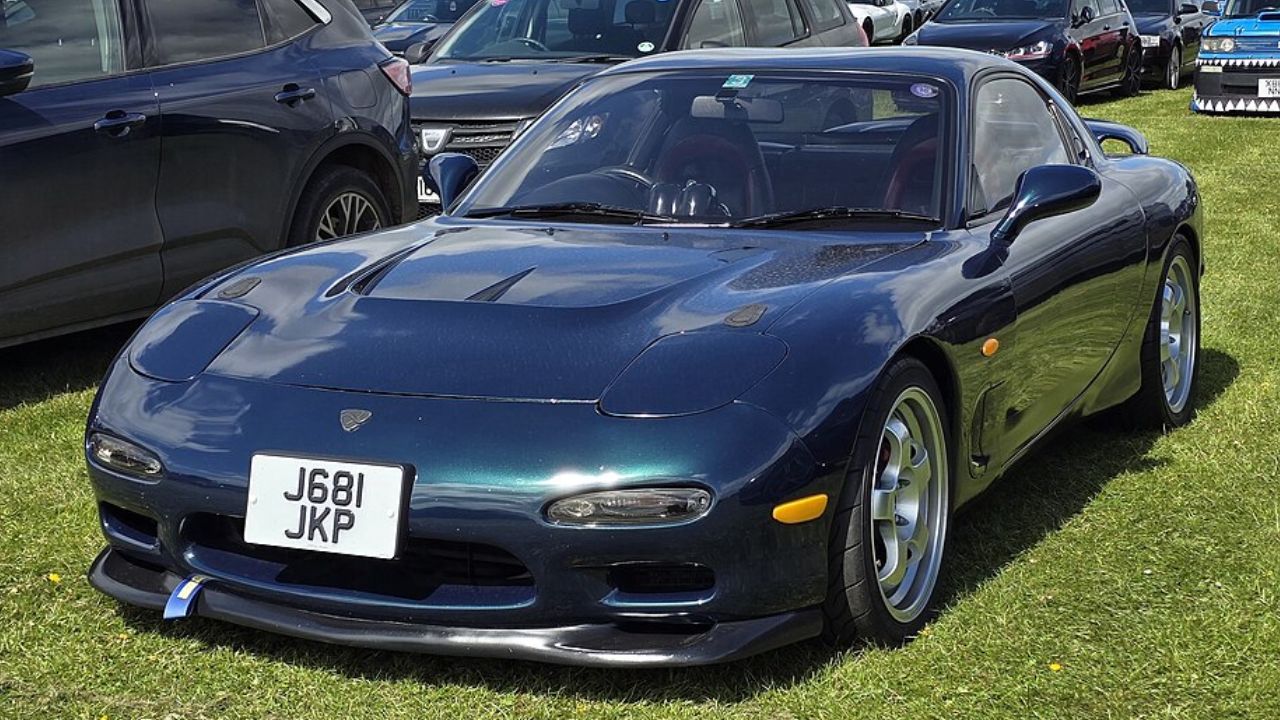
The first-generation RX-7 was once an affordable little sports car that many owners treated as disposable fun. Its lightweight body, compact dimensions, and rotary engine gave it a character that separated it from conventional sports cars. Many examples were modified or simply disappeared after years of use, making original cars increasingly interesting to collectors. The later generations receive plenty of attention, but the early RX-7 has quietly developed a strong following of its own.
Volkswagen Golf GTI
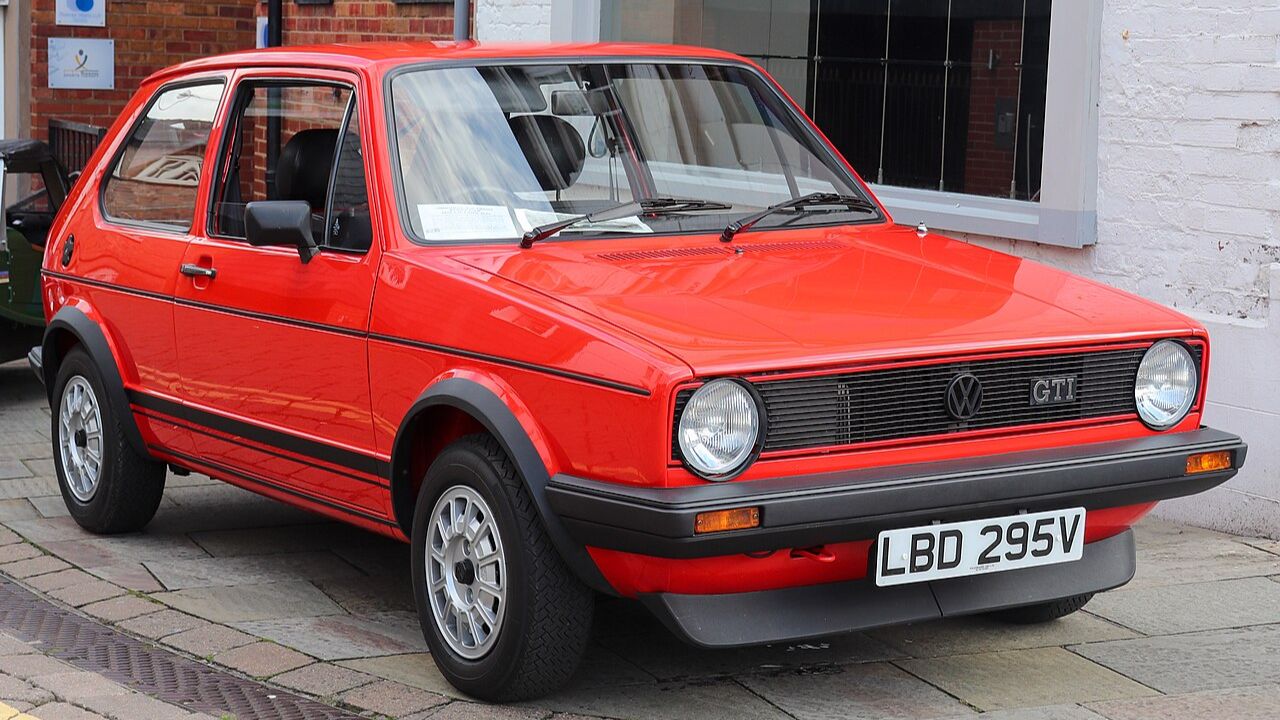
The original Golf GTI helped establish the modern hot-hatch formula, but it was not always treated like a collectible. For years, these cars were inexpensive performance transportation that could be modified extensively. As the surviving population shrank, enthusiasts began placing greater value on original examples. The GTI’s compact size, lightweight construction, practical hatchback design, and motorsport-inspired personality have helped it become an important modern classic rather than simply an old Volkswagen.
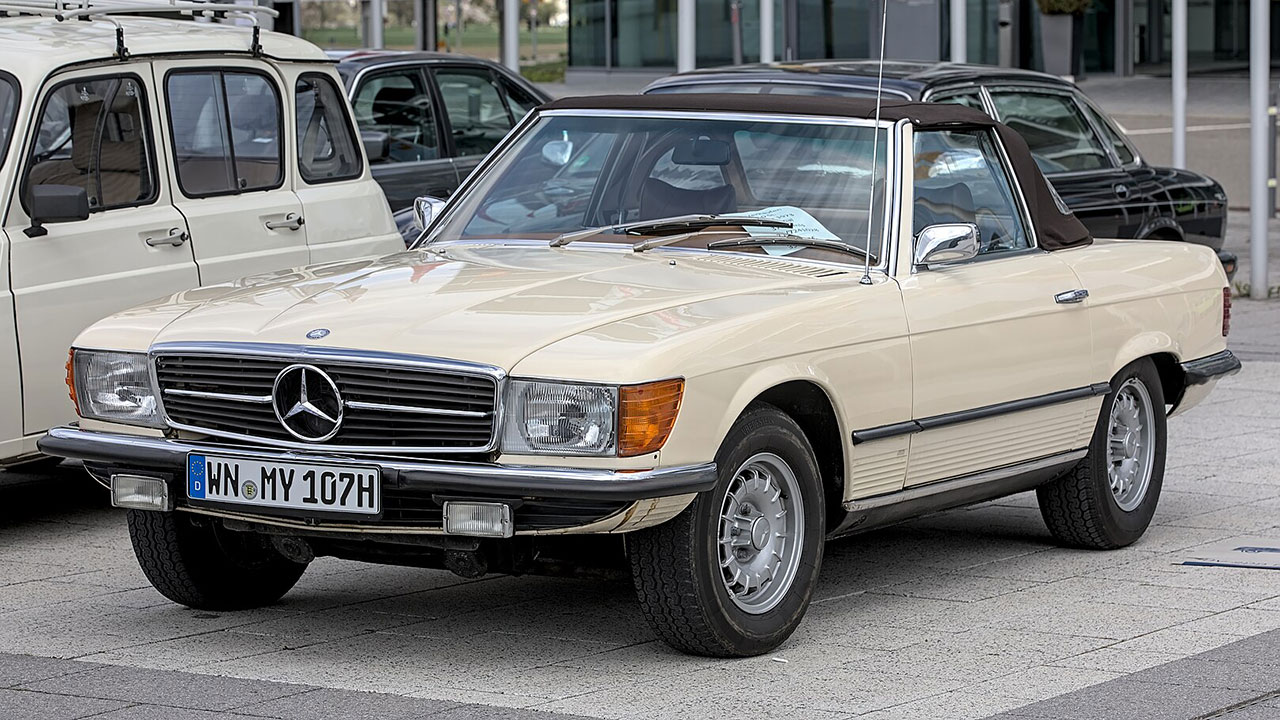
Mercedes-Benz R107 SL
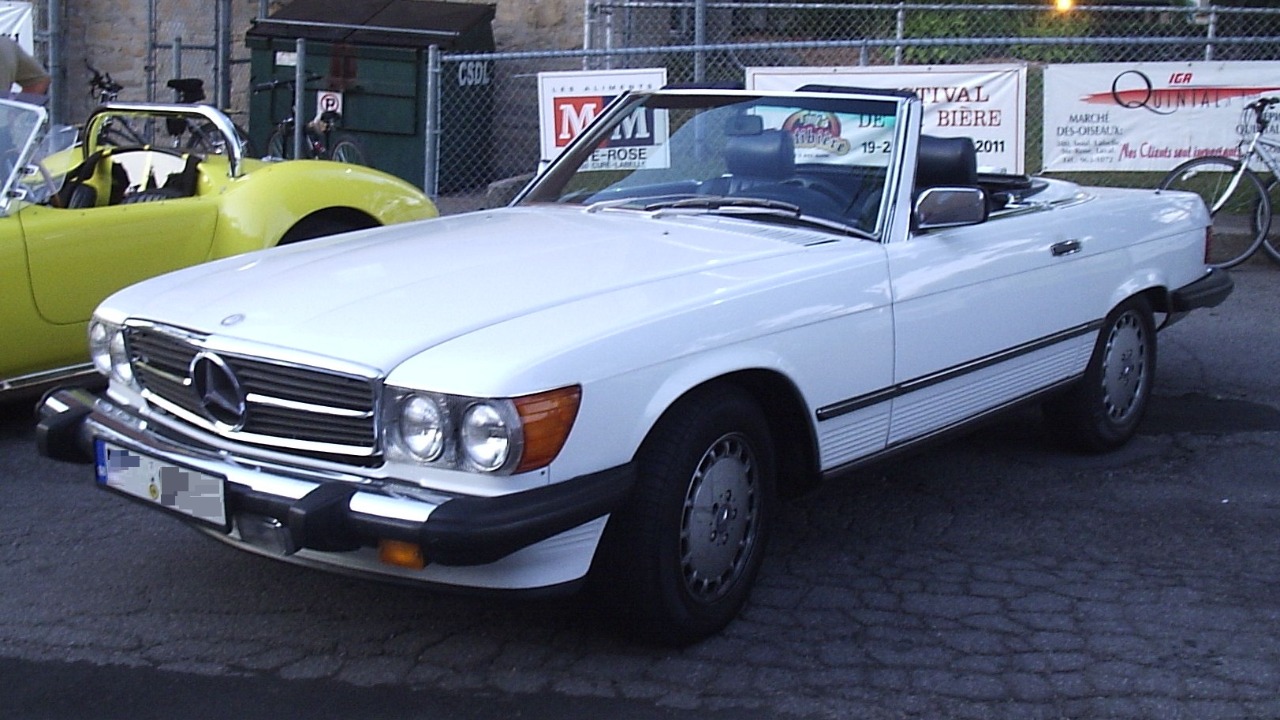
The R107 SL spent a surprisingly long period as an inexpensive used luxury convertible. Its long production run meant there were plenty of examples around, and many were used as relaxed weekend cruisers. As collectors began appreciating 1970s and 1980s Mercedes-Benz models, clean R107s became much more desirable. Original interiors, solid bodywork, and well-maintained examples now receive considerably more attention than they once did.
Toyota MR2
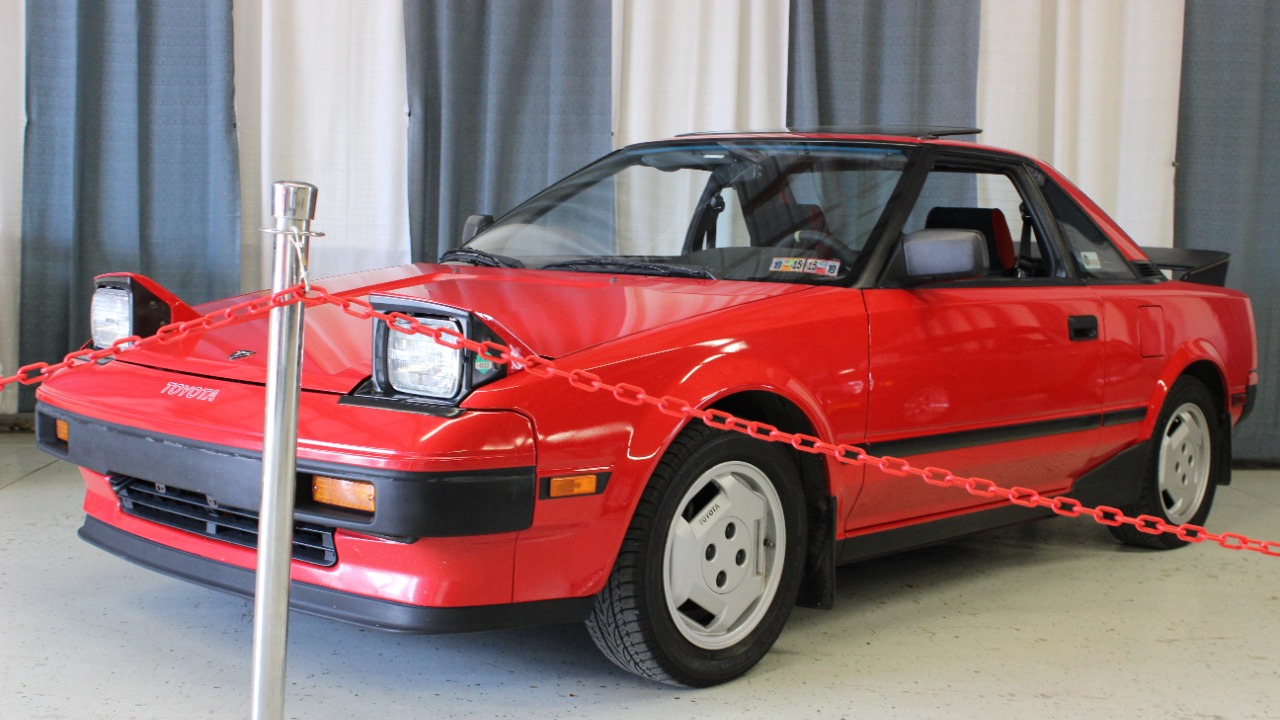
The first-generation MR2 was an unusual proposition when it arrived. Instead of following the traditional front-engine sports-car formula, Toyota gave it a lightweight mid-engine layout and compact two-seat body. For years, older MR2s were inexpensive fun cars that were frequently modified or driven hard. Their scarcity in original condition has changed that perception. Today, the first-generation car represents an important moment in Japanese sports-car history and has attracted a growing collector following.
Ford Sierra Cosworth
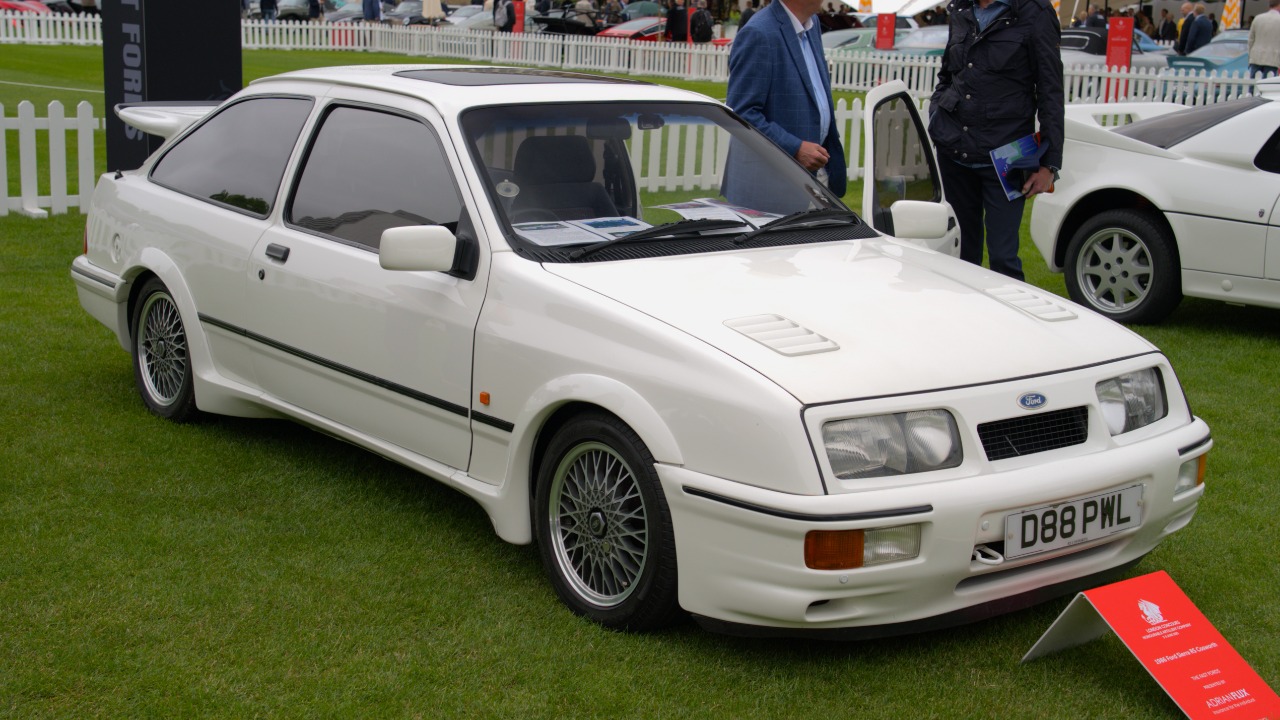
The Sierra Cosworth was never a typical family car, but its boxy shape eventually became part of its appeal. Developed with serious motorsport ambitions, the Cosworth versions combined aggressive styling with genuine performance credentials. For years, they remained specialized European performance cars rather than mainstream collectibles. As interest in 1980s homologation cars increased, their racing connections and relatively limited production became increasingly important to collectors. Cars with originality and strong documentation are especially desirable.
BMW 635CSi
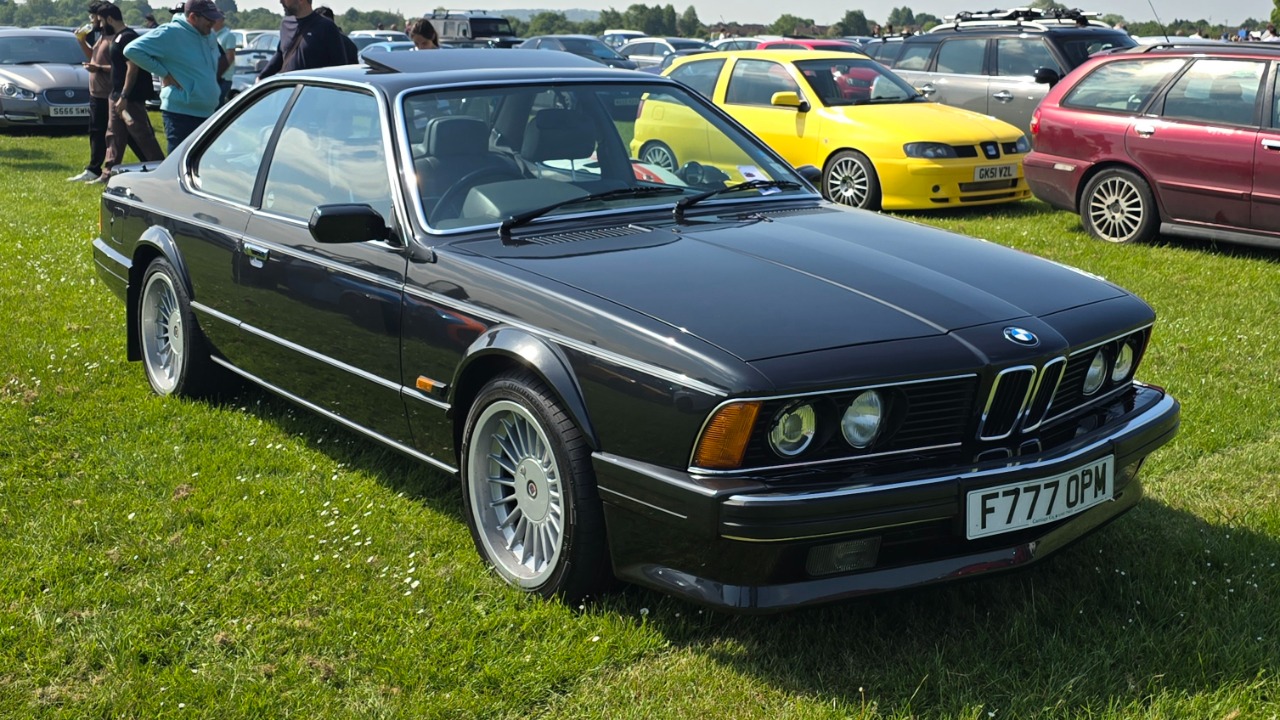
The BMW 635CSi was once overshadowed by more exotic grand tourers, despite offering the same basic ingredients that collectors now value in older BMWs. Its long hood, low roofline, straight-six power, rear-wheel-drive layout, and driver-focused character have aged remarkably well. Many examples were used as everyday cars, while others were modified over the years. As clean 1980s BMWs became harder to locate, the 635CSi gained a stronger reputation as a genuine modern classic.
Volkswagen Scirocco

The Scirocco was designed as a stylish and practical alternative to more expensive sports cars, and for decades it was treated largely as an old Volkswagen. Its low body, front-wheel-drive layout, compact dimensions, and sharp Giugiaro styling have become increasingly appealing with age. The best survivors are now much harder to locate because many were modified, neglected, or simply driven into the ground. That combination of recognizable design and shrinking supply has helped the Scirocco earn greater collector attention.
Volvo P1800
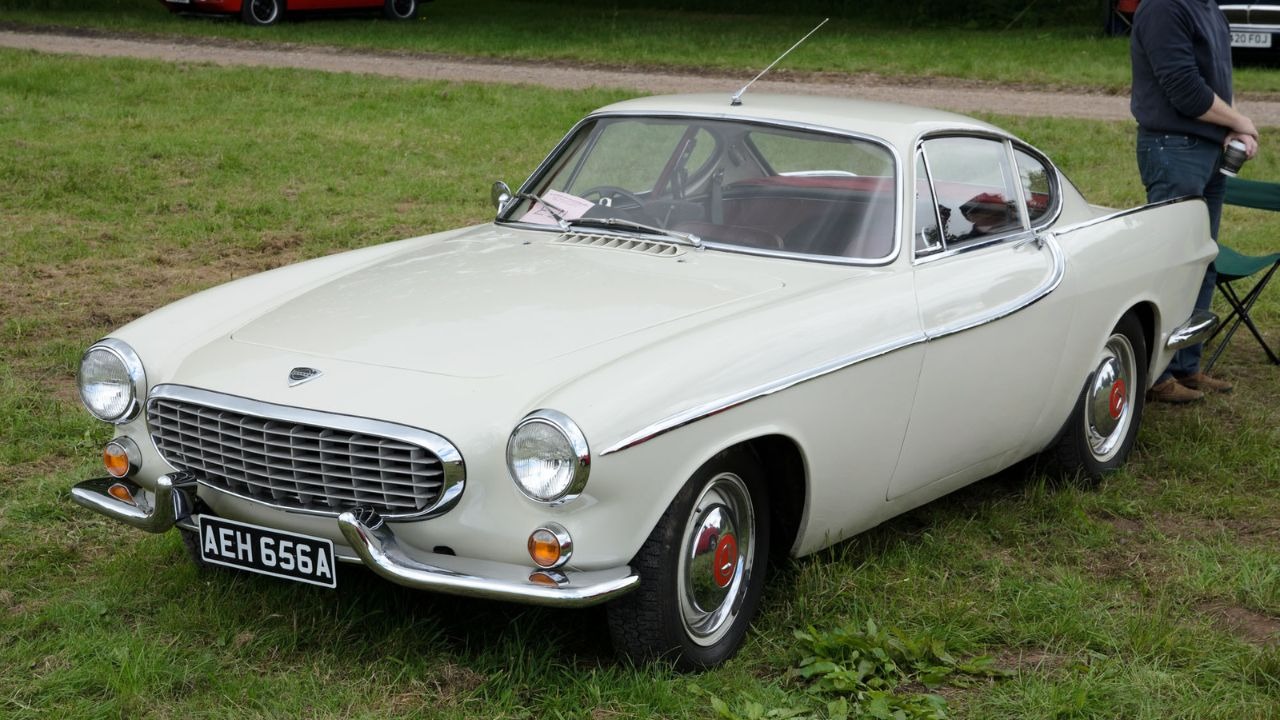
The Volvo P1800 was always an attractive car, but it spent years being remembered more as a quirky Swedish sports coupe than as a serious collectible. Its connection with television helped keep the model recognizable, while its durable mechanical reputation made it easier to appreciate as an ownership proposition. As surviving examples became scarcer, collectors began paying closer attention to originality and condition. The P1800’s combination of unusual styling, Swedish engineering, and cultural recognition has helped it hold a distinctive place in the classic market.
Saab 900 Turbo
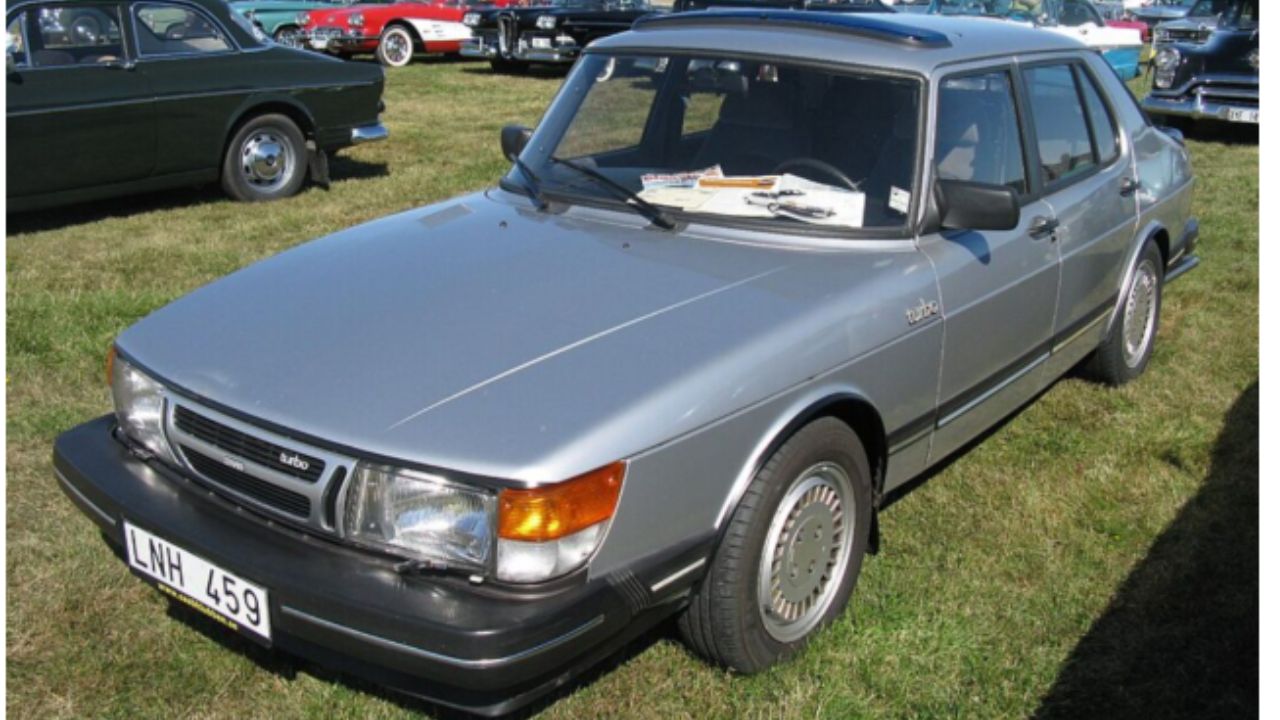
The Saab 900 Turbo was once an unusual used car bought by people who wanted something different from the usual European luxury brands. Its distinctive shape, turbocharged performance, front-wheel-drive layout, and aviation-inspired design gave it a personality few rivals could match. Many were driven year-round and accumulated significant mileage, making excellent survivors increasingly unusual. That scarcity, combined with growing appreciation for quirky 1980s engineering, has helped clean 900 Turbos become increasingly interesting to collectors.
Mitsubishi 3000GT
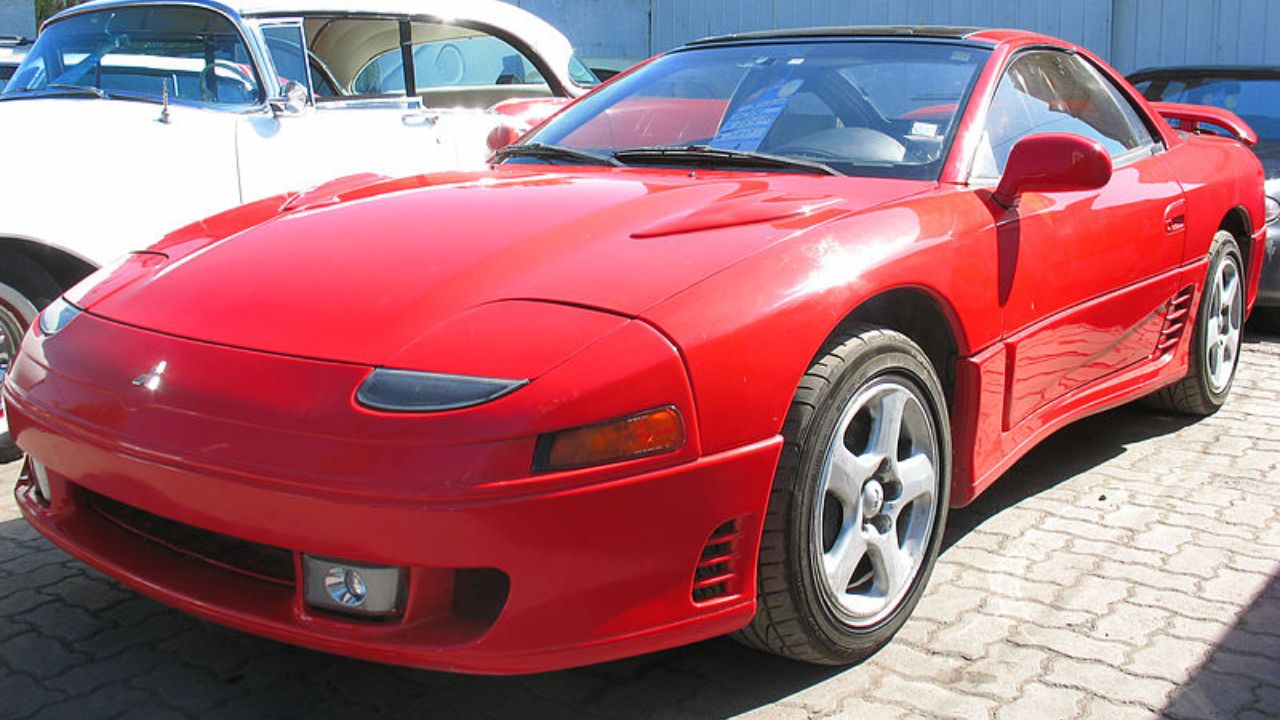
CC BY-SA 2.0
The Mitsubishi 3000GT was packed with technology when it arrived, but that complexity also contributed to its reputation as an expensive used car later in life. For years, clean examples could be found for surprisingly little money. Enthusiasts have increasingly reconsidered the model as one of the most ambitious Japanese performance cars of its era. Its dramatic styling, advanced drivetrain technology, and 1990s nostalgia have helped the best surviving examples gain renewed collector interest.
Acura Integra
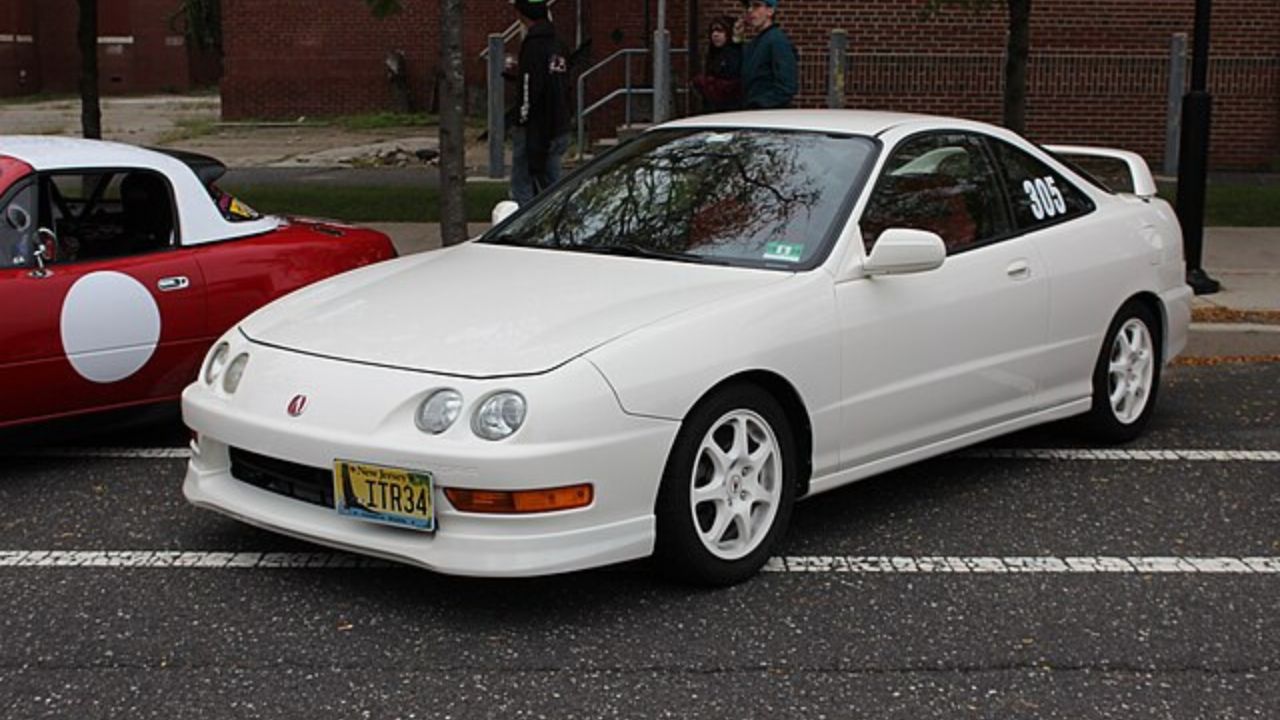
The Integra was once simply an affordable front-wheel-drive coupe or hatchback aimed at younger buyers. Its combination of lightweight construction, responsive handling, and Honda engineering eventually gave it a stronger enthusiast following. Performance versions became particularly desirable, but even standard cars benefit from the broader resurgence of interest in Japanese cars from the 1980s and 1990s. Many were modified or heavily used, leaving original examples increasingly attractive to collectors.
Ford Bronco
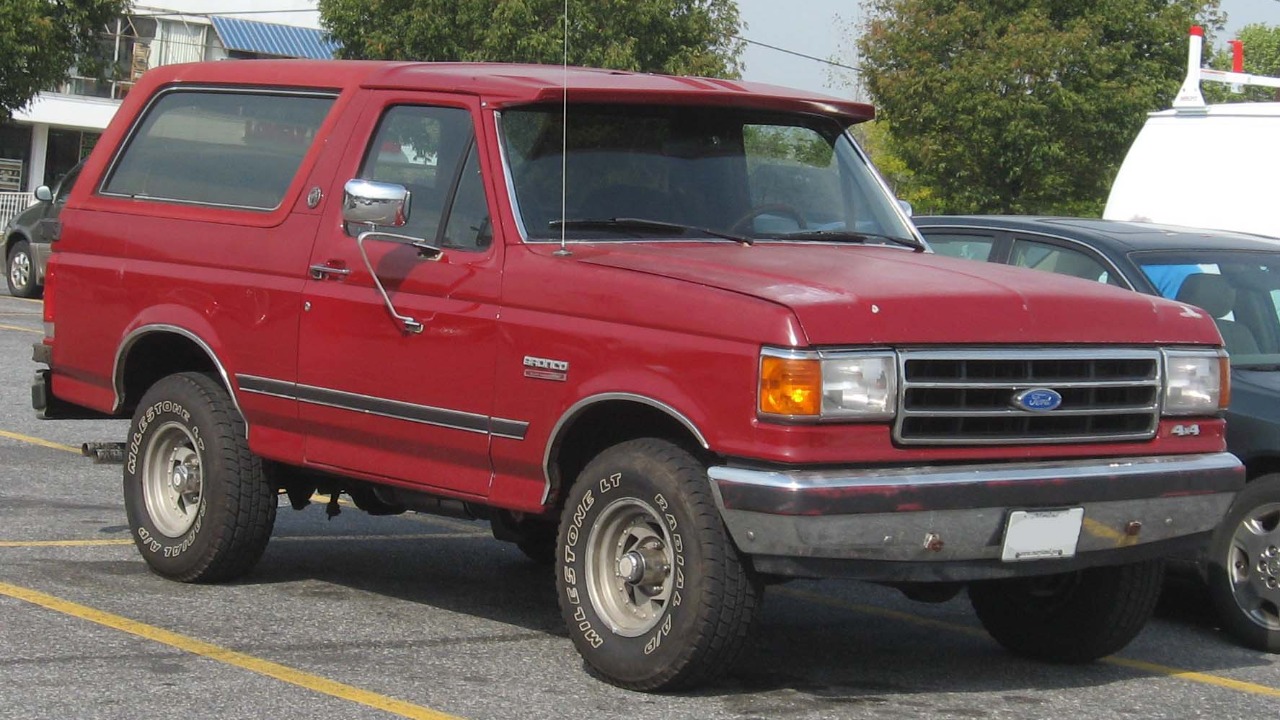
The early Bronco was once a basic compact off-roader that appealed primarily to farmers, outdoorsmen, and four-wheel-drive enthusiasts. As the vintage SUV market expanded, its simple design and unmistakable shape became increasingly valuable. Many Broncos were modified for off-road use, while others suffered from decades of exposure and hard work. Clean, properly restored examples became much harder to find, helping the Bronco move from practical utility vehicle to highly desirable classic.
Nissan 300ZX
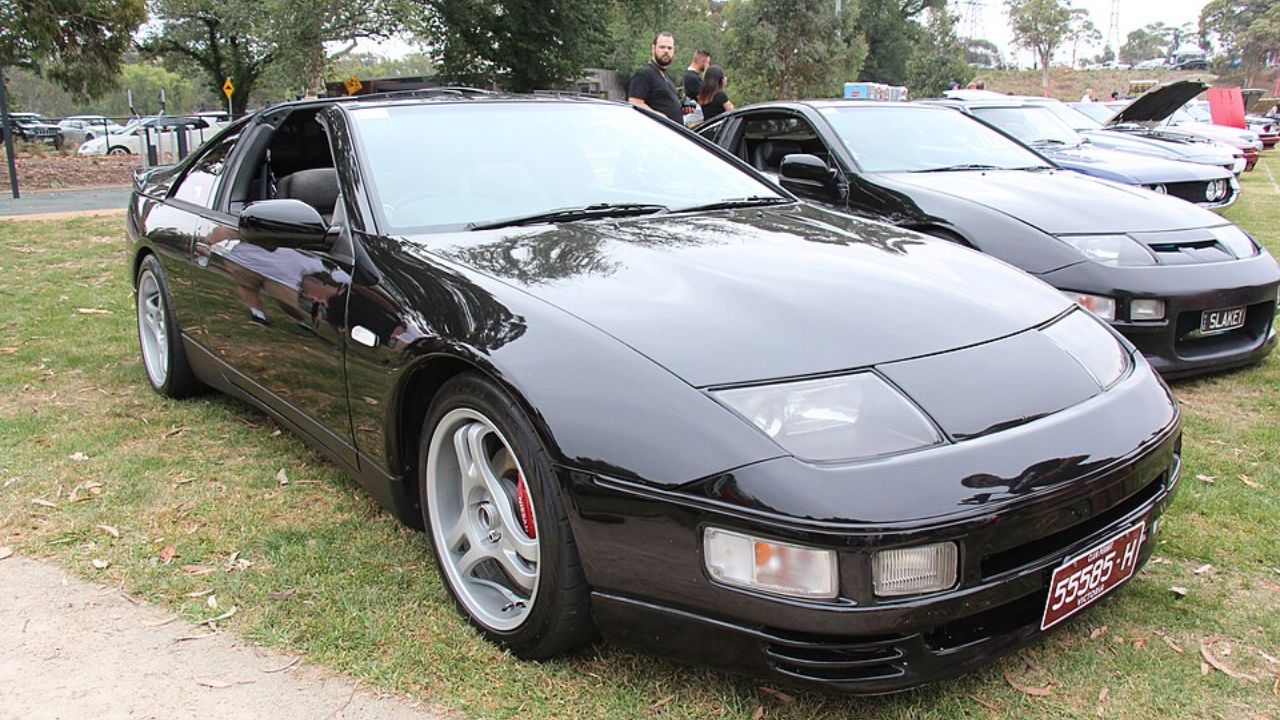
The 300ZX spent years in the difficult middle ground between classic and used sports car. Its futuristic styling aged better than many expected, while the car’s performance and technology eventually attracted a new generation of enthusiasts. The Z-car heritage gave it an established place in Nissan history, and growing nostalgia for Japanese performance cars from the 1980s and 1990s helped push interest higher. Original, unmodified examples are particularly appealing as the surviving pool continues to shrink.
Porsche 928

The Porsche 928 was once one of the easiest ways to buy a serious Porsche without paying 911 money. Its front-mounted V8, grand-touring character, futuristic design, and unusual proportions made it a very different kind of Porsche. For years, collectors largely ignored it while concentrating on air-cooled 911s. That has changed as enthusiasts have begun reassessing overlooked Porsche models. The 928’s distinctive engineering and limited supply of well-preserved cars have given it a much stronger place in the collector market.
More from Fast Lane Only
- Unboxing the WWII Jeep in a Crate
- 15 rare Chevys collectors are quietly buying
- 10 underrated V8s still worth hunting down
- Police notice this before you even roll window down
*Research for this article included AI assistance, with all final content reviewed by human editors.