Cadillac is usually associated with quiet rides, spacious cabins, and American luxury, but the brand has produced plenty of cars with a surprising amount of performance. Some were genuinely quick, while others handled far better than their size suggested. From understated sedans to experimental coupes and modern V-Series cars, these Cadillacs proved that luxury and performance could share the same badge.
Cadillac Eldorado
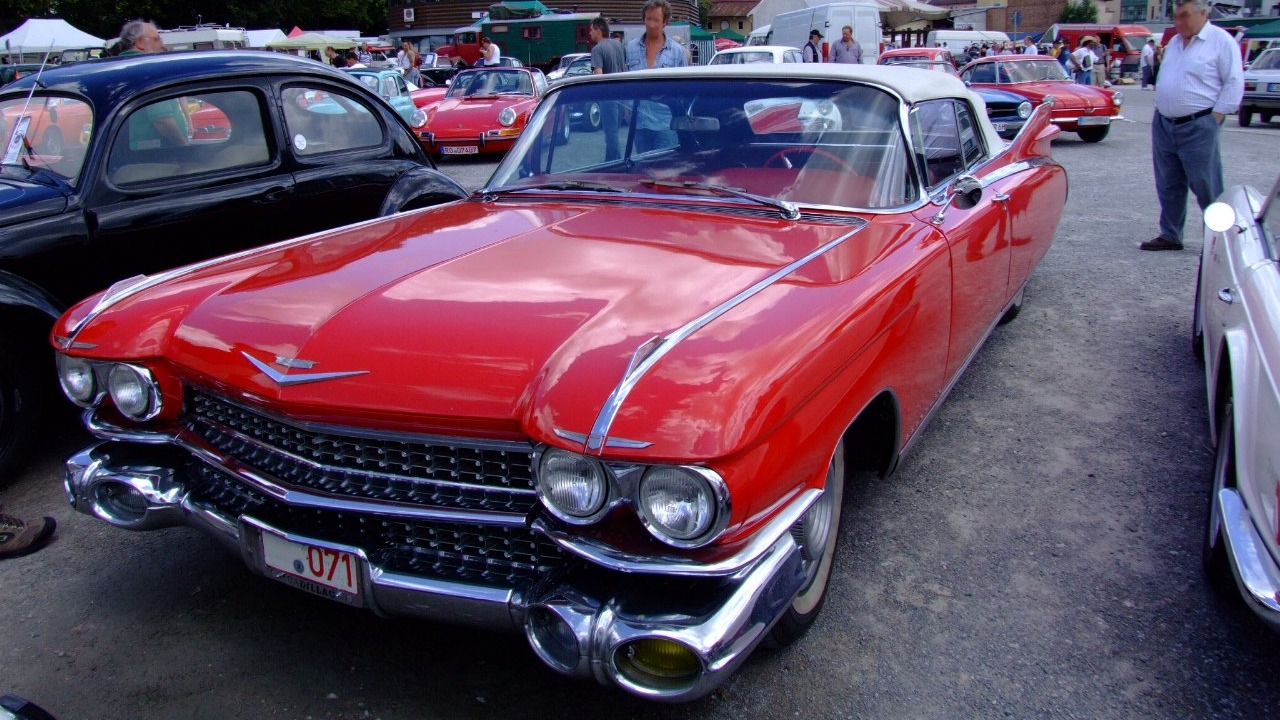
The Eldorado spent decades representing Cadillac’s idea of personal luxury, but several generations offered far more performance than their elegant styling suggested. Large engines and substantial torque gave these front-wheel-drive coupes effortless acceleration, while later versions became increasingly sophisticated. The Eldorado was never intended to be a lightweight sports car, but that was part of the surprise. Behind the refined exterior was a car capable of moving with considerably more authority than its luxury-car image implied.
Cadillac Fleetwood Brougham
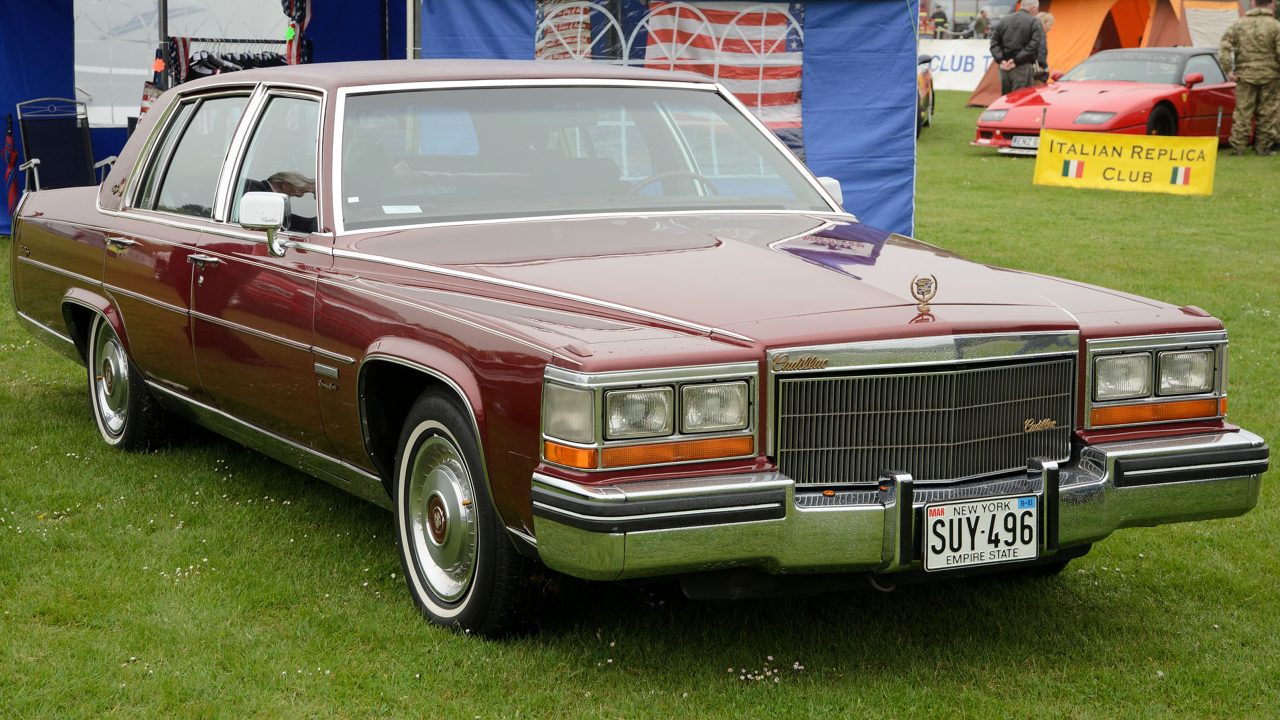
The Fleetwood Brougham was enormous, formal, and seemingly built for relaxed cruising rather than speed. Yet its available V8 power gave the big sedan plenty of effortless thrust. Its long wheelbase and soft suspension clearly favored comfort, but straight-line acceleration could be surprisingly strong. The appeal came from the contrast: a car that looked like it belonged to a chauffeur could move with the authority of a much more performance-focused machine when the throttle was opened.
Cadillac Seville
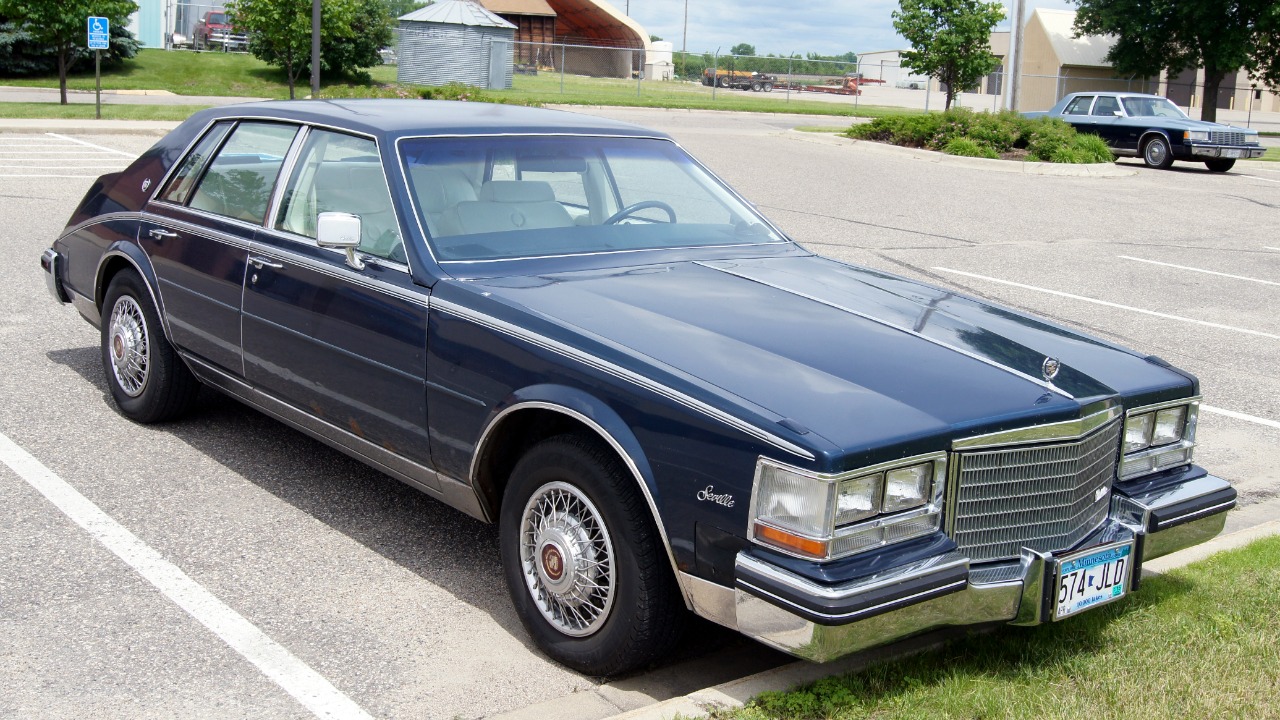
The Seville helped Cadillac enter a smaller and more European-influenced luxury market. Its compact dimensions compared with traditional full-size Cadillacs made it feel more manageable, while later versions gained increasingly powerful drivetrains and sharper handling. The Seville never abandoned its luxury mission, but its smaller proportions allowed it to feel more responsive than Cadillac’s giant sedans. It became an interesting bridge between the traditional American luxury car and the sportier direction Cadillac would eventually pursue.
Cadillac Allanté
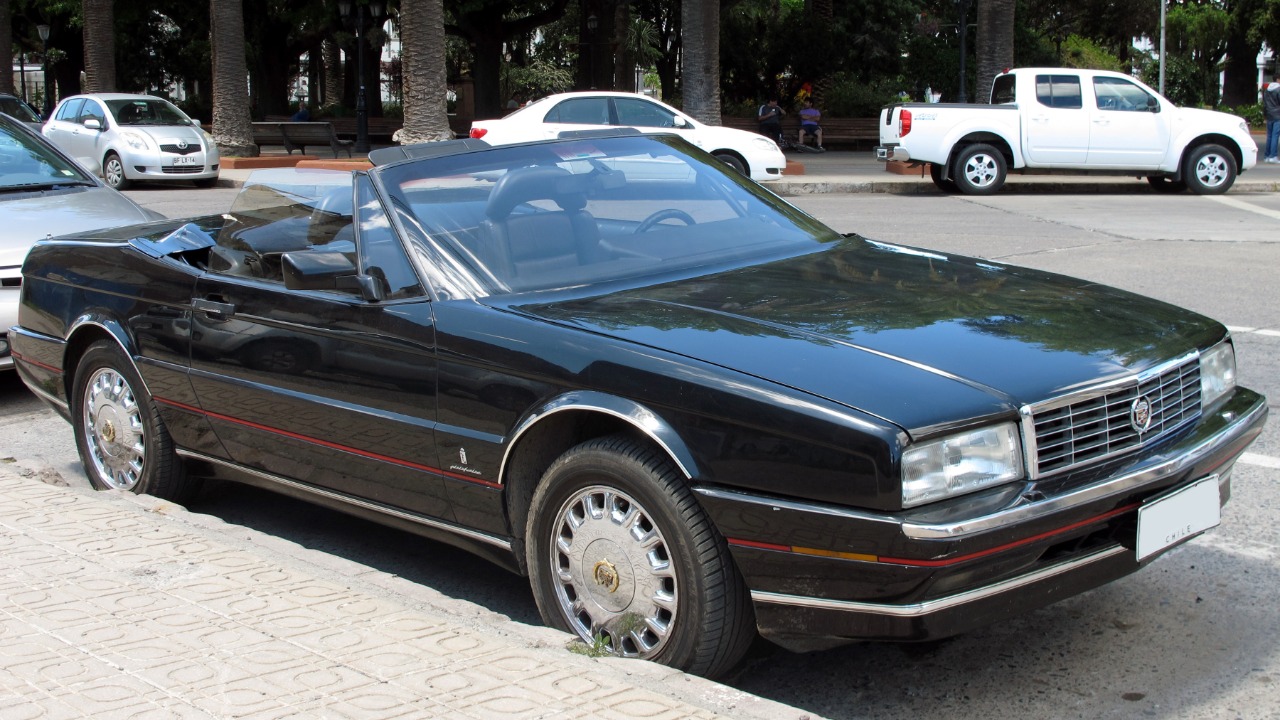
The Allanté was Cadillac’s ambitious two-seat luxury roadster, created to compete with established European grand touring convertibles. Its lightweight aluminum body panels and sophisticated suspension gave it a more agile character than many traditional Cadillacs. Later versions received stronger drivetrains and additional performance technology. The Allanté was still primarily a luxury roadster, but its compact proportions and rear-wheel-drive architecture gave it a driving character that could surprise anyone expecting a typical Cadillac boulevard cruiser.
Cadillac Catera
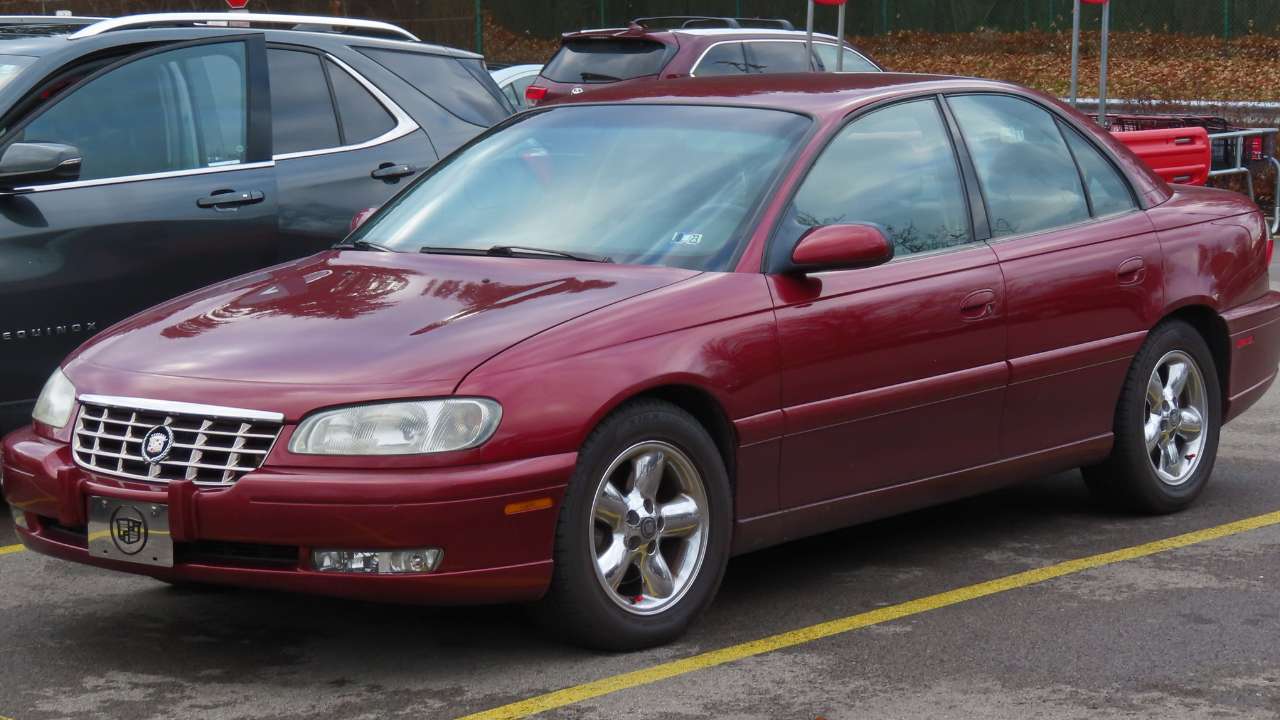
The Catera was one of Cadillac’s most obvious attempts to bring European-style handling and proportions into the American luxury lineup. Based on the Opel Omega, it used a rear-wheel-drive platform and a compact body that made it substantially more nimble than Cadillac’s traditional full-size cars. Its V6 provided respectable performance, while the chassis gave the car a more balanced feel. The Catera never became a major sales success, but it showed Cadillac moving toward the sportier personality that would define later models.
Cadillac CTS
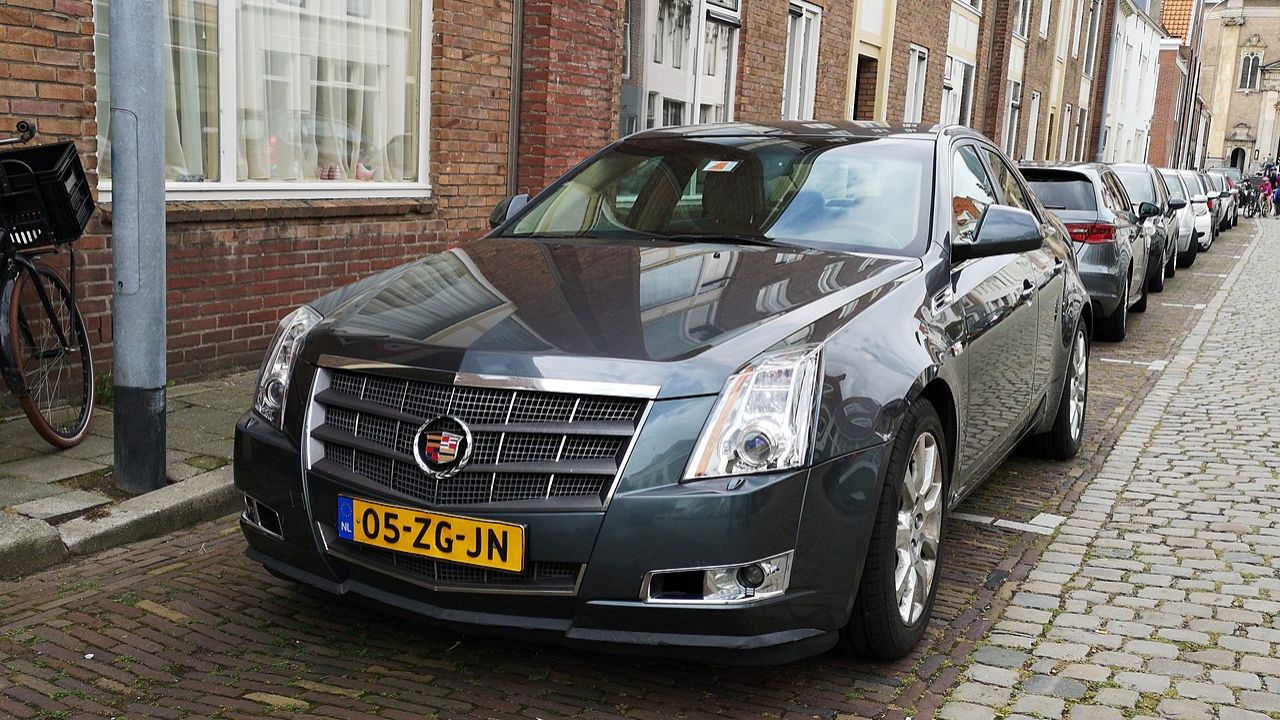
The first-generation CTS marked a major change in Cadillac’s approach to performance and handling. Its angular styling was matched by rear-wheel drive, a fully independent suspension, and available manual transmissions. The car was designed to challenge European sport sedans rather than simply compete with traditional American luxury cars. Its driving character was noticeably sharper than older Cadillacs, making the CTS one of the clearest examples of the brand’s performance transformation.
Cadillac CTS-V

The CTS-V turned Cadillac’s new sport-sedan formula into something genuinely formidable. It combined the practical shape of a four-door sedan with a powerful V8 and a chassis engineered for serious performance. Later generations became increasingly powerful and sophisticated, but the original CTS-V already demonstrated that Cadillac could build a sedan capable of challenging dedicated performance cars. The contrast between its understated four-door body and its serious performance potential became a major part of its appeal.
Cadillac CTS-V Wagon

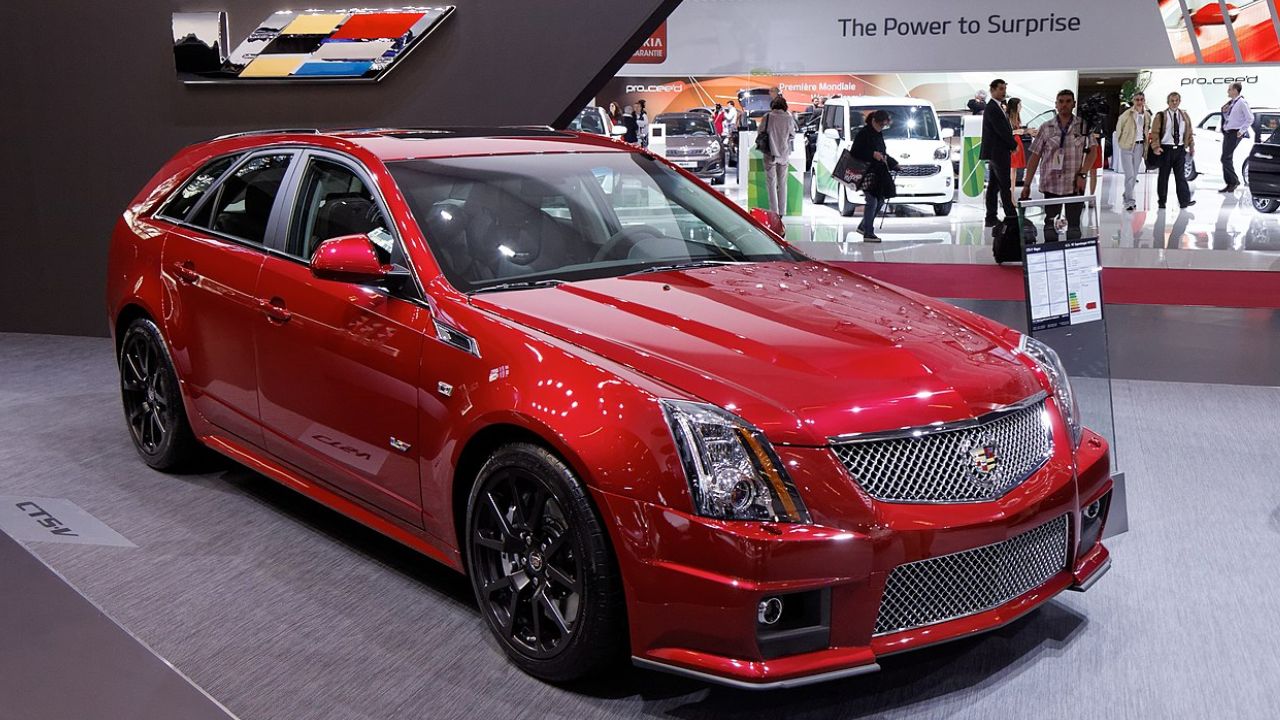
The CTS-V Wagon took the unusual step of combining supercar-level performance with genuine cargo-carrying practicality. Its wagon body made it look like an upscale family vehicle, but underneath was the same performance-focused hardware used in the CTS-V sedan. That combination made it one of the most unusual performance wagons ever sold in America. It could carry passengers and luggage while still delivering the kind of acceleration and handling normally associated with much more specialized cars.
Cadillac STS-V
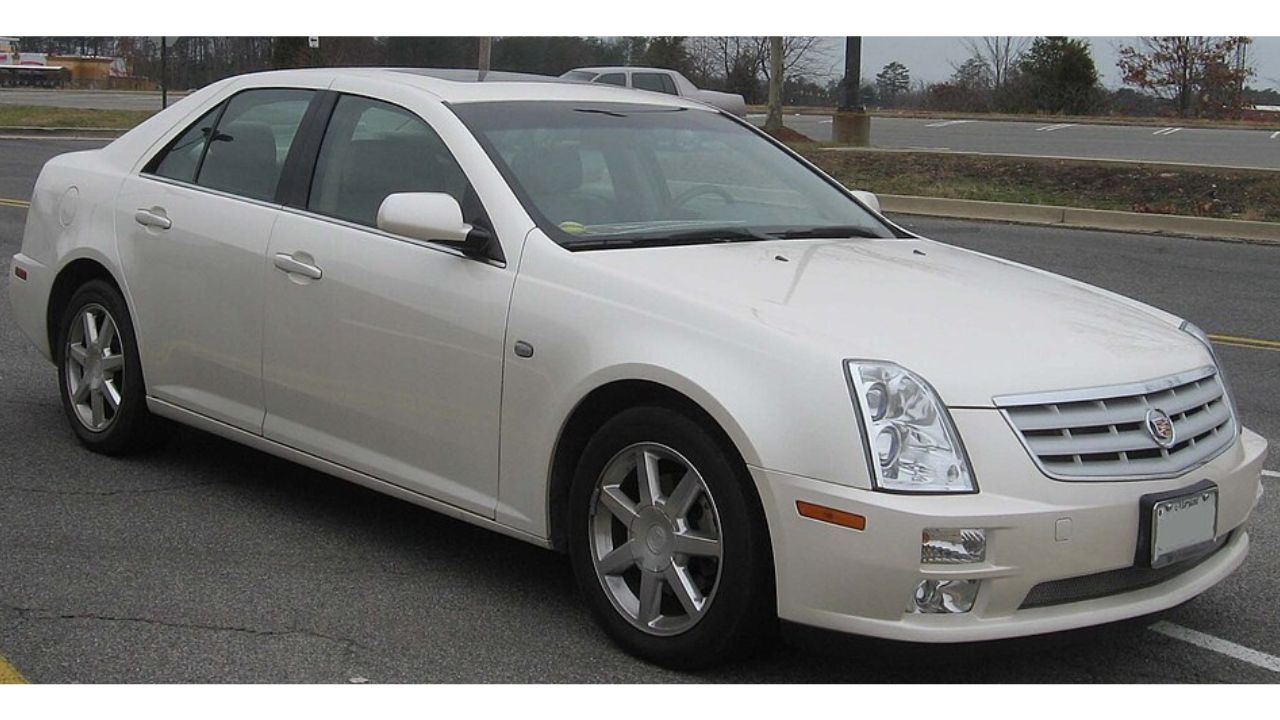
The STS-V added serious performance hardware to Cadillac’s large luxury sedan platform. It offered a supercharged V8, rear-wheel drive, and suspension upgrades that gave the car considerably more urgency than its conservative luxury-car appearance suggested. The STS-V was still comfortable and well equipped, but it could deliver strong acceleration when asked. Its understated styling made the performance even easier to overlook, especially for anyone accustomed to associating Cadillac primarily with traditional luxury.
Cadillac XLR
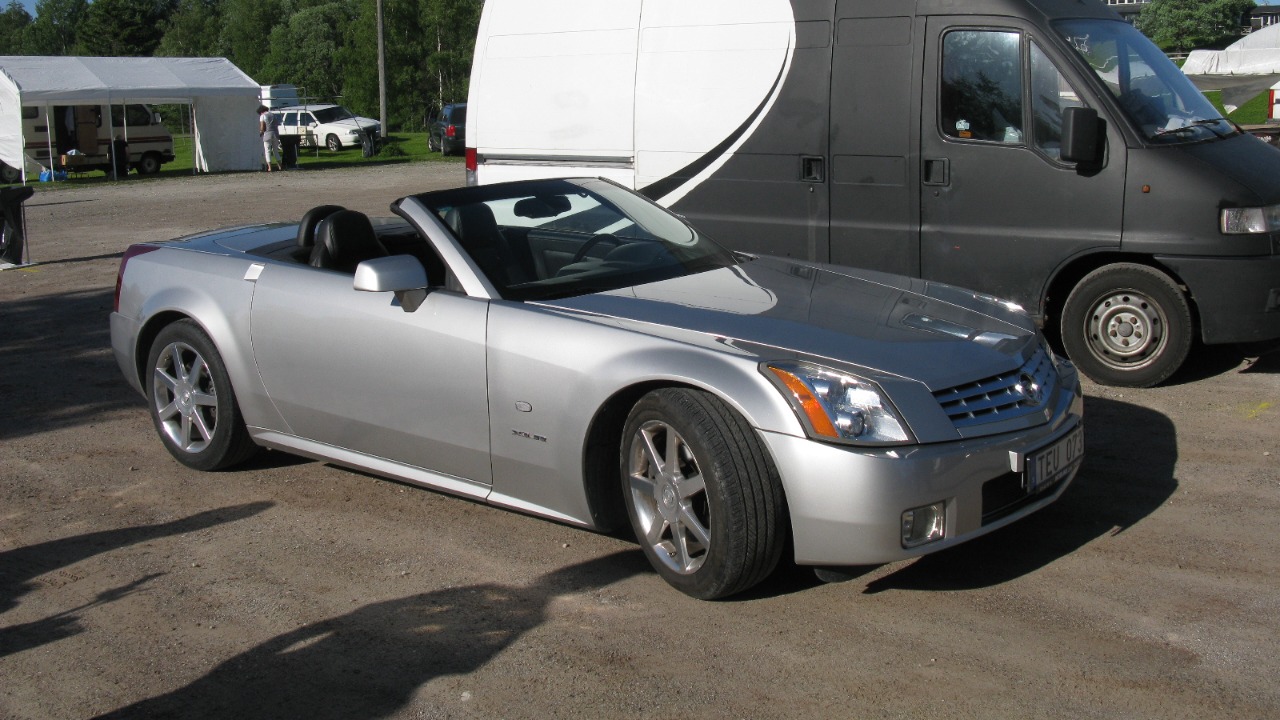
The XLR was Cadillac’s attempt to build a sophisticated American luxury roadster around a modern rear-wheel-drive platform. Its retractable hardtop, rear-mounted transmission, and advanced chassis technology gave it a much more serious sporting character than traditional Cadillac convertibles. The car was comfortable enough for grand touring but could also deliver respectable handling and acceleration. Its combination of technology and performance made it one of the most technically ambitious Cadillacs of its era.
Cadillac XLR-V
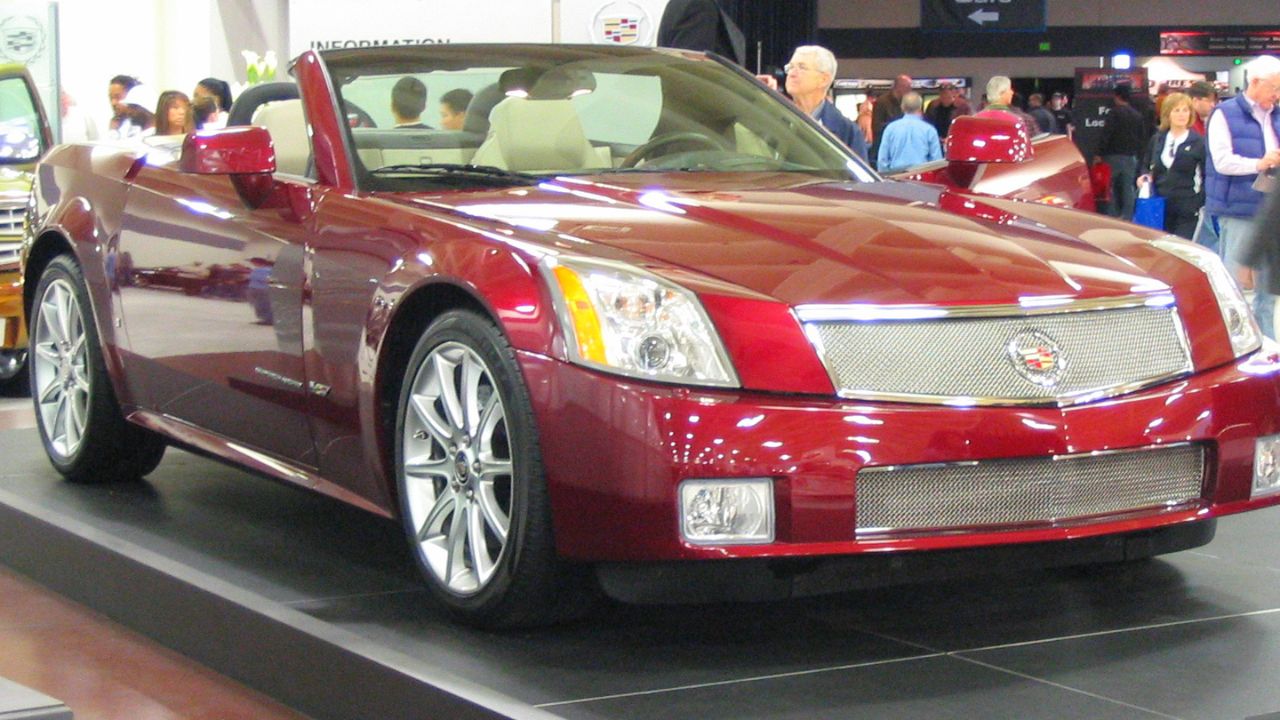
The XLR-V took the already sophisticated XLR and transformed it into a much more serious performance car. Supercharged power, larger brakes, upgraded suspension components, and revised styling gave the roadster the hardware to compete with high-performance European convertibles. Yet the XLR-V remained unmistakably Cadillac, with a luxurious interior and a strong emphasis on long-distance comfort. Its rarity also makes it one of the more unusual high-performance Cadillacs to encounter today.
Cadillac STS
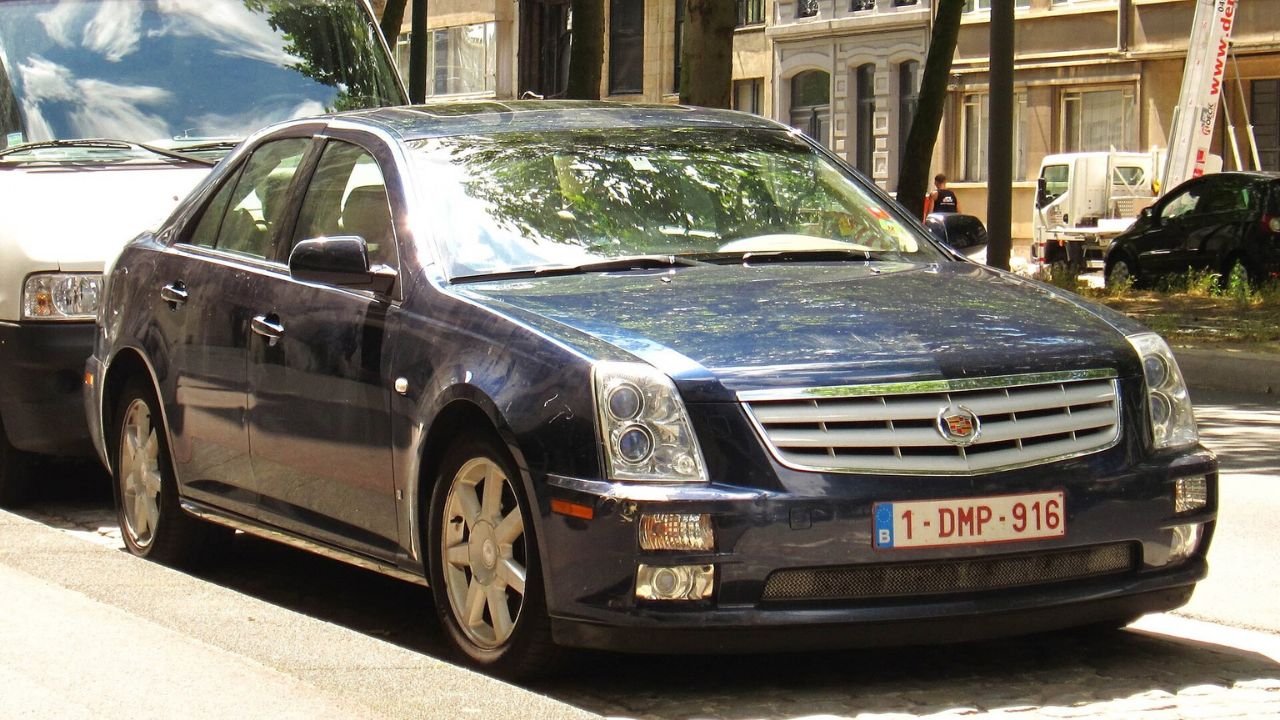
The STS brought a more performance-oriented character to Cadillac’s large sedan lineup. Rear-wheel-drive versions offered balanced handling and strong power, while the chassis was developed with European sport sedans in mind. It remained a luxury car first, but its steering, suspension, and available V8 power gave it considerably more ability than the traditional Cadillac stereotype suggested. The STS demonstrated that a large American luxury sedan could also be genuinely enjoyable on a winding road.
Cadillac ATS

The ATS was Cadillac’s compact sport sedan and was engineered from the beginning to compete with established European performance sedans. Its relatively small size, rear-wheel-drive architecture, sophisticated suspension, and responsive steering gave it a distinctly different character from older Cadillacs. Turbocharged versions added strong acceleration without requiring a huge engine. The ATS showed how far Cadillac’s engineering philosophy had moved toward handling and driver involvement.
Cadillac ATS-V
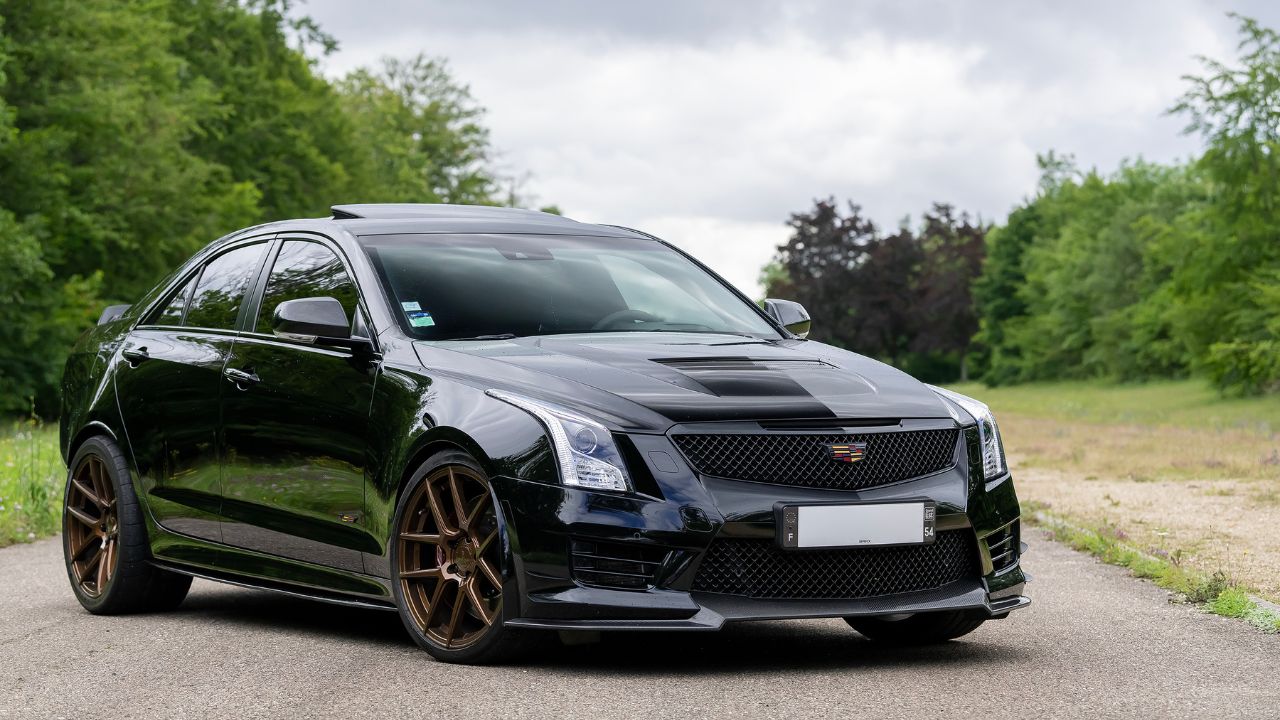
The ATS-V pushed the compact Cadillac formula much further. Its twin-turbocharged V6, performance brakes, upgraded suspension, and available manual transmission gave it the hardware needed to compete with serious European sport sedans. The car was relatively compact and restrained in appearance, which made its performance easy to underestimate. For drivers accustomed to large, softly sprung Cadillacs, the ATS-V represented a completely different interpretation of the brand.
Cadillac CT4-V Blackwing
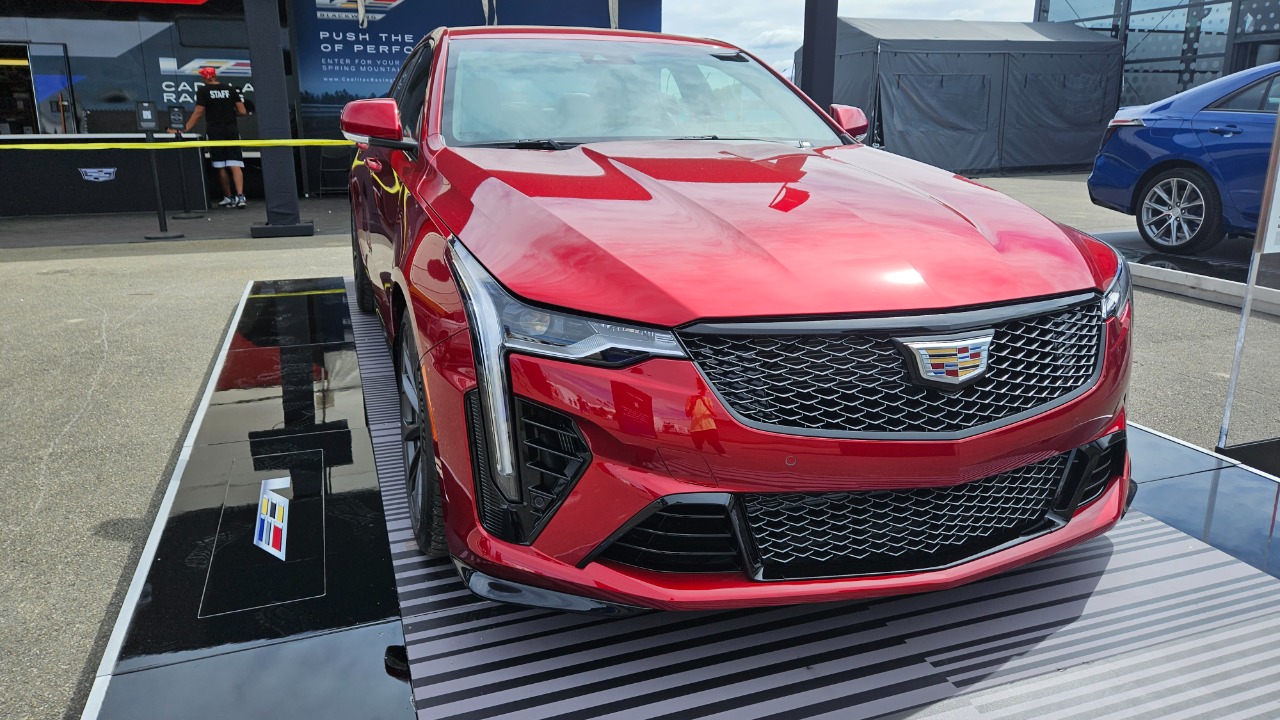
The CT4-V Blackwing continued Cadillac’s move toward compact performance sedans with an even more focused approach. Its twin-turbocharged V6, rear-wheel-drive chassis, performance-oriented suspension, and available six-speed manual transmission gave it a distinctly driver-focused character. Despite its luxury-car equipment and four-door practicality, the Blackwing was designed to deliver serious track capability. It showed just how far Cadillac had moved from its traditional image of large, softly tuned luxury cars.
Cadillac CT5-V Blackwing
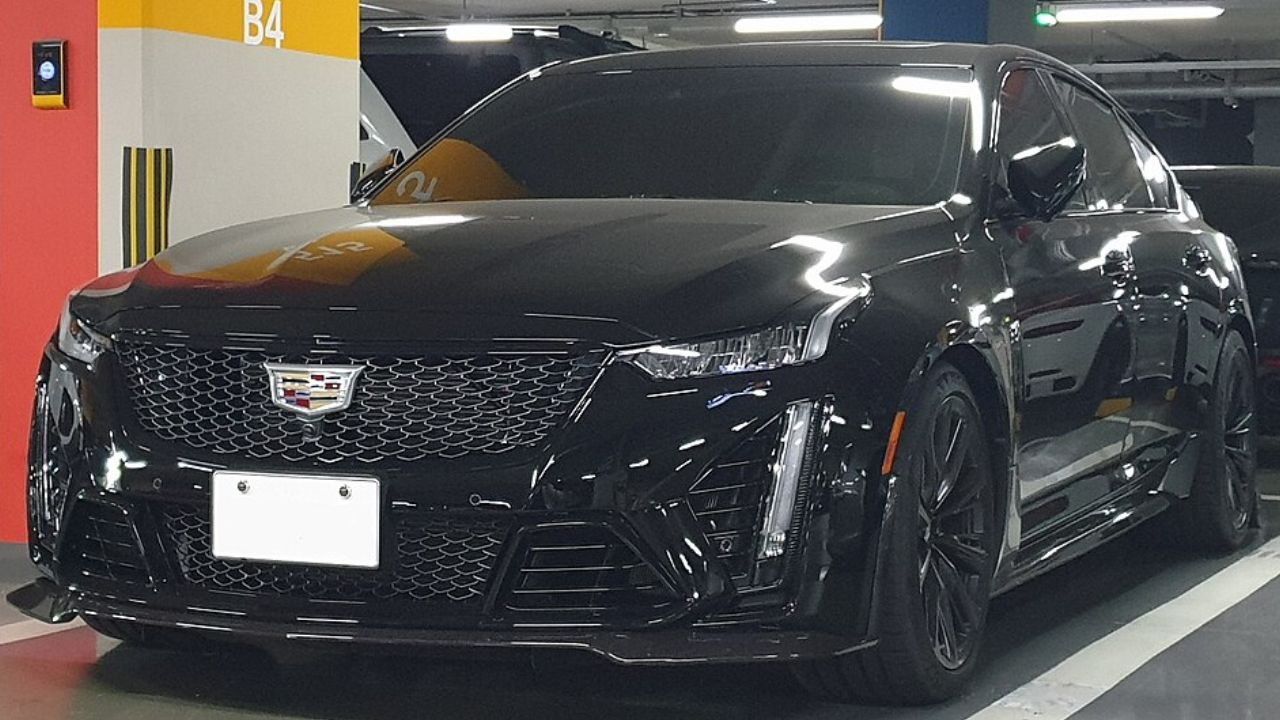
The CT5-V Blackwing combined a spacious luxury sedan with extraordinary performance capability. Its supercharged V8, rear-wheel-drive layout, large performance brakes, and available manual transmission gave it a mechanical character that stood apart from many modern luxury sedans. The car remained comfortable enough for everyday use while offering the hardware for serious high-speed driving. Its understated sedan shape made the performance particularly unexpected to anyone who judged it by appearance alone.
Cadillac ATS Coupe

The ATS Coupe gave Cadillac’s compact sport-sedan platform a lower, more focused two-door body. Rear-wheel drive, available turbocharged power, and responsive handling made it much more sporting than the traditional Cadillac coupe formula. It was still equipped like a luxury car, but the smaller proportions and tighter chassis tuning gave it a more immediate feel. The ATS Coupe represented another step in Cadillac’s effort to build cars that could appeal directly to driving enthusiasts.
Cadillac Eldorado Brougham
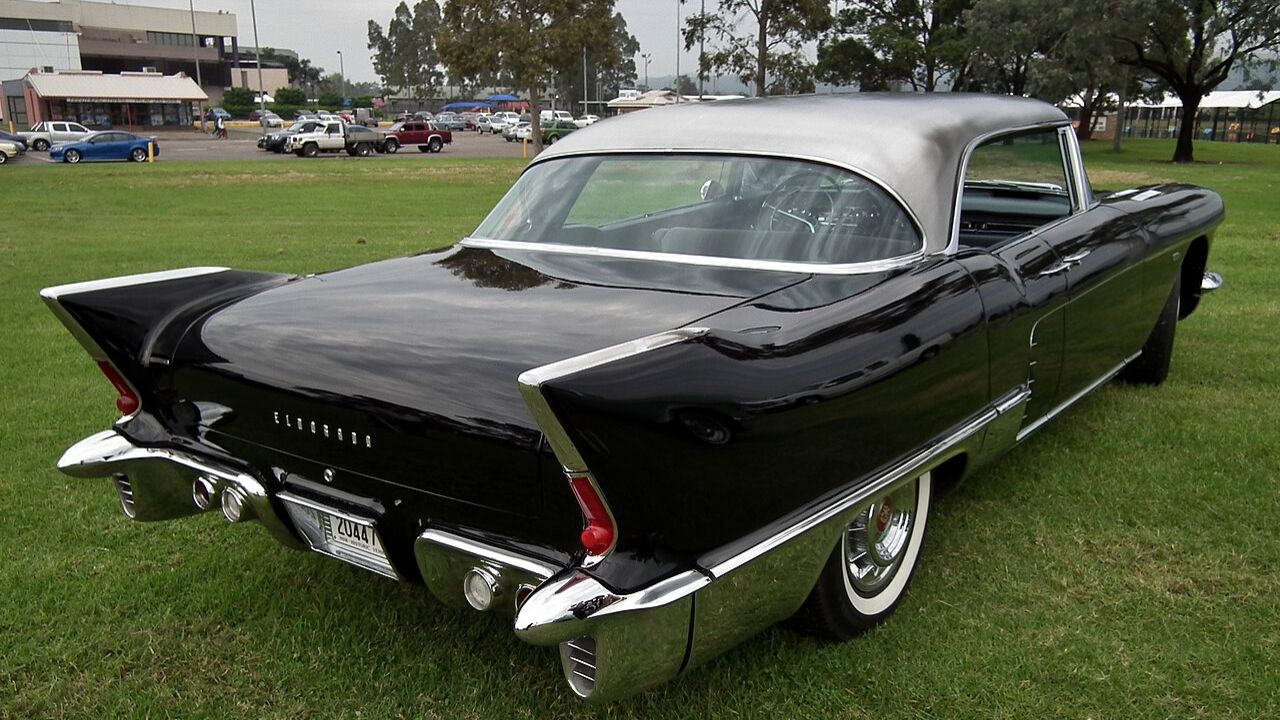
The Eldorado Brougham was famous for extravagant luxury, but its powerful drivetrain also gave the enormous sedan surprising straight-line ability for its time. It was packed with sophisticated features and represented the absolute top end of Cadillac’s late-1950s lineup. The combination of massive size and substantial power meant it could move with authority despite its limousine-like appearance. Its performance was never the main selling point, which makes its ability to accelerate so impressively even more interesting.
Cadillac Cimarron
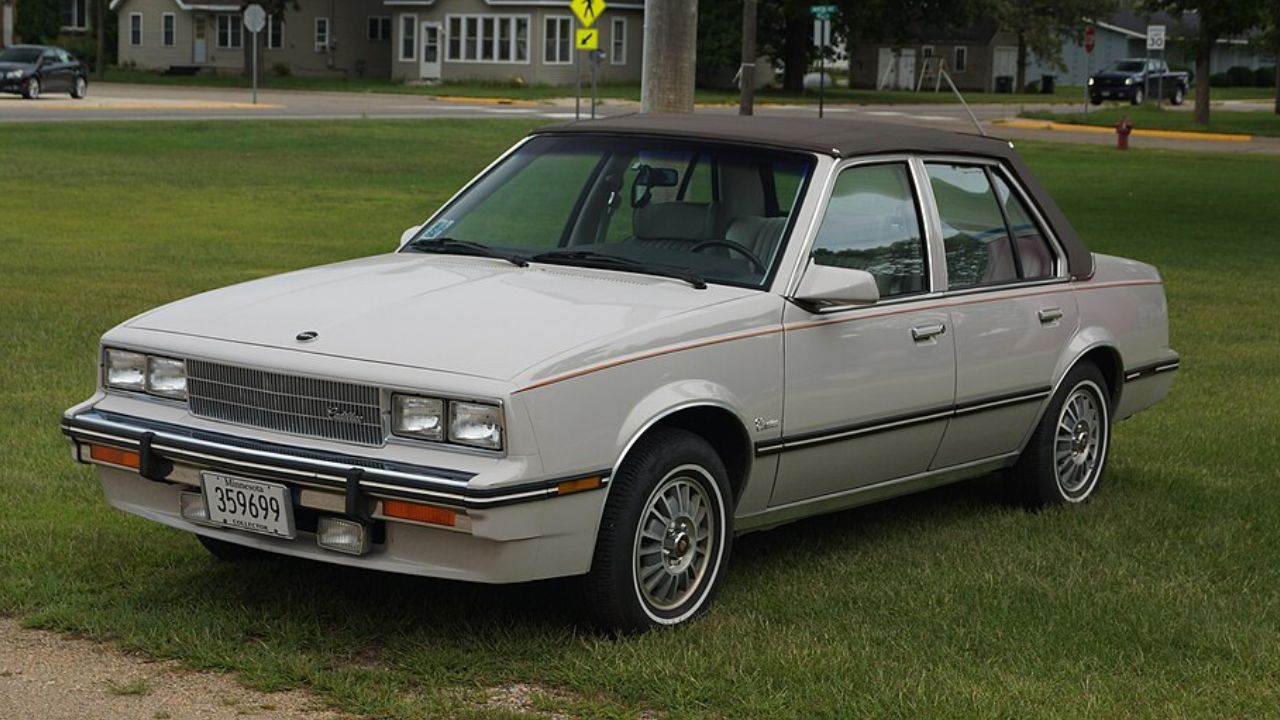
The Cimarron was Cadillac’s attempt to enter the compact luxury market, and its smaller dimensions gave it a very different character from the company’s traditional cars. It was not a high-performance model, but later versions offered more powerful engines and sport-oriented equipment. The important point was that Cadillac was experimenting with a much smaller, lighter platform at a time when the brand was searching for a new direction. Its compact size alone made it feel unusual for a Cadillac.
Cadillac CT6-V
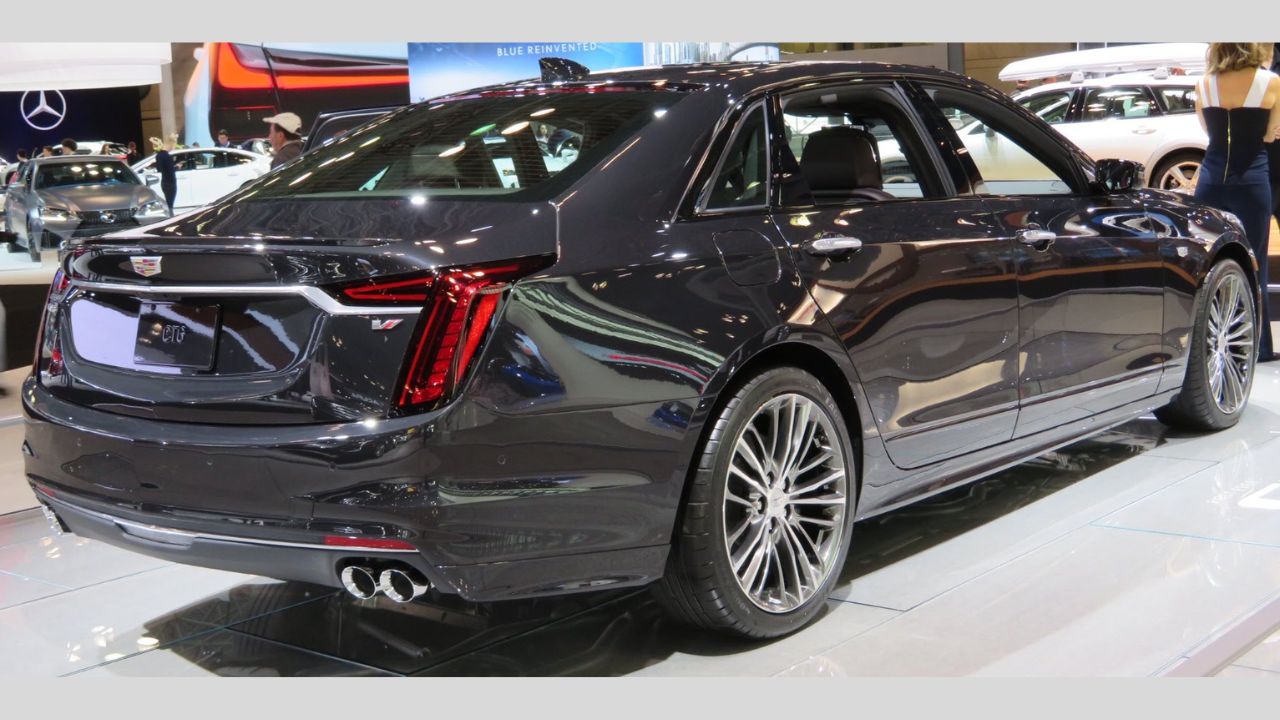
The CT6-V combined the spaciousness of a large luxury sedan with a surprisingly serious performance package. Its twin-turbocharged V8, all-wheel drive, sophisticated chassis, and performance-focused tuning gave it capabilities far beyond what its formal appearance suggested. The CT6-V could serve as a comfortable long-distance luxury car while also delivering substantial acceleration and handling ability. It was one of Cadillac’s clearest demonstrations that a large luxury sedan could still be engineered around genuine performance.
More from Fast Lane Only
- Unboxing the WWII Jeep in a Crate
- 15 rare Chevys collectors are quietly buying
- 10 underrated V8s still worth hunting down
- Police notice this before you even roll window down
*Research for this article included AI assistance, with all final content reviewed by human editors.