British roadsters were never really about having the biggest engine or the fastest acceleration. Their appeal came from light weight, simple mechanics, open-air driving, and the feeling that every mile was an event. Some have become valuable collectibles, while others remain affordable gateways into classic motoring. These 20 roadsters still have enthusiasts searching for the right one.
MG MGA
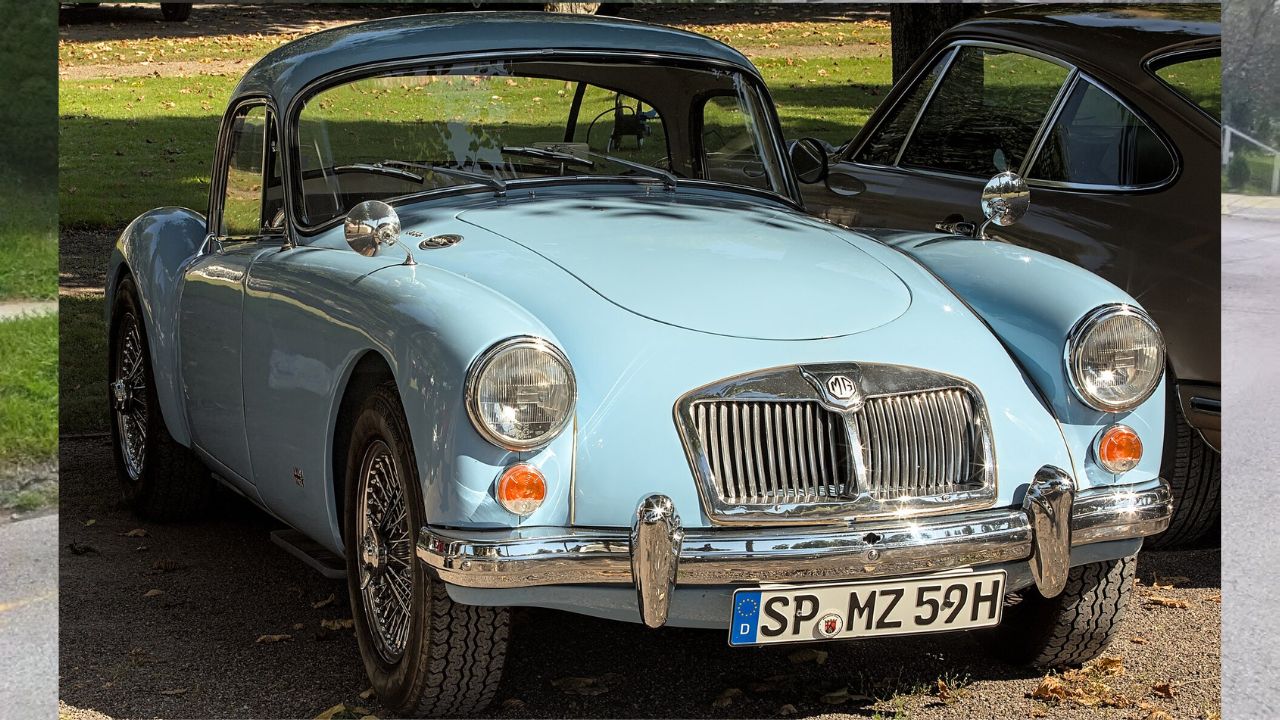
The MGA replaced MG’s older sports-car design with a much sleeker shape and quickly became one of Britain’s most recognizable roadsters. Its low body, simple mechanical layout, and light weight made it enjoyable without needing huge horsepower. Clean examples are increasingly sought after because they capture the classic British roadster formula without unnecessary complexity.
MG MGB
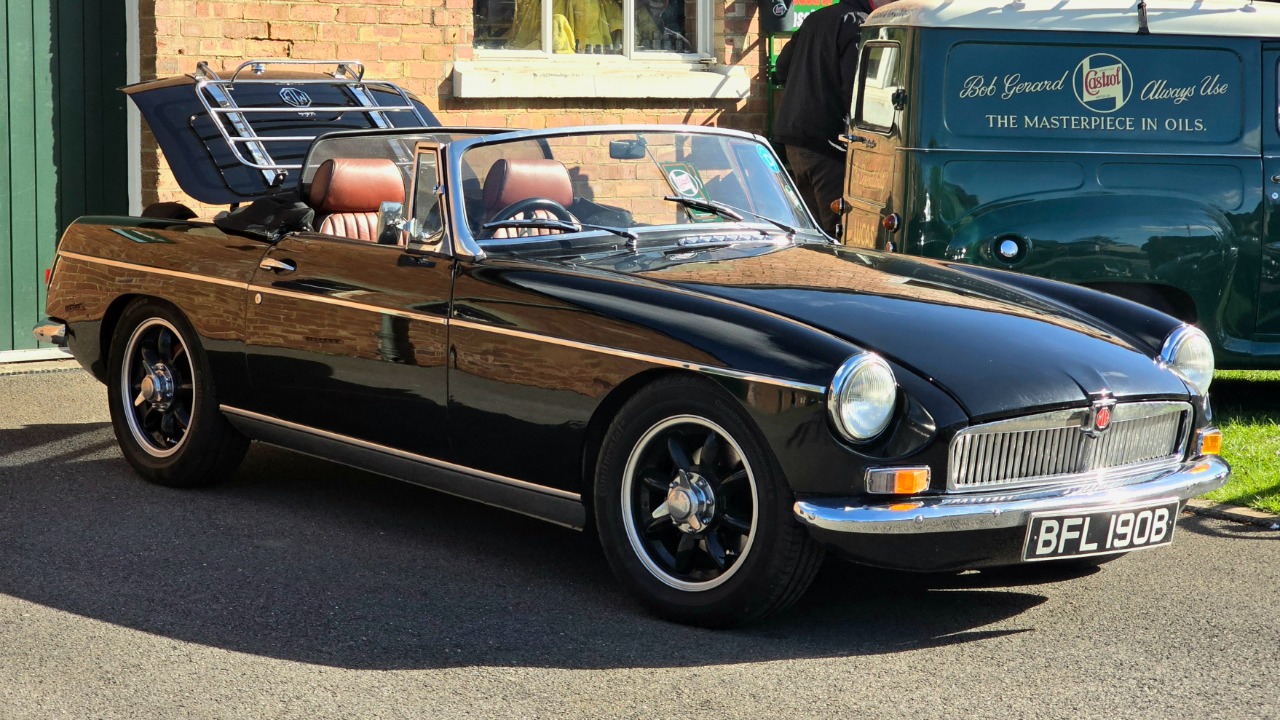
The MGB became one of the defining British sports cars of its era and remains a favorite among enthusiasts. Its compact dimensions, simple controls, and plentiful parts support make it relatively approachable compared with many vintage sports cars. The roadster version is especially desirable because it delivers the open-air experience that made British sports cars so popular.
MG Midget
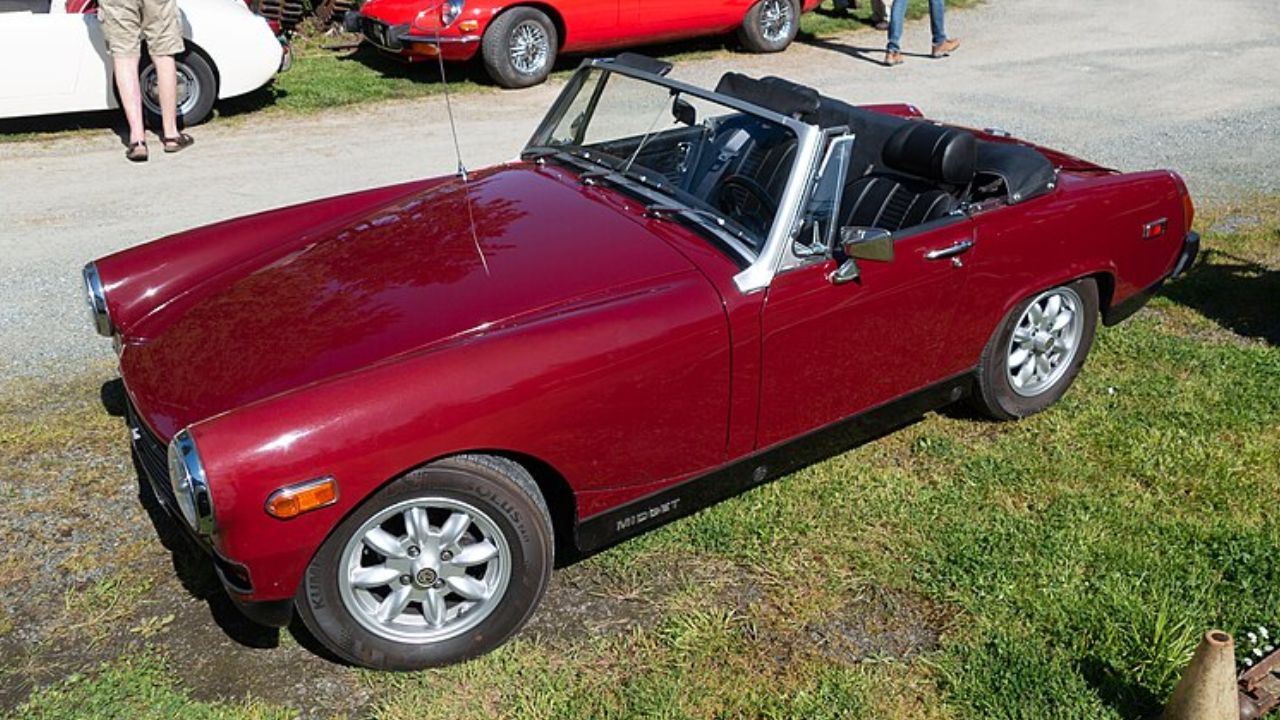
The MG Midget was small, inexpensive, and wonderfully simple, which explains much of its lasting appeal. Its modest engine was never the main attraction. Instead, the lightweight chassis and low driving position made ordinary roads feel entertaining. Enthusiasts still chase good examples because they offer a pure sports-car experience without requiring exotic-car money.
Triumph Spitfire
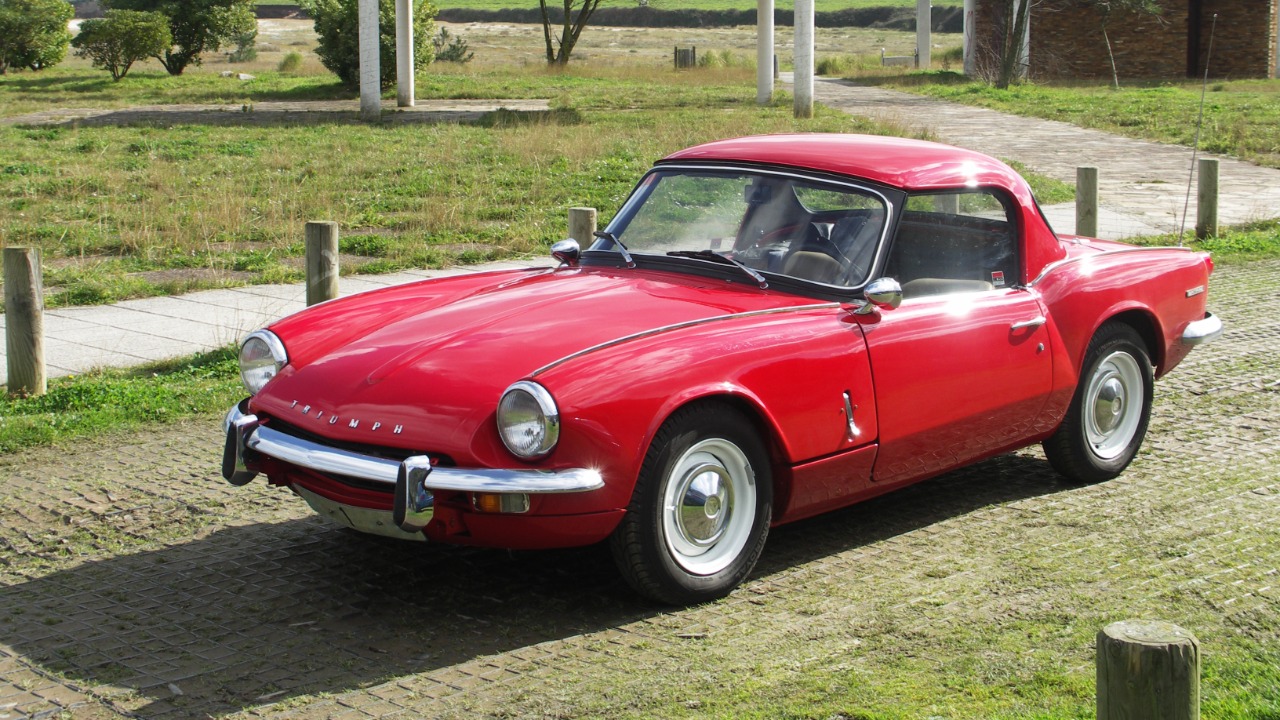
The Triumph Spitfire combined a tiny footprint with unmistakable British styling. Its compact size made it entertaining on winding roads, while the flip-up hood and simple mechanical components gave it plenty of character. Well-preserved examples are increasingly desirable, particularly among enthusiasts who want an uncomplicated classic roadster they can actually drive and enjoy.
Triumph TR3
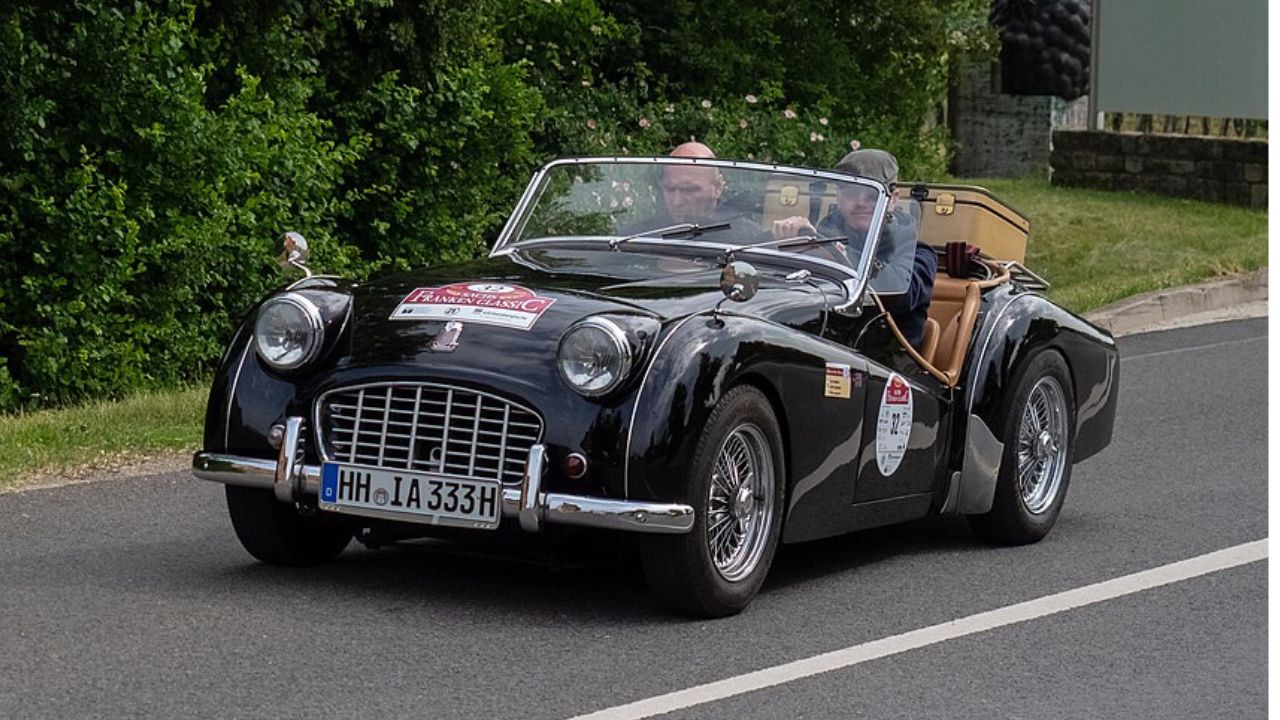
The TR3 brought a tougher personality to the British roadster market. Its upright grille, exposed front suspension, and muscular proportions gave it a distinctive appearance, while its four-cylinder engine provided enough performance to make the lightweight car entertaining. The TR3 remains a favorite among enthusiasts who prefer their classics simple, mechanical, and unmistakably old-school.
Triumph TR4
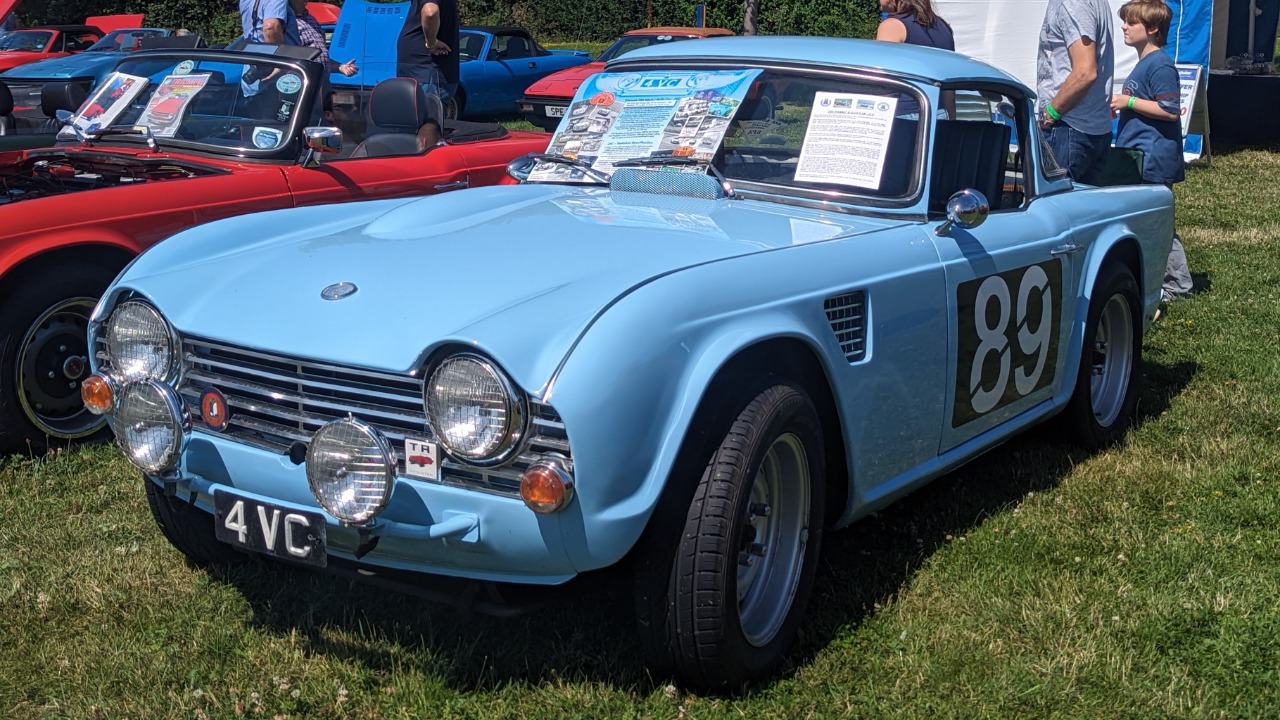
The TR4 modernized the traditional Triumph formula with sharper styling and a more comfortable interior. It retained the basic character enthusiasts loved while making the car easier to live with. Its crisp lines have aged extremely well, and good examples continue to attract buyers who want a British roadster that feels purposeful without becoming overly complicated.
Triumph TR6
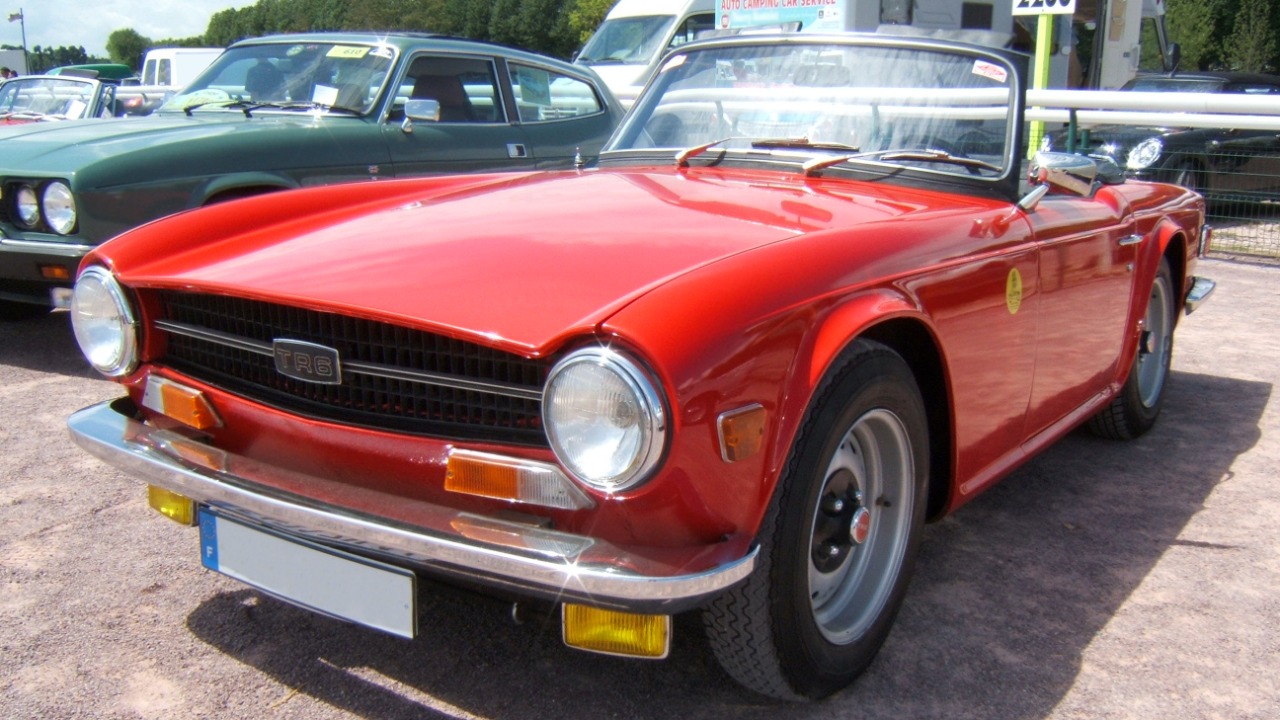
The TR6 is one of the British roadsters that enthusiasts tend to recognize immediately. Its long hood, squared-off body, and six-cylinder engine give it a stronger presence than smaller British sports cars. The combination of traditional styling and relatively straightforward mechanics has kept demand strong, particularly for well-maintained examples with solid bodies.
Triumph TR7
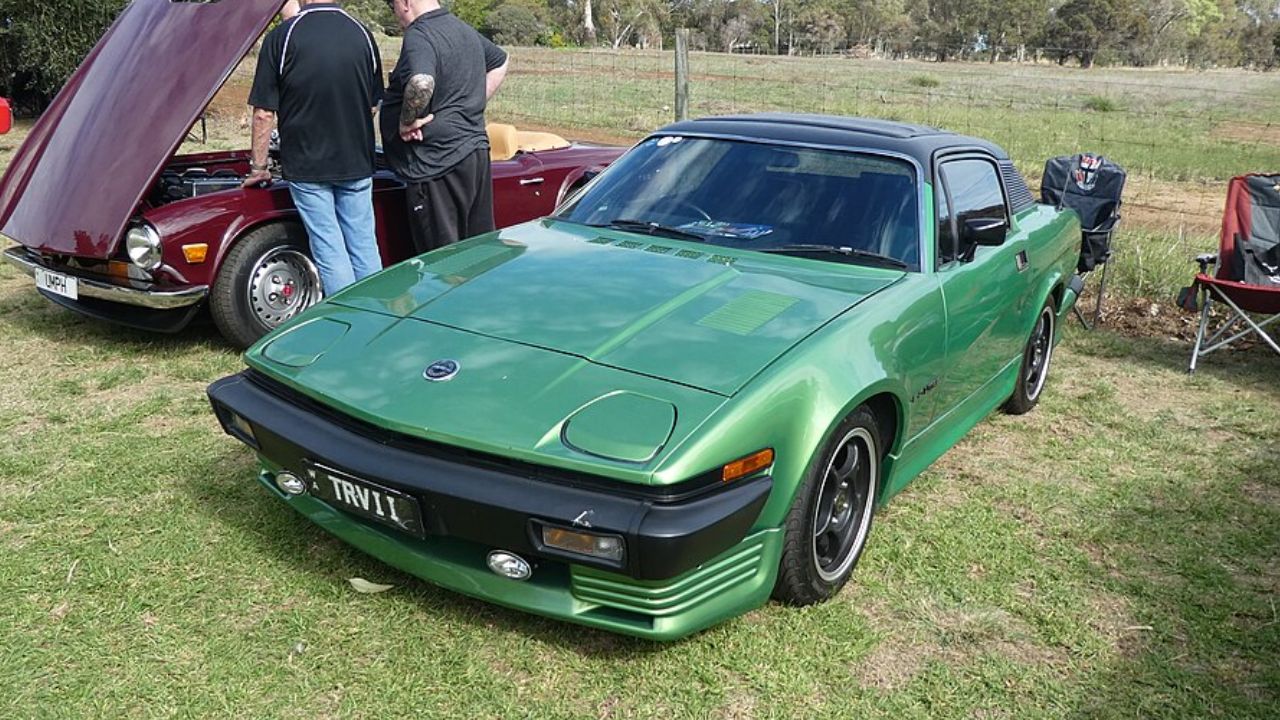
The TR7 was radically different from earlier Triumph roadsters, with wedge-shaped styling replacing the traditional rounded look. That design initially divided enthusiasts, but time has been kinder to the car. Its unusual appearance now gives it a growing following among collectors who appreciate overlooked British classics and want something different from the usual TR6 or MGB.
Triumph TR8
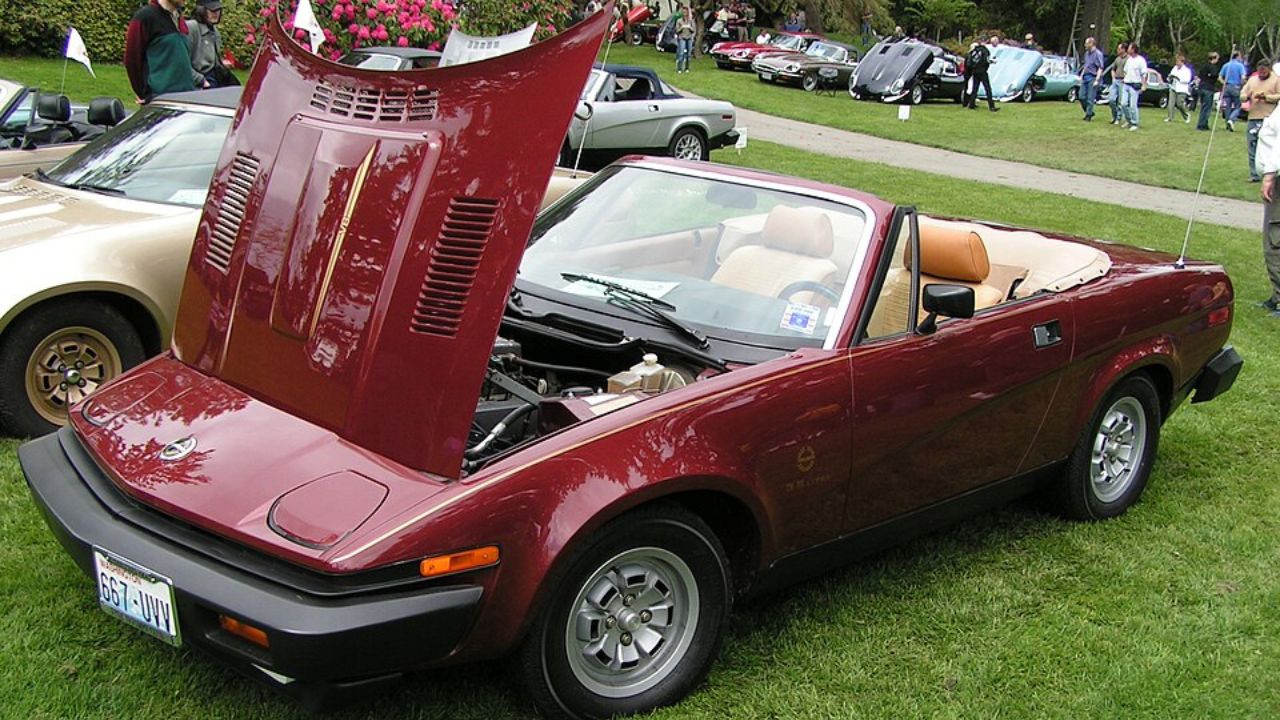
The TR8 took the TR7 formula and gave it the engine enthusiasts really wanted. Its lightweight body paired with a V8 created a much more serious performance car, making it one of the most interesting late British roadsters. Limited production ensured that surviving examples remained unusual, and collectors continue to look for original, properly preserved cars.
Austin-Healey Sprite
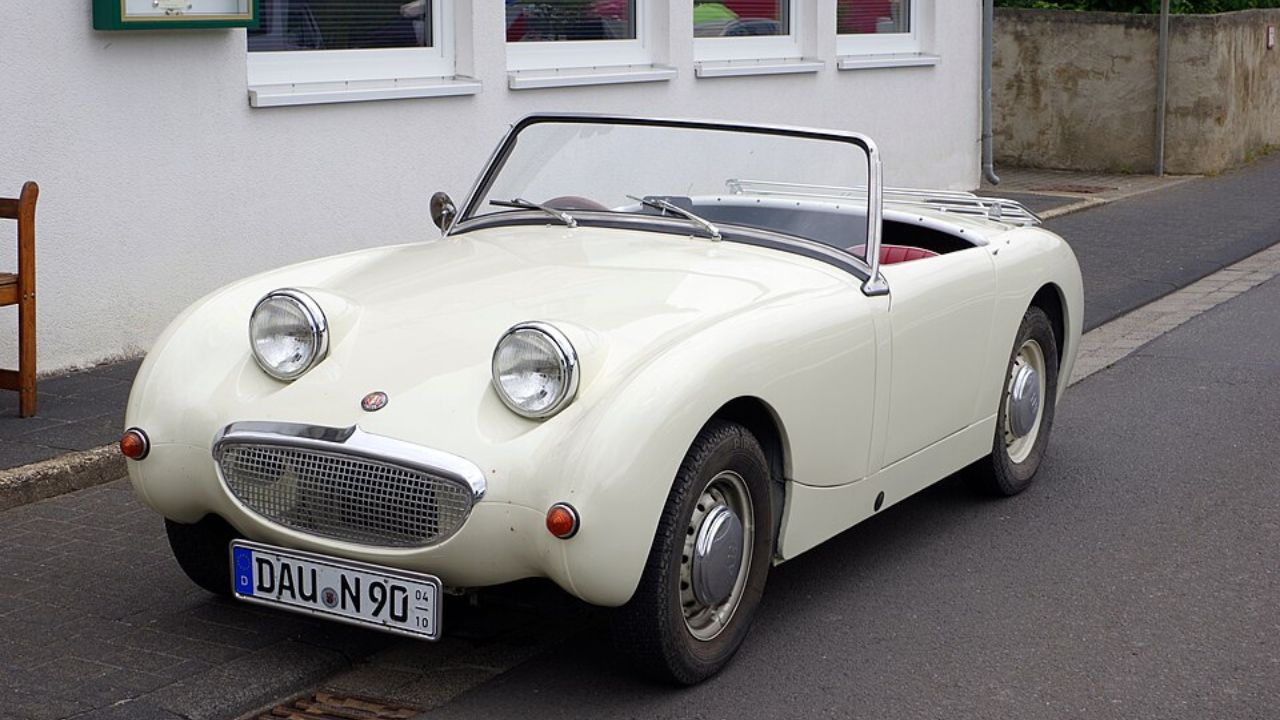
The Austin-Healey Sprite became famous for its tiny size and cheerful personality. Early examples, particularly the distinctive “Frogeye” models, have become highly collectible. The Sprite proves that a sports car doesn’t need huge power to be entertaining. Its lightweight construction and simple driving experience continue to attract enthusiasts who value involvement over outright speed.
Austin-Healey 100
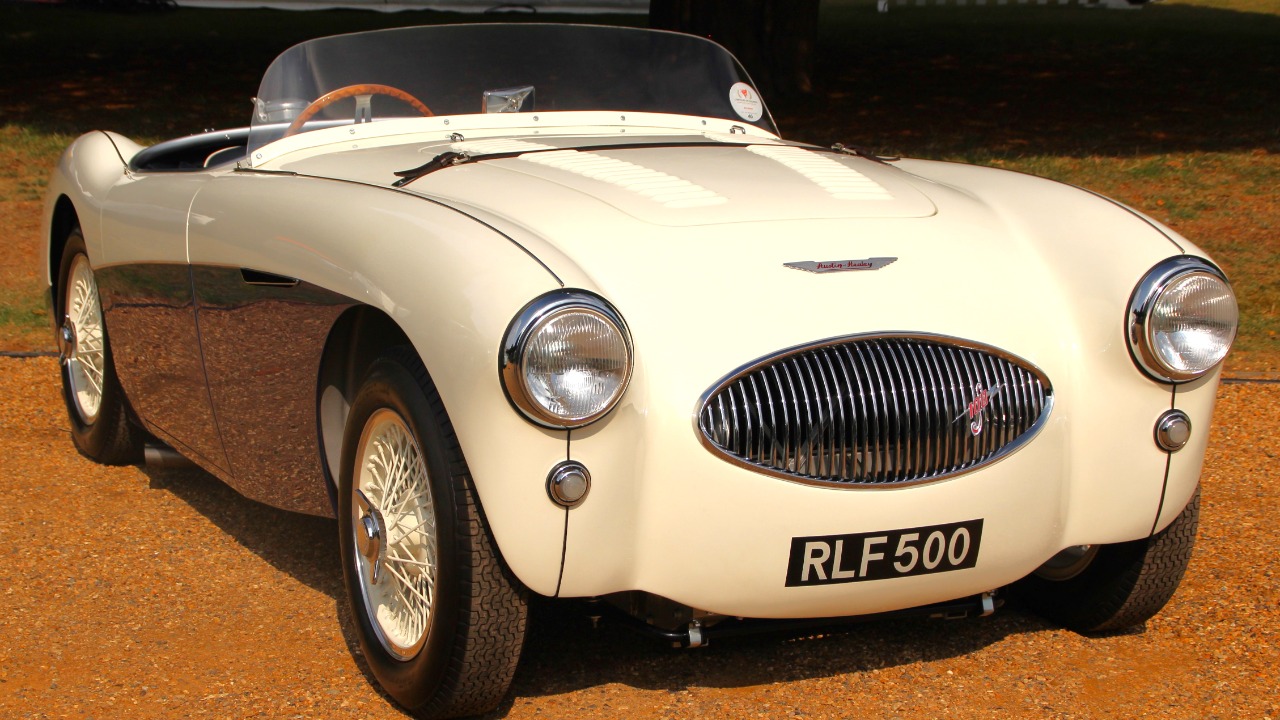
The Austin-Healey 100 helped establish the Healey name as a serious force in British sports cars. Its larger engine and substantial body gave it more highway capability than many smaller roadsters of the period. The combination of elegant styling and genuine performance has made the 100 a favorite among collectors searching for an authentic postwar British sports car.
Austin-Healey 3000
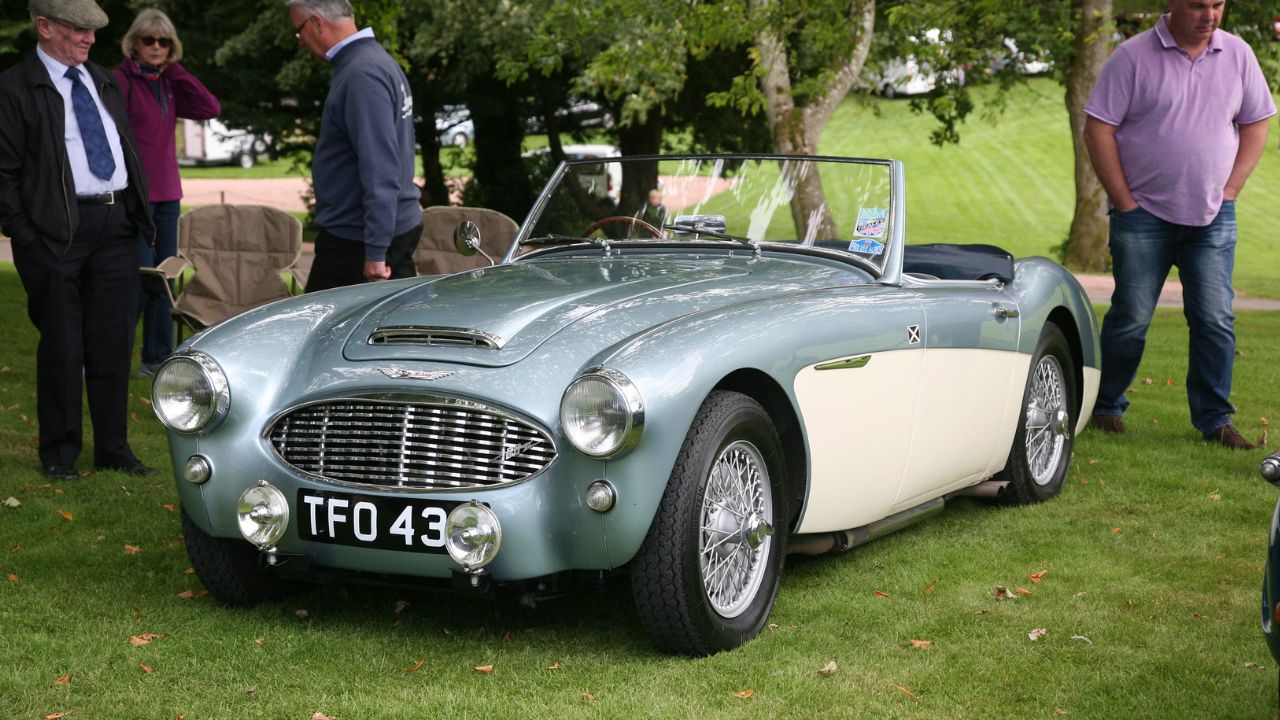
The Austin-Healey 3000 is arguably one of the most desirable traditional British roadsters. Its six-cylinder engine, handsome proportions, and distinctive grille give it a strong presence without looking excessive. It also has an important place in British motorsport history. Enthusiasts continue to chase good examples because the 3000 delivers both character and genuine performance.
Sunbeam Alpine
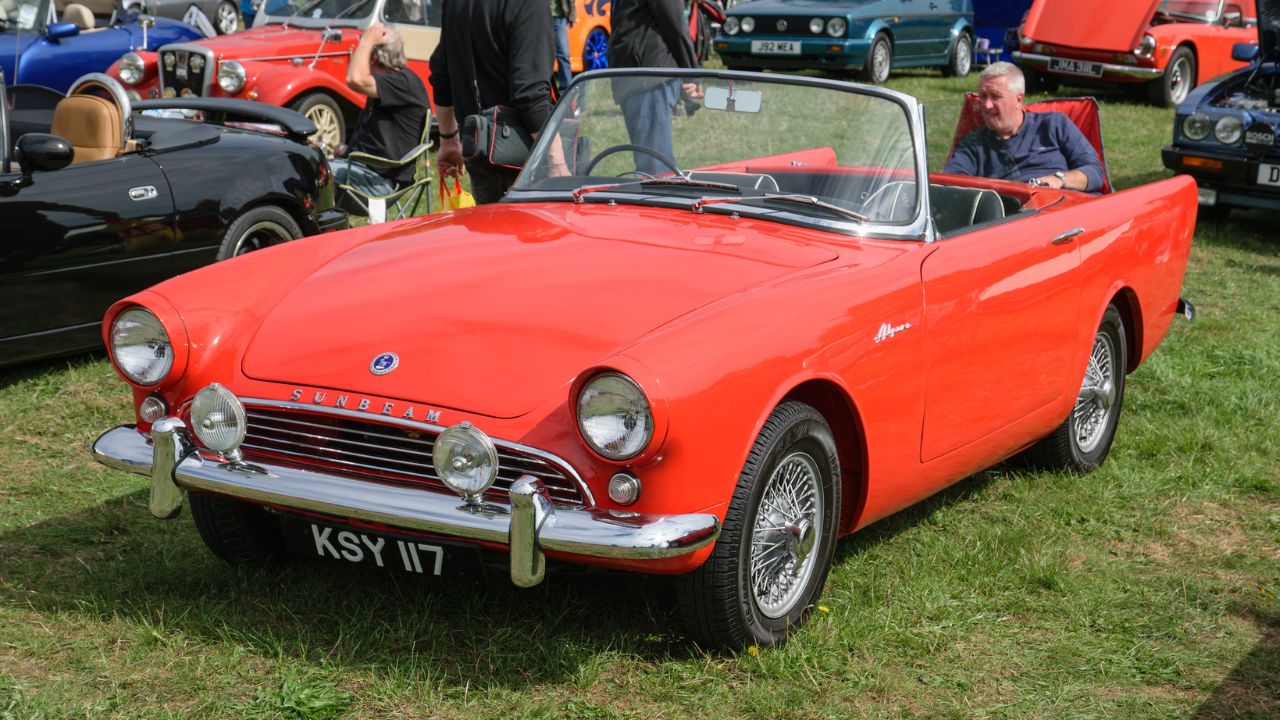
The Sunbeam Alpine offered a more polished interpretation of the British roadster formula. Its attractive styling, compact dimensions, and comfortable cabin helped it appeal to drivers who wanted something sportier without sacrificing everyday usability. Later versions gained more power, but even earlier cars remain interesting because of their clean lines and connection to Britain’s postwar sports-car boom.
Sunbeam Tiger
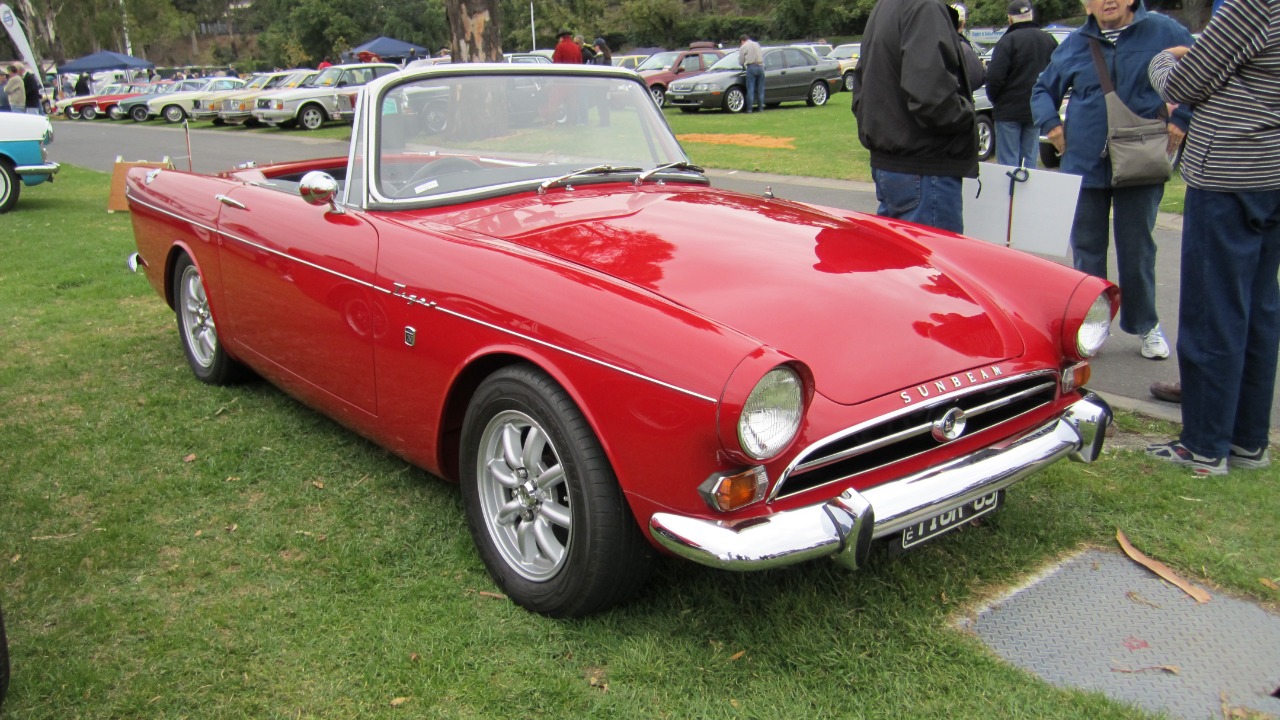
The Sunbeam Tiger transformed the Alpine into something much more exciting by fitting a Ford V8 into its compact body. The result was a lightweight British roadster with American power, giving it performance far beyond what its appearance suggested. Limited production has made good examples increasingly desirable, especially among enthusiasts who appreciate unusual combinations of British design and V8 muscle.
Lotus Elan
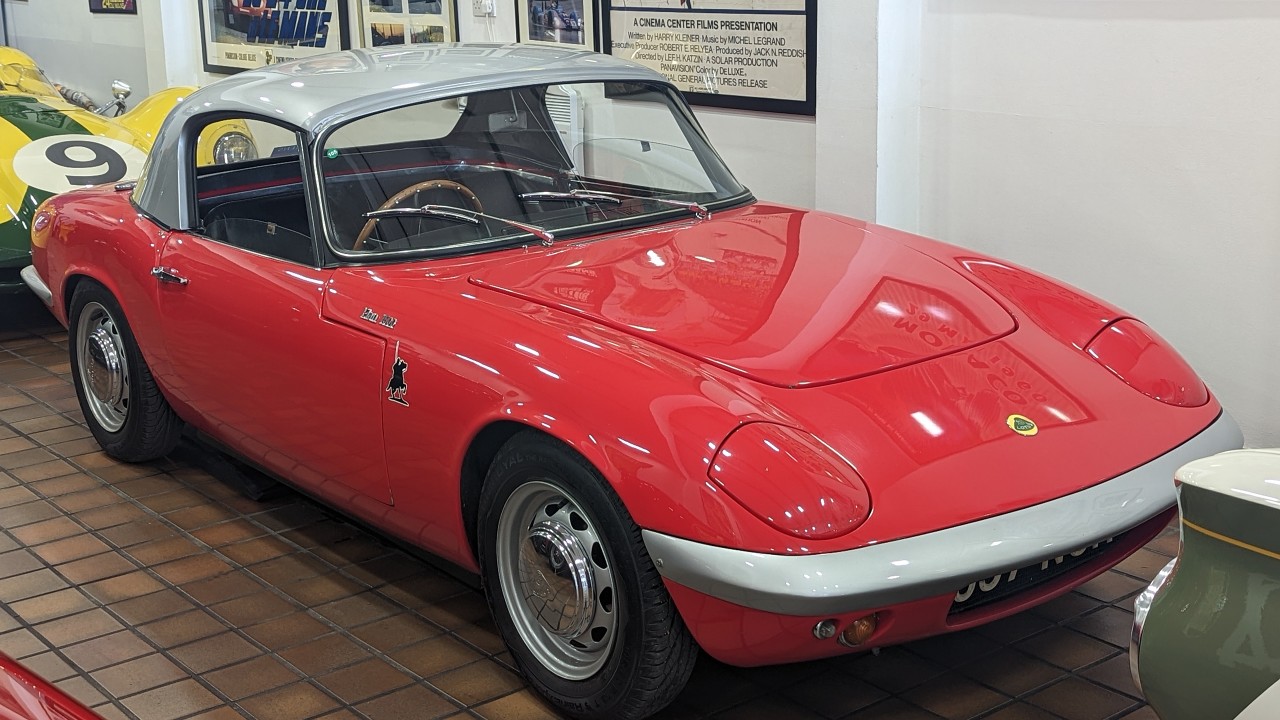
The Lotus Elan became a benchmark for lightweight sports-car engineering. Colin Chapman’s philosophy of minimizing weight shaped virtually every aspect of the car, creating a roadster that felt far quicker and more responsive than its engine output suggested. Its delicate construction can demand careful ownership, but serious enthusiasts still chase Elans because few cars deliver the same driving feel.
Lotus Seven
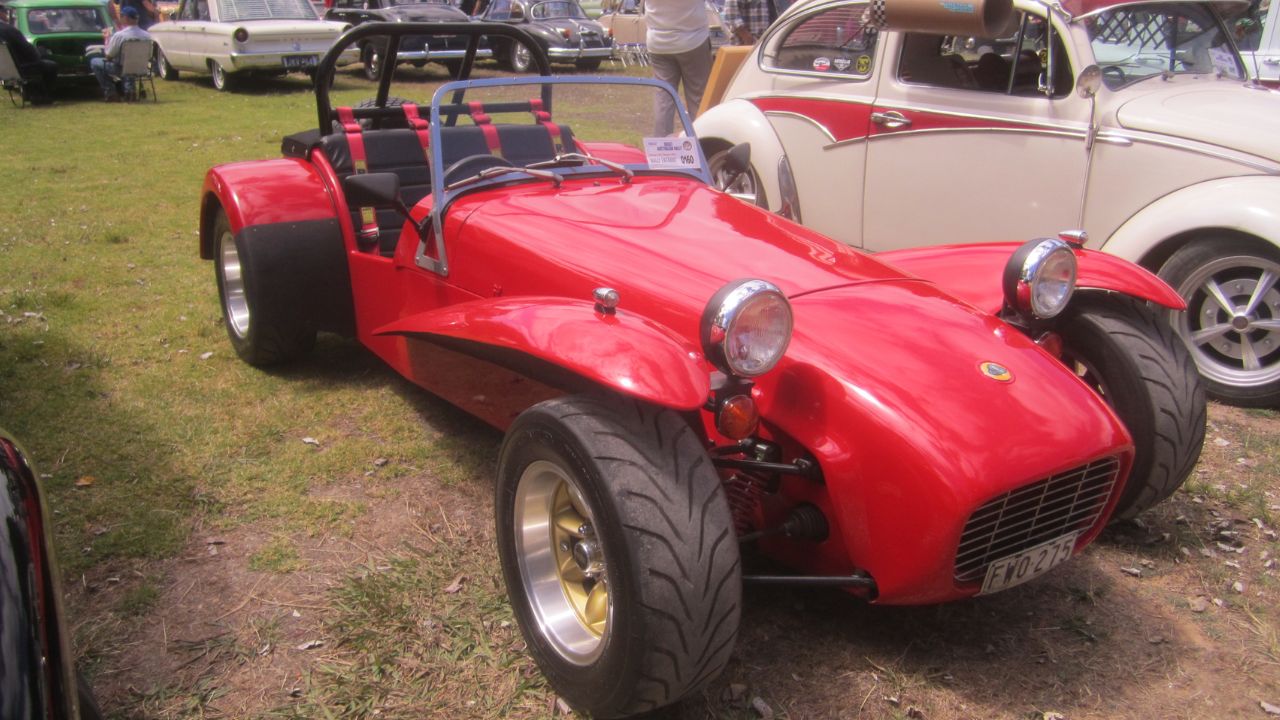
The Lotus Seven stripped the sports car down to its essentials. There was little unnecessary weight, comfort equipment, or bodywork standing between the driver and the road. That simplicity became its greatest strength. Modern descendants exist, but original Sevens remain highly desirable among enthusiasts who want the purest possible expression of lightweight British sports-car philosophy.
Jaguar XK120
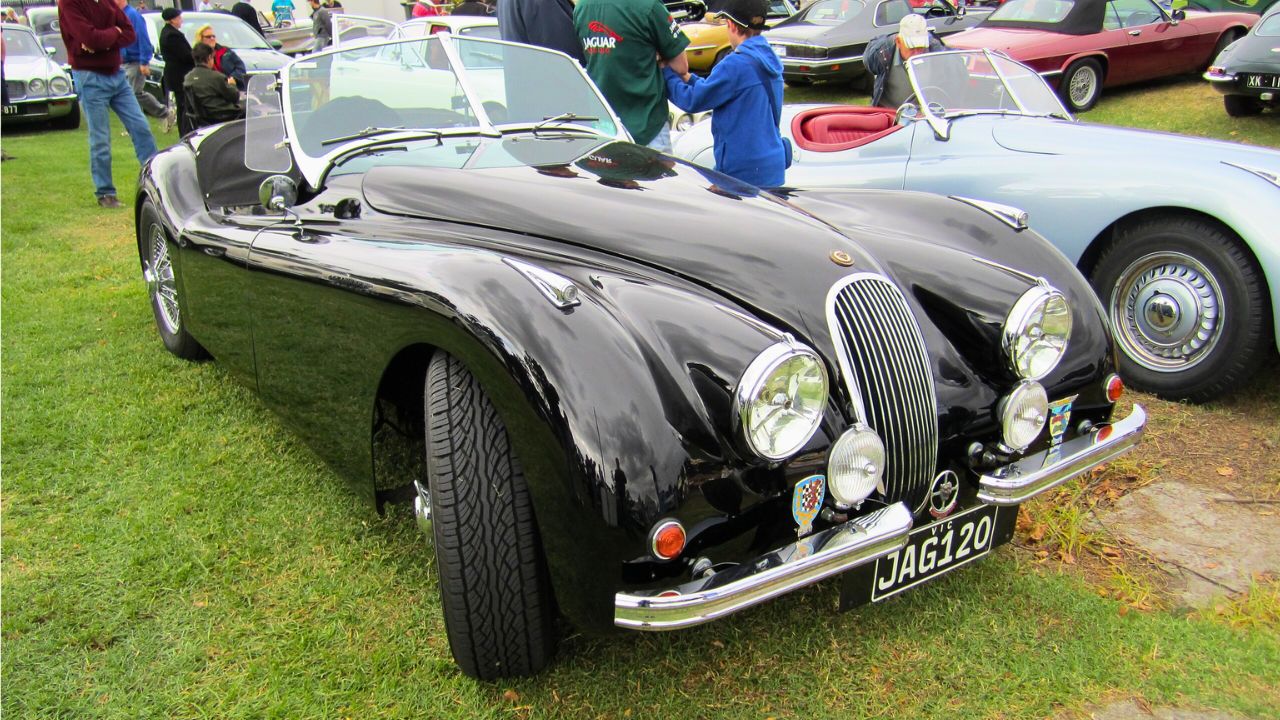
The Jaguar XK120 was one of Britain’s most important postwar sports cars. Its long hood, sweeping body, and powerful inline-six engine gave it an exotic appearance and impressive performance. The roadster version is particularly sought after today. Its combination of elegant styling and genuine speed made the XK120 a landmark for Jaguar and British performance cars.
Jaguar XK150
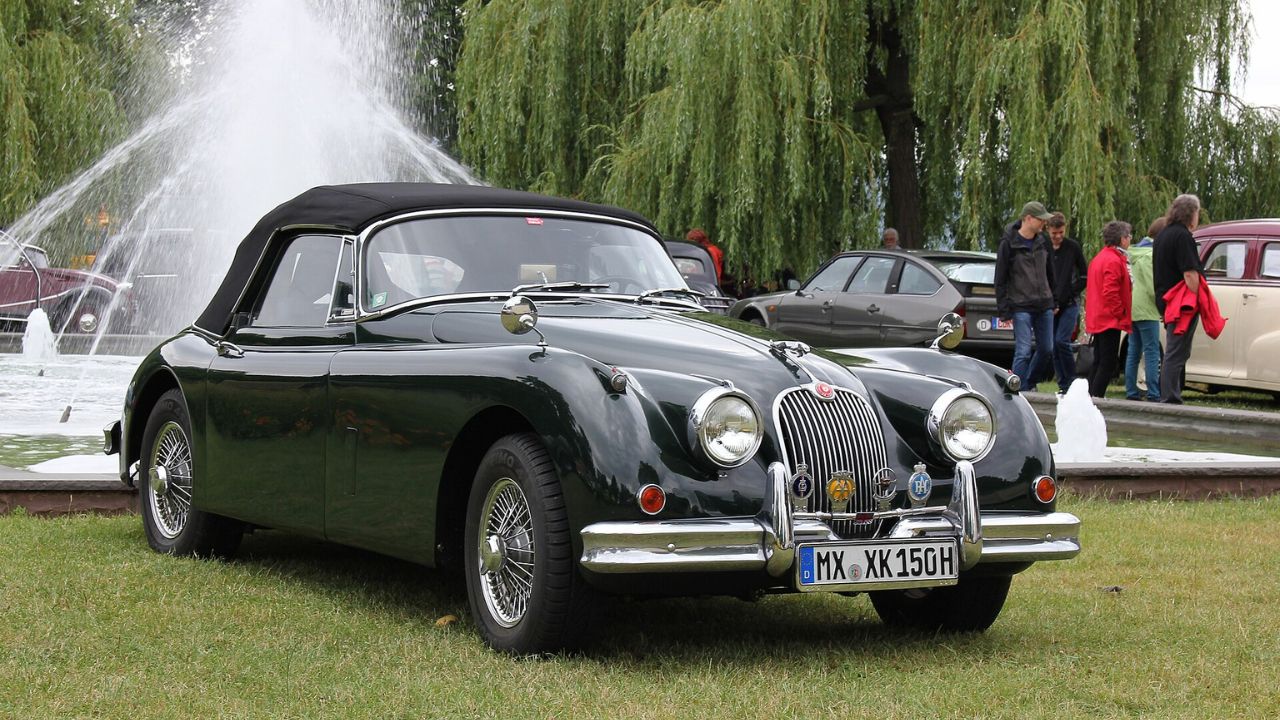
The XK150 refined the XK formula with more comfort and a slightly more substantial appearance. It remained unmistakably a Jaguar, with a long hood, sweeping fenders, and a powerful six-cylinder engine. The roadster is especially appealing to collectors because it combines classic Jaguar styling with a more usable character than some earlier examples.
Morgan Plus 4
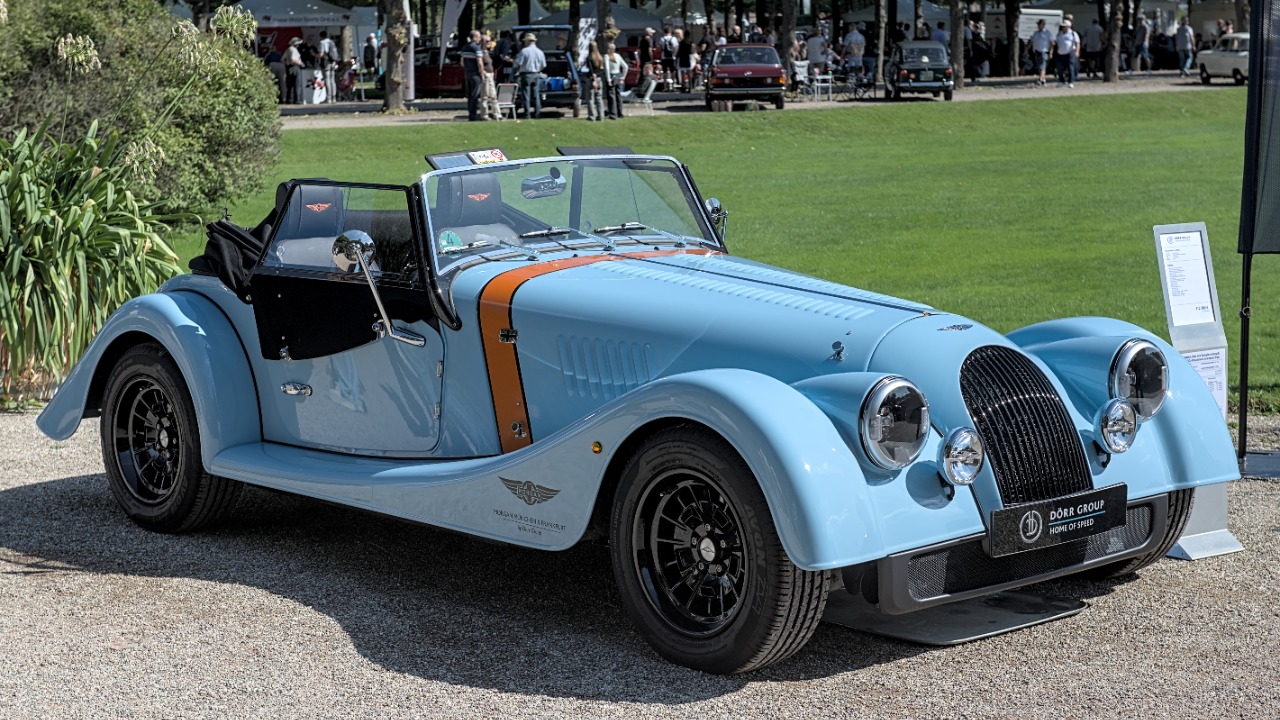
The Morgan Plus 4 has remained remarkably faithful to its original philosophy. Its traditional appearance hides a sports car built around lightweight construction and an old-fashioned driving experience. Morgan’s limited production has helped preserve its exclusivity, while the distinctive body makes it instantly recognizable. Enthusiasts who want something genuinely different still seek them out.
Morgan Plus 8
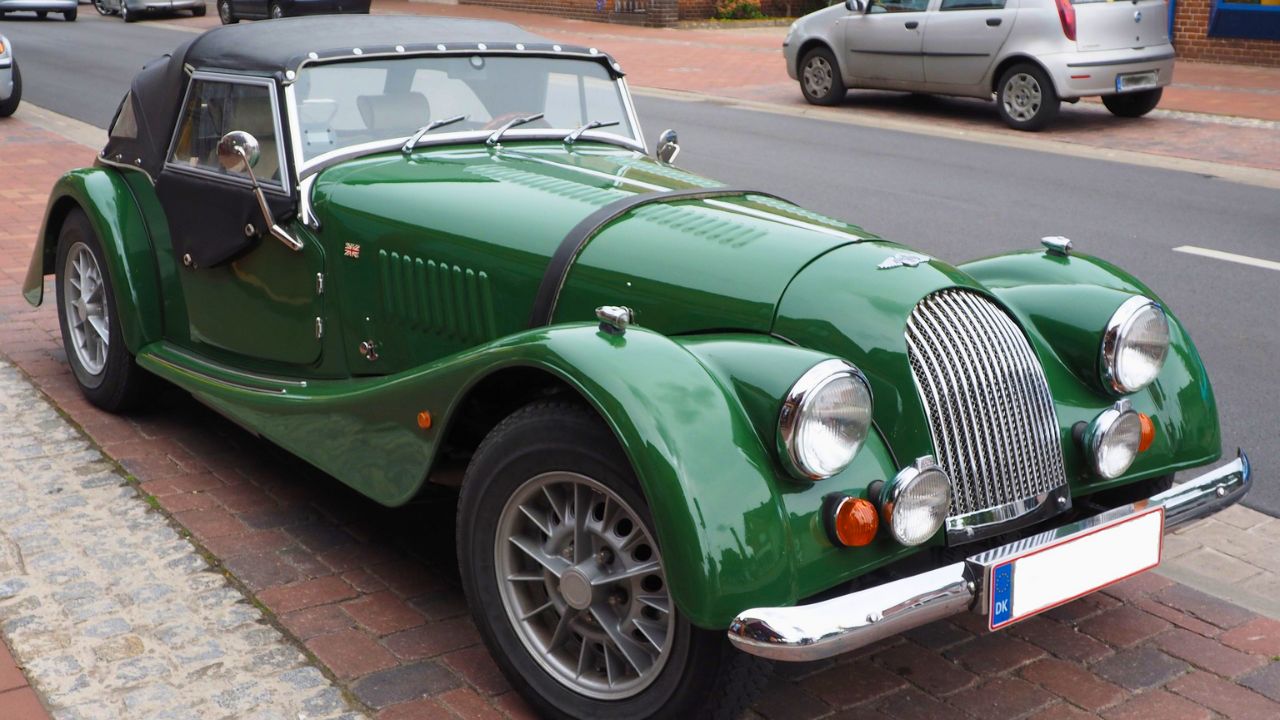
The Morgan Plus 8 added serious V8 performance to Morgan’s traditional lightweight formula. The result was an unusual combination of old-fashioned styling and strong acceleration. Its hand-built character and relatively limited production make it particularly appealing to collectors. For enthusiasts who want a British roadster that feels completely unlike a modern sports car, the Plus 8 remains hard to resist.
More from Fast Lane Only
- Unboxing the WWII Jeep in a Crate
- 15 rare Chevys collectors are quietly buying
- 10 underrated V8s still worth hunting down
- Police notice this before you even roll window down
*Research for this article included AI assistance, with all final content reviewed by human editors.