Oldsmobile built far more interesting cars than its eventual reputation suggests. The division pioneered new technology, created some genuinely quick performance cars, and produced stylish models that once filled American roads. Many have since faded from memory as collectors concentrated on better-known names. These 20 Oldsmobiles stand out because they combined distinctive engineering, unusual styling, strong performance, or limited production in ways that make them increasingly interesting today.
Oldsmobile Rocket 88
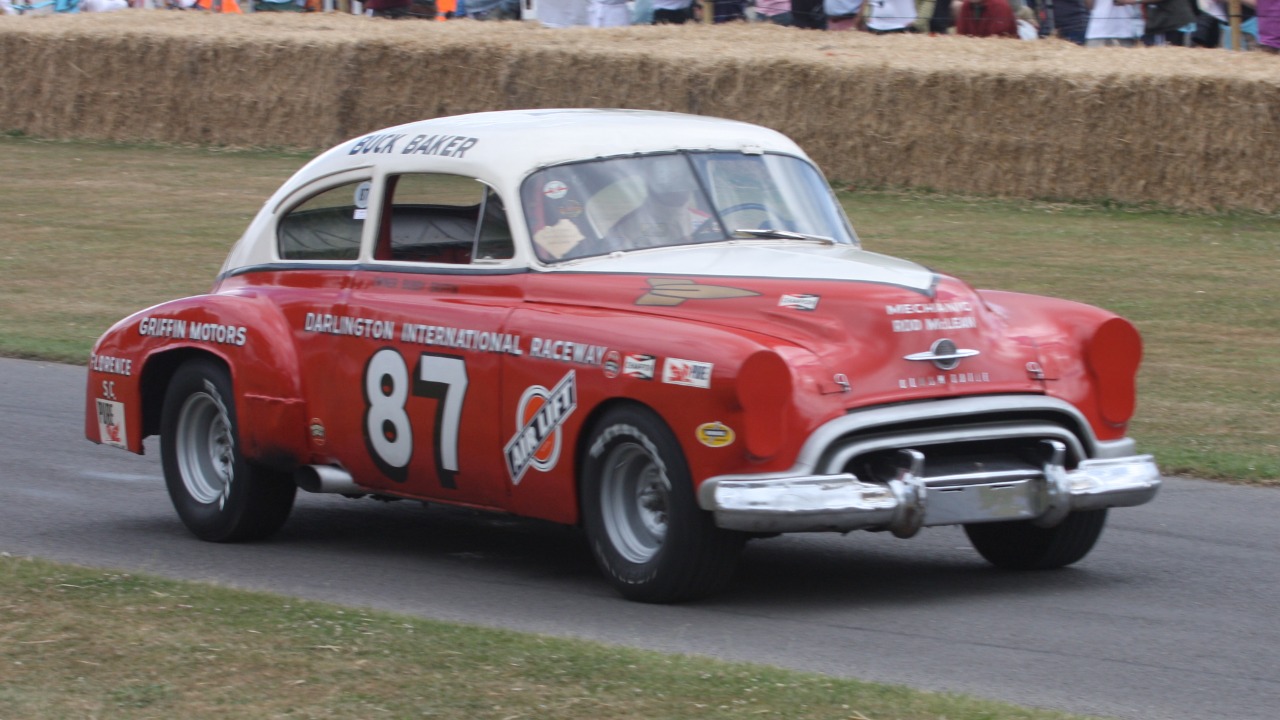
The Rocket 88 is one of the most important cars in Oldsmobile history and one of the earliest American cars associated with the emerging muscle-car formula. Its combination of a relatively lightweight body and Oldsmobile’s new overhead-valve V8 gave it an impressive performance advantage. The car also became famous through early NASCAR competition, further establishing its reputation. Although it is now overshadowed by later muscle cars, the Rocket 88 deserves serious collector attention because it represents a crucial moment when Oldsmobile helped establish the template for powerful American performance cars.
Oldsmobile Starfire

The Starfire was Oldsmobile’s sporty full-size offering during the early 1960s. It combined a sleek hardtop or convertible body with a powerful Rocket V8 and a more luxurious interior than many performance-oriented cars. Bucket seats, a center console, and available high-output engines gave it a personality that separated it from ordinary Oldsmobiles. The Starfire has since been overshadowed by the later 442, but its combination of luxury and performance makes it an interesting collector car. Its relatively limited production also adds to its appeal among Oldsmobile enthusiasts.
Oldsmobile Jetfire
The Jetfire was one of the most technically ambitious Oldsmobiles ever built. Based on the compact F-85, it used a turbocharged version of Oldsmobile’s small aluminum V8, making it one of the earliest turbocharged production passenger cars. The system even used a special fluid mixture to manage detonation. The technology was complicated for its time and the system proved difficult to maintain, but that is part of what makes surviving Jetfires fascinating today. It represents Oldsmobile experimenting with forced induction long before turbocharging became commonplace.
Oldsmobile F-85
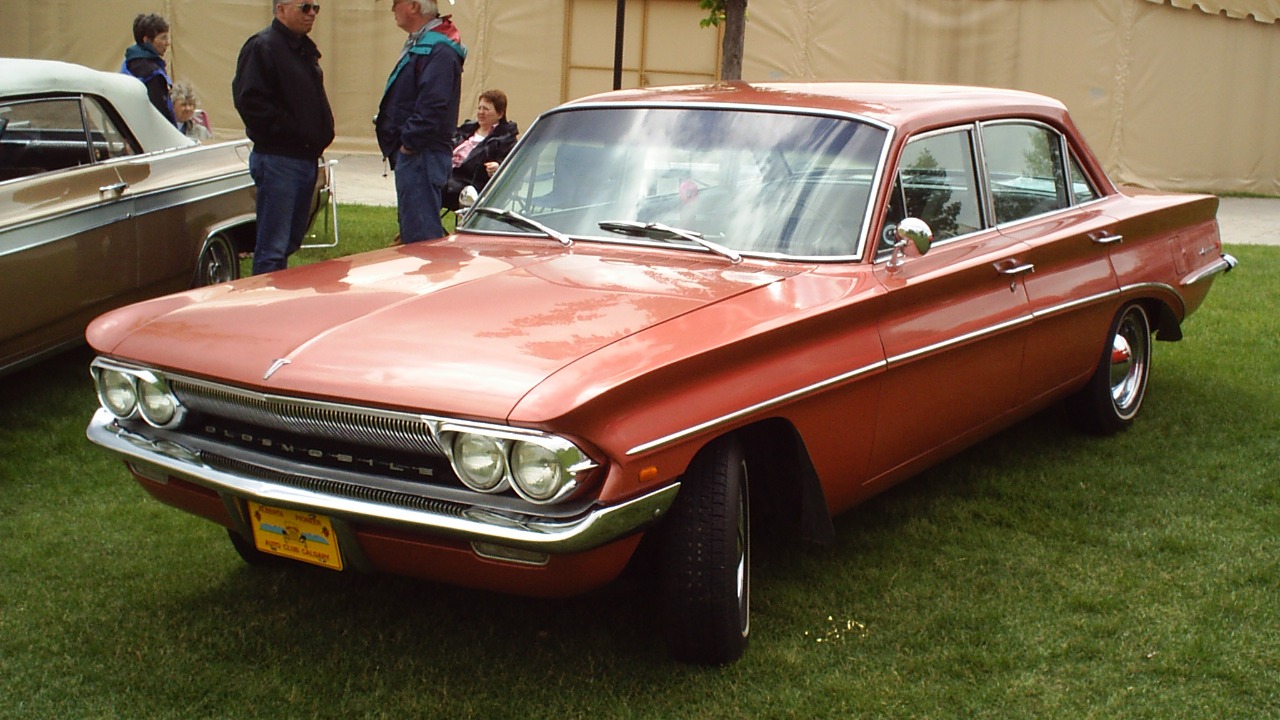
The F-85 was Oldsmobile’s entry into the compact market and became the foundation for several of the division’s most interesting performance cars. Its lightweight construction was unusual for an Oldsmobile, and the available aluminum V8 gave it more personality than many contemporary compact cars. The F-85 later became the basis for the 442, but the ordinary F-85 deserves attention on its own. Early examples combine compact dimensions with distinctive Oldsmobile engineering, making them increasingly interesting to collectors who want something different from the usual American classics.
Oldsmobile Jetstar I
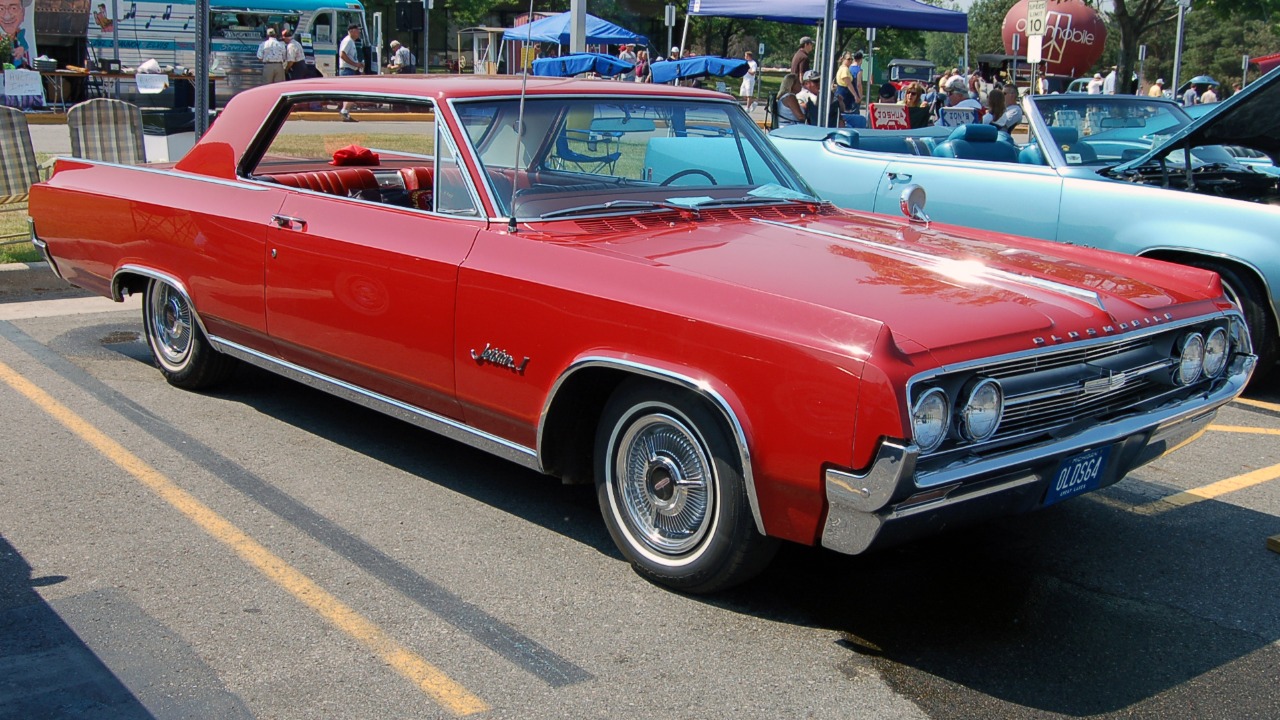
The Jetstar I was one of Oldsmobile’s most interesting attempts to create a performance-oriented full-size car. It combined a relatively sporty two-door body with strong V8 power and a lower price than some of the division’s more luxurious models. The car had a short production run, which helped keep it from becoming a familiar name even during its own era. Today, that rarity makes the Jetstar I particularly intriguing. It represents the kind of transitional Oldsmobile that can easily disappear from mainstream collector conversations despite having genuine performance credentials.
Oldsmobile Jetstar 88
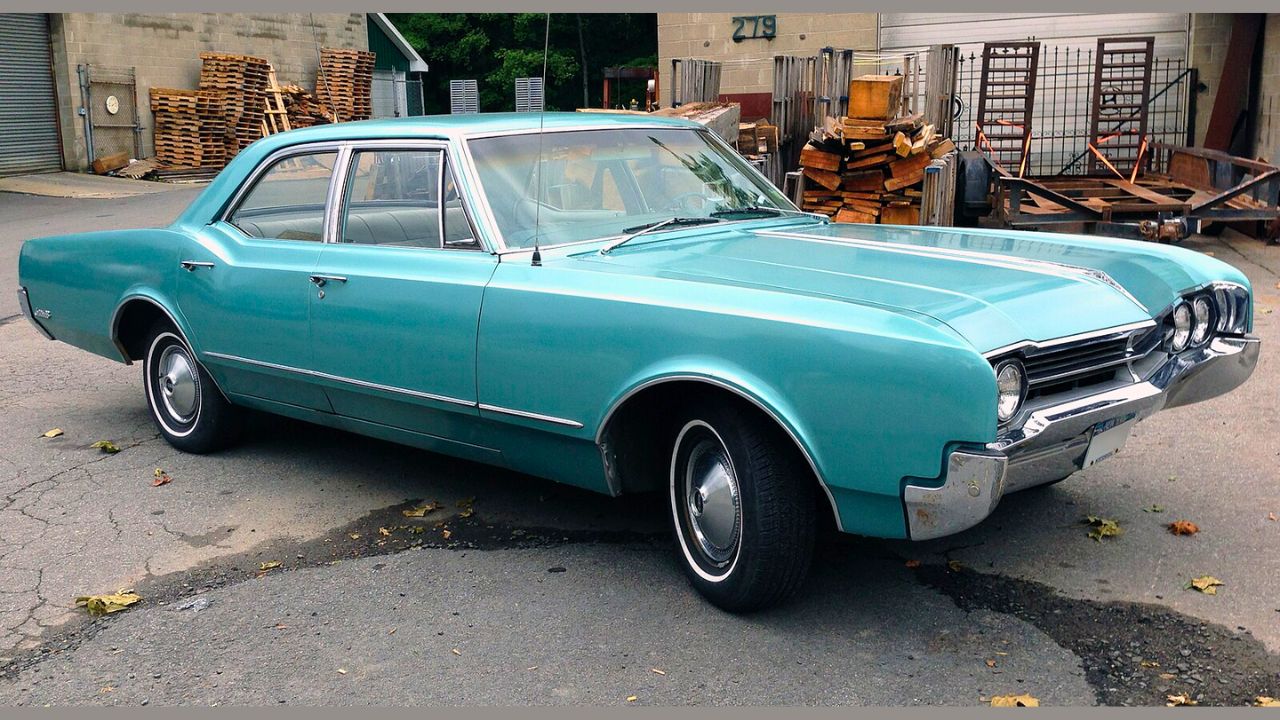
The Jetstar 88 gave buyers a more affordable way into Oldsmobile’s full-size lineup. It retained the substantial dimensions and V8 character of larger Oldsmobiles while occupying a lower position in the range. Its relative simplicity is part of what makes surviving examples interesting today. Most collectors naturally gravitate toward more prestigious Oldsmobiles, leaving ordinary full-size models like the Jetstar 88 less celebrated. For someone interested in preserving an authentic example of everyday American motoring from the period, however, the Jetstar 88 offers plenty of character.
Oldsmobile 98

The Ninety-Eight was Oldsmobile’s flagship for much of the brand’s history and often carried the division’s latest technology, styling, and largest engines. It was a substantial luxury car with enough performance to make long-distance cruising effortless. While later examples became common American family and executive cars, earlier generations have become much more interesting to collectors. Their enormous proportions, detailed interiors, and dramatic styling capture a period when American manufacturers competed to build increasingly impressive luxury automobiles. The Ninety-Eight deserves more recognition as one of Oldsmobile’s defining full-size cars.
Oldsmobile 88

The 88 was arguably the most important Oldsmobile nameplate of the postwar era. Introduced with the famous Rocket V8, it combined a relatively light body with substantial power and quickly established a reputation for performance. Later generations became larger and more luxurious, but the earliest cars remain especially significant. The 88 also developed a strong motorsport reputation, helping demonstrate the potential of Oldsmobile’s V8 technology. Collectors who focus only on later muscle cars can easily overlook how important the 88 was to the development of Oldsmobile’s performance identity.
Oldsmobile Golden Rocket 88
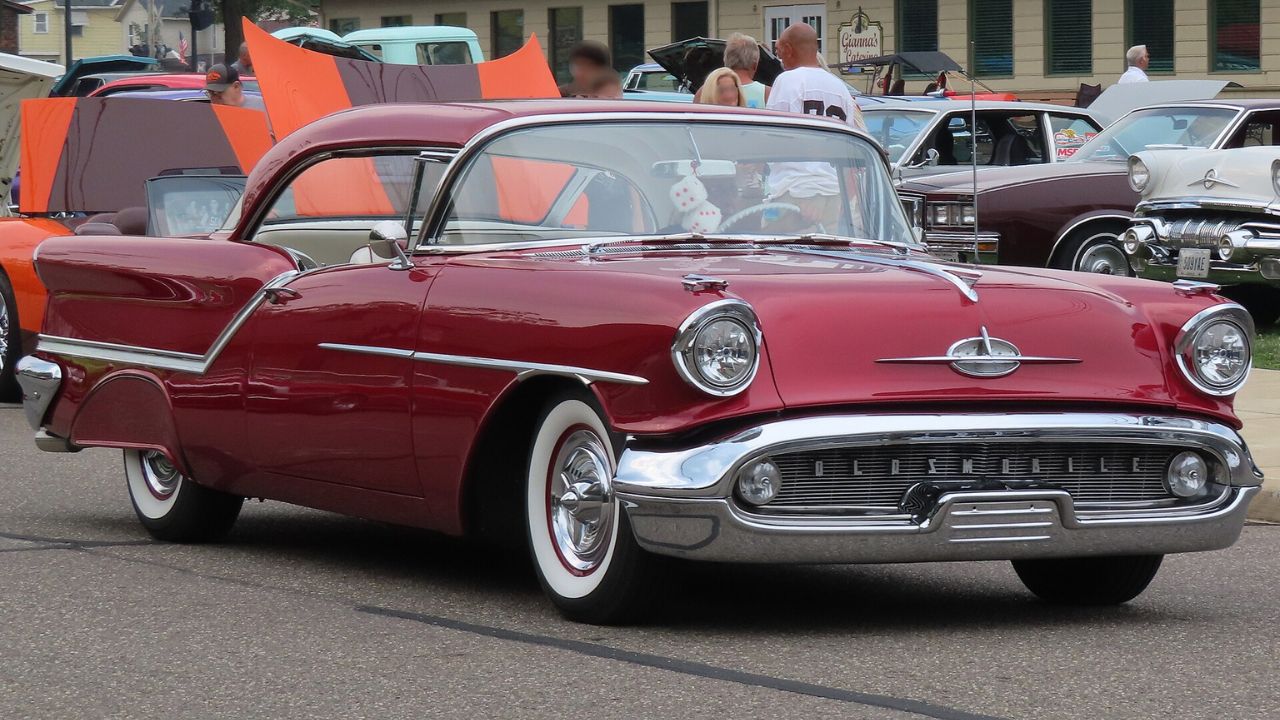
The Golden Rocket 88 represented Oldsmobile’s enthusiasm for the dramatic styling and powerful engines of the mid-1950s. Its name reflected the company’s fascination with rocket imagery, while its sweeping body and large V8 gave it the kind of presence buyers expected during the chrome era. The car is particularly interesting because it sits at the intersection of Oldsmobile’s engineering and design history. It was not merely another full-size sedan. It was a highly recognizable expression of the period’s fascination with speed, aviation, and futuristic styling.
Oldsmobile Fiesta
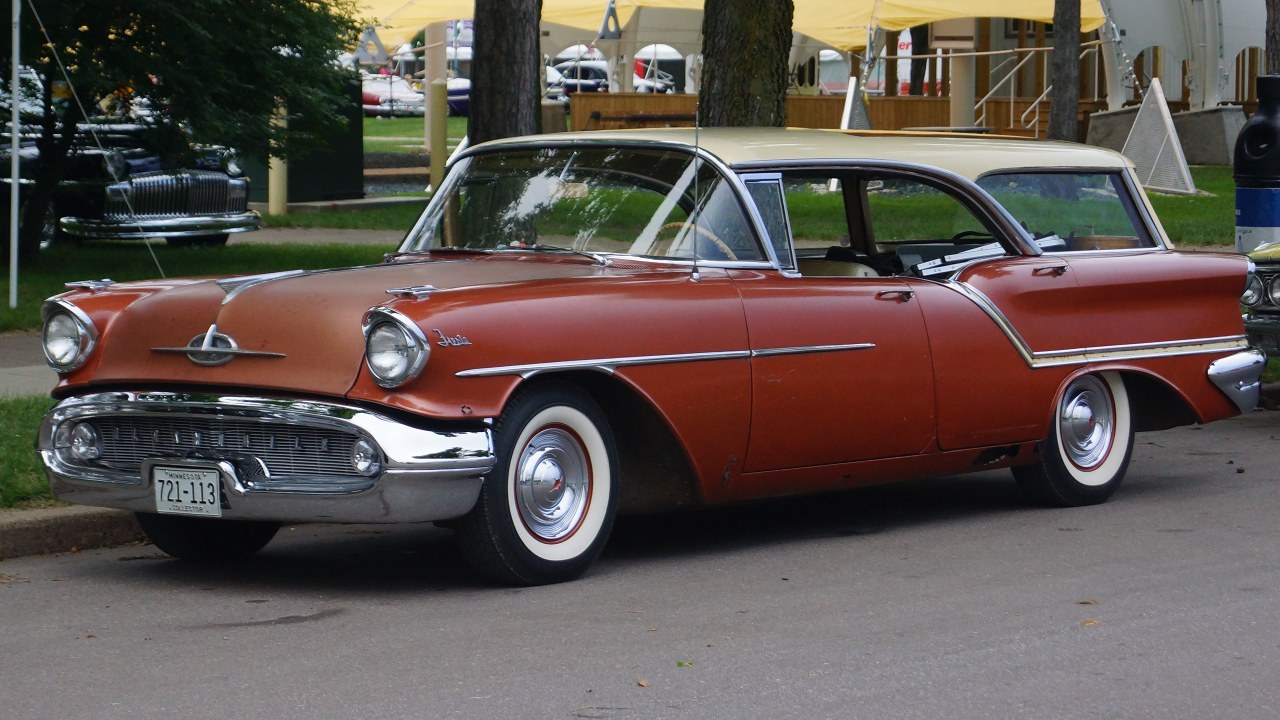
The Fiesta was a stylish two-door hardtop and convertible offered as part of Oldsmobile’s mid-1950s lineup. Its sweeping design and substantial V8 performance gave it a more glamorous character than an ordinary family car. The model’s production run was relatively short, helping make surviving examples more unusual today. Its proportions also capture the extravagant styling direction of the era particularly well. For collectors interested in 1950s American cars beyond the usual Chevrolet and Ford choices, the Fiesta provides a distinctly Oldsmobile interpretation of the chrome-and-tailfin period.
Oldsmobile 98 Convertible
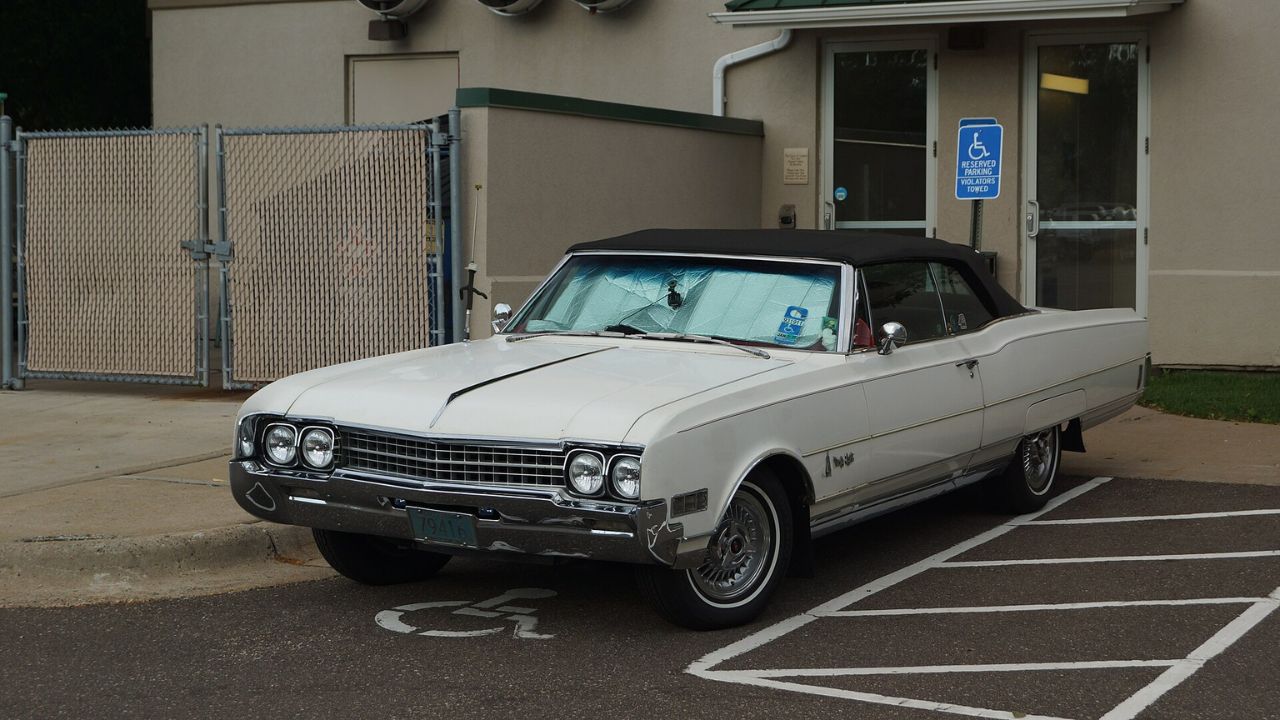
The full-size 98 convertible represented Oldsmobile luxury at a time when open-top American cars were still a major part of the market. It combined a large body, powerful V8, spacious cabin, and dramatic styling in a package that was unmistakably American. Convertibles from this period have naturally become attractive to collectors because relatively few survive in excellent condition. The 98 is particularly interesting because it combines open-air appeal with Oldsmobile’s flagship status. It deserves attention from anyone building a collection around big American cars from the 1950s and early 1960s.
Oldsmobile Super 88
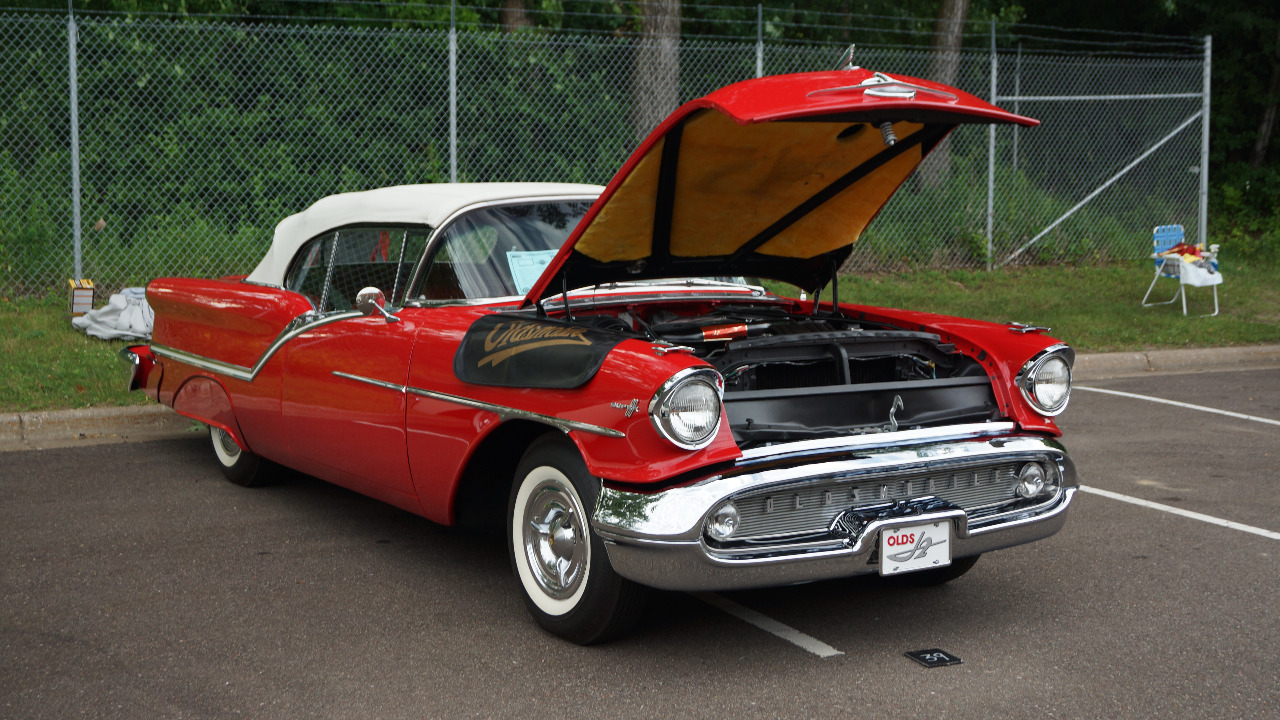
The Super 88 occupied an important position between Oldsmobile’s less expensive full-size models and the luxurious Ninety-Eight. It offered strong V8 performance while maintaining a more approachable price and a slightly sportier personality. During the 1950s, the Super 88 became one of the division’s most recognizable cars and benefited from Oldsmobile’s continuing engine development. Its combination of performance, size, and styling makes it an appealing alternative to more obvious collector choices. Well-preserved examples also provide a strong snapshot of Oldsmobile during its postwar rise.
Oldsmobile Dynamic 88
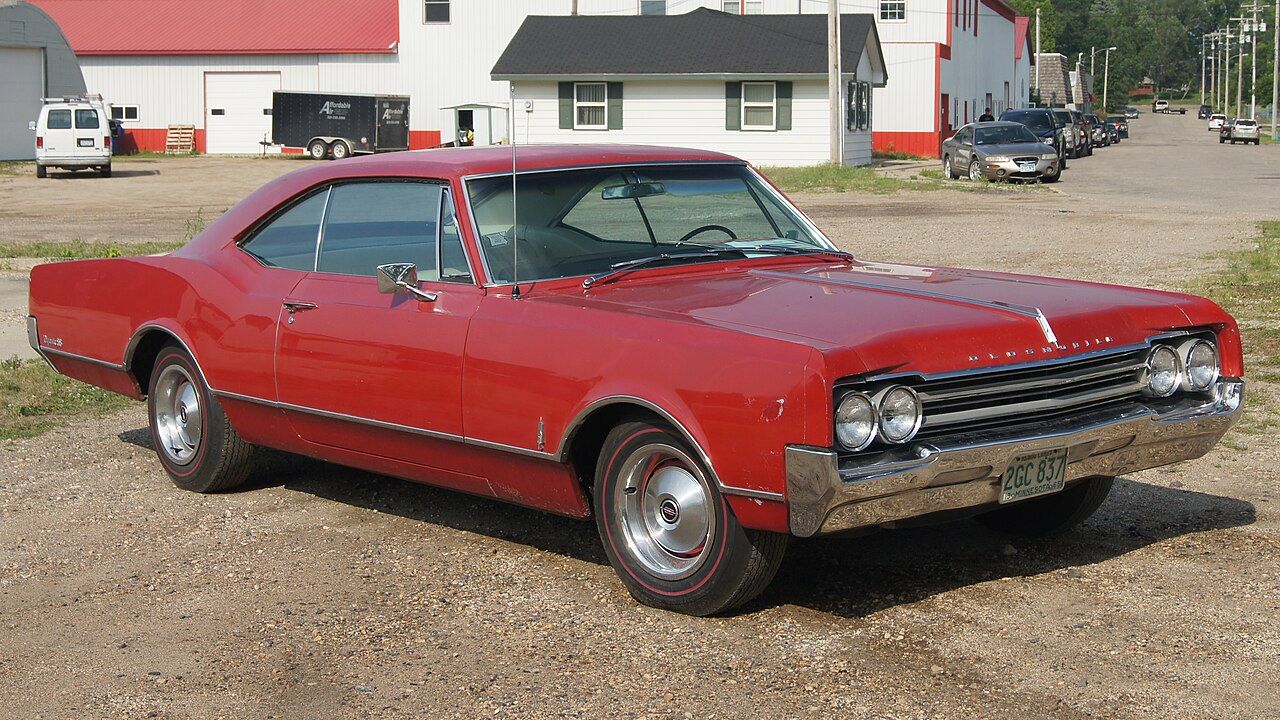
The Dynamic 88 became one of Oldsmobile’s main full-size models during the 1960s and offered a more accessible alternative to the upscale Ninety-Eight. It still carried the division’s large V8s and distinctive styling, making it an impressive highway cruiser. Many examples were sold as practical family transportation, which means surviving cars can be overlooked today. That makes an original, well-preserved Dynamic 88 particularly interesting. It captures the period when American families could buy a large, powerful V8 car without stepping into the most expensive luxury models.
Oldsmobile Vista Cruiser
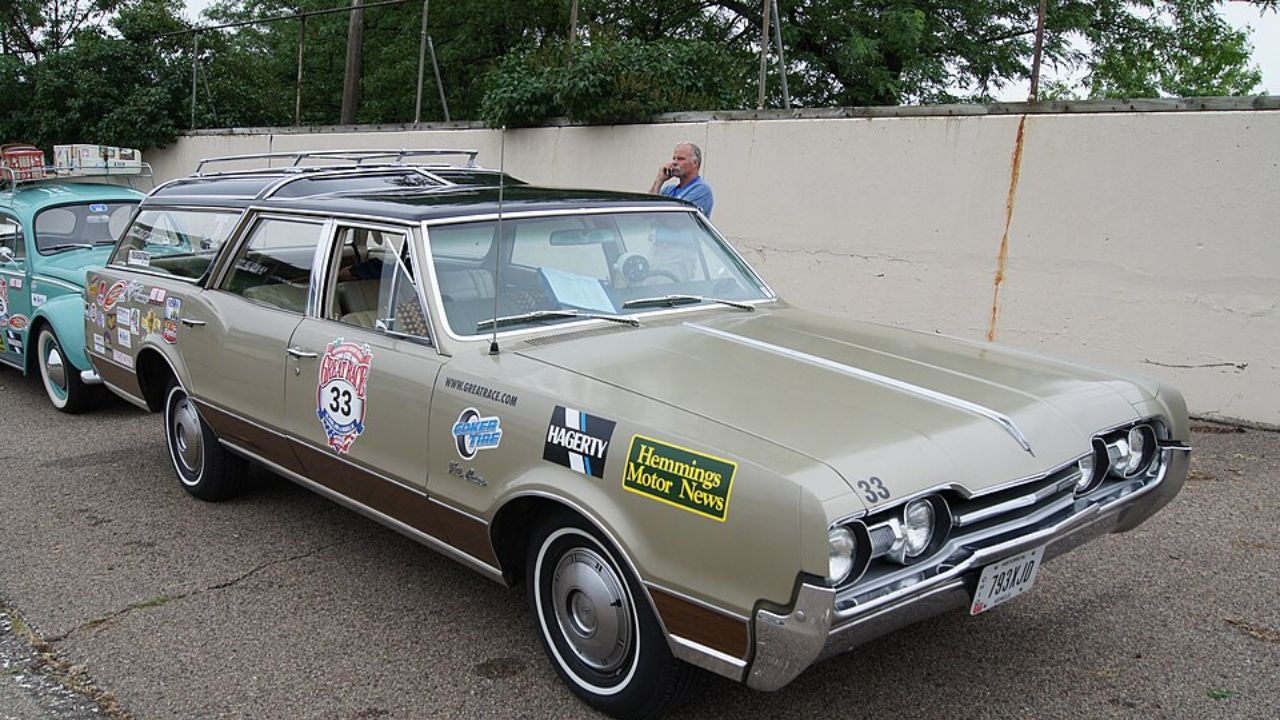
The Vista Cruiser turned the station wagon into one of Oldsmobile’s most recognizable designs. Its raised roof and distinctive glass panels created an unusually airy passenger compartment, while its long body provided substantial cargo capacity. Underneath the practical packaging was Oldsmobile’s traditional V8 power. The model has since become strongly associated with American family culture and television, but its distinctive design has also made it a favorite among collectors. Early examples are especially appealing because the unusual roof treatment gives them an identity that ordinary station wagons simply do not have.
Oldsmobile Toronado
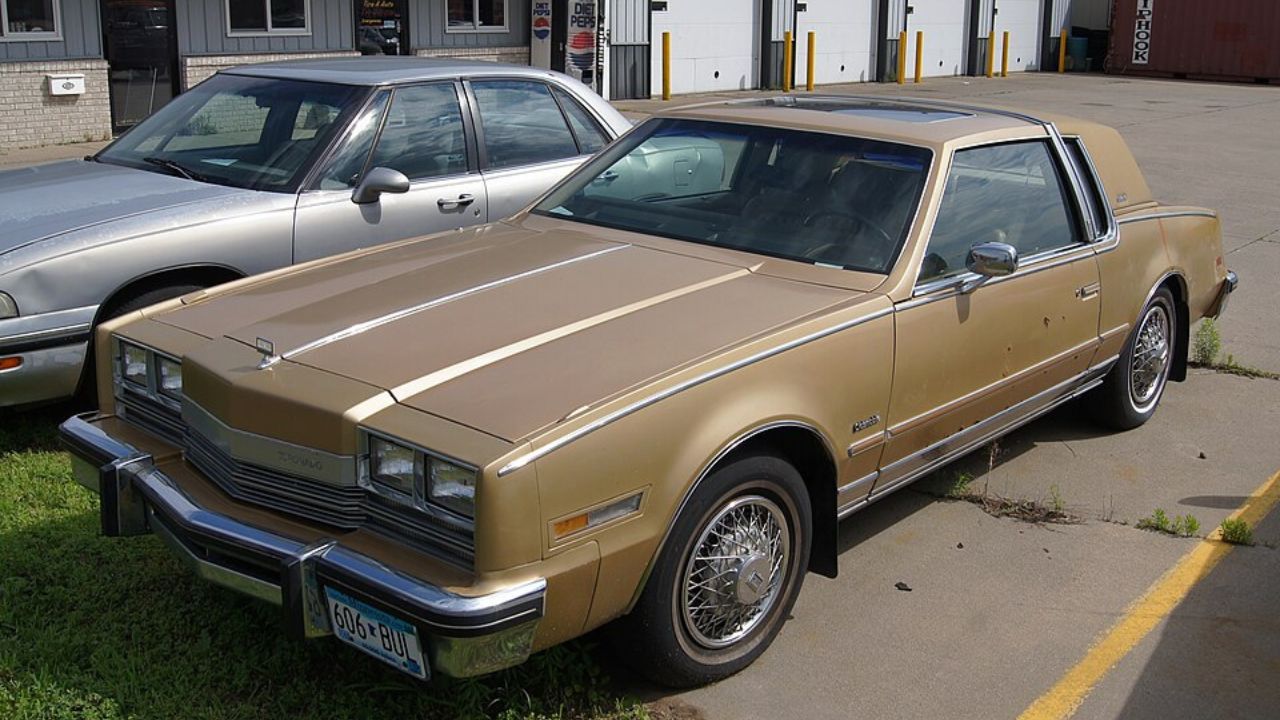
The Toronado was one of Oldsmobile’s greatest engineering achievements. Introduced in the 1960s, it brought front-wheel drive to a large American production car at a time when rear-wheel drive dominated the market. Its radical drivetrain layout was paired with dramatic styling and a powerful V8, giving the Toronado a distinctive combination of technology and performance. It was not simply another personal luxury coupe. It demonstrated that Oldsmobile was willing to attempt something genuinely different. That engineering significance makes early Toronados especially compelling collector cars.
Oldsmobile Toronado W-34
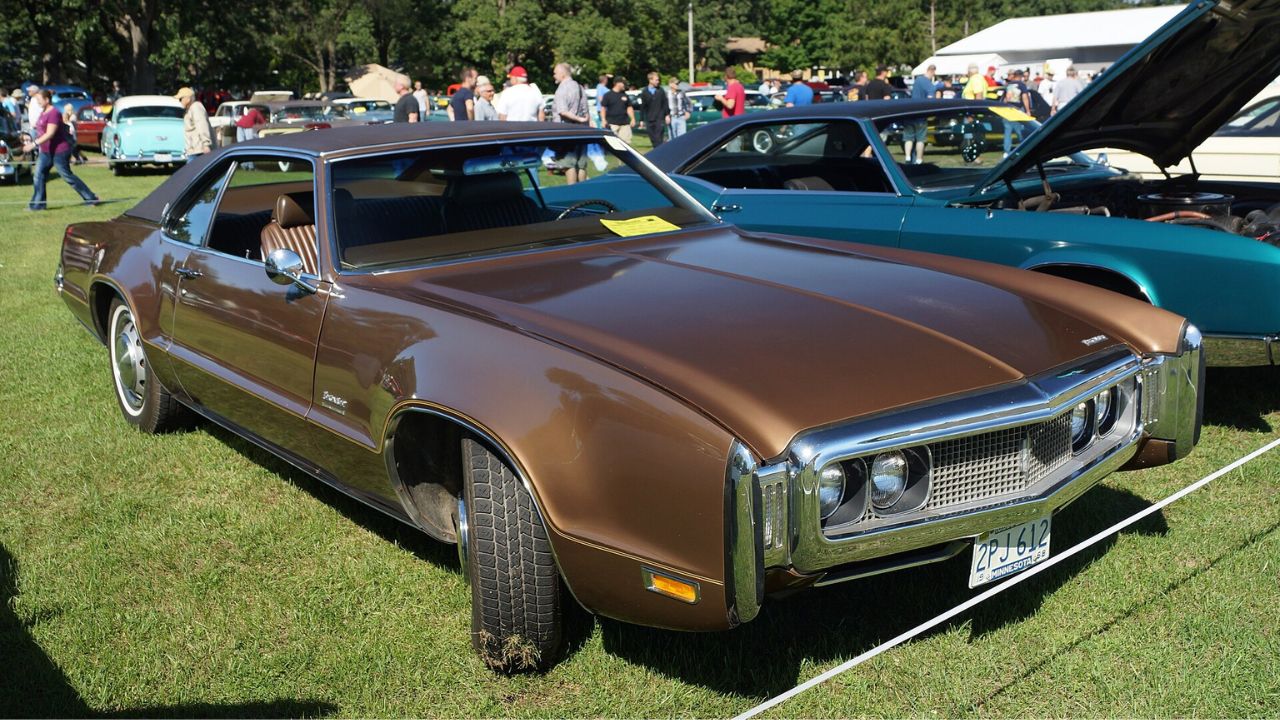
The W-34 version of the Toronado took Oldsmobile’s unusual front-wheel-drive coupe and gave it a more serious performance identity. It featured additional performance equipment and distinctive styling details while retaining the Toronado’s unconventional drivetrain. The combination was unusual for an American luxury-oriented coupe and gave the car a personality all its own. Because the W-34 is tied to a specific performance configuration rather than simply being a regular Toronado, documented examples have particular appeal to collectors. It represents one of the more interesting intersections of Oldsmobile engineering and performance.
Oldsmobile Rallye 350
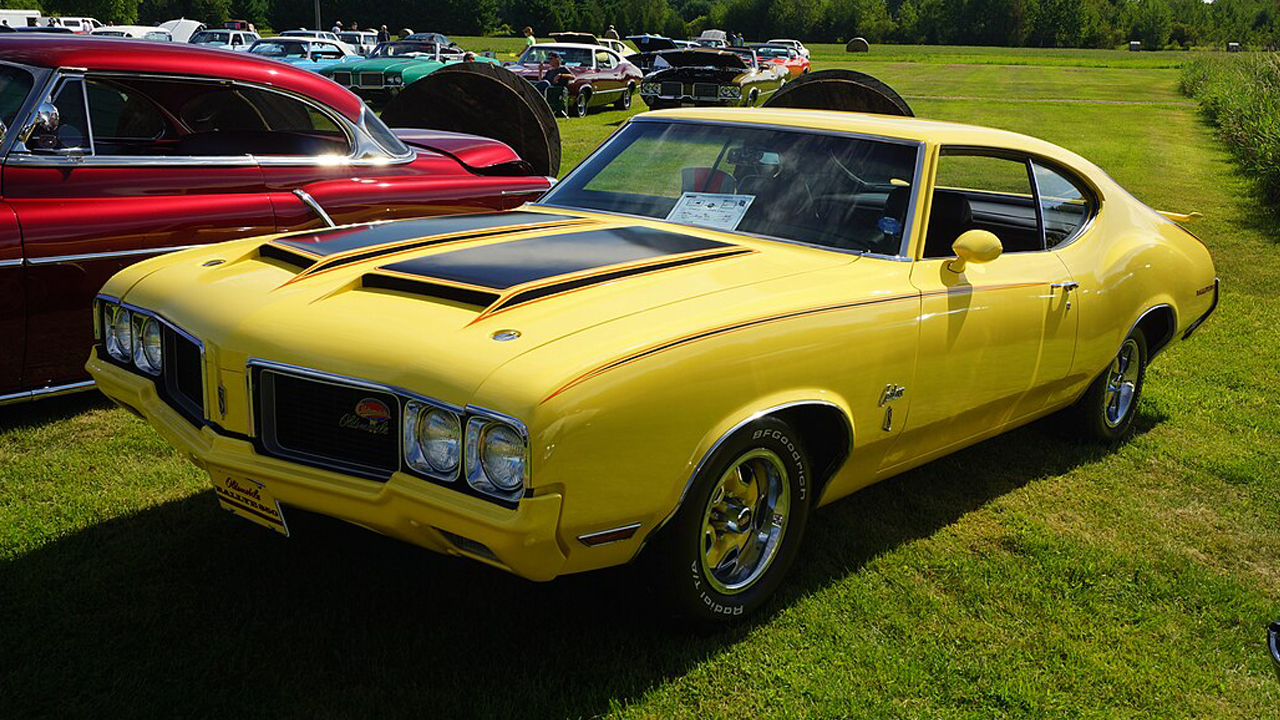
The Rallye 350 was introduced during the final high point of the classic muscle-car era. It used a 350 V8 and received a distinctive package of bright colors, spoilers, and other performance-oriented details. The model was intended to offer an accessible alternative to more expensive Oldsmobile performance cars. Its timing was unfortunate because the muscle-car market was already changing rapidly, but that has made the Rallye 350 more interesting in hindsight. It represents Oldsmobile trying to preserve affordable performance just as the classic muscle era was beginning to disappear.
Oldsmobile Hurst/Olds
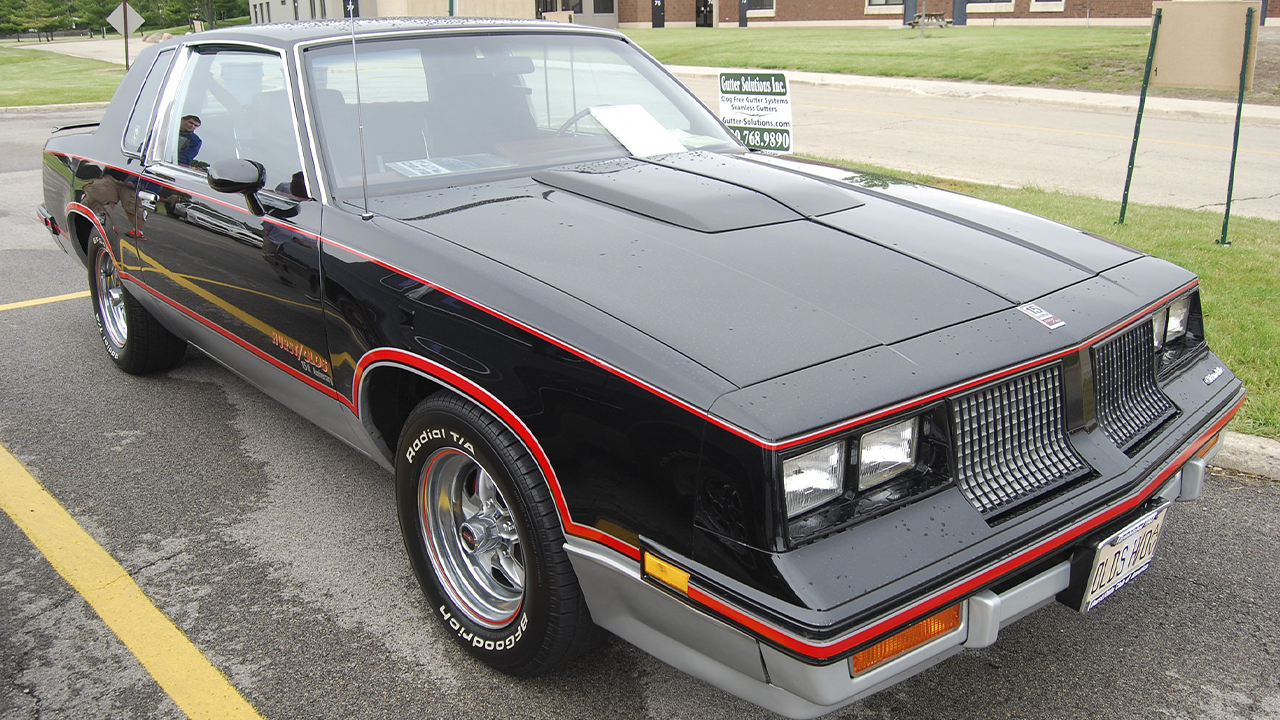
The Hurst/Olds is one of the most memorable special-performance Oldsmobiles. Created through a collaboration involving Oldsmobile and Hurst, it combined a distinctive appearance with serious performance equipment. Limited production helped separate it from ordinary Cutlasses, while its unusual graphics and performance hardware made it immediately recognizable to enthusiasts. Several generations followed, but the earliest examples remain especially important. The Hurst/Olds demonstrates how Oldsmobile used a specialized performance model to create excitement around its intermediate lineup without simply copying the formula used by Chevrolet or Pontiac.
Oldsmobile Custom Cruiser

The Custom Cruiser took Oldsmobile’s full-size wagon formula and gave it a more substantial luxury character. It was large, comfortable, and capable of carrying an enormous amount of cargo while retaining the traditional American V8 experience. Later examples have become increasingly interesting because full-size rear-wheel-drive wagons disappeared from the market. The Custom Cruiser also represents the final chapter of Oldsmobile’s long history with large family cars. A well-preserved example today offers collectors something increasingly difficult to find: a genuine American land-yacht wagon with plenty of personality.
Oldsmobile Aurora
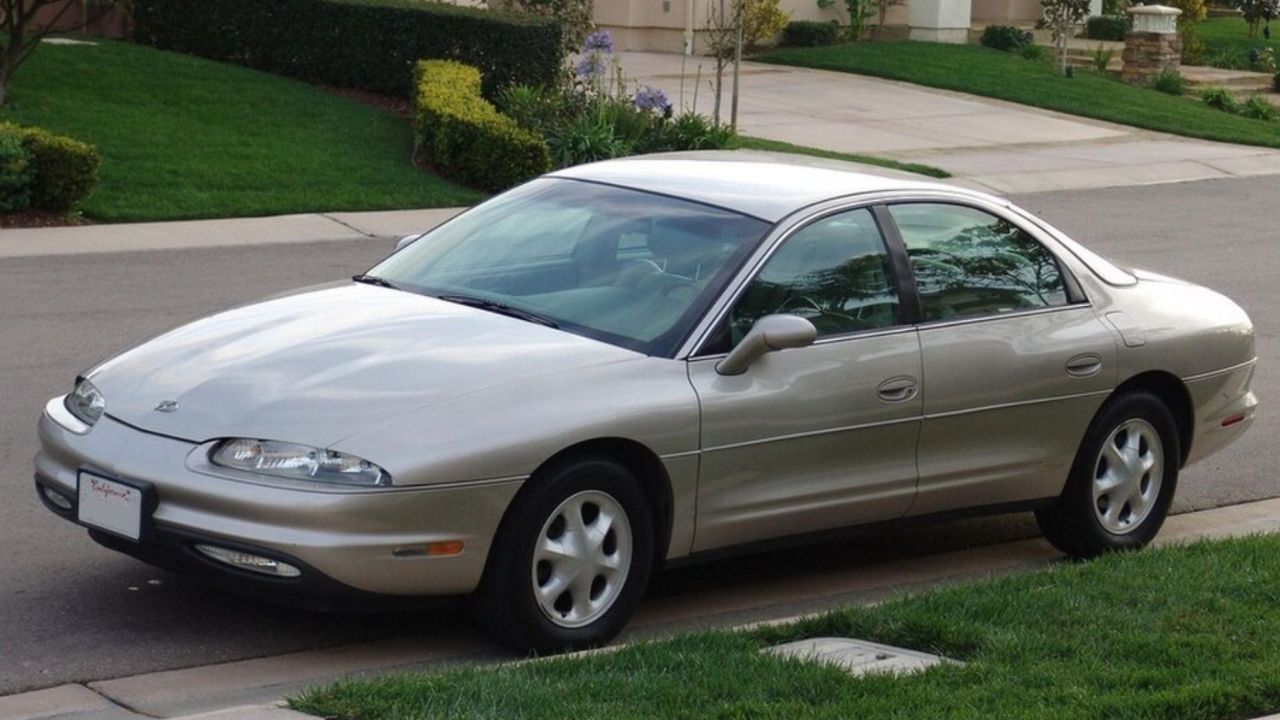
The Aurora represented Oldsmobile’s attempt to reinvent itself in the 1990s. Its rounded styling was radically different from the boxy Oldsmobiles that had preceded it, while its Northstar-derived V8 and sophisticated front-wheel-drive platform gave it a more modern character. The Aurora was positioned as a near-luxury car rather than a traditional Oldsmobile family sedan. Although it did not save the brand, it became one of the company’s most distinctive late-era products. As Oldsmobile becomes increasingly distant from modern car culture, unusual models like the Aurora are gaining historical interest.
More from Fast Lane Only
- Unboxing the WWII Jeep in a Crate
- 15 rare Chevys collectors are quietly buying
- 10 underrated V8s still worth hunting down
- Police notice this before you even roll window down
*Research for this article included AI assistance, with all final content reviewed by human editors.