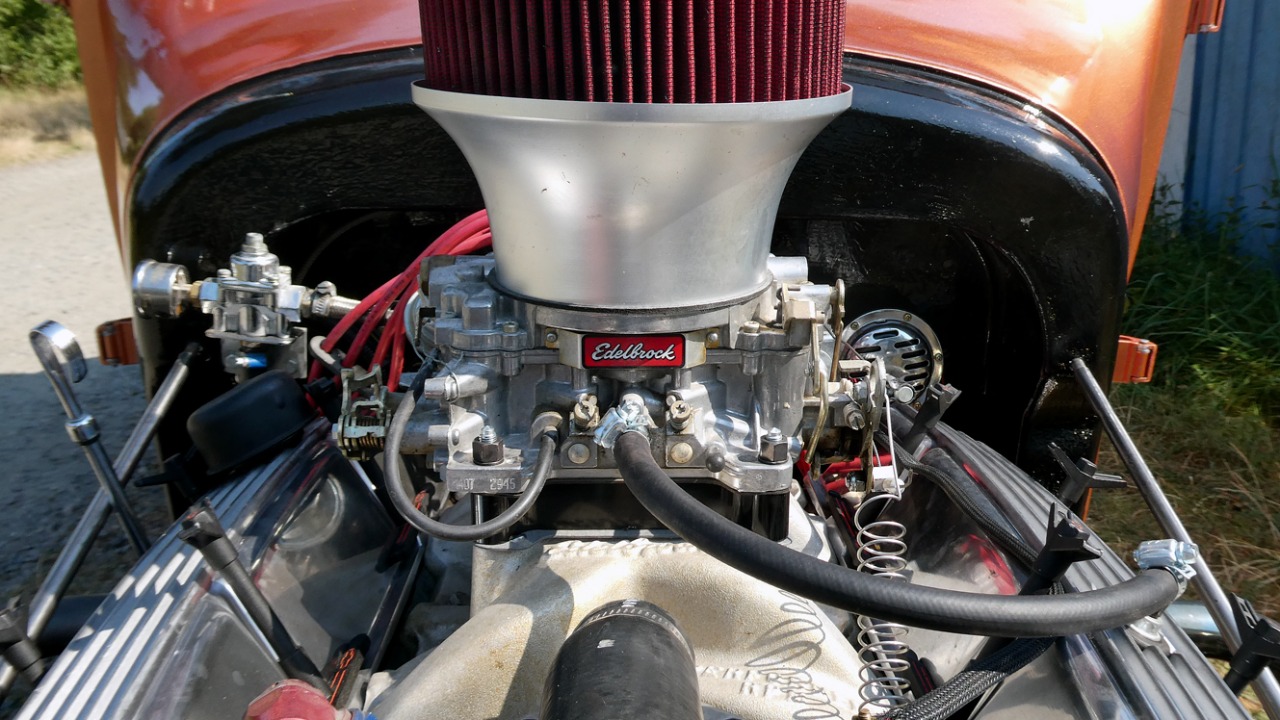
Throughout automotive history, Willys has produced an array of vehicles that have left an indelible mark. While many models have faded into obscurity, a handful of Willys vehicles continue to resonate with enthusiasts and collectors. These models are not only remarkable for their design and engineering but also for their enduring reliability, often outlasting many newer cars. Let’s delve into seven forgotten Willys models that have stood the test of time.
Willys Jeep Station Wagon
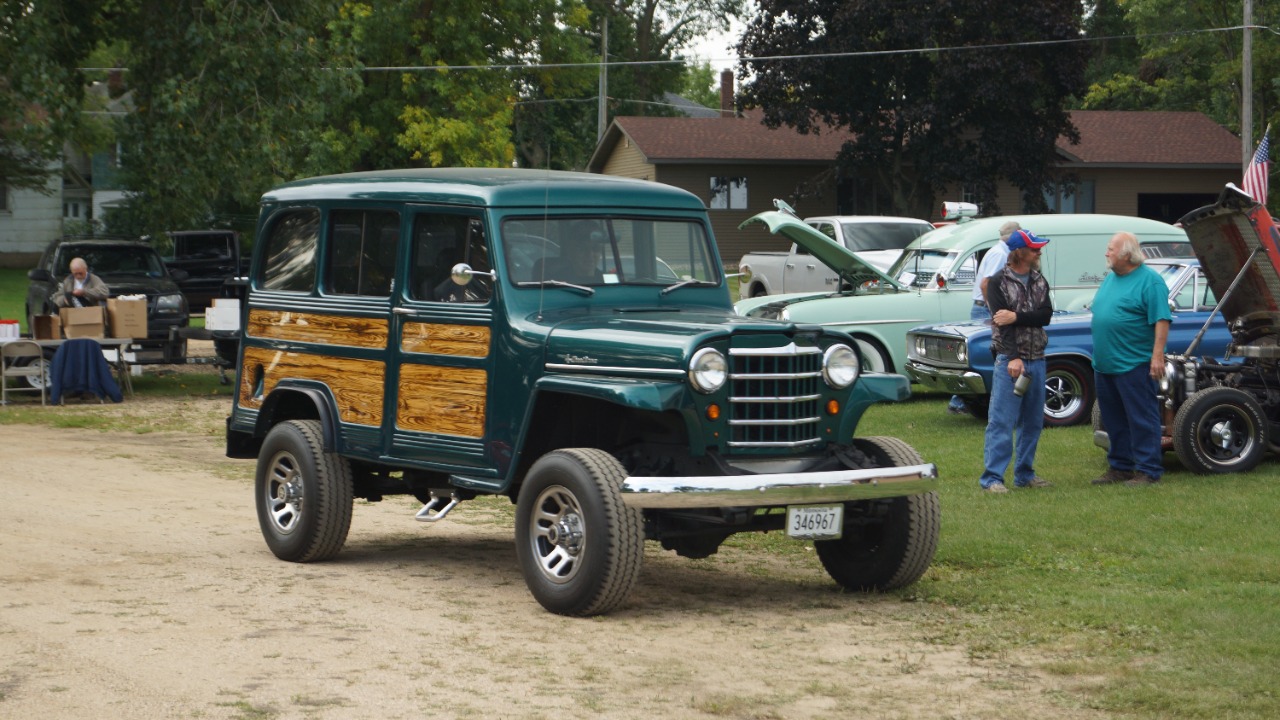
The Willys Jeep Station Wagon, introduced in 1946, was the first mass-produced all-steel station wagon in America. It combined the ruggedness of the Jeep with the practicality of a family vehicle, making it a unique offering for its time. Designed for both urban and rural environments, it featured a spacious interior, often accommodating up to six passengers comfortably. The station wagon was powered by Willys’ famous flathead engine, providing a reliable performance that many families appreciated. Today, it holds a nostalgic place in automotive history, often sought after by collectors fascinated by its blend of utility and style. For more on its legacy, check out this detailed account.
Willys Overland 77
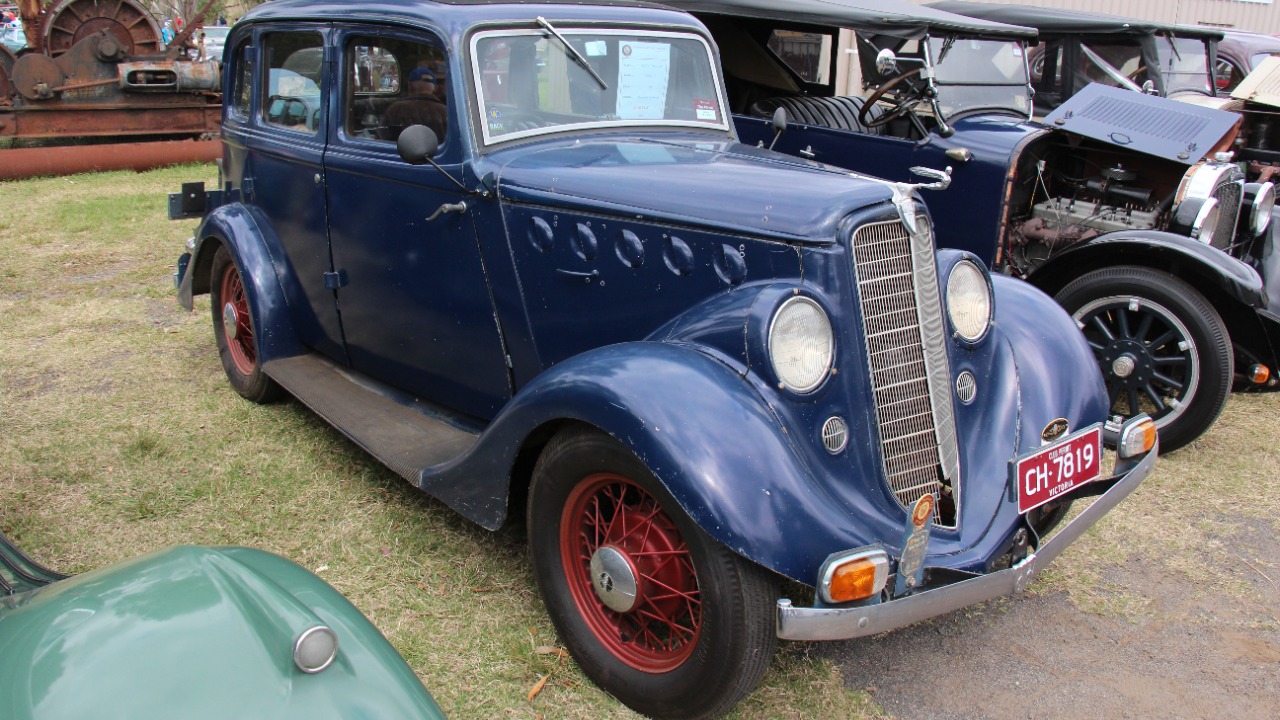
The Willys Overland 77, produced from 1947 to 1949, was a remarkable sedan that encapsulated the post-war era’s spirit. It was a compact car that offered great value for its price, featuring a streamlined design and a dependable six-cylinder engine. The Overland 77 was particularly known for its fuel efficiency, which was a significant selling point during a time when many Americans were looking for economical solutions. Its affordability and solid performance allowed it to compete with other popular models of the era. Today, it is a rare find among classic car enthusiasts, as many were scrapped over the years, making it a desirable collector’s item.
Willys Aero
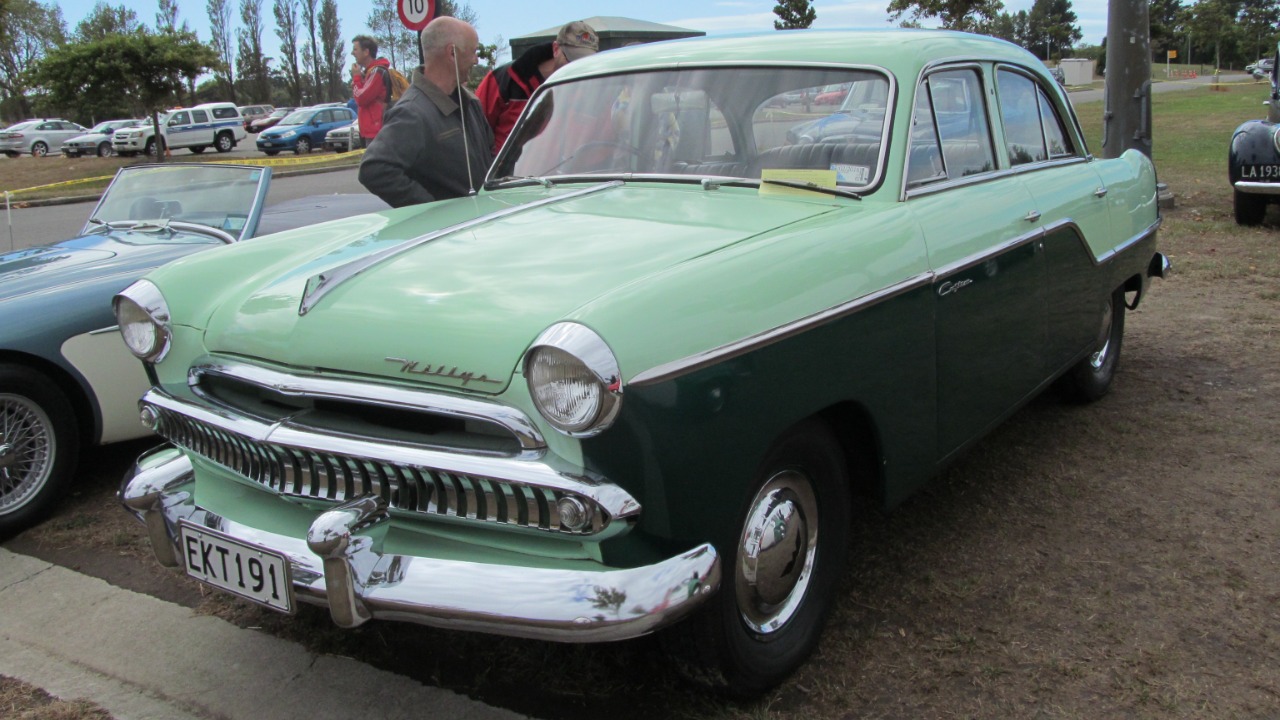
Launched in 1952, the Willys Aero was a stylish two-door sedan that aimed to capture the attention of the American public. This compact vehicle was notable for its aerodynamic design, which was quite advanced for its time. The Aero featured a powerful Willys-built engine that provided both performance and reliability. Despite its innovative design and engineering, the Aero struggled in a market dominated by larger cars and was discontinued after a few short years. Nowadays, the Willys Aero is a forgotten piece of automotive history, yet it remains a symbol of an era of innovation and creativity. For those interested in its unique features, I recommend exploring this informative resource.
Willys MB (Military Jeep)
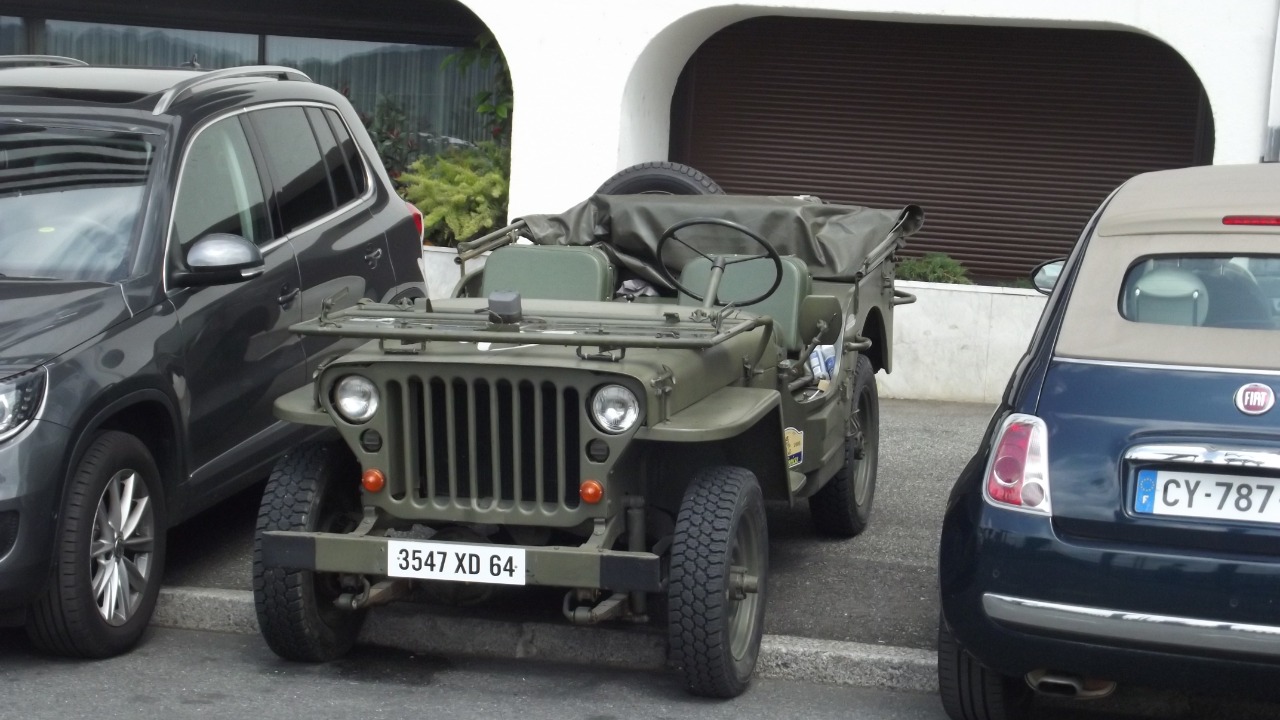
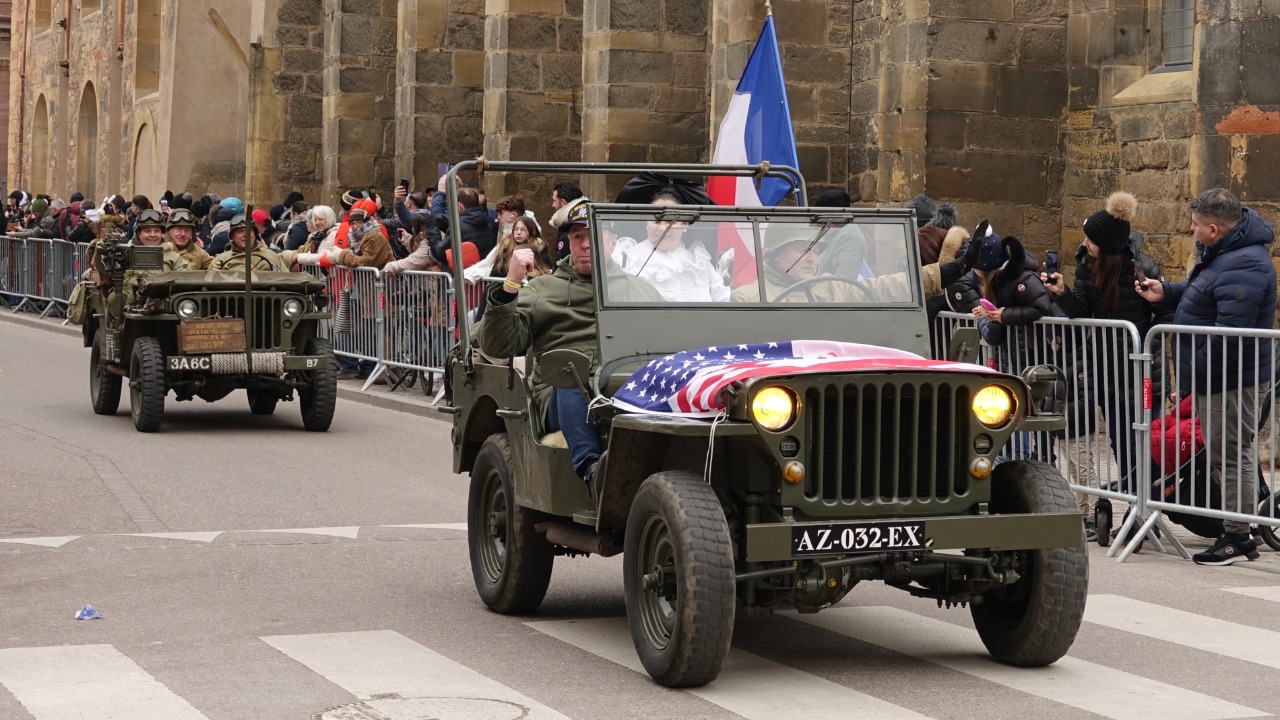
The Willys MB, commonly known as the Military Jeep, was a pivotal vehicle during World War II. Introduced in 1941, it became an essential part of the U.S. military’s operations, known for its versatility and durability across various terrains. The MB was designed to be lightweight yet robust, capable of carrying troops and supplies while navigating challenging conditions. Its iconic design and rugged build have made it a symbol of American ingenuity. Even after the war, many MBs found their way into civilian life, remaining popular among off-road enthusiasts. Today, the Willys MB is celebrated not just as a military vehicle but as a cultural icon, with many restored models on display at museums and car shows.
Willys Pickup Truck
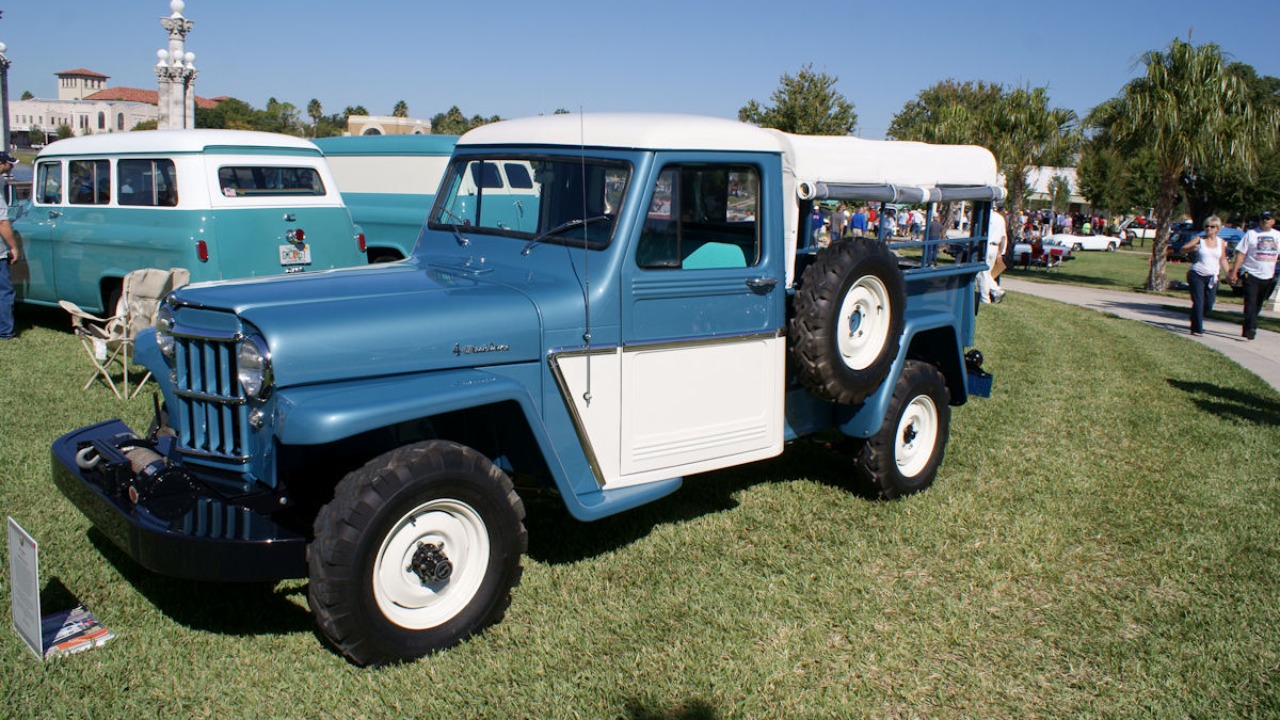
The Willys Pickup Truck, produced between 1947 and 1965, was a reliable workhorse that appealed to both farmers and tradespeople. With its robust construction and straightforward design, it became a trusted vehicle for those who needed durability and utility. The pickup was available in various configurations, allowing customers to choose the right fit for their needs. Its flatbed design made it perfect for transporting goods, while the sturdy Willys engine provided ample power for hauling. Today, vintage Willys pickups are sought after for their classic styling and dependable performance, often featured in restoration projects and classic car events. They remind us of a simpler time when function was paramount.
Willys F-Head Engine
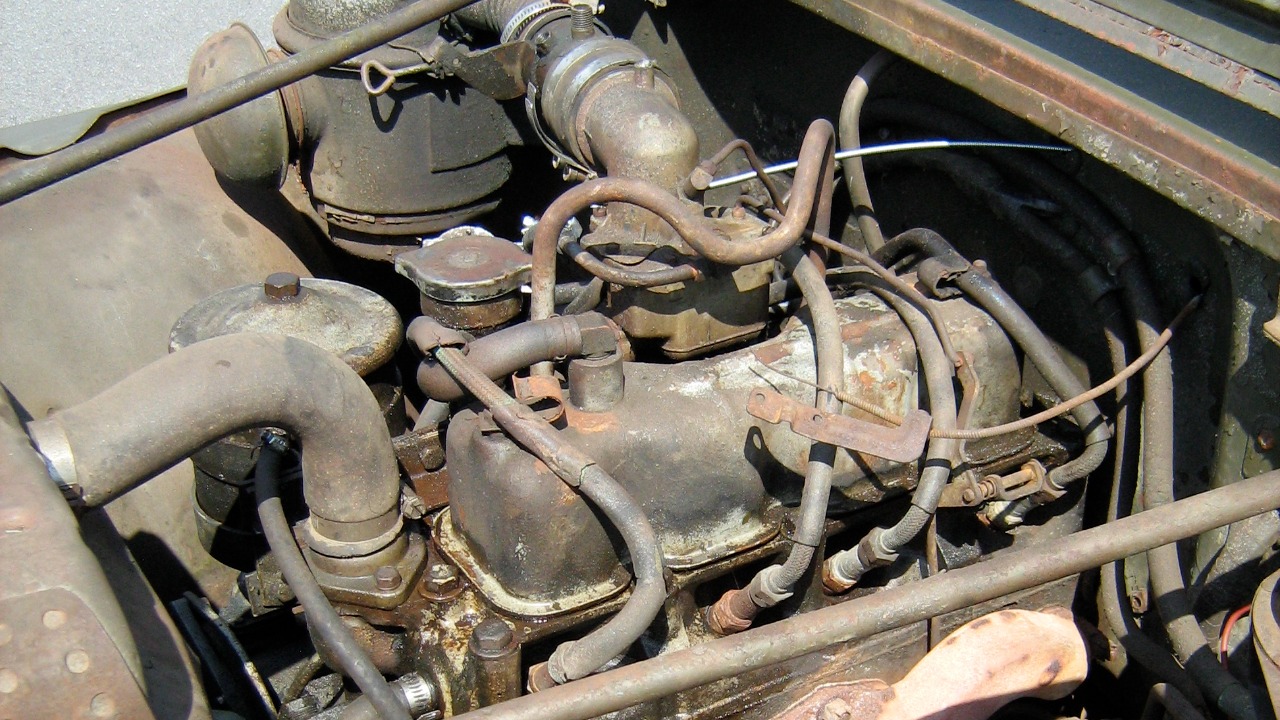
The Willys F-Head engine, introduced in the early 1950s, was a significant advancement in engine technology for its time. This four-cylinder engine utilized an overhead valve design, which improved performance and fuel efficiency compared to its predecessors. The F-Head engine powered several Willys models, including the CJ series and the pickup trucks, becoming known for its reliability and straightforward maintenance. Its design legacy continued to impact the automotive industry long after its production ended, influencing many later engine designs. For enthusiasts looking to understand its mechanics and historical significance, I recommend checking out this in-depth analysis.
Willys CJ-2A

The Willys CJ-2A, produced from 1945 to 1949, is often regarded as the first civilian Jeep. Building on the foundation set by the military Jeep, the CJ-2A was designed for agricultural use and outdoor recreation, making it a versatile option for civilians. It featured a simple design and robust construction that appealed to farmers and off-road enthusiasts alike. The CJ-2A was known for its ruggedness, able to handle tough terrains while providing a fun driving experience. Today, it holds a special place in automotive history, with many collectors appreciating its historical significance and classic styling. Its impact on the off-road vehicle segment can still be seen in modern designs.
More from Fast Lane Only
- Unboxing the WWII Jeep in a Crate
- 15 rare Chevys collectors are quietly buying
- 10 underrated V8s still worth hunting down
- Police notice this before you even roll window down
*Research for this article included AI assistance, with all final content reviewed by human editors.