Some motorcycles become famous slowly, while others suddenly capture riders’ attention and become icons almost overnight. Their combination of styling, performance, technology, or racing success can change how people view an entire category. These 20 motorcycles earned lasting recognition because they introduced something special that riders remembered long after production ended.
Honda CB750
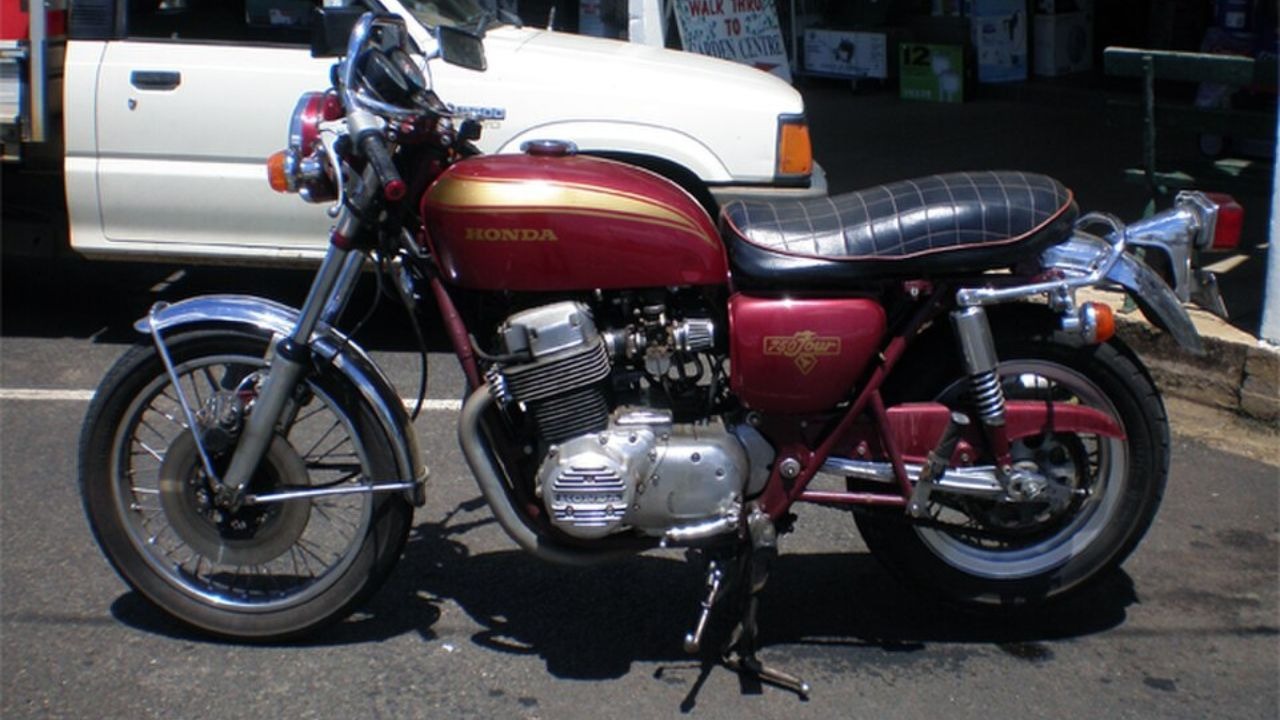
The Honda CB750 changed the motorcycle world when it arrived in 1969. Its four-cylinder engine, electric starter, front disc brake, and smooth performance gave riders technology that was unusual for a mass-produced motorcycle at the time. Its combination of reliability, speed, and practicality helped establish the modern superbike formula. The CB750 quickly became one of the most influential Japanese motorcycles ever produced.
Kawasaki 900 Z1
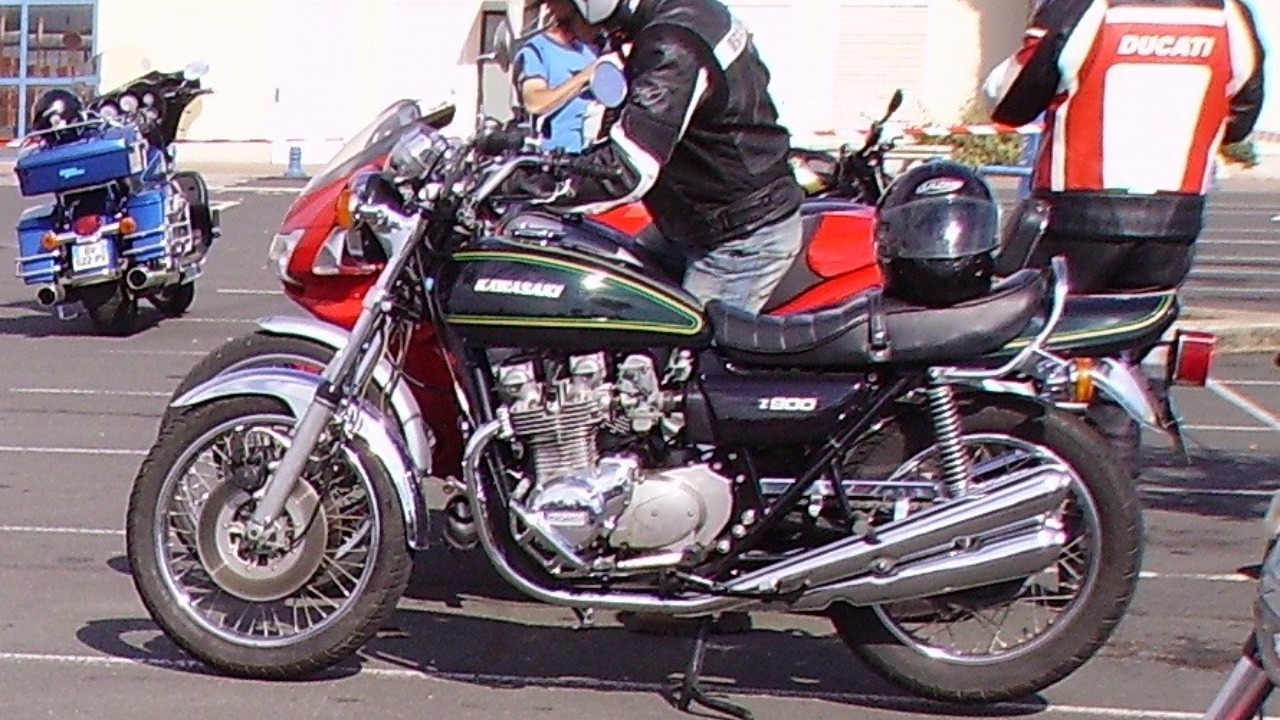
The Kawasaki 900 Z1 became an immediate performance sensation after its introduction in 1972. Its 903cc inline-four engine delivered strong acceleration while its distinctive styling made it easy to recognize. Kawasaki created the Z1 as a serious high-performance motorcycle, and riders quickly discovered how capable it was. Its reputation grew rapidly, turning it into one of the most respected superbikes of the 1970s.
Suzuki GSX-R750
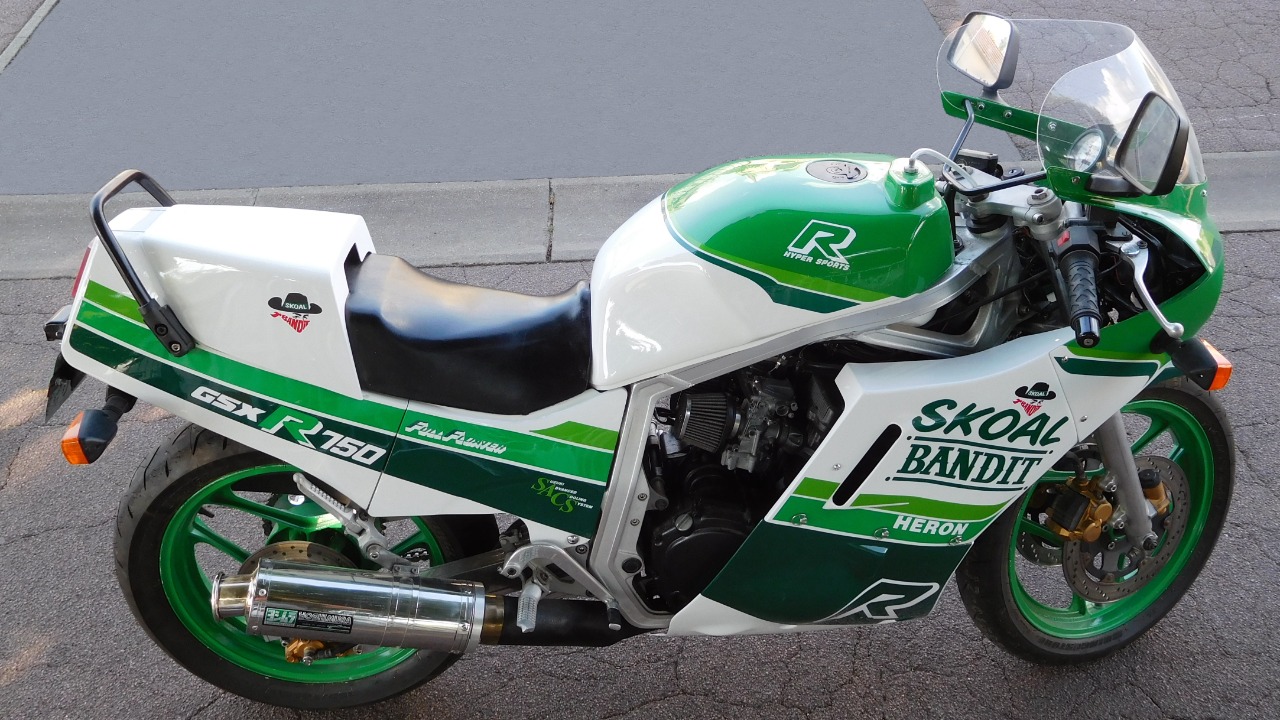
The Suzuki GSX-R750 brought race-inspired engineering to a production motorcycle when it debuted in 1985. Its lightweight construction, aluminum frame, full fairing, and powerful engine gave street riders a motorcycle that felt closely related to a racing machine. The GSX-R750 helped define the modern sportbike and became a foundation for Suzuki’s performance motorcycle reputation.
Yamaha VMAX
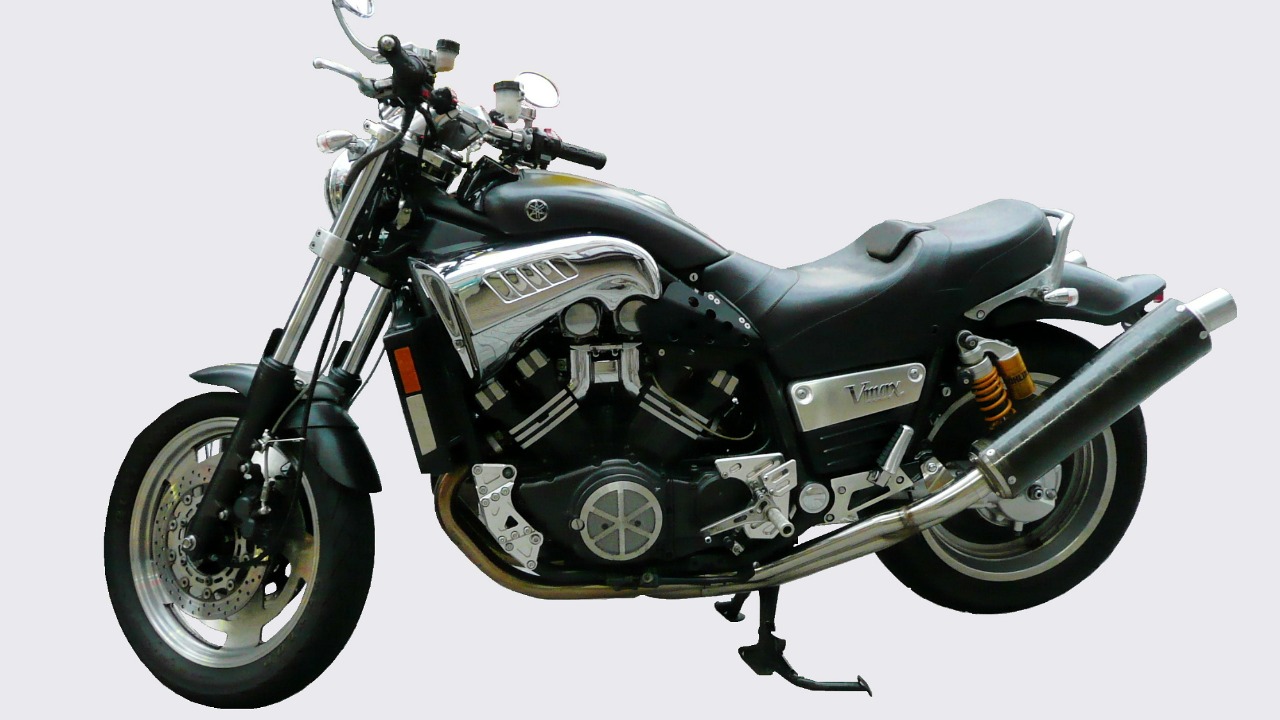
The Yamaha VMAX became an icon by taking the idea of a powerful cruiser in a completely different direction. Introduced in 1985, it used a muscular V4 engine and aggressive styling that immediately separated it from conventional cruisers. Its straight-line acceleration became a major part of its identity. The VMAX developed a strong following among riders who wanted cruiser comfort with serious performance.
Honda CBR900RR FireBlade
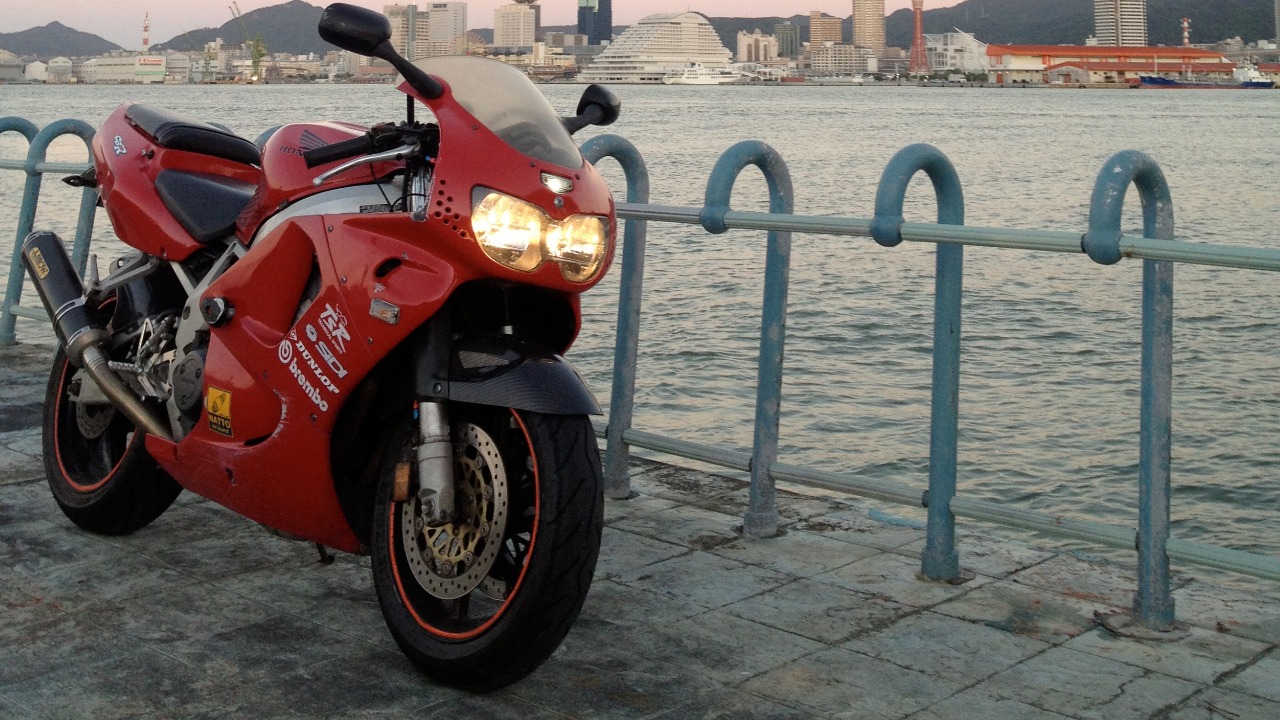
The Honda CBR900RR FireBlade helped redefine what a high-performance street motorcycle could be. Introduced in 1992, it focused heavily on reducing weight while maintaining strong engine performance. The result was a motorcycle that felt smaller and more agile than many competing superbikes. Its combination of compact dimensions, responsive handling, and strong performance quickly made the FireBlade a benchmark in the sportbike world.
Ducati 916
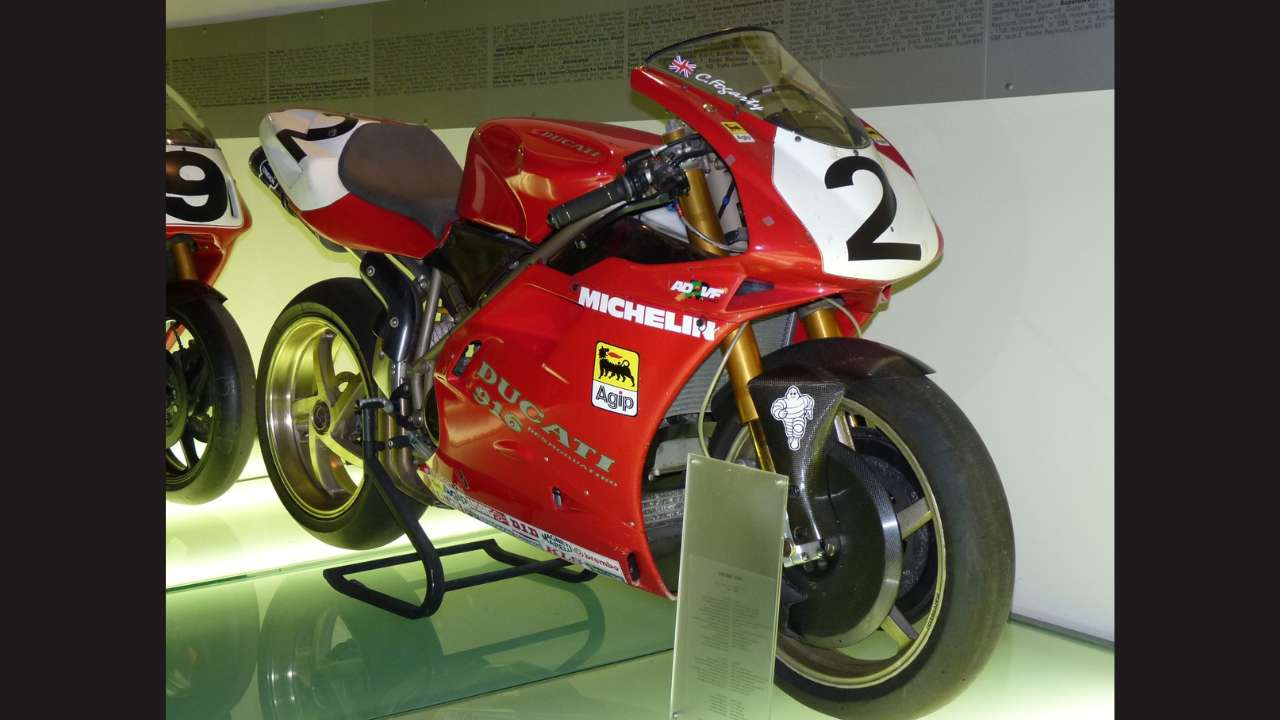
The Ducati 916 became famous for its dramatic design and racing success. Designed by Massimo Tamburini, it combined a compact profile with a distinctive single-sided swingarm and under-seat exhaust system. Its V-twin engine also gave it a strong personality on the road and track. The 916 became one of Ducati’s most recognizable motorcycles and remains an important design landmark.
Harley-Davidson Fat Boy
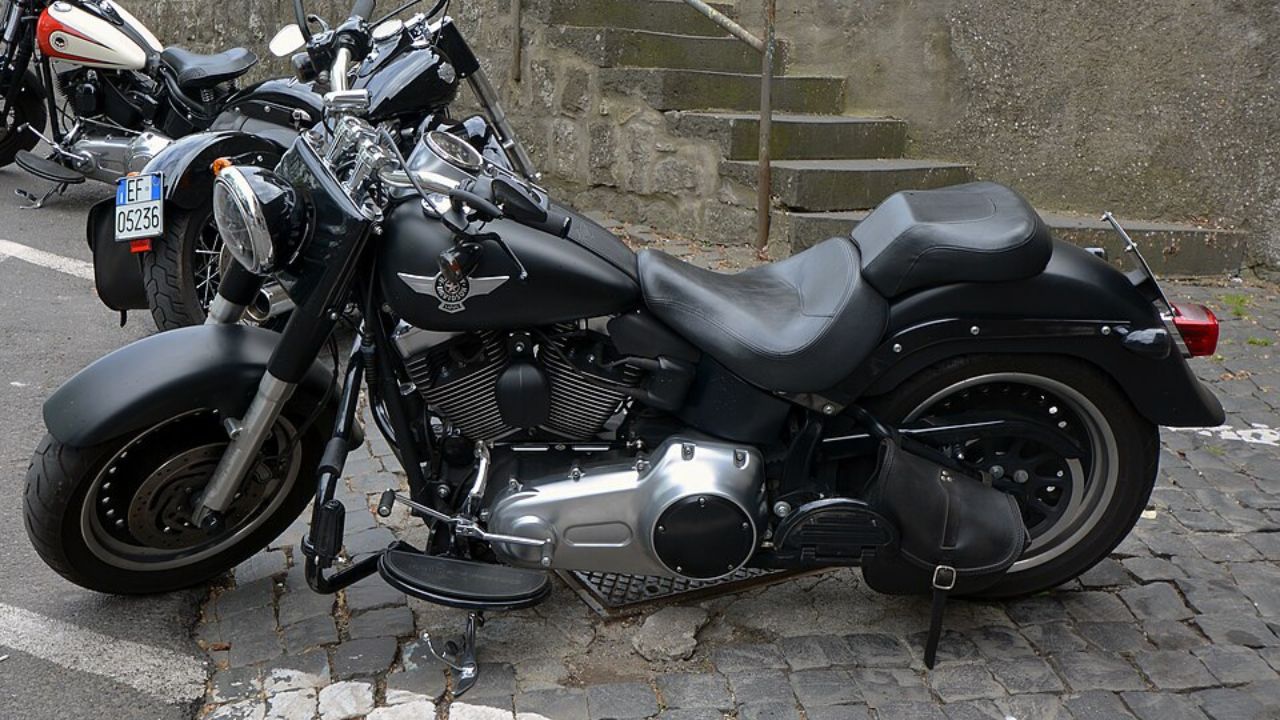
The Harley-Davidson Fat Boy became one of the most recognizable American motorcycles of the 1990s. Its solid wheels, wide stance, muscular appearance, and large V-twin engine created a distinctive look that separated it from traditional Harley-Davidson cruisers. Its appearance in popular culture helped make the motorcycle even more recognizable. Over time, the Fat Boy became closely associated with the modern American cruiser.
BMW R 1200 GS
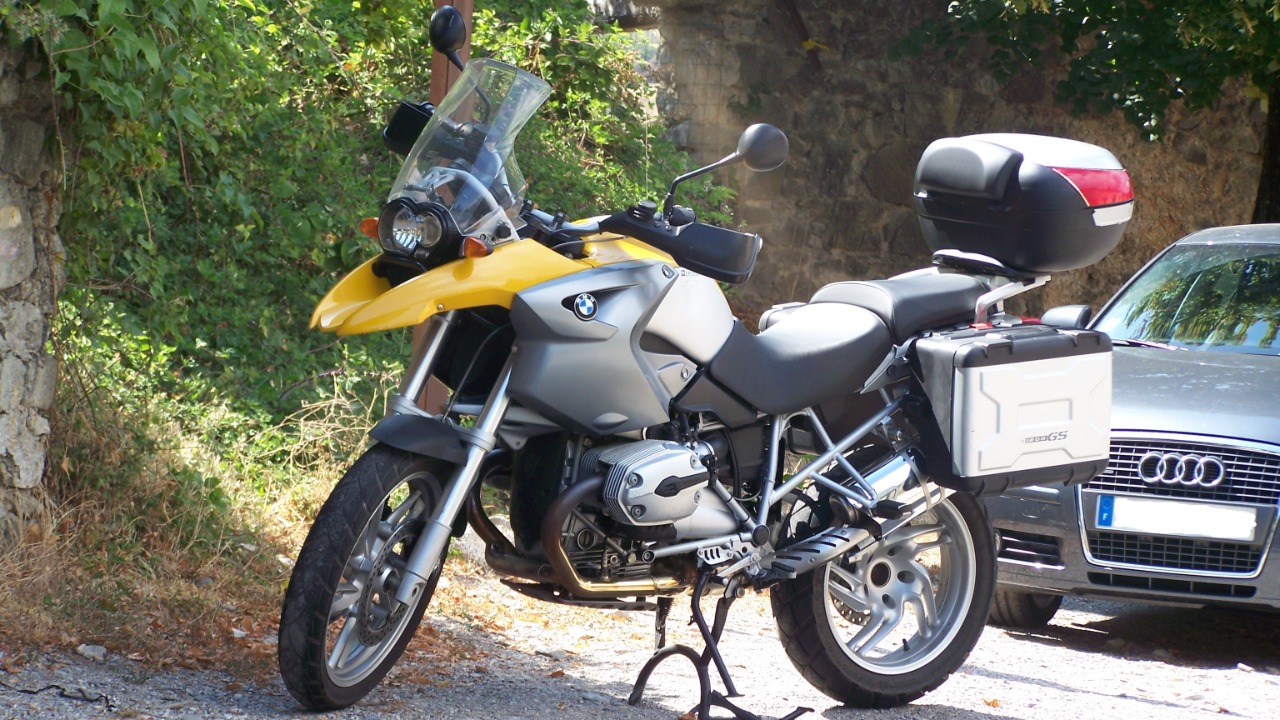
The BMW R 1200 GS helped make large adventure motorcycles increasingly popular with riders who wanted to travel beyond paved roads. Its boxer-twin engine, upright riding position, long-distance comfort, and versatile chassis made it suitable for touring and exploration. The GS name already had a strong reputation, but the R 1200 GS helped establish the large adventure motorcycle as a major category.
Yamaha YZF-R1
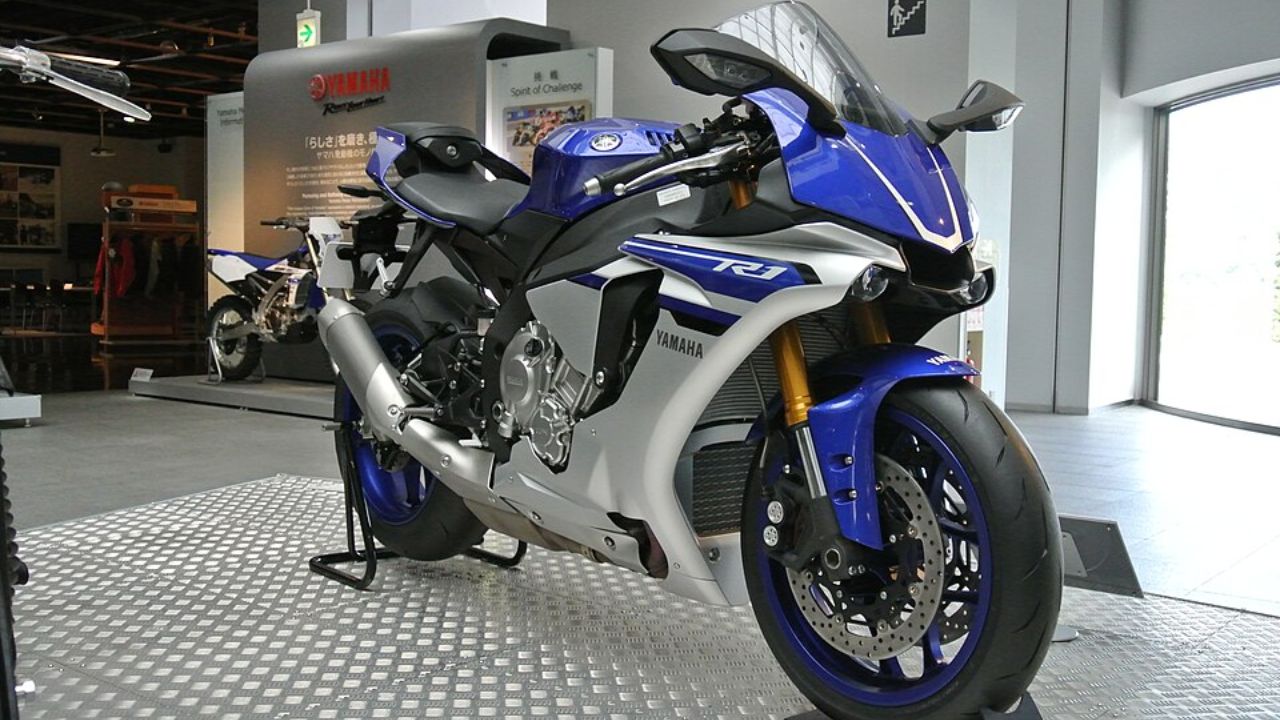
The Yamaha YZF-R1 arrived in 1998 and immediately attracted attention for its combination of lightweight construction and strong liter-class performance. Yamaha designed it to provide sharp handling and serious acceleration without the bulk associated with some larger sportbikes. The R1 quickly became a benchmark Japanese superbike and helped define the performance expectations of the modern 1000cc sportbike class.
Honda CBR1100XX Super Blackbird
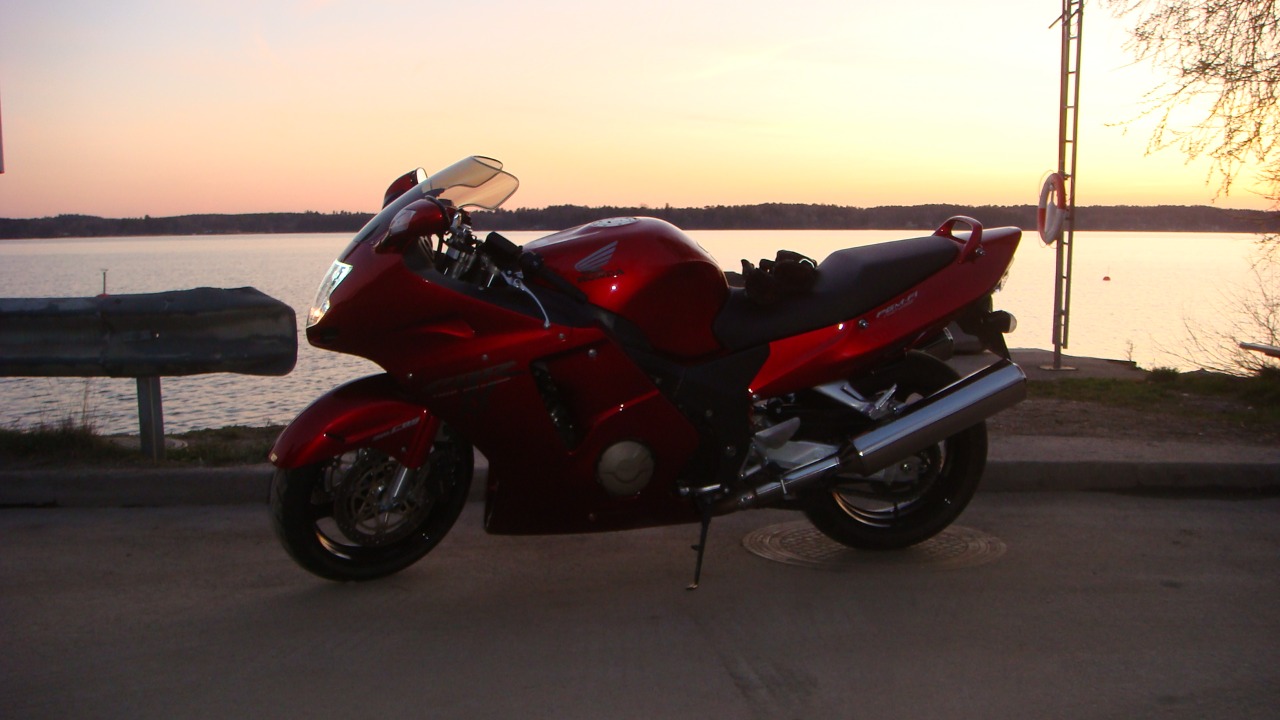
The Honda CBR1100XX Super Blackbird became famous for its combination of high-speed capability, smoothness, and everyday usability. Introduced in the late 1990s, it was developed as a high-performance sport-touring motorcycle capable of covering long distances quickly. Its powerful inline-four engine and stable chassis gave it an impressive reputation. The Super Blackbird became particularly well known among riders who valued speed without sacrificing comfort.
Kawasaki Ninja ZX-11
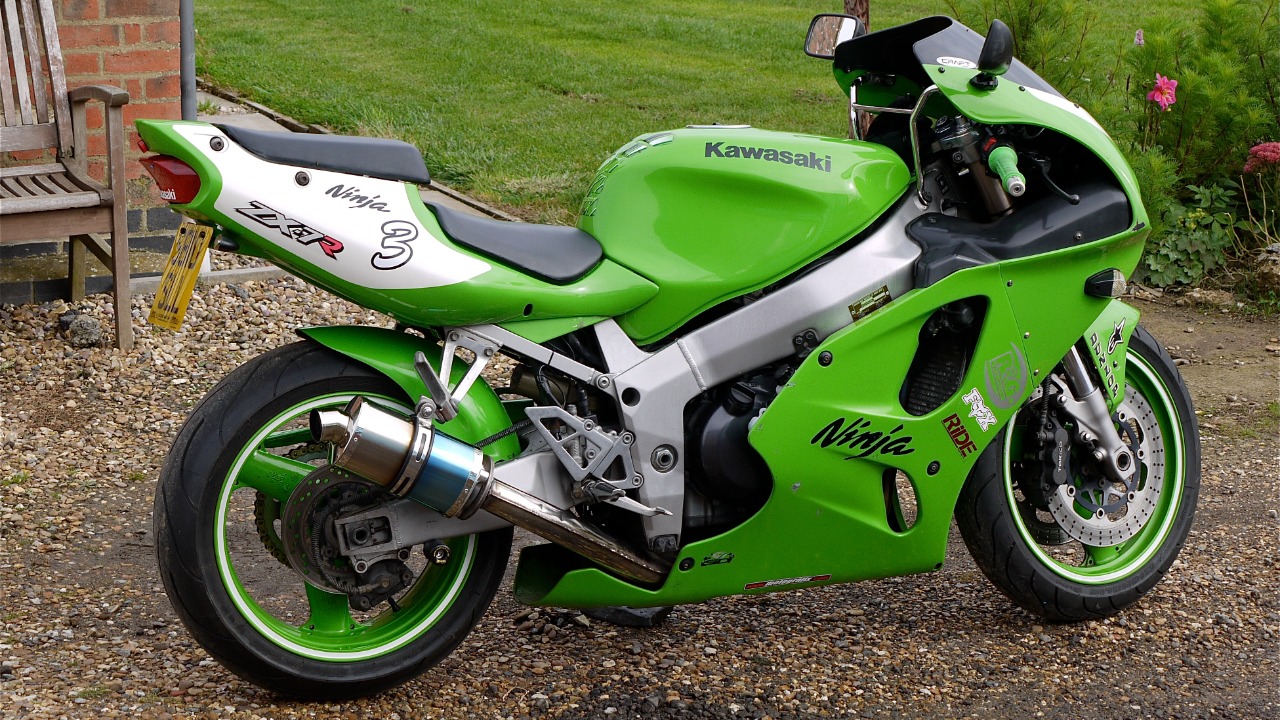
The Kawasaki Ninja ZX-11 became one of the defining high-speed motorcycles of its generation. Its large-displacement inline-four engine provided strong acceleration and impressive top-end performance, while its full fairing gave it a distinctive sport-touring appearance. For years, the ZX-11 represented Kawasaki’s pursuit of outright speed. Its reputation helped establish the Ninja name as one of the most recognizable in motorcycling.
Triumph Speed Triple
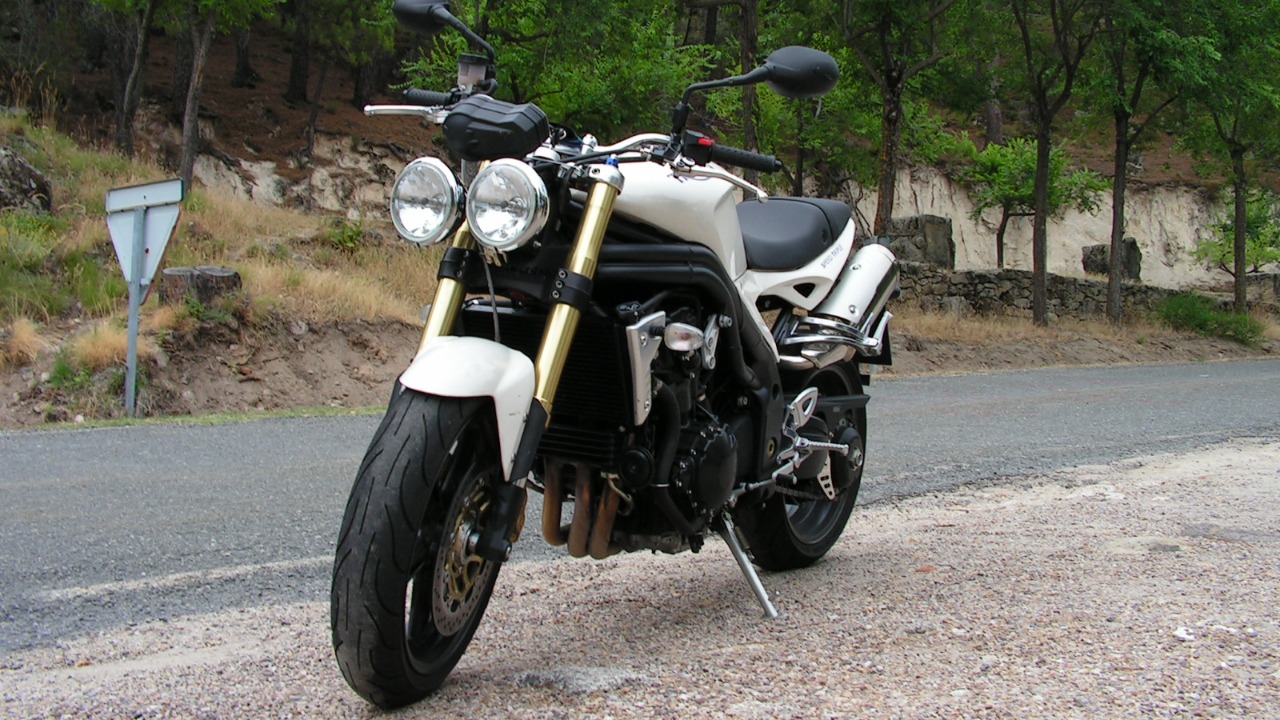
The Triumph Speed Triple helped popularize the modern performance naked bike. Instead of relying on a full fairing, it combined a powerful engine with an upright riding position and minimalist bodywork. Its aggressive appearance and strong three-cylinder engine gave it a personality that separated it from conventional sportbikes. The Speed Triple became an important part of Triumph’s modern revival and remains one of the company’s signature models.
KTM 1290 Super Duke R
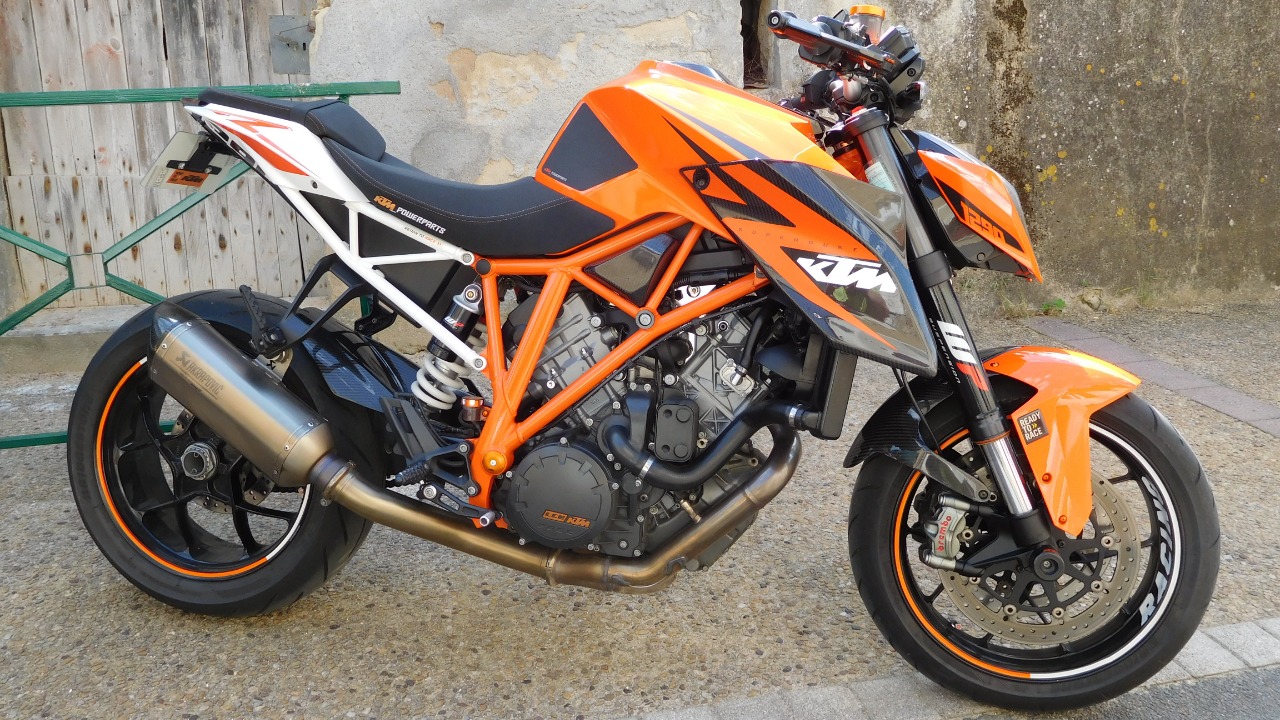
The KTM 1290 Super Duke R pushed the performance naked-bike category toward extreme levels. Its large V-twin engine, lightweight chassis, aggressive styling, and advanced electronics created a motorcycle designed around strong acceleration and sharp handling. KTM gave the Super Duke R an unmistakable character rather than simply removing the fairing from a sportbike. That approach helped make it a standout modern performance motorcycle.
Ducati Monster
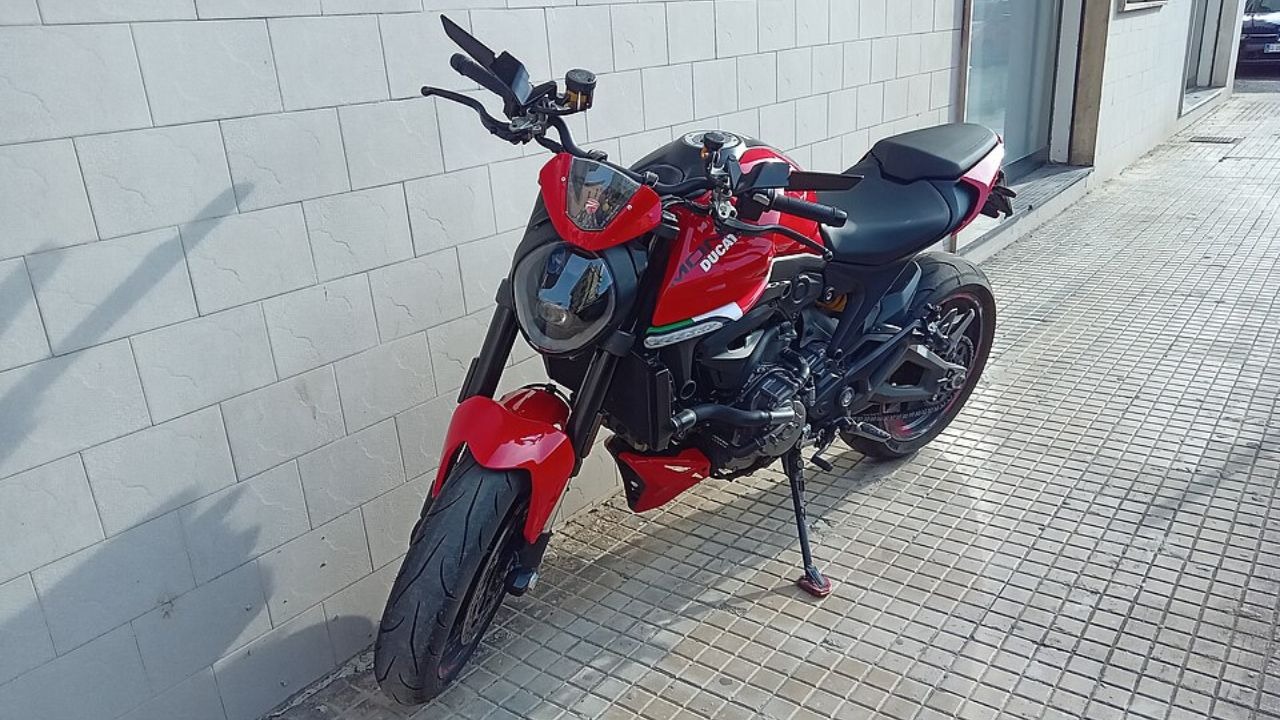
The Ducati Monster helped establish the naked sportbike as a major motorcycle category. Introduced in 1993, it combined a simple exposed frame, compact bodywork, and Ducati’s V-twin engine. Its minimalist design made it visually different from fully faired sportbikes while still offering exciting performance. The Monster became one of Ducati’s longest-running and most recognizable motorcycle families.
Honda Gold Wing
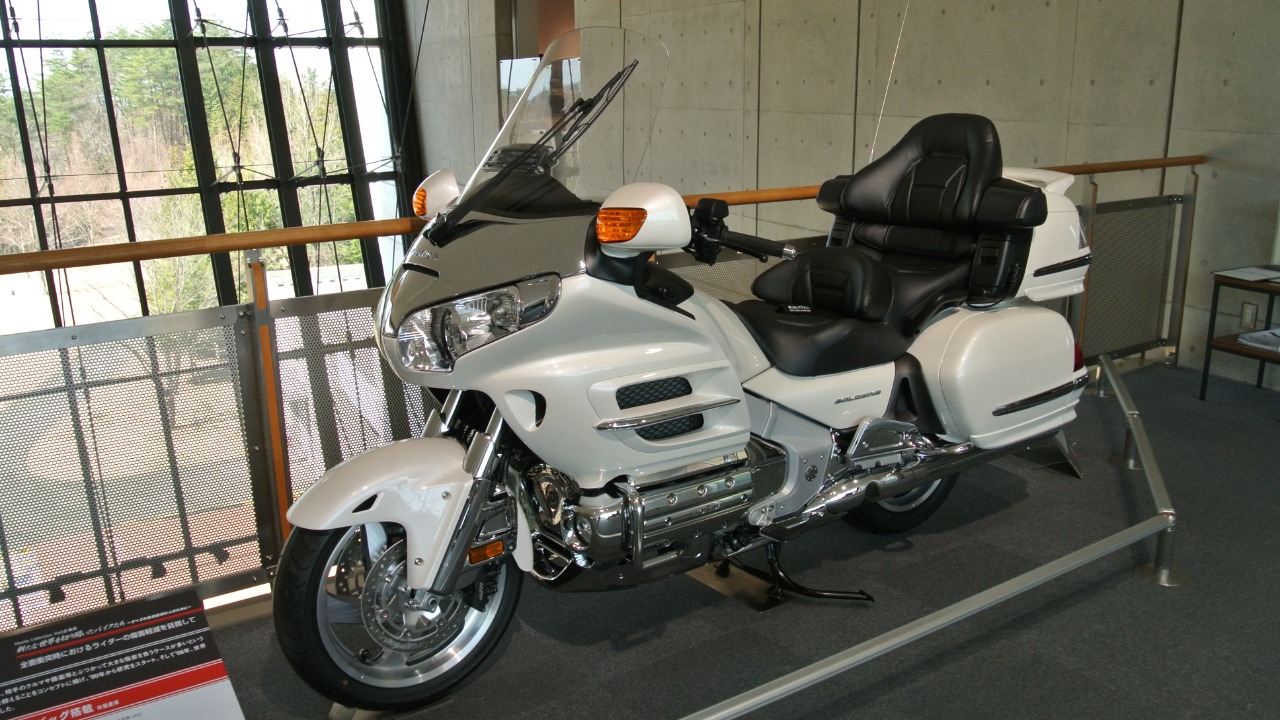
The Honda Gold Wing became an icon by turning long-distance motorcycle travel into a major part of Honda’s identity. Its combination of a smooth engine, comfortable seating, weather protection, luggage capacity, and touring equipment made it very different from lightweight motorcycles. Over successive generations, the Gold Wing became increasingly sophisticated while retaining its reputation as a serious machine for long-distance riders.
Harley-Davidson Sportster
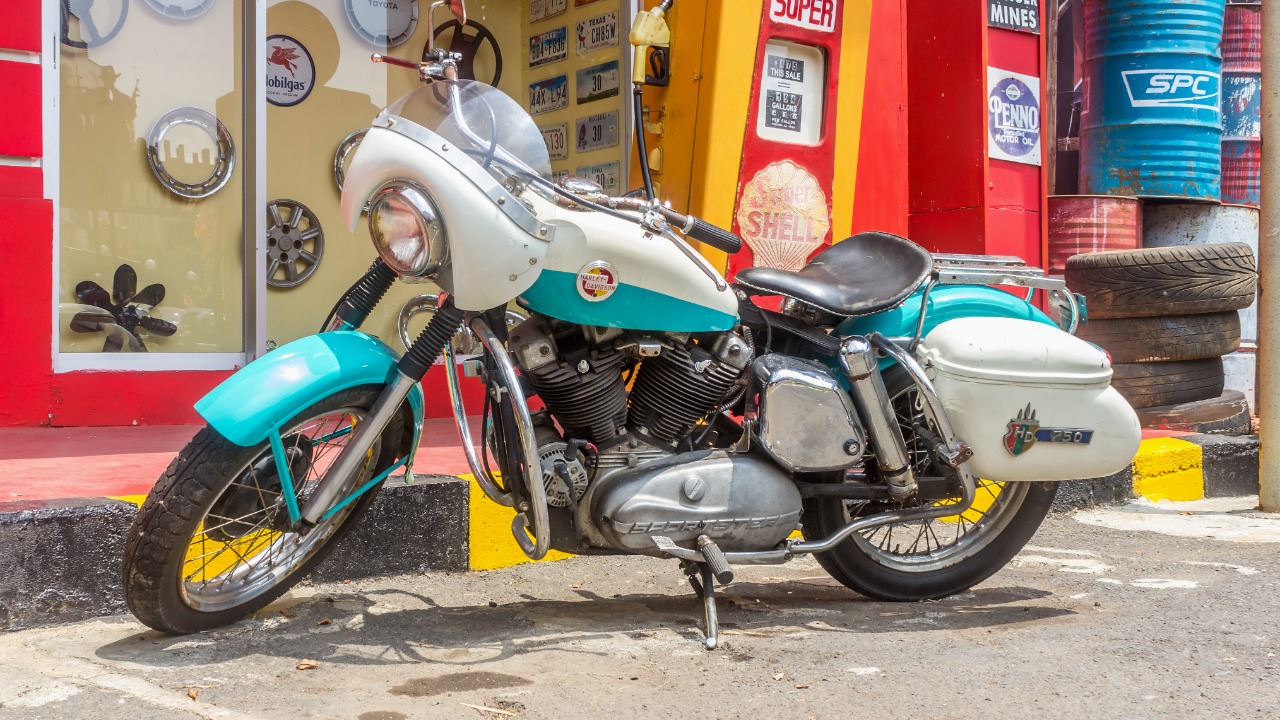
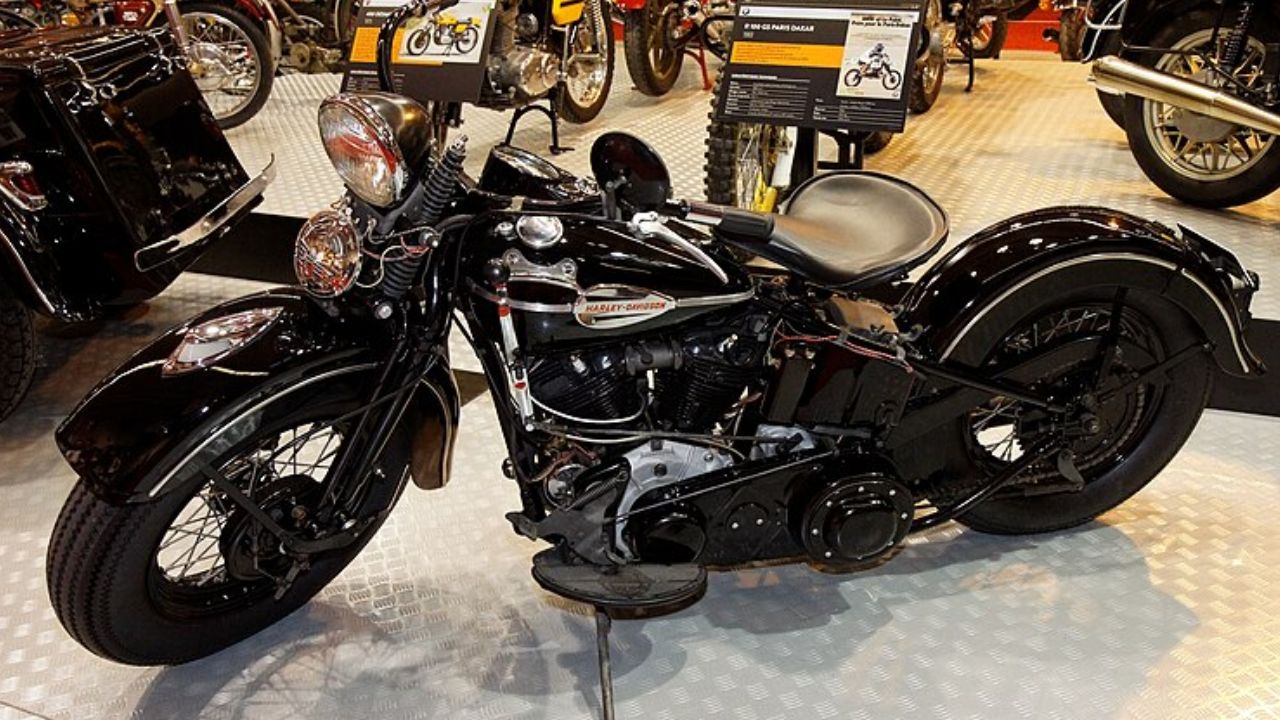
The Harley-Davidson Sportster became one of the company’s most enduring motorcycle families. Introduced in 1957, it combined a relatively compact chassis with Harley-Davidson’s V-twin character. Over decades, the Sportster evolved into many different versions, allowing riders to customize its appearance and performance. Its long production history and enormous aftermarket helped make the Sportster a lasting American motorcycle icon.
Honda Africa Twin
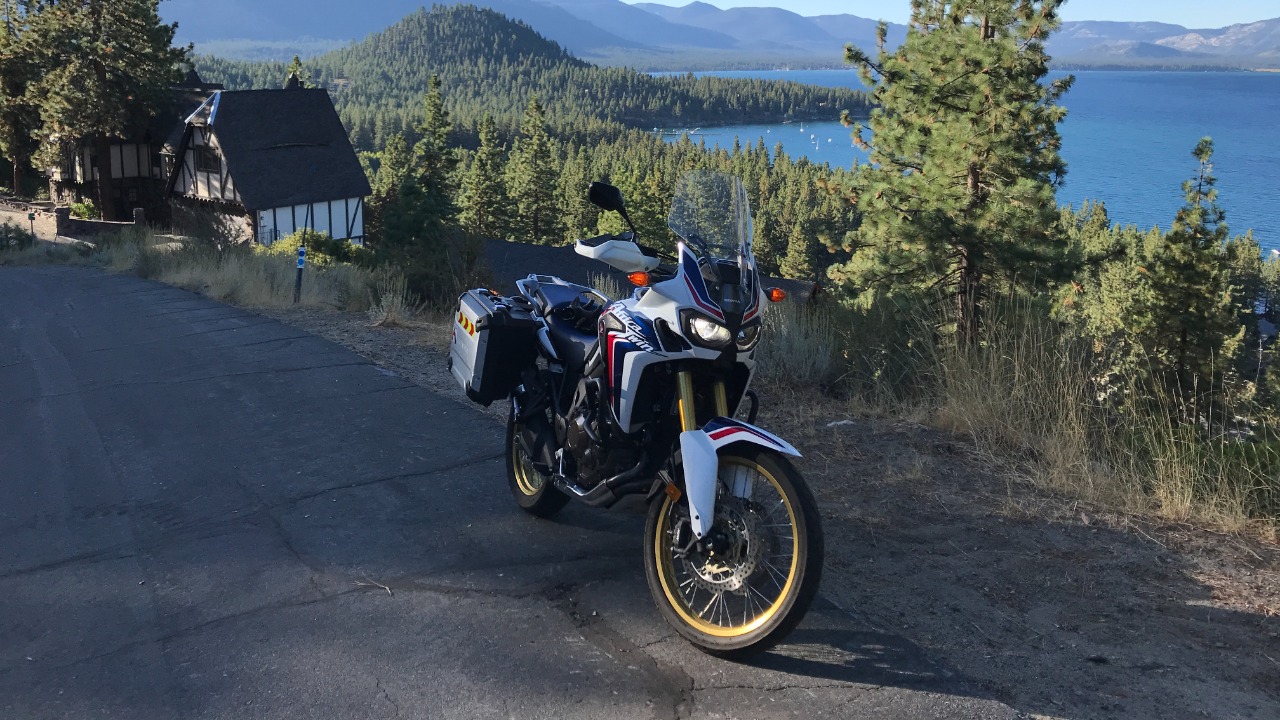
The Honda Africa Twin became an important name in adventure motorcycling by combining off-road capability with long-distance touring ability. Its roots were connected to Honda’s success in the Paris-Dakar Rally, giving the model a strong competition-inspired identity. Production versions offered riders a practical way to explore both paved and unpaved roads. The Africa Twin eventually became one of Honda’s best-known adventure motorcycles.
Kawasaki Ninja 250R
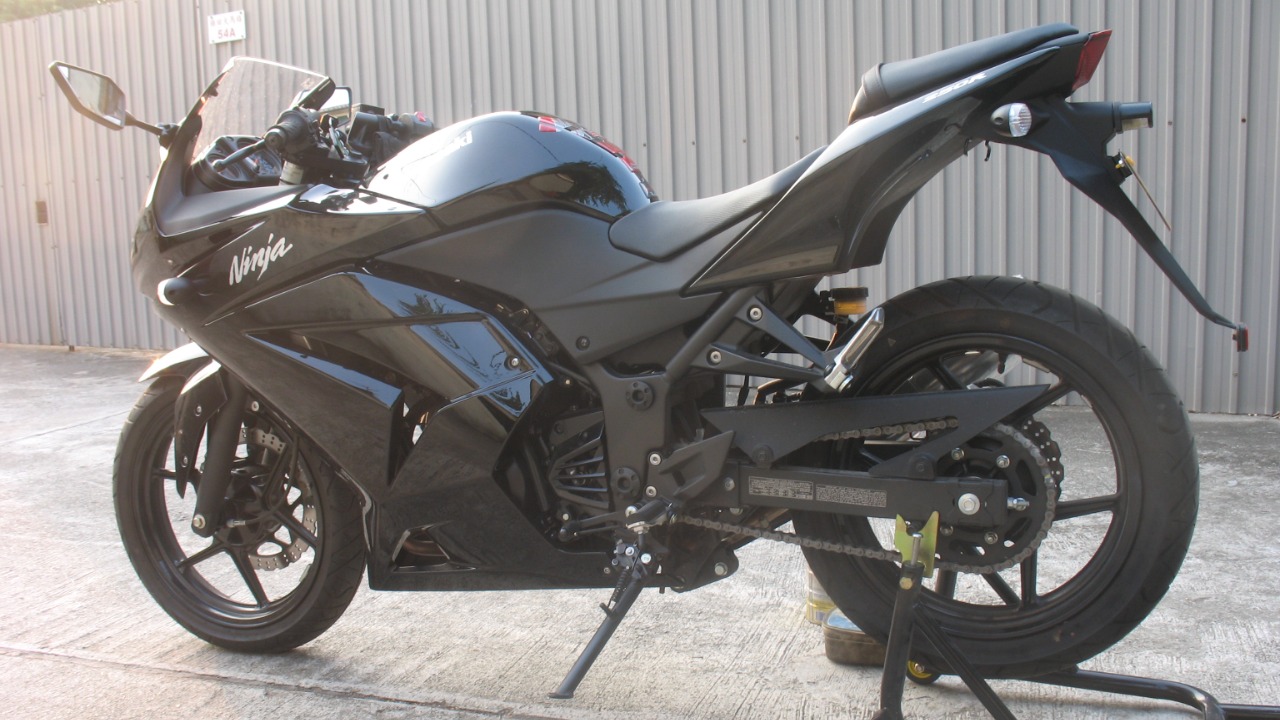
The Kawasaki Ninja 250R became an important motorcycle for riders entering the sportbike world. Its small parallel-twin engine, lightweight chassis, full fairing, and approachable performance made it easier for newer riders to experience sportbike styling without stepping directly into a large-displacement machine. Its popularity across different markets helped make the small Ninja one of Kawasaki’s most recognizable entry-level motorcycles.
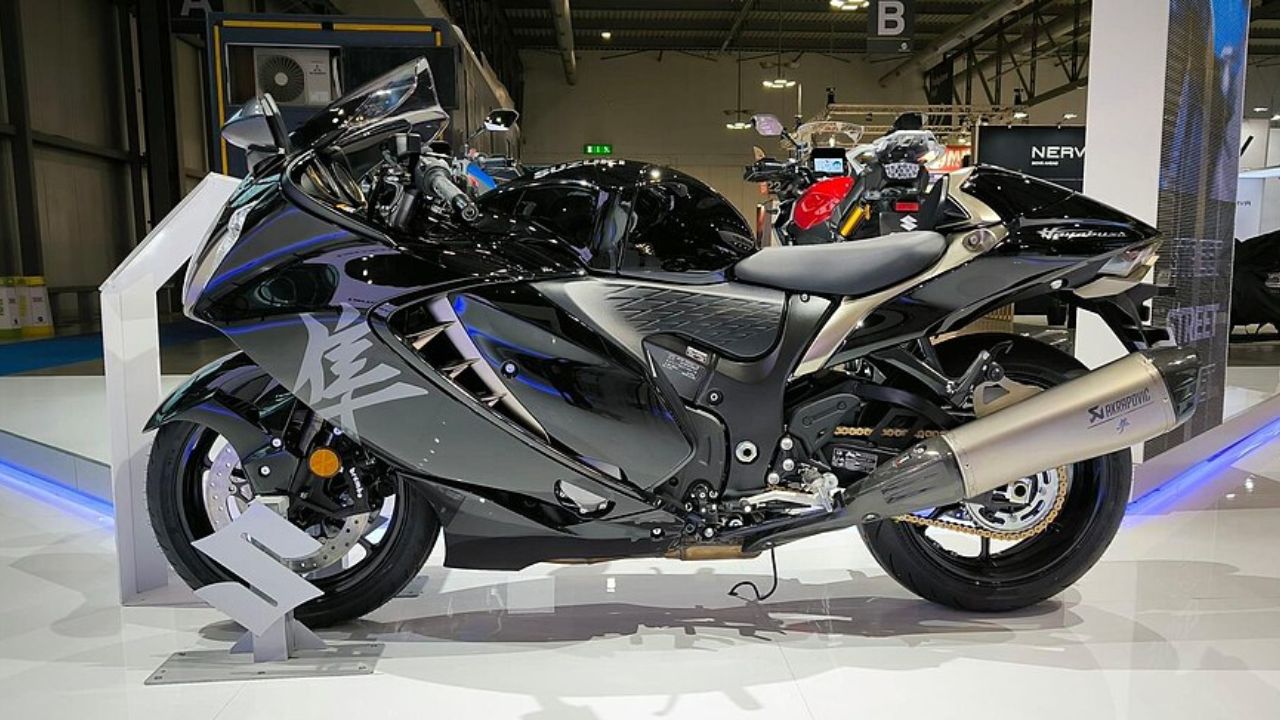
Suzuki Hayabusa
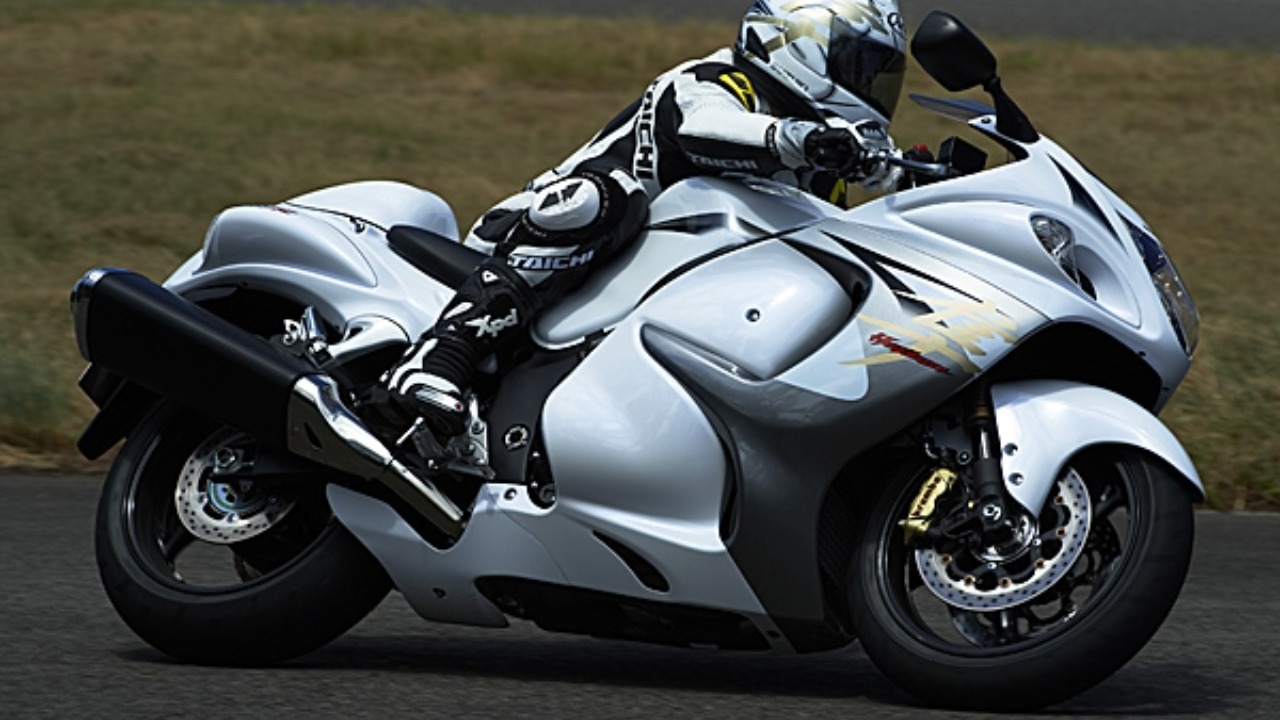
The Suzuki Hayabusa became an icon almost immediately because of its extraordinary speed and distinctive aerodynamic design. Introduced in 1999, its large-displacement engine and carefully shaped bodywork were designed around high-speed performance. The Hayabusa became closely associated with the pursuit of maximum acceleration and top speed. Its unusual appearance also gave it an identity that was impossible to confuse with ordinary sportbikes.
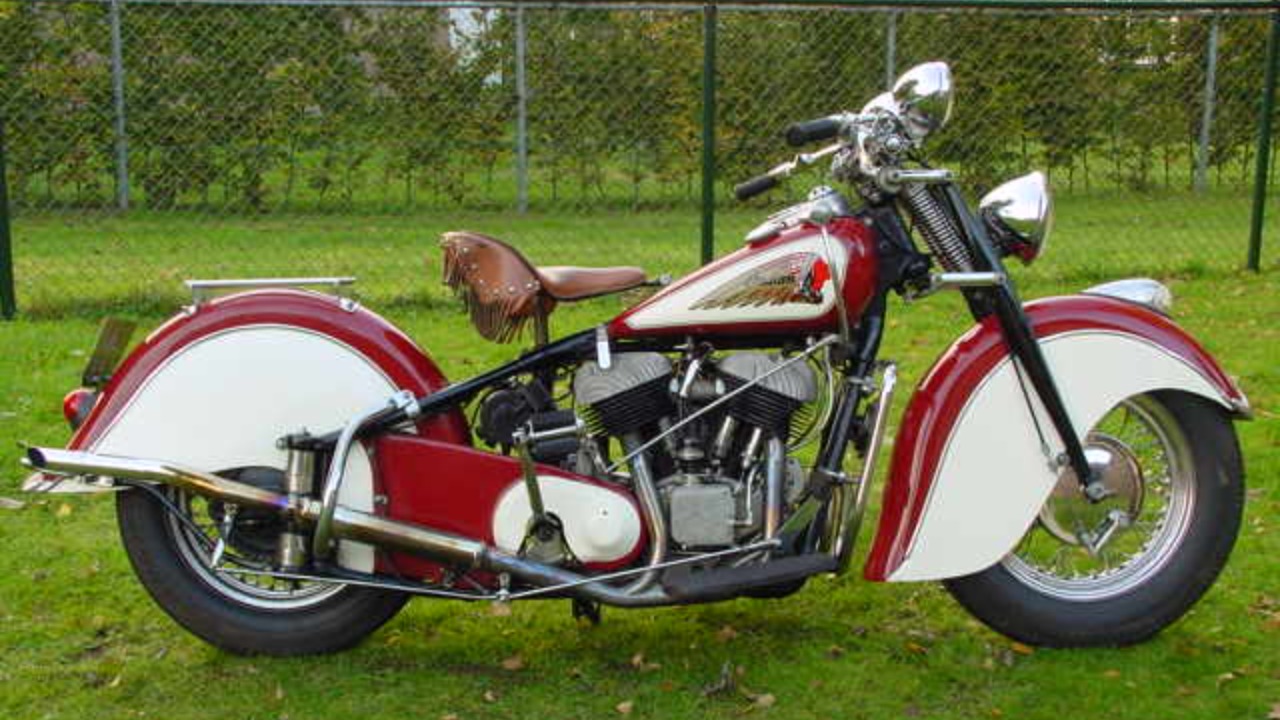
Indian Chief
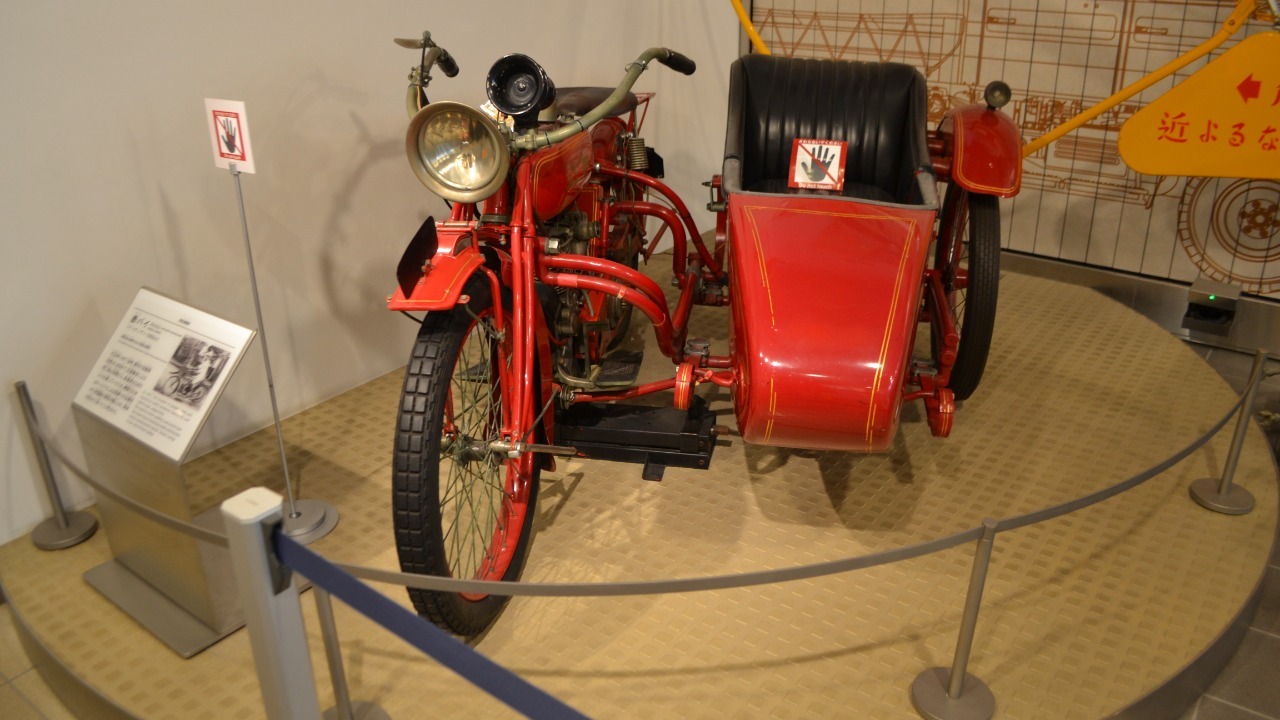
The Indian Chief became one of the most recognizable names in American motorcycle history. Early Chiefs combined a large V-twin engine with distinctive American styling and strong touring capability. The model became closely associated with the Indian Motorcycle brand and developed a lasting collector following. Its historical importance and recognizable design have helped the Chief remain an important name in American motorcycling.
More from Fast Lane Only
- Unboxing the WWII Jeep in a Crate
- 15 rare Chevys collectors are quietly buying
- 10 underrated V8s still worth hunting down
- Police notice this before you even roll window down
*Research for this article included AI assistance, with all final content reviewed by human editors.