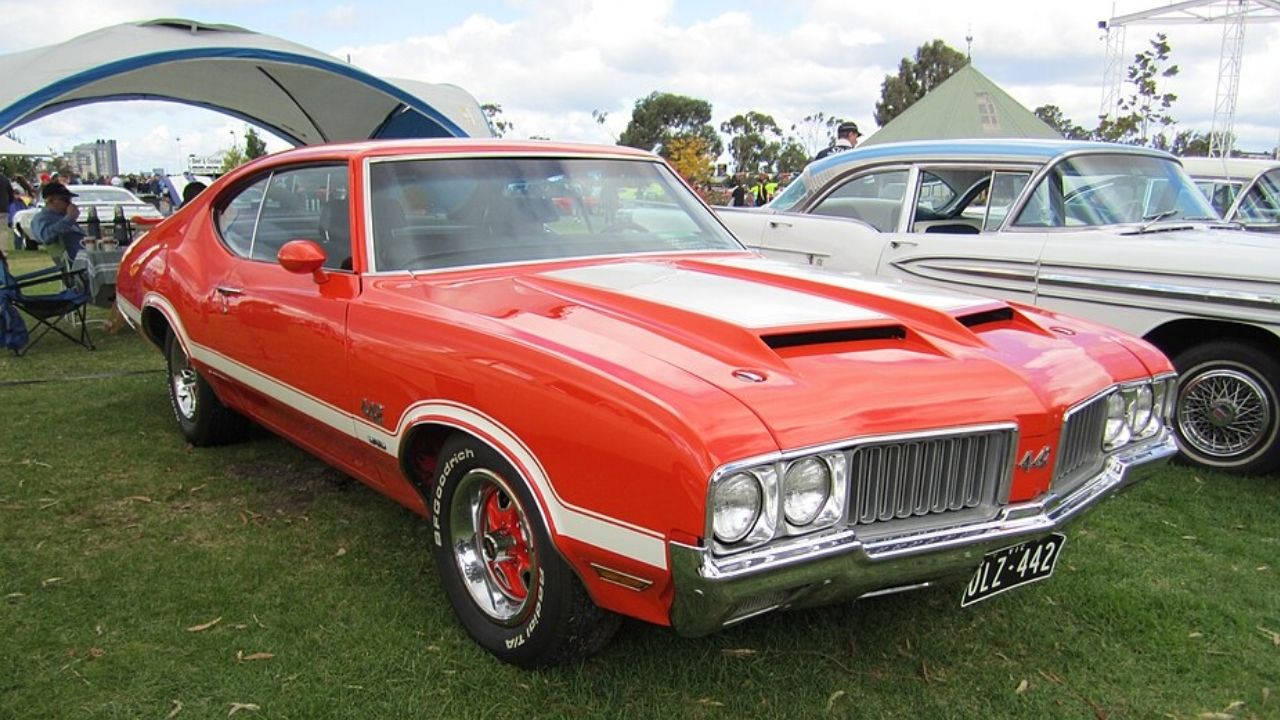
The classic muscle car era was about more than huge engines and straight-line speed. A handful of cars pushed the formula in directions that other manufacturers would eventually follow, whether through clever packaging, bold styling, racing technology, or unusually focused performance. These muscle cars stood out because they offered something beyond the usual horsepower contest and helped shape what performance cars would become.
Pontiac GTO
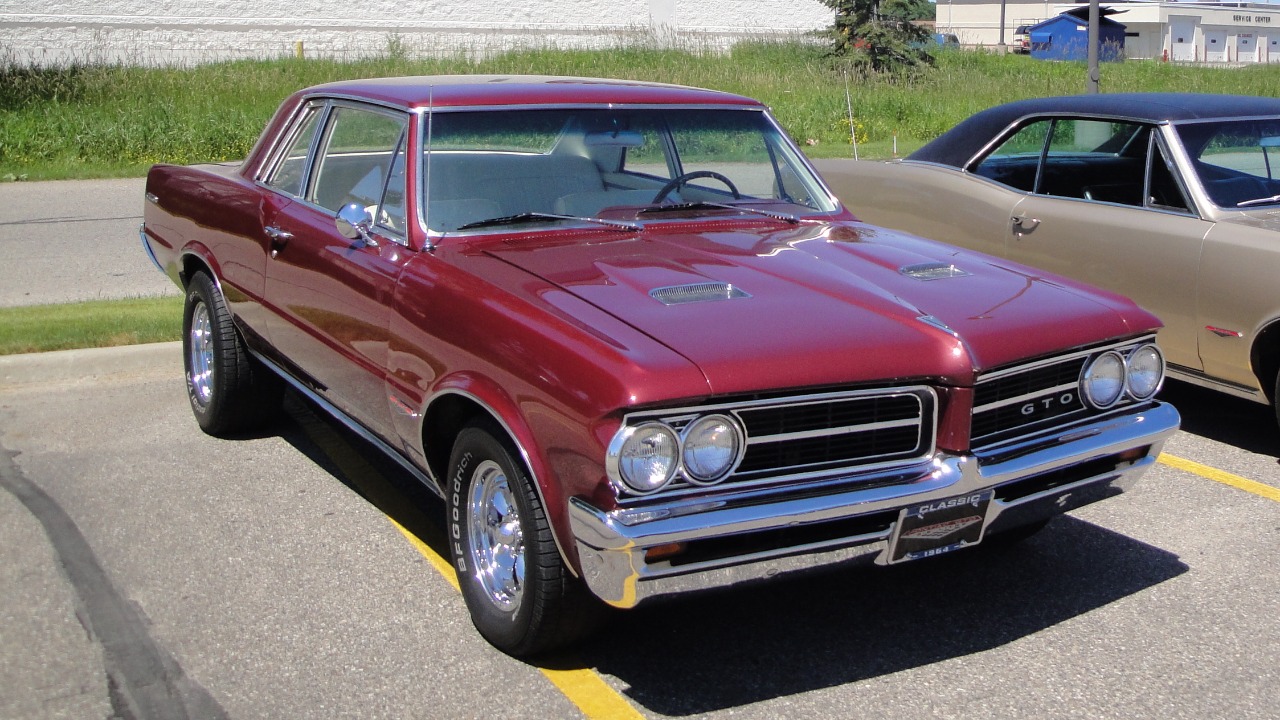
The Pontiac GTO changed the formula by putting big-car power into a midsize package. Based on the Tempest LeMans, it combined a large V8 with performance suspension, stronger transmissions, and a sportier presentation. The idea was remarkably simple, but it created a new market almost overnight. Other manufacturers soon followed with their own midsize performance cars, making the GTO one of the most influential models of the muscle car era.
Oldsmobile 442
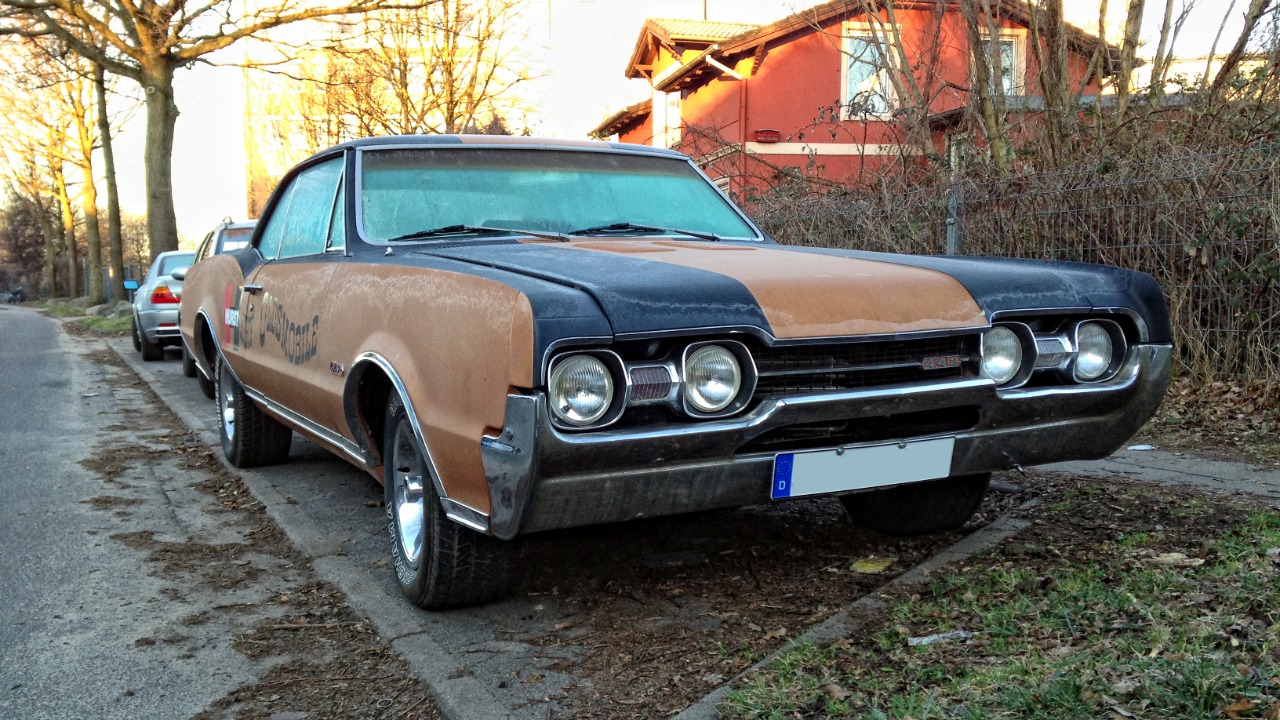
The Oldsmobile 442 brought a serious performance package to a relatively compact intermediate car at a time when most buyers still associated Oldsmobile with comfortable family transportation. Its combination of a four-barrel carburetor, four-speed transmission, and dual exhaust gave it a clear performance identity. Later versions became even more powerful, but the original concept was important because it showed that a practical midsize car could also be engineered as a genuine performance machine.
Buick GS 400
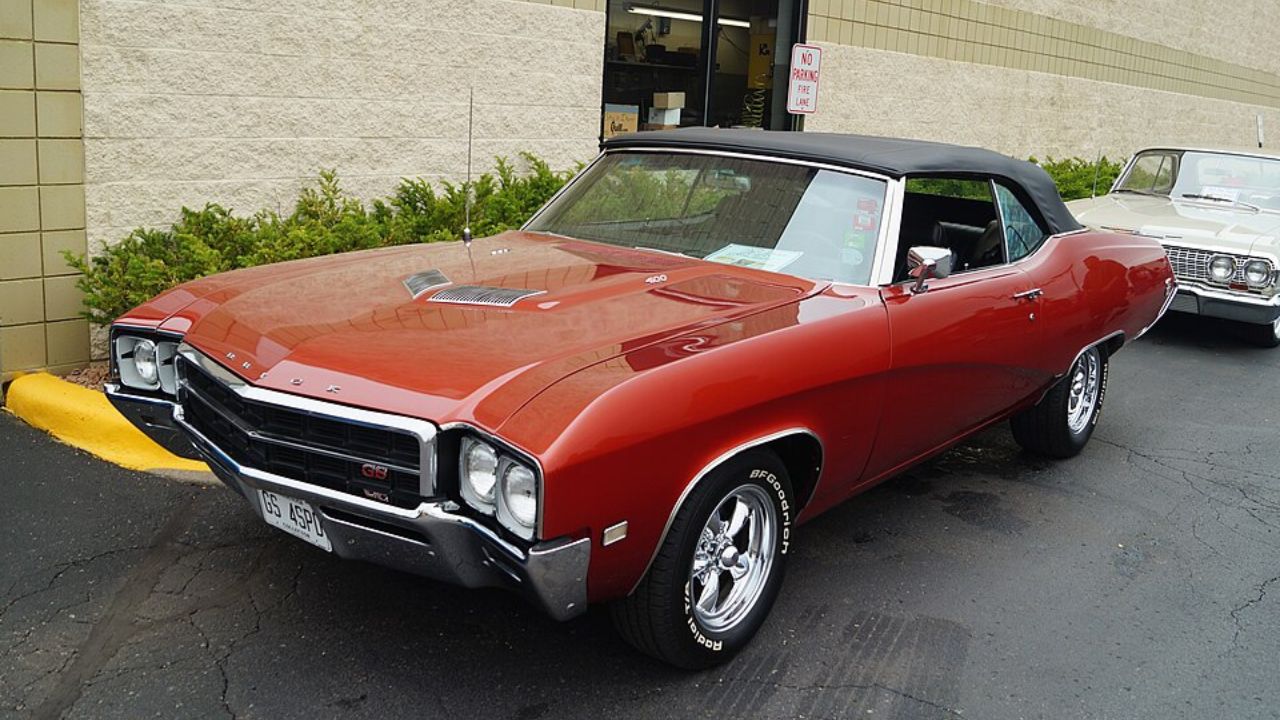
The Buick GS 400 took a more sophisticated approach to the muscle car formula. It paired substantial V8 power with the upscale styling and comfortable character associated with Buick. That combination helped create a car that could deliver serious performance without looking as aggressive as some rivals. Buick’s approach would eventually become common among high-performance cars that blended speed with luxury, making the GS 400 an interesting early example of the performance grand touring formula.
Chevrolet Chevelle SS 396

The Chevelle SS 396 demonstrated just how much performance could be packed into a midsize family car. Chevrolet combined a relatively ordinary body with a big-block V8, heavy-duty components, and aggressive performance equipment. The result became one of the defining muscle cars of the 1960s. Its formula also showed manufacturers that buyers wanted cars that could serve as everyday transportation while still delivering serious straight-line performance.
Plymouth Road Runner
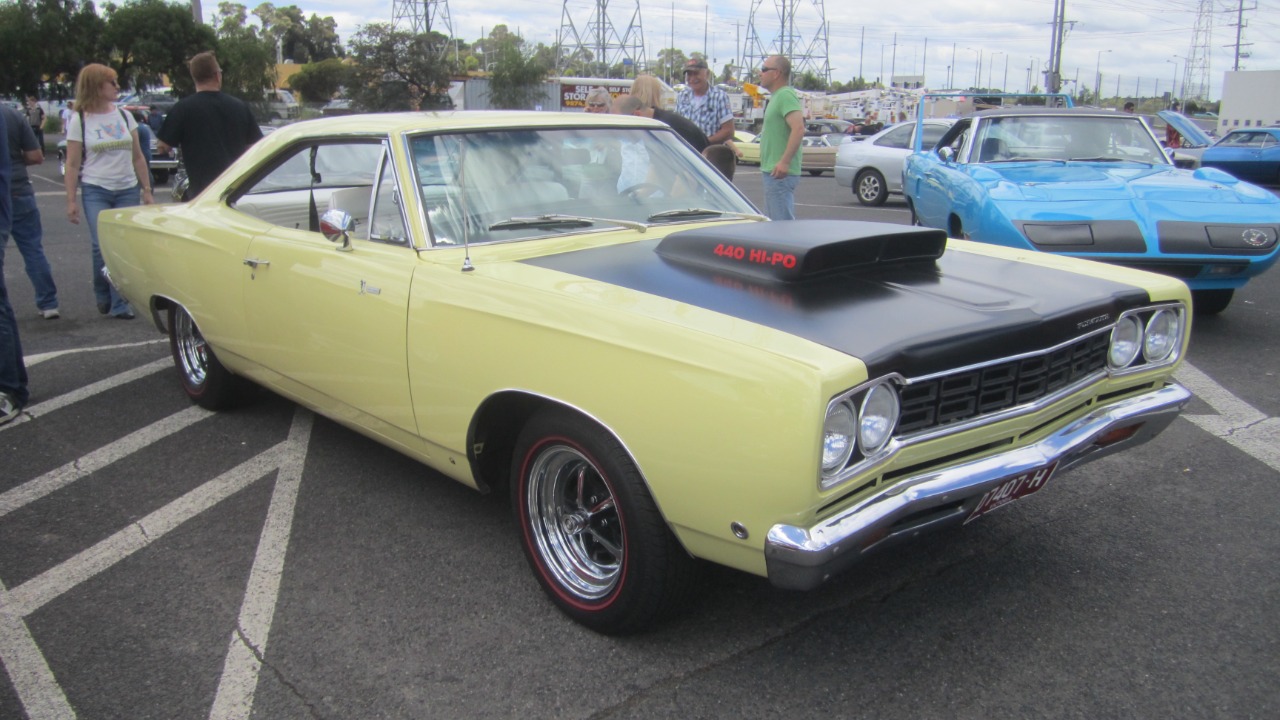
The Road Runner challenged the idea that a muscle car needed expensive trim and luxury equipment. Plymouth stripped away unnecessary extras and concentrated on performance, creating a relatively affordable car with a big engine and a simple personality. Even its cartoon-inspired branding was unusual for the industry. The formula proved that performance buyers would accept a basic interior if the car delivered the power and attitude they wanted.
Dodge Super Bee
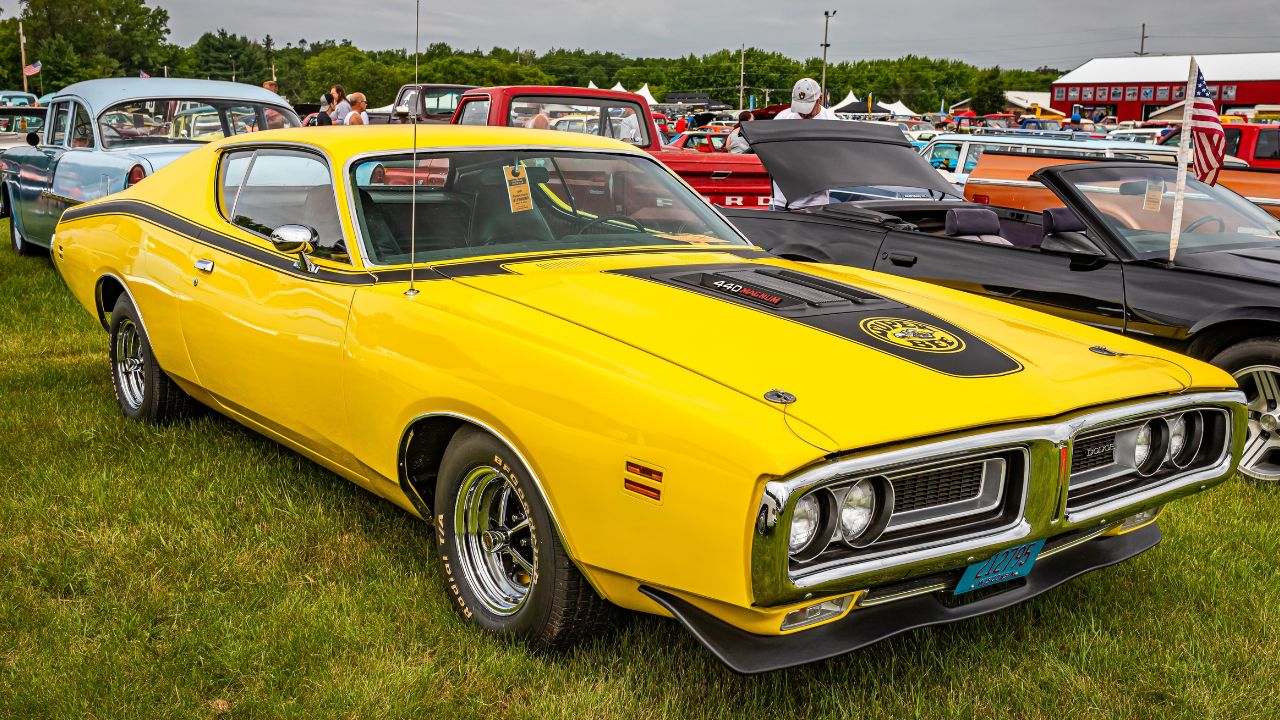
The Dodge Super Bee followed the same basic philosophy as the Road Runner but gave it a distinct Dodge identity. Based on the Coronet platform, it combined strong V8 options with a relatively straightforward approach to equipment. Dodge created a car that emphasized performance rather than luxury, helping expand the idea of the affordable muscle car. Its bold graphics and unmistakable styling also showed how important visual identity was becoming in the performance market.
AMC AMX
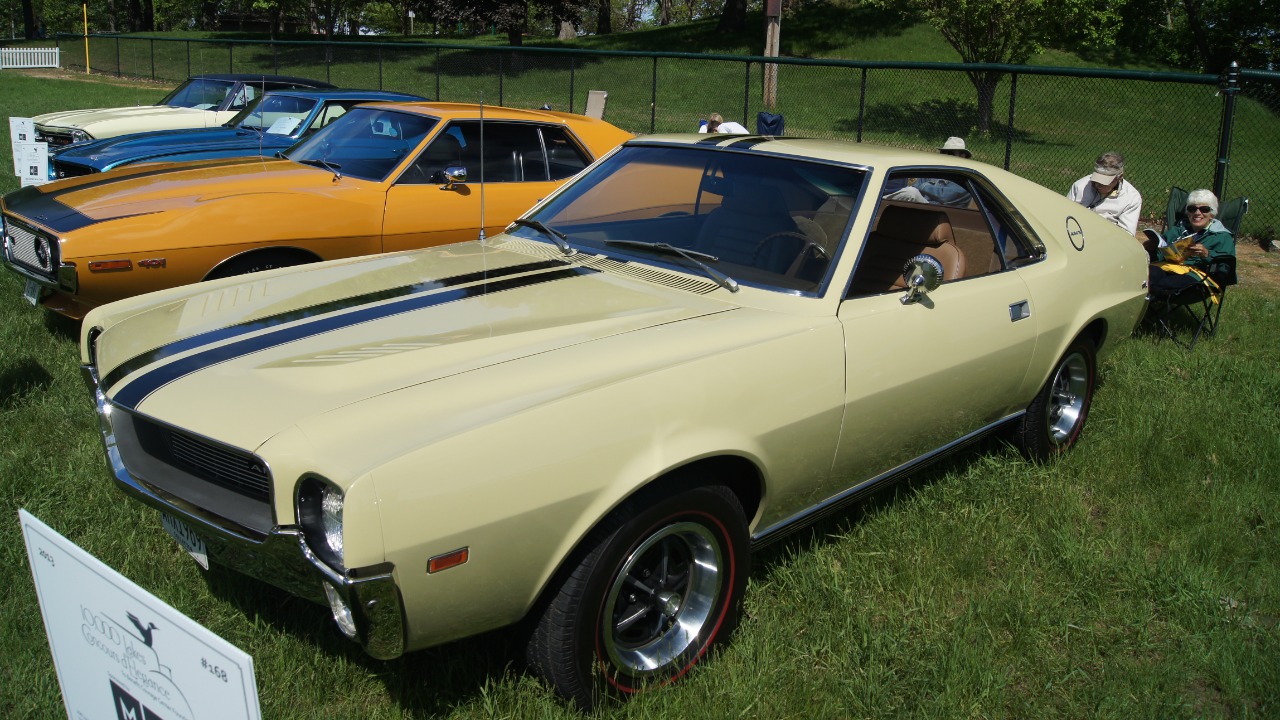
The AMC AMX was unusual simply because it was a true two-seat American performance car during an era dominated by larger coupes and four-seat muscle machines. Its short wheelbase and compact body gave it a distinctive stance, while available V8 power made it a serious performer. AMC also positioned the AMX as a more affordable alternative to larger sports cars. Its combination of compact dimensions and big-engine performance anticipated later American performance coupes.
Plymouth Barracuda
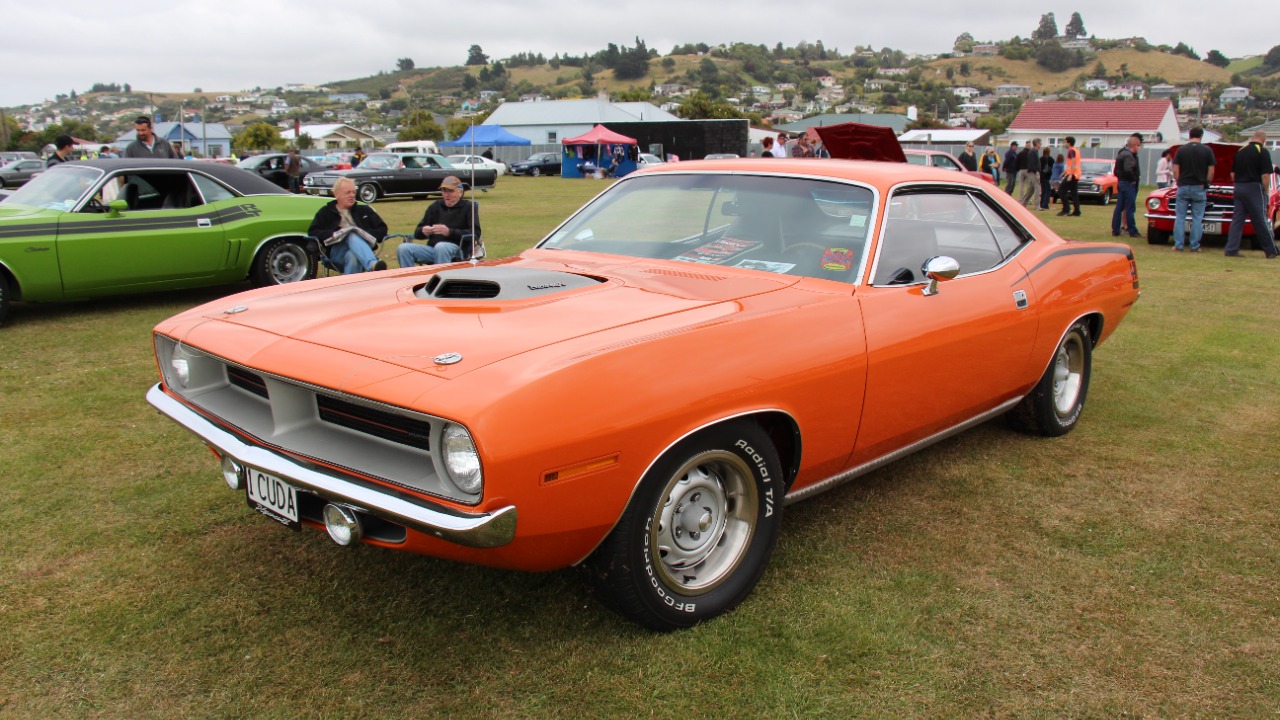
The Barracuda arrived before the Mustang and helped establish the basic formula that would define the pony car market. Its compact body, sporty fastback shape, and available V8 made it much more performance-oriented than many small American cars of the period. Later versions grew more aggressive and became genuine muscle cars, but the original Barracuda deserves attention for helping establish a new category before the market fully understood what it wanted.
Ford Mustang Boss 302
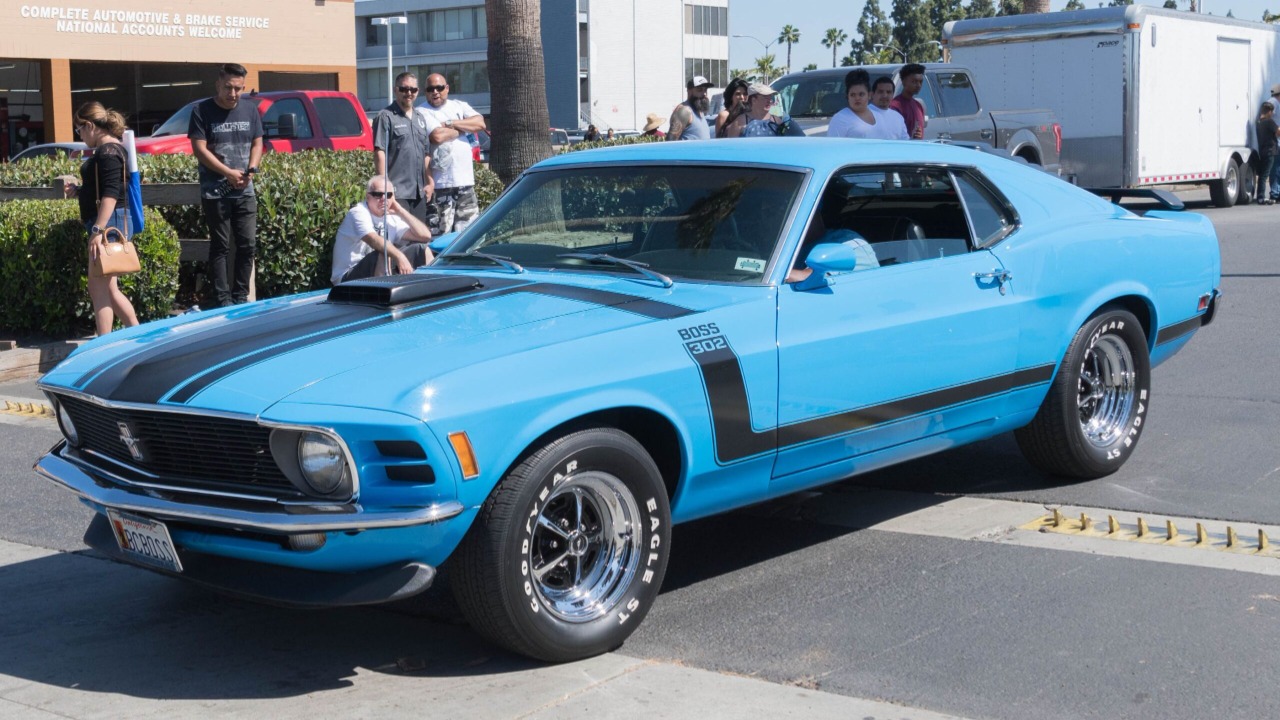
The Boss 302 demonstrated that an American muscle car could be developed with road racing in mind rather than focusing entirely on straight-line acceleration. Ford gave the car a high-revving small-block V8, revised suspension, stronger components, and a more focused chassis. The result was a Mustang designed to compete with handling-oriented rivals. That balance between power and cornering ability became increasingly important to performance cars in later decades.
Chevrolet Camaro Z/28

The Camaro Z/28 was created with racing competition in mind and brought a much more focused personality to Chevrolet’s new pony car. Its small-block V8, four-speed transmission, suspension upgrades, and performance-oriented equipment made it different from ordinary Camaros. The Z/28 showed that a factory performance car could be designed around road-course capability as well as acceleration. That approach helped shape the evolution of American performance cars beyond the traditional big-block formula.
Ford Torino Cobra
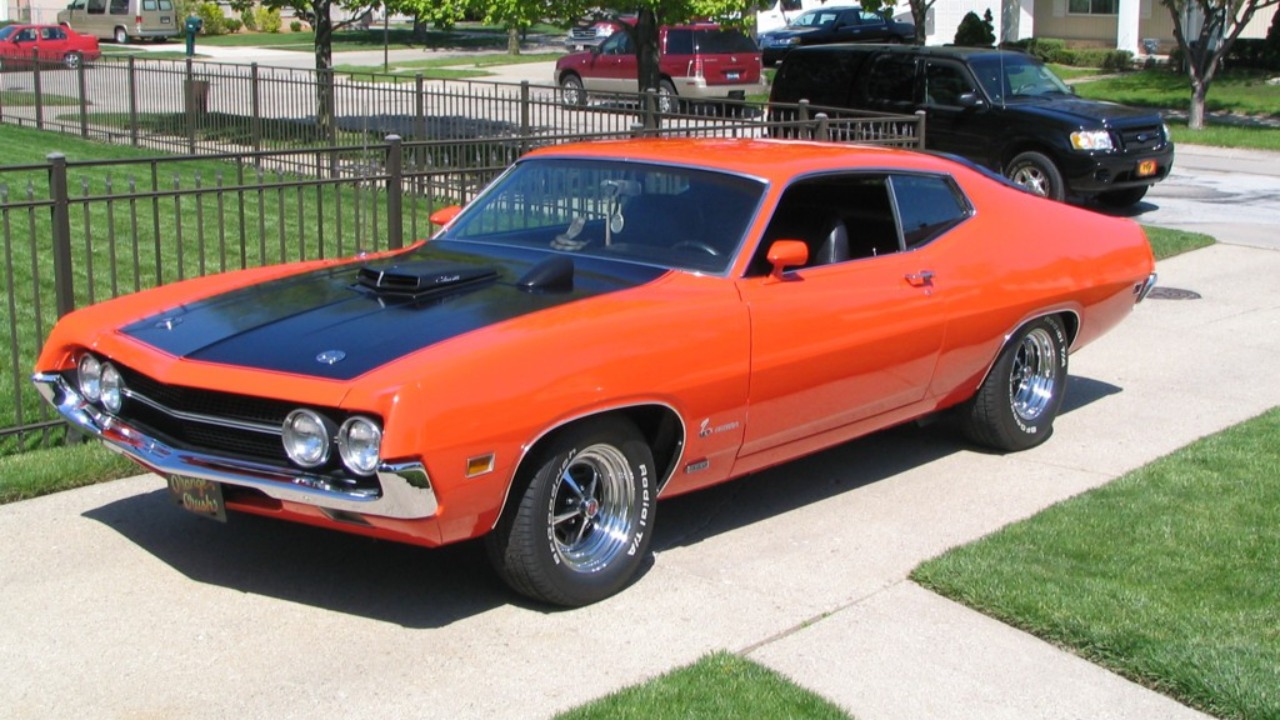
The Torino Cobra represented Ford’s move toward increasingly serious intermediate performance. Its aggressive bodywork, powerful V8 options, and performance equipment made it a formidable street car. Ford also used the Torino platform in NASCAR, creating an important connection between showroom cars and competition technology. The Cobra demonstrated how manufacturers were beginning to use motorsports development and aerodynamic thinking to push production performance beyond simply installing a larger engine.
Mercury Cyclone Spoiler

The Mercury Cyclone Spoiler showed how aerodynamics were becoming an important part of American performance. Its long, sleek body was paired with powerful V8 options, while Mercury developed increasingly specialized versions for racing homologation. The Cyclone’s shape and performance focus helped bridge the gap between traditional muscle cars and the more aerodynamic machines that would soon dominate NASCAR. It remains one of Mercury’s most interesting contributions to the muscle car era.
Dodge Charger Daytona
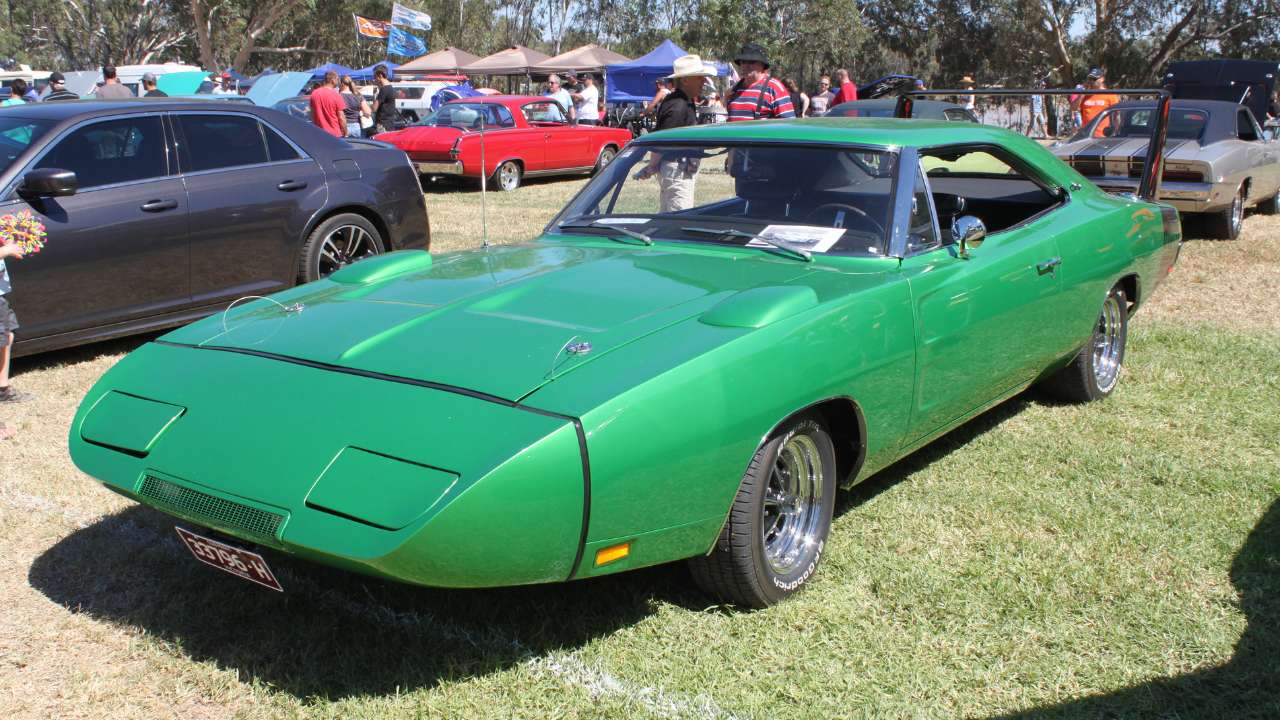
The Dodge Charger Daytona took aerodynamic development to an extreme that looked almost absurd on a showroom floor. Its pointed nose and enormous rear wing were designed to improve high-speed performance on NASCAR tracks, and the production car was created to satisfy homologation requirements. It showed that aerodynamic efficiency could become just as important as engine power. The idea would eventually become a major part of performance-car development across the industry.
Plymouth Superbird
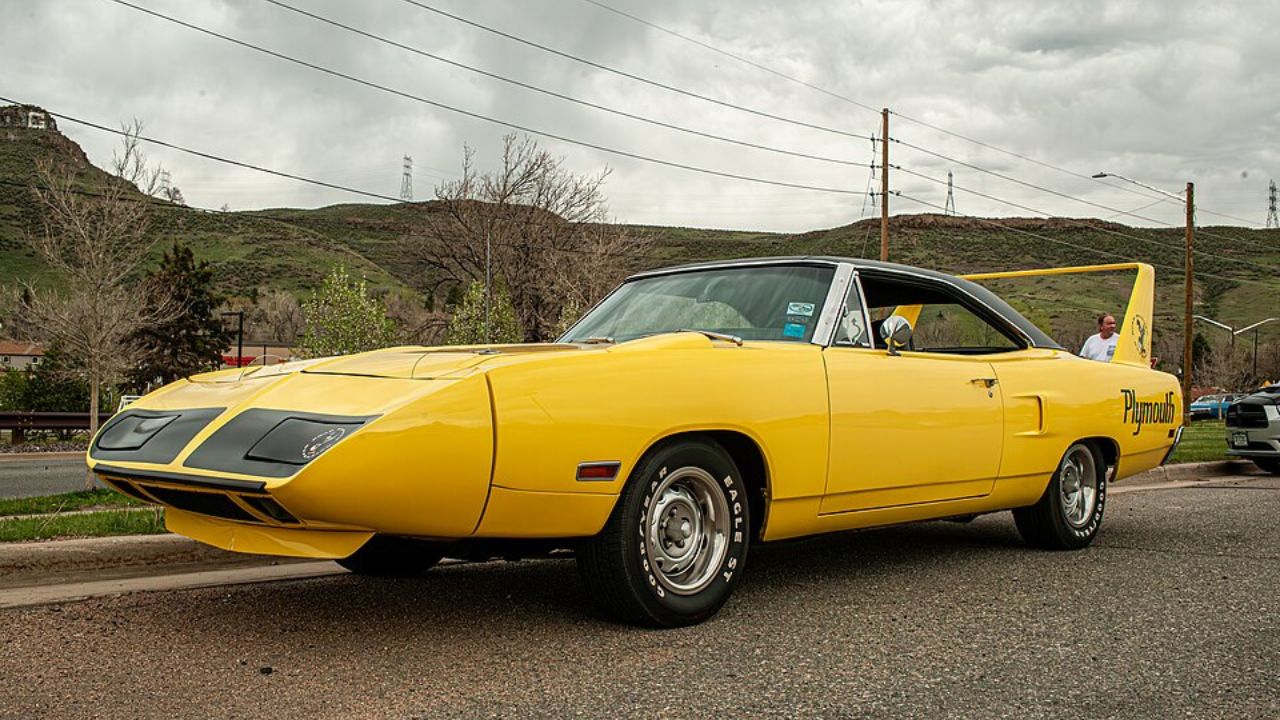
The Plymouth Superbird pushed the aerodynamic muscle car concept even further. Based on the Road Runner, it received an extended nose and enormous rear wing that gave it an unmistakable appearance. Those features were not simply styling exercises; they were developed to improve high-speed racing performance. The Superbird demonstrated how closely some showroom muscle cars could be tied to competition engineering and helped establish the importance of aerodynamic development in American performance.
Pontiac Firebird Trans Am
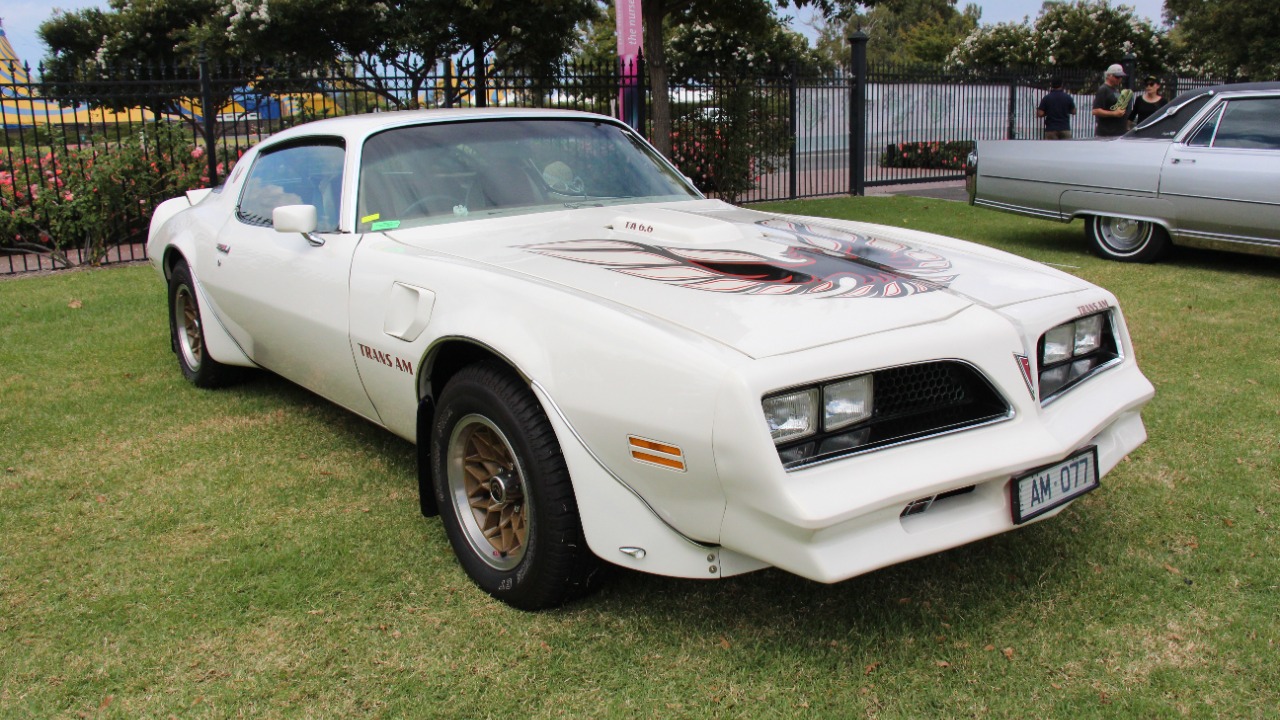
The Trans Am took the Firebird in a more sophisticated performance direction, emphasizing handling and road-course ability alongside horsepower. It offered upgraded suspension, stronger brakes, distinctive styling, and powerful V8 options. As the muscle car era evolved, the Trans Am became one of the models that kept American performance relevant even as emissions rules and fuel concerns changed the market. Its blend of handling, power, and visual identity became a lasting part of Pontiac’s performance image.
Oldsmobile Toronado
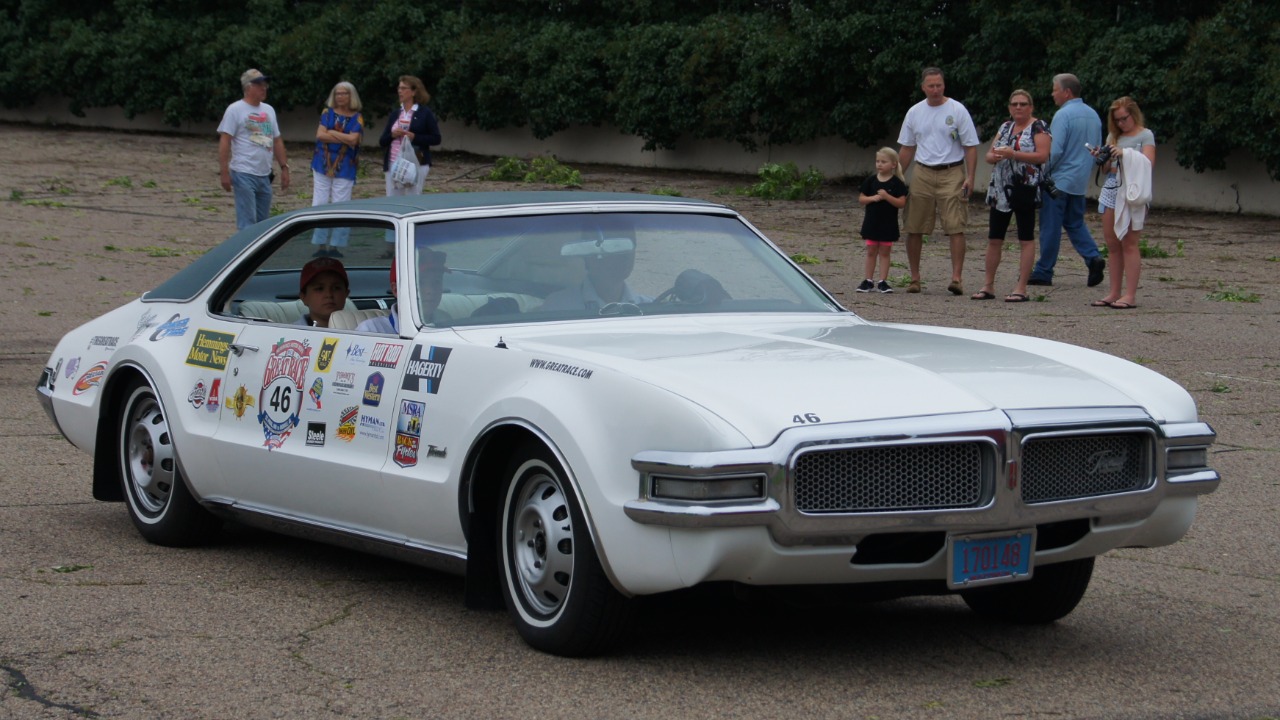
The Toronado sits near the edge of the traditional muscle car definition, but its engineering was undeniably ahead of its time. Oldsmobile combined a large V8 with front-wheel drive in a full-size performance-oriented coupe, using an unusual drivetrain arrangement that was radically different from most American performance cars. The result was a striking demonstration that powerful cars did not necessarily need conventional rear-wheel-drive layouts. Its engineering influenced later front-wheel-drive performance and luxury cars.
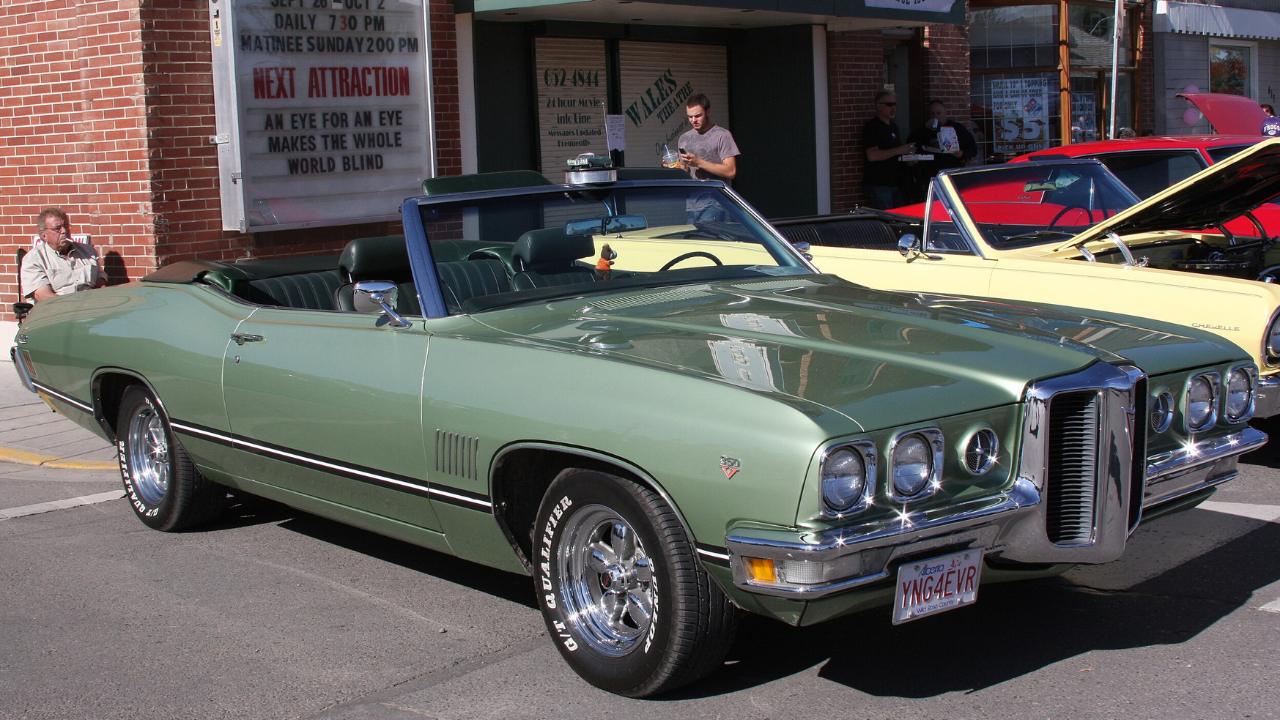
Buick GSX

The GSX pushed the Buick muscle car formula toward a much more focused performance package. Based on the GS 455, it combined a big-block V8 with distinctive graphics, performance suspension, and aggressive exterior equipment. Buick had traditionally emphasized comfort and refinement, so the GSX’s appearance and performance represented a significant change in direction. It also demonstrated that muscle cars could combine substantial power with a more upscale interior and road-going character.
Oldsmobile Cutlass 442 W-30

The W-30 transformed the 442 from a strong muscle car into a much more specialized performance machine. Oldsmobile used carefully developed induction, suspension, and drivetrain upgrades to improve the car’s overall performance rather than simply increasing engine displacement. The result was a package that rewarded serious enthusiasts who understood what was underneath the styling. It helped establish the idea of factory performance packages that could combine several engineering upgrades into one cohesive model.
Ford Fairlane Thunderbolt
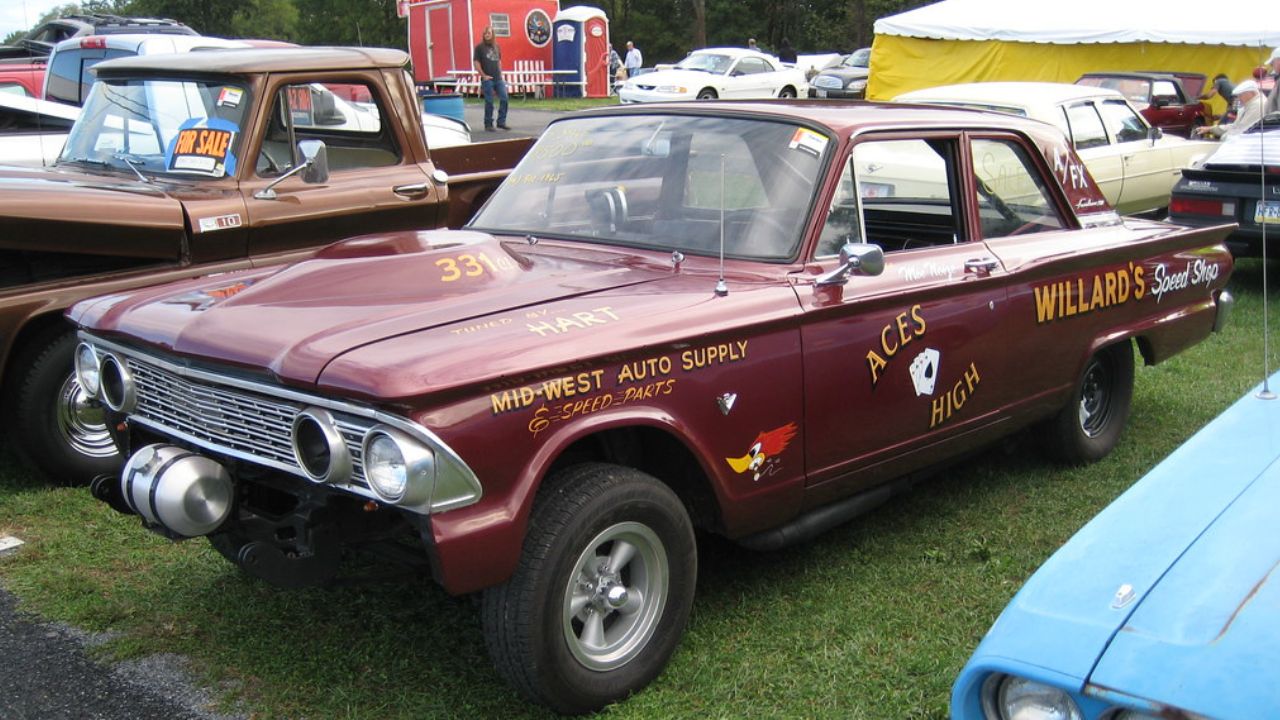
The Fairlane Thunderbolt was one of the most extreme examples of a factory-built drag racing machine adapted for street use. Ford installed a massive FE V8 into a relatively compact Fairlane body and made extensive changes to reduce weight and improve acceleration. The car was never intended to be ordinary transportation. Instead, it demonstrated how far a manufacturer could go when factory engineering was focused almost entirely on competition performance.
Chevrolet Nova SS
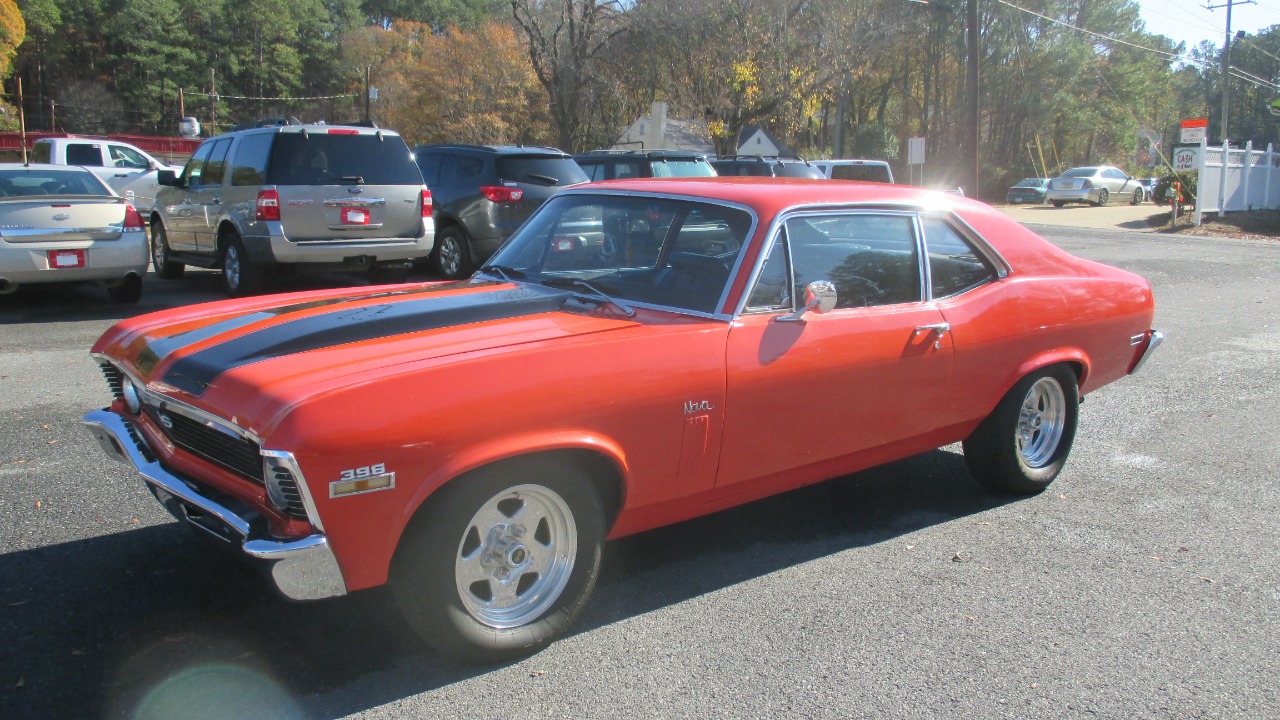
The Nova SS showed that serious muscle did not require a huge midsize or full-size body. Its compact dimensions gave it a relatively light platform, while V8 options allowed Chevrolet to deliver substantial performance. Later versions became particularly potent as the muscle car era reached its peak. The Nova’s combination of compact size, simple construction, and available big power anticipated the popularity of smaller performance cars that would become increasingly important after the classic muscle era ended.
More from Fast Lane Only
- Unboxing the WWII Jeep in a Crate
- 15 rare Chevys collectors are quietly buying
- 10 underrated V8s still worth hunting down
- Police notice this before you even roll window down
*Research for this article included AI assistance, with all final content reviewed by human editors.