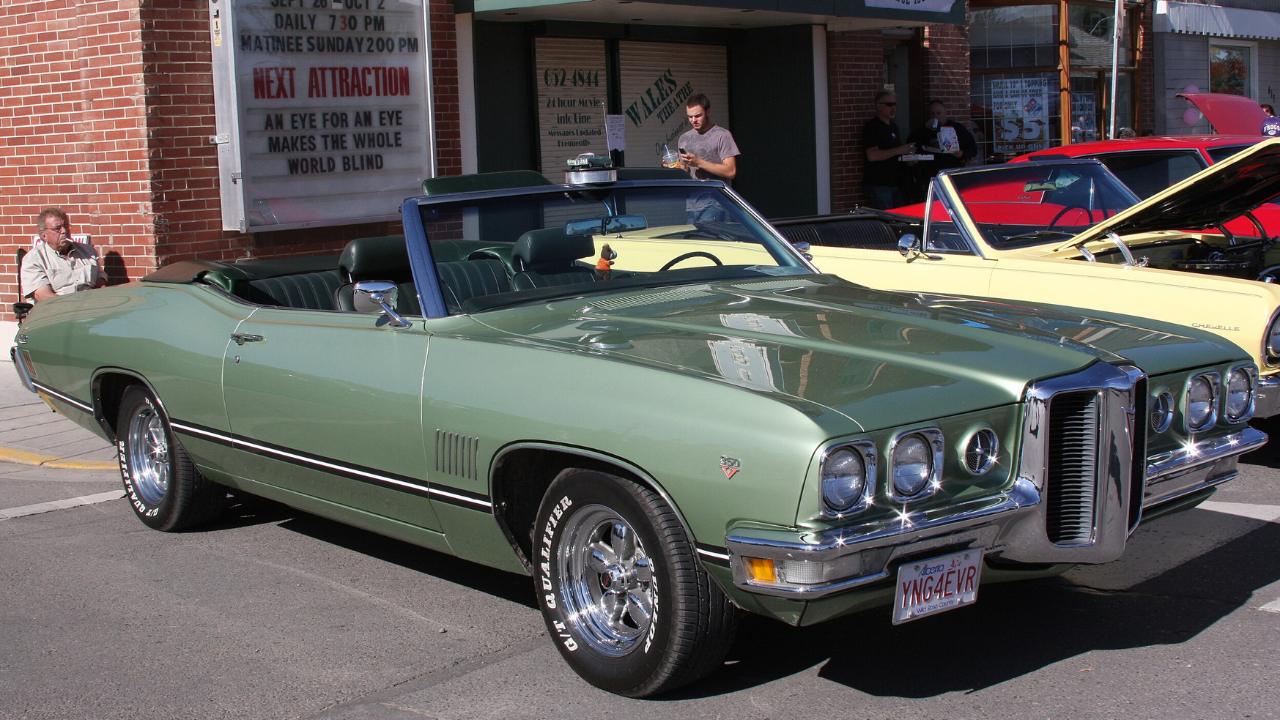
The chrome era produced an incredible variety of American convertibles, from tiny compact drop-tops to enormous luxury cars covered in brightwork. Many of the most interesting examples were never produced in large numbers, and decades of neglect have made surviving cars increasingly difficult to find. These lesser-known convertibles capture the optimism, experimentation, and extravagant styling that made the 1950s and early 1960s so memorable.
Kaiser Darrin
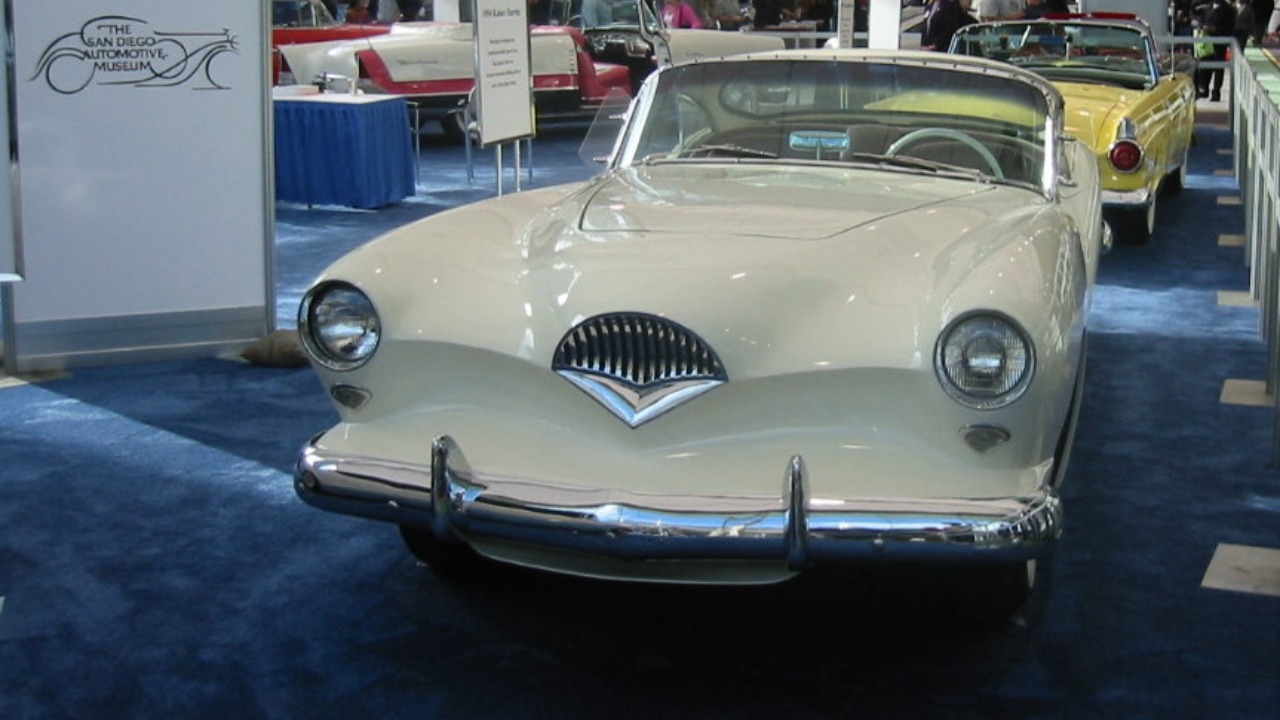
The Kaiser Darrin was one of America’s most unusual early sports cars. Its fiberglass body, wraparound windshield, and sliding doors that disappeared into the front fenders made it unlike almost anything else coming from Detroit. Production was extremely limited, with only a small number built for the 1954 model year. Its low-slung proportions also gave it a completely different personality from the enormous American convertibles of the period. Today, the Darrin remains one of the rarest and most distinctive open-top American cars of its generation.
Buick Skylark
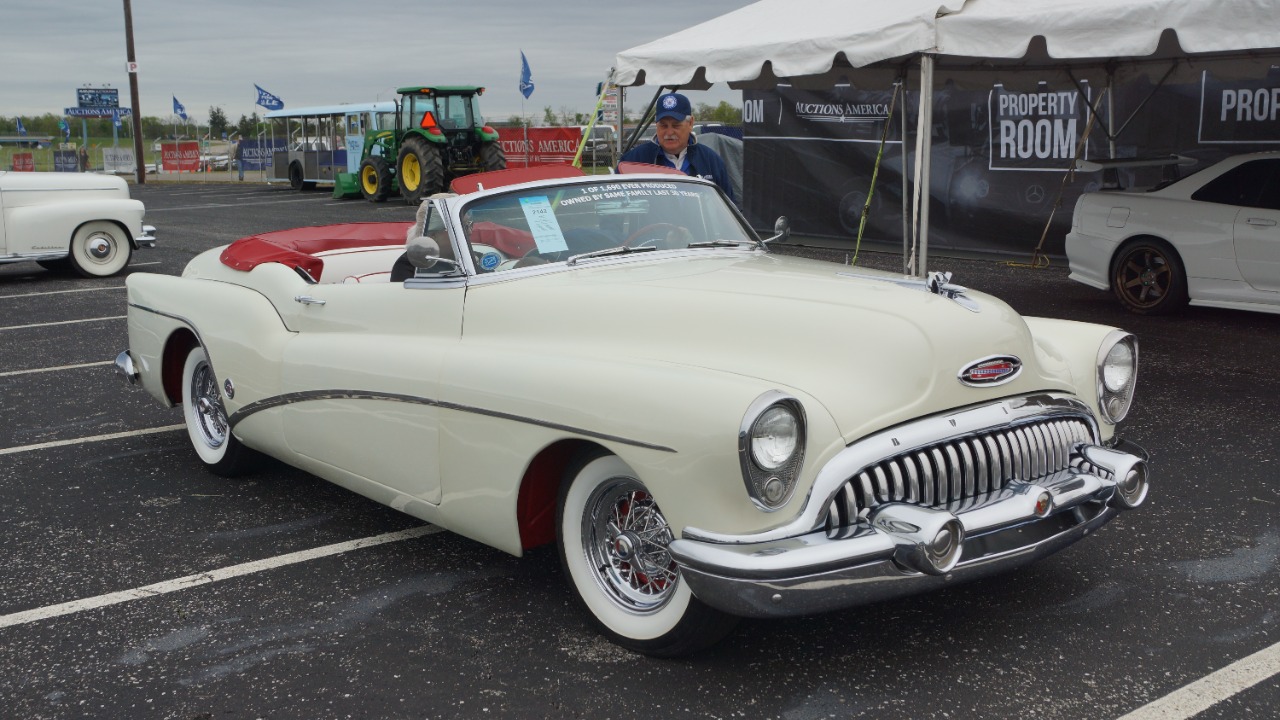
The first Buick Skylark was created as a special model for Buick’s 50th anniversary and received styling that was considerably more dramatic than the ordinary Buick lineup. Its sweeping body sides, lowered stance, extensive chrome, and carefully finished interior made it a genuine prestige convertible. Production was limited, with fewer than 2,000 built in its debut year. The Skylark’s combination of rarity and elegant proportions has made it one of the most desirable early-1950s Buick convertibles.
Cadillac Eldorado
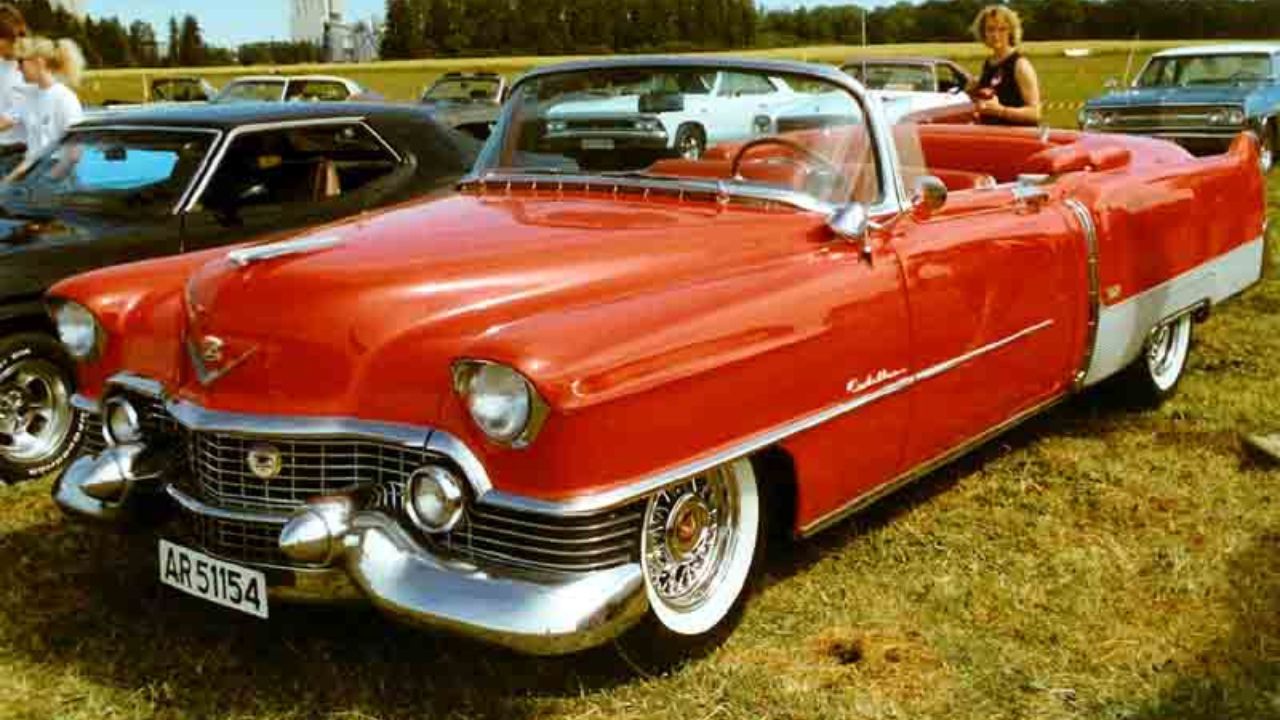
The first Eldorado was not simply another Cadillac convertible with a different badge. It was an exclusive flagship designed to showcase Cadillac’s styling and luxury capabilities. Its wraparound windshield, extensive chrome, distinctive rear treatment, and special interior made it immediately recognizable. Production remained extremely limited compared with ordinary Cadillacs, leaving very few survivors today. The original Eldorado also established a name that would remain part of Cadillac’s identity for decades.
Chrysler 300C Convertible
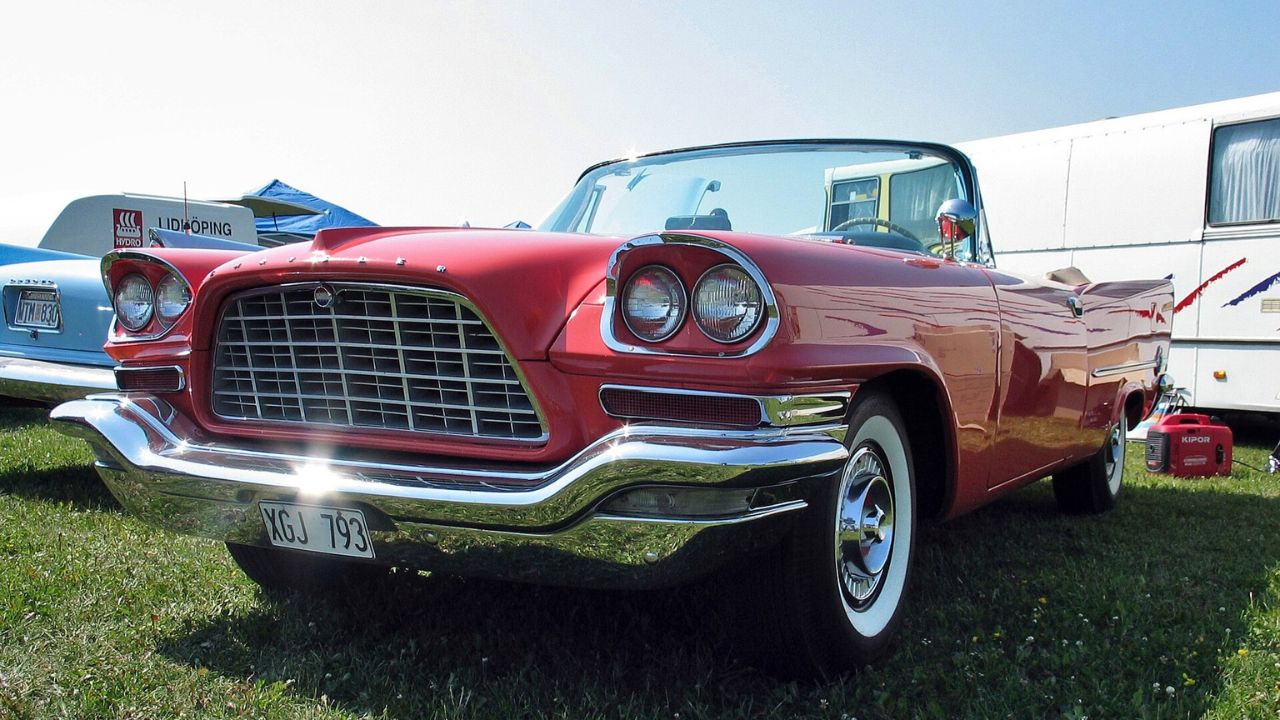
The 300C brought serious performance into the world of American luxury convertibles. Its dramatic front end, restrained body lines, and powerful Hemi V8 gave it a combination of speed and elegance that few rivals could match. The convertible version was produced in limited numbers, making it much harder to encounter than ordinary Chrysler models. Its clean proportions also help it stand out from some of the more exaggerated styling experiments of the late 1950s.
Imperial Crown Convertible
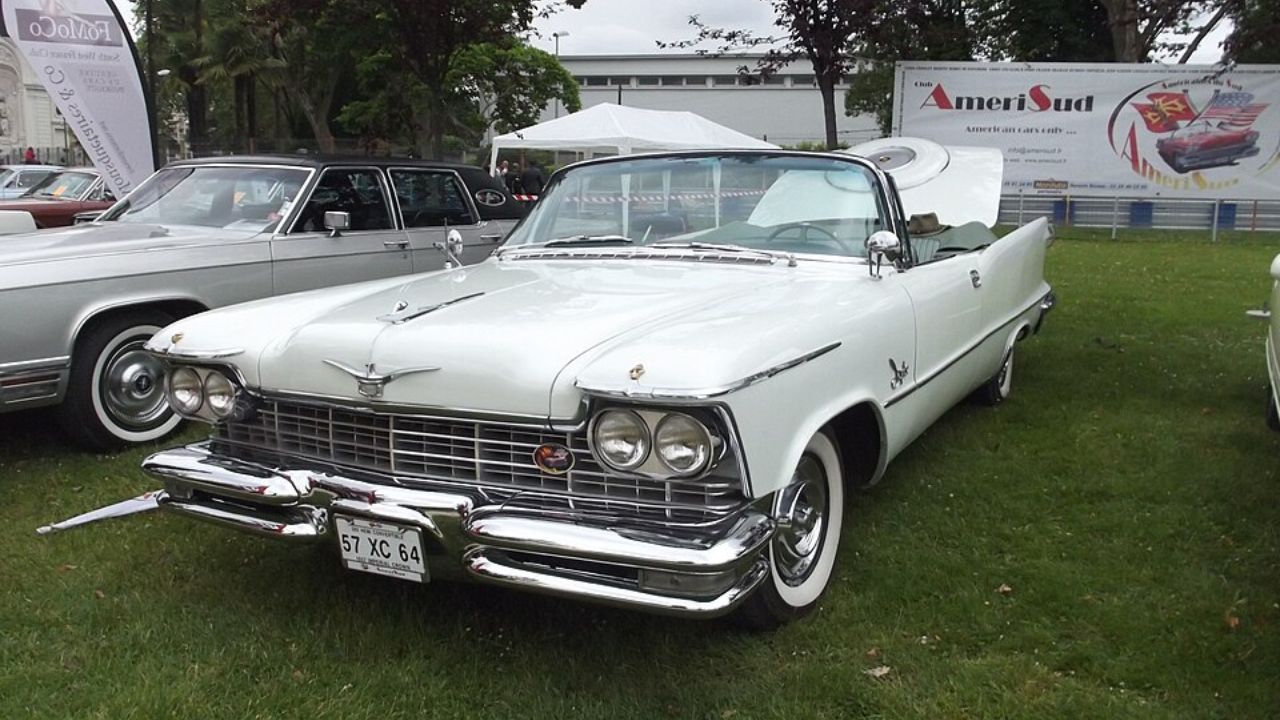
Imperial was Chrysler’s separate luxury marque during this period, and the Crown Convertible sat near the top of that hierarchy. Its enormous body, generous chrome, and powerful V8 gave it the visual presence expected from a flagship American automobile. Convertibles represented only a small portion of production, making surviving examples particularly uncommon. The Imperial Crown also captures an interesting moment when American luxury manufacturers competed through size, equipment, and increasingly elaborate styling.
Hudson Hornet Convertible

The Hudson Hornet is usually remembered for its racing achievements and distinctive step-down body, but the convertible version is far less familiar. Its low-slung proportions made it look surprisingly modern for the early 1950s, while the powerful inline-six gave it genuine performance credentials. Production of the convertible was limited, and surviving cars are now unusual. A Hornet drop-top combines Hudson’s unusual engineering with the open-air appeal of a classic American convertible.
Studebaker Lark Convertible
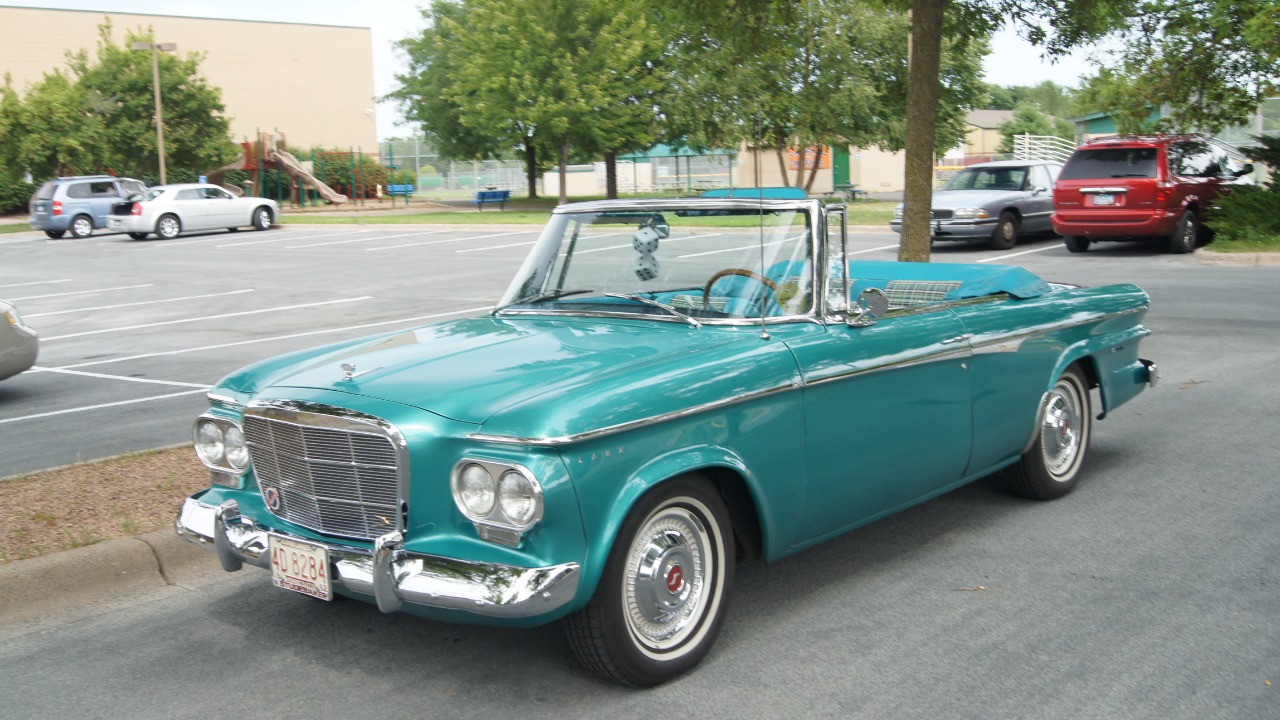
The Lark was an important compact for Studebaker because it offered a smaller alternative to the increasingly large American cars of the period. The convertible version added a sporty touch to its practical design, while V8 availability gave it more performance than its compact dimensions suggested. It was never a huge-volume model, and surviving convertibles are considerably less common than ordinary Larks. Its smaller proportions also make it a refreshing contrast to the enormous chrome-covered convertibles surrounding it.
Rambler Classic Convertible
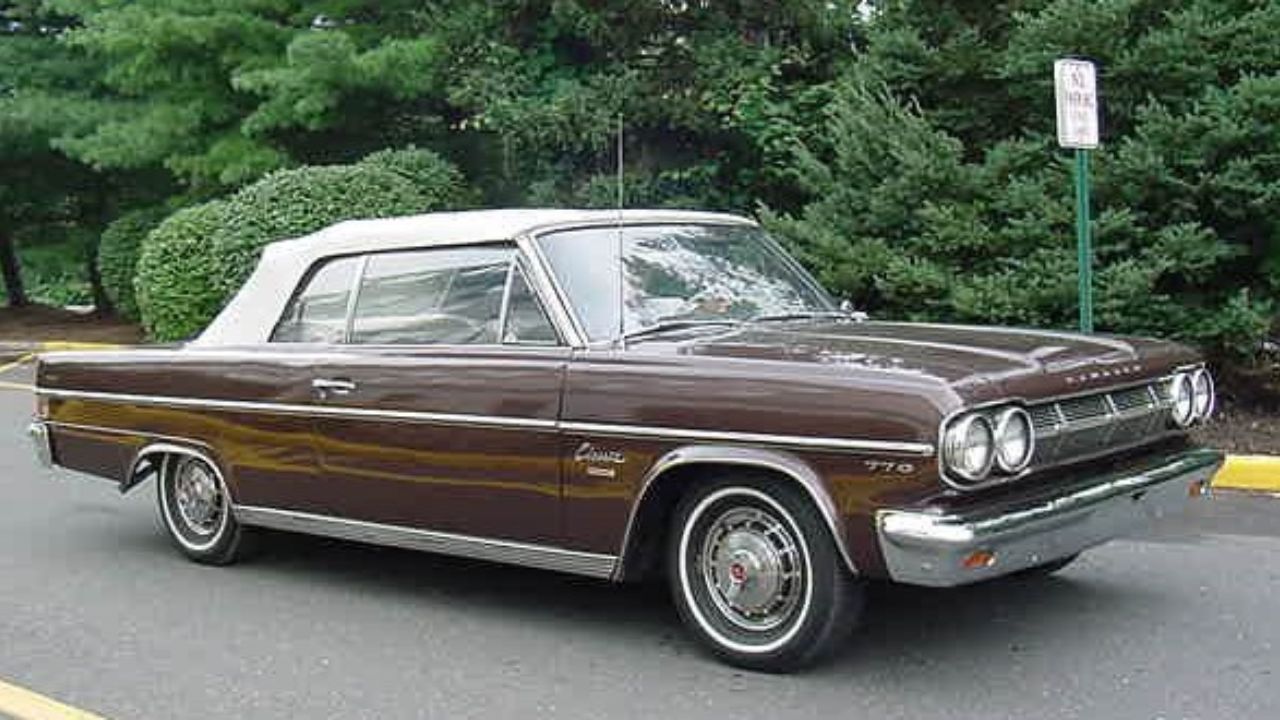
The Rambler Classic represented a more sensible approach to American car design as manufacturers began experimenting with smaller vehicles. Its convertible version combined compact dimensions with the open-air appeal buyers expected from a traditional American drop-top. The design was cleaner and less excessive than many contemporary full-size cars, which gives surviving examples a distinctive appearance today. Production was limited enough that finding a well-preserved Classic Convertible can be considerably more difficult than locating a larger Detroit convertible.
Hudson Commodore Convertible
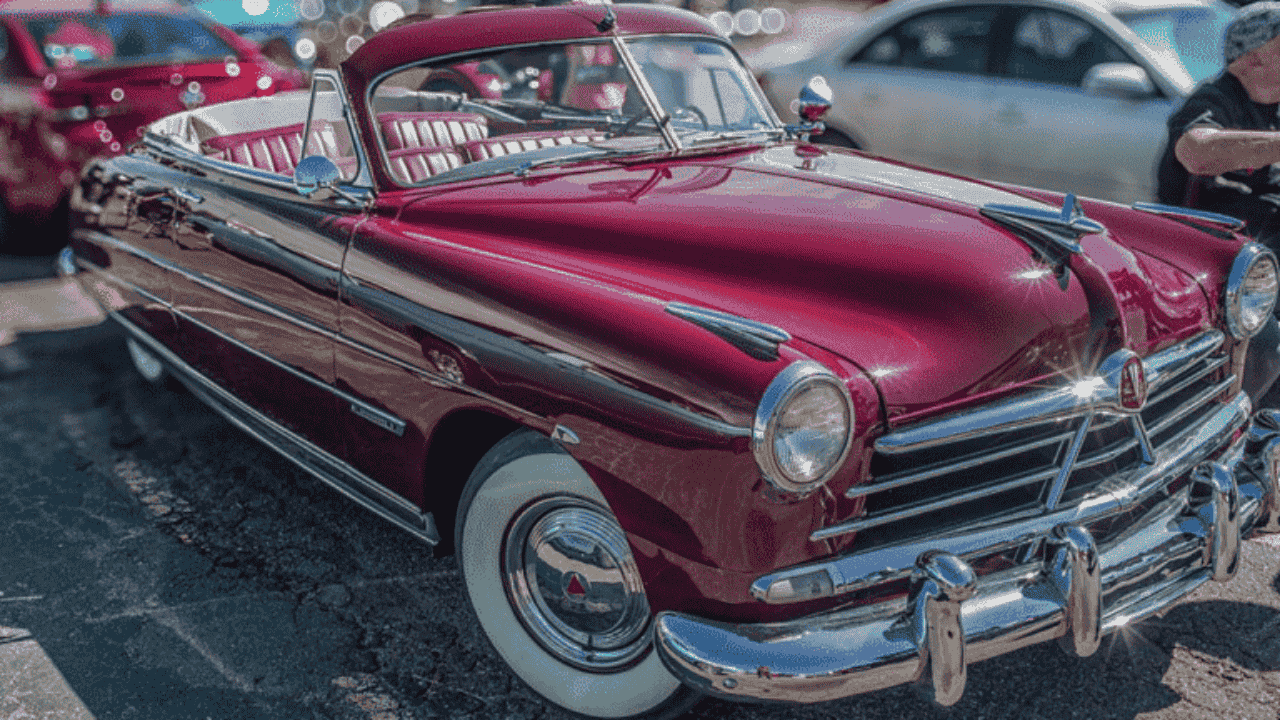
The Commodore was one of Hudson’s most important postwar models, and its convertible version offered a particularly elegant interpretation of the company’s unusual styling. The low body and distinctive front-end treatment separated it from conventional Detroit designs. Hudson’s innovative step-down construction also gave the car a lower center of gravity than many rivals. Surviving convertibles are rare today, making the Commodore an interesting choice for collectors who want something genuinely different from the more familiar Chevrolet and Ford classics.
Mercury Montclair Convertible
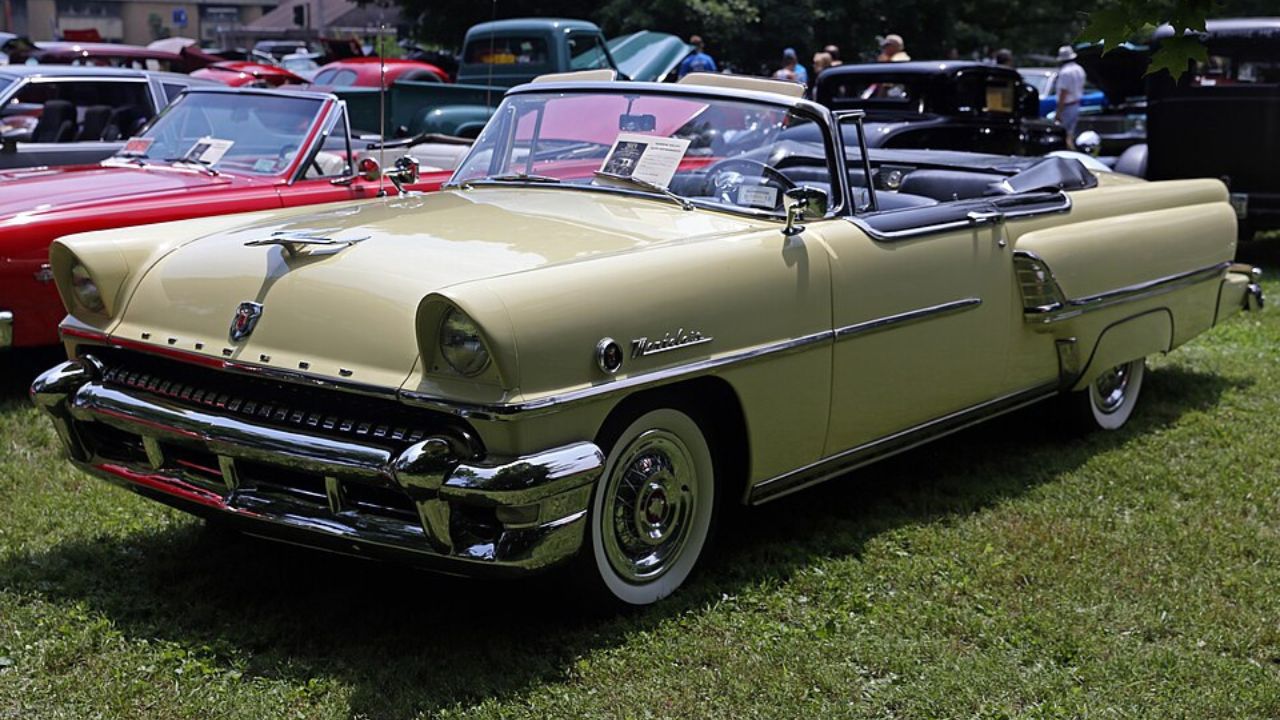
The Montclair represented Mercury’s move toward a more upscale identity during the 1950s. Its convertible body combined a long profile with substantial chrome and the increasingly elaborate styling associated with Mercury during the period. The car was positioned above more ordinary Mercury models, which helped give it a more luxurious character. Convertibles were a small part of overall production, and surviving examples have become much less familiar. The Montclair still captures the confident styling of mid-1950s American luxury.
Lincoln Capri Convertible

The Capri was Lincoln’s more personal interpretation of full-size luxury during the 1950s. Its convertible version featured substantial proportions, carefully shaped bodywork, and the chrome-heavy detailing expected from an expensive American car. Lincoln buyers could choose between traditional luxury and a more open, stylish configuration. Because the Capri was never as common as mainstream Ford products, surviving convertibles are increasingly difficult to encounter. Its restrained body shape also makes it surprisingly elegant compared with some of the more flamboyant cars of the period.
Ford Galaxie Sunliner
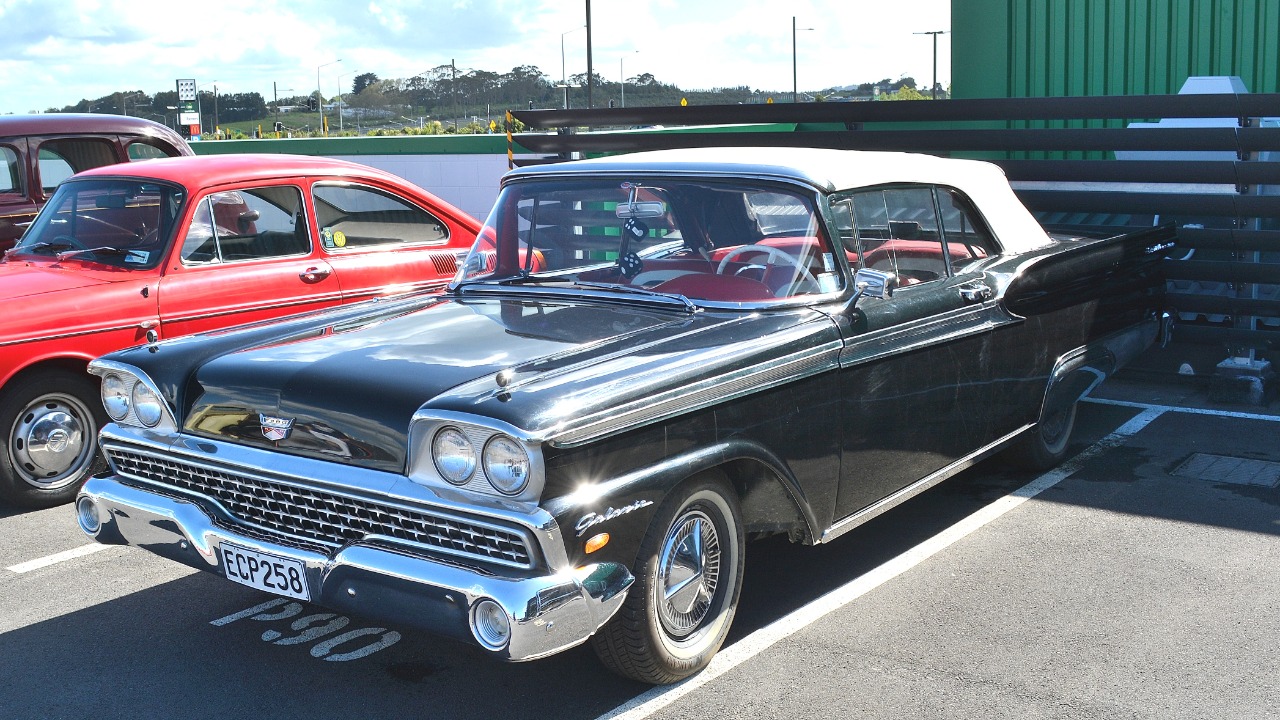
The Galaxie Sunliner represented Ford’s full-size convertible formula at a time when dramatic styling and large engines were becoming central to the American market. Its broad body, generous chrome, and spacious cabin gave it plenty of road presence. Later examples became increasingly sculpted and distinctive as Ford moved deeper into the 1960s. Although the Galaxie name is familiar, certain convertible configurations have become much less common than their original popularity might suggest.
Mercury Comet Convertible
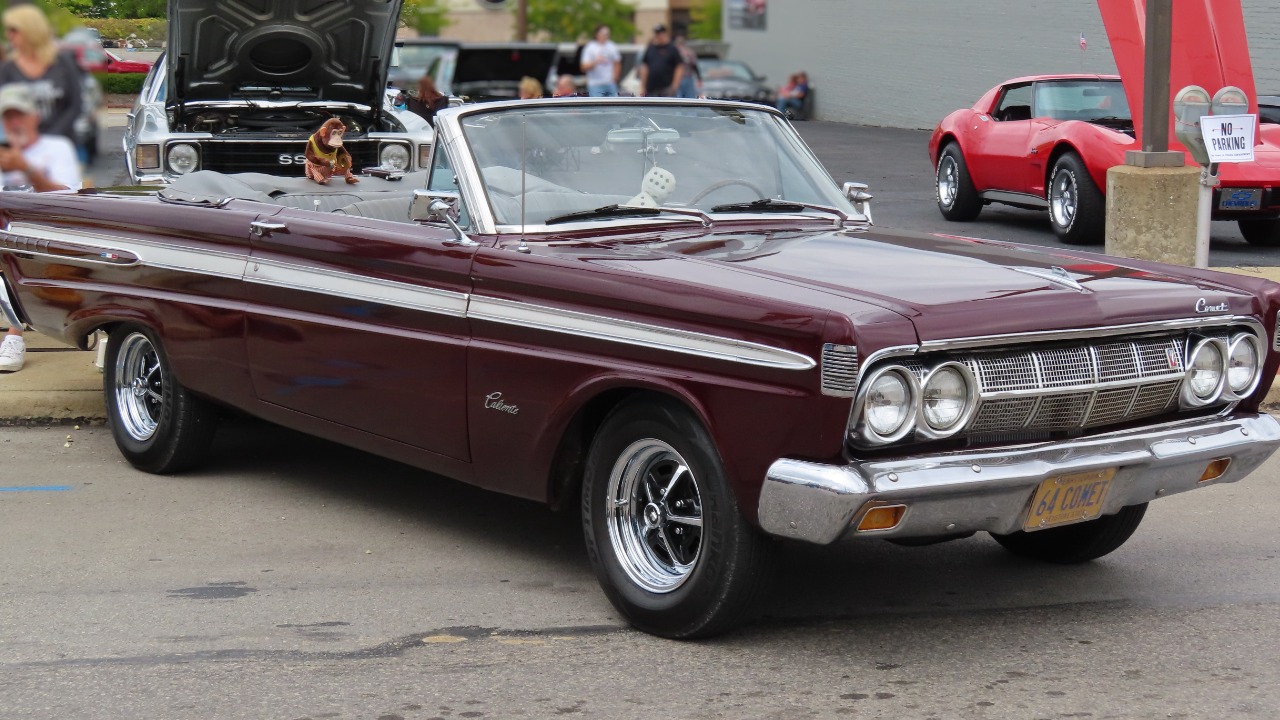
The Comet was designed as a compact alternative within Mercury’s lineup, and its convertible version gave the small car a much more stylish personality. Its relatively modest dimensions made it stand out beside enormous full-size convertibles. Later versions could also be ordered with stronger engines, adding performance to the formula. Because the convertible represented only a fraction of total Comet production, surviving examples are considerably less common than ordinary sedans and coupes.
Chrysler Windsor Convertible
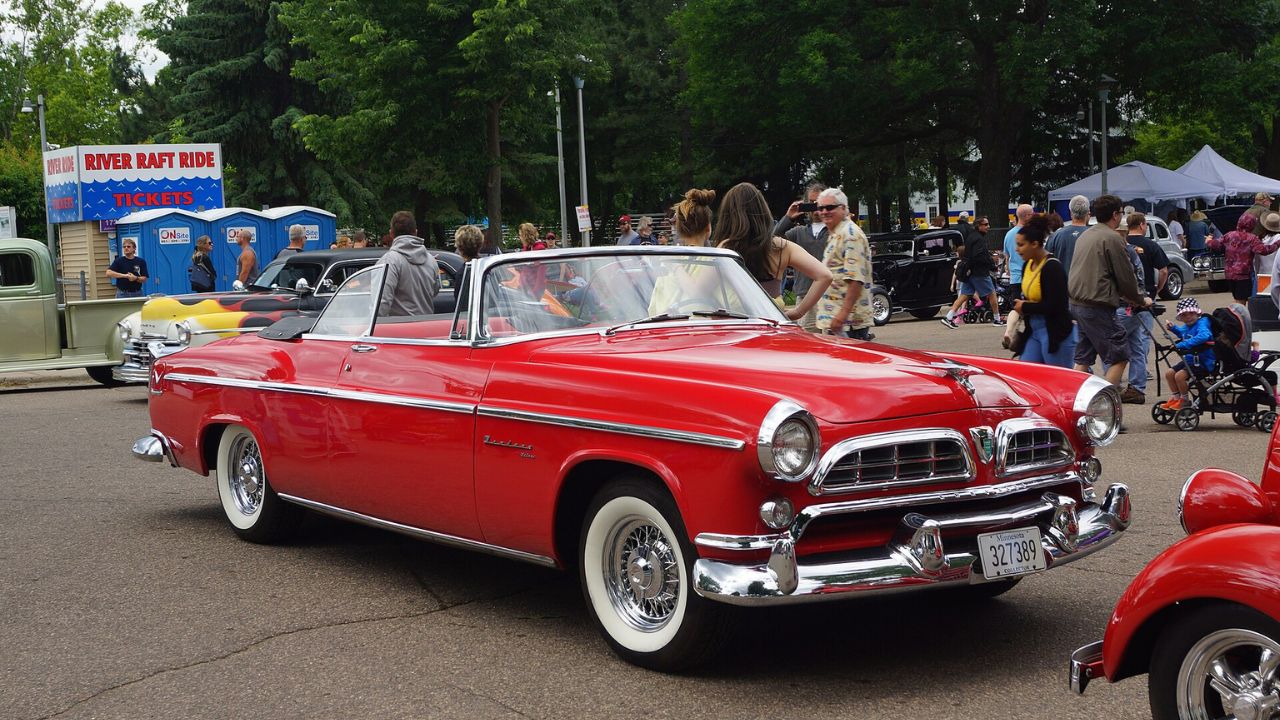
The Windsor offered traditional Chrysler luxury without reaching the extreme performance or prestige of the company’s 300 series. Its convertible version still carried plenty of chrome, a substantial body, and the smooth proportions associated with Chrysler’s late-1950s designs. It was never as common as the company’s everyday sedans, and many surviving examples have disappeared over the decades. A restored Windsor Convertible today provides a good look at the quieter side of Chrysler’s chrome-era styling.
Dodge Coronet Convertible

The Coronet was one of Dodge’s major full-size offerings, but its convertible versions are far less familiar today than the name itself suggests. During the late 1950s, the model received increasingly elaborate styling, with dramatic grilles, chrome trim, and sculpted bodywork. Later examples became more restrained as Dodge moved toward the 1960s muscle-car era. The convertible gives collectors an opportunity to experience Dodge’s chrome-era design without simply choosing the better-known performance models that followed.
Plymouth Belvedere Convertible
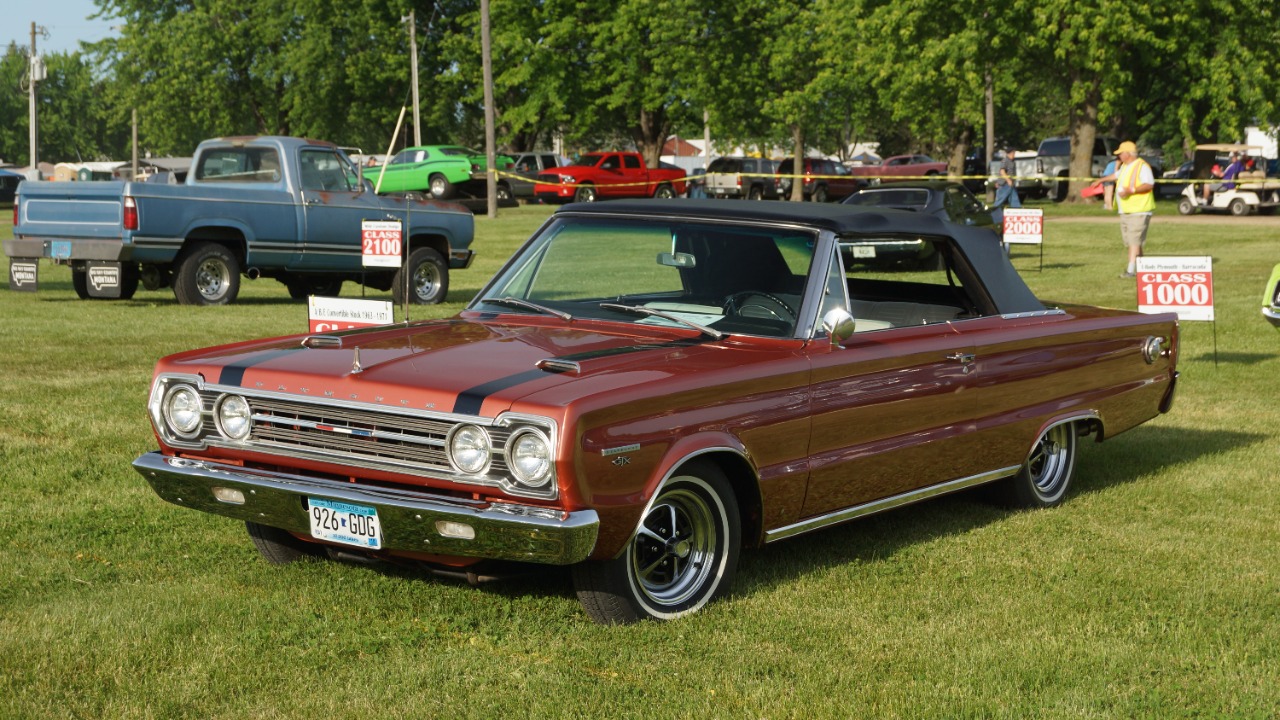
The Belvedere became one of Plymouth’s most important models during the transition from extravagant 1950s styling toward the cleaner designs of the 1960s. Convertible versions offered the same practical foundation with a much more glamorous appearance. Some generations featured elaborate chrome and tailfin treatments, while later cars adopted simpler lines. The Belvedere’s broad production history makes the rare convertible versions especially interesting, particularly when found with unusual factory equipment or well-preserved original trim.
Pontiac Catalina Convertible
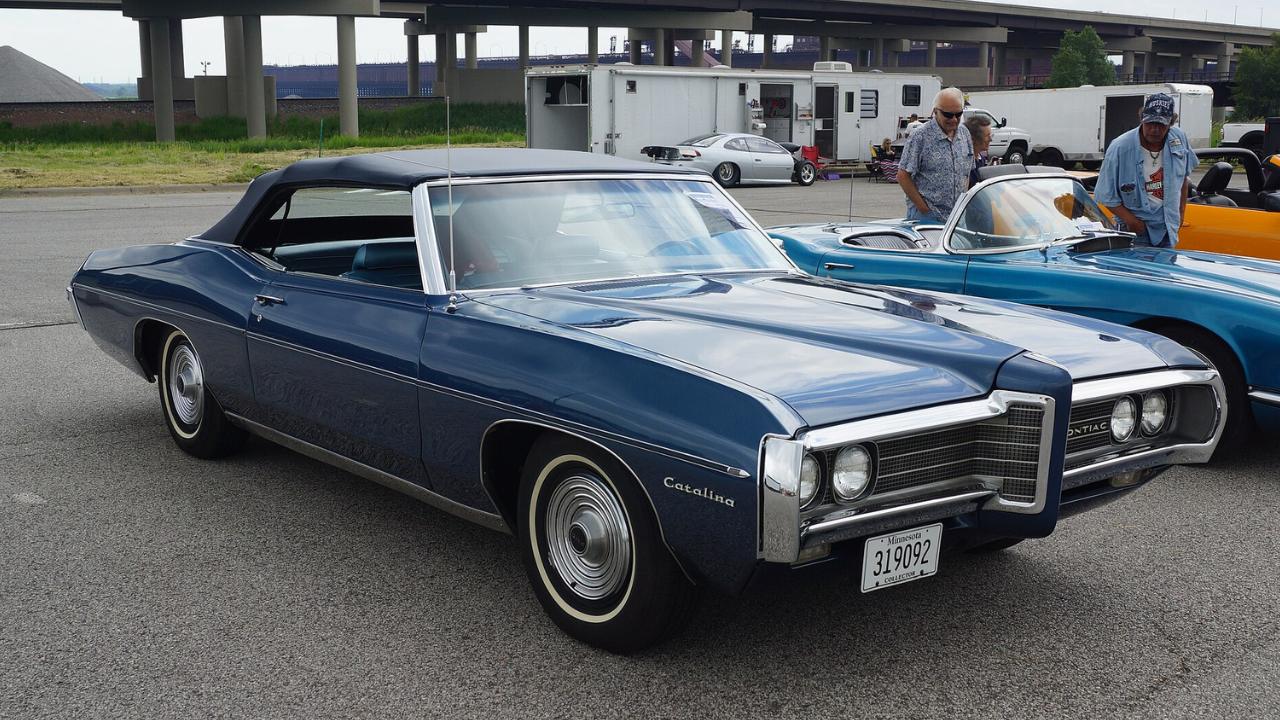
The Catalina was one of Pontiac’s core full-size models, yet its convertible versions have become considerably harder to find than the sedans and hardtops that once filled American roads. Its long hood, broad body, and distinctive Pontiac grille gave it a strong visual identity. During the early 1960s, the styling became cleaner and more performance-oriented, helping the Catalina transition toward Pontiac’s emerging performance image. A surviving convertible captures that important period of change.
Chevrolet Corvair Monza Convertible
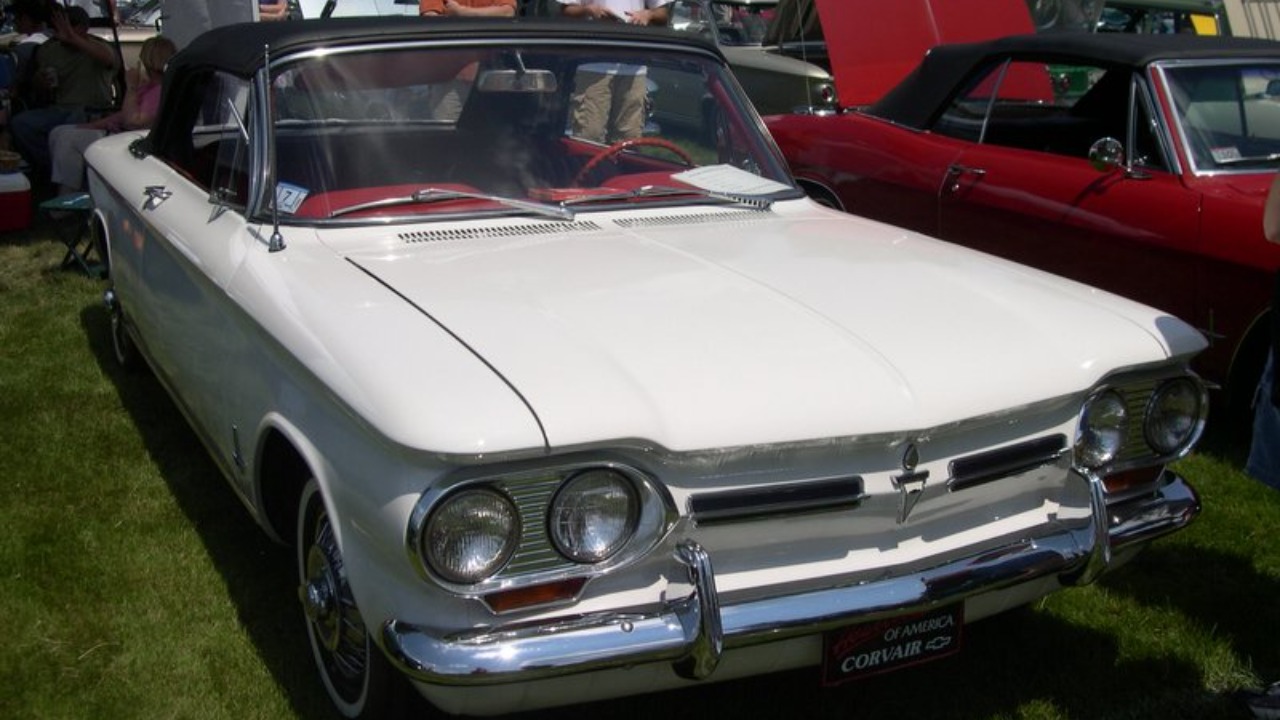
The Corvair Monza Convertible was one of the most unusual open-top American cars of the early 1960s. Its rear-mounted, air-cooled flat-six engine and compact proportions made it fundamentally different from the huge front-engine convertibles that dominated Detroit. The Monza added a sportier image to the Corvair lineup, while the convertible body made it even more distinctive. Today, a clean example offers an unusual combination of compact size, unconventional engineering, and early-1960s American styling.
Buick Special Convertible
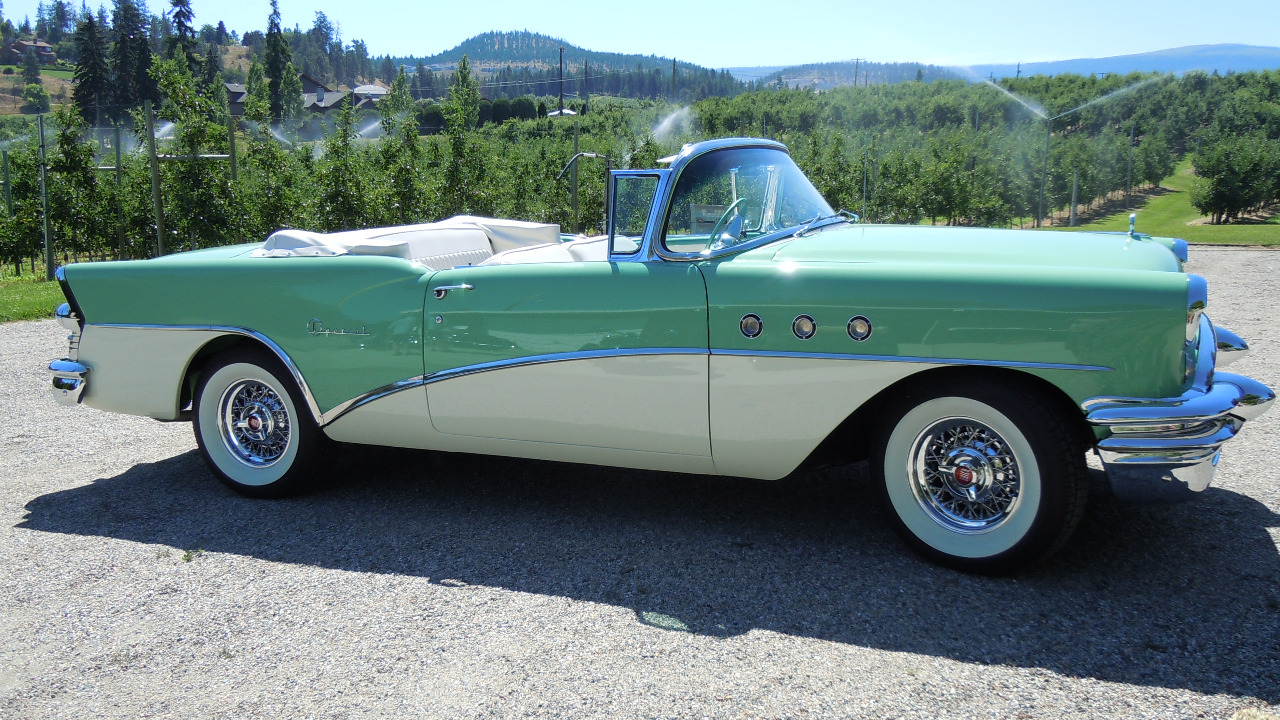
The Buick Special became one of GM’s more interesting compact models during the early 1960s. Its smaller body allowed Buick to reach buyers who wanted traditional American styling without the size of a full-size car. Convertible versions added a more youthful character, while V8 power gave the lightweight platform genuine performance potential. Production was never comparable with Buick’s mainstream sedans, making surviving examples increasingly interesting. The Special Convertible is a good example of how American manufacturers were beginning to rethink the size of their cars.
More from Fast Lane Only
- Unboxing the WWII Jeep in a Crate
- 15 rare Chevys collectors are quietly buying
- 10 underrated V8s still worth hunting down
- Police notice this before you even roll window down
*Research for this article included AI assistance, with all final content reviewed by human editors.