Oldsmobile spent much of its history experimenting with cars that did not always fit neatly into the mainstream. The division introduced turbocharging, front-wheel drive, unusual wagons, personal luxury cars, and several performance models that disappeared faster than expected. Many of these Oldsmobiles were never produced in huge numbers, while others simply faded from memory. Today, they offer a fascinating look at how often Oldsmobile was willing to take a different path.
Oldsmobile Jetfire
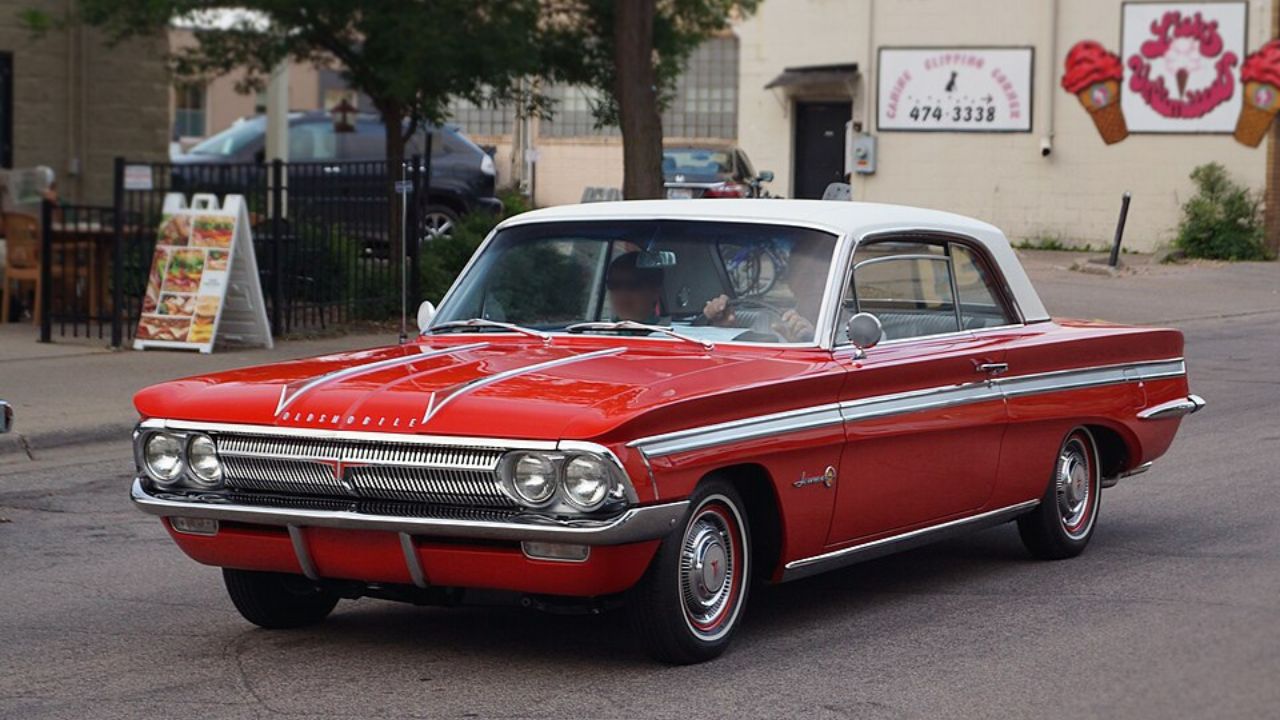
The Jetfire was one of Oldsmobile’s most unusual early performance cars. Based on the compact F-85, it paired a small aluminum-block V8 with a turbocharger and a water-alcohol injection system called Turbo-Rocket Fluid. Oldsmobile introduced it in the early 1960s, making it an important milestone in American production-car history. The complicated system demanded careful attention, and relatively few Jetfires were sold. That combination of pioneering technology and limited production makes surviving examples especially interesting to collectors today.
Oldsmobile Jetstar I
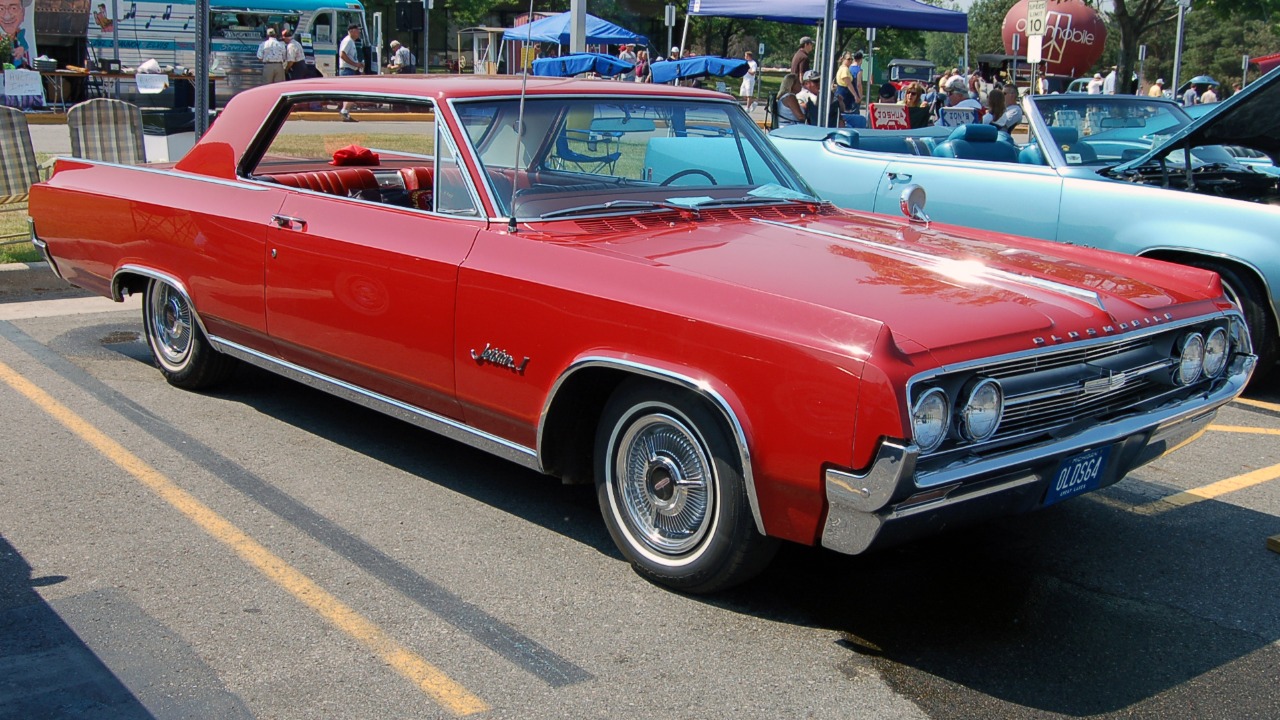
The Jetstar I occupied an unusual place in Oldsmobile’s lineup during the mid-1960s. It combined a relatively lightweight body with a large-displacement V8 and was aimed at buyers who wanted strong performance without moving into the more obvious 4-4-2 territory. Its short production run helped keep the name from becoming widely remembered. Today, the Jetstar I stands out as one of those Oldsmobiles that can surprise people who assume the brand’s performance history begins and ends with the 4-4-2.
Oldsmobile Starfire
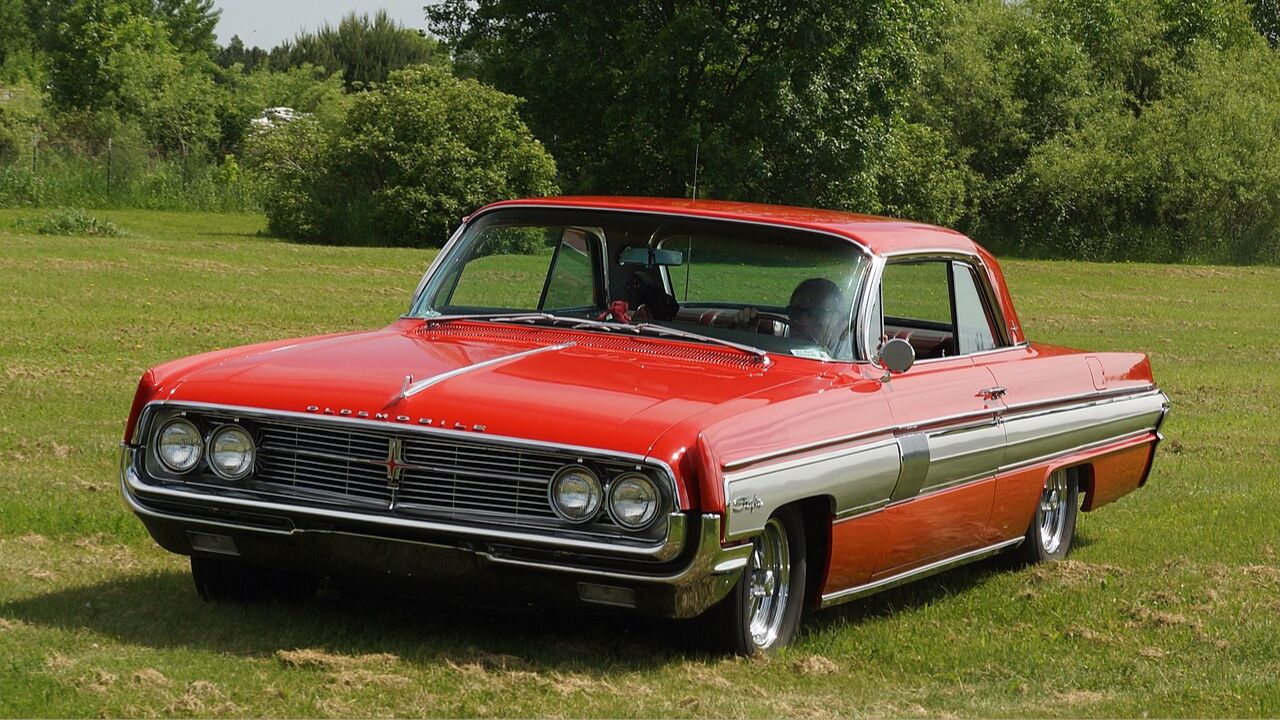
The Starfire gave Oldsmobile a sporty, upscale coupe and convertible during the early 1960s. It combined bucket seats, a center console, premium equipment, and a powerful Rocket V8 with a more youthful appearance than many full-size Oldsmobiles. The name disappeared after the 1966 model year before returning later on a completely different compact car. Early Starfires are now particularly interesting because they represent Oldsmobile trying to create a personal performance image before that segment became crowded with competitors.
Oldsmobile Toronado

The Toronado was unlike almost anything else in the Oldsmobile showroom when it arrived. Its front-wheel-drive layout was a major departure for a large American car, while the long hood and fastback profile gave it an unmistakable presence. Oldsmobile engineered a compact drivetrain arrangement that allowed the large V8 to drive the front wheels. The Toronado went on to remain in production for decades, but the original version remains the most memorable because it represented such a dramatic break from traditional American engineering.
Oldsmobile Vista Cruiser

The Vista Cruiser was one of the most recognizable American wagons of its era thanks to its raised roof and distinctive glass panels. Its unusual roof design gave rear passengers a view that ordinary station wagons could not provide, while the stretched body created additional room inside. Although it was once a familiar family vehicle, surviving examples are much less common today. The combination of practical wagon proportions and unusual styling has made the Vista Cruiser particularly popular with collectors looking for something different from the typical American classic.
Oldsmobile Rallye 350
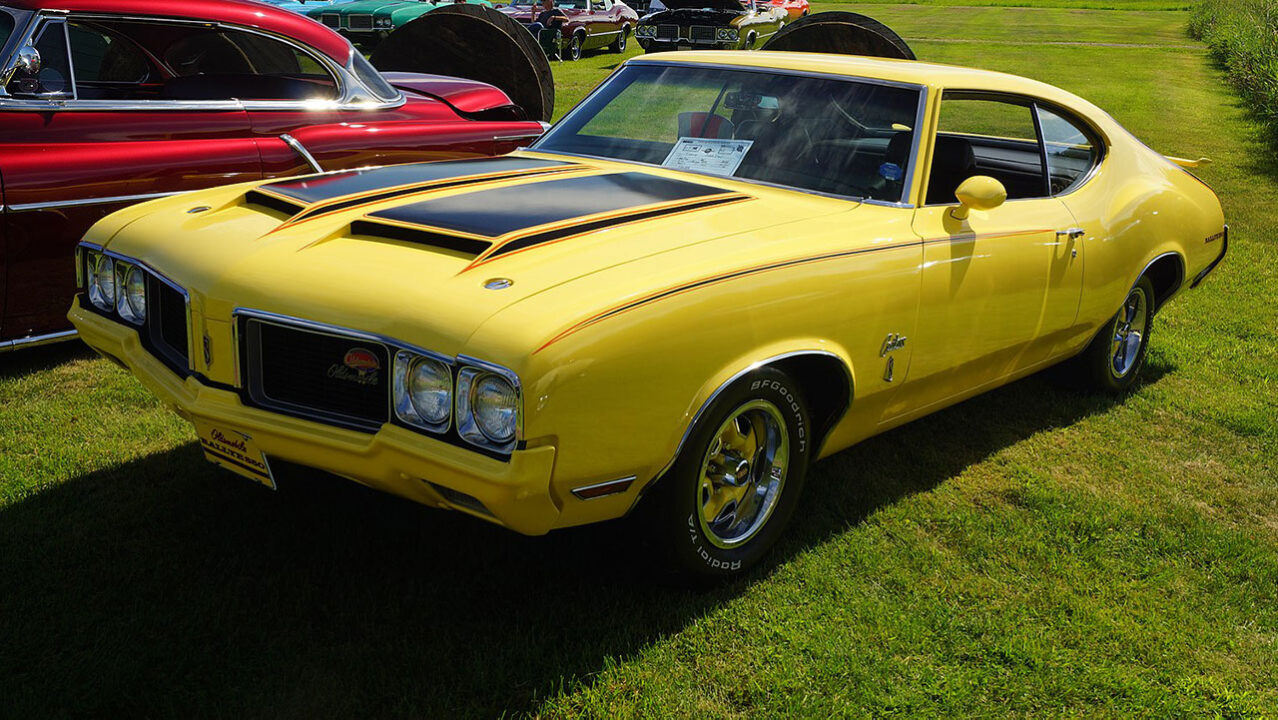
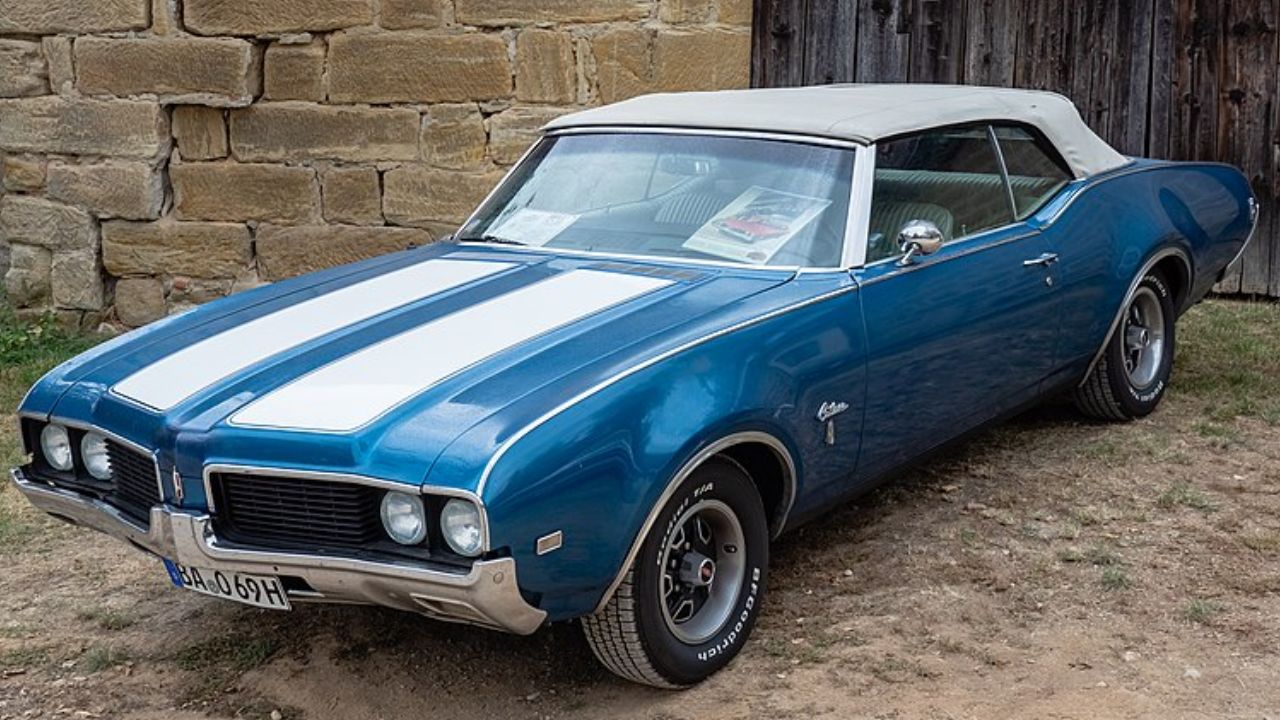
The Rallye 350 was a performance-oriented Oldsmobile built during a period when the muscle-car market was changing rapidly. It used a smaller engine than the most powerful Olds models but emphasized a complete performance package rather than simply chasing displacement. Its bold appearance helped separate it from ordinary Cutlass models, while its limited availability made it considerably less common than the better-known 4-4-2. For enthusiasts, the Rallye 350 represents one of Oldsmobile’s more interesting attempts to create an affordable performance car.
Oldsmobile Hurst/Olds
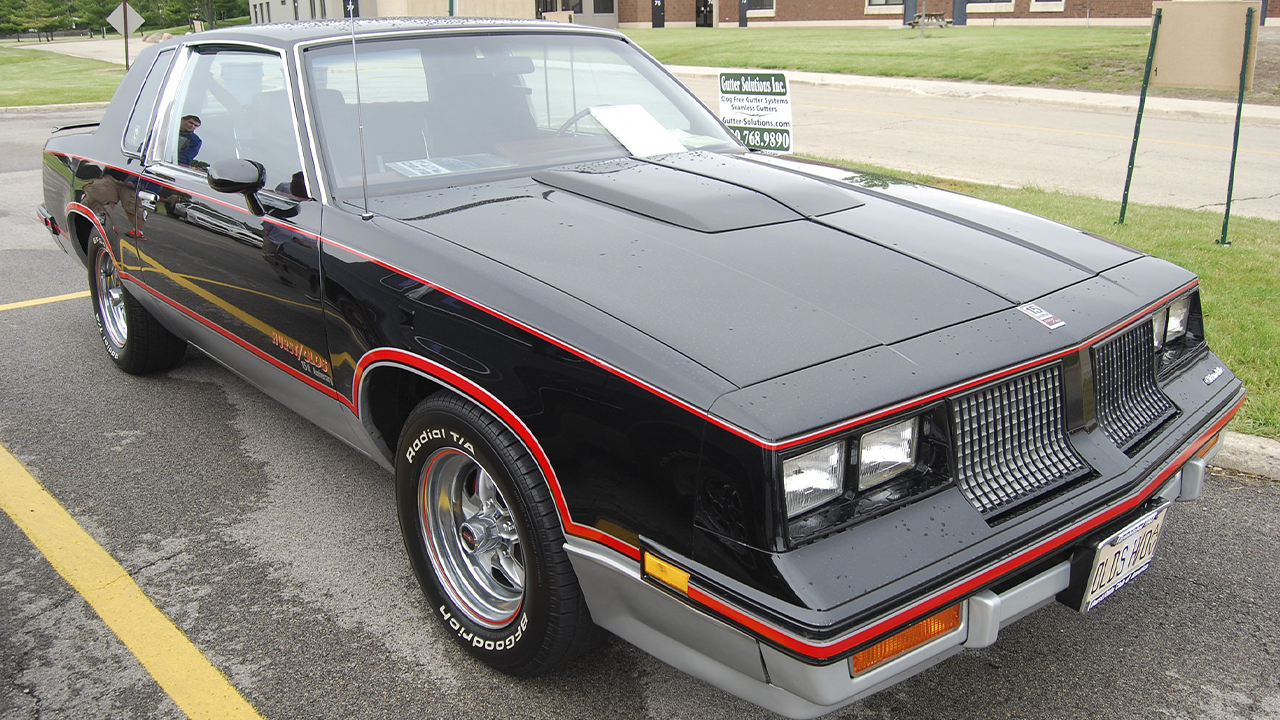
The Hurst/Olds was born from a collaboration between Oldsmobile and Hurst Performance and quickly became one of the division’s most distinctive performance cars. It combined Oldsmobile’s V8 power with Hurst equipment and visual details that made the car immediately recognizable. The first version appeared in the late 1960s, and the name returned for additional generations. Rather than being another ordinary Cutlass with a performance option, the Hurst/Olds developed its own identity and became one of the most collectible names in Oldsmobile history.
Oldsmobile Delta 88 Royale
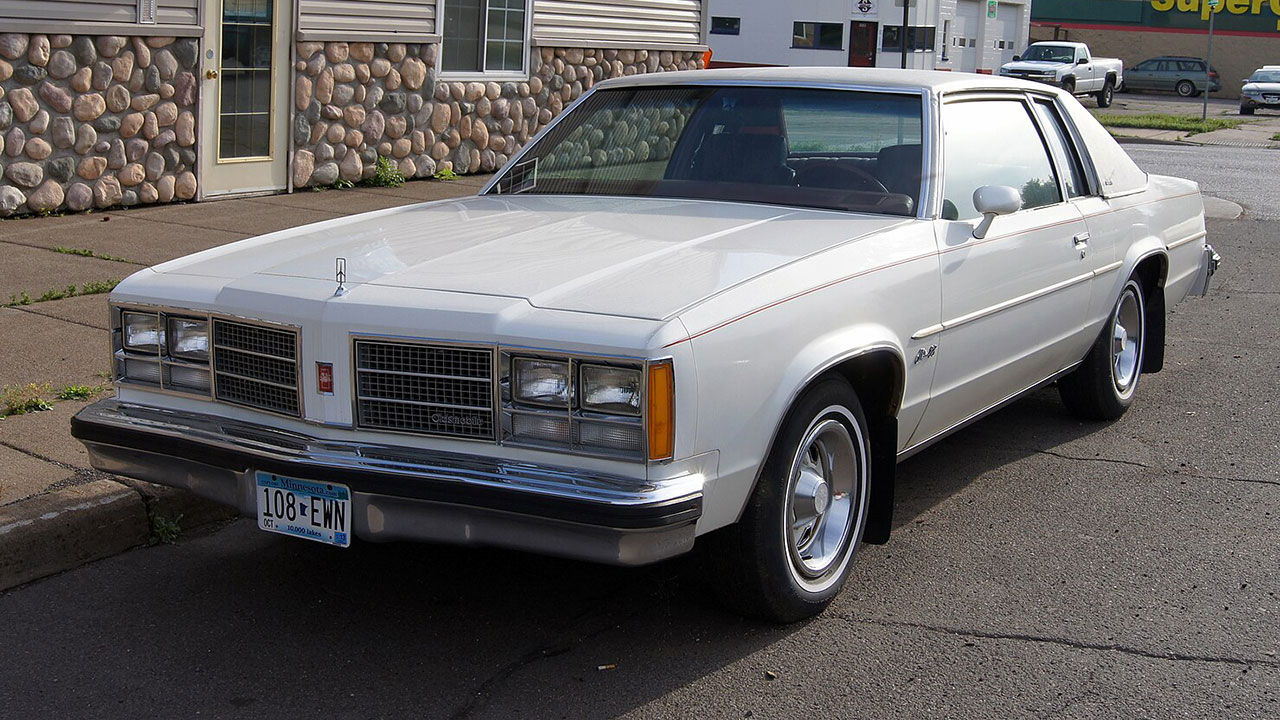
The Delta 88 Royale brought a more distinctive personality to Oldsmobile’s full-size lineup. While the basic 88 was a familiar American family car, the Royale emphasized additional trim and comfort while retaining the large-car proportions that buyers expected. Certain versions and configurations have become surprisingly difficult to find today because so many full-size cars were used heavily and discarded. A well-preserved Delta 88 Royale therefore offers a glimpse into the era when a mainstream Oldsmobile could still be a substantial and highly styled automobile.
Oldsmobile Delmont 88

The Delmont 88 was one of Oldsmobile’s shortest-lived nameplates. Introduced for the late 1960s, it filled a temporary position in the company’s full-size range before disappearing after only a couple of model years. The car blended elements from Oldsmobile’s larger models into a relatively straightforward package. Because the nameplate had such a brief life, it never developed the same recognition as the 88 or 98. That short production history now makes the Delmont 88 one of the more unusual full-size Oldsmobiles to encounter.
Oldsmobile Cutlass Cruiser
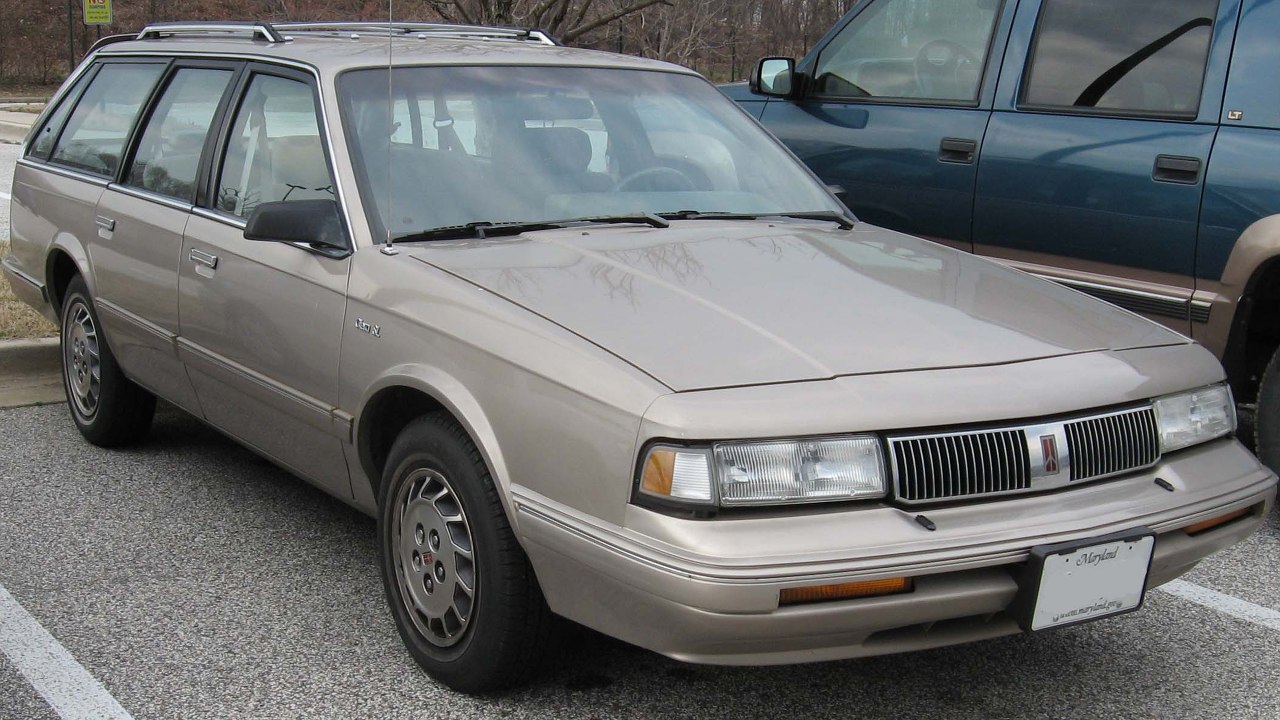
The Cutlass Cruiser represented Oldsmobile’s attempt to keep the traditional American station wagon relevant as the market moved toward smaller and more efficient vehicles. It offered practical cargo space while carrying the increasingly familiar Cutlass identity. Compared with glamorous Oldsmobile performance cars, the Cruiser received little attention from collectors for many years. That has made surviving examples more unusual today. Its appeal comes from representing the everyday side of Oldsmobile history, when station wagons were still an important part of the American family-car landscape.
Oldsmobile Omega
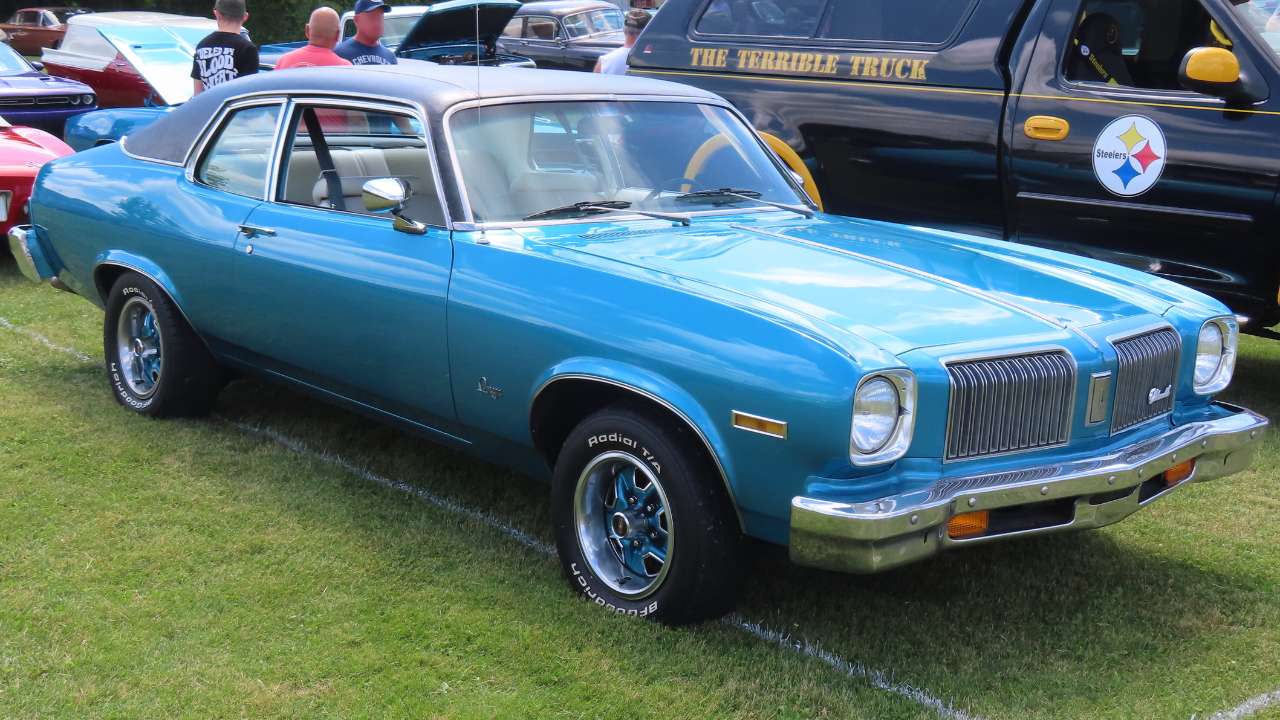
The Omega name appeared during Oldsmobile’s move into the compact-car market in the 1970s. It was smaller and more economical than the traditional Oldsmobile models, reflecting changing buyer expectations during an era of rising fuel costs. Later versions became closely associated with GM’s front-wheel-drive compact platforms. The Omega is easy to overlook today because it never achieved the cultural recognition of the Cutlass or 4-4-2. Yet its history shows how dramatically Oldsmobile had to adapt as American buyers began demanding smaller cars.
Oldsmobile Firenza
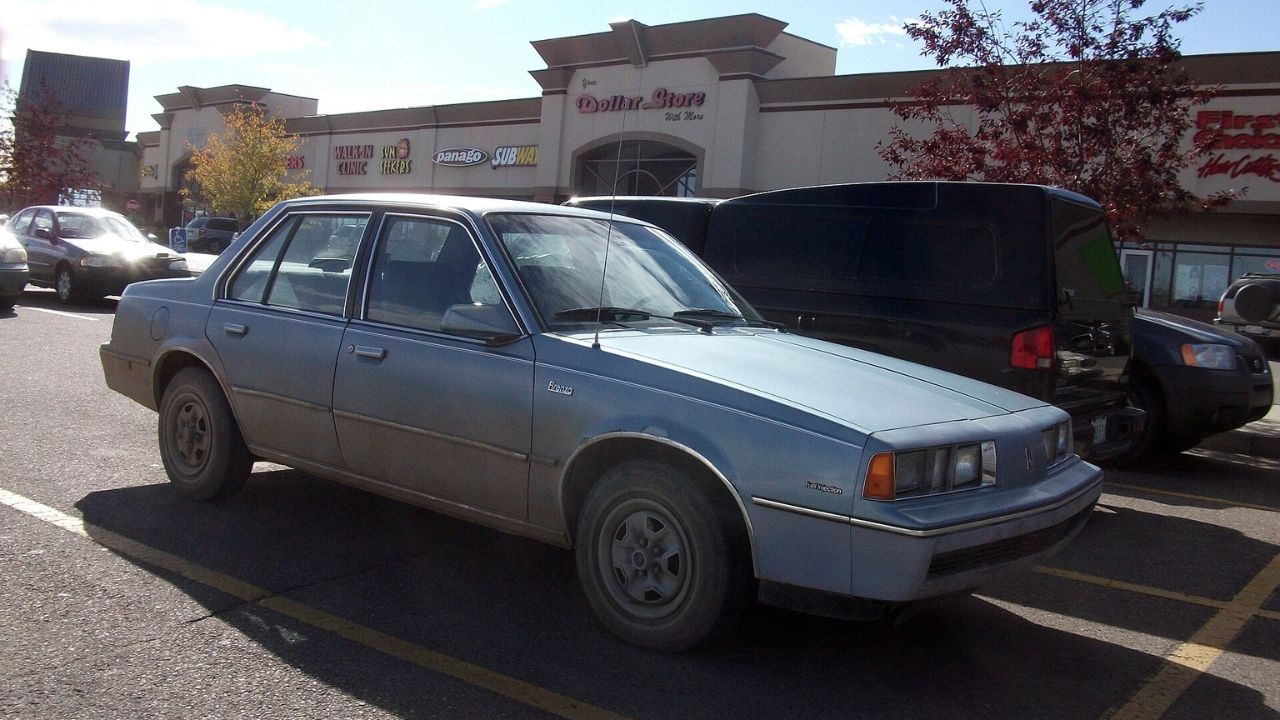
The Firenza was another compact Oldsmobile created during the company’s effort to broaden its lineup. It arrived in the early 1980s and was offered in several body styles, including coupes, hatchbacks, and sedans. The car belonged to a very different era from the big Rocket-powered Oldsmobiles of the 1960s, reflecting the industry’s move toward smaller and more efficient vehicles. Today, surviving examples are unusual largely because they were inexpensive everyday cars rather than vehicles people expected to preserve.
Oldsmobile Cutlass Calais
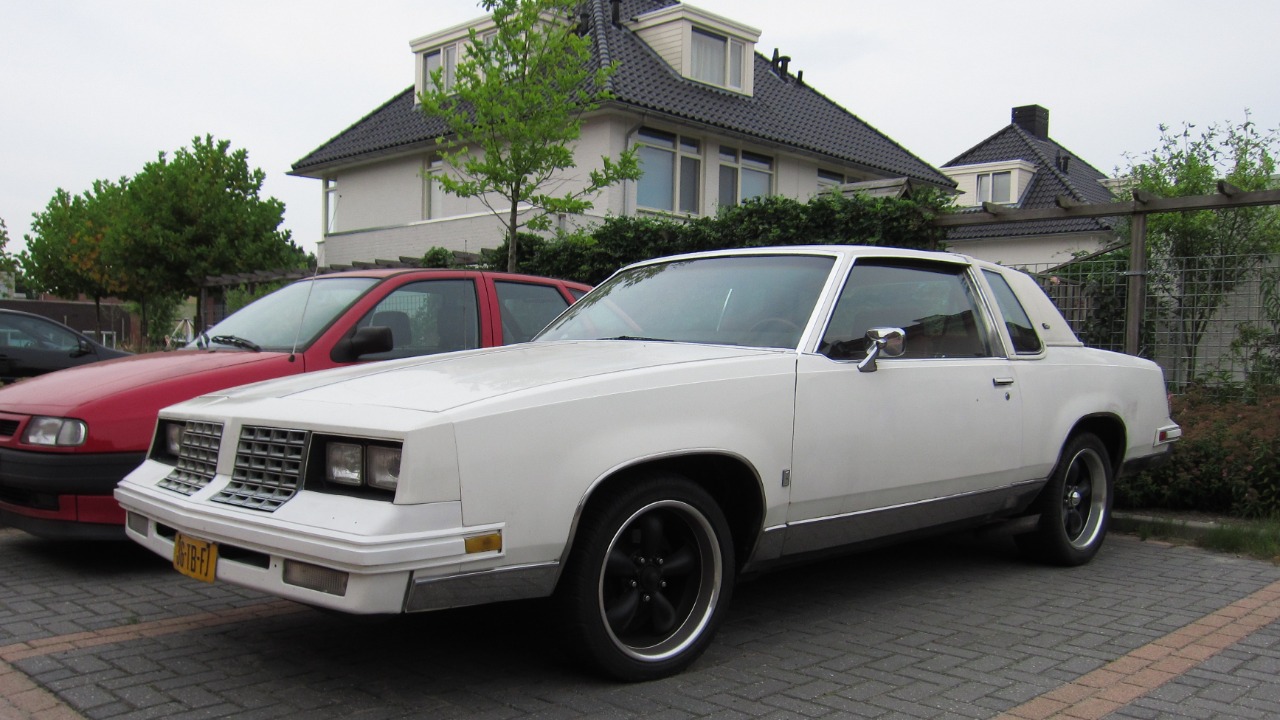
The Cutlass Calais carried the Cutlass name into a smaller market during the 1980s. It was available as a compact coupe and sedan, giving Oldsmobile another way to attract buyers who did not want a traditional midsize or full-size car. Performance versions made the model more interesting to enthusiasts, while its compact dimensions reflected changing consumer tastes. Because these cars were typically used as ordinary transportation, clean examples have become far less common than the name’s familiarity might suggest.
Oldsmobile Touring Sedan

The Touring Sedan was a relatively short-lived attempt to give Oldsmobile a sportier, more European-flavored image near the end of the 1980s. It combined a more performance-oriented character with the comfort expected from an Oldsmobile. The model was not produced for a particularly long period, and it never reached the visibility of the division’s larger nameplates. That makes it an interesting choice for collectors who want an Oldsmobile that reflects the company’s efforts to move beyond its traditional image during a changing automotive market.
Oldsmobile Toronado Troféo
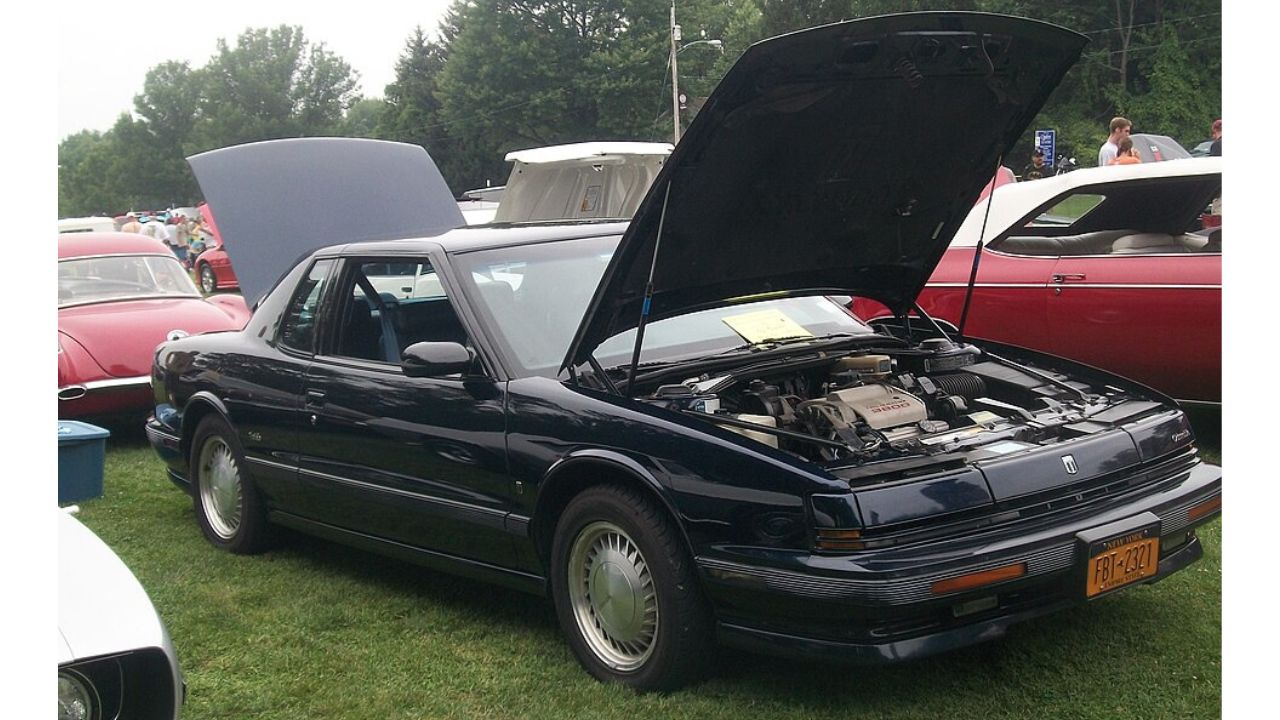
The Toronado Troféo gave Oldsmobile’s long-running personal-luxury coupe a sportier identity in its later years. It combined the Toronado’s front-wheel-drive architecture with a more aggressively styled exterior and a better-equipped interior. By that point, the nameplate had moved a long way from the radical first-generation Toronado, but it still stood apart from ordinary Oldsmobile models. Its unusual blend of large coupe proportions, technology, and performance-oriented styling makes surviving examples an interesting reminder of Oldsmobile’s final decades.
Oldsmobile Aurora

The Aurora represented one of Oldsmobile’s boldest attempts to reinvent itself in the 1990s. Its sleek styling looked dramatically different from the boxier cars that had defined the brand in previous decades, while its Northstar-related V8 architecture gave it a more sophisticated performance character. The Aurora was intended to give Oldsmobile a more modern and upscale image. Although it eventually became a regular part of the lineup, the first-generation car remains especially distinctive because it showed how aggressively Oldsmobile was trying to change its identity.
Oldsmobile Bravada
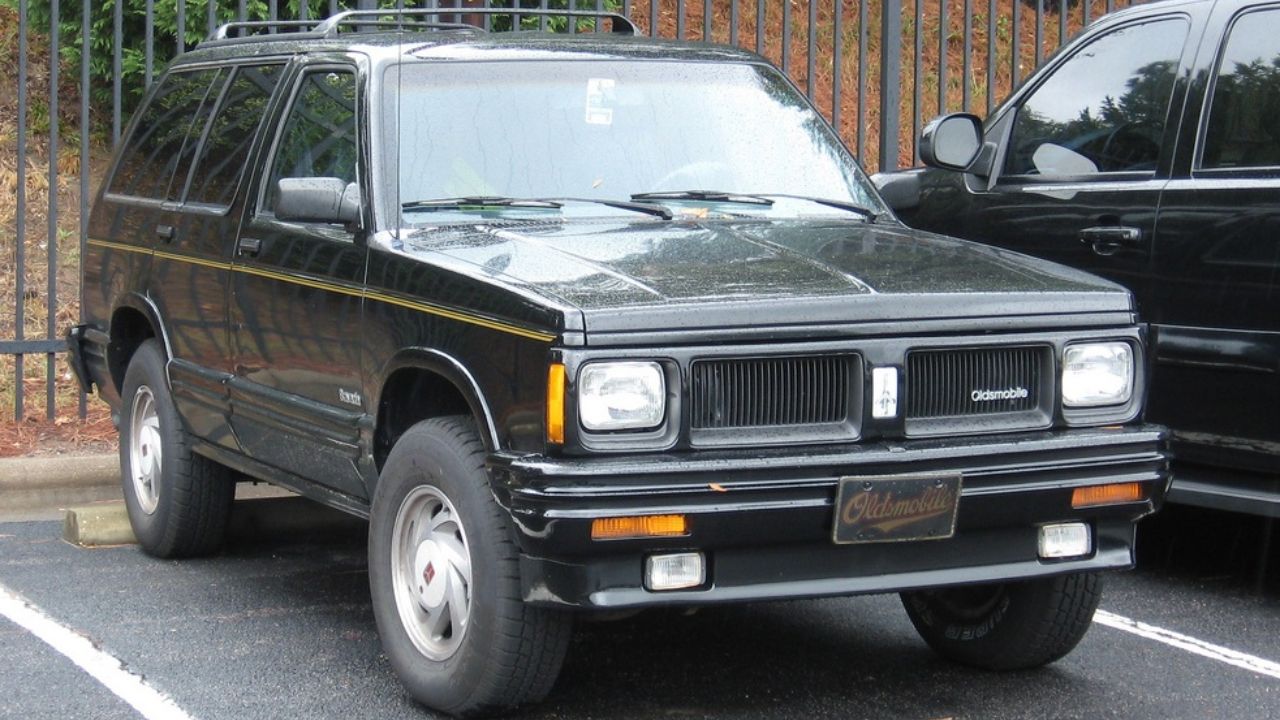
The Bravada brought Oldsmobile into the SUV market at a time when sport-utility vehicles were becoming increasingly important to American buyers. It shared its basic architecture with related GM products but received Oldsmobile-specific styling and equipment. The Bravada was unusual for the brand because it represented a major shift away from traditional sedans, coupes, and wagons. It eventually became one of Oldsmobile’s longer-running newer nameplates, but early examples now provide an interesting look at the division’s attempt to adapt to changing consumer preferences.
Oldsmobile Silhouette

The Silhouette was another major departure for Oldsmobile, bringing a minivan into a brand traditionally associated with American sedans and station wagons. It offered a spacious interior and sliding-door practicality while carrying Oldsmobile styling cues. The model was part of GM’s attempt to compete in the increasingly important minivan market during the 1990s. It may not have the glamour of a classic 4-4-2, but its unusual place in Oldsmobile history makes it worth remembering as the company tried to remain relevant in a changing market.
Oldsmobile Intrigue
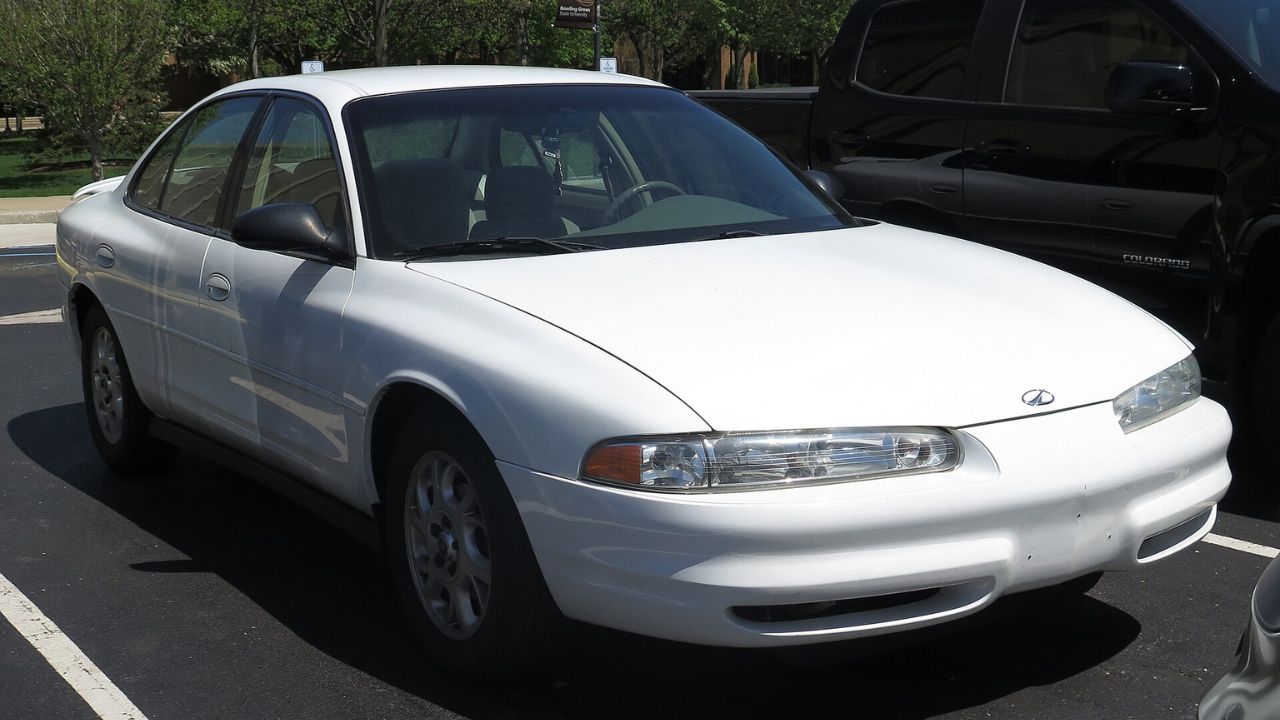
The Intrigue arrived near the end of Oldsmobile’s history and was intended to give the brand a more contemporary image. Its rounded styling and modern platform represented a clear departure from the traditional Oldsmobile formula. The car was positioned as a midsize sedan with a stronger emphasis on handling and European-inspired design cues. It did not have enough time to establish a lasting legacy before Oldsmobile disappeared, which has made surviving examples increasingly interesting to enthusiasts who collect the division’s final-generation cars.
Oldsmobile Alero
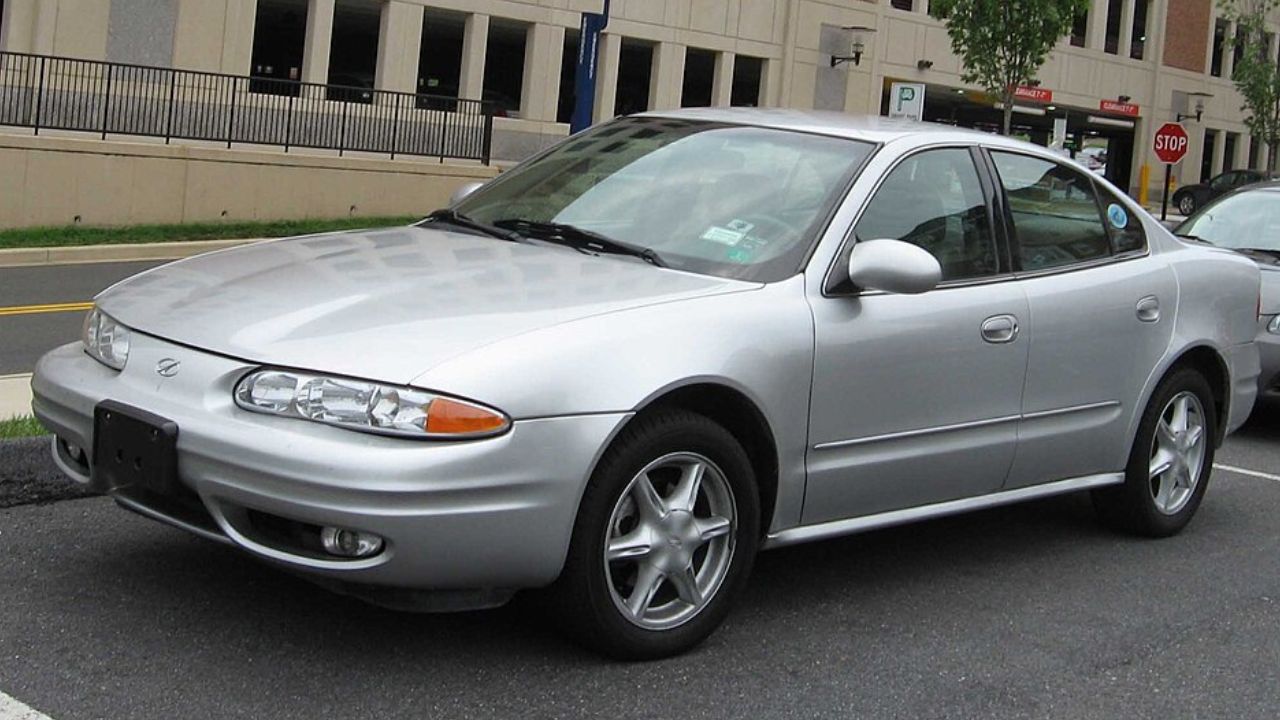
The Alero was one of the final Oldsmobiles and represented the brand’s attempt to attract younger buyers with a compact coupe and sedan. Its rounded bodywork and smaller proportions were a long way from the enormous Oldsmobiles of the 1950s and 1960s. The Alero had the unfortunate timing of arriving near the end of the division’s existence, making it part of Oldsmobile’s final chapter. Today, it stands apart as one of the last cars to wear the famous Oldsmobile name before production ended in 2004.
More from Fast Lane Only
- Unboxing the WWII Jeep in a Crate
- 15 rare Chevys collectors are quietly buying
- 10 underrated V8s still worth hunting down
- Police notice this before you even roll window down
*Research for this article included AI assistance, with all final content reviewed by human editors.