Hot rods are supposed to be fun. They are machines built around personality, mechanical creativity, and the simple pleasure of driving something that feels different from everything else on the road. But not every hot rod deserves a place in the garage. Some were built with questionable parts, rushed fabrication, mismatched components, or extreme modifications that make them far less enjoyable to drive than they look sitting at a show.
That does not mean the cars themselves are bad. Many of the models on this list are legendary hot-rodding platforms. The problem is what can happen when a good foundation is turned into a badly engineered project. A shiny paint job and a huge engine can hide plenty of expensive problems underneath. These are the hot rods that deserve a very careful inspection before anyone reaches for the checkbook.
Ford Model T

The Ford Model T is one of the most important cars in hot-rodding history, but that does not automatically make every Model T hot rod a good buy. A poorly converted T-bucket or heavily modified Model T can have an awkward combination of light weight, primitive chassis design, powerful engines, and inadequate braking. The original Model T was never designed around modern performance, and its braking system was extremely different from what drivers expect today. Once a hot rodder adds a V8, aftermarket suspension, quick steering, and modern tires, the entire chassis needs to work as a package. Poorly matched brake components, incorrect pedal ratios, questionable steering geometry, and inadequate frame reinforcement can turn a lightweight roadster into a handful. The Model T can make a fantastic hot rod when engineered properly, but a mysterious homebuilt example with little documentation is exactly the kind of project that can consume more money than expected.
Ford Model A

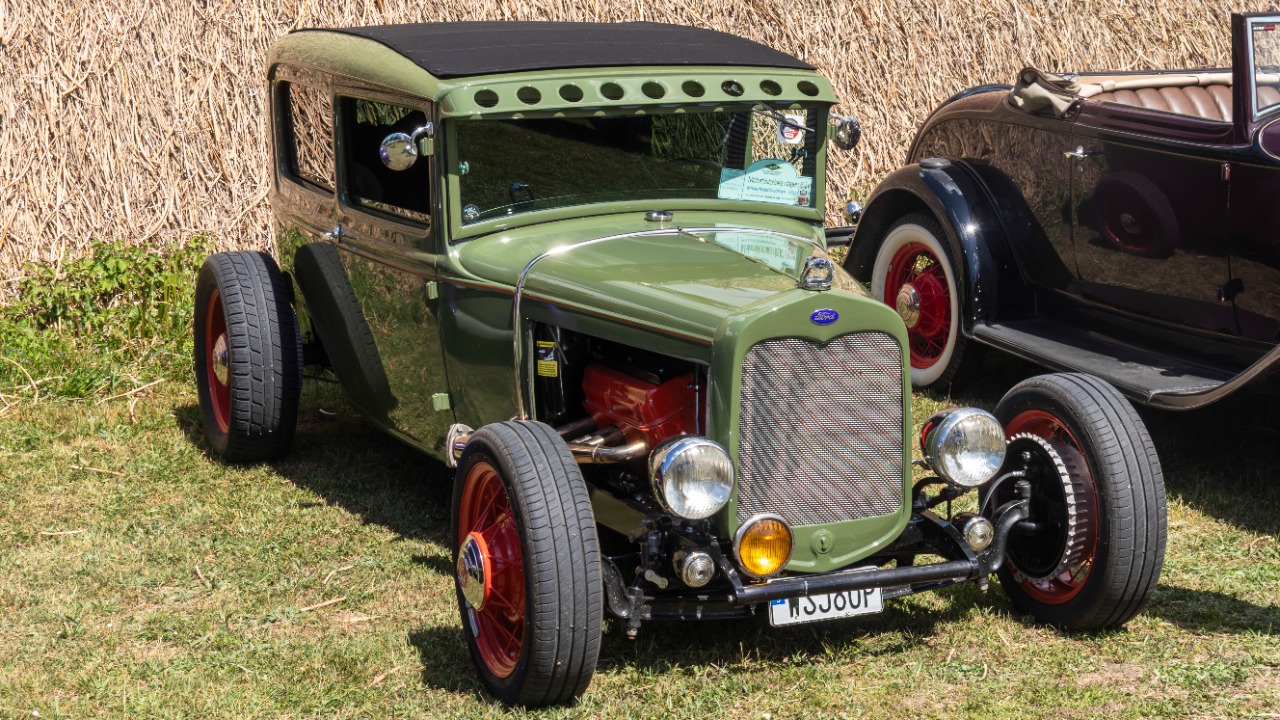
The Ford Model A became a favorite hot-rodding platform because it was plentiful, simple, and easy to modify. That long history is also part of the problem when buying an older finished rod. One Model A may have passed through several owners, with each person adding a different engine, transmission, wiring harness, suspension setup, or brake system. The result can be a car where almost nothing works quite the way it was originally intended. Frame modifications deserve particular attention because shortcuts around suspension mounts, steering components, or crossmembers can be expensive to correct. Rust is another concern, especially on cars that spent decades being modified rather than restored. A Model A with a modern drivetrain, properly engineered chassis, good brakes, and professional wiring can be a wonderful cruiser. A freshly painted car with unknown mechanical history is another story. The shiny exterior should never be allowed to distract from what is happening underneath.
1929 Ford Roadster
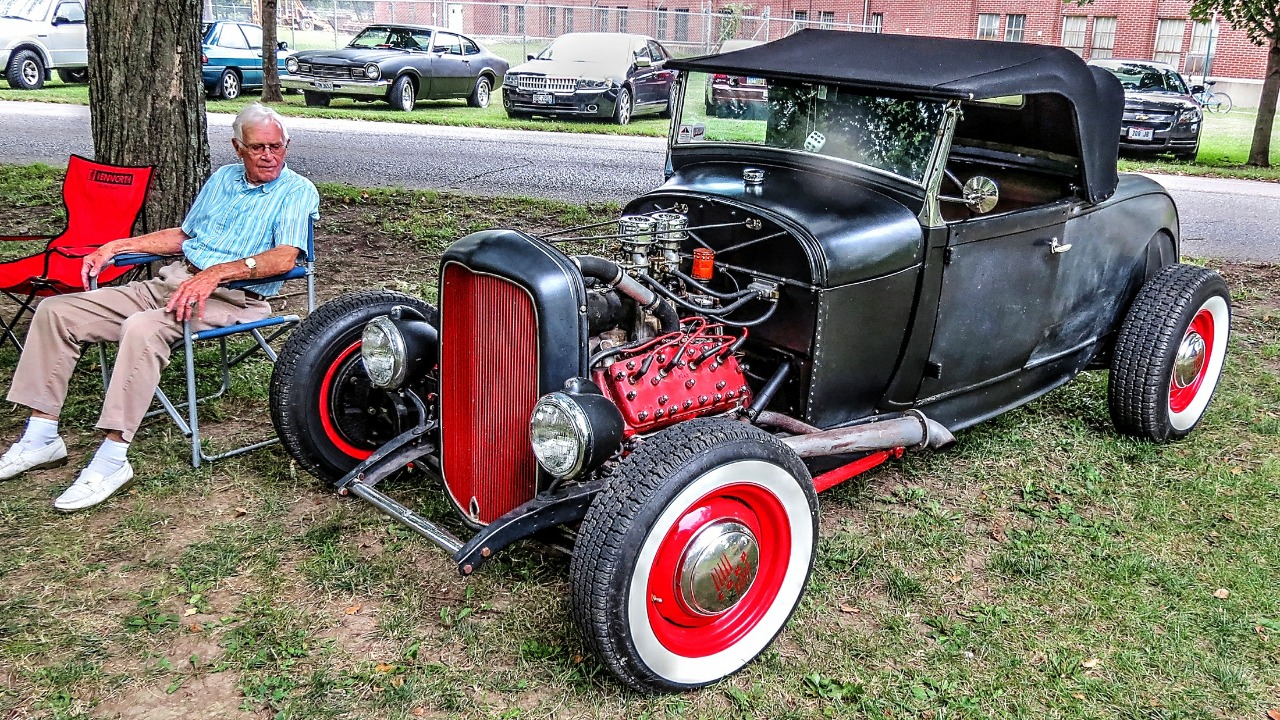
The 1929 Ford Roadster has the right proportions for a traditional hot rod, and its compact body makes it a popular choice for builders who want an old-school appearance. The problem is that many examples have been modified so extensively that the original Ford components tell you very little about what the car has become. Frame sections may have been replaced, the suspension may have been converted to unfamiliar components, and the engine compartment can contain almost anything from a small-block Chevrolet to a modern fuel-injected V8. Fiberglass reproduction bodies are also common in the hot rod world, so buyers should establish exactly what they are purchasing rather than assuming an attractive body is original steel. A poorly assembled 1929 roadster can require bodywork, chassis work, electrical work, and drivetrain repairs simultaneously, making an apparently inexpensive purchase surprisingly costly.
1932 Ford Roadster
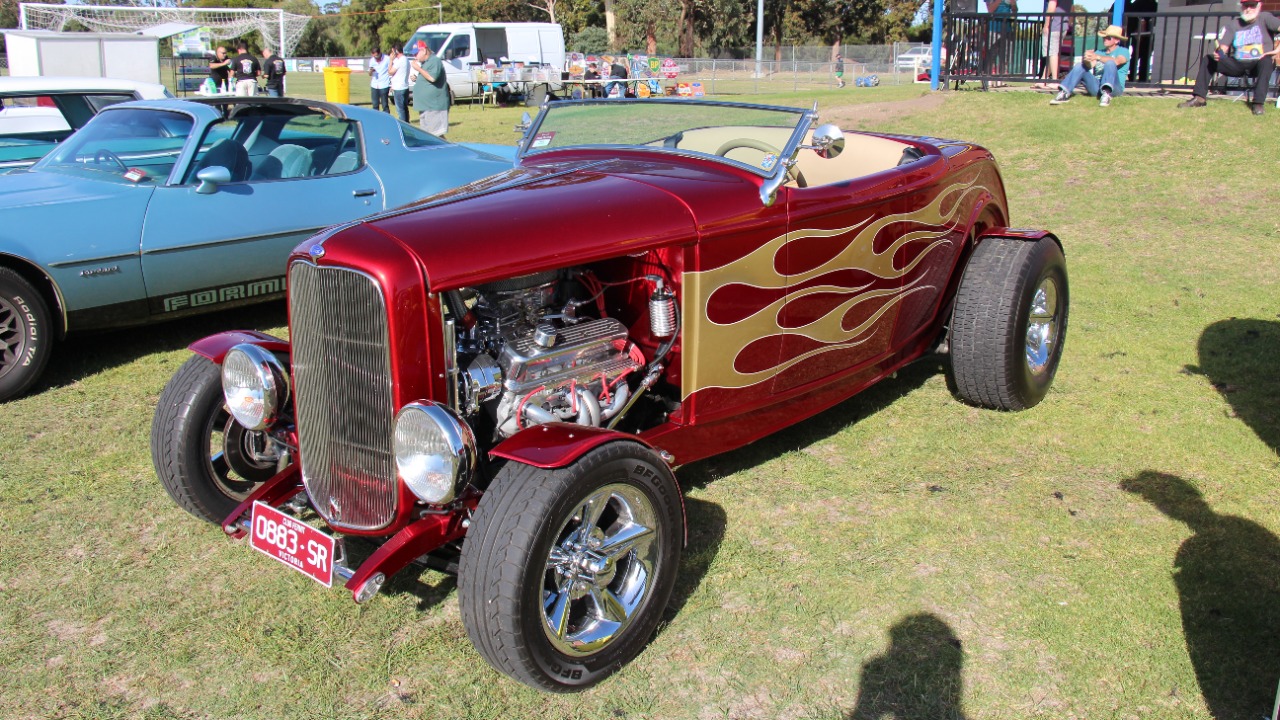
Few cars have a bigger reputation in hot-rodding than the 1932 Ford Roadster, and that reputation can make buyers overlook obvious problems. Original examples are valuable, while reproduction bodies and frames have made it possible to build Deuces in many different ways. The danger comes when a car has been assembled from parts without a clear record of what went into it. Fiberglass bodies can be perfectly legitimate, but the supporting structure, mounting points, doors, floor, and steering-column installation all need careful inspection. The frame deserves just as much attention, particularly around modified crossmembers and suspension mounts. Cooling can also become an issue when a traditional flathead or large modern V8 is installed in a compact engine bay without adequate airflow. A 1932 Ford Roadster is a terrific hot-rod foundation, but the most attractive examples can also be the most expensive to correct if previous builders concentrated on appearance rather than engineering.
1932 Ford Coupe
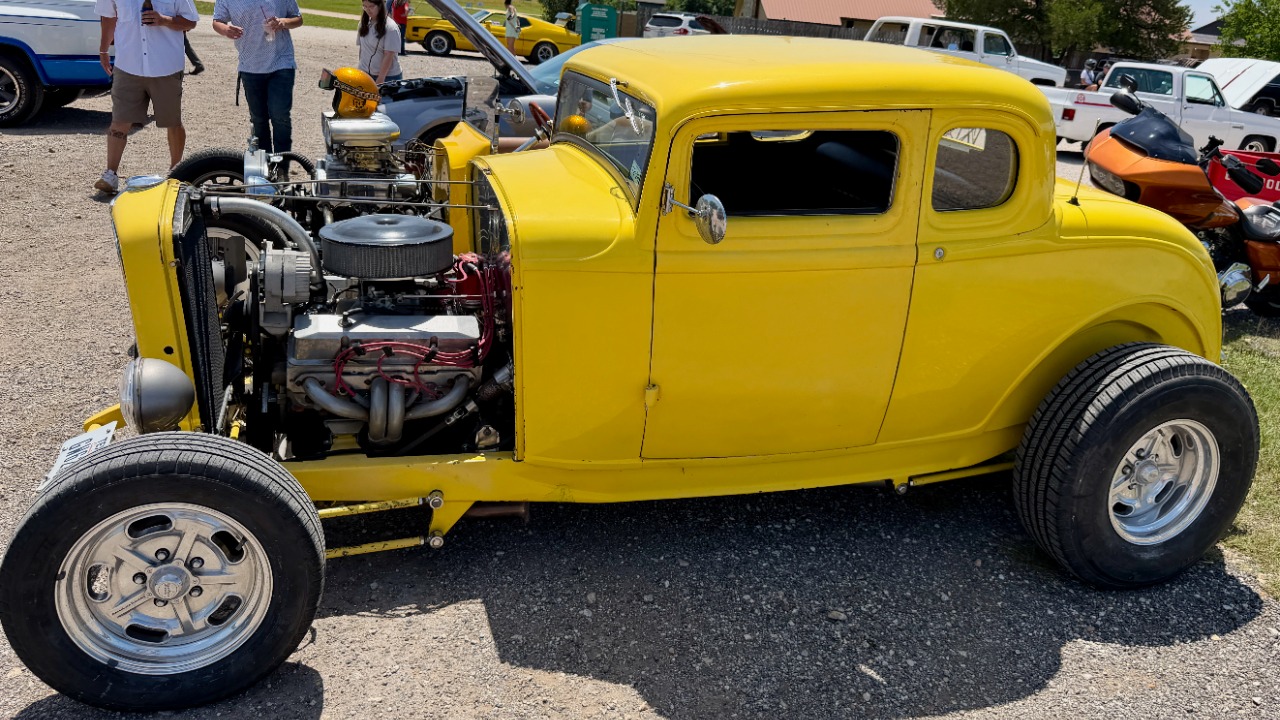
The Deuce Coupe has been immortalized by hot-rodding culture for decades, which makes it one of the easiest cars for sellers to make look more valuable than it really is. A bad 1932 Ford Coupe can hide problems beneath expensive paint, polished wheels, and a powerful small-block. Look closely at the frame, especially where it has been boxed, sectioned, or modified for modern suspension components. Poorly fabricated motor mounts, steering brackets, and suspension attachment points are not cosmetic problems and can require substantial fabrication work to correct. Chopped roofs introduce another area where workmanship matters because badly executed modifications can create distorted proportions, poor glass fitment, water leaks, and visibility problems. The drivetrain should also be examined as a complete system rather than judged by horsepower alone. If the transmission, rear axle, cooling system, brakes, and suspension were never designed to work together, the car can become unpleasant to drive. The famous Deuce name does not guarantee a famous-quality build.
1933 Ford Coupe
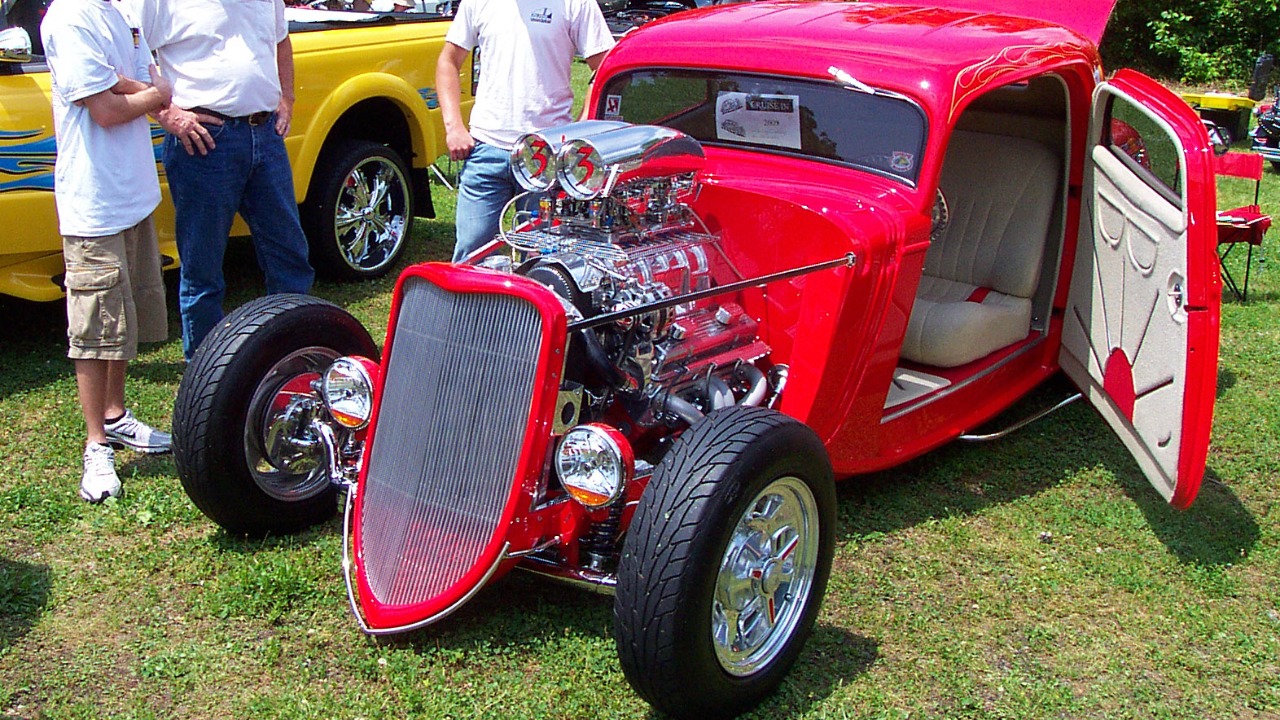
The 1933 Ford Coupe has some of the best proportions in traditional hot-rodding, but it can be particularly unforgiving when modified poorly. Chopping the roof, changing the suspension, widening the wheels, and installing a powerful engine can completely alter the way the car behaves. Poorly constructed body modifications can also become obvious after the first serious inspection, especially around roof pillars, door gaps, window openings, and the firewall. Fiberglass versions add another consideration because construction quality varies between manufacturers and generations of bodies. The chassis needs equal attention because many older rods have been modified several times over their lives. A suspension that looks impressive at a car show may have almost no useful travel on the road, while excessively stiff springs and shocks can make every pothole feel like a collision. The 1933 Ford itself is not the problem. The problem is buying one where nobody can explain exactly who built it, what parts were used, or why the chassis behaves the way it does.
1934 Ford Coupe
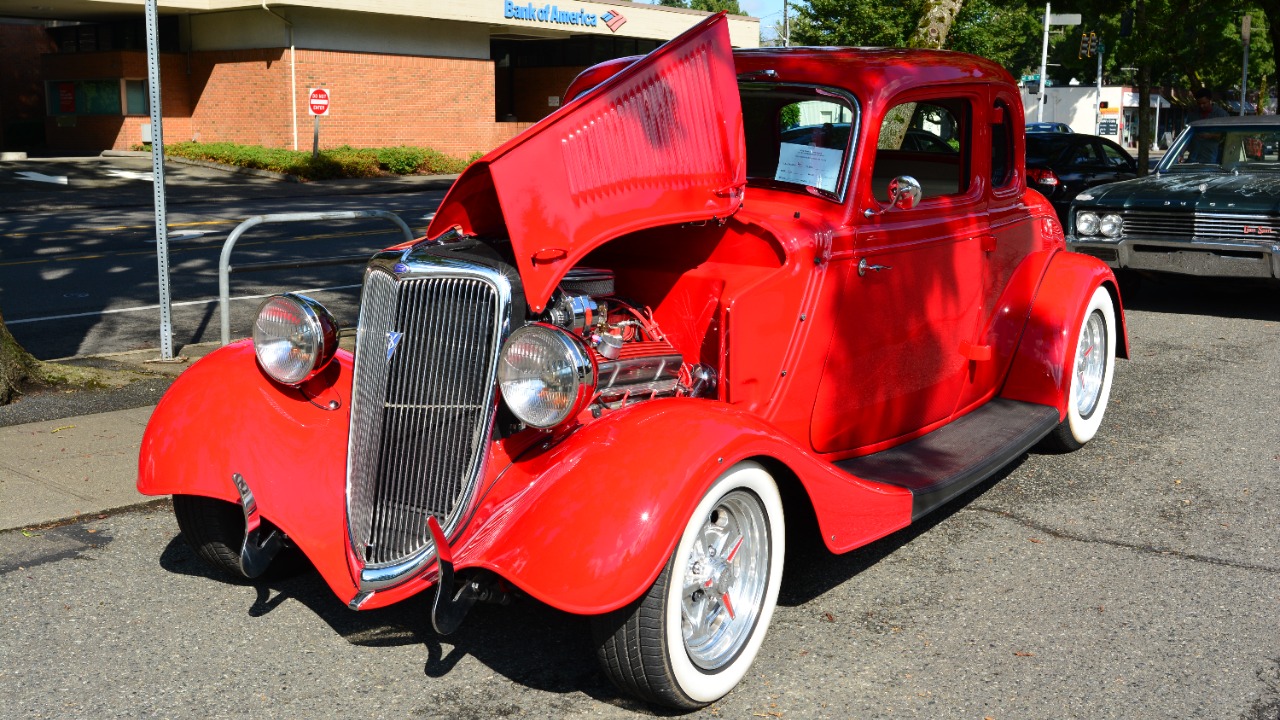
The 1934 Ford Coupe is another hot-rodding icon that can become a financial headache when a previous builder went too far. Chopped tops, custom frames, fiberglass bodies, large engines, and radical suspension systems are all common in the world of ’34 Fords. None of those modifications are automatically bad, but combining them without proper engineering can create a car that looks spectacular and drives terribly. Extreme lowering is especially worth checking because limited suspension travel can cause constant bottoming and can put headers, oil pans, steering components, and other parts dangerously close to the road. A large engine also adds weight to the front of a relatively compact car, potentially affecting steering and braking behavior. Cooling needs attention too, particularly on high-output engines running in traffic. The right 1934 Ford Coupe can be an excellent street rod, but the wrong one can become a collection of expensive compromises. If the seller talks endlessly about horsepower while barely mentioning brakes, steering, cooling, or suspension, that is a reason to look much closer.
1936 Ford Coupe
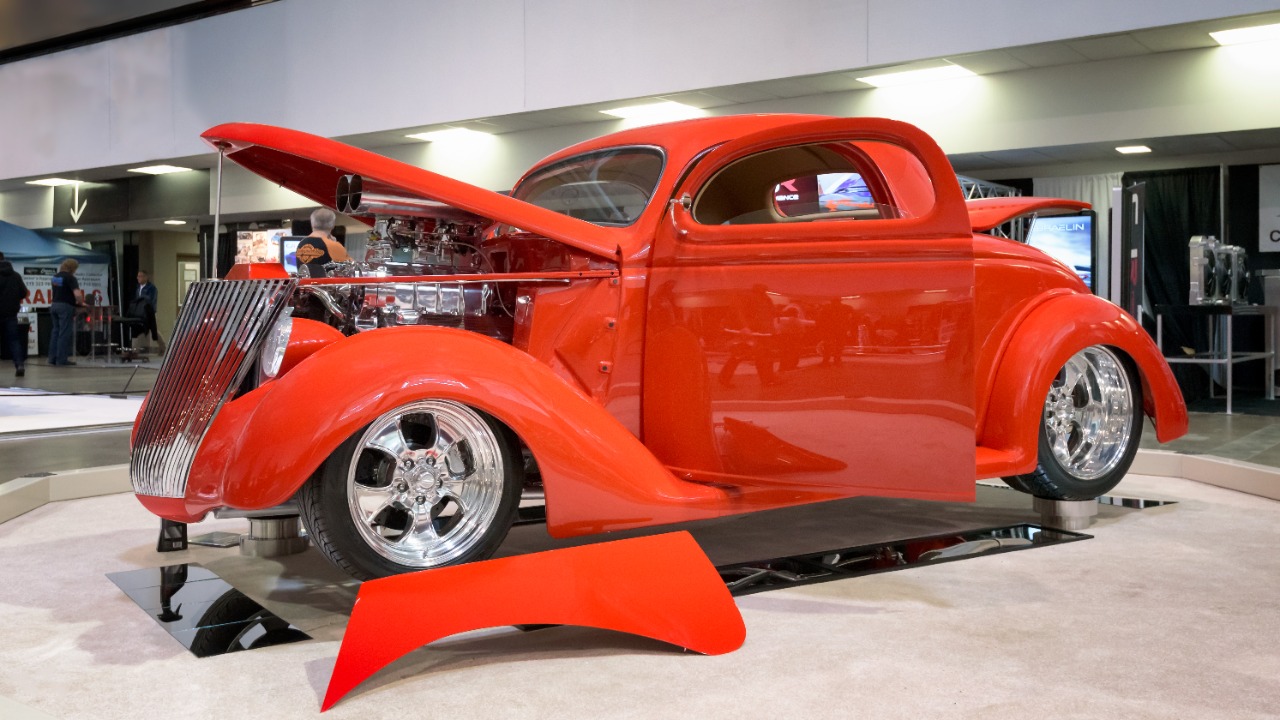
The 1936 Ford Coupe occupies an interesting place in hot-rodding because it offers more body and cabin space than earlier Fords while still retaining plenty of traditional appeal. Unfortunately, that makes some examples tempting platforms for oversized engines and aggressive modifications that the rest of the car was never prepared to handle. A big-block or heavily modified small-block can create tremendous performance, but the cooling, transmission, rear axle, brakes, and chassis all have to be upgraded accordingly. Older builds may also contain wiring that has been added piece by piece over several decades. Finding multiple switches, disconnected wires, homemade brackets, and poorly protected connections is not unusual on neglected projects. Rust around the floors and structural areas can make matters worse because repairs may be hidden beneath carpets or fresh paint. The 1936 Ford is a perfectly legitimate hot-rod candidate, but a car with an unknown history can quickly turn into a restoration disguised as a finished driver.
1939 Ford Coupe

The 1939 Ford Coupe is often overlooked beside the more famous Deuces, but it makes an interesting hot rod when built properly. That also means rough examples can be relatively easy for sellers to disguise as bargains. A car that has spent decades being modified may contain several different generations of technology, with an old chassis underneath a newer drivetrain and an electrical system that has been patched together repeatedly. The engine itself may not be the biggest concern. Cooling capacity, transmission installation, rear axle selection, steering, and brake integration can matter much more to the finished car. Body repairs should also be checked closely because large amounts of filler can conceal previous damage. A 1939 Ford that has been carefully restored and modernized can be a terrific cruiser. One that was assembled cheaply from whatever parts were available can quickly turn into a project nobody wants to finish.
1940 Ford Coupe

The 1940 Ford Coupe is one of the most recognizable prewar American hot rods, but its popularity means there are plenty of heavily modified examples floating around. Some have been lowered so far that the suspension has almost no usable travel, while others have engines that overwhelm the original chassis and braking hardware. Steering geometry deserves special attention because poorly designed front-end modifications can produce wandering, bump steer, or strange behavior over uneven pavement. The rear axle and transmission should also be checked for compatibility with the engine and intended cruising speed. A car built for short trips to local shows may have gearing and cooling that become frustrating on the highway. Rust is another concern because attractive bodywork can conceal problems underneath the floor, firewall, and lower body panels. A professionally built 1940 Ford can be an excellent street rod, but an old build with mysterious suspension work and no documentation should not be purchased simply because the paint looks expensive.
1940 Willys Coupe
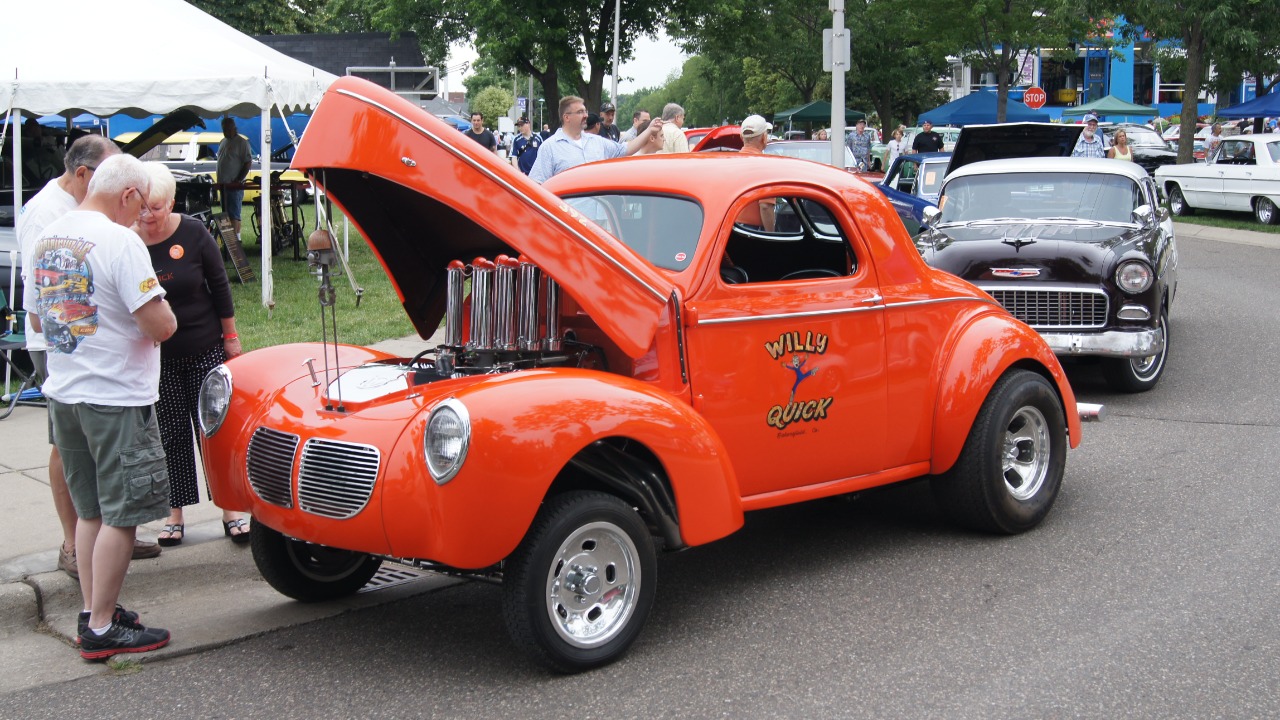
The 1940 Willys Coupe has enormous hot-rodding credibility thanks to its connection with early gasser culture, but that same history makes it easy to find examples that have been pushed far beyond practical street use. The Willys became famous for straight-line performance, so some builds were designed around drag racing rather than normal road driving. That can mean huge rear tires, narrow front tires, aggressive gearing, minimal ground clearance, stiff suspension, and engines tuned for maximum power rather than drivability. None of those characteristics are necessarily wrong on a competition car, but they can be miserable on ordinary roads. The short wheelbase and powerful engine combination can also demand respect when the rear tires lose traction. Buyers should inspect the frame, suspension mounting points, steering, brakes, and cooling system carefully. A genuine street-friendly Willys can be special, but a former race-oriented build with a license plate attached should not automatically be treated as a usable street car.
1949 Mercury Coupe

The 1949 Mercury Coupe became one of the defining custom-car platforms of the postwar era, and its long, flowing body practically invites modification. That is exactly why poorly executed examples can be so expensive to repair. Chopping a Mercury roof requires considerable skill because the proportions of the glass, pillars, roofline, and rear quarters all have to work together. A badly performed chop can leave distorted window openings, poor door fitment, leaks, and awkward visibility. Custom work around the grille, headlights, deck, and trim can create additional areas where hidden filler and rushed welding may be found. The mechanical side deserves equal attention because many Mercurys received V8 swaps and custom chassis work long before modern suspension kits became widely available. If the car has been chopped, shaved, sectioned, and repowered, inspect every major modification instead of assuming the craftsmanship matches the paint. The right Mercury is a piece of custom-car history. The wrong one can be a rolling collection of unfinished repairs.
Ford T-Bucket

The Ford T-Bucket might be one of the most visually dramatic hot rods ever created, but it is also one of the easiest to build into a car that is uncomfortable and difficult to control. The extremely short body, light weight, exposed front suspension, narrow front tires, and enormous rear tires create a very different driving experience from a normal automobile. Brakes are particularly important because T-buckets often use combinations of aftermarket components that were selected at different times. Master-cylinder sizing, pedal ratio, brake balance, and caliper compatibility all have to be correct. Steering geometry is equally critical, especially on cars with radically altered front ends. A giant engine in a lightweight bucket may produce spectacular acceleration, but that does not make the car safe or enjoyable when the suspension, steering, and brakes cannot keep up. A professionally engineered T-bucket can be a blast, but a bargain example with homemade fabrication and questionable brake work is exactly the sort of hot rod that deserves to be avoided.
1923 Ford T Roadster
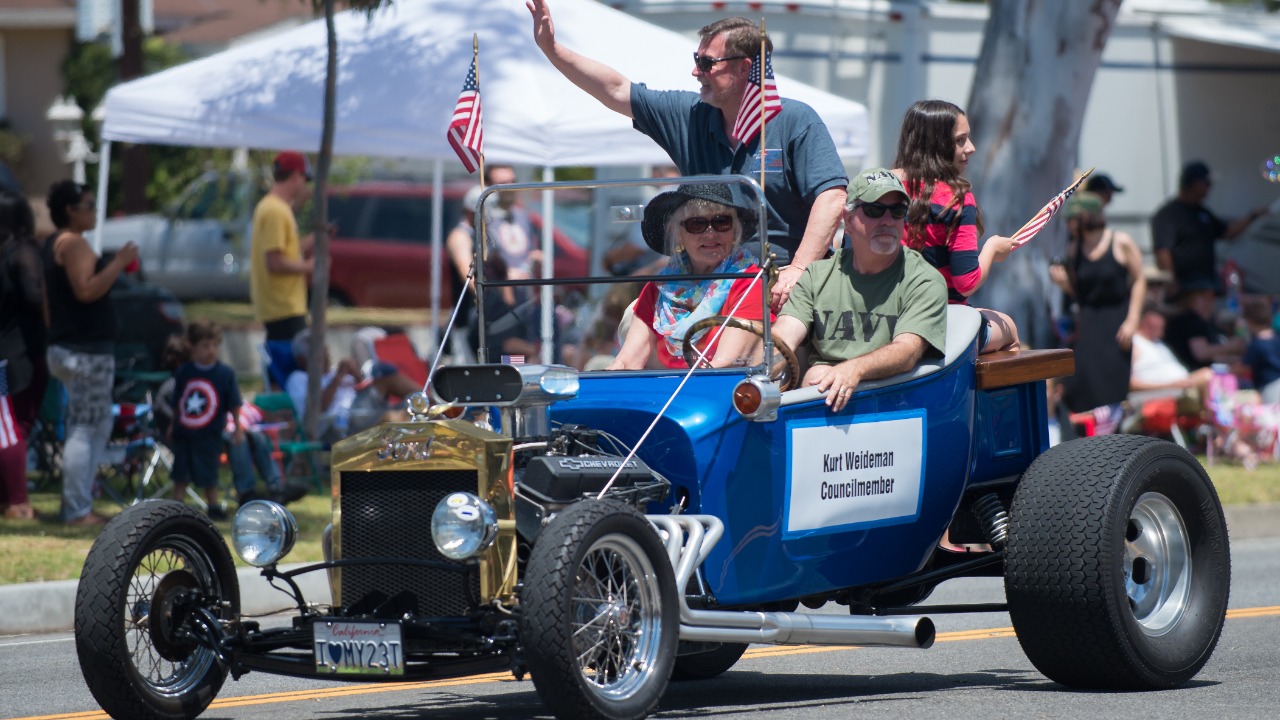
The 1923 Ford T Roadster became a favorite basis for lightweight hot rods because its compact dimensions allow builders to create extremely simple machines. Unfortunately, simplicity can be misleading. There is very little room for error when a tiny body is combined with a powerful engine, short wheelbase, and minimal suspension. Some older builds also use crude steering arrangements, narrow front tires, or braking systems that were never designed for modern traffic. The seating position can create another problem when a builder prioritizes appearance over ergonomics. A steering wheel mounted too close to the driver, pedals with poor spacing, or inadequate windshield protection can make even a short cruise tiring. Ground clearance is another common issue on radically lowered examples. Before buying one, examine the frame, steering linkage, brake system, suspension travel, and engine mounting rather than concentrating on the polished engine bay. The little T Roadster can be wonderfully entertaining, but it is not forgiving of careless engineering.
1950 Ford Custom
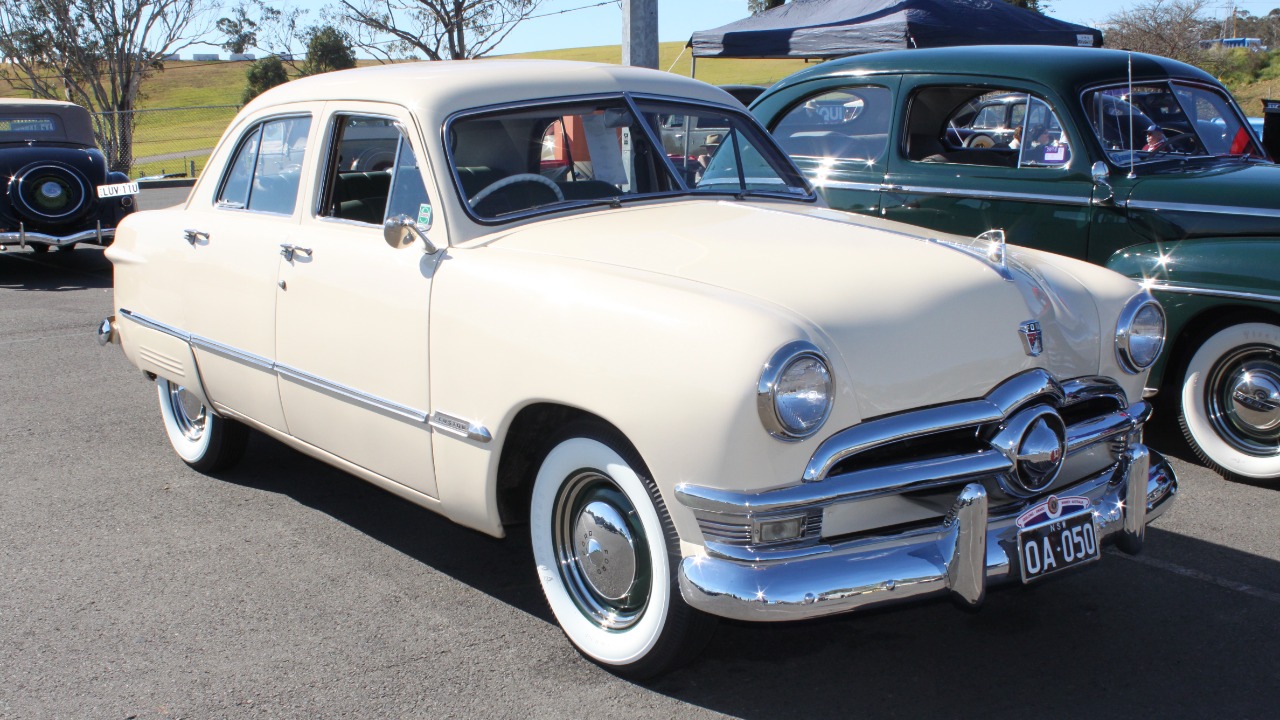
The 1950 Ford Custom is a handsome full-size platform that has attracted generations of builders, but its large body can hide a lot of expensive problems. Many have been chopped, shaved, lowered, or converted to modern drivetrains, and each modification needs to be examined individually. A major concern is whether the chassis and suspension work were engineered for the vehicle rather than simply adapted until everything appeared to fit. Brake conversions deserve particular attention, especially when large engines and modern performance expectations have been added. Bodywork can be equally deceptive. Smooth paint can conceal rust repairs, excessive filler, or old accident damage. A professionally built 1950 Ford can make an excellent cruiser, but a cheap custom with an unknown history can require extensive body, suspension, wiring, and drivetrain work before it is safe enough to enjoy regularly.
Volkswagen Beetle-Based Hot Rod

The Volkswagen Beetle became the foundation for countless custom and kit-car projects because it was inexpensive, compact, mechanically simple, and available in enormous numbers. That same accessibility created a huge number of questionable builds. Fiberglass bodies, unusual suspension modifications, oversized engines, and homemade interiors can turn a simple Beetle into something that is difficult to repair. The biggest warning sign is a car where the original Beetle components have been heavily altered without documentation. Engine conversions can create cooling and drivetrain problems, while custom bodies may require unique replacement parts. Older kit-style builds can be especially difficult because manufacturers may no longer support the components. Hot Rod magazine has long warned prospective kit-car buyers that cheap initial prices can lead to much higher costs once additional parts and fabrication are required. A professionally completed Beetle-based hot rod can be entertaining, but an unfinished mystery project can consume years and money.
Ford Mustang II
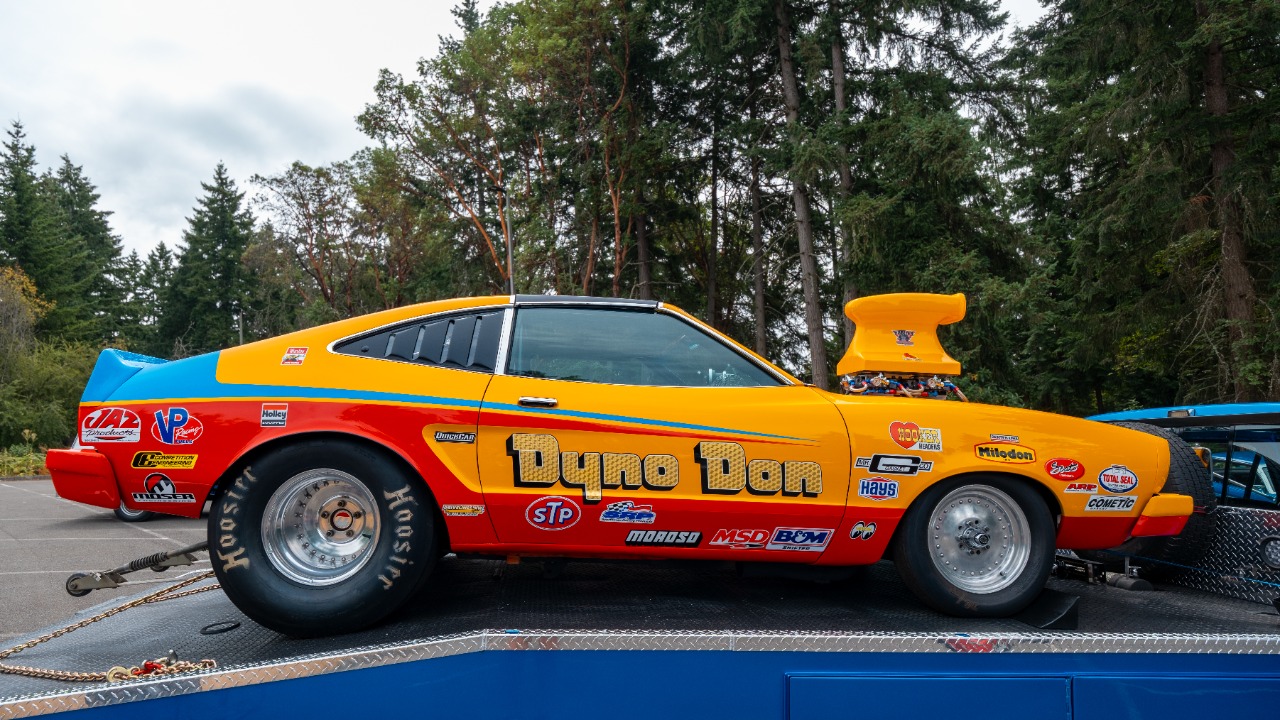
The Mustang II has a complicated reputation among enthusiasts, but its independent front suspension actually became extremely influential in the aftermarket. MotorTrend notes that Mustang II-based suspension geometry is still widely used in performance and restomod applications. The problem is not the basic engineering. It is the way some hot rods have been modified around it. A Mustang II-based project can become difficult when the suspension installation has been poorly fabricated or when the geometry has been altered simply to make the car sit lower. Excessive lowering, incorrect rack placement, unsuitable springs, and poorly chosen control arms can produce terrible handling. The same applies to cars using salvaged components from several different builds. If you are buying a hot rod with Mustang II suspension, inspect the installation rather than judging the system by its name. A correctly engineered conversion can work extremely well. A badly fabricated one can be dangerous and expensive to fix.
More from Fast Lane Only
- Unboxing the WWII Jeep in a Crate
- 15 rare Chevys collectors are quietly buying
- 10 underrated V8s still worth hunting down
- Police notice this before you even roll window down
*Research for this article included AI assistance, with all final content reviewed by human editors.