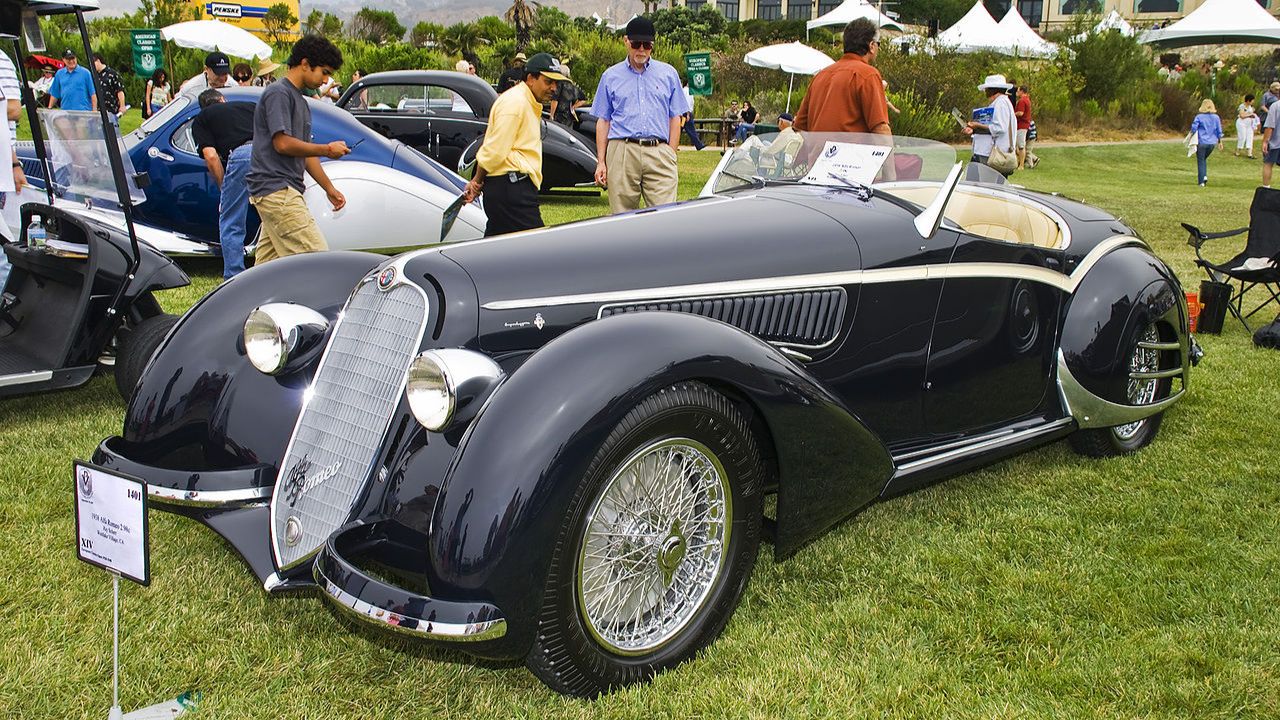
Some roadsters are famous because they were built in big enough numbers to be seen at shows everywhere. The truly elusive ones are different: limited production runs, coachbuilt oddities, cars built for a single season of racing homologation, or models that simply didn’t survive. Here are 20 vintage roadsters that even seasoned collectors may only encounter in books, museums, or the occasional high-level concours field.
Bugatti Type 55 Roadster
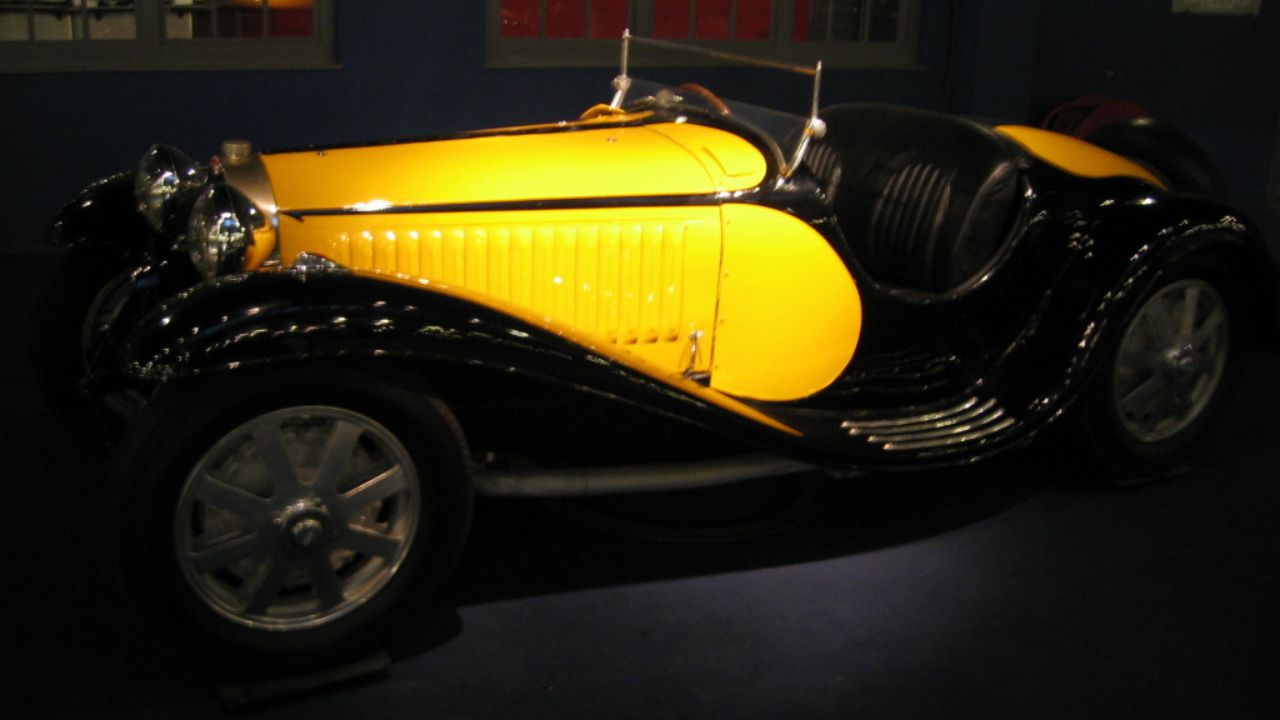
The Type 55 is rare even by Bugatti standards, combining Grand Prix-derived engineering with dramatic, low-slung roadster coachwork. It’s closely associated with Jean Bugatti styling, and only a small number were produced. Surviving cars are fiercely documented, and many are tied to long-term collections.
Alfa Romeo 8C 2900B Spider
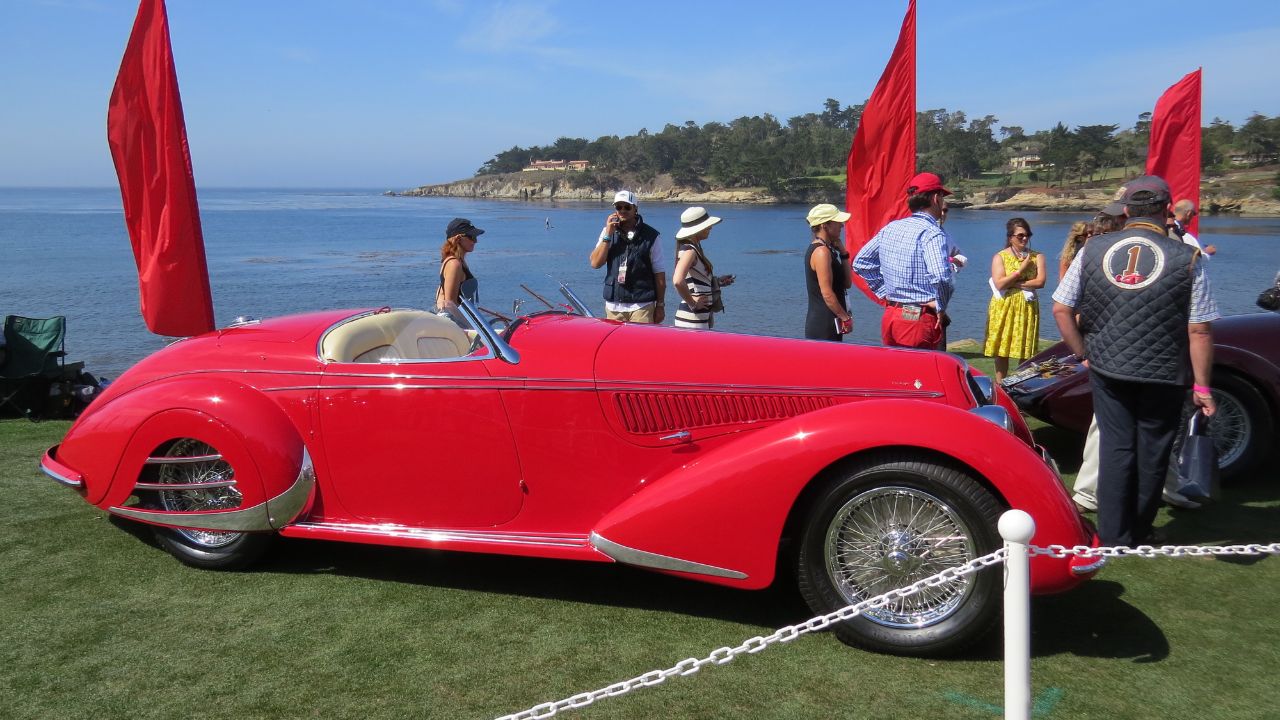
Alfa Romeo’s 8C 2900 series sits among the most coveted prewar sports cars, and the open spiders are the hardest to spot. Built around an advanced chassis with a supercharged straight-eight, these cars were expensive and complex from day one. A handful of Touring-bodied spiders survive, typically with well-known histories.
Delahaye 135 MS Roadster

Delahaye’s 135 family was a coachbuilder’s canvas, and Figoni & Falaschi delivered some of the era’s most recognizable flowing forms. True roadster configurations are scarce, and many were bespoke builds for specific clients. Documentation matters, since Delahaye bodies varied widely even within the same series.
Talbot-Lago T150-C SS Roadster
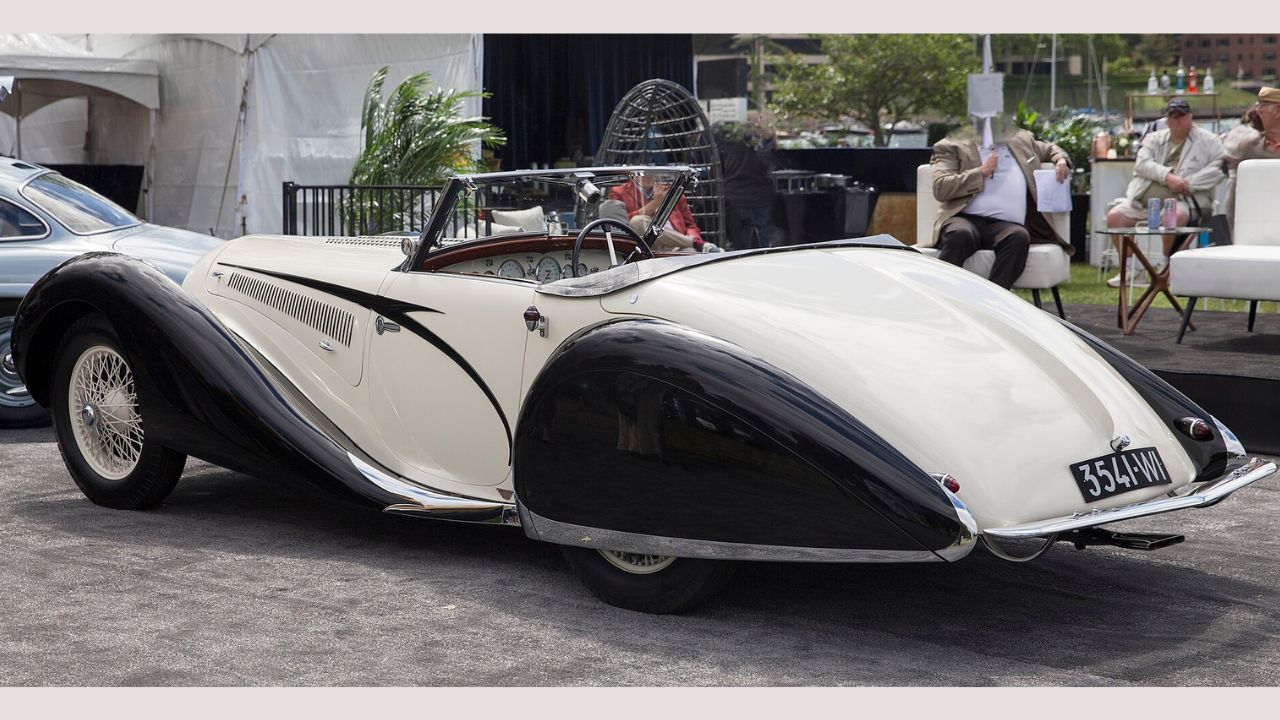
The T150-C SS is best known for its aerodynamic “goutte d’eau” coupes, but open versions exist and are extremely uncommon. These cars combined competition intent with luxury-car finishing, reflecting Talbot-Lago’s niche in prewar France. When a genuine roadster appears, it’s usually attached to a prominent chassis history.
BMW 328 Roadster
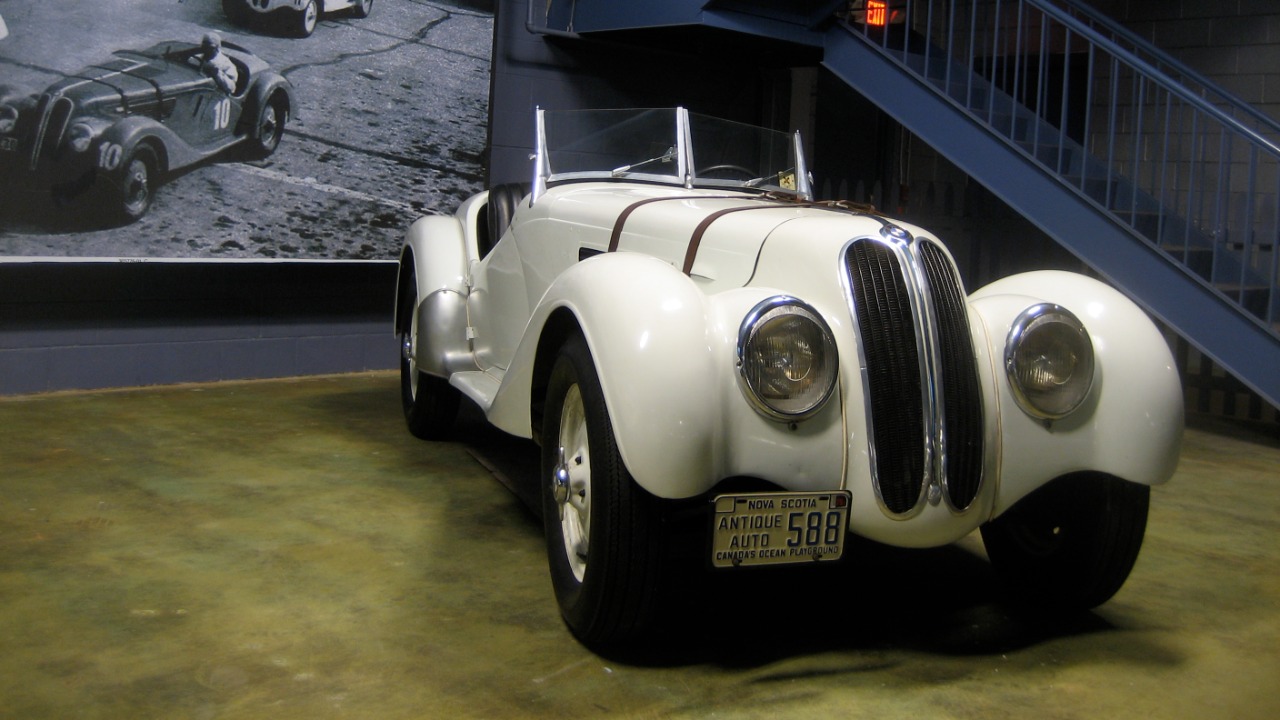
The BMW 328 made its reputation in late-1930s sports car racing, yet genuine prewar roadsters are not something you casually stumble across. Its lightweight construction and advanced engine design helped it punch above its displacement. Many of the most famous examples are tied to period competition records and carefully tracked provenance.
Ferrari 166 MM Barchetta (Touring)

Early Ferraris are rare by definition, and the 166 MM “barchetta” is among the most historically important. These small-displacement V12 roadsters were built for endurance racing and often carry individual competition stories. Because early Ferrari production was limited, each surviving barchetta is treated as a major artifact.
Aston Martin DB3S (works-style roadster)
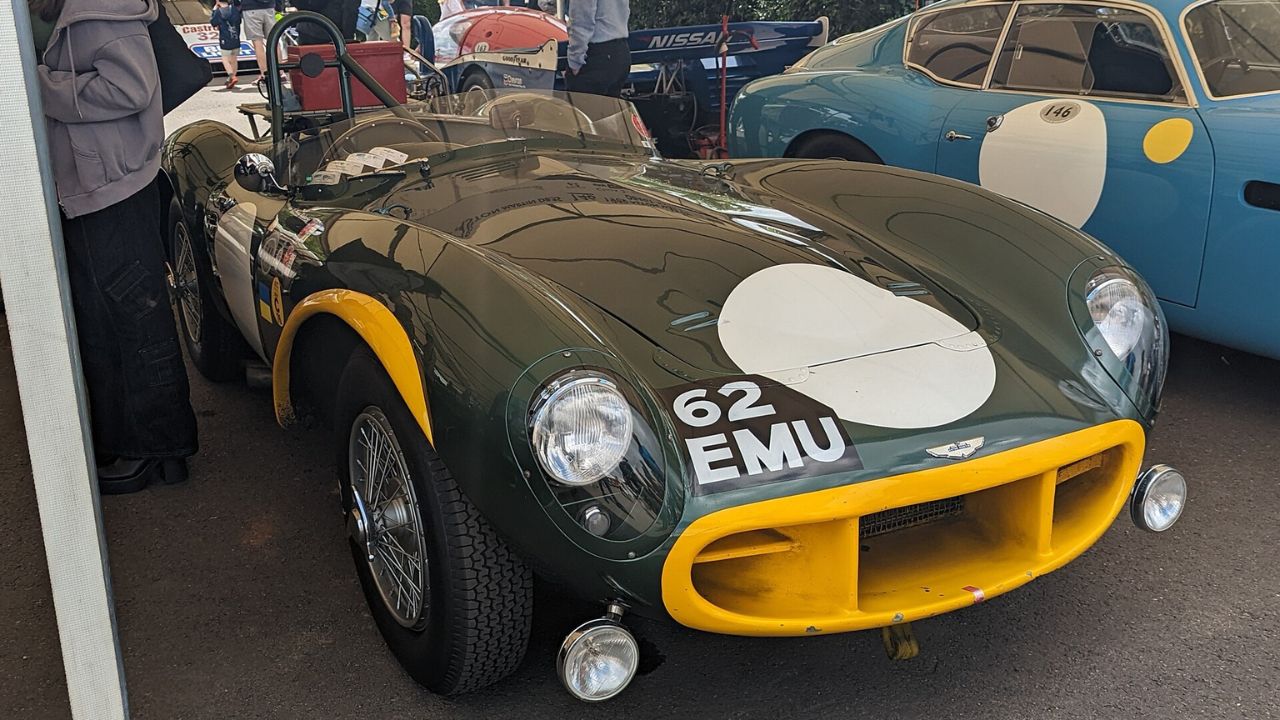
The DB3S is primarily remembered as a competition car, and the open cars are tightly connected to period racing. Aston Martin built only a limited number, and many were campaigned hard. Survivors tend to be well known in historic racing circles and aren’t commonly available for private transactions.
Mercedes-Benz 300 SLR (W196S) Roadster
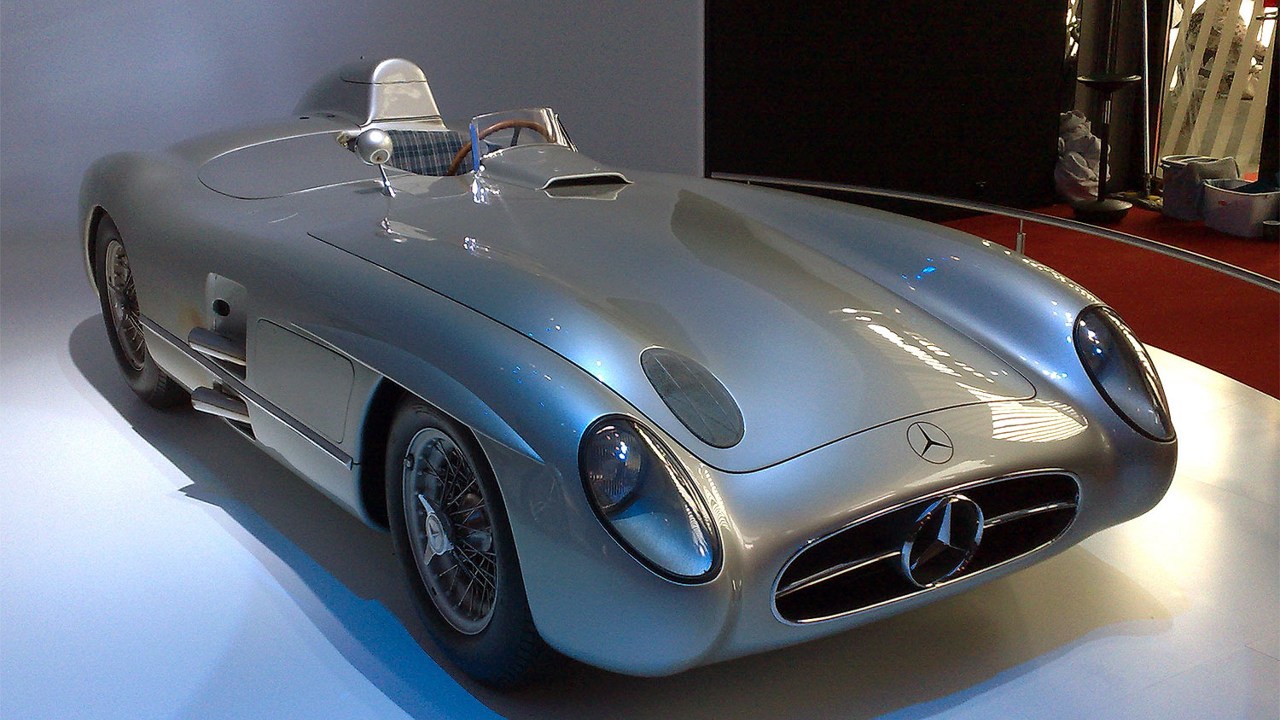
Mercedes-Benz’s 300 SLR is one of the most storied sports racers ever built, and it was never a normal production model. Built for top-level competition, it shares engineering DNA with the W196 Grand Prix car. Surviving examples are few and are generally associated with factory stewardship and landmark events.
Jaguar D-Type (works-style roadster)
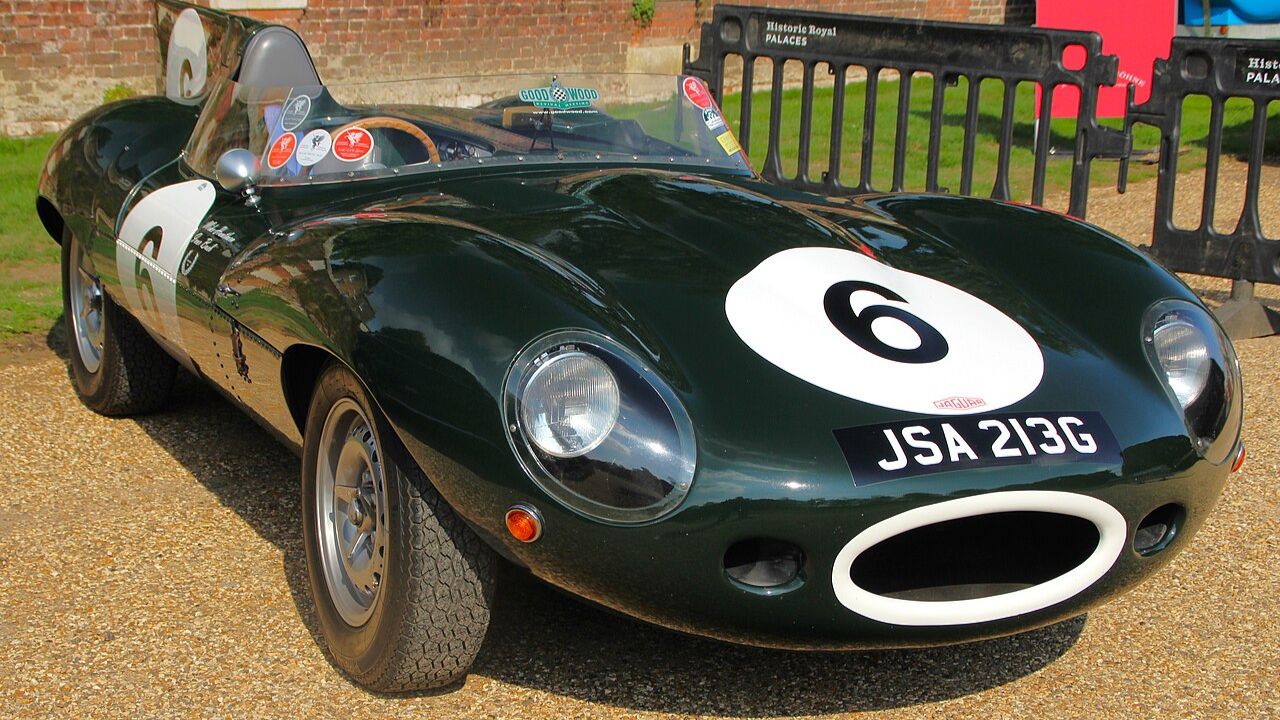
Jaguar’s D-Type is legendary at Le Mans, and authentic period cars are scarce, especially those with meaningful racing histories. The D-Type’s monocoque-inspired construction and aerodynamic thinking were groundbreaking. Many examples are closely followed by historians, and their identities are a frequent topic of careful research.
Maserati 300S
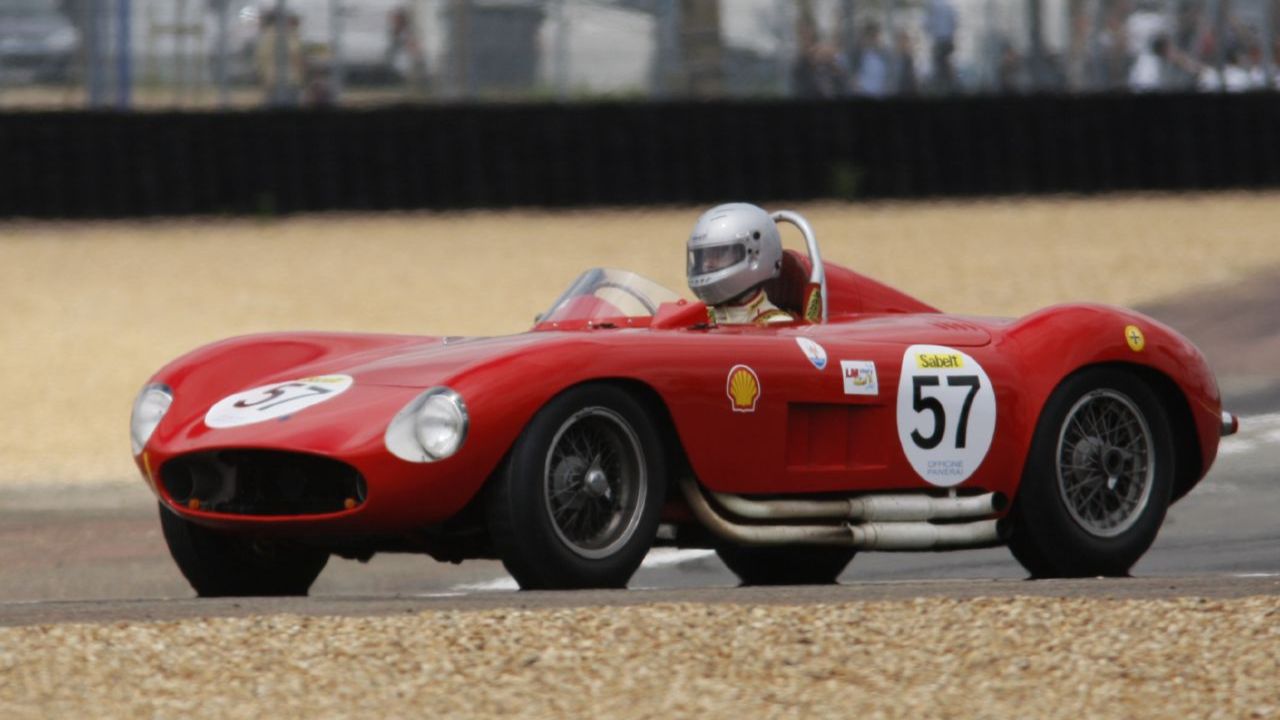
The Maserati 300S is a quintessential 1950s sports-racer roadster, built to compete against Ferrari and Jaguar on the world stage. Production numbers were limited, and many were driven hard by notable privateers and factory-supported teams. The remaining cars are typically accounted for in registries and appear only occasionally at major events.
Lister-Jaguar “Knobbly” Roadster
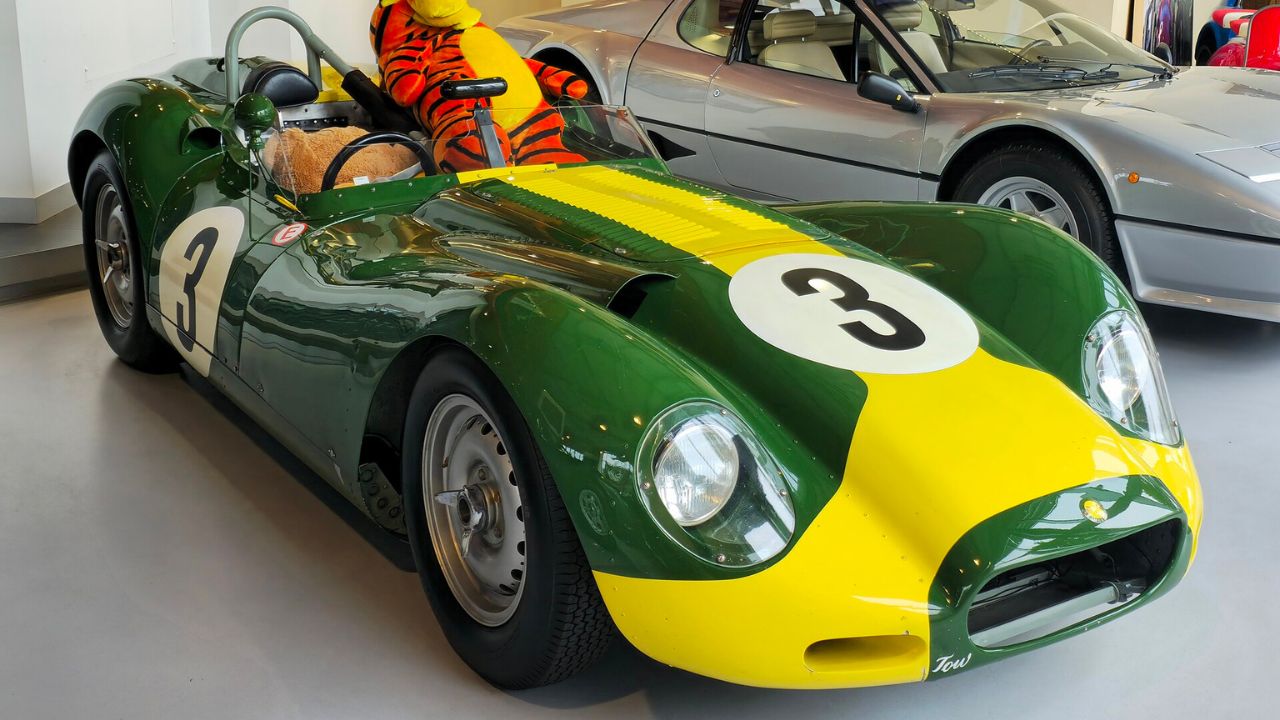
Lister’s “Knobbly”-bodied cars are among the most charismatic Anglo specials of the era, and genuine period examples are not common. They’re closely tied to Jaguar power and a distinctly British approach to lightweight competition design. Because the cars were competition tools, survival rates are naturally lower than for road-oriented models.
Porsche 718 RSK Spyder
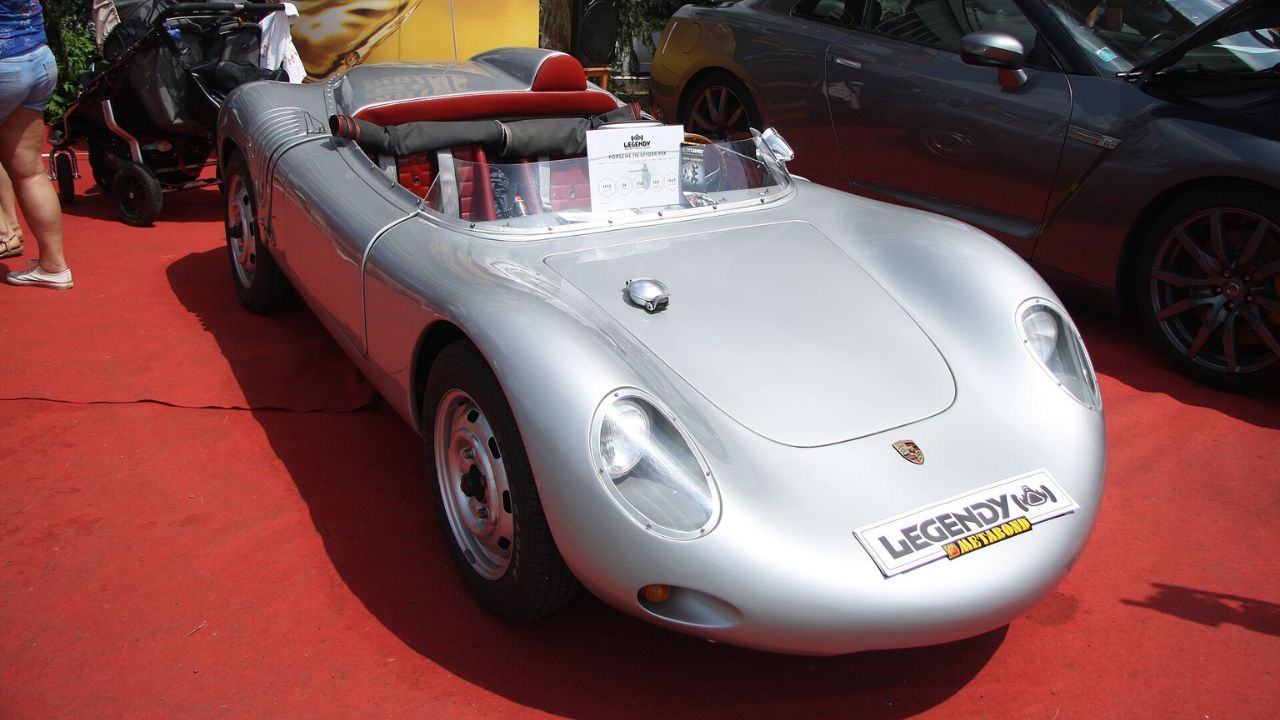
The 718 RSK and its related Spyder variants defined Porsche’s lightweight, mid-engine approach to endurance racing. These were purpose-built competition cars, and real examples are closely tracked. When they surface, it’s usually in connection with a long competition record rather than as a typical collector car.
Ferrari 250 GT SWB California Spyder
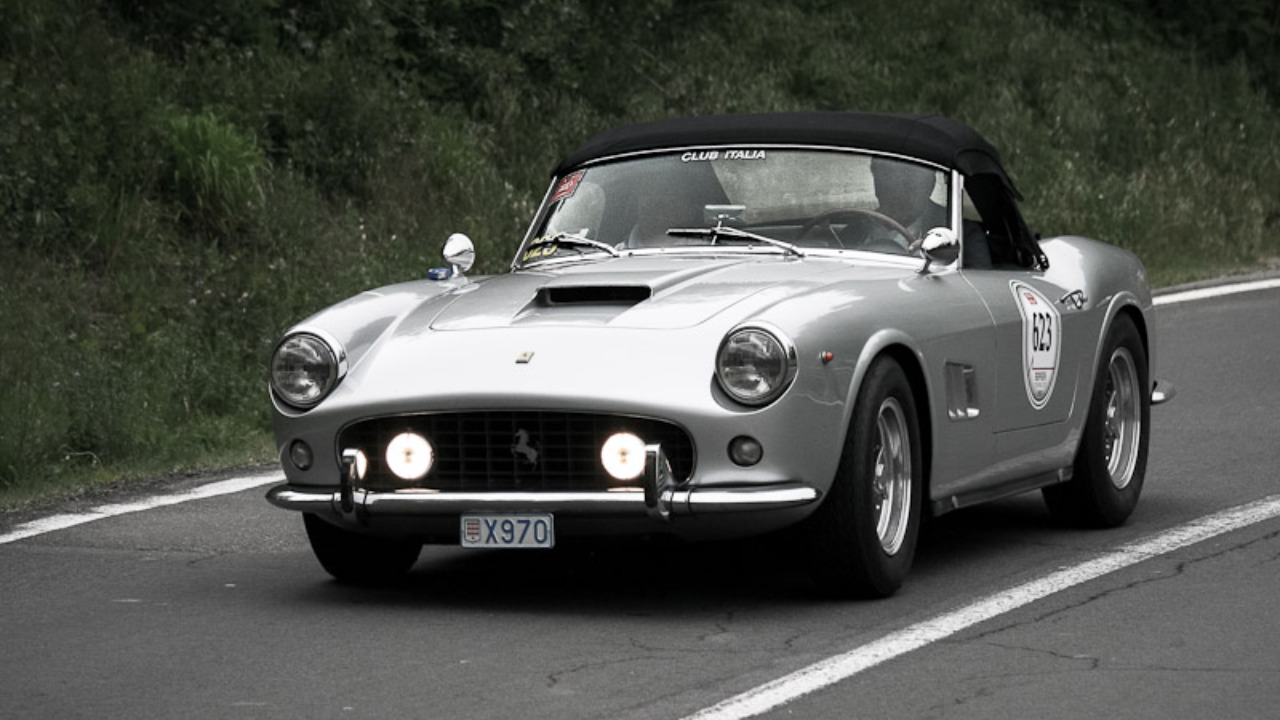
The 250 GT SWB California Spyder is famous today, but that doesn’t make it easy to see in person. It was built in limited numbers and blended high-performance mechanicals with open-air style. Most surviving cars have well-established provenance, and they’re more likely to appear at concours than at casual gatherings.
Shelby Cobra 289 (early roadster)
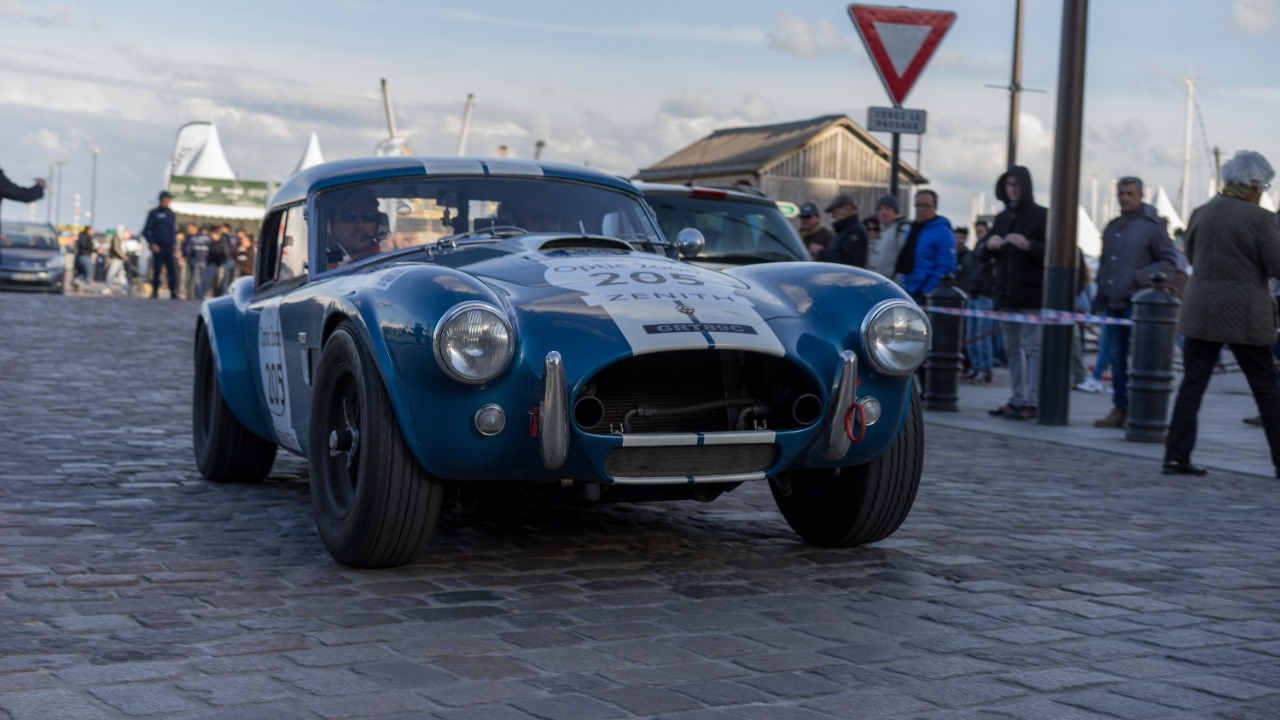
Early small-block Cobras are icons, and original cars are a small, well-documented group. Their racing use, high values, and heavy replica culture mean authenticity is a constant focus. Genuine 289 roadsters tend to live in serious collections or participate in prestigious vintage racing with extensive documentation.
Alfa Romeo Giulia TZ (Tubolare Zagato)
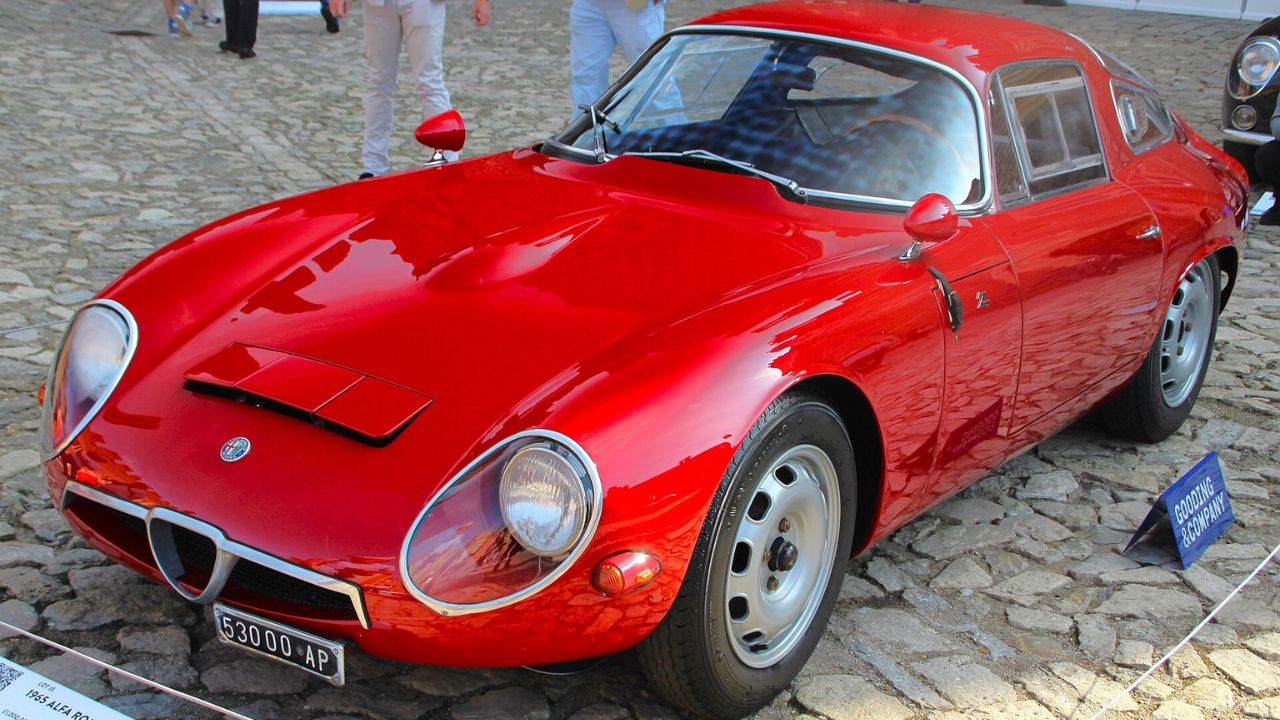
Although often seen as a coupe in photos, the Giulia TZ’s story belongs to lightweight tubular-chassis competition engineering, and its open variants and related special-bodied cars are particularly scarce. TZ cars were built for racing, not longevity, and many were modified over time. That combination makes correct, well-documented examples difficult to encounter.
Iso Grifo A3/C (competition-derived roadster variants)
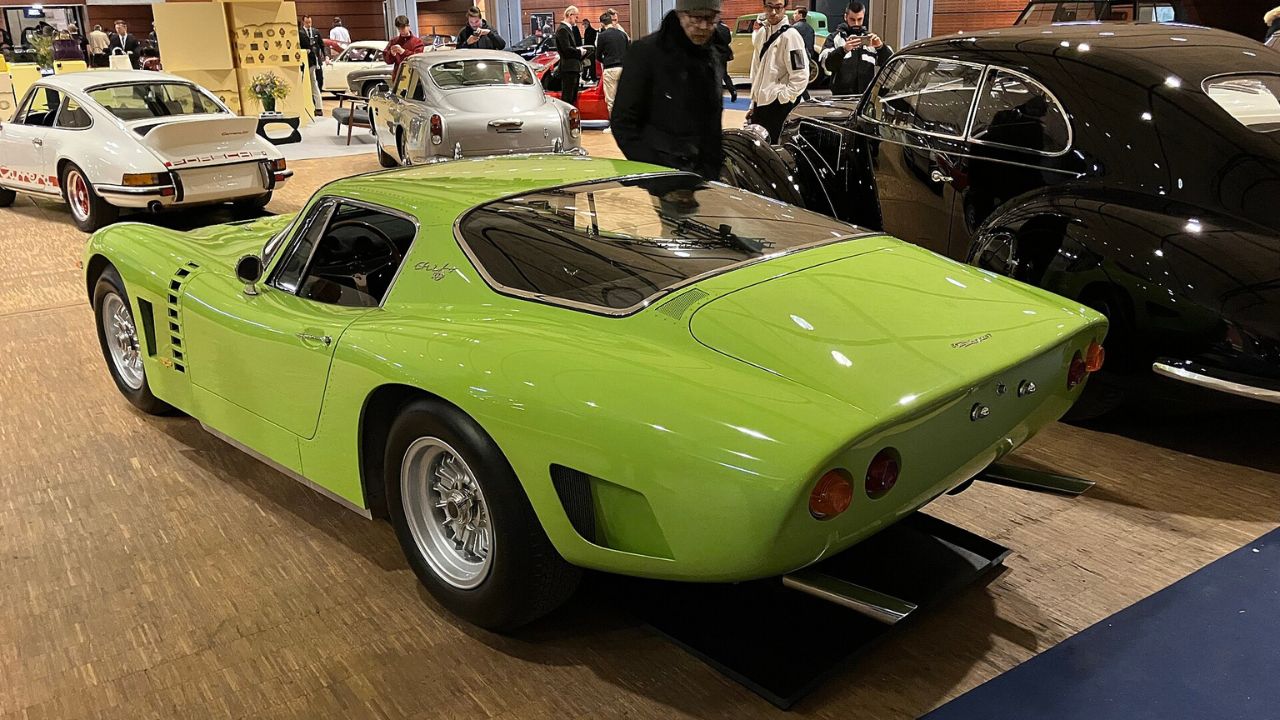
Iso’s A3/C is mostly remembered in competition-focused form, and the rarer open configurations and special-bodied offshoots are seldom seen. The model’s history is intertwined with the split between Iso and Bizzarrini, which complicates the narrative and increases the importance of chassis-level documentation. When one appears publicly, it usually sparks detailed discussion among marque experts.
Bizzarrini 5300 Spyder
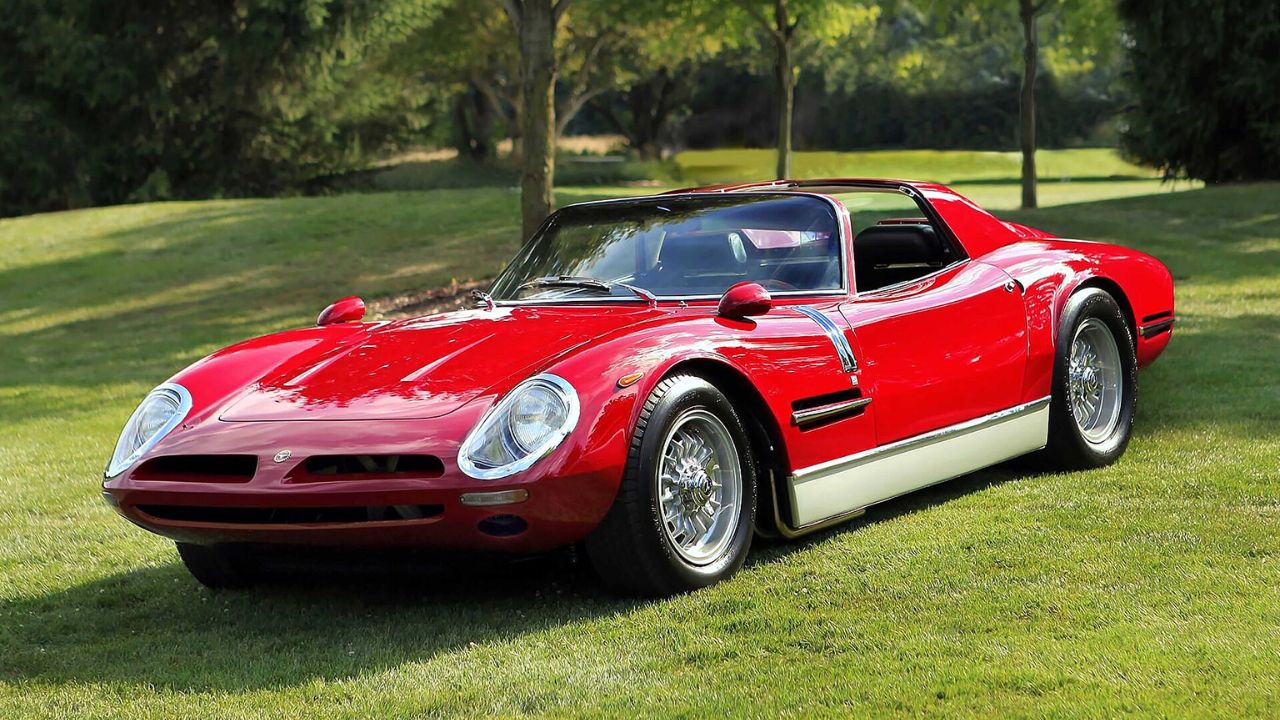
Giotto Bizzarrini’s V8-powered machines are niche even among Italian exotics, and the Spyder versions are especially uncommon. These cars reflect a blend of Italian chassis thinking with American small-block power. Surviving Spyders are typically known to specialists and don’t circulate widely.
Lamborghini Miura Roadster (Bertone concept)

The Miura is a production legend, but the roadster most people talk about is a one-off Bertone show car rather than a series-built model. As a concept, it’s part of design-history lore and not something that appears on the open market like a standard collectible. Seeing it in person usually requires the right museum exhibit or special event.
Porsche 917 Spyder (Can-Am variants)
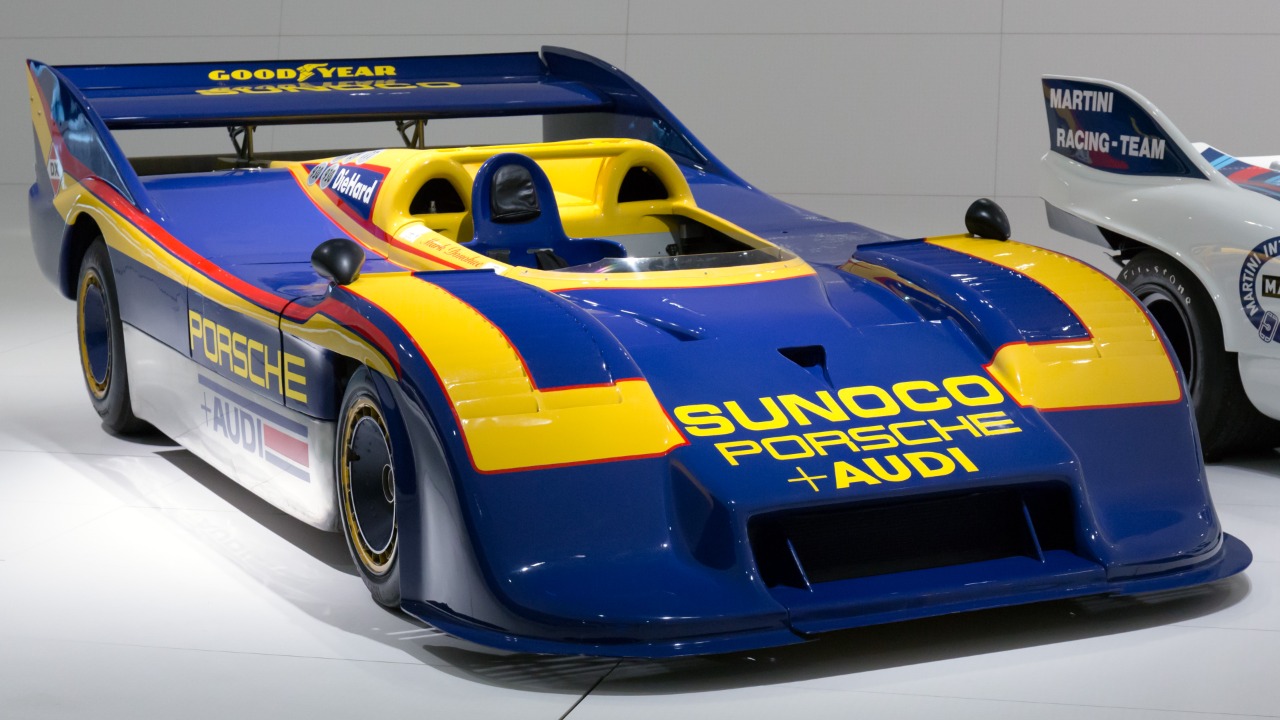
The 917 is a cornerstone of Porsche motorsport history, and the open Spyder versions built for series like Can-Am are especially specialized. These were high-powered racing machines with short development cycles and demanding upkeep. Surviving cars are tightly cataloged and tend to appear in curated historic racing or major museum collections.
Alfa Romeo 33 TT/3 (sports-racer roadster)
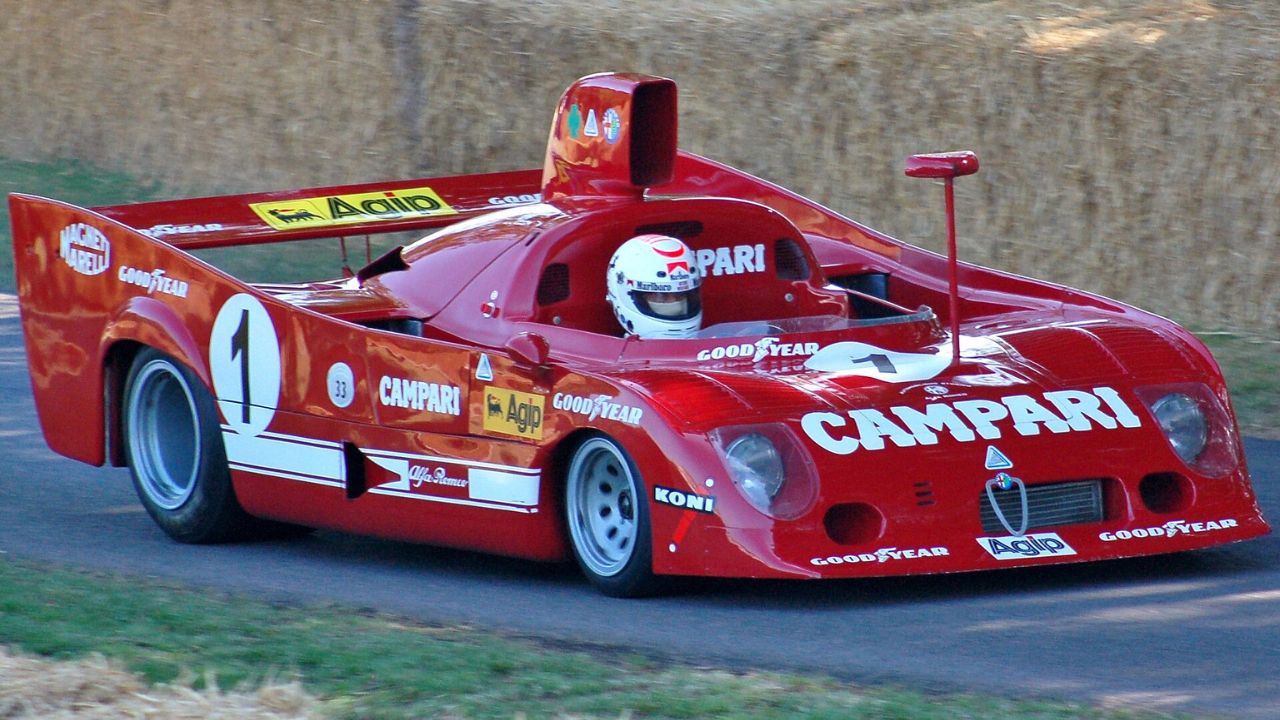
Alfa Romeo’s Tipo 33 family includes some of the most beautiful and technically interesting sports-racers of its era. The TT/3 is a purpose-built endurance machine, far removed from road cars despite the brand name on the nose. Like other factory racers, it’s rare, closely tracked, and usually seen only at top-tier historic events.
What links these roadsters isn’t just low production—it’s how they were used, how hard they were driven, and how carefully the survivors have been preserved and documented. If you ever spot one in the metal, it’s worth slowing down and taking it in, because the next chance might be years away.
More from Fast Lane Only
- Unboxing the WWII Jeep in a Crate
- 15 rare Chevys collectors are quietly buying
- 10 underrated V8s still worth hunting down
- Police notice this before you even roll window down
*Research for this article included AI assistance, with all final content reviewed by human editors