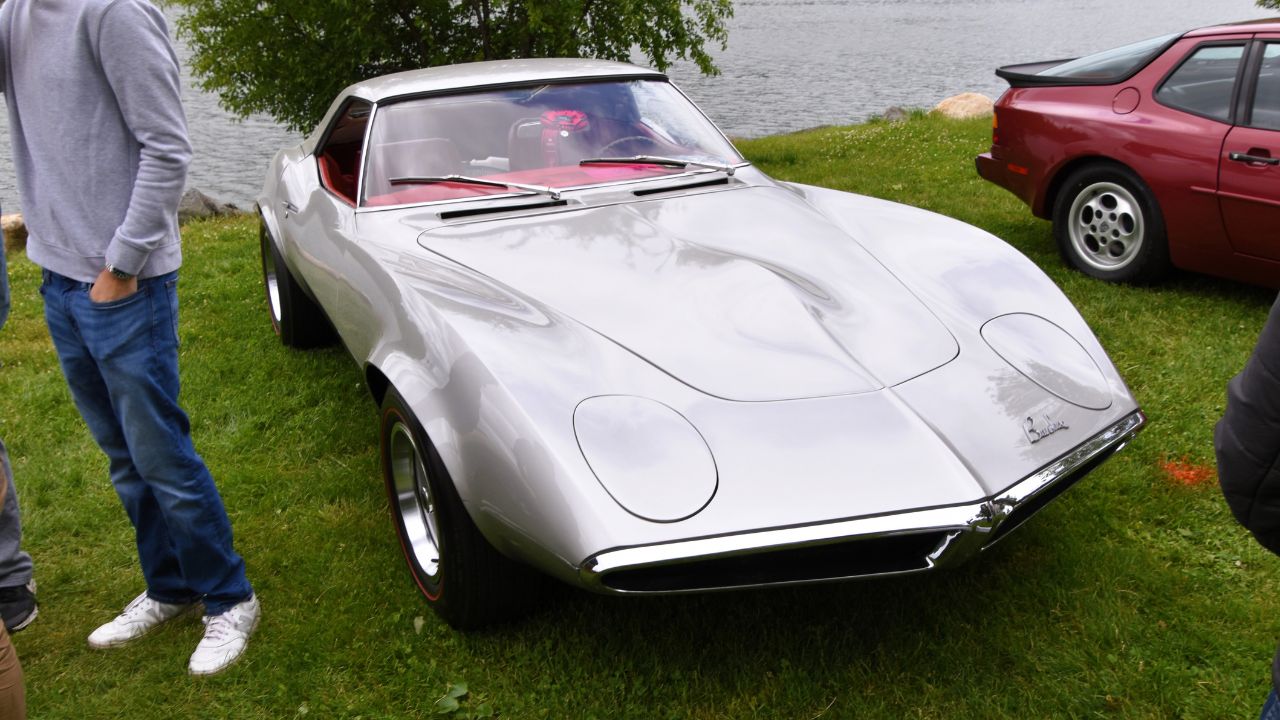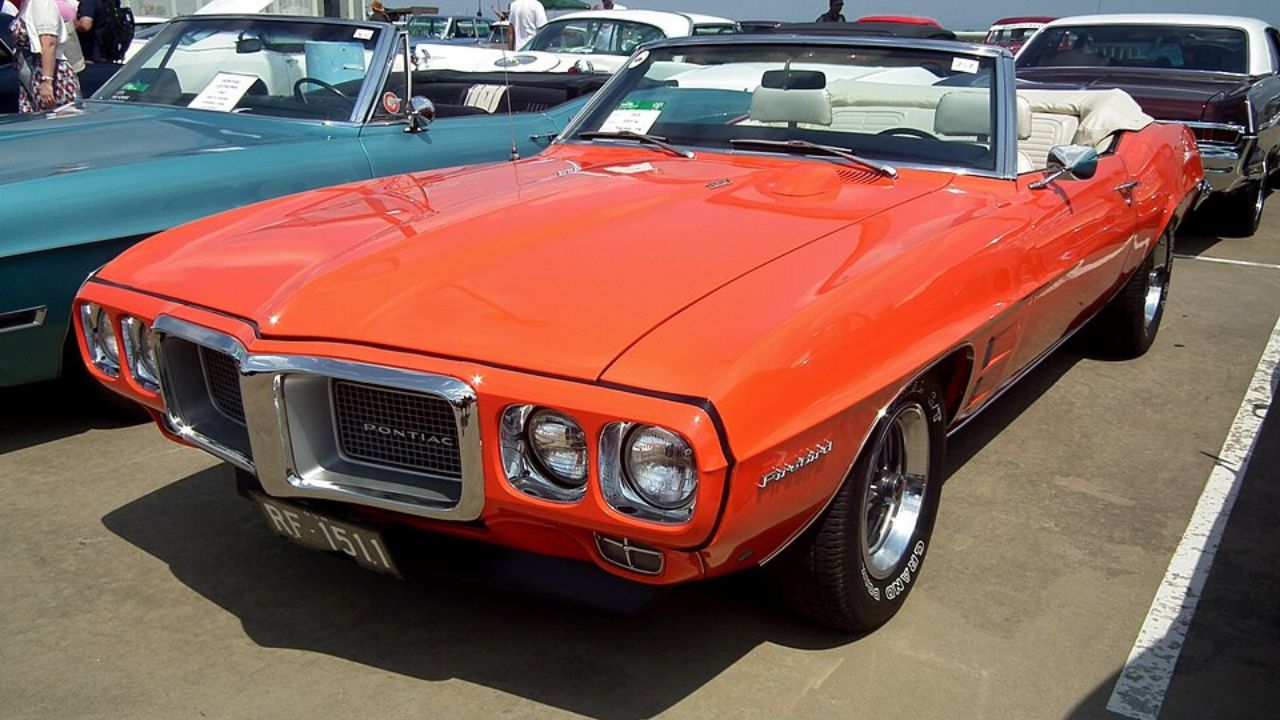
Pontiac’s history isn’t just GTOs, Trans Ams, and wide-track ads. The brand also turned out a lot of low-volume models, short-lived trims, and one-off concepts that quietly slipped into the background—especially if you didn’t grow up near a Pontiac dealer or a major auto show. Here are 16 Pontiacs that are easy to forget and even harder to spot today..
1967 Pontiac Firebird 400
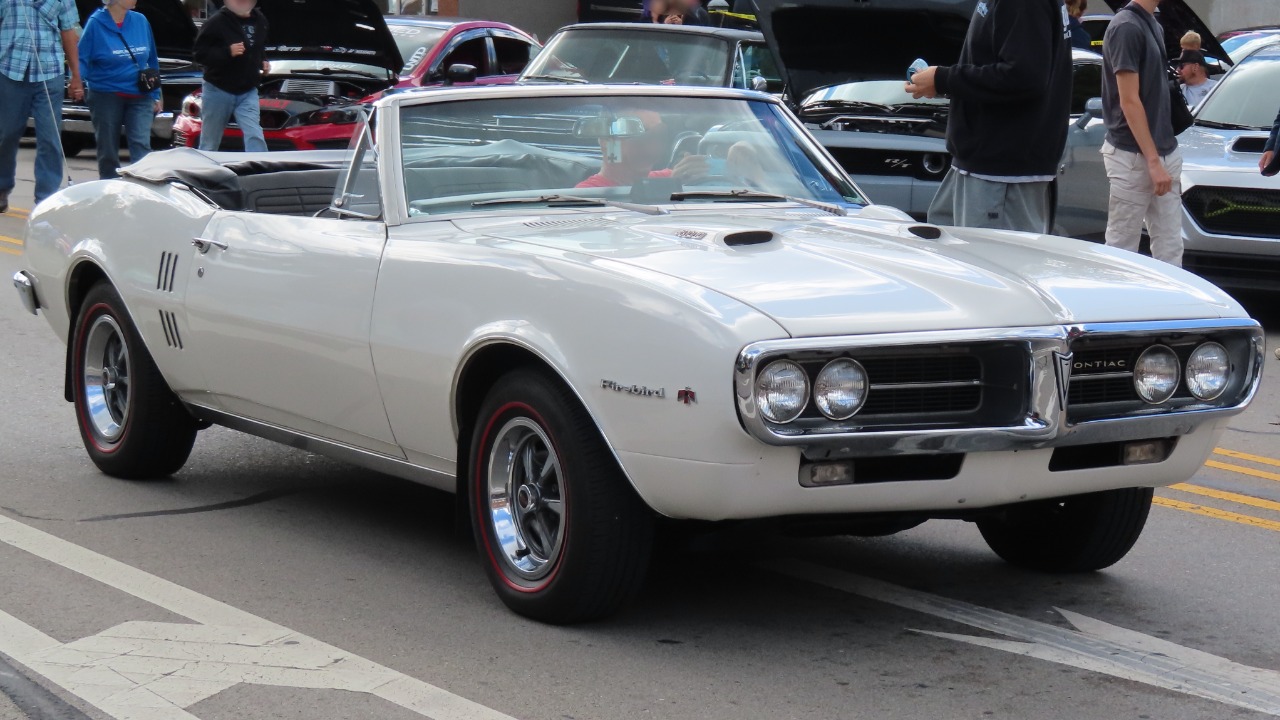
The early Firebird is often overshadowed by the Camaro, and even within Pontiac circles the 400 can get lost behind later Trans Am icons. In 1967, the Firebird was brand-new, and the 400 option made it a serious performance car right out of the gate. It’s a car many enthusiasts know about, but fewer have actually seen outside of shows.
1969 Pontiac Grand Prix SJ
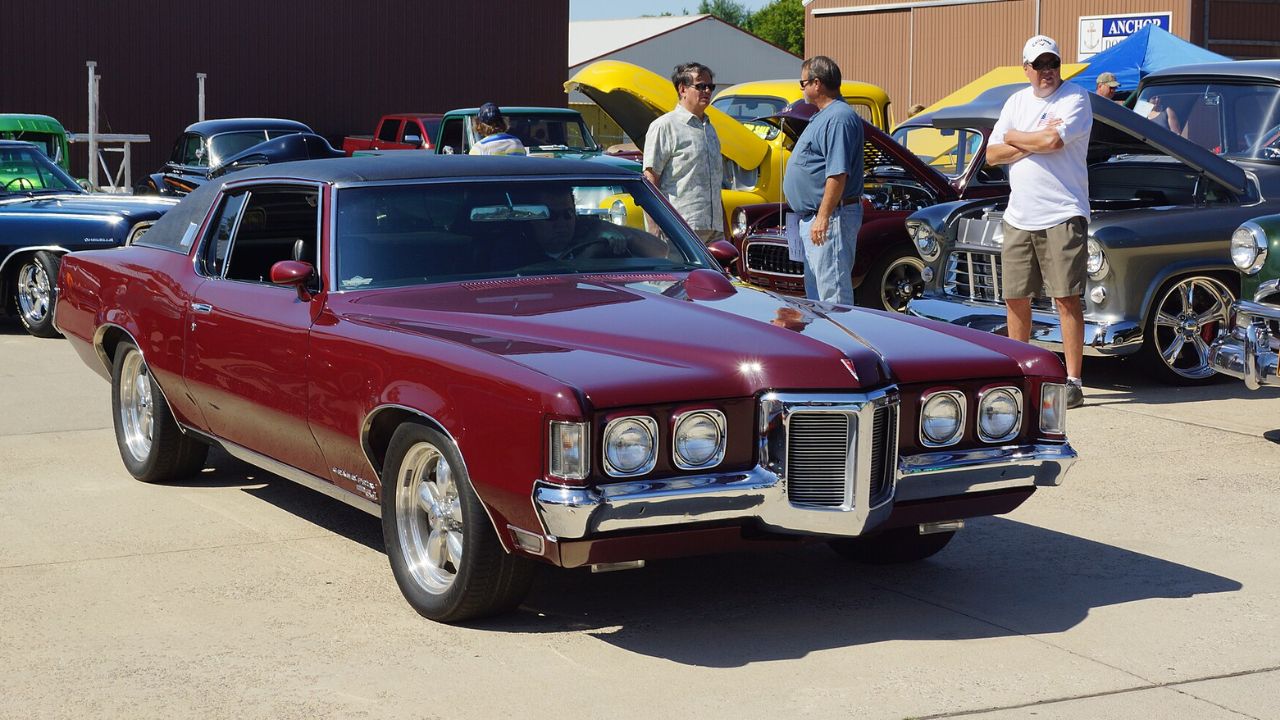
Pontiac’s personal-luxury Grand Prix was a big deal in the late ’60s, but the SJ performance-luxury flavor is easy to overlook. The SJ bundled upscale touches with higher-performance intent in a long-hood, short-deck body that looked expensive even when parked. These cars were used hard and often disappeared into the used-car stream, which makes clean survivors uncommon.
1969 Pontiac Trans Am
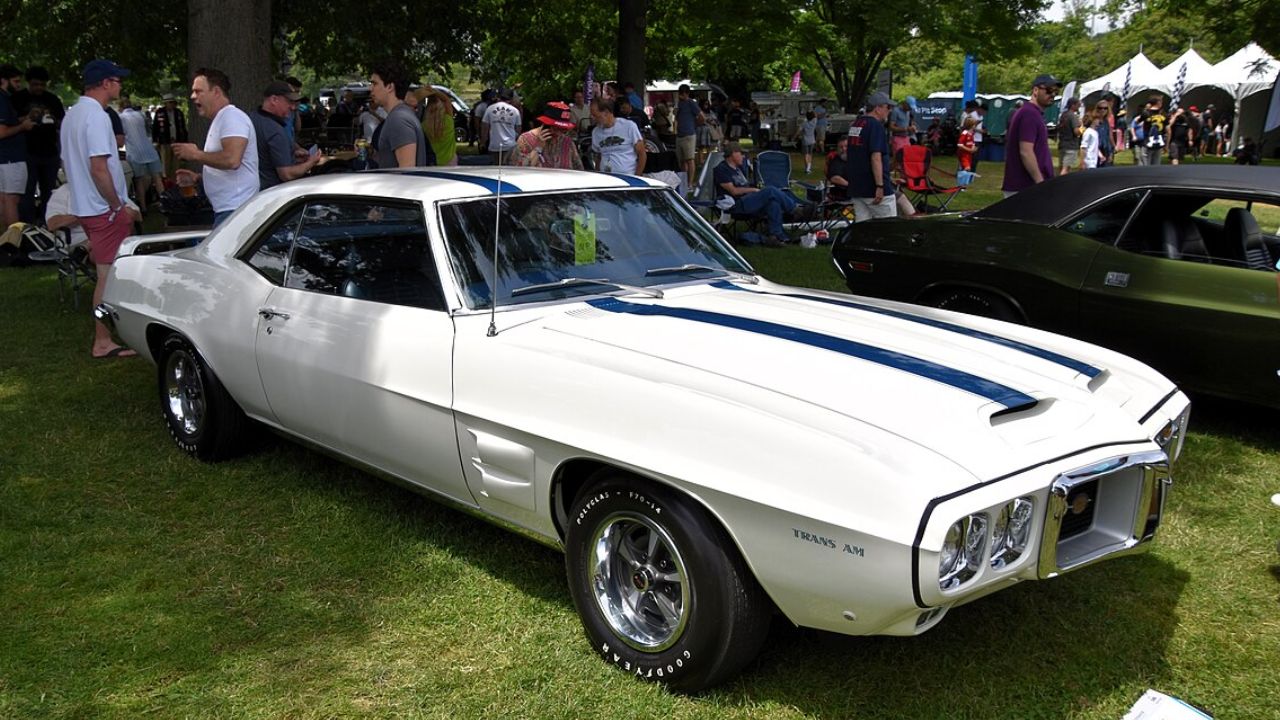
The original Trans Am is one of those models everyone recognizes in photos, yet many drivers have never crossed paths with one in person. It was a specialty homologation-style package with a distinctive look and very limited production. Seeing one on the road is a rare treat, even at Pontiac-heavy gatherings.
1970 Pontiac GT-37

The GT-37 was Pontiac’s budget-minded performance twist, positioned as a simpler, less expensive alternative to flashier muscle offerings. It carried minimalist styling cues and could be ordered with serious engines, depending on the year and market. Because it didn’t have the same showroom glamour as a Judge or GTO, it’s a model many people missed then—and still miss now.
1971 Pontiac T-37

By the early ’70s, Pontiac’s A-body lineup had layers of trims that could confuse even loyal buyers. The T-37 served as a lower-series entry that could still be optioned in interesting ways, which makes surviving examples a fascinating snapshot of how people actually ordered cars. They were common transportation when new, but far from common today.
1973 Pontiac Grand Am
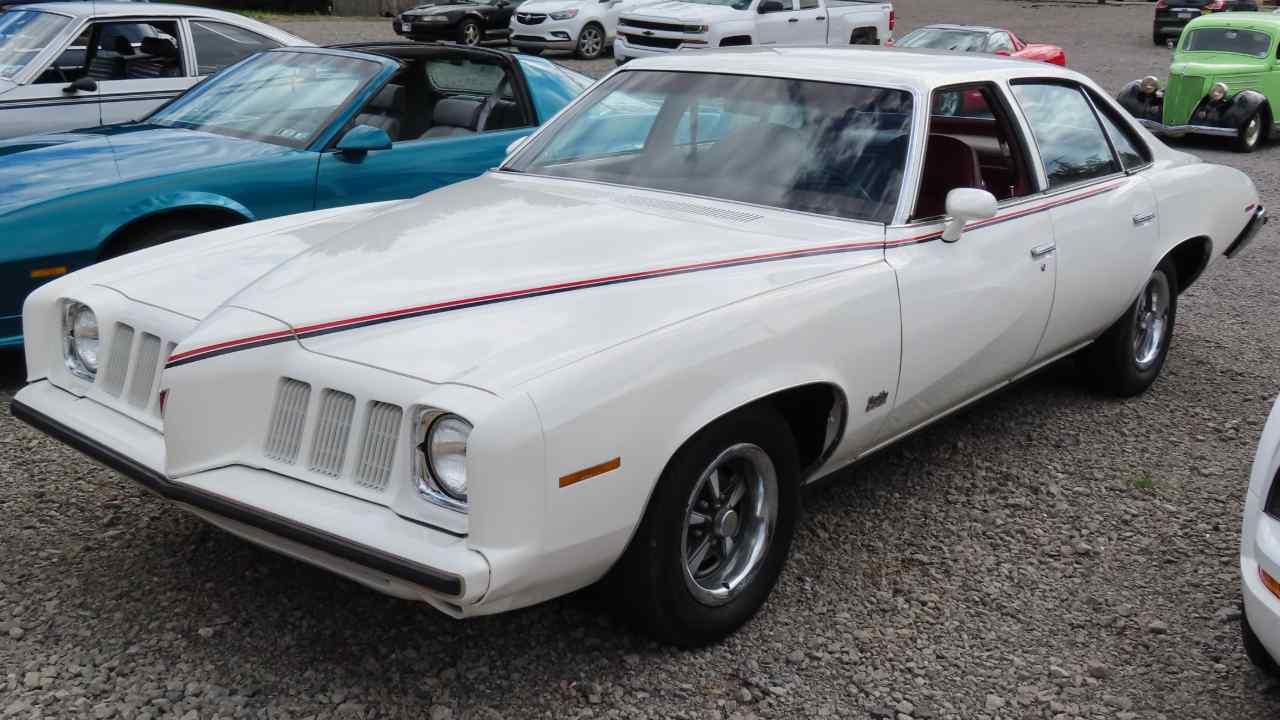
The first Grand Am mixed European-flavored handling ambitions with American V8 comfort, and it’s not the same car most people think of when they hear “Grand Am” from the 1990s. It was based on the A-body and aimed at a more refined, driver-focused niche. It never reached the cultural saturation of other Pontiacs, so it’s easy to forget until one shows up.
Pontiac Ventura GTO

Yes, Pontiac briefly put the GTO name on the compact Ventura. The Ventura GTO is one of those oddball footnotes that seems like trivia—until you see the badges in real life. It’s a reminder of how the muscle-car era was shifting, with nameplates and packages adapting to changing markets.
1974 Pontiac GTO
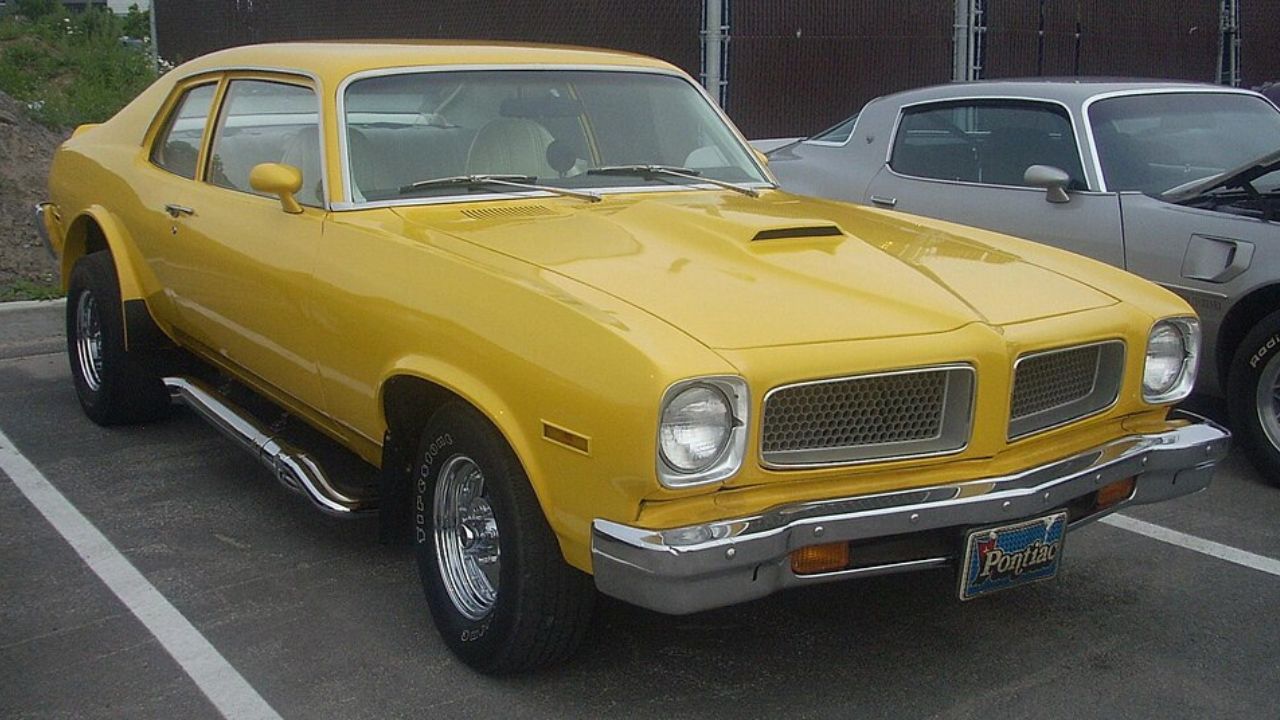
The 1974 GTO often surprises people because it doesn’t fit the classic midsize GTO image. That year, the GTO was tied to the Ventura-based platform, reflecting how performance branding evolved under new regulations and insurance realities. Because it’s a single-year kind of story for many buyers, it’s rarely encountered and frequently misunderstood.
1977 Pontiac Can Am
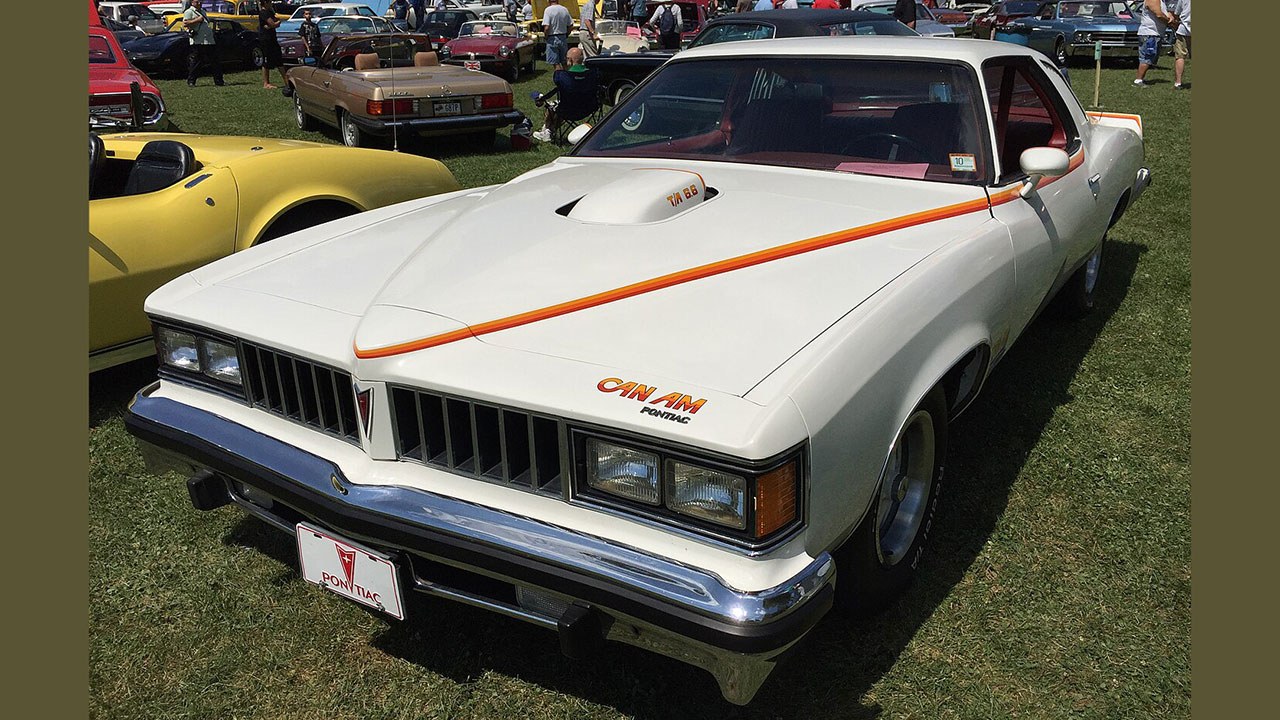
The Can Am is a collector favorite, but it was produced in limited numbers and didn’t have a long run. It took the LeMans as a starting point and leaned hard into a bold appearance package. Many enthusiasts know what it is, yet spotting one outside a curated event is genuinely uncommon.
1980 Pontiac Firebird Turbo Trans Am (Indy 500 Pace Car Replica)
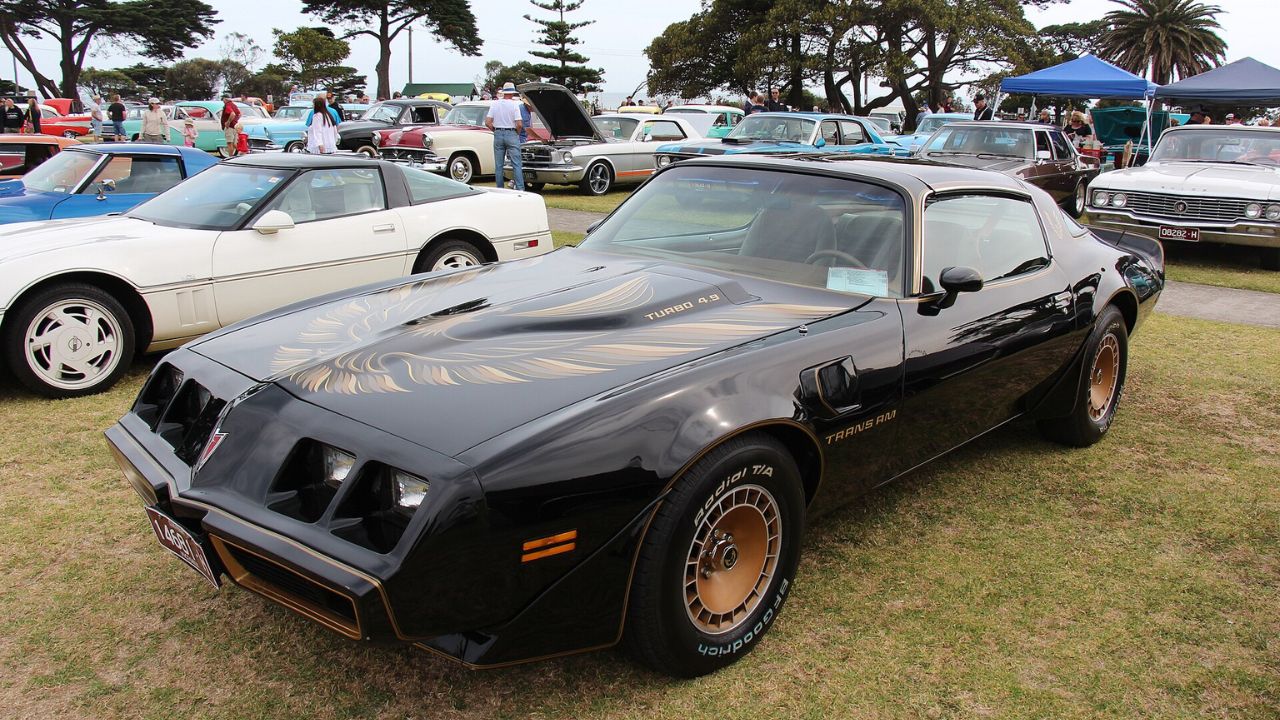
The turbocharged pace car connection gives this model a special place in Pontiac lore, but it’s still something most drivers only see in magazines or online. Pontiac used a turbo V8 setup to deliver performance in an era of tightening emissions rules. The graphics and specific identity make it memorable, but the cars themselves aren’t everyday sightings.
1981 Pontiac Firebird Trans Am (NASCAR-inspired “street” era)
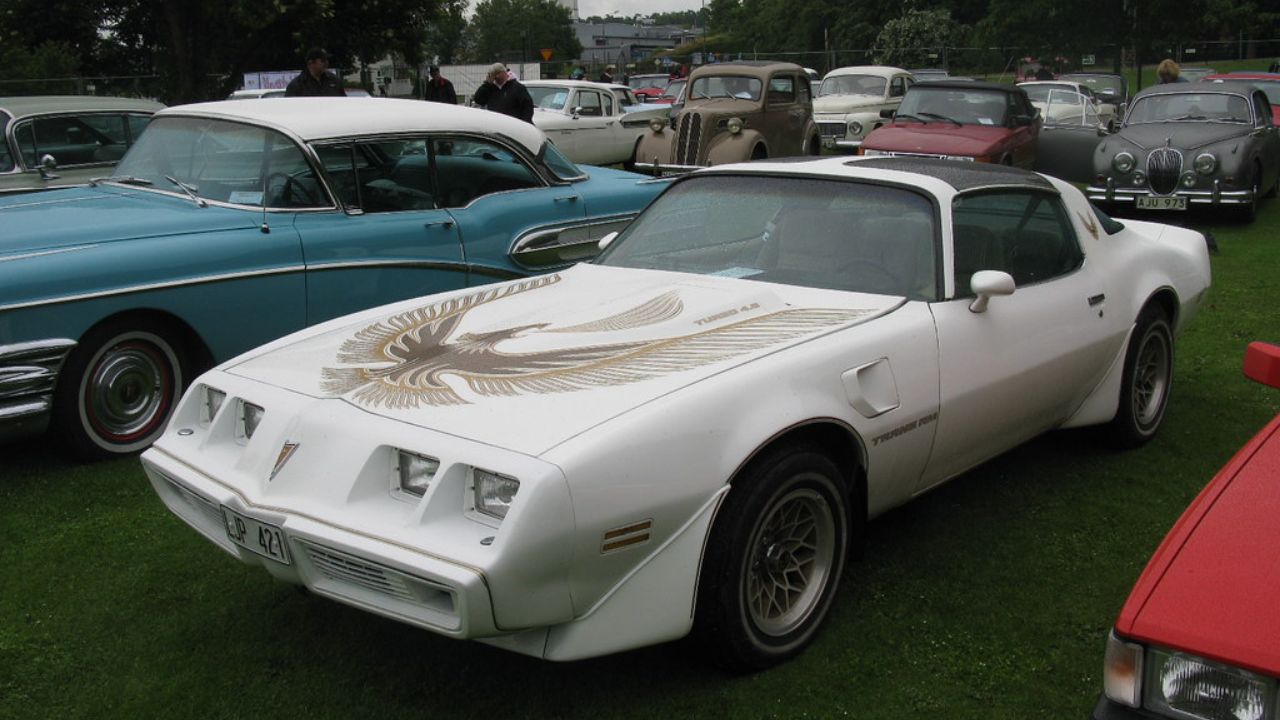
Early-’80s Trans Ams are often lumped together, yet the period had rapid changes in engines, trims, and identity. For many, the cars are remembered more through pop culture than through local car-spotting. Clean, unmodified examples that still look like early-’80s Pontiacs are harder to stumble across than you might expect.
1984 Pontiac Fiero Indy Pace Car Replica
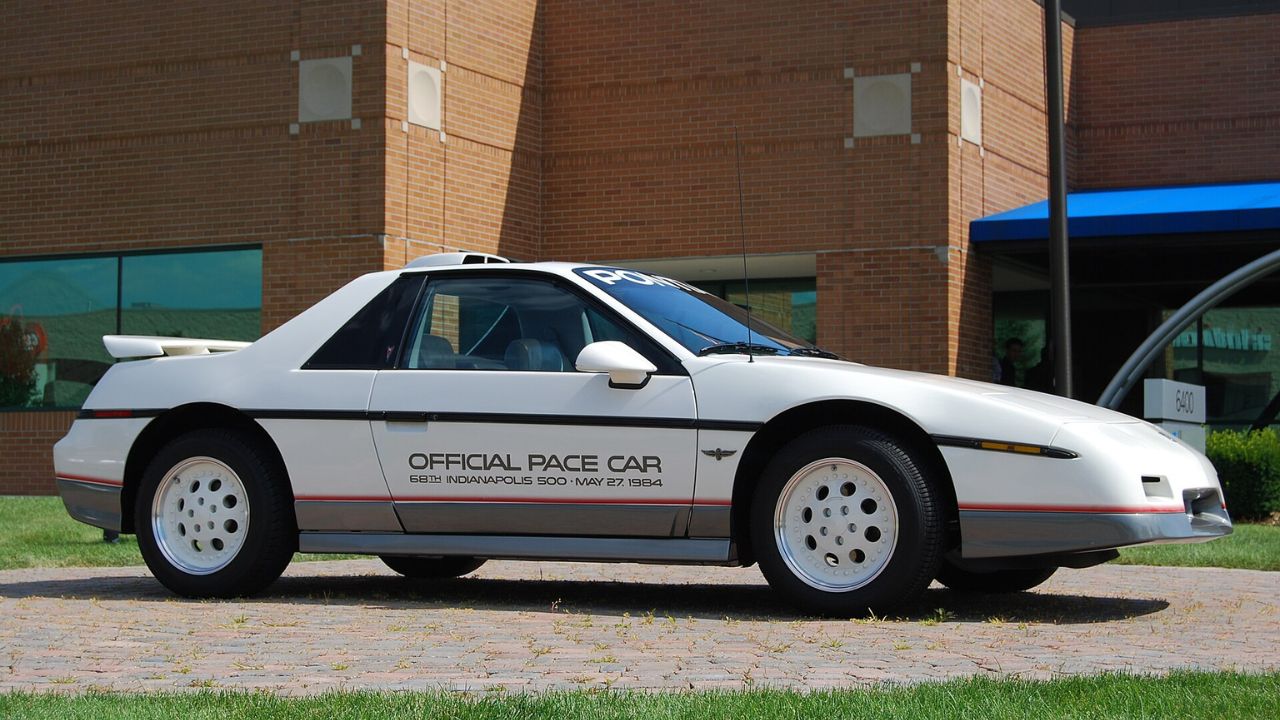
Pontiac pushed the mid-engine Fiero hard in the mid-1980s, and the Indy pace car tie-in added extra visibility at the time. The replica package is now a distinct collectible subset, but many Fieros were modified, neglected, or simply used up. Seeing an intact pace car replica—correct wheels, graphics, and all—is becoming increasingly rare.
1987 Pontiac Fiero GT
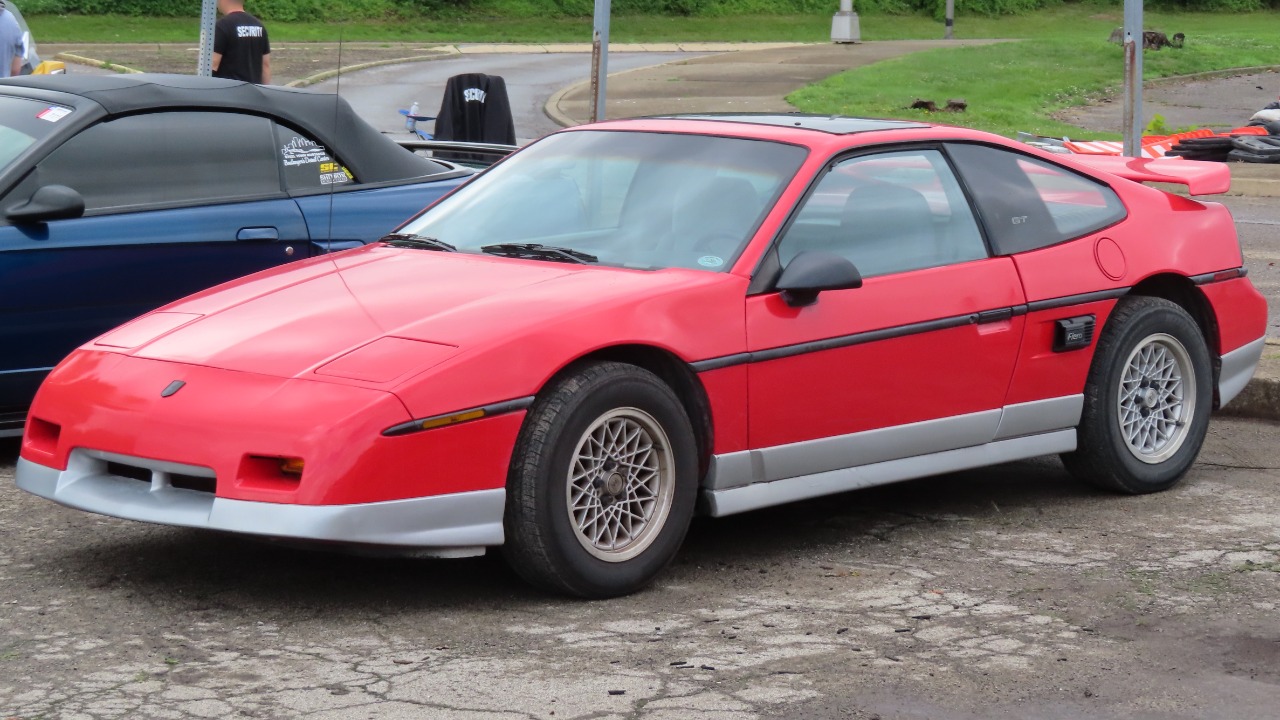
The fastback GT is the Fiero many people picture, yet plenty of drivers have never seen one up close. It combined the sleekest body style with the most performance-oriented mainstream lineup positioning. Fieros have a devoted following, but the number of clean GTs on the street is much smaller than their reputation suggests.
1989 Pontiac Firebird 20th Anniversary Turbo Trans Am

This is one of the most interesting late-’80s Pontiacs: a Trans Am that leaned on turbocharged power at a time when Pontiac’s V8 era was changing. Built to mark the Trans Am’s anniversary, it’s a specialty model that tends to live in collections. That’s great for preservation, but it also means most people never see one in traffic.
2002 Pontiac Firebird Collector Edition

As the Firebird approached the end of its run, Pontiac offered a Collector Edition that marked the closing chapter. Late fourth-gen cars are already less common than they were a decade ago, and the special-edition versions tend to be tucked away by owners. It’s a modern Pontiac that still manages to be a rare in-person sight.
2009 Pontiac G8 GXP
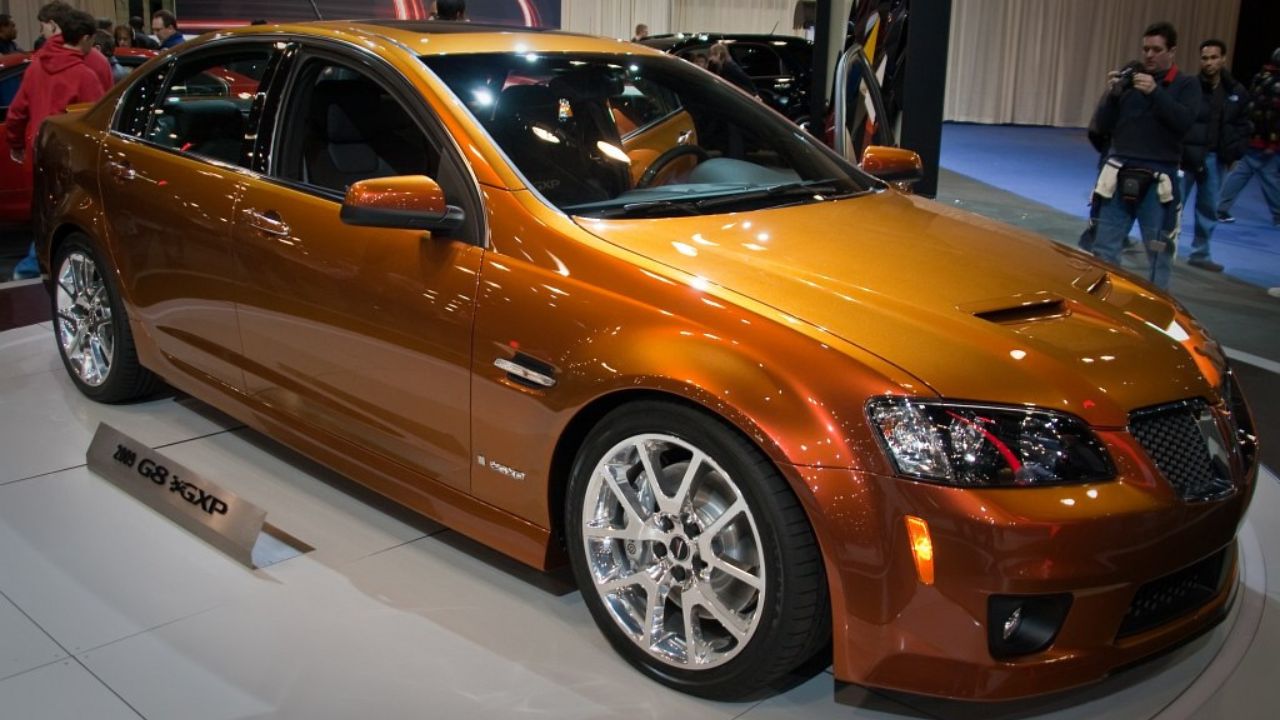
The G8 arrived late in Pontiac’s life, and the GXP sat at the top as the most performance-focused factory version. It’s become well-known online, but real-world encounters are limited by low production and the fact that many owners keep them as long-term cars. For a relatively recent sedan, it’s surprisingly elusive in everyday traffic.
Pontiac’s overlooked models tell a story that’s more complicated than a single muscle-car era. Some were experiments, some were marketing pivots, and others were limited-run celebrations that never had a chance to become common. If you’ve seen even a handful of these in person, you’ve probably spent some quality time in the right parking lots and at the right shows.
More from Fast Lane Only
- Unboxing the WWII Jeep in a Crate
- 15 rare Chevys collectors are quietly buying
- 10 underrated V8s still worth hunting down
- Police notice this before you even roll window down
*Research for this article included AI assistance, with all final content reviewed by human editors