As 2026 begins, Dodge dealers across the United States are staring at rows of unsold 2024 models that stubbornly refuse to move, even as newer vehicles arrive. The backlog has become a visible symbol of how Stellantis misjudged demand, pricing, and product strategy, leaving the company to wrestle with a costly inventory problem just as the broader new‑car market is also cooling.
The pileup is not limited to one nameplate or one region, and it is unfolding against a national backdrop of swelling stock and sticky prices. I see the Dodge glut as both a Stellantis story and a warning sign for the wider industry: when production, pricing power, and consumer appetite fall out of sync, metal sits.
How Dodge became the face of Stellantis’s leftover problem
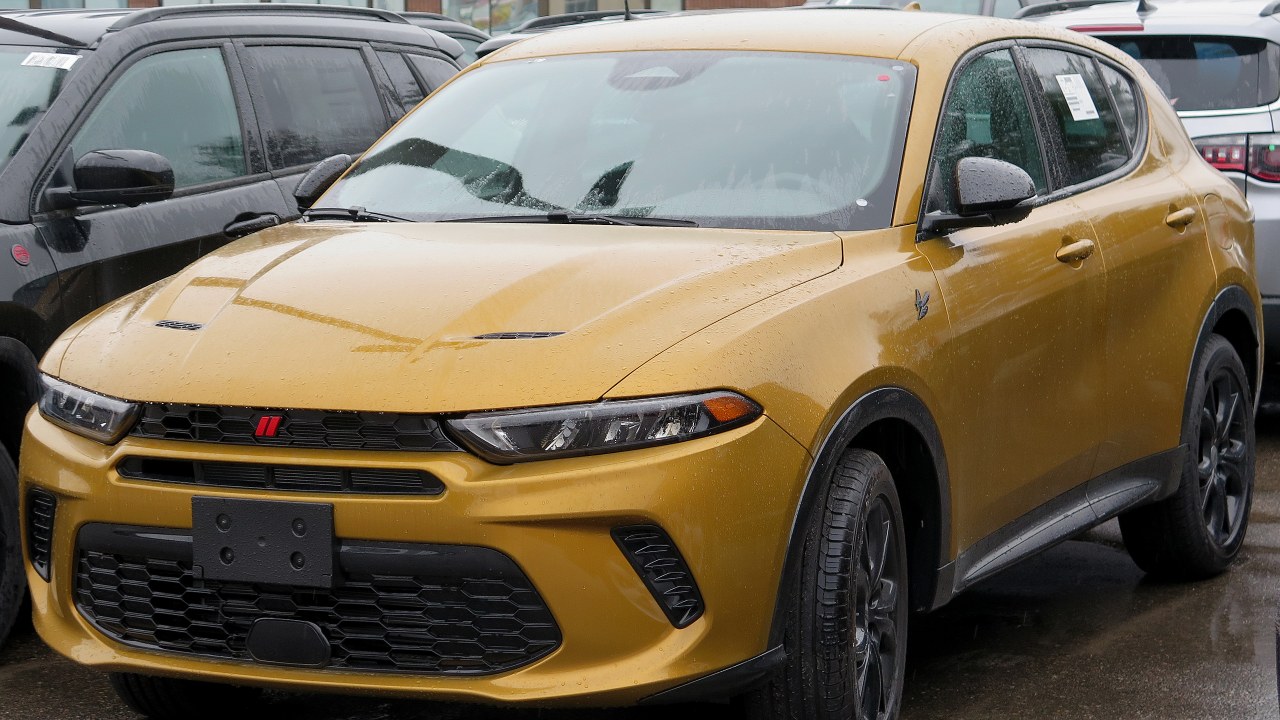
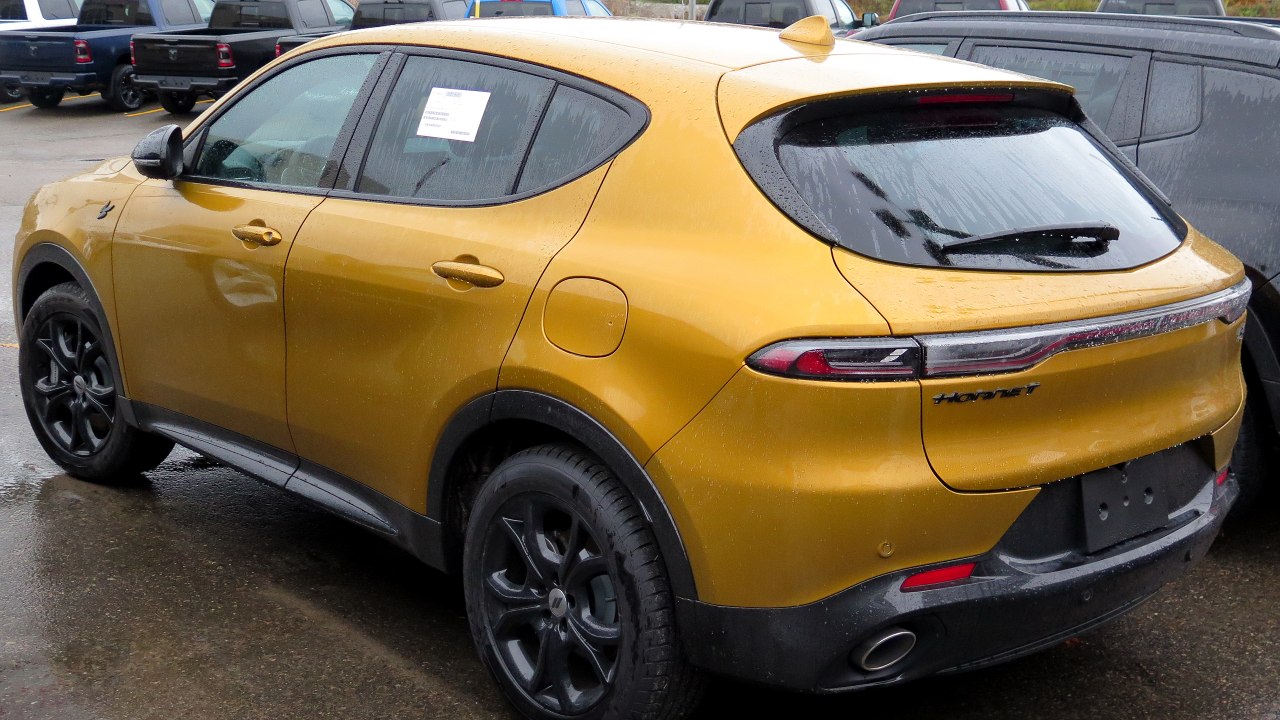
The most striking part of the current situation is how prominently Dodge appears in lists of leftover 2024 inventory. Analyses of unsold vehicles show that Stellantis Models Are Piling Up on Dealer Lots, and Dodge sits near the center of that pattern, with Stellantis brands dominating the roster of cars and SUVs that remain from the 2024 model year. One of the clearest examples is the Dodge Hornet Plug, a compact Hybrid crossover that was supposed to give the brand a foothold in the electrified market but instead has lingered on lots in large numbers.
More than 80% of all new 2024 Dodge Hornet Plug Hybrid models remain unsold, a figure that underscores how far supply has outpaced demand for at least one of Dodge’s headline products. Dealers are struggling to clear out leftover 2024 and 2025 models even as 2026 vehicles arrive, and reports on Excess Inventory explicitly frame Stellantis Faces a Problem Selling 2024 Dodge Models, and They Are Not the Only Ones with Excess Inventory. When a single model line leaves four out of five units still waiting for buyers, it is not just a slow seller, it is a structural drag on the brand’s balance sheet and on dealer confidence.
A national inventory hangover that magnifies Dodge’s woes
Dodge’s backlog is unfolding inside a broader U.S. new‑car market that is itself dealing with an inventory hangover. Industry data show that U.S. new‑car inventory swelled to 3,010,839 by Nov, a level that reflects how production has outrun retail demand even as transaction prices remain elevated. The same Industry tallies describe the market rolling into 2026 with an unexpected surplus of vehicles, including a notable share of 2024 leftovers that have yet to find buyers.
Within that context, Stellantis Can not Get Rid Of 2024 Dodges, And It is Not The Only One With Leftovers, but Dodge stands out because its unsold share is so high on specific models. When U.S. inventory topped 3 million vehicles, the proportion of 2024 leftovers was described as about 0.4% for 2024 leftovers, yet Dodge’s Hornet Plug Hybrid alone accounts for 80% of its 2024 production still sitting. That mismatch means Dodge dealers are competing not only with other Stellantis brands but with a national glut of vehicles, all while trying to discount aging stock without destroying residual values.
Why Stellantis misread demand for 2024 Dodges
Stellantis went into the 2024 model year with ambitious plans to grow its U.S. presence, but the current Dodge overhang suggests the company misread both demand and price sensitivity. Reports on Stellantis Faces a Problem Selling 2024 Dodge Models, and They Are Not the Only Ones with Excess Inventory describe a Complex mix of factors, from aggressive production targets to a lineup that leans heavily on higher‑priced trims at a time when many buyers are payment‑constrained. The Hornet Plug Hybrid, for instance, entered a crowded compact crossover segment where shoppers are highly sensitive to monthly costs and wary of newer plug‑in technology that has not yet proven its long‑term value.
Other Stellantis brands are also struggling, with analyses of leftover 2024 inventory noting that Stellantis brands dominate the list of vehicles that are still on Dealer Lots as 2026 models arrive. That pattern suggests a systemic issue rather than a one‑off misfire. Stellantis had previously set a target to reduce dealer inventory to under 330 thousand units in the United States and later highlighted that it had achieved a reduction to 202 thousand units by the end of 2024, according to Just Auto. Yet the persistence of Dodge’s unsold 2024 models shows that hitting a numeric target did not necessarily mean the right vehicles were in the right places at the right prices.
Financial and strategic pressure on a “troubled” automaker
The Dodge backlog lands at a sensitive moment for Stellantis. The company’s full‑year 2024 financial results were described as in line with previous guidance, but Stellantis itself highlighted that its U.S. business problems weighed on performance. Excess Dodge inventory is part of that story, tying up capital at dealerships, forcing heavier incentives, and complicating the rollout of newer models that are supposed to refresh the lineup. When a brand is carrying so many 2024 units into 2026, it risks confusing customers and undermining the perceived freshness of its showrooms.
Those operational headaches feed into a larger strategic debate about Stellantis’s future in North America. Reporting under the banner Troubled Stellantis Could Shutter Some Car Brands in 2026 has already raised the possibility that the company could close or radically reshape certain marques as it responds to U.S. business problems. That discussion was updated after Stellantis CEO Carlos Tavares resigned, a leadership change that adds uncertainty just as the company needs clear direction on how to fix Dodge’s inventory and reposition its brands. If Dodge continues to be associated with slow‑moving stock and heavy discounting, it could find itself under scrutiny in any portfolio review.
What the Dodge glut means for shoppers and the wider market
For consumers, the uncomfortable reality for Stellantis and its dealers may translate into opportunity. Analyses of leftover inventory describe how a surprising number of new 2024 and 2025 vehicles still remain on dealer lots with 2026 models arriving, and they point to Stellantis Models Are Piling Up as a key driver of potential bargains. When More than 80% of a specific Dodge Hornet Plug Hybrid cohort is still unsold, dealers have strong incentives to negotiate, especially as floorplan costs mount and showroom space tightens.
At the same time, the broader market context matters. Reports on new‑car leftovers note that it is not like these cars are going anywhere, and that Stellantis and FCA dealers have a serious inventory issue with some models, even as import tariffs and other factors keep prices from falling as quickly as buyers might expect. Brad Anderson has highlighted how Stellantis sits on huge 2024 inventories it struggles to sell, with Stellantis brands dominating lists of vehicles that nobody seems to want at current prices. For shoppers, that means the best deals may be concentrated on specific Dodge and other Stellantis models, while the rest of the market remains relatively firm, at least until the 3,010,839‑vehicle national stockpile forces a broader reset.
More from Fast Lane Only: