Modern fuel systems are far more sensitive than many drivers realise, and a habit that feels like “getting your money’s worth” at the pump can quietly set you up for expensive repairs. The most damaging mistake is not a rare mechanical failure or a freak accident, but the everyday choice to keep squeezing the trigger after the nozzle first clicks off. I want to unpack why that extra splash of fuel is so risky, how it compares with other refuelling errors, and what simple changes protect both your car and your wallet.
The hidden damage from topping off after the click
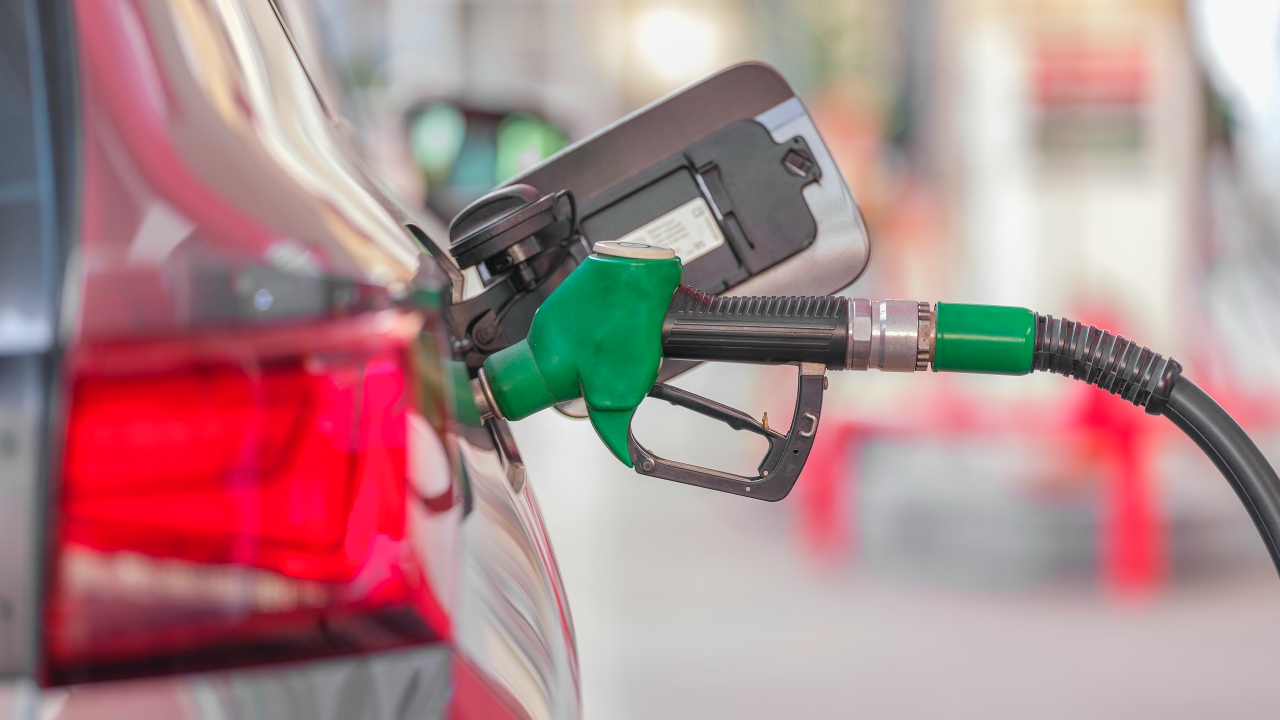
The first automatic click of the pump is your car’s way of saying “enough,” and pushing past it is where the trouble starts. Modern vehicles use an Onboard Refueling Vapor Recovery (often shortened to ORVR) system that routes fuel vapour into a charcoal canister instead of letting it vent into the air. When you keep topping off, liquid fuel can flood that canister, overwhelm the vapour lines, and eventually send raw petrol into components that were only designed to handle fumes. Reporting on refuelling habits has warned that those “extra little clicks” can cost far more in repairs than the tiny amount of extra fuel you manage to squeeze in, with drivers like Sep and Don held up as examples of how a quick top off can turn into a big bill.
Once liquid fuel reaches the vapour recovery hardware, the damage can snowball. A saturated charcoal canister can no longer trap vapours effectively, which can trigger check engine lights, emissions test failures, and rough running as the engine management system struggles to compensate. Analysis of overfilling explains that forcing more petrol in after the nozzle shuts off can also damage purge valves and solenoids that meter vapour back into the engine, and can even contribute to fuel pump or evaporative system failure. Technical guidance on whether topping off is safe is blunt: the ORVR system, which relies on a charcoal canister, is not built to handle liquid fuel, and repeated overfilling can damage your engine and emissions hardware in ways that are both subtle and costly.
Why overfilling is unsafe as well as expensive
Beyond long term wear, overfilling introduces immediate safety risks that many drivers underestimate. When you force fuel into a tank that is already full, the excess has to go somewhere, and it often ends up in the filler neck, vapour lines, or on the ground. That spilled petrol is not just wasted money, it is a fire hazard around hot exhaust components and electrical systems. Technical advice on what happens if you overfill your gas tank stresses that pumping too much gas into your tank is unsafe and not good for your car, noting that overfilling can cause fuel to enter the evaporative emissions system, lead to canister failure, and cause solenoid damage. In other words, the same habit that quietly wears out your emissions gear also increases the chance of a dangerous spill.
Even if you avoid a visible overflow, the vapour-rich environment around a filling station is already a place where caution matters. Safety guidance on refuelling points out that you should not leave your car running while pumping gas, in part because exhaust components like catalytic converters can reach temperatures of up to 536 degrees Fahrenheit. Combine that kind of heat with spilled fuel from an overfilled tank and you have a much narrower margin for error. Fleet operators have been warned that excess fuel forced in after the click can spill into a vehicle’s vapour recovery system, leading to wasted fuel and preventable repairs, and the same logic applies to individual drivers who treat the pump like a challenge instead of a cutoff.
The business cost of “just one more squeeze”
For companies that run vans, pickups, or mixed fleets, topping off is not just a mechanical risk, it is a budget problem. When drivers are under pressure to minimise fuel stops, they are more likely to keep squeezing after the nozzle shuts off, which multiplies the chance of overfilling across dozens or hundreds of vehicles. Industry analysis of a common refuelling mistake has found that fuel waste is only part of the issue, because excess fuel forced in after the click can spill into a vehicle’s vapour recovery system and eventually require component replacements that run into hundreds of pounds per vehicle. Over a year, that combination of wasted fuel and avoidable repairs can quietly drain thousands from a fleet budget that already has to contend with volatile prices.
I have seen fleet managers respond by tightening their refuelling policies and training. Some now instruct drivers to stop at the first click, no exceptions, and to log any pump that appears to shut off unusually early so the station can be checked rather than overridden. Guidance aimed at businesses stresses that avoiding this refuelling mistake is one of the simplest ways to cut wasted fuel and preventable repairs, especially when combined with basic checks like ensuring caps are tightened properly and that drivers are not mixing fuels. In a tight-margin operation, the discipline to respect the first click can be as important as route planning or tyre pressure in keeping costs under control.
Other refuelling habits that quietly hurt your car
While overfilling is the headline mistake, it rarely happens in isolation. Drivers who treat the pump casually are also more likely to make other errors that stress fuel systems and engines. One of the most damaging is using the wrong type of fuel, such as putting petrol into a diesel car or vice versa. Technical guidance on common fueling errors describes Mixing Up Fuels as a Costly Mistake, noting that using the wrong type of fuel can result in severe engine damage. Even when the car survives, draining and cleaning the system is time consuming and expensive, and it is a problem that often starts with a rushed stop where the driver is already focused on squeezing in a bit more fuel than the tank wants.
Another quiet threat is the habit of running the tank down to fumes before refuelling. Advice on when to refuel warns drivers not to Wait for the Warning Light Before You Refuel, explaining that consistently driving on a nearly empty tank can pull sediment into the fuel system, overwork the pump, and leave you stranded at the worst possible time. A separate reminder framed as a social media car tip urges drivers to Fill up at a quarter tank, not when it is already blinking. From my perspective, the same mindset that respects the first click should also respect that quarter-tank mark, because both habits reduce stress on the fuel system and cut the risk of drawing contaminated fuel into injectors and pumps.
How to refuel smarter and spot trouble early
The good news is that avoiding these problems does not require special tools or technical knowledge, just a few consistent habits. I recommend treating the first automatic click as a hard stop, hanging up the nozzle immediately instead of trying to round up to the nearest whole number. Combine that with a rule to refuel once the gauge hits a quarter tank, and you dramatically reduce the chances of both overfilling and running the system dry. Safety guidance also makes it clear that you should shut off the engine before you start pumping and avoid distractions so you can react quickly if the pump behaves oddly or you notice a spill. Advice that you should not leave your car running while pumping gas, backed by the reminder that exhaust components from providers like Complete Autoare can reach 536 degrees Fahrenheit, underlines how little margin there is for error around spilled fuel.
It is also worth learning the early warning signs of fuel related trouble so you can act before a minor issue becomes a major repair. Consumer guidance on fuel issues lists symptoms of bad gas such as hesitation, stalling, or a car that struggles to start, summed up in the blunt reminder that Your Car Isnt running right when contaminated fuel is in the mix. If you notice those symptoms shortly after a fill up, or if a check engine light appears after a period of topping off, it is worth telling your mechanic exactly how you refuel and whether you tend to push past the first click. Combined with the growing body of advice from sources that warn drivers like Sep and Don about the cost of those “extra little clicks,” that information can help pinpoint a saturated charcoal canister or damaged vapour valve before it takes out more expensive components. By respecting the limits built into the pump and your car’s own systems, you turn refuelling from a quiet source of damage into a routine that actively protects your vehicle.
More from Fast Lane Only: