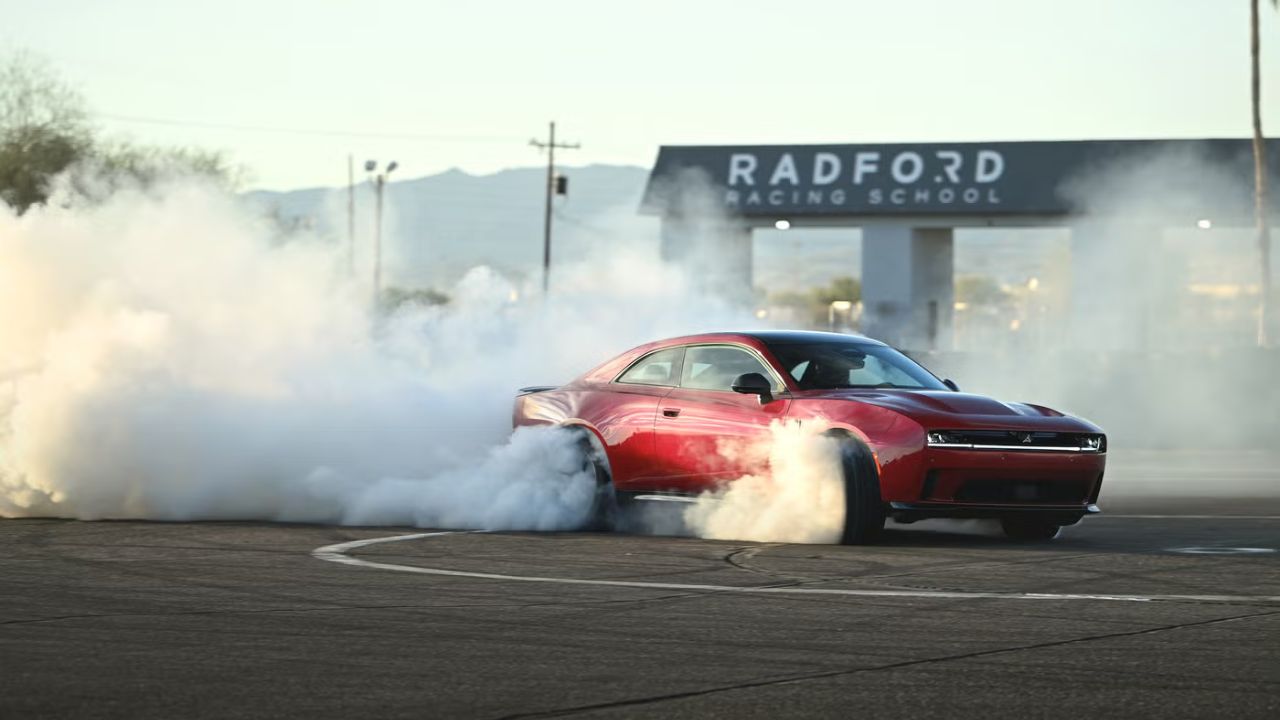
Dodge’s pricing strategy for the 2027 Charger is drawing attention as the upcoming gasoline-powered Sixpack models appear positioned more aggressively than their electric counterparts. With prices for the Charger Daytona EV continuing to trend upward, the twin-turbocharged Sixpack variants could emerge as the value choice within the Charger lineup, potentially reshaping buyer preferences as Dodge balances performance, affordability, and electrification.
The development highlights the challenges automakers face as they attempt to transition iconic muscle-car brands into the electric era while maintaining the appeal that made them popular in the first place.
How Dodge’s Charger lineup is evolving
The latest-generation Dodge Charger represents one of the most dramatic transformations in the model’s history. Rather than relying solely on traditional V8 power, Dodge has expanded the Charger family to include both electric and gasoline-powered performance models.
The battery-powered Dodge Charger Daytona was introduced as the headline-grabbing centerpiece of the new lineup, showcasing the brand’s vision for high-performance electrification. Equipped with advanced electric drivetrains and performance-focused technology, the Daytona marked Dodge’s first major step into the EV muscle-car segment.
However, Dodge also recognized that many enthusiasts still wanted a combustion-powered option. That demand led to the development of the Sixpack models, which use a twin-turbocharged six-cylinder engine intended to deliver strong performance while satisfying buyers who prefer traditional gasoline-powered vehicles.
Recent pricing reports suggest that the Sixpack versions may enter the market at significantly more accessible price points than comparable Daytona EV models, creating a potentially important distinction within the lineup.
Why pricing could influence buyer demand
Price has become one of the most important factors in the performance-car market. While enthusiasts often focus on horsepower and acceleration figures, affordability ultimately determines how many customers can realistically purchase a vehicle.
As battery costs, technology investments, and manufacturing expenses continue to affect EV pricing, electric performance vehicles frequently carry higher sticker prices than comparable gasoline-powered models. The Charger Daytona is no exception, with its advanced electric architecture contributing to a higher cost structure.
The Sixpack models may benefit from a different equation. By utilizing established combustion-engine technology and avoiding the expense of large battery packs, Dodge could offer strong performance at a lower entry price.
For many buyers, that combination may prove attractive. A less expensive Charger with substantial horsepower and familiar fueling habits could appeal to customers who are interested in performance but remain hesitant about transitioning to an EV.
What it means for Dodge’s muscle-car strategy
The apparent pricing advantage for the Sixpack models illustrates Dodge’s effort to serve multiple audiences simultaneously. Rather than forcing customers into a single powertrain choice, the company is offering both electric and gasoline alternatives under the same nameplate.
This dual-track approach provides flexibility as the market continues to evolve. Some buyers are eager to embrace electric performance, attracted by instant torque and cutting-edge technology. Others remain committed to internal-combustion vehicles and may see the Sixpack as a more familiar and affordable option.
The strategy also allows Dodge to gauge consumer preferences during a period of uncertainty for the automotive industry. Demand for EVs continues to grow in some segments, but performance enthusiasts have shown varying levels of enthusiasm for electric muscle cars compared with traditional gasoline-powered models.
If the Sixpack models achieve strong sales, they could reinforce the argument that combustion-powered performance vehicles still have a significant role to play even as manufacturers expand their electric offerings.
What to watch next
The key question is how consumers respond once both versions of the Charger become widely available. Pricing, real-world performance, operating costs, and availability will all influence purchasing decisions.
Industry observers will also watch whether Dodge adjusts pricing over time to maintain competitiveness between the Daytona EV and Sixpack variants. Battery costs, government incentives, and market demand could all affect the long-term pricing balance.
Another area of interest will be how the two models perform in terms of sales volume. Strong demand for either powertrain could provide valuable insight into where the muscle-car market is headed as electrification becomes more widespread.
For now, the emerging pricing picture suggests that the gasoline-powered Sixpack may offer a more affordable entry point into the Charger lineup, while the Daytona EV continues to occupy the premium end of Dodge’s next-generation performance strategy.
More from Fast Lane Only
- Unboxing the WWII Jeep in a Crate
- 15 rare Chevys collectors are quietly buying
- 10 underrated V8s still worth hunting down
- Police notice this before you even roll window down
*Research for this article included AI assistance, with all final content reviewed by human editors