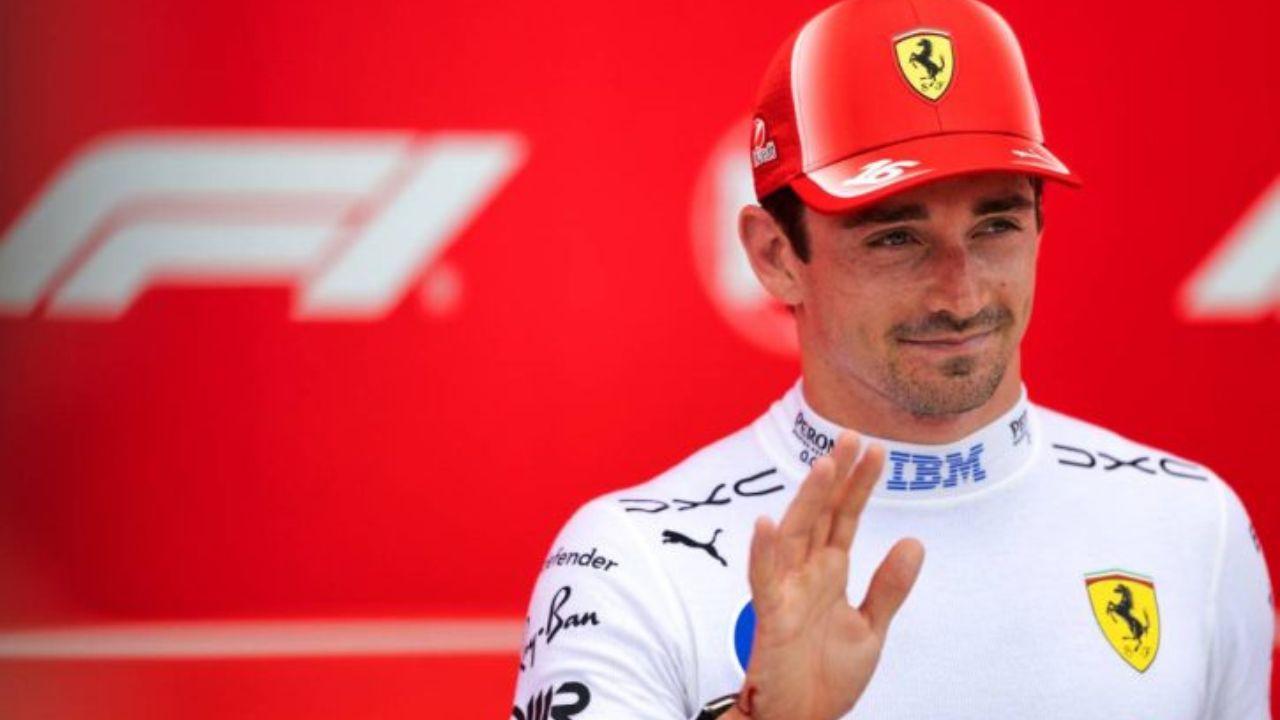
Charles Leclerc has committed his future to Ferrari with a fresh multi-year contract, ending speculation over a possible move to a rival team. The new deal keeps one of Formula 1’s most coveted drivers tied to Maranello and comes as he reiterates that anything short of fighting for the world championship will not satisfy him.
The agreement underlines Ferrari’s determination to build its next title push around Leclerc and confirms that the driver who has become the face of the Scuderia intends to see that project through.
Contract details and what has actually changed for Leclerc and Ferrari
The new agreement is described as a multi-year extension that will keep Charles Leclerc with Scuderia Ferrari beyond his previous contract horizon, which had been due to expire at the end of the 2024 season. According to reporting on the multi-year deal, Ferrari has opted for a long-term structure rather than a short stopgap, a clear sign that the team wants continuity while Formula 1’s regulations evolve.
Ferrari has not disclosed the exact length of the contract or the financial terms, in line with its usual policy, but the description of a multi-year commitment indicates that Leclerc is now locked in for several seasons of the next rules cycle. That timeframe is significant because the sport’s technical regulations are expected to shift again, and teams are already planning car concepts and staffing around that horizon.
The extension removes a key name from the driver market at a moment when several other leading seats are approaching renewal points. Leclerc had been theoretically available to rivals at the end of his old deal, which made him a potential target for teams looking to upgrade their driver line-ups. With this agreement, Ferrari has taken him off that board and ensured that any long-term strategy in Maranello can be built around a known quantity.
From Leclerc’s side, the implications are equally clear. By signing early, he has traded the leverage that comes from open-market status for the security of a long-term project at a team where he has already established deep relationships with engineers, mechanics, and senior management. The new contract signals that he believes Ferrari can give him a platform to fight for the title rather than seeking that opportunity elsewhere.
How the renewed deal reshapes Ferrari’s current Formula 1 project
The extension confirms that Ferrari intends to keep Charles Leclerc as the cornerstone of its Formula 1 program. The team has invested heavily in his development since promoting him from Sauber, and the new agreement aligns with Ferrari’s strategy of pairing an established leader with a stable technical department and a clear development path for its cars.
Locking in Leclerc allows Ferrari to plan its chassis and power unit programs with a consistent driver reference. Engineers can continue to shape the car around his driving style, which is known for aggressive turn-in and a preference for a strong front end. That continuity can be valuable when small setup changes and development directions are judged against feedback from a driver who has been in the system for years.
From a competitive standpoint, the deal also clarifies Ferrari’s internal hierarchy. While the team has other strong drivers, the long-term commitment to Leclerc signals that he is expected to be at the center of strategy calls and development priorities when the team finds itself in a position to fight for wins and, ultimately, championships. That does not guarantee number one status in every situation, but it does show where the organization sees its long-term leadership.
Commercially, the contract helps Ferrari maintain a strong brand narrative. Leclerc has become one of the most marketable figures in the paddock, with a combination of on-track speed and off-track profile that fits neatly with Ferrari’s image. By keeping him in red over multiple seasons, the team can build campaigns and fan engagement around a consistent figurehead rather than cycling through short-term signings.
Why Leclerc’s renewed title ambition resonates at this point in his career
Alongside the contract news, Charles Leclerc has been explicit that his goal remains to fight for and win the Formula 1 world championship with Ferrari. That ambition is not new, but its repetition at the moment of signing a multi-year deal gives it added weight. He is no longer a rookie with time on his side, but a race winner entering the core years of his career, when drivers typically expect to turn potential into titles.
Leclerc has already shown that he can win races and challenge at the front when given the machinery. His performances in qualifying and his ability to extract single-lap speed have made him a benchmark in that phase of the weekend. The missing piece has been a season-long package capable of sustaining a title fight against teams that have set the standard in recent years.
By choosing to stay, Leclerc is effectively tying his championship hopes to Ferrari’s ability to close that gap. The message is that he believes the team’s current direction, including its technical leadership and factory investment, can deliver a car capable of matching the leading outfits across a full season. The renewed contract turns that belief into a formal commitment.
His stated ambition also places public pressure on Ferrari. With the driver locked in and vocal about his expectations, the spotlight shifts to the team’s ability to provide the tools he needs. That dynamic can be healthy if it drives standards higher in Maranello, but it also raises the stakes for any future missteps in strategy, reliability, or development.
Why the timing of the deal matters in the wider Formula 1 context
The timing of Leclerc’s extension is significant because it comes as Formula 1 approaches another important phase in its competitive cycle. With new technical regulations on the horizon and several teams evaluating their long-term driver choices, early moves can shape the rest of the grid.
By committing now, Ferrari has removed a high-profile variable from the market. Rival teams that might have considered a future move for Leclerc must now look elsewhere, which could influence how they handle their own renewals and junior drivers. The ripple effect can touch everything from academy promotions to the likelihood of other big-name transfers.
For Ferrari, early clarity on Leclerc’s status allows the team to focus on car development and operational improvements rather than contract distractions. Negotiations with engineers and senior staff can be framed around a stable driver core, which can be a selling point for technical talent who want to work with proven race winners.
The timing also aligns with Ferrari’s need to show progress to its fanbase. After seasons in which the team has fallen short of title contention, a high-profile driver commitment paired with clear statements of championship intent helps frame the narrative around a long-term project rather than a cycle of short-lived rebuilds.
What the new deal means for Leclerc’s path to a Ferrari world title
The central question now is how Charles Leclerc converts this contract into a realistic path to the championship he keeps targeting. The extension gives him time, but not unlimited patience, and it gives Ferrari a clear mandate to deliver a car capable of fighting at the very front.
In practical terms, the new deal means Leclerc will be the reference point as Ferrari navigates upcoming regulation changes and refines its competitive strategy. His feedback will shape decisions on car concept, setup philosophies, and even race operations, from pit stop calls to tire strategies. The team’s willingness to align its program with his strengths will be a key factor in whether the partnership can finally produce a title.
For Leclerc, the path forward involves more than raw speed. He will be expected to lead development direction, manage long seasons with more races, and minimize the unforced errors that can derail a campaign. The multi-year commitment gives him the stability to do that work without the background noise of contract speculation, but it also removes the fallback narrative that he might seek a better opportunity elsewhere.
More from Fast Lane Only
- Unboxing the WWII Jeep in a Crate
- 15 rare Chevys collectors are quietly buying
- 10 underrated V8s still worth hunting down
- Police notice this before you even roll window down
*Research for this article included AI assistance, with all final content reviewed by human editors