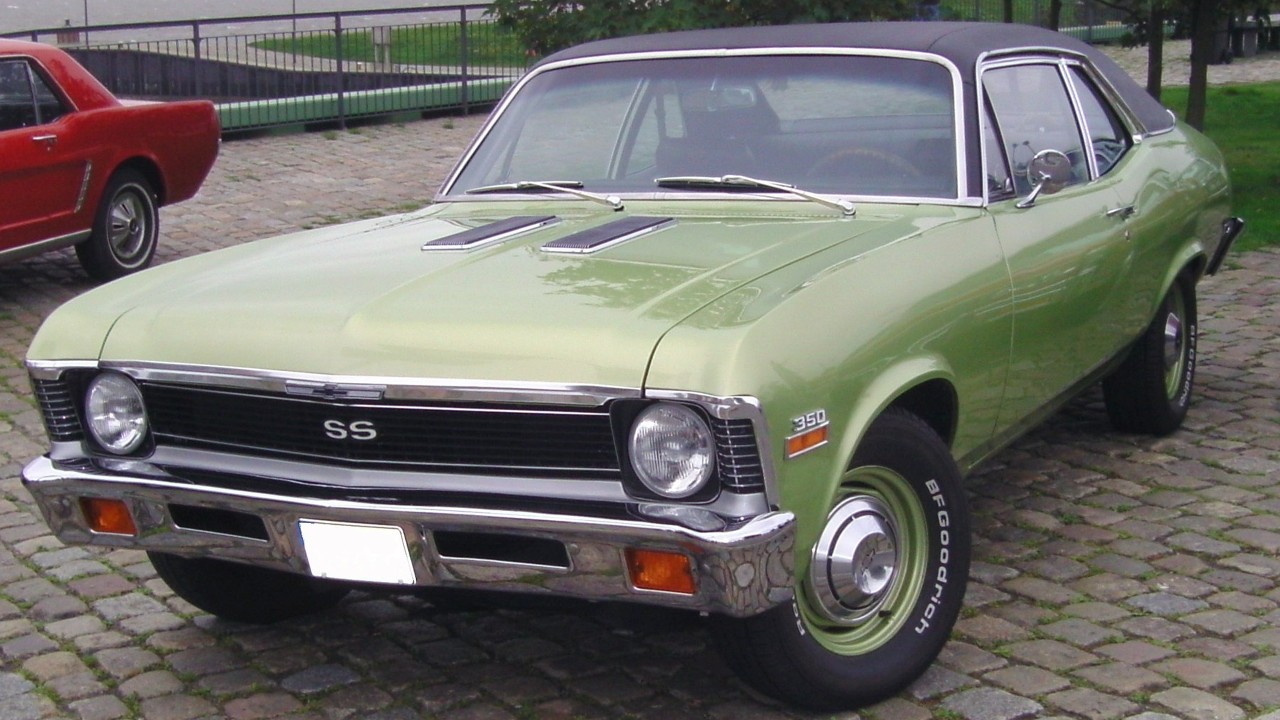
The 1968 Nova SS 350 arrived looking like basic transportation, yet it quietly packed the hardware to run with far flashier muscle cars. With understated styling, a small-block V8, and a curb weight that undercut many rivals, it became one of Chevrolet’s most effective sleeper performance packages of the late 1960s.
By pairing a compact body with a strong 350 cubic inch engine and optional heavy-duty components, Chevrolet created a car that could surprise bigger, louder machines at the stoplight while still blending into everyday traffic. I see that balance of subtle looks and serious speed as the key to why the 1968 Nova SS 350 still resonates with enthusiasts who value performance that does not shout.
How the 1968 Nova SS 350 quietly joined the muscle car wars
Chevrolet’s decision to drop a 350 cubic inch V8 into the compact Nova for 1968 effectively turned a sensible commuter into a stealth performance car. The SS 350 package took the third-generation Nova body, which had clean, almost conservative lines, and added a small-block rated at 295 horsepower, backed by performance-oriented gearing and suspension. Instead of the bold stripes and towering scoops that defined many mid-size muscle cars, the Nova SS relied on subtle badging and a modest stance, which meant most of its capability was hidden in plain sight compared with more flamboyant Chevelle and Camaro variants documented in period Chevrolet coverage.
That low-key approach mattered in a market where insurance costs and street image were starting to shape buying decisions. While big-block machines like the Chevelle SS 396 and other high-profile models drew attention from both enthusiasts and regulators, the Nova SS 350 offered similar straight-line thrills in a smaller, lighter package that looked closer to an everyday sedan. Contemporary reporting on Chevrolet’s broader muscle lineup shows how the company used different body styles and engine combinations to reach distinct buyers, and the Nova’s compact footprint and restrained styling fit neatly into that strategy, giving performance-minded drivers a way to fly under the radar while still tapping into the same engineering mindset that produced headline cars such as the Camaro Z/28.
Why the SS 350 package turned a basic Nova into a sleeper
The transformation from ordinary Nova to sleeper muscle car hinged on the SS 350 package’s mechanical upgrades. At its heart was the 350 cubic inch small-block, a configuration that Chevrolet was refining across its lineup, with output that put the Nova squarely in muscle territory while keeping weight over the front axle manageable. When I compare this setup with the heavier big-block combinations in cars like the Chevelle SS 396, which period specifications list at 325 horsepower in base form, the Nova’s lighter chassis and nearly 300 horsepower rating created a compelling power-to-weight ratio that did not require radical bodywork or aggressive aero pieces to advertise its intent, a pattern echoed in other understated performance models such as certain small-block Corvette configurations.
Beyond the engine, the SS 350 package typically included performance-oriented suspension tuning, upgraded wheels and tires, and available four-speed manual transmissions that let drivers keep the small-block in its sweet spot. These components mirrored the hardware Chevrolet was using in more overt muscle offerings, but the Nova’s simpler exterior and interior meant the upgrades were less obvious to casual observers. The way Chevrolet reused proven parts across platforms is well documented in coverage of its late-1960s performance cars, where common drivetrains and chassis pieces show up in everything from F-body Camaros to A-body Chevelles, and that shared engineering is part of what allowed the Nova SS 350 to punch above its visual weight while still looking like a basic compact from a distance, similar in spirit to how some lower-trim Firebird 400 models hid serious performance behind modest styling.
Styling that hid performance in plain sight
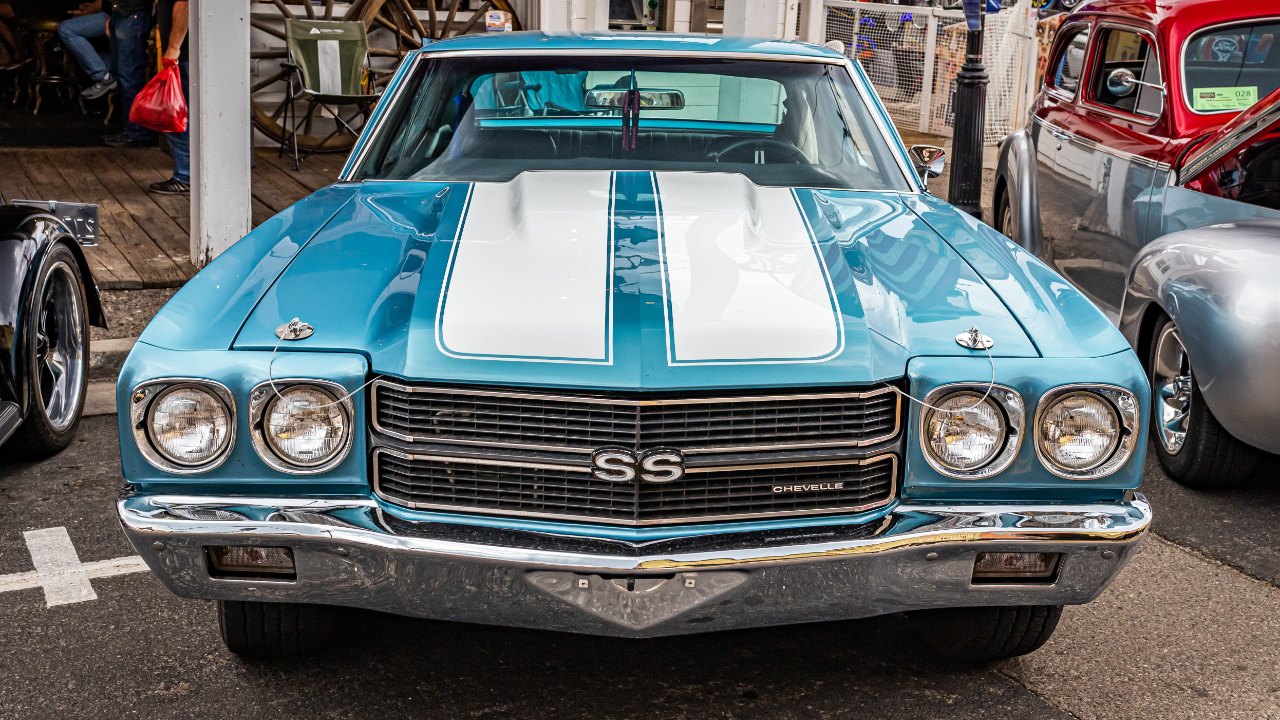
The 1968 Nova’s design language was deliberately restrained, which is a big reason the SS 350 variant worked so well as a sleeper. The body featured straight, uncluttered lines, a simple grille, and minimal ornamentation, especially compared with the sculpted flanks and bold trim of contemporary mid-size muscle cars. Even in SS form, the Nova avoided the kind of high-contrast stripes, hood pins, and oversized scoops that made cars like the Chevelle SS 396 instantly recognizable, as seen in period photography and specifications for those more extroverted models. That visual understatement meant the Nova could pass as a basic family car, particularly in muted colors and with hubcaps that did not scream performance.
Inside, the Nova SS 350 also leaned toward simplicity, with straightforward gauges and trim that echoed the car’s economy roots rather than a luxury or race-inspired cockpit. This contrasted with the more elaborate interiors found in some competitors, where extra brightwork, console-mounted tachometers, and heavily bolstered seats signaled performance intent. When I look at how Chevrolet positioned its lineup, the Nova’s modest cabin fits the pattern of using interior upgrades sparingly on compact platforms, a strategy that can be traced in coverage of other small Chevrolets of the era and even in later performance compacts that followed a similar formula. That quiet presentation is part of what allowed the SS 350 to surprise drivers who underestimated it based on looks alone, much like how certain low-option big-engine versions of the GTO could appear less threatening than their fully dressed counterparts.
How the Nova SS 350 stacked up against bigger muscle cars
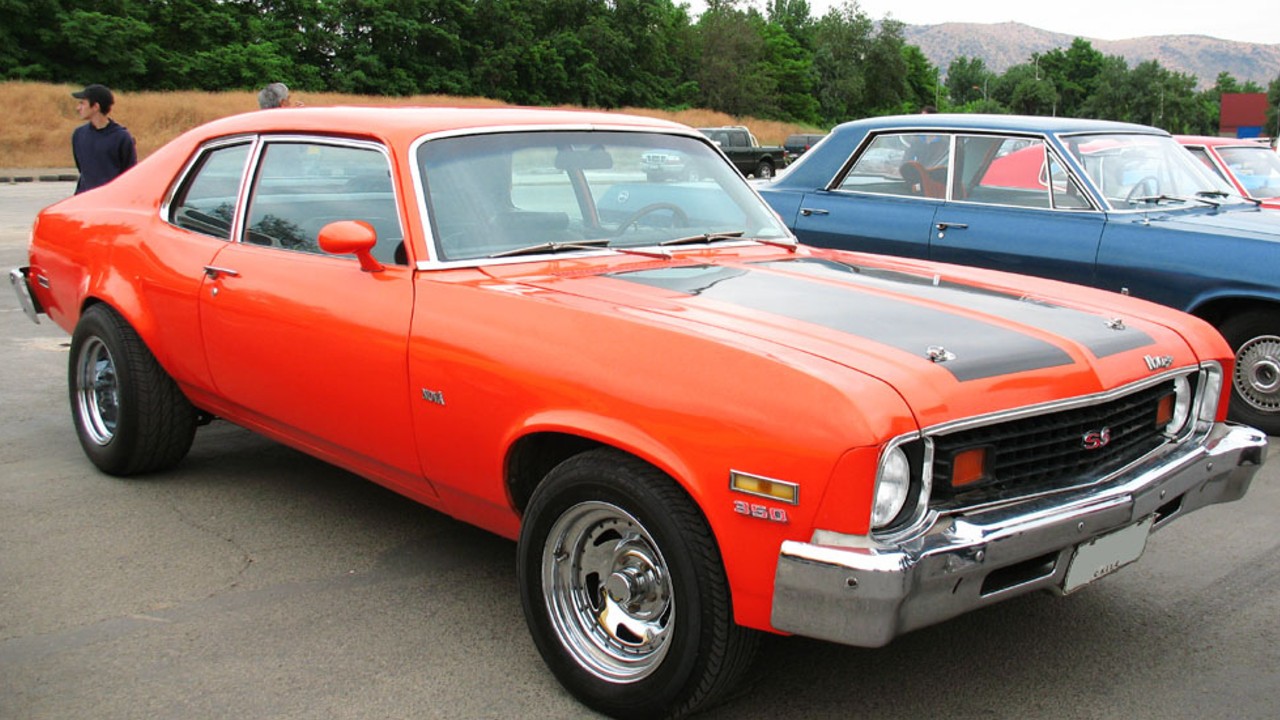
When I compare the Nova SS 350 with better-known muscle cars of the same period, its sleeper status becomes even clearer. The Chevelle SS 396, for example, carried a larger, heavier body and a big-block engine that delivered more peak power but also added mass and cost, as detailed in period specifications that list curb weights and engine outputs for those models. On paper, the Chevelle’s 396 cubic inch V8 with 325 horsepower outgunned the Nova’s 350, yet the Nova’s lighter chassis and shorter wheelbase gave it an agility advantage in real-world driving, especially in city traffic or on tight back roads where outright top speed mattered less than responsiveness.
Price and insurance also played a role in how these cars were perceived and used. Larger, more ostentatious muscle cars often attracted higher premiums and more scrutiny, while compact performance models like the Nova SS 350 could sometimes slip under the radar, particularly when ordered without loud color schemes or extensive options. Reporting on the broader muscle car market of the late 1960s and early 1970s shows how rising insurance costs and regulatory pressure began to reshape buyer behavior, pushing some enthusiasts toward smaller, less conspicuous cars that still offered strong acceleration. In that context, the Nova SS 350 functioned as a smart alternative to headline-grabbing machines like the Chevelle SS 396 or high-profile rivals from other brands, similar in spirit to how certain small-block versions of the Dodge Dart Swinger 340 delivered serious performance without the visual drama of their bigger stablemates.
The sleeper legacy of the 1968 Nova SS 350
The enduring appeal of the 1968 Nova SS 350 lies in how it anticipated a template that performance enthusiasts still chase: compact size, strong but not over-the-top power, and styling that does not immediately reveal what the car can do. In many ways, it foreshadowed later eras of understated performance, from turbocharged sedans to modern sport compacts that hide serious capability behind everyday shapes. When I look across coverage of Chevrolet’s late-1960s lineup and the broader muscle car field, the Nova SS 350 stands out as one of the clearest early examples of that philosophy, using shared small-block technology and modest visual cues to deliver a driving experience that exceeded expectations.
That sleeper identity has also shaped how collectors and builders treat these cars today. Enthusiasts often seek out relatively plain-looking Novas and then either preserve the original SS 350 configuration or upgrade it with period-correct performance parts, keeping the exterior largely stock so the car still reads as a simple compact at first glance. The same logic appears in the way some builders approach other understated classics, such as low-trim small-block Camaros or unassuming mid-size sedans that hide upgraded drivetrains, a pattern reflected in numerous project-car features and auction listings that highlight subtlety as a selling point. By starting with a platform that was already engineered to handle V8 power and then layering in performance without visual excess, the 1968 Nova SS 350 helped define what a sleeper muscle car could be, and its influence can be traced through decades of quietly quick street machines that followed its lead.
More from Fast Lane Only