Over the years, 6-cylinder engines have proven themselves as powerhouses in the automotive world, often delivering performance that rivals or exceeds their 8-cylinder counterparts. These engines have made a significant impact through their impressive power, engineering innovation, and surprising performance.
The Evolution of the 6-Cylinder Engine
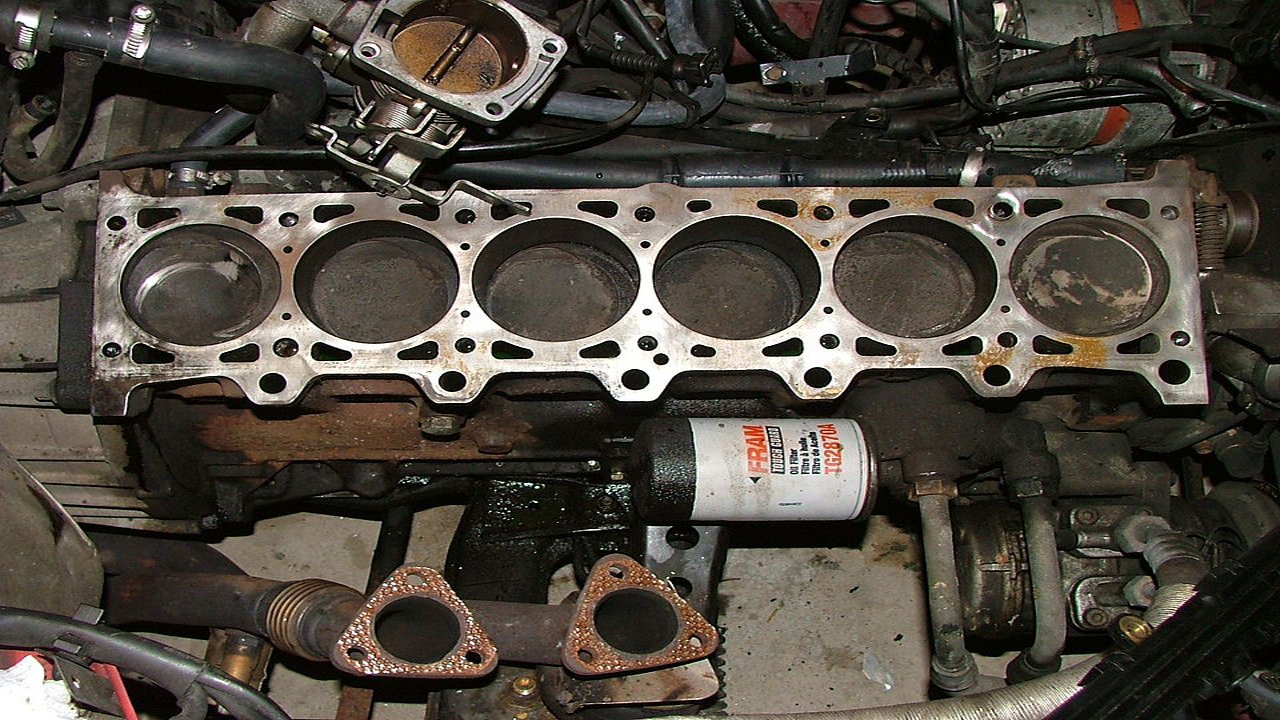
The rise of the 6-cylinder engine in the automotive industry marked a significant shift in engineering focus. In the early 20th century, as detailed in the Proceedings of the Institution of Automobile Engineers, these engines became increasingly popular due to their balance of power and efficiency. Technological advancements, such as improved combustion processes and materials, contributed to their growing appeal. The compactness and smooth operation of 6-cylinder engines made them a favorite among manufacturers seeking to offer powerful yet practical vehicles.
Turbocharging has played a pivotal role in enhancing the performance of 6-cylinder engines. By forcing more air into the engine, turbocharging allows for greater power output without increasing engine size. Modern vehicles have embraced this technology, as analyzed in the exploration of V6 turbocharged engines. This advancement has enabled 6-cylinder engines to compete directly with larger engines, offering similar performance with better fuel efficiency and lower emissions.
Notable 6-Cylinder Powerhouses
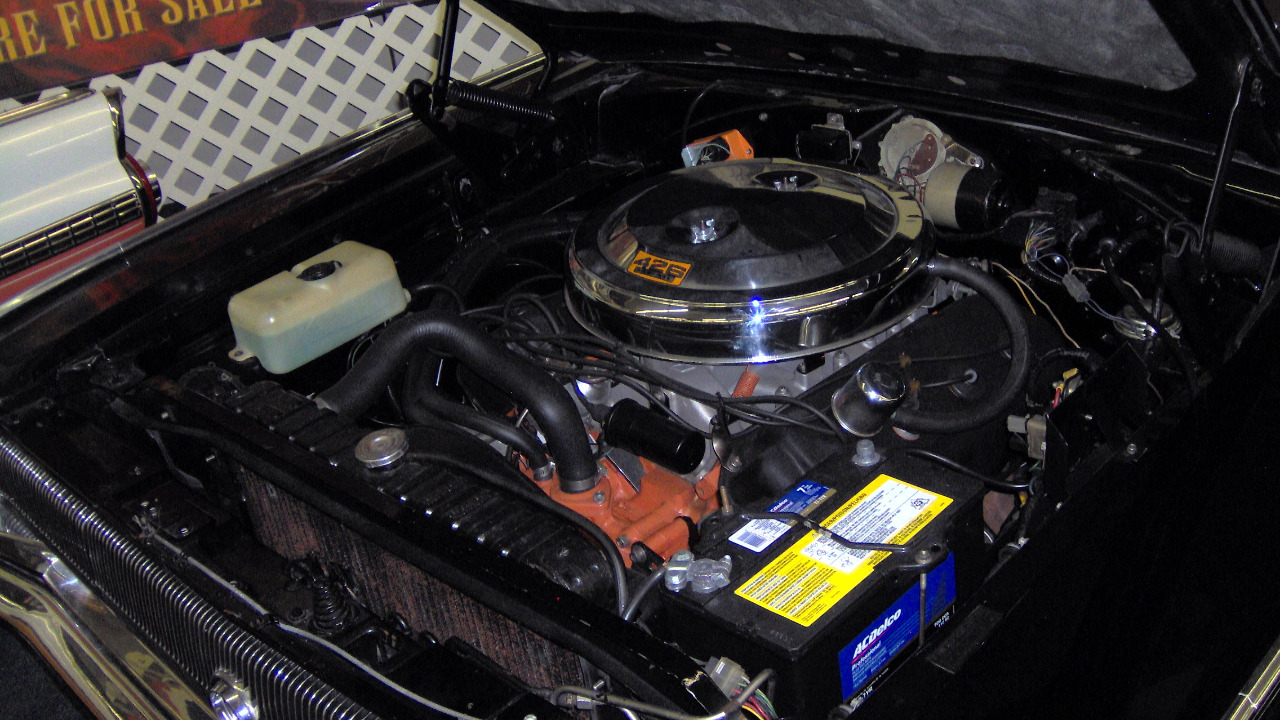
The Dodge Charger Six-Pack stands as a testament to the power and performance potential of 6-cylinder engines. During the muscle car era, the Charger made a name for itself with its innovative designs and powerful engines. The iconic Six-Pack models, as highlighted by Yahoo Autos, featured triple two-barrel carburetors that significantly boosted power, allowing the Charger to hold its own against its V8-powered rivals.
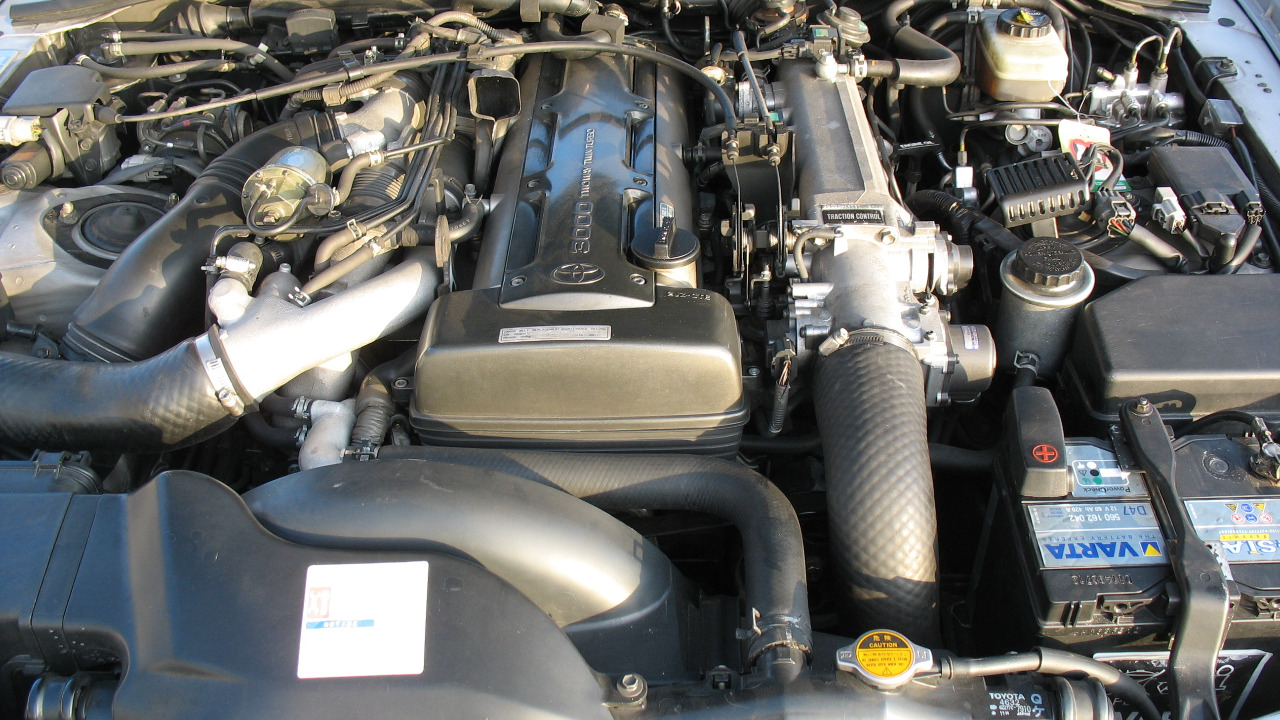
Another standout is the Toyota Supra, which has had a profound influence on sports car performance. The 6-cylinder Supra became a defining model for a generation, showcasing that engineering prowess could enable a 6-cylinder engine to compete with larger powertrains. The Supra’s precise tuning and innovative features allowed it to deliver exceptional performance, making it a favorite among enthusiasts and a symbol of engineering excellence in the automotive world.
Innovative Engineering and Design
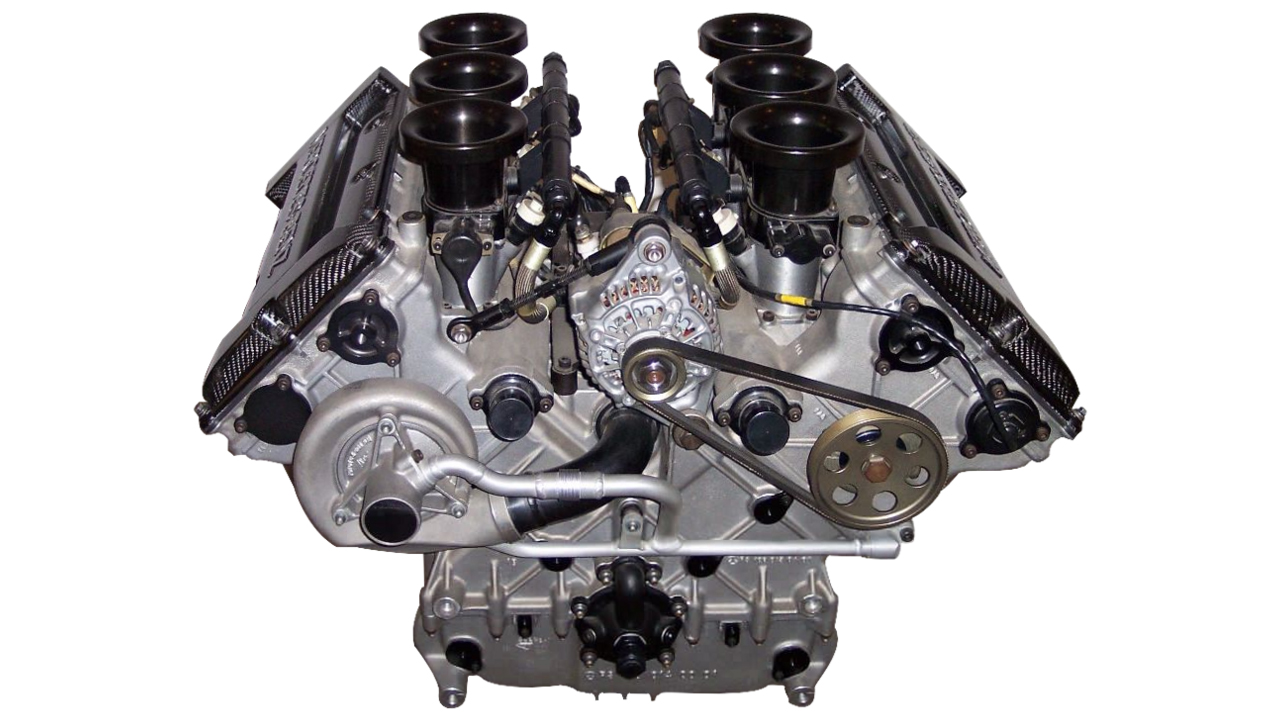
Aerodynamics and fluid dynamics have been crucial in enhancing the performance of 6-cylinder engines. By optimizing airflow and cooling, manufacturers have been able to extract more power and efficiency from these engines. Insights from the ASME Journal emphasize the importance of these factors in improving engine efficiency. By refining the vehicle’s shape and engine bay design, engineers have reduced drag and improved thermal management, allowing for more consistent performance.
Additionally, advancements in materials and manufacturing techniques have played a significant role in the evolution of 6-cylinder engines. The use of lightweight materials has enabled manufacturers to enhance performance without increasing vehicle weight. The MDPI provides insights into how new manufacturing processes have allowed for the creation of more robust yet lighter engines. These innovations have contributed to the enduring appeal of 6-cylinder engines in a market increasingly focused on efficiency and sustainability.
Market Impact and Consumer Appeal
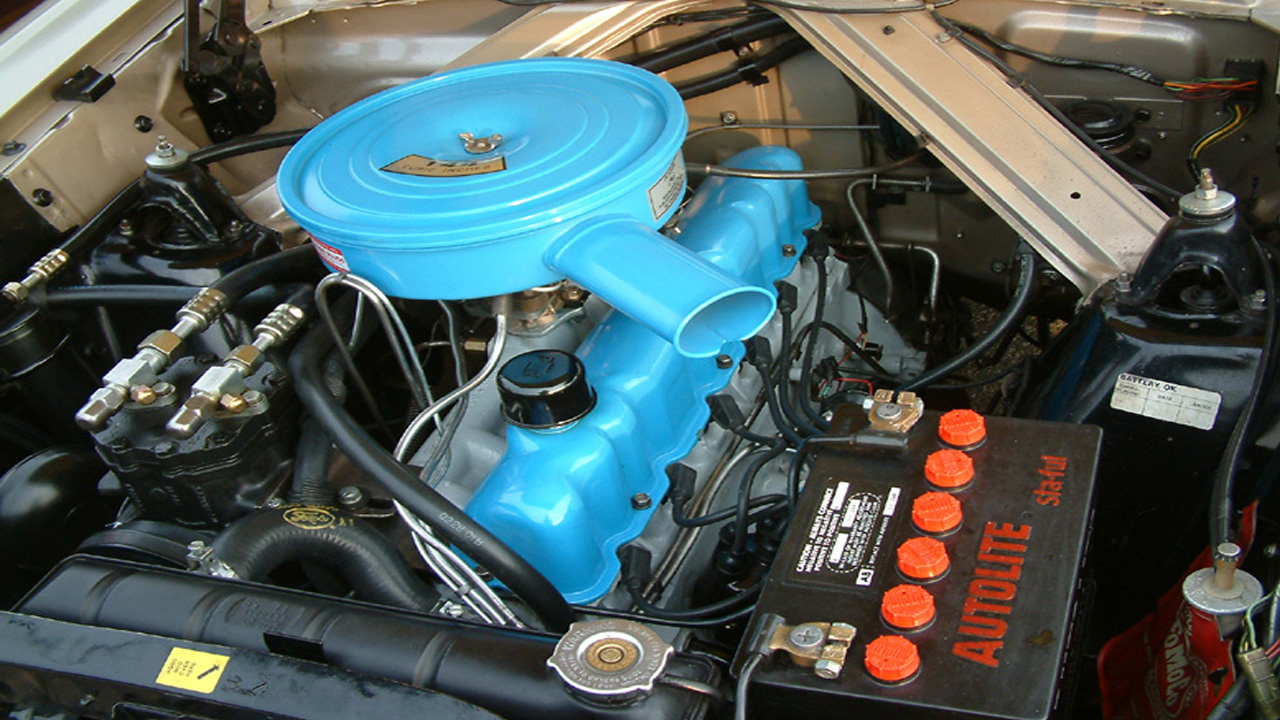
6-cylinder vehicles offer a unique blend of performance and practicality, making them a popular choice for consumers. Many drivers appreciate the power of a 6-cylinder engine without the drawbacks of higher cylinder models, such as increased fuel consumption and emissions. This balance makes 6-cylinder cars ideal for everyday use, offering a satisfying driving experience without sacrificing practicality.
In competitive markets, 6-cylinder models have successfully positioned themselves as viable alternatives to larger engines. Manufacturers employ various strategies, such as marketing the benefits of turbocharged 6-cylinders and highlighting their advantages in terms of efficiency and performance. This approach has resonated with consumers, who are increasingly looking for vehicles that deliver both power and sustainability.
Future Prospects for 6-Cylinder Engines
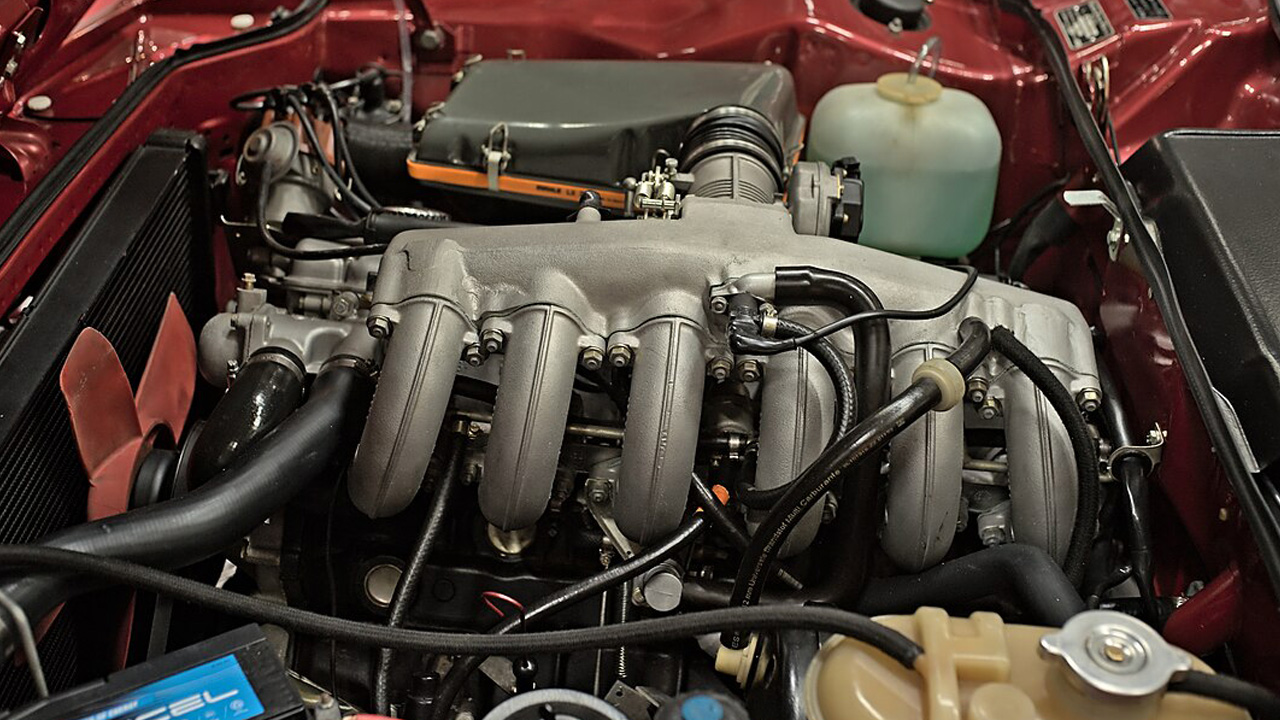
The future of 6-cylinder engines looks promising, with emerging technologies poised to enhance their performance further. Hybrid systems and electric boosts are expected to play a significant role, allowing 6-cylinder engines to deliver even greater power and efficiency. As manufacturers continue to innovate, these engines are likely to remain competitive, offering a balance of performance and environmental responsibility.
Environmental considerations and regulatory impacts will also shape the future of 6-cylinder engines. As emissions standards become more stringent, manufacturers will need to develop engines that meet these requirements while maintaining performance. The push towards sustainable yet powerful engine solutions will drive further innovation, ensuring that 6-cylinder engines continue to be a compelling choice for consumers seeking a blend of power and efficiency.
Like Fast Lane Only’s content? Be sure to follow us.
Here’s more from us:
- All New Trans Am: 10 Things You Need to Know
- The Fastest Farm Truck Ever Built
*Created with AI assistance and editor review.