Big-block performance and racing pedigree usually send classic-car prices into the stratosphere, yet several historically important V8 bruisers still trade for surprisingly modest money. I look at six factory-built heavy hitters whose production numbers, horsepower ratings, and competition ties suggest they should be worth far more today, but whose documented market values remain stuck in the middle of the pack.
1963 Chevrolet Biscayne SS409
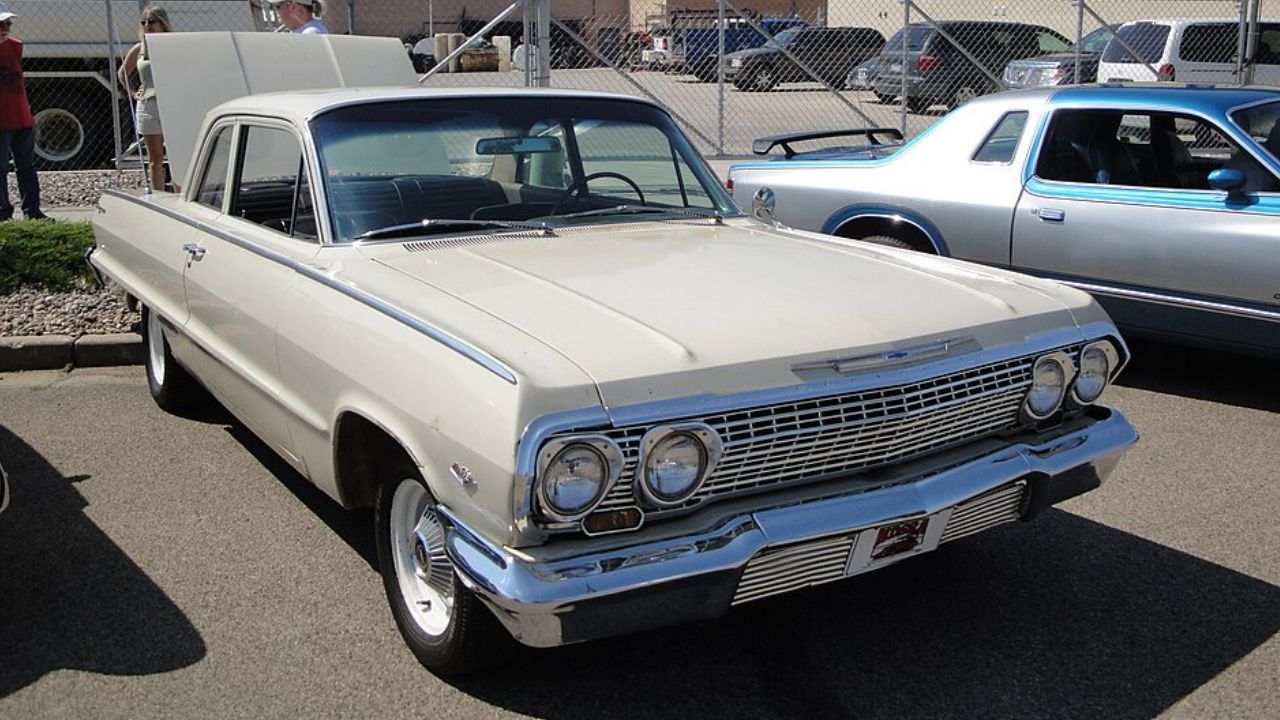
The 1963 Chevrolet Biscayne equipped with the 409-cubic-inch V8 delivered a factory-rated 409 horsepower and was built in only 417 units for that model year. According to documented sales data, unrestored examples of this drag-strip favorite often change hands for under $40,000, even when they retain correct drivetrains and period performance options. That pricing looks especially soft when compared with similarly rare big-block Chevrolets that share far less direct racing history.
Given its reputation in early Super Stock competition and the limited run of Biscayne 409 cars, I see a clear disconnect between scarcity and value. The lightweight body and high-compression engine combination made these cars serious quarter-mile weapons, yet they remain overshadowed by later Chevelle and Camaro models. For collectors focused on authentic early 1960s performance, that gap suggests significant upside if the market ever fully prices in the Biscayne’s competition pedigree.
1966 Oldsmobile 4-4-2
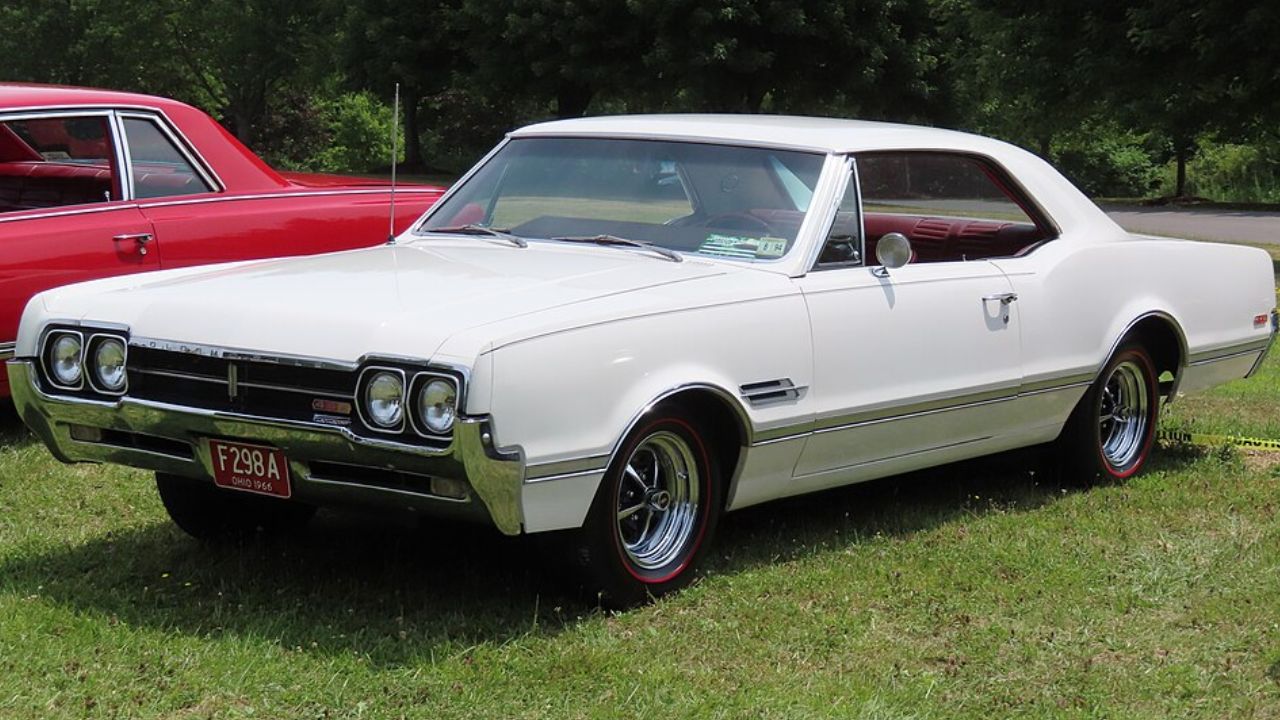
The 1966 Oldsmobile 4-4-2 could be ordered with the optional 425-cubic-inch Rocket V8, rated at 360 horsepower and backed by heavy-duty driveline hardware. Production reached 26,799 units, a healthy figure but still modest compared with mass-market intermediates of the era. Market guides cited in recent listings show driver-quality cars hovering around $25,000, even with the high-output 425 and factory performance packages intact.
That valuation looks particularly conservative when I compare it with similarly equipped Pontiac GTOs, which often command a substantial premium despite similar power and weight. The 4-4-2’s chassis tuning and braking were competitive with its A-body peers, yet brand perception keeps prices in check. For enthusiasts who prioritize performance per dollar, the 1966 4-4-2 represents a chance to buy genuine big-block muscle at a discount to more fashionable GM stablemates.
1969 Ford Talladega
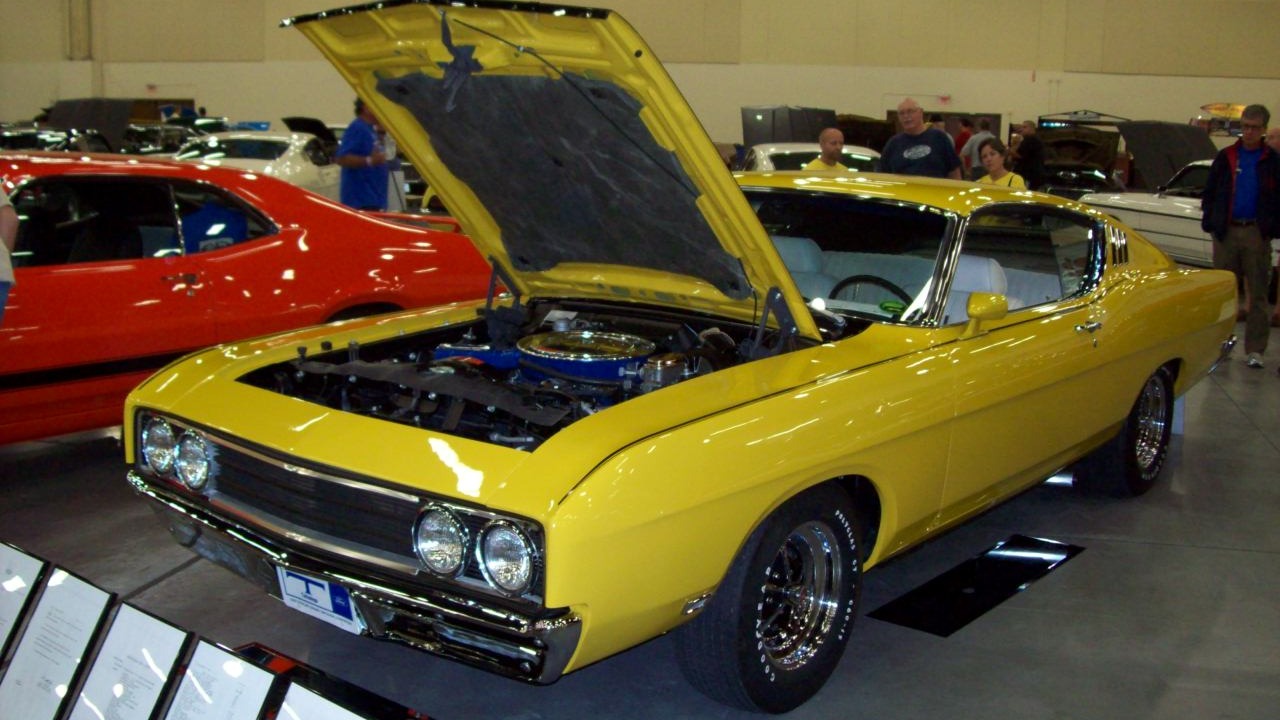
The 1969 Ford Talladega fastback was purpose-built for NASCAR, using a reshaped nose and smoothed bodywork around a 429-cubic-inch Cobra Jet V8 rated at 375 horsepower. Production totaled just 1,138 units, satisfying homologation rules while keeping the car extremely scarce on today’s market. Yet auction summaries show most examples selling below $60,000, even when they retain original drivetrains and correct aero components.
Considering its direct link to Ford’s late 1960s stock-car program, I find that pricing surprisingly low compared with other homologation specials. The Talladega’s aerodynamic bodywork helped dominate superspeedways, yet collectors often gravitate toward more visually dramatic rivals like the Dodge Charger Daytona. For buyers who value motorsport history and rarity over flamboyant styling, the Talladega’s current market level suggests a significant undervaluation.
1970 Dodge Challenger T/A
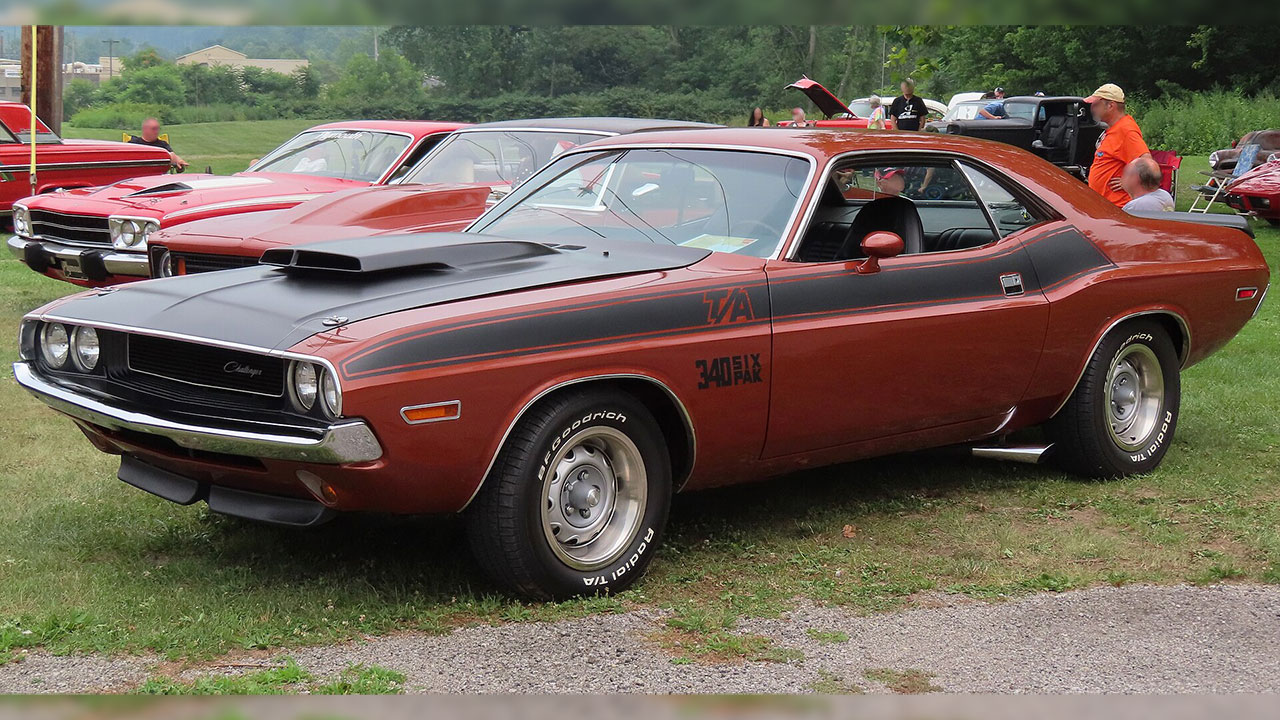
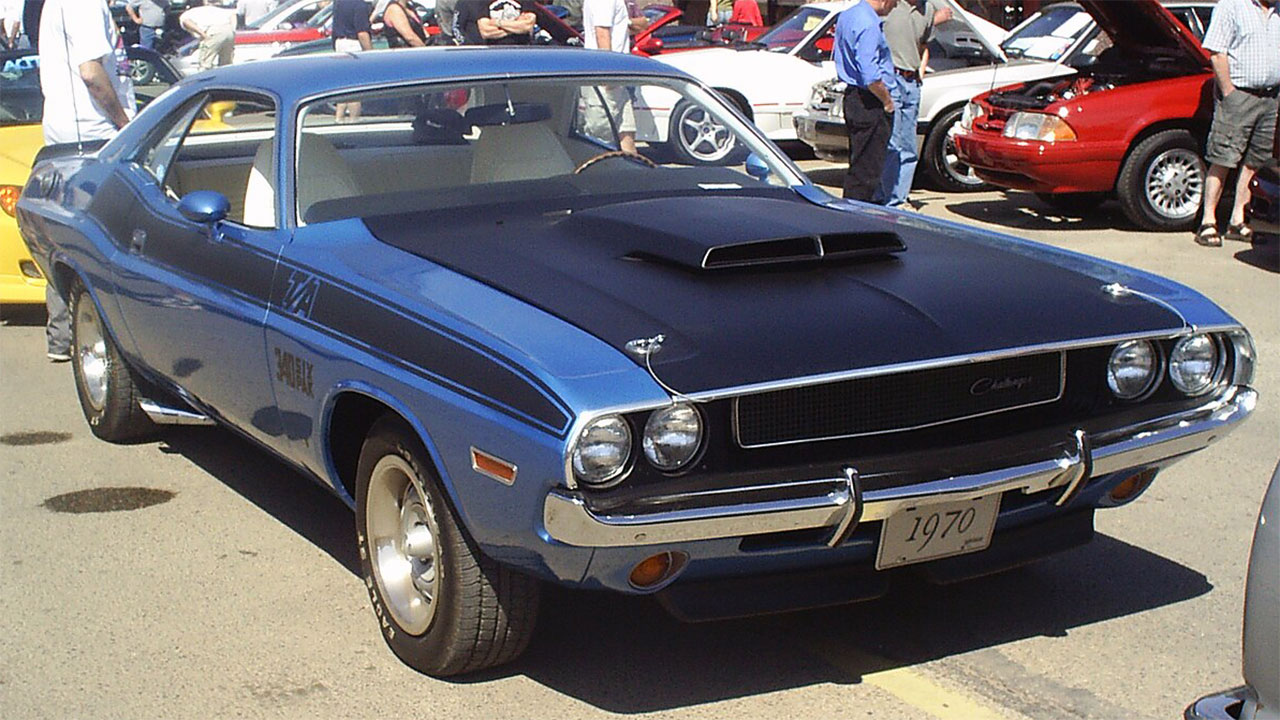
The 1970 Dodge Challenger T/A was built in 2,399 units to homologate the model for Trans-Am racing and came with the 340 Six Pack V8. Although technically a small-block, period testing and factory data credit the engine with 425 horsepower in race trim, giving it big-block-level performance. Yet market listings indicate that clean, well-documented cars often trade around $50,000, far below the six-figure prices seen for some contemporary Mopar specials.
With its side-exit exhaust, fiberglass hood, and competition-inspired suspension, the Challenger T/A offers a direct link to factory road racing that few pony cars can match. I see its current valuation as a reflection of buyers prioritizing cubic inches over actual performance and rarity. For enthusiasts who care more about how a car drives than how large the engine casting is, the T/A’s pricing leaves considerable room for future appreciation.
1969 Mercury Cyclone Spoiler

The 1969 Mercury Cyclone Spoiler was a purpose-built NASCAR homologation car that delivered real big-block performance with aerodynamic sophistication. Most were equipped with 428 Cobra Jet power, making them as quick as anything else on the street at the time. Yet collectors long ignored it in favor of flashier Mopars and more famous Ford-branded muscle cars.
Its subtle Mercury badging and unusual nose design made it easy to overlook when values were low. As a result, many Spoilers were driven hard, modified, or simply lost over the years. Today its rarity, racing pedigree, and genuine performance credentials suggest it should be valued far higher than it currently is.
1965 Buick Riviera
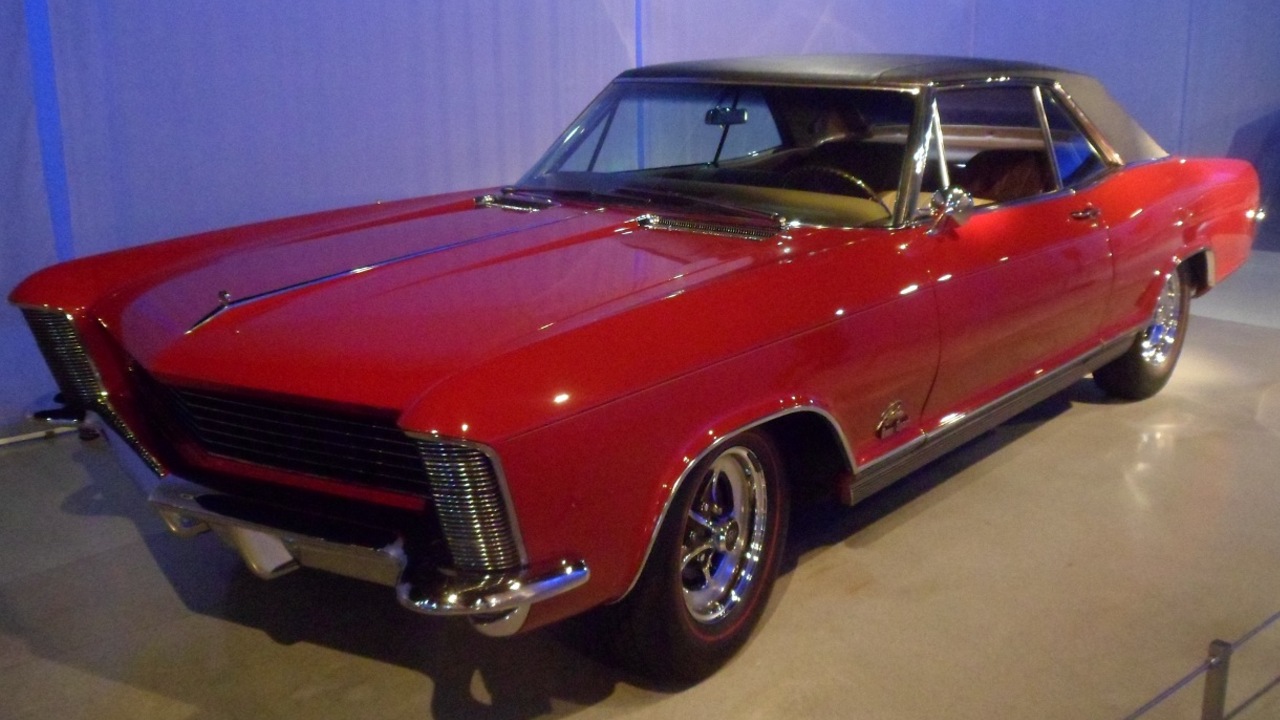
The 1965 Buick Riviera could be ordered with the Super Wildcat 425-cubic-inch V8, a dual-quad package rated at 340 horsepower. Total Riviera production reached 37,366 units, and a subset of those cars carried the GS equipment that sharpened handling and traction. Yet recent value reports show many GS-equipped survivors selling for around $30,000, a figure that lags behind similarly powerful personal-luxury coupes.
The Riviera’s blend of luxury and performance positions it as an early precursor to later grand touring coupes, but collector attention often skews toward more overtly sporty models. I interpret its relatively low prices as a sign that style-focused buyers still underestimate Buick’s performance credentials from this era. For enthusiasts who appreciate discreet speed, the Super Wildcat Riviera remains one of the most accessible big-cube V8 cars with genuine design significance.
More from Fast Lane Only: