Nissan is again weighing a return of the Xterra, the boxy, body-on-frame SUV that built a loyal following among off-road fans before it left showrooms in the mid-2010s. The company’s chief executive has now signaled that a comeback is no longer a fringe idea but an active topic inside the automaker’s product discussions. That shift puts one of Nissan’s most recognizable nameplates back into play at a time when rugged, relatively affordable SUVs are enjoying a second life across the industry.
For buyers who still miss the original truck-based Xterra, the renewed interest from Nissan’s leadership suggests the model is moving from nostalgia to realistic possibility. It also reflects pressure from dealers, who see a gap in the lineup, and from rivals that are rushing out their own retro-flavored off-roaders.
What happened
Nissan’s chief executive has indicated that reviving the Xterra is again under serious consideration, after years in which the company publicly focused on crossovers like the Rogue and Pathfinder instead of traditional truck-based SUVs. The new tone follows sustained lobbying from retailers, who have been asking the company to bring back a vehicle that can compete directly with the Toyota 4Runner, Ford Bronco, Jeep Wrangler, and other enthusiast favorites.
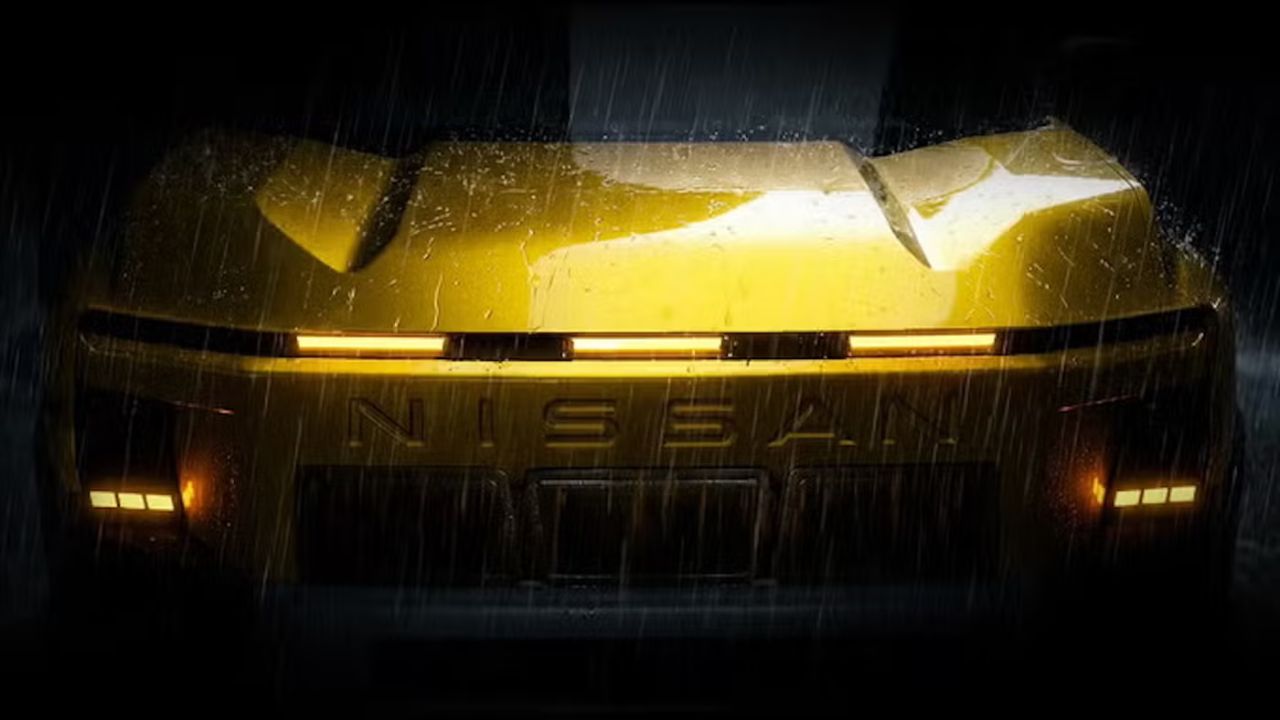
Dealers have described internal conversations in which Nissan executives acknowledged that a new Xterra could be built off the Frontier pickup platform, giving it true off-road hardware rather than a softened crossover layout. Those same retailers have also suggested that Nissan is exploring a design that leans hard into the model’s heritage, with squared-off lines, a tall roof, and a more aggressive stance than the brand’s existing crossovers. One dealer characterized the proposed styling as a “radical” departure from the softer shapes that dominate the current SUV lineup, a description that aligns with reports that a future Xterra would intentionally stand apart from models like the Rogue and Murano, according to dealer chatter.
Pricing expectations have also begun to surface. Retail sources have said Nissan is targeting a starting figure below 40,000 dollars for a new Xterra, which would put it in a relatively accessible bracket for a body-on-frame SUV. That range would slot the vehicle above compact crossovers but undercut some higher-spec off-roaders, especially once options and packages are added. Reports have also pointed to a signature yellow paint option as part of the launch plan, a nod to the bright colors that helped the original Xterra stand out on American roads, according to early pricing guidance.
The renewed interest is not happening in a vacuum. Nissan dealers have been pressing the company for several years to reenter the segment with a true truck-based SUV, arguing that the brand has left money on the table by ceding ground to rivals. Those retailers have cited consistent customer inquiries about a modern Xterra and have described the model as a missing piece in the showroom that could pair naturally with the Frontier and Titan pickups. Their push has been framed as a response to both consumer demand and competitive pressure, as documented in reporting that details how dealers demand a revival.
Against that backdrop, the CEO’s public comments that the Xterra is “back on the table” carry more weight than a casual remark. They suggest that internal product planning now treats the model as a viable program rather than a nostalgic talking point. While Nissan has not confirmed a production timeline or shown a concept, the combination of executive openness, dealer lobbying, and early pricing targets signals that the project has moved into a more concrete exploratory phase.
Why it matters
The potential return of the Xterra matters for several reasons: it could reshape Nissan’s position in the off-road market, recalibrate expectations for affordable adventure vehicles, and illustrate how automakers are balancing electrification goals with continued demand for traditional trucks.
To start, Nissan currently lacks a dedicated body-on-frame SUV in North America that targets the enthusiast crowd. The Pathfinder migrated to a unibody crossover structure, which improved on-road comfort but reduced its appeal to buyers who prioritize trail capability and modification potential. A new Xterra built on the Frontier platform would immediately give Nissan a direct answer to the Toyota 4Runner and a partial counter to the Ford Bronco and Jeep Wrangler. It would also provide a more rugged companion to the Frontier itself, creating a truck-based family that dealers can market together to outdoor-focused customers.
Pricing under 40,000 dollars would also be significant in a segment where costs have climbed rapidly. Off-road packages, specialized tires, and advanced four-wheel-drive systems have pushed many adventure-oriented SUVs well above that threshold. If Nissan can deliver a credible, ladder-frame SUV at a lower starting price, it could attract buyers who feel priced out of models like the Bronco and Wrangler. That approach would echo the original Xterra’s positioning as a “gearbox on wheels” that offered genuine capability without luxury-car pricing.
The Xterra’s possible comeback also fits into a broader industry pattern in which automakers are dusting off heritage nameplates to tap nostalgia and brand loyalty. General Motors, for example, has been evaluating a revival of the GMC Jimmy as a rugged SUV to sit alongside the GMC Canyon and Sierra. Reporting has described how a potential GMC Jimmy comeback is also “back on the table,” mirroring Nissan’s own reconsideration of the Xterra. These moves show that manufacturers see value in recognizable badges that can instantly signal off-road credibility.
At the same time, the Xterra discussion highlights the tension between electrification and traditional powertrains. Many automakers have announced aggressive electric vehicle targets, yet buyers of off-road SUVs often prioritize range, towing, and refueling convenience in remote areas, which still favor internal combustion. Nissan has invested heavily in electric models like the Leaf and Ariya, but a body-on-frame Xterra would likely rely on gasoline power, at least initially. That choice would reflect a pragmatic approach similar to what is happening elsewhere in the industry.
Dodge, for instance, has been navigating its own balance between future-focused powertrains and enthusiast expectations. The company introduced a new Charger with a focus on electric performance, yet its leadership has hinted that a V-8 engine could return to the lineup. The brand’s chief executive has suggested that the door remains open for a V-8-powered Charger, a signal that customer demand for traditional muscle car engines still carries weight, according to recent comments. Nissan’s exploration of a new Xterra follows a similar logic, acknowledging that not all segments are ready to move away from conventional powertrains.
For Nissan specifically, a successful Xterra relaunch could help repair some of the brand’s lost luster among enthusiasts. The company once enjoyed a strong reputation for durable, fun-to-drive trucks and SUVs, from the original Pathfinder to the hardbody pickups. Over time, the focus shifted toward volume crossovers and sedans, which improved sales but diluted the brand’s adventurous image. A modern Xterra with genuine capability would send a message that Nissan still wants to compete for buyers who spend weekends on trails, at campsites, or hauling gear rather than simply commuting.
The dealer perspective underscores that point. Retailers have argued that customers walking into showrooms today often cross-shop Nissan against brands with clear off-road flagships. Without a comparable offering, those shoppers may leave for a Toyota 4Runner TRD Pro, a Ford Bronco Badlands, or a Jeep Wrangler Rubicon. A new Xterra would give sales staff a more compelling answer when those comparisons arise. It would also create opportunities for accessories and dealer-installed upgrades, from roof racks and lift kits to off-road lighting and overlanding gear, which can be lucrative profit centers.
There is also a brand identity angle. The original Xterra cultivated a specific image built around practicality and adventure rather than luxury. Features like the integrated roof rack, washable cargo area, and available manual transmission made it a favorite among climbers, mountain bikers, and campers. If Nissan can translate that ethos into a modern package, with updated safety tech and infotainment but the same functional focus, it could carve out a distinct niche in a crowded SUV market. That approach would differentiate the Xterra from premium-leaning rivals and from Nissan’s own more comfort-oriented crossovers.
Finally, the Xterra’s potential return may influence how other automakers treat dormant nameplates. If Nissan moves ahead and finds success, it could encourage more brands to revive old-school SUVs that prioritize durability and simplicity over luxury. The market response to vehicles like the Bronco and the reborn Land Cruiser already suggests that there is space for such products. A well-executed Xterra would reinforce that message and could accelerate similar projects elsewhere.
What to watch next
With the Xterra now back in active discussion inside Nissan, several key developments will determine whether the SUV actually returns to showrooms and what form it takes.
The first factor is product planning and platform choice. Most indications point toward a Frontier-based architecture, which would provide a ladder frame, shared powertrains, and common components. Observers will be watching for any confirmation that Nissan has allocated engineering resources to adapt that platform for an SUV body, including changes to wheelbase, suspension tuning, and interior packaging. Evidence of test mules, supplier contracts, or internal investment commitments would all be signs that the project is moving from concept to execution.
Powertrain strategy will be another critical piece. The Frontier currently uses a 3.8-liter V-6 paired with a nine-speed automatic transmission. A new Xterra could adopt that setup, potentially with different tuning for off-road use, or introduce a turbocharged four-cylinder to hit fuel economy targets. The company will also have to decide how aggressively to integrate electrification. A hybrid or plug-in hybrid variant could help with emissions and appeal to buyers who want lower fuel costs, but would add complexity and cost. Nissan’s broader EV strategy will influence how far it is willing to go in that direction for a truck-based SUV.
Design and packaging choices will reveal how closely Nissan wants to stick to the original Xterra’s formula. The early talk of a “radical” look suggests a willingness to embrace bold styling, but the details will matter. Enthusiasts will scrutinize elements like approach and departure angles, ground clearance, underbody protection, and roof load ratings, along with interior features such as fold-flat rear seats and durable materials. If the company leans into functional design cues, such as integrated roof rails, external tie-down points, and easily removable interior panels, it will signal a commitment to the adventure-first identity that made the first-generation model stand out.
Pricing and trim strategy will also be closely watched. Hitting a sub-40,000 dollar starting point would make the Xterra one of the more accessible body-on-frame SUVs on the market, but only if that base model still offers meaningful capability. Nissan will need to balance entry-level affordability with higher-spec trims that deliver the hardware enthusiasts expect, such as locking differentials, low-range gearing, all-terrain tires, and advanced traction control systems. The brand’s recent approach with the Frontier Pro-4X provides a template, but the Xterra will likely require its own mix of equipment and styling cues.
More from Fast Lane Only