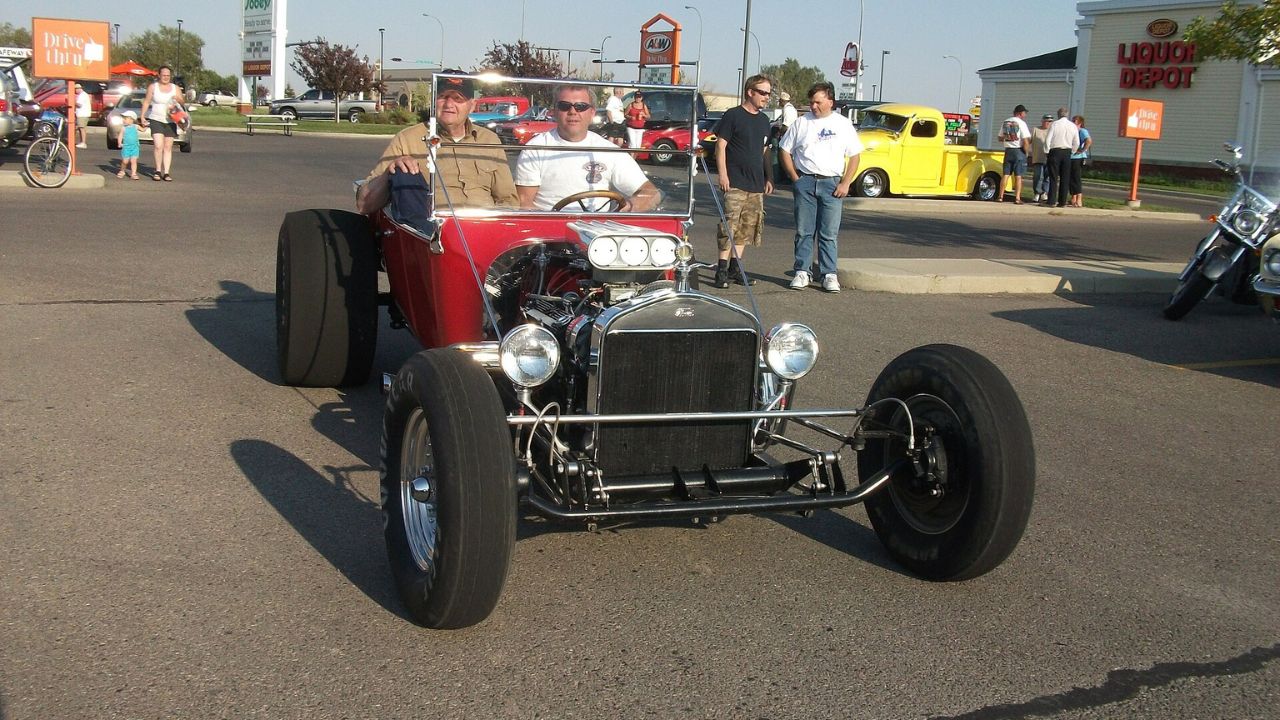
Some hot rods were built specifically to push the limits of speed, power, and engineering. A few became so extreme that organizers had to restrict them, change the rules, or exclude certain configurations from competition. These 6 machines represent the wilder side of hot-rodding, where builders constantly searched for an advantage that regulations eventually had to address.
Ford Model A Bonneville Roadster
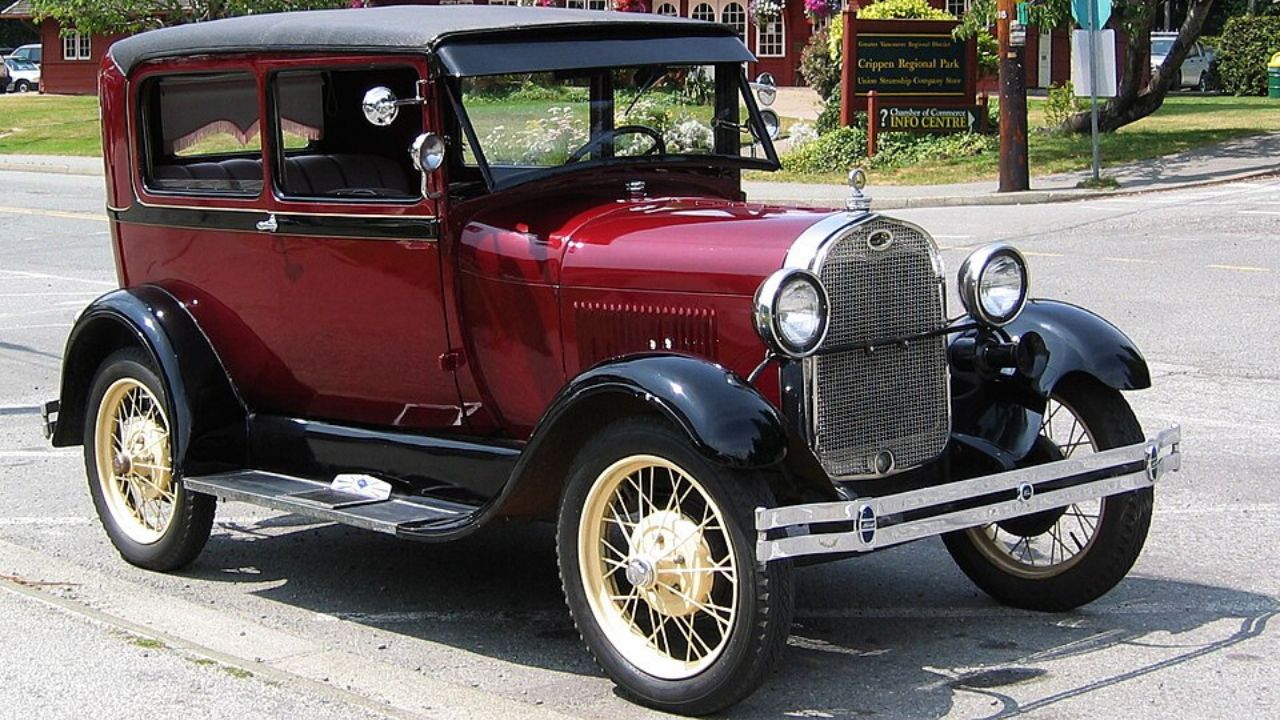
The Ford Model A became a favorite foundation for speed enthusiasts because its lightweight body could accommodate serious engine upgrades. At Bonneville, builders experimented with increasingly powerful engines, aerodynamic modifications, and radical chassis setups. Some configurations eventually fell outside accepted classes or safety requirements. The cars demonstrated how quickly a humble Model A could evolve into a purpose-built speed machine.
Ford Coupe Drag Car

Early Ford coupes became staples of organized drag racing because their relatively light bodies could handle powerful V8 swaps. As engines became increasingly modified, performance climbed rapidly. Certain combinations pushed beyond the limits of established classes or required new safety standards. These cars helped force sanctioning bodies to rethink how rapidly hot-rod technology was advancing.
Willys Gasser
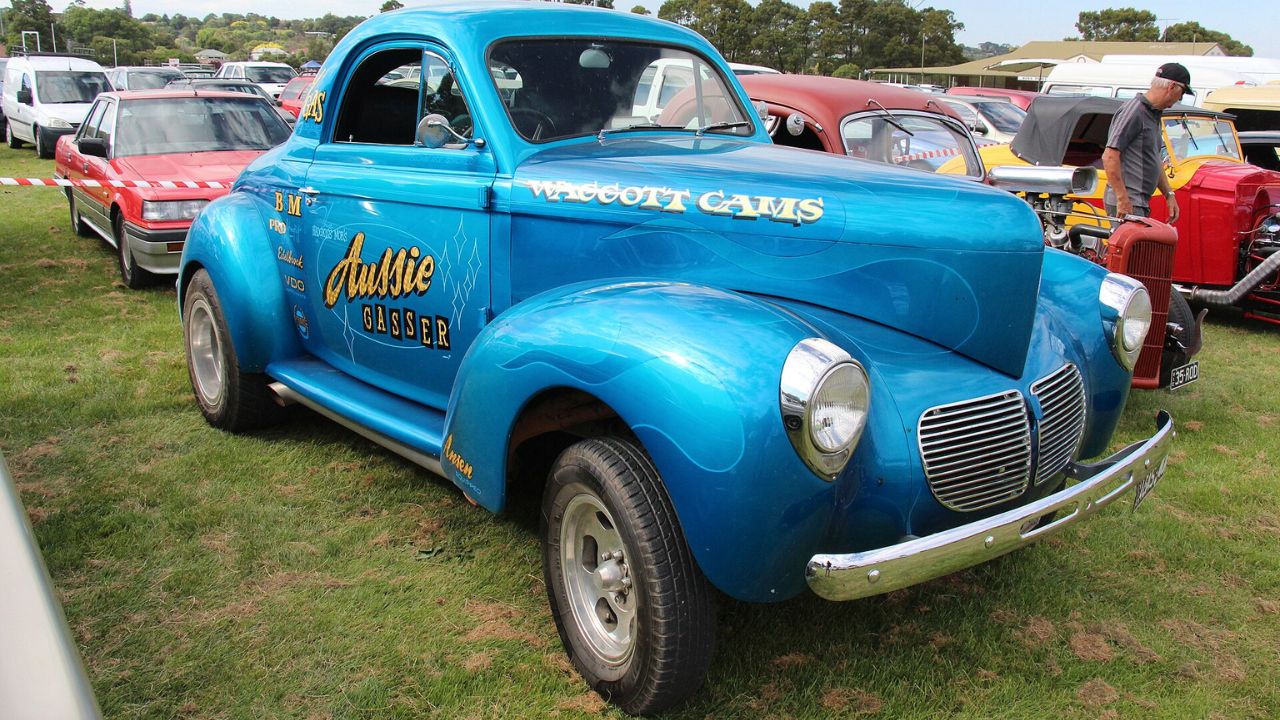
The Willys gasser became famous for its lightweight body, high-riding front suspension, and enormous engine power. Builders used them to create brutally quick drag cars that could challenge much larger machines. Their aggressive configurations eventually contributed to increasingly strict class and safety regulations. Today, the Willys gasser remains one of the most recognizable symbols of early American drag racing.
Ford Anglia Gasser
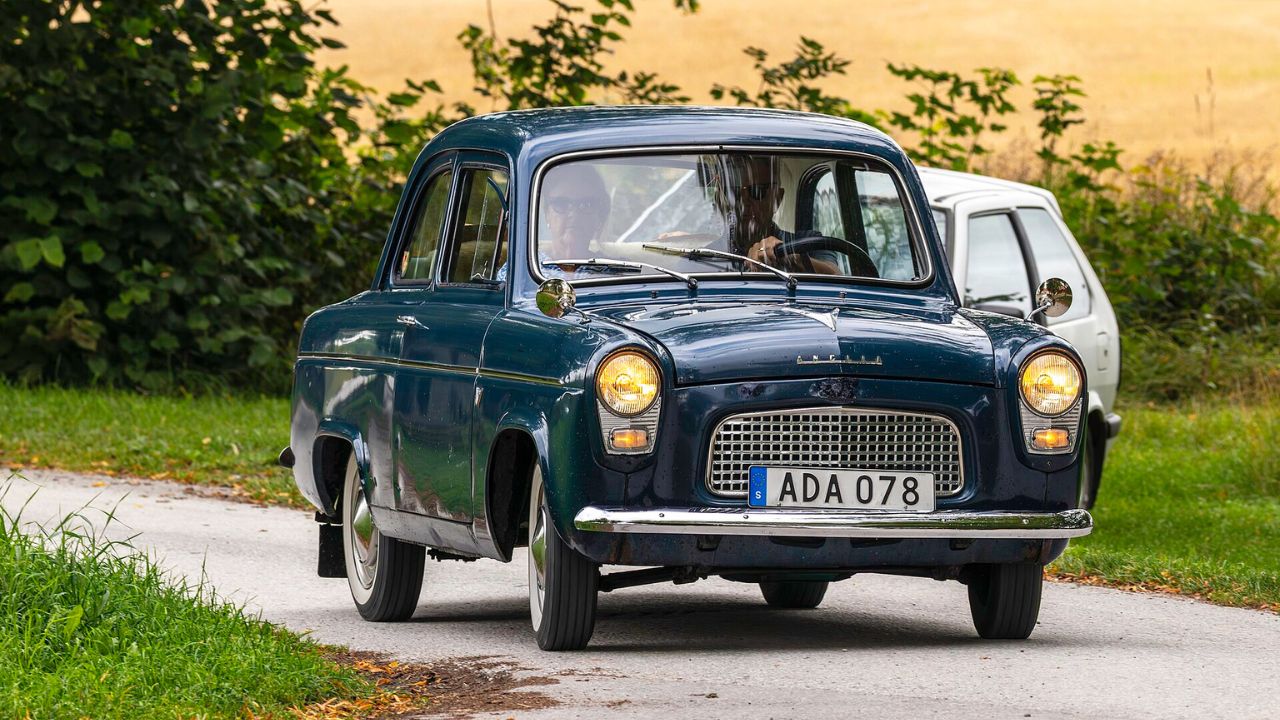
The tiny Ford Anglia became an unlikely drag-racing weapon when American builders installed powerful V8 engines and radically altered the chassis. Its lightweight body allowed impressive acceleration, but the combination of small dimensions and huge power could be difficult to control. As drag racing rules became more structured, extreme versions increasingly required specialized classes and safety equipment.
Chevrolet Corvette Race Rod
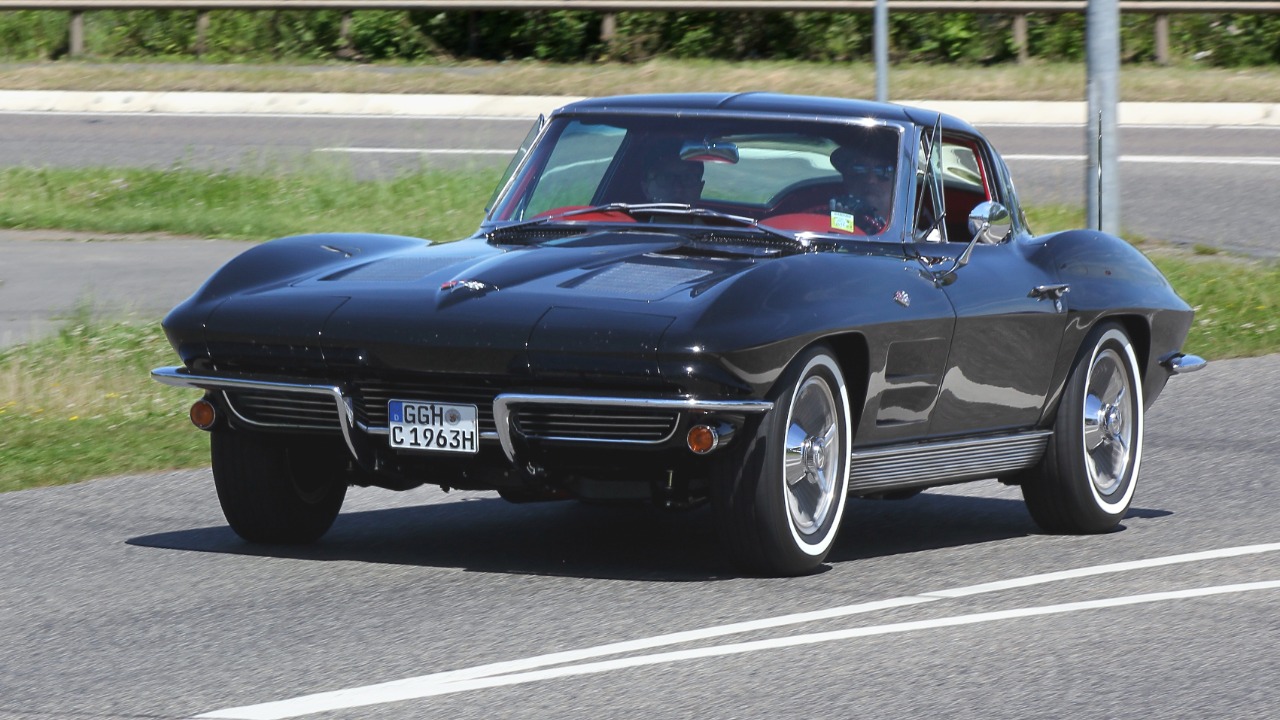
Early Corvettes became popular platforms for performance experimentation because their lightweight construction offered plenty of potential. Builders modified engines, suspension, brakes, and bodywork to create increasingly serious competition cars. As sanctioned racing became more tightly regulated, some highly modified combinations no longer fit standard categories. These machines helped demonstrate how quickly street-based hot rods could evolve into specialized racers.
Ford T-Bucket
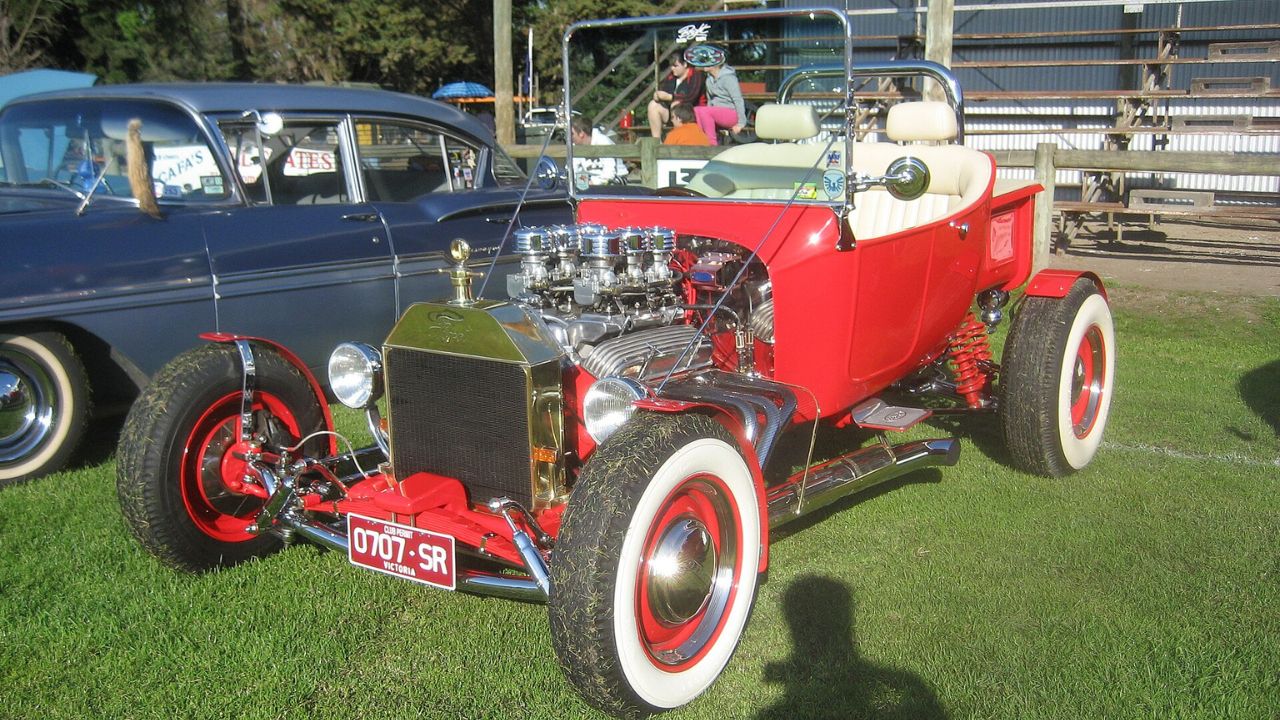
The T-bucket became famous for its radically shortened body, exposed mechanical components, and powerful engines. Some builds were so extreme that they could no longer fit conventional definitions of a street-legal car or established racing class. That blurred line between hot rod and competition machine contributed to stricter regulations. Its outrageous proportions remain a defining part of traditional American hot-rodding culture.
More from Fast Lane Only
- Unboxing the WWII Jeep in a Crate
- 15 rare Chevys collectors are quietly buying
- 10 underrated V8s still worth hunting down
- Police notice this before you even roll window down
*Research for this article included AI assistance, with all final content reviewed by human editors