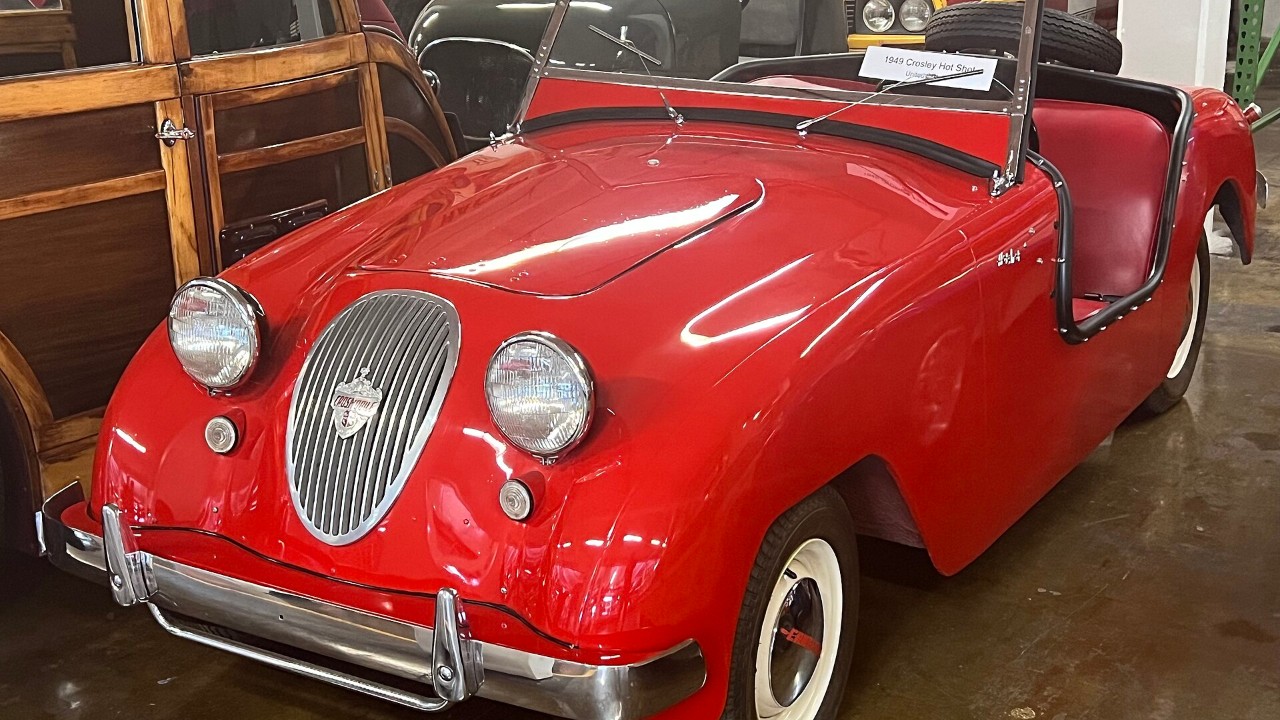
The 1980s produced plenty of cars that were remembered for flashy styling and new technology, but some earned their reputations through something much simpler: durability. These cars survived commutes, family duty, rough roads, and years of neglect better than many people expected. Their straightforward engines and sturdy drivetrains helped them remain useful long after newer models had taken their place.
Toyota Corolla
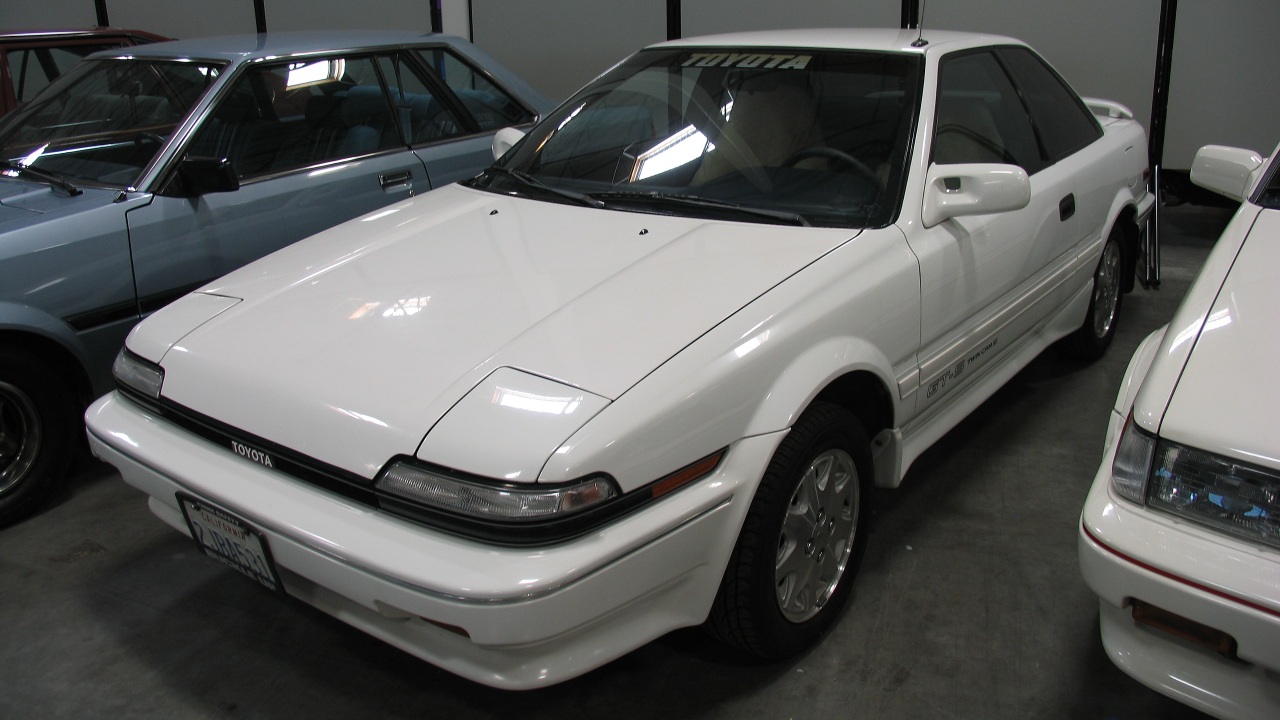
The Toyota Corolla became synonymous with dependable transportation, and many 1980s examples demonstrated why. Its small four-cylinder engines were economical and relatively straightforward to maintain, while the uncomplicated mechanical layout kept repairs manageable. Corollas were often treated as inexpensive transportation rather than future classics. That is precisely why finding a well-preserved example today can be surprisingly difficult.
Honda Accord
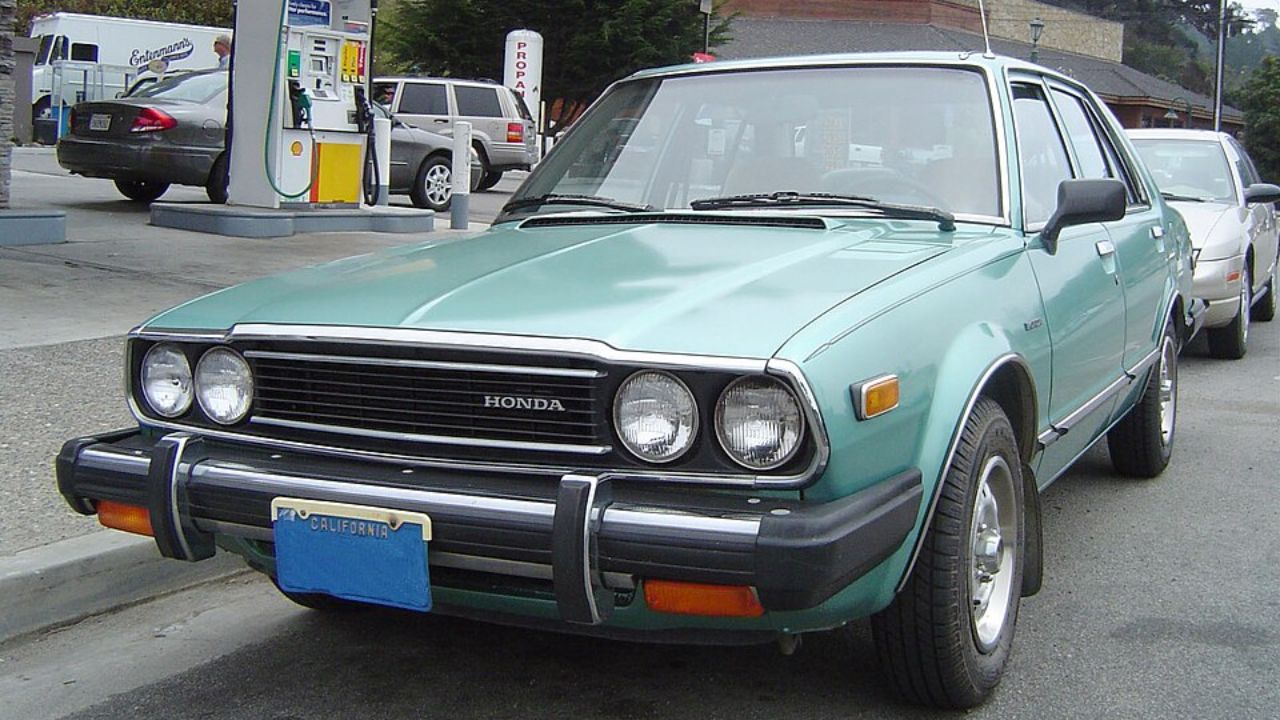
The Honda Accord established a reputation for combining practical design with impressive mechanical longevity. Its four-cylinder engines were efficient, while the drivetrain could handle years of daily driving when properly maintained. The Accord also offered more refinement than many economy cars of the period. Surviving 1980s examples are increasingly interesting because they demonstrate how durable early Japanese family cars could be.
Mercedes-Benz 190E

The Mercedes-Benz 190E brought traditional Mercedes engineering into a smaller package. Its sturdy construction, rear-wheel-drive layout, and durable four-cylinder and six-cylinder engines made it capable of accumulating substantial mileage. The car also featured a well-engineered suspension and solid interior construction. Although maintenance can be more expensive than on a Toyota or Honda, a properly cared-for 190E can remain remarkably durable.
Volvo 240
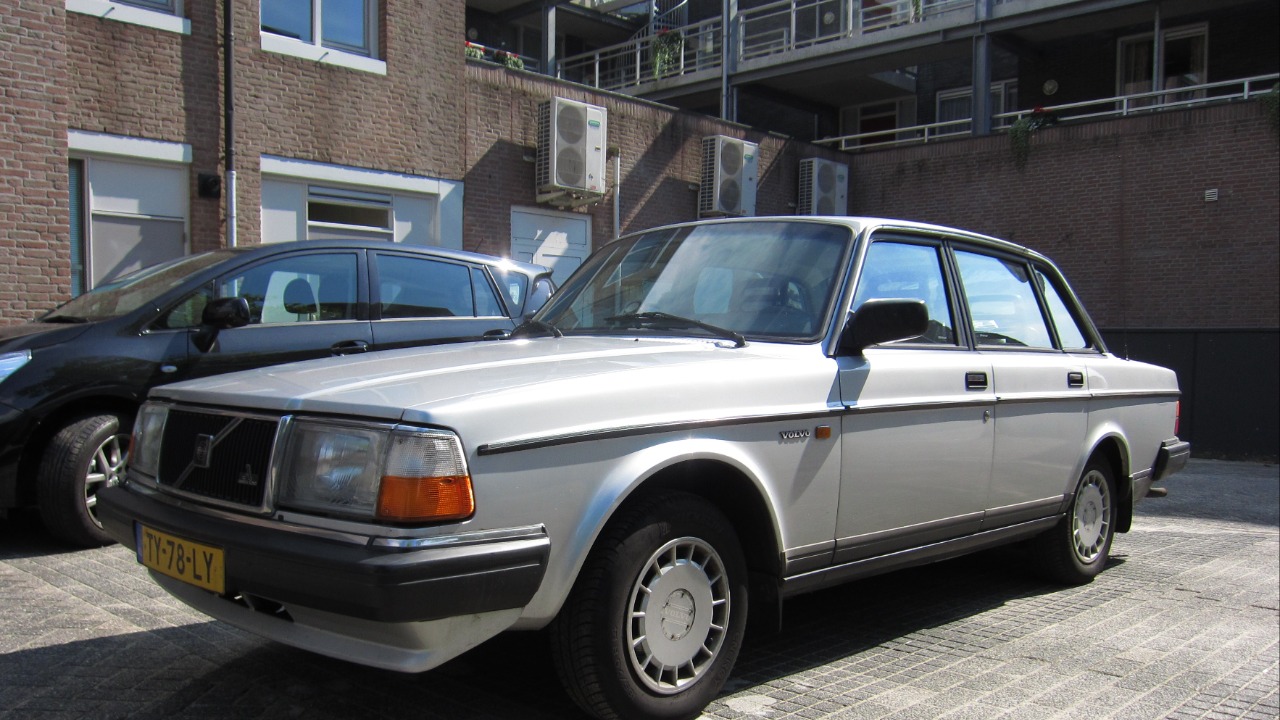
The Volvo 240 became legendary for its ability to survive years of hard use. Its rugged construction, durable engines, and straightforward mechanical systems made it a favorite among owners who valued longevity over speed. The boxy body also became an unmistakable symbol of practical Scandinavian engineering. Many accumulated enormous mileage, and clean survivors remain popular with enthusiasts who appreciate old-fashioned durability.
Toyota Supra
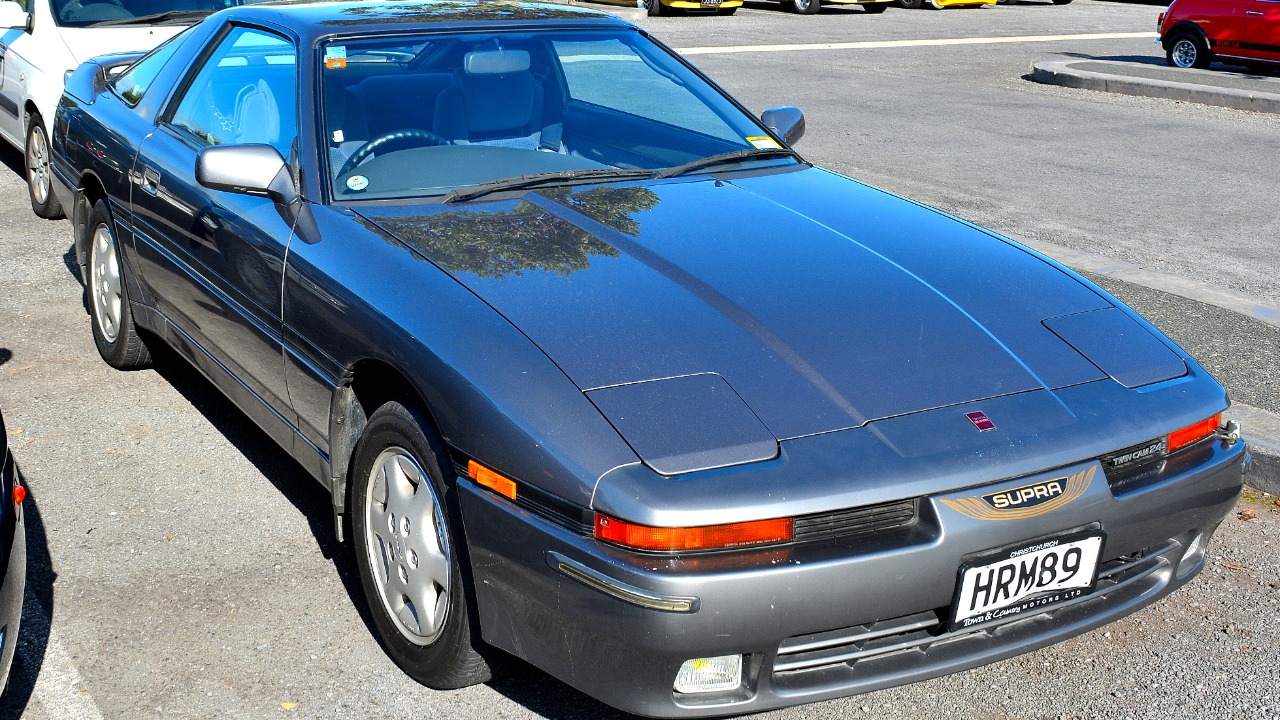
The Toyota Supra brought sports-car styling and performance together with Toyota’s reputation for robust engineering. Its inline-six engines were particularly well regarded, while the rear-wheel-drive platform provided a strong foundation for enthusiasts. Many were modified over the years, making original examples increasingly unusual. The Supra’s combination of performance potential and mechanical strength helped establish the reputation that later generations would build upon.
Jeep Cherokee
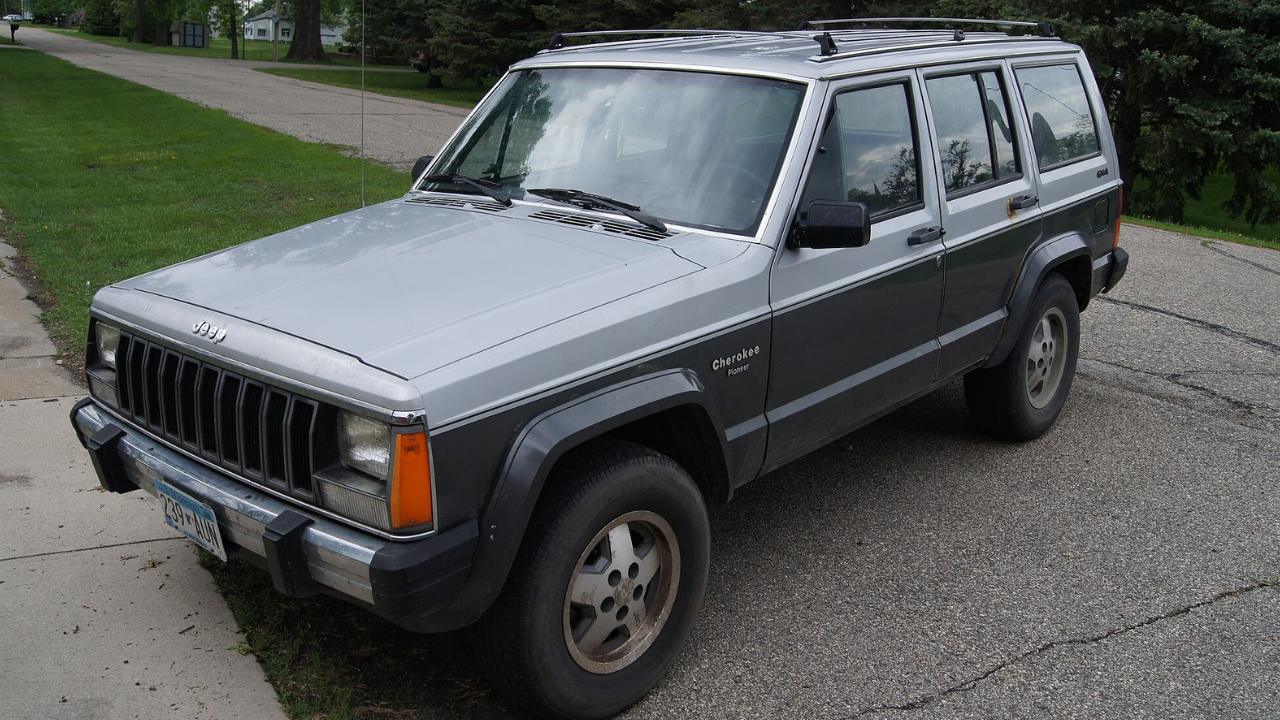
The Jeep Cherokee became one of the defining American SUVs of the 1980s. Its relatively simple construction, durable engines, and capable four-wheel-drive system made it useful for both everyday transportation and demanding terrain. Many owners kept them running for decades because they were so practical. Today, clean examples are increasingly sought after by enthusiasts who appreciate their straightforward design and rugged character.
Ford Crown Victoria
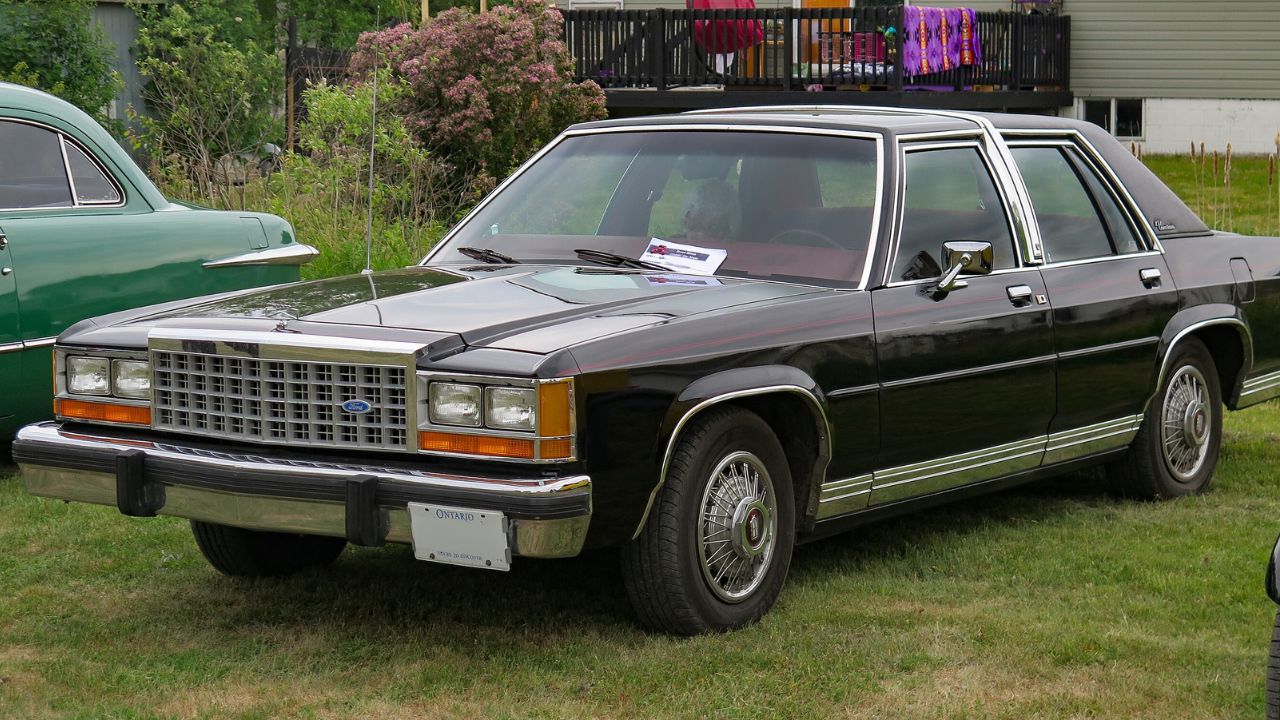
The Ford Crown Victoria represented old-school American engineering at a time when many manufacturers were rapidly moving toward smaller front-wheel-drive cars. Its body-on-frame construction, rear-wheel drive, and V8 power gave it impressive durability. Fleet use subjected many examples to demanding conditions, yet they continued operating for years. That reputation helped make the Crown Victoria one of Ford’s most enduring full-size platforms.
More from Fast Lane Only
- Unboxing the WWII Jeep in a Crate
- 15 rare Chevys collectors are quietly buying
- 10 underrated V8s still worth hunting down
- Police notice this before you even roll window down
*Research for this article included AI assistance, with all final content reviewed by human editors