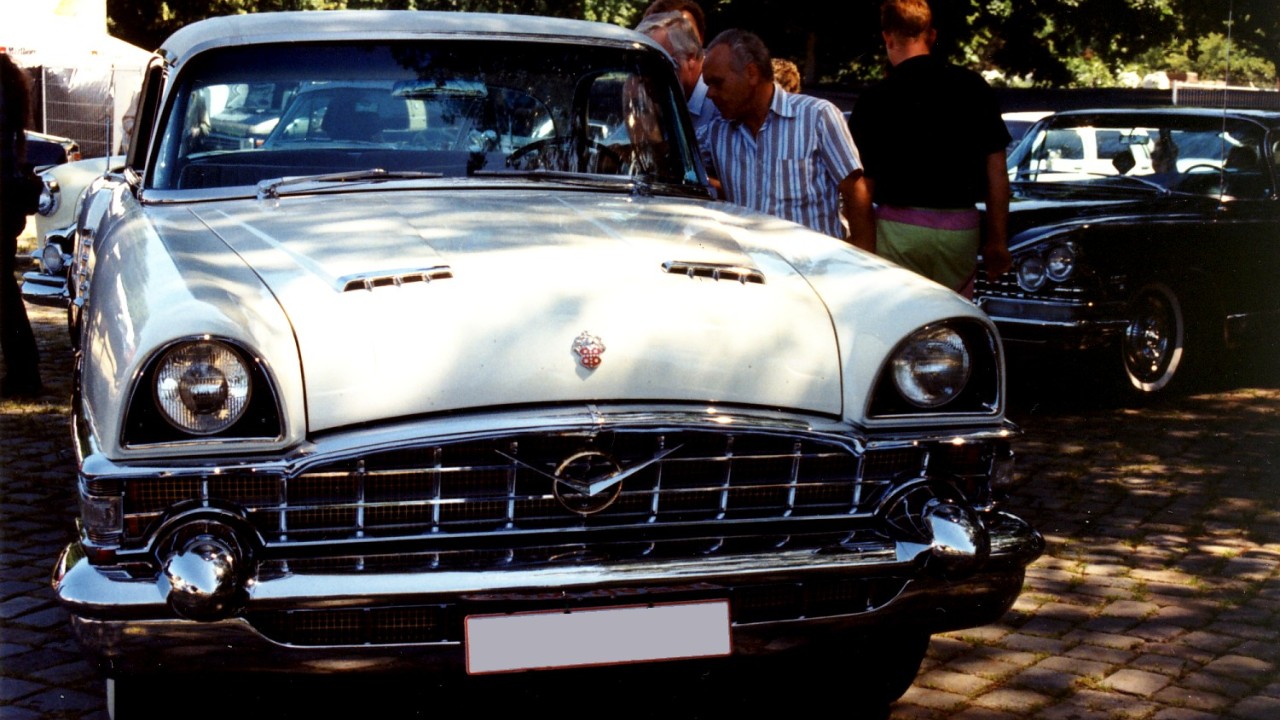
Packard engines tell the story of the company in six steps, from a World War I-era V12 to the twin-carburetor V8 of its Caribbean convertible. The run starts with the 1916 Twin Six and ends with the 374-cubic-inch V8 in the 1956 Caribbean.
Each Packard engine below gets the displacement and output the records support, plus the year each figure applies to. Where two references disagree, both numbers appear, because Packard’s ratings shifted from series to series.
1. 1916–1923 Packard Twin Six V12 engine
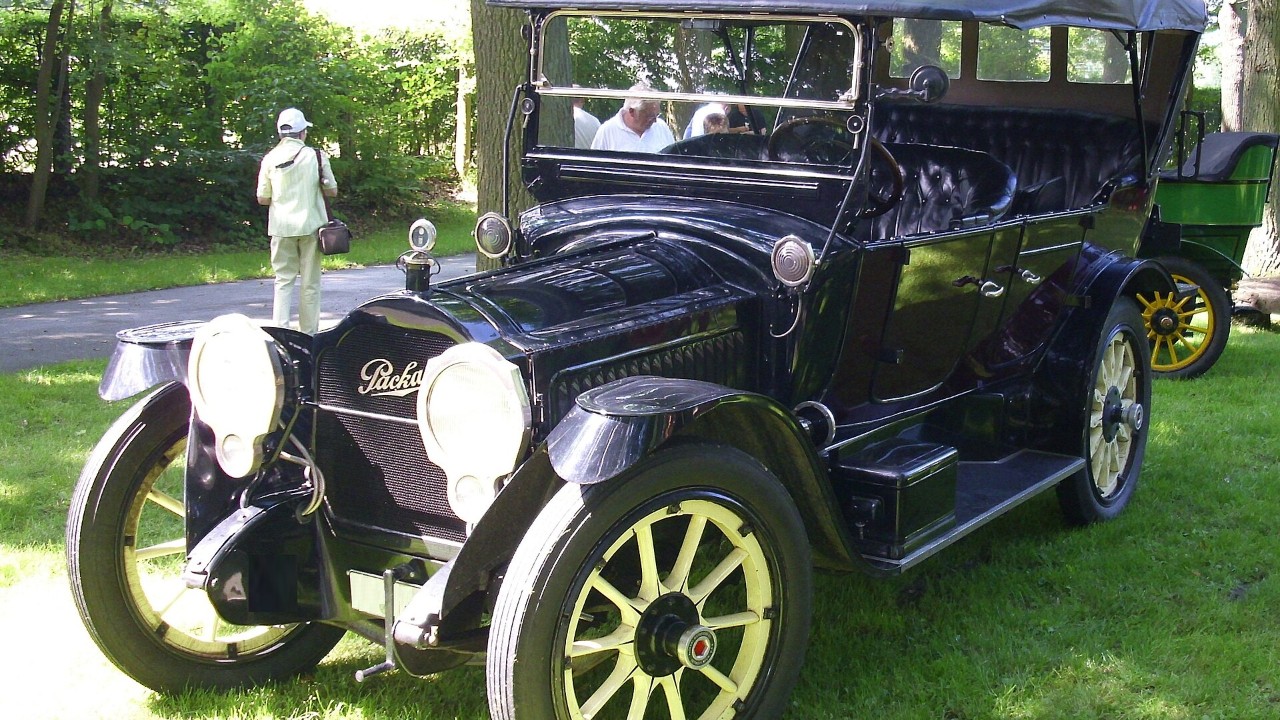
Jesse Vincent became Packard’s chief engineer in 1912, and he pitched a V12 to the company’s board in early 1913. The production Twin Six then arrived in May 1915 as a 1916 model. Its V12 displaced 424 cubic inches, and list prices with factory bodies ran from $2,750 to $4,800.
Those details come from Ate Up With Motor’s history of the Twin Six and Twelve, which rates the engine at 85 hp at 3,000 rpm. By comparison, Wikipedia’s Twin Six entry lists 88 hp at 2,600 rpm. The same history also says the Twin Six helped inspire the 12-cylinder Liberty engine used in many Allied aircraft and tanks.
2. 1923 Packard Single Eight straight-eight engine
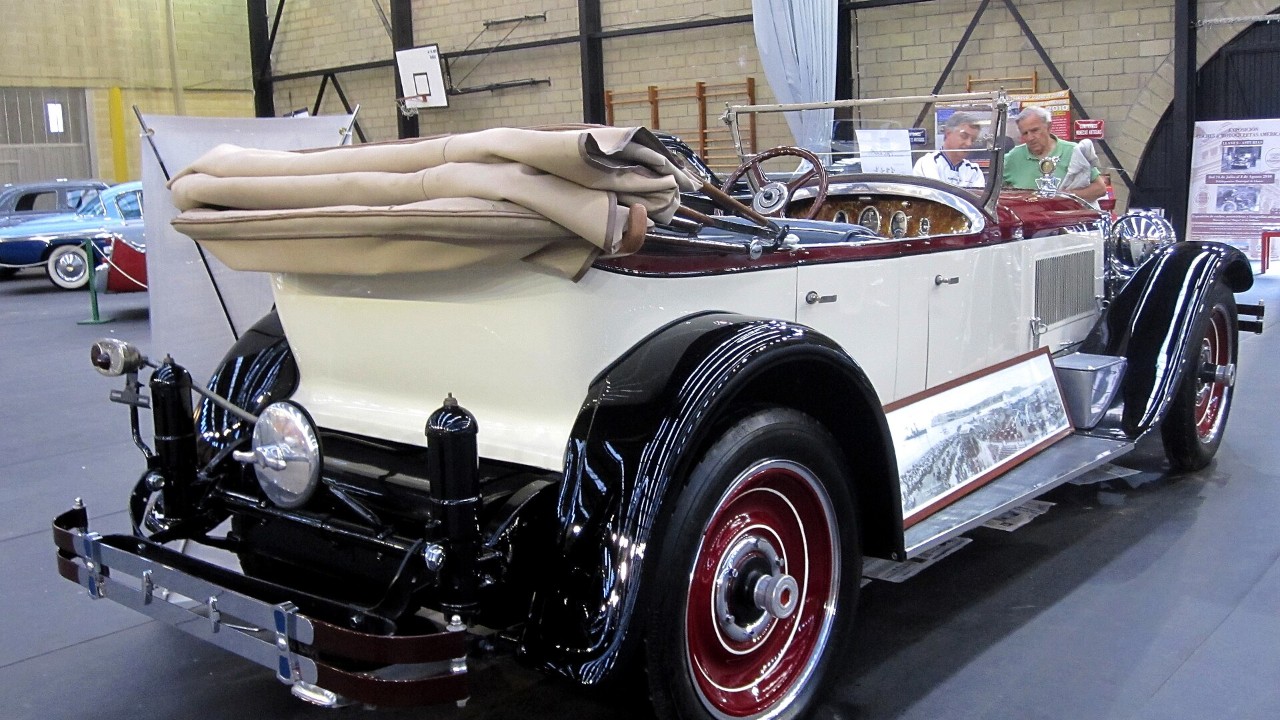
In the summer of 1923, Packard replaced the V12 with a straight-eight called the Single Eight. It displaced 358 cubic inches and made 85 hp, according to Ate Up With Motor. In other words, it matched the first Twin Six’s rating with four fewer cylinders. Packard renamed it simply the Eight in 1925, and it became the company’s mainstay for the next decade.
Mac’s Motor City Garage dates the launch to June 1923 and confirms 358 cubic inches and 85 hp. It also notes nine main bearings and full pressure lubrication. However, Mac’s is careful to say there were straight eights before Packard’s, including Bugatti and Miller designs.
3. 1932–1938 Packard Twin Six and Twelve V12
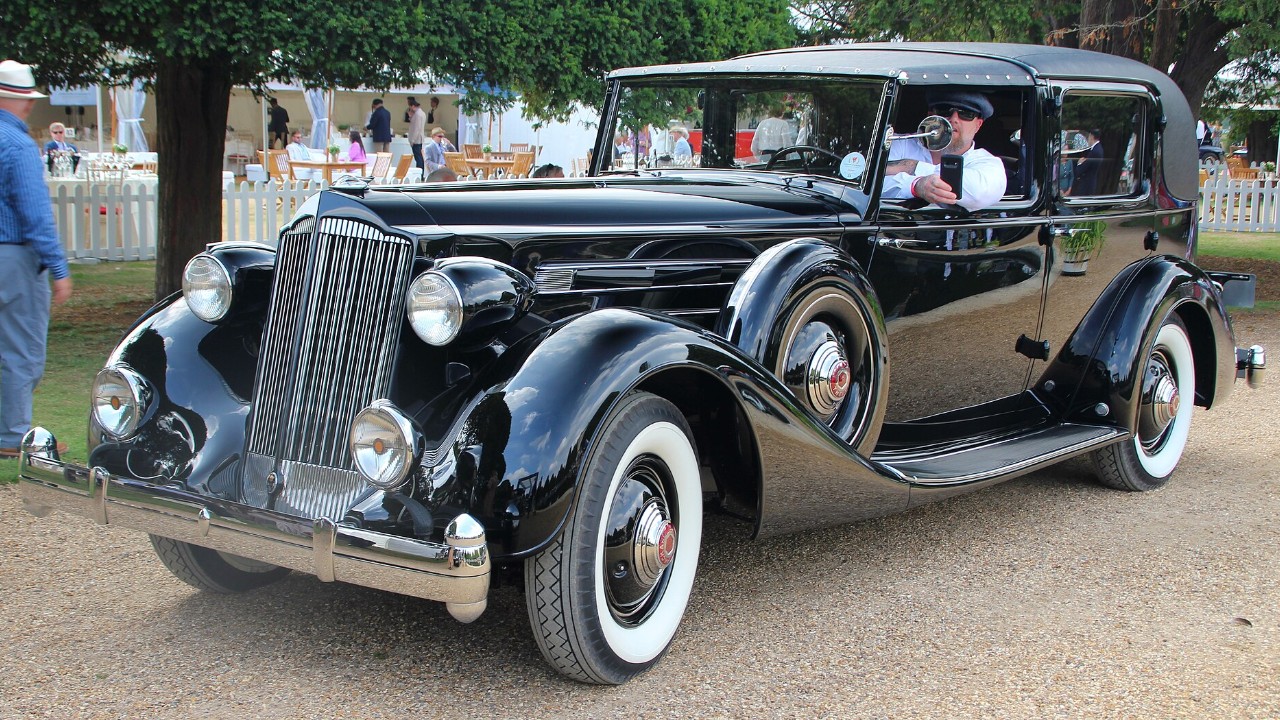
Packard brought the V12 back for 1932 and revived the Twin Six name. This time it displaced 446 cubic inches and carried a 160 hp rating, per Ate Up With Motor. Prices for the 1932 car ran from $3,650 for a Model 905 coupe to just under $8,000 for the costliest town car.
With the Tenth Series of January 1933, Packard renamed the car the Twelve. The Wikipedia entry gives the same engine as 445.5 cubic inches and 160 hp at 3,200 rpm. Production of the Twelve finally ended on September 19, 1938, according to Ate Up With Motor.
4. 1940 Packard 356 straight-eight
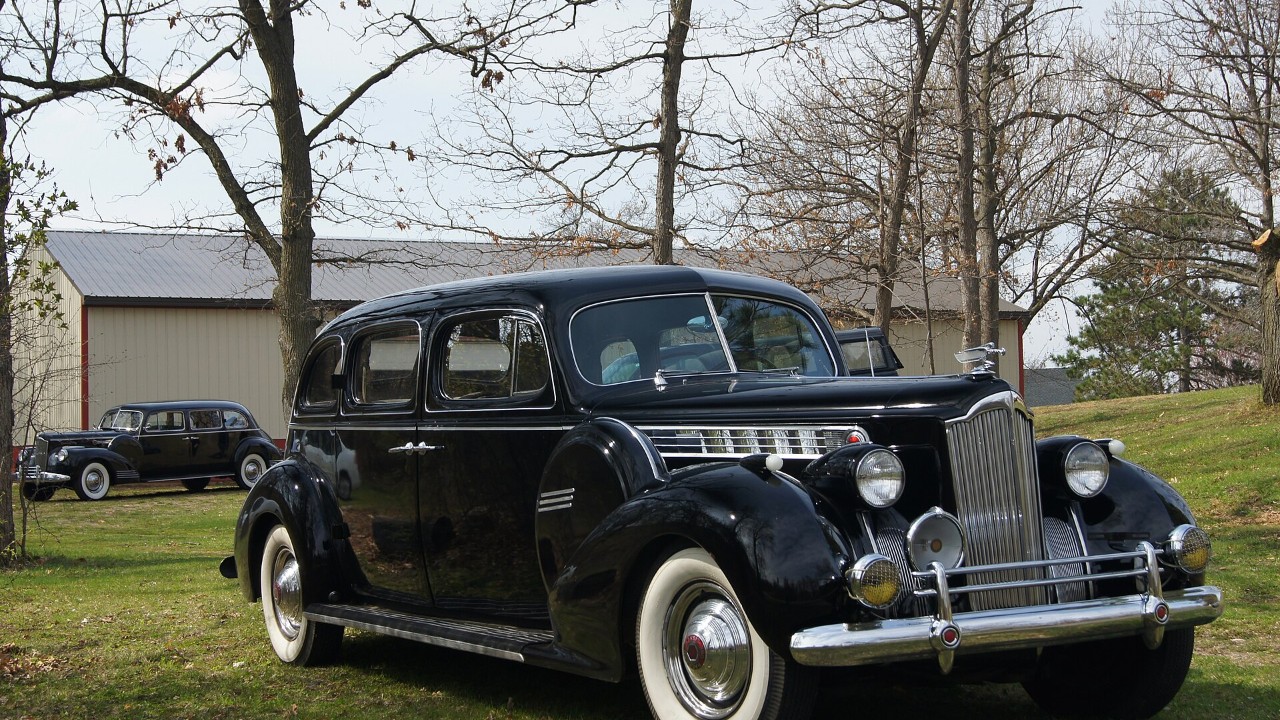
After the Twelve was gone, the top of the range became the Custom Super Eight One Eighty. Starting in 1940, it used a new 356-cubic-inch straight eight with nine main bearings and 160 hp, per Ate Up With Motor. As a result, Packard’s top eight now matched the 1932 V12’s rating.
A second record backs that up. Gooding & Company’s catalog for a 1940 Custom Super Eight 180 convertible Victoria lists a 356 CID L-head inline eight. It also gives the output as 160 bhp at 3,500 rpm, with a Stromberg downdraft carburetor.
5. 1955 Packard 352 V8 in the Caribbean
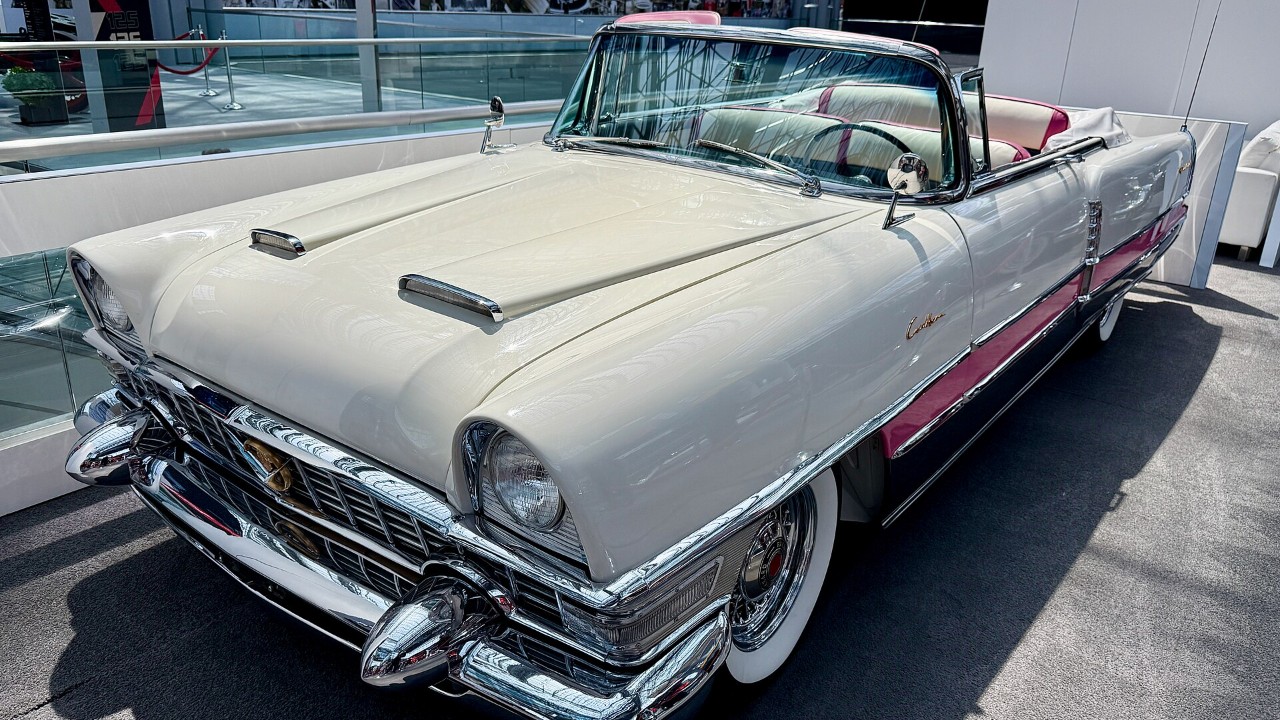
For 1955, Packard finally gave up the straight eight. Ate Up With Motor describes this as the company’s first overhead-valve V8. In the Caribbean convertible, the 352-cubic-inch V8 wore twin Rochester four-barrel carburetors and made 275 hp.
Those Caribbean figures come from the Audrain Automobile Museum. The museum also says the new engine beat the Cadillac Eldorado’s output in both horsepower and torque. Meanwhile, Packard made only 500 Caribbeans that year, at a cost of nearly $6,000 each.
6. 1956 Packard 374 V8 in the Caribbean
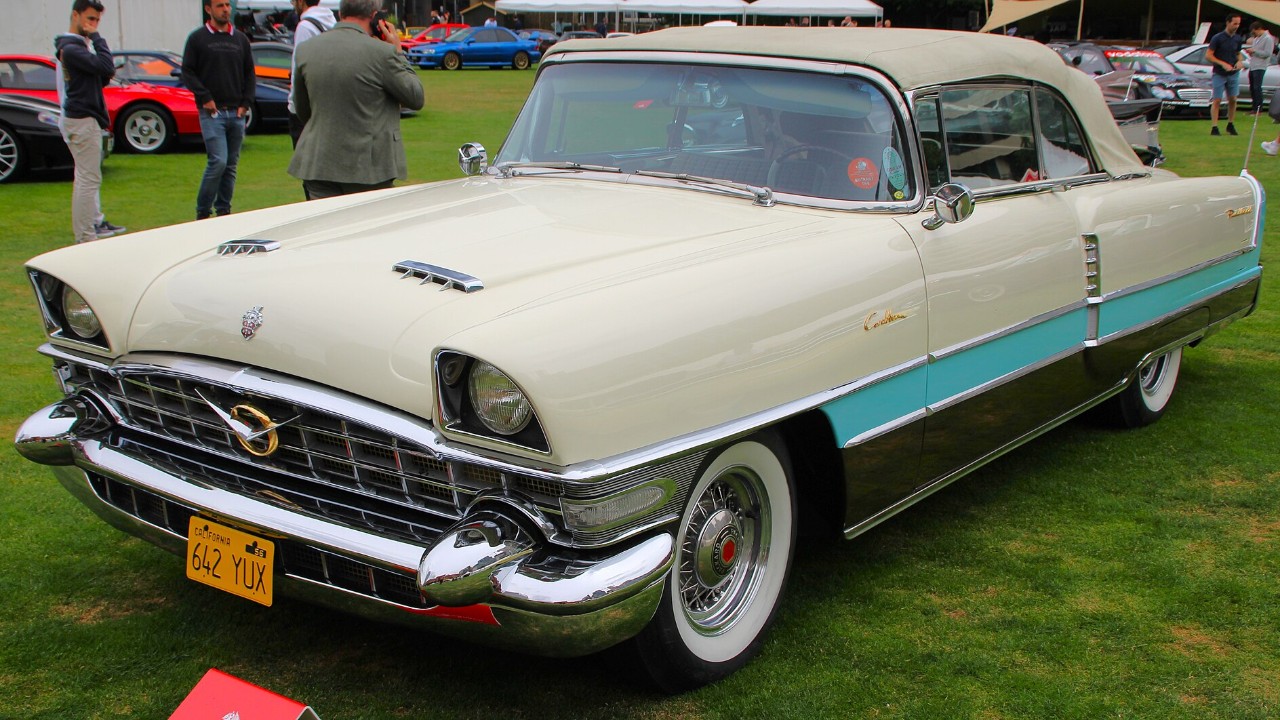
For 1956, Packard enlarged the Caribbean’s V8 to 374 cubic inches. Hagerty’s valuation guide lists it as a 374 cid, 310 hp engine with two four-barrel carburetors. That made it the most powerful Packard engine on this list.
Conceptcarz adds a 10:1 compression ratio for the same engine. Finally, Hagerty counts 276 Caribbean convertibles and 263 coupes for 1956.
More from Fast Lane Only
- Unboxing the WWII Jeep in a Crate
- 15 rare Chevys collectors are quietly buying
- 10 underrated V8s still worth hunting down
- Police notice this before you even roll window down
This article was created with the help of AI and was reviewed and edited by Fast Lane Only editors before publication.