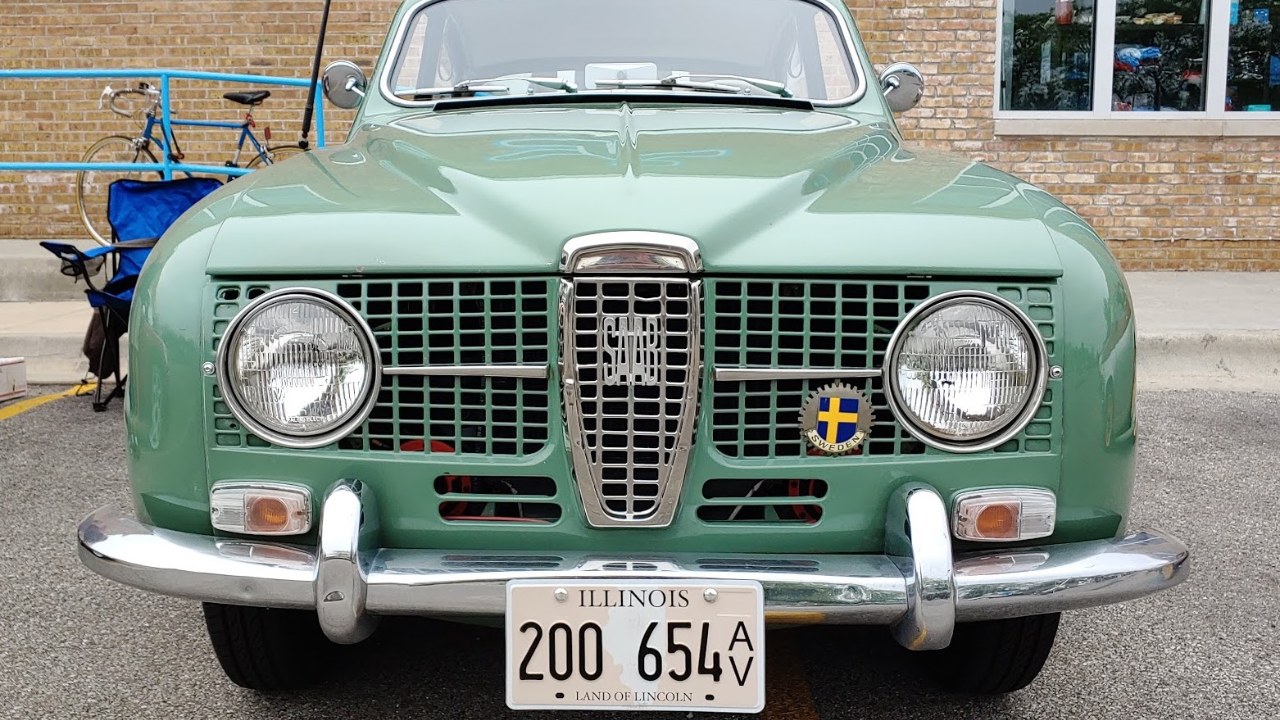
When it comes to high-performance vehicles, Porsche is a name synonymous with luxury and precision engineering. However, many Porsche models have a hidden connection with Volkswagen. These cars share certain parts and platforms, offering enthusiasts a fascinating blend of performance and practicality.
Porsche 914
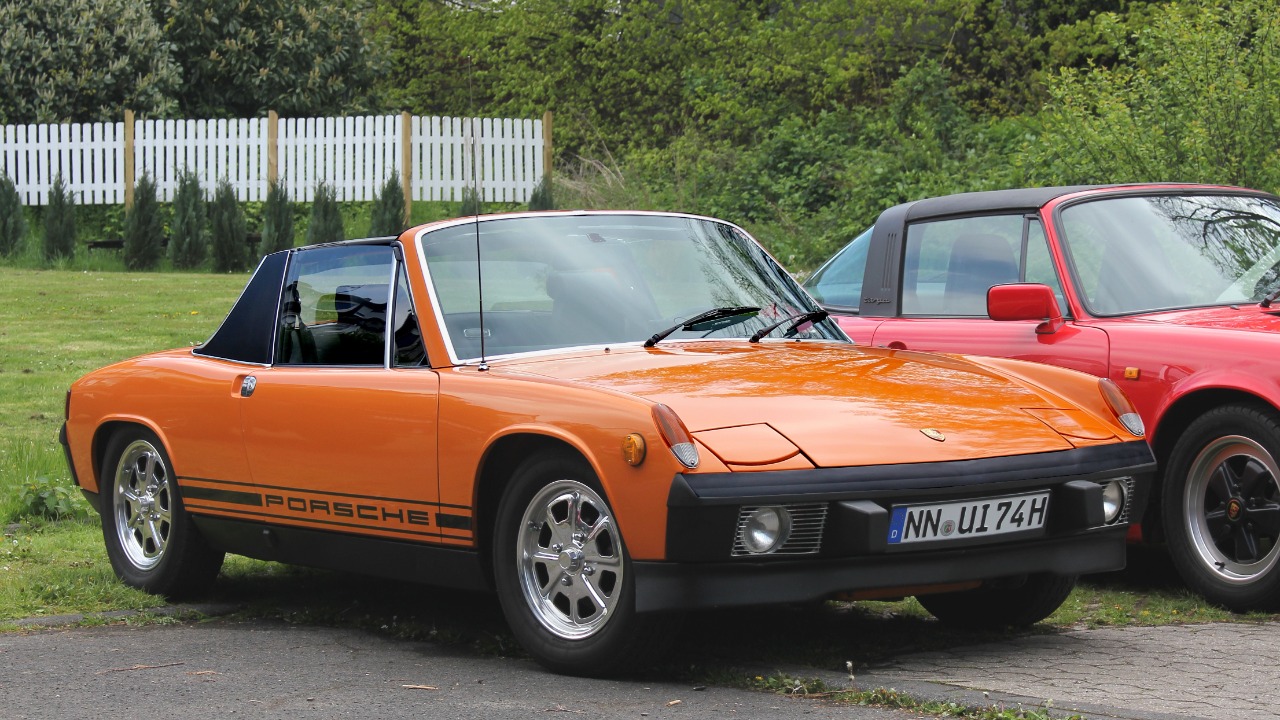
The Porsche 914 was a joint venture between Porsche and Volkswagen, primarily aimed at the American market. Manufactured between 1969 and 1976, the 914 was Porsche’s entry-level model and featured a mid-engine layout. It used a Volkswagen-sourced engine, specifically the flat-four engine from the VW Type 4. The collaboration allowed Porsche to offer an affordable sports car, which also carried the unique styling and engineering prowess of the brand.
Porsche Cayenne
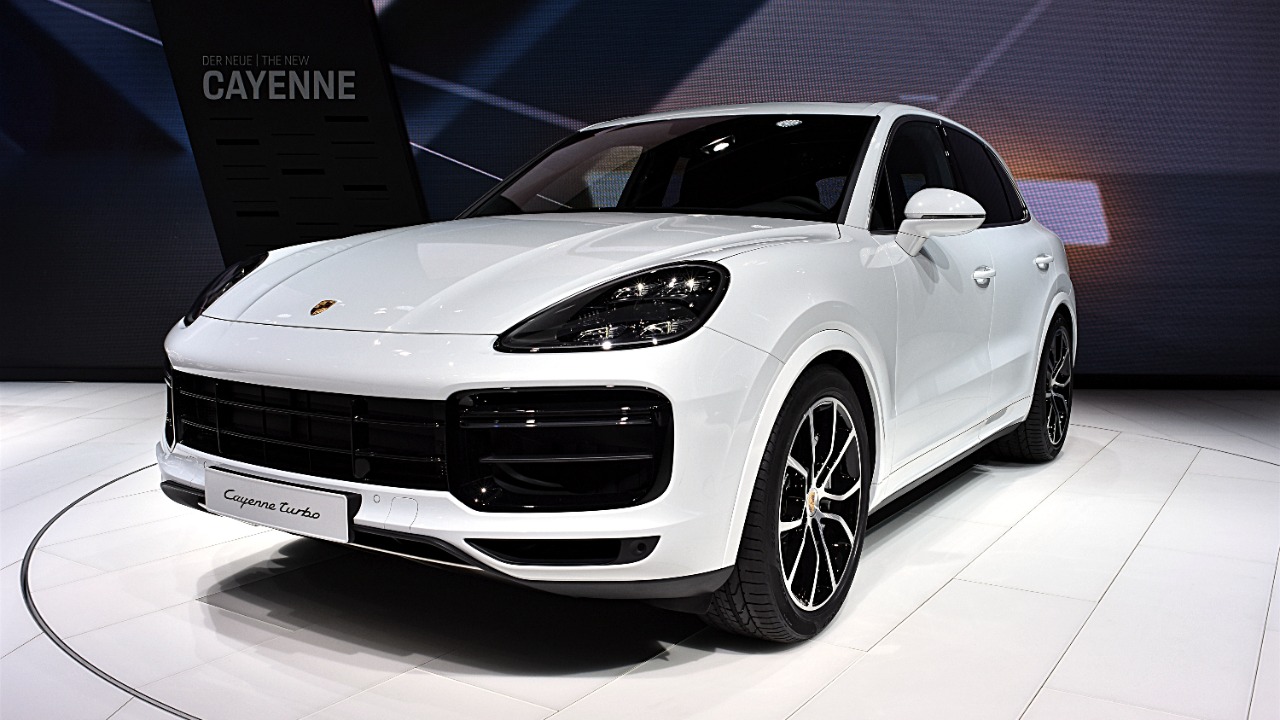
The Porsche Cayenne represents a significant turning point for the brand, being its first venture into the SUV market. Released in 2002, the Cayenne shares its platform with the Volkswagen Touareg and the Audi Q7. This shared platform approach allowed Porsche to optimize production costs while still delivering a vehicle that met their high-performance standards. Despite its shared underpinnings, the Cayenne is uniquely Porsche, with distinctive styling and powerful engine options.
Porsche Macan
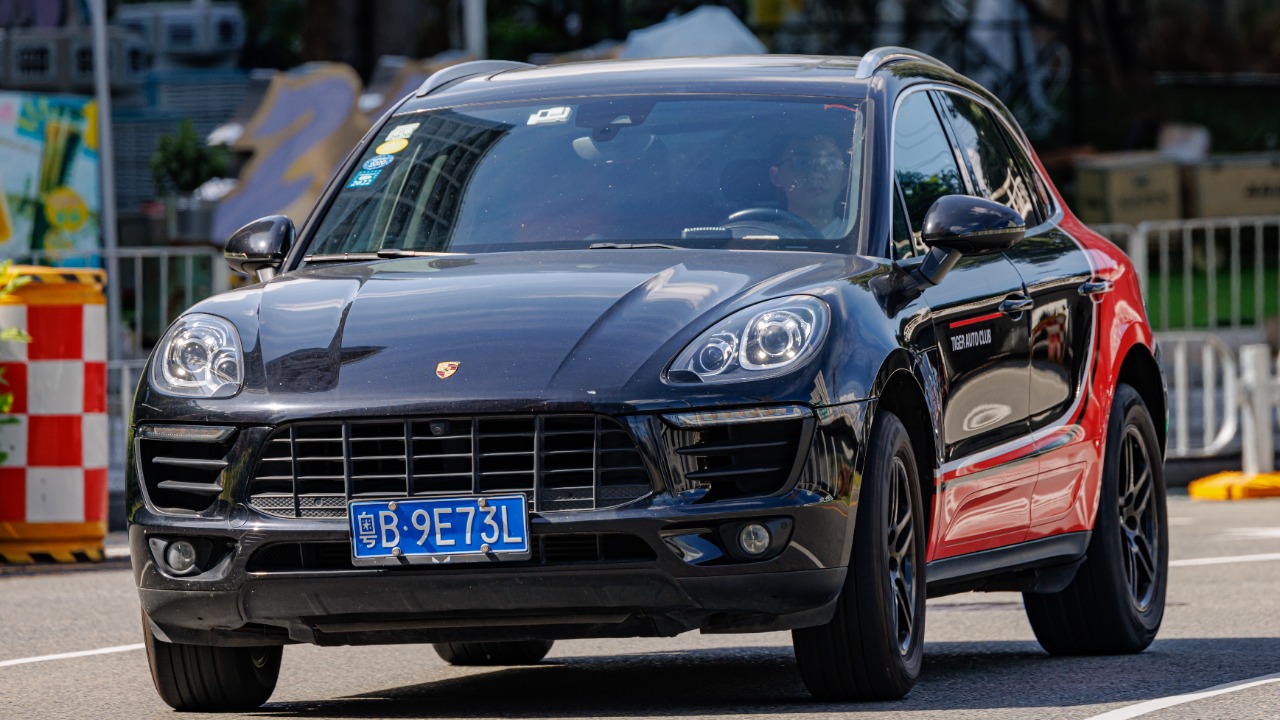
The Porsche Macan is another SUV that shares its platform with the Audi Q5. Launched in 2014, the Macan quickly became a best-seller for Porsche, thanks to its blend of sports car dynamics and SUV practicality. The collaboration with Audi allowed Porsche to enter the compact SUV segment with a model that boasted a unique driving experience and brand-specific design elements. The Macan’s success demonstrates the effective use of shared platforms to create new opportunities.
Porsche Panamera

The Porsche Panamera is known for its distinctive design and high-performance attributes. While less apparent than in other models, the Panamera shares some components with the Volkswagen Group. Specifically, its electrical systems and infotainment units have been developed in conjunction with VW, showcasing how Porsche leverages group resources to enhance its vehicles. Despite these shared elements, the Panamera maintains its status as a luxury grand tourer with the heart of a sports car.
Porsche 924

The Porsche 924 marked another collaboration between Porsche and Volkswagen, produced from 1976 to 1988. It was initially developed as a project for Volkswagen, but when VW decided not to proceed, Porsche adopted the design. The 924 featured a rear-wheel-drive layout with a front-mounted engine, sourced from the Audi/VW parts bin. This model helped Porsche transition through a challenging economic period by offering a more affordable sports car option.
Porsche 944
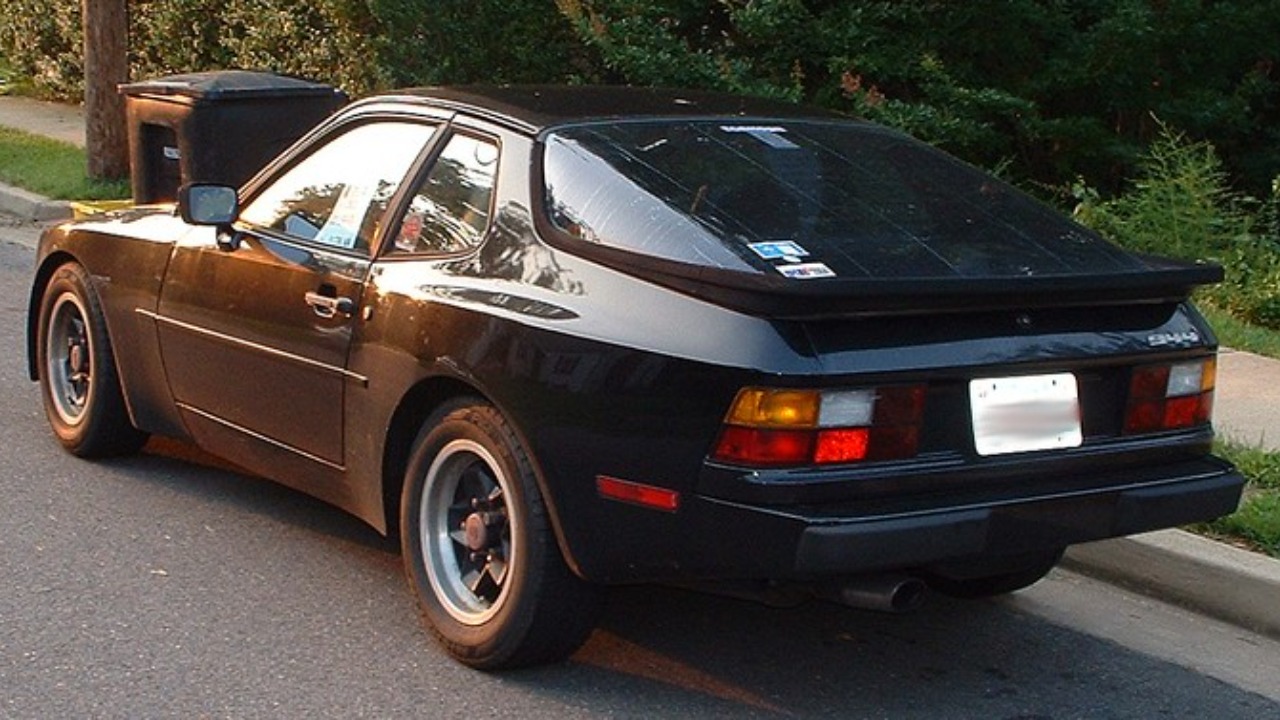
The Porsche 944 was an evolution of the 924, building on the same platform but with significant enhancements. Produced between 1982 and 1991, the 944 featured a Porsche-developed engine rather than one sourced from VW. However, it still shared certain components with its predecessor, allowing Porsche to maintain production efficiency. The 944 was well-received for its improved performance and handling, solidifying its place in Porsche’s lineup during its era.
Like Fast Lane Only’s content? Be sure to follow us.
Here’s more from us:
*Created with AI assistance and editor review.