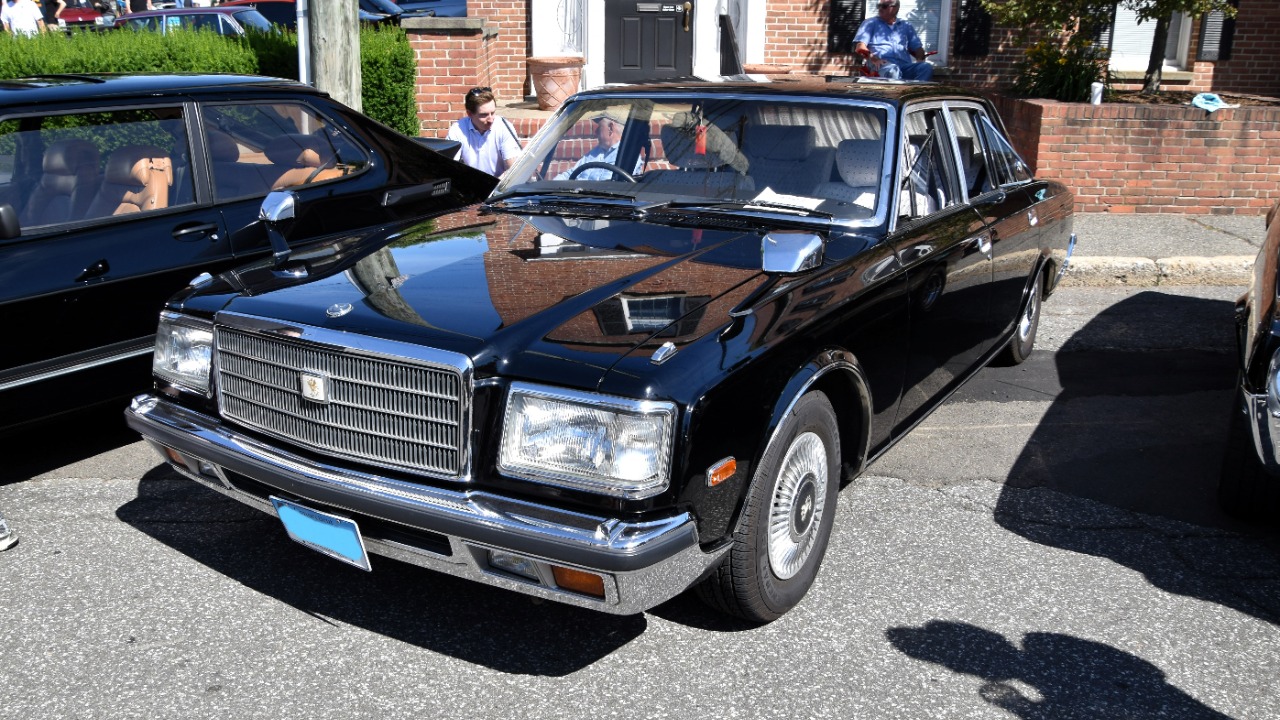
The Toyota Century has long been regarded as Japan’s ultimate luxury automobile, serving executives, government officials, and members of the Imperial Household with understated elegance. Unlike many flagship luxury cars, however, it was never intended to compete globally. Despite this domestic focus, the Century gradually found admirers overseas, earning a quiet but devoted following among collectors and enthusiasts who appreciated its craftsmanship, exclusivity, and unique approach to luxury.
It Was Built Primarily for Japan
Introduced in 1967, the Toyota Century was designed to be the company’s most prestigious passenger car. Rather than emphasizing flashy styling or high-performance credentials, Toyota focused on comfort, refinement, and impeccable build quality.
The Century’s conservative appearance reflected Japanese ideas of luxury, where elegance was expressed through subtle details rather than bold displays of wealth. Hand-finished interiors, exceptionally quiet cabins, and smooth powertrains made it the preferred choice for corporate leaders, senior government officials, and ceremonial duties.
Because Toyota viewed the Century as a vehicle tailored specifically to the Japanese market, it was sold almost exclusively through domestic dealerships.
For decades, seeing one outside Japan was an extremely rare occurrence.
Enthusiasts Began Importing It Abroad
As international import regulations evolved, collectors discovered the Century’s unique appeal. Unlike European luxury sedans that competed through performance and prestige, the Century offered a distinctly Japanese interpretation of executive transportation.
Many imported examples came from Japan’s used-car market, where vehicles were often carefully maintained and relatively low in mileage. Buyers in countries such as the United States, Australia, New Zealand, and the United Kingdom were drawn to the Century’s exceptional craftsmanship and rarity.
Some enthusiasts specifically sought later models equipped with Toyota’s V12 engine, introduced in the 1990s. The naturally aspirated V12 became especially desirable because it was the only production V12 passenger car ever built by Toyota.
The car’s exclusivity only increased its appeal among collectors.
Its Luxury Was Different From European Rivals
One reason the Century developed a loyal following overseas was that it offered a completely different luxury experience. While many German luxury sedans emphasized sporty handling and advanced technology, the Century prioritized passenger comfort above all else.
Soft suspension tuning, thick sound insulation, and carefully crafted interiors created an exceptionally serene driving experience. Rear-seat passengers enjoyed generous legroom and amenities designed for chauffeured travel rather than spirited driving.
Even its exterior styling remained intentionally restrained. Owners appreciated that the Century conveyed prestige without attracting unnecessary attention, making it stand apart from more visually aggressive luxury vehicles.
Its philosophy of quiet excellence resonated with enthusiasts seeking something genuinely distinctive.
A Global Cult Classic
Although the Toyota Century was never produced in large numbers for export, it has become a respected cult classic in international automotive circles. Imported examples regularly appear at enthusiast gatherings, Japanese classic car shows, and luxury vehicle events, where they attract attention from those familiar with their unique history.
Collectors value the Century not simply because it is rare, but because it represents Toyota’s highest standards of engineering, craftsmanship, and reliability. Many regard it as one of the finest luxury sedans ever produced, despite its limited global presence.
Looking back, the unusual history of the Toyota Century outside Japan is one of quiet admiration rather than widespread commercial success. A car originally intended almost exclusively for its home market ultimately earned international respect through its timeless design, meticulous craftsmanship, and uniquely understated vision of luxury.
More from Fast Lane Only
- Unboxing the WWII Jeep in a Crate
- 15 rare Chevys collectors are quietly buying
- 10 underrated V8s still worth hunting down
- Police notice this before you even roll window down
*Research for this article included AI assistance, with all final content reviewed by human editors